Soundproofing for Shared Walls
Soundproofing for Shared Walls offers practical solutions to help reduce unwanted noise and create a more peaceful environment at home or in the office. Whether you’re looking to minimize distractions from neighboring rooms or enhance privacy, choosing the right soundproofing materials can make a noticeable difference. Explore a variety of options designed to help you enjoy quiet, comfort, and improved focus in any shared space.
Sort
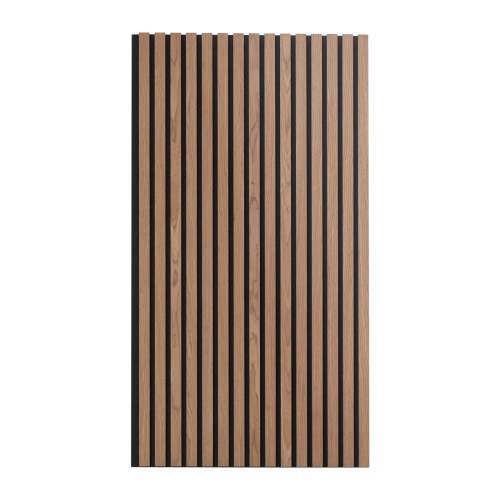
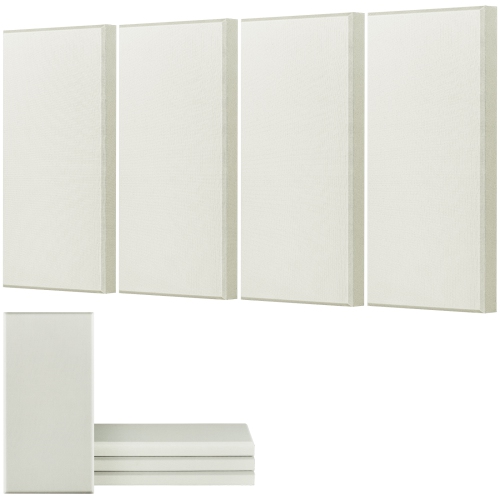
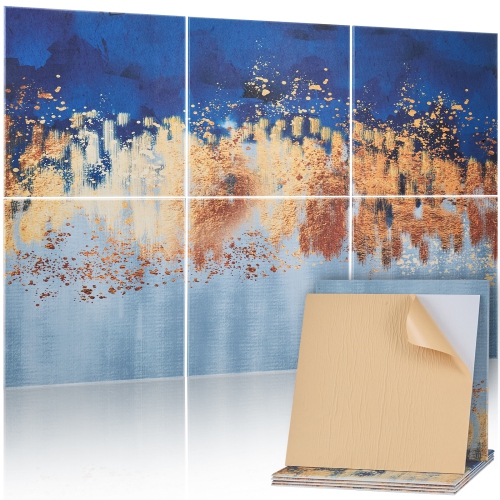
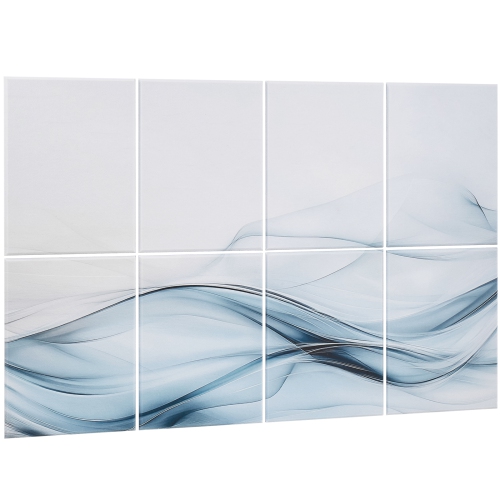
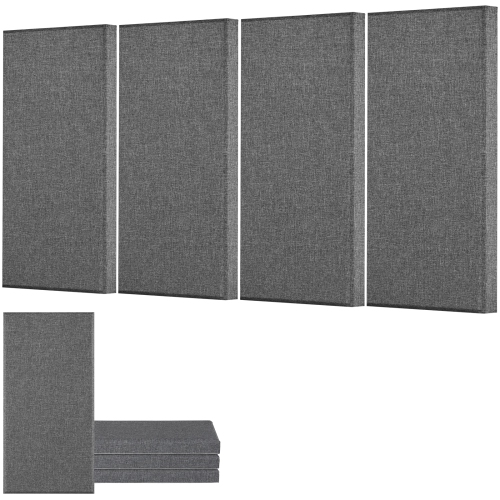
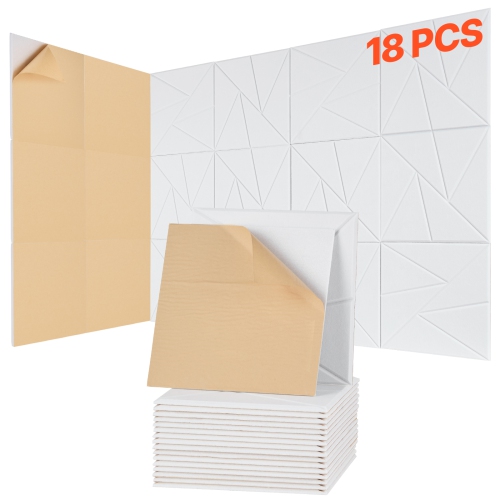
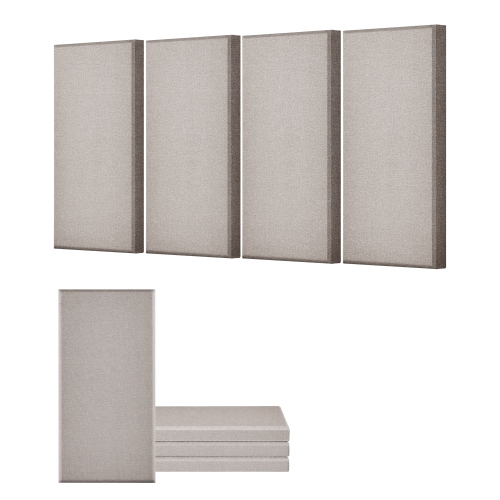
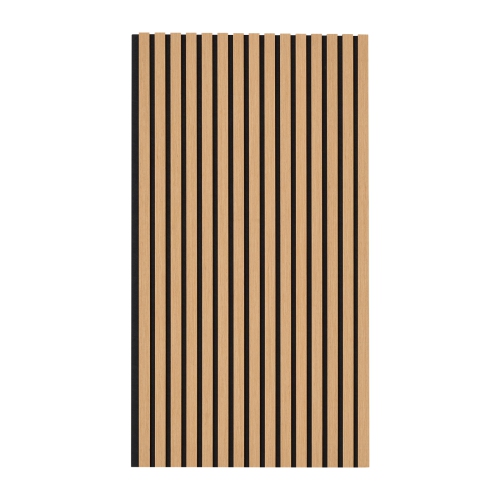
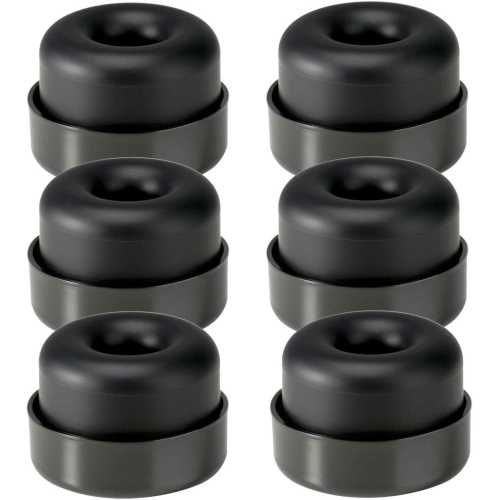
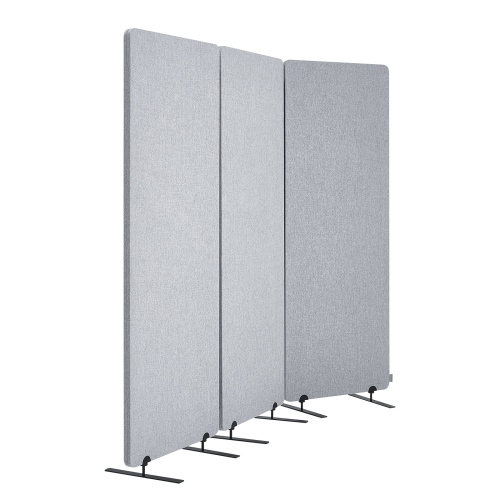
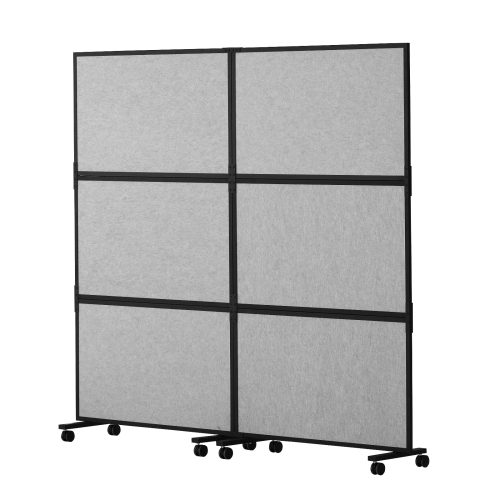
Why absorbing sound differs from blocking neighbour noise
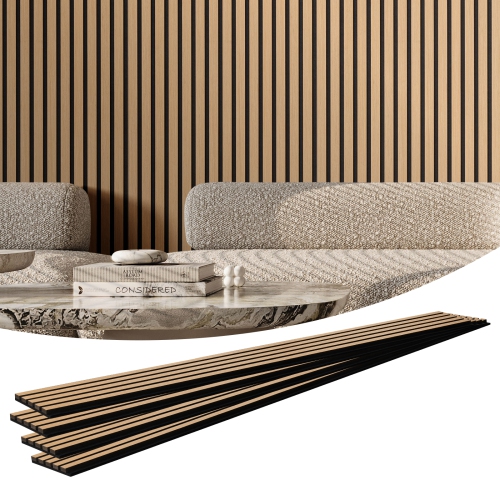
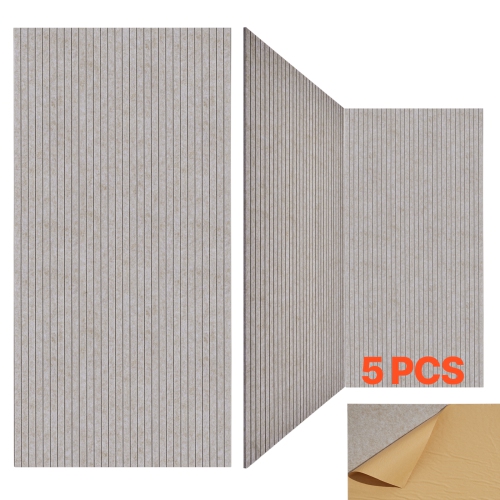
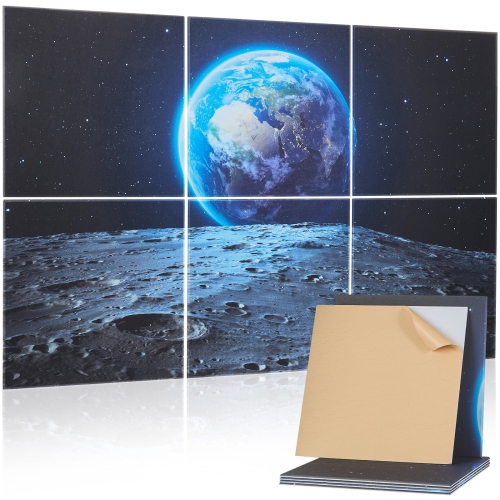
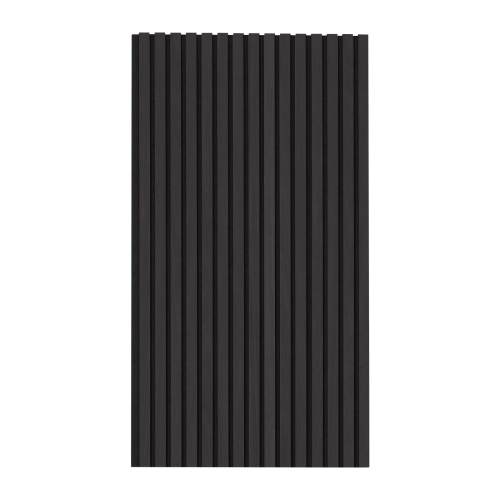
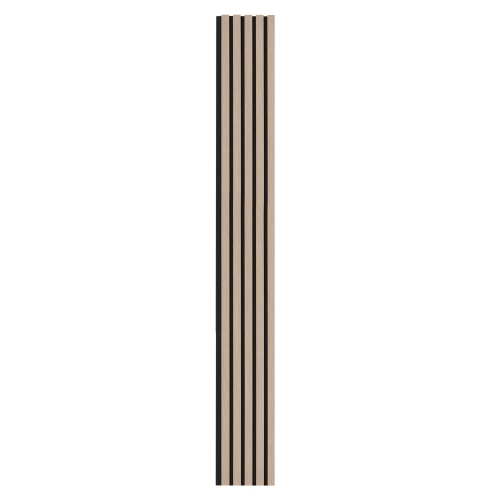
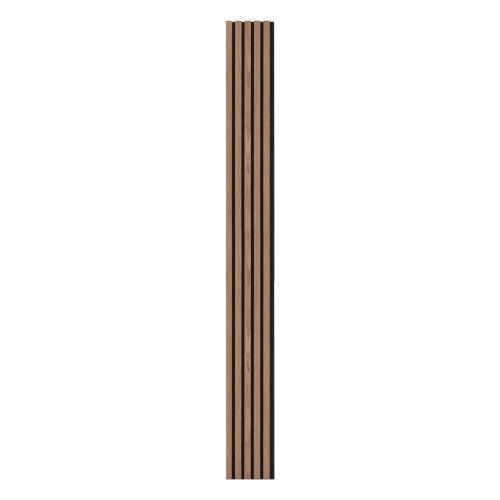
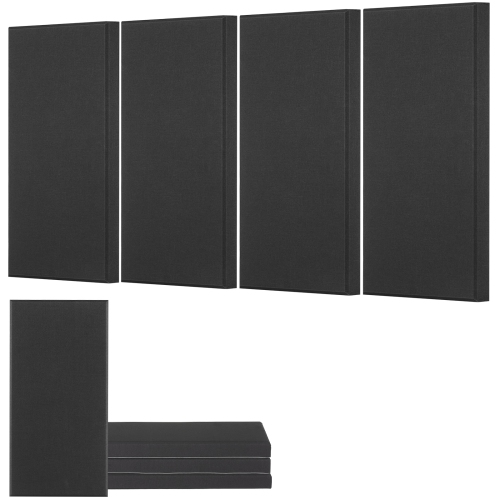
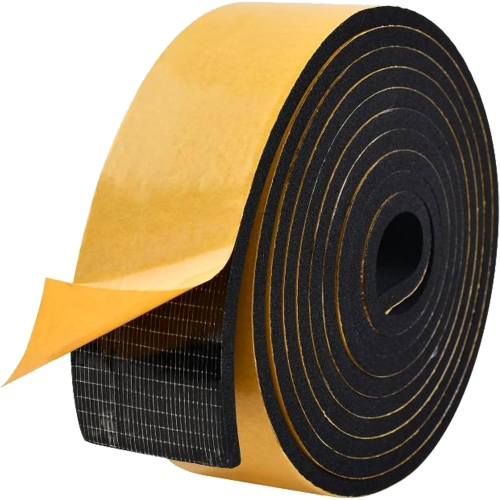
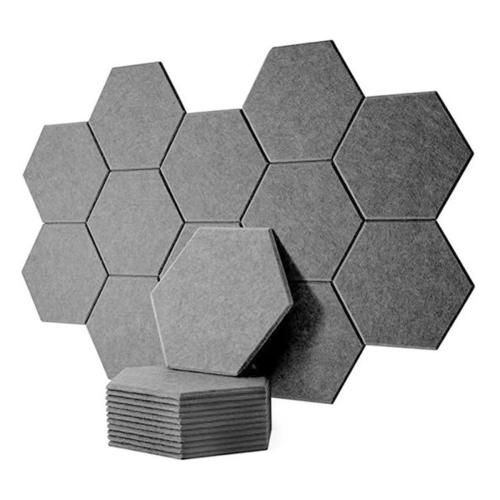
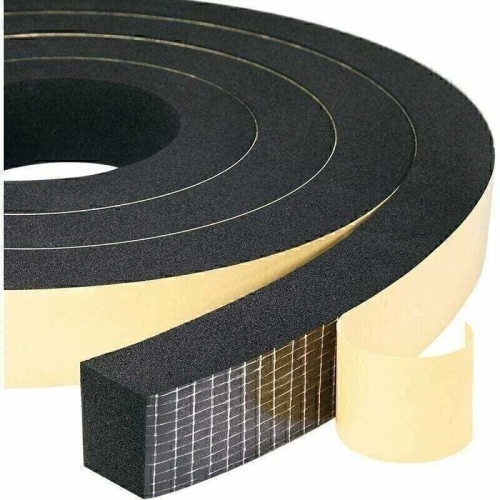
Soundproofing for shared walls is about reducing how much everyday noise passes between adjoining rooms or homes, whether that means television dialogue from next door, conversation beside a home office, or music reaching a bedroom. The most effective wall assemblies combine sealed gaps, added mass, cavity absorption, and structural separation to limit vibration transfer. These functions are different, so materials that soften sound inside a room are not necessarily materials that block sound through a wall. Acoustic foam and fabric-covered panels absorb some reflected sound, helping reduce echo and making speech clearer within the treated room. On their own, they generally do little to stop a neighbour’s voices or bass from coming through a partition. Dense barrier materials and additional gypsum board are more relevant to airborne sound transmission, while flexible acoustic sealants help close small air paths around suitable wall junctions and penetrations. A narrow opening can undermine an otherwise substantial wall, much as a partly open door lets conversation carry down a hallway. Thumping, footsteps, and low bass present a different challenge because vibrations can travel through connected floors, ceilings, and framing. Isolation clips and compatible channels can reduce that structural connection when incorporated into a properly designed wall assembly, although no single treatment guarantees silence. This distinction matters for condo residents, renters, families with adjoining bedrooms, and anyone whose desk sits against a busy neighbouring room. A quieter space for video calls may call for both better room acoustics and reduced transmission, whereas a music practice area can require more extensive construction. The sound’s source, its route through the building, and the existing wall construction all influence the result. Noise heard beside a shared wall may also arrive through ducts, ceiling spaces, or adjoining surfaces, a process known as flanking. Materials selected for the actual sound path are more useful than simply covering the largest visible surface, and realistic expectations help distinguish a modest improvement in comfort from a substantial increase in sound isolation.
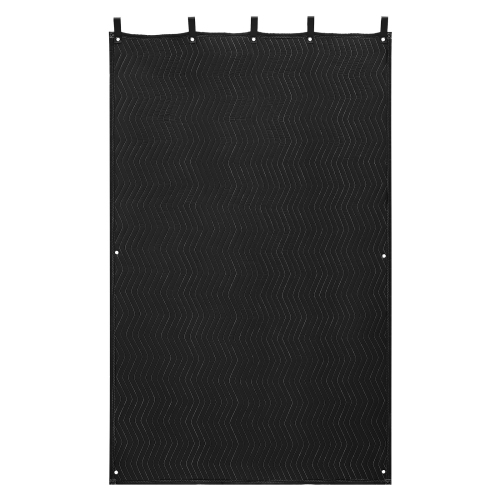
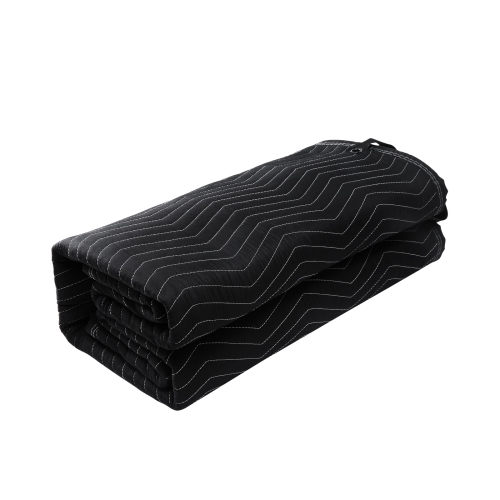
Materials for shared-wall sound control range from lightweight absorbers to dense construction layers, with thickness, weight, coverage, and installation method shaping their intended use. Felt, polyester fibre, acoustic foam, and fabric-wrapped absorbers are commonly associated with controlling reflections. Their performance varies with thickness and mounting arrangement, and thin treatments are generally less effective at absorbing low frequencies. Mineral wool and fibreglass insulation serve a different role inside wall cavities, absorbing sound within the assembly rather than acting as a complete barrier by themselves. Cavity insulation needs to fit the specified construction without unnecessary compression; exposed fibres also require suitable containment and handling according to the manufacturer’s directions. Mass-loaded vinyl is a heavy, flexible barrier that can add mass where its weight and installation requirements suit the wall design. Its effectiveness depends on continuous coverage, treated seams, and integration with the surrounding construction, not just the material’s presence. Additional gypsum board can also improve airborne sound isolation, while a compatible viscoelastic damping compound between rigid layers can reduce vibration in that layered assembly. Structural separation through isolation hardware adds another function, but incorrect fasteners or rigid connections can compromise it. For meaningful comparisons, sound transmission class, or STC, ratings are most useful when they describe a tested complete assembly rather than an unsupported claim about a single layer. STC is a useful indicator for many common airborne sounds, but it does not fully describe deep bass, and results in a finished home can differ from laboratory measurements. Absorption ratings describe how a material manages sound within a room, not how effectively it blocks noise from the other side. Fit also includes practical details: the added depth around trim, the load on mounting points, and the space remaining for furniture. A substantial wall treatment can affect electrical box positioning and other services, making qualified installation important where construction work is involved. Acoustic sealant should be used only in approved applications; it is not a substitute for required firestopping, and ordinary sealant or foam should never be pushed into electrical outlets.
For finished rooms, the appeal of sound-control materials often comes down to how well they fit daily life as well as the wall itself. Renters may favour removable absorptive treatments for reducing echo, while recognizing that removable does not necessarily mean damage-free or effective at blocking neighbouring noise. Adhesives can lift paint, leave residue, or lose their grip on textured surfaces, and heavier panels need mounting hardware suited to both their weight and the wall substrate. Owners planning more substantial work have greater scope to consider layered assemblies, but shared walls in apartments and condos may have fire-resistance requirements and building rules that limit alterations. Written permission and qualified advice matter before drilling, opening a wall, or changing its construction. For broader considerations across adjoining living spaces, Soundproofing Solutions for Apartments provides a related focus. Soft furnishings can complement a treated room: a thick textile may soften sharp reflections, and upholstered seating can make a sparsely furnished space sound less lively. Neither should be mistaken for a sealed, high-mass wall assembly, and a bookcase against a partition is not a dependable substitute for one. In a home office, reducing reflected speech can make calls easier to follow without ensuring that conversations stay private. In a bedroom, meaningful relief from next-door television may depend more on closing transmission paths and improving the partition than on adding soft wall coverings. Care and durability deserve equal attention. Cleanable fabric faces, secure edges, and sturdy mounting points are useful in busy households, while porous foam can collect dust and be vulnerable to tears. Cleaning methods should match the material, with gentle vacuuming or spot cleaning used only where permitted and without soaking an absorbent core. Fabric coverings and exposed treatments should have suitable fire-performance information for their intended location and remain clear of heat sources, vents, and electrical fittings. A well-matched selection balances acoustic function, safe installation, usable room space, and manageable upkeep, with each component serving a clear purpose rather than promising complete silence from a single surface treatment.
Materials for shared-wall sound control range from lightweight absorbers to dense construction layers, with thickness, weight, coverage, and installation method shaping their intended use. Felt, polyester fibre, acoustic foam, and fabric-wrapped absorbers are commonly associated with controlling reflections. Their performance varies with thickness and mounting arrangement, and thin treatments are generally less effective at absorbing low frequencies. Mineral wool and fibreglass insulation serve a different role inside wall cavities, absorbing sound within the assembly rather than acting as a complete barrier by themselves. Cavity insulation needs to fit the specified construction without unnecessary compression; exposed fibres also require suitable containment and handling according to the manufacturer’s directions. Mass-loaded vinyl is a heavy, flexible barrier that can add mass where its weight and installation requirements suit the wall design. Its effectiveness depends on continuous coverage, treated seams, and integration with the surrounding construction, not just the material’s presence. Additional gypsum board can also improve airborne sound isolation, while a compatible viscoelastic damping compound between rigid layers can reduce vibration in that layered assembly. Structural separation through isolation hardware adds another function, but incorrect fasteners or rigid connections can compromise it. For meaningful comparisons, sound transmission class, or STC, ratings are most useful when they describe a tested complete assembly rather than an unsupported claim about a single layer. STC is a useful indicator for many common airborne sounds, but it does not fully describe deep bass, and results in a finished home can differ from laboratory measurements. Absorption ratings describe how a material manages sound within a room, not how effectively it blocks noise from the other side. Fit also includes practical details: the added depth around trim, the load on mounting points, and the space remaining for furniture. A substantial wall treatment can affect electrical box positioning and other services, making qualified installation important where construction work is involved. Acoustic sealant should be used only in approved applications; it is not a substitute for required firestopping, and ordinary sealant or foam should never be pushed into electrical outlets.
For finished rooms, the appeal of sound-control materials often comes down to how well they fit daily life as well as the wall itself. Renters may favour removable absorptive treatments for reducing echo, while recognizing that removable does not necessarily mean damage-free or effective at blocking neighbouring noise. Adhesives can lift paint, leave residue, or lose their grip on textured surfaces, and heavier panels need mounting hardware suited to both their weight and the wall substrate. Owners planning more substantial work have greater scope to consider layered assemblies, but shared walls in apartments and condos may have fire-resistance requirements and building rules that limit alterations. Written permission and qualified advice matter before drilling, opening a wall, or changing its construction. For broader considerations across adjoining living spaces, Soundproofing Solutions for Apartments provides a related focus. Soft furnishings can complement a treated room: a thick textile may soften sharp reflections, and upholstered seating can make a sparsely furnished space sound less lively. Neither should be mistaken for a sealed, high-mass wall assembly, and a bookcase against a partition is not a dependable substitute for one. In a home office, reducing reflected speech can make calls easier to follow without ensuring that conversations stay private. In a bedroom, meaningful relief from next-door television may depend more on closing transmission paths and improving the partition than on adding soft wall coverings. Care and durability deserve equal attention. Cleanable fabric faces, secure edges, and sturdy mounting points are useful in busy households, while porous foam can collect dust and be vulnerable to tears. Cleaning methods should match the material, with gentle vacuuming or spot cleaning used only where permitted and without soaking an absorbent core. Fabric coverings and exposed treatments should have suitable fire-performance information for their intended location and remain clear of heat sources, vents, and electrical fittings. A well-matched selection balances acoustic function, safe installation, usable room space, and manageable upkeep, with each component serving a clear purpose rather than promising complete silence from a single surface treatment.
Top selling and popular products
-
 Your price for this item is $3000
 -
 Your price for this item is $124.45
 -
 Your price for this item is $329.99
 -
 Your price for this item is $139.99
 -
 Your price for this item is $264
 -
 Your price for this item is $217.55
 -
 Your price for this item is $739.99
 -
 Your price for this item is $599.99
Discover more categories related to Soundproofing for Shared Walls
Top Collections:
Pokemon Centers, Kindle Devices, Best Budget Office Chairs, Apple iPhones 16, Canon G7X Cameras, iPhone 15 Apple, Alarm Clock, Refurbished Apple Laptops, Flip Phones, Best Laptops for Writers
Some products may be subject to Environmental Handling Fees
(EHF) depending on your province.
Learn more about EHFs.