Office Soundproofing Panels
Office Soundproofing Panels are an effective solution for creating a quieter, more focused workspace. Whether you’re setting up a home office or enhancing a corporate environment, these panels help reduce distractions and improve overall productivity. With a variety of styles and sizes available, it’s easy to find options that fit your space and design preferences. Explore Office Soundproofing Panels to transform any office into a more comfortable and efficient area for work and collaboration.
Sort
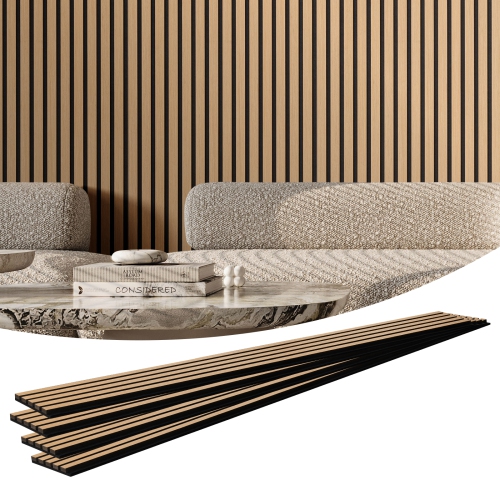
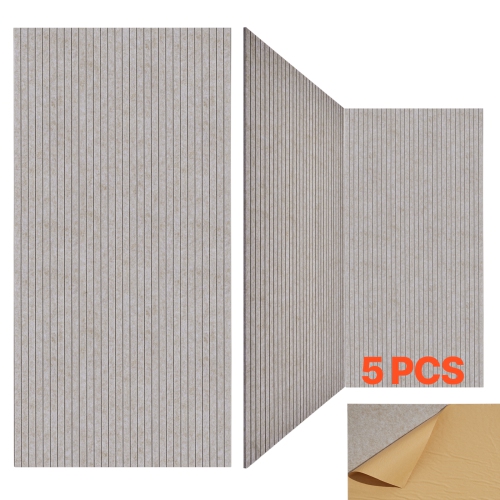
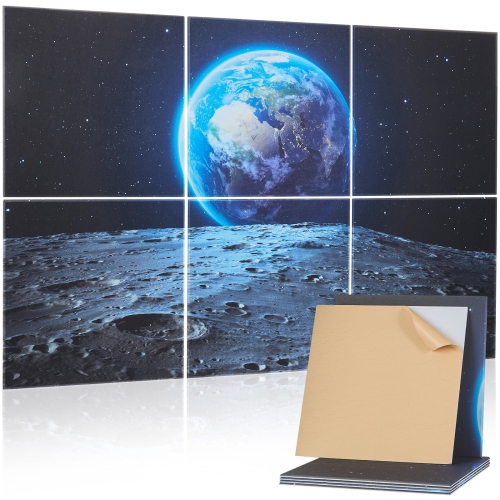
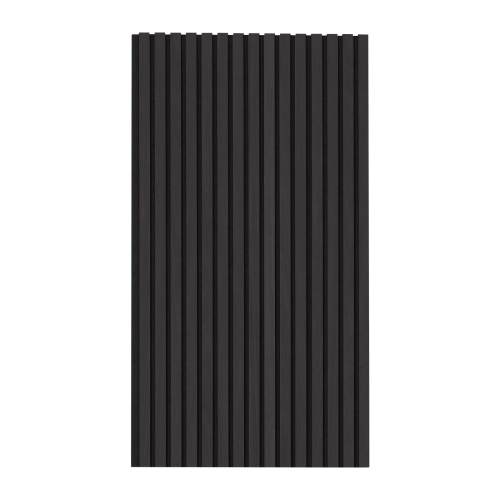
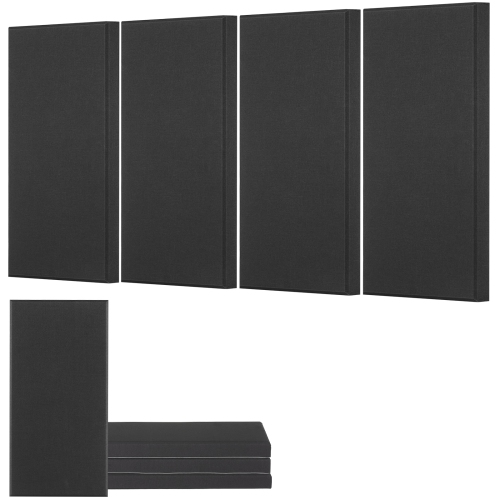
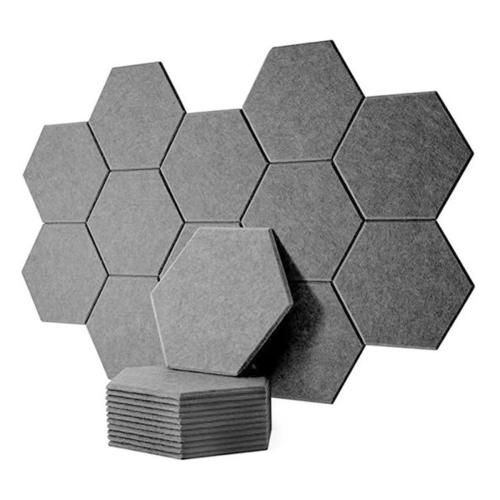
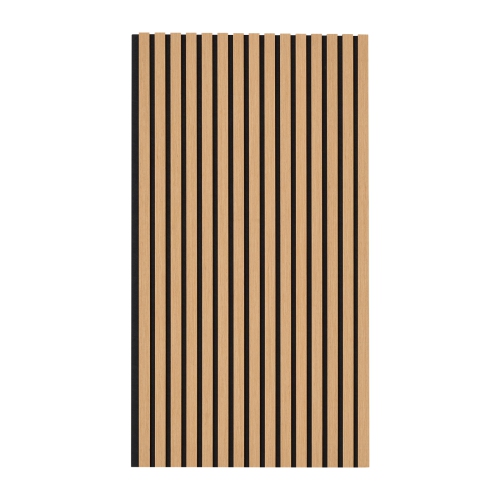
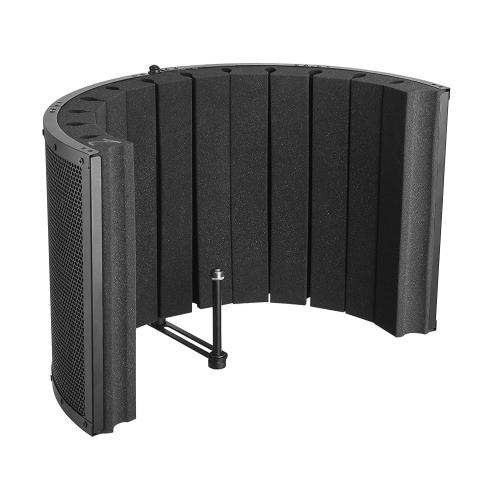
Less echo does not always mean more privacy
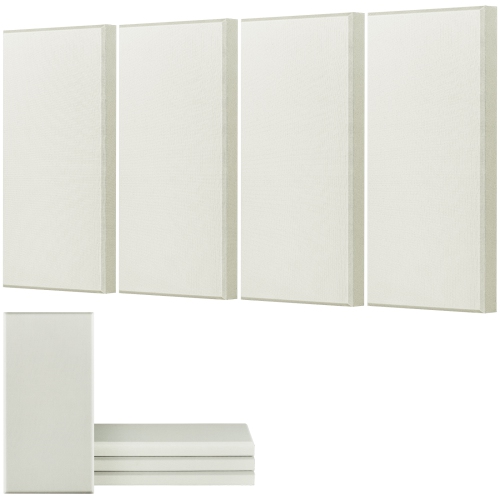
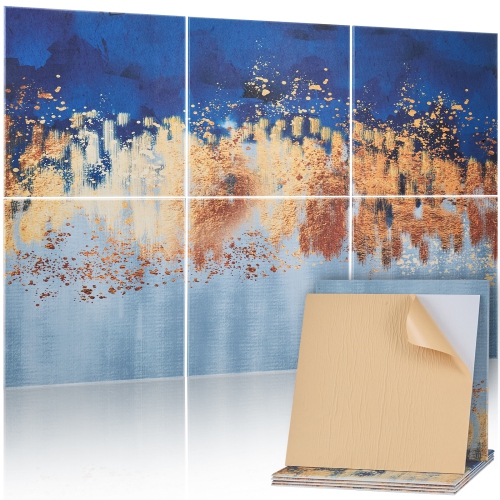
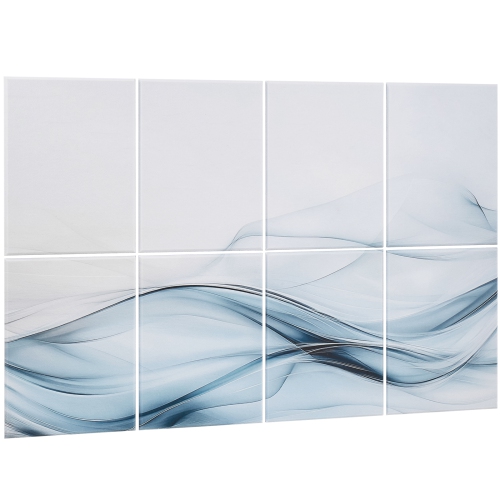
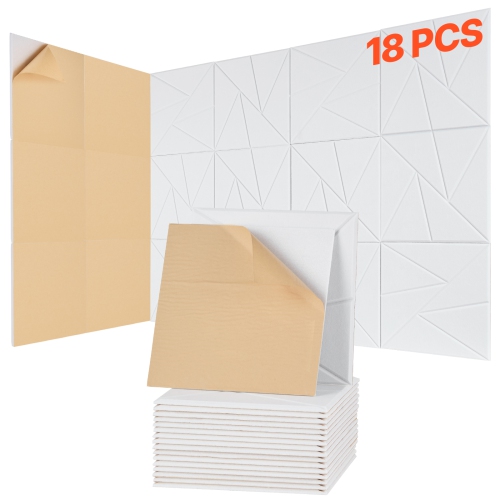
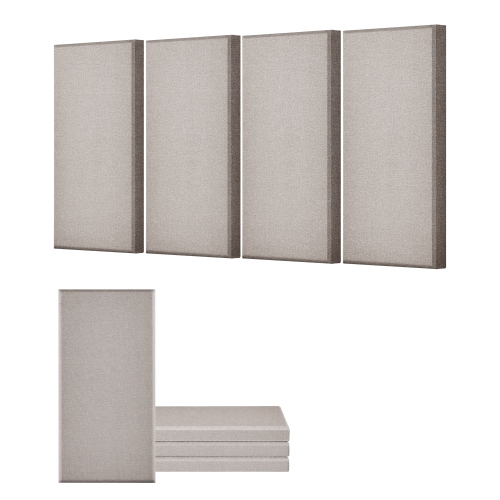
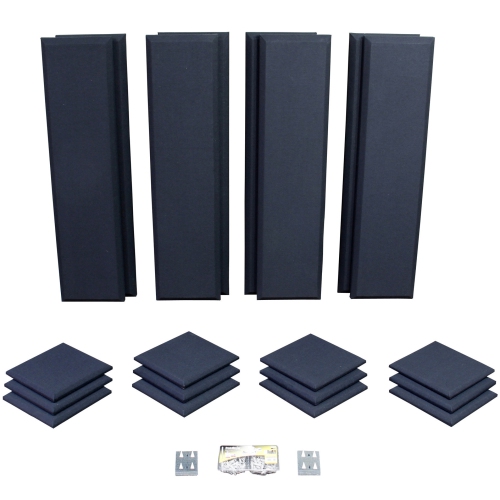
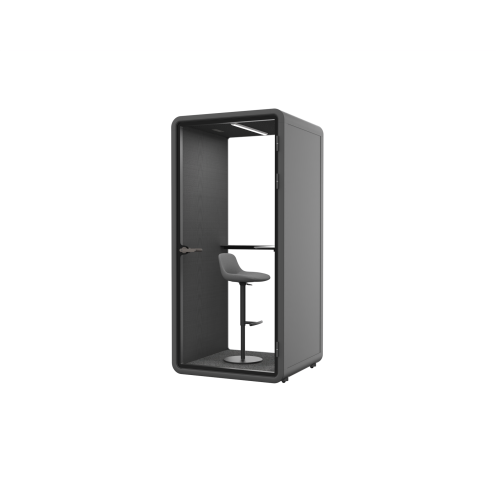
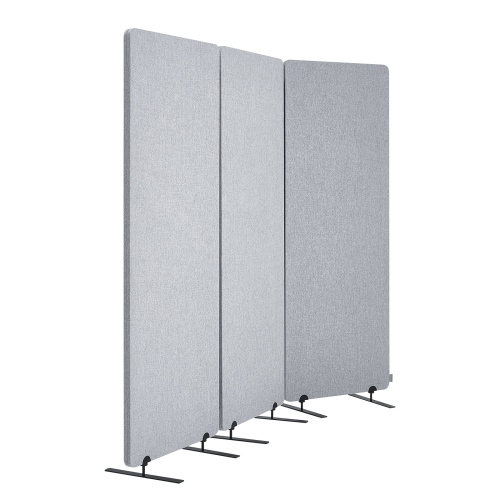
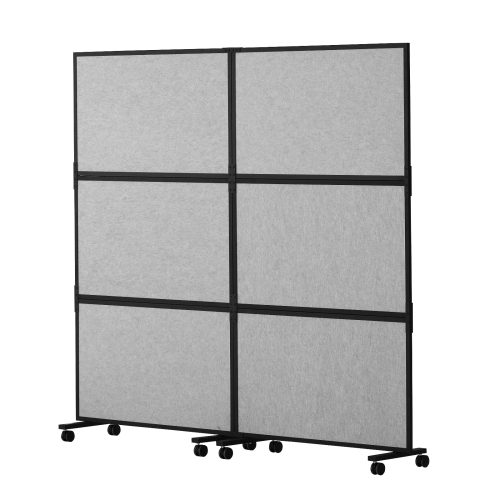
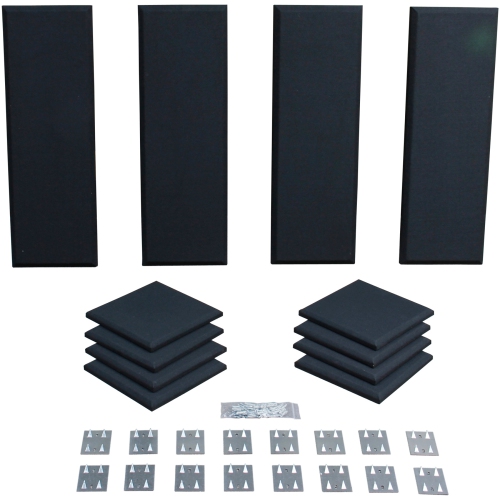
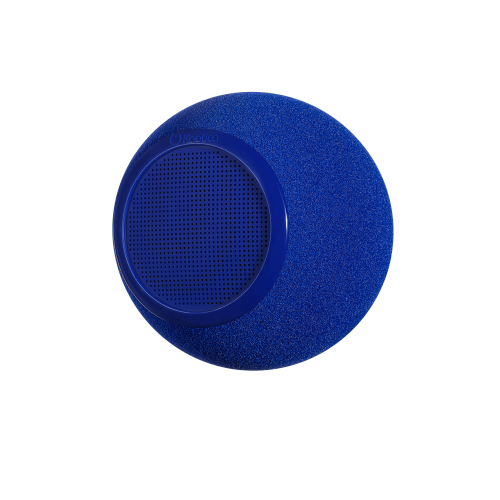
Office soundproofing panels help address distracting sound in workspaces, but the term covers products with different purposes. Most exposed acoustic panels absorb sound within a room, reducing the echo and lingering reverberation that make conversations harder to follow. They do not, by themselves, stop voices from passing through a shared wall or seal out noise from a corridor. True sound isolation usually depends on the complete construction of walls, doors, ceilings, and floors, including their mass, separation, and airtightness. That distinction matters in everyday office use: a home office with a hollow-sounding video call needs a different solution from a meeting room where confidential conversations carry into neighbouring spaces. Sound-absorbing wall panels can make speech clearer by reducing reflections from hard surfaces, while desk screens provide visual separation and may soften some direct speech travelling between adjacent workstations. Suspended ceiling clouds and vertical baffles offer another approach for open-plan offices with limited wall space, subject to suitable mounting conditions. In a small workspace with bare drywall, glass, and a large desktop, even ordinary speech can bounce around before fading. Acoustic treatment can make that room sound less harsh and help a microphone pick up a cleaner balance of voice and reflected sound. In a shared office, its role is more about managing the buildup of many conversations than creating silence. Remote workers, reception teams, designers, and people who spend much of the day on calls may all benefit from treatment matched to their workspace. The wider range of Acoustic Panels also includes options suited to rooms used for recording, listening, and other sound-sensitive activities. For office use, the most relevant features are absorption performance, practical coverage, mounting requirements, and a finish that works alongside desks, shelving, and screens. A panel behind a video-call backdrop may serve a decorative purpose as well, but its acoustic value depends on its construction and placement rather than appearance alone.
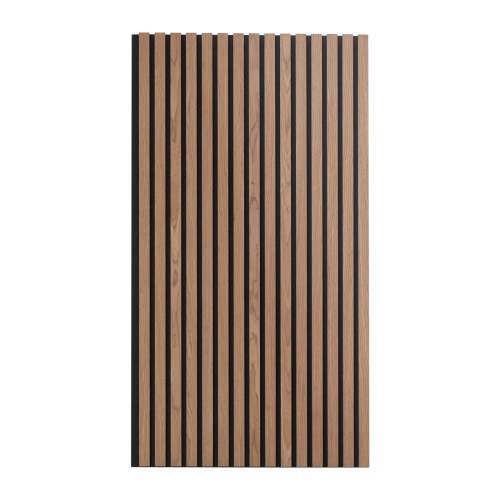
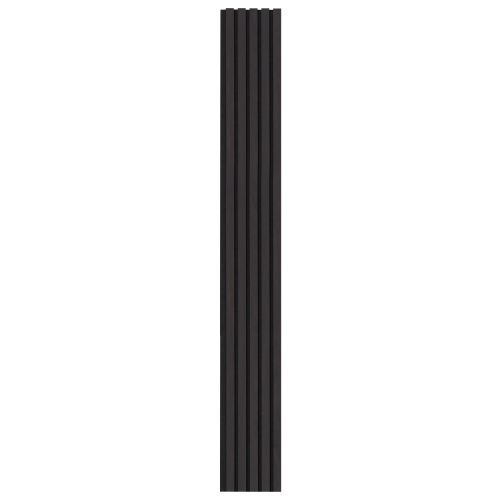
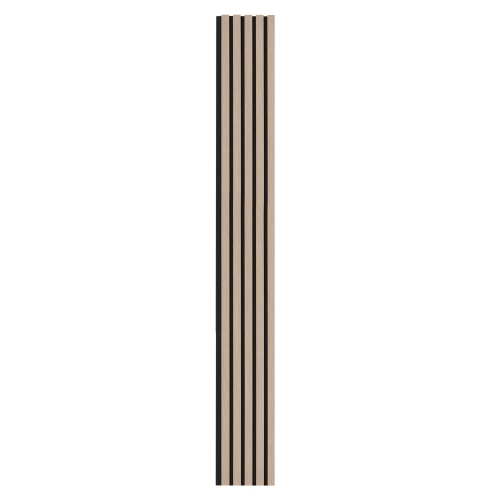
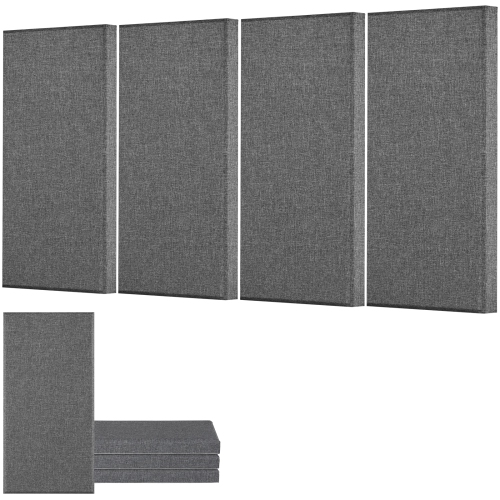
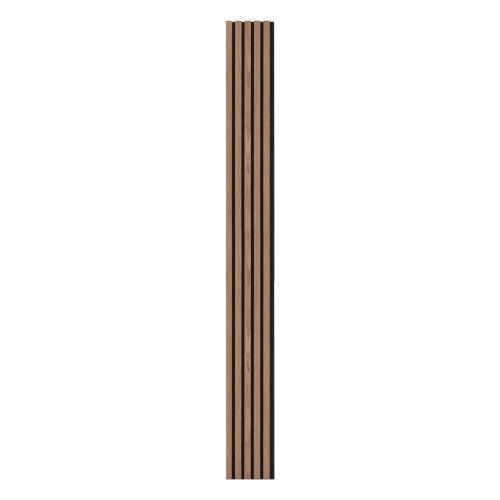
Materials influence how office acoustic panels look, feel, and perform over time. Fabric-wrapped panels typically enclose a porous sound-absorbing core, which may be made from mineral wool, fibreglass, or another suitable material. Their upholstered appearance can blend into a meeting room or add a softer surface beside a workstation. Polyester fibre panels often have a felt-like finish and can suit geometric wall arrangements or desk-mounted applications. Acoustic foam is lightweight and comes in several surface profiles, although a sculpted face alone does not establish how much sound a panel absorbs. Wood-slat designs combine a decorative face with backing and, in some installations, additional absorption behind the slats. Their results depend on the whole assembly, including spacing and any specified air gap. Thickness is another useful consideration: thin panels generally address higher-frequency reflections more readily than lower-frequency sound, while thicker porous absorbers can work across a broader range when appropriately designed and installed. Traffic rumble, mechanical vibration, and deep bass may need measures beyond ordinary office wall panels. Published acoustic test information gives a more useful basis for comparison than claims that a material is simply “soundproof.” The Noise Reduction Coefficient, or NRC, summarizes sound absorption at selected frequencies; a higher value generally indicates greater absorption under the stated test conditions. It is not a rating for speech privacy or sound blocking, and an NRC of 0.90 does not mean that 90 per cent of noise will disappear from an office. Sound Transmission Class, or STC, addresses transmission through a tested partition or assembly and answers a different question. Mounting details matter when comparing results because a panel tested with an air gap may perform differently when fixed directly against a wall. In shared commercial premises, documented fire-performance information and suitability for the intended installation also deserve attention. Durable edges, secure fabric coverings, and well-finished surfaces are particularly useful where chairs, bags, or passing foot traffic may brush against panels.
Fit involves more than finding an empty rectangle on a wall. Panel dimensions, total treated area, room layout, and the location of people speaking all affect the result. A compact office may accommodate a group of wall panels without giving up floor space, while an open workspace may benefit from absorption distributed across several surfaces rather than concentrated in one corner. Glass partitions, whiteboards, storage units, and doors can limit usable mounting space, so the available area needs to be considered alongside the room’s daily routines. Desk dividers should fit the desktop thickness and leave room for monitor arms, cable routes, and comfortable movement. Their height and position influence how much direct sound they intercept, but sound can still travel over and around them. Wall-mounted panels need fixings appropriate to their weight and the wall substrate; an adhesive attachment is not automatically suitable for every painted surface or safe for every panel. Removable mounting methods can be useful in rented offices when approved for the application, although removal may still affect the finish. Ceiling-mounted treatment requires particular care around structural supports, lighting, sprinklers, and ventilation, with qualified installation where needed. Everyday maintenance is usually straightforward when matched to the material. Fabric and felt surfaces may allow gentle vacuuming with a soft brush attachment, while some decorative faces can be wiped according to the manufacturer’s directions. Excess moisture, harsh cleaners, or aggressive scrubbing can mark coverings, damage adhesives, or affect a porous core. Panels near frequently used walkways benefit from occasional checks for loose fittings, scuffed corners, or lifted edges. For a workspace shared by several people, modular designs can make it easier to replace a damaged section or adjust the arrangement after desks move. A well-matched installation supports clearer calls, more comfortable conversations, and less intrusive reverberation without promising complete silence. Where privacy is essential, acoustic panels are best understood as one part of a broader room design rather than a substitute for properly sealed, sound-isolating construction.
Materials influence how office acoustic panels look, feel, and perform over time. Fabric-wrapped panels typically enclose a porous sound-absorbing core, which may be made from mineral wool, fibreglass, or another suitable material. Their upholstered appearance can blend into a meeting room or add a softer surface beside a workstation. Polyester fibre panels often have a felt-like finish and can suit geometric wall arrangements or desk-mounted applications. Acoustic foam is lightweight and comes in several surface profiles, although a sculpted face alone does not establish how much sound a panel absorbs. Wood-slat designs combine a decorative face with backing and, in some installations, additional absorption behind the slats. Their results depend on the whole assembly, including spacing and any specified air gap. Thickness is another useful consideration: thin panels generally address higher-frequency reflections more readily than lower-frequency sound, while thicker porous absorbers can work across a broader range when appropriately designed and installed. Traffic rumble, mechanical vibration, and deep bass may need measures beyond ordinary office wall panels. Published acoustic test information gives a more useful basis for comparison than claims that a material is simply “soundproof.” The Noise Reduction Coefficient, or NRC, summarizes sound absorption at selected frequencies; a higher value generally indicates greater absorption under the stated test conditions. It is not a rating for speech privacy or sound blocking, and an NRC of 0.90 does not mean that 90 per cent of noise will disappear from an office. Sound Transmission Class, or STC, addresses transmission through a tested partition or assembly and answers a different question. Mounting details matter when comparing results because a panel tested with an air gap may perform differently when fixed directly against a wall. In shared commercial premises, documented fire-performance information and suitability for the intended installation also deserve attention. Durable edges, secure fabric coverings, and well-finished surfaces are particularly useful where chairs, bags, or passing foot traffic may brush against panels.
Fit involves more than finding an empty rectangle on a wall. Panel dimensions, total treated area, room layout, and the location of people speaking all affect the result. A compact office may accommodate a group of wall panels without giving up floor space, while an open workspace may benefit from absorption distributed across several surfaces rather than concentrated in one corner. Glass partitions, whiteboards, storage units, and doors can limit usable mounting space, so the available area needs to be considered alongside the room’s daily routines. Desk dividers should fit the desktop thickness and leave room for monitor arms, cable routes, and comfortable movement. Their height and position influence how much direct sound they intercept, but sound can still travel over and around them. Wall-mounted panels need fixings appropriate to their weight and the wall substrate; an adhesive attachment is not automatically suitable for every painted surface or safe for every panel. Removable mounting methods can be useful in rented offices when approved for the application, although removal may still affect the finish. Ceiling-mounted treatment requires particular care around structural supports, lighting, sprinklers, and ventilation, with qualified installation where needed. Everyday maintenance is usually straightforward when matched to the material. Fabric and felt surfaces may allow gentle vacuuming with a soft brush attachment, while some decorative faces can be wiped according to the manufacturer’s directions. Excess moisture, harsh cleaners, or aggressive scrubbing can mark coverings, damage adhesives, or affect a porous core. Panels near frequently used walkways benefit from occasional checks for loose fittings, scuffed corners, or lifted edges. For a workspace shared by several people, modular designs can make it easier to replace a damaged section or adjust the arrangement after desks move. A well-matched installation supports clearer calls, more comfortable conversations, and less intrusive reverberation without promising complete silence. Where privacy is essential, acoustic panels are best understood as one part of a broader room design rather than a substitute for properly sealed, sound-isolating construction.
Top selling and popular products
-
 Your price for this item is $3000
 -
 Your price for this item is $124.45
 -
 Your price for this item is $329.99
 -
 Your price for this item is $139.99
 -
 Your price for this item is $264
 -
 Your price for this item is $217.55
 -
 Your price for this item is $739.99
 -
 Your price for this item is $599.99
Discover more categories related to Office Soundproofing Panels
Top Collections:
Pokemon Centers, Kindle Devices, Best Budget Office Chairs, Apple iPhones 16, Canon G7X Cameras, iPhone 15 Apple, Alarm Clock, Refurbished Apple Laptops, Flip Phones, Best Laptops for Writers
Some products may be subject to Environmental Handling Fees
(EHF) depending on your province.
Learn more about EHFs.