Soundproofing Solutions for Apartments
Soundproofing Solutions for Apartments make it easy to create a quieter, more comfortable living space. Whether you’re looking to reduce outside noise or minimize sound between rooms, the right soundproofing products can help you enjoy your home with fewer distractions. Explore a variety of options designed to fit different apartment layouts and needs, so you can find effective ways to enhance peace and privacy in your living environment.
Sort
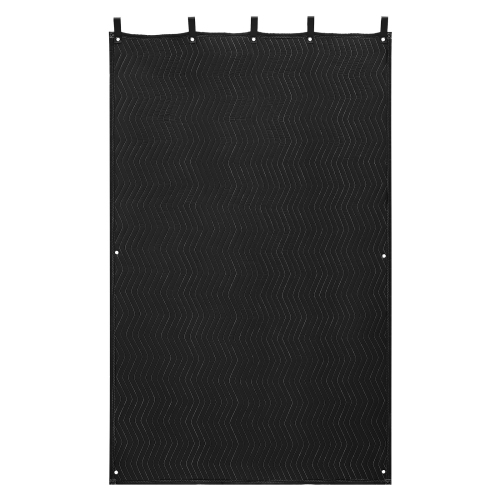
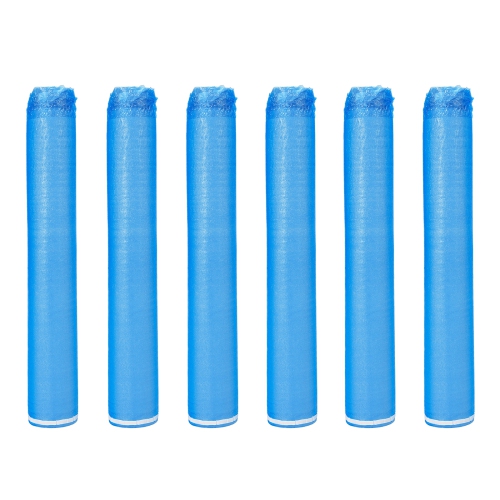
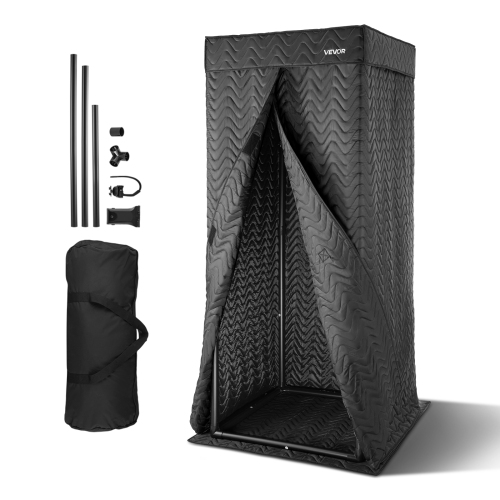
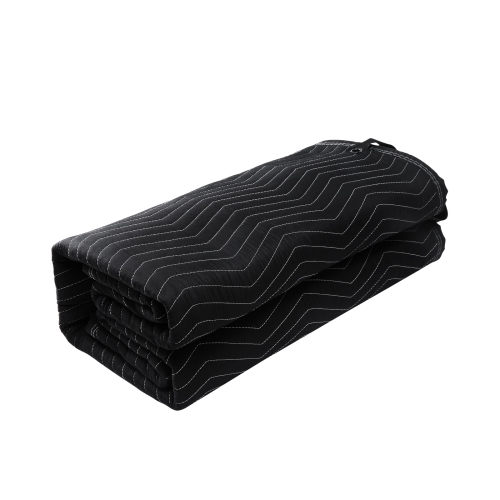
Why different apartment noises need different treatments
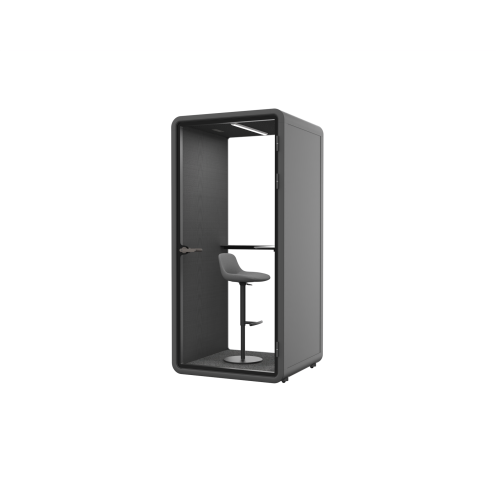
Soundproofing solutions for apartments serve several different purposes: reducing noise that enters through gaps, softening sound that bounces around a room, and limiting vibrations passed into floors or furniture. The distinction matters in a home where a hallway conversation, a chair scraping across the floor, and an echo during a video call can all be distracting for different reasons. Airborne sound, including speech and television audio, travels through openings and building materials. Impact noise, such as footsteps or dropped objects, can travel through the structure itself. Sound absorption reduces reflections within a room, while sound isolation limits how much sound passes between spaces. Many apartment-friendly products improve comfort without making a room fully soundproof, and their usefulness depends on the source of the noise and the way the building is constructed. Door seals and weatherstripping are suited to small gaps around compatible frames; thick curtains add a soft surface across glass; rugs and underlays cushion contact with hard flooring; and acoustic panels help control reflected sound. These categories can complement one another, but they are not interchangeable. A felt panel behind a desk may make speech clearer during calls without preventing a neighbour’s music from coming through a shared wall. A padded rug can soften footsteps made inside the apartment, yet it generally will not stop heavy footfall noise arriving from the ceiling above. For renters, students, shift workers, and people sharing a compact home, the most useful choices often address a particular daily irritation rather than promise complete silence. A quieter desk area, a less echoing living room, or reduced rattling beneath a speaker can make a noticeable difference to everyday routines. Apartment sound control also needs to fit around ordinary use: doors must close properly, windows must remain accessible, and floor coverings should feel secure underfoot. Products that suit the room’s layout and the source of the disturbance are more likely to deliver a practical improvement than treatments chosen by thickness or appearance alone.
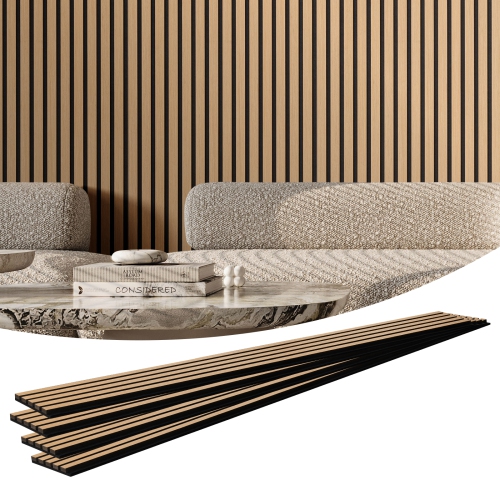
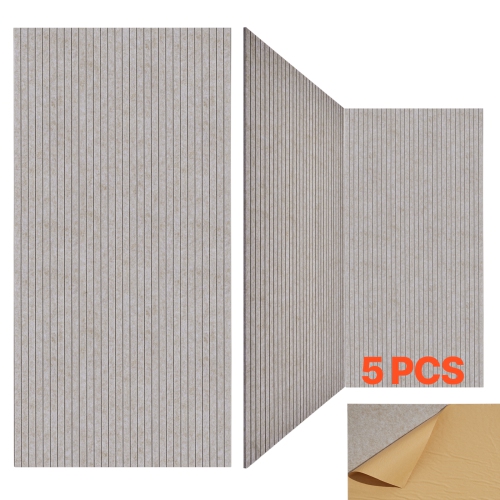
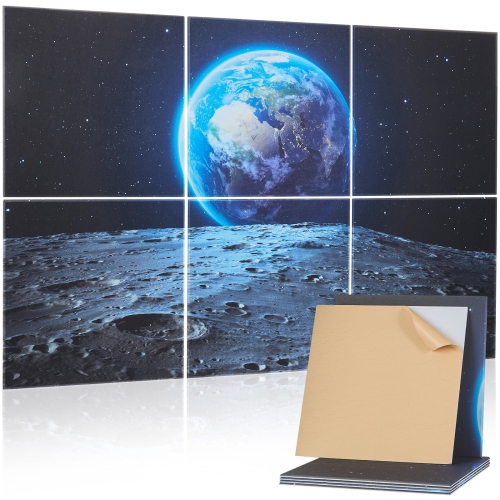
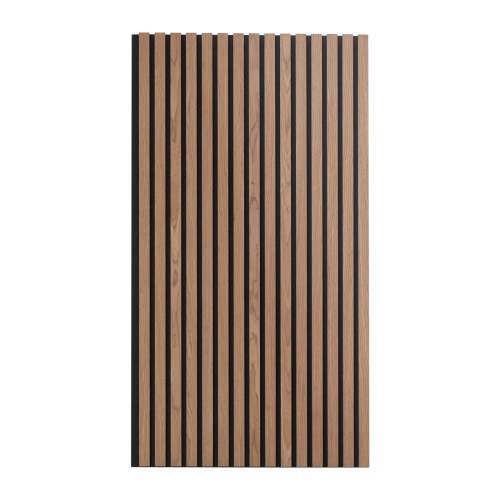
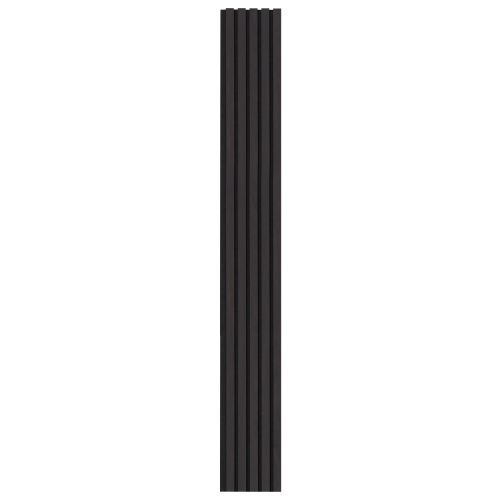
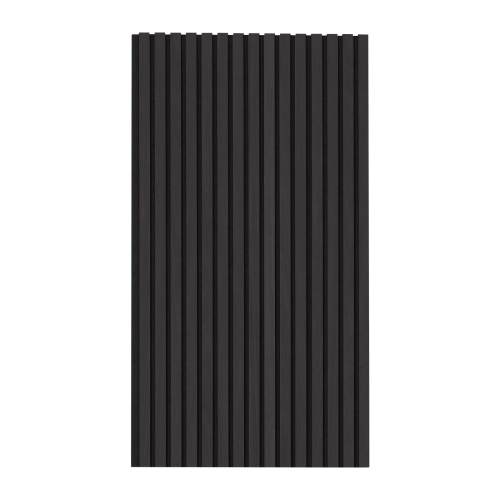
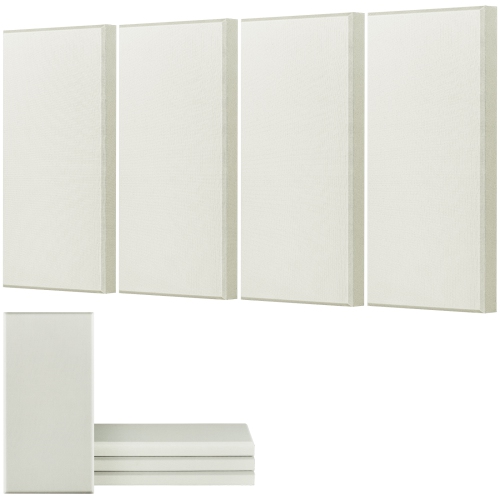
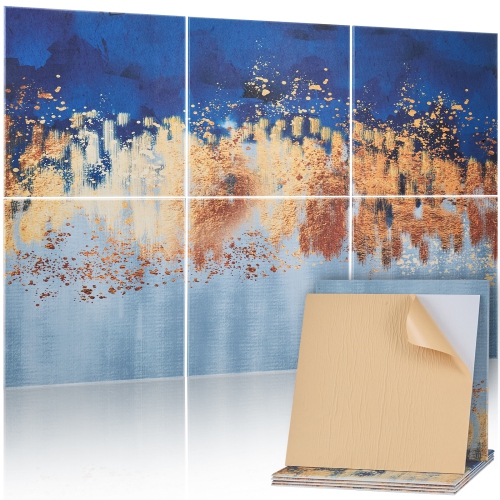
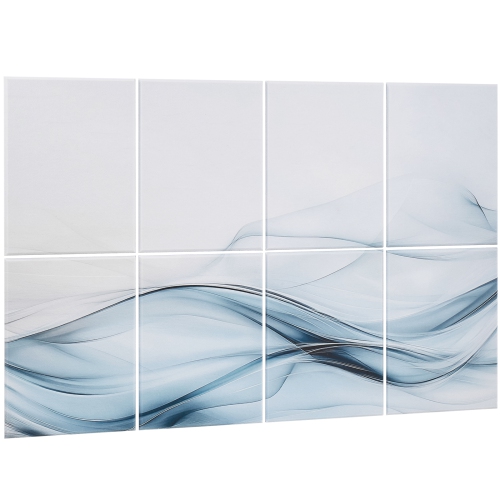
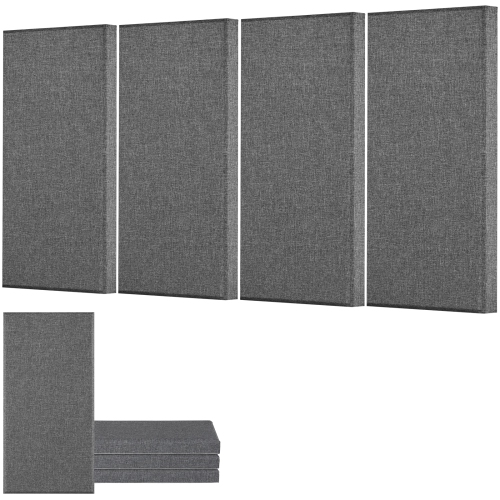
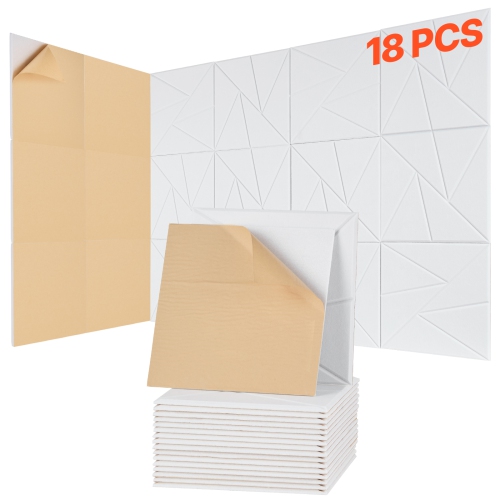
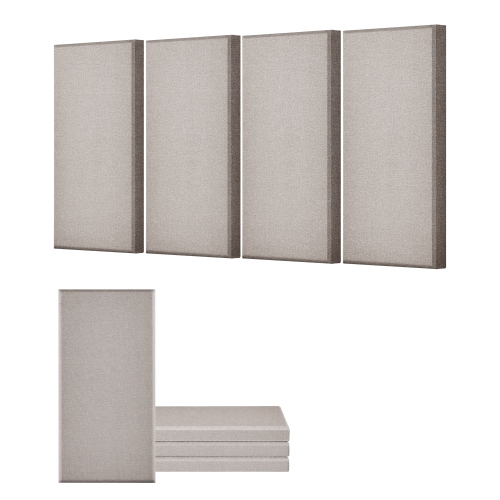
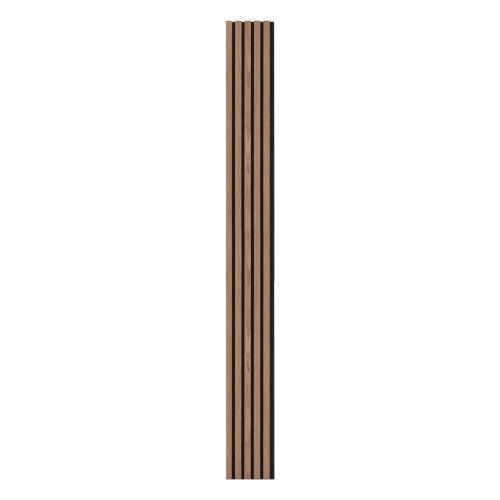
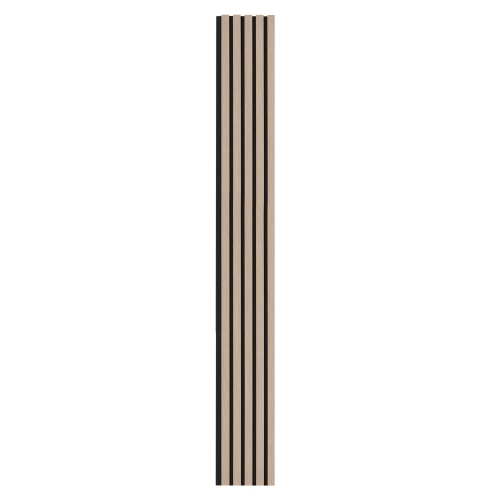
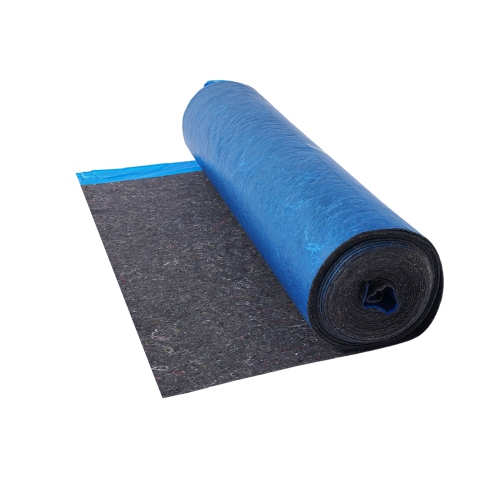
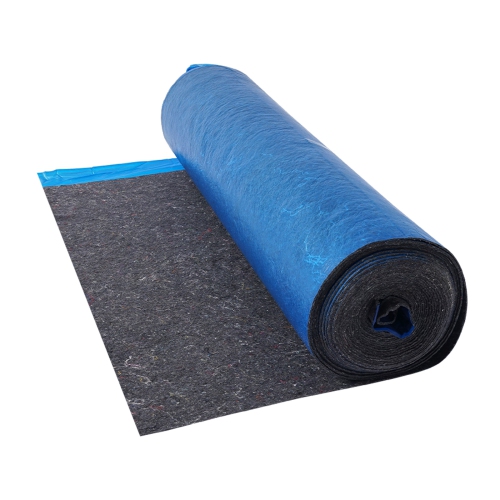
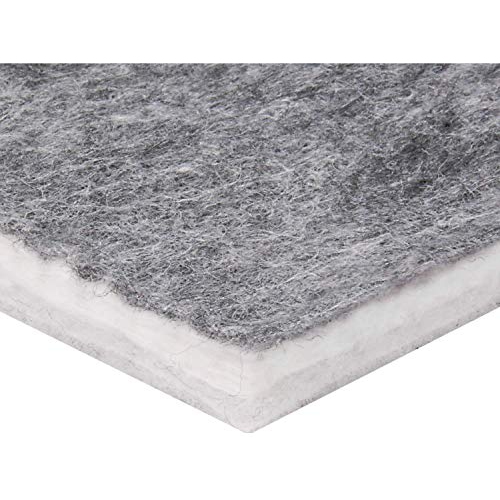
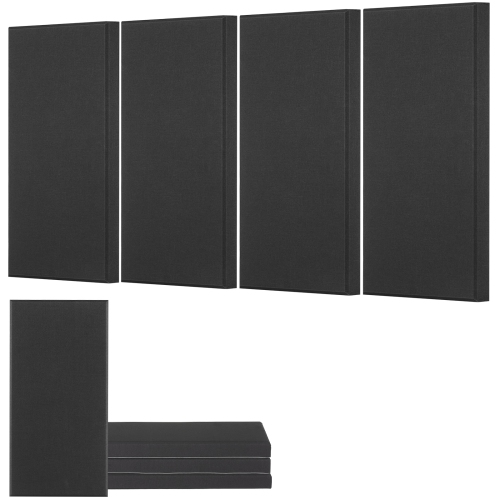
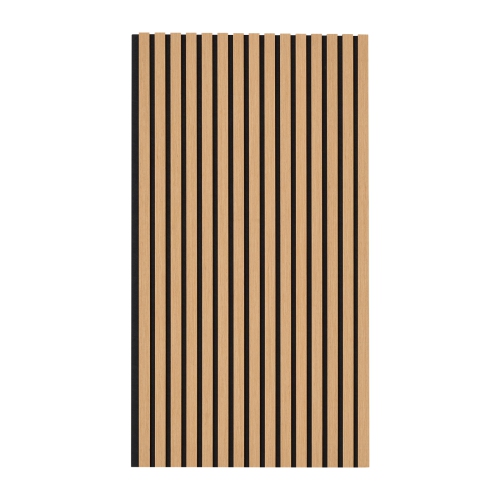
Materials, dimensions, and installation methods help distinguish apartment soundproofing products that look similar at first glance. Flexible rubber or silicone weatherstripping can close small air gaps around suitable doors and windows, but the profile must match the clearance without interfering with latches or operation. A door sweep needs the correct width and floor clearance, especially where an entrance opens over uneven flooring or a threshold. Apartment entrance doors may be part of a fire-rated assembly, so alterations need building approval and must not interfere with self-closing hardware, required ventilation, or safe exit routes. Curtains work differently: dense, generously sized fabric can reduce some reflected sound and may soften certain outside noises, although ordinary curtains cannot match the isolation provided by a properly sealed window assembly. Full coverage and adequate folds matter, as do brackets capable of supporting the fabric’s weight. On floors, tightly constructed rugs paired with compatible, dense underlays can reduce the sharp clatter of shoes and moving chairs while adding comfort beside a bed or beneath a seating area. A nonslip backing should suit the floor finish, and sufficient clearance is needed wherever a door swings over the rug. For walls, Soundproofing Wall Panels include treatments commonly used to manage echoes around desks, televisions, and music spaces. Felt, foam, and fabric-covered absorptive materials vary in depth, construction, and performance across different sound frequencies. Many lightweight panels mainly absorb mid- and high-frequency reflections; they should not be mistaken for barriers that block bass or sound passing through a shared wall. An absorption rating describes a different property from a rating for sound transmission through a tested wall assembly. Performance claims are most useful when they identify what was tested and under what conditions. Panel dimensions, mounting requirements, and the amount of wall coverage also affect how naturally a treatment fits into a furnished apartment. Removable mounting can be convenient, but adhesive compatibility and weight limits still matter, particularly on painted drywall or textured surfaces. Even removable adhesives can lift paint or leave residue, making lease terms and wall condition relevant to the choice.
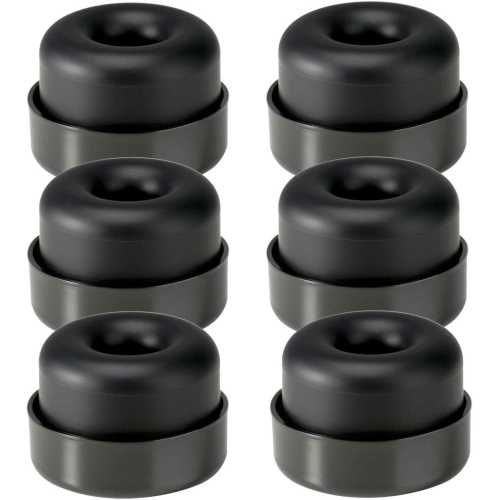
A comfortable apartment sound setup should remain useful through rearranged furniture, regular cleaning, and the demands of a shared household. In an open-plan living space, a broad rug beneath the seating area and soft window coverings can take some of the edge off voices reflecting between bare floors and glass. Around a work-from-home desk, absorptive wall treatments can make the space less hollow-sounding, especially when the microphone would otherwise pick up strong room reflections. For gaming or television use, isolation pads beneath compatible speakers can reduce vibration transferred into a shelf or desktop, although they do not eliminate airborne bass reaching neighbouring rooms. The same principle applies to appliance vibration: pads must be suitable for the equipment’s weight and installation requirements, and they are not a substitute for levelling or servicing a machine that shakes excessively. In a bedroom, a compatible seal at a genuine door gap may help with hallway sound, while soft furnishings address echoes inside the room. Persistent low-frequency noise and heavy impacts from another unit often need attention to the building itself rather than additional surface treatments. Care requirements deserve equal attention, particularly in small apartments where textiles sit close to cooking areas, pets, or frequently opened windows. Washable covers, accessible surfaces for vacuuming, and clear cleaning instructions make upkeep easier; some panels cannot tolerate soaking, and certain curtain fabrics need professional cleaning. Durable rug edges, resilient underlays, and seals that retain their shape help products withstand repeated use. Wall-mounted treatments should stay clear of heaters, vents, sprinklers, and electrical fittings, with any fire-performance claims checked against the intended application and building requirements. Renter-friendly choices also need to be manageable at moving time, whether that means lifting a rug, taking down curtains, or removing approved mounting hardware. For anyone furnishing a first apartment or adapting a room for study, work, or rest, sound-control products offer the most value when their purpose is clear: absorbing reflections, sealing an appropriate gap, or cushioning a source of vibration. That focused approach supports a calmer, more comfortable home without relying on unrealistic promises of total soundproofing.
Materials, dimensions, and installation methods help distinguish apartment soundproofing products that look similar at first glance. Flexible rubber or silicone weatherstripping can close small air gaps around suitable doors and windows, but the profile must match the clearance without interfering with latches or operation. A door sweep needs the correct width and floor clearance, especially where an entrance opens over uneven flooring or a threshold. Apartment entrance doors may be part of a fire-rated assembly, so alterations need building approval and must not interfere with self-closing hardware, required ventilation, or safe exit routes. Curtains work differently: dense, generously sized fabric can reduce some reflected sound and may soften certain outside noises, although ordinary curtains cannot match the isolation provided by a properly sealed window assembly. Full coverage and adequate folds matter, as do brackets capable of supporting the fabric’s weight. On floors, tightly constructed rugs paired with compatible, dense underlays can reduce the sharp clatter of shoes and moving chairs while adding comfort beside a bed or beneath a seating area. A nonslip backing should suit the floor finish, and sufficient clearance is needed wherever a door swings over the rug. For walls, Soundproofing Wall Panels include treatments commonly used to manage echoes around desks, televisions, and music spaces. Felt, foam, and fabric-covered absorptive materials vary in depth, construction, and performance across different sound frequencies. Many lightweight panels mainly absorb mid- and high-frequency reflections; they should not be mistaken for barriers that block bass or sound passing through a shared wall. An absorption rating describes a different property from a rating for sound transmission through a tested wall assembly. Performance claims are most useful when they identify what was tested and under what conditions. Panel dimensions, mounting requirements, and the amount of wall coverage also affect how naturally a treatment fits into a furnished apartment. Removable mounting can be convenient, but adhesive compatibility and weight limits still matter, particularly on painted drywall or textured surfaces. Even removable adhesives can lift paint or leave residue, making lease terms and wall condition relevant to the choice.
A comfortable apartment sound setup should remain useful through rearranged furniture, regular cleaning, and the demands of a shared household. In an open-plan living space, a broad rug beneath the seating area and soft window coverings can take some of the edge off voices reflecting between bare floors and glass. Around a work-from-home desk, absorptive wall treatments can make the space less hollow-sounding, especially when the microphone would otherwise pick up strong room reflections. For gaming or television use, isolation pads beneath compatible speakers can reduce vibration transferred into a shelf or desktop, although they do not eliminate airborne bass reaching neighbouring rooms. The same principle applies to appliance vibration: pads must be suitable for the equipment’s weight and installation requirements, and they are not a substitute for levelling or servicing a machine that shakes excessively. In a bedroom, a compatible seal at a genuine door gap may help with hallway sound, while soft furnishings address echoes inside the room. Persistent low-frequency noise and heavy impacts from another unit often need attention to the building itself rather than additional surface treatments. Care requirements deserve equal attention, particularly in small apartments where textiles sit close to cooking areas, pets, or frequently opened windows. Washable covers, accessible surfaces for vacuuming, and clear cleaning instructions make upkeep easier; some panels cannot tolerate soaking, and certain curtain fabrics need professional cleaning. Durable rug edges, resilient underlays, and seals that retain their shape help products withstand repeated use. Wall-mounted treatments should stay clear of heaters, vents, sprinklers, and electrical fittings, with any fire-performance claims checked against the intended application and building requirements. Renter-friendly choices also need to be manageable at moving time, whether that means lifting a rug, taking down curtains, or removing approved mounting hardware. For anyone furnishing a first apartment or adapting a room for study, work, or rest, sound-control products offer the most value when their purpose is clear: absorbing reflections, sealing an appropriate gap, or cushioning a source of vibration. That focused approach supports a calmer, more comfortable home without relying on unrealistic promises of total soundproofing.
Top selling and popular products
-
 Your price for this item is $3000
 -
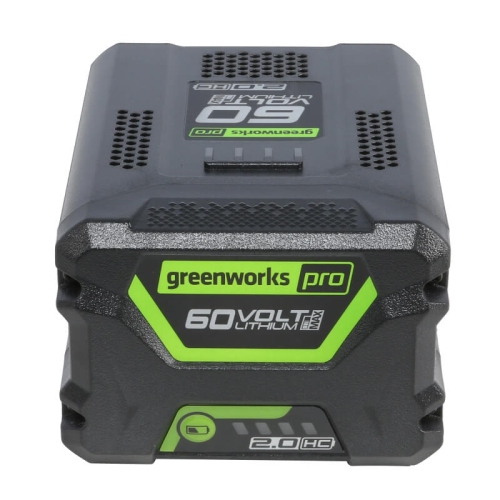 Your price for this item is $124.45
 -
 Your price for this item is $329.99
 -
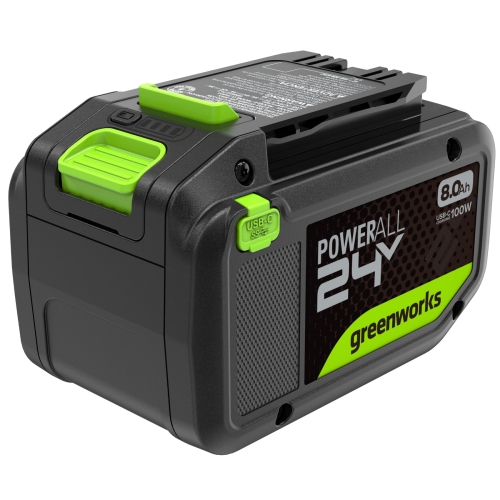 Your price for this item is $139.99
 -
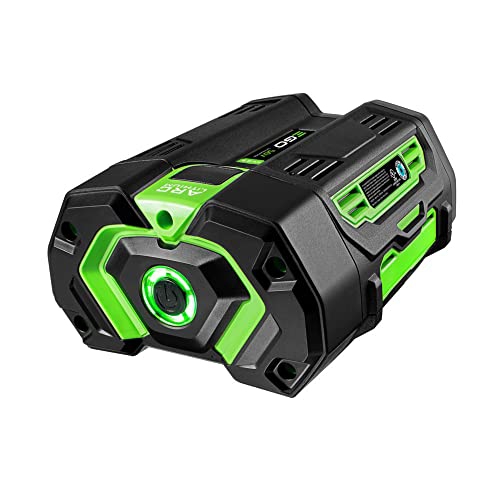 Your price for this item is $264
 -
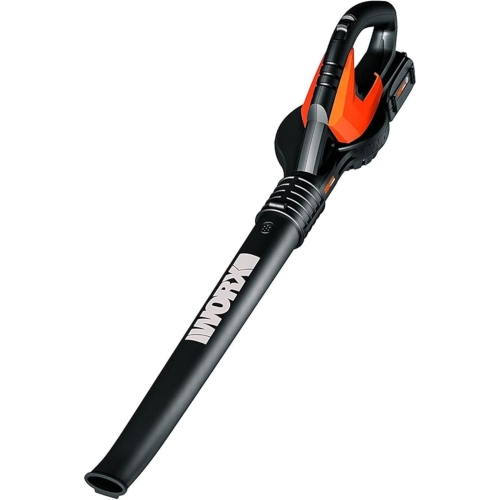 Your price for this item is $217.55
 -
 Your price for this item is $739.99
 -
 Your price for this item is $599.99
Discover more categories related to Soundproofing Solutions for Apartments
Top Collections:
Pokemon Centers, Kindle Devices, Best Budget Office Chairs, Apple iPhones 16, Canon G7X Cameras, iPhone 15 Apple, Alarm Clock, Refurbished Apple Laptops, Flip Phones, Best Laptops for Writers
Some products may be subject to Environmental Handling Fees
(EHF) depending on your province.
Learn more about EHFs.