Soundproofing Wall Panels
Transform your space into a quieter, more comfortable environment with Soundproofing Wall Panels. Ideal for home theaters, offices, studios, and bedrooms, these panels help reduce unwanted noise and create a more peaceful atmosphere. Explore a wide selection of designs and materials to find the perfect fit for your décor and sound control needs. Whether you're looking to enhance privacy or improve acoustics, Soundproofing Wall Panels offer a practical solution for any room.
Sort
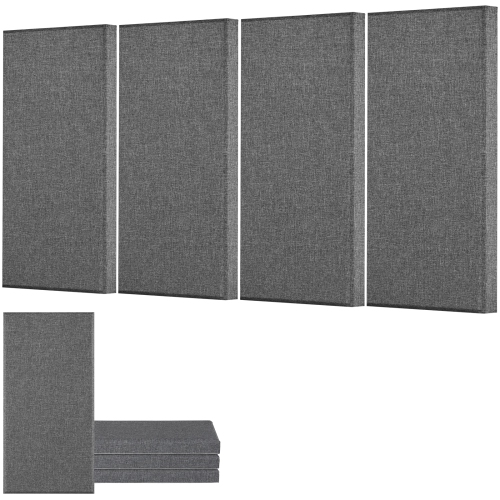
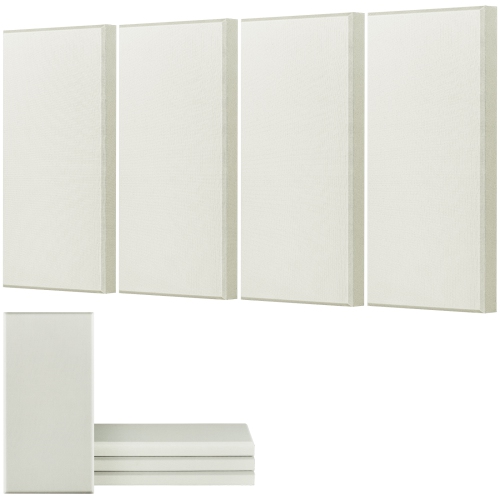
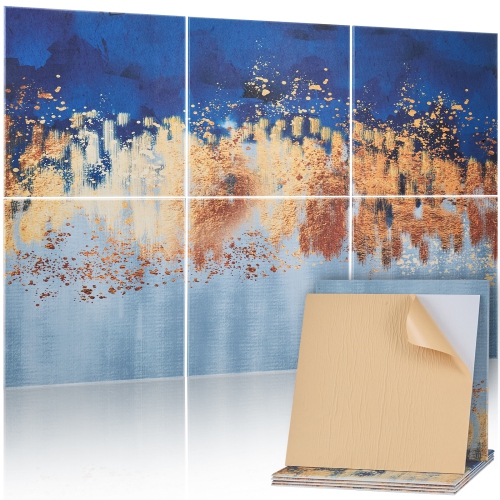
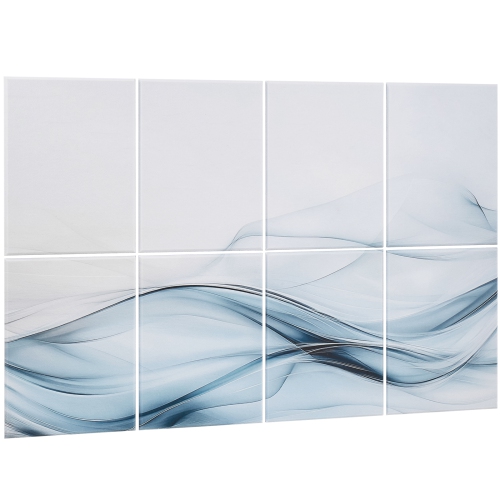
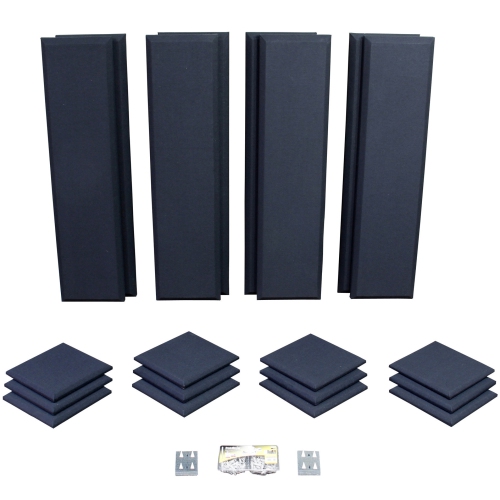
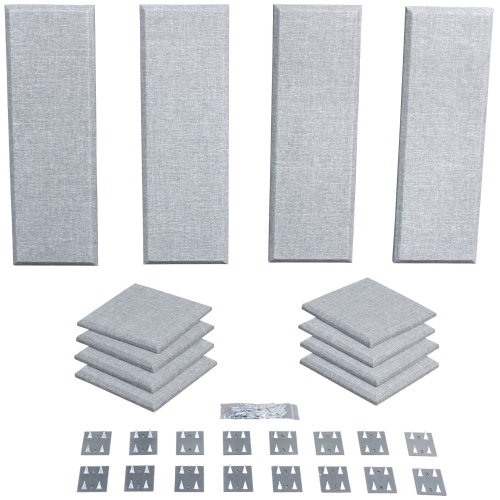
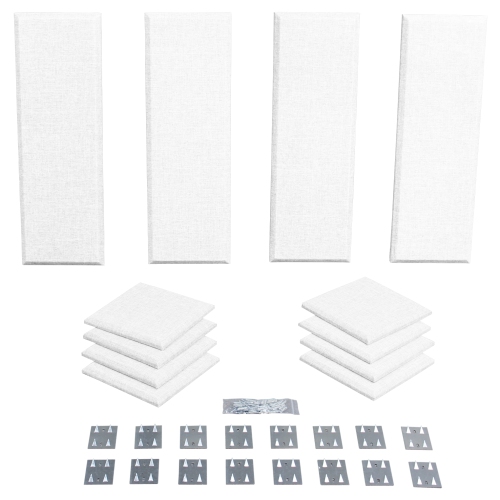
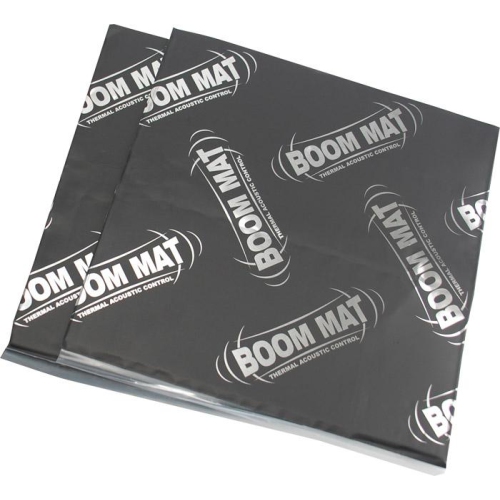
Less echo doesn’t always mean less noise next door
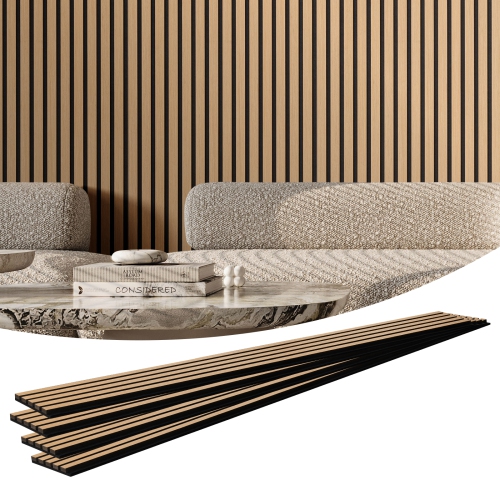
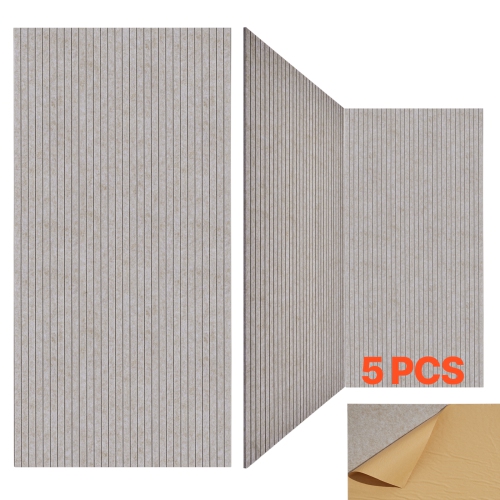
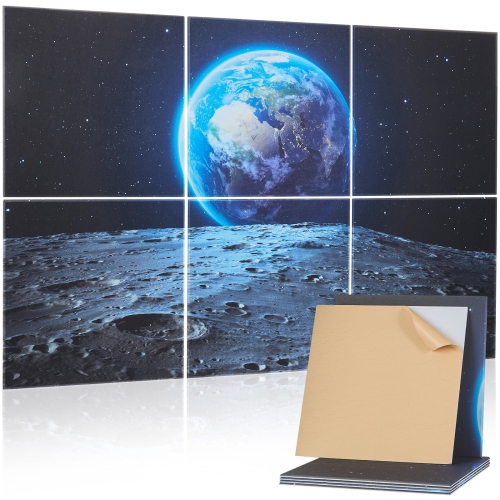
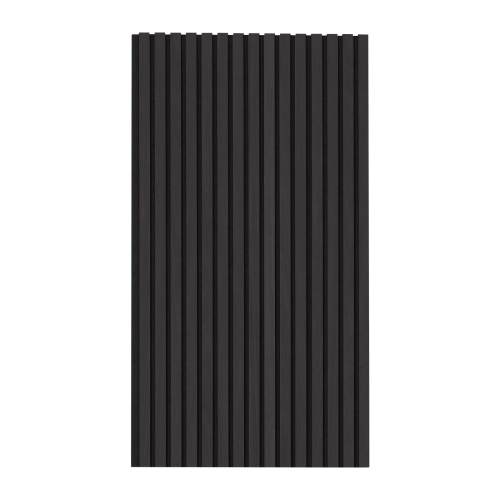
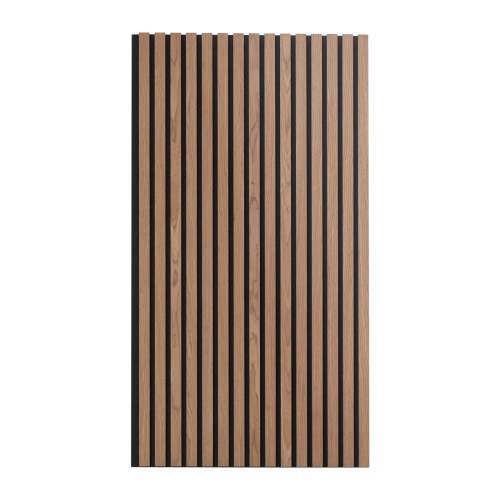
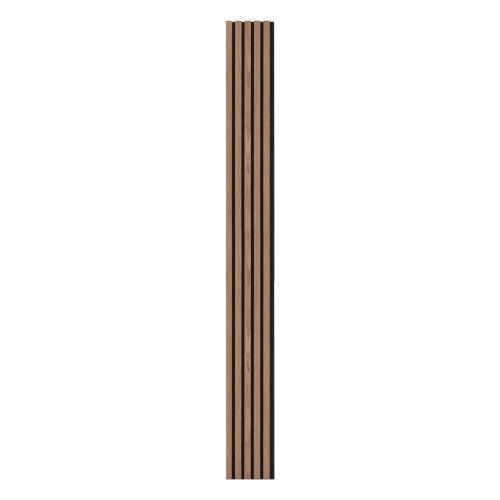
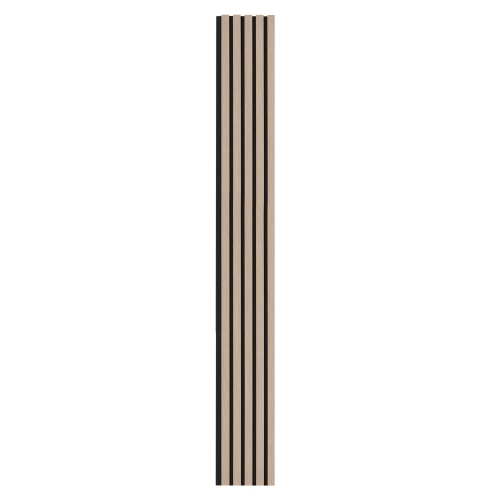
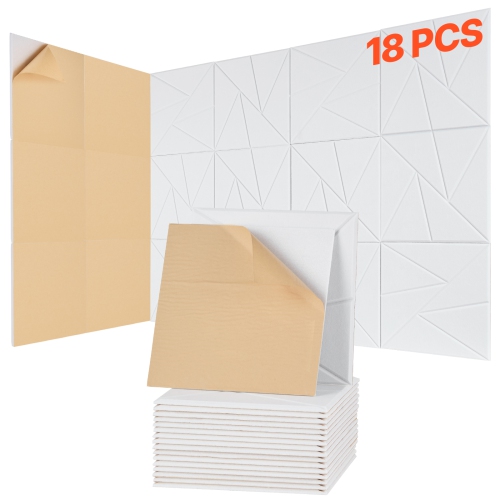
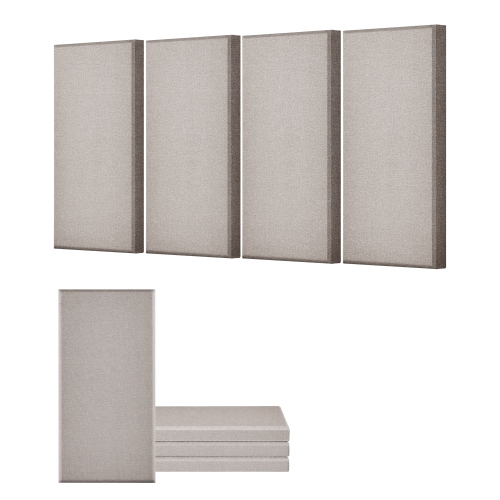
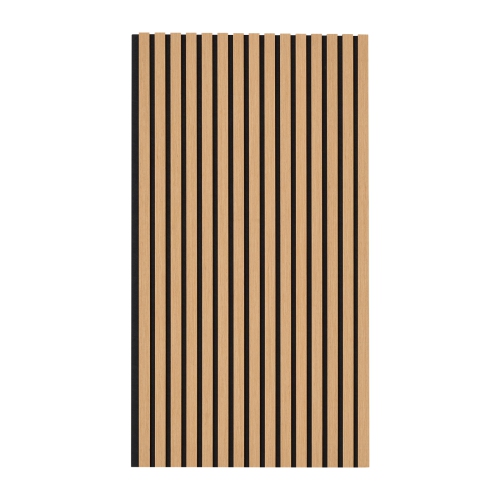
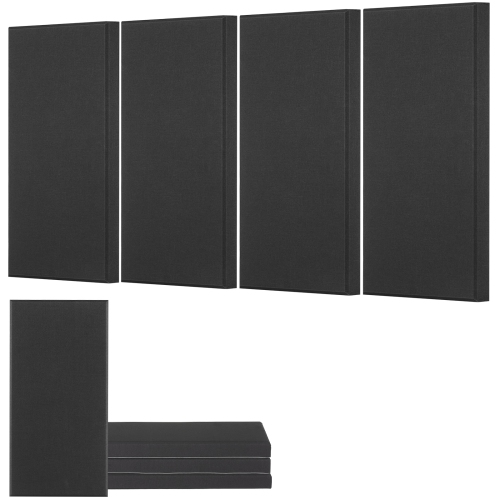
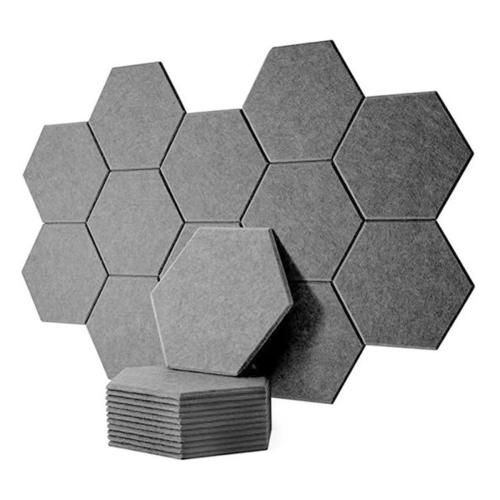
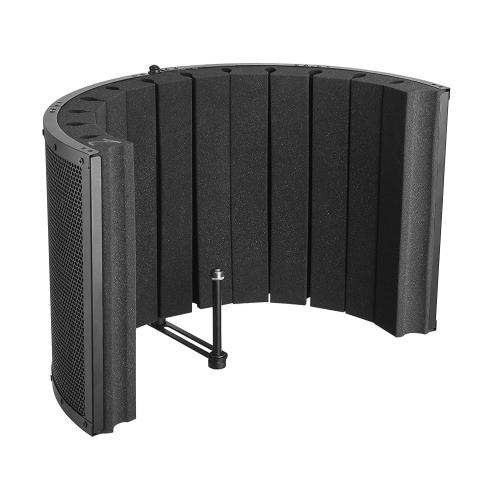
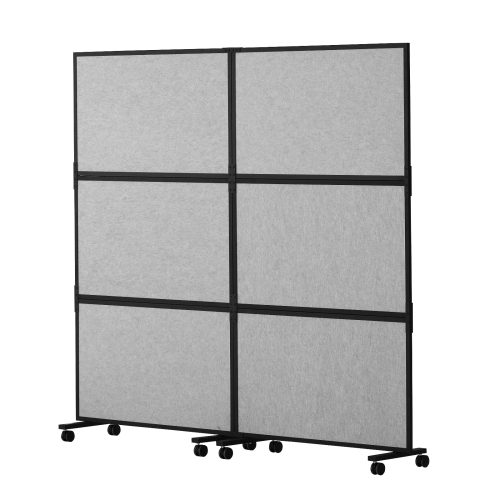
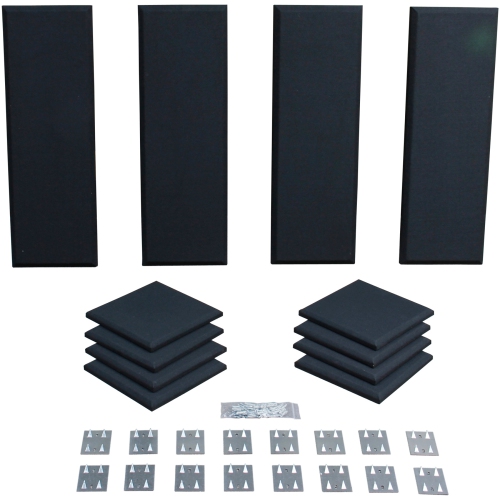
Soundproofing wall panels can make a room sound clearer and less hollow, but the term covers materials with different purposes. Most exposed acoustic wall panels absorb sound within a room rather than block noise from travelling through a wall. Their main job is to reduce reflections: the lingering ring after a handclap, the splash of voices across a sparsely furnished office, or the muddiness that makes dialogue harder to follow. True soundproofing addresses sound transmission between spaces and usually requires a combination of added mass, sealed gaps, and construction that limits vibration transfer. That distinction matters when choosing panels for a home office, gaming room, music space, or shared living area. Foam, felt, and fabric-covered absorbers can help speech and audio sound more defined, while lightweight surface treatments alone are unlikely to stop a neighbour’s television or footsteps from above. Acoustic foam commonly has wedge, pyramid, or flat profiles and is typically used to manage mid- and high-frequency reflections. Polyester felt offers a firmer surface and can suit workspaces where wall treatments also serve a visual purpose. Fabric-wrapped panels may contain fibreglass, mineral wool, or other absorptive cores, with performance depending on their thickness, construction, and installation. Wood slat panels combine a structured surface with an absorptive backing, although their acoustic effect varies with the backing material and mounting method. Dense boards intended for installation within a wall belong to a different category from these exposed room treatments; their contribution depends on the complete wall assembly. For shoppers whose main concern is voices or television sound passing between adjoining rooms, Soundproofing for Shared Walls is a related category to explore. Matching the panel’s function to the source of the problem helps set realistic expectations, whether the goal is a more intelligible video call or greater separation between living spaces.
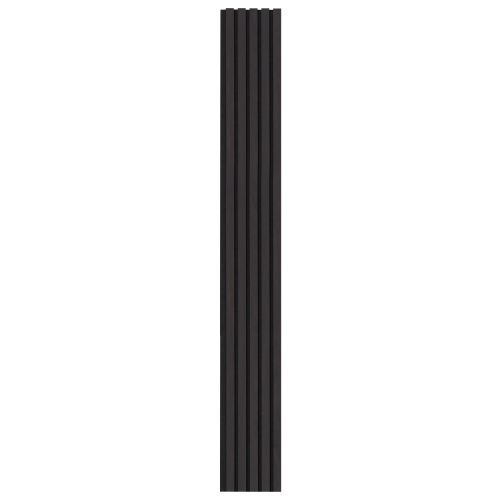
Materials, dimensions, and coverage all influence how acoustic panels fit into everyday rooms. A compact office with painted drywall, a bare desk, and a large window may have noticeable speech reflections even though it occupies little floor space. A larger living room with upholstered seating, rugs, and curtains already has some absorption, so its needs can be quite different. Panel count alone is not a reliable measure of performance: the total treated area, panel thickness, sound frequencies involved, and position within the room all matter. Thinner foam and felt treatments generally absorb higher frequencies more readily than deep bass. Thicker porous absorbers, sometimes installed with an air gap where permitted, can work across a broader frequency range, but low-frequency control often calls for deeper, purpose-designed treatment. Published absorption ratings can help distinguish appearance from acoustic performance. The noise reduction coefficient, or NRC, describes average absorption across selected frequencies; it is not a rating for how well a panel prevents sound from reaching the next room. Sound transmission class, or STC, relates to airborne sound transmission through a tested partition or assembly, so a wall-system rating should not be treated as a promise for a single surface panel. Physical fit deserves equal attention. Overall height and width determine how neatly panels sit between shelves, around a monitor, or behind seating, while depth affects clearance near doors and furniture. Modular squares and rectangles offer flexibility for smaller wall sections, and taller slatted formats create a more continuous architectural finish. Colour, fabric texture, edge shape, and slat spacing influence whether a treatment blends into the room or becomes a focal point. For a video-call backdrop, a restrained arrangement may feel less visually busy than contrasting geometric tiles. In a media room, a matte finish can help limit distracting light reflections. Acoustic performance still depends on the underlying material, not simply the surface pattern or colour.
Installation requirements and care are part of choosing wall panels that remain useful and presentable over time. Lightweight treatments may use adhesive mounting, while heavier panels can require brackets, screws, or anchors suited to the wall substrate. Removable mounting is appealing in a rental or multipurpose room, but adhesive claims deserve close attention: removal can lift paint or leave residue, and textured surfaces may not provide a dependable bond. Panel weight, mounting hardware, and the condition of the wall determine whether an installation is secure. Manufacturer instructions also establish whether panels can be cut, how exposed edges should be finished, and what clearance is required around electrical fittings or heat sources. Wall treatments should not cover ventilation openings or interfere with access to outlets and controls. Where building or fire requirements apply, documented ratings are more useful than broad claims about material safety. Durability varies by construction and placement. Exposed foam can tear or dent when brushed by furniture, felt can collect lint, and fabric-covered panels may show marks in high-contact areas. Wood-faced surfaces bring a firmer finish but still need care to prevent scratches and edge damage. In a busy family room or a narrow passage beside a desk, resistance to everyday contact may matter as much as appearance. Cleaning methods should suit the material: gentle dusting or vacuuming with a soft brush attachment may be appropriate where the manufacturer permits it, while soaking porous cores or applying harsh cleaners can damage the panel. Washable covers should only be removed and cleaned when explicitly designed for that purpose. These practical differences help shape intended use. People who spend hours on calls may value reduced reverberation around their workspace, while podcasters, musicians, and gamers may want fewer room reflections reaching a microphone. Film enthusiasts may appreciate clearer dialogue without needing to raise playback volume as much. Panels can also be a thoughtful gift for someone setting up a creative space, provided the dimensions, finish, and mounting requirements suit their room. The most useful choice balances measurable acoustic performance with a finish and installation that work comfortably in daily life.
Materials, dimensions, and coverage all influence how acoustic panels fit into everyday rooms. A compact office with painted drywall, a bare desk, and a large window may have noticeable speech reflections even though it occupies little floor space. A larger living room with upholstered seating, rugs, and curtains already has some absorption, so its needs can be quite different. Panel count alone is not a reliable measure of performance: the total treated area, panel thickness, sound frequencies involved, and position within the room all matter. Thinner foam and felt treatments generally absorb higher frequencies more readily than deep bass. Thicker porous absorbers, sometimes installed with an air gap where permitted, can work across a broader frequency range, but low-frequency control often calls for deeper, purpose-designed treatment. Published absorption ratings can help distinguish appearance from acoustic performance. The noise reduction coefficient, or NRC, describes average absorption across selected frequencies; it is not a rating for how well a panel prevents sound from reaching the next room. Sound transmission class, or STC, relates to airborne sound transmission through a tested partition or assembly, so a wall-system rating should not be treated as a promise for a single surface panel. Physical fit deserves equal attention. Overall height and width determine how neatly panels sit between shelves, around a monitor, or behind seating, while depth affects clearance near doors and furniture. Modular squares and rectangles offer flexibility for smaller wall sections, and taller slatted formats create a more continuous architectural finish. Colour, fabric texture, edge shape, and slat spacing influence whether a treatment blends into the room or becomes a focal point. For a video-call backdrop, a restrained arrangement may feel less visually busy than contrasting geometric tiles. In a media room, a matte finish can help limit distracting light reflections. Acoustic performance still depends on the underlying material, not simply the surface pattern or colour.
Installation requirements and care are part of choosing wall panels that remain useful and presentable over time. Lightweight treatments may use adhesive mounting, while heavier panels can require brackets, screws, or anchors suited to the wall substrate. Removable mounting is appealing in a rental or multipurpose room, but adhesive claims deserve close attention: removal can lift paint or leave residue, and textured surfaces may not provide a dependable bond. Panel weight, mounting hardware, and the condition of the wall determine whether an installation is secure. Manufacturer instructions also establish whether panels can be cut, how exposed edges should be finished, and what clearance is required around electrical fittings or heat sources. Wall treatments should not cover ventilation openings or interfere with access to outlets and controls. Where building or fire requirements apply, documented ratings are more useful than broad claims about material safety. Durability varies by construction and placement. Exposed foam can tear or dent when brushed by furniture, felt can collect lint, and fabric-covered panels may show marks in high-contact areas. Wood-faced surfaces bring a firmer finish but still need care to prevent scratches and edge damage. In a busy family room or a narrow passage beside a desk, resistance to everyday contact may matter as much as appearance. Cleaning methods should suit the material: gentle dusting or vacuuming with a soft brush attachment may be appropriate where the manufacturer permits it, while soaking porous cores or applying harsh cleaners can damage the panel. Washable covers should only be removed and cleaned when explicitly designed for that purpose. These practical differences help shape intended use. People who spend hours on calls may value reduced reverberation around their workspace, while podcasters, musicians, and gamers may want fewer room reflections reaching a microphone. Film enthusiasts may appreciate clearer dialogue without needing to raise playback volume as much. Panels can also be a thoughtful gift for someone setting up a creative space, provided the dimensions, finish, and mounting requirements suit their room. The most useful choice balances measurable acoustic performance with a finish and installation that work comfortably in daily life.
Top selling and popular products
-
 Your price for this item is $3000
 -
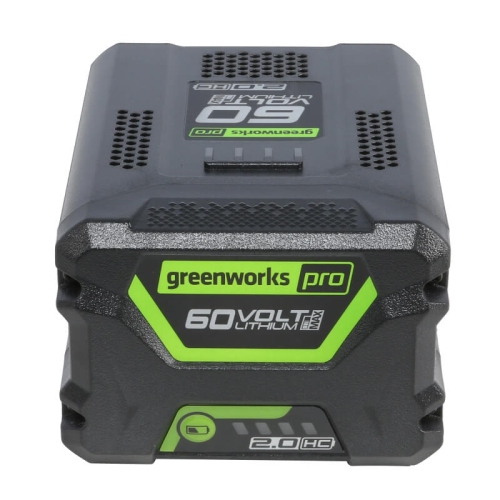 Your price for this item is $124.45
 -
 Your price for this item is $329.99
 -
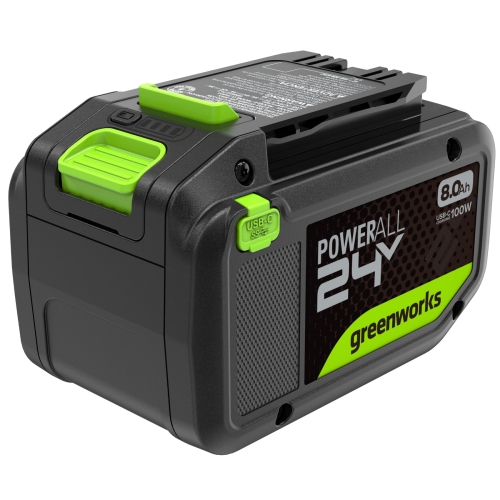 Your price for this item is $139.99
 -
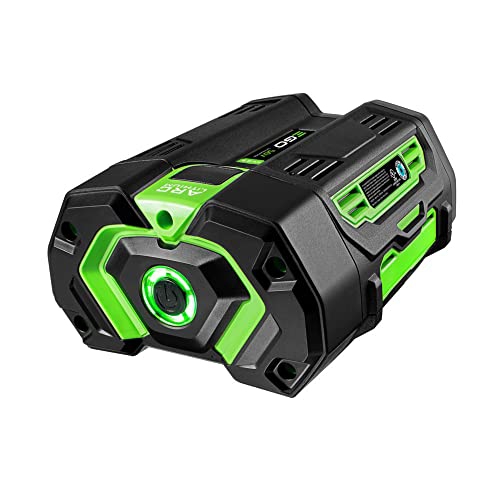 Your price for this item is $264
 -
 Your price for this item is $217.55
 -
 Your price for this item is $739.99
 -
 Your price for this item is $599.99
Discover more categories related to Soundproofing Wall Panels
Top Collections:
Pokemon Centers, Kindle Devices, Best Budget Office Chairs, Apple iPhones 16, Canon G7X Cameras, iPhone 15 Apple, Alarm Clock, Refurbished Apple Laptops, Flip Phones, Best Laptops for Writers
Some products may be subject to Environmental Handling Fees
(EHF) depending on your province.
Learn more about EHFs.