Spring Break Portable Power Stations
Gear up for your next adventure with a spring break portable power station, the perfect companion for keeping your devices charged and ready wherever you go. Whether you're heading to the beach, camping in the great outdoors, or road tripping with friends, these versatile power solutions help ensure you stay connected and powered up throughout your trip. Explore a range of options designed to fit your travel needs and make the most of your spring break experience.
Sort
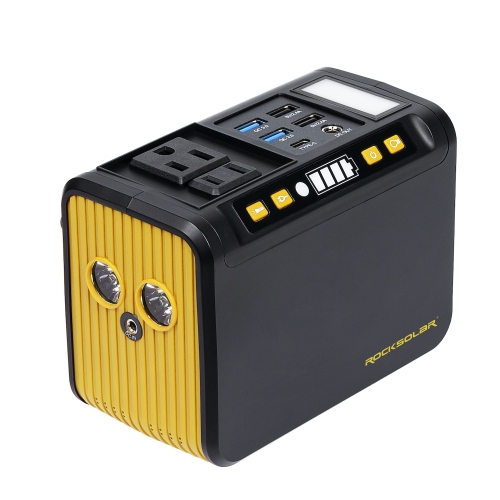
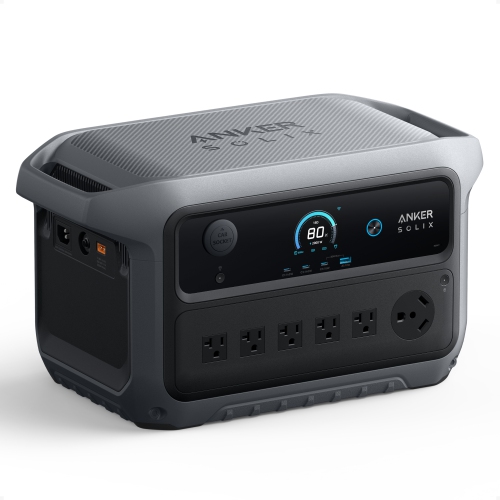
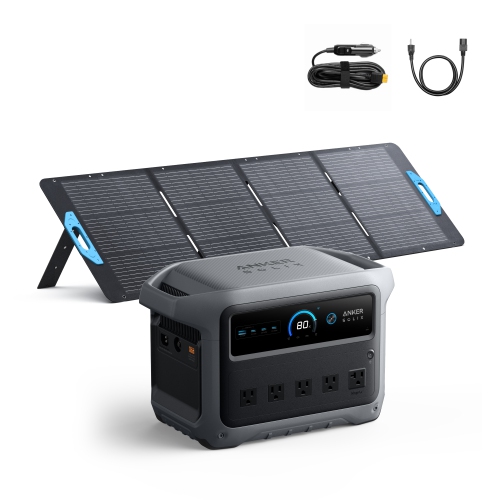
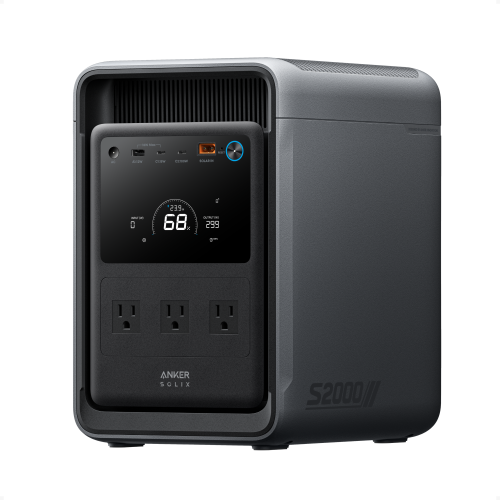
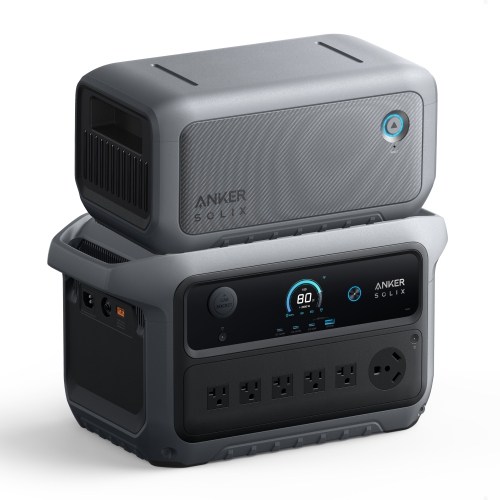
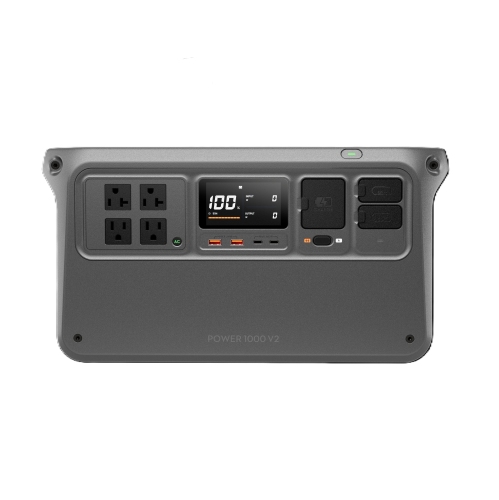
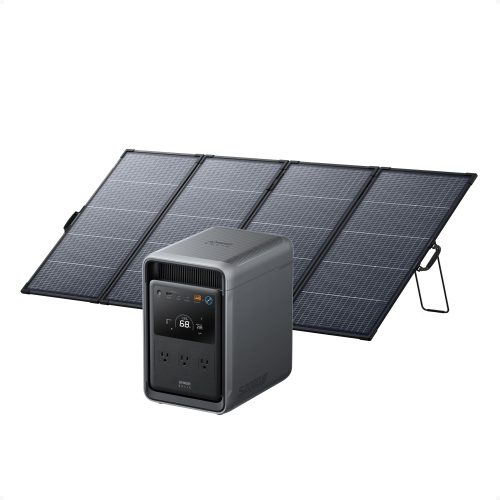
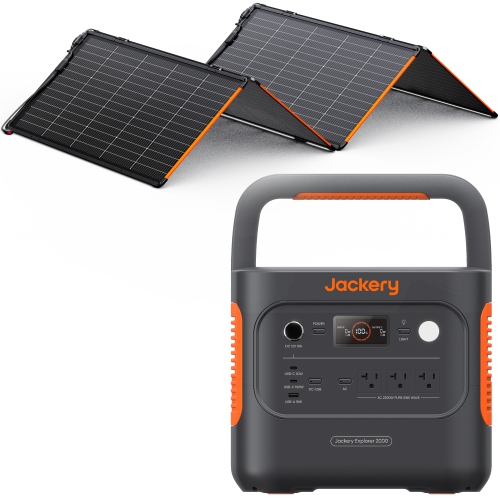
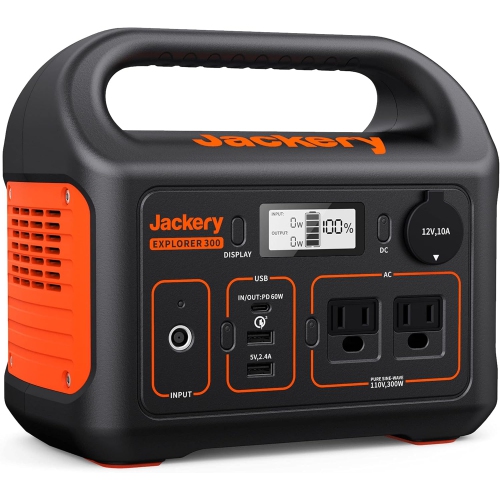
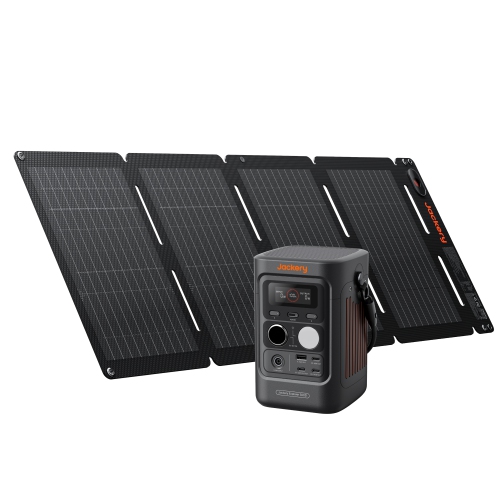
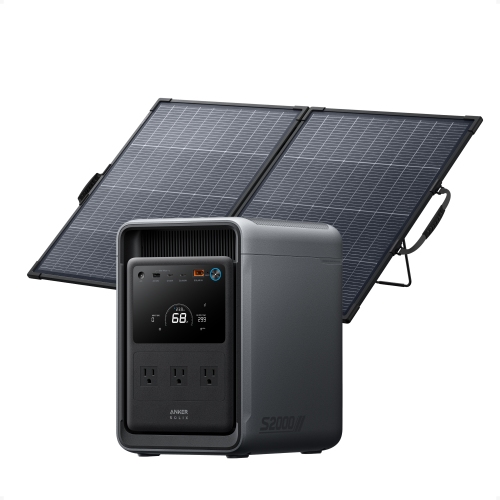
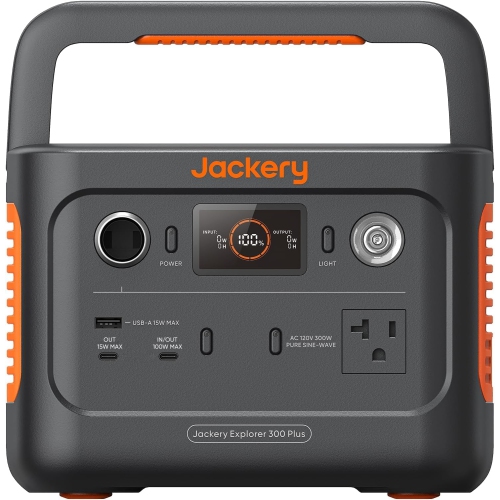
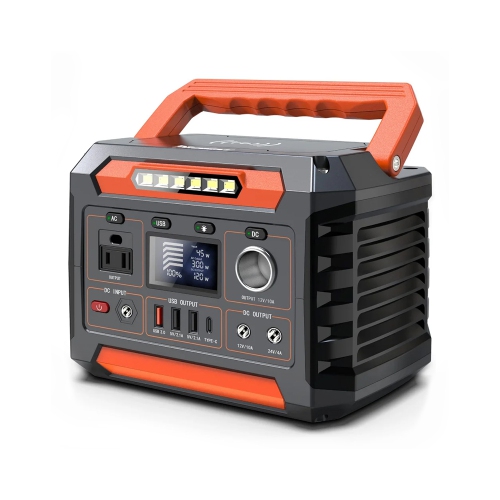
Everyday power when wall outlets are out of reach
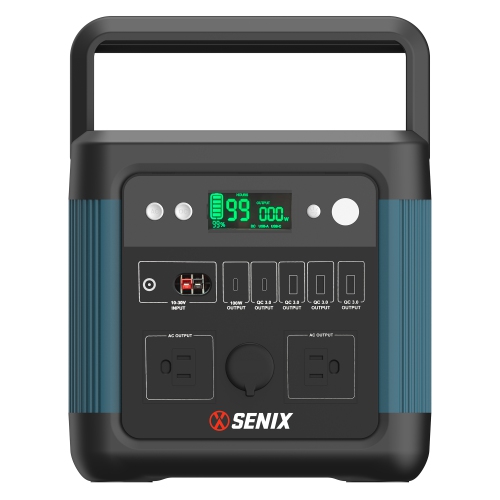
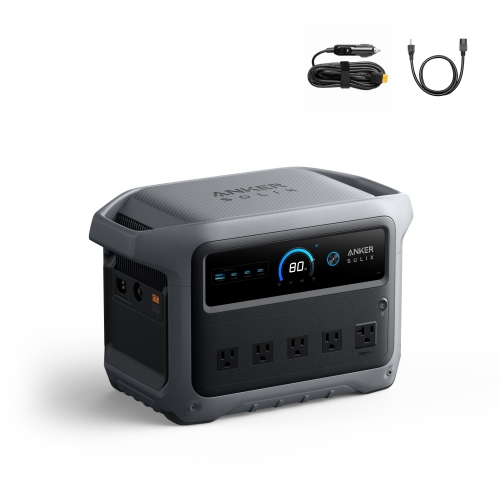
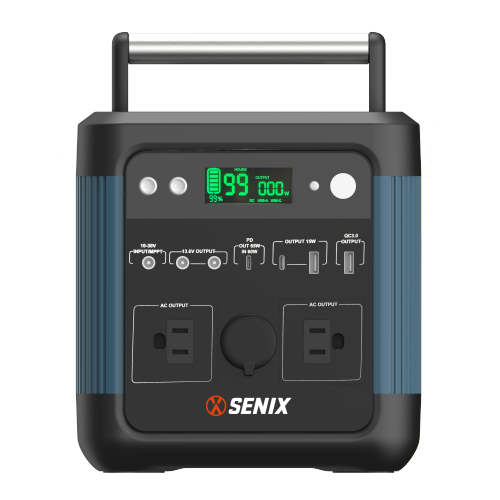
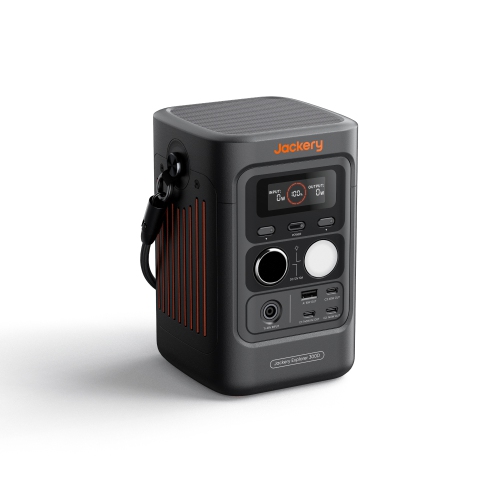
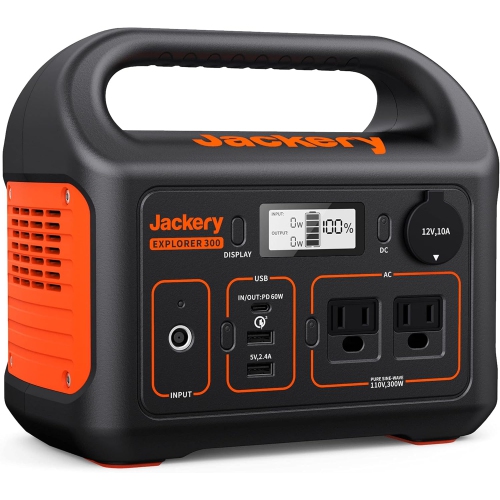
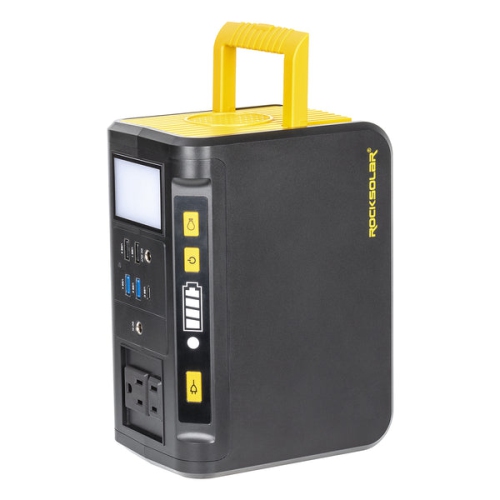
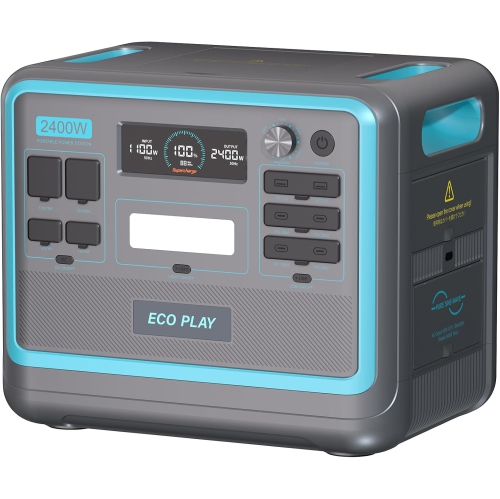
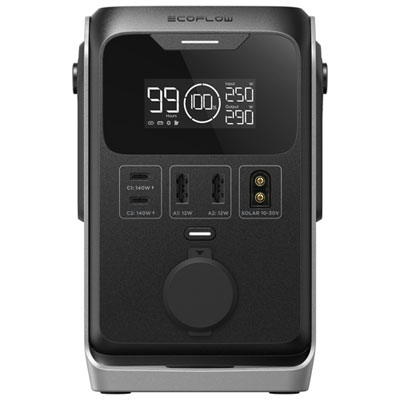
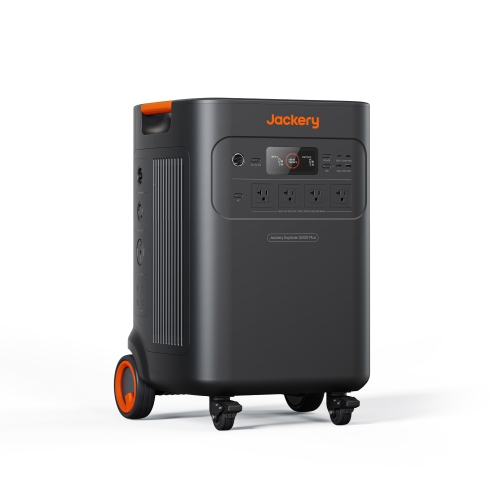
Spring break portable power stations bring a useful measure of independence to road trips, cabin stays and camping weekends, keeping everyday electronics running when a wall outlet is out of reach. A rechargeable station can create a charging spot for phones, cameras and tablets at a picnic table, or support a laptop during a quiet afternoon at a cottage. For families, that might mean keeping downloaded entertainment ready for the next stretch of highway; for photographers, it could mean recharging camera batteries between stops along a scenic route. Unlike a small phone charger, a portable power station generally combines a larger battery with several connection types, which may include household-style AC outlets, USB ports and DC outputs. The right fit depends on both the equipment being powered and how far the station needs to be carried. A compact unit with a comfortable handle can be easier to move between a vehicle and a campsite, while a heavier design may make more sense when it will stay beside a cabin table for most of the trip. Dimensions matter as much as weight when packing around luggage, folding chairs and food containers. A stable base, protected corners and a sturdy housing are useful details for travel, although a rugged appearance does not necessarily mean a station is waterproof or suitable for rain. Housing materials and handle construction affect how a unit stands up to repeated loading and unloading, so secure grips and well-supported carry points deserve attention. Port placement also shapes everyday convenience: front-facing connections can be easier to reach in a packed vehicle, and clearly labelled outlets help keep a shared charging area organized. For spring break trips that include chilly mornings or damp ground, the station’s operating limits and need for a dry, sheltered position are part of finding a practical match.
Battery capacity and output power describe different parts of a portable power station’s performance. Capacity, usually expressed in watt-hours, gives a sense of how much energy the battery stores, while the output rating in watts indicates how much connected equipment it can support at one time. Several phones and a camera charger present a different load from a cooler or a small appliance, even if they occupy a similar number of outlets. Appliances with motors or compressors may also need a brief burst of starting power that exceeds their normal running demand. A station’s continuous output and surge rating therefore matter alongside its battery size. Heating appliances such as kettles, hot plates and hair dryers can draw substantial power and may be a poor match for smaller stations, making it worth separating essential charging needs from household conveniences. Runtime varies with the connected equipment, conversion losses, battery condition and operating temperature; the number on the battery label does not translate directly into the same amount of usable AC energy. Devices that cycle on and off, such as portable coolers, add another variable. USB-C charging can be particularly convenient for compatible phones, tablets and laptops, but the port’s supported wattage and the cable’s rating need to suit the device. An AC outlet may still be necessary for equipment that uses its own wall adapter. Where sensitive electronics are involved, a pure sine wave AC output can be an important compatibility feature, subject to the equipment manufacturer’s requirements. A readable display showing remaining charge, incoming power and outgoing power helps make a shared setup easier to manage without guessing how much energy is left. Individually controlled output sections can also be useful when only USB charging is needed. For a family charging several devices overnight or friends sharing power at a cabin, enough appropriately rated ports can be more useful than a larger collection of connections that do not match their equipment.
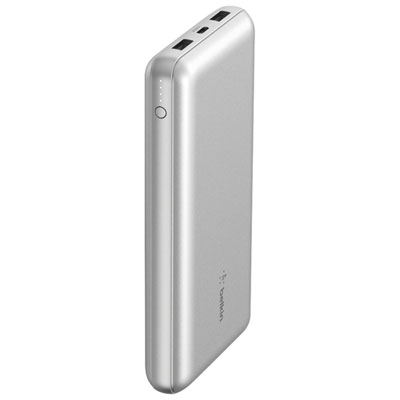
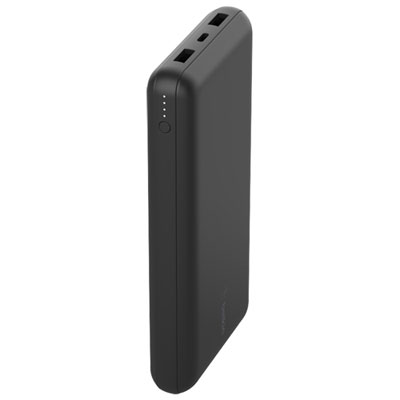
Charging arrangements deserve as much thought as the equipment a station will run. Access to an AC outlet before departure makes it easier to begin a trip with a full battery, while supported vehicle charging can help replenish power between destinations. Charging times vary considerably with the input method, charger rating and battery design, and some vehicle connections provide only a modest amount of power. The correct cables and adapters matter, especially when luggage space makes an extra trip home impractical. Battery chemistry and rated cycle life can help indicate suitability for repeated use, although cycle-life figures are tied to particular testing conditions and do not guarantee identical results on every trip. Clear controls, accessible charging ports and straightforward battery information can make a station easier to share with relatives or friends. As a gift, a portable power station is best matched to someone’s actual routine: a frequent road-tripper may value easy carrying, while a cabin visitor may prefer more capacity for longer stays. For travellers who mainly need pocket-sized charging for a phone or earbuds, Power Banks for Spring Break Travel offers a related category to consider. Air travel needs separate planning, since many portable power stations exceed airline battery limits; airline rules and approval requirements should be checked before packing. On the road, secure placement helps prevent a heavy station from sliding during sudden stops. During use, ventilation openings need to remain clear, and the unit should sit away from standing water, direct heat and loose fabrics. Charging a battery below its permitted temperature range can damage it, so a station left in a cold vehicle may need time to reach the manufacturer’s specified charging range. After the trip, a dry cloth, inspection of cables and storage at the recommended charge level help keep the station ready for its next outing.
Top selling and popular products
-
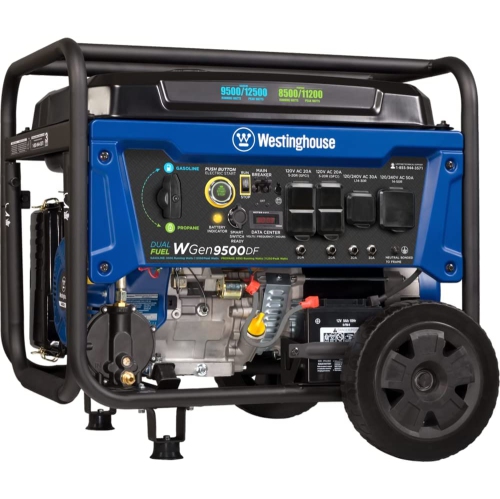 Your price for this item is $2799
-
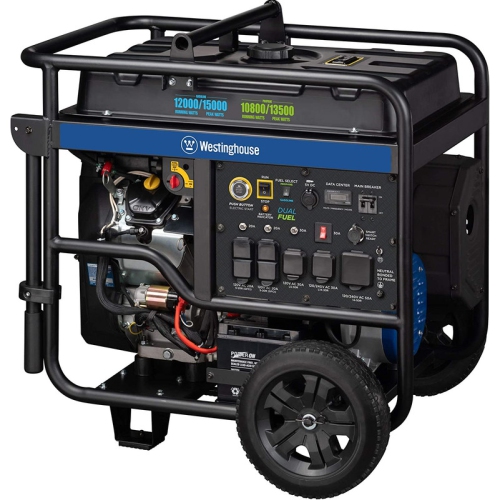 Your price for this item is $6199
-
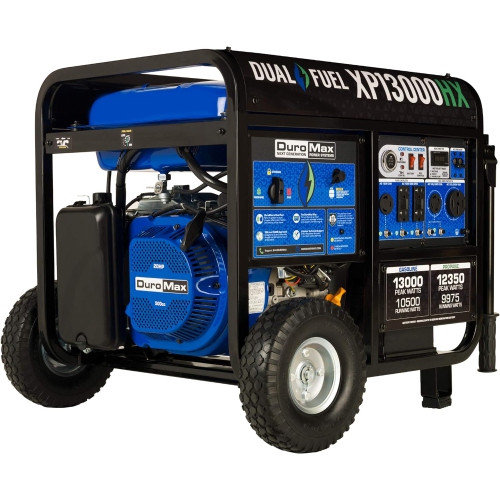 Your price for this item is $3499
-
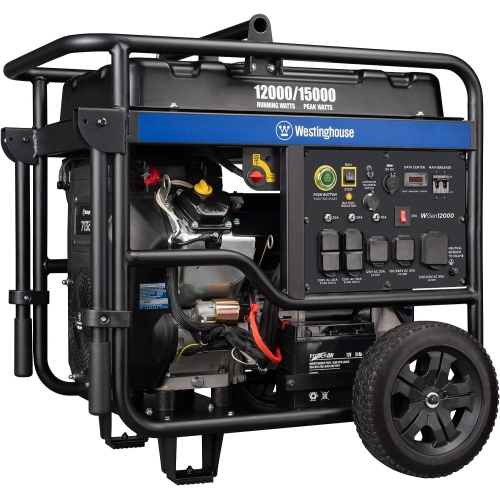 Your price for this item is $5499
-
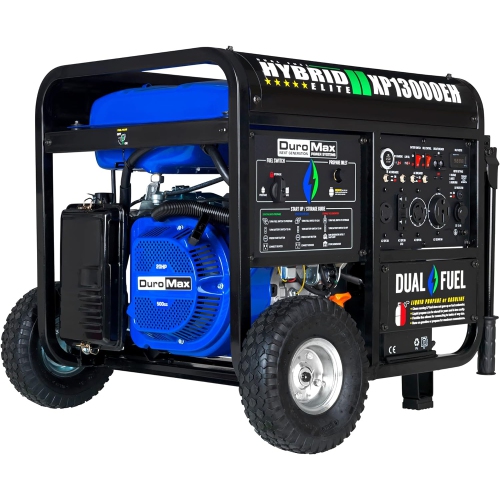 Your price for this item is $2899
-
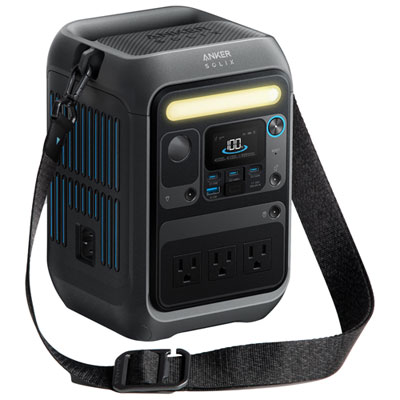 Your price for this item is $289.99
-
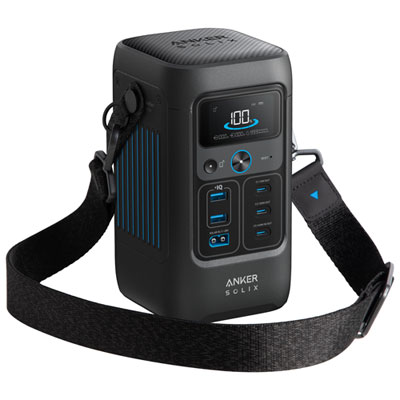 Your price for this item is $189.99
-
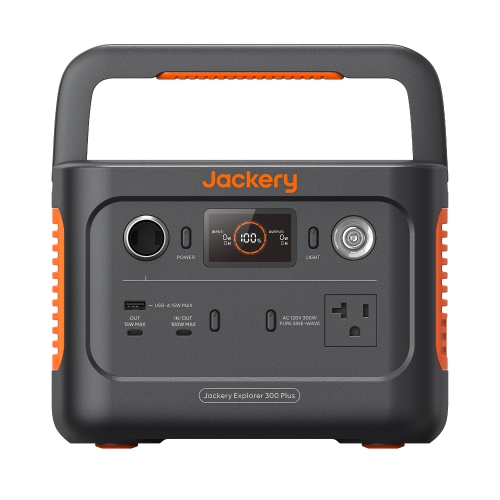 Your price for this item is $259
Discover more categories related to Spring Break Portable Power Stations
Top Collections:
Best Black Friday Deals This Year, Best Black Friday Deals On Electronics, Kindle Devices, Pokemon Centers, Best Black Friday Deals On Apple Products, Best Cameras for Sports Photography, Dyson Airwrap, Pokémon 30th Celebration Cards, Apple iPhone 17 Pro, Canon G7X Cameras
Some products may be subject to Environmental Handling Fees
(EHF) depending on your province.
Learn more about EHFs.