Square Side Tables
A square side table is a great way to add extra seating and style to almost any room. Side tables are also useful for keeping your home organized, as they can hold almost all sorts of items such as remotes, books, magazines and more. Here are some of the best square side tables available to choose from.
Sort





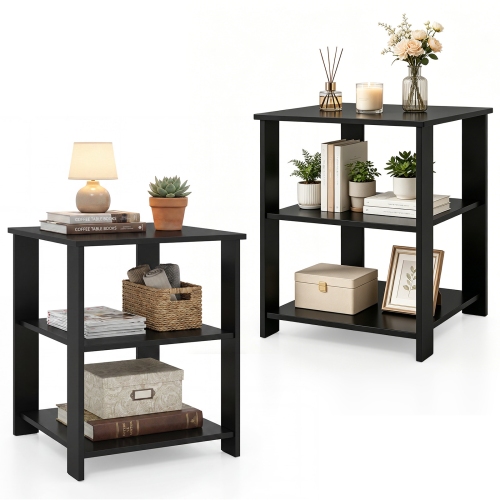
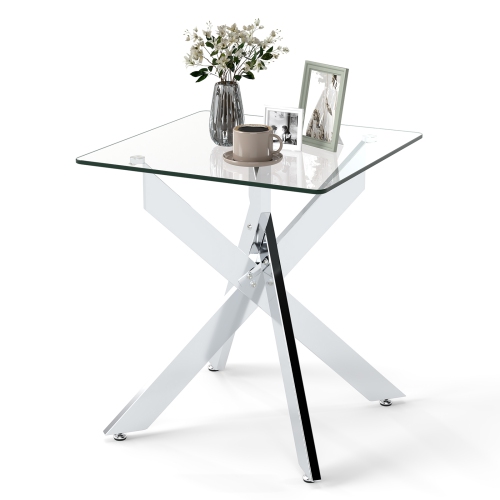


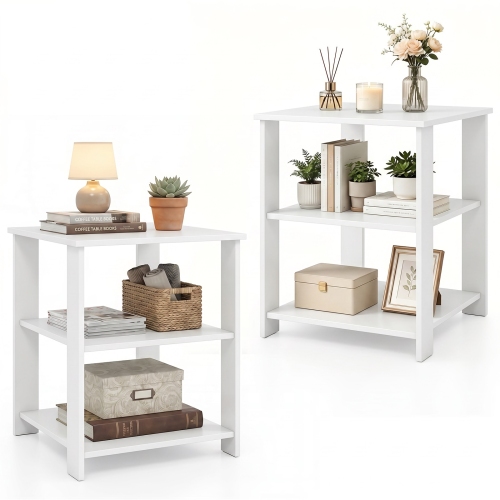
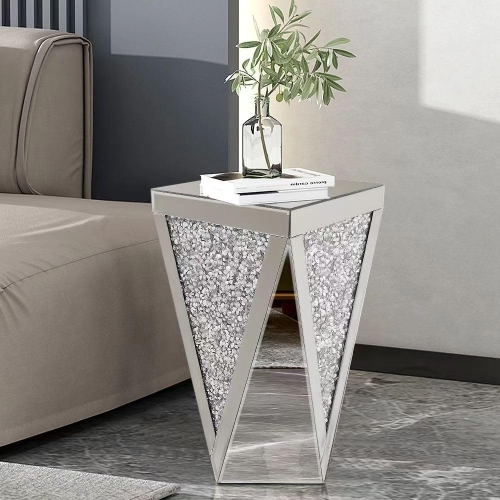
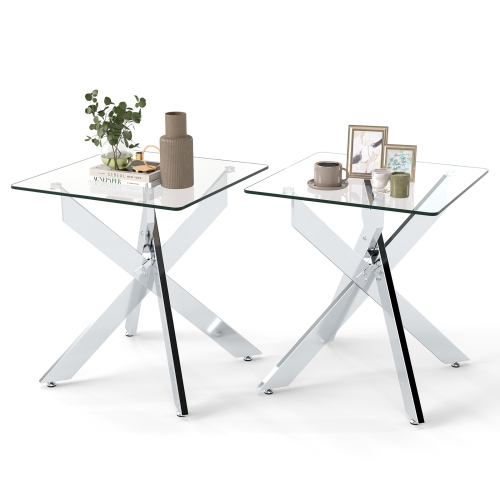


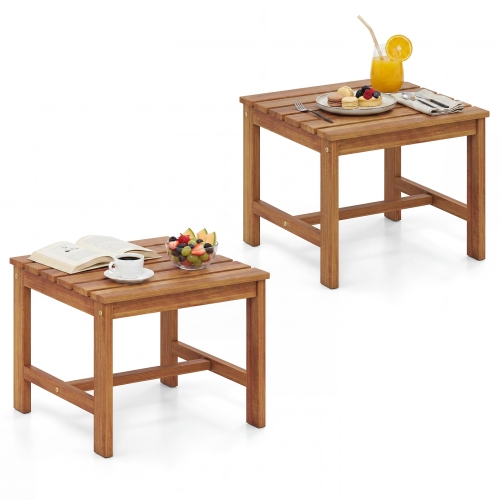

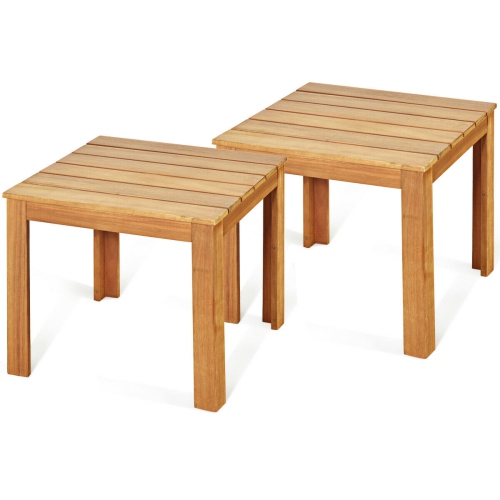

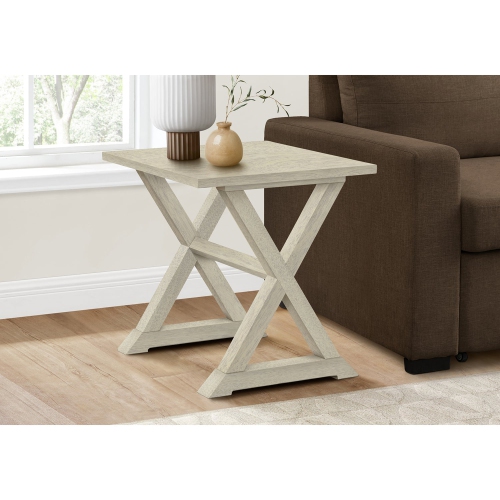








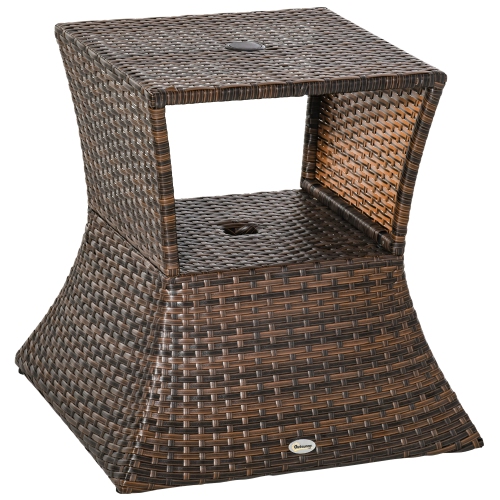
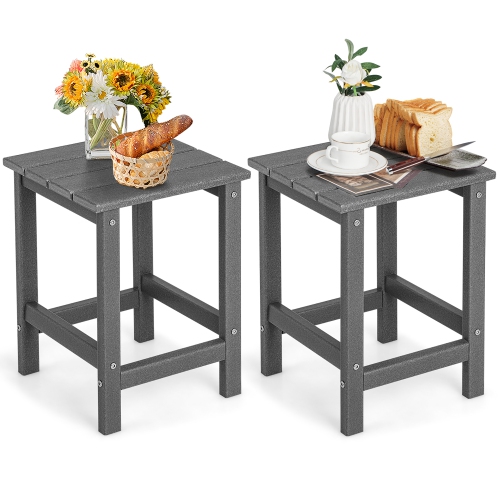


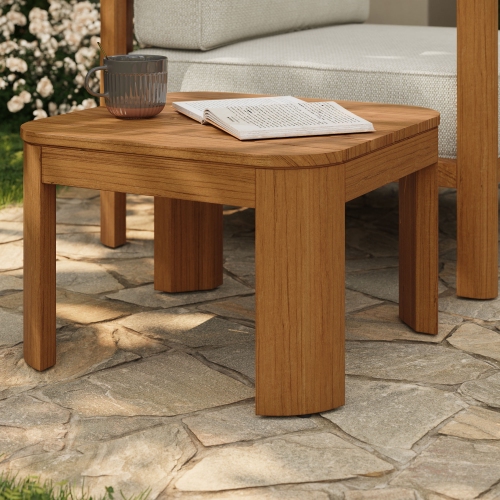

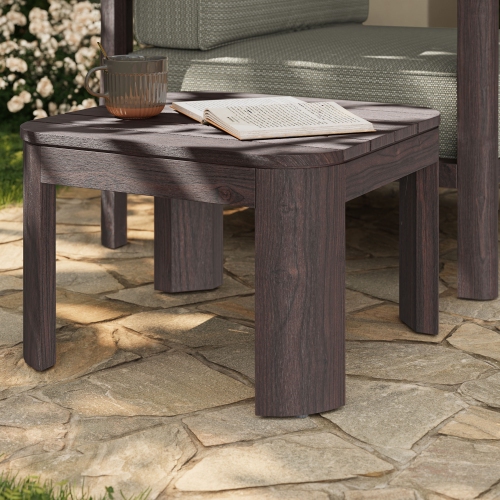


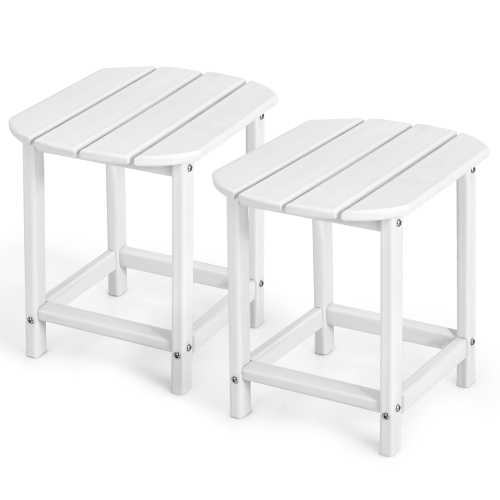


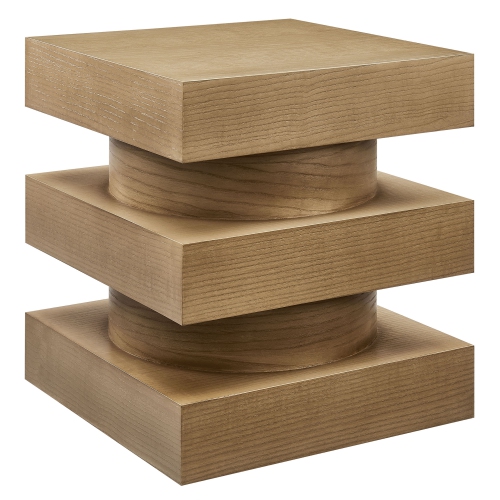
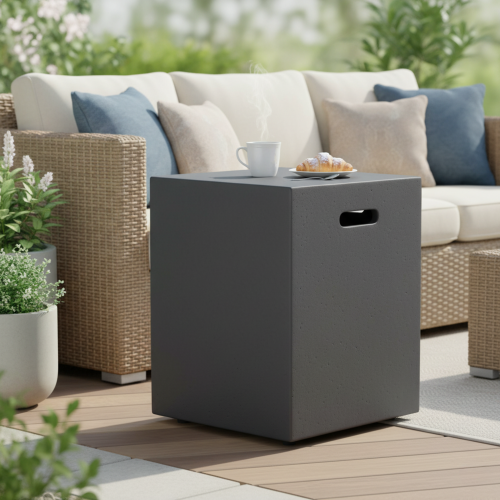


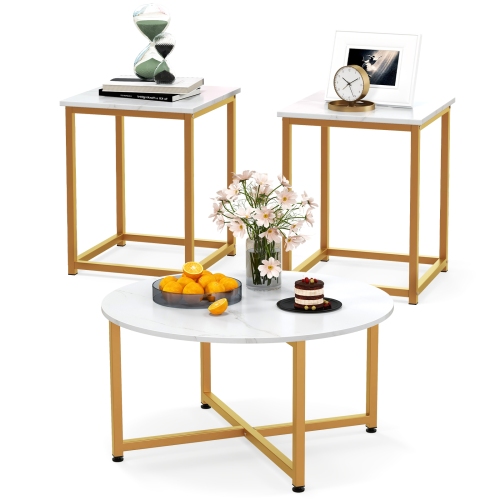


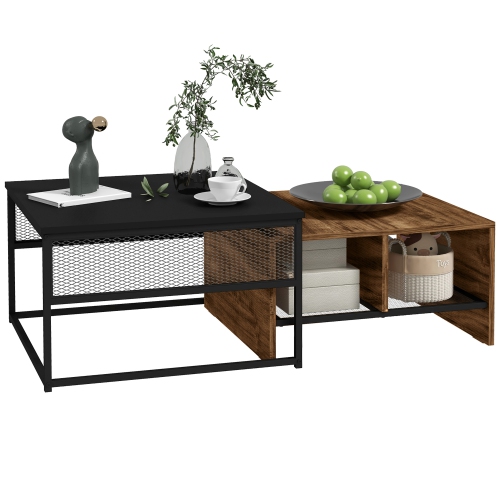
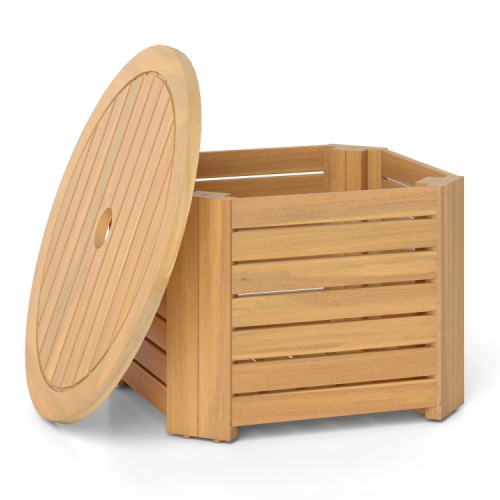
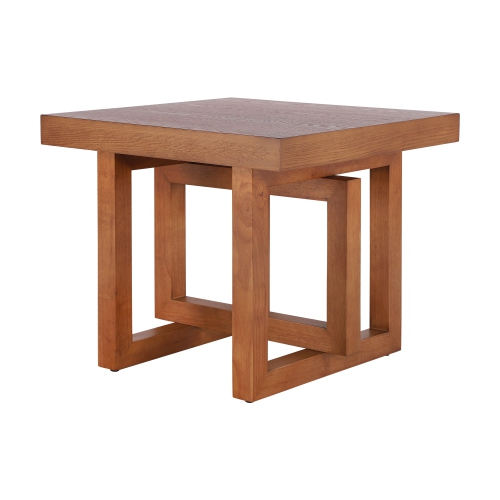


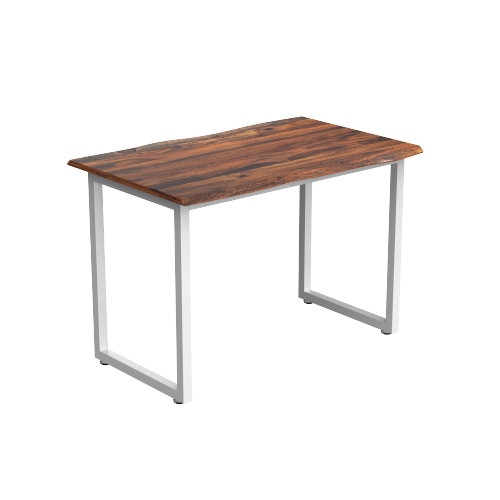


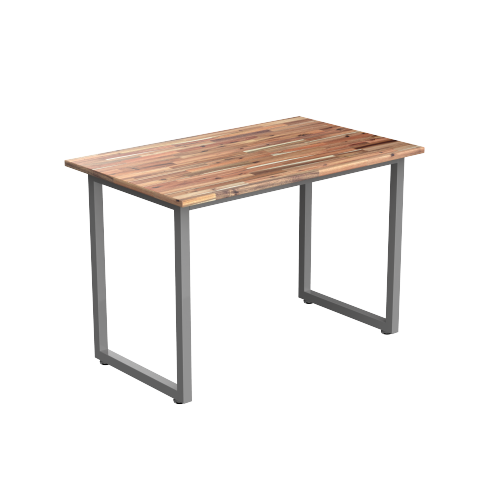


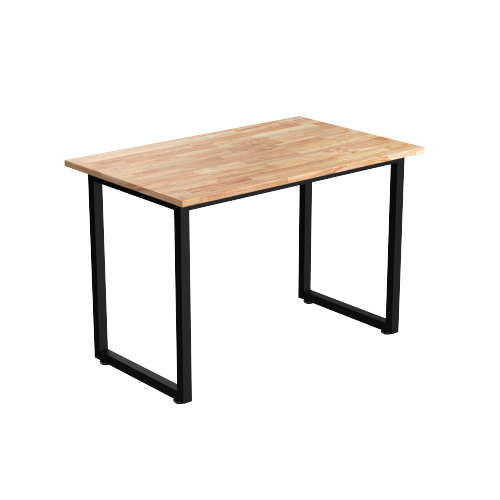
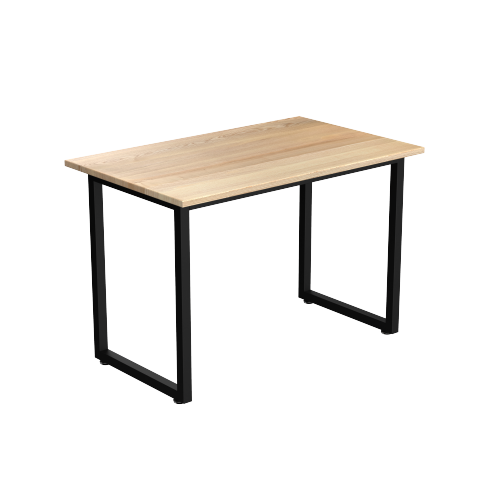

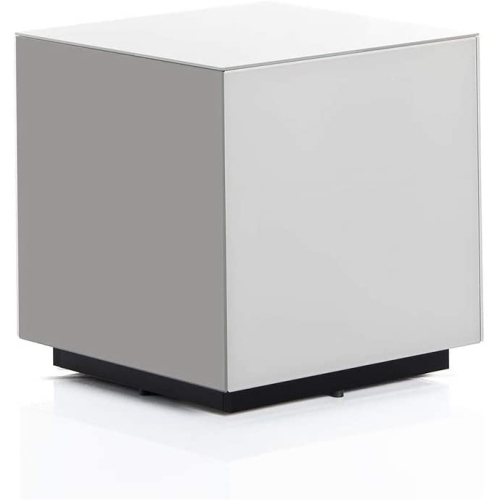
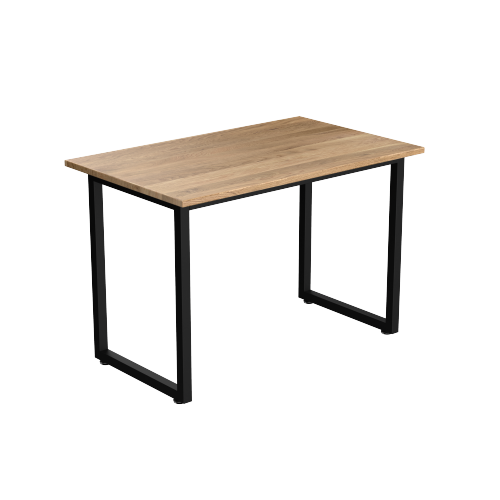
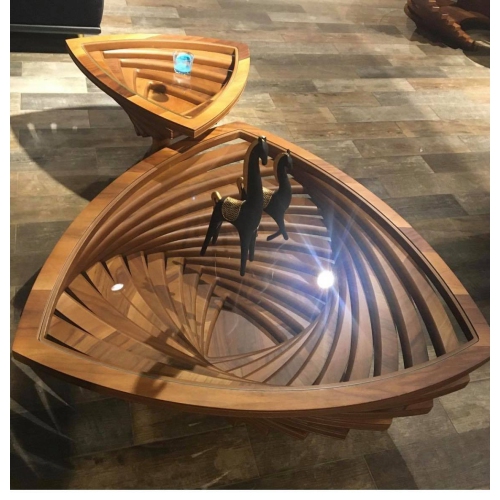


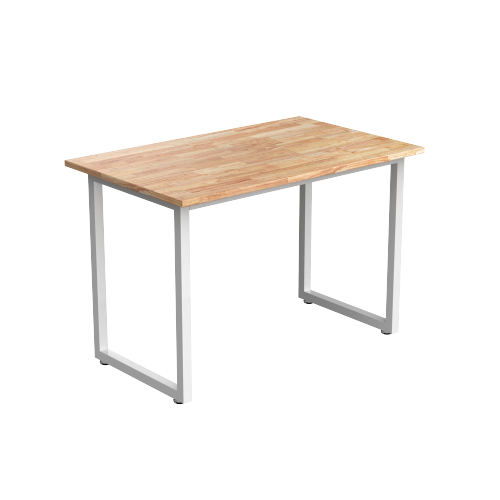
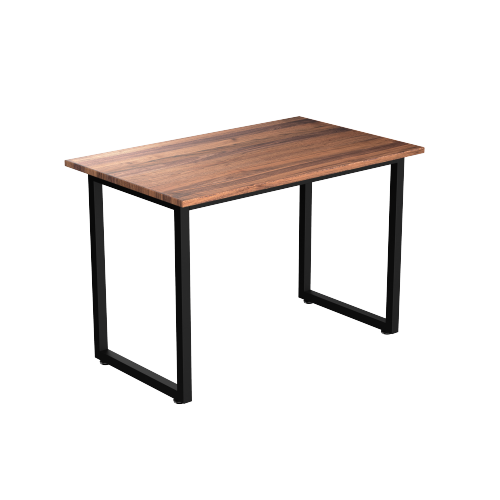
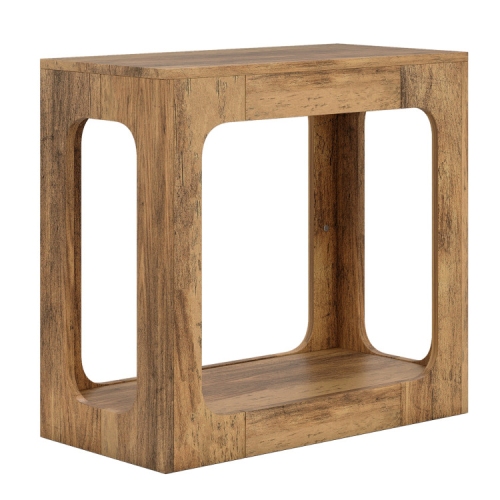

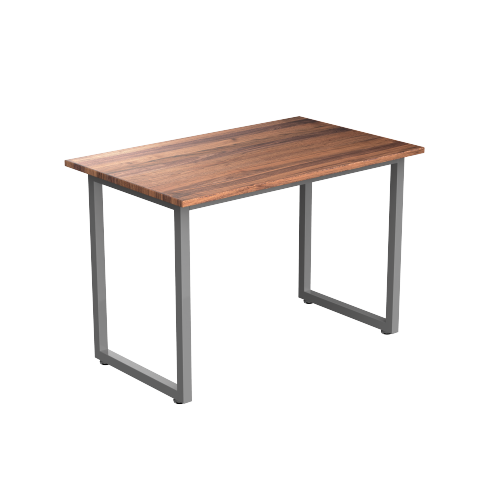
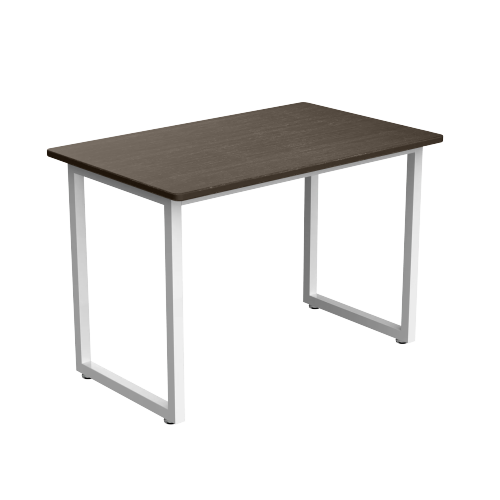
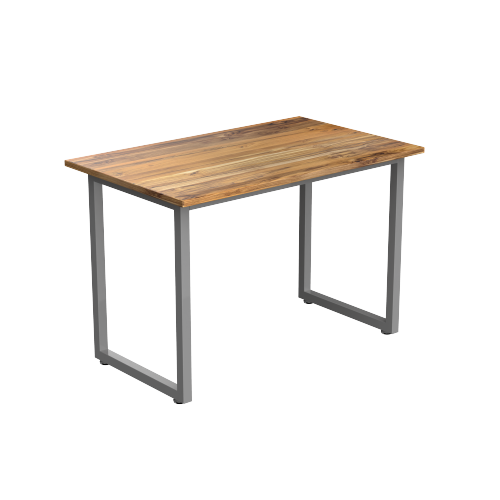

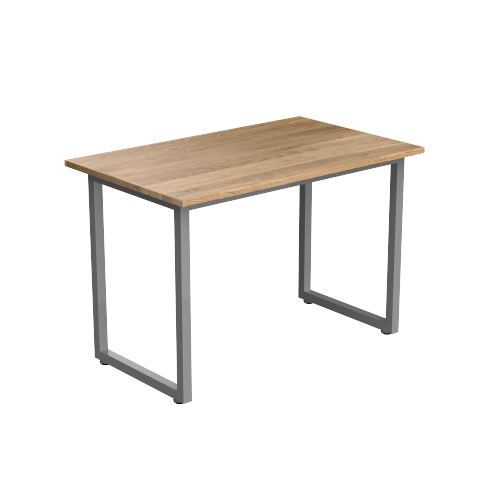
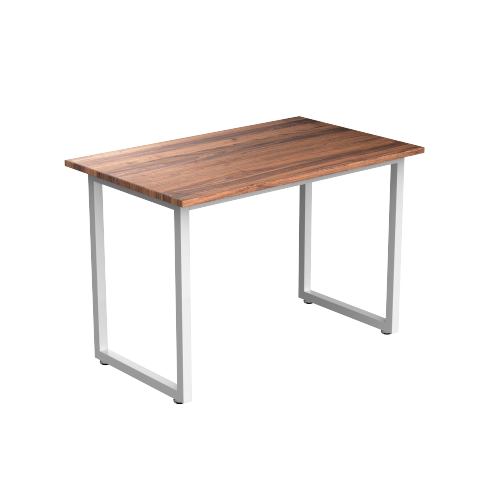


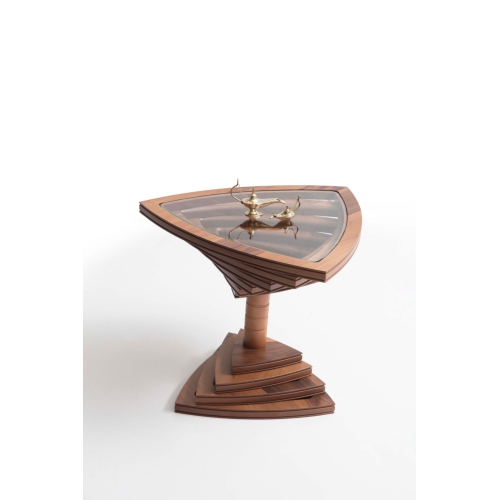
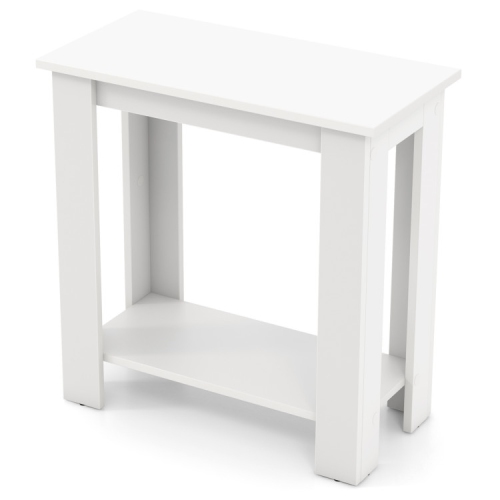

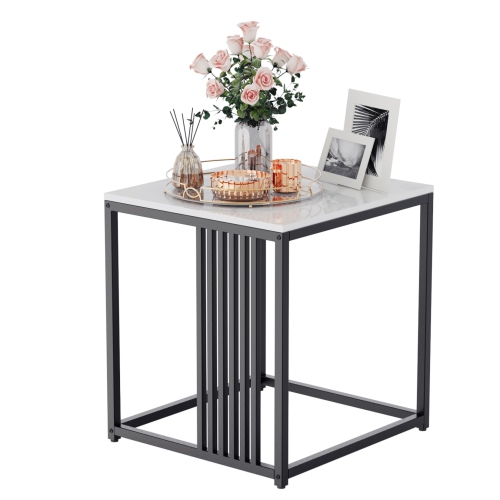
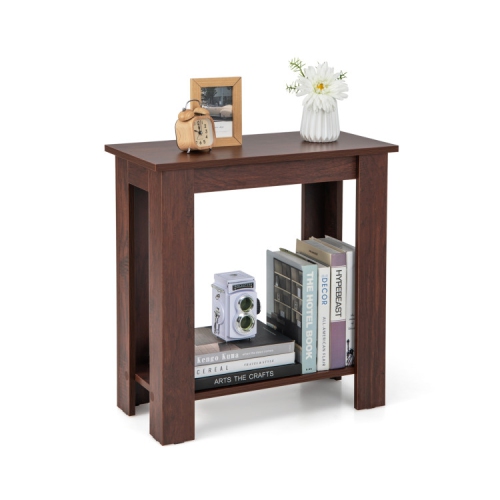
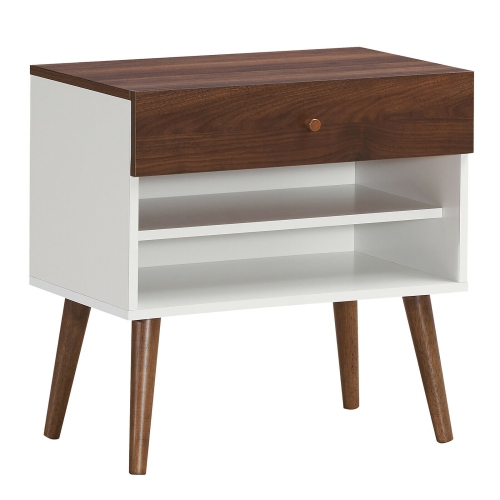
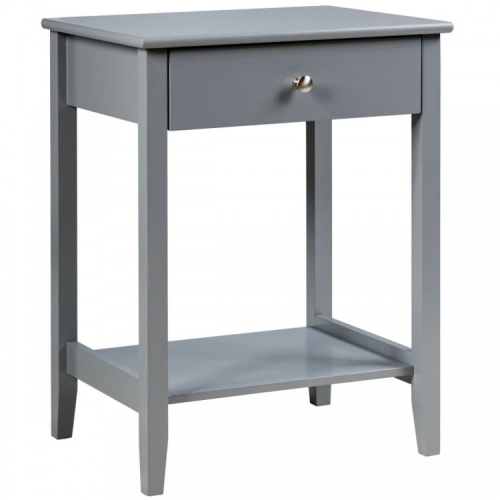


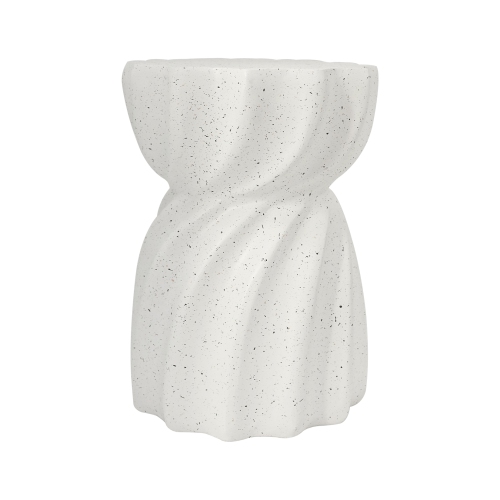

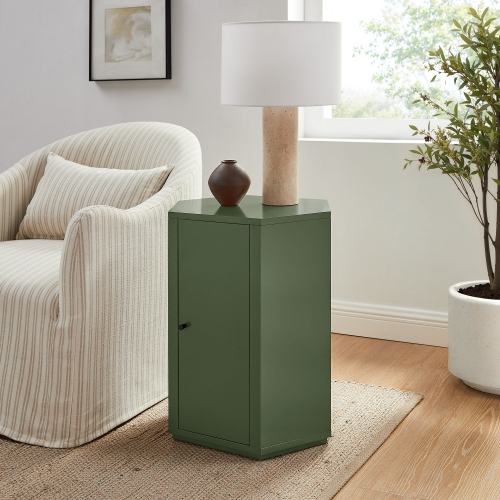


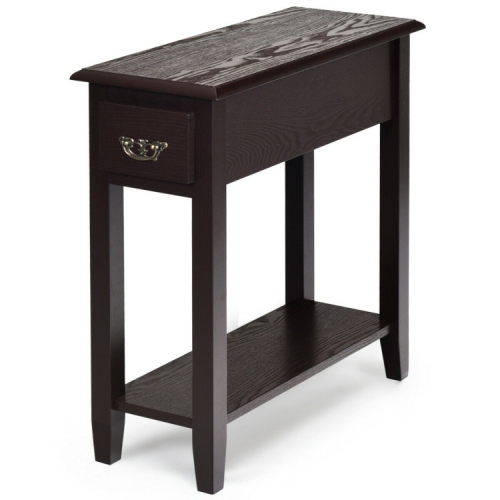
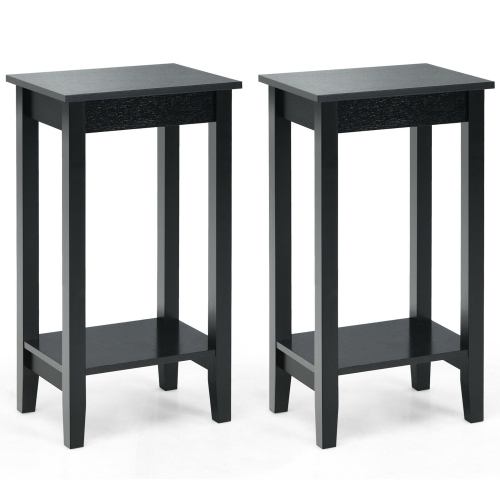

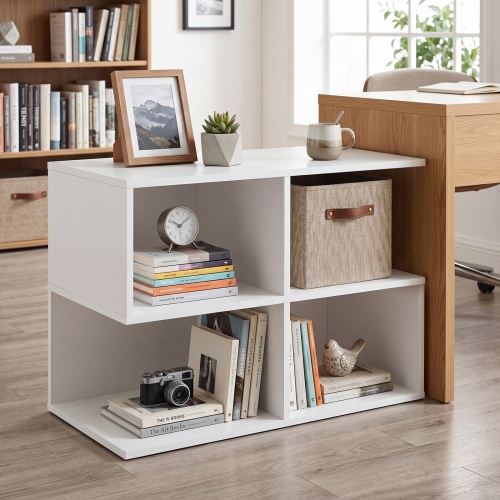
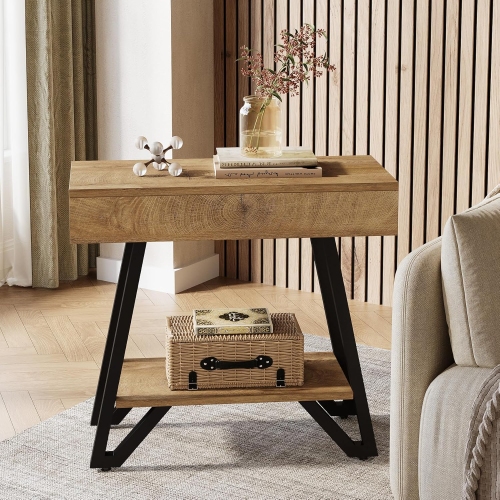
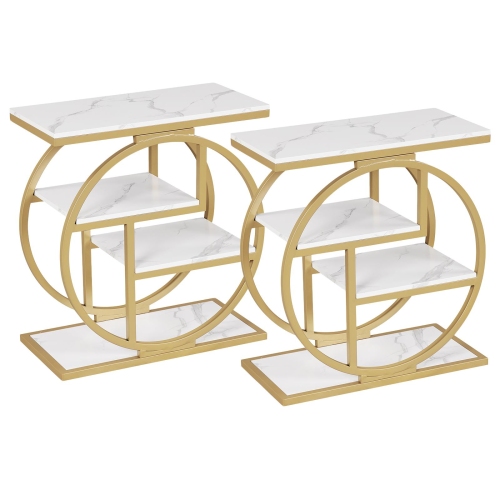
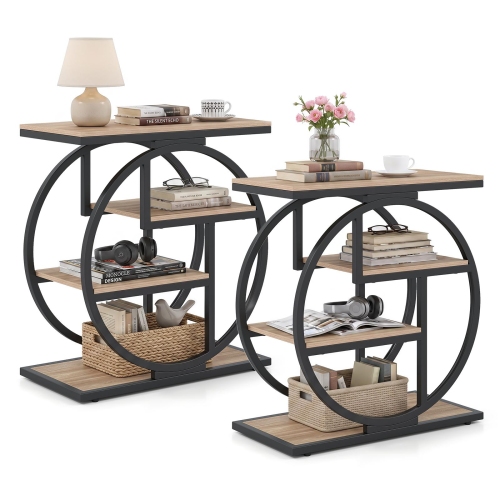
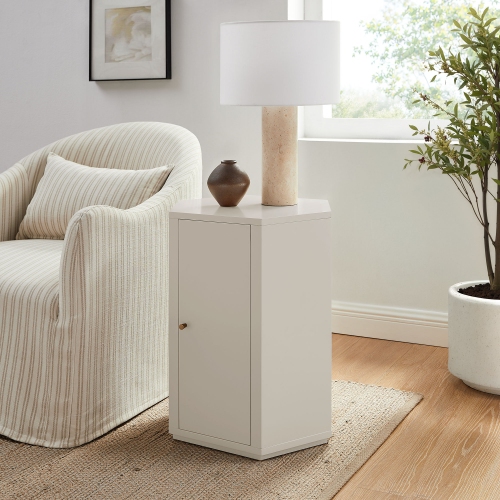
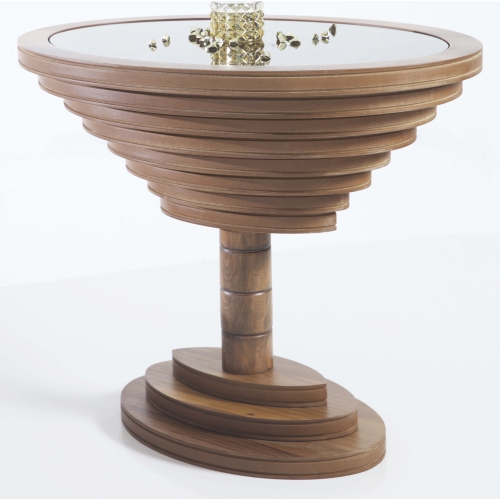

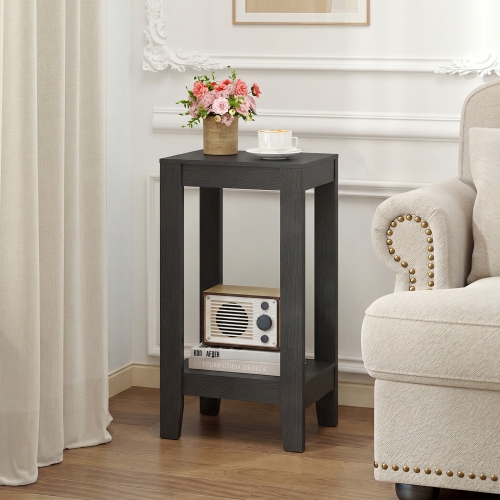
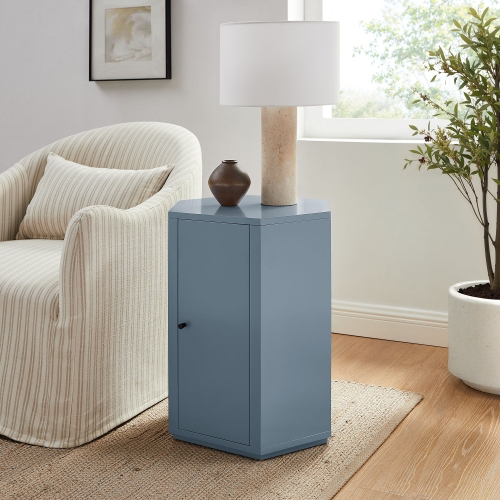
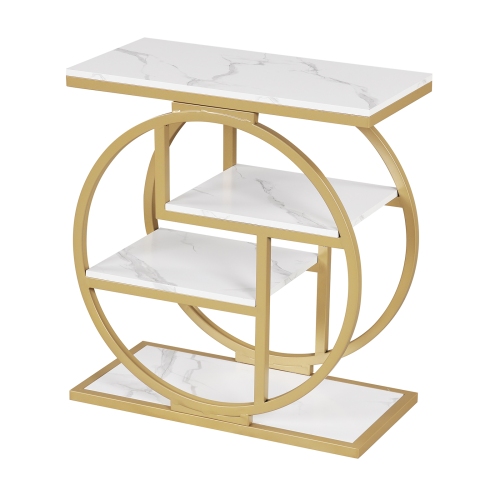
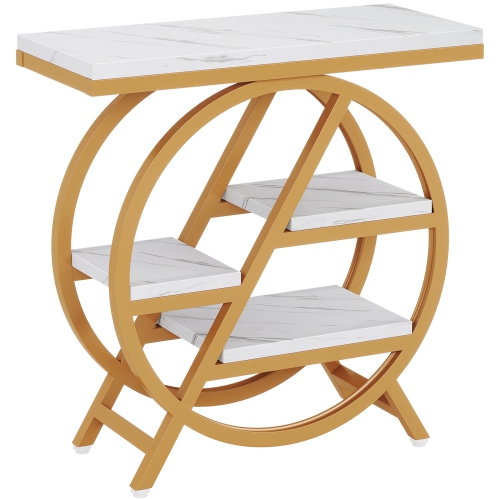
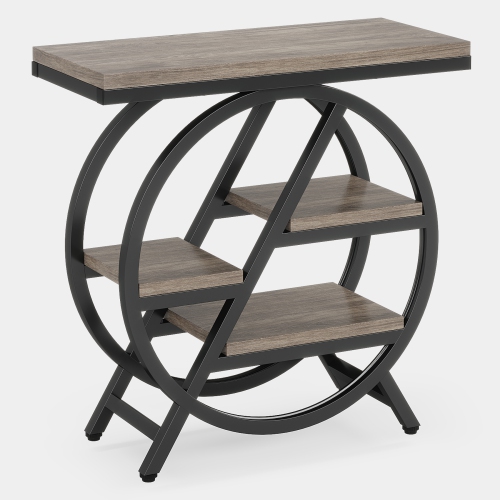
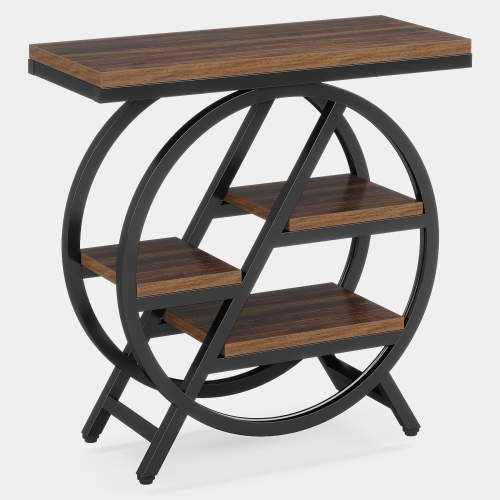
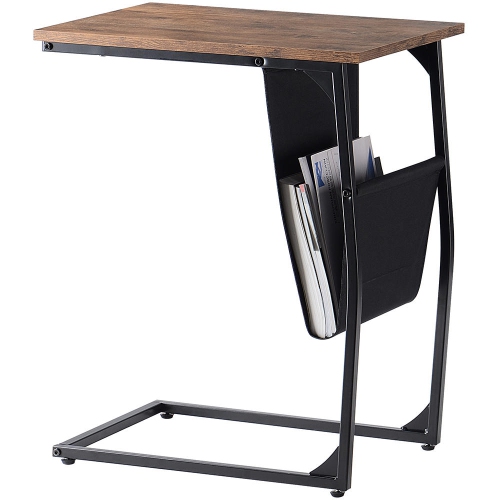

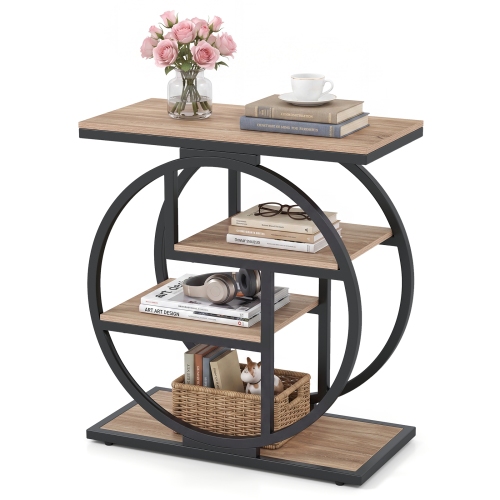
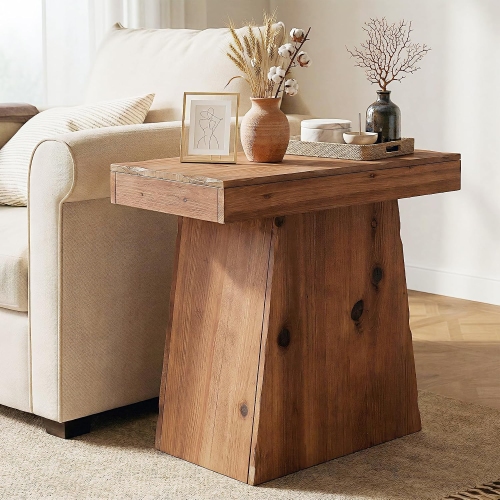
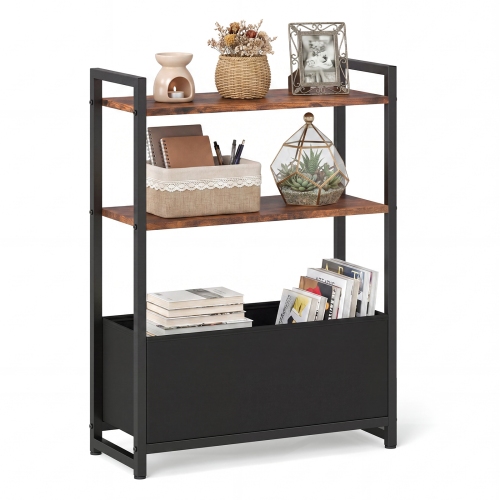
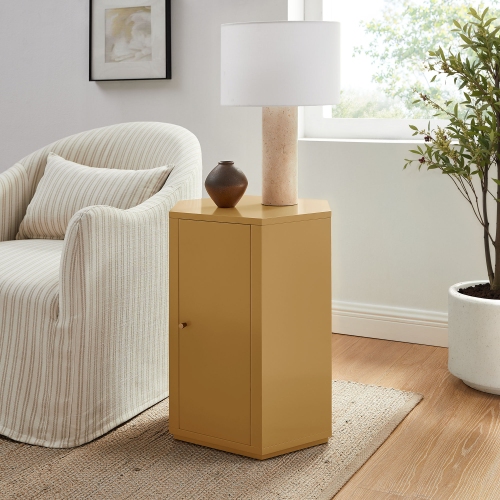


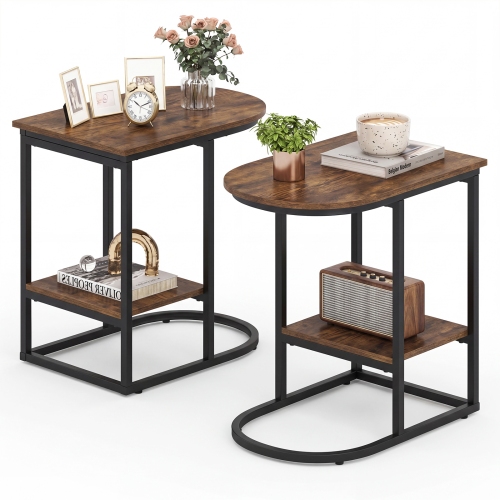
Everyday essentials within reach without crowding your seating area
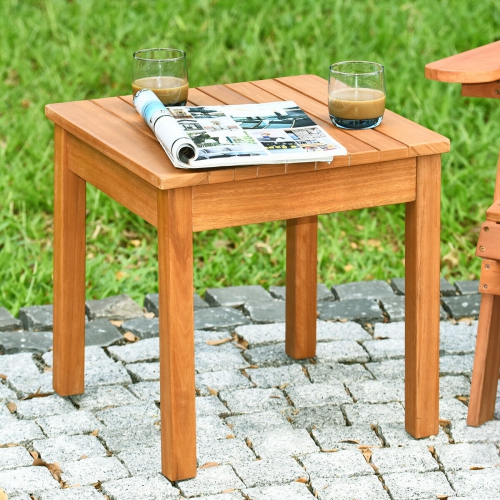
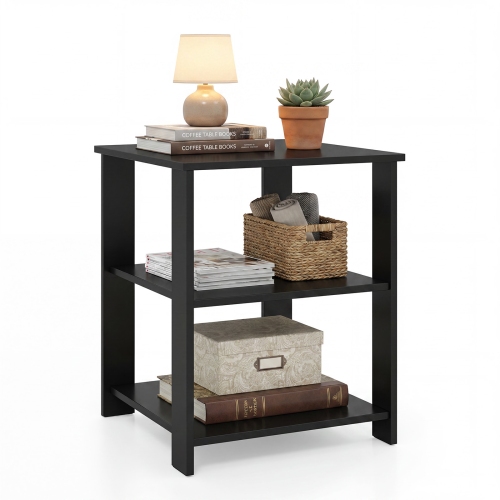
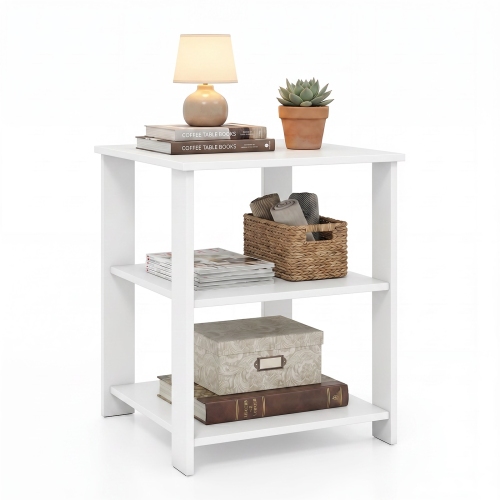
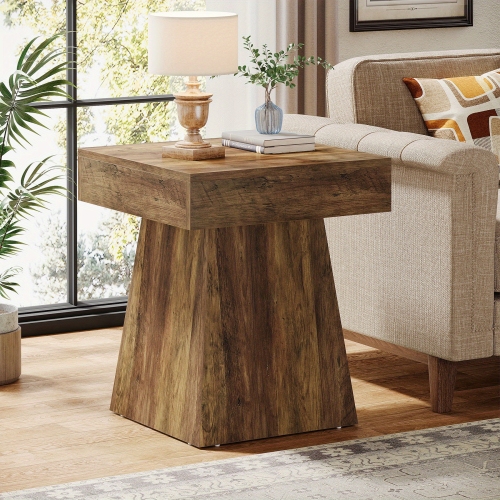
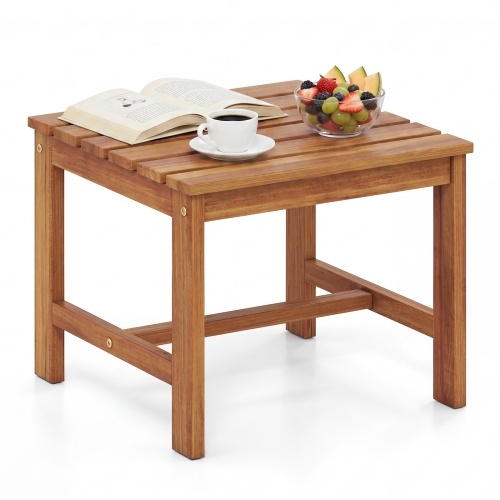
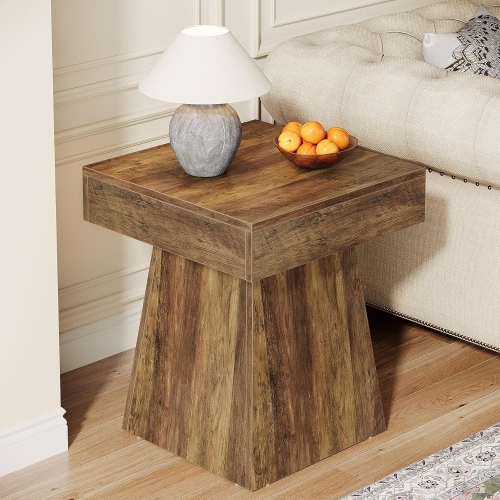
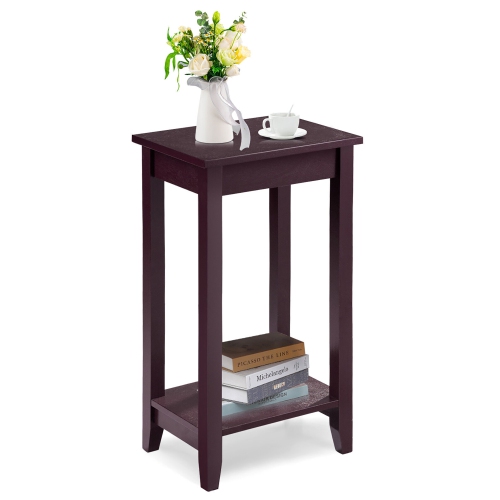
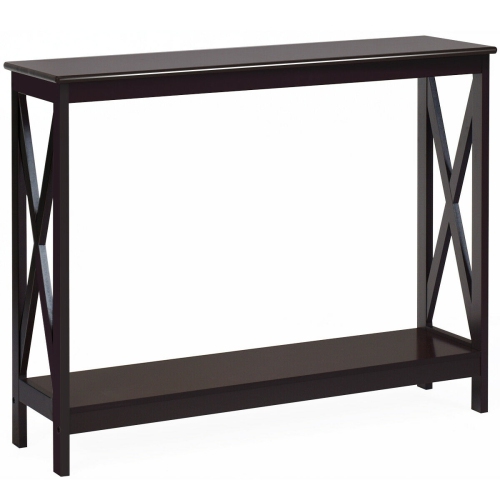
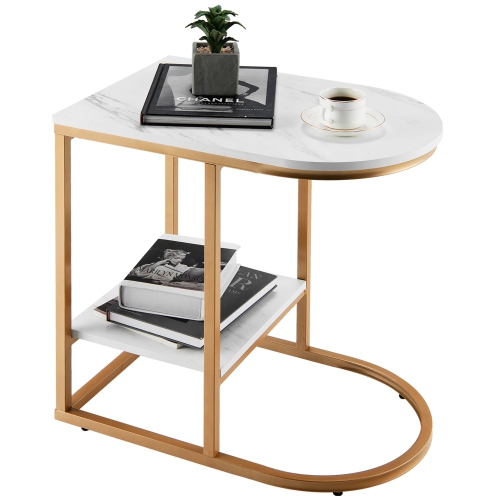
Square side tables bring a useful surface to the spaces beside sofas, armchairs, and beds, with equal width and depth creating a balanced shape that works well alongside larger furniture. Their straight edges sit neatly against a wall or beside a sofa arm, while the tabletop offers room for everyday essentials without taking over the seating area. In a living room, a square end table can hold a reading lamp, a mug, and the remote; beside a bed, it can keep glasses, a phone, and a book within easy reach. The terms side table and end table often describe the same type of accent furniture, although bedside use makes storage and height especially important. A tabletop close to the height of a sofa arm generally makes setting down a drink more comfortable, while a bedside surface near the top of the mattress is easier to reach from bed. Heights in the 18 to 24 inch range are common, but the surrounding furniture matters more than a standard measurement: a low lounge chair and a tall upholstered bed call for different proportions. Width and depth deserve equal attention because a square table extends just as far into the room as it does along the wall. Enough clearance for walking, opening drawers, and using a reclining chair helps the arrangement feel comfortable rather than crowded. Between two chairs, a square surface can serve both seats, provided neither person needs to stretch across an armrest to reach it. A compact footprint suits a reading nook or condo living room, while a broader top can balance a deep sofa. Where the space is long and narrow rather than evenly proportioned, Rectangular Side Tables offer an alternative shape. Square designs remain particularly useful where a corner or gap between seating pieces leaves room for equal dimensions.
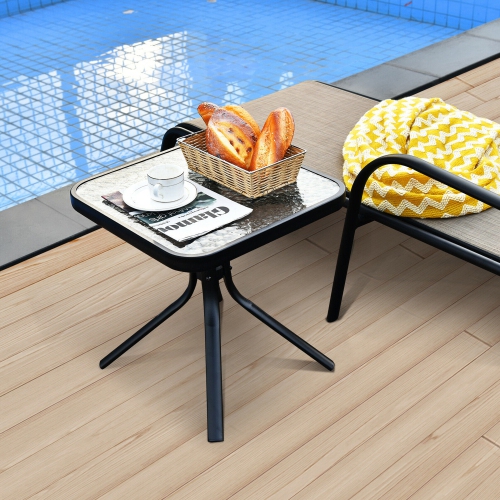
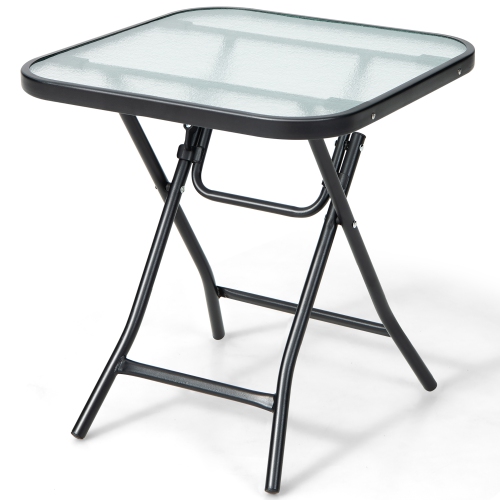
Materials give square side tables much of their character, and the differences go beyond appearance. Solid wood brings visible grain and natural variation, with finishes that range from pale and understated to dark and richly coloured. It can suit both traditional rooms and more pared-back spaces, depending on the leg shape, edge profile, and hardware. Wood veneer provides a real wood surface over a supporting core, while laminate and other manufactured finishes can offer a consistent colour or pattern. Durability depends on the complete construction, including the quality of the surface finish, edge treatment, joints, and base, rather than on the material name alone. A sturdy engineered-wood table may suit everyday use well, while even a substantial solid-wood piece needs protection from spills and excessive heat. Metal frames create a slimmer outline and pair easily with upholstered seating; powder-coated surfaces have a different look and feel from polished or brushed finishes. Glass tops let more of the floor and surrounding furniture remain visible, which can help a small seating area feel less crowded. Glass still needs regular attention to fingerprints, and exposed edges deserve consideration in busy households. Stone and marble surfaces add distinctive veining and visual weight, though their care requirements vary: some are porous, some require sealing, and acidic spills can mark certain finishes. Stone-look surfaces may offer a similar visual effect with different maintenance needs, so the stated material matters. For a softer look, rounded corners on a square top preserve the overall shape while reducing sharp projections beside a walkway. A pedestal base leaves a different amount of floor space open than four legs, and a box-style base gives the table a more substantial presence. Matching every finish in a room is not essential. A wood top can soften the look of a metal-framed sofa, while a simple dark table can give pale upholstery a defined edge. Repeating one detail, such as a wood tone or hardware finish, helps different pieces feel connected without making the room overly uniform.
Storage and daily routines often determine which square side table feels most useful over time. An open shelf keeps a stack of books or a small basket easy to reach, while a drawer gives charging cables, pens, and other loose essentials a place out of sight. A cabinet-style base can conceal larger belongings, but its door needs room to swing without hitting a sofa leg or blocking a passage. Nesting designs provide extra surfaces that can be separated when guests visit and tucked together afterwards, although the smaller table’s height and usable area may differ noticeably. For a reading corner, a stable top with enough room for a lamp base and a drink is often more useful than decorative details alone. A tray can gather small objects, but leaving part of the surface clear keeps the table ready for actual use. Lamp cords and charging leads should reach an outlet without crossing a walkway, and a table intended to support a heavy planter or other substantial object needs an appropriate stated weight capacity. Side tables are not seating or step stools unless specifically designed for that purpose. Stability matters on both hard floors and rugs; adjustable feet, where included, may help with slight unevenness, while suitable furniture pads can limit scratches on flooring. Care should follow the finish and manufacturer’s directions, with soft cloths, prompt spill removal, and coasters providing a practical starting point for many surfaces. Abrasive cleaners can damage coatings, and moisture left around seams or edges can cause problems for some wood-based materials. Assembly also affects lasting performance: properly fitted hardware and occasional checks for loose fasteners help prevent wobbling with repeated use. For a first apartment, a shared living room, or a guest bedroom, these tables provide a modest but frequently used addition. They can also make a thoughtful housewarming gift when the recipient’s room dimensions and style are known, offering a familiar place for the small things that make a seat or bedside comfortable.
Top selling and popular products
-
 Your price for this item is $93.98
-
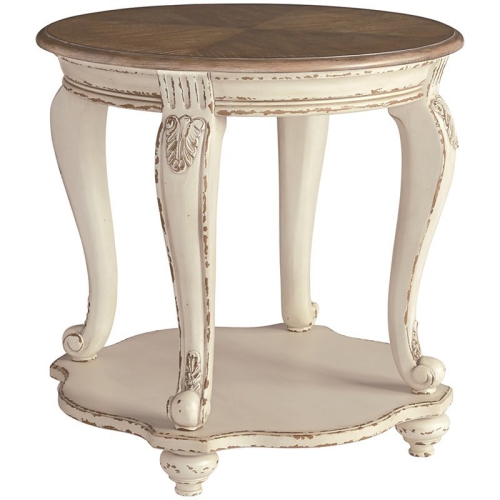 Your price for this item is $369
-
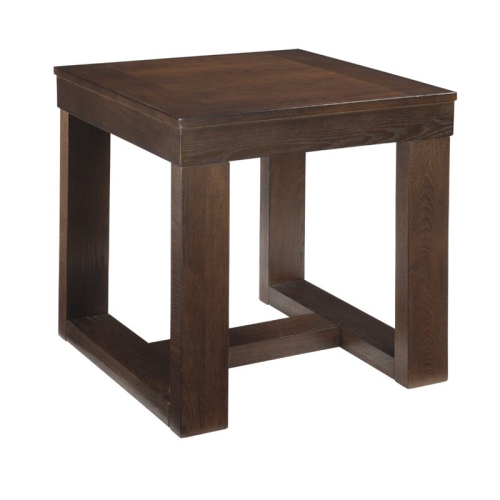 Your price for this item is $199
-
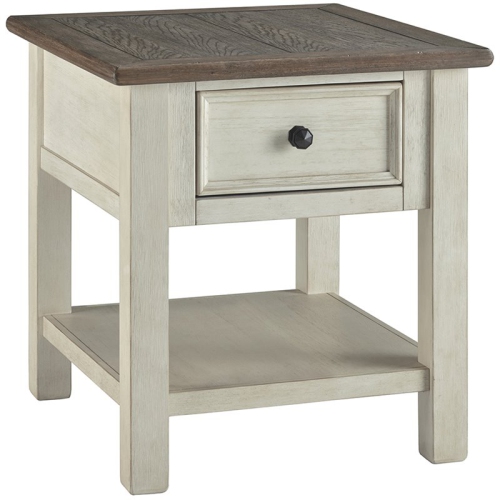 Your price for this item is $399
-
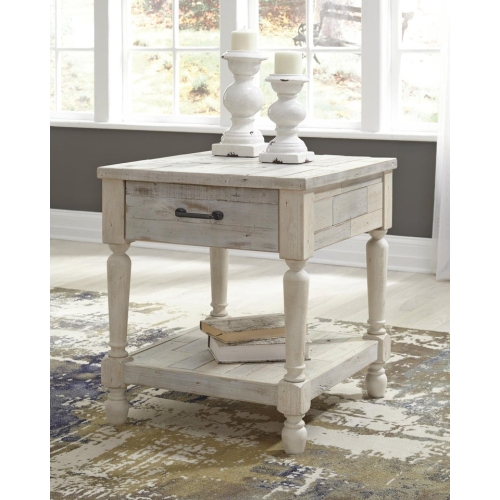 Your price for this item is $249
-
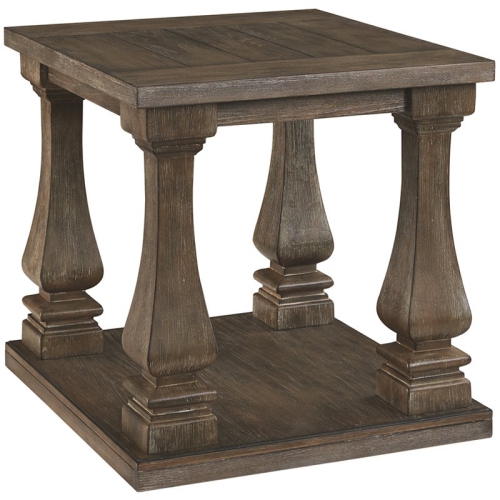 Your price for this item is $375
-
 Your price for this item is $452.99
-
 Your price for this item is $224.99
Discover more categories related to Square Side Tables

Top Collections:
Pokemon Centers, Kindle Devices, Best Cameras for Sports Photography, Pokémon 30th Celebration Cards, Apple iPhones 16, Canon G7X Cameras, iPhone 15 Apple, Flip Phones, Samsung Galaxy Phones, Alarm Clock
Some products may be subject to Environmental Handling Fees
(EHF) depending on your province.
Learn more about EHFs.