Square Wooden Side Tables
Sort
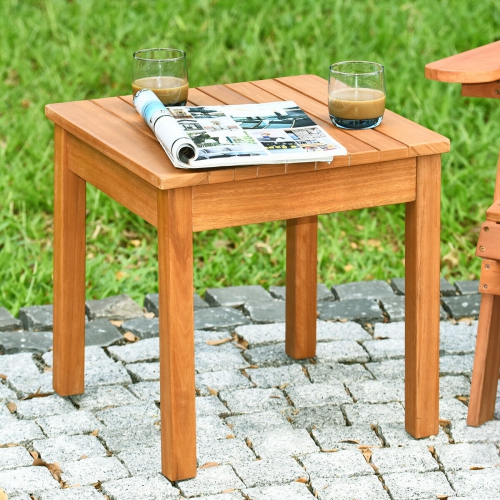
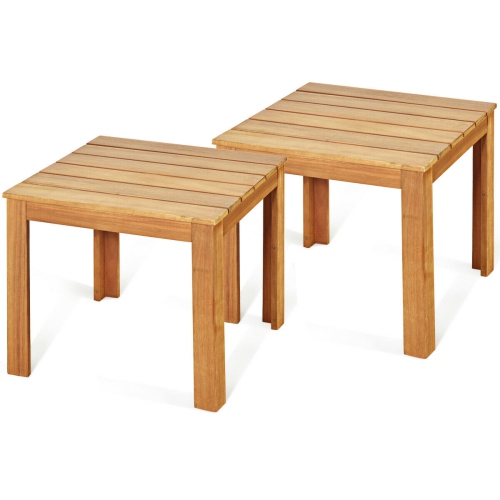


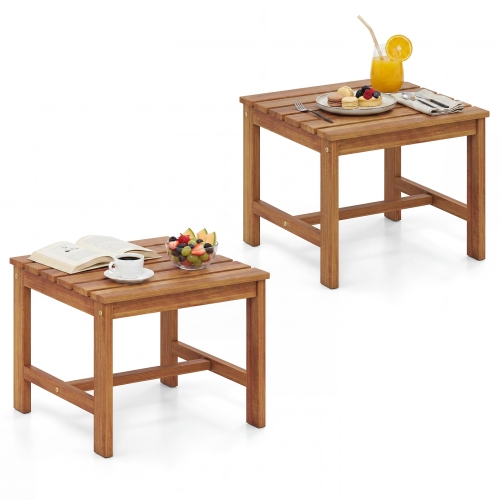
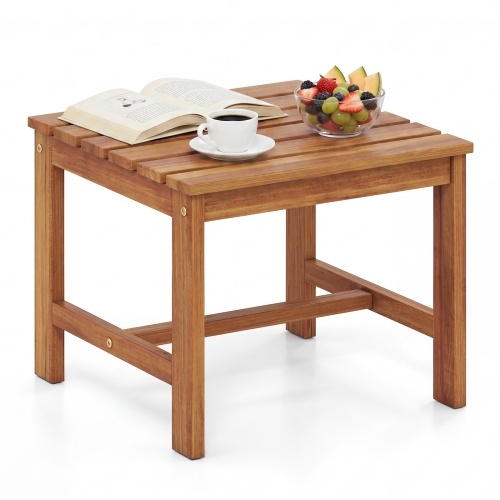


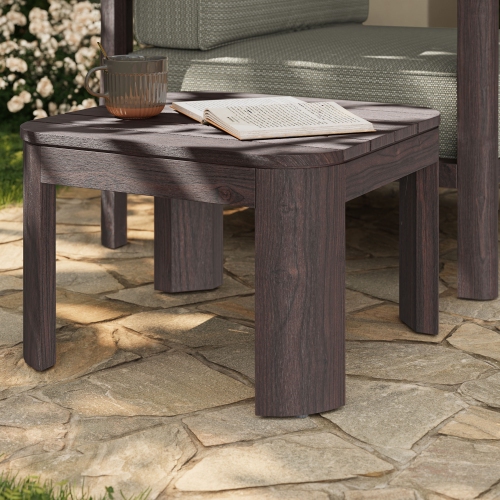
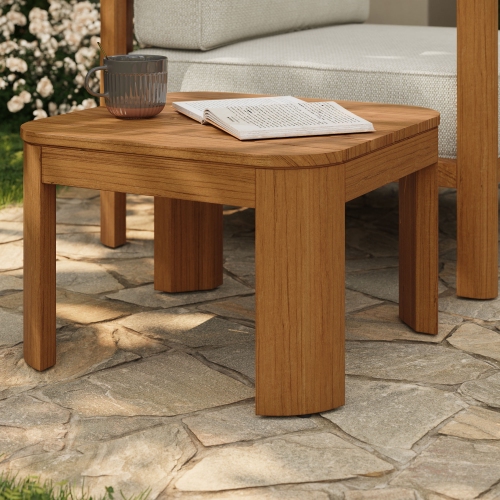


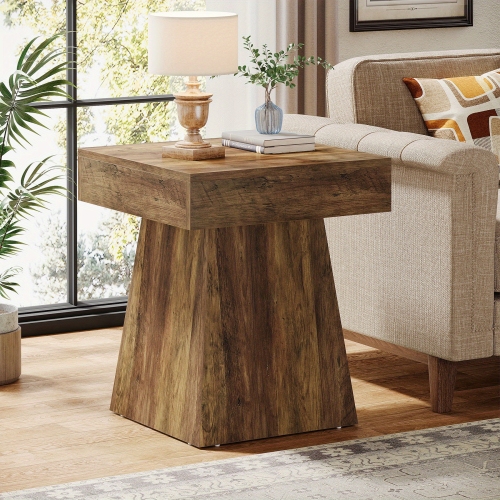

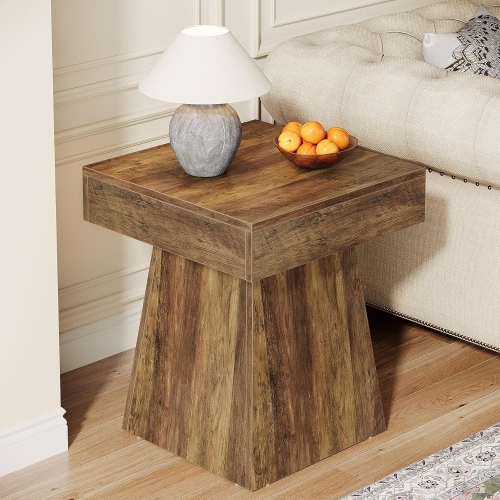


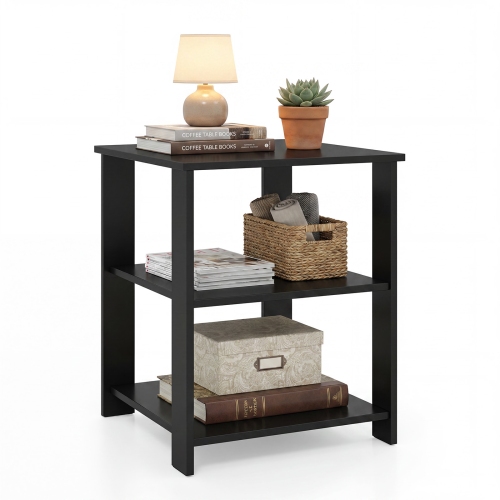

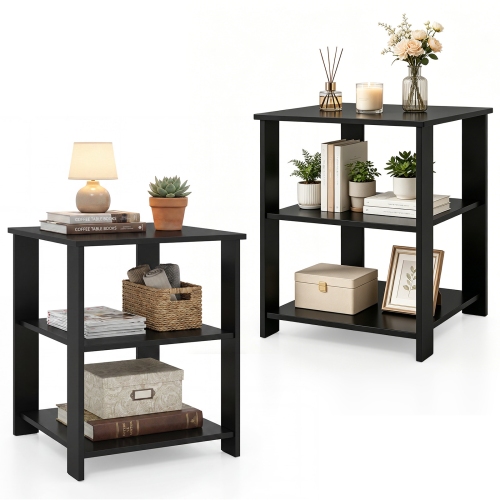
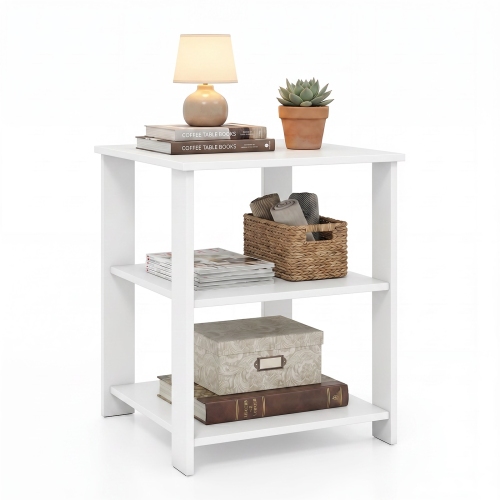
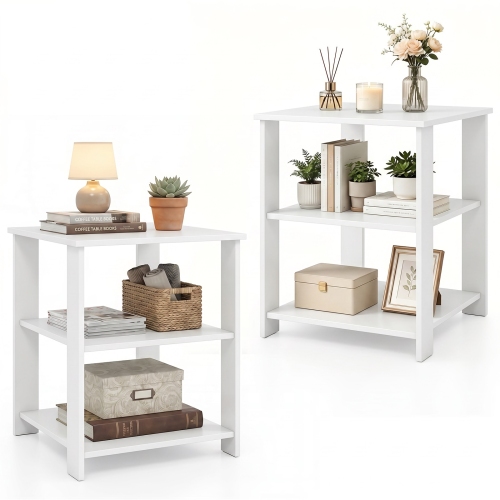


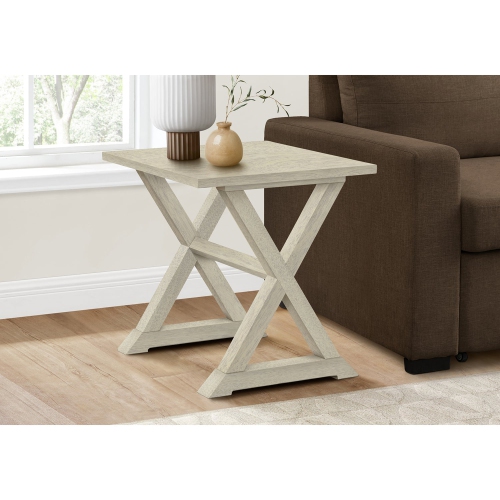


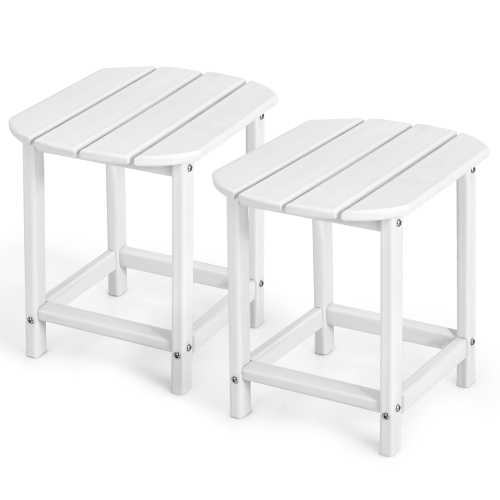
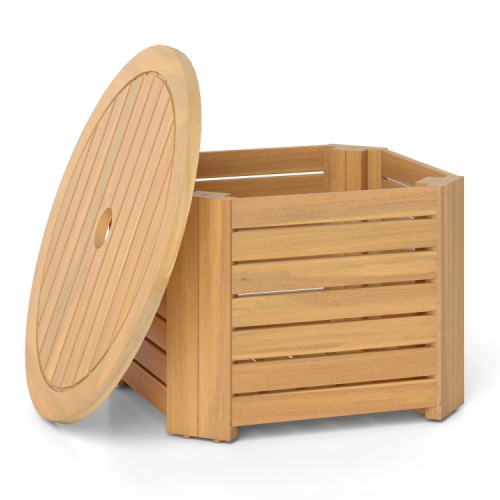

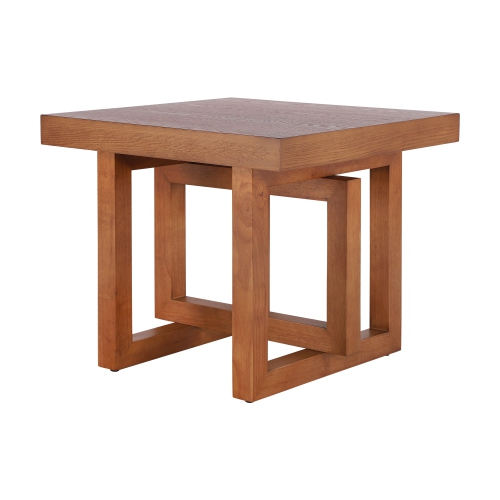
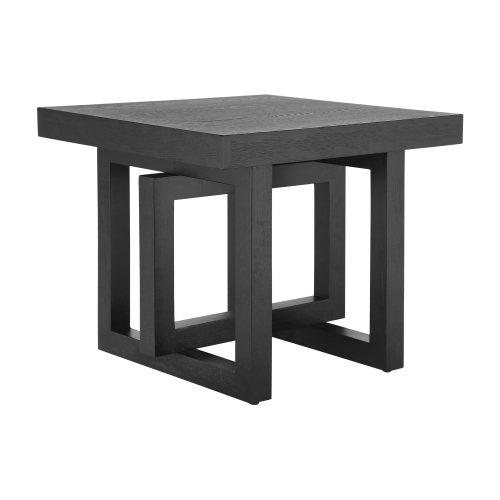


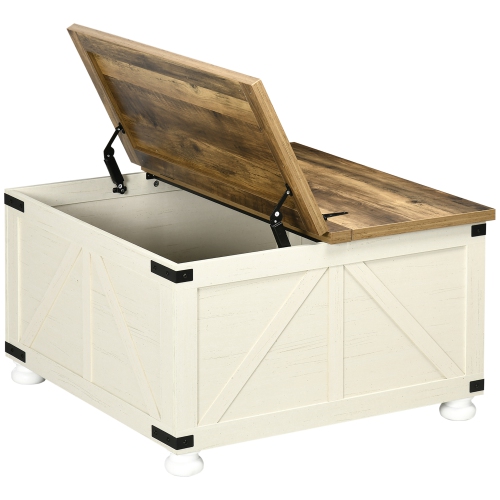
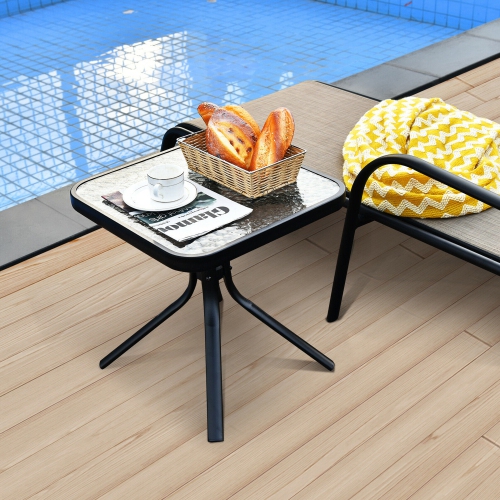

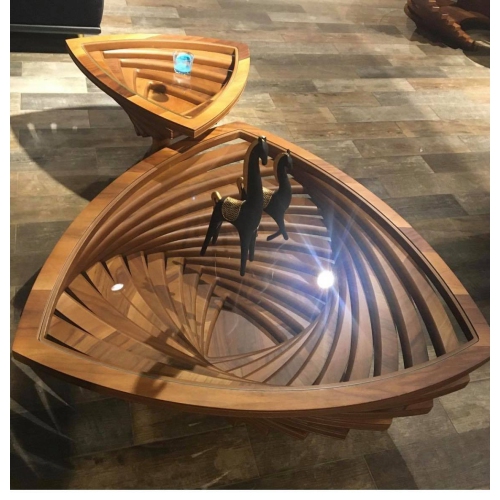
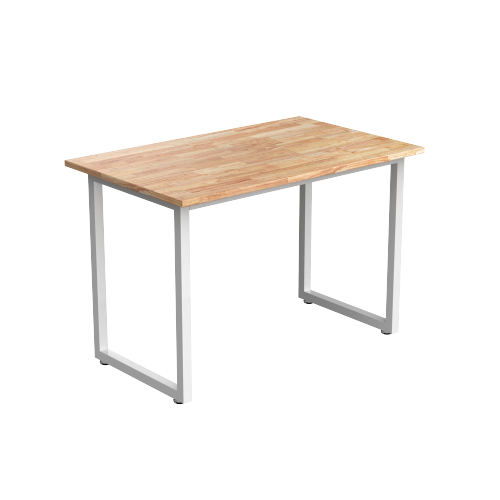
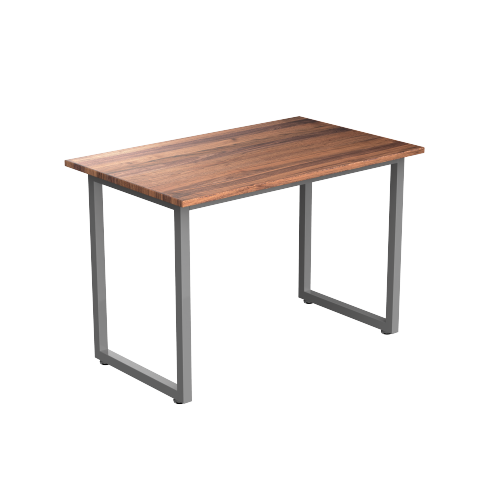
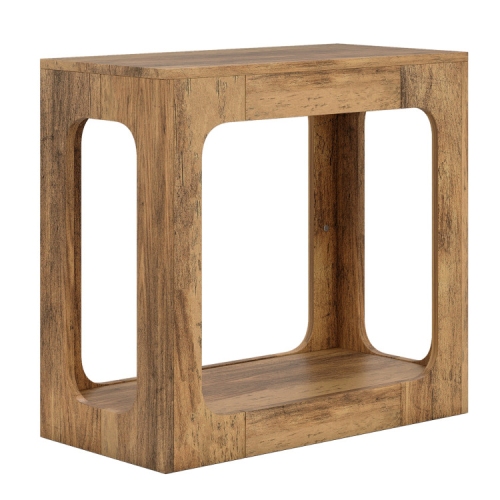

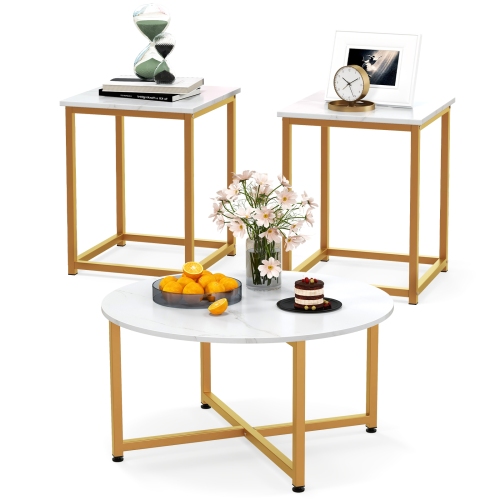

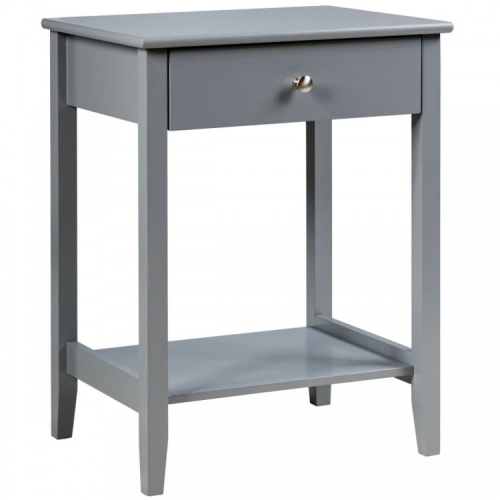
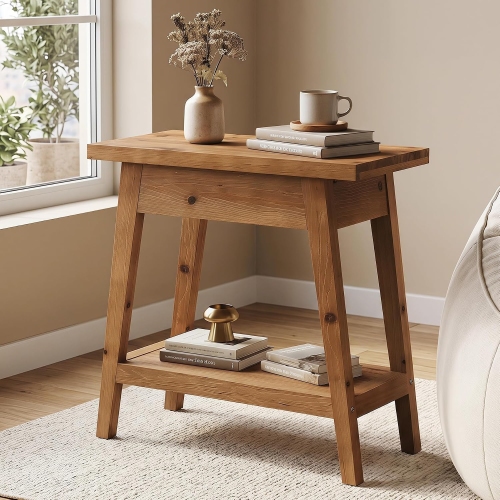


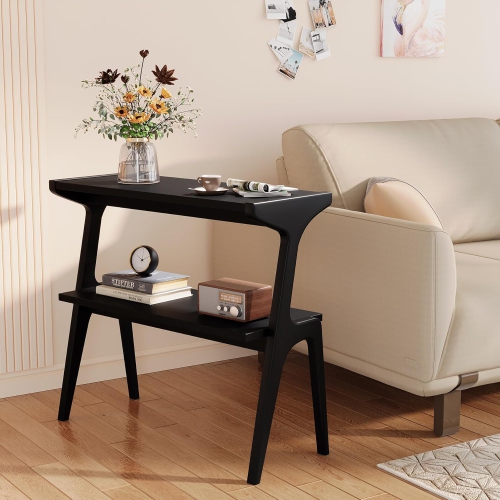

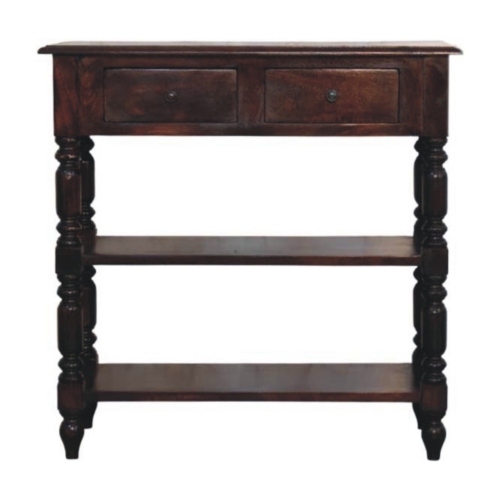
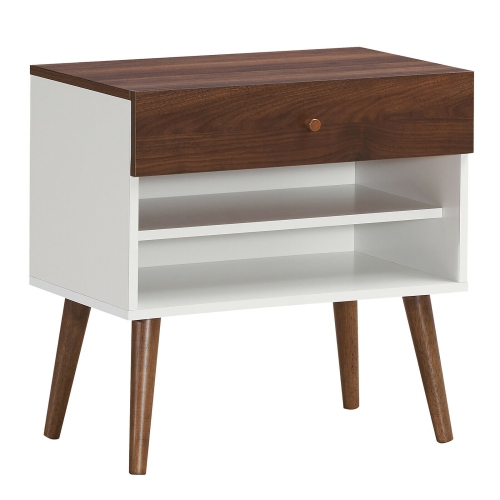


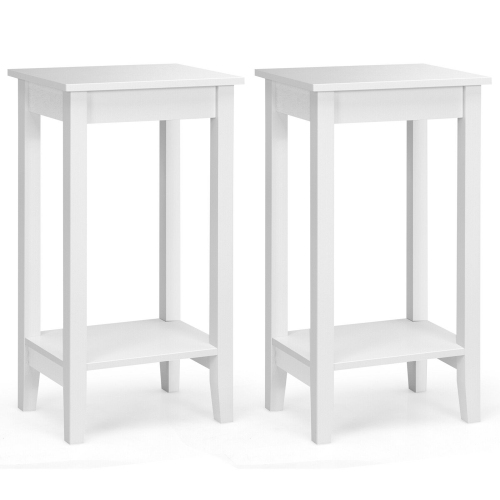


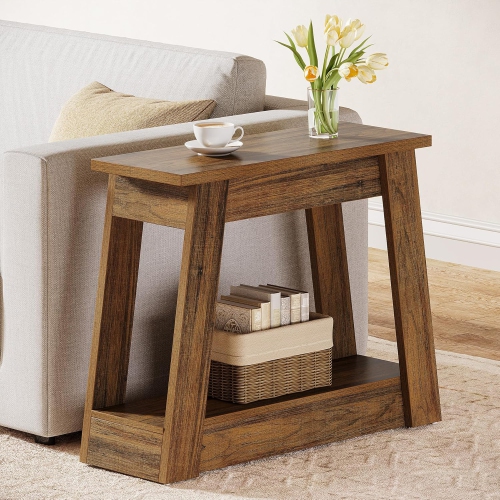

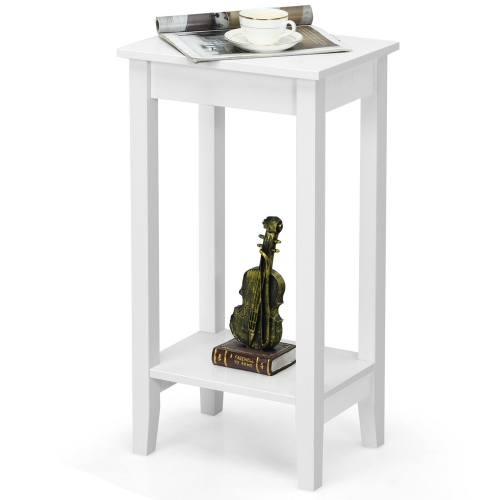

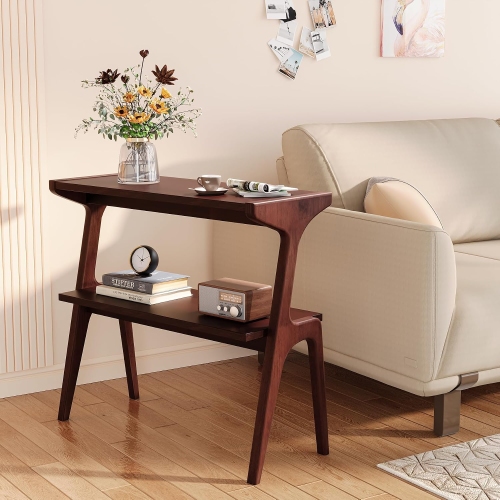
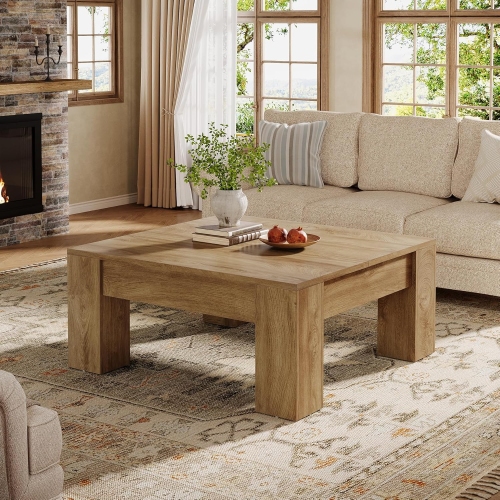

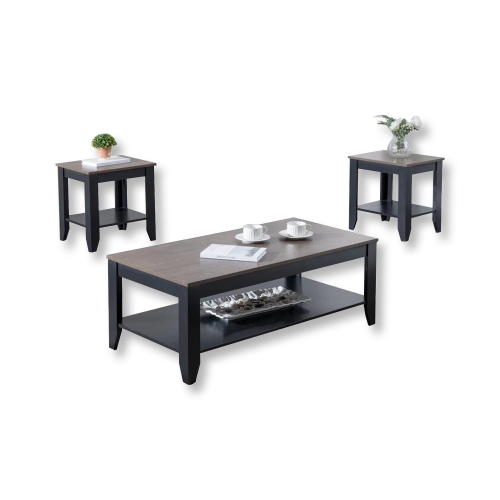

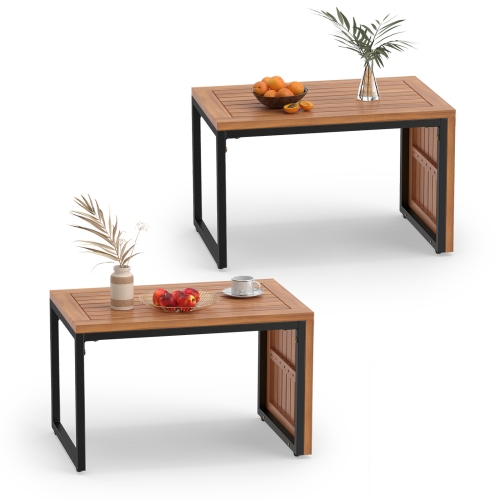
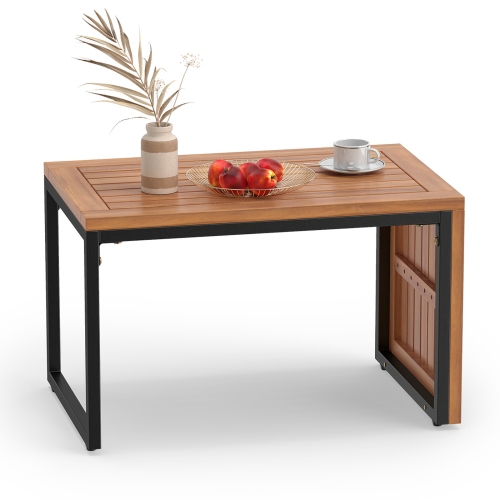


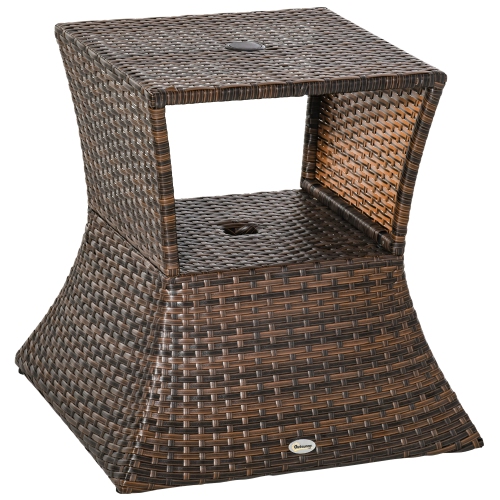
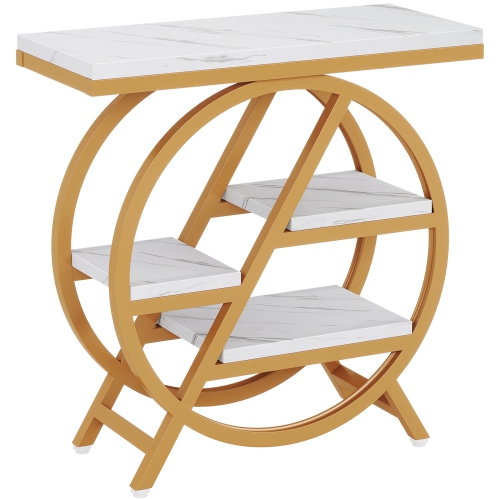
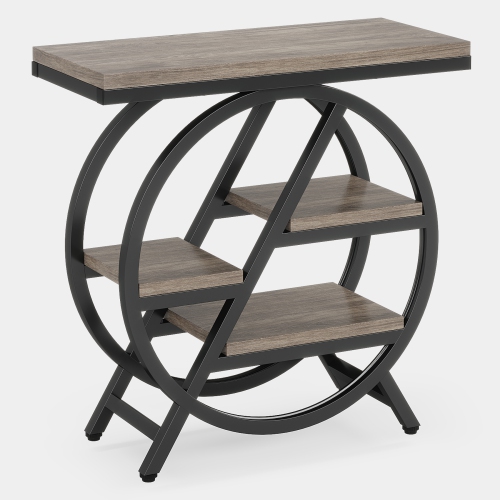
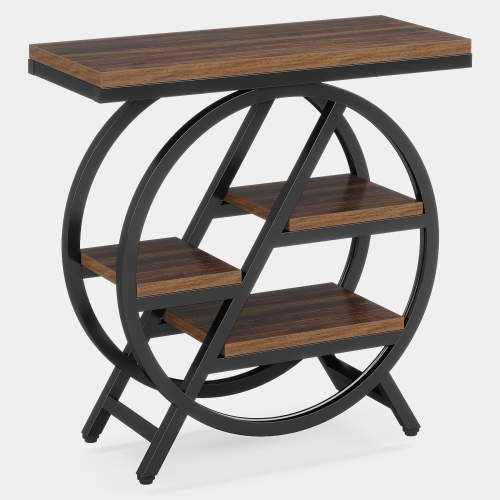


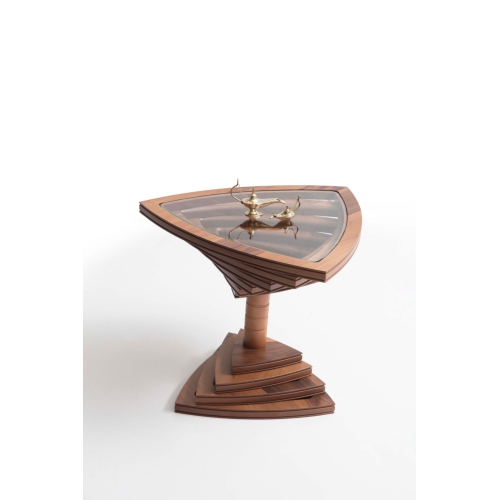
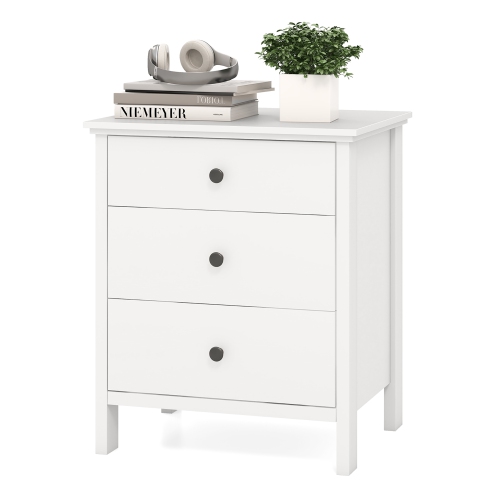


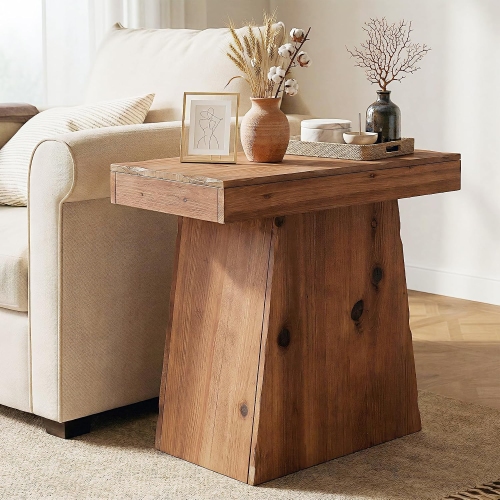


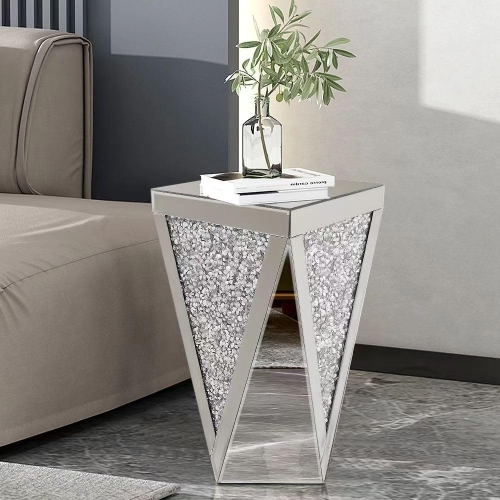
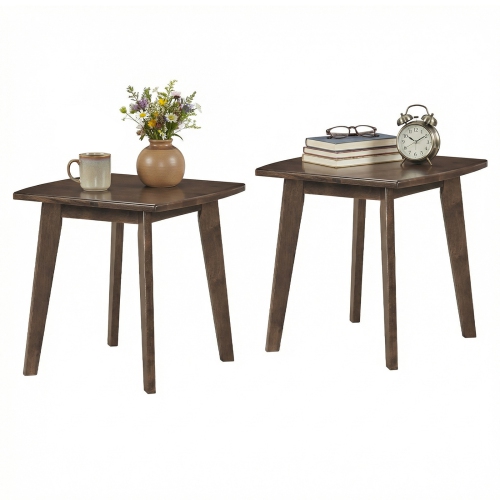


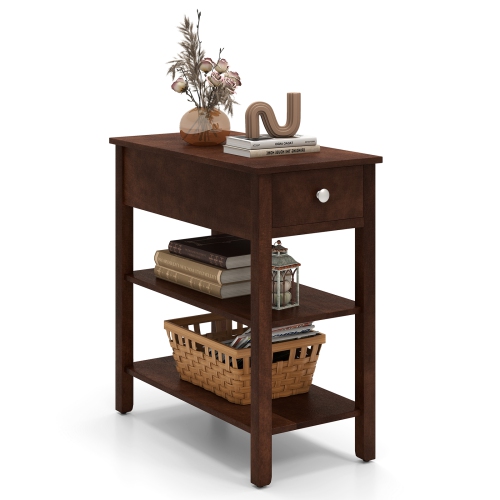

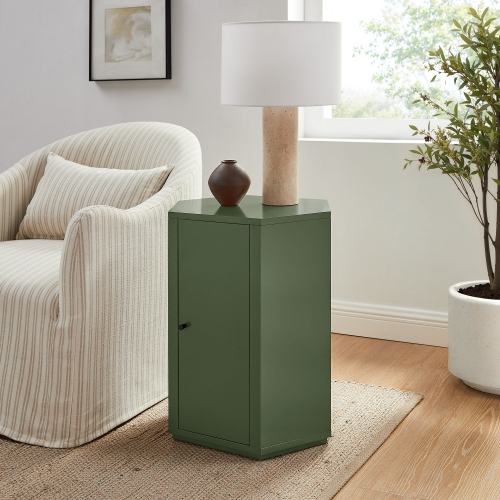

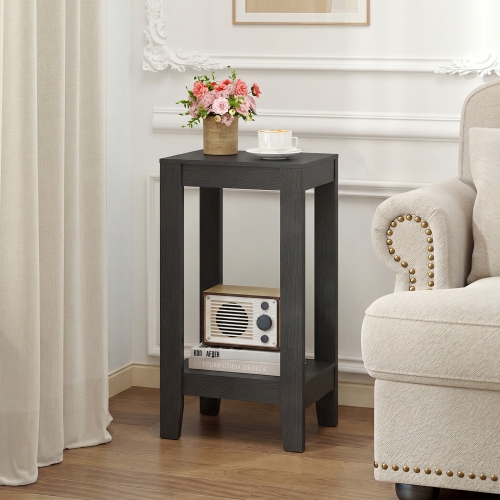

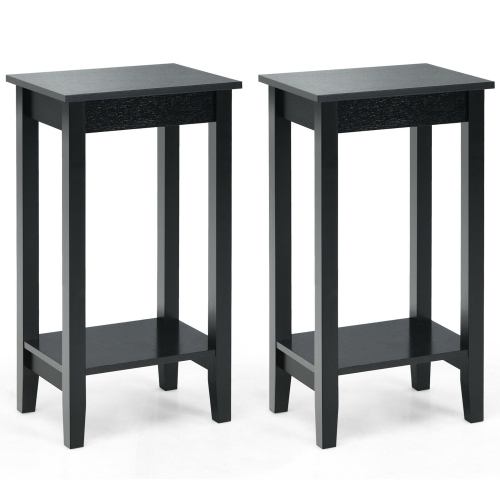

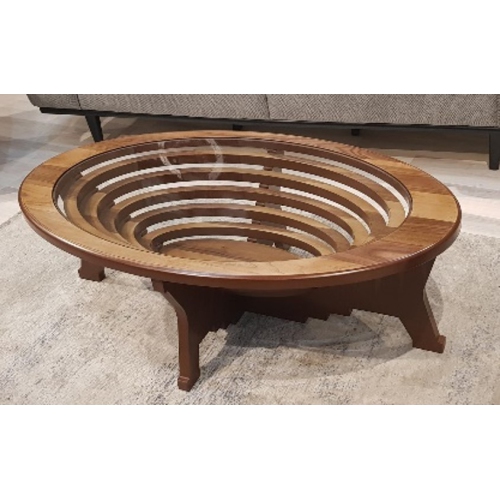


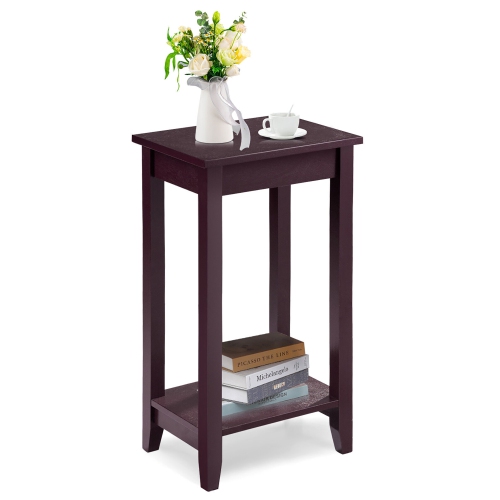
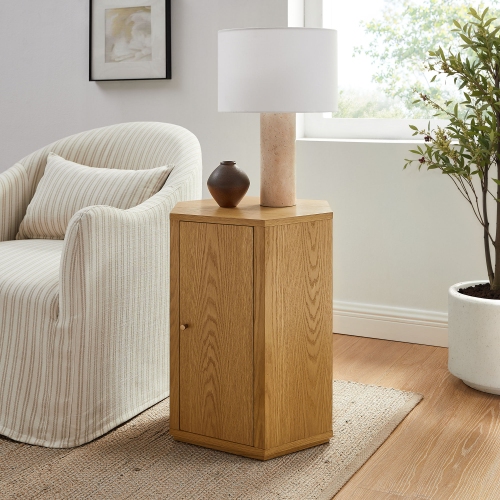
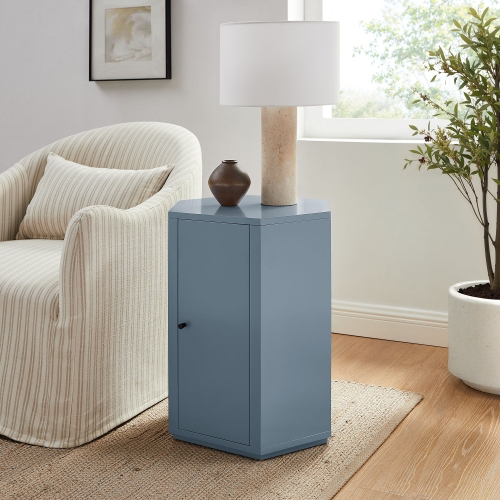
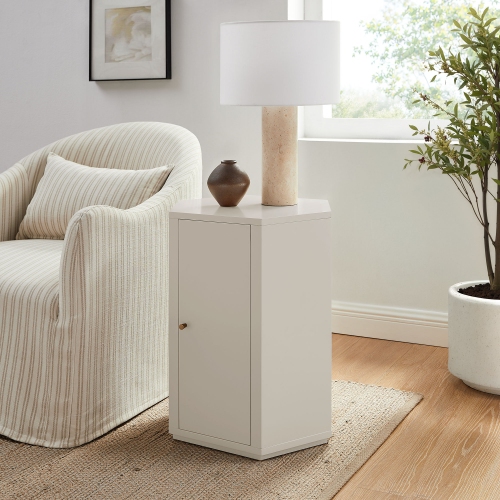

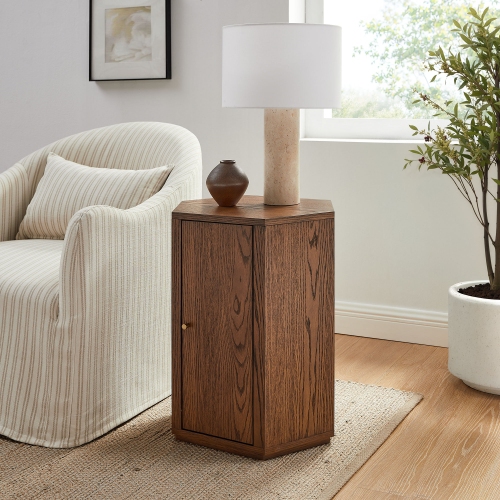
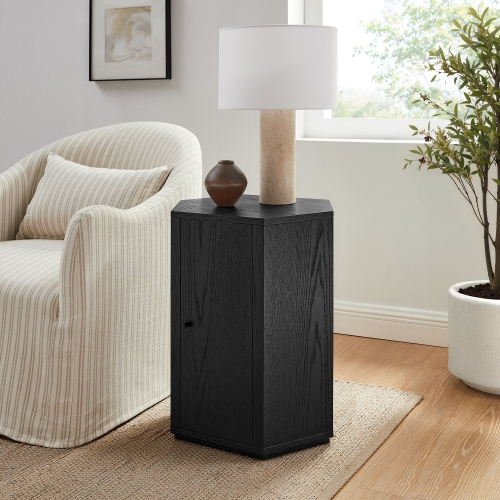
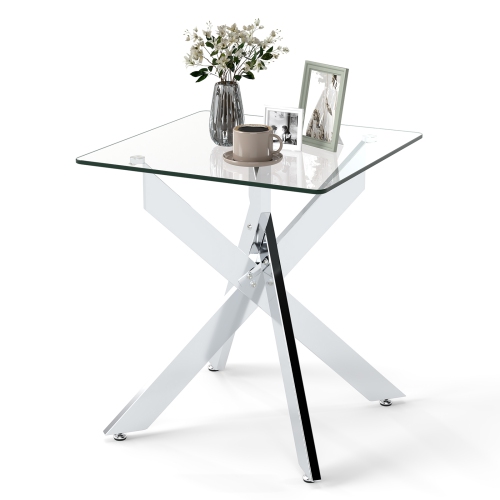

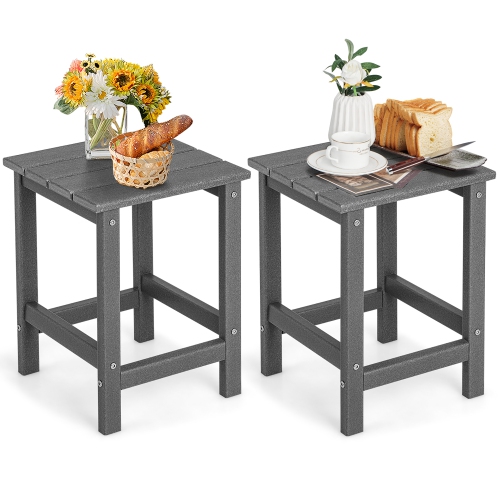


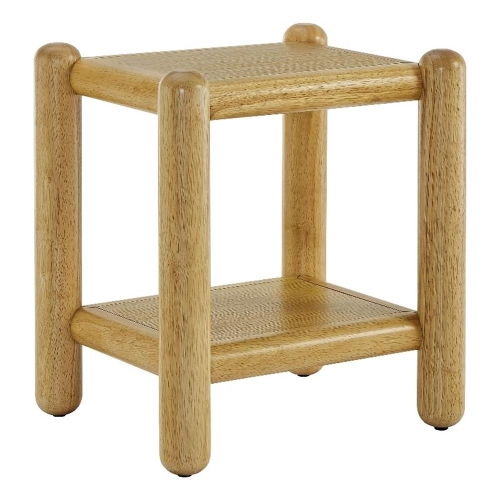

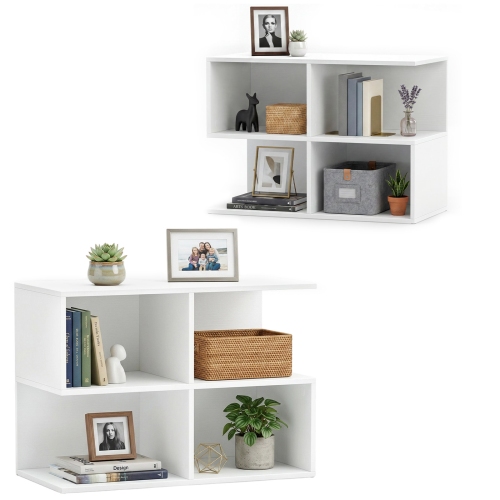
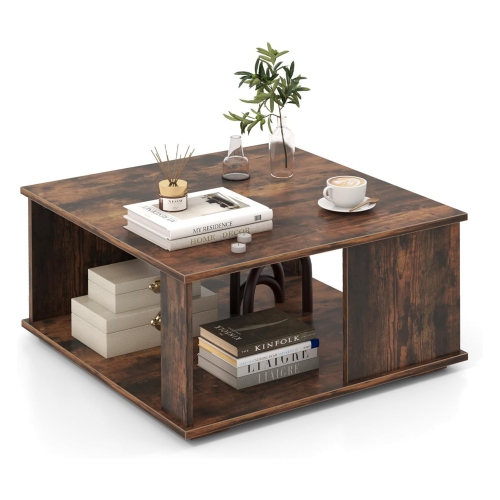
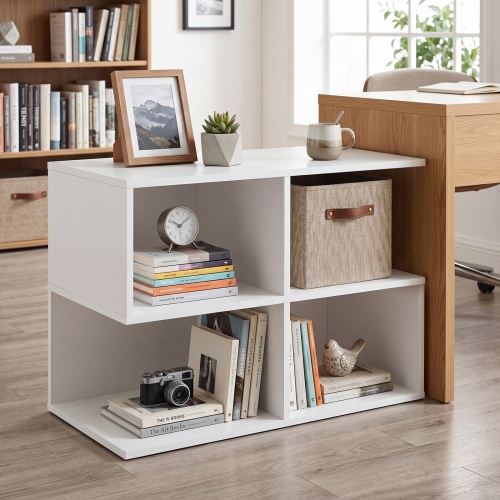


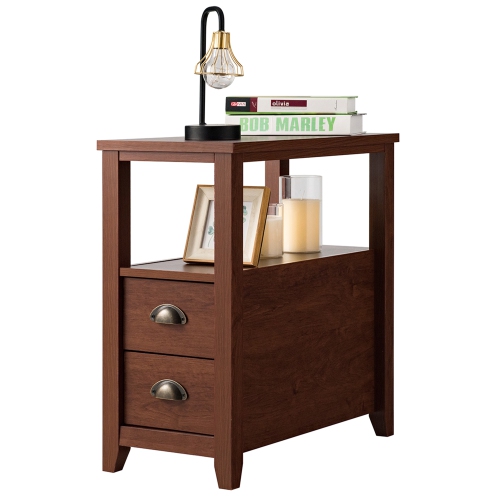
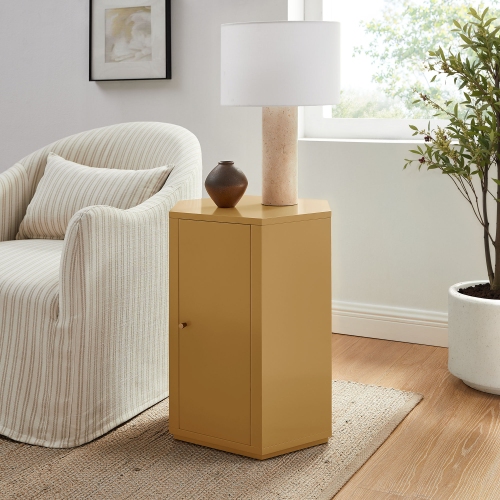
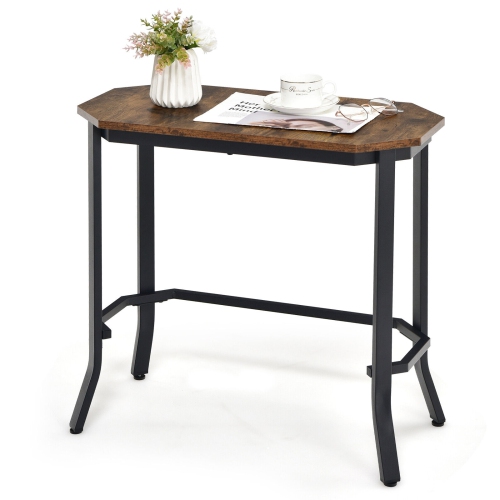

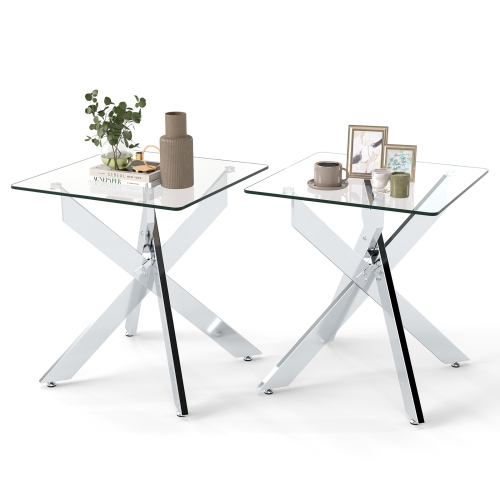

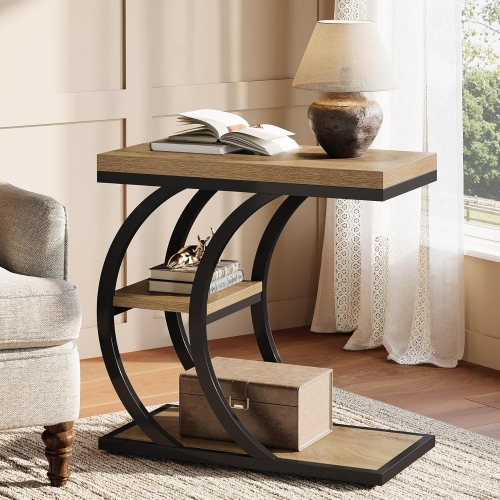
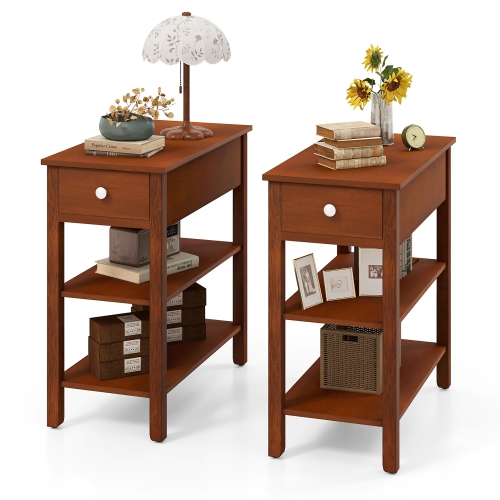

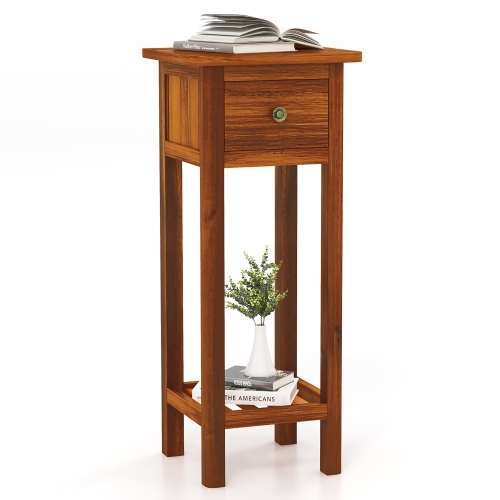
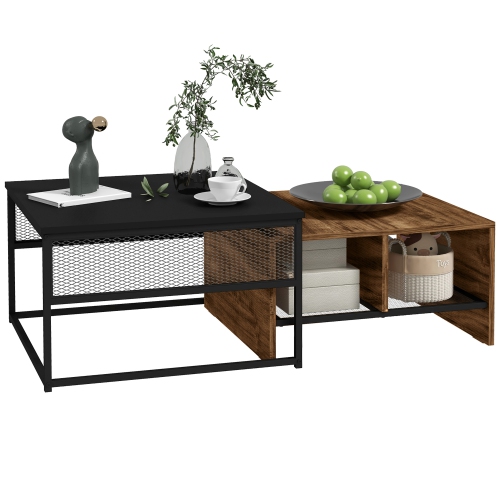

If you're looking for a classic piece of furniture that will add a touch of style to any room, then you should consider getting a square wooden side table. These tables come in a variety of styles and sizes, so you can find one to fit your space perfectly. They are also incredibly versatile and can be used as a bedside table, end table, or even as an accent piece in your living room. Plus, they are made from durable wood that will last for years. Read on to learn more about square wooden side tables and how to choose the right one for your home.
The right proportions put everyday essentials within reach
Square wooden side tables bring a useful surface into the small spaces beside sofas, armchairs, and beds, giving everyday essentials a place without taking over the room. Their straight edges sit neatly alongside upholstered furniture, while the warmth and grain of wood soften the look of angular frames and square corners. A table beside a reading chair can hold a lamp, a book, and a mug; beside a sofa, it can keep remotes and glasses within reach without filling the coffee table. The square footprint also creates a sense of balance when matching tables flank a bed or sit at opposite ends of a couch. Proportions matter more than a matching furniture set: a broad, low table can suit a deep sofa, while a narrower, taller design may sit more comfortably beside an upright armchair. For easy reach, a tabletop close to the height of the adjacent seat’s arm is often a comfortable fit. Beside a bed, a surface near the top of the mattress makes it easier to set down a phone or reach a bedside light. Width and depth deserve equal attention, especially where a table shares space with a doorway, reclining footrest, or walking route. A square top may look compact from the front but extend farther into a room than expected, so its full footprint matters. Leaving enough clearance around the table helps keep movement comfortable and prevents the corner from becoming an obstacle beside a busy seat. The usable surface is worth considering, too: a lamp with a wide base can occupy much of a small tabletop, leaving little space for a drink or book. In a reading nook, bedroom, or living area, the best fit is a table that supports the way the space is used rather than simply filling an empty corner. Square shapes are particularly useful where furniture follows clean, straight lines, but they also offer a pleasing contrast beside a curved chair or rounded sofa.
The character of a square wooden side table comes from both its material and its construction. Solid wood can show natural variations in grain and colour, with differences between boards giving each piece an individual appearance. Oak often has a pronounced grain, while walnut is associated with richer brown tones; lighter woods can create a quieter backdrop for colourful upholstery or patterned rugs. Wood veneer consists of a thin layer of real wood over a supporting core, offering a genuine wood surface with construction that differs from solid timber. Engineered wood with a wood-look finish provides another approach, so material descriptions are useful when distinguishing the tabletop, frame, and legs. A table described by a wood colour does not necessarily use that wood species throughout. Durability depends on more than material alone: secure joints, a steady base, a suitable protective finish, and the thickness and support of the top all affect everyday performance. A lightweight table is easier to move beside a guest’s chair, while a heavier design may feel more settled in a frequently used seating area. Neither weight nor appearance replaces the stated weight capacity, particularly when the table will support a substantial lamp or a stack of large books. Leg placement also changes how the piece feels in a room. Slender legs leave more floor visible and can make a small space feel less crowded, while block legs or enclosed sides give the table a stronger visual presence. A lower shelf adds a place for reading material or a basket, and a drawer can tuck away charging cables, glasses, or remotes. Open space beneath the tabletop may be preferable where easy cleaning and an uncluttered look matter most. Finishes help connect the table to its surroundings without requiring every wood tone to match exactly. A shared undertone or similar level of sheen can tie different pieces together. For a darker contrast against pale upholstery or light walls, Black Wooden Side Tables offer another way to define the seating area while retaining the familiar character of wooden furniture.
Daily use is where thoughtful details become especially noticeable. Softened corners can be more comfortable beside a closely spaced chair, while smooth drawer operation makes concealed storage easier to use from a seated position. In a family living room, a stable base and securely attached components are important, though a side table should never be treated as a seat or climbing surface. Households with young children may also prefer rounded edges and a placement away from active play routes. For someone furnishing a first apartment, a square wooden side table can serve beside a sofa before moving to a bedroom later; in a guest room, it provides a welcoming spot for a phone, glasses, and a glass of water. It can also make a thoughtful housewarming gift when the recipient’s room measurements and furniture preferences are known. Care needs depend on the finish, but a soft cloth and prompt attention to spills are sensible starting points. Coasters help protect the top from drink rings, and a protective pad beneath a planter can reduce the chance of moisture reaching the surface. Felt pads beneath decorative objects can help limit scratches when pieces are moved. Cleaning products should be suitable for the particular finish, since abrasive cleaners and some polishes can dull or damage surfaces rather than improve them. Veneer needs gentle treatment, especially at edges, and should not be assumed to tolerate the same refinishing methods as solid wood. Following the care directions helps preserve both the appearance and the structure of the table. Lifting rather than dragging it protects joints and flooring, while checking accessible fasteners occasionally can help keep an assembled frame steady. Practical habits such as leaving room around a lamp base, keeping cords out of walking paths, and avoiding overloaded shelves make the table easier to live with. Whether it holds a favourite novel beside an armchair or keeps bedtime essentials organized, a well-proportioned square wooden side table adds useful surface space and a grounded, finished feel to the room.
Top selling and popular products
-
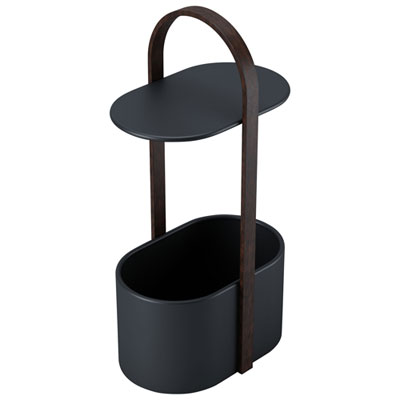 Your price for this item is $93.98
-
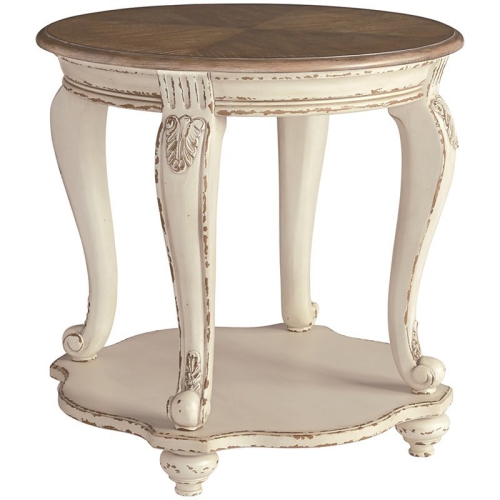 Your price for this item is $369
-
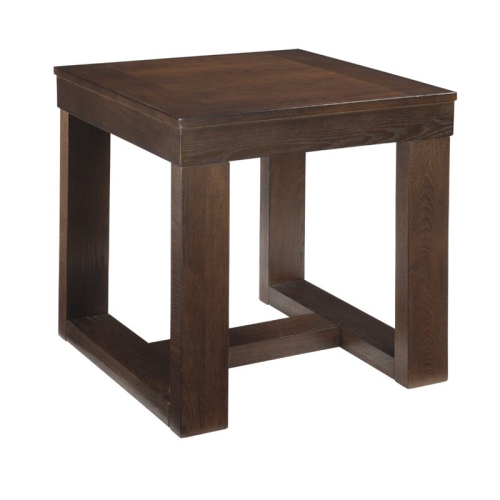 Your price for this item is $199
-
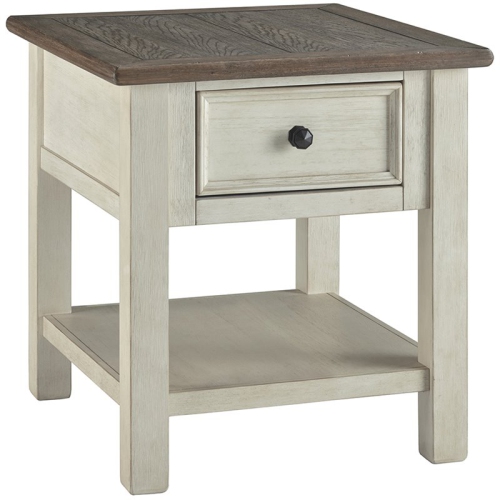 Your price for this item is $399
-
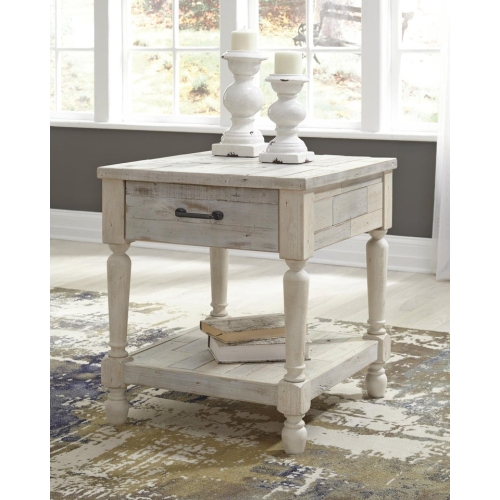 Your price for this item is $249
-
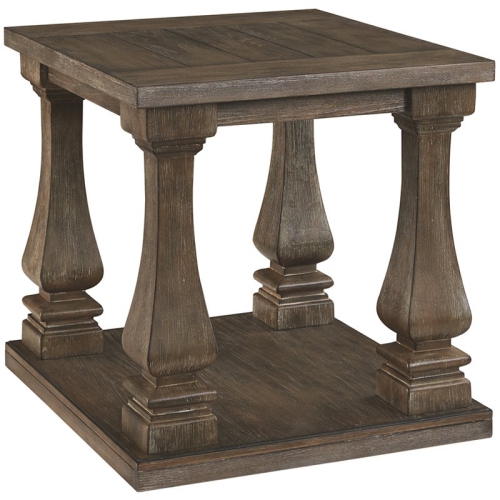 Your price for this item is $375
-
 Your price for this item is $452.99
-
 Your price for this item is $224.99
Discover more categories related to Square Wooden Side Tables


Top Collections:
Pokemon Centers, Kindle Devices, Best Cameras for Sports Photography, Pokémon 30th Celebration Cards, Apple iPhones 16, Canon G7X Cameras, iPhone 15 Apple, Flip Phones, Samsung Galaxy Phones, Alarm Clock
Some products may be subject to Environmental Handling Fees
(EHF) depending on your province.
Learn more about EHFs.