Stackable Closet Storage Boxes
Maximize your closet space and keep your belongings neatly organized with stackable closet storage boxes. Ideal for storing clothing, accessories, shoes, and more, these versatile storage solutions help create a tidy and streamlined look in any wardrobe. With a variety of sizes and styles available, stackable closet storage boxes offer a practical way to declutter and make the most of every inch of your closet. Explore options that fit seamlessly into your home and discover how easy it is to maintain order in your living space.
Sort

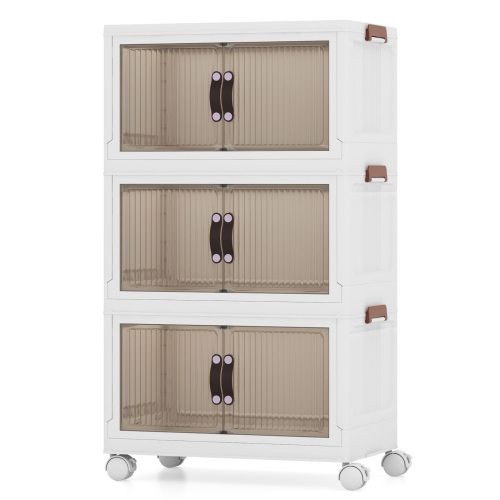
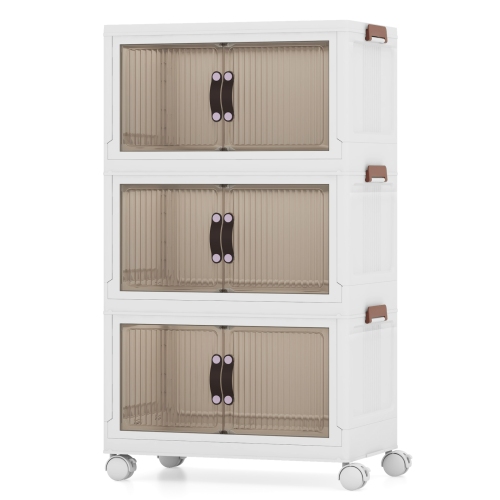
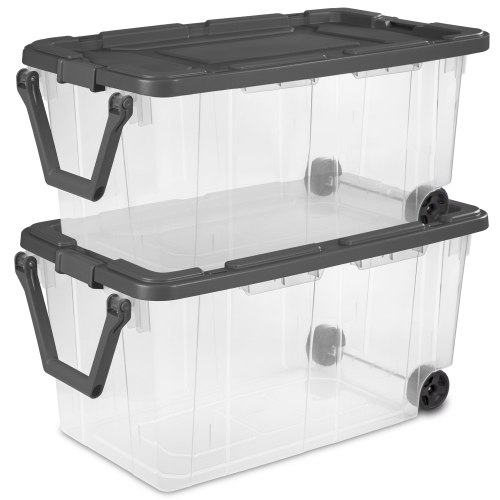
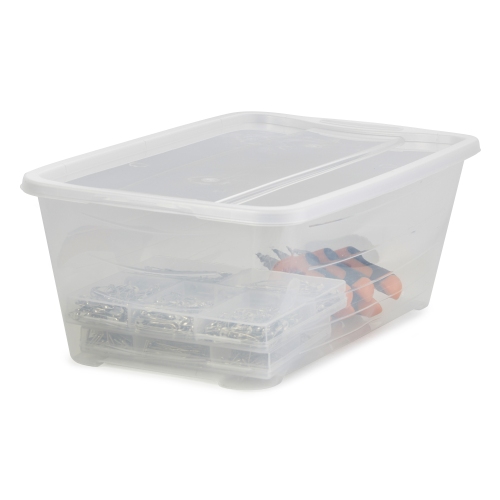
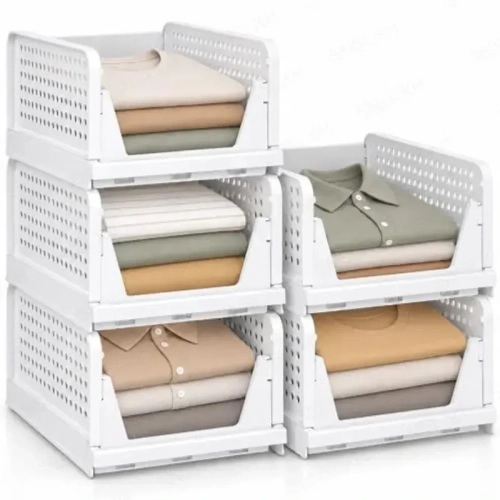
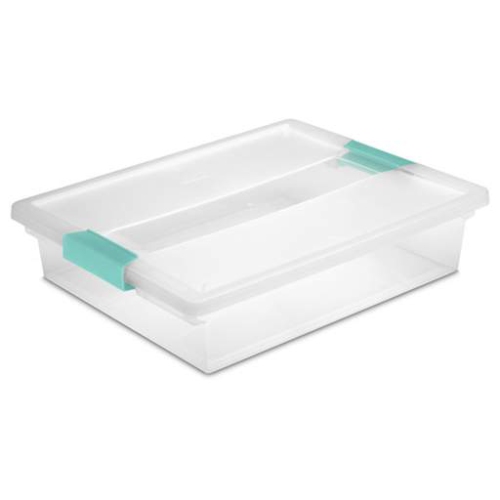
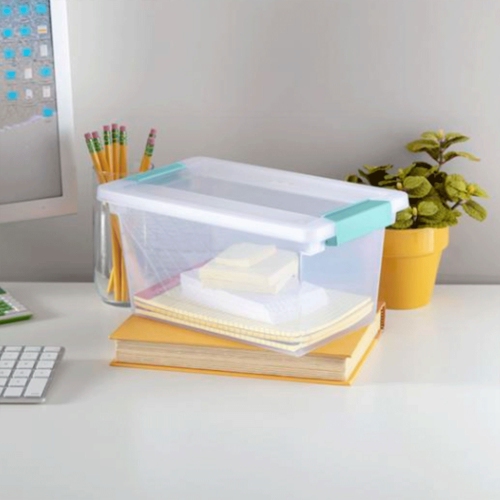
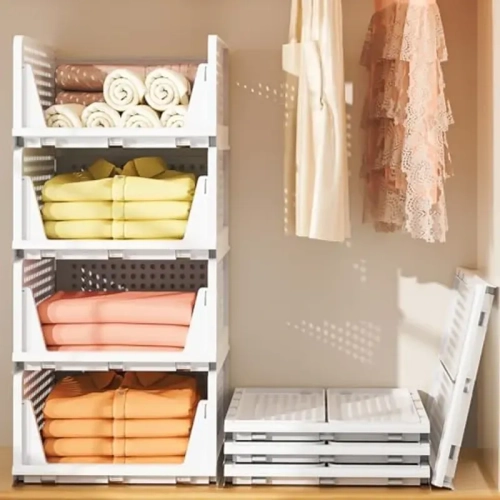
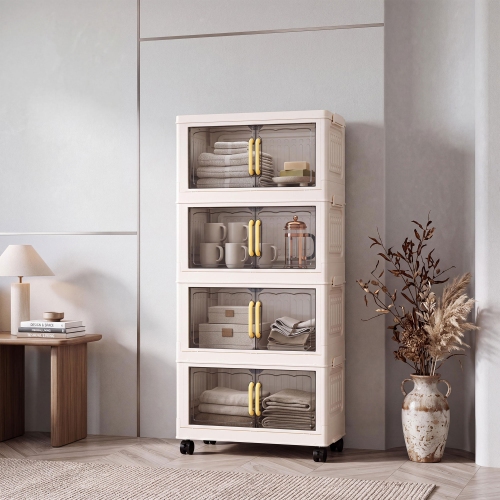
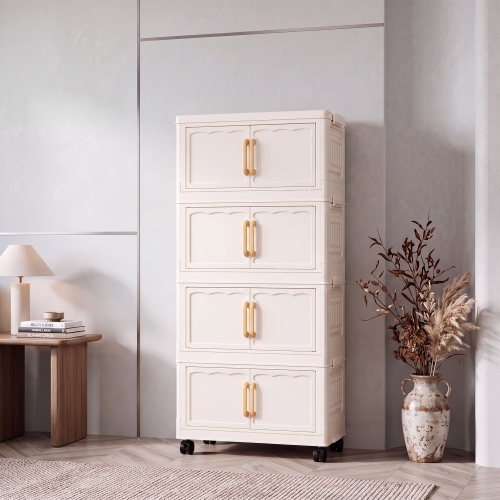
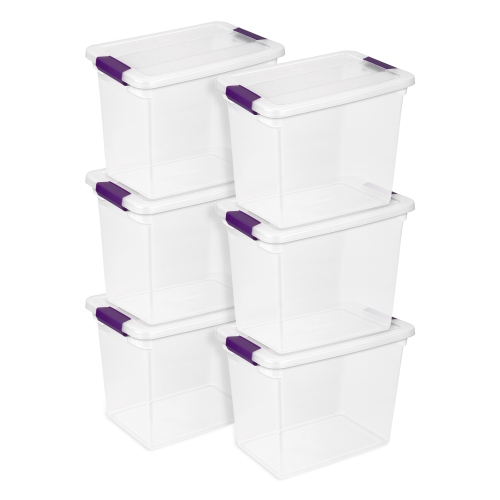
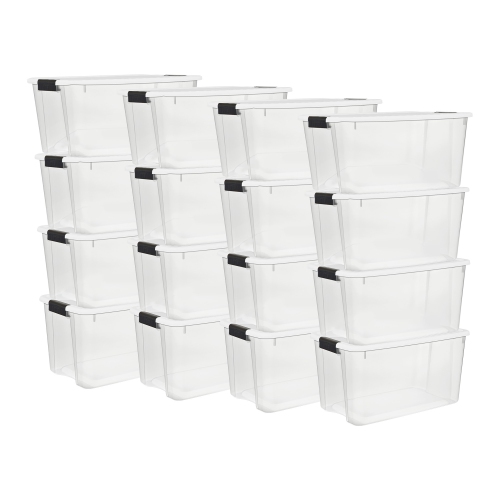

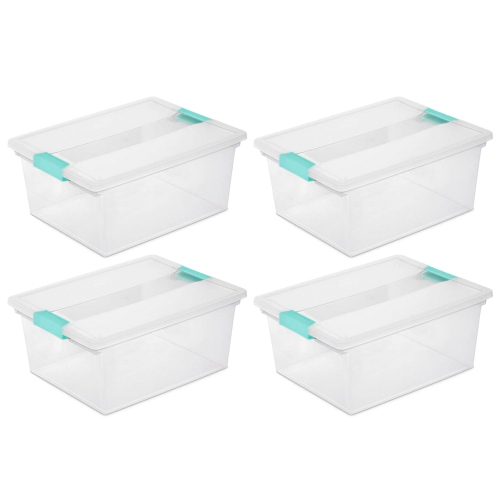
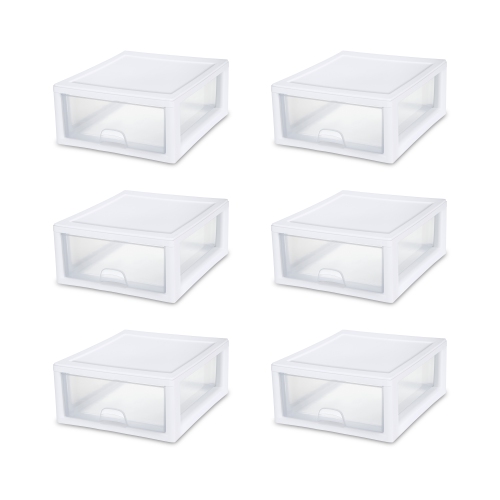
More usable shelf space without the loose piles
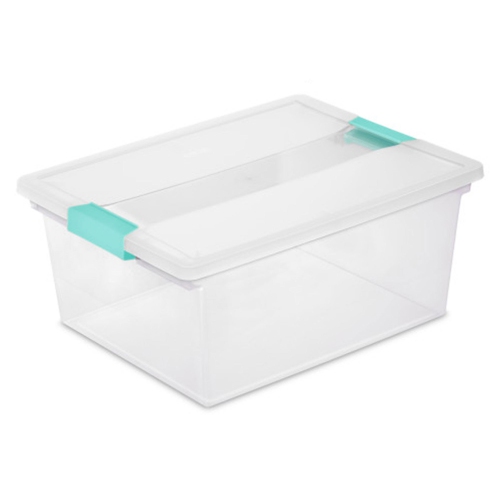
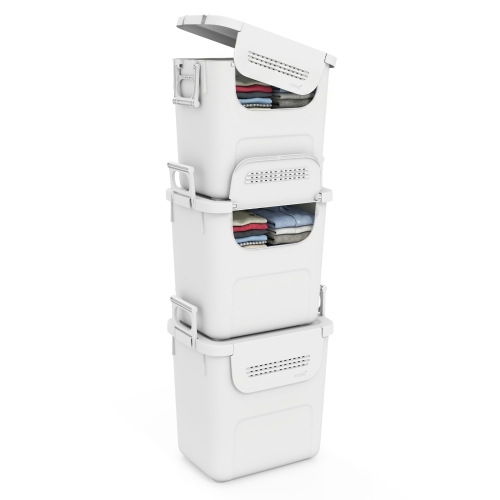
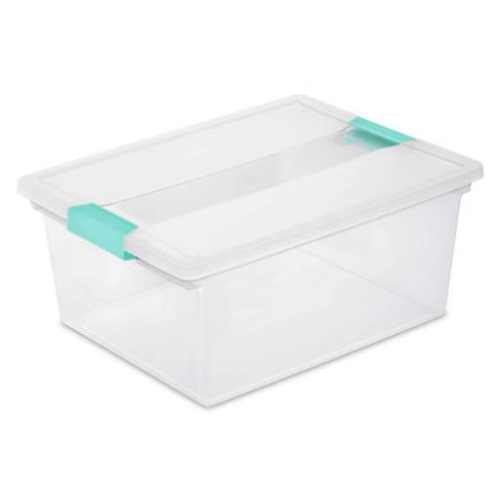
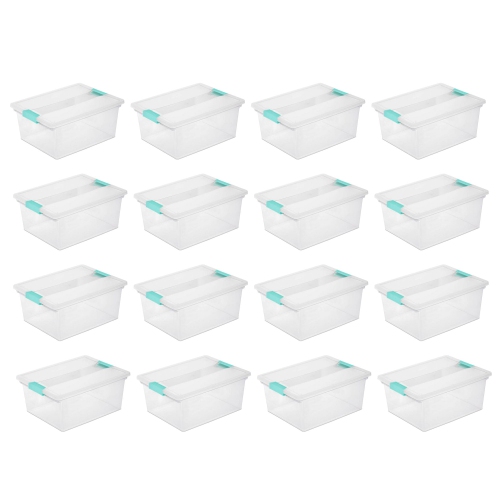
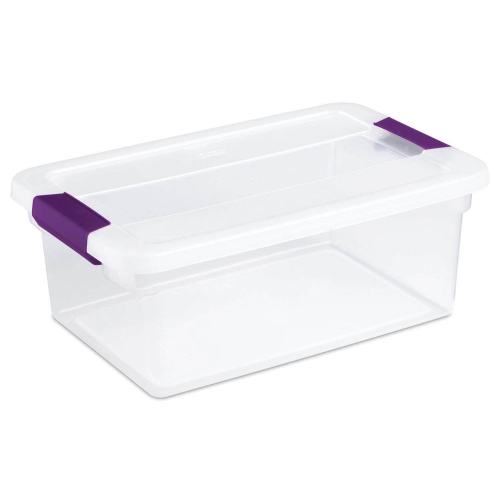
Stackable closet storage boxes turn open shelf space into defined compartments for clothing, linens, bags, and accessories. Their main advantage is vertical organization: instead of balancing loose piles of folded clothes, separate containers keep each category together while making better use of the space above it. A row of boxes can give everyday T-shirts a dedicated home, keep matching pillowcases beside folded sheets, or separate scarves and belts from larger belongings. The most useful construction depends on what goes inside and how often it needs to come out. Structured fabric boxes offer a softer appearance and can help prevent delicate fabrics from catching on exposed shelf edges. Reinforced sides, base panels, or internal frames help these boxes retain their shape, although their stacking strength depends on the design rather than the fabric alone. Rigid plastic boxes have firmer walls and wipeable surfaces that suit frequent handling. Clear walls make contents easier to identify at a glance, while opaque finishes keep a busy shelf looking more uniform. A viewing window offers a middle ground, showing enough of the contents to distinguish one box from another without leaving everything on display. Lids and enclosed fronts help reduce dust settling on stored belongings, but a closed box should not be assumed to be airtight or moisture-proof. For clothing that gets regular use, the opening can matter as much as the material. Front-opening doors, drop-down panels, and side-access flaps can provide access to lower boxes without taking apart the entire stack. Lift-off lids work differently, making them practical for belongings that are reached for less often or for boxes placed individually on a shelf. Smaller compartments suit rolled socks and accessories; larger interiors accommodate folded towels or bulkier knitwear without dividing them between several containers. A consistent folding size helps clothing sit neatly inside, leaving the contents visible rather than compressed into a hard-to-search bundle. The result is storage that supports familiar routines, from getting dressed to putting clean laundry away.
A good fit involves more than matching the outside width of a box to an empty section of shelving. Shelf depth, the distance to the shelf above, and clearance around closet doors all affect how comfortably a stack can be used. A container may fit inside a wardrobe yet still be awkward to open if its lid hits a hanging rail or its front door meets the closet frame. Handles, hinges, wheels, and projecting edges can also add to the space a box occupies. External measurements describe the overall footprint, while internal dimensions determine whether a folded blanket or a particular stack of clothing will actually fit. On shallow shelves, a box that sits fully supported is more practical than one that projects into the doorway. On deeper shelves, front access can make stored contents easier to reach without pulling the whole container forward. Stacking features deserve equal attention. Interlocking rims, recessed lids, locating grooves, and compatible frames can help boxes align, but stackability does not mean unlimited height or weight capacity. The stated load limit for an individual box may differ from the permitted load on its lid or across a complete stack. Shelf weight limits matter too, especially when several filled boxes share one span. Heavier contents belong lower down, with lighter belongings above, and frequently used boxes are easiest to manage within comfortable reach. Stacks should remain stable when a door opens or a drawer is extended; tall arrangements need to follow any securing requirements supplied with their design. Mixing containers with different footprints can leave upper boxes unevenly supported, even when the arrangement appears tidy from the front. Matching footprints generally make alignment simpler. Collapsible designs offer another useful distinction: they take up less room when empty, but their panels, joints, and supports need to be properly positioned before loading. For repeated daily use, smooth hinges, securely attached handles, sturdy seams, and a base that resists sagging are practical signs of construction suited to regular handling.
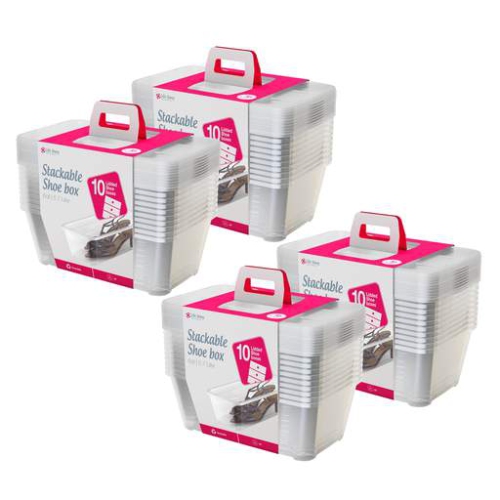
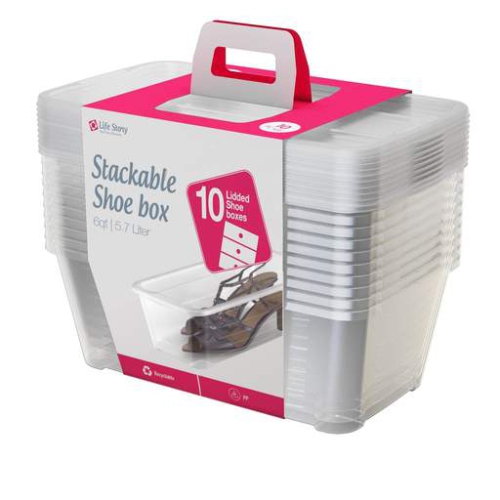
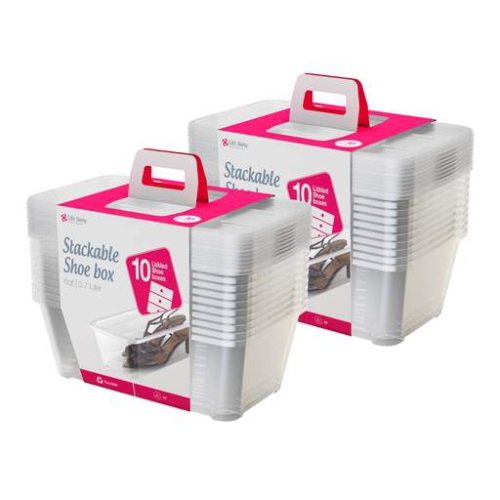
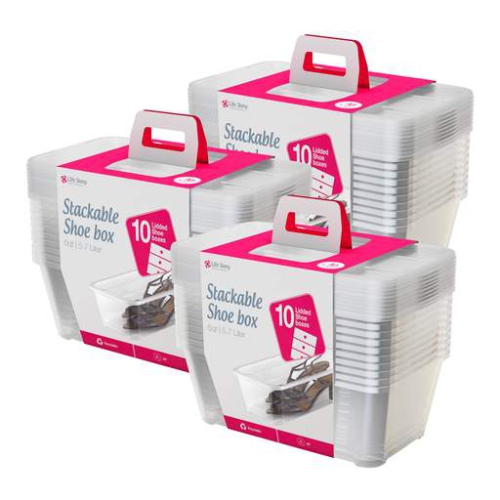
Care requirements vary with the materials and structure, so the care label remains the best reference for cleaning. Many rigid plastic surfaces can be wiped with a soft cloth and mild soap, then dried thoroughly before belongings are returned. Abrasive pads can scratch transparent panels and make them harder to see through. Fabric boxes may need spot cleaning rather than soaking, particularly when their walls contain cardboard or other moisture-sensitive reinforcement. Removable liners are only machine washable when their care instructions say so. Clean, fully dry clothing and linens are better suited to enclosed storage than damp towels or recently worn exercise clothing, and boxes should not be treated as a remedy for a damp closet. Occasional checks around lids, seams, and base panels help reveal damage before a loaded container is lifted. Carrying methods matter as well: handles should only be used as intended, and supporting the bottom of a heavier box reduces strain on stitched attachments or folding walls. Beyond care, the best arrangement reflects the people sharing the space. Children’s clothing can be grouped by type in lightweight boxes within easy reach, while a shared bedroom closet benefits from clearly separated compartments for each person. Label holders or simple visible labels make opaque boxes easier to navigate, especially when several look alike. In a compact apartment, the same coordinated footprint can keep bedding on an upper shelf and everyday clothing lower down without creating a mismatched stack. Shoes often benefit from separate storage that keeps soles away from clean textiles; Stackable Shoe Boxes provide a related option for organizing footwear. Neutral colours can blend with shelving, while contrasting colours can distinguish clothing categories or household members. Whether the closet serves one person or an entire household, storage works best when its contents are easy to identify, its openings remain accessible, and each filled box can be handled comfortably. Those everyday details make an organized shelf easier to maintain after the laundry is folded and the closet doors are closed.
Top selling and popular products
-
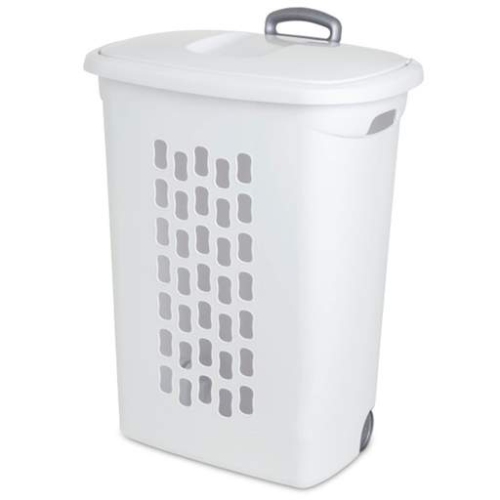 Your price for this item is $698.99
-
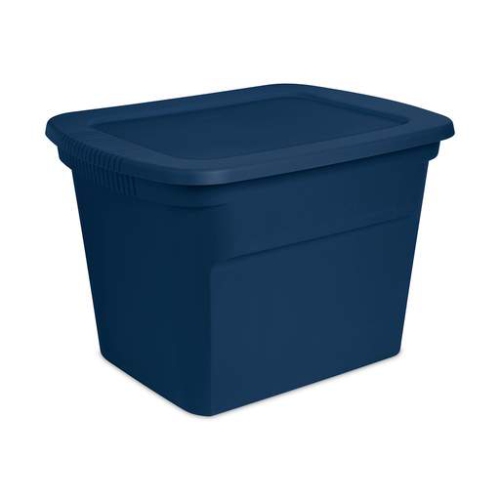 Your price for this item is $886.99
-
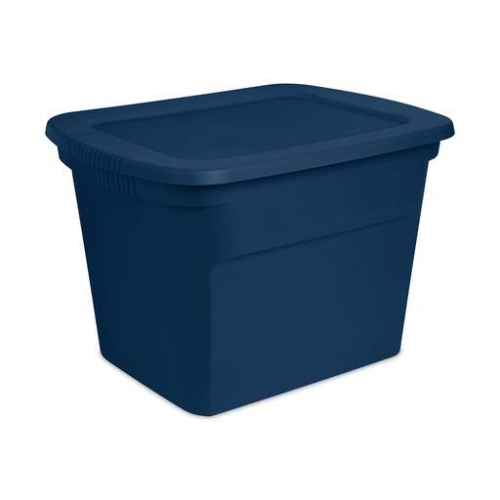 Your price for this item is $1156.99
-
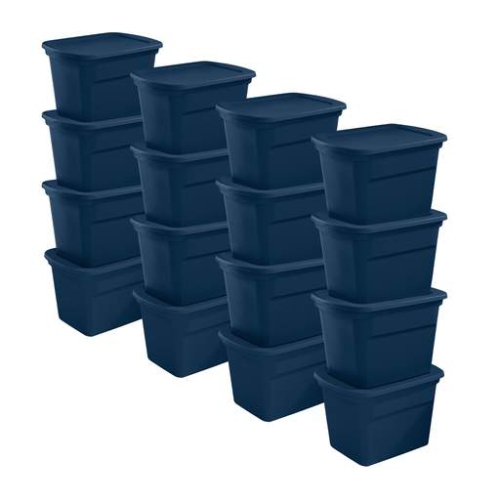 Your price for this item is $583.99
-
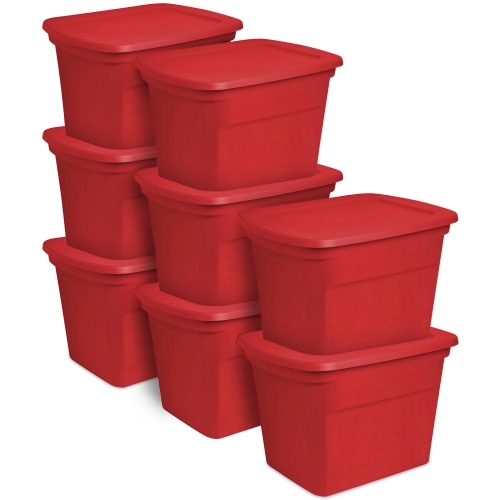 Your price for this item is $253.99
-
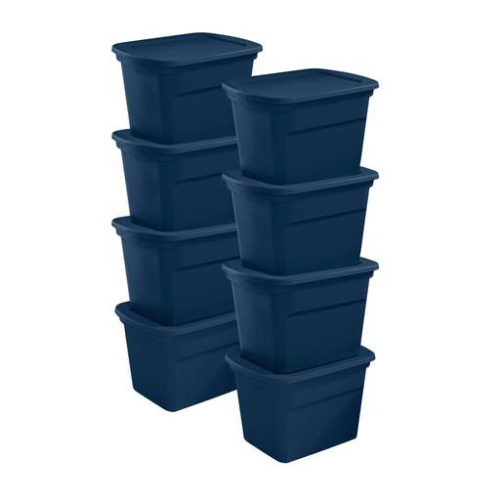 Your price for this item is $298.99
-
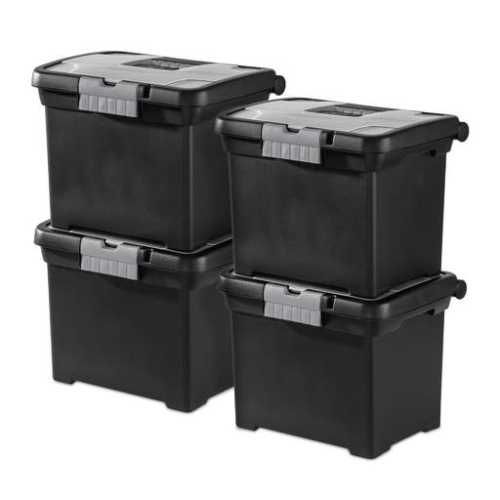 Your price for this item is $177.99
-
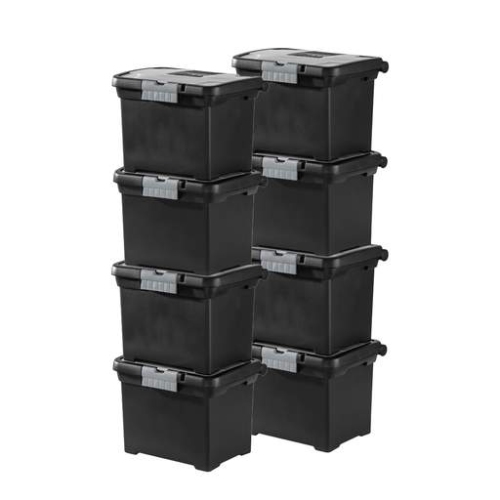 Your price for this item is $348.99
Discover more categories related to Stackable Closet Storage Boxes
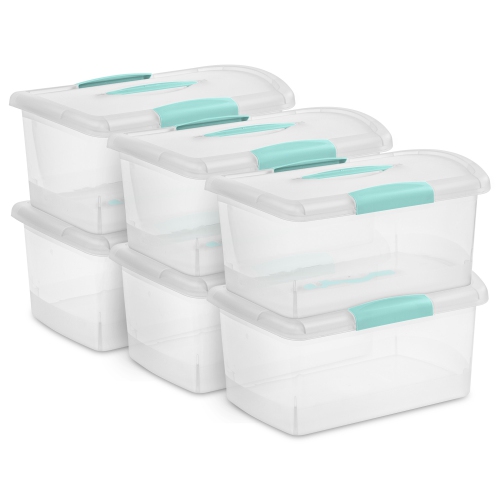
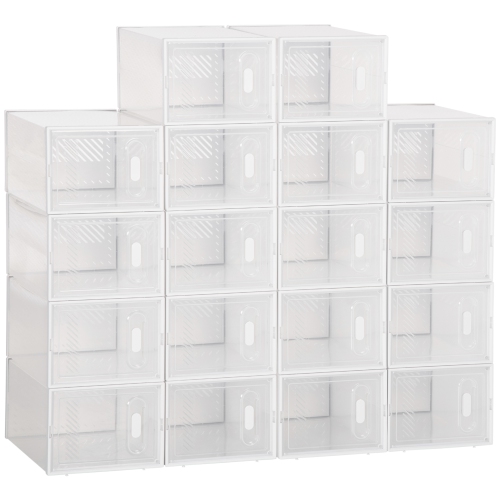
Top Collections:
Best Black Friday Deals This Year, Best Black Friday Deals On Electronics, Kindle Devices, Dyson Airwrap, Best Cameras for Sports Photography, Best Black Friday Deals On Apple Products, PS5 Pro Consoles, Portable Snow Blowers, Canon G7X Cameras, Pokémon 30th Celebration Cards
Some products may be subject to Environmental Handling Fees
(EHF) depending on your province.
Learn more about EHFs.