Lighting Equipment
Whether you're looking to brighten up your living room, enhance your workspace, or add ambiance to your outdoor patio, our selection of lighting equipment has you covered. From sleek and modern designs to classic and elegant styles, we offer a wide range of lighting options to suit every taste and need. Illuminate your space with our energy-efficient LED fixtures, create a cozy atmosphere with warm-toned bulbs, or add a touch of sophistication with stylish pendant lights. Explore our diverse collection of lighting equipment to find the perfect solution for all your lighting needs.
Sort
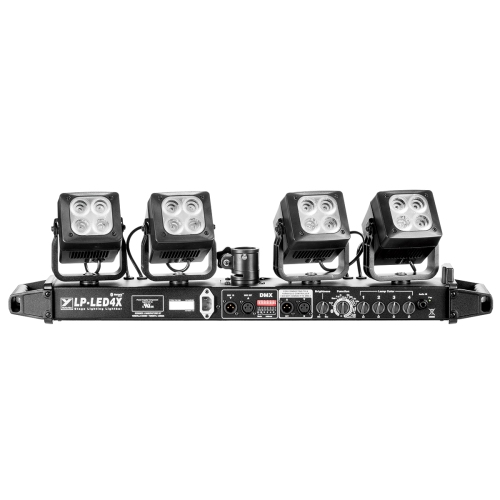
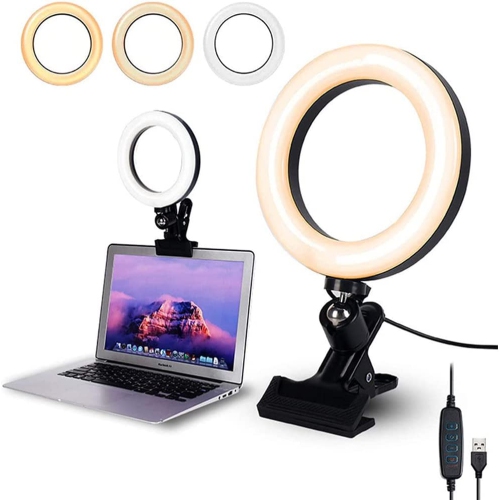
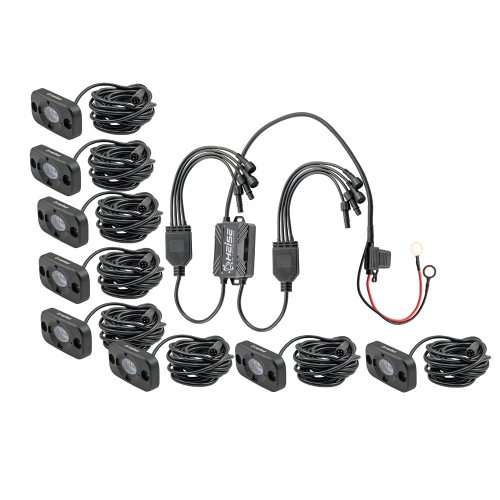
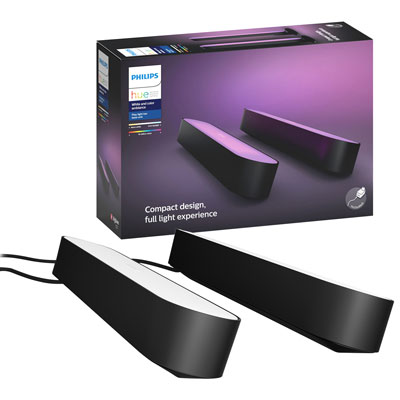
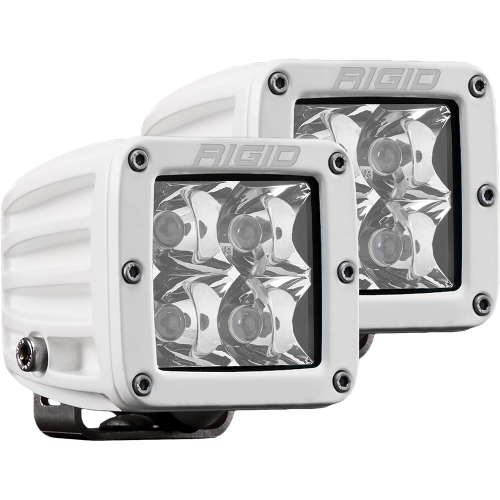
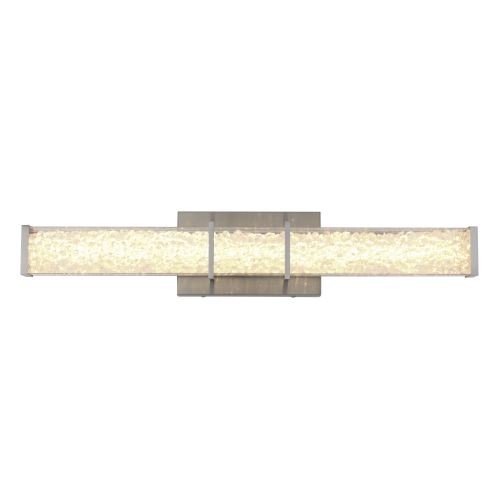
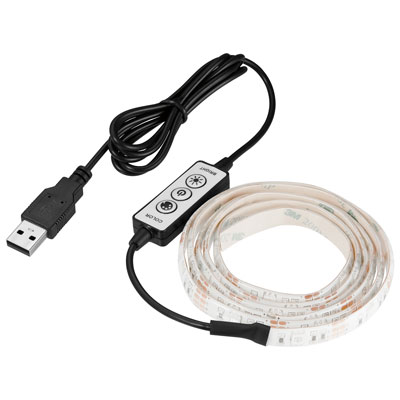
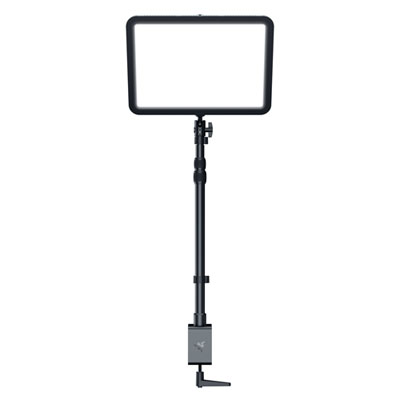
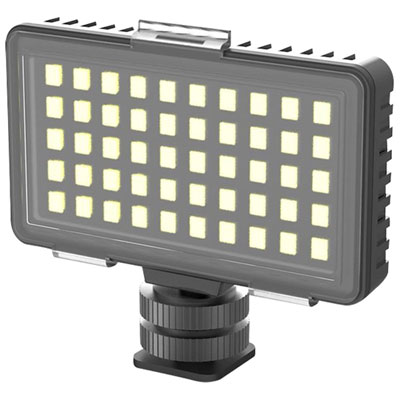
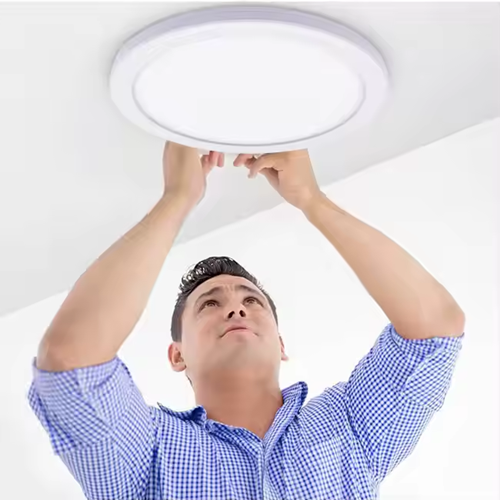
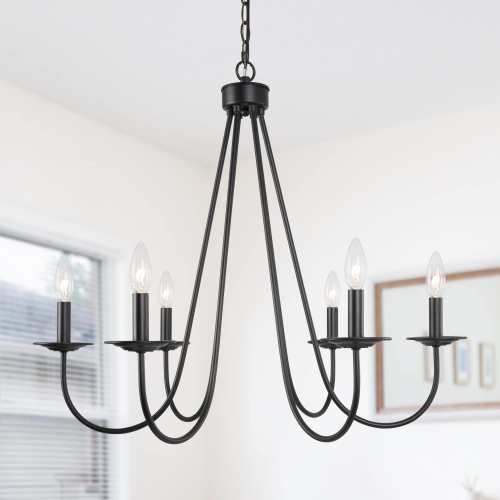
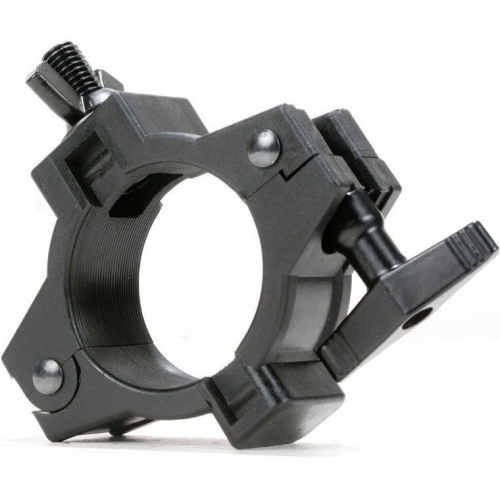
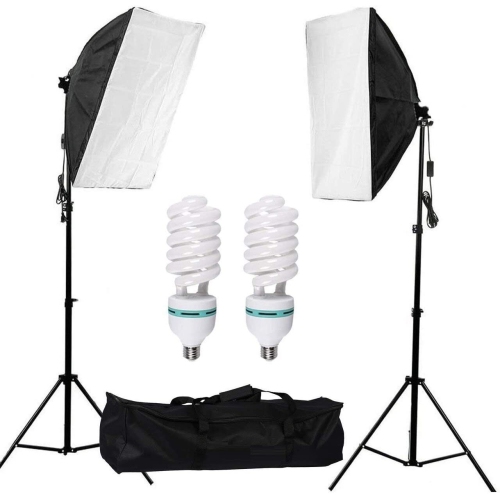
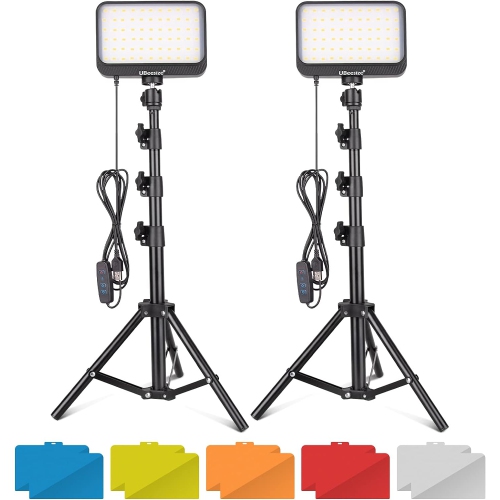
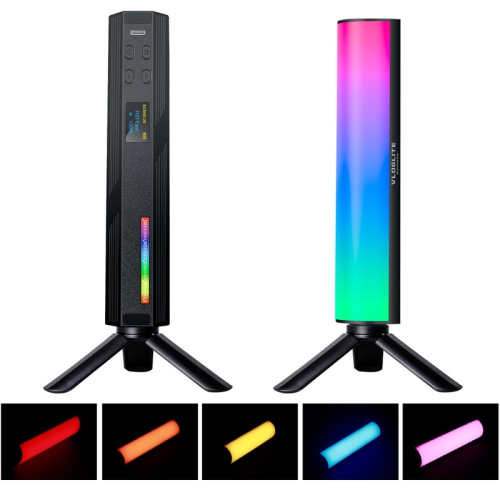
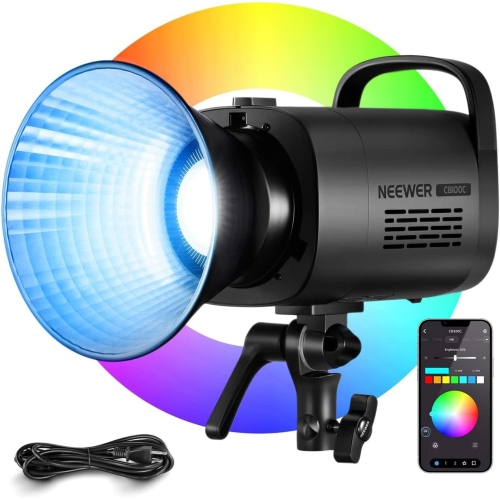
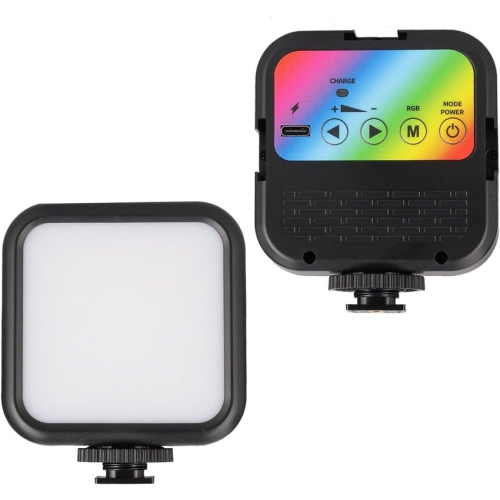
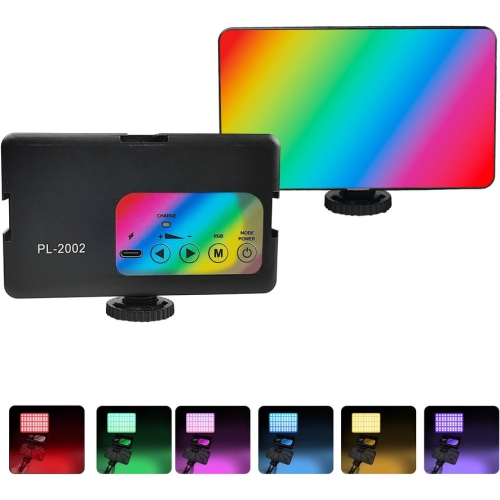
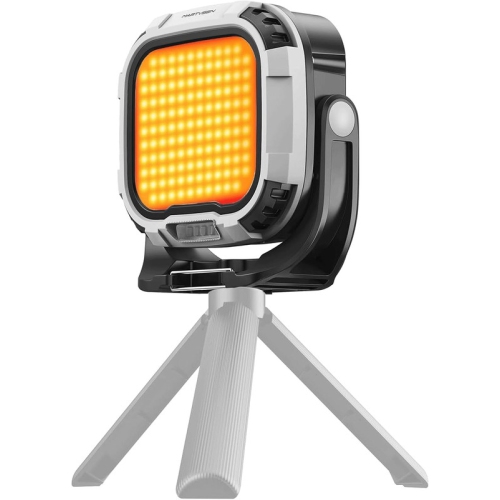
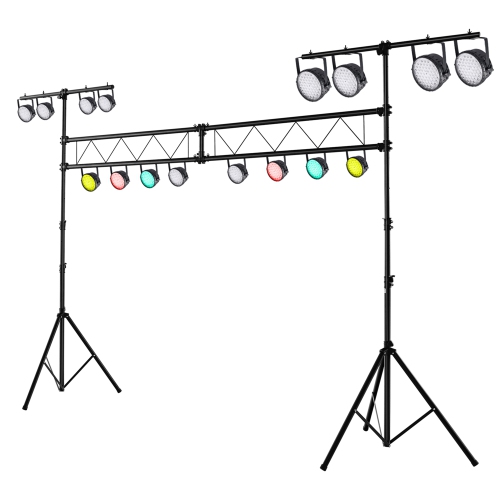
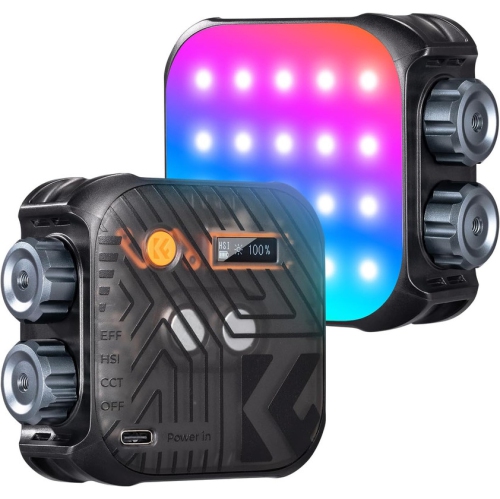
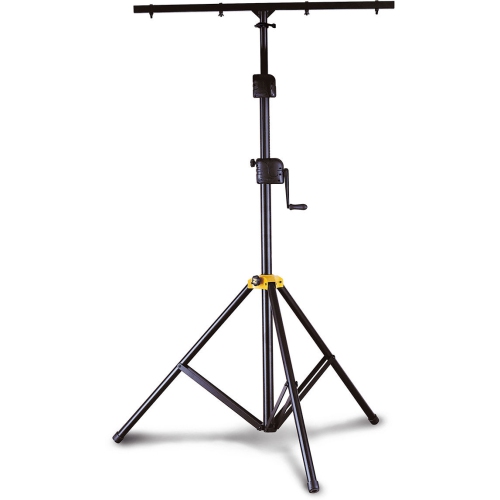
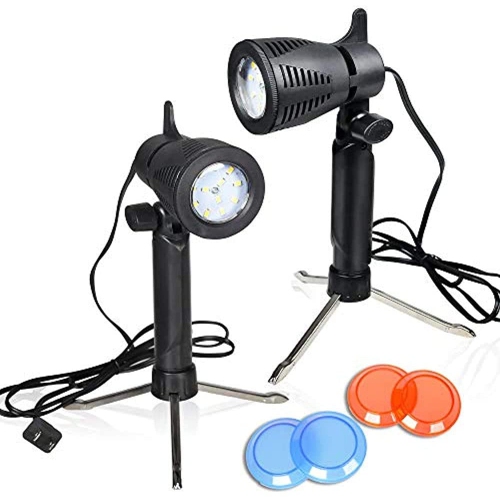
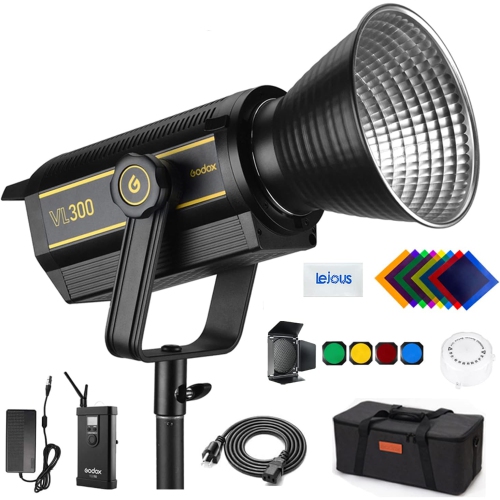
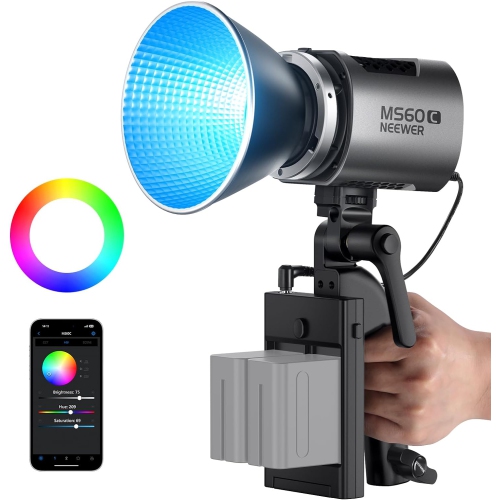
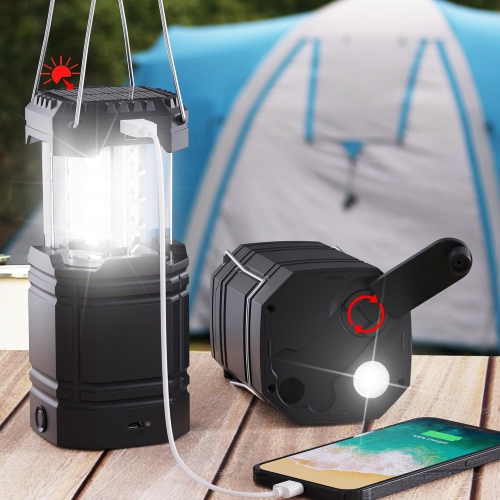
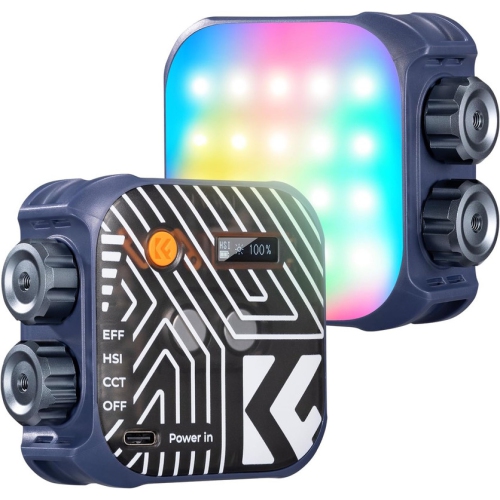
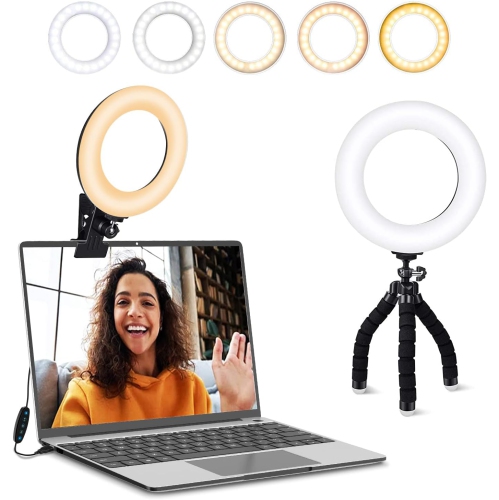
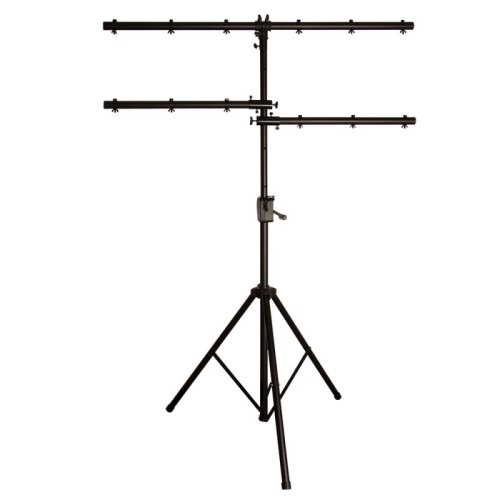

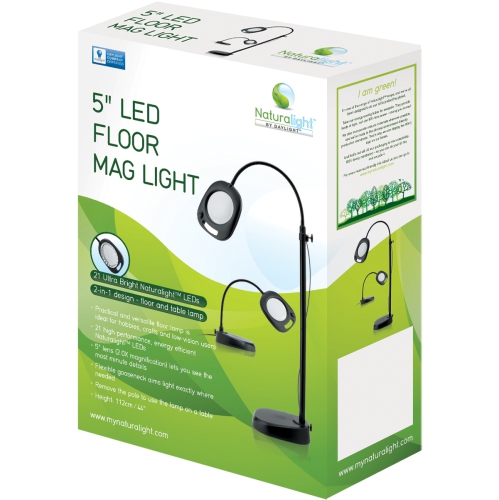
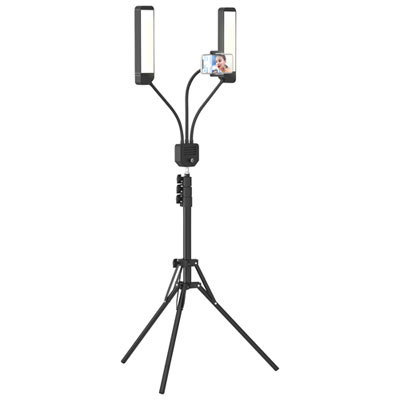
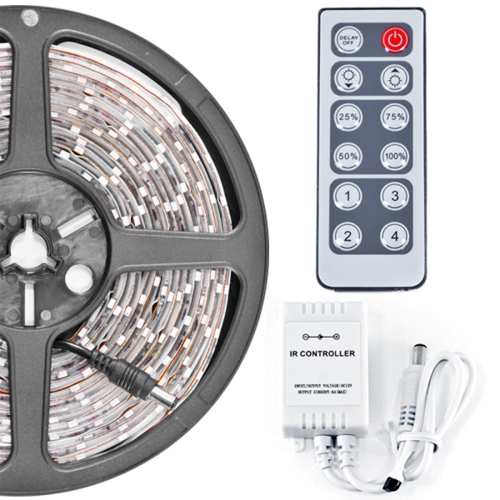
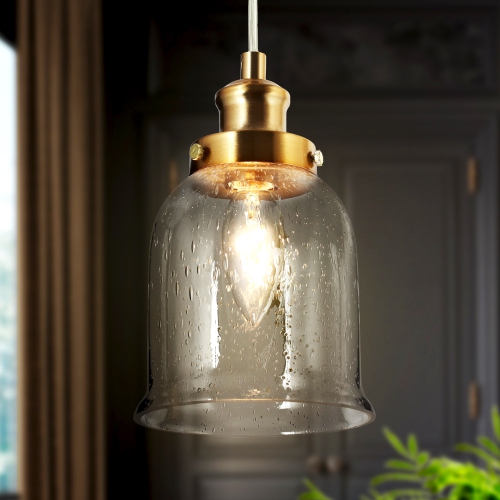
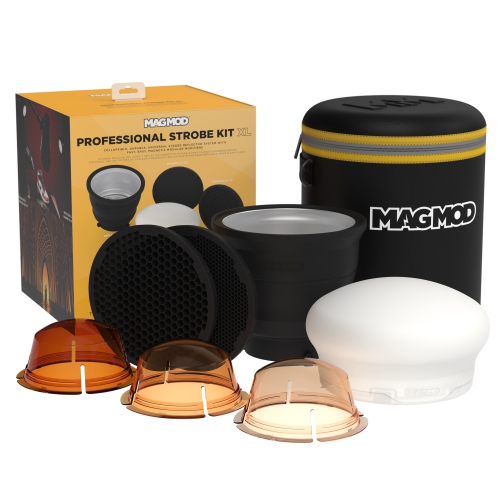
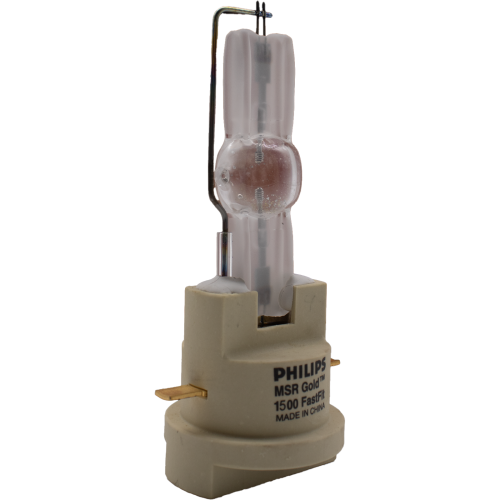
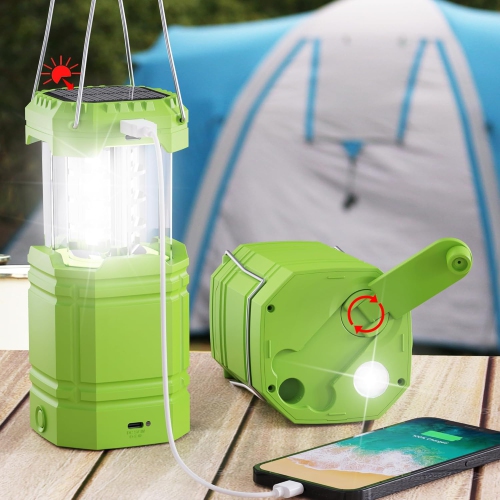

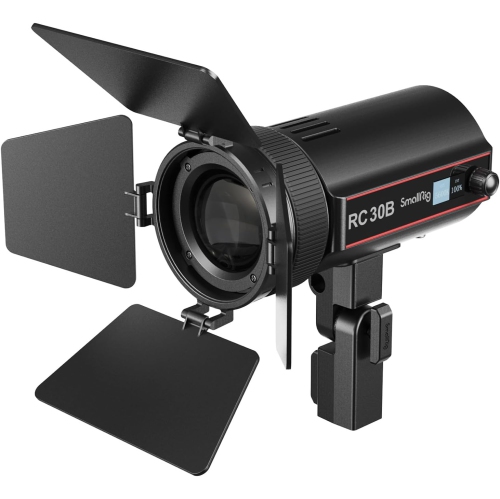
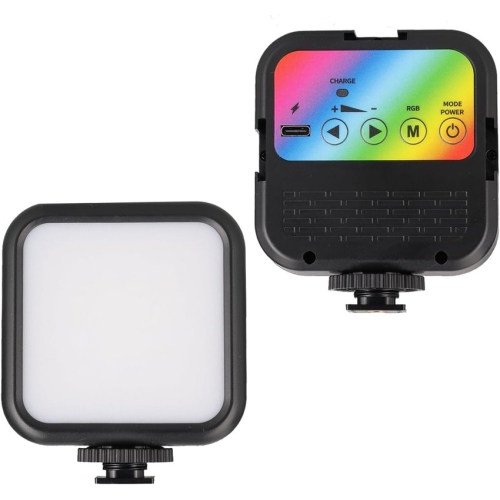
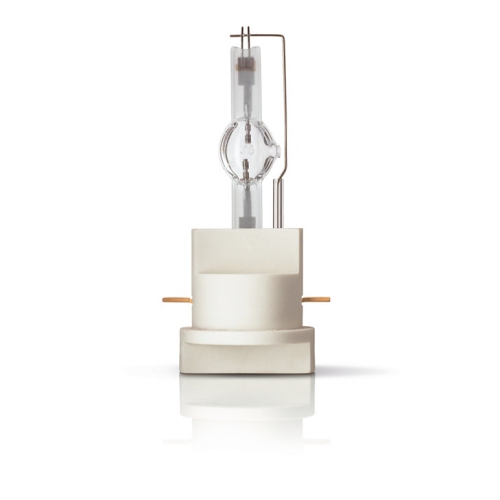
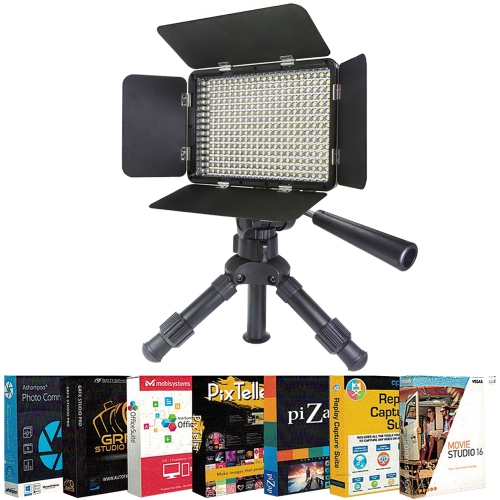
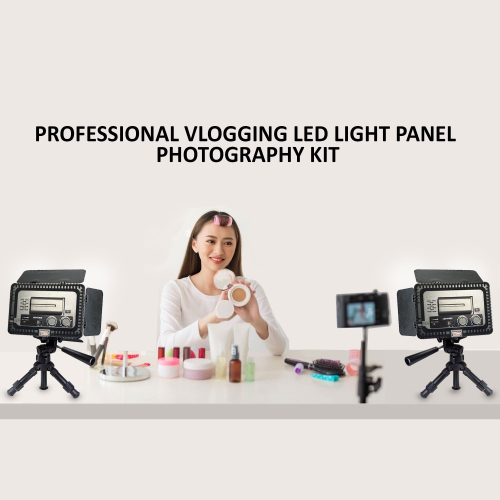
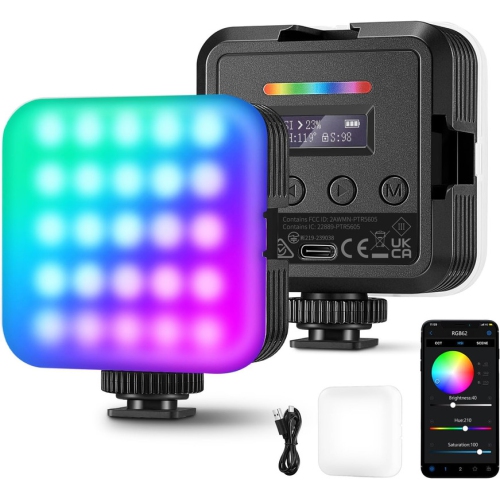
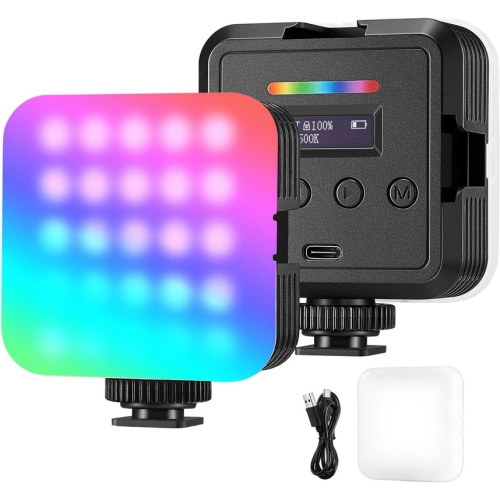
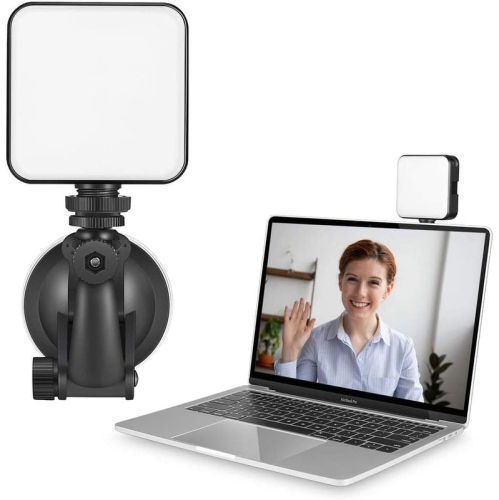

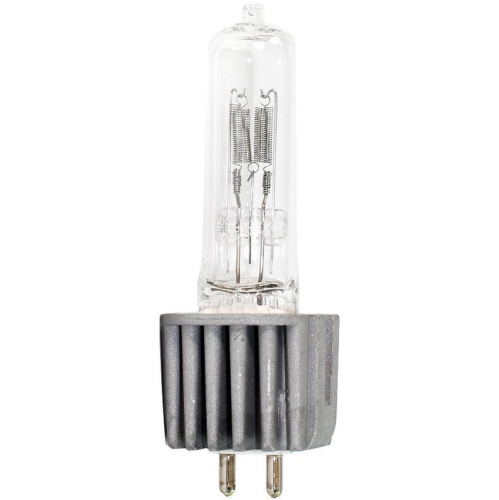
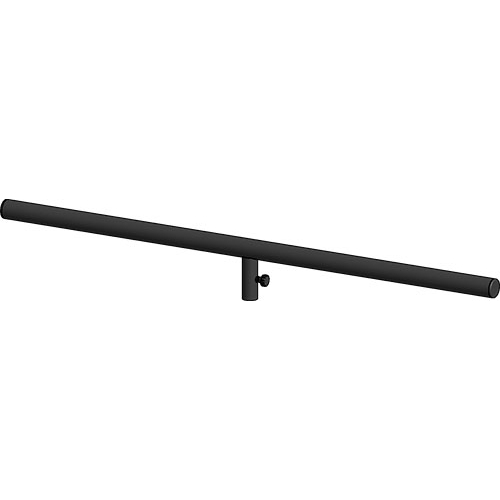
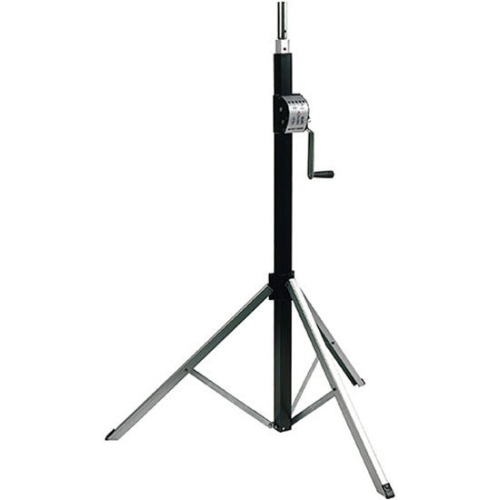
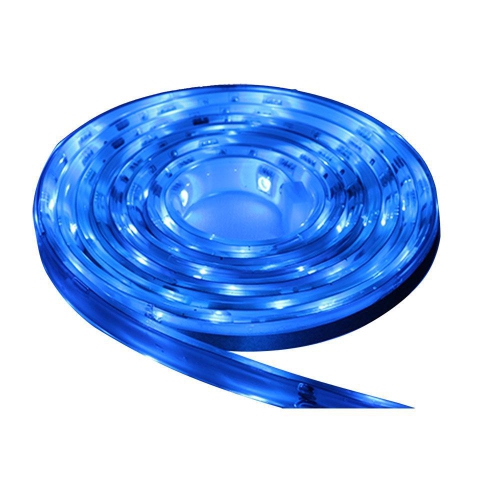

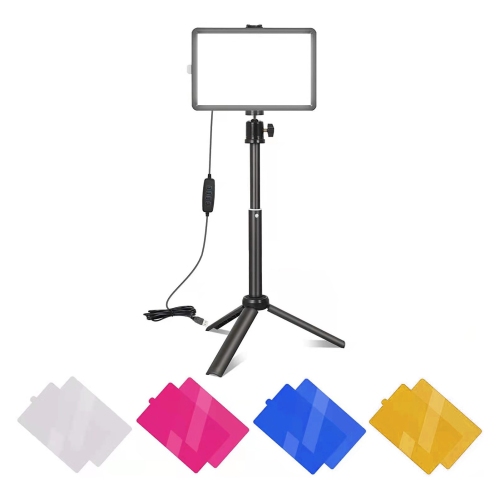
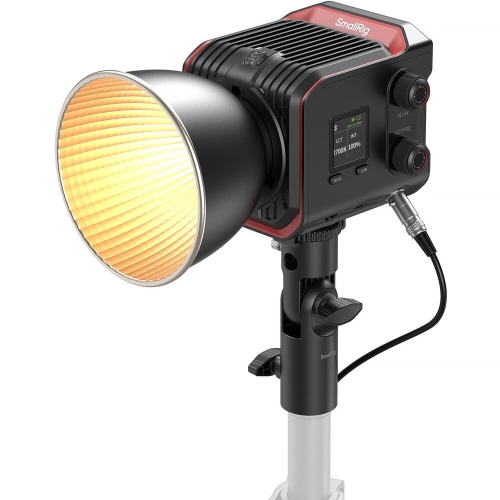
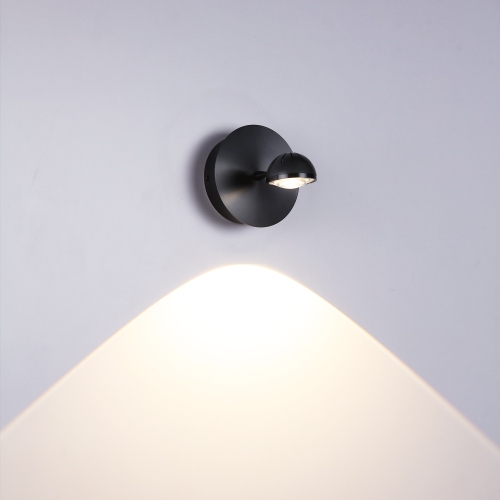

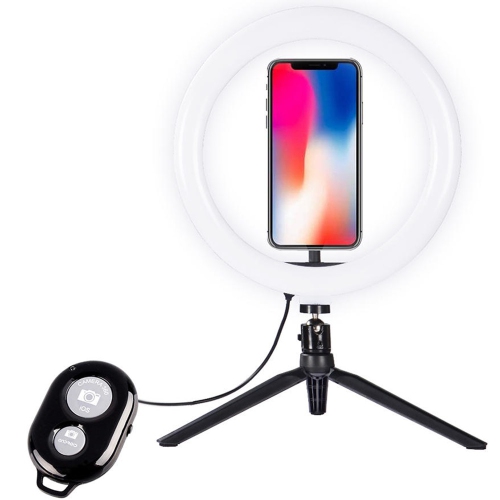
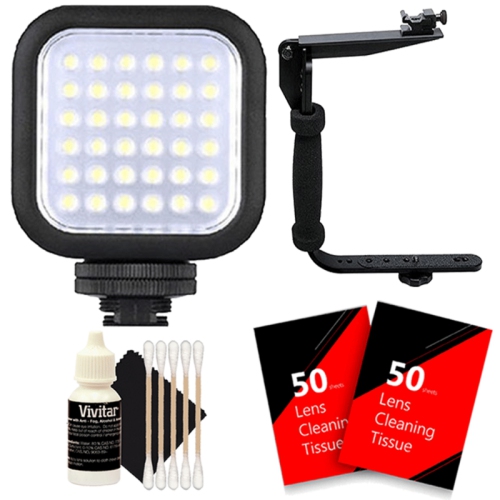
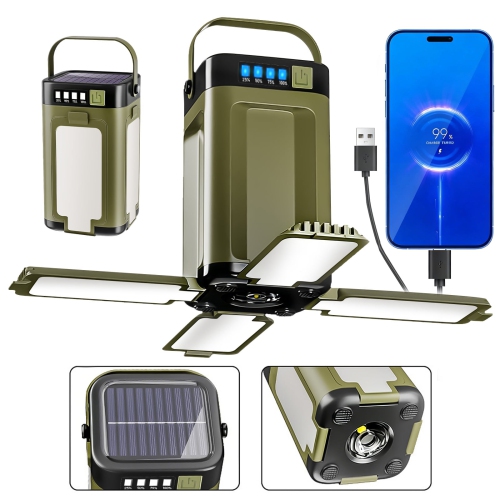
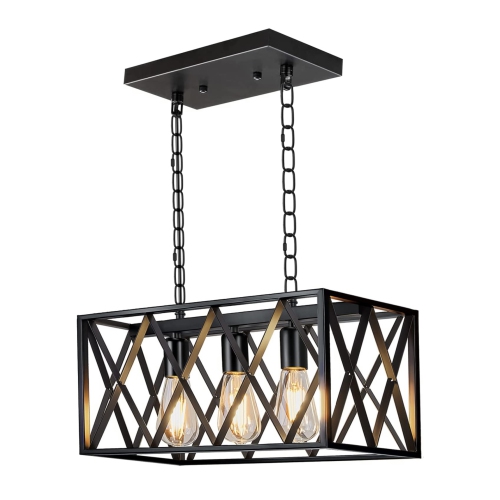
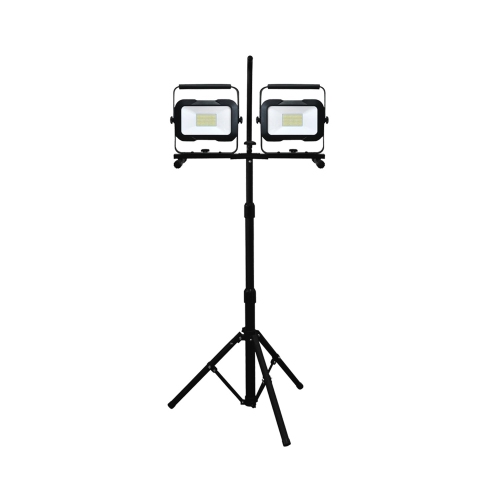
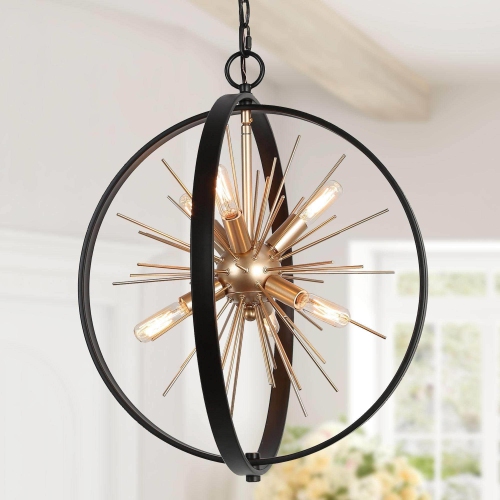
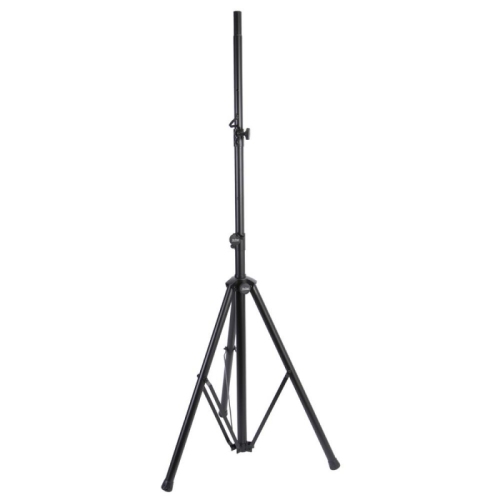
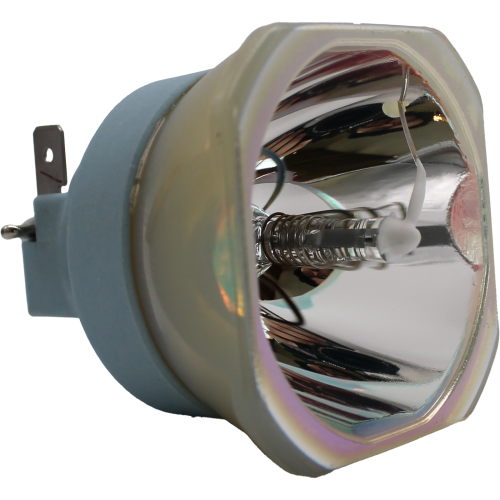
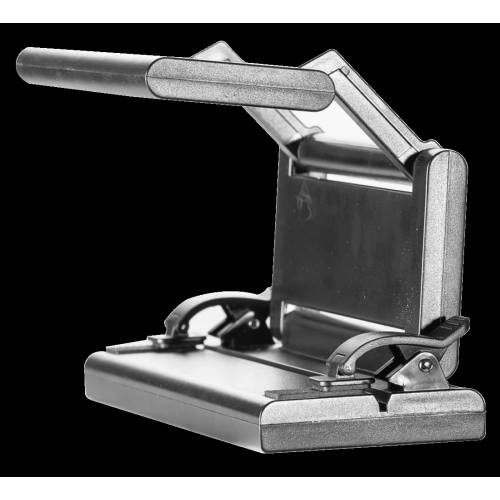
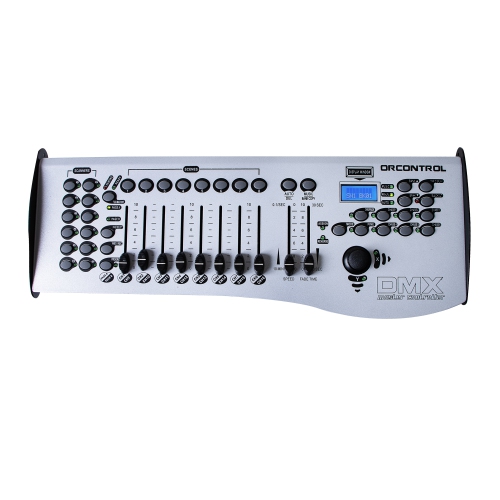
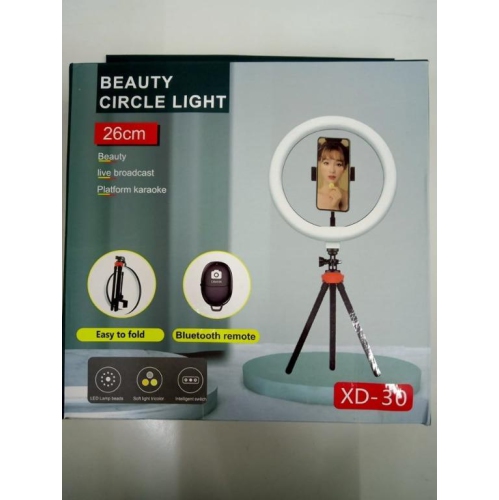
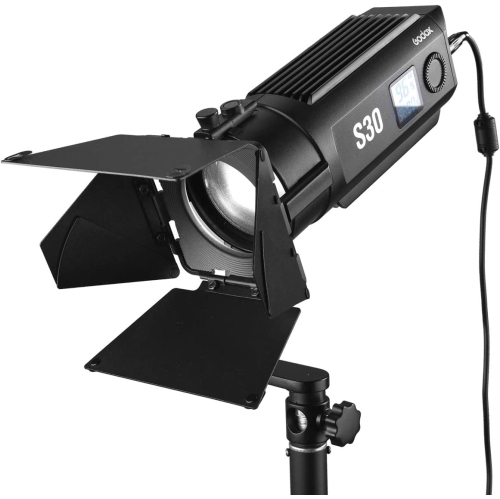

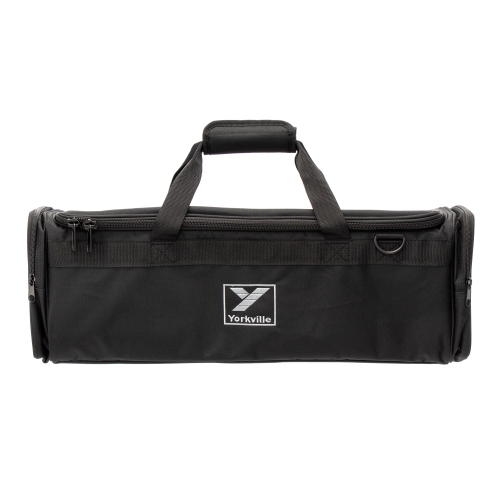
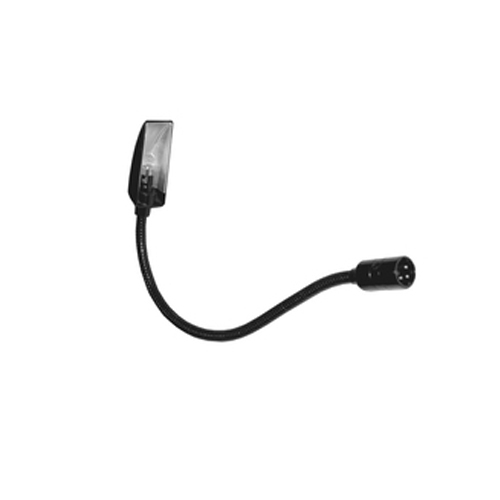
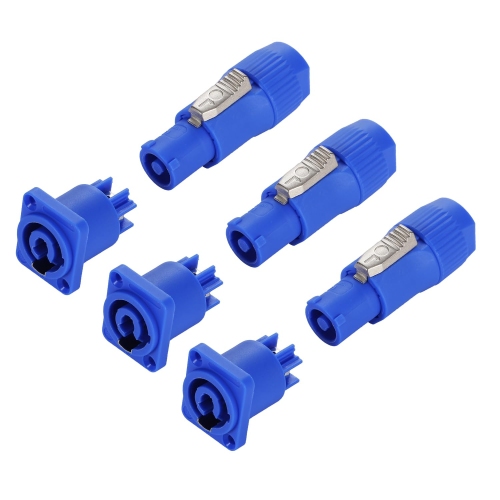
How light shapes subjects on camera and stage
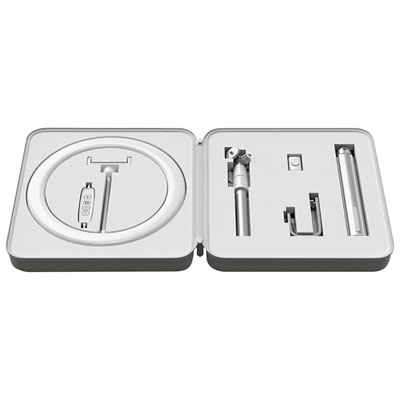
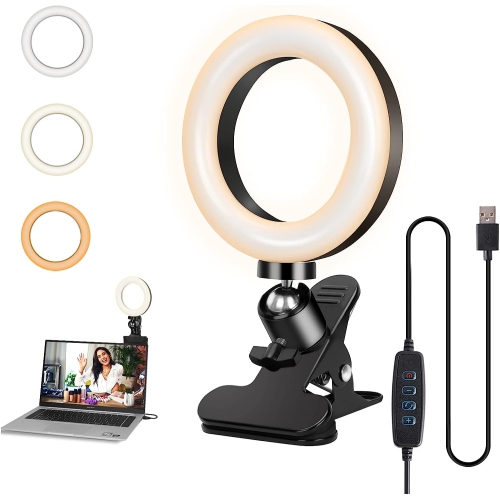
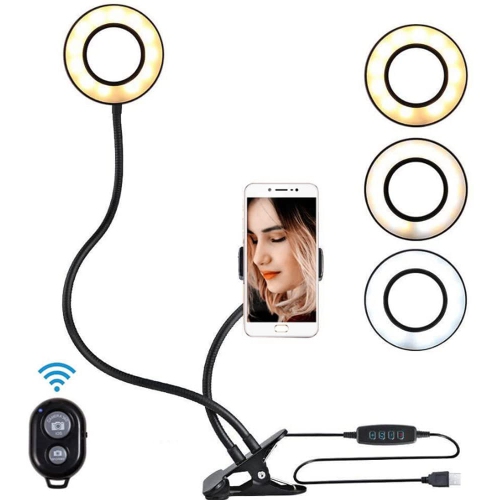
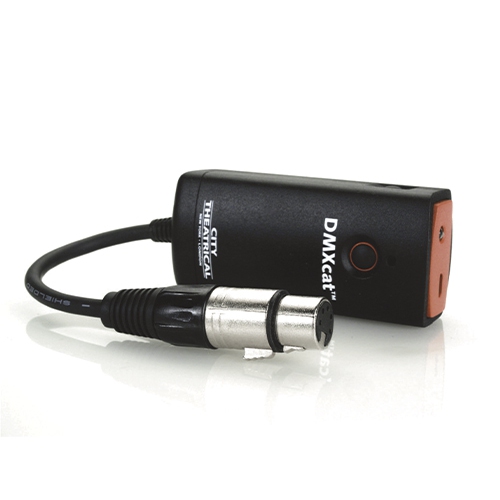
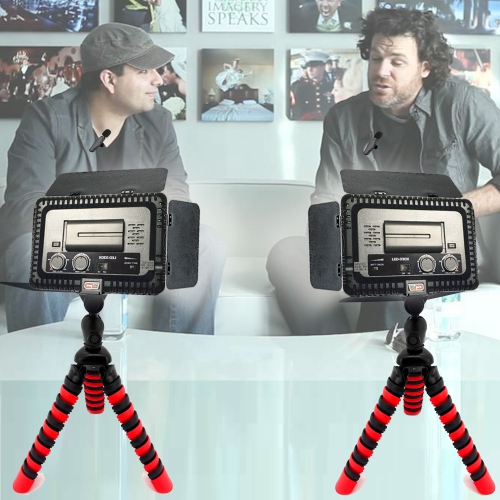
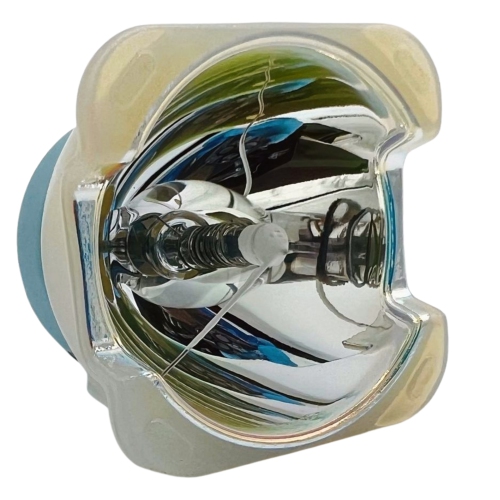
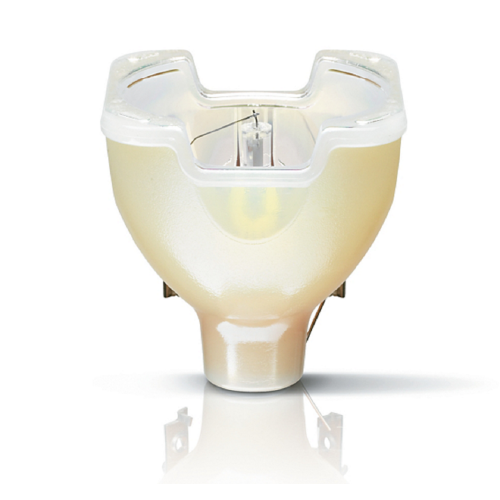
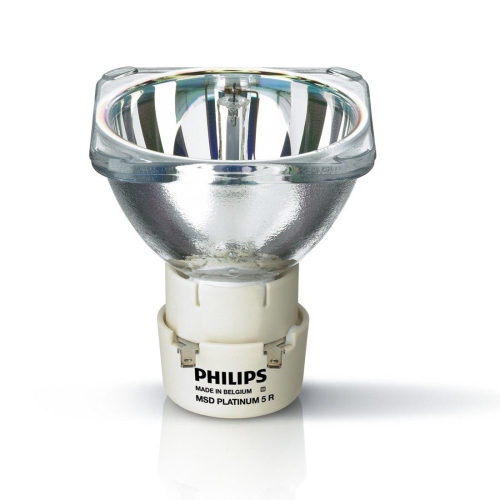
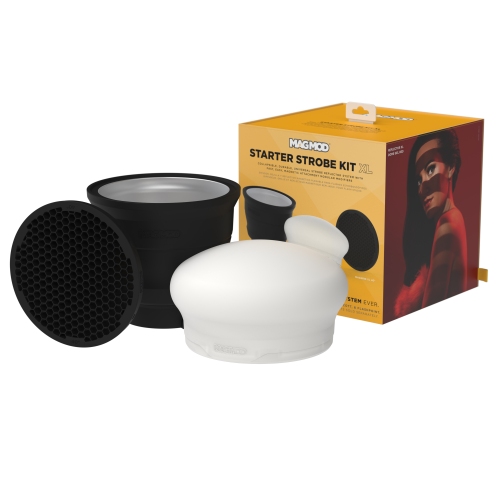
Lighting equipment includes continuous lights, strobes, flashes, light modifiers, and support systems used to illuminate subjects for photography, video, livestreaming, and stage productions. Each part serves a different purpose: the light source supplies illumination, modifiers shape its spread and softness, and stands or mounting hardware hold it in position. Continuous lighting stays on throughout a shoot, making highlights, shadows, and reflections visible before a photo is taken or a scene begins. That immediate feedback is useful for home video setups, interviews, online presentations, and tabletop photography, where small adjustments can noticeably change the finished image. Strobes and flashes produce a brief burst of light synchronized with a camera, providing controlled illumination for still photography. A sufficiently short flash duration can help freeze movement, although results also depend on camera settings and the amount of surrounding light. For portraits, soft illumination can bring gentle definition to a face without creating deep shadows beneath the eyes. For a handmade ceramic bowl or a piece of jewellery, a more directional source can reveal texture, shape, and surface detail. Stage and performance lighting has another role: it helps make performers visible while establishing colour, focus, and mood across a larger area. Lighting equipment can suit photographers, filmmakers, content creators, musicians, teachers, and small business owners creating images for an online shop. The right setup depends less on having a large number of lights than on matching their output, coverage, and controls to the task. A seated presenter may need a manageable source close to eye level, while a full-length portrait requires enough coverage to light the subject evenly from head to toe. Dedicated Studio Lighting supports controlled photo and video work where consistent placement and repeatable settings matter. In a shared room, equipment that can be repositioned and packed away easily may be more practical than a large installation; in a dedicated workspace, sturdy supports and convenient controls can simplify repeated sessions.
Light quality is about more than brightness. The apparent size of a source relative to the subject influences how soft its shadows look: a broad diffuser placed nearby generally creates gentler transitions than a small, distant source. Softboxes, umbrellas, and diffusion panels spread or soften illumination, while grids, barn doors, and flags help limit where it falls. Reflectors redirect existing light and can brighten the shaded side of a face without adding another powered fixture. These differences become clear in everyday shooting situations. A broad, diffused source can give a portrait a smooth transition from light to shade, while a narrower beam can separate a performer from a dark backdrop. Glossy packaging and glassware need particular attention because the shape and position of the light often appear as reflections in the surface. Adjustable brightness helps balance the subject with the background, but output figures need context: illuminance readings are most useful when compared at the same distance and with similar beam settings. Colour temperature describes the warm or cool appearance of white light, and adjustable settings can help a fixture work alongside other sources in the room. Colour rendering ratings offer another useful comparison for work involving skin tones, clothing, or merchandise, though they do not guarantee identical results across different lights and cameras. For video, flicker performance matters at the intended frame rate and shutter speed; a light that looks steady to the eye may still produce bands or pulsing on camera. Sound matters too, especially when a microphone is close to a fixture with a cooling fan. Controls should suit the working distance and pace of the session, whether adjustments happen directly on the light or through a compatible remote system. Flash users also need to check camera and trigger compatibility, supported synchronization settings, and the interval required between bursts. For stage applications, beam spread, dimming behaviour, mounting options, and compatibility with the intended lighting controller help determine how fixtures work together.
The practical fit of lighting equipment includes its physical dimensions, mounting connections, power requirements, and the space needed to use it safely. A compact light head can still require substantial room once a softbox and stand are attached, particularly beside a desk or in a narrow shooting area. Stand height, folded length, footprint, and load rating all matter, as does the weight of any modifier extending away from the support. Booms offer more placement flexibility but introduce leverage, so the complete load and the manufacturer's counterweight requirements need attention. Properly secured ballast can help stabilize floor stands, while cable routing should leave clear walking paths around the set. Overhead or stage-mounted fixtures require suitable rated hardware and installation by someone qualified for the mounting task. Construction materials influence portability and durability: aluminium supports are often easier to carry, while steel components may add weight and rigidity. Neither material alone establishes a stand's capacity, making its rated limits, locking mechanisms, and overall condition more useful than appearance. Fabric modifiers benefit from sound stitching, secure attachment points, and surfaces that stay clean and evenly tensioned. Battery-powered lights can make location work simpler, but runtime varies with brightness, operating mode, and battery capacity. Plug-in equipment avoids battery changes during longer sessions, provided the power supply and cable arrangement suit the space. Care is usually straightforward: switch off and unplug equipment before cleaning, follow the manufacturer's handling directions, keep vents unobstructed, and inspect cords, clamps, and fittings for wear. Allow fixtures to cool as directed before packing them, and use protective cases or padded compartments to prevent knocks during transport. Diffusion fabrics and reflective linings should be cleaned only as recommended, since harsh treatment can damage coatings or alter their performance. Lighting equipment can also be a thoughtful gift for someone developing portrait skills, filming demonstrations, or building a streaming setup, particularly when it fits their existing mounts and power system. Useful additions are those that solve a real difficulty, such as controlling a distracting reflection, holding a light securely, or making a familiar setup quicker to assemble.
Light quality is about more than brightness. The apparent size of a source relative to the subject influences how soft its shadows look: a broad diffuser placed nearby generally creates gentler transitions than a small, distant source. Softboxes, umbrellas, and diffusion panels spread or soften illumination, while grids, barn doors, and flags help limit where it falls. Reflectors redirect existing light and can brighten the shaded side of a face without adding another powered fixture. These differences become clear in everyday shooting situations. A broad, diffused source can give a portrait a smooth transition from light to shade, while a narrower beam can separate a performer from a dark backdrop. Glossy packaging and glassware need particular attention because the shape and position of the light often appear as reflections in the surface. Adjustable brightness helps balance the subject with the background, but output figures need context: illuminance readings are most useful when compared at the same distance and with similar beam settings. Colour temperature describes the warm or cool appearance of white light, and adjustable settings can help a fixture work alongside other sources in the room. Colour rendering ratings offer another useful comparison for work involving skin tones, clothing, or merchandise, though they do not guarantee identical results across different lights and cameras. For video, flicker performance matters at the intended frame rate and shutter speed; a light that looks steady to the eye may still produce bands or pulsing on camera. Sound matters too, especially when a microphone is close to a fixture with a cooling fan. Controls should suit the working distance and pace of the session, whether adjustments happen directly on the light or through a compatible remote system. Flash users also need to check camera and trigger compatibility, supported synchronization settings, and the interval required between bursts. For stage applications, beam spread, dimming behaviour, mounting options, and compatibility with the intended lighting controller help determine how fixtures work together.
The practical fit of lighting equipment includes its physical dimensions, mounting connections, power requirements, and the space needed to use it safely. A compact light head can still require substantial room once a softbox and stand are attached, particularly beside a desk or in a narrow shooting area. Stand height, folded length, footprint, and load rating all matter, as does the weight of any modifier extending away from the support. Booms offer more placement flexibility but introduce leverage, so the complete load and the manufacturer's counterweight requirements need attention. Properly secured ballast can help stabilize floor stands, while cable routing should leave clear walking paths around the set. Overhead or stage-mounted fixtures require suitable rated hardware and installation by someone qualified for the mounting task. Construction materials influence portability and durability: aluminium supports are often easier to carry, while steel components may add weight and rigidity. Neither material alone establishes a stand's capacity, making its rated limits, locking mechanisms, and overall condition more useful than appearance. Fabric modifiers benefit from sound stitching, secure attachment points, and surfaces that stay clean and evenly tensioned. Battery-powered lights can make location work simpler, but runtime varies with brightness, operating mode, and battery capacity. Plug-in equipment avoids battery changes during longer sessions, provided the power supply and cable arrangement suit the space. Care is usually straightforward: switch off and unplug equipment before cleaning, follow the manufacturer's handling directions, keep vents unobstructed, and inspect cords, clamps, and fittings for wear. Allow fixtures to cool as directed before packing them, and use protective cases or padded compartments to prevent knocks during transport. Diffusion fabrics and reflective linings should be cleaned only as recommended, since harsh treatment can damage coatings or alter their performance. Lighting equipment can also be a thoughtful gift for someone developing portrait skills, filming demonstrations, or building a streaming setup, particularly when it fits their existing mounts and power system. Useful additions are those that solve a real difficulty, such as controlling a distracting reflection, holding a light securely, or making a familiar setup quicker to assemble.
Top selling and popular products
-
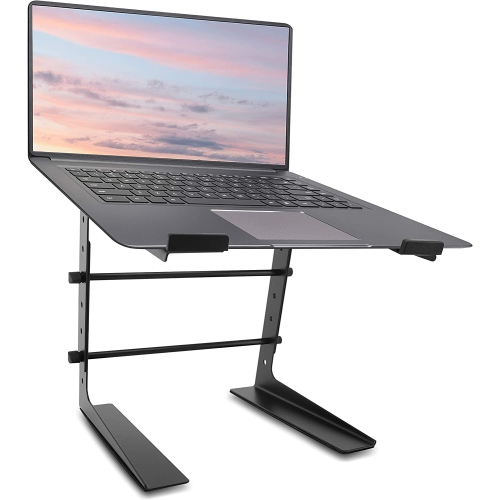 Your price for this item is $23.99
 -
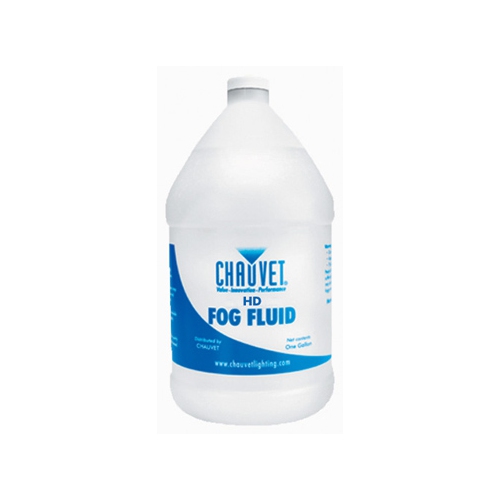 Your price for this item is $39.99
 -
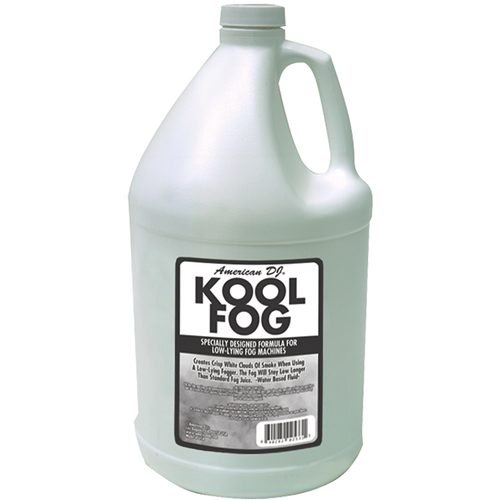 Your price for this item is $37.98
 -
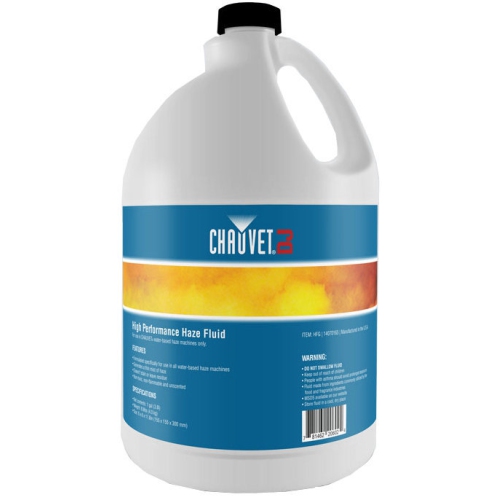 Your price for this item is $47.99
 -
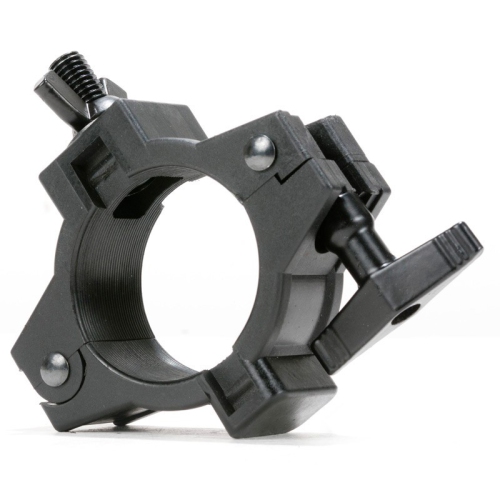 Your price for this item is $14.98
 -
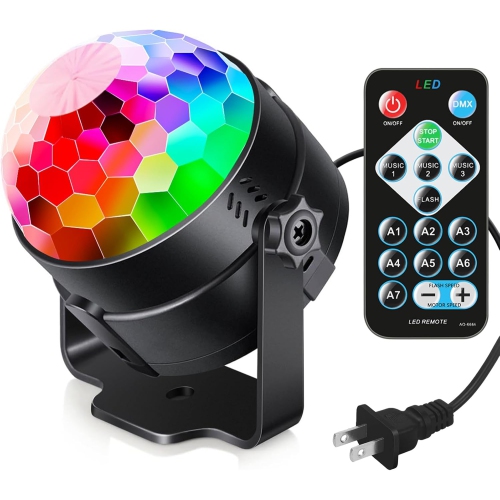 Your price for this item is $17.99
 -
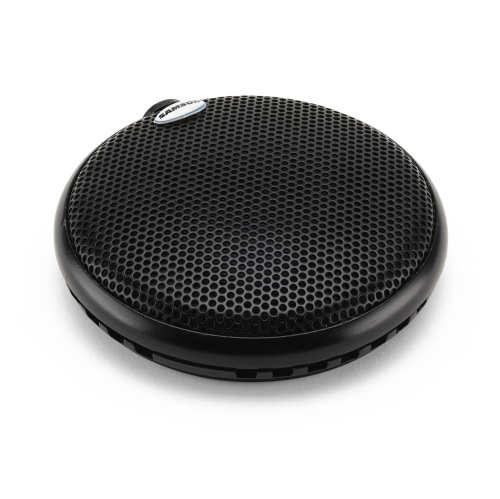 Your price for this item is $139
 -
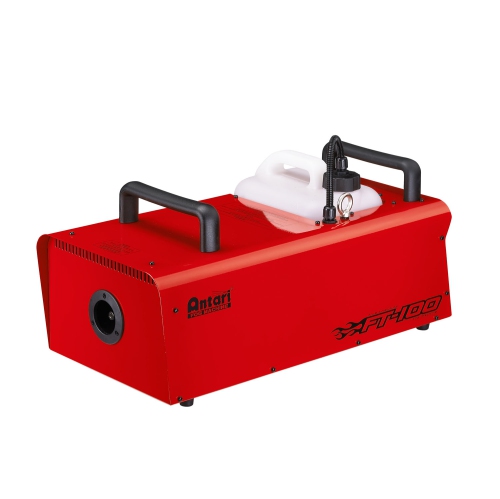 Your price for this item is $972
Discover more categories related to Lighting Equipment
Top Collections:
Pokemon Centers, Kindle Devices, Best Budget Office Chairs, Apple iPhones 16, Best Laptops for Writers, iPhone 15 Apple, Canon G7X Cameras, Refurbished Apple Laptops, Alarm Clock, Motorola Razr Phones
Some products may be subject to Environmental Handling Fees
(EHF) depending on your province.
Learn more about EHFs.