Steel Leg Dining Tables
Steel Leg Dining Tables bring a modern touch to any dining area, effortlessly blending style and durability. Perfect for both casual family meals and special gatherings, these tables complement a wide range of interior designs. With their sturdy steel legs and sleek profiles, Steel Leg Dining Tables create a contemporary centerpiece that elevates your dining experience. Discover options that suit spaces of all sizes and find the ideal table to enhance your home’s aesthetic.
Sort


Why the tabletop matters as much as the legs
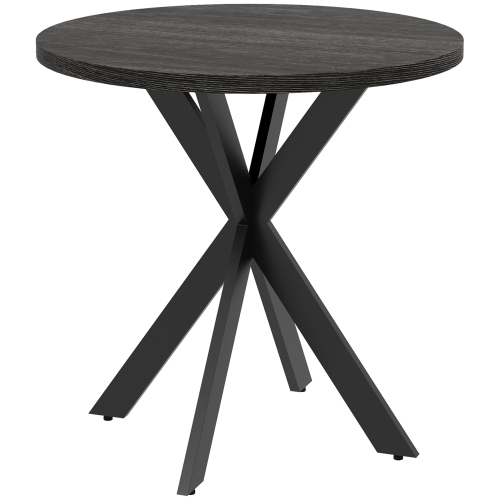
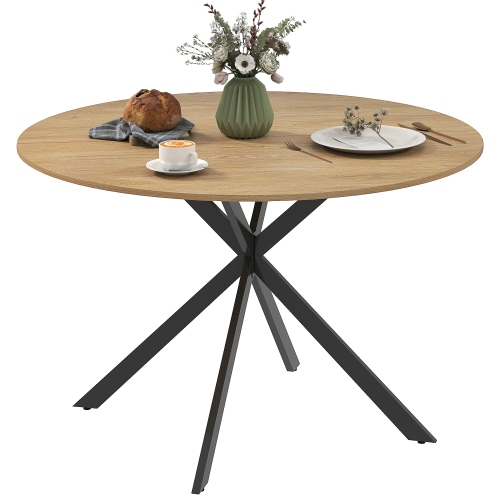
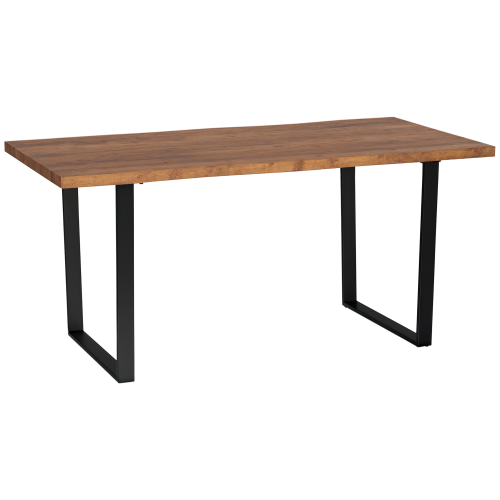
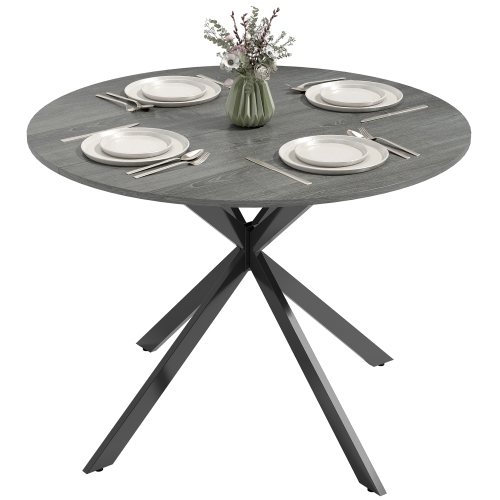
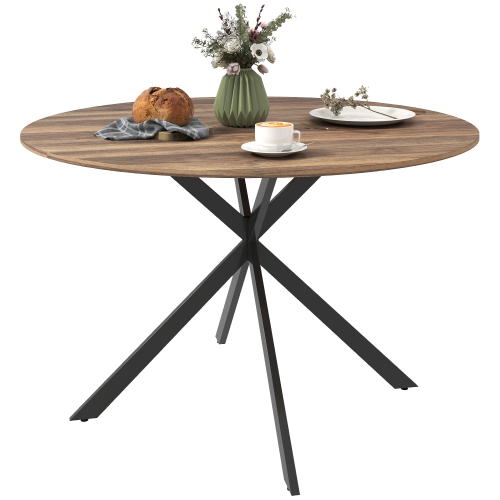
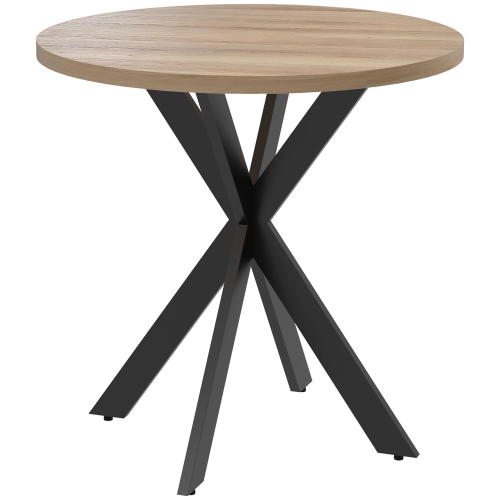
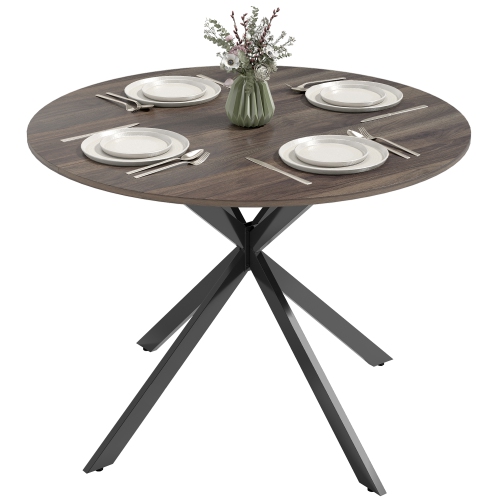
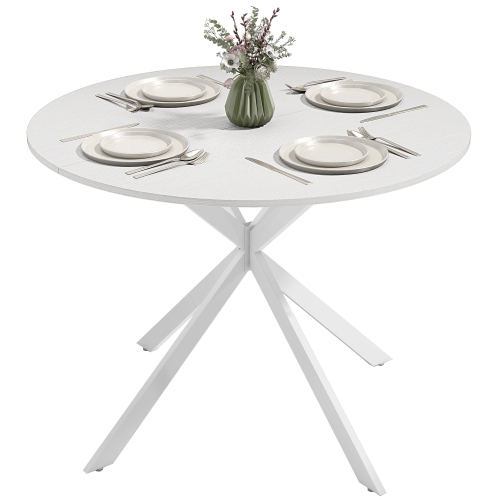
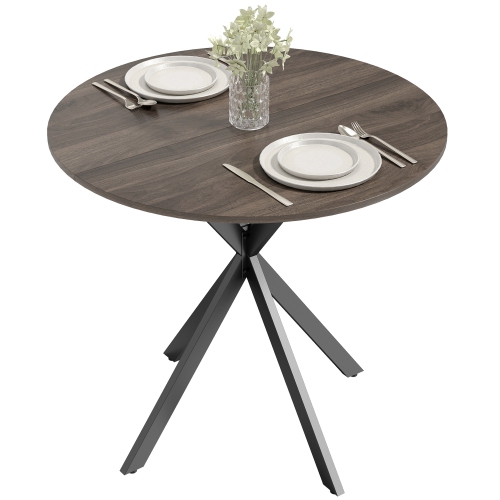
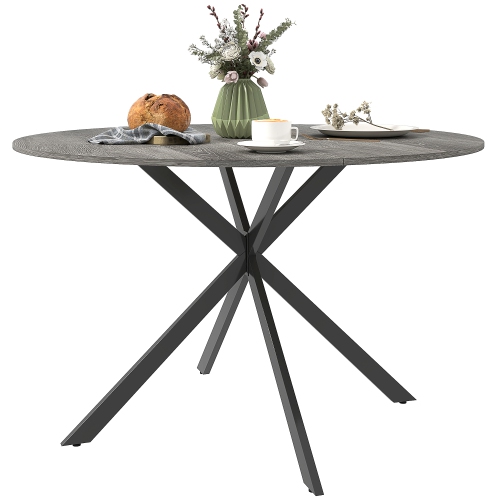
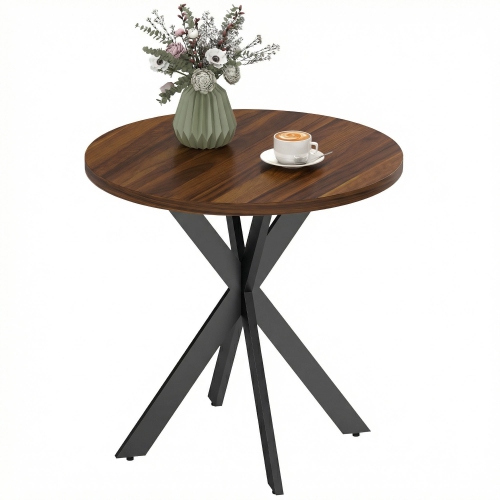
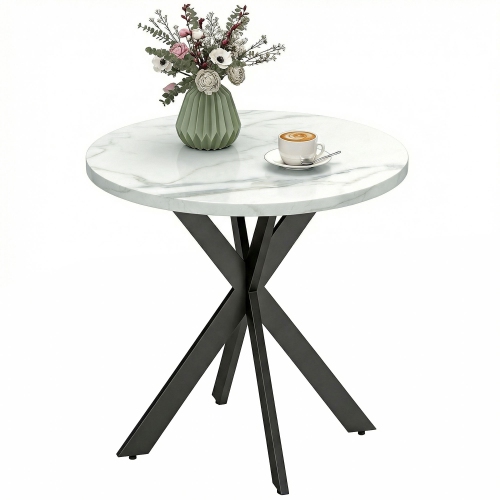
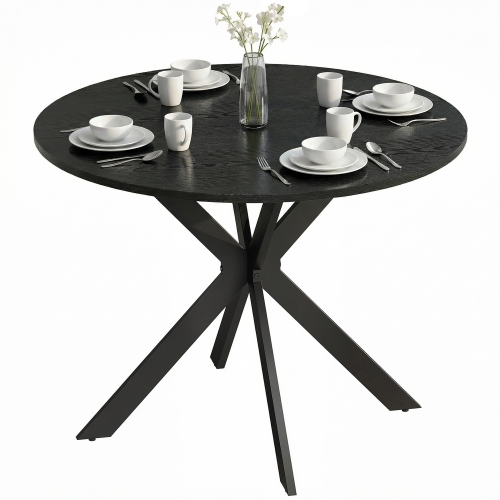
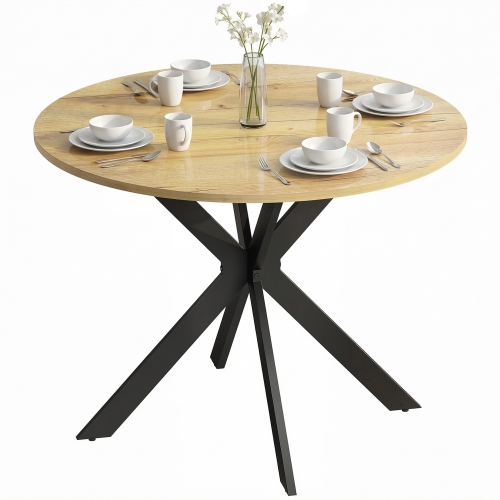
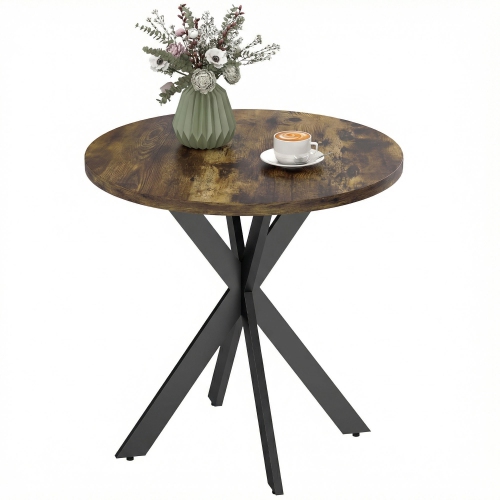
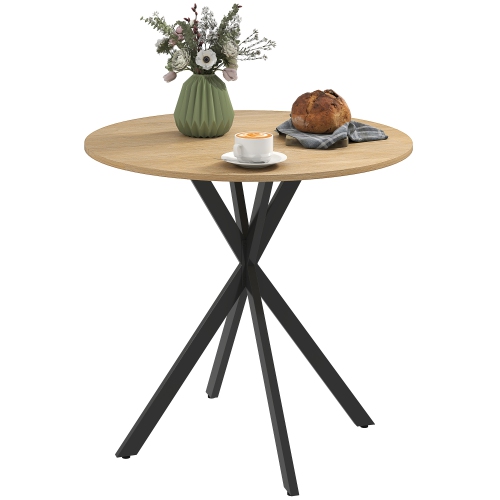
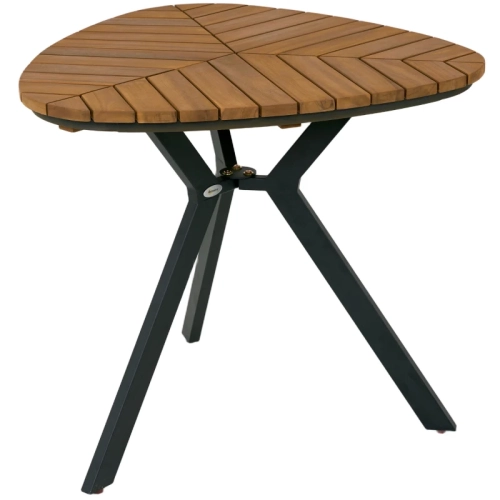
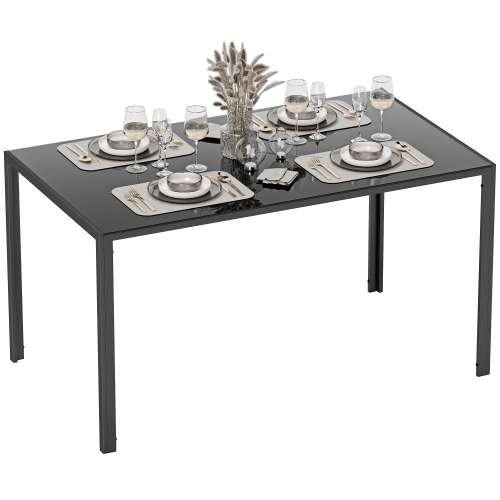
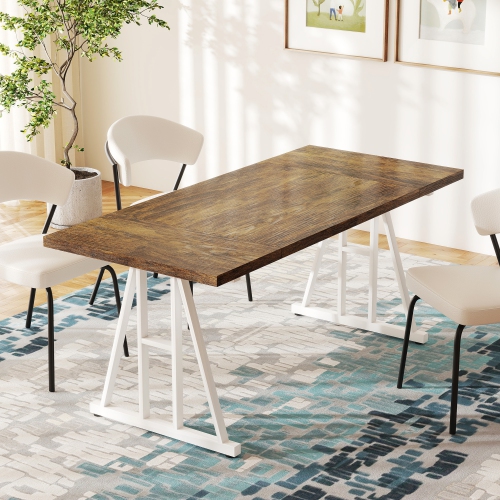
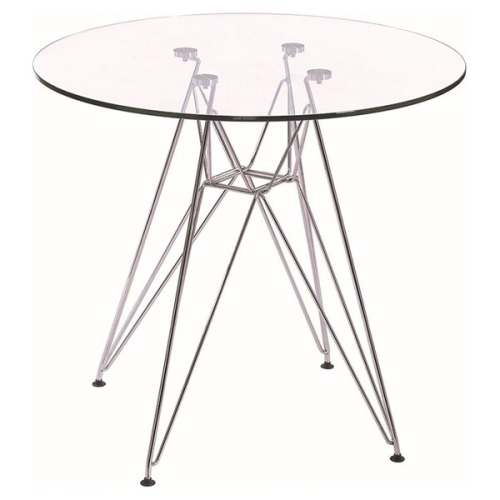
Steel leg dining tables combine a sturdy metal base with a tabletop that shapes how the table looks, feels, and fits into everyday life. The term describes the legs rather than the entire table: a steel base may support solid wood, wood veneer, laminate, glass, or another surface. That combination makes these tables adaptable to different interiors, from an industrial dining area with exposed brick to a bright kitchen with simple cabinetry. Slim, straight legs create a lighter outline, while substantial square legs or a trestle-style frame give the table a more grounded presence. Black steel pairs naturally with wood grain and upholstered seating; white or lighter-coloured legs can blend into a room with pale walls and cabinetry. The tabletop deserves as much attention as the base. Solid wood has natural variations in grain and colour and may develop small marks with use, while some finishes allow for refinishing later. Veneer provides a real wood surface over a supporting core, though its thinner face requires care around edges and scratches. Laminate can be practical for a table that handles breakfast, homework, and evening meals, but resistance to moisture, heat, and abrasion depends on its construction. Glass creates an open appearance and keeps a distinctive steel base visible, although fingerprints and crumbs tend to show readily. A textured wood-look surface can feel more relaxed, while a smooth top offers a convenient surface for writing or puzzles. Edge shape also changes the experience: rounded corners soften the outline in a compact room, and a straight edge creates a crisp, structured look. A steel base does not make every tabletop equally suited to heavy use, so the appeal lies in the complete construction rather than the legs alone. For related styles that feature steel construction, Steel Dining Tables offers another way to explore the material’s place in a dining space.
Fit involves more than checking whether the tabletop clears the walls. Standard dining tables are typically about 28 to 30 inches high, but comfortable seating also depends on the thickness of the top, the depth of any apron beneath it, and the height of the chairs. A chair may slide neatly under the tabletop yet stop short when its arms meet the frame. Measuring from the floor to the lowest obstruction helps reveal that difference before the table becomes part of a daily routine. As a general starting point, allow about 24 inches of table edge per diner, with additional space for broad chairs or a roomier place setting. Around 36 inches between the table edge and a wall or other furniture often provides useful chair clearance; a busy passage behind seated diners may need more. These measurements are planning references rather than guarantees, since chair depth and room layout vary. Rectangular tables suit longer rooms and create a straightforward arrangement for several diners, while round tables can make conversation easier and remove corners from tight circulation routes. Square tables work well when the room has similar proportions, though a large square top can make shared dishes harder to reach. Leg placement matters just as much as shape. Legs set close to the corners may leave a clear stretch along each side, whereas angled legs can occupy space where a chair or foot needs to go. Crossbars and trestle supports add visual character but should be checked for knee and foot clearance, particularly at the ends. A bench also needs enough room to slide between the supports if it will be tucked away. In a dining area that doubles as a home workspace, depth matters for a laptop and an open notebook without crowding the opposite seat. Extension designs can accommodate occasional extra diners, but the expanded footprint, support arrangement, and leaf storage all need consideration. A floor outline made with removable tape can help show whether chairs, doors, and nearby drawers will still move freely.
Durability comes from the relationship between the steel legs, their connections, and the tabletop. Steel can provide dependable support, but stability also depends on the dimensions of the legs, the quality of the joints, and the way the base attaches to the top. A substantial-looking table is not automatically suitable for every load, and the stated weight limit remains important when the surface holds heavy serving pieces or equipment. Assembly details deserve attention, especially where bolts connect the legs to brackets beneath the tabletop. Following the specified tightening sequence helps the frame sit evenly, while periodic checks can catch fasteners that loosen through regular use. Adjustable feet, where included, can help compensate for minor floor unevenness; suitable felt pads can reduce scuffs when the table is moved. Lifting rather than dragging protects both the floor and the leg connections. For everyday cleaning, a soft cloth and prompt spill removal are sensible starting points, followed by the care instructions for the particular tabletop and leg finish. Powder-coated steel usually needs gentle cleaning rather than abrasive scrubbing, and chipped finishes should be addressed according to the manufacturer’s directions. Wood and veneer benefit from coasters, placemats, and protection beneath hot serving dishes, while standing moisture should not be left along seams or edges. Glass surfaces require a compatible cleaner and attention to any fittings around the base. A table used for family meals may benefit from a wipeable surface and rounded edges; one used for drawing, board games, or craft projects needs enough uninterrupted space to spread out comfortably. In a smaller home, a well-proportioned steel leg dining table can serve several of these roles without dominating the room. In a dedicated dining room, the same material can provide a strong visual foundation for upholstered chairs, a sideboard, and simple place settings, with the tabletop bringing the texture that ties the space together.
Top selling and popular products
-
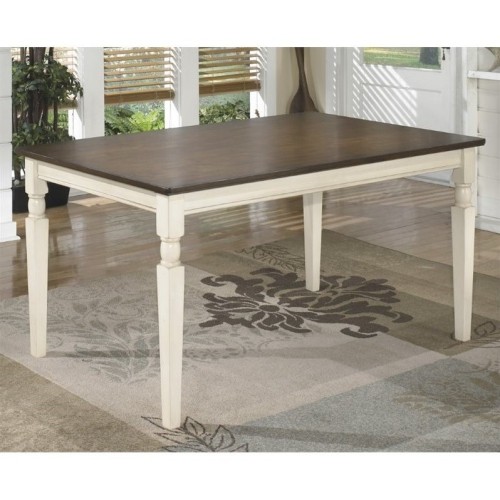 Your price for this item is $399
-
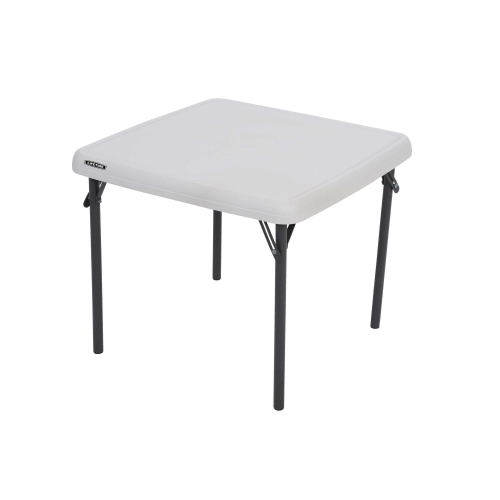 Your price for this item is $74.99
-
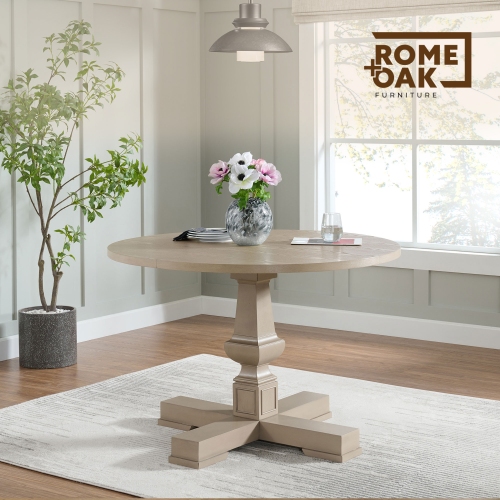 Your price for this item is $971.99
-
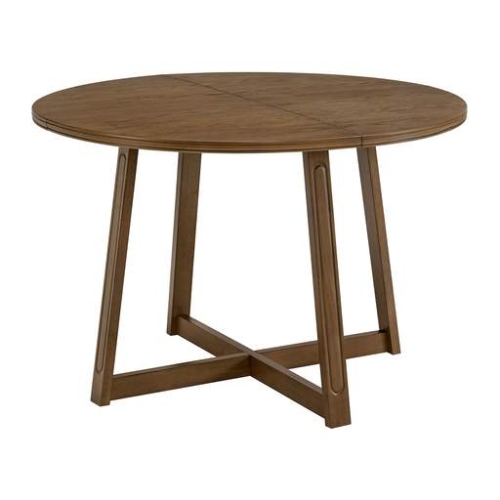 Your price for this item is $796.99
-
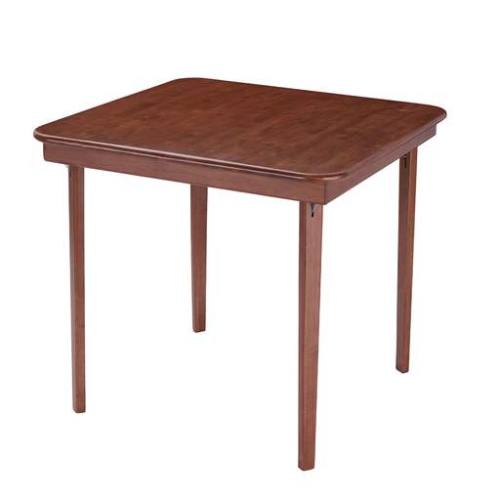 Your price for this item is $413.99
-
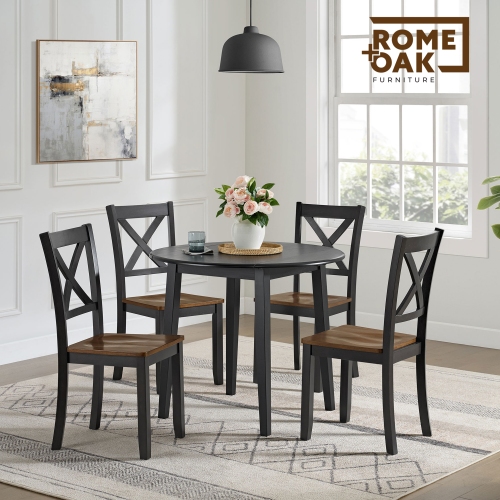 Your price for this item is $392.99
-
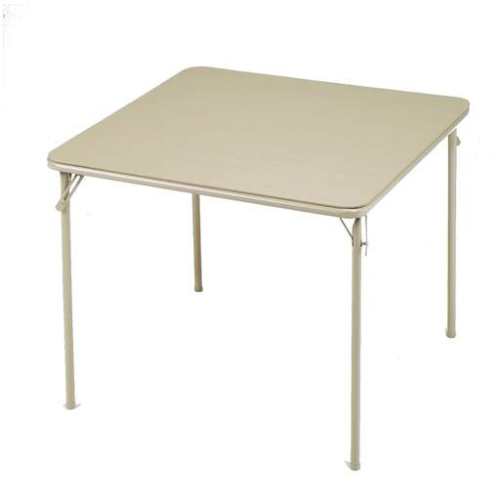 Your price for this item is $243.99
-
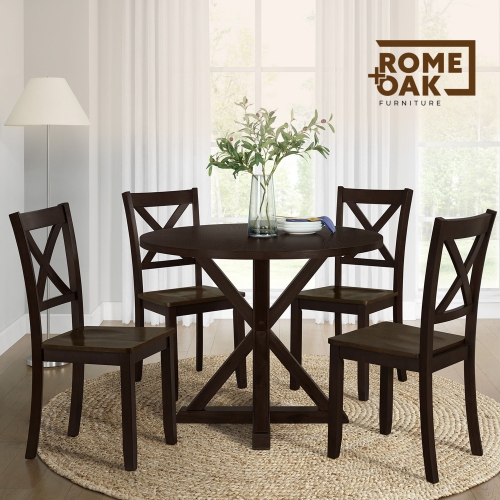 Your price for this item is $827.99
Discover more categories related to Steel Leg Dining Tables
Top Collections:
Best Black Friday Deals This Year, Best Black Friday Deals On Electronics, Kindle Devices, Pokemon Centers, Best Black Friday Deals On Apple Products, Best Cameras for Sports Photography, Dyson Airwrap, Pokémon 30th Celebration Cards, Apple iPhone 17 Pro, Canon G7X Cameras
Some products may be subject to Environmental Handling Fees
(EHF) depending on your province.
Learn more about EHFs.