Transitional Beds
Transitional beds offer a stylish and practical solution for evolving bedroom needs. Perfect for bridging the gap between different stages of life, these beds combine comfort with versatile design to suit any décor. Whether updating a child’s room or refreshing a guest space, transitional beds provide the ideal blend of form and function for any home. Explore a wide selection to find the perfect fit for your space and lifestyle.
Sort

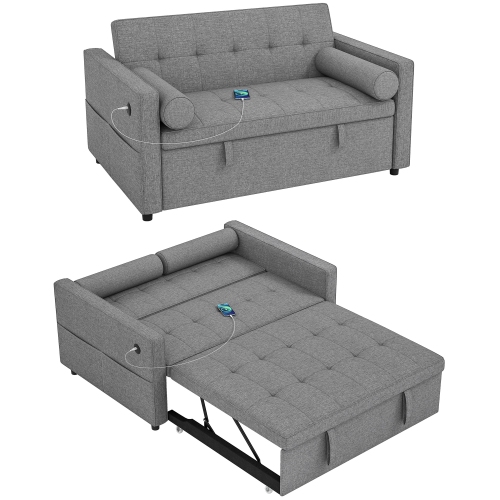


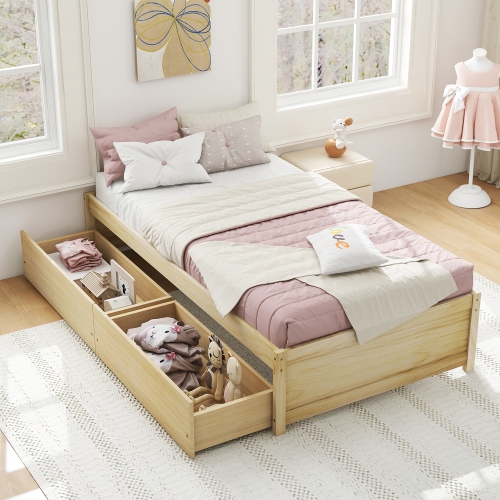
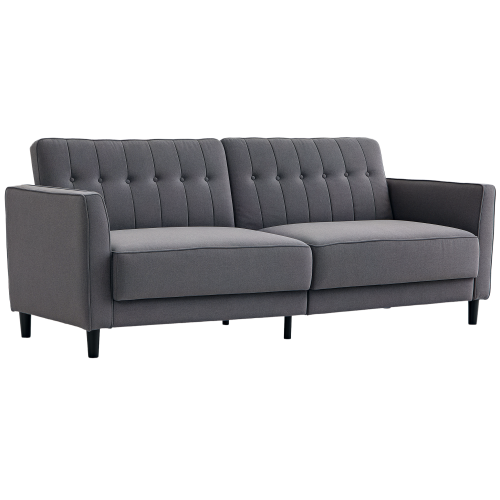

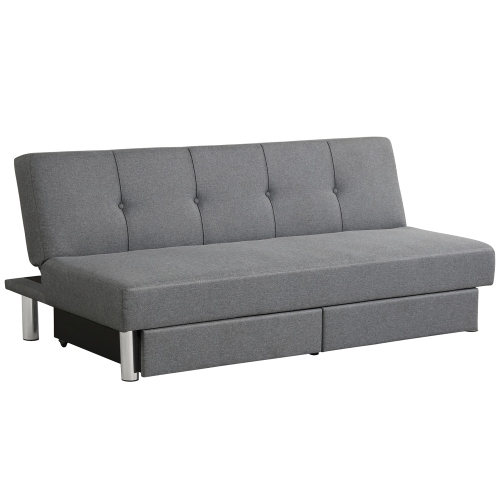
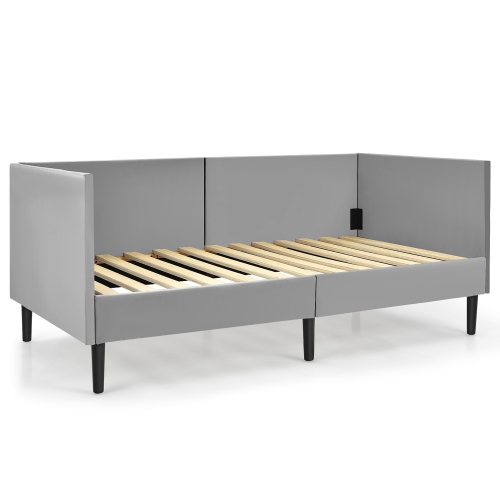


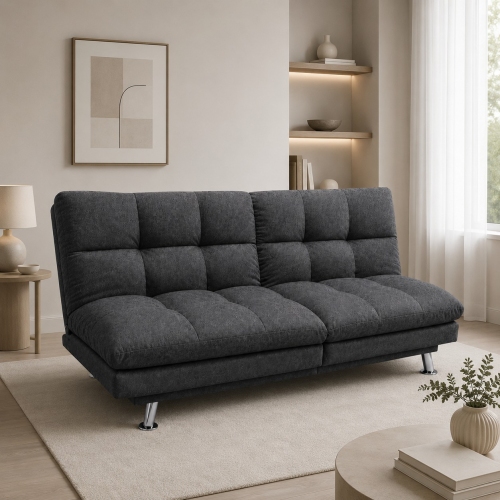
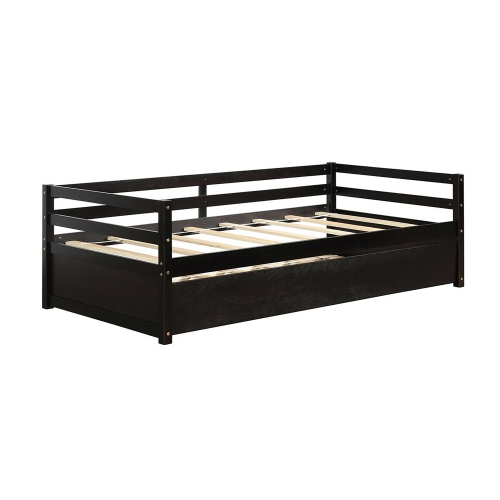


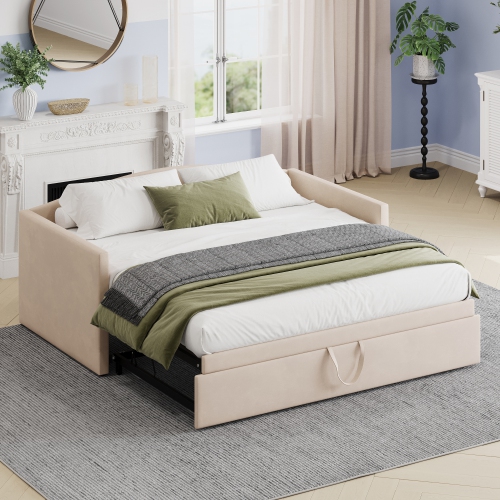

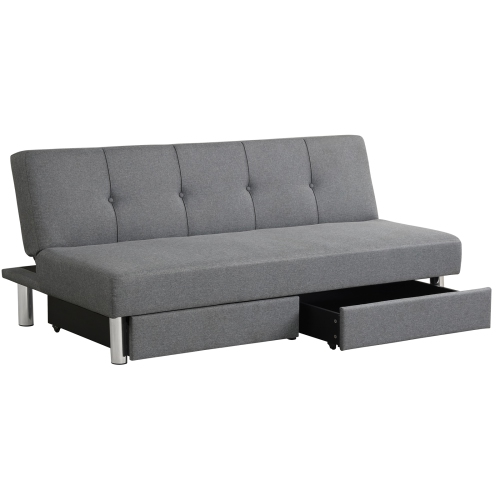
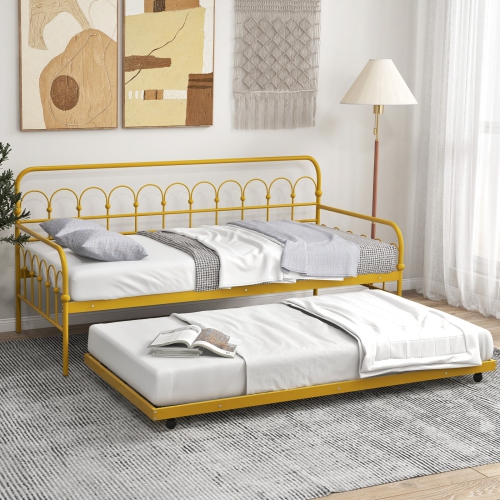
A lower bed for growing bedtime independence
Transitional beds help children move from a crib to a more open sleeping space, with designs that make getting into and out of bed easier as independence grows. In a toddler’s room, a transitional bed usually means a low-profile frame, often with partial side rails and an opening for access. Some toddler beds accept a crib-size mattress, while larger designs use a twin mattress and offer more room for continued use. Convertible cribs provide another approach when their original design allows a change to a toddler bed using the correct conversion components. These options serve a similar purpose, but their dimensions, support systems, and intended ages are not interchangeable. Many families consider the move between about 18 months and three years, although a child’s climbing ability and the crib manufacturer’s limits matter more than a particular birthday. A child attempting to climb out of a crib needs a prompt reassessment of the sleeping setup rather than a wait for a planned milestone. Toddler beds are not intended for infants, and the manufacturer’s minimum age, maximum weight, and mattress requirements define their appropriate use. For a child ready for the change, a lower sleeping surface can make everyday moments more manageable, from climbing in for a bedtime story to getting up independently in the morning. A compact toddler frame can also leave more floor space for play in a small bedroom, while a low twin bed may suit families planning for longer-term use. The overall footprint includes more than the mattress: headboards, footboards, projecting corners, and drawers all affect how comfortably the bed fits. Space beside the opening matters for a caregiver helping with bedding, and nearby doors or drawers need room to open without obstruction. A bed that fits the room well supports a familiar bedtime routine without making the space feel crowded.
Materials and construction influence how transitional beds look, feel, and hold up to everyday use. Solid wood frames can bring visible grain and a substantial appearance, while engineered wood allows a broad range of shapes and finishes. Metal frames often have a slimmer outline, and upholstered designs add texture and a softer surface around selected parts of the frame. None of these materials alone determines durability; secure joints, properly supported mattress platforms, smooth edges, and well-fitted components are equally important. A painted wood bed may need occasional attention to chips or worn edges, while fabric-covered surfaces benefit from care suited to the upholstery and any removable covers. Smooth, accessible surfaces are generally easier to wipe after a spill, and open space beneath a raised frame can make routine cleaning simpler. Storage drawers can be useful for spare fitted sheets and sleepwear, provided their operation does not interfere with the bed’s entry point. Mattress compatibility deserves particular attention because familiar size names do not replace the frame’s stated measurements. A mattress should match the specified length, width, and thickness, sit securely on the intended support, and leave no hazardous gaps around the edges. An existing crib mattress may be reusable only when it meets the new bed’s requirements and remains in good condition. The mattress height also affects how much protection an integrated side rail provides, so an added topper is not automatically suitable. Some frames use slats, others require a particular foundation, and an extra box spring can raise the sleeping surface beyond the intended height. Fitted sheets and a compatible mattress protector can make everyday care easier without changing the required mattress fit. Weight limits matter during shared moments, too: a toddler frame may support a child but not an adult sitting beside them. Construction details and stated capacities help distinguish a bed suited to a brief toddler stage from one designed for years of use.
A transitional bed changes how a child can move around the bedroom, so the surrounding setup becomes part of its suitability. Once a child can leave the bed independently, accessible furniture, windows, cords, outlets, and small objects all deserve attention. Dressers and other furniture that could tip need appropriate anchoring, and blind cords or electrical leads should remain out of reach. Bed placement should follow the manufacturer’s directions, including any clearance requirements; pushing a frame against a wall is not a substitute for an approved rail and can create an entrapment gap. Side rails should be designed or expressly approved for the exact bed and mattress combination, rather than improvised from cushions or unrelated accessories. Portable bed rails have their own age and compatibility restrictions and should not be assumed suitable for toddlers. Similarly, a floor-level design still needs suitable mattress support, ventilation, and construction; being close to the floor does not by itself establish that a bed is appropriate for a young child. Beyond these practical details, familiarity can help the new setup feel less abrupt. A correctly fitting sheet in a familiar colour, the same bedtime story, and a clear path from the doorway can make a different bed feel like part of an established routine. For children learning to use the bathroom independently, an accessible opening and an uncluttered route are useful features, though the bed itself does not determine readiness for nighttime independence. Shared bedrooms may benefit from compact frames that preserve separate sleeping spaces, while homes where children stay regularly need the same attention to fit and intended use as a primary bedroom. For separate guest spaces used by adults or older children, Temporary Bedding Solutions offers another category to consider for occasional sleeping arrangements. A child’s everyday transitional bed serves a different role: providing an appropriately sized, securely assembled sleeping space that suits their stage of development and the routines of the household.
Top selling and popular products
-
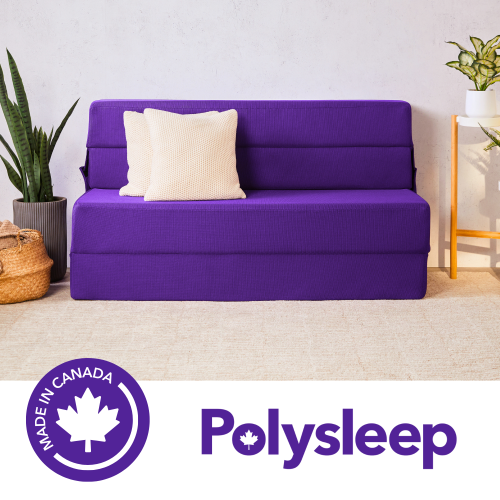 Your price for this item is $995
-
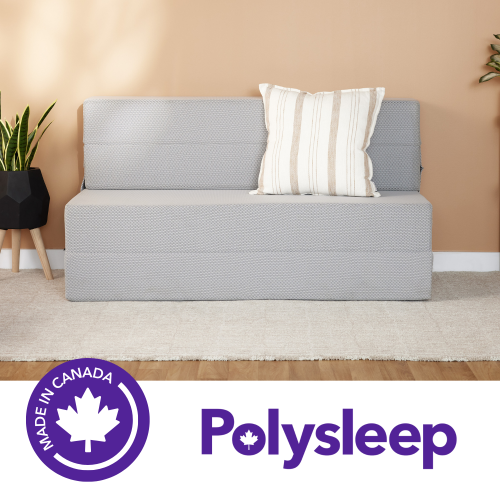 Your price for this item is $995
-
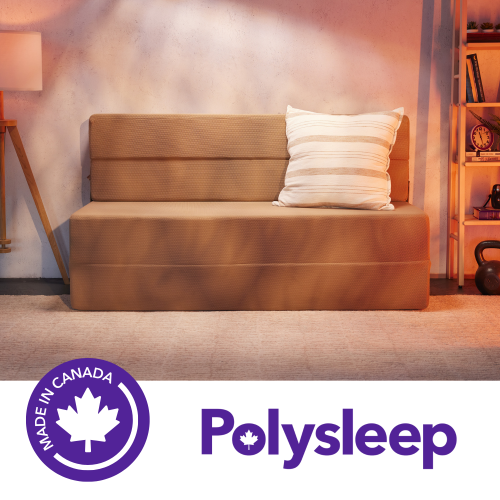 Your price for this item is $995
-
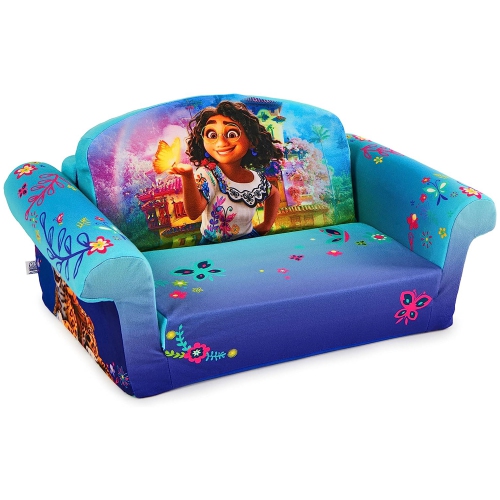 Your price for this item is $119.99
-
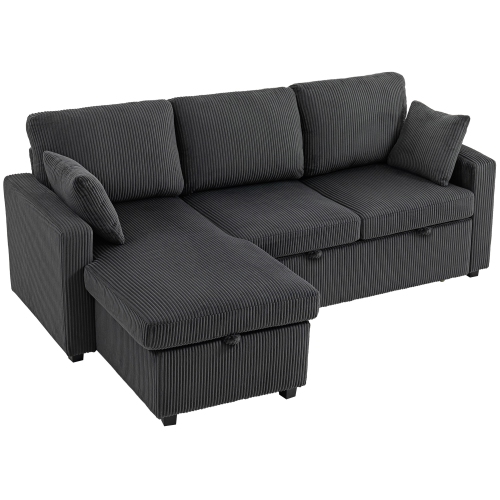 Your price for this item is $769.99
-
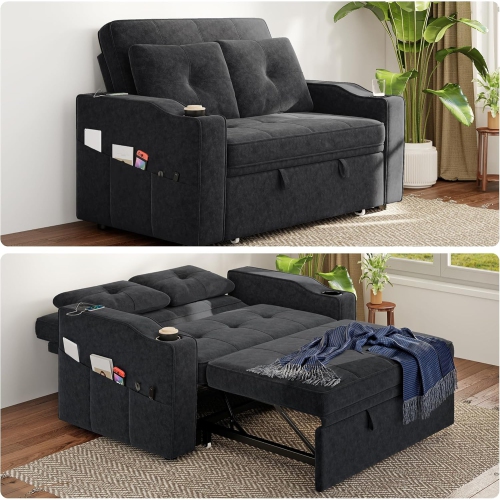 Your price for this item is $499.99
-
 Your price for this item is $67.99
-
 Your price for this item is $499.99
Discover more categories related to Transitional Beds
Top Collections:
Pokemon Centers, Kindle Devices, Best Cameras for Sports Photography, Pokémon 30th Celebration Cards, Apple iPhones 16, Canon G7X Cameras, iPhone 15 Apple, Flip Phones, Samsung Galaxy Phones, Alarm Clock
Some products may be subject to Environmental Handling Fees
(EHF) depending on your province.
Learn more about EHFs.