Swimming Pool Test Strips
Ensure your swimming pool water is always safe and balanced with our range of swimming pool test strips. These easy-to-use strips are essential for any pool owner looking to maintain optimal water quality. By testing for key parameters such as chlorine, pH levels, alkalinity, and more, you can ensure that your pool remains clean and inviting for a refreshing dip whenever you desire. Keep your pool water crystal clear and perfectly balanced with our convenient swimming pool test strips.
Sort
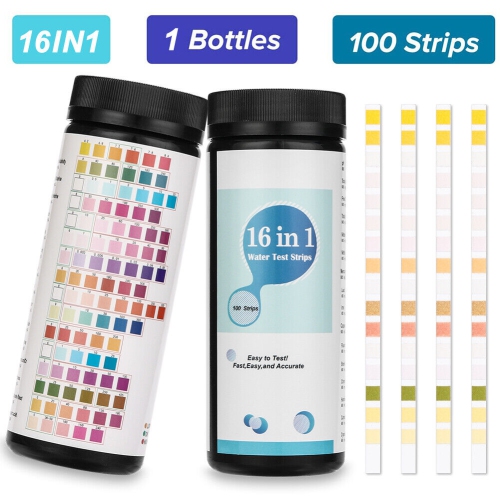
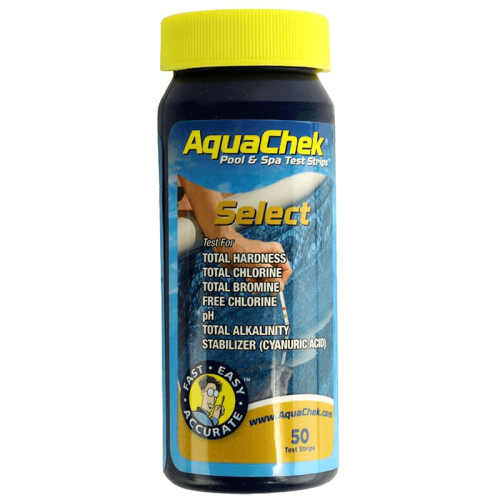
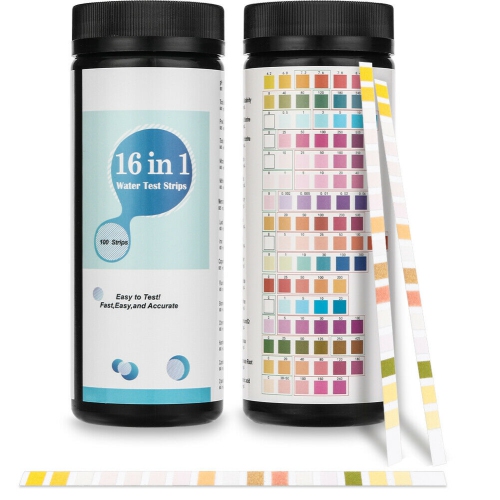
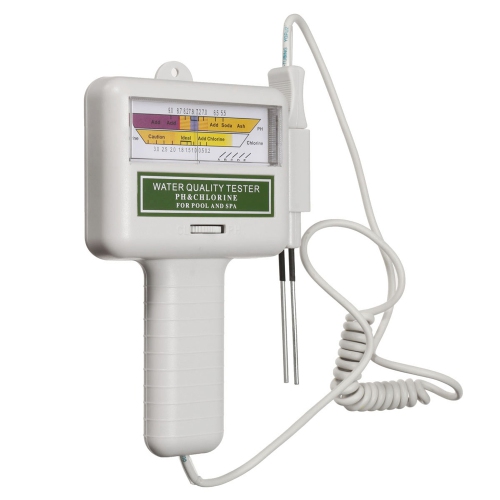
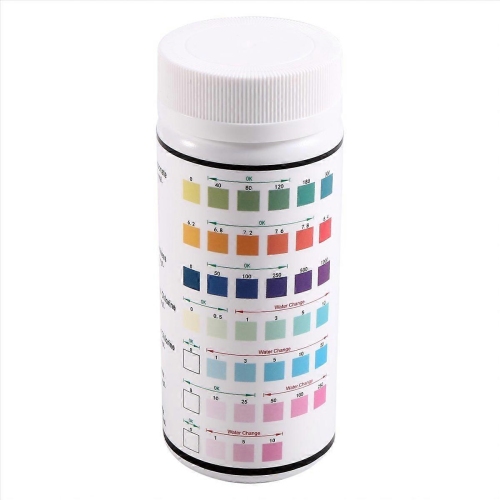

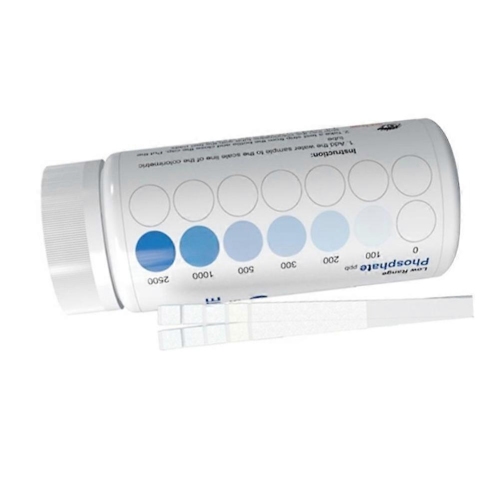


Quick readings reveal whether pool water needs attention
Swimming pool test strips offer a convenient way to check the basic chemistry of pool water before swimming, adding treatment products, or preparing the pool for a period of reduced use. A quick reading can help identify whether the water contains an appropriate level of sanitizer, whether the pH is balanced, and whether alkalinity or other measurements need attention. Depending on the type of strip, the pads may also measure total hardness, stabilizer, salt, or additional water-care indicators. Not every strip checks every category, so it is helpful to compare the package details with the needs of your pool. A traditional chlorine pool may call for strips that measure free chlorine, total chlorine, pH, and alkalinity, while a saltwater pool may benefit from a strip that includes salt testing. If you also care for a spa or hot tub, choose a product specifically labelled for that water, since warmer water and different sanitizer systems can require different testing ranges. Browsing a broader selection of Pool Test Kits can make it easier to find a format that suits your routine, whether you need straightforward chlorine and pH checks or a more comprehensive set of readings. These compact kits are useful for pool owners, seasonal property managers, renters with access to a shared pool, and anyone responsible for checking water between professional services. They can also be a practical housewarming gift for someone with a backyard pool, especially when paired with other everyday pool-care essentials.
For the most useful reading, begin with clean, completely dry hands and take a strip from its container without touching the reactive pads. Close the container promptly to protect the remaining strips from moisture. Follow the directions on the package for how far to submerge the strip and how long to hold it in the water. In many cases, the strip is dipped below the surface for only a few seconds, in an area away from jets, returns, skimmers, floating dispensers, or recently added chemicals. Water near a return may not represent the overall pool, while recently treated water can produce a misleading result. Remove the strip without shaking off the water, hold it level with the pads facing upward, and compare the colours with the chart after the stated waiting period, often around 15 to 30 seconds. Reading too early or too late can make the shades harder to match. Bright, neutral light is generally easier for colour comparison than dim indoor lighting or strong coloured light. Keep a small record of the date, readings, and any treatment added so patterns are easier to notice across changing weather and pool use. A reading outside the recommended range does not automatically indicate that a large adjustment is needed; use the product directions and the instructions for your pool equipment, and allow treated water to circulate before testing again. Test strips are designed for quick checks, not for replacing every form of maintenance or professional assessment. When readings seem unusual, remain inconsistent, or do not match the appearance of the water, a more detailed test may be appropriate.
Choosing the right swimming pool test strips comes down to the water system, the measurements you want to track, and how often you expect to test. A clearly printed colour chart can be valuable for anyone who prefers quick comparisons, while individually sealed strips may suit occasional users who want each test protected until it is opened. A larger container can be convenient for families, active swimmers, rental properties, or pools that need frequent checks during periods of heavy use and warm weather. Look for readable instructions, a secure container, and a testing range that covers your pool’s sanitizer and pH requirements. It is also worth considering whether you want a basic two- or three-way reading or a broader strip that checks several factors in one dip. More measurements can provide a fuller picture, but they may also require closer attention when matching multiple colour pads. During the cooler months, outdoor pools may be used less often or prepared for winter, yet water testing can still be relevant whenever the pool is open, circulating, covered temporarily, or being readied for seasonal care. As the weather warms and swimming activity increases, regular checks can help you notice changes caused by rain, dilution, evaporation, heat, debris, or frequent use. Store the container in a cool, dry place away from pool chemicals, direct sunlight, and damp areas, and replace strips that are past their expiry date or have been exposed to moisture. With the right format and careful handling, swimming pool test strips provide a simple snapshot of water conditions that fits naturally into routine pool care.
Top selling and popular products
-
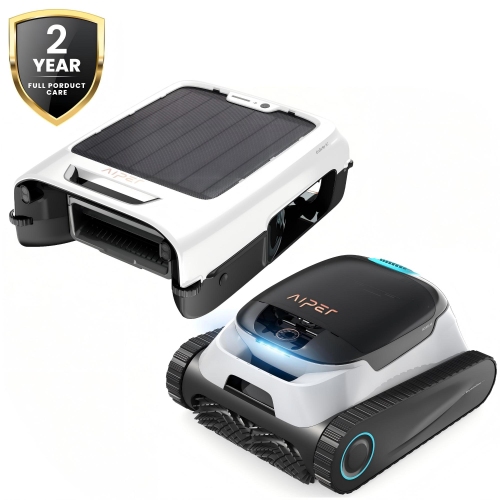 Your price for this item is $1159.99
-
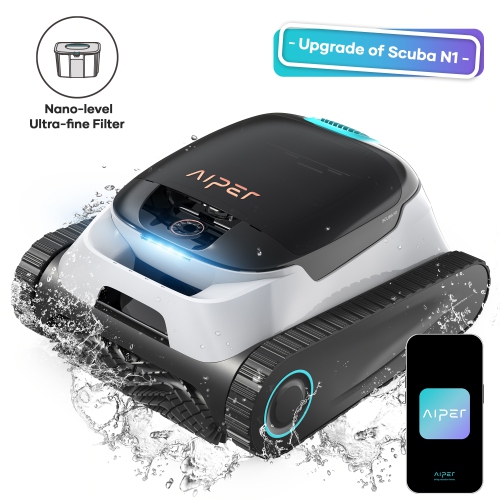 Your price for this item is $749.98
-
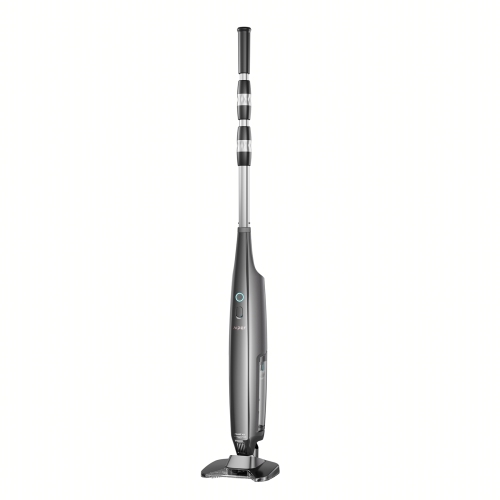 Your price for this item is $299.98
-
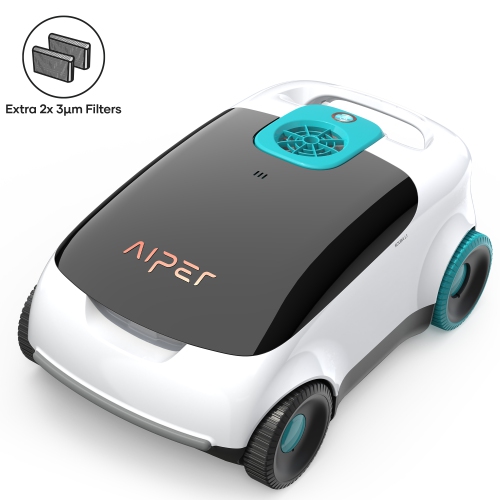 Your price for this item is $319.99
-
 Your price for this item is $2299.98
-
 Your price for this item is $599.98
-
 Your price for this item is $1199.98
-
 Your price for this item is $479.98
Discover more categories related to Swimming Pool Test Strips

Top Collections:
Pokemon Centers, Kindle Devices, Best Cameras for Sports Photography, Pokémon 30th Celebration Cards, Canon G7X Cameras, Samsung Galaxy Phones, iPhone 15 Apple, Best Black Friday Deals On Electronics, Jackery Power Stations, Solar Generators for Home
Some products may be subject to Environmental Handling Fees
(EHF) depending on your province.
Learn more about EHFs.