pH Tester Strips
Ensuring the optimal pH levels of liquids is essential for various applications, from testing pool water to monitoring the acidity of skincare products. These pH tester strips offer a convenient and reliable solution for accurately measuring pH levels in a variety of liquids. Easy to use and suitable for both personal and professional use, these pH tester strips provide quick results, making them a must-have tool for anyone needing to monitor pH levels with precision and ease.
Sort
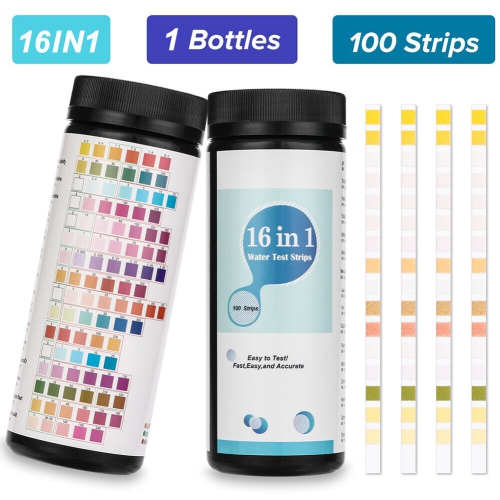
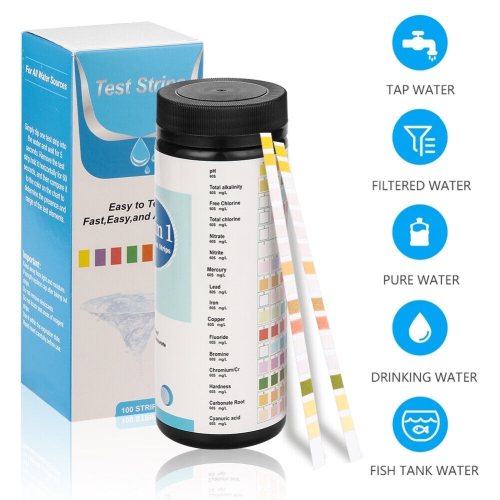
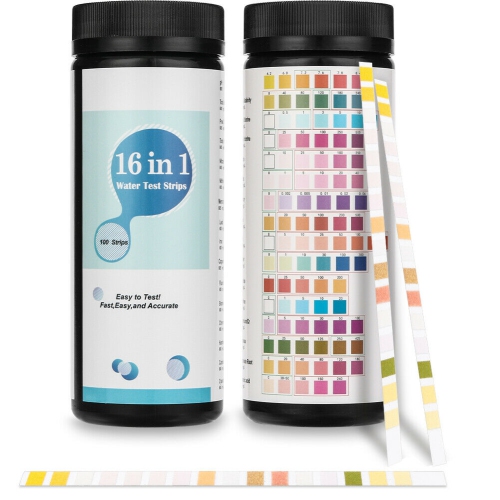
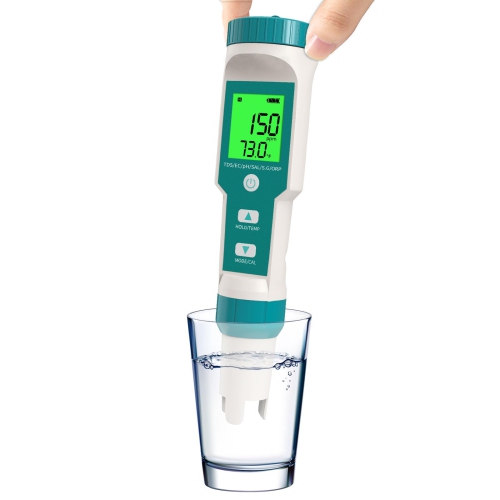
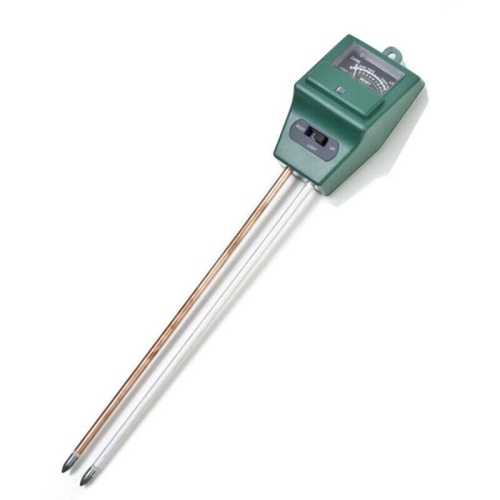
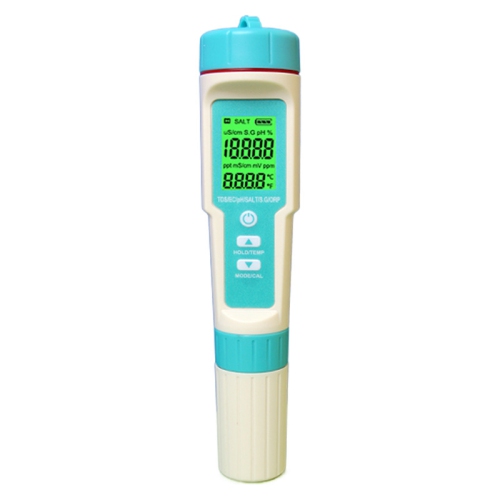
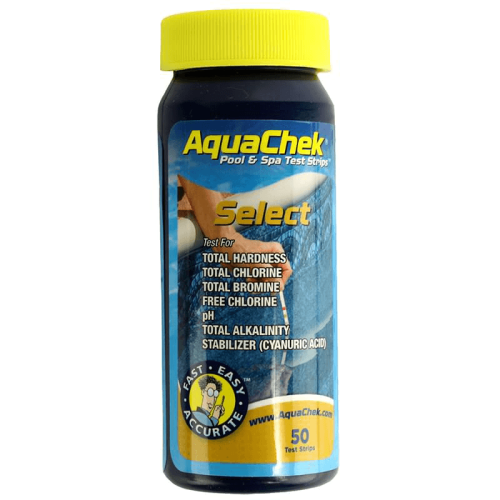
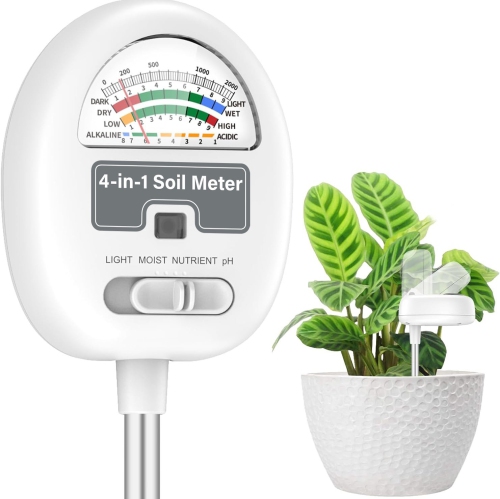
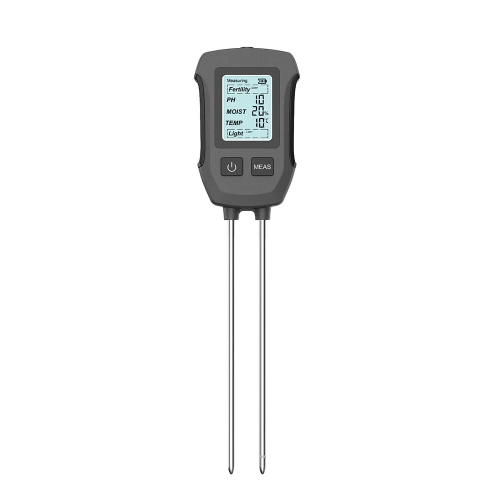
How colour changes reveal acidity and alkalinity
pH tester strips are simple, convenient tools for checking whether a liquid is acidic, neutral, or alkaline. The pH scale runs from 0 to 14, with lower numbers indicating greater acidity, higher numbers indicating greater alkalinity, and 7 generally representing neutral conditions. Each strip contains indicator dyes that change colour when exposed to a sample, allowing you to compare the result with the colour chart supplied with the package. This makes pH tester strips useful for quick at-home checks when you want a practical indication without setting up a meter or laboratory equipment. They can be used with many types of water, including drinking water, aquarium water, spa water, and pool water, as well as selected household, gardening, and craft-related liquids. To use a strip, collect a small sample in a clean container when possible, dip the strip into the liquid for the time specified in the package instructions—often about one to three seconds—and remove it without wiping away the testing area. Gently shake off excess liquid, wait for the colour to finish developing, and compare the strip with the matching reference chart. Reading the result in good, natural light can make subtle colour differences easier to see. Since colour charts and reaction times can vary between test strips, following the instructions for the particular pack is important. A fresh, uncontaminated sample and clean hands can also help produce a more consistent reading. These strips are designed for fast screening rather than laboratory-grade analysis, so a result that seems unusual, unexpected, or important should be checked with a more specialized test or qualified professional.
When choosing pH tester strips, consider the type of liquid you plan to test, the pH range covered, the number of testing pads on each strip, and how clearly the colour chart can be read. Some strips are made for a broad range and provide a general overview, while others cover a narrower range and may offer more detail within a specific application. A wide-range strip can be a practical choice for general household use, especially when you are checking different liquids, whereas a narrower range may be better suited to monitoring conditions that need to stay within a particular band. Look for packaging that clearly explains the intended sample types and comparison method. Packs with a larger quantity can be useful for regular testing, classroom demonstrations, aquarium maintenance, gardening routines, or shared household use. If you only need occasional checks, a smaller pack may be easier to store and use before the strips reach their expiry date. Keep strips sealed in their original container and store them in a cool, dry place away from moisture, direct sunlight, and heat. Avoid touching the reactive pads, bending the strips, or returning a used strip to the container. It is also helpful to write down the date, sample type, and result when monitoring changes over time. For pool and spa care, pH is only one part of water maintenance, so it may be useful to pair these checks with the appropriate water-testing supplies, including Swimming Pool Test Strips. Water temperature, sanitation levels, hardness, alkalinity, and other factors can affect water quality and comfort, and the instructions for any treatment product should always be followed carefully. For aquariums, test the water according to the needs of the species being kept and avoid making sudden adjustments based on a single reading. In the garden, a pH strip may provide an initial indication of soil conditions when used with a prepared soil sample, but soil composition and moisture can affect the result. A more detailed soil test may be appropriate before making major changes to planting areas.
pH tester strips can fit naturally into the routines of homeowners, gardeners, aquarium keepers, pool and spa owners, hobbyists, teachers, students, and anyone who enjoys hands-on experiments. They are small enough to keep in a utility drawer, gardening kit, workshop, travel case, or aquarium cabinet, and the quick colour-change process makes them approachable for beginners. A gardener might use them when comparing soil conditions in a raised bed, herb planter, or indoor growing setup, while an aquarium keeper may use them as part of a regular water-checking routine. They can also support educational activities by making the difference between acidic and alkaline liquids visible in a matter of seconds, although samples should be handled responsibly and never tasted. Craft enthusiasts may use pH testing as one reference point in selected soap-making, dyeing, or other processes, provided the materials and instructions specifically call for it. Some people also purchase strips for personal health tracking, such as checking saliva or urine pH, but these readings can be influenced by food, drink, hydration, medication, timing, and other factors. They should not be used to diagnose an illness, confirm a medical condition, or replace advice from a healthcare professional. Anyone concerned about a health-related result should speak with a qualified healthcare provider and use approved testing methods when required. As a practical gift, a pack of pH tester strips can suit someone setting up an aquarium, tending plants, maintaining a backyard pool, preparing a science activity, or building a home hobby kit. Their compact format and straightforward process make them easy to add to a broader collection of household testing supplies. During the warmer part of the year, they may be especially handy for pools, gardens, and outdoor projects; during the cooler months, they can remain useful for indoor plants, aquariums, classroom learning, and workshop activities. By selecting strips with an appropriate range, storing them carefully, and interpreting their colour chart as directed, you can make quick, informed checks across a variety of everyday projects.
When choosing pH tester strips, consider the type of liquid you plan to test, the pH range covered, the number of testing pads on each strip, and how clearly the colour chart can be read. Some strips are made for a broad range and provide a general overview, while others cover a narrower range and may offer more detail within a specific application. A wide-range strip can be a practical choice for general household use, especially when you are checking different liquids, whereas a narrower range may be better suited to monitoring conditions that need to stay within a particular band. Look for packaging that clearly explains the intended sample types and comparison method. Packs with a larger quantity can be useful for regular testing, classroom demonstrations, aquarium maintenance, gardening routines, or shared household use. If you only need occasional checks, a smaller pack may be easier to store and use before the strips reach their expiry date. Keep strips sealed in their original container and store them in a cool, dry place away from moisture, direct sunlight, and heat. Avoid touching the reactive pads, bending the strips, or returning a used strip to the container. It is also helpful to write down the date, sample type, and result when monitoring changes over time. For pool and spa care, pH is only one part of water maintenance, so it may be useful to pair these checks with the appropriate water-testing supplies, including Swimming Pool Test Strips. Water temperature, sanitation levels, hardness, alkalinity, and other factors can affect water quality and comfort, and the instructions for any treatment product should always be followed carefully. For aquariums, test the water according to the needs of the species being kept and avoid making sudden adjustments based on a single reading. In the garden, a pH strip may provide an initial indication of soil conditions when used with a prepared soil sample, but soil composition and moisture can affect the result. A more detailed soil test may be appropriate before making major changes to planting areas.
pH tester strips can fit naturally into the routines of homeowners, gardeners, aquarium keepers, pool and spa owners, hobbyists, teachers, students, and anyone who enjoys hands-on experiments. They are small enough to keep in a utility drawer, gardening kit, workshop, travel case, or aquarium cabinet, and the quick colour-change process makes them approachable for beginners. A gardener might use them when comparing soil conditions in a raised bed, herb planter, or indoor growing setup, while an aquarium keeper may use them as part of a regular water-checking routine. They can also support educational activities by making the difference between acidic and alkaline liquids visible in a matter of seconds, although samples should be handled responsibly and never tasted. Craft enthusiasts may use pH testing as one reference point in selected soap-making, dyeing, or other processes, provided the materials and instructions specifically call for it. Some people also purchase strips for personal health tracking, such as checking saliva or urine pH, but these readings can be influenced by food, drink, hydration, medication, timing, and other factors. They should not be used to diagnose an illness, confirm a medical condition, or replace advice from a healthcare professional. Anyone concerned about a health-related result should speak with a qualified healthcare provider and use approved testing methods when required. As a practical gift, a pack of pH tester strips can suit someone setting up an aquarium, tending plants, maintaining a backyard pool, preparing a science activity, or building a home hobby kit. Their compact format and straightforward process make them easy to add to a broader collection of household testing supplies. During the warmer part of the year, they may be especially handy for pools, gardens, and outdoor projects; during the cooler months, they can remain useful for indoor plants, aquariums, classroom learning, and workshop activities. By selecting strips with an appropriate range, storing them carefully, and interpreting their colour chart as directed, you can make quick, informed checks across a variety of everyday projects.
Top selling and popular products
-
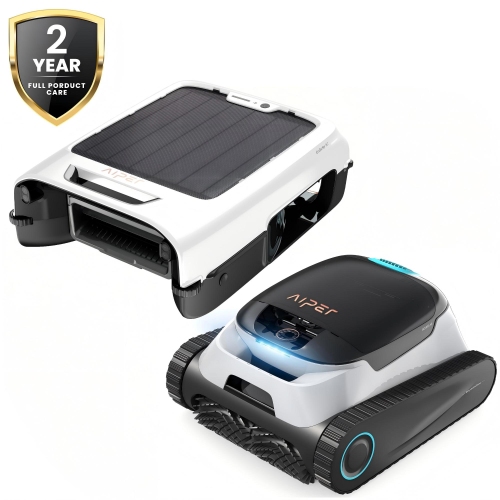 Your price for this item is $1159.99
 -
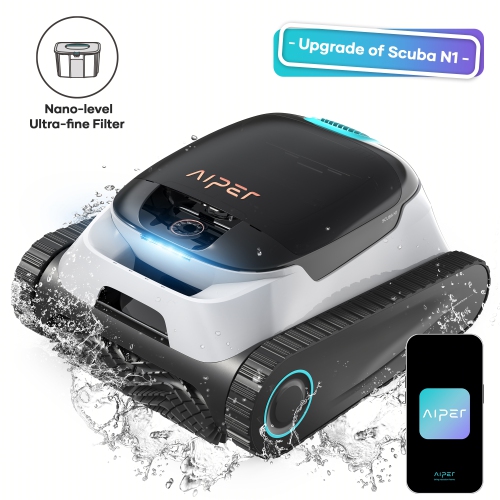 Your price for this item is $749.98
 -
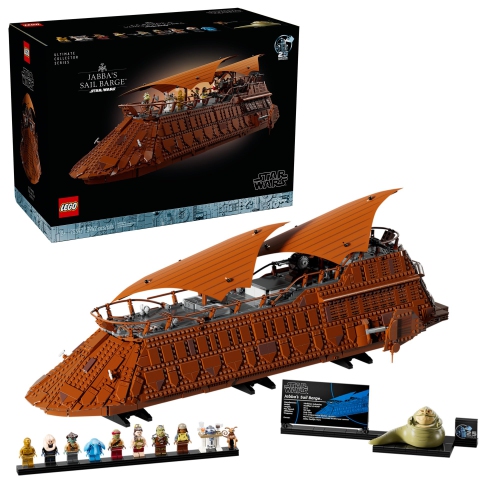 Your price for this item is $885.88
 -
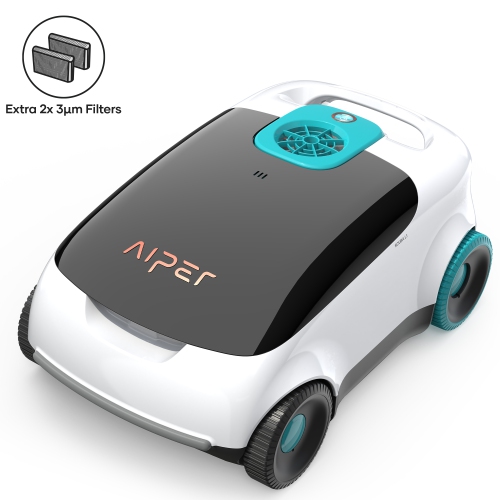 Your price for this item is $319.99
 -
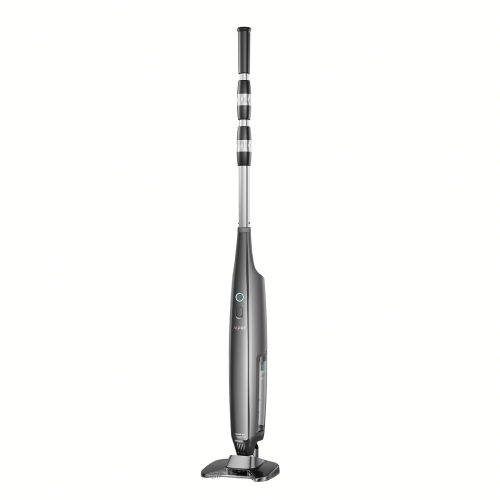 Your price for this item is $299.98
 -
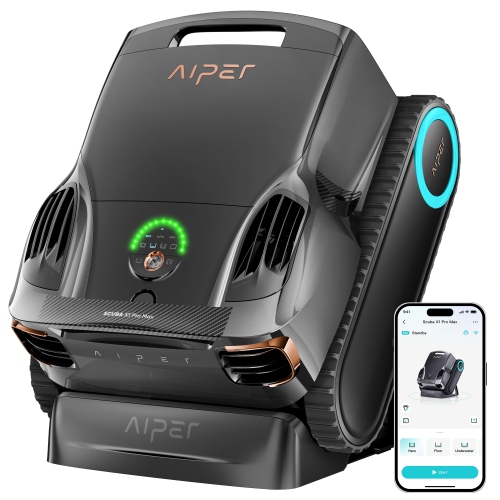 Your price for this item is $2299.98
 -
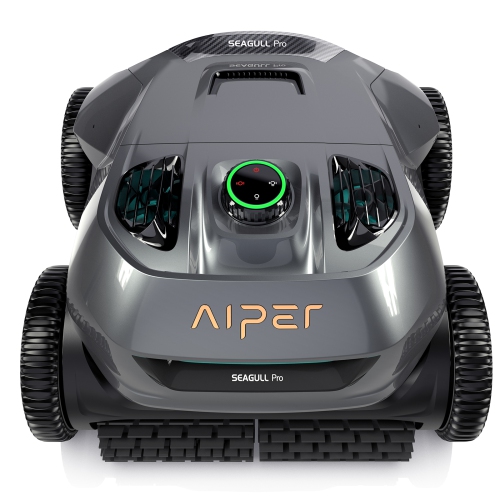 Your price for this item is $619.98
 -
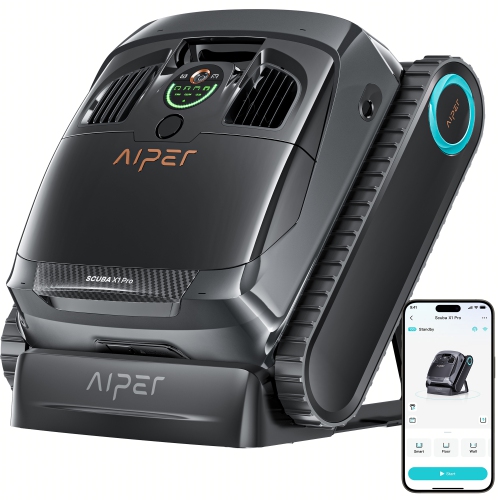 Your price for this item is $1199.98
Discover more categories related to pH Tester Strips
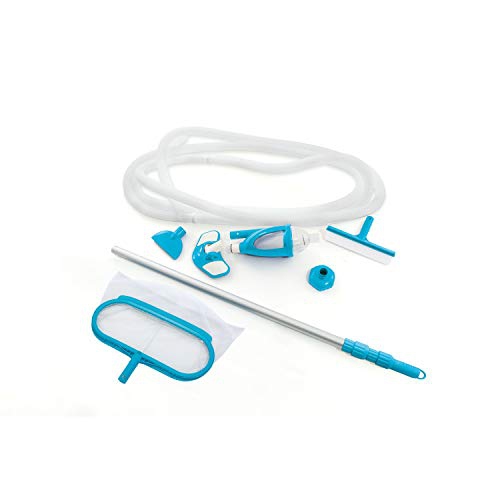
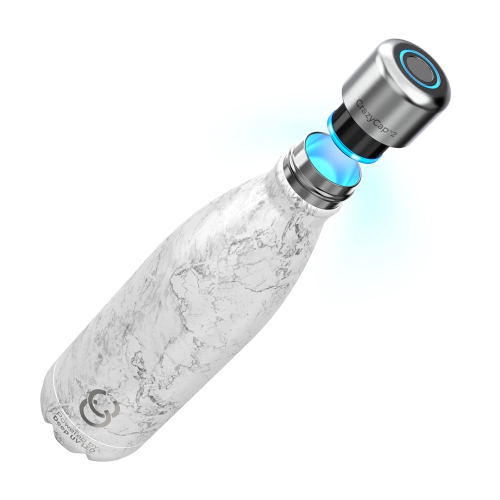
Top Collections:
Pokemon Centers, Kindle Devices, Best Cell Phones Under $500, Alarm Clock, Canon G7X Cameras, iPhone 15 Apple, Apple iPhones 16, Laptops for Students, iPhone 14 256GB, Budget Smartphones
Some products may be subject to Environmental Handling Fees
(EHF) depending on your province.
Learn more about EHFs.