Tables for Plants
Looking to add a touch of greenery to your living space? Our collection of tables for plants is here to help you create a stunning display that seamlessly combines style and nature. Whether you have a small apartment or a spacious home, these tables are designed to accommodate your favorite potted plants, allowing them to take center stage in any room. With a variety of sizes, materials, and finishes available, you'll find the perfect table to complement your existing decor and showcase your beloved plant companions.
Sort
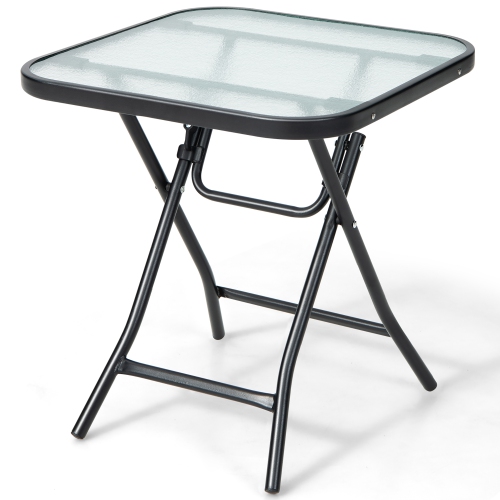

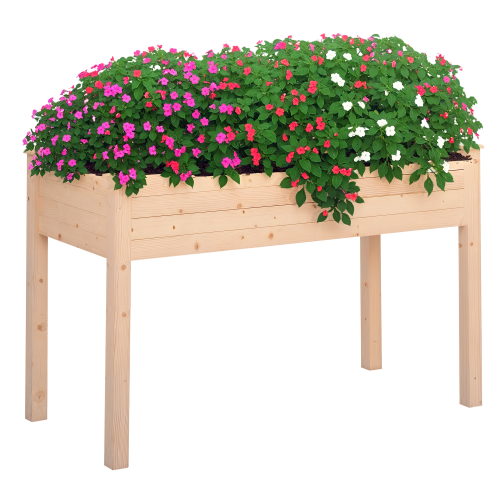
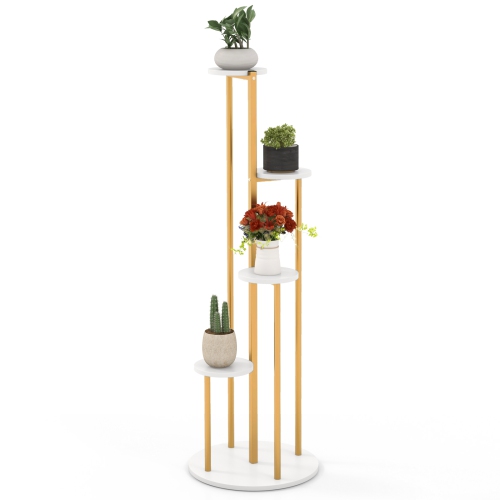
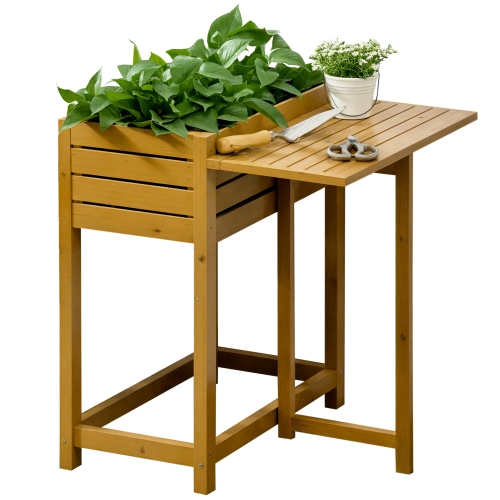

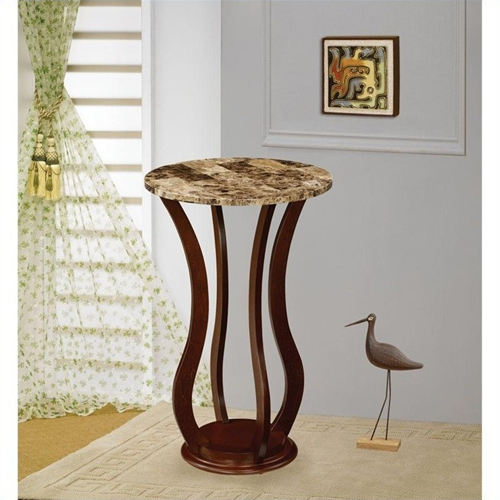
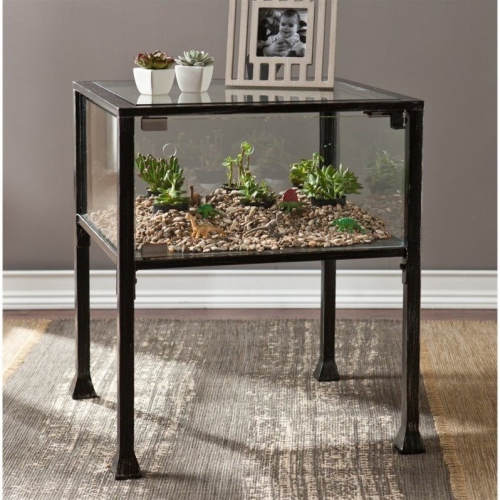
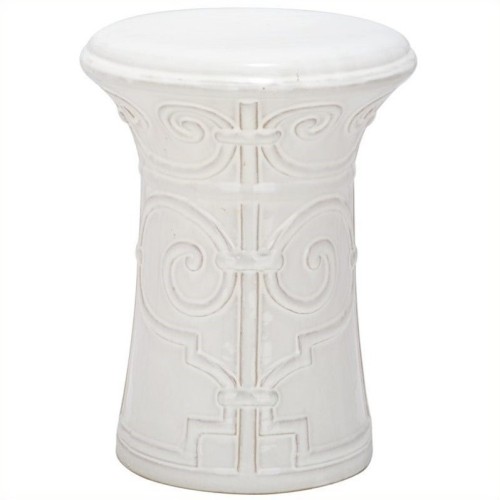
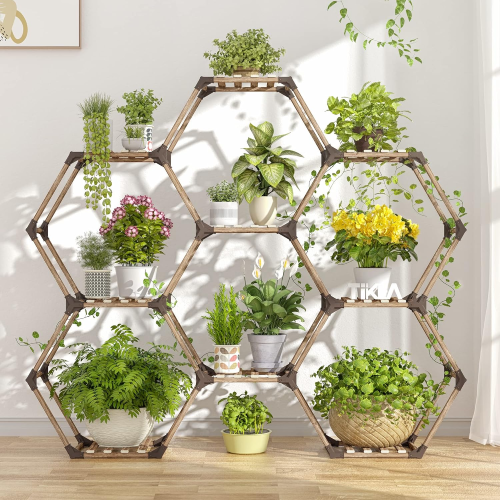
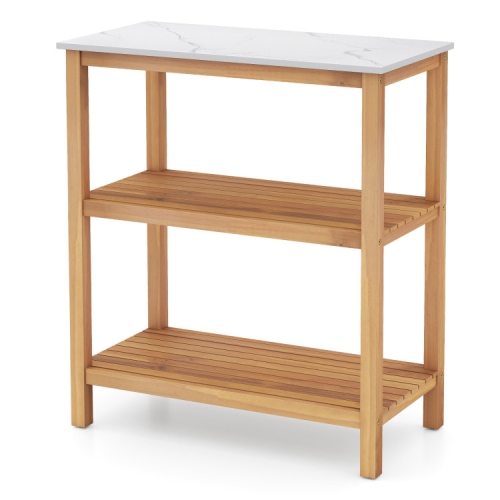
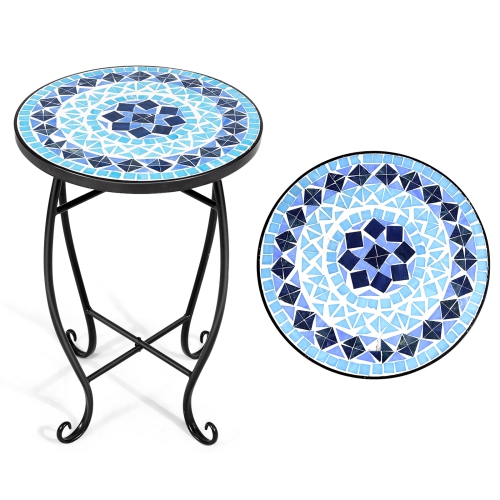
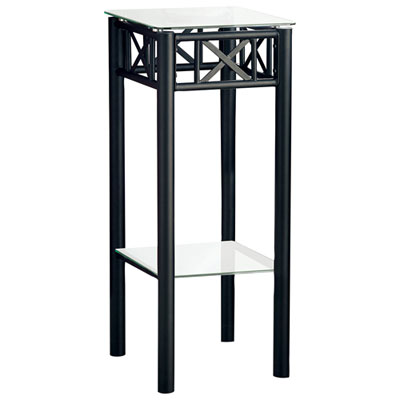
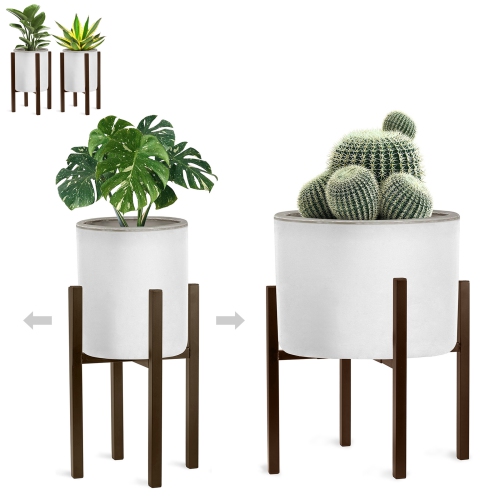
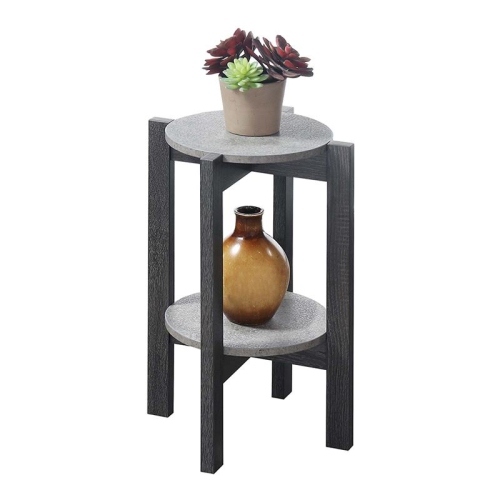
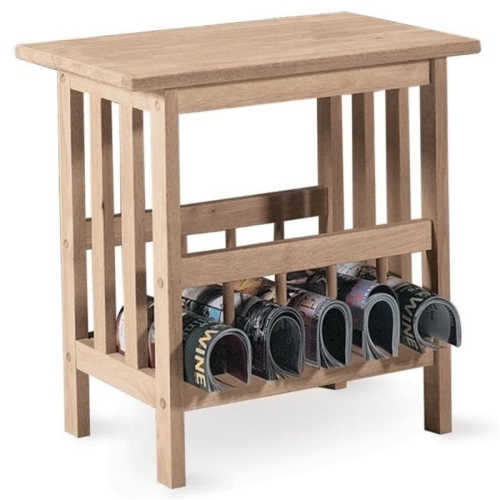

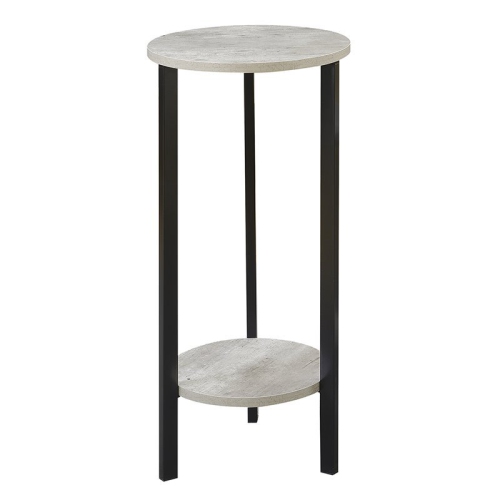
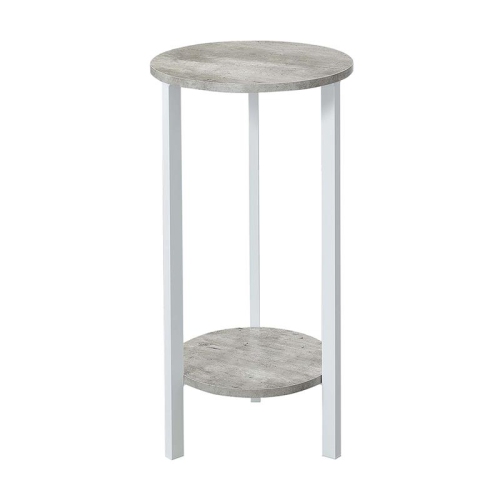
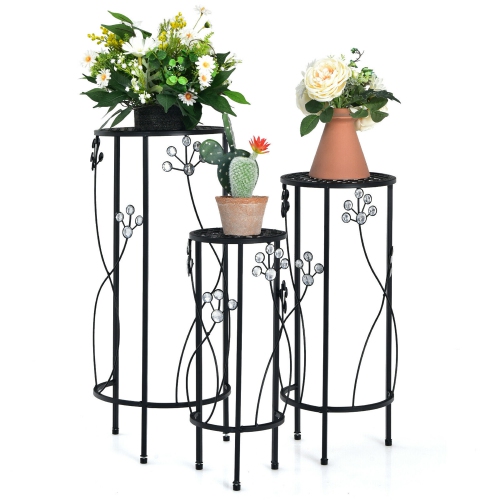
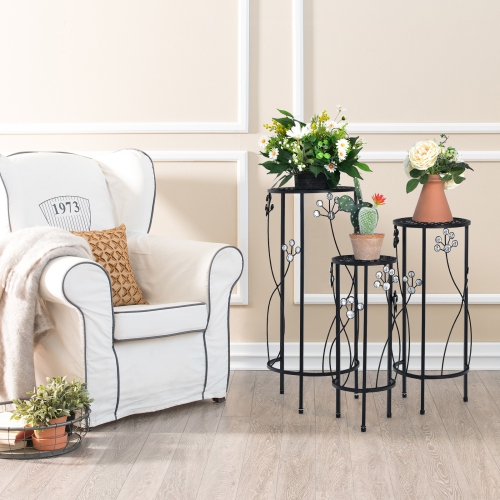
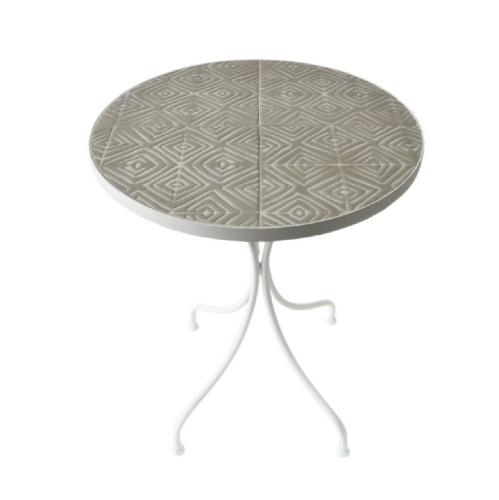
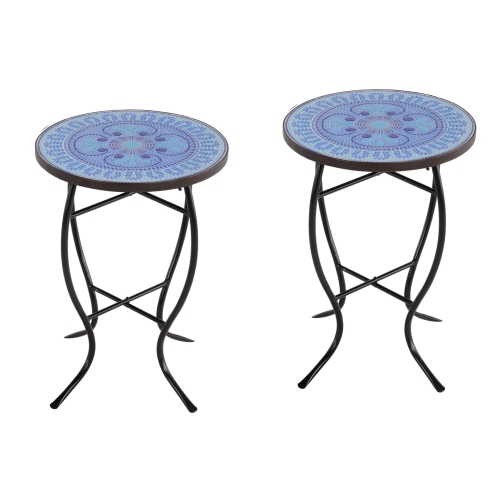
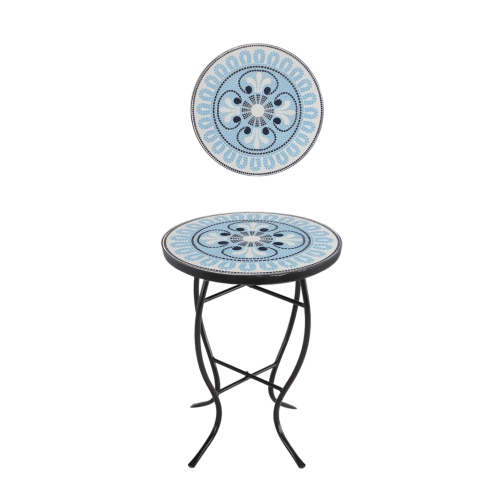
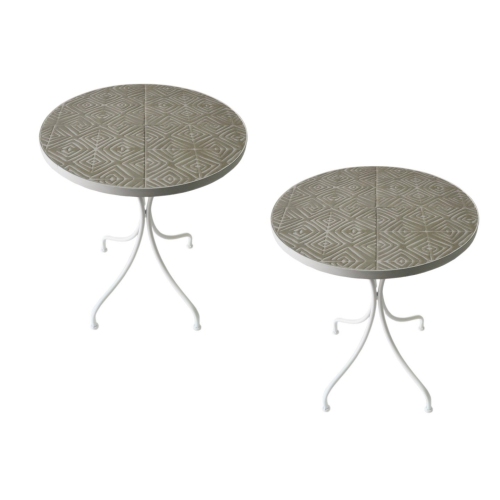
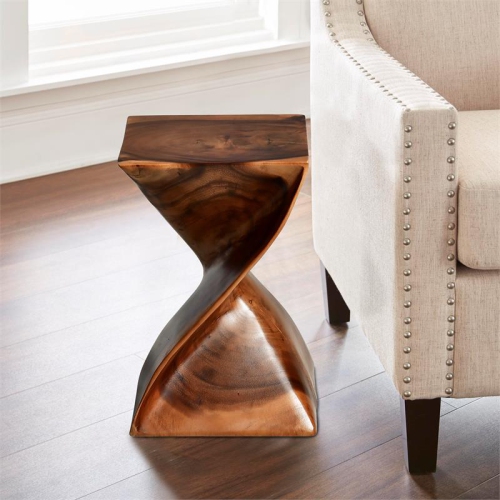
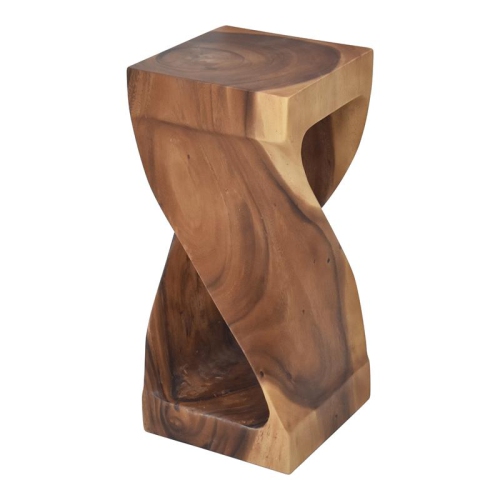
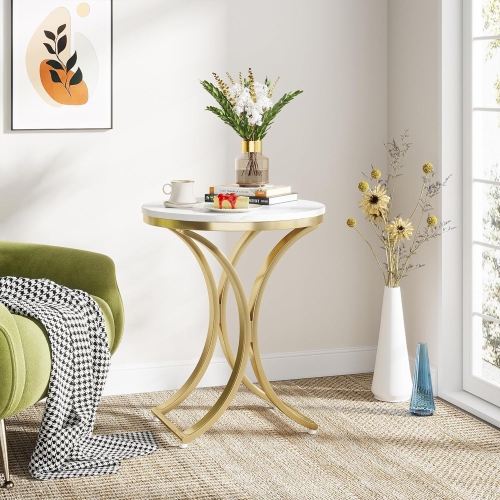
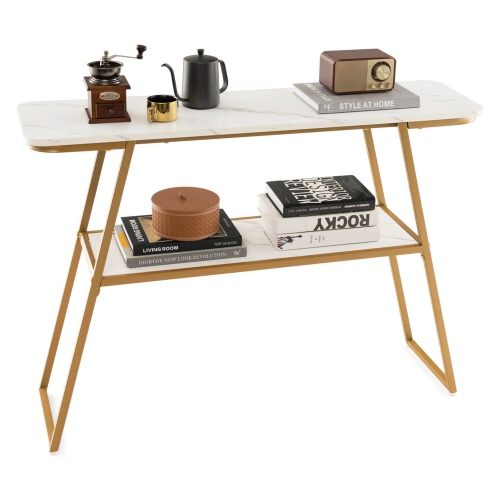
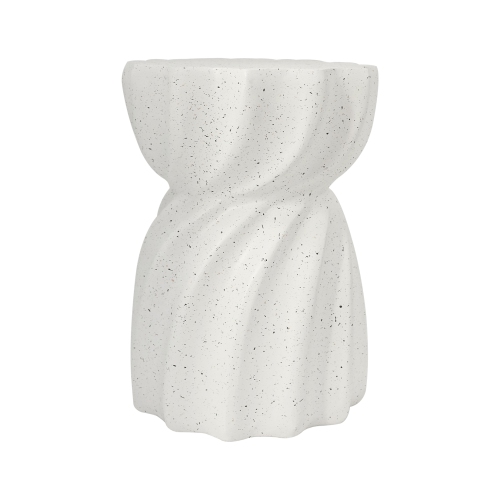
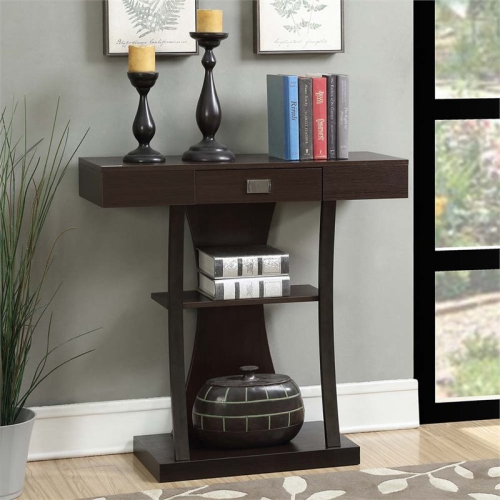
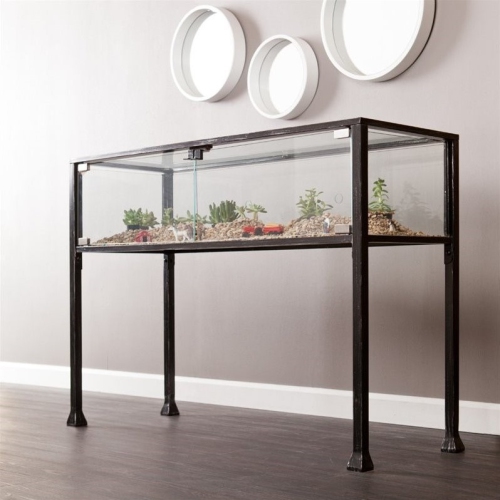
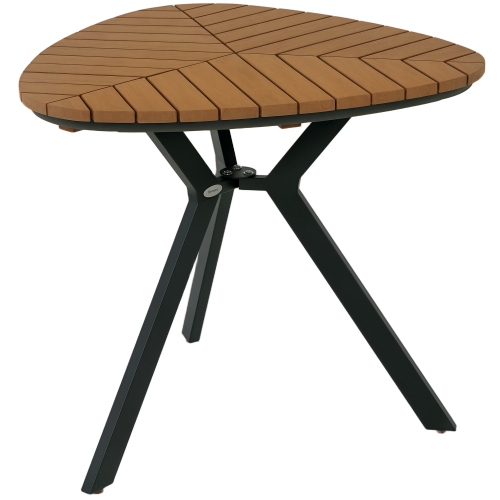
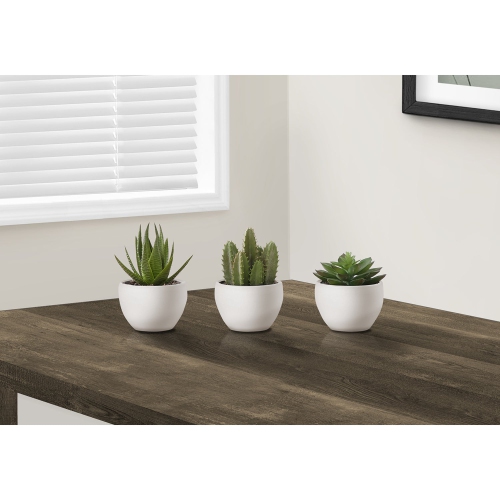
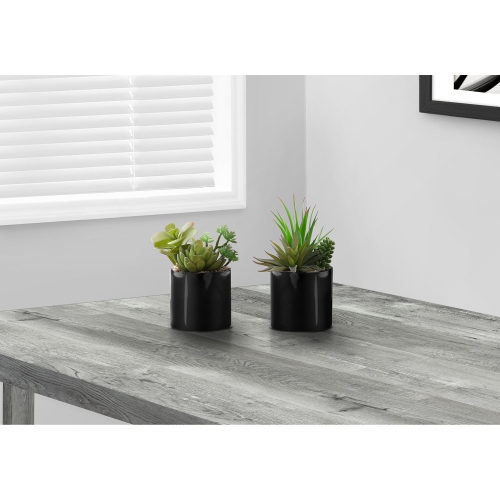


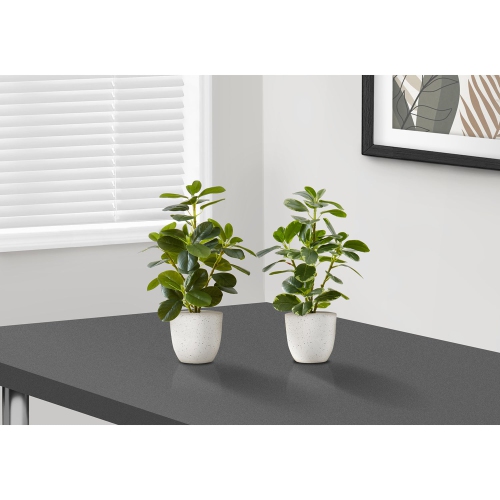
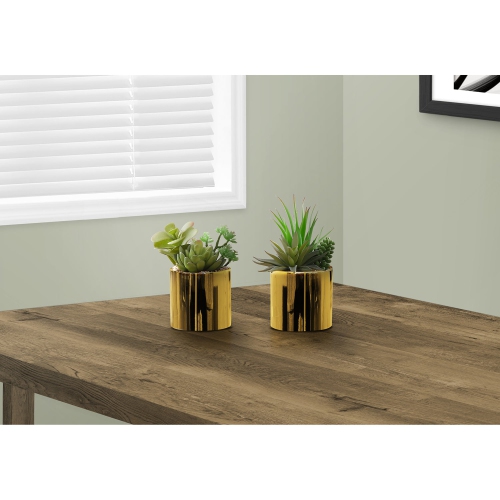
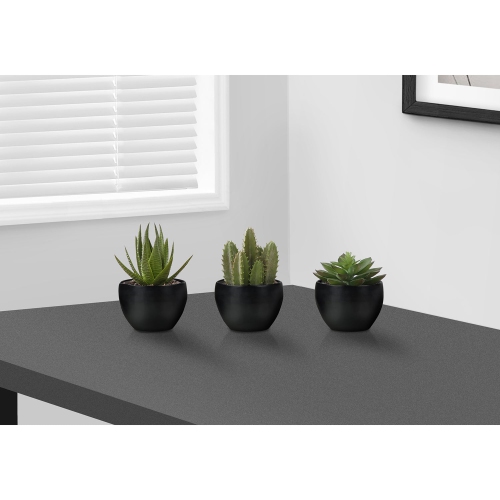
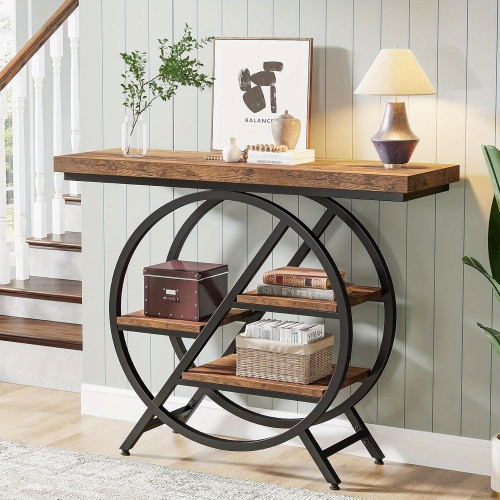
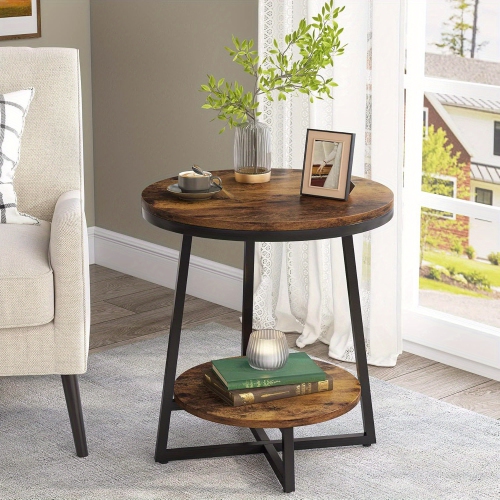

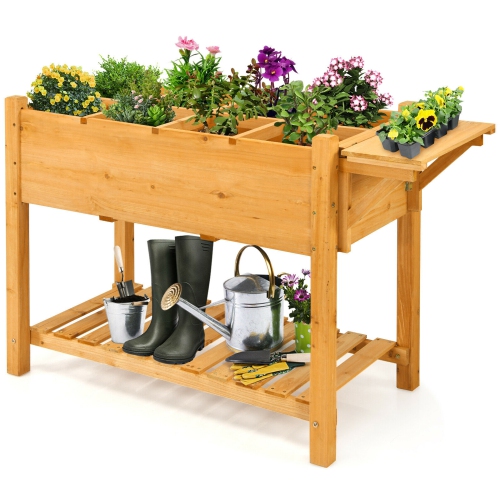
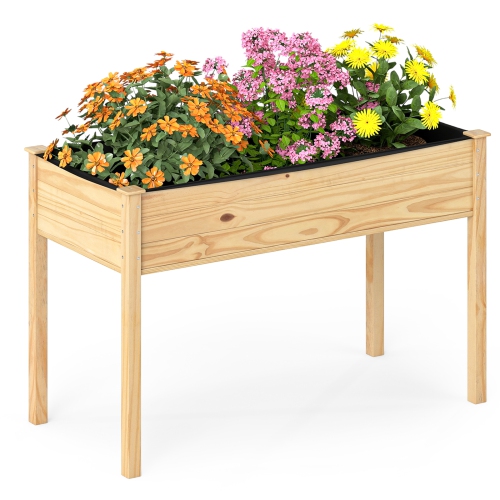
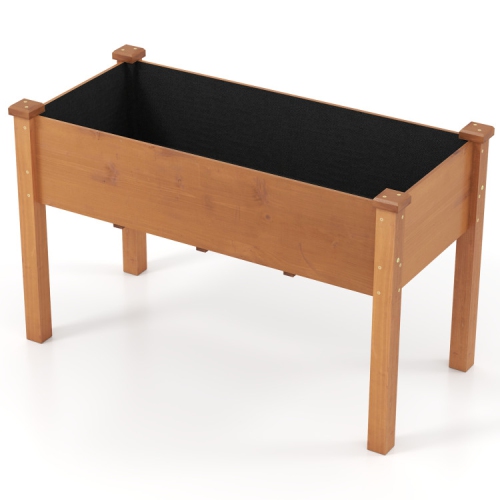
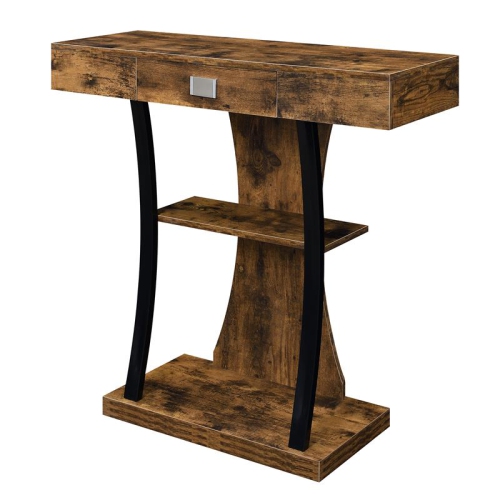
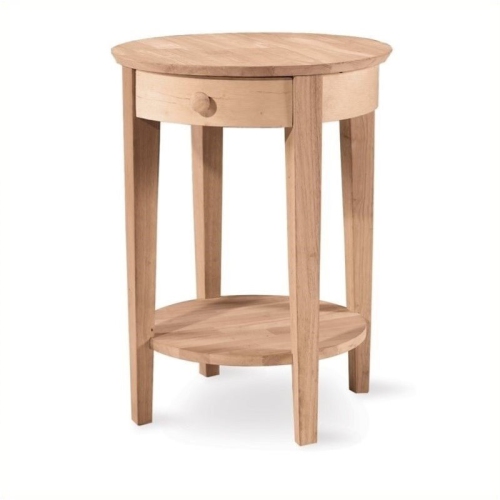
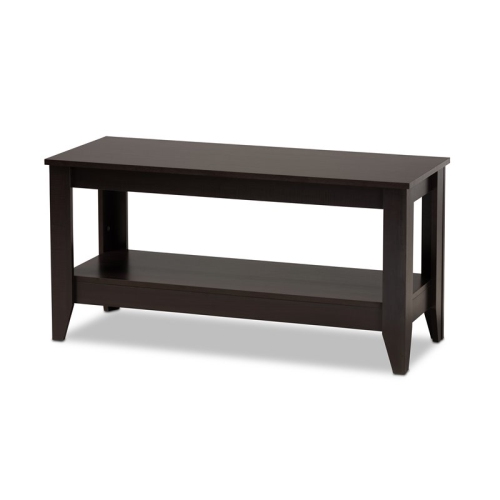
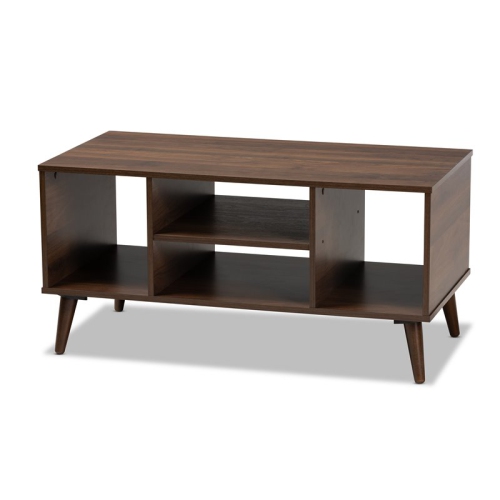
More room for greenery without crowding your space
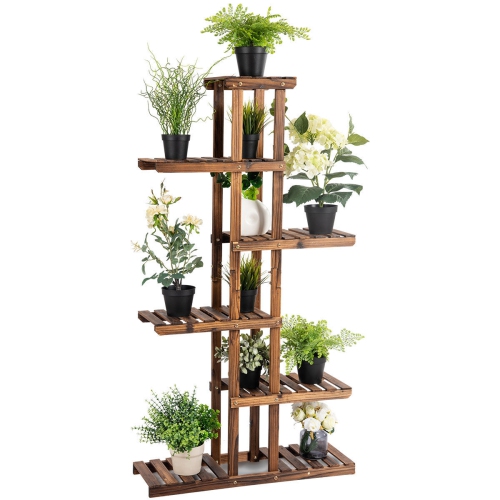
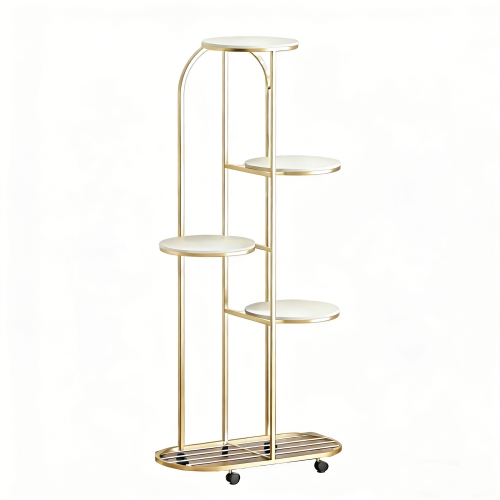
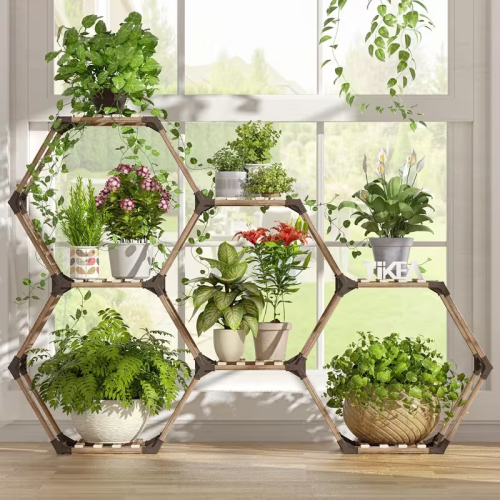
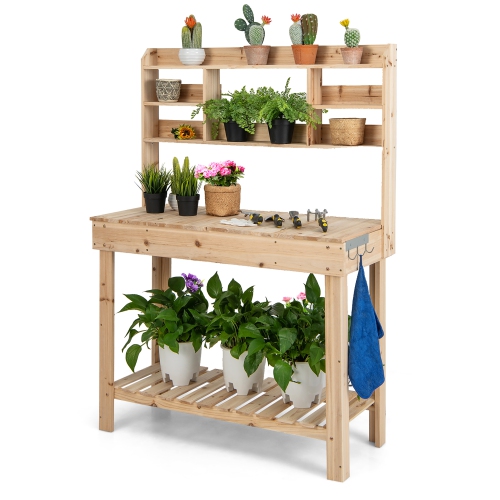
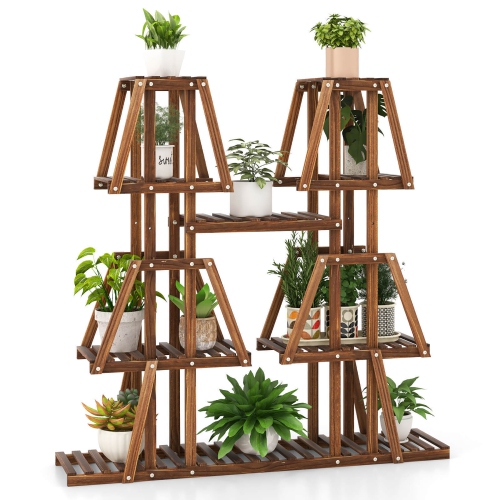
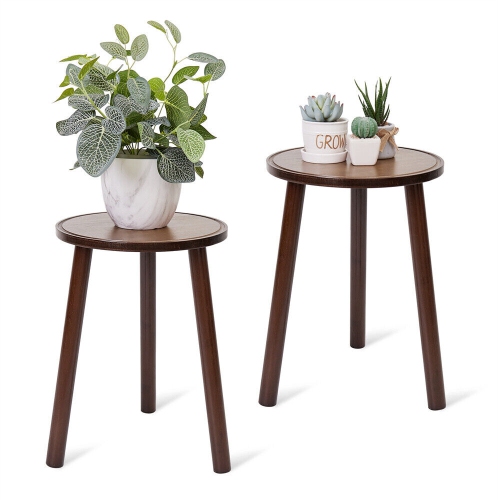
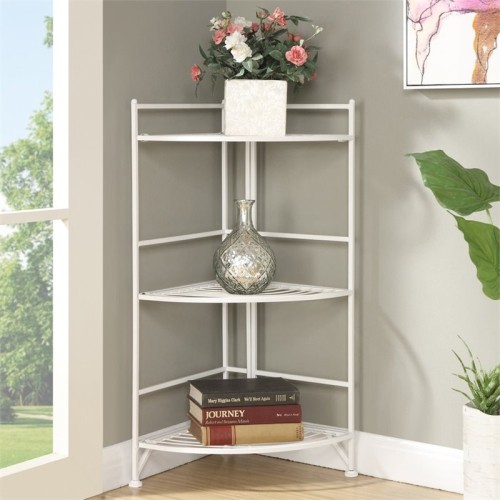
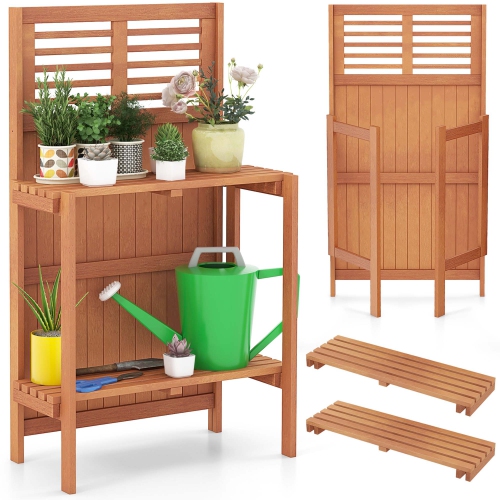
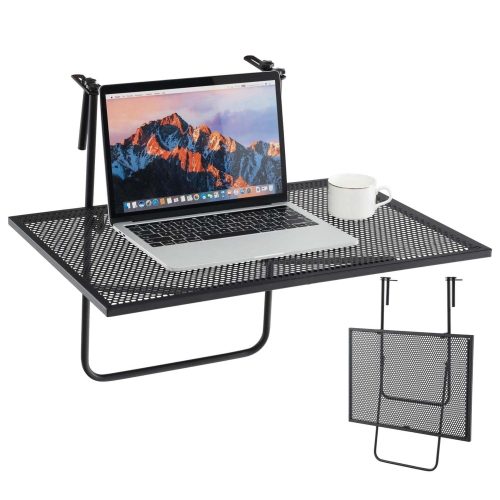
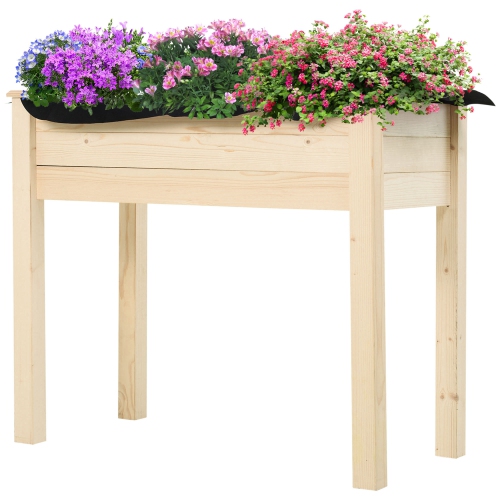
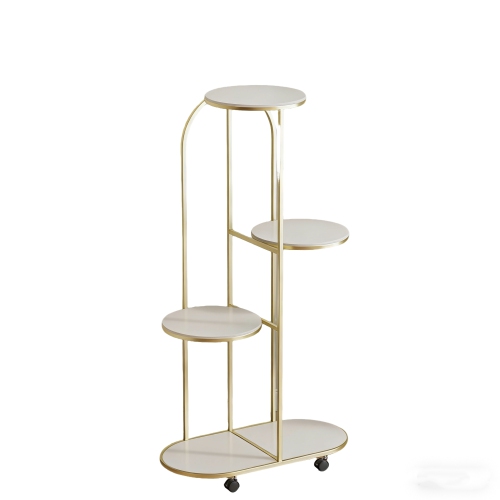
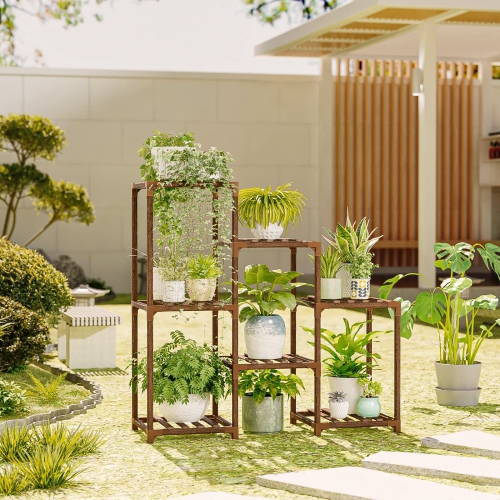
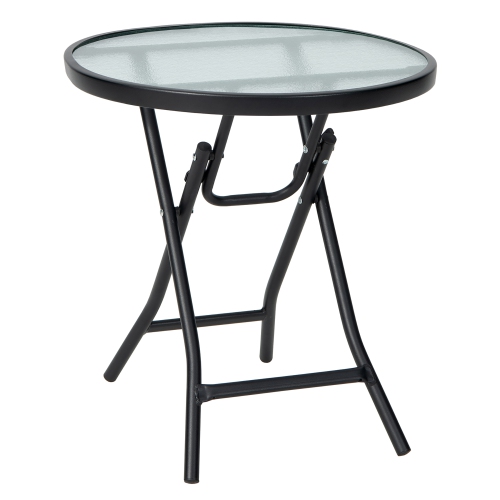
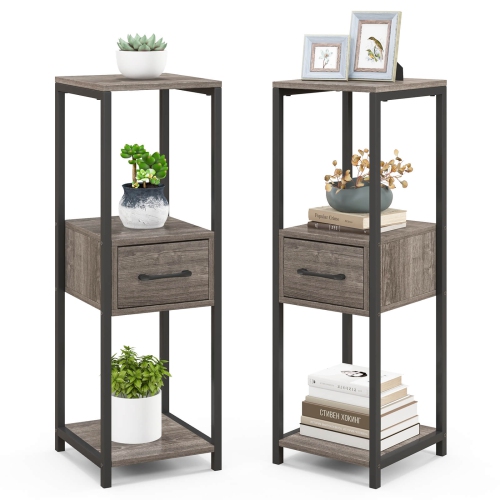
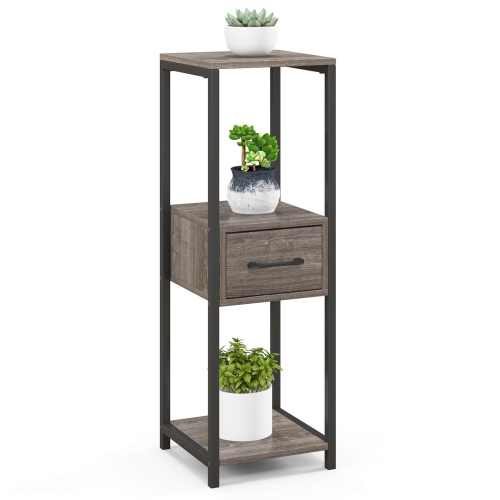
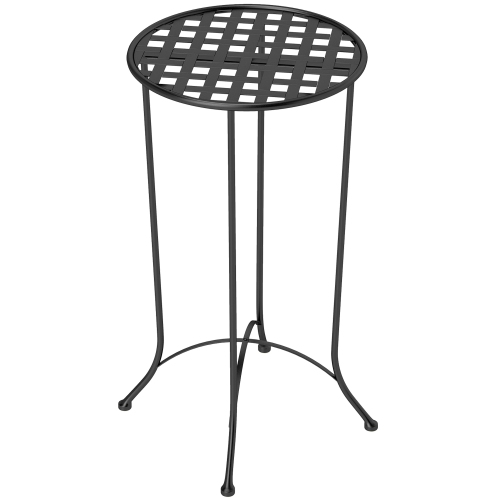
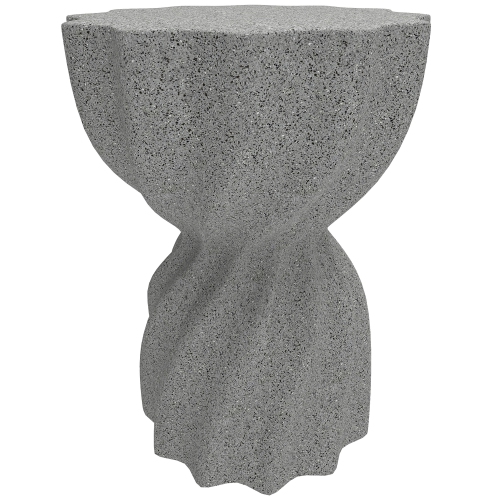
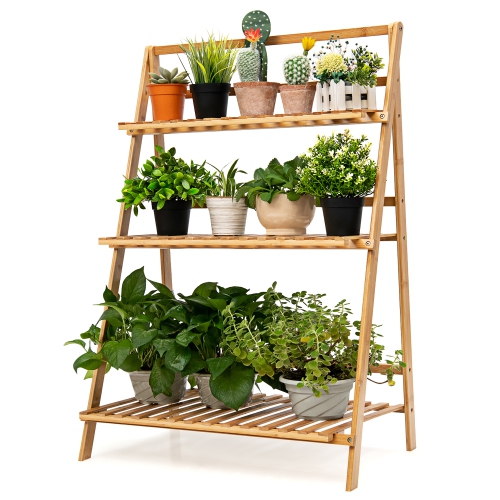
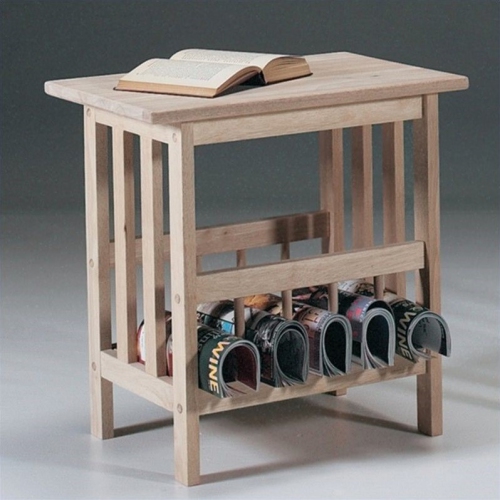
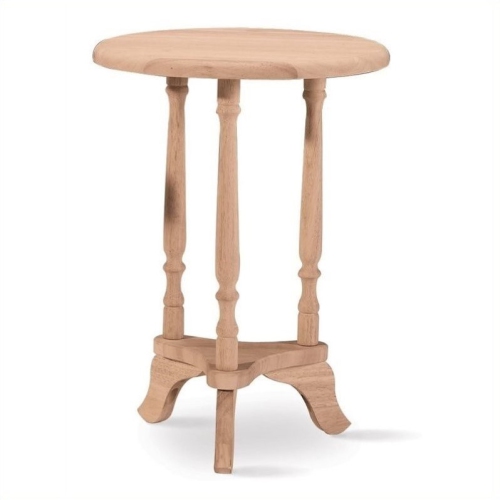
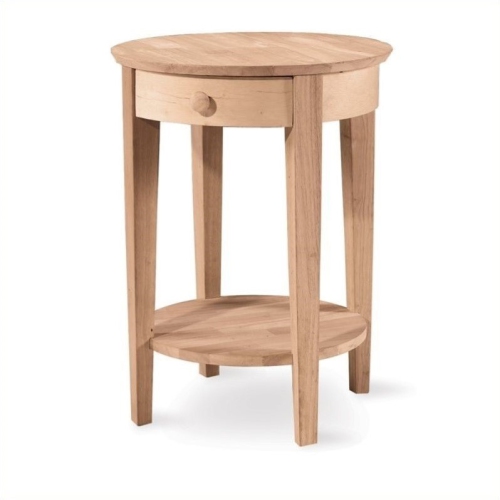
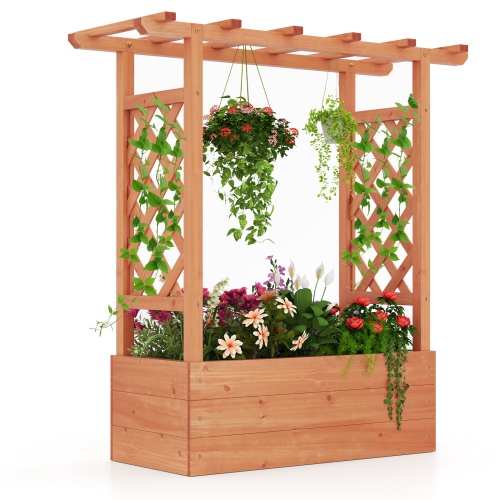
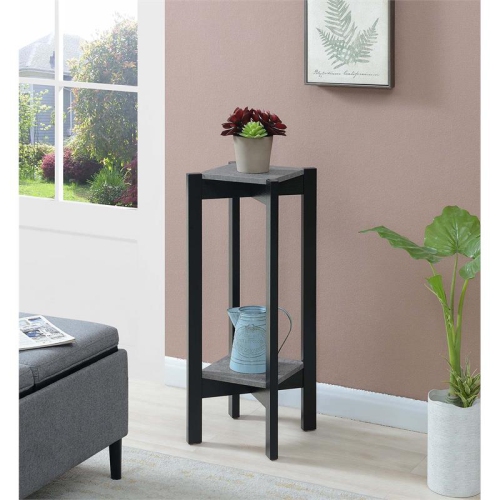
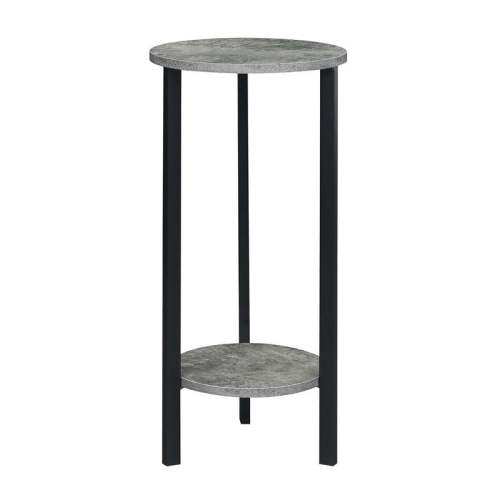
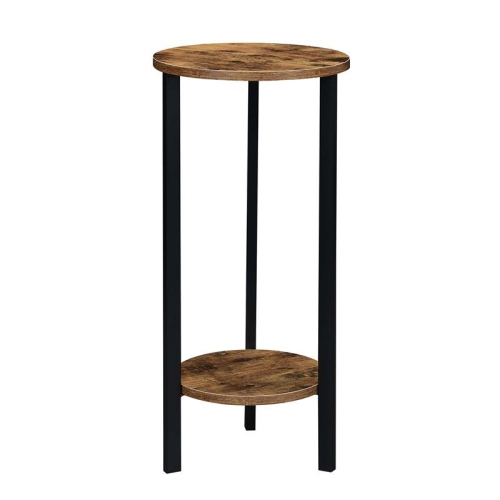
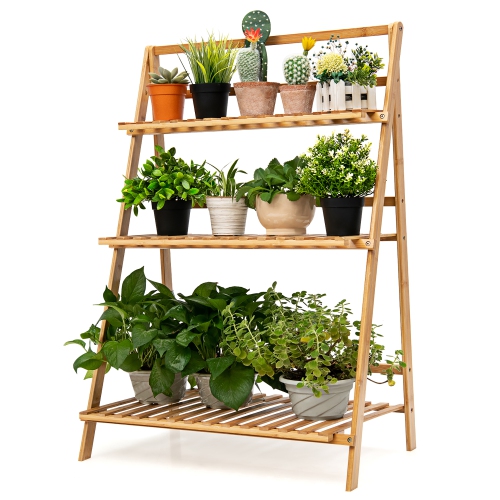
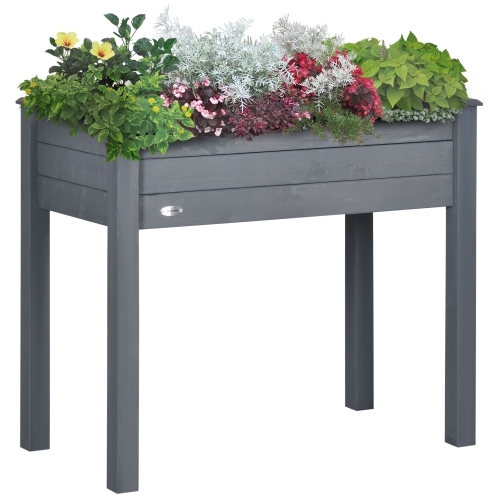
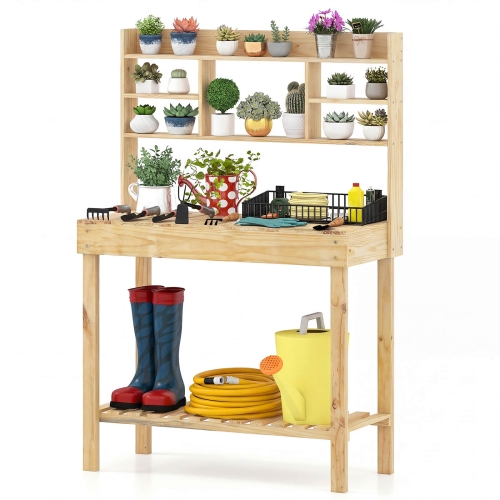
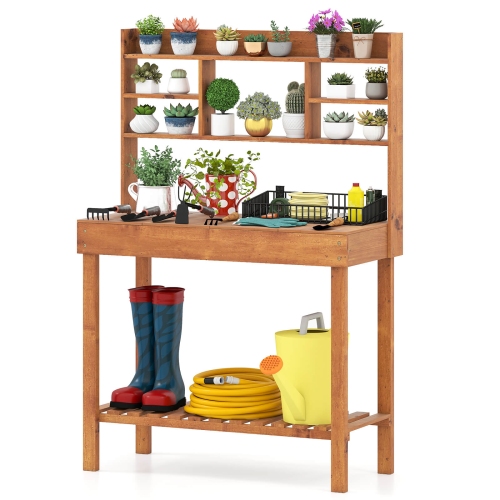
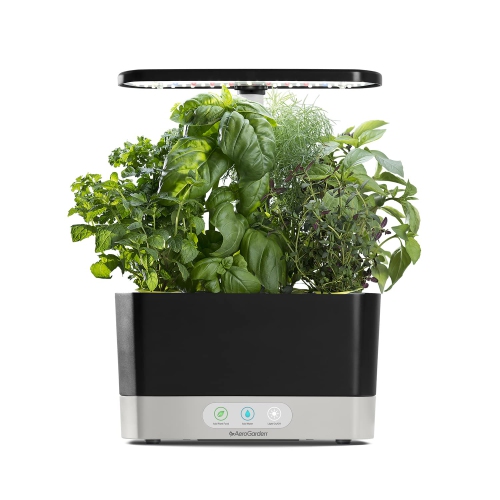
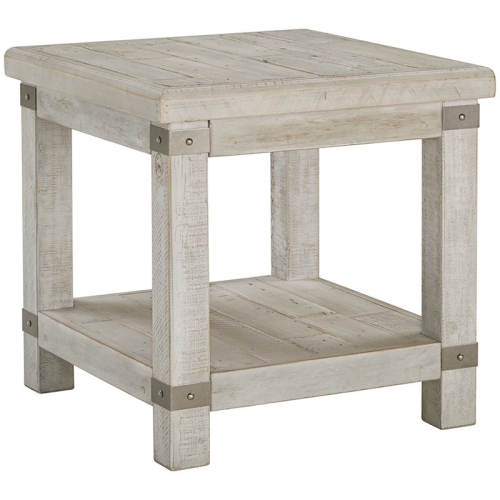
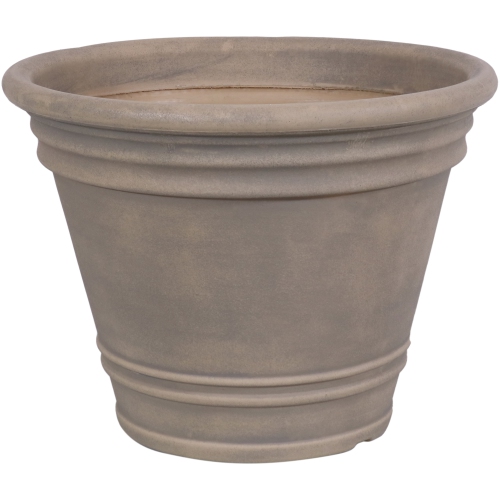
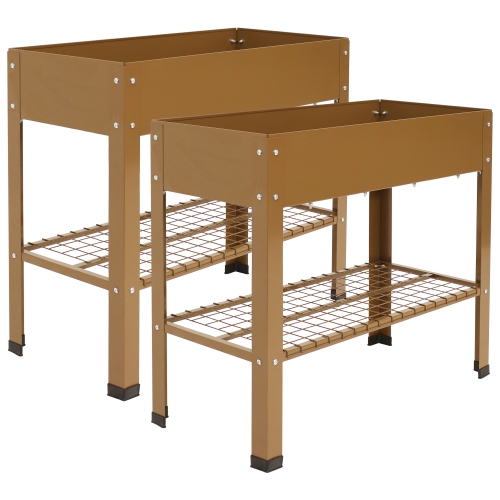
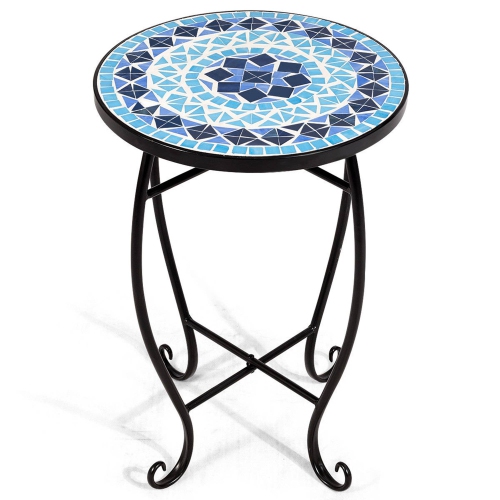
Tables for plants provide a raised surface for potted greenery, helping turn a sunny window, an unused corner, or a sheltered patio into a more deliberate display. The category spans compact plant tables, tiered stands, ladder-style shelves, and potting benches, with different shapes suited to displaying plants or tending them. A small round table can give a single leafy plant room to spread beside an armchair, while a narrow rectangular design can hold several pots along a window without taking over the room. Multi-tier plant stands make use of vertical space, which is especially useful in apartments and shared living areas where floor space is limited. Staggered shelves leave room for taller stems and trailing vines, although their placement still needs to suit each plant’s light requirements. Raising a pot may bring its foliage closer to a window, but a table cannot make a dim corner suitable for a plant that needs bright light. The most useful arrangement balances the table’s footprint with the size of the pots and the reach of the leaves. A tabletop that looks generous beneath a small nursery pot may feel crowded once that plant moves into a wider container. Allowing a little extra surface around each saucer makes watering and wiping up spills easier, while space between pots helps keep foliage from becoming tangled. For a mixed display, a broad lower shelf can accommodate larger containers, with smaller plants above, provided each shelf is rated for the load. A single-level plant table offers a different advantage: every pot is easy to see and reach without moving another plant first. These simple surfaces suit anyone who wants greenery within view of a reading chair or desk without sacrificing the surface used for books, a lamp, or everyday essentials. For households with a growing collection, several thoughtfully spaced surfaces can also be more practical than one tightly packed stand.
Materials and construction influence how a plant table handles everyday moisture, weight, and movement. Solid wood brings visible grain and warmth to a room, but its finish matters when pots are watered nearby. Even a sealed wooden top benefits from waterproof saucers and prompt attention to spills, since standing water can mark the surface or reach joints and edges. Engineered wood can offer a smooth, consistent finish for indoor use, though exposed edges and damaged coatings may be vulnerable to swelling. Metal frames can provide slim profiles and sturdy support, but outdoor suitability depends on the metal, protective finish, hardware, and manufacturer’s intended use. Scratched coatings and persistently wet joints may develop rust on susceptible metals. Glass tops create a visually lighter display and are easy to wipe, but they need careful handling and adherence to the stated weight limit. Whatever the material, the load includes the container, plant, soil, and water retained after watering, not just the weight of an empty pot. Large ceramic planters and freshly watered soil can be surprisingly heavy, so both the total weight capacity and any separate shelf limits matter. A level base, secure fasteners, and well-supported shelves are particularly important for taller arrangements. Heavy pots generally belong lower down, and any supplied anti-tip hardware should be fitted as directed. Fit also extends beyond the tabletop dimensions. A stand beside a balcony door needs to leave the door clear, and one near curtains should keep leaves and damp soil away from the fabric. In a busy hallway, a shallow design with a stable footprint is often easier to live with than a wide table with projecting corners. Adjustable feet can help a table sit evenly on a slightly uneven floor, while suitable protective pads help limit scratches. Wheeled designs make it easier to clean underneath or reposition plants, but locking casters and careful movement remain important, especially with tall or top-heavy pots.
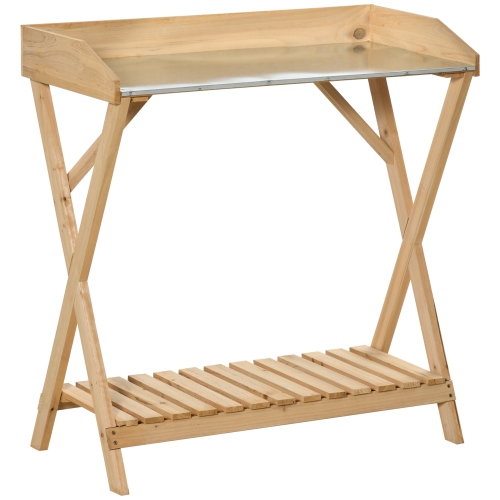
Intended use makes the difference between a satisfying plant display and a surface that needs constant rearranging. Indoor plant tables are usually chosen for their proportions, finish, and ability to sit comfortably alongside other furniture. Outdoor plant tables need an explicit rating for the conditions they will face; a covered porch still exposes furniture to damp air and windblown rain. During the cooler months, furniture care directions may call for sheltered storage, and pots brought indoors may need a new layout away from heating vents, cold draughts, and heavily used walkways. Plants placed higher up should remain accessible for watering, turning, and checking the soil without awkward reaching. A removable tray can make small spills easier to contain, but a raised rim alone does not mean a surface is watertight. Containers with drainage holes need suitable saucers or other protection so excess water does not reach the furniture or floor. Routine care is generally straightforward: remove loose soil gently, wipe surfaces with a cloth suited to the finish, dry spills, and check joints or fasteners periodically. A potting bench serves a more hands-on purpose than a display table, offering a working surface for repotting, mixing potting materials, and keeping frequently used tools close by. Comfortable working height and enough clear space to set down a pot beside a bag of soil matter more here than a delicate profile. Where gardening shares space with crafts or household projects, Project Tables may also be relevant for a separate multipurpose work area, with surface protection matched to the task. Plant tables can make thoughtful housewarming gifts or useful additions for someone caring for their first few houseplants, especially when the recipient’s room size and preferred furniture style are known. Homes with children or pets benefit from particular attention to stability, placement, and plant safety; elevating a pot does not necessarily put it out of reach. With room for foliage, dependable support, and a surface suited to everyday care, a plant table gives greenery a place that feels like part of the home rather than an afterthought.
Materials and construction influence how a plant table handles everyday moisture, weight, and movement. Solid wood brings visible grain and warmth to a room, but its finish matters when pots are watered nearby. Even a sealed wooden top benefits from waterproof saucers and prompt attention to spills, since standing water can mark the surface or reach joints and edges. Engineered wood can offer a smooth, consistent finish for indoor use, though exposed edges and damaged coatings may be vulnerable to swelling. Metal frames can provide slim profiles and sturdy support, but outdoor suitability depends on the metal, protective finish, hardware, and manufacturer’s intended use. Scratched coatings and persistently wet joints may develop rust on susceptible metals. Glass tops create a visually lighter display and are easy to wipe, but they need careful handling and adherence to the stated weight limit. Whatever the material, the load includes the container, plant, soil, and water retained after watering, not just the weight of an empty pot. Large ceramic planters and freshly watered soil can be surprisingly heavy, so both the total weight capacity and any separate shelf limits matter. A level base, secure fasteners, and well-supported shelves are particularly important for taller arrangements. Heavy pots generally belong lower down, and any supplied anti-tip hardware should be fitted as directed. Fit also extends beyond the tabletop dimensions. A stand beside a balcony door needs to leave the door clear, and one near curtains should keep leaves and damp soil away from the fabric. In a busy hallway, a shallow design with a stable footprint is often easier to live with than a wide table with projecting corners. Adjustable feet can help a table sit evenly on a slightly uneven floor, while suitable protective pads help limit scratches. Wheeled designs make it easier to clean underneath or reposition plants, but locking casters and careful movement remain important, especially with tall or top-heavy pots.
Intended use makes the difference between a satisfying plant display and a surface that needs constant rearranging. Indoor plant tables are usually chosen for their proportions, finish, and ability to sit comfortably alongside other furniture. Outdoor plant tables need an explicit rating for the conditions they will face; a covered porch still exposes furniture to damp air and windblown rain. During the cooler months, furniture care directions may call for sheltered storage, and pots brought indoors may need a new layout away from heating vents, cold draughts, and heavily used walkways. Plants placed higher up should remain accessible for watering, turning, and checking the soil without awkward reaching. A removable tray can make small spills easier to contain, but a raised rim alone does not mean a surface is watertight. Containers with drainage holes need suitable saucers or other protection so excess water does not reach the furniture or floor. Routine care is generally straightforward: remove loose soil gently, wipe surfaces with a cloth suited to the finish, dry spills, and check joints or fasteners periodically. A potting bench serves a more hands-on purpose than a display table, offering a working surface for repotting, mixing potting materials, and keeping frequently used tools close by. Comfortable working height and enough clear space to set down a pot beside a bag of soil matter more here than a delicate profile. Where gardening shares space with crafts or household projects, Project Tables may also be relevant for a separate multipurpose work area, with surface protection matched to the task. Plant tables can make thoughtful housewarming gifts or useful additions for someone caring for their first few houseplants, especially when the recipient’s room size and preferred furniture style are known. Homes with children or pets benefit from particular attention to stability, placement, and plant safety; elevating a pot does not necessarily put it out of reach. With room for foliage, dependable support, and a surface suited to everyday care, a plant table gives greenery a place that feels like part of the home rather than an afterthought.
Top selling and popular products
-
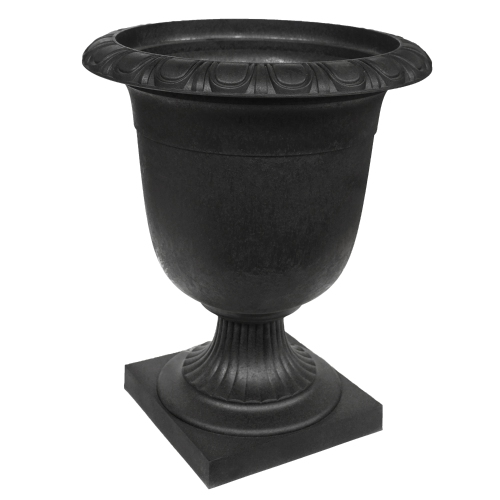 Your price for this item is $69.99
 -
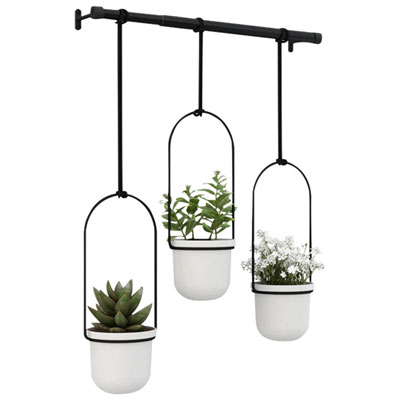 Your price for this item is $54.98
 -
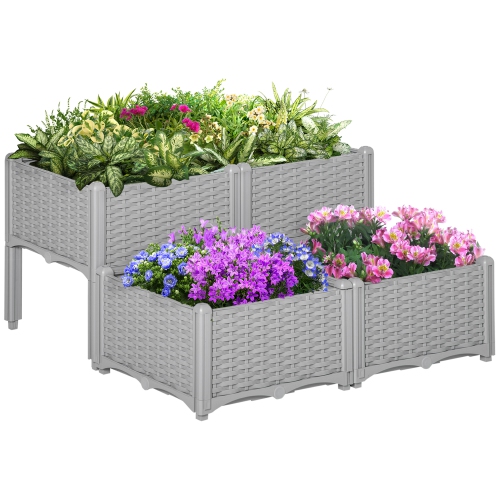 Your price for this item is $89.99
 -
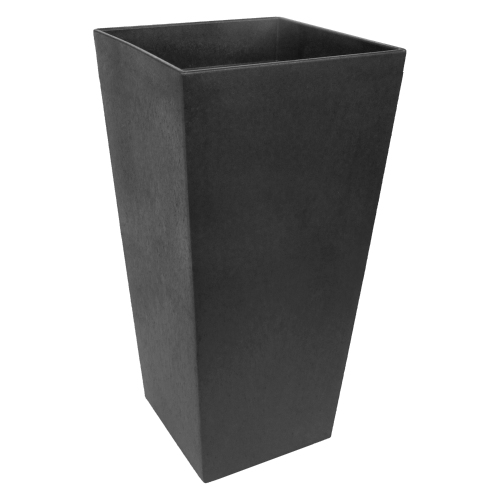 Your price for this item is $79.99
 -
 Your price for this item is $104.99
 -
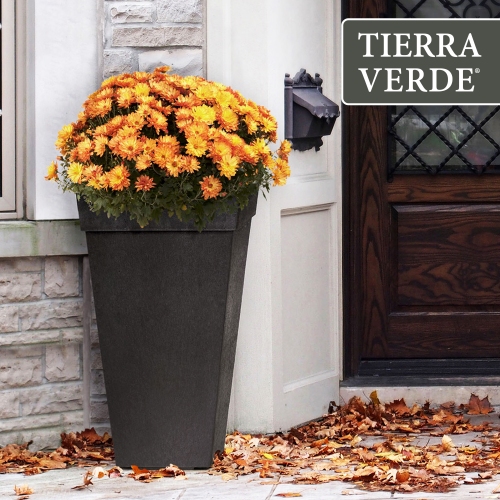 Your price for this item is $141.99
 -
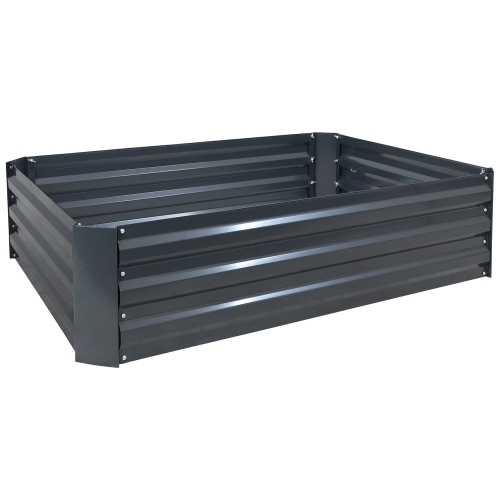 Your price for this item is $117.75
 -
 Your price for this item is $117.75
Discover more categories related to Tables for Plants
Top Collections:
Pokemon Centers, Kindle Devices, Best Budget Office Chairs, Apple iPhones 16, Best Laptops for Writers, iPhone 15 Apple, Canon G7X Cameras, Refurbished Apple Laptops, Alarm Clock, Motorola Razr Phones
Some products may be subject to Environmental Handling Fees
(EHF) depending on your province.
Learn more about EHFs.