Tall Chest Of Drawers
A tall chest of drawers is a great way to store clothes and linens. These can also add style and elegance to your home. These tall chests of drawers are available in a variety of styles, sizes, and colors. Here are some of the great options available.
Sort


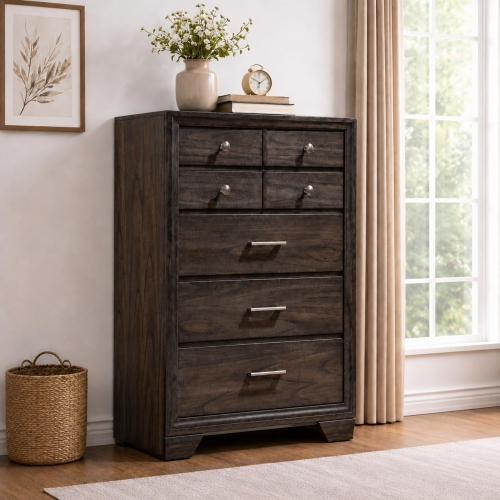


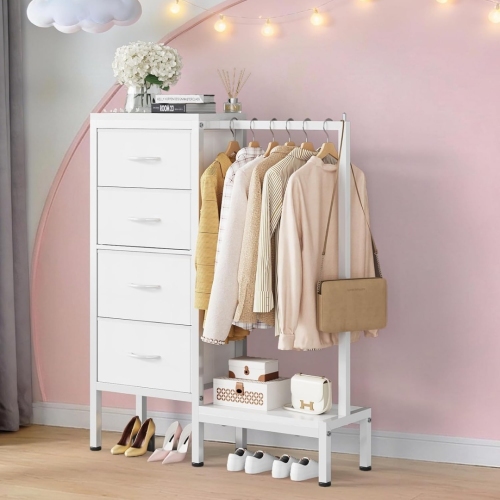
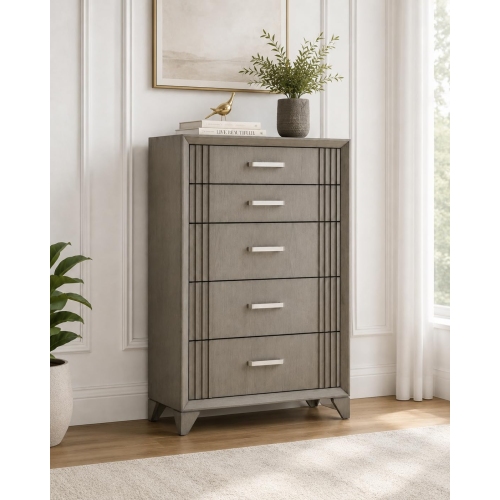
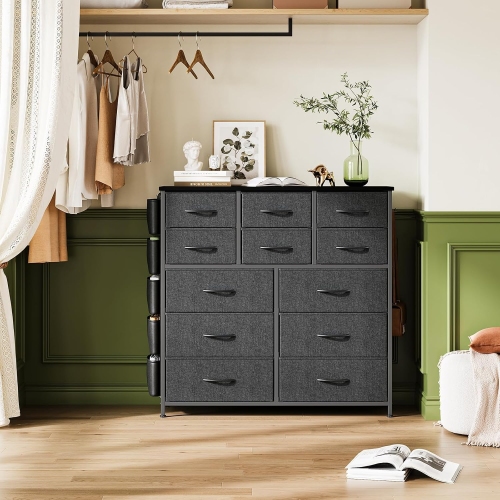
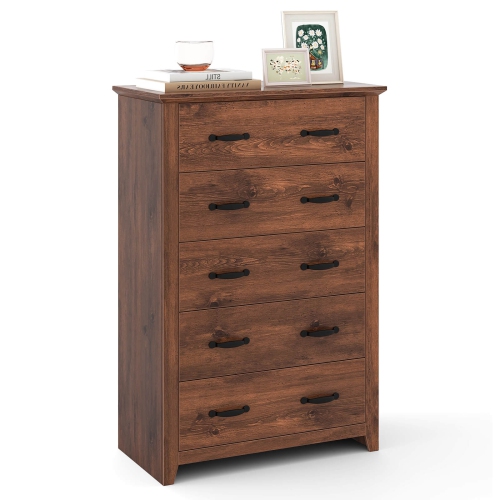
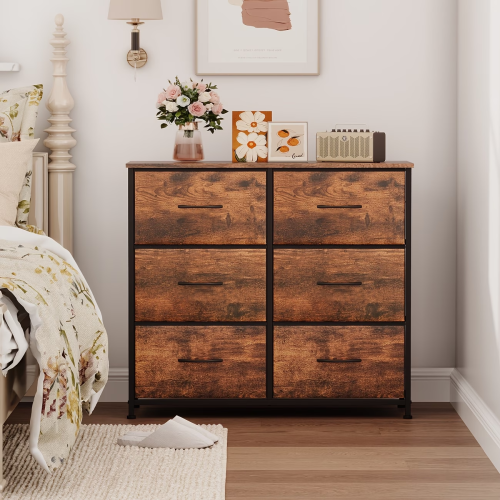

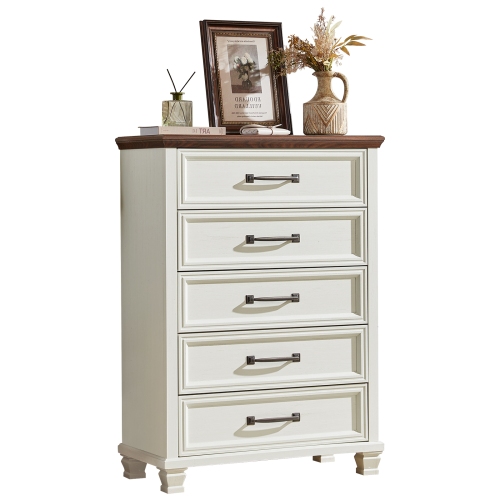
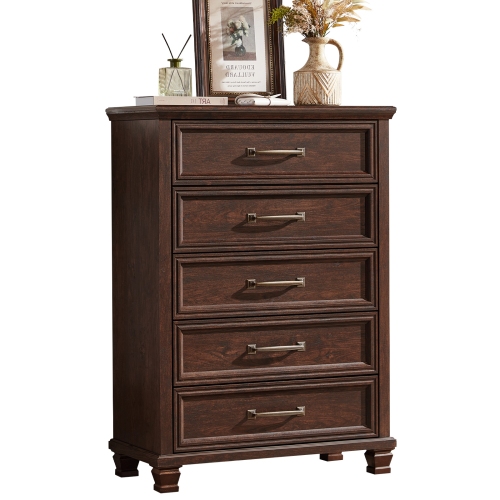
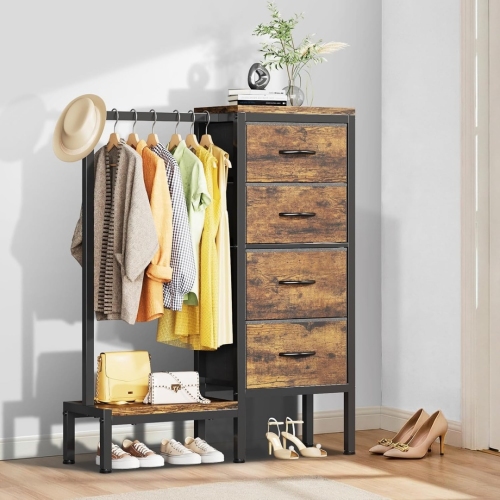

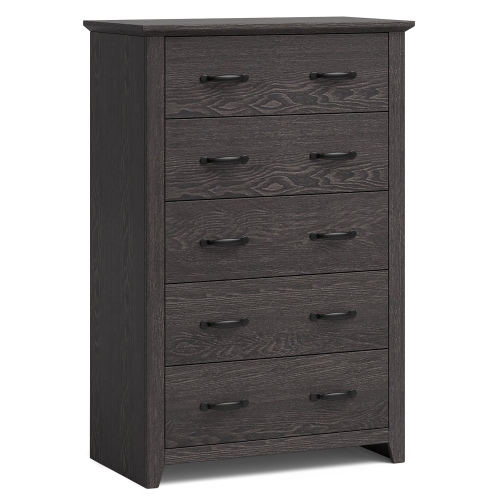
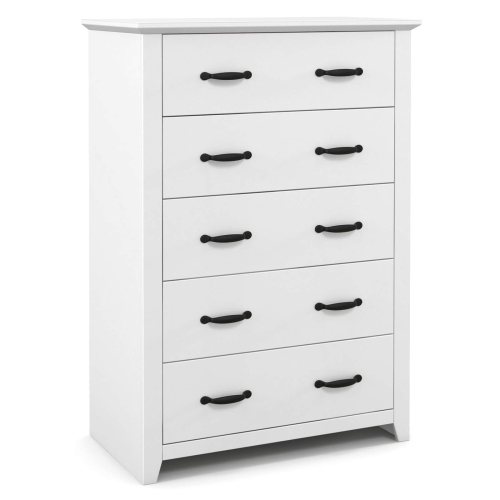

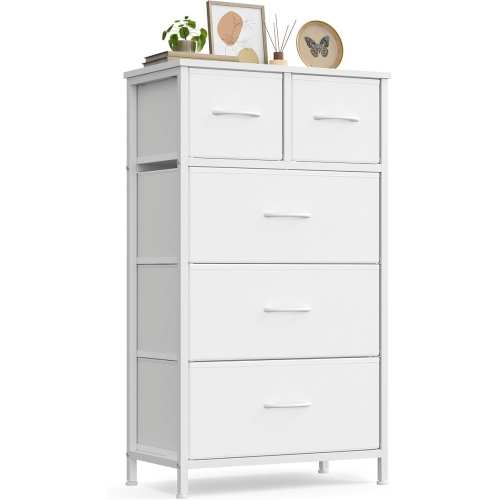


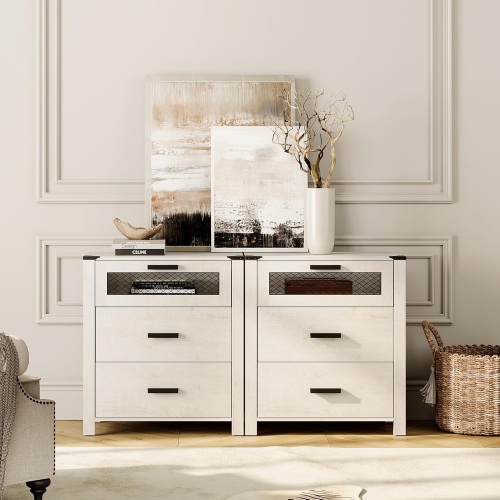
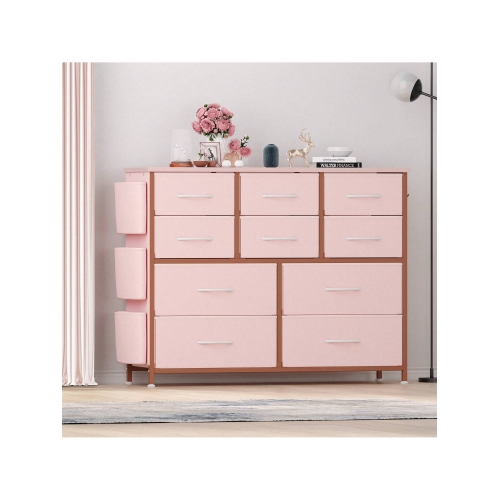
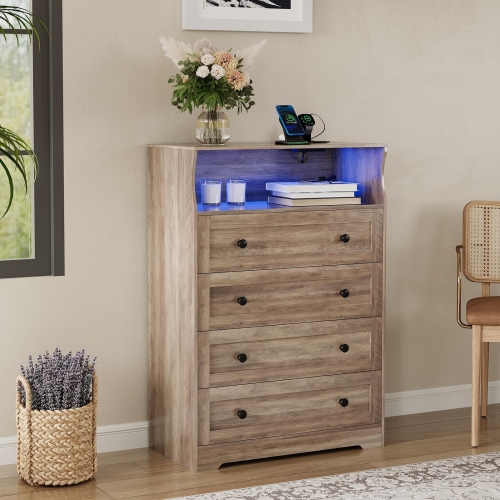
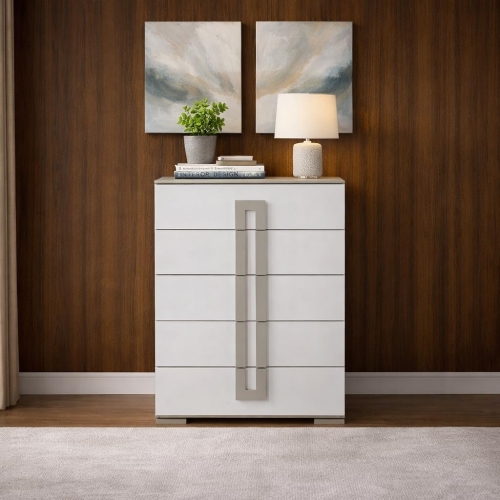
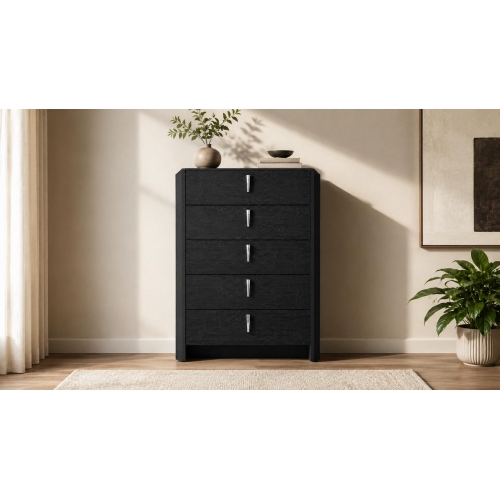
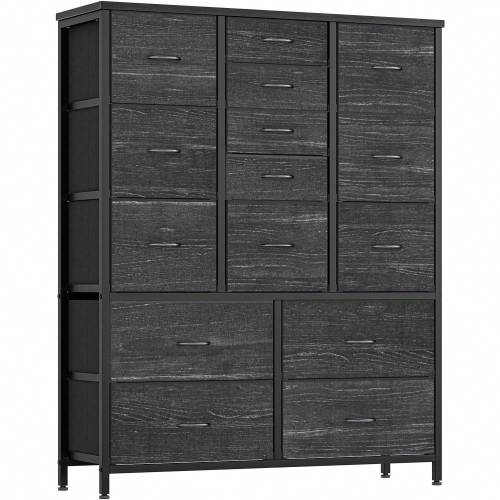
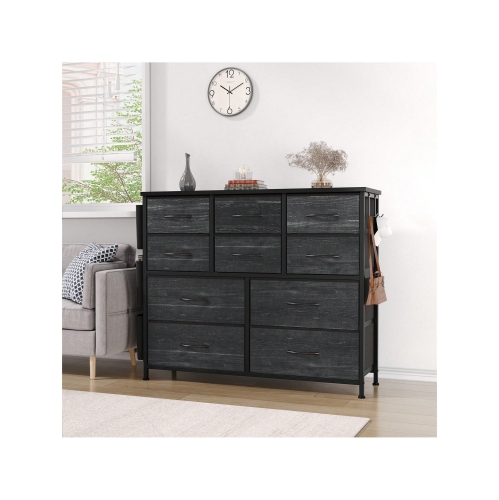
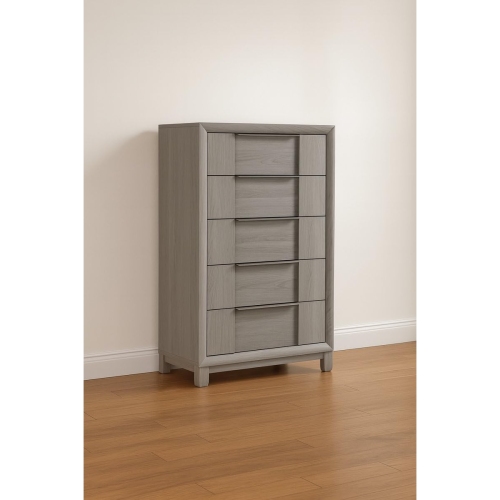
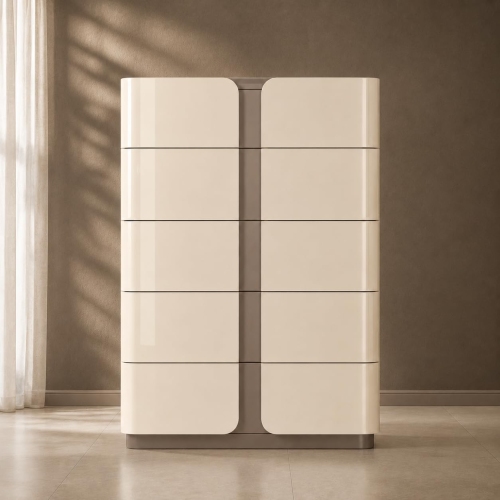
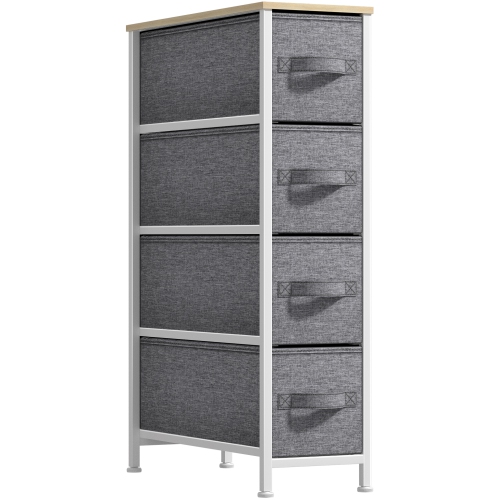
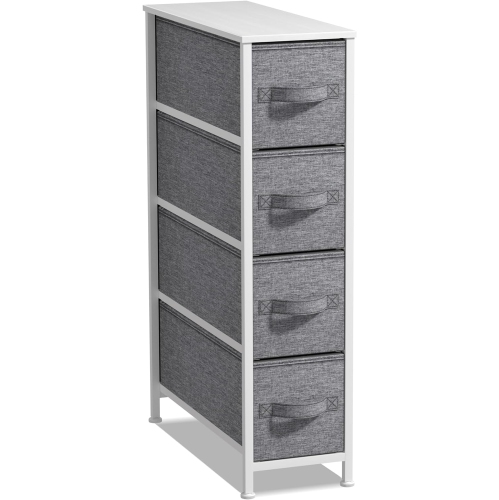


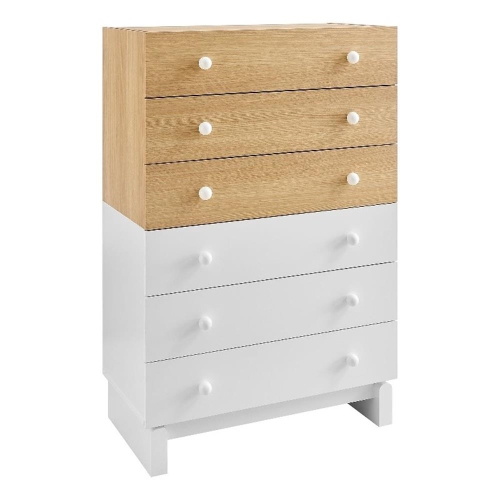
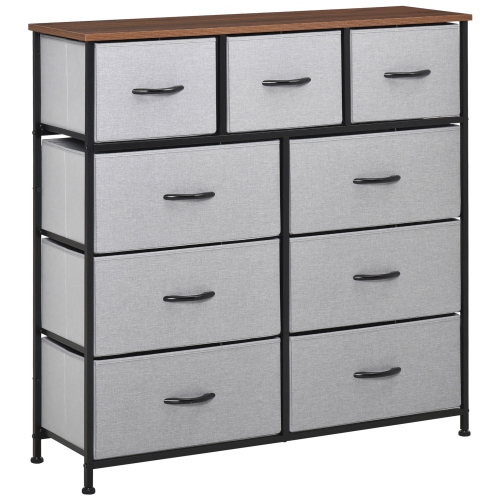
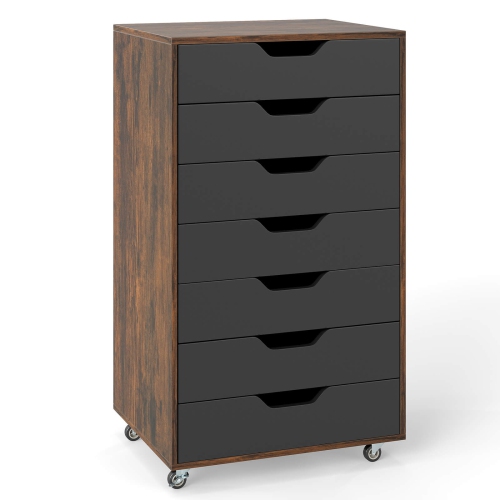
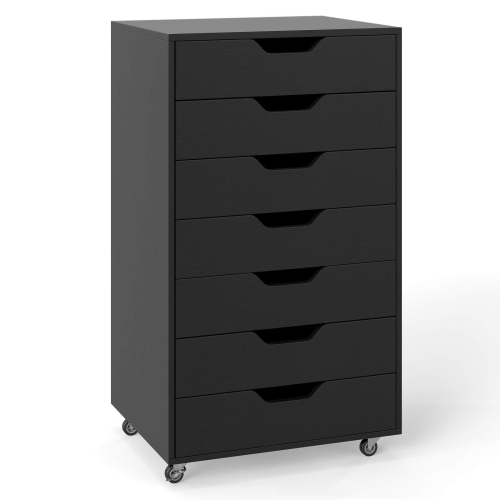
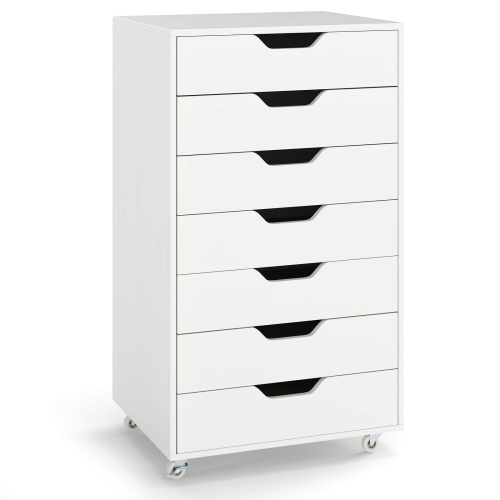

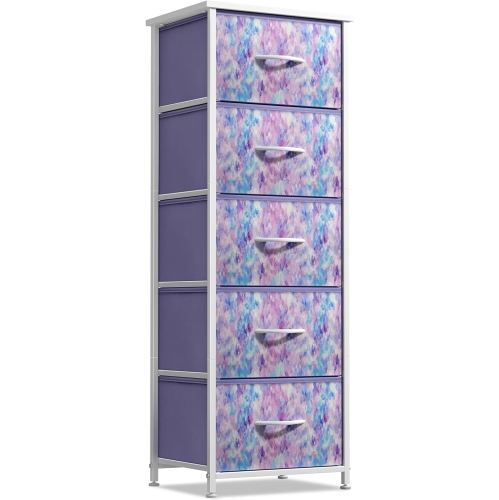

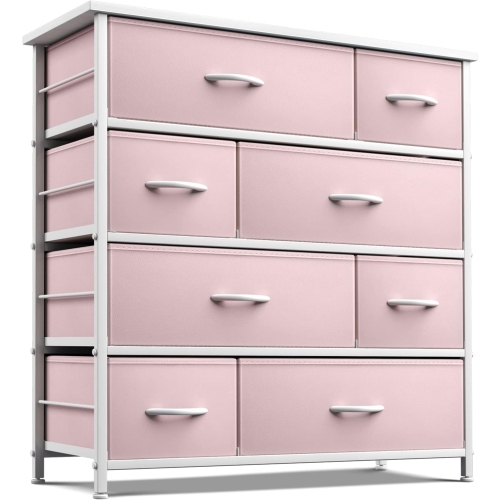
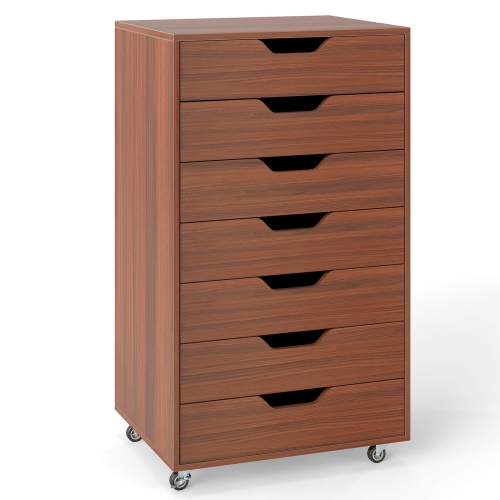
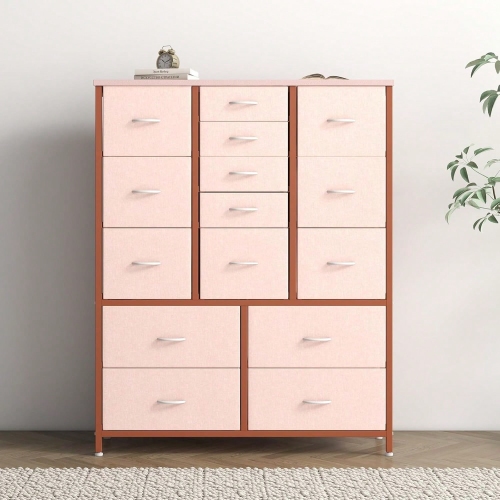
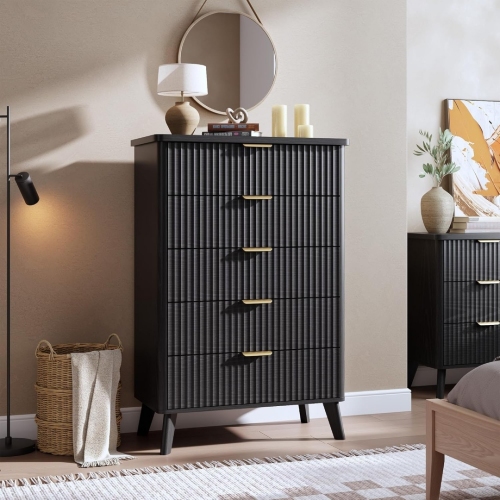
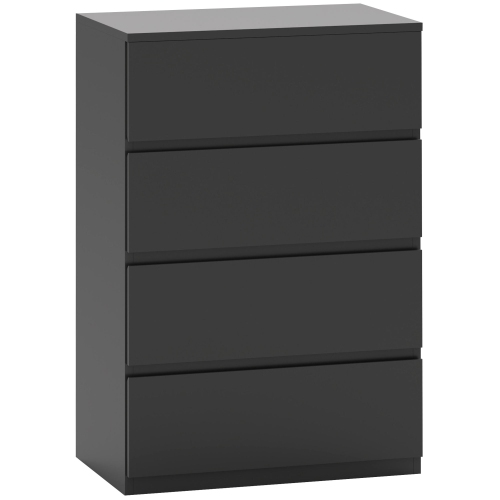
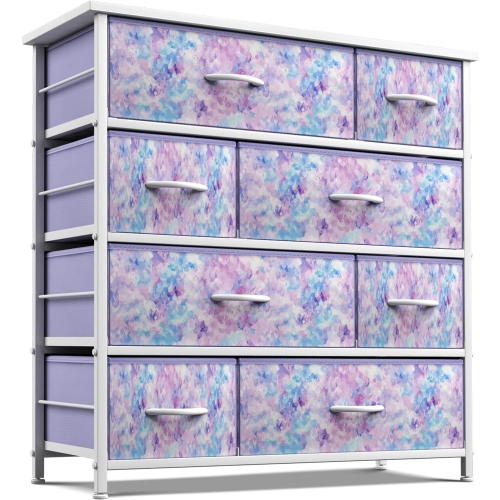
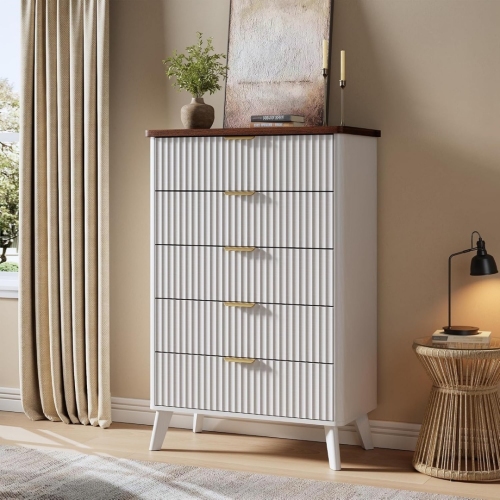
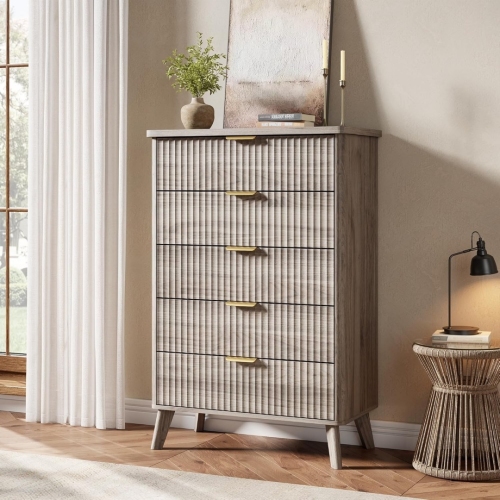

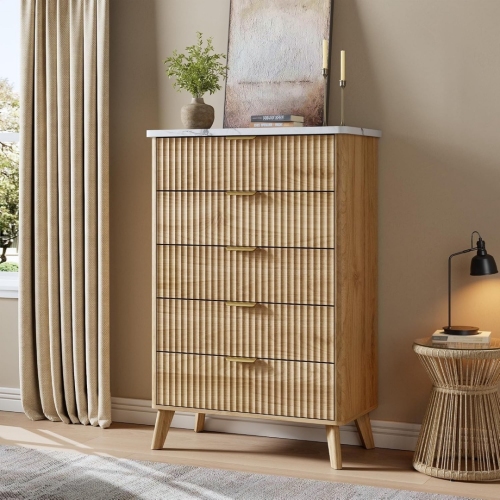


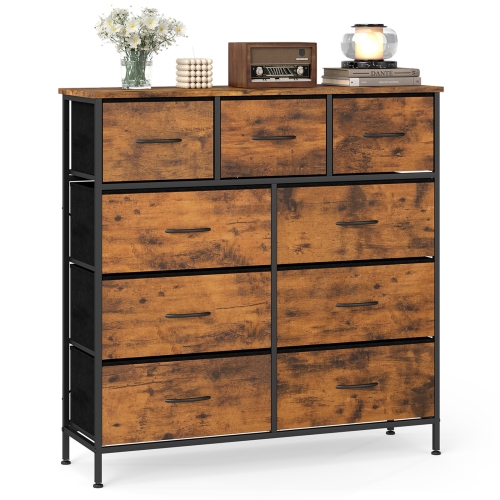

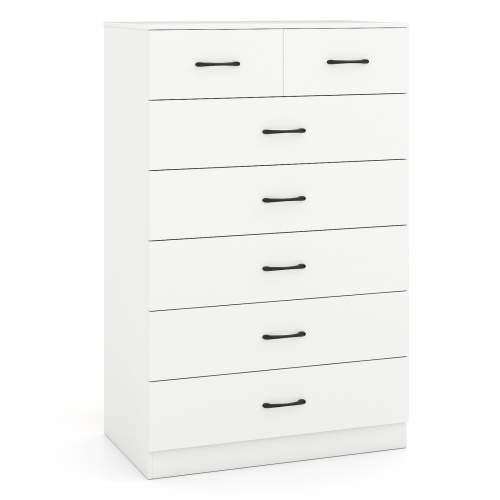
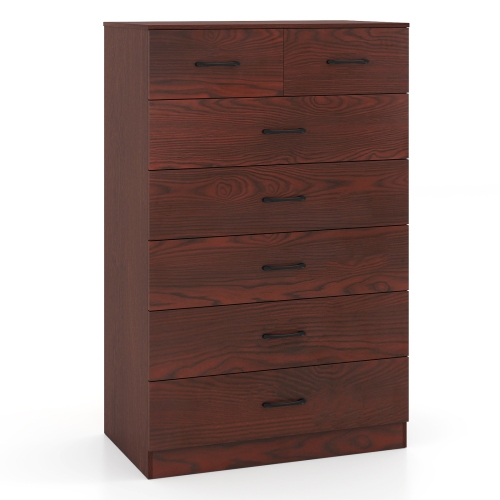
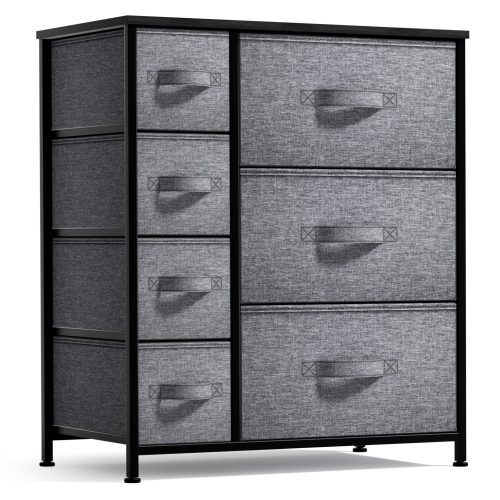
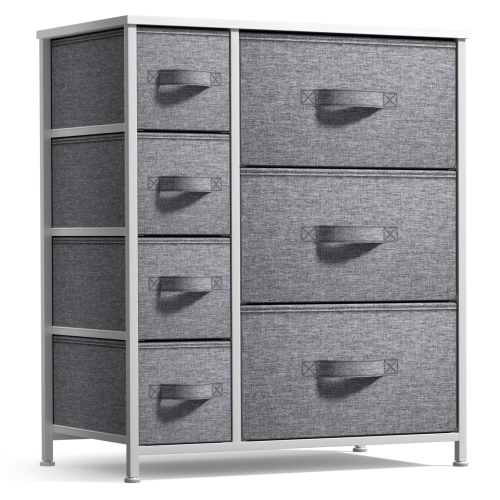


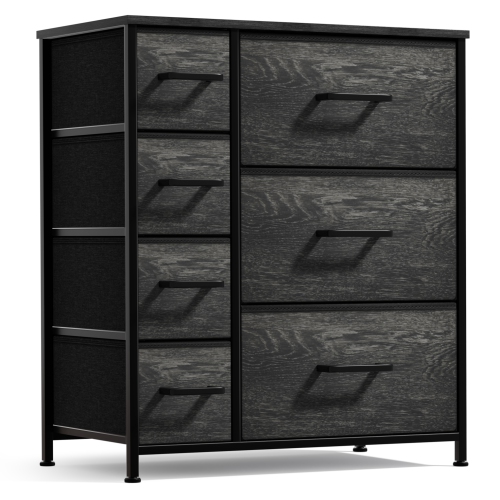
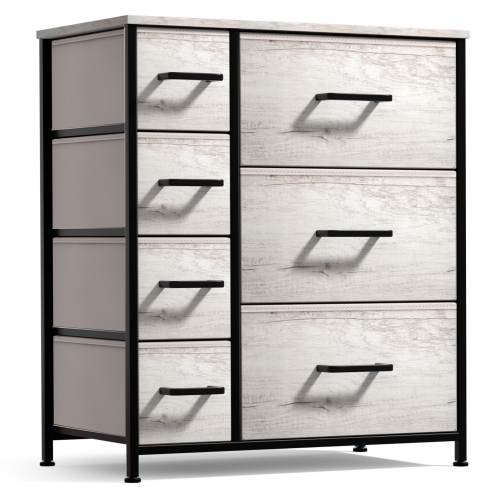

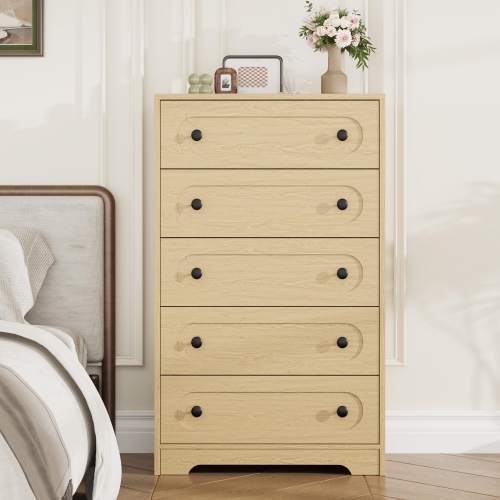

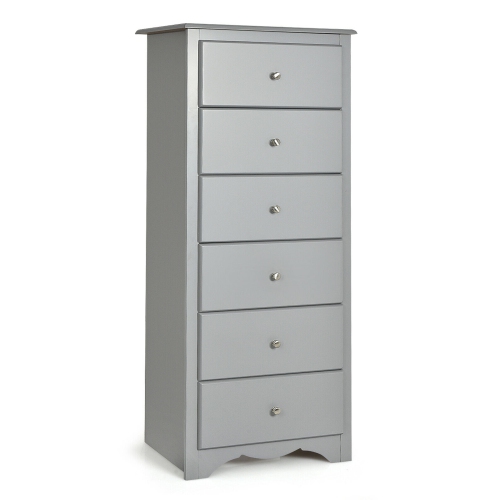
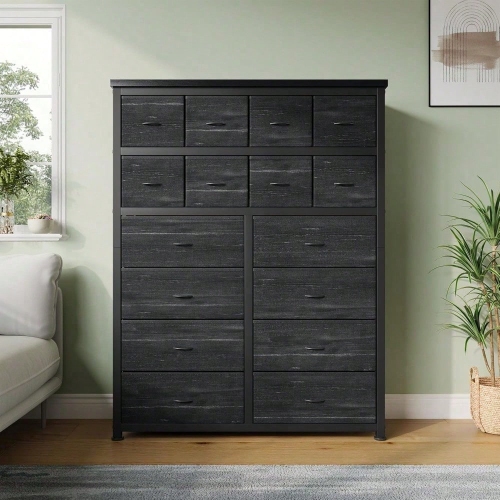


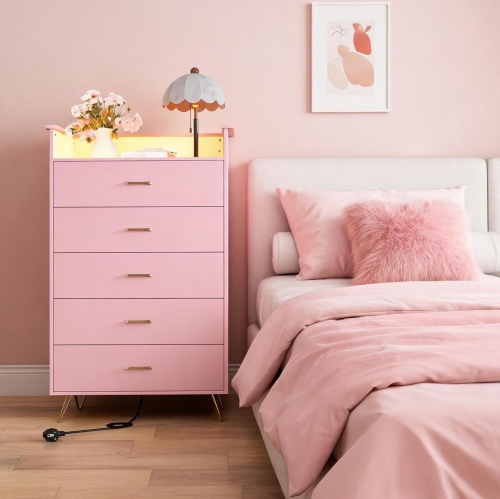
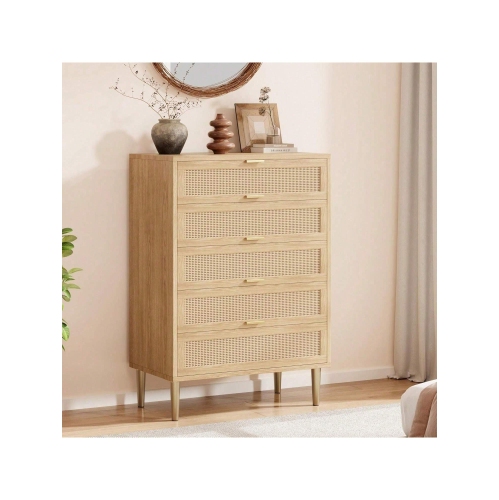
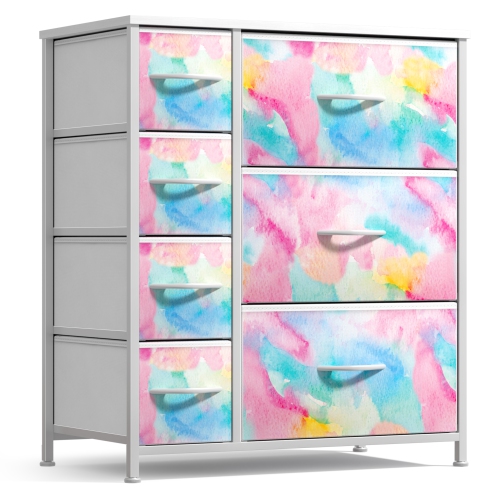
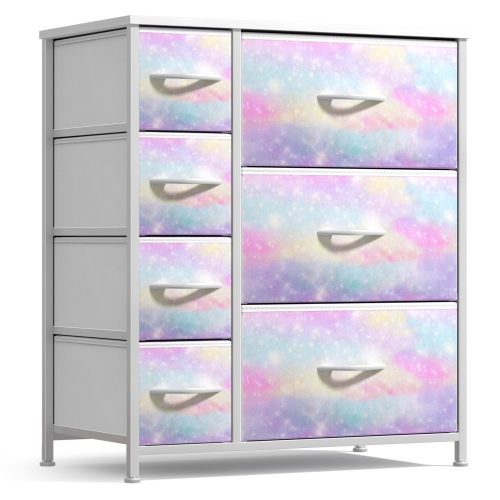


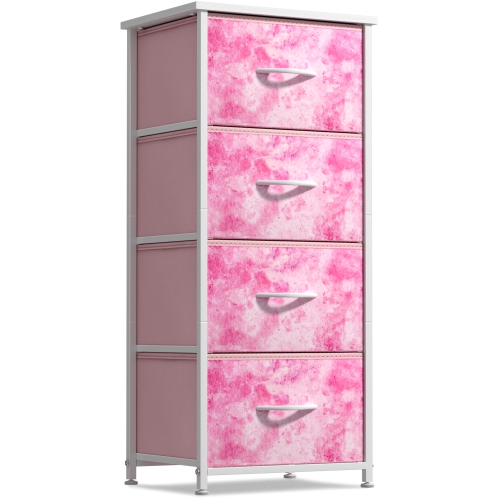
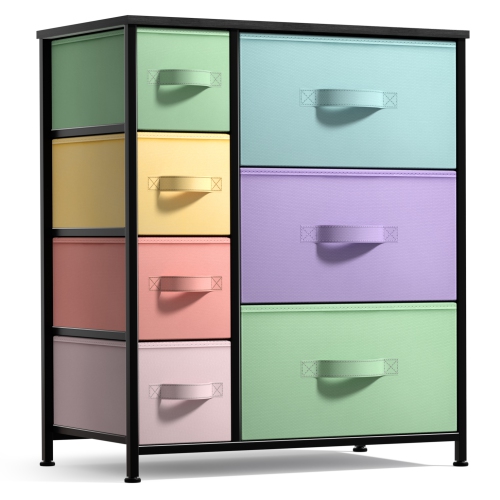
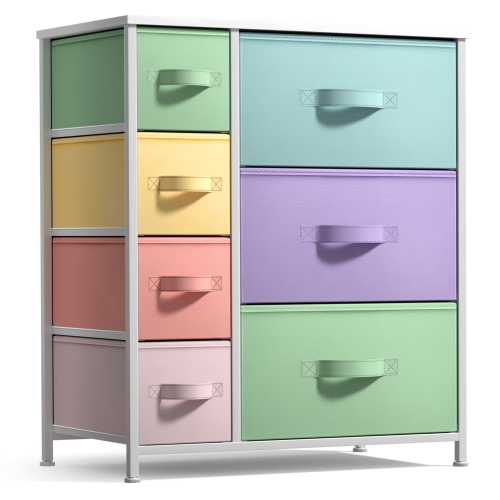


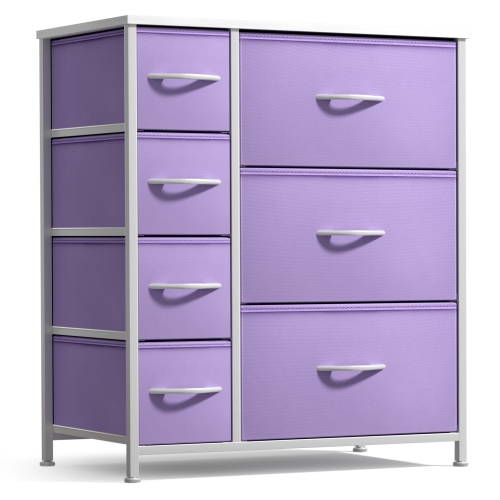
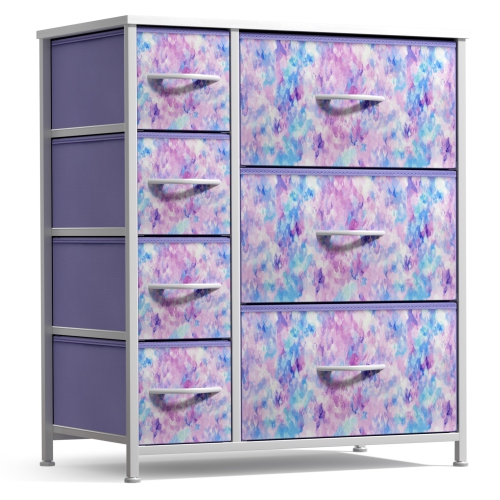
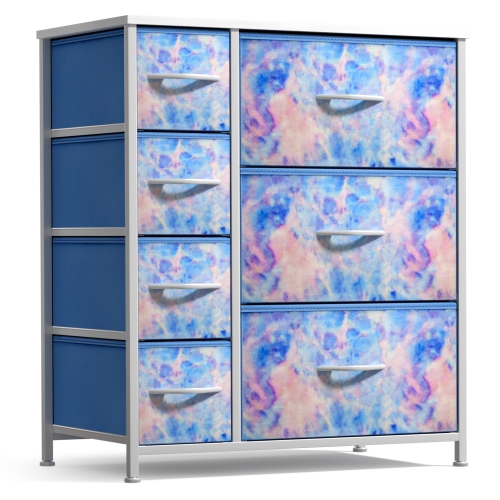
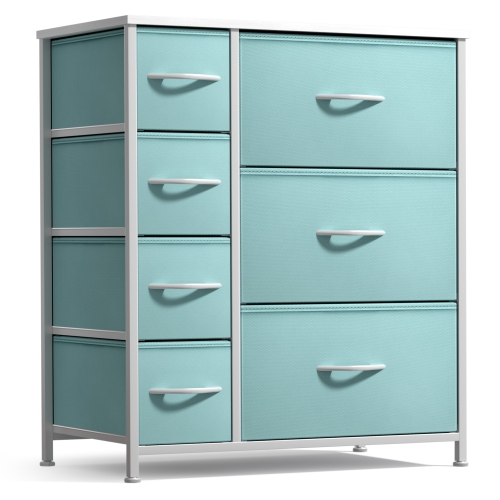


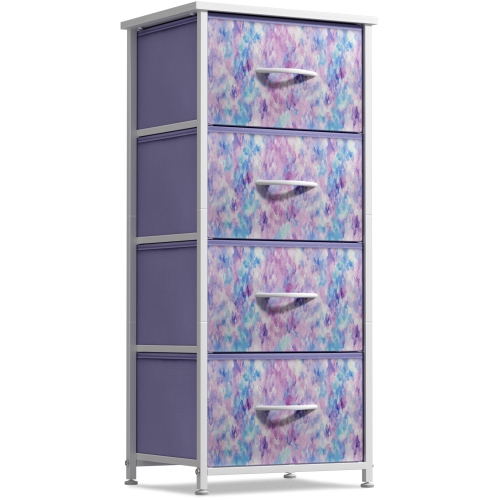




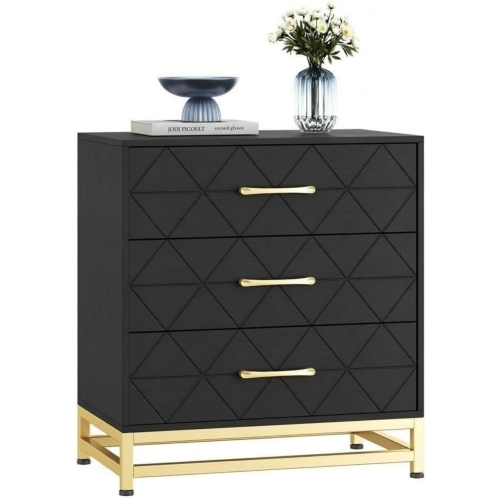

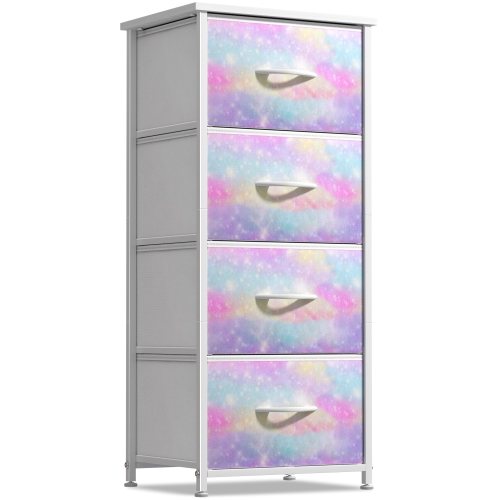
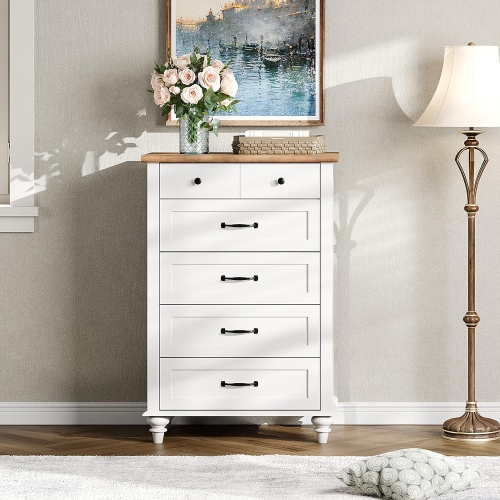

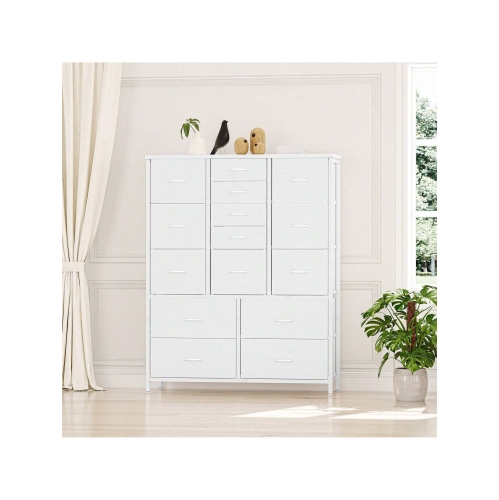
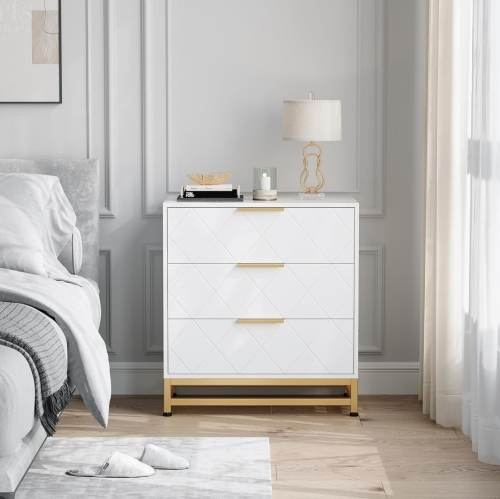
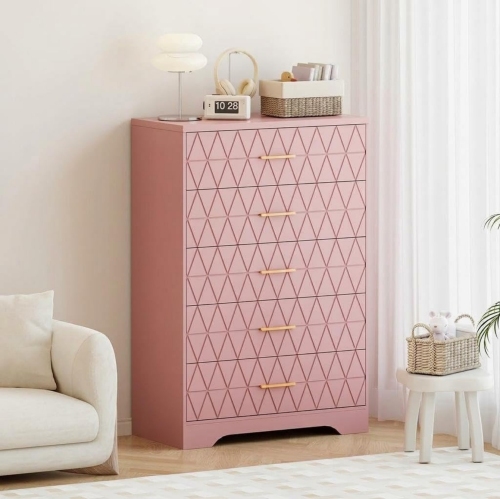

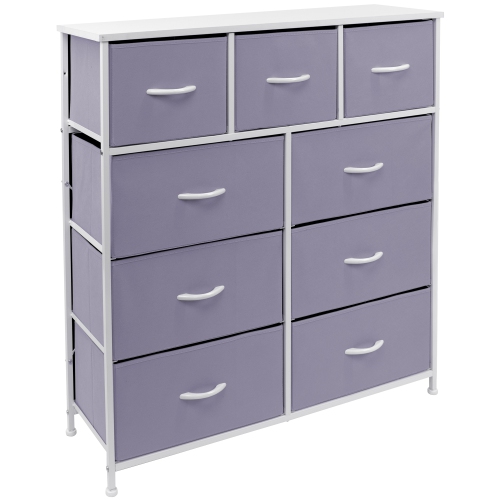
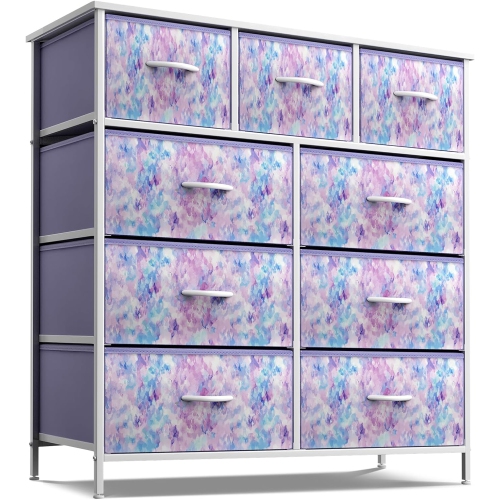
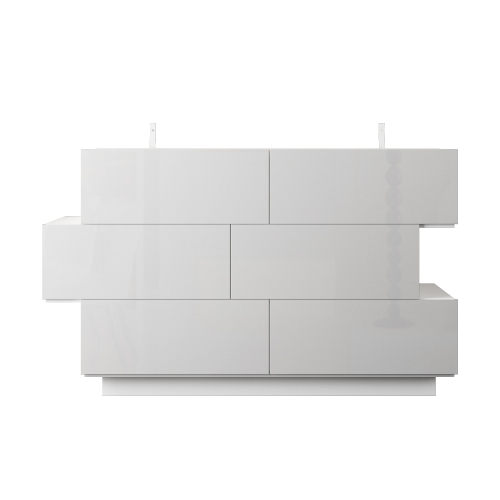
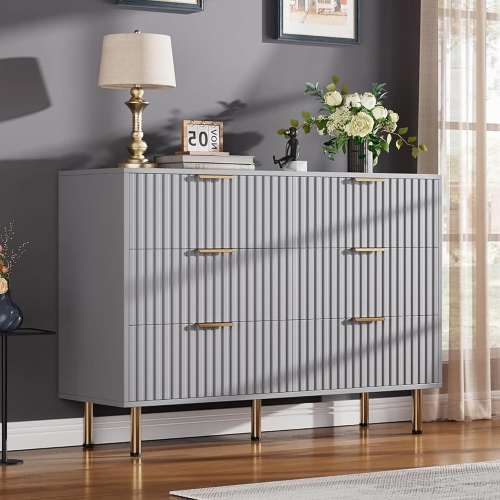

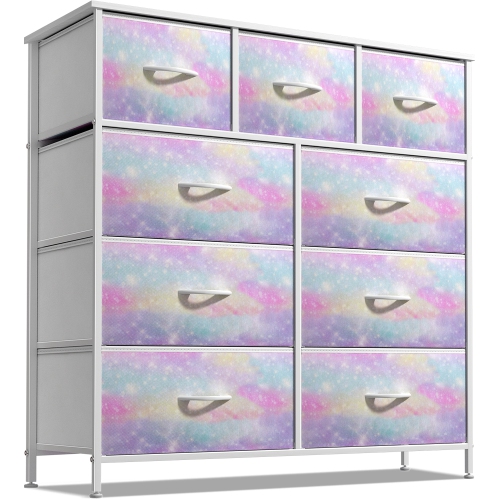
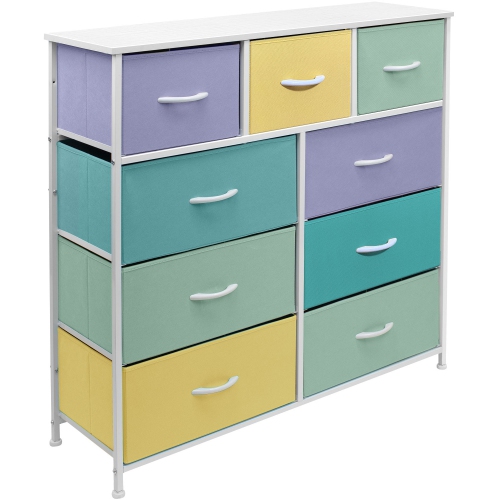
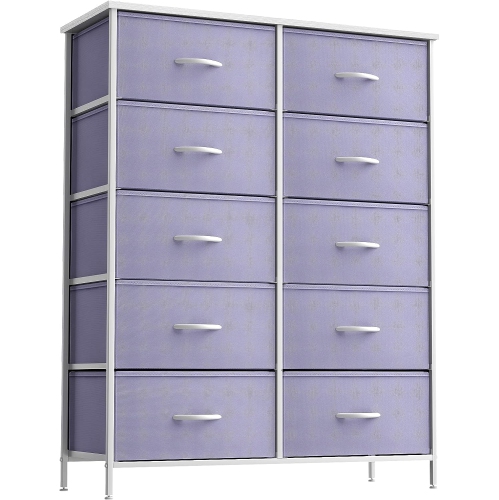

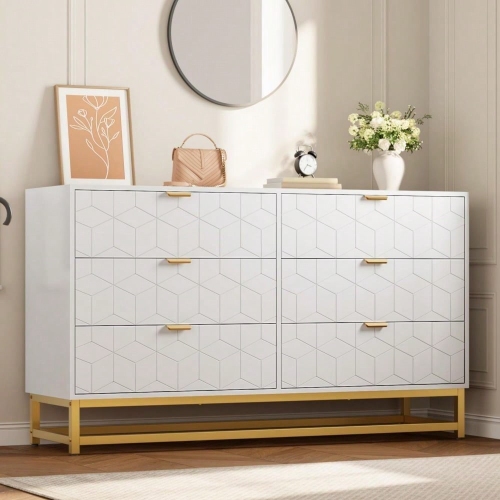
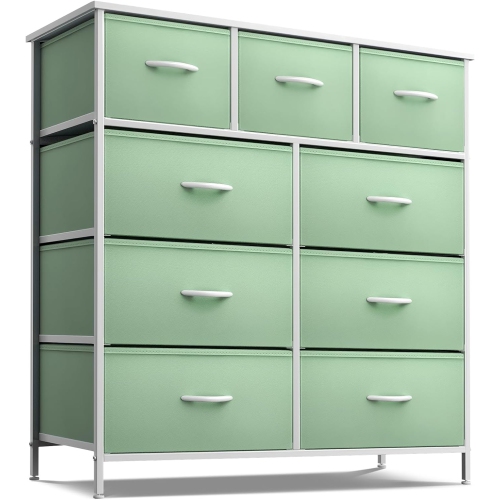
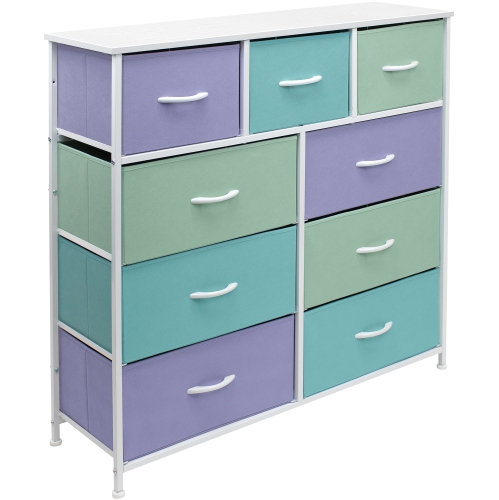

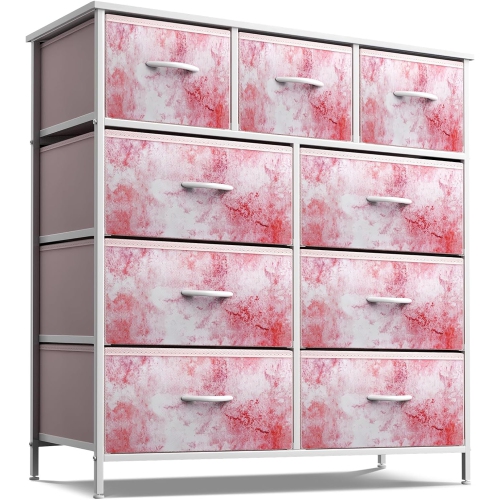

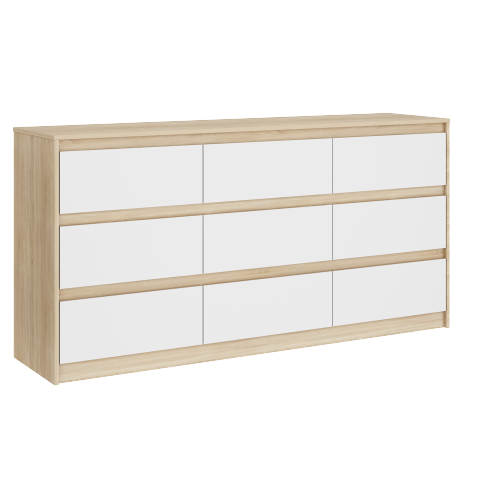

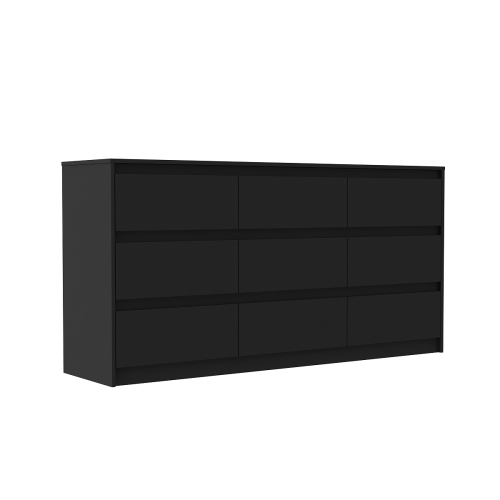
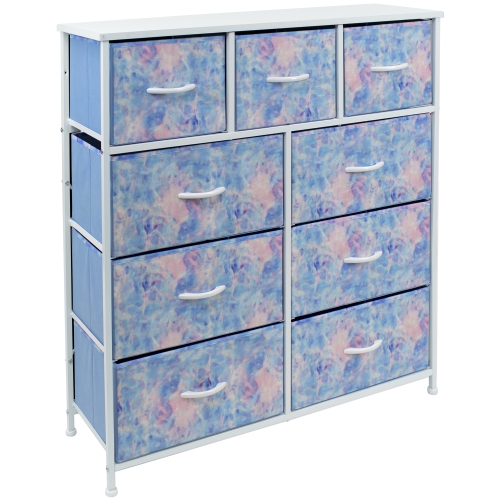
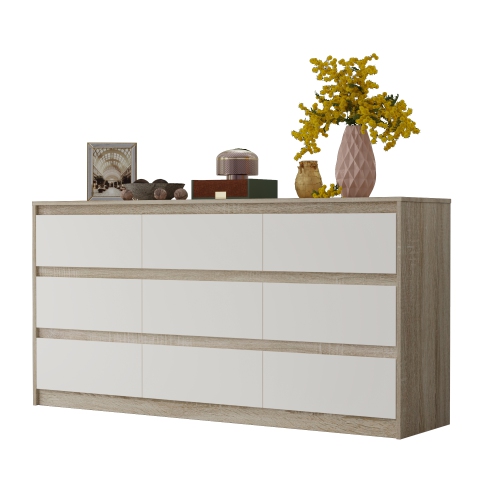
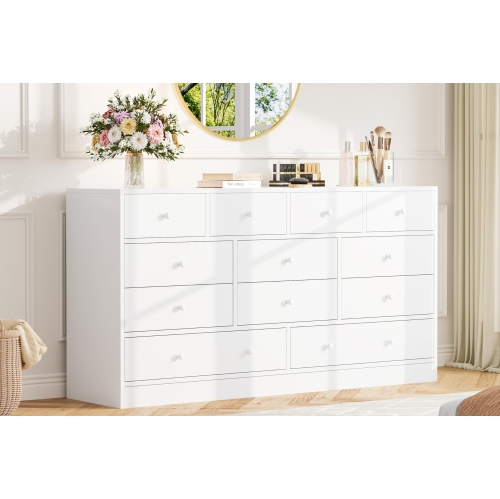
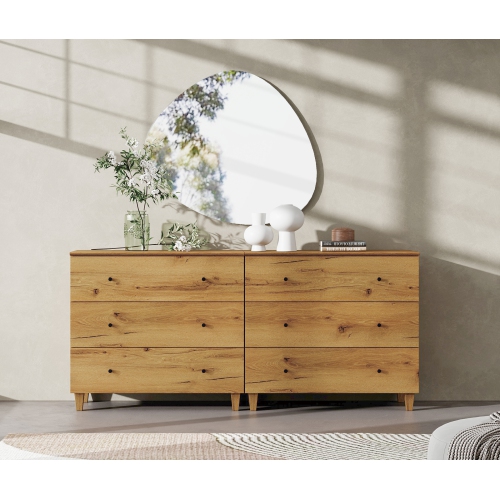
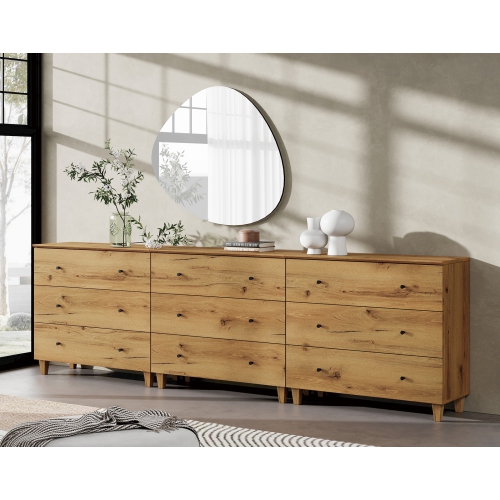
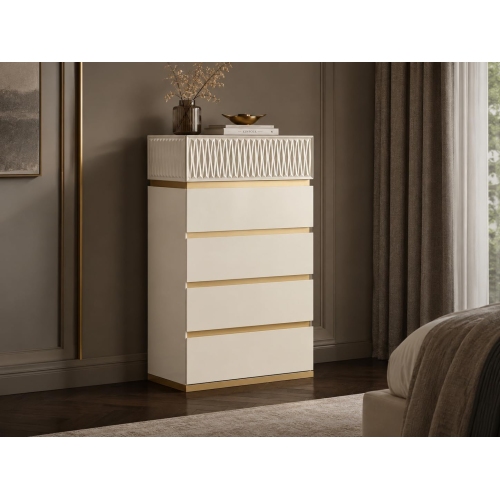
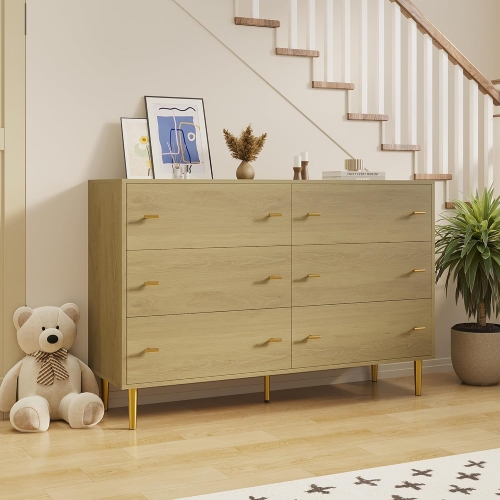
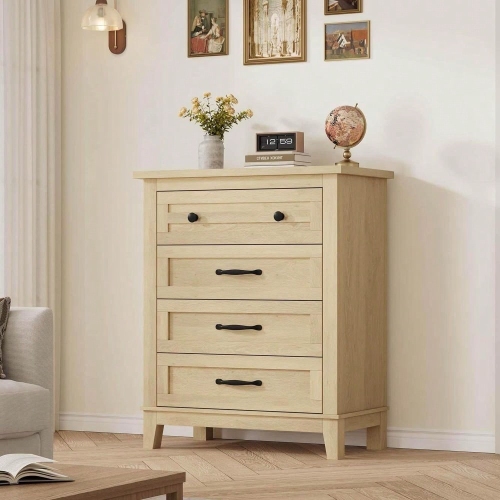

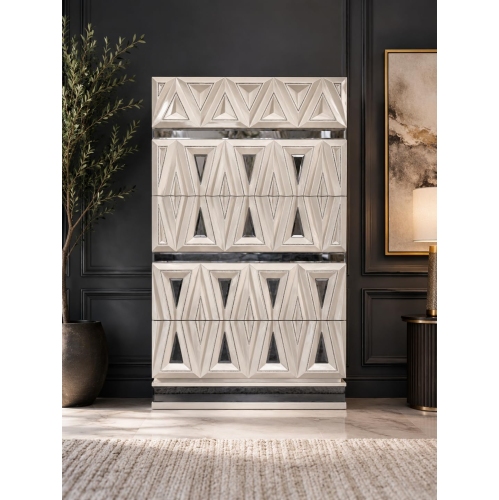

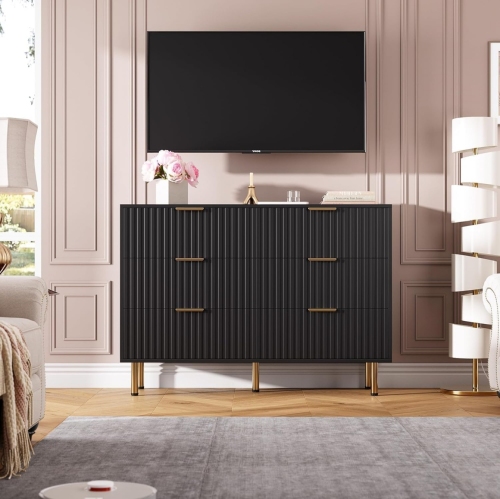
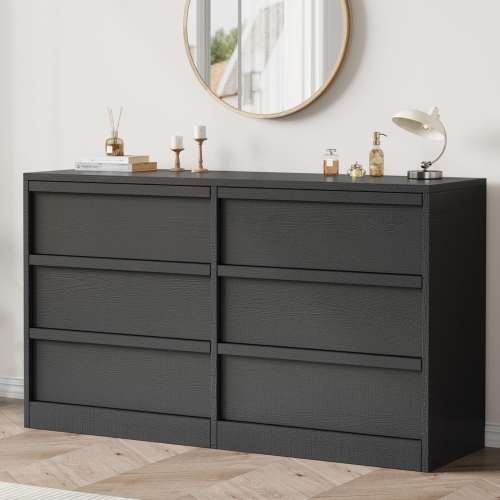


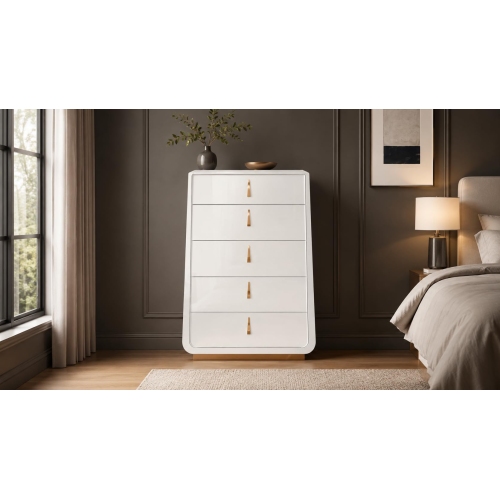


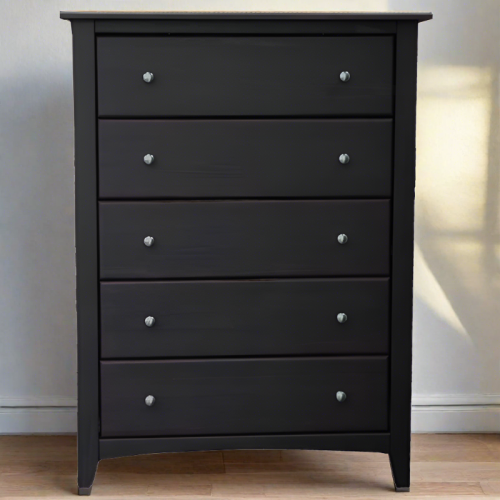
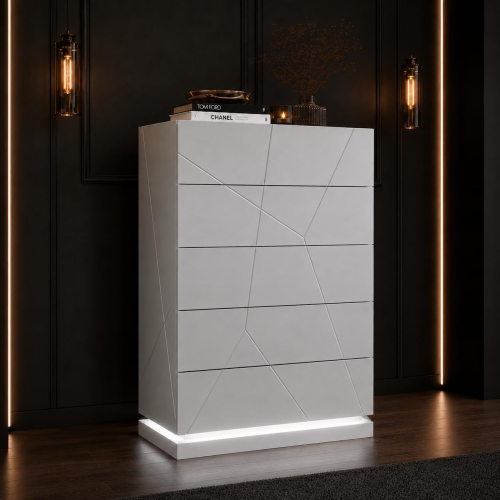


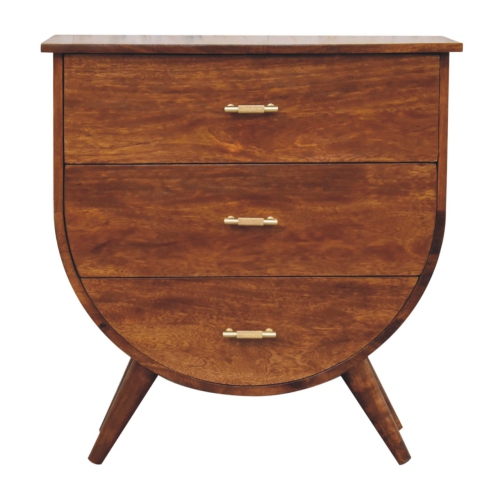
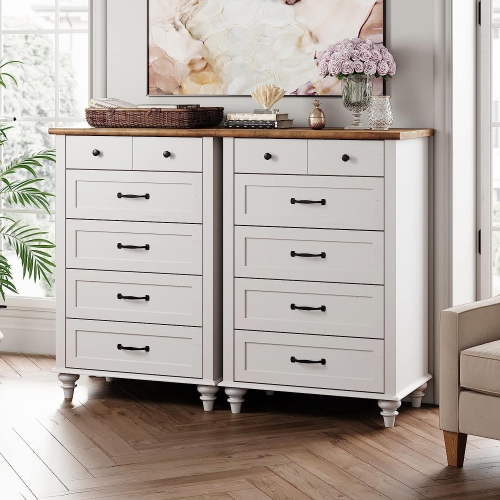

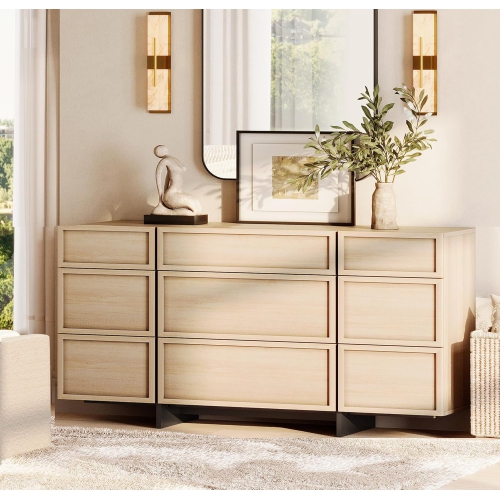


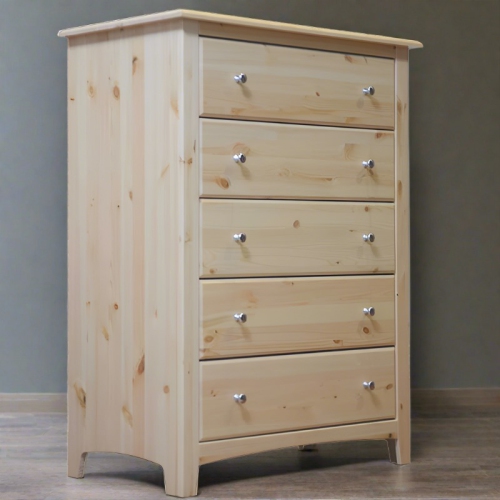
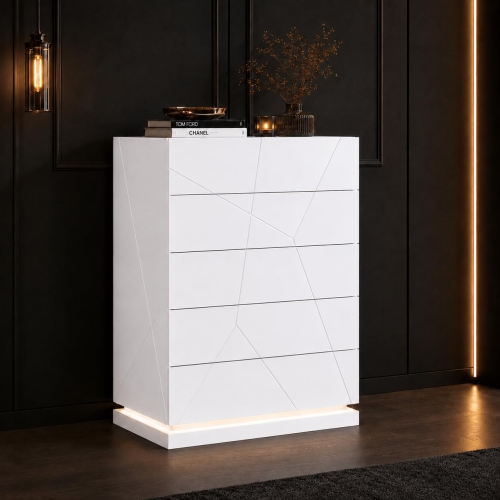

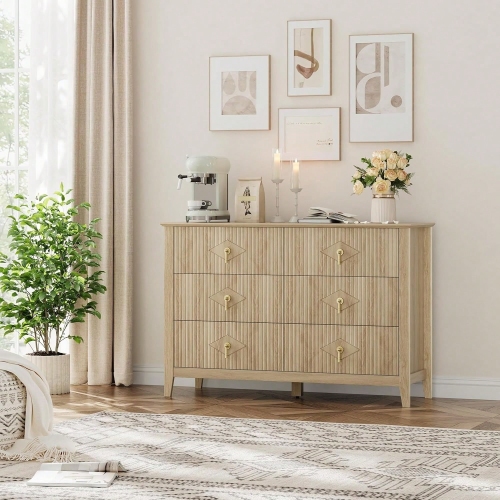


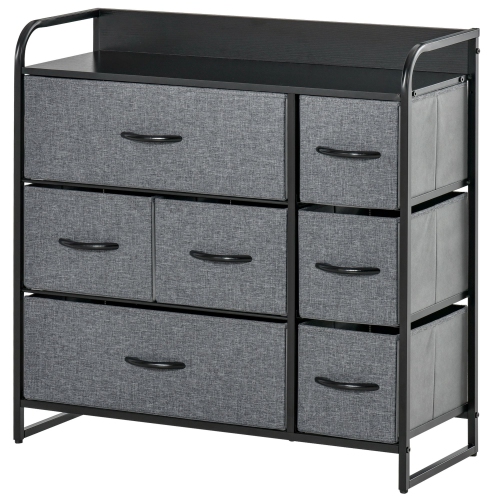
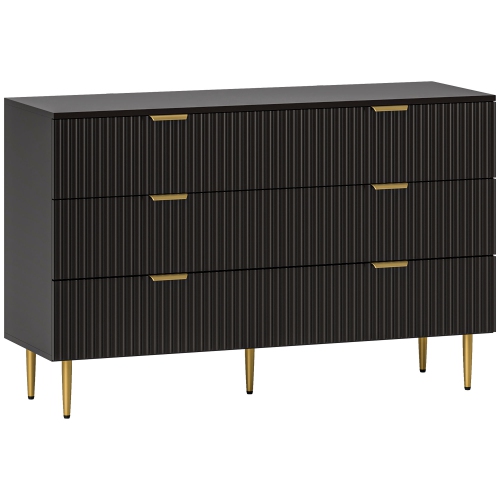
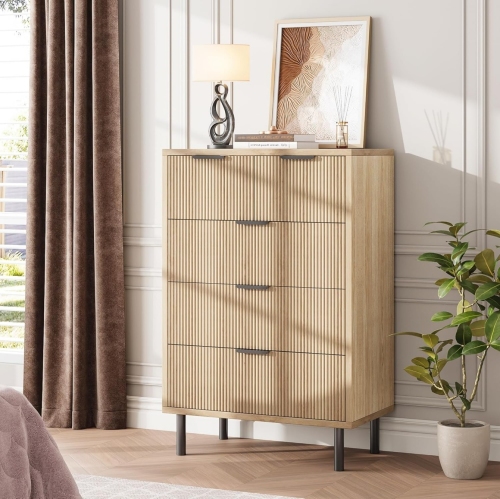
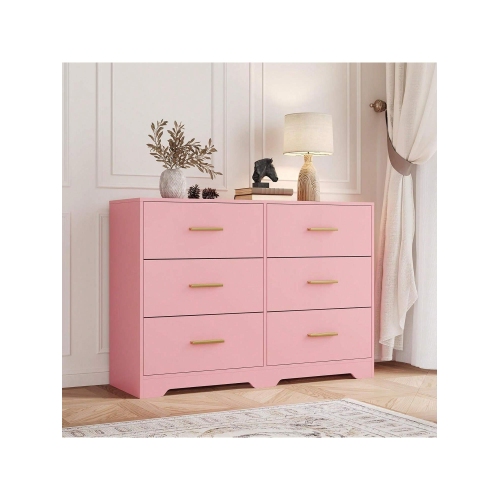


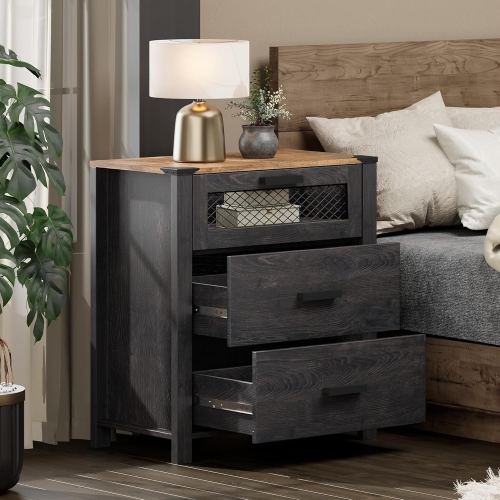
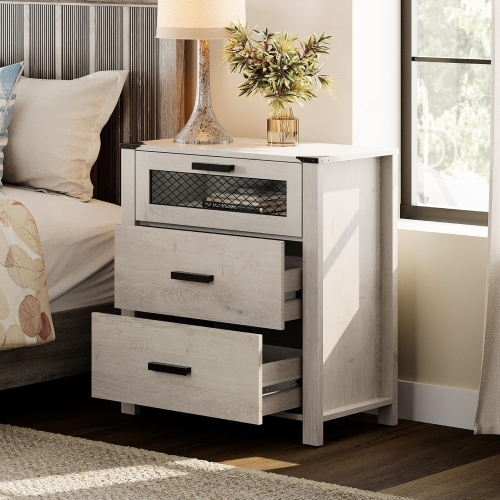

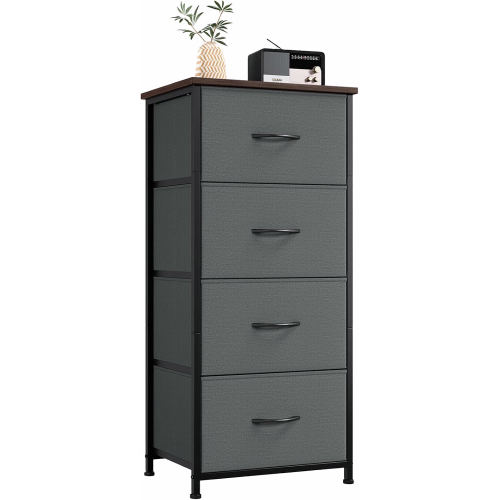


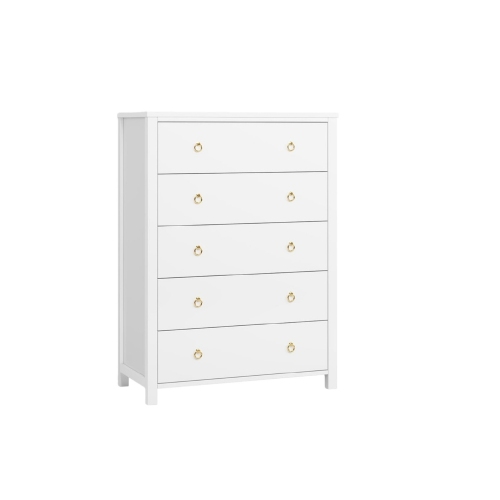
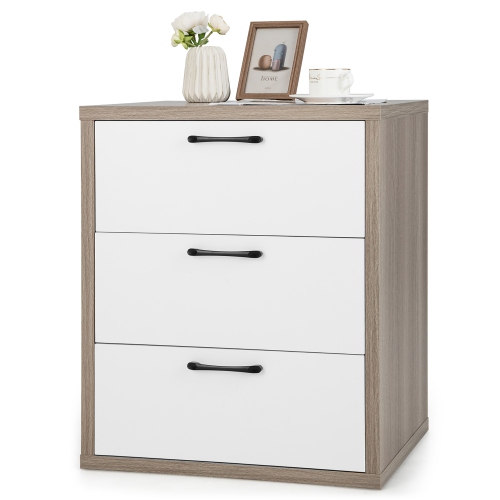
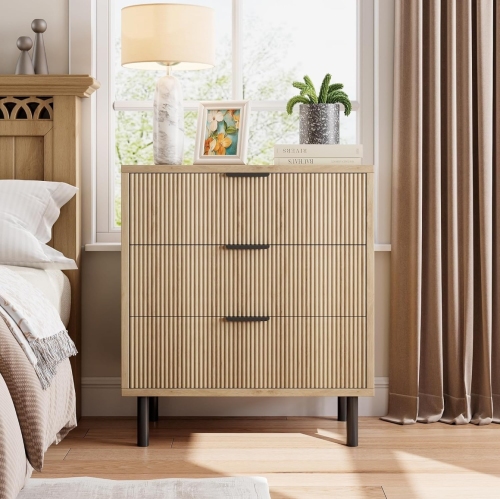
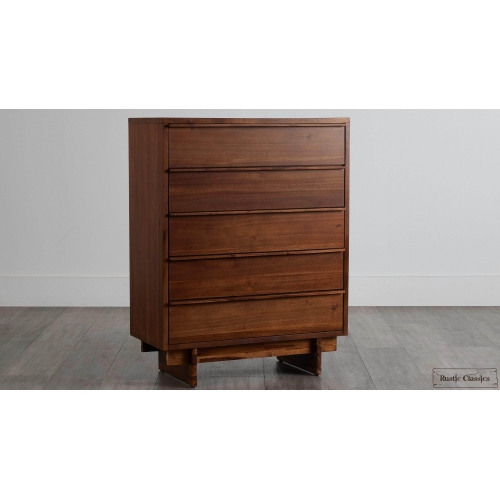
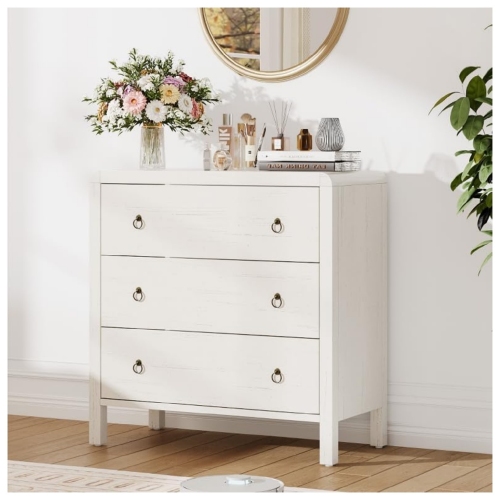
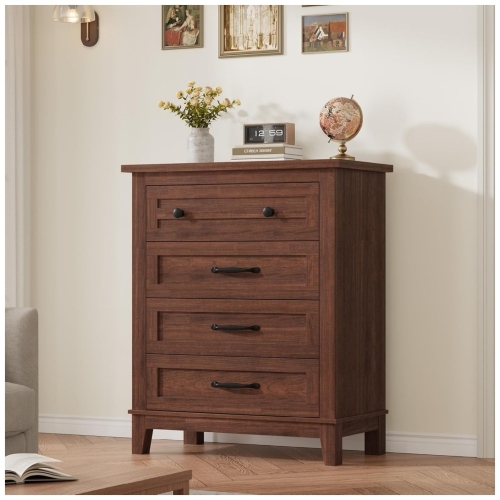

Vertical storage that leaves more room to move
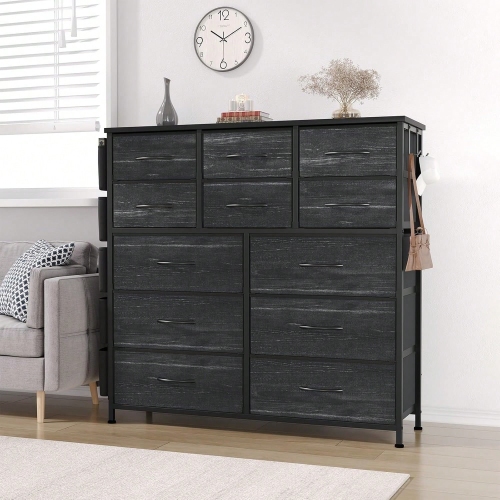
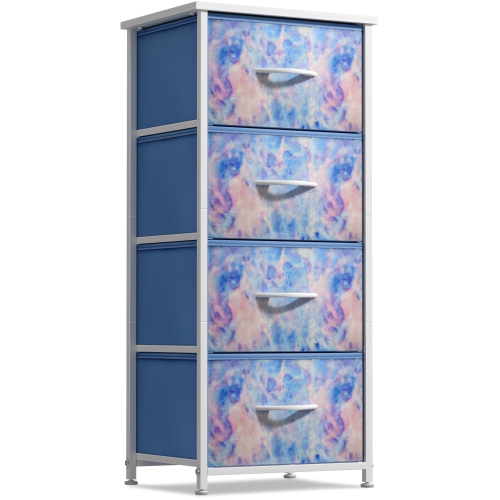
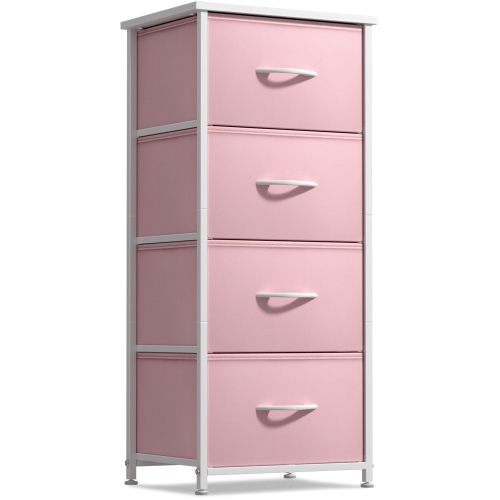
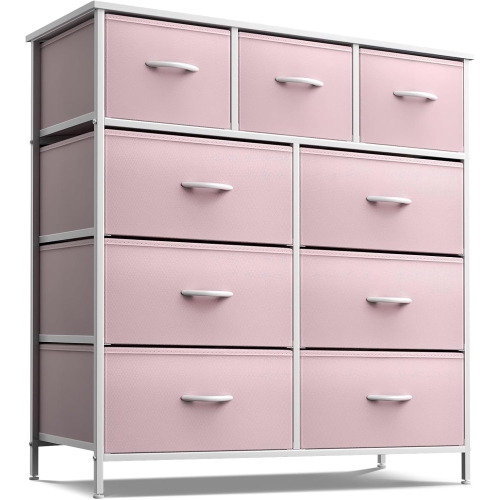
A tall chest of drawers is a vertical storage unit with stacked drawers, designed to hold clothing and personal belongings while using less floor space than a broader dresser with comparable capacity. Its upright shape makes it a practical choice for bedrooms, smaller apartments, guest rooms, and other spaces where wall space is limited but enclosed storage is useful. Folded T-shirts, sleepwear, socks, and accessories can each have a dedicated place, leaving a wardrobe free for clothing that needs to hang. The proportions matter as much as the amount of storage: a chest that fits neatly beside a closet may be too deep for the walkway at the foot of a bed. Overall height, width, and depth help establish the footprint, while the space needed to open the drawers determines how comfortably the furniture works in daily use. Baseboards can leave a gap behind the unit, and projecting handles add to its depth, so both deserve attention when assessing a room. A tall chest should also leave access to light switches, outlets, doors, and window coverings rather than simply fitting into an empty corner. Interior drawer dimensions are especially useful because the outside measurements do not reveal how much usable space each drawer provides. Shallow drawers suit smaller accessories, while deeper drawers can accommodate folded sweaters or spare bedding, provided their weight stays within the stated limits. In a shared bedroom, separate drawers can make it easier to keep belongings organized without adding another piece of furniture. Where a room has a longer stretch of open wall, a Wide Chest Of Drawers may offer a more suitable layout with a broader top surface. A tall chest, by contrast, makes use of vertical space and can balance the proportions of a compact room. Wood tones, white finishes, darker colours, and simple or decorative handles offer different ways to coordinate with a bed frame, bedside tables, and existing trim without requiring every piece to match exactly.
Materials and construction influence how a tall chest looks, feels, and holds up to repeated use. Solid wood can bring visible grain and natural variation, while its surface treatment determines much of its resistance to marks and moisture. Wood veneer provides a real wood surface over a supporting core, and engineered wood, including medium-density fibreboard, allows for smooth panels and consistent finishes. These materials have different care requirements, so the finish and manufacturer’s directions are more informative than the material name alone. Painted surfaces create a clean, uniform appearance, while wood-look finishes can introduce texture without making a small bedroom feel visually busy. Drawer construction deserves equal attention. Secure joints, well-supported drawer bottoms, and a rigid frame help the chest withstand the repeated opening and closing that comes with everyday clothing storage. Metal drawer glides can provide smooth movement, but their design, mounting, and weight rating are important to performance. Full-extension glides allow more of the drawer to move beyond the frame, making belongings at the back easier to reach. Soft-close mechanisms, where included, reduce the abrupt movement of a closing drawer, while drawer stops help limit accidental removal during ordinary use. Handles should feel comfortable in the hand and leave enough room for fingers; recessed pulls offer a different profile from knobs or projecting bars. A drawer that operates easily when empty may behave differently when filled, making the stated load capacity relevant to both convenience and durability. Evenly distributed contents put less concentrated pressure on the drawer bottom than a heavy stack placed in one corner. Routine care is generally straightforward: remove dust with a soft cloth, address spills promptly, and use only cleaning products suited to the finish. Excess water can affect wood-based panels and seams, while abrasive pads can dull or scratch the surface. A protective pad beneath a lamp or decorative object can help prevent marks on the top. Checking accessible hardware occasionally and tightening it according to the assembly directions can also help keep the chest stable and the drawers aligned.
The most useful tall chest of drawers is one whose layout supports the household’s routines, not simply one with the greatest number of drawers. Someone storing work clothes may benefit from drawers wide enough for folded shirts, while a child’s bedroom may need smaller compartments for clothing that is easier to sort by type. Dividers can keep socks and accessories from spreading across a drawer, and removable organizers make it simpler to adjust the arrangement as storage needs change. A guest room chest can hold spare linens while leaving space for visitors to unpack, and a home office may use enclosed drawers for lightweight supplies that would otherwise clutter a desk. Reach is an important consideration in every setting. Frequently used belongings belong where they can be accessed comfortably, especially when the chest will be used by a child or someone with limited reach or mobility. A tall chest is also a substantial piece of furniture, so its dimensions, weight, and assembly requirements affect how it gets into the room. Doorways, stair turns, and the route from the entrance to the intended location can matter just as much as the final floor plan. Safety is essential because tall storage furniture can tip if climbed on, overloaded, or pulled forward. Secure the chest to the wall before use with the supplied or manufacturer-recommended anti-tip restraint and fasteners appropriate for the wall construction. Wall anchoring remains important even when a unit appears heavy or stable, and a restraint does not make climbing safe. Keep heavier belongings in lower drawers, avoid opening several drawers at once, and do not place objects on top that might encourage a child to climb. The top surface should remain within its stated load limit rather than becoming storage for bulky equipment. On an uneven floor, follow the manufacturer’s levelling directions instead of improvising supports. With suitable proportions, dependable drawer movement, careful installation, and an arrangement that keeps everyday belongings within reach, a tall chest can provide useful storage without crowding the room.
Top selling and popular products
-
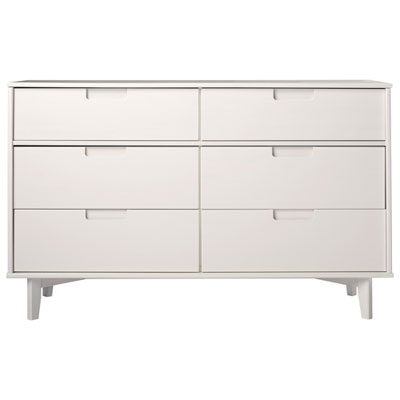 Your price for this item is $569.99
-
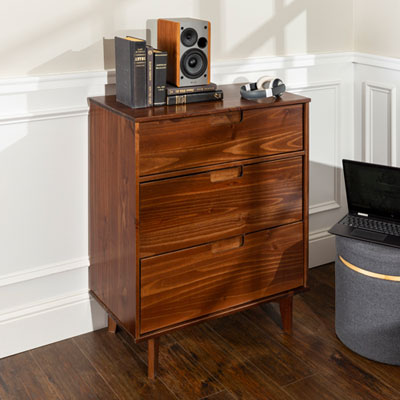 Your price for this item is $364.99
-
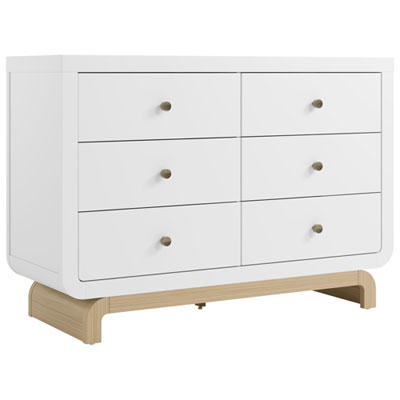 Your price for this item is $899.99
-
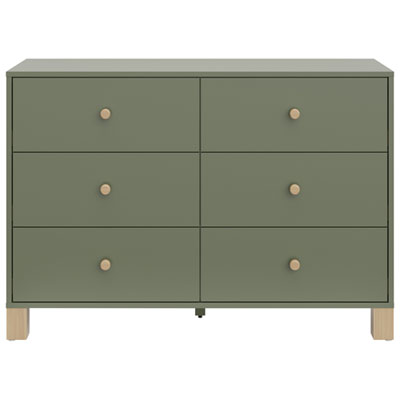 Your price for this item is $699.99
-
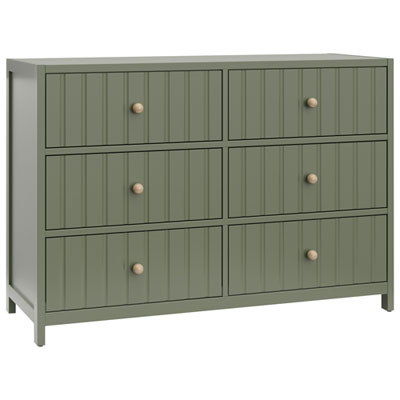 Your price for this item is $699.99
-
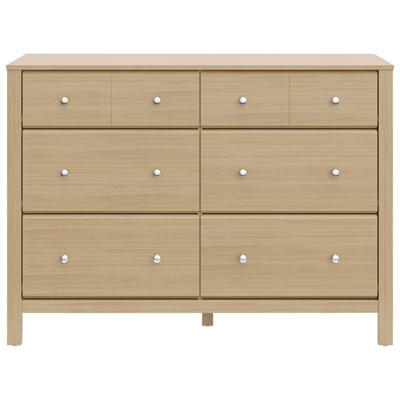 Your price for this item is $399.99
-
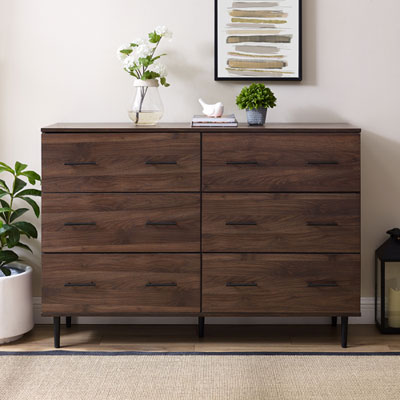 Your price for this item is $886.99
-
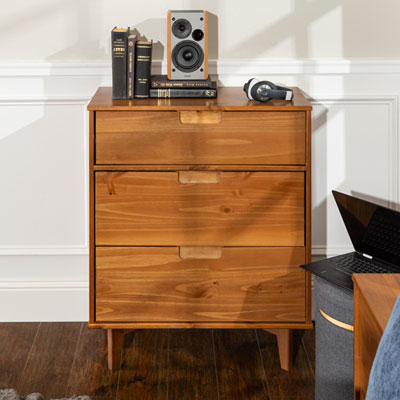 Your price for this item is $364.99
Discover more categories related to Tall Chest Of Drawers
Top Collections:
Pokemon Centers, Best Cameras for Sports Photography, Kindle Devices, Samsung Galaxy Phones, Canon G7X Cameras, Pokémon 30th Celebration Cards, Refurbished Apple Laptops, iPhone 15 Apple, Laptops for Students, Budget Smartphones
Some products may be subject to Environmental Handling Fees
(EHF) depending on your province.
Learn more about EHFs.