Tall Microwave Cabinets With Storage
Maximize your kitchen space while adding a touch of style with our tall microwave cabinets with storage. Whether you're in need of additional storage for your cookware, small appliances, or pantry essentials, these versatile cabinets offer ample space to meet all your needs. Check out these great options for you.
Sort

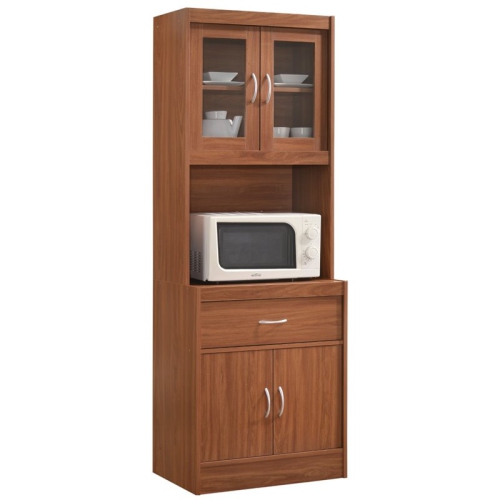
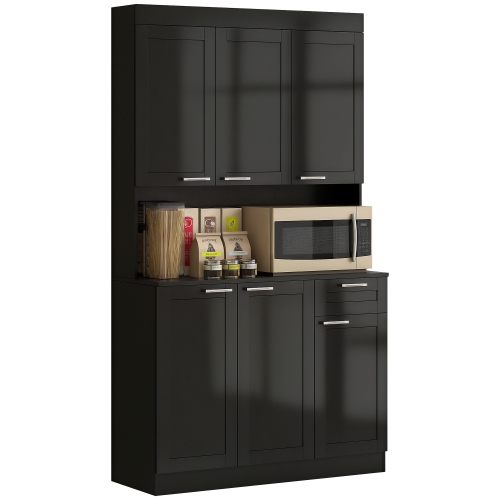
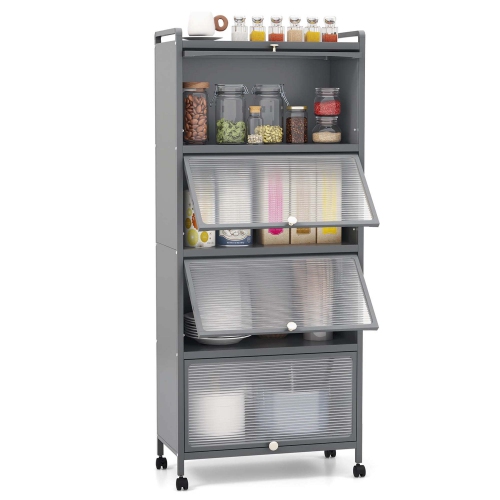
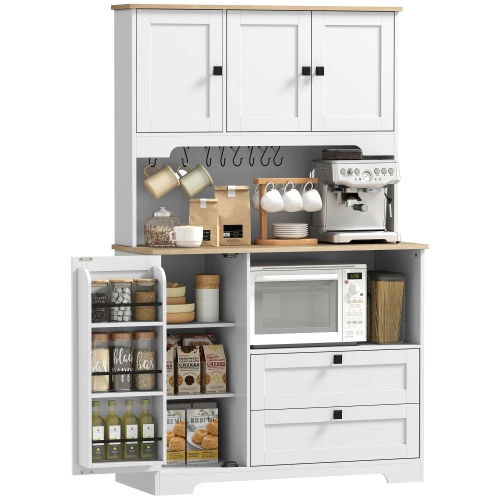
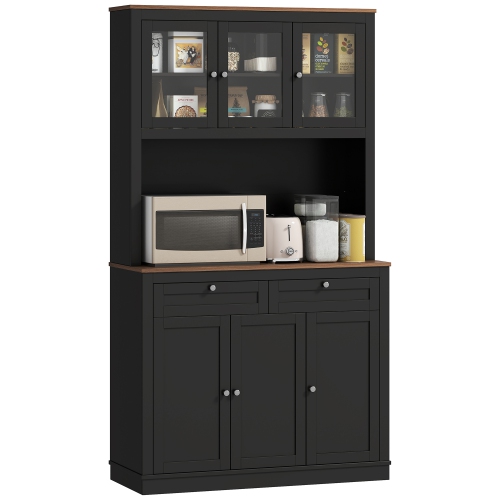
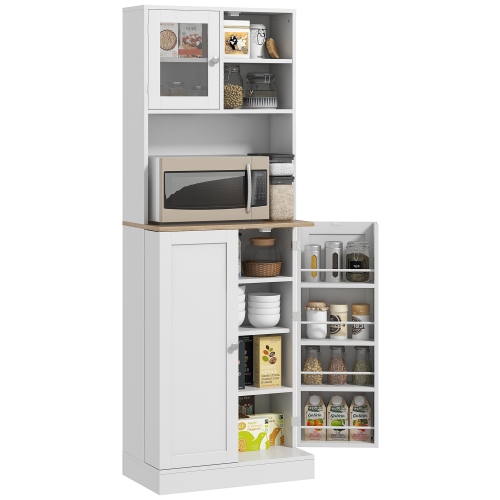
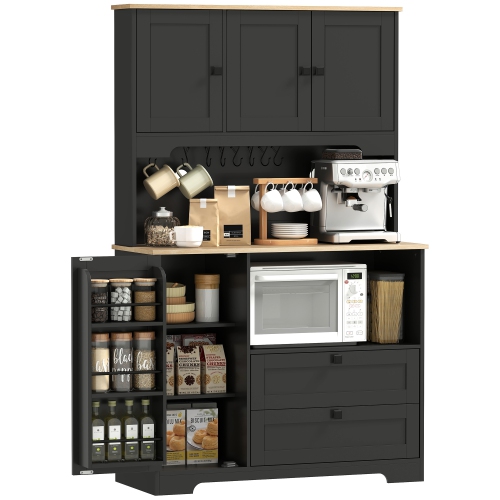
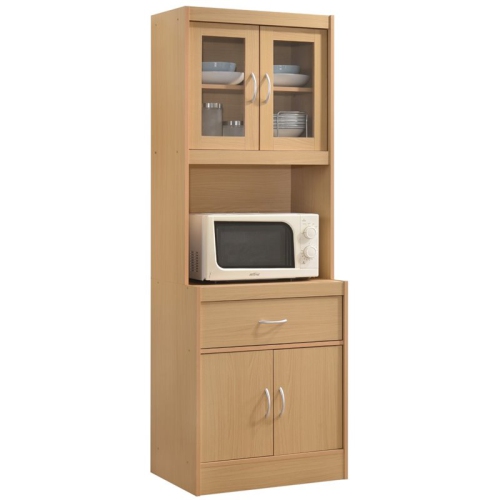

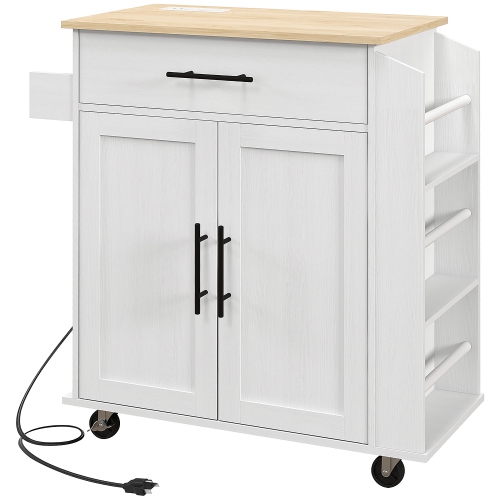
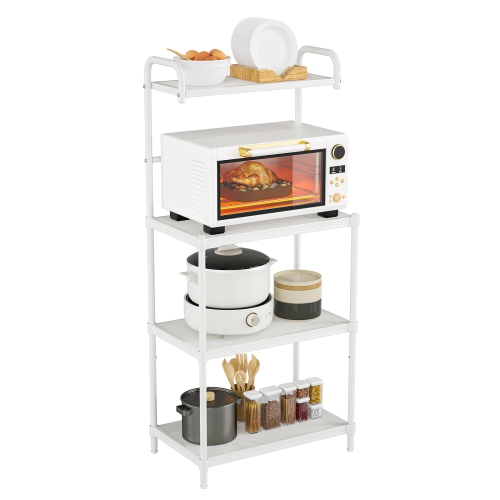
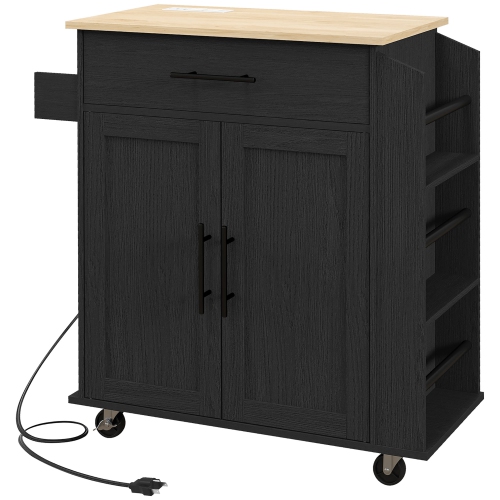
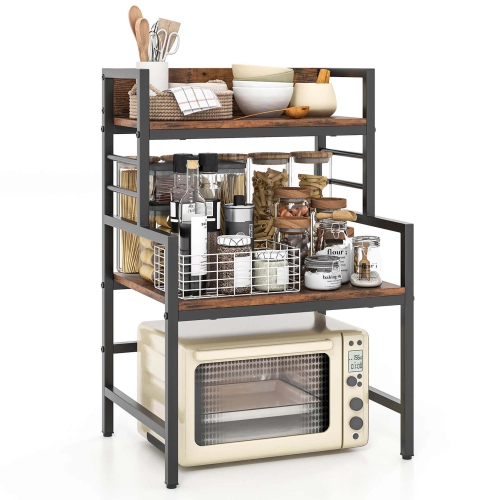


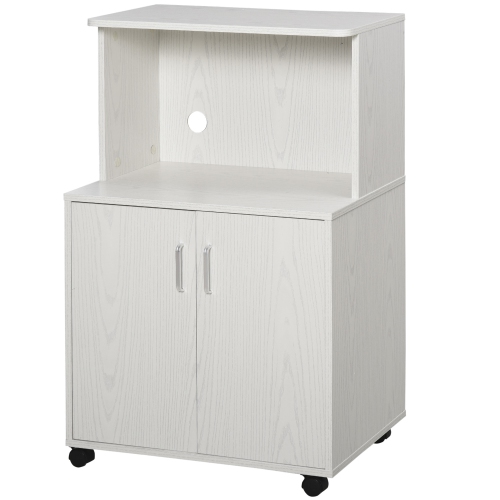
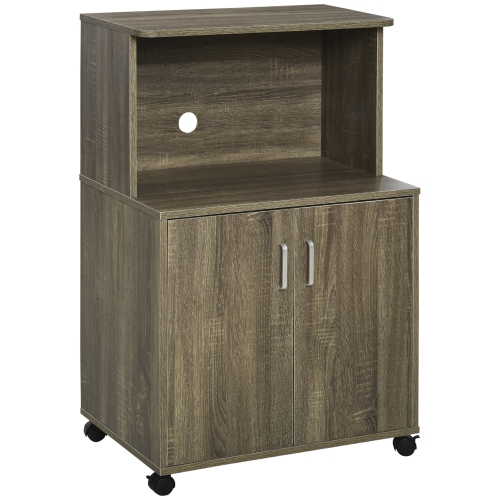

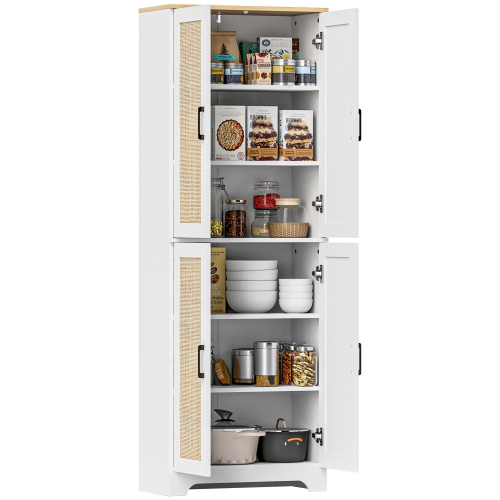
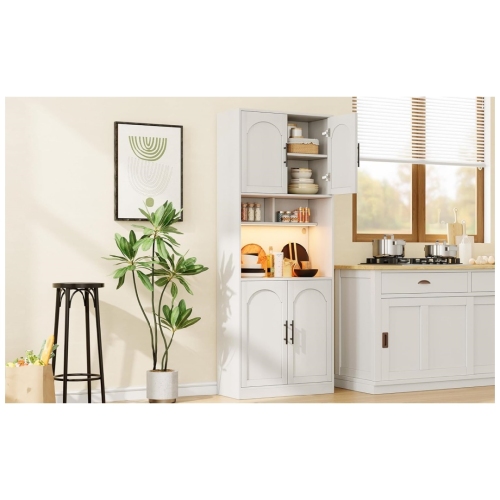

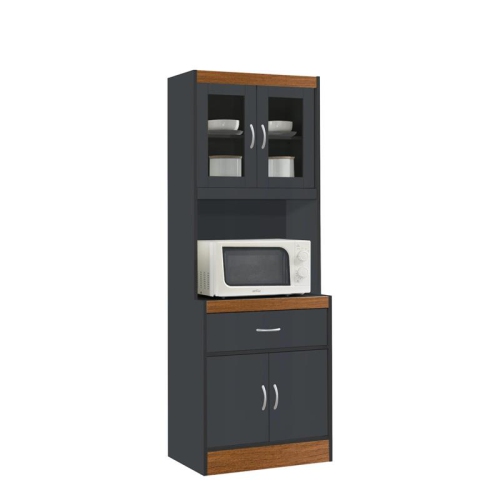
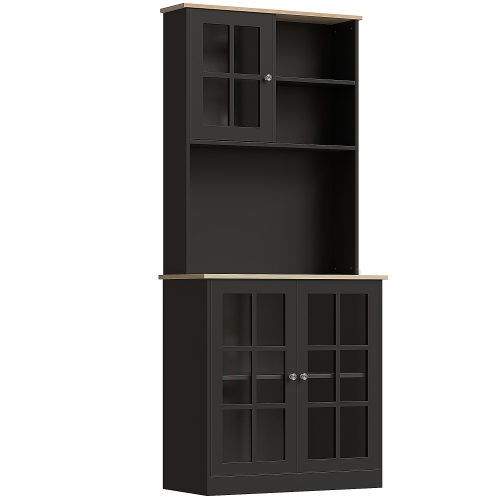
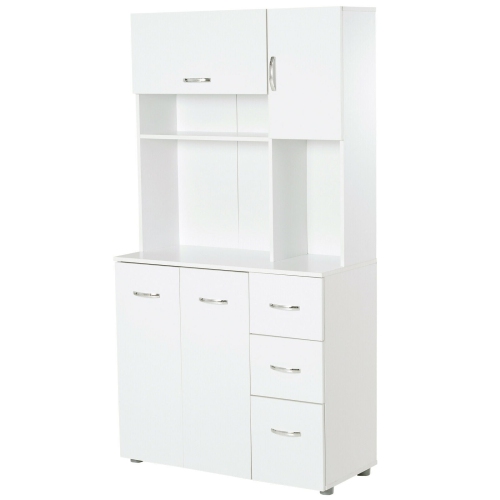
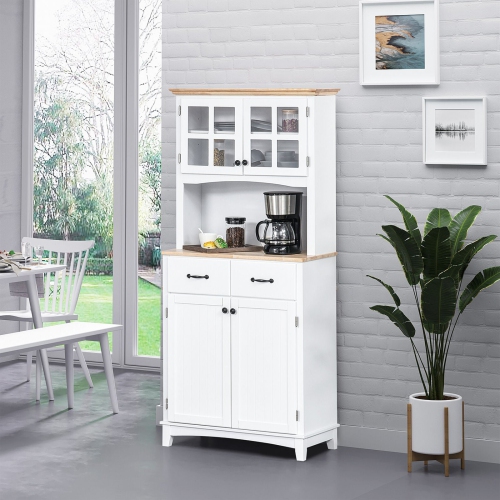
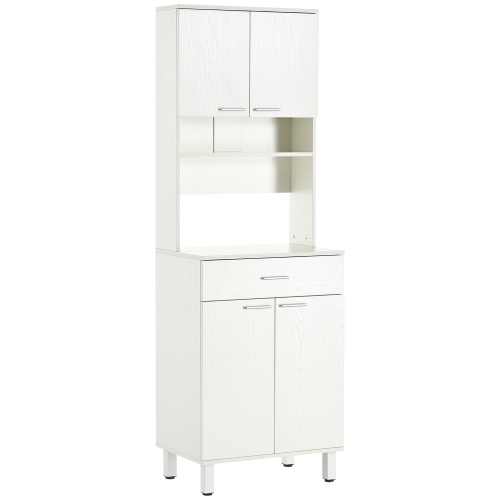
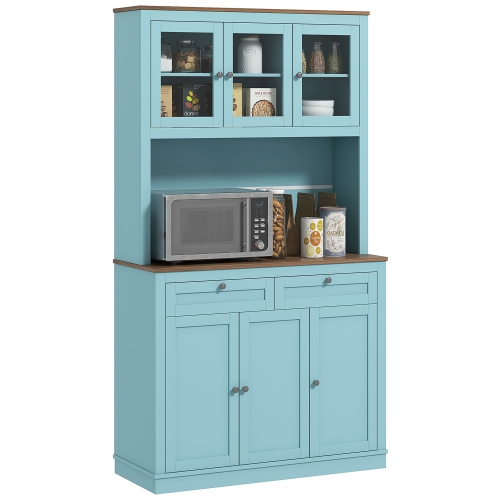
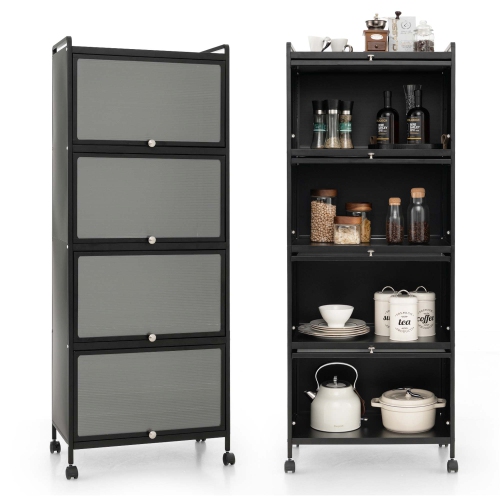
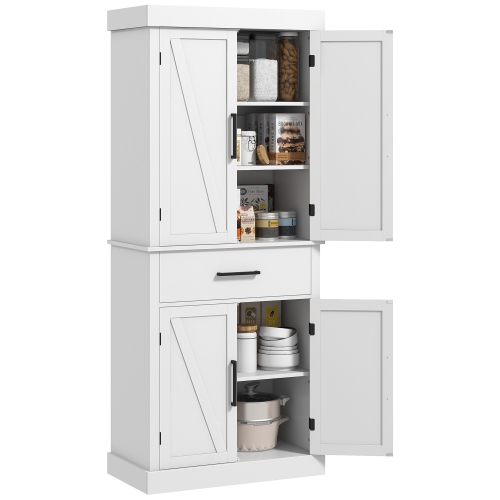
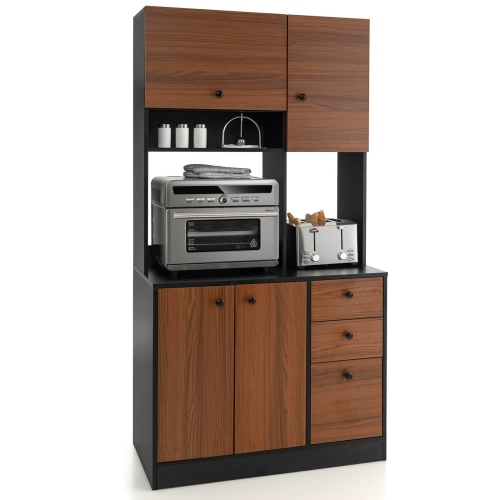
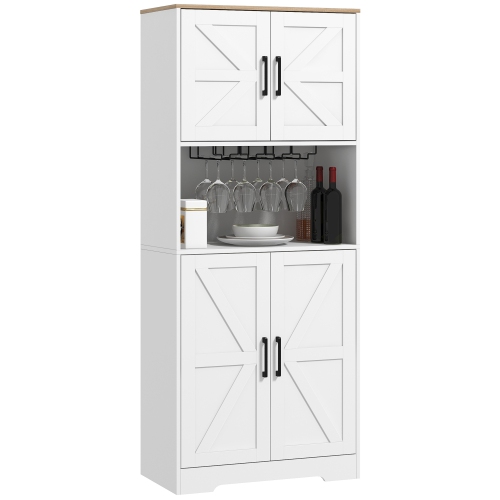
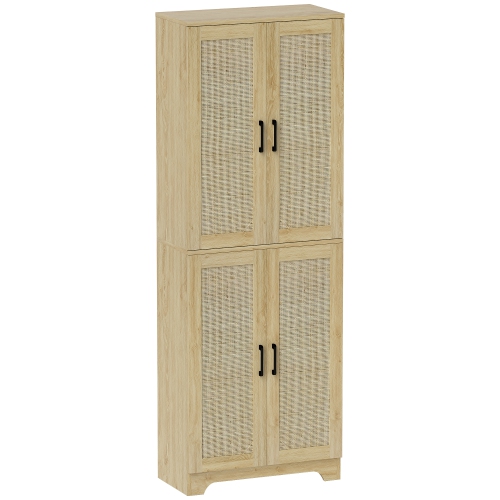
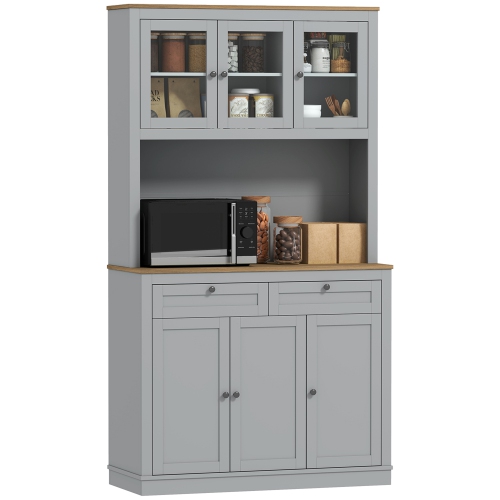
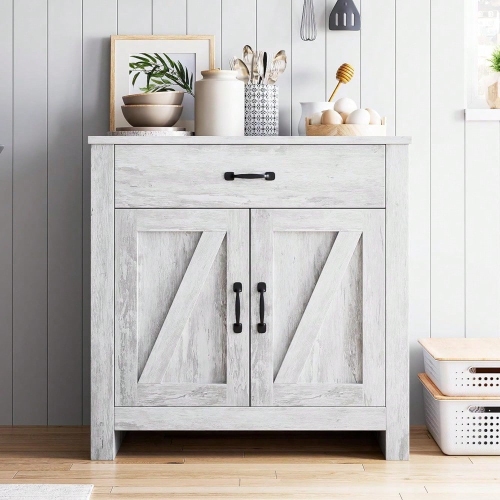
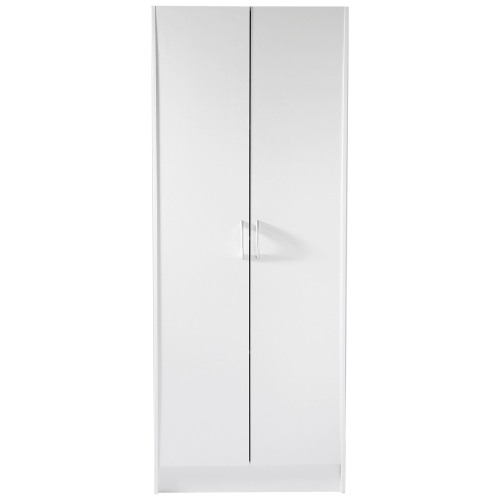
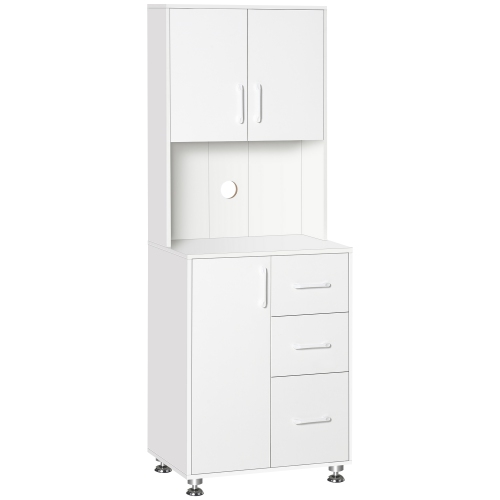
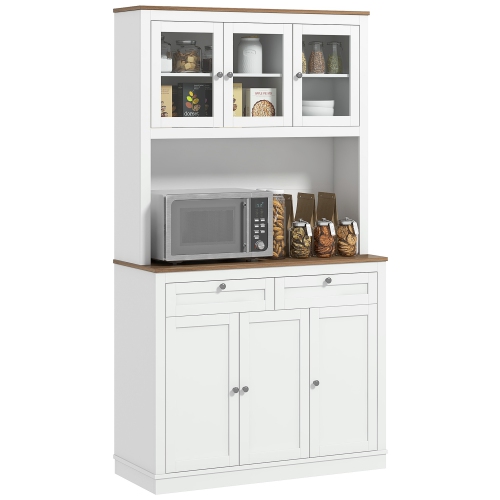

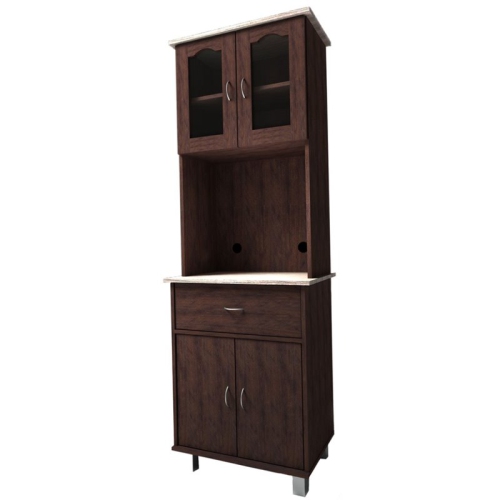
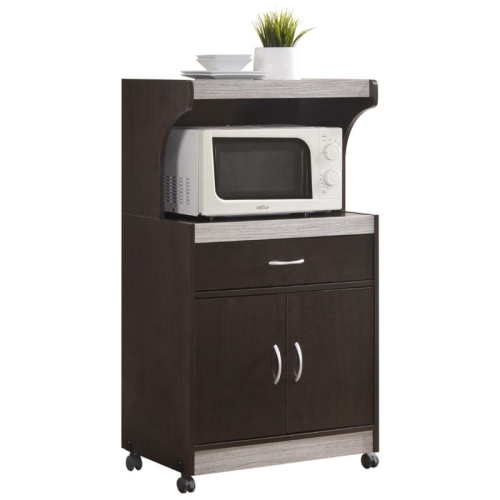
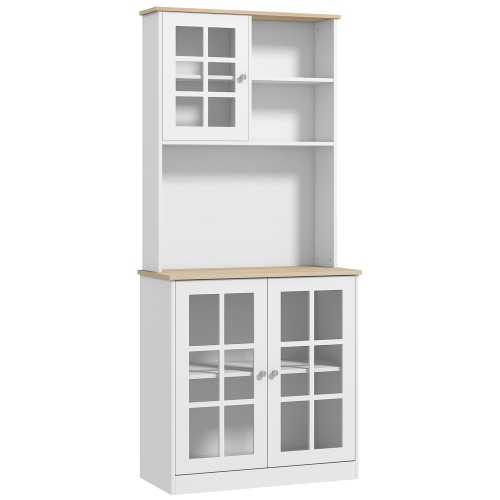
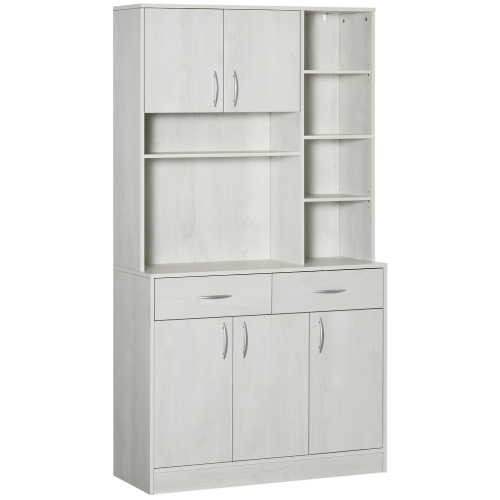
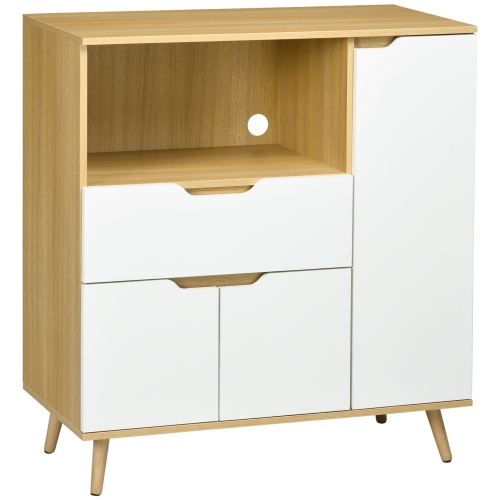

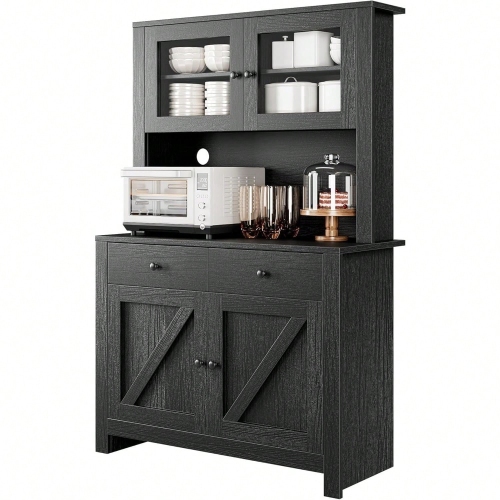
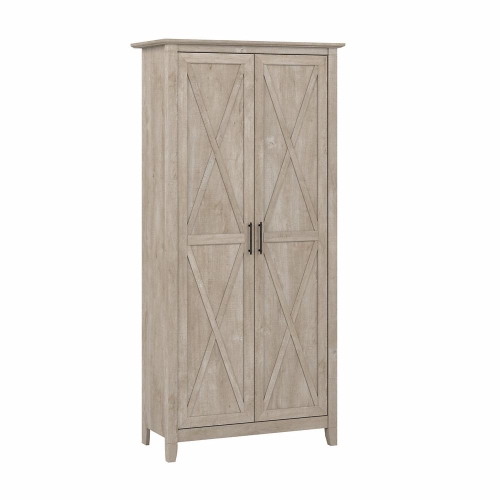
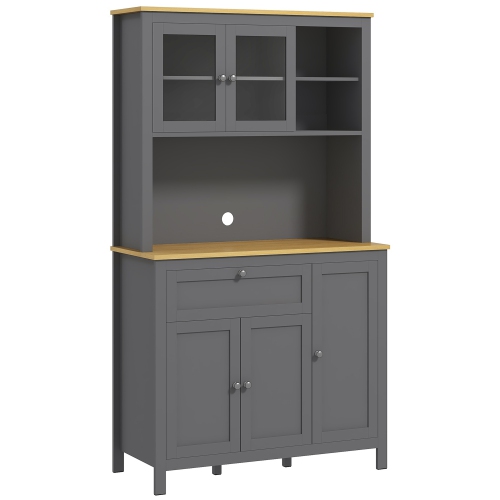
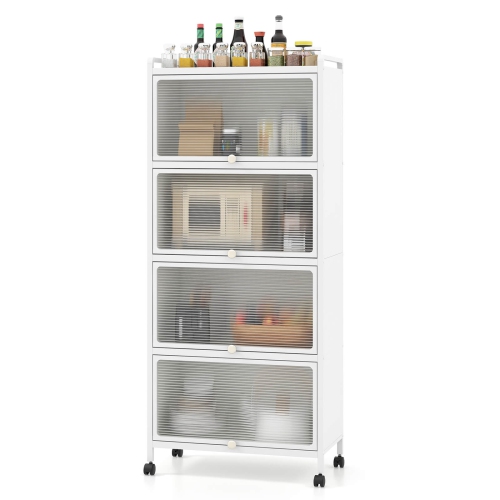
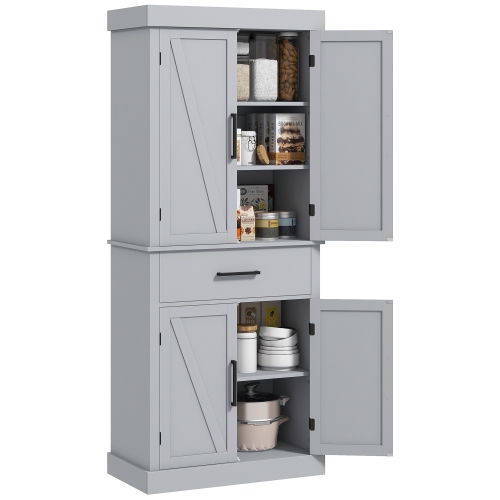
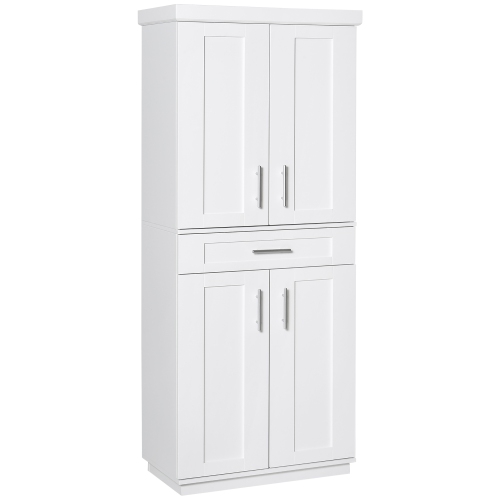

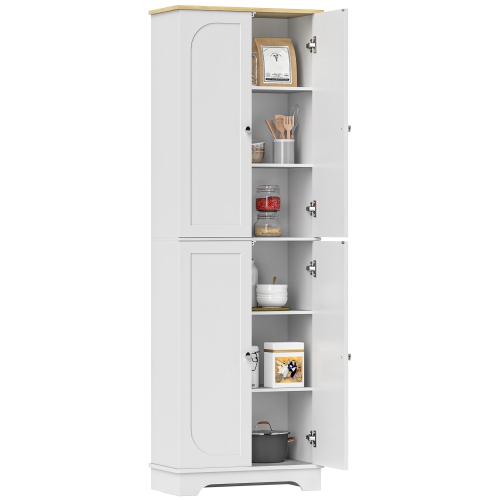
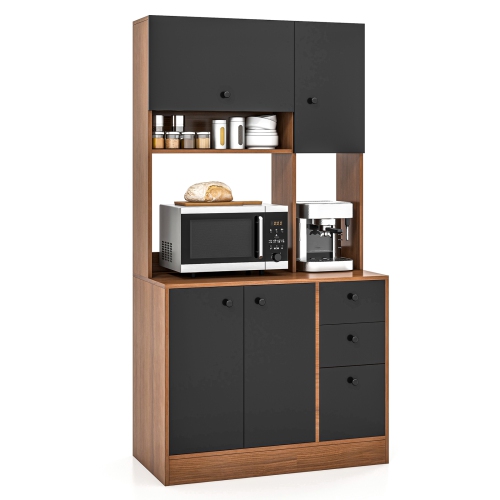
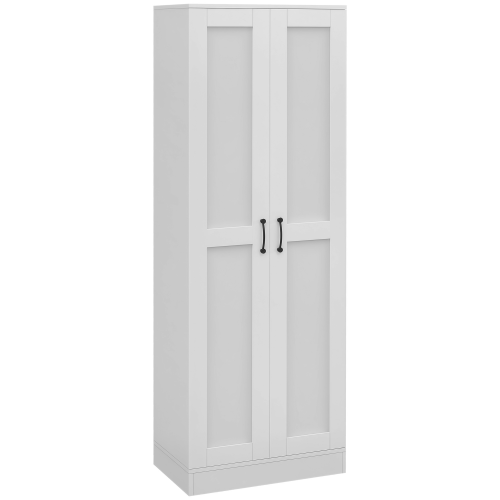
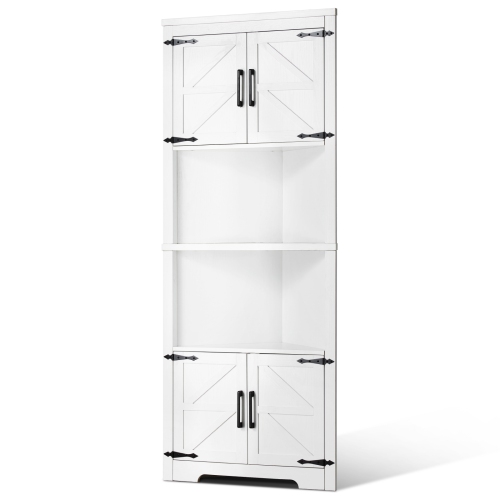
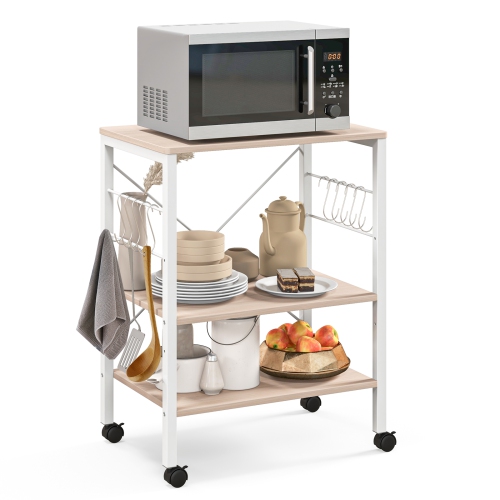

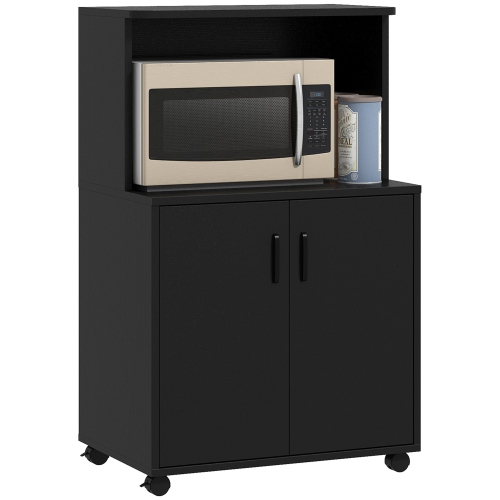
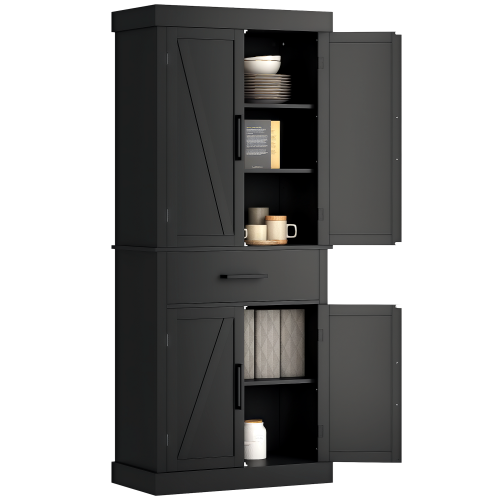
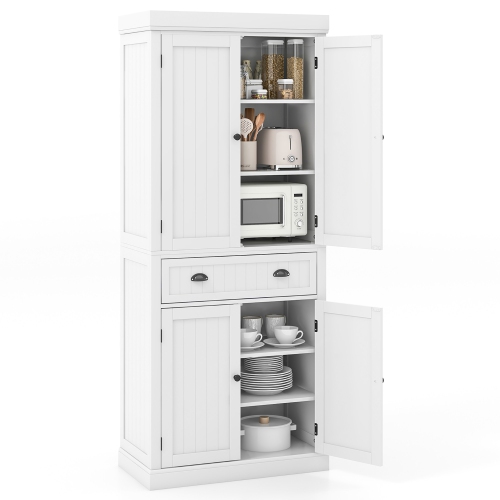
Vertical storage that frees up your kitchen counter
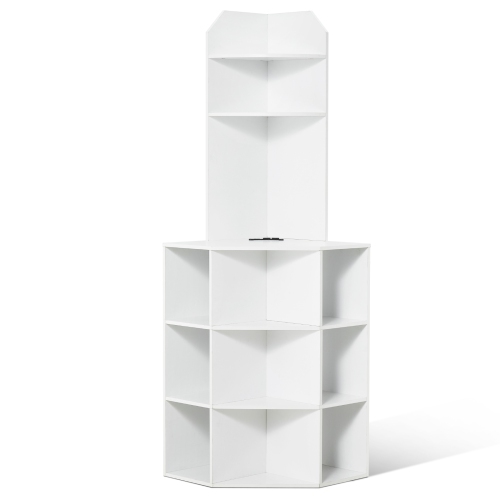
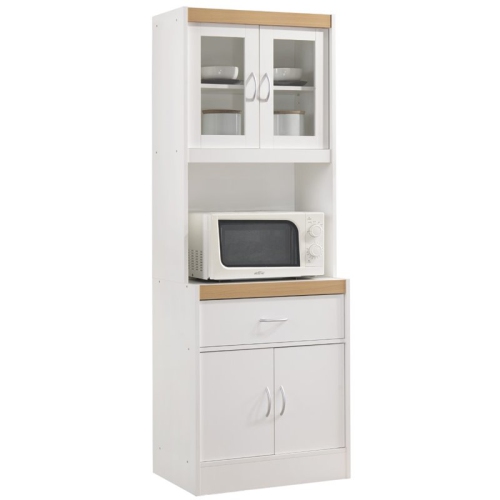
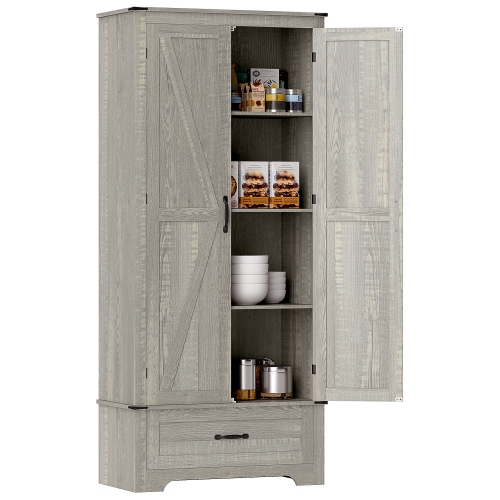
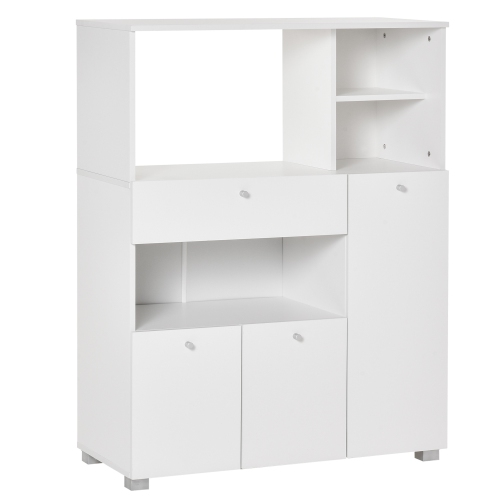
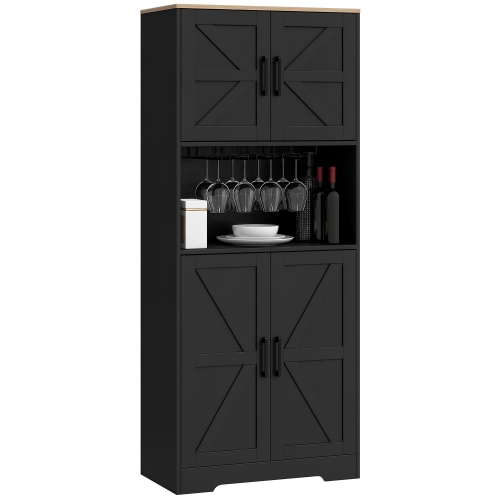
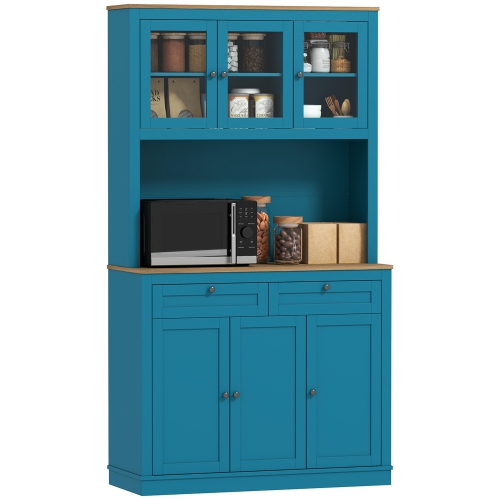
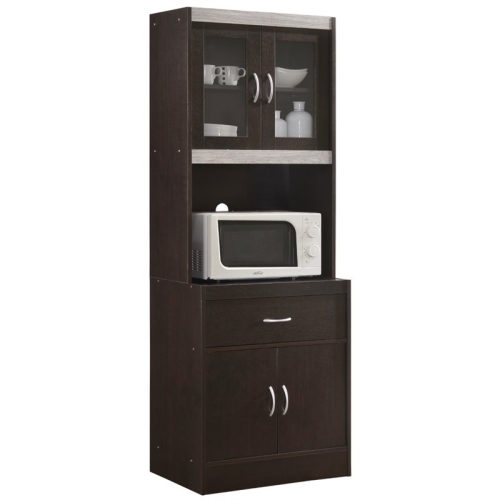
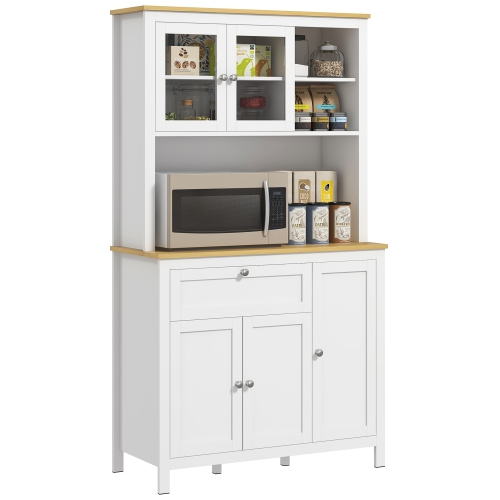
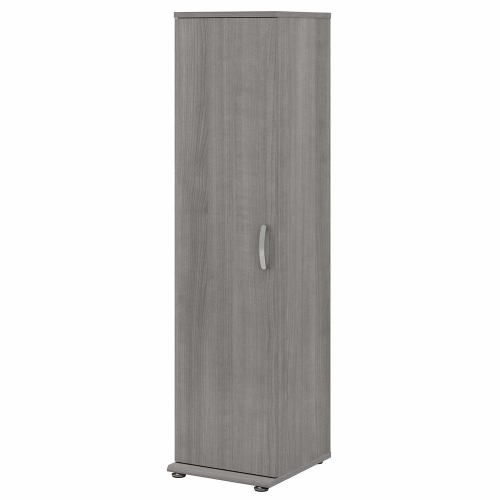
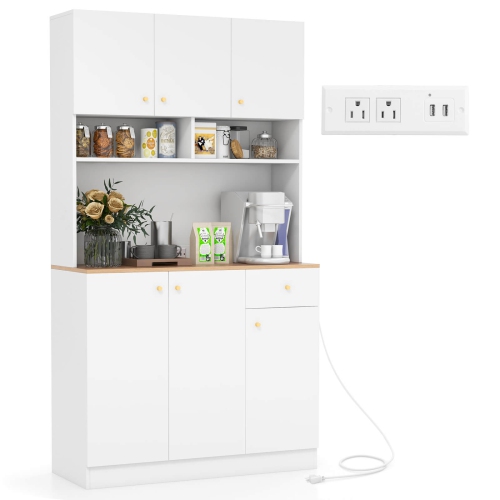
Tall microwave cabinets with storage bring an appliance shelf, pantry space, and everyday kitchen organization into one vertical piece of furniture. A typical layout places the microwave in an open middle compartment, with cupboards above or below and, in some designs, drawers for smaller essentials. This arrangement can free up a stretch of kitchen counter without leaving dishes, food containers, and serving pieces scattered across separate shelving units. In a compact condo, a tall microwave pantry cabinet can turn an unused section of wall into a practical extension of the kitchen. In a larger home, it can hold the bowls, plates, and dry goods that otherwise crowd the main preparation area. The most useful layout depends on what needs a home: enclosed lower cupboards suit mixing bowls and bulky cookware, shallow drawers help organize utensils and kitchen linens, and upper shelves keep less frequently used serving dishes together. Adjustable shelving offers flexibility for cereal boxes, tall food containers, and stacks of dinner plates, although each shelf still has its own weight limit. Open shelves make everyday pieces easy to reach, while solid doors keep a busy assortment out of sight. Glass-front doors offer a middle ground, displaying neatly stacked mugs or dishes while shielding them from dust. A microwave cabinet with a hutch can also create a clear division between appliance space and food storage, making the room feel more organized without requiring a full kitchen renovation. Households sharing a small kitchen may appreciate having reheating supplies grouped in one place, with plates nearby and storage containers within reach. For someone setting up a first home, adding pantry capacity, or furnishing a dining nook beside the kitchen, the appeal is straightforward: more usable storage within a defined floor footprint. Tall cabinets make use of vertical space, but their overall height varies, so they should not be assumed to reach the ceiling or provide the same capacity as fitted cabinetry.
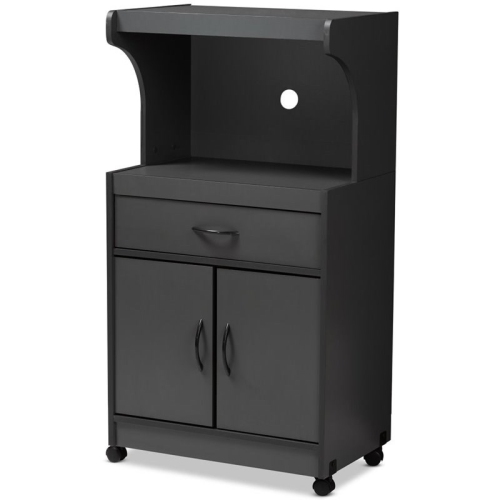
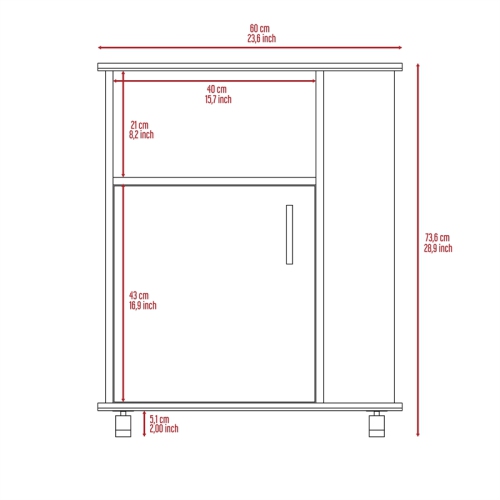
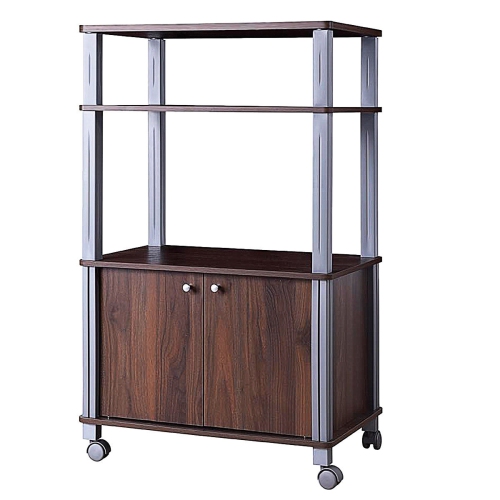
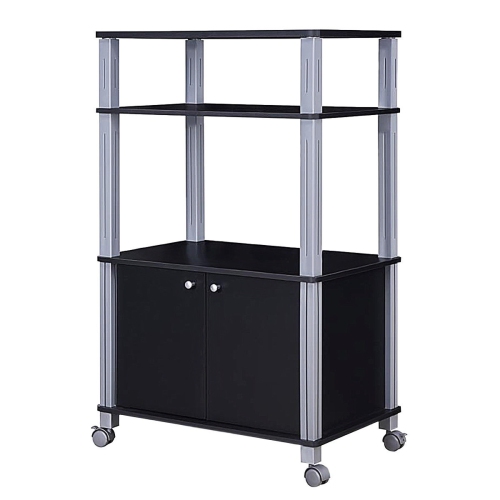
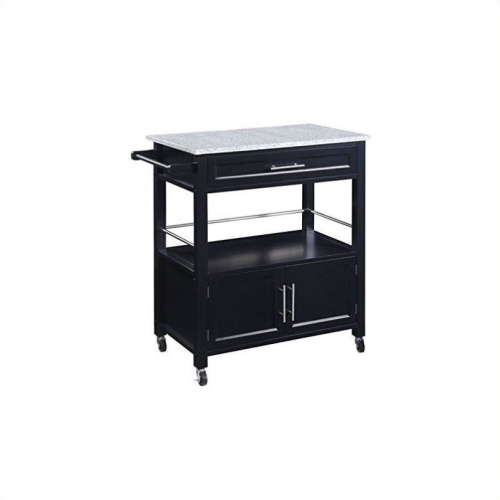
Fit involves more than matching the cabinet’s width to an empty wall. The outside dimensions determine whether the furniture suits the room, while the usable dimensions of the microwave opening determine whether the appliance can sit there safely. That opening needs to accommodate the microwave’s width, height, and depth, together with all ventilation clearances specified by the appliance manufacturer. A microwave that physically slides into a compartment is not necessarily suitable for use there; some countertop models require an open placement that a particular cabinet cannot provide. Built-in microwaves have separate installation requirements and should only be installed in compatible cabinetry using any required components. Shelf depth matters because the appliance’s feet must rest fully on a stable supporting surface, and the shelf’s rated capacity must support the intended load. Allow room for the power plug behind the microwave, and check that its door can open fully without striking a neighbouring wall, cabinet door, or handle. A comfortable appliance height also makes a difference when lifting out a bowl of soup or a heavy casserole dish. The microwave should be positioned so its user can see and handle the contents safely, rather than reaching overhead with hot food. Around the cabinet, leave enough space for cupboard doors and drawers to open without blocking a main walkway. In a galley kitchen, that clearance may matter as much as the cabinet’s storage capacity. Cable openings can help route a cord neatly, but they do not replace ventilation space or suitable electrical access. Follow the microwave manufacturer’s connection instructions, and do not assume a furniture-mounted power strip is suitable for the appliance. Tall freestanding furniture should be secured using the specified anti-tip hardware and fasteners appropriate to the wall construction, with heavier stored goods placed lower down. Where a lower work surface or a movable layout is more useful than upper storage, a Microwave Cart With Storage offers a different format worth considering.
Materials, construction, and finishes influence both the appearance of a tall kitchen storage cabinet and how it stands up to daily use. Solid wood can bring visible grain and a substantial feel, while engineered wood panels with painted, laminated, or veneered finishes offer a wide range of colours and surface textures. Metal framing can give open shelving a lighter visual profile, though overall strength depends on the complete design, joints, and stated load ratings rather than the material name alone. For a cabinet that will be opened several times a day, secure hinges, smoothly operating drawer runners, and well-supported shelves deserve attention. Adjustable hinges can help doors sit evenly after assembly, and shelf supports should fit firmly in their intended positions. Smooth, sealed surfaces are generally easier to wipe clean after an accidental splash, while panel edges and joints need protection from standing water. A soft cloth and a cleaner approved for the finish are usually preferable to abrasive pads, which can dull or scratch surfaces. Spills should be wiped up promptly, and hardware checked periodically for loosening, particularly after the furniture has been moved. If the cabinet also holds a kettle or coffee maker, the appliance instructions must permit that placement; escaping steam and heat can damage nearby panels or the underside of an upper cupboard. Visual details help the cabinet settle into the room rather than look like an afterthought. Shaker-style doors pair readily with many kitchen fronts, flat panels create a simpler outline, and glass inserts can soften the appearance of a tall, enclosed unit. White or pale finishes may blend with existing cabinetry, darker colours can define a separate storage area, and wood-look finishes add visible texture. Inside, keeping frequently used dishes at an easy-to-reach height and reserving higher shelves for lighter, occasional-use pieces makes the storage more practical. The strongest match is a cabinet whose proportions, appliance opening, and interior layout work together, giving the microwave a suitable place while making everyday kitchen essentials easier to find and put away.
Fit involves more than matching the cabinet’s width to an empty wall. The outside dimensions determine whether the furniture suits the room, while the usable dimensions of the microwave opening determine whether the appliance can sit there safely. That opening needs to accommodate the microwave’s width, height, and depth, together with all ventilation clearances specified by the appliance manufacturer. A microwave that physically slides into a compartment is not necessarily suitable for use there; some countertop models require an open placement that a particular cabinet cannot provide. Built-in microwaves have separate installation requirements and should only be installed in compatible cabinetry using any required components. Shelf depth matters because the appliance’s feet must rest fully on a stable supporting surface, and the shelf’s rated capacity must support the intended load. Allow room for the power plug behind the microwave, and check that its door can open fully without striking a neighbouring wall, cabinet door, or handle. A comfortable appliance height also makes a difference when lifting out a bowl of soup or a heavy casserole dish. The microwave should be positioned so its user can see and handle the contents safely, rather than reaching overhead with hot food. Around the cabinet, leave enough space for cupboard doors and drawers to open without blocking a main walkway. In a galley kitchen, that clearance may matter as much as the cabinet’s storage capacity. Cable openings can help route a cord neatly, but they do not replace ventilation space or suitable electrical access. Follow the microwave manufacturer’s connection instructions, and do not assume a furniture-mounted power strip is suitable for the appliance. Tall freestanding furniture should be secured using the specified anti-tip hardware and fasteners appropriate to the wall construction, with heavier stored goods placed lower down. Where a lower work surface or a movable layout is more useful than upper storage, a Microwave Cart With Storage offers a different format worth considering.
Materials, construction, and finishes influence both the appearance of a tall kitchen storage cabinet and how it stands up to daily use. Solid wood can bring visible grain and a substantial feel, while engineered wood panels with painted, laminated, or veneered finishes offer a wide range of colours and surface textures. Metal framing can give open shelving a lighter visual profile, though overall strength depends on the complete design, joints, and stated load ratings rather than the material name alone. For a cabinet that will be opened several times a day, secure hinges, smoothly operating drawer runners, and well-supported shelves deserve attention. Adjustable hinges can help doors sit evenly after assembly, and shelf supports should fit firmly in their intended positions. Smooth, sealed surfaces are generally easier to wipe clean after an accidental splash, while panel edges and joints need protection from standing water. A soft cloth and a cleaner approved for the finish are usually preferable to abrasive pads, which can dull or scratch surfaces. Spills should be wiped up promptly, and hardware checked periodically for loosening, particularly after the furniture has been moved. If the cabinet also holds a kettle or coffee maker, the appliance instructions must permit that placement; escaping steam and heat can damage nearby panels or the underside of an upper cupboard. Visual details help the cabinet settle into the room rather than look like an afterthought. Shaker-style doors pair readily with many kitchen fronts, flat panels create a simpler outline, and glass inserts can soften the appearance of a tall, enclosed unit. White or pale finishes may blend with existing cabinetry, darker colours can define a separate storage area, and wood-look finishes add visible texture. Inside, keeping frequently used dishes at an easy-to-reach height and reserving higher shelves for lighter, occasional-use pieces makes the storage more practical. The strongest match is a cabinet whose proportions, appliance opening, and interior layout work together, giving the microwave a suitable place while making everyday kitchen essentials easier to find and put away.
Top selling and popular products
-
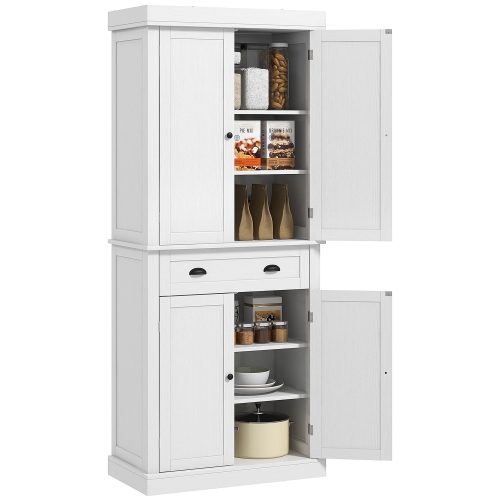 Your price for this item is $267.79
 -
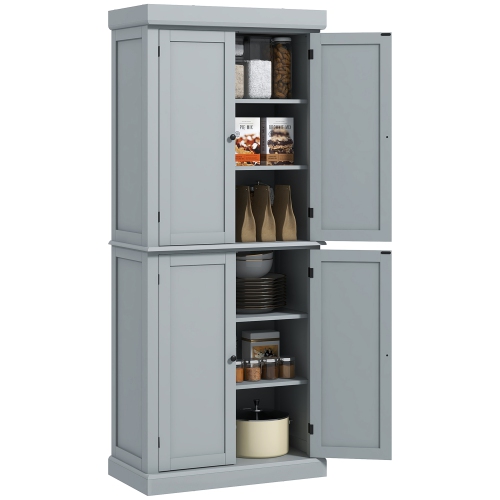 Your price for this item is $299.99
 -
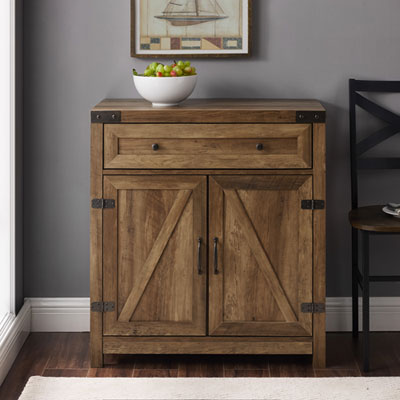 Your price for this item is $401.99
 -
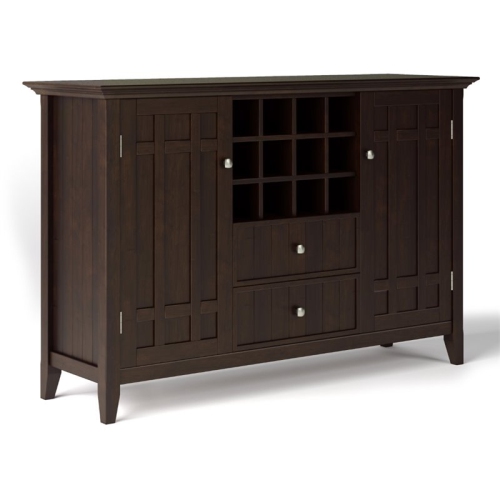 Your price for this item is $1449.04
 -
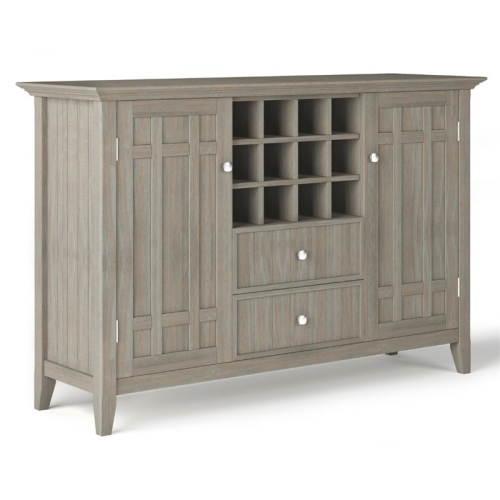 Your price for this item is $1463.19
 -
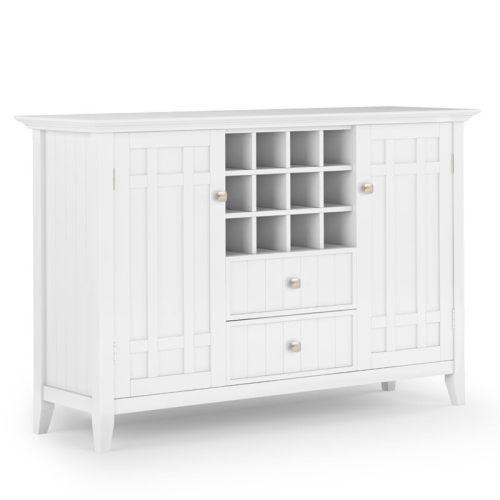 Your price for this item is $1454.75
 -
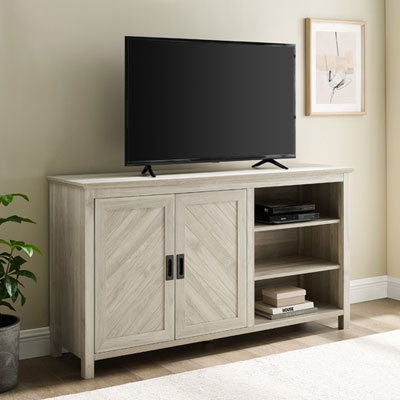 Your price for this item is $593.99
 -
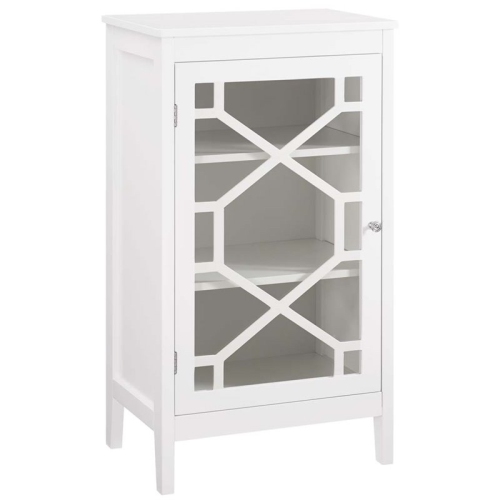 Your price for this item is $382.68
Discover more categories related to Tall Microwave Cabinets With Storage
Top Collections:
Pokemon Centers, Kindle Devices, Best Budget Office Chairs, Apple iPhones 16, Best Laptops for Writers, iPhone 15 Apple, Canon G7X Cameras, Refurbished Apple Laptops, Alarm Clock, Motorola Razr Phones
Some products may be subject to Environmental Handling Fees
(EHF) depending on your province.
Learn more about EHFs.