Tall Shoe Cabinets
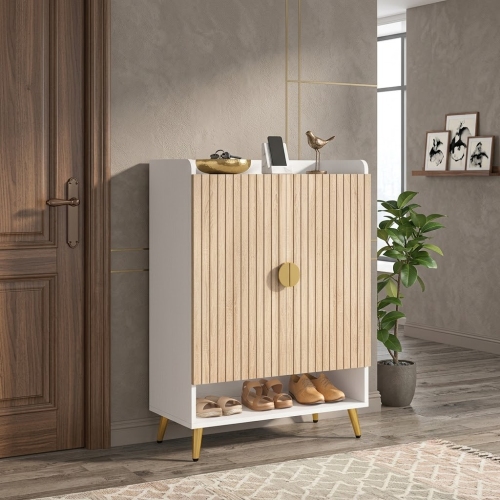
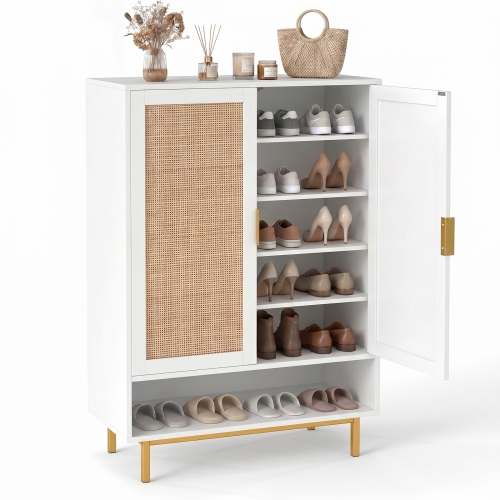
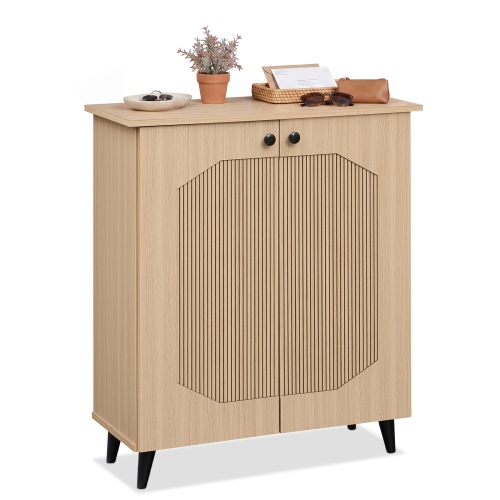
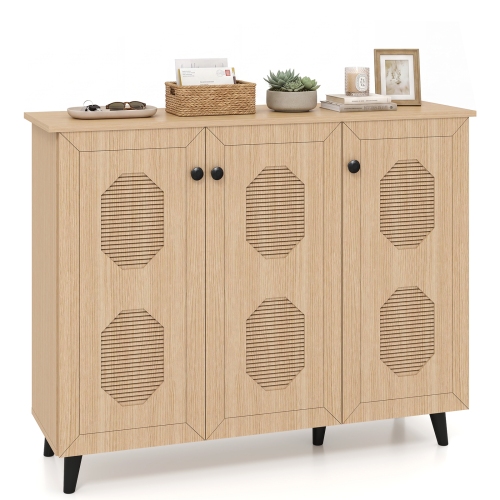
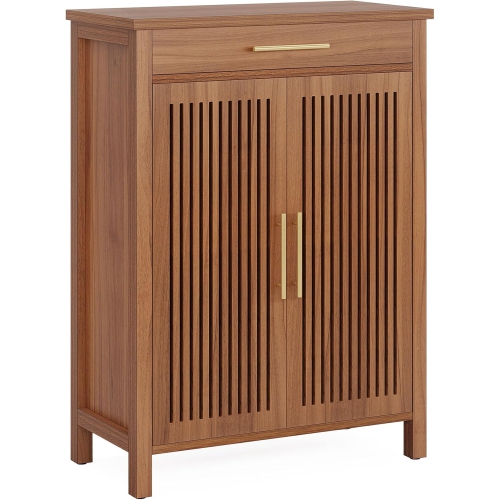
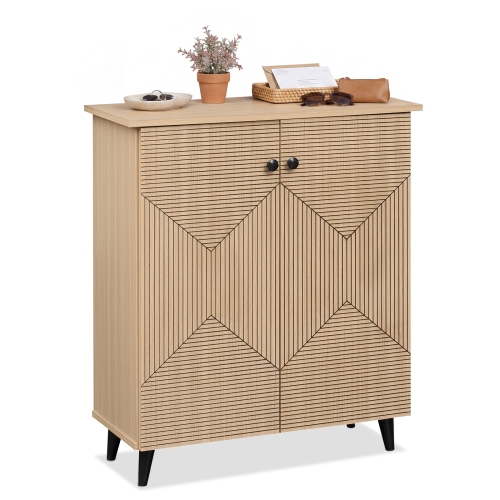
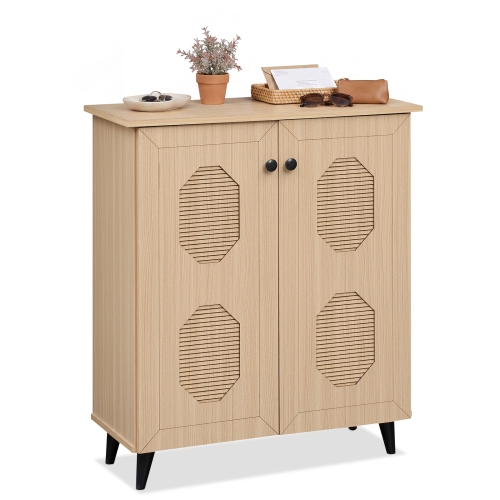
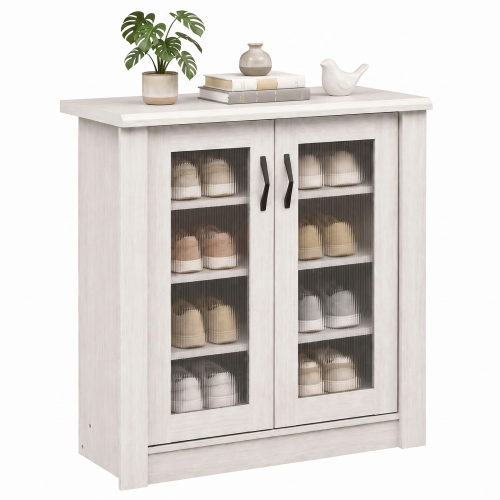
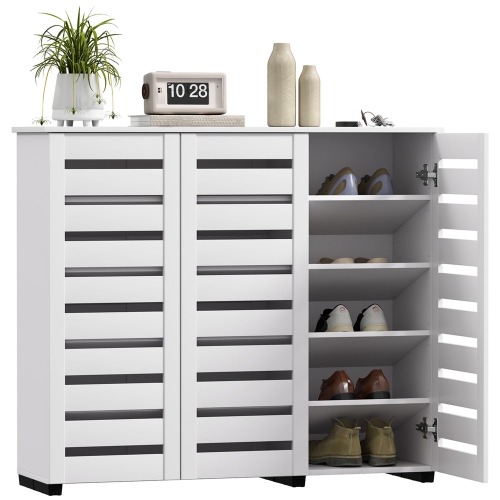
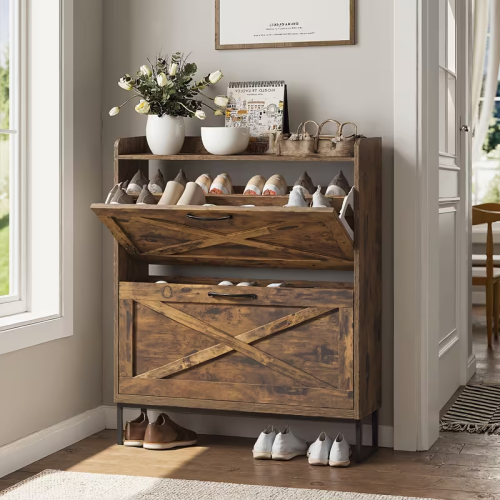
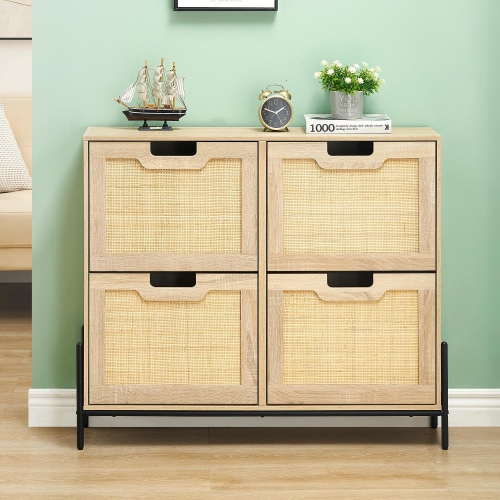
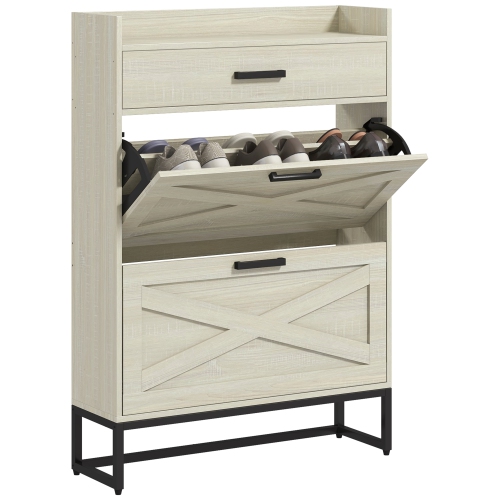
Tall shoe cabinets are a great way to store and organize shoes in an efficient and stylish way. These types of storage furniture are ideal for a variety of spaces, from entryways and mudrooms to bedrooms and closets. They are usually taller than traditional shoe racks and provide more storage options. Here are some great options available.
Sort
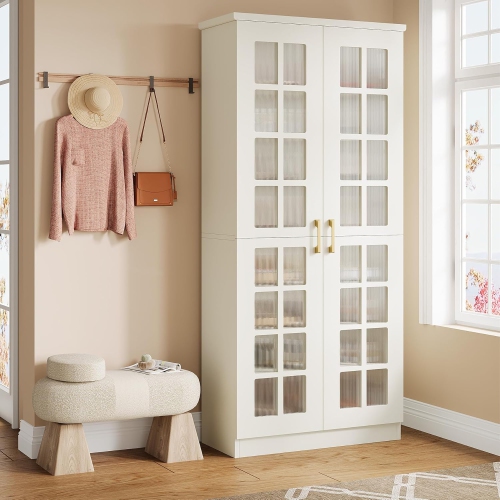
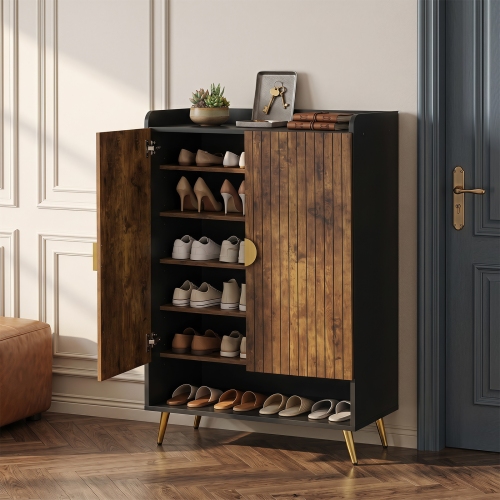
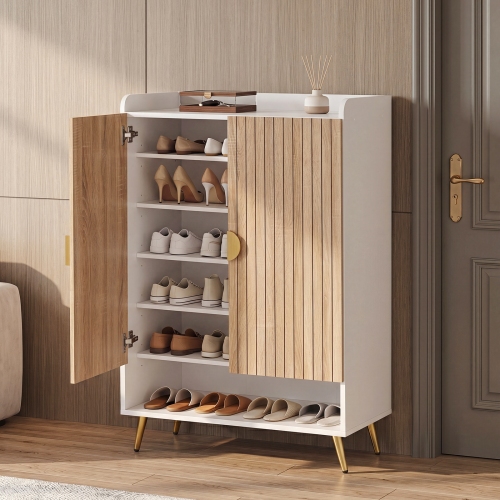
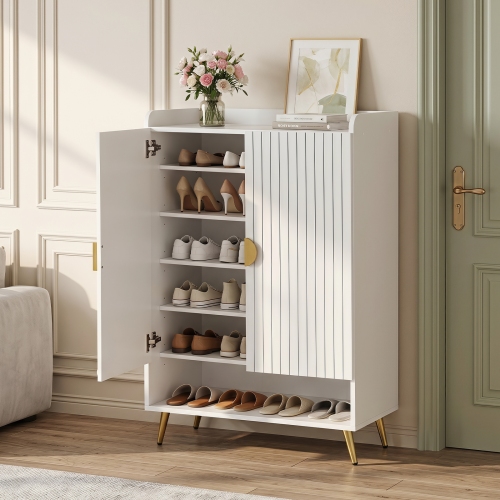
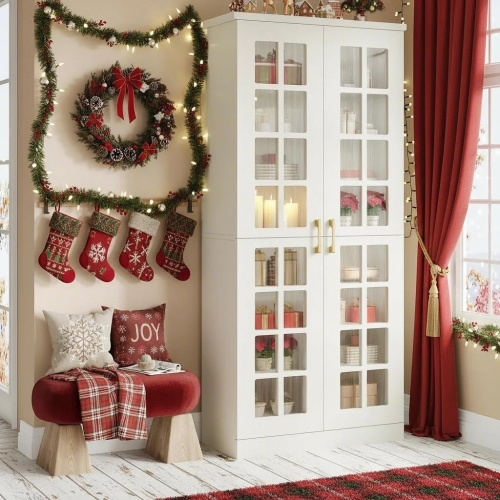
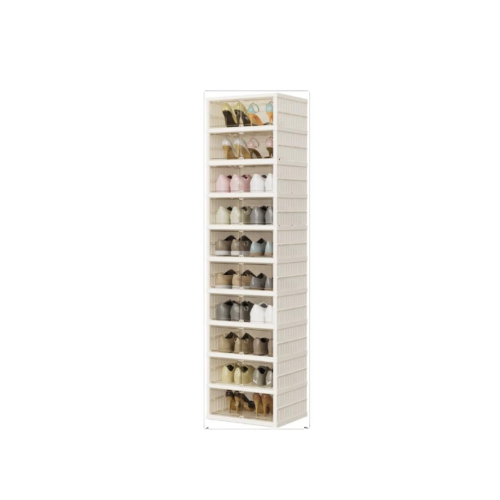
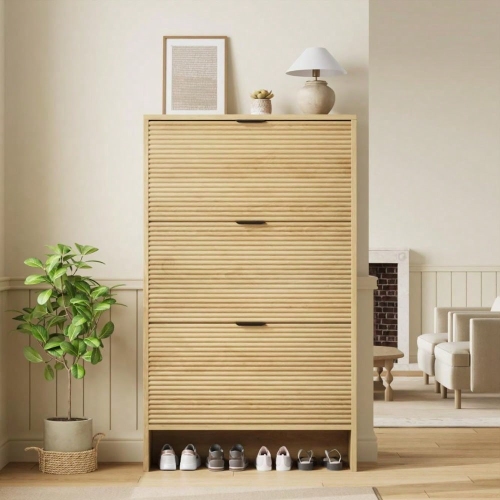
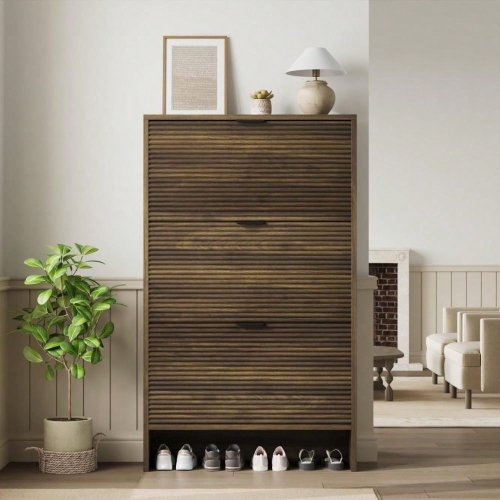
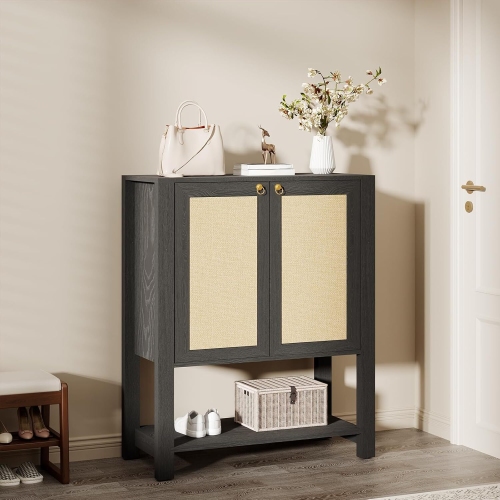
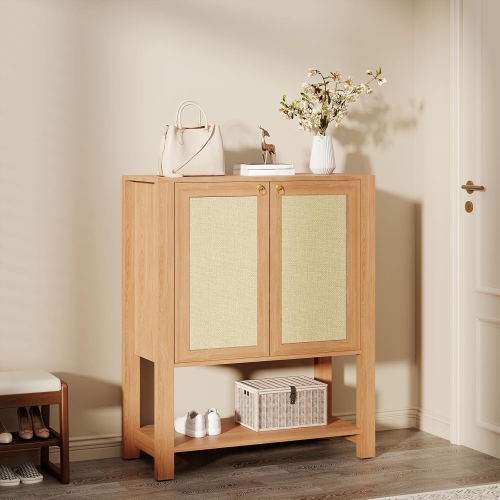
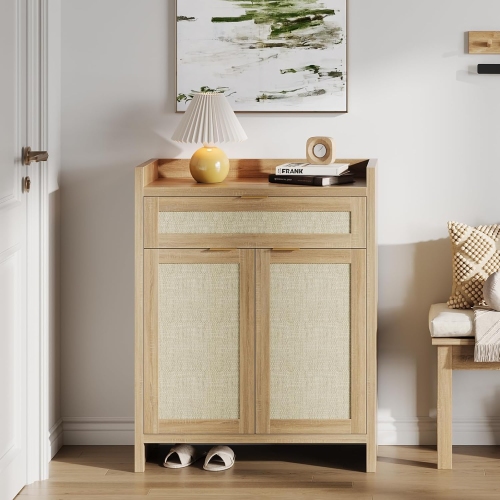
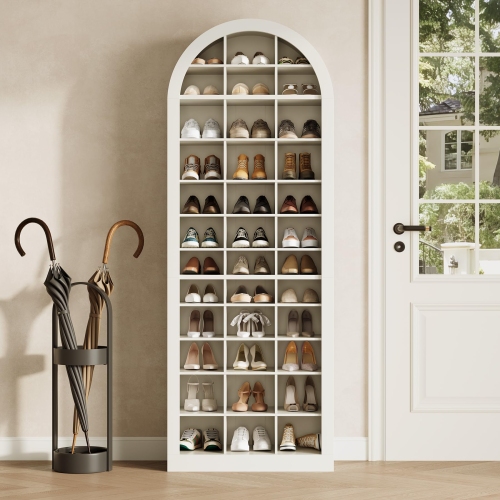
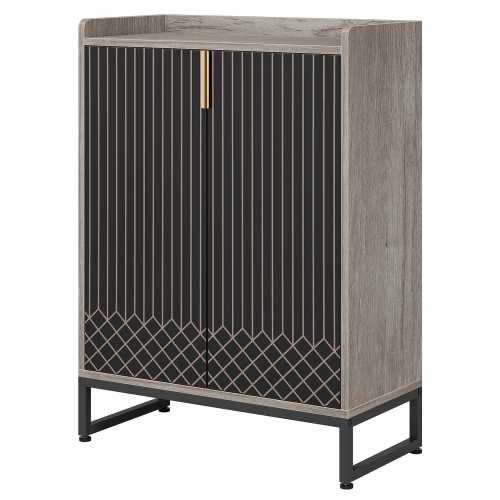
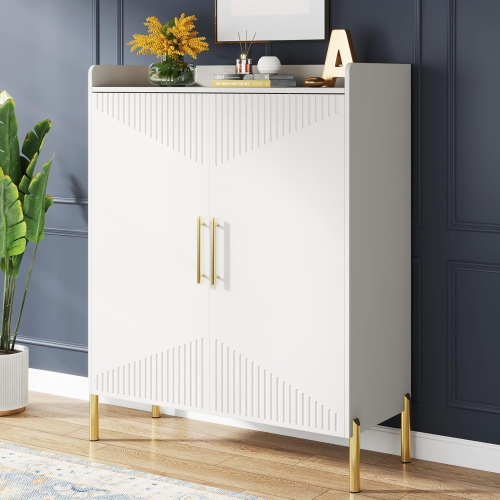
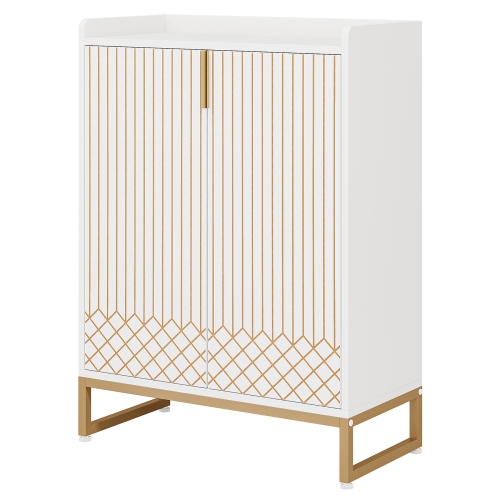
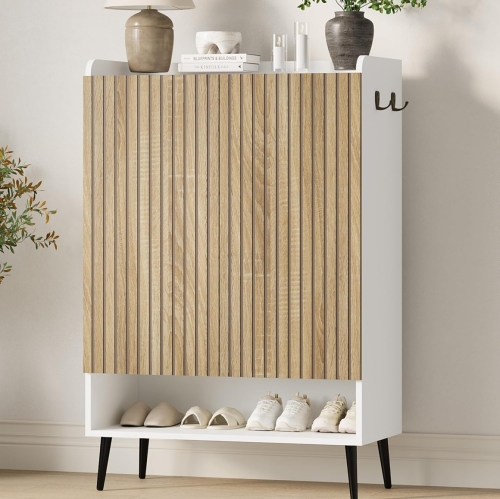
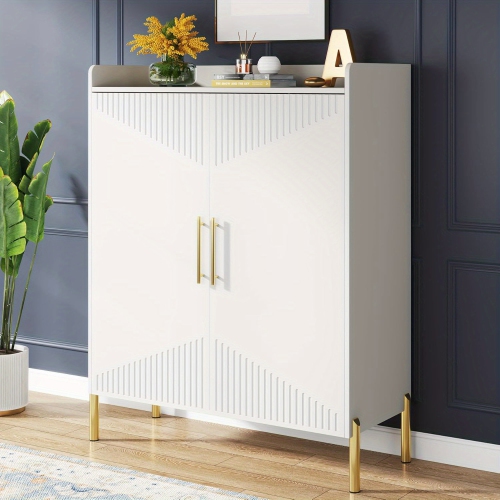
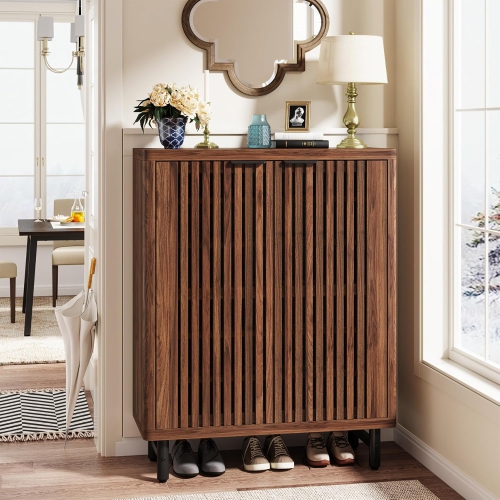
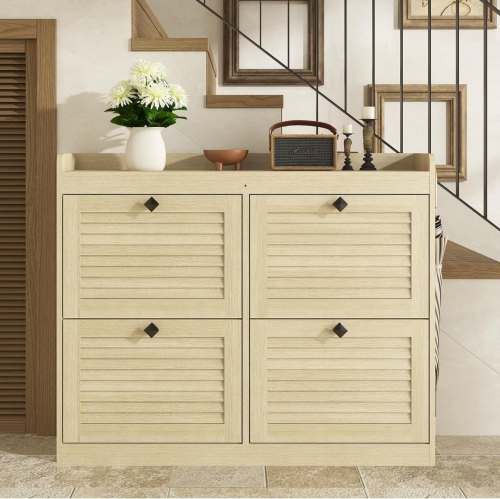
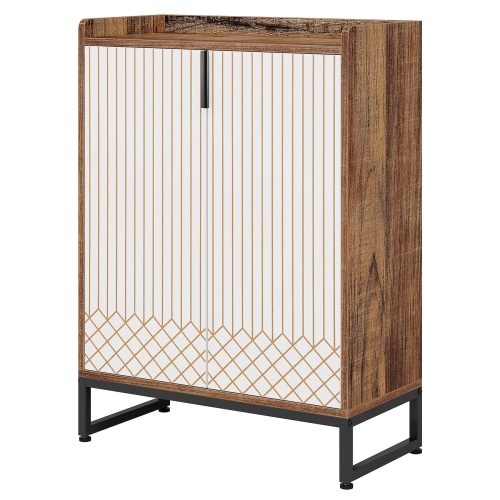
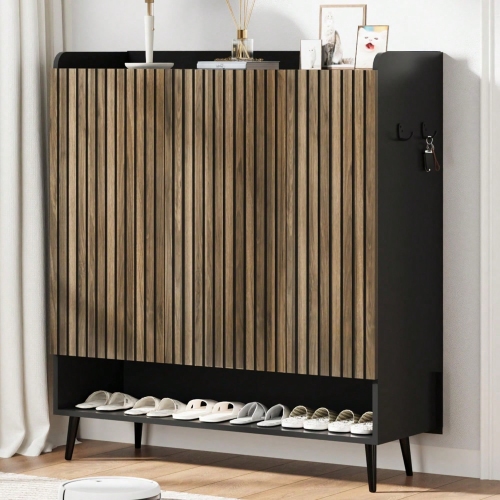
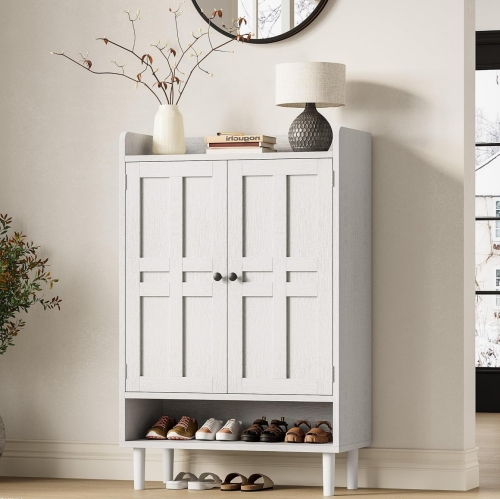
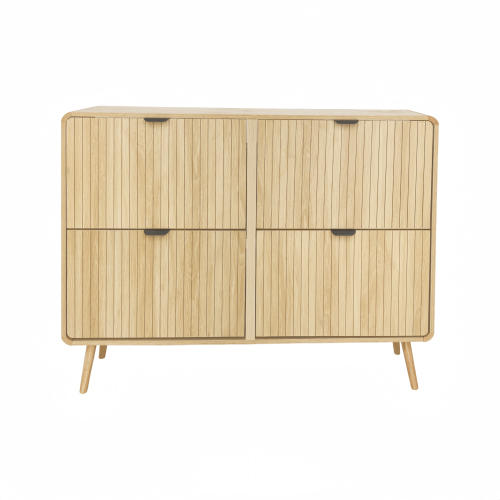
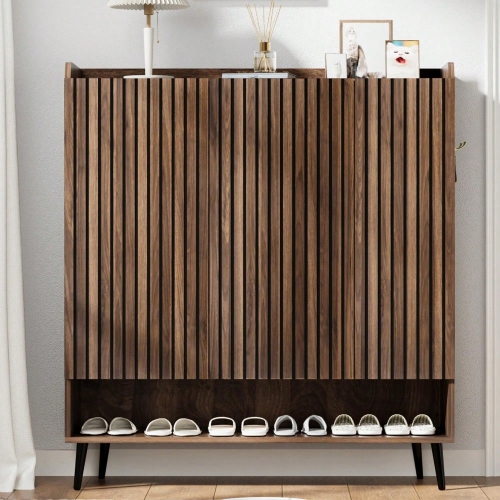
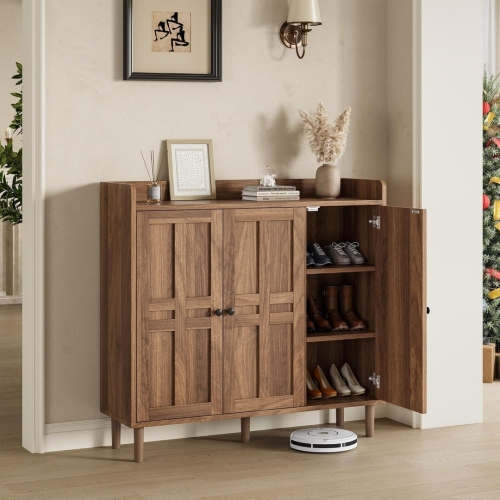

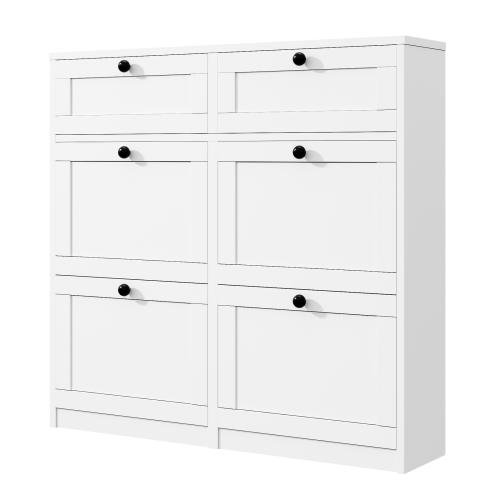
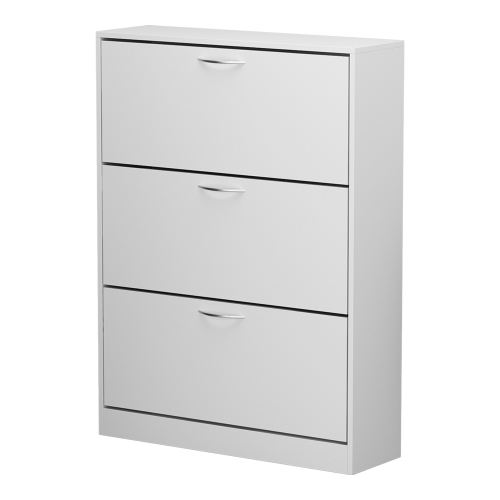
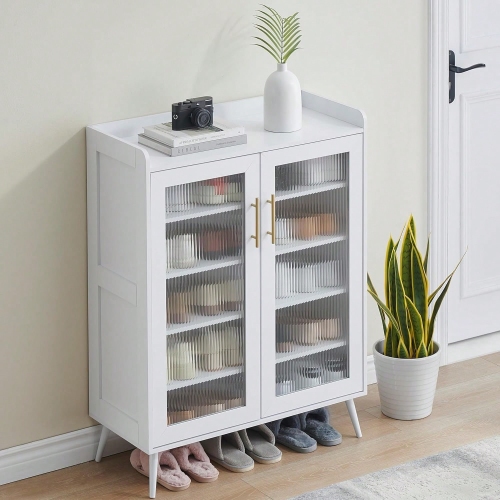
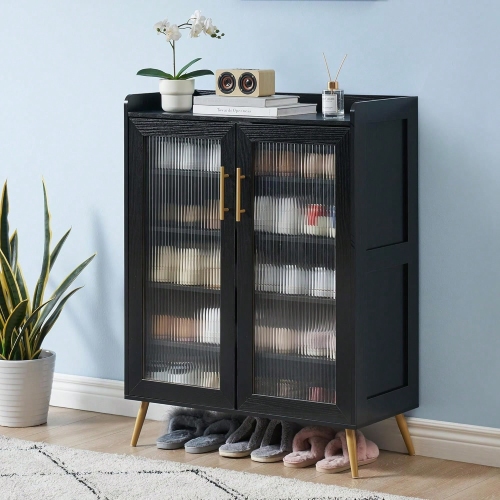
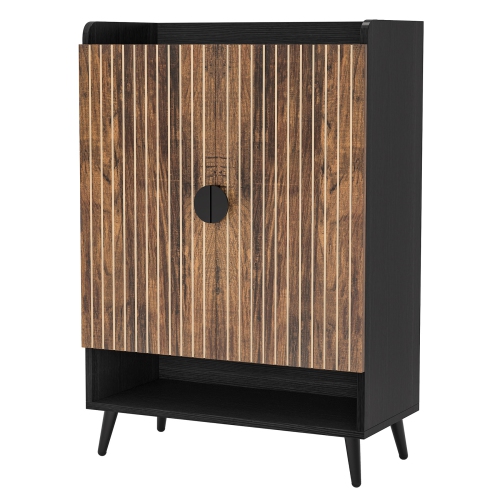
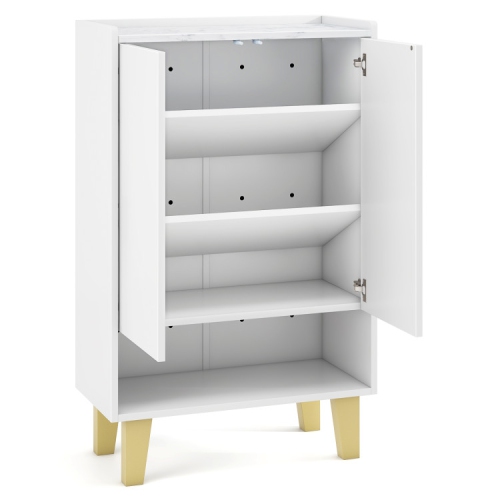
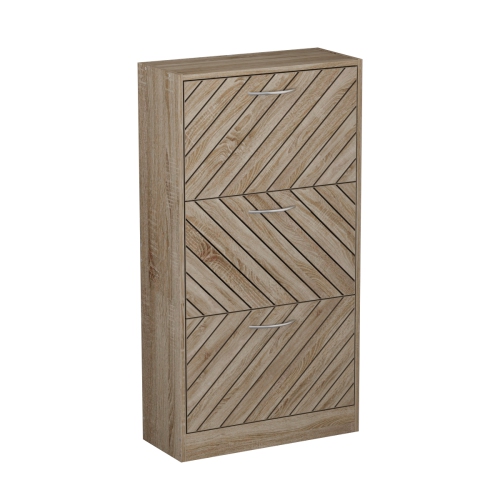
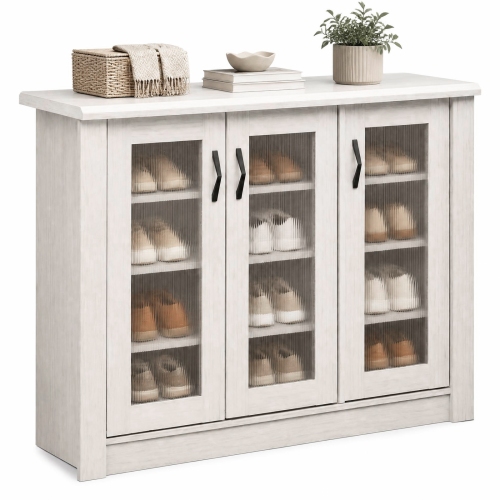
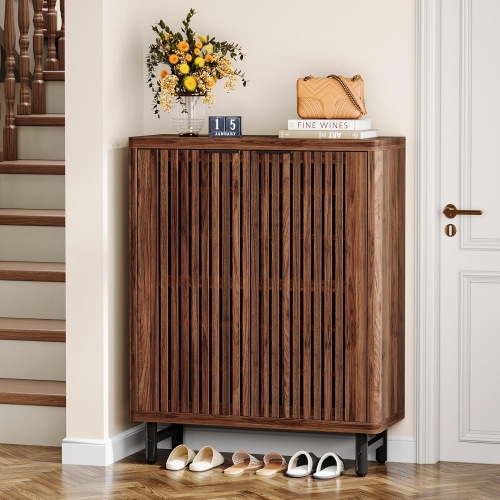

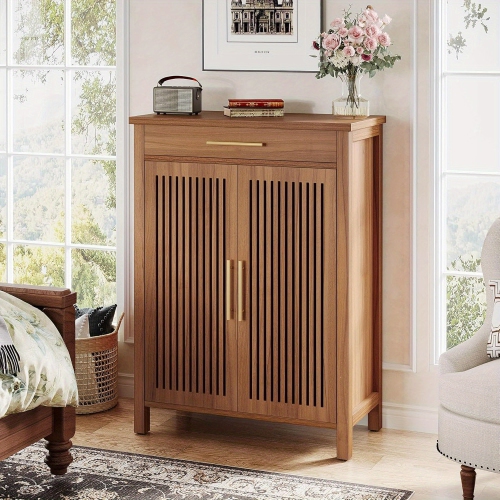
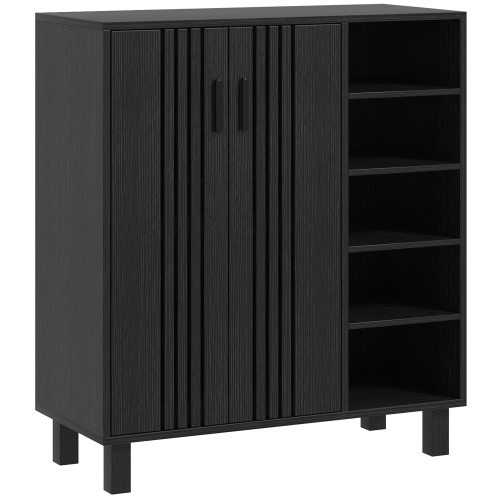

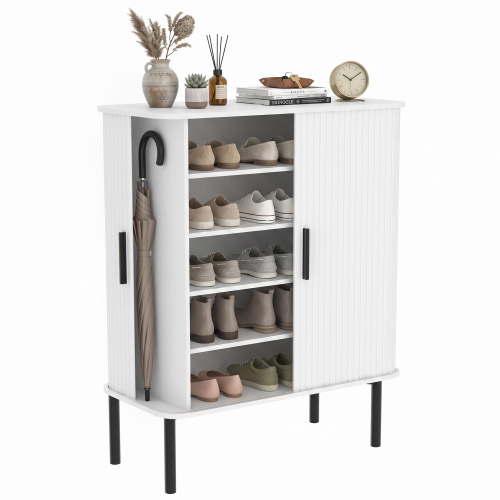
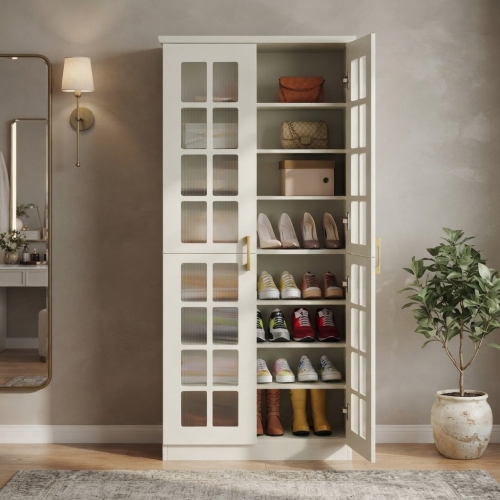
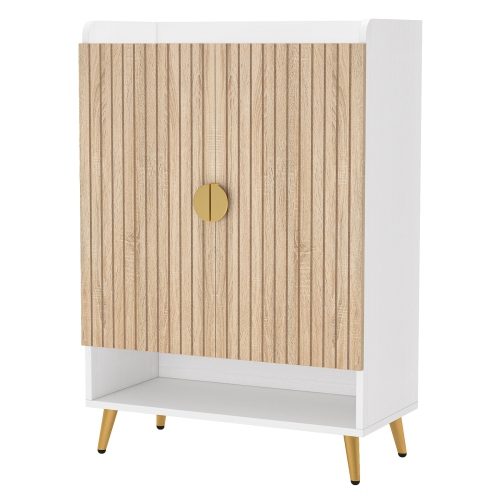
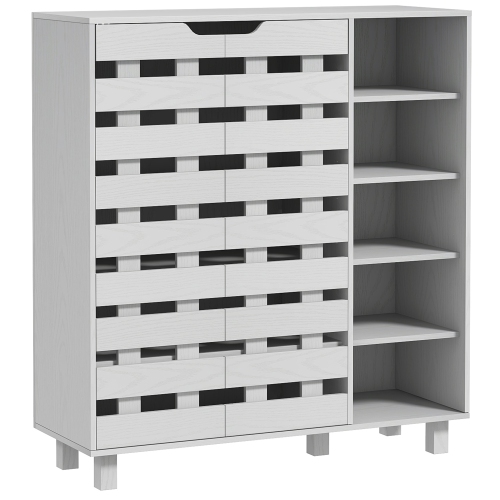
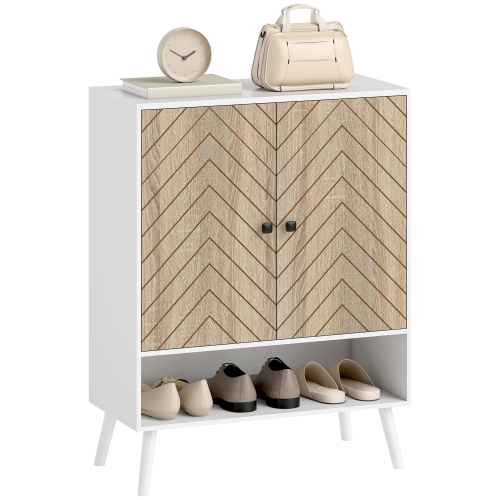
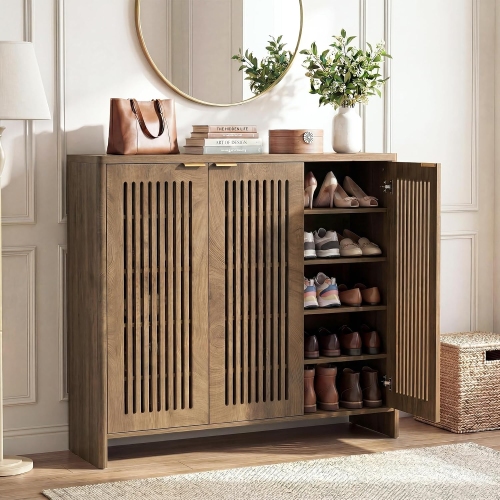
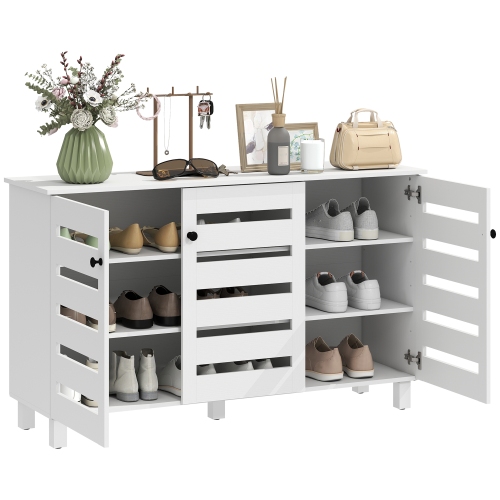
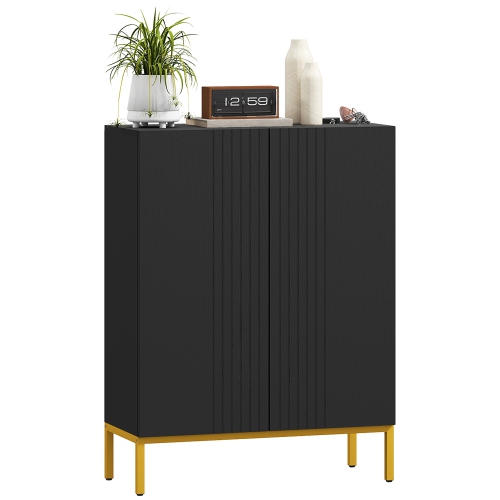
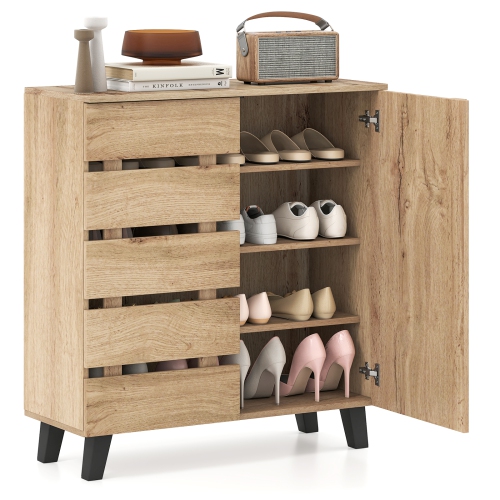
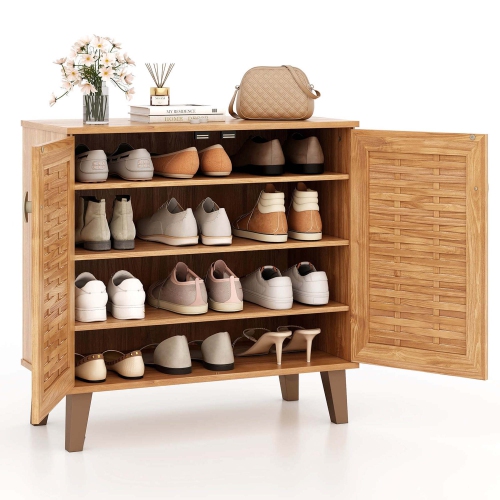

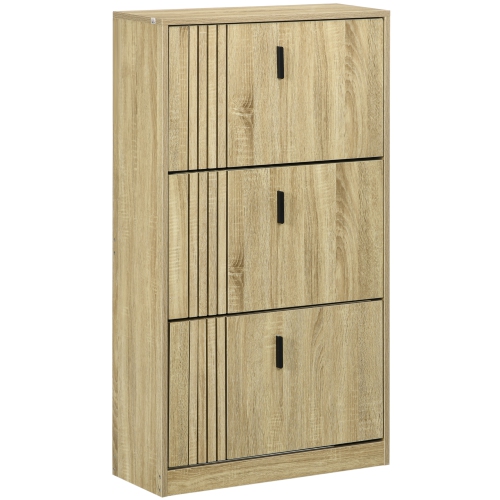
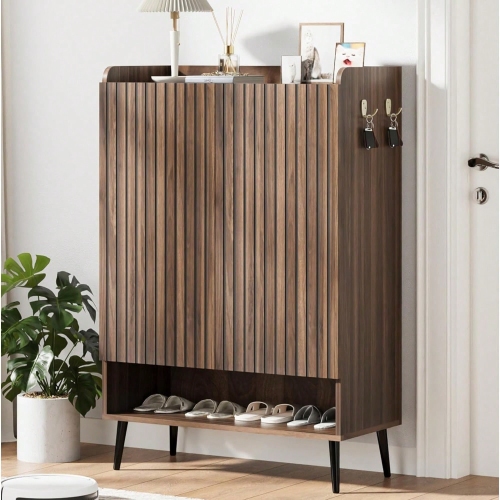
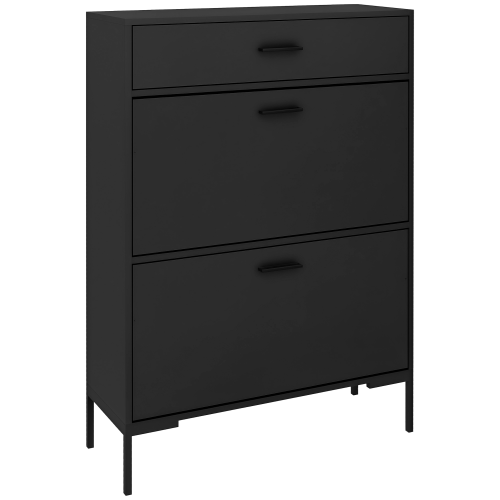
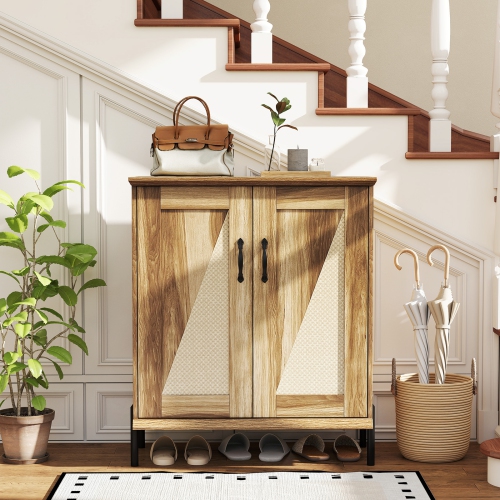
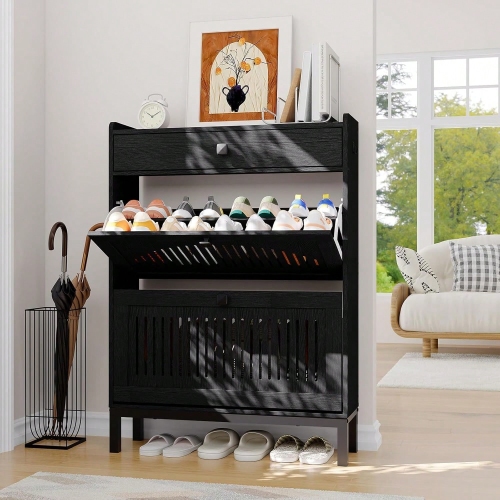
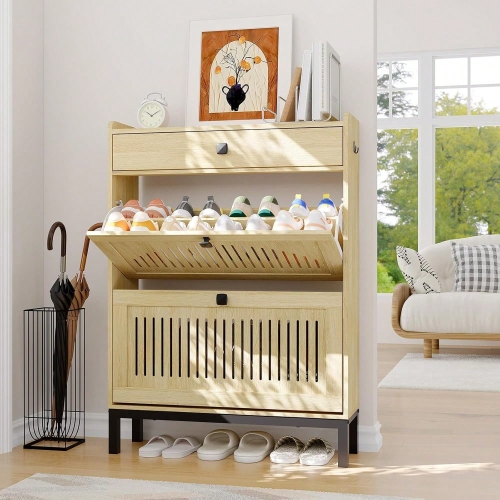
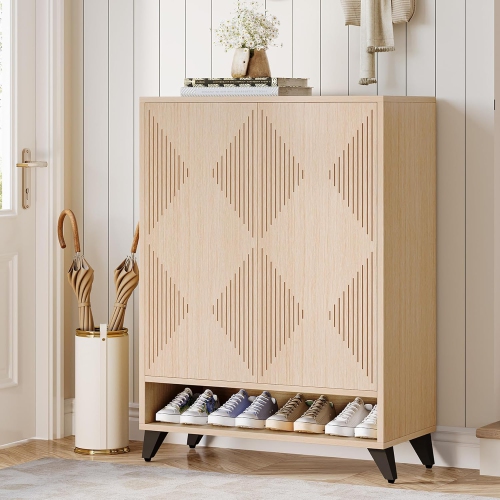
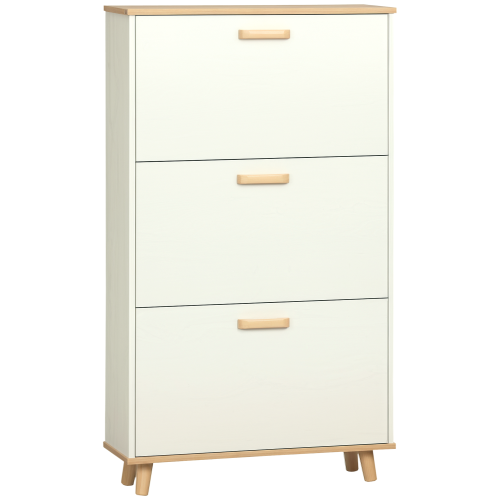
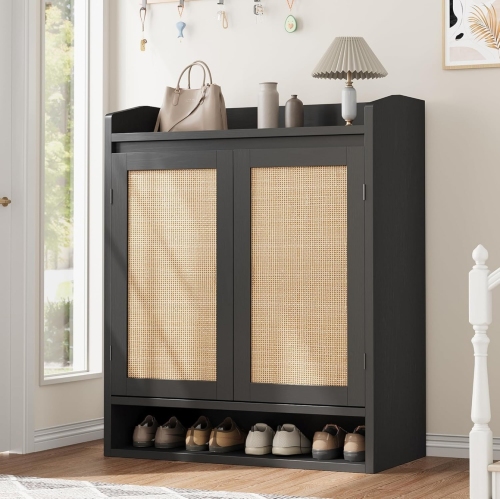
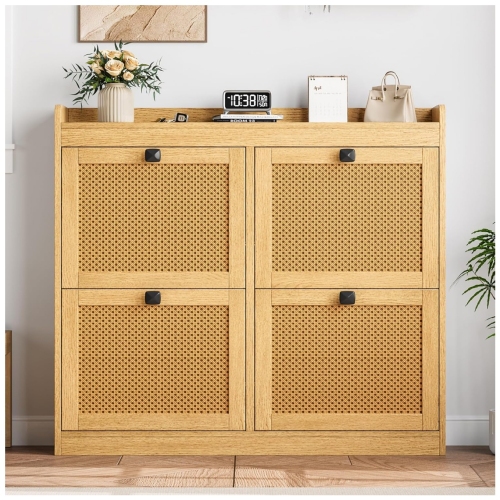
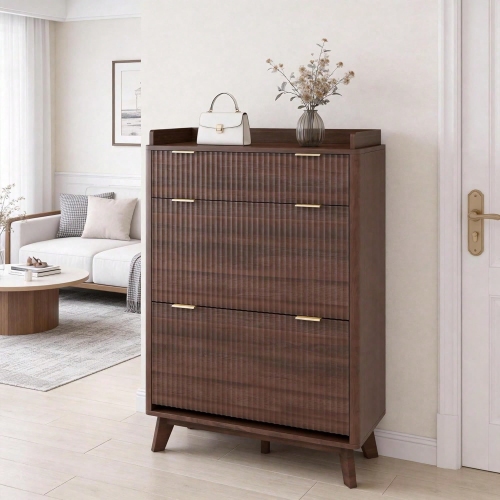
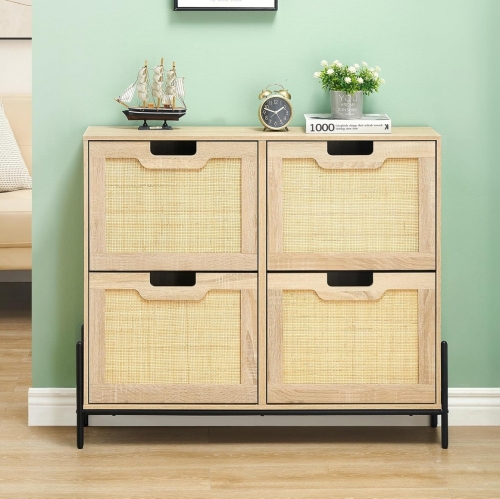
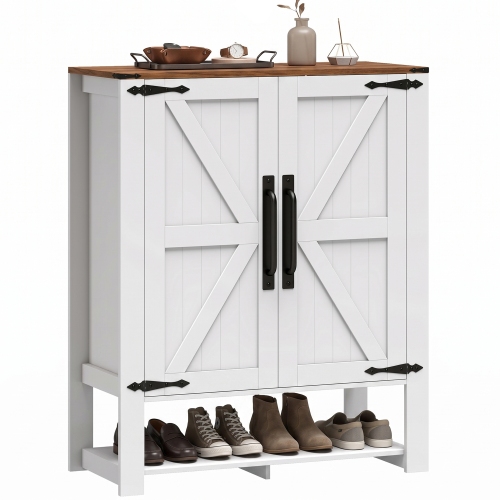
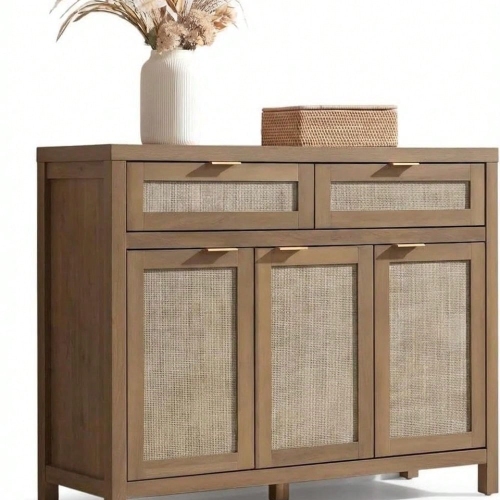
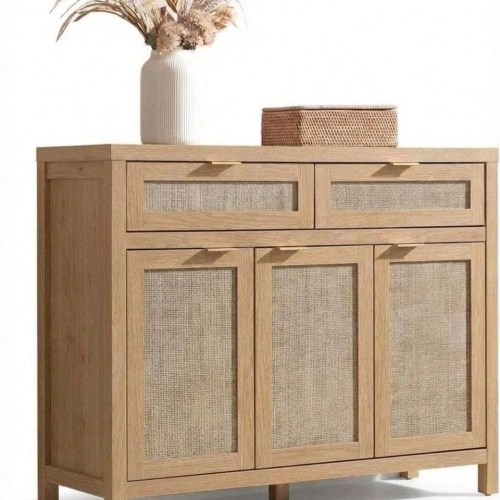
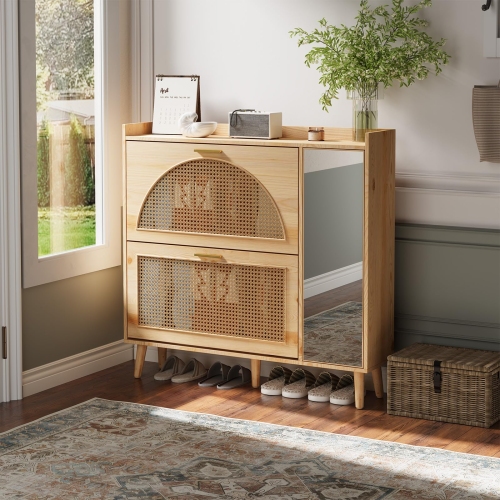
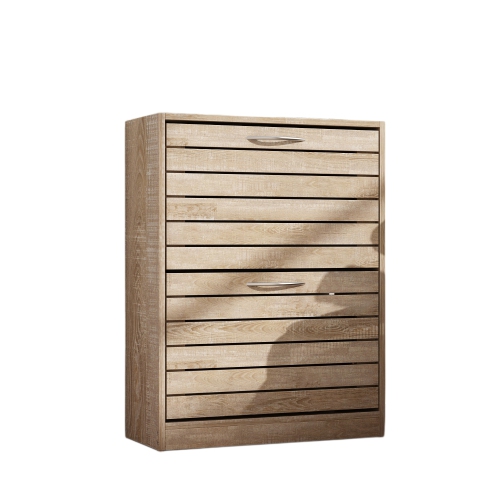
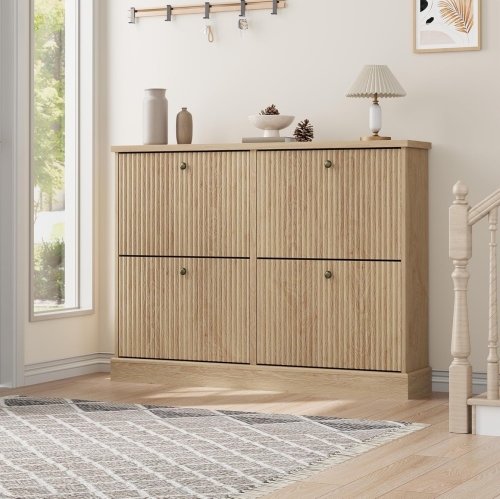
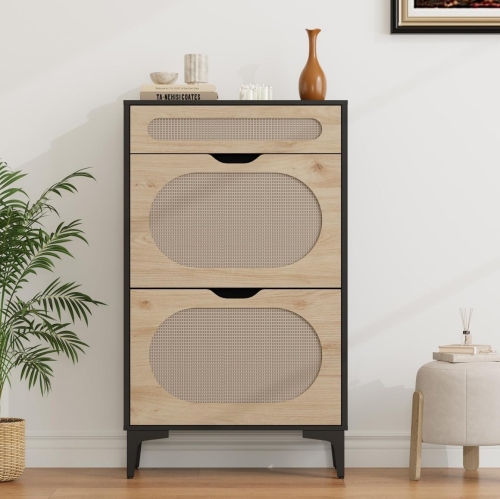
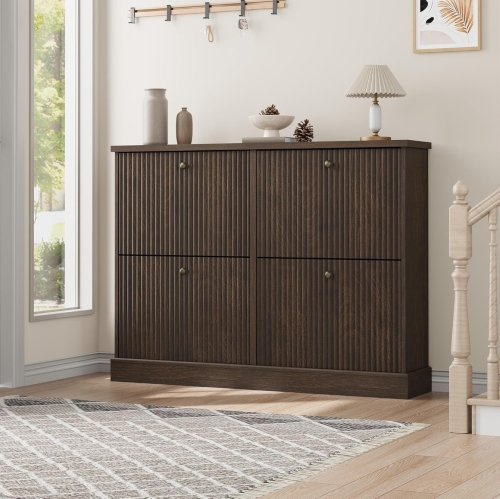
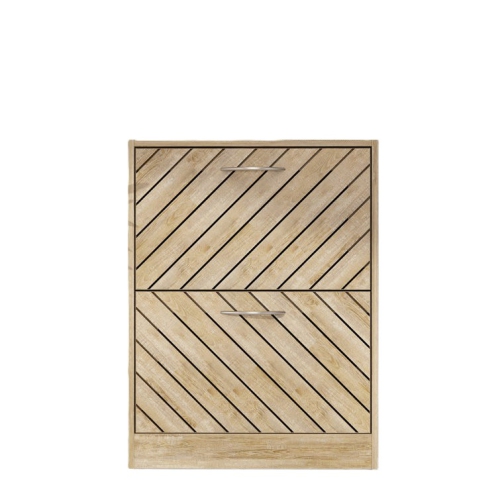
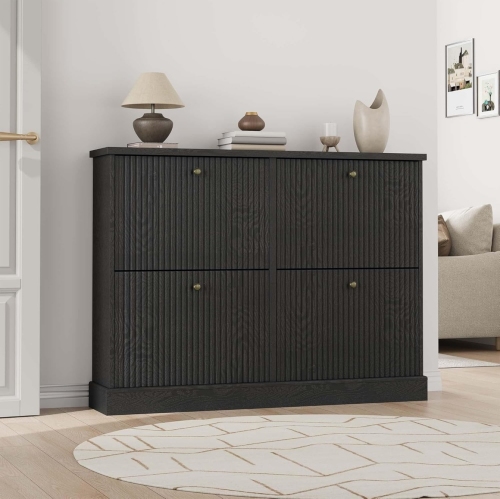
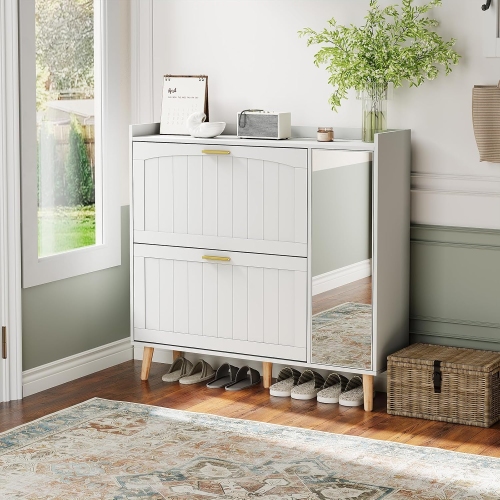
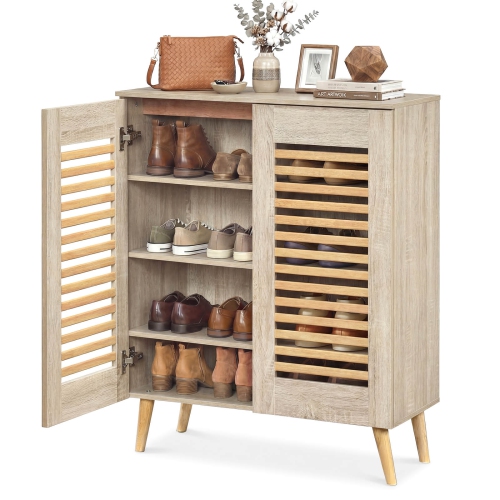
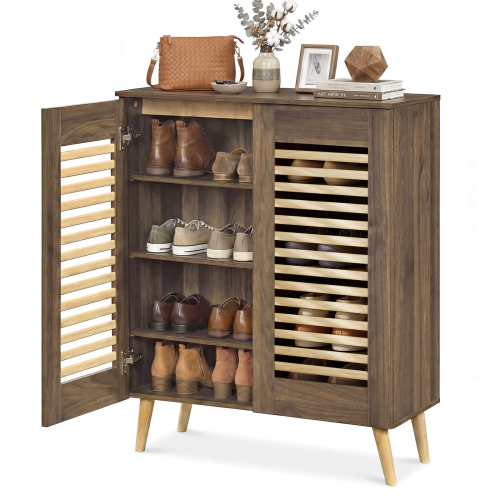
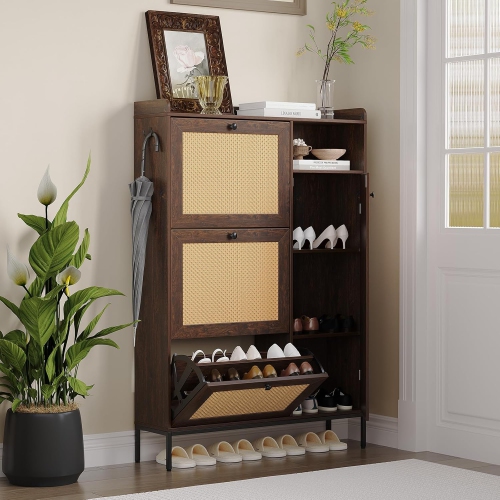
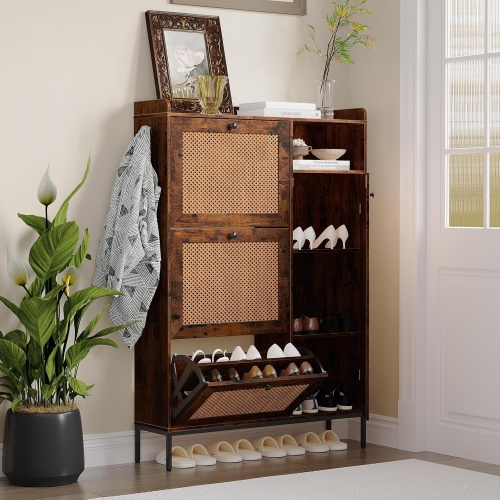
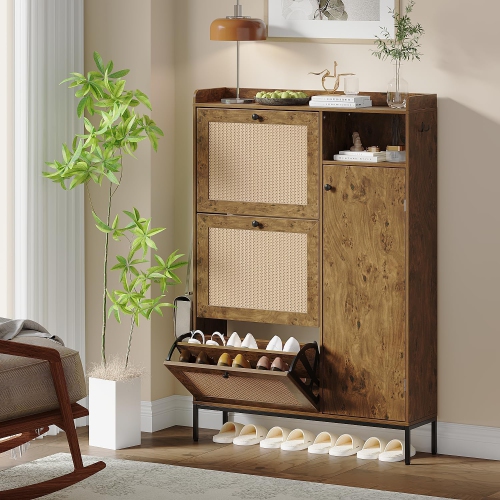
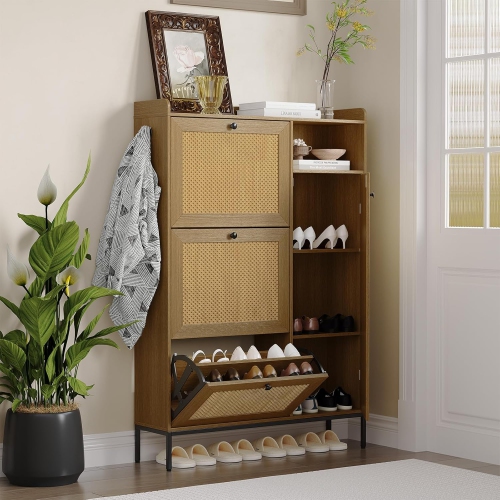
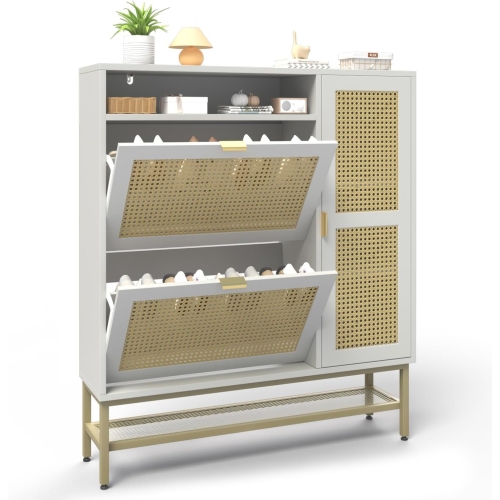
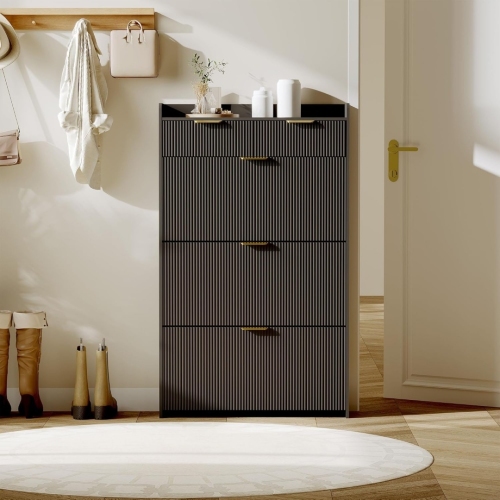
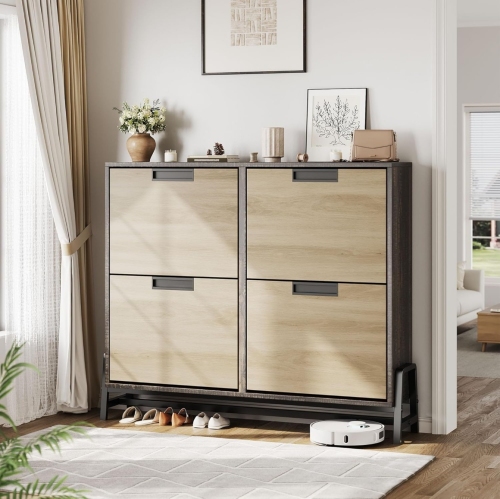
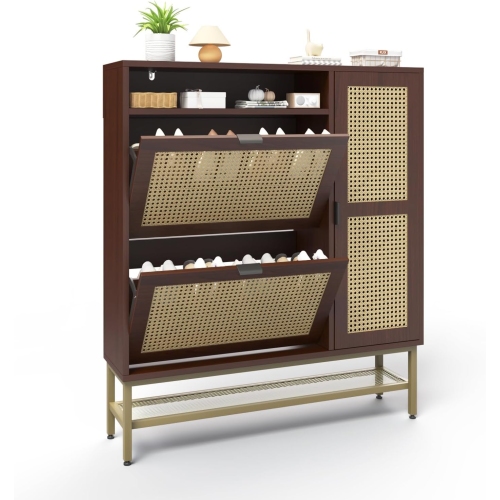
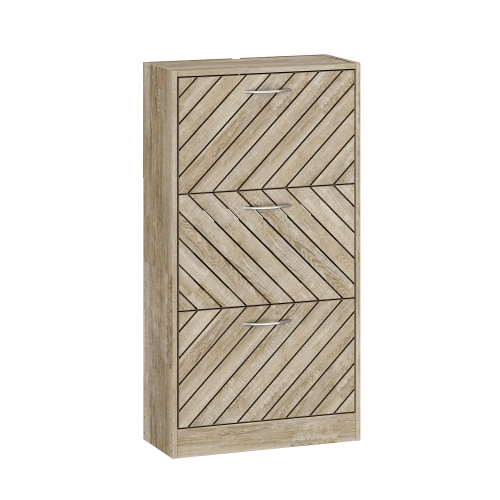
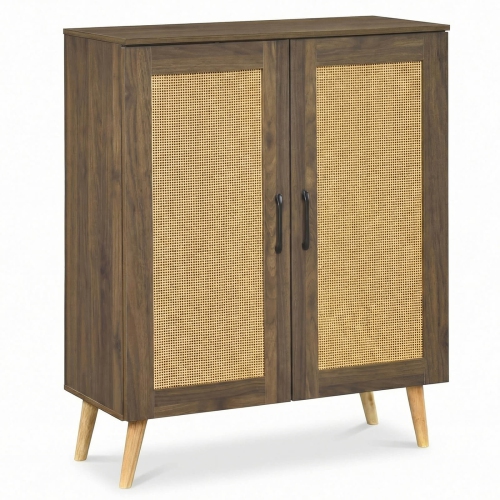
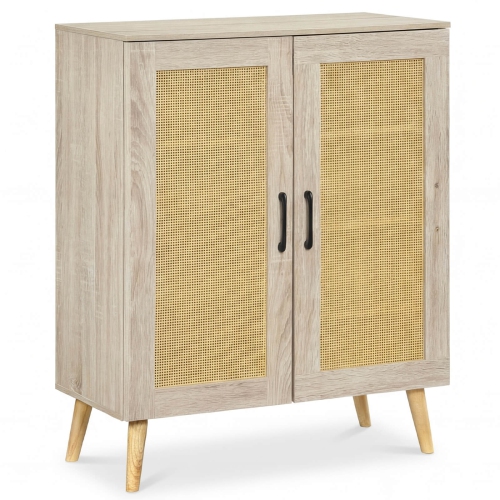
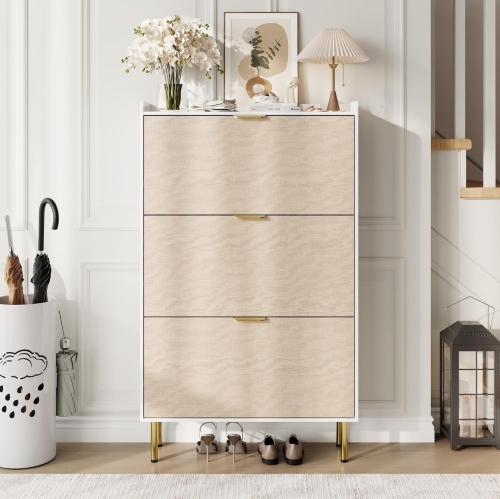
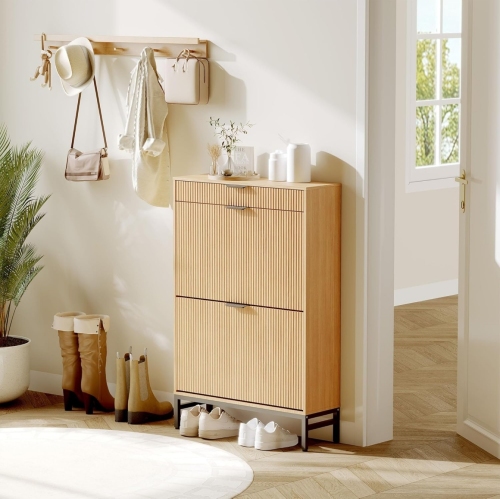
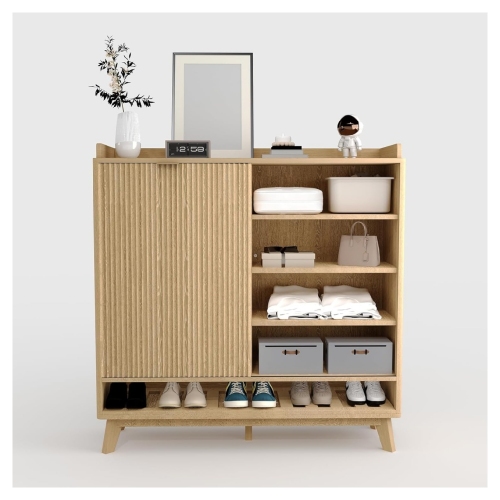
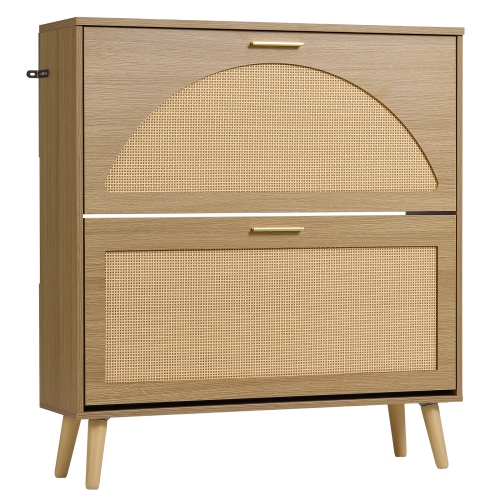
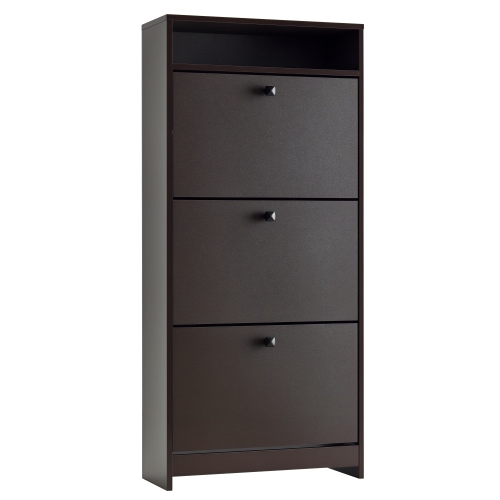
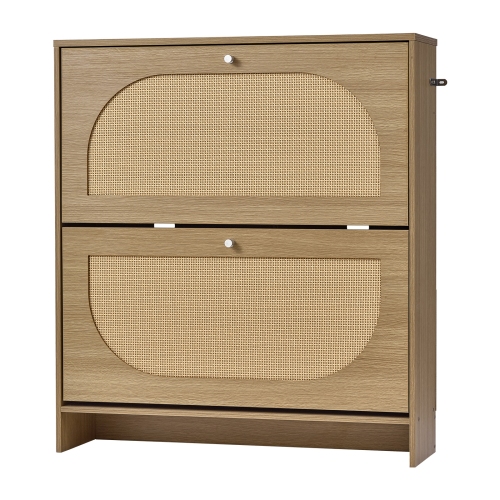
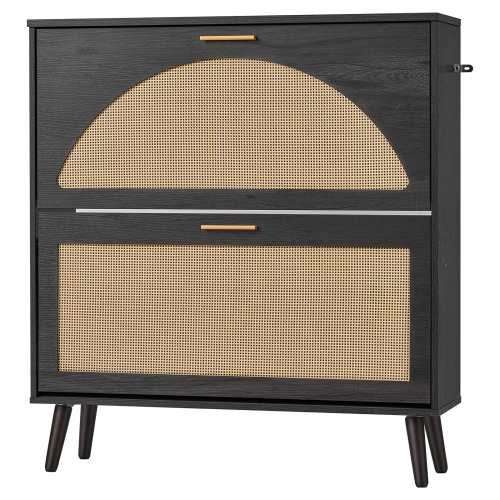
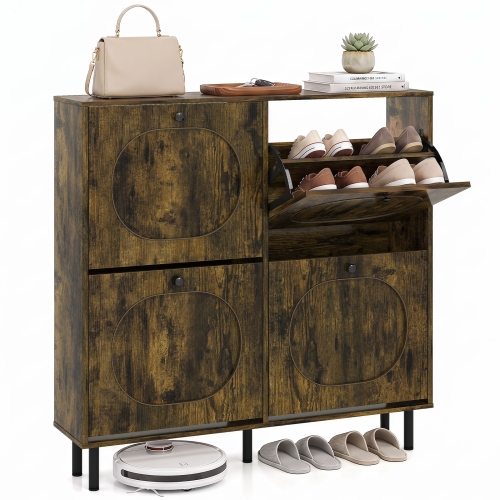

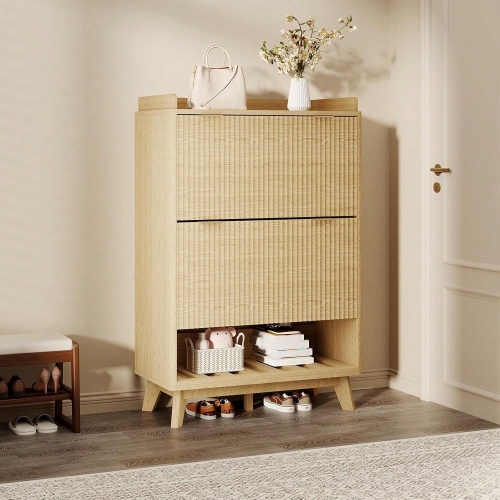
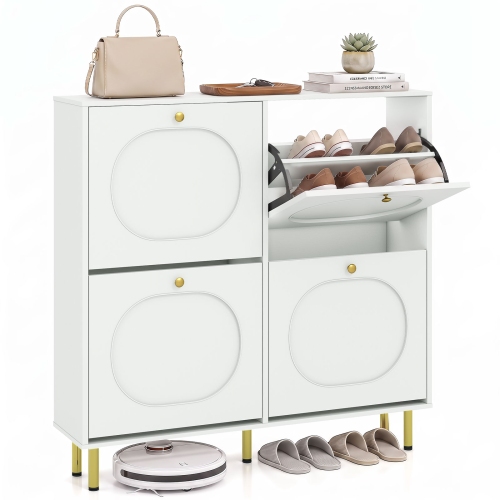
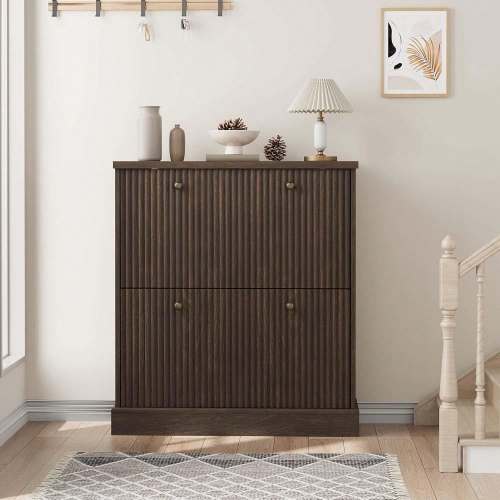
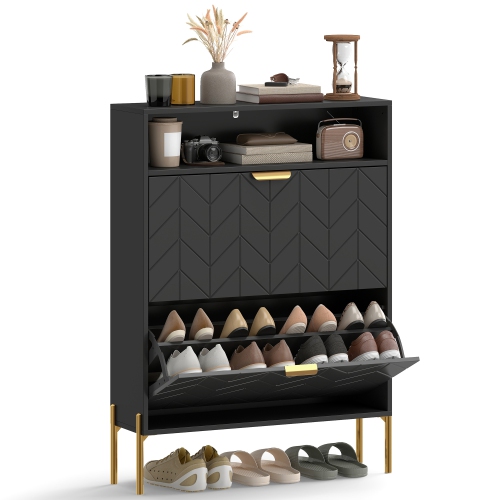
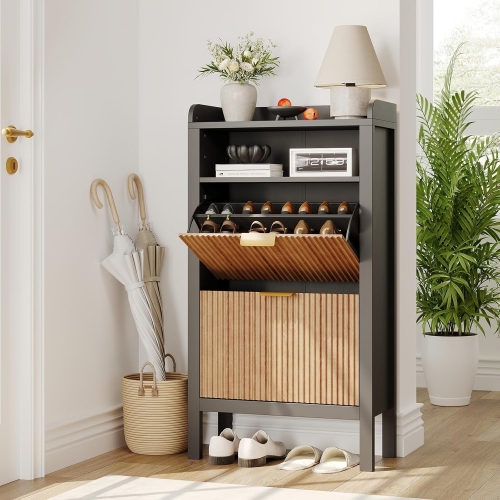
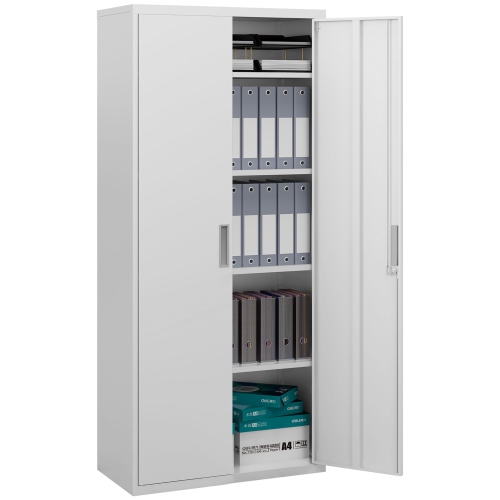

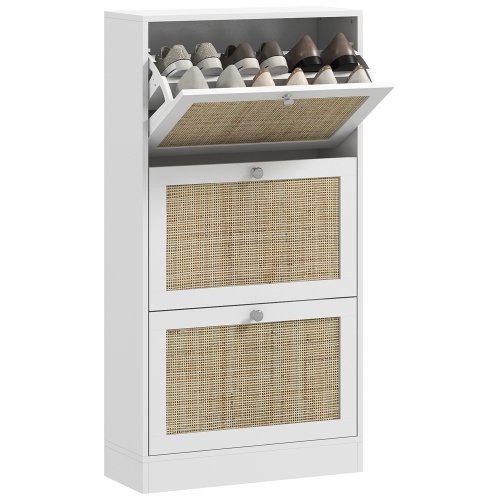
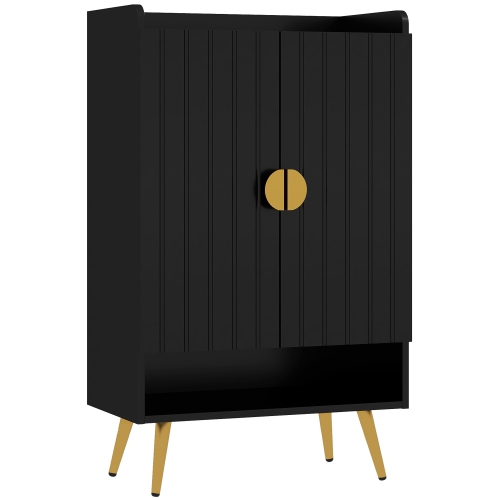

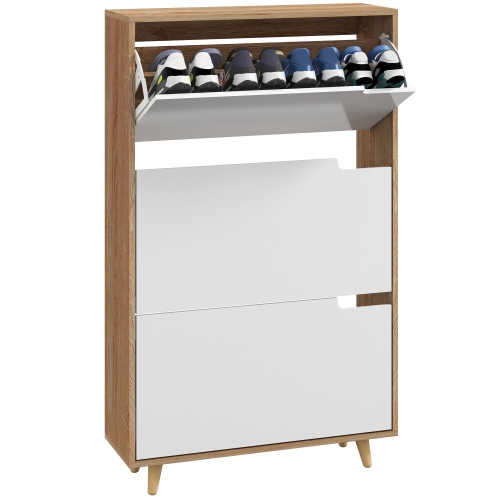
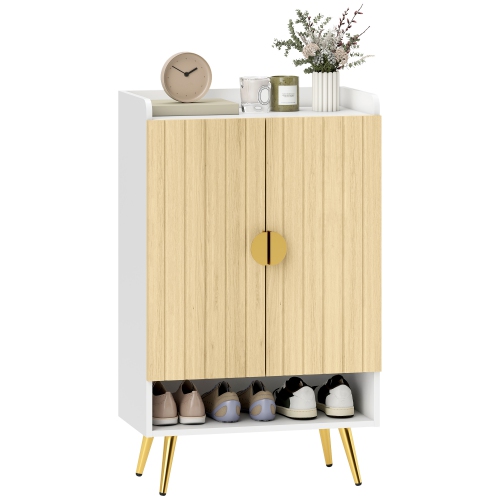
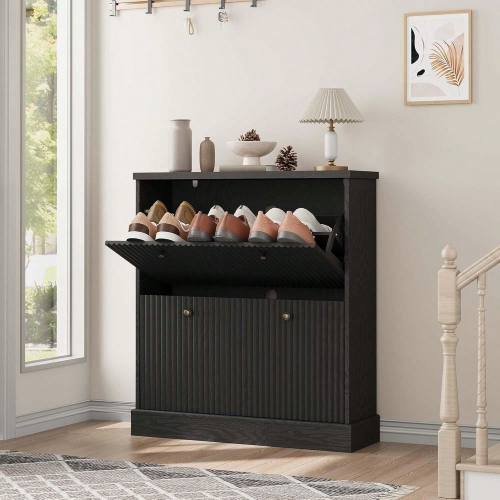

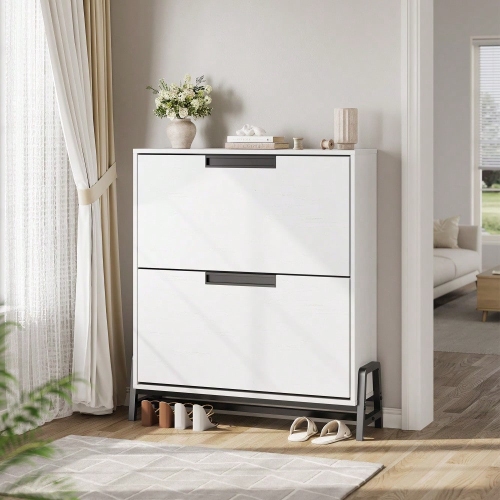
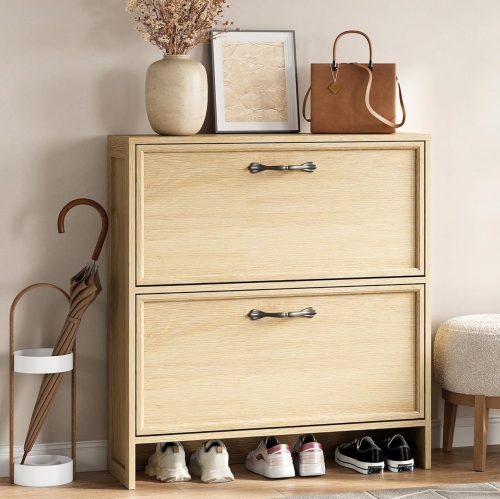
More room for shoes without crowding your entryway
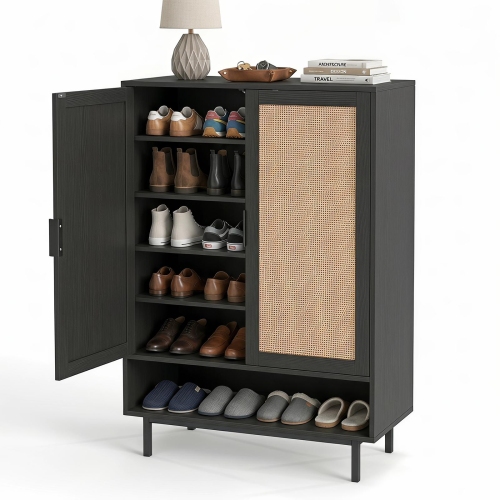
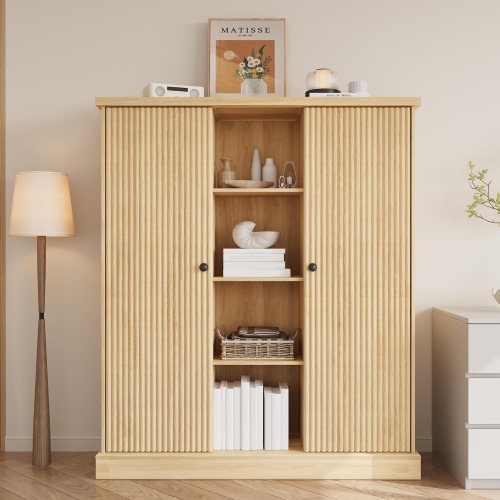
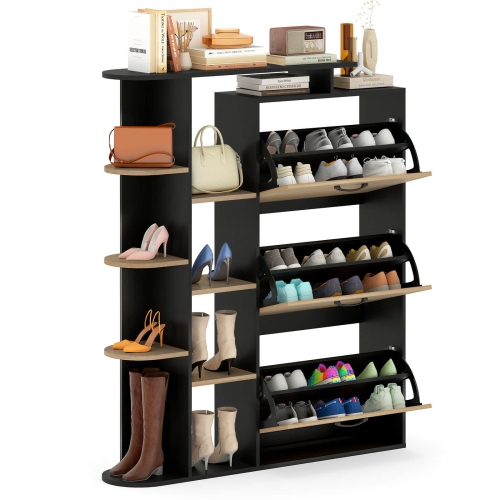
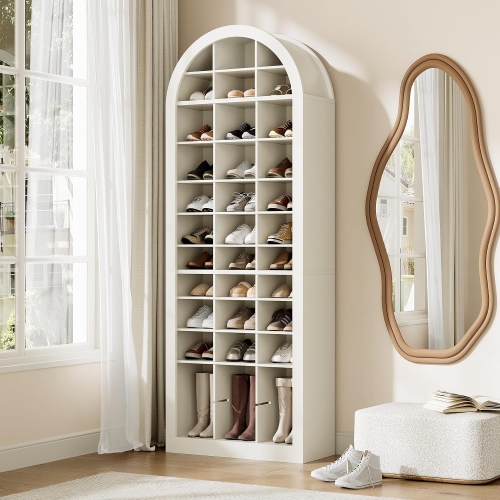
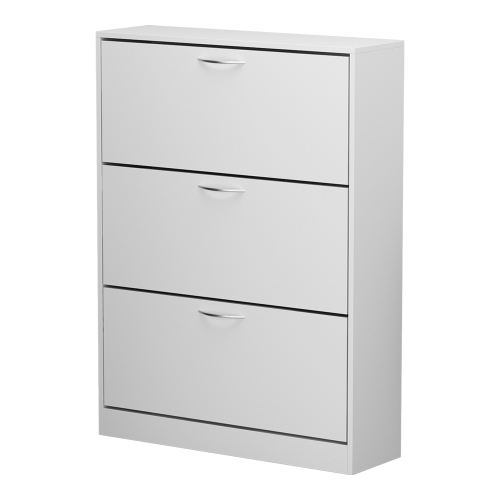
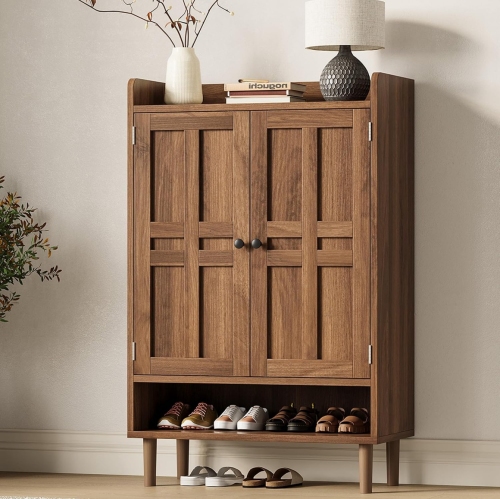
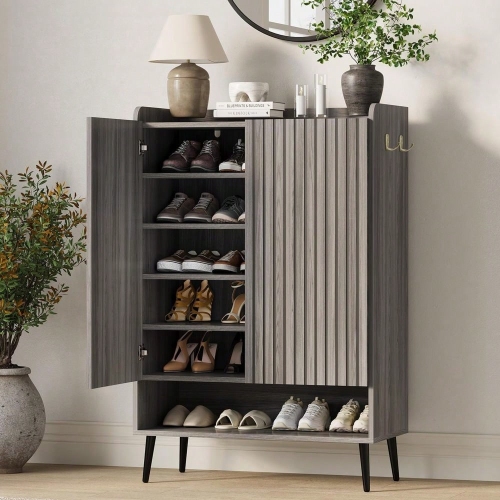
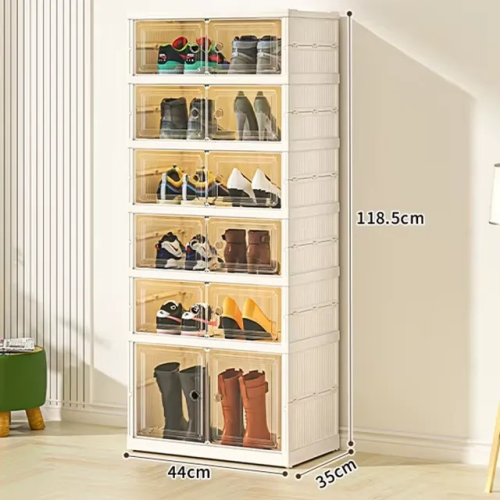
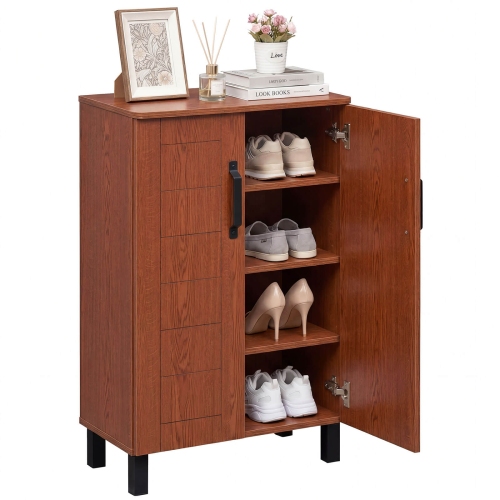
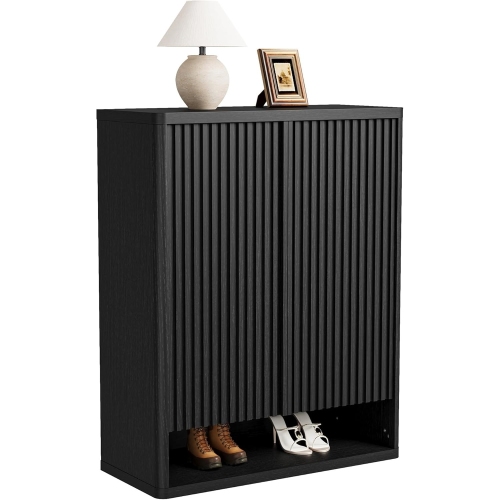
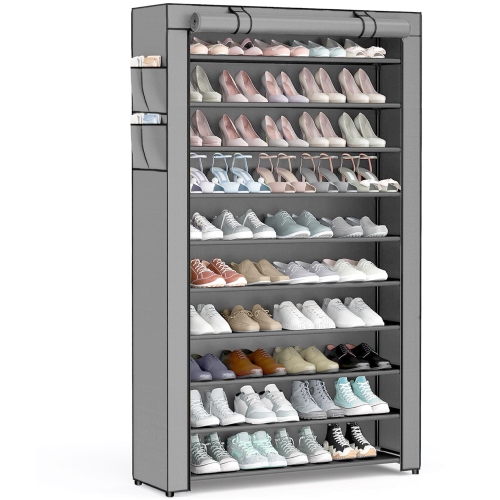
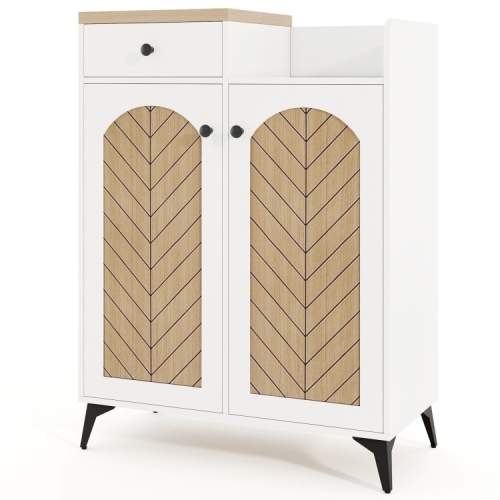
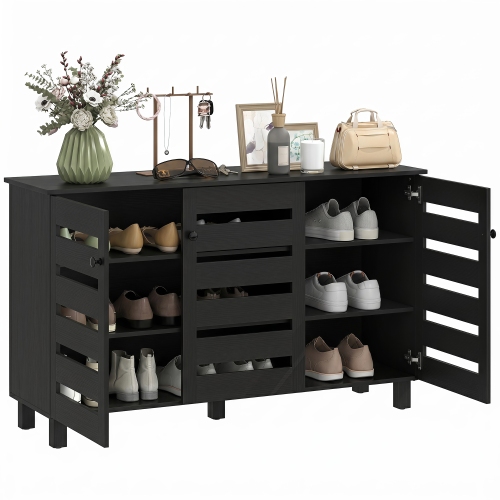
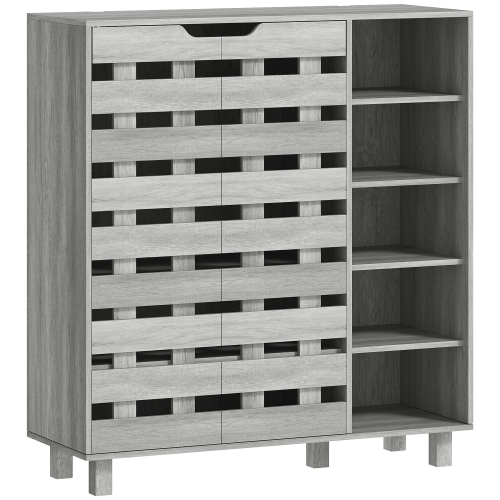
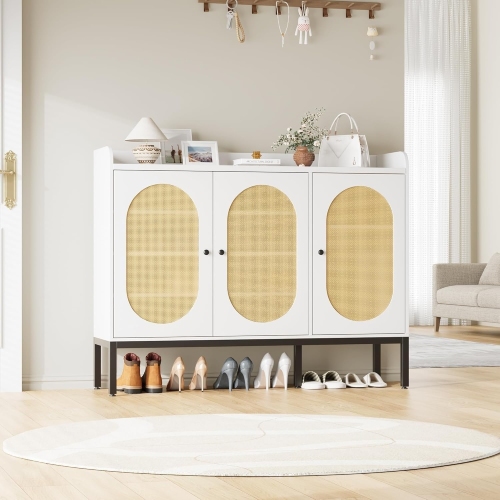
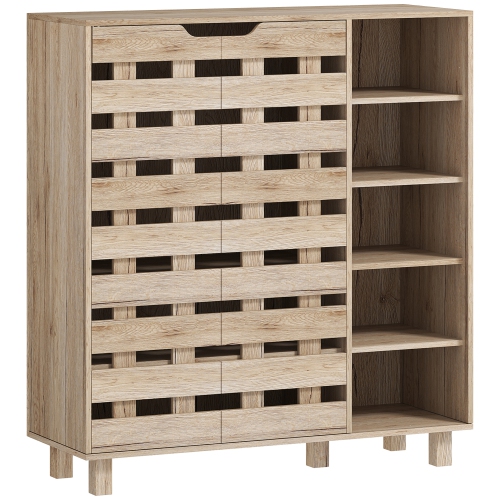
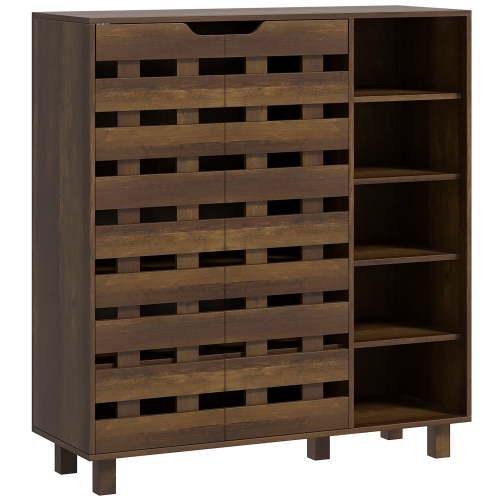
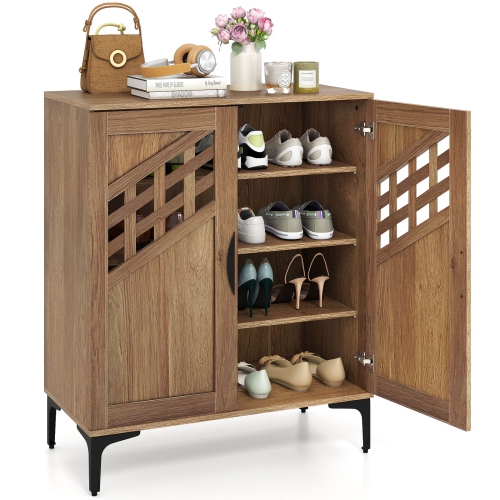
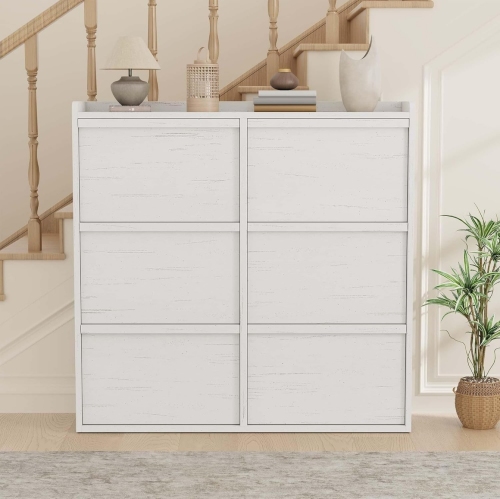
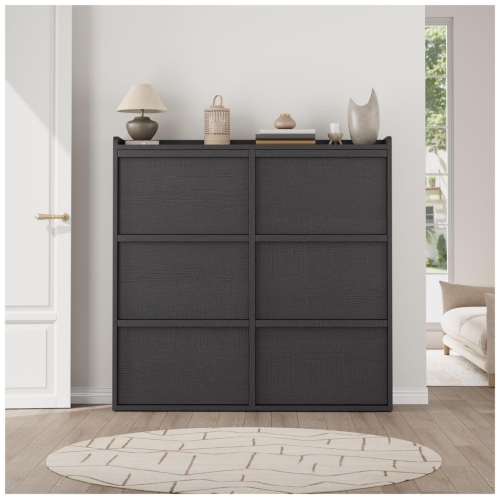
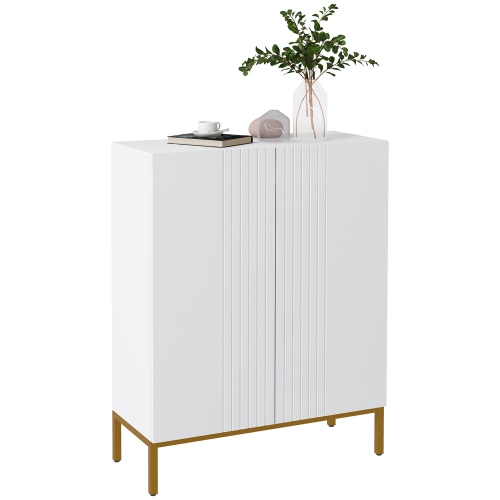
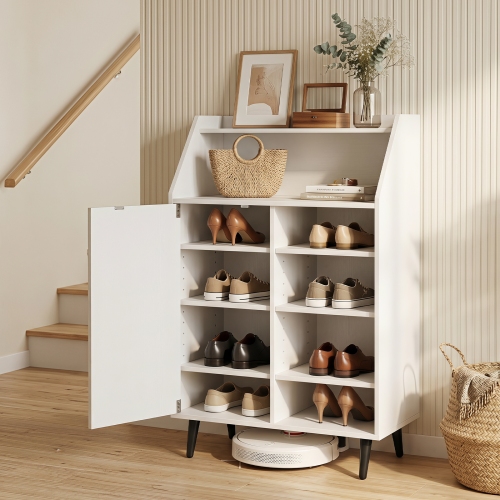
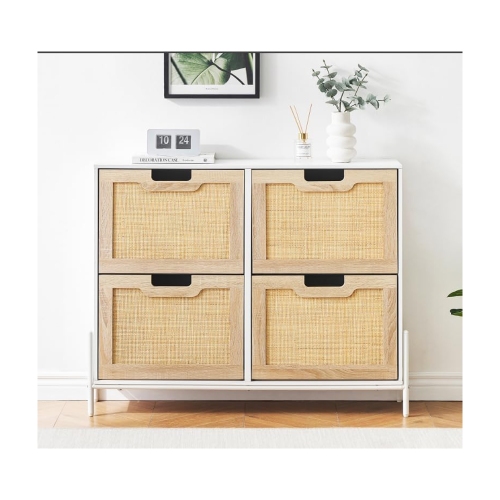
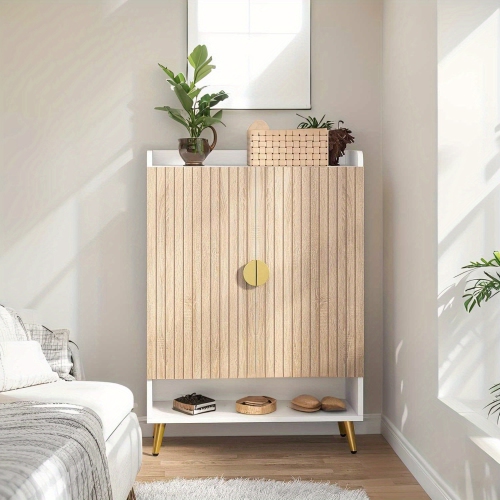
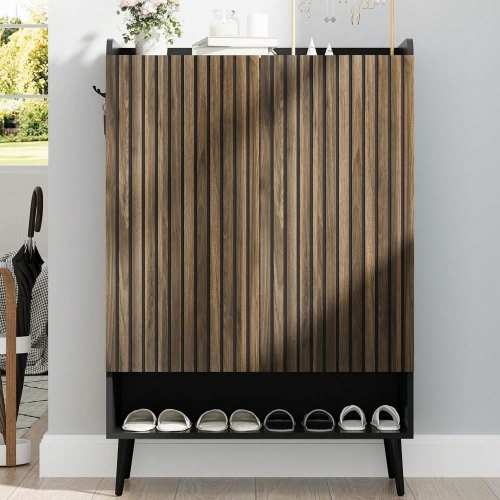
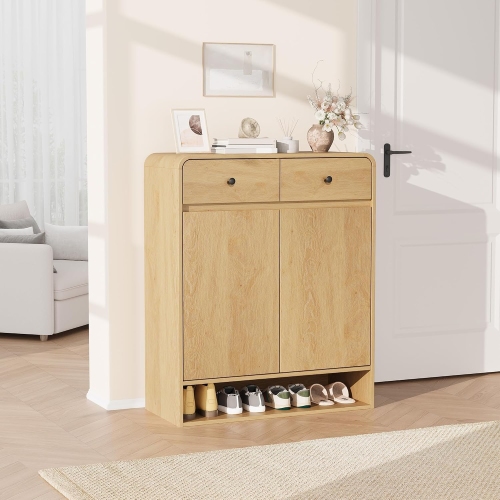
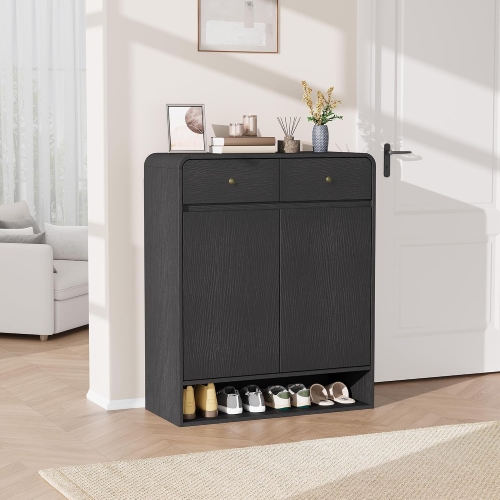
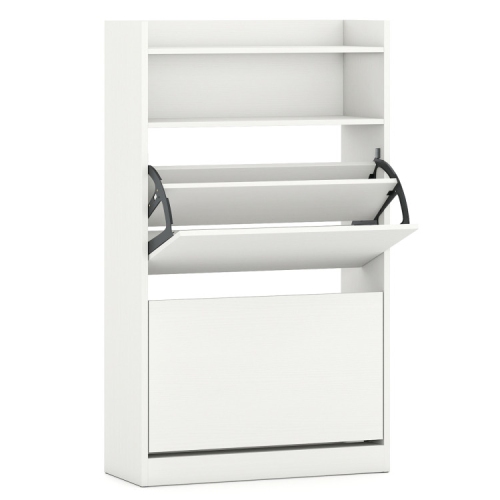
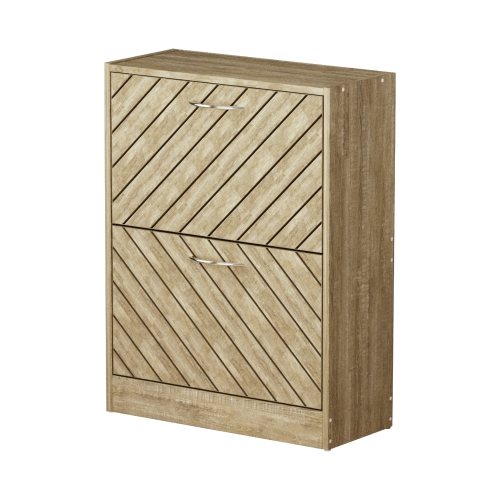
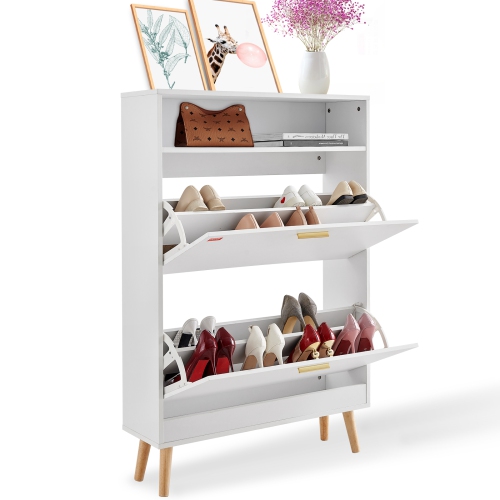
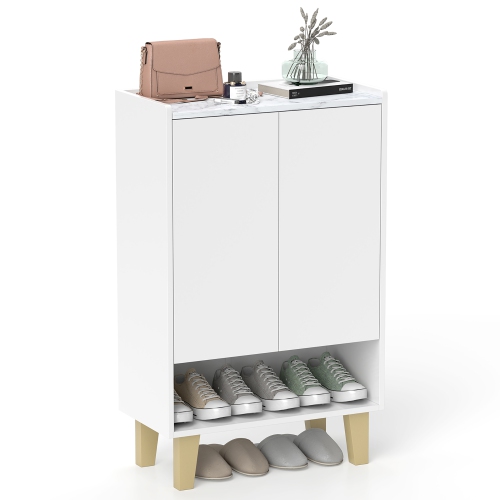
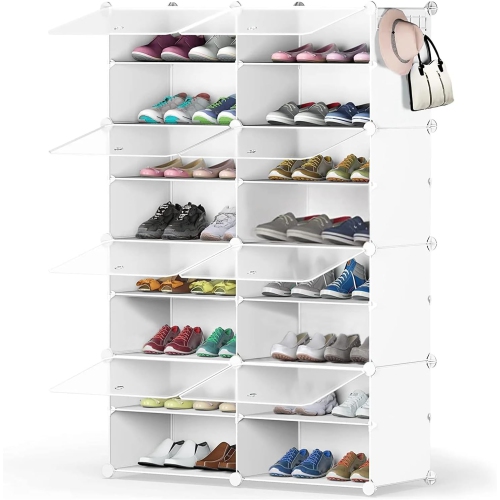
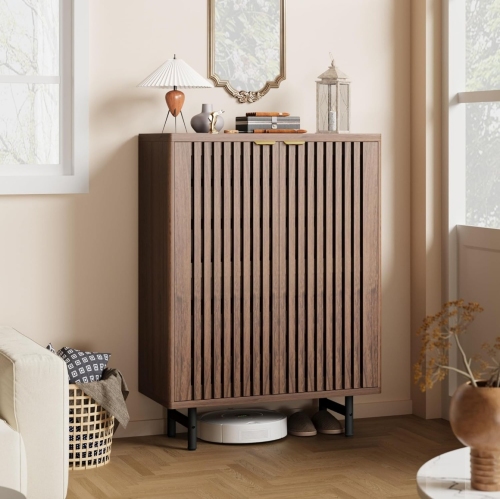
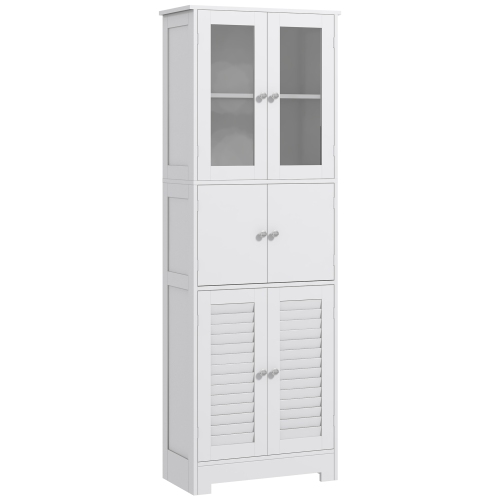
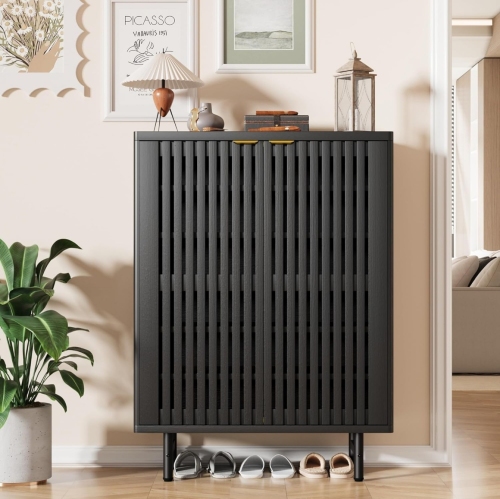
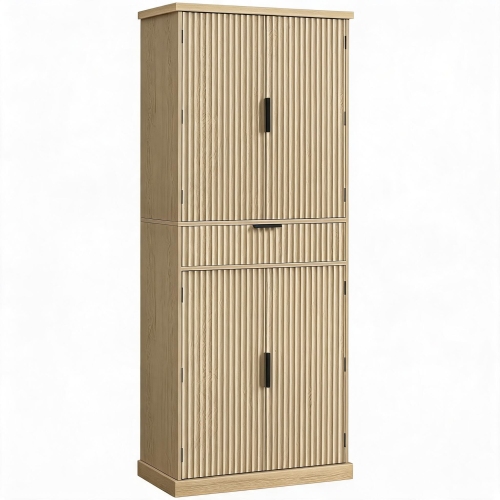
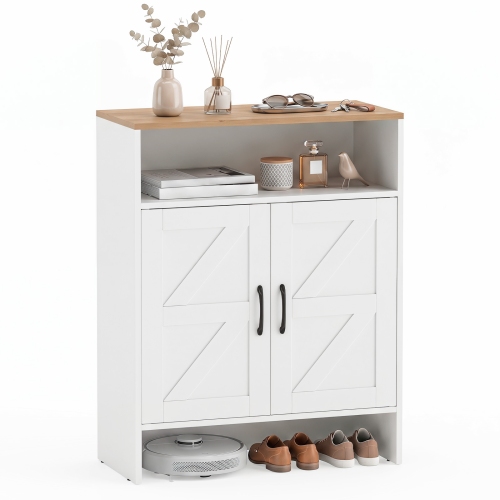
Tall shoe cabinets use vertical space to keep footwear organized behind doors, offering generous storage without spreading shoes across an entryway, hallway, or closet floor. Many designs combine several shelves or stacked compartments with a relatively compact footprint, making them useful in apartments, condos, and homes where wall space is easier to spare than floor space. Their enclosed storage creates a tidier arrival area and helps protect footwear from settling dust, while keeping everyday pairs close to the door. A tall cabinet can also give a shared household a consistent place for shoes that might otherwise collect beside a bench or beneath a coat rack. The most useful proportions depend on both the room and the footwear going inside. Height determines how much vertical storage a cabinet can provide, but width and depth influence whether shoes sit comfortably without being squeezed or turned awkwardly. A shallow cabinet may suit a narrow passage, while a deeper design can accommodate larger footwear more easily. The overall dimensions should account for handles, projecting baseboards, and any gap needed behind the cabinet, not just the main cabinet body. Door movement matters just as much as the closed footprint: hinged doors need room to swing, and tilt-out compartments project forward when opened. In a busy entrance, there should still be enough space for someone to walk past, carry a bag, or sit nearby to put on shoes. Placement beside a doorway also needs to leave access to light switches, outlets, and the door itself. For households with children, the lower compartments can hold frequently worn pairs within easier reach, with less-used footwear higher up. In a bedroom or dressing area, a tall shoe storage cabinet can keep a larger collection together without using open shelving. This combination of enclosed storage and vertical organization makes the category practical for people who want a calmer-looking space without giving up a substantial portion of the floor. It can be especially helpful where an entrance opens directly into a living area and footwear storage remains visible throughout the day.
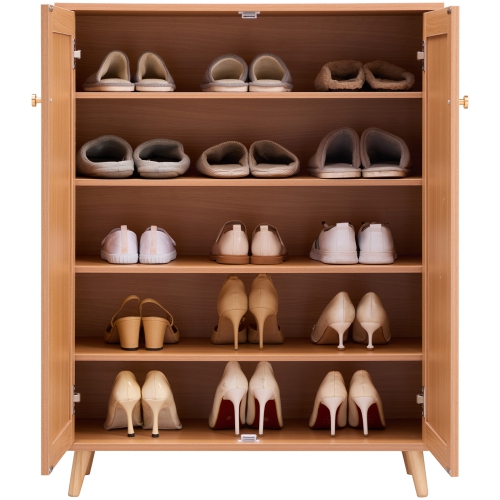
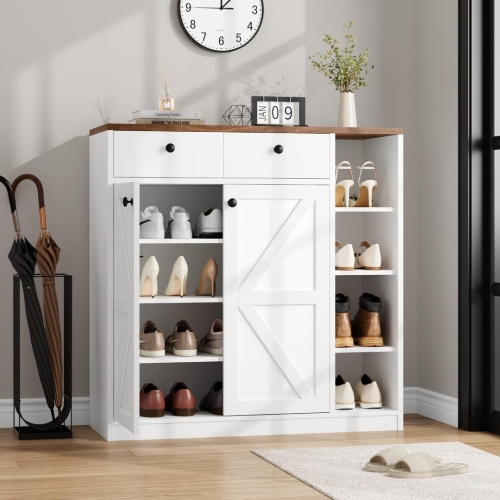
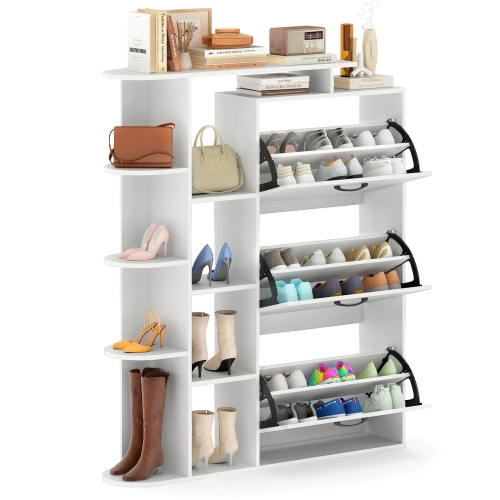
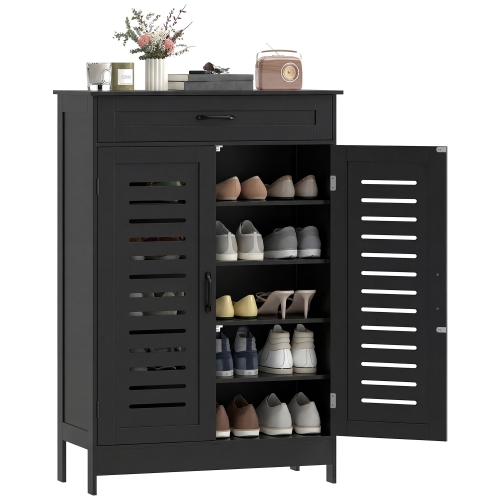
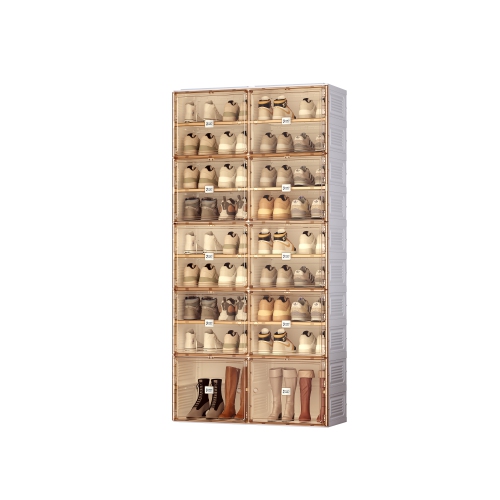
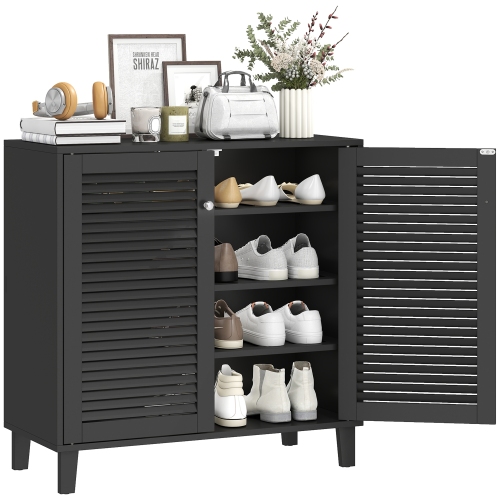
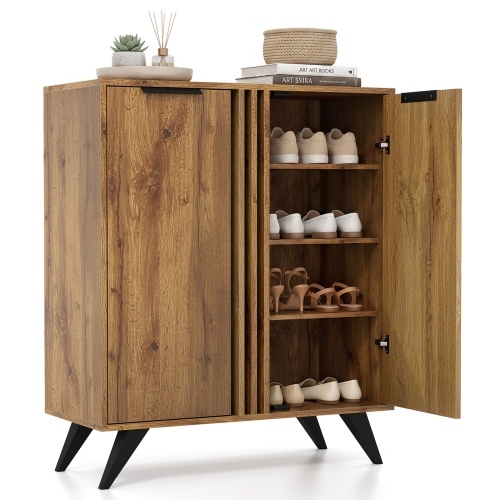
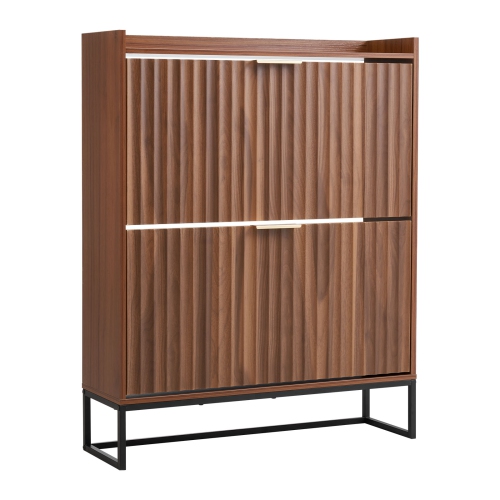
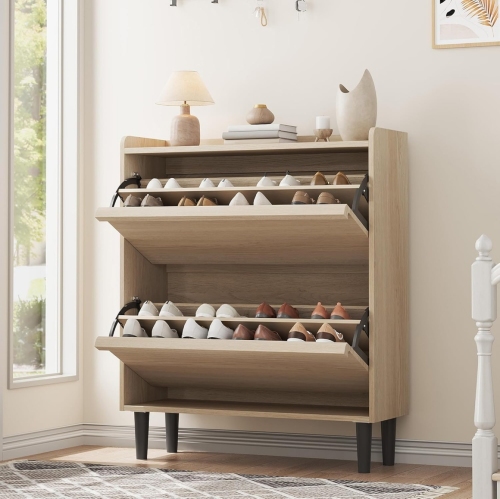
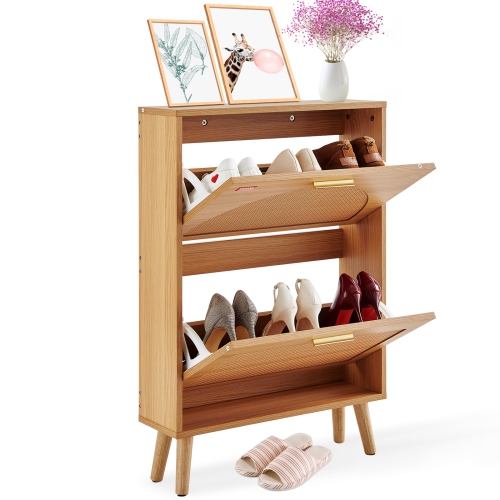
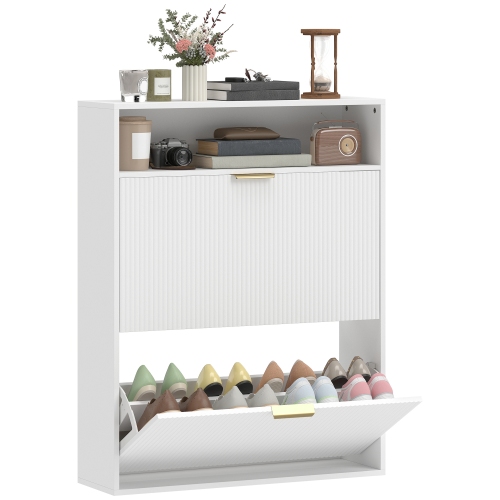
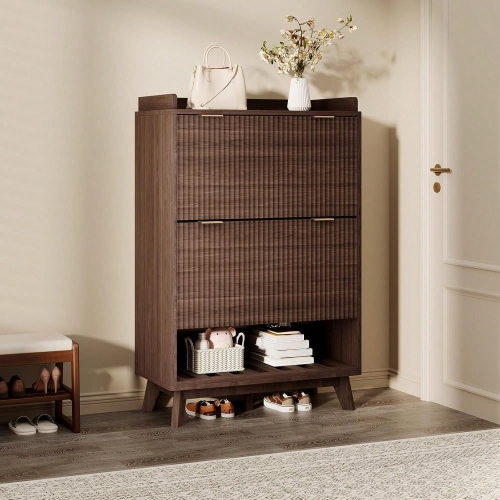
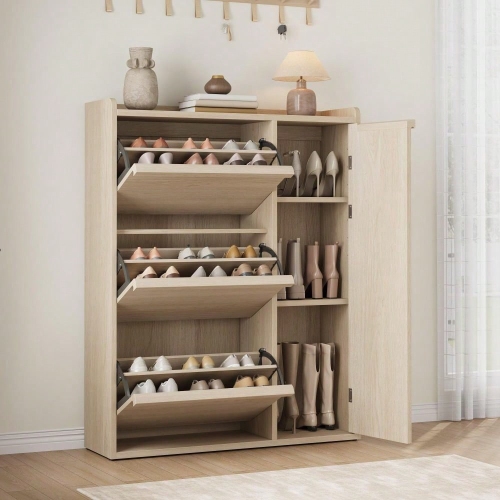
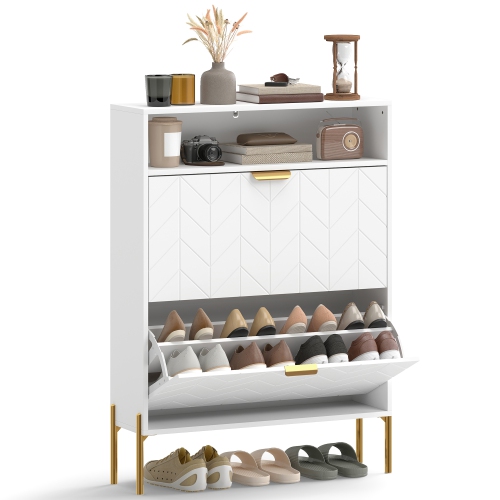
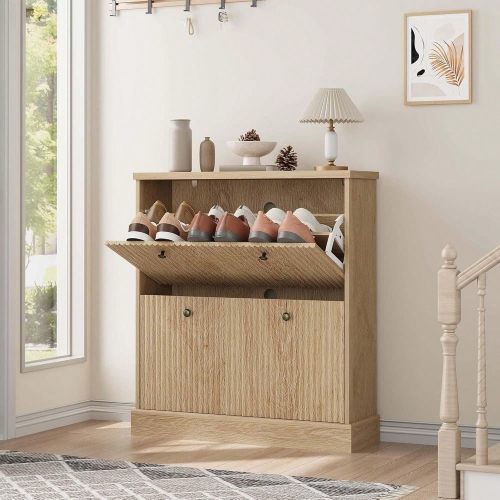
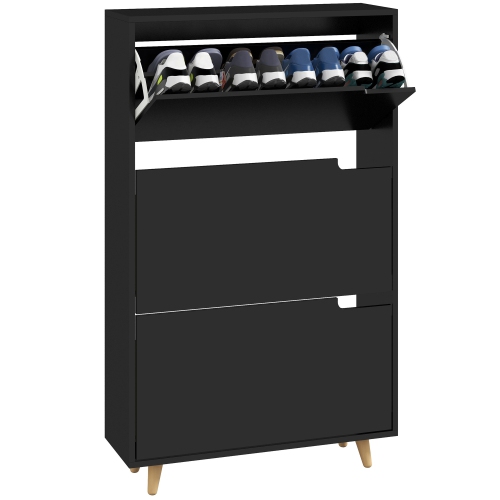
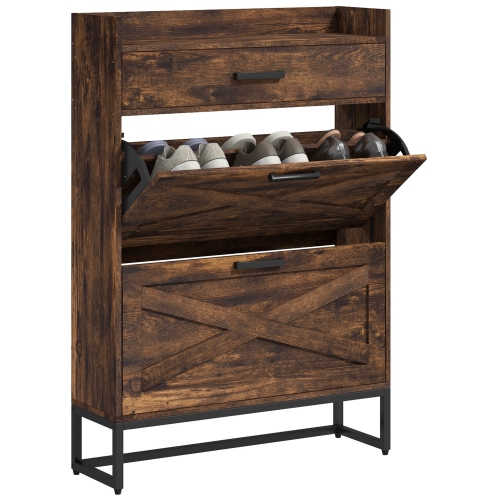
The interior layout has a direct effect on how well a tall shoe cabinet works in daily use. Flat shelves make it easier to see several pairs at once, while tilt-out compartments hold footwear at an angle and can reduce the cabinet depth needed for storage. Neither layout suits every collection equally well. Broad athletic shoes, bulky high-tops, heeled footwear, and larger shoe sizes can take up more room than slim flats or smaller pairs, so a stated pair capacity is best understood alongside the interior measurements and the type of footwear used to calculate it. Adjustable shelves offer more flexibility when shoe heights vary, though the available adjustment positions and the space lost to shelf thickness still matter. Removable shelves may create room for taller boots when the cabinet design permits, but removing a shelf also reduces the number of separate storage levels. Dividers can keep pairs from shifting together, and smooth compartment edges help reduce snagging when footwear is taken in and out. A useful arrangement leaves enough room to grasp each pair rather than requiring several others to be moved first. Larger households may find it easier to assign a shelf or compartment to each person; someone organizing a personal collection may prefer to group footwear by frequency of use. Shoes worn most often belong in the easiest-to-reach section, particularly when bending or reaching overhead is uncomfortable. Closed doors do not replace sensible footwear care. Shoes should be dry before being stored, and any ventilation openings should remain unobstructed. Removable trays or liners, where suitable for the cabinet, can make loose dirt easier to clear away, provided they do not interfere with door operation or trap moisture against the shelves. A cabinet with a small upper drawer or separate compartment can also keep shoe-care supplies apart from footwear. Matching the internal arrangement to actual habits is often more useful than choosing solely by the largest stated capacity, especially when several people need to find and return their shoes quickly.
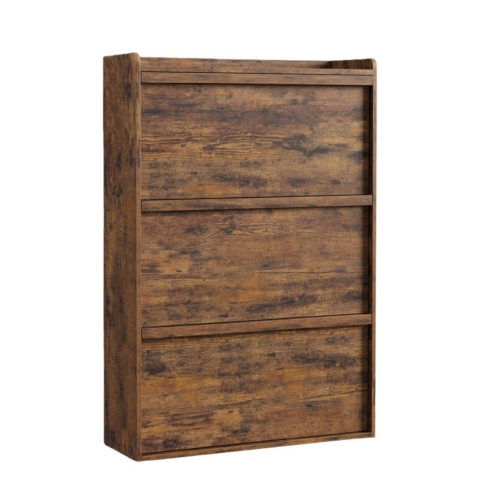
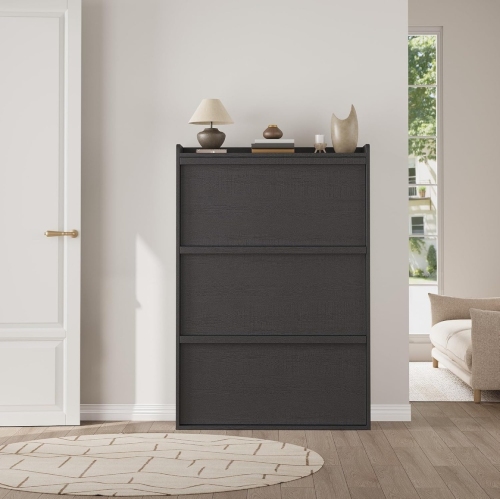
Materials, construction, and finish influence how a tall cabinet looks, feels, and holds up to repeated use. Solid wood can bring visible grain and natural variation, while engineered wood with a laminate, veneer, or painted finish offers a broad range of appearances. Metal components can provide a crisp look, whether used for the cabinet body, legs, handles, or internal supports. Durability depends on more than the material name: well-supported shelves, secure joints, neatly finished edges, and hardware suited to the doors all contribute to everyday performance. Hinges and tilt mechanisms should move smoothly, and shelf load limits should suit the intended contents. A tall unit also needs careful installation. Follow the manufacturer’s assembly and wall-anchoring instructions, use fasteners appropriate for the wall construction, and keep heavier footwear on lower shelves. Anti-tip hardware is particularly important for tall furniture, including in homes without children. Uneven flooring or a baseboard gap may affect positioning, so levelling and the specified wall clearance deserve attention before the cabinet is filled. Visually, a light finish can help a substantial cabinet blend into pale walls, while a darker finish creates a stronger furniture presence. Wood tones add warmth, and simple doors with discreet handles can sit comfortably alongside other hallway storage. For a streamlined look, Modern Shoe Cabinets offer another way to explore clean-lined storage that complements contemporary rooms. Matching every piece is not essential; repeating a finish, handle colour, or leg shape can make the entrance feel cohesive. Routine care is usually straightforward, but the manufacturer’s directions should take priority. Dusting with a soft cloth, wiping marks promptly, and avoiding excess water around seams can help preserve the finish. Periodic checks of handles, hinges, shelf supports, and wall restraints help keep the cabinet ready for regular use. With suitable dimensions, accessible compartments, and a finish that works with the room, tall shoe cabinets make footwear easier to store neatly and find again.
Top selling and popular products
-
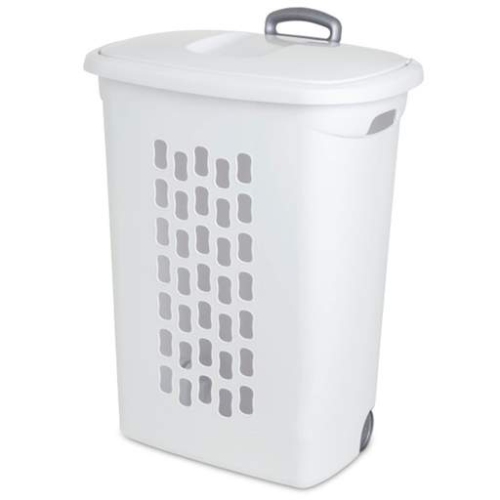 Your price for this item is $698.99
-
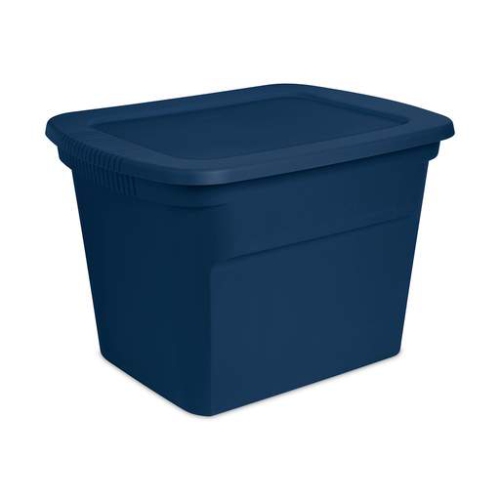 Your price for this item is $859.99
-
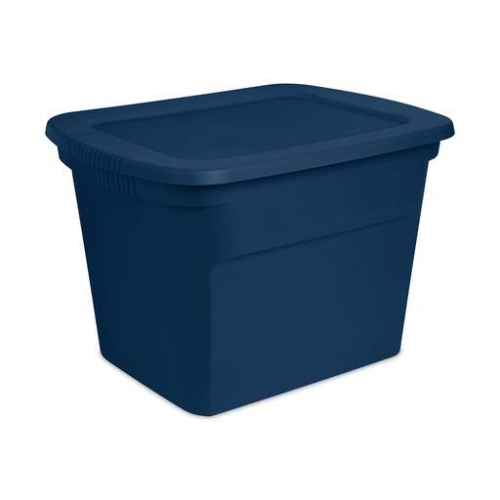 Your price for this item is $1197.99
-
 Your price for this item is $299.99
-
 Your price for this item is $573.99
-
 Your price for this item is $253.99
-
 Your price for this item is $178.99
-
 Your price for this item is $348.99
Discover more categories related to Tall Shoe Cabinets
Top Collections:
Best Black Friday Deals This Year, Best Black Friday Deals On Electronics, Kindle Devices, Dyson Airwrap, Best Cameras for Sports Photography, Best Budget Office Chairs, Canon G7X Cameras, PS5 Pro Consoles, Best Black Friday Deals On Apple Products, XBOX One S Consoles
Some products may be subject to Environmental Handling Fees
(EHF) depending on your province.
Learn more about EHFs.