Tall Shoe Cabinets With Doors
Looking for a stylish and practical solution to store your ever-growing shoe collection? Look no further than our selection of tall shoe cabinets with doors. These versatile pieces of furniture are designed to keep your shoes organized and easily accessible, all while adding a touch of elegance to your home decor. Whether you have a small apartment or a spacious walk-in closet, tall shoe cabinets with doors offer ample storage space without compromising on style. Here are some great options available.
Sort
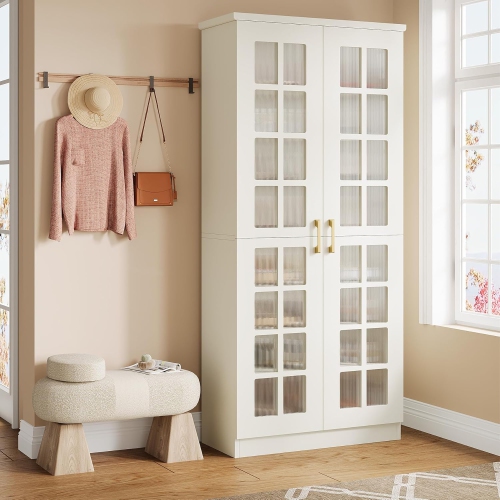
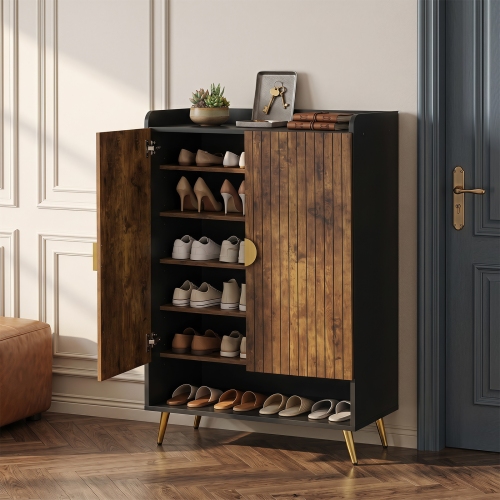
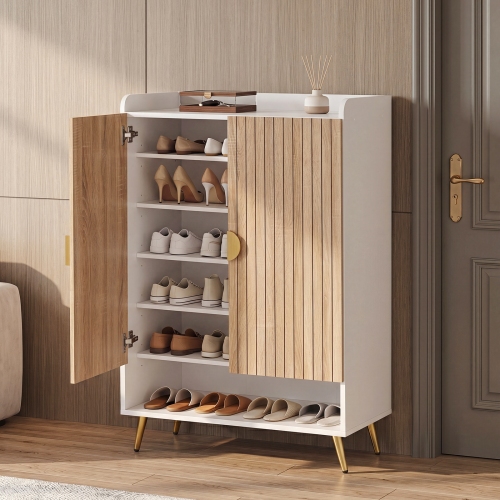
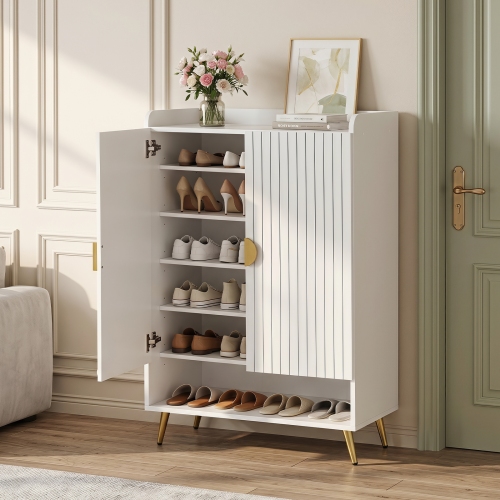
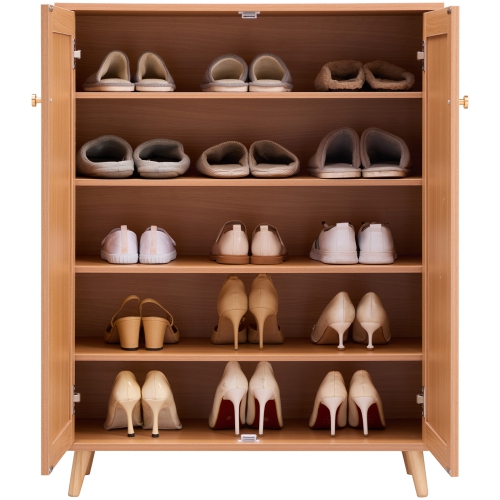
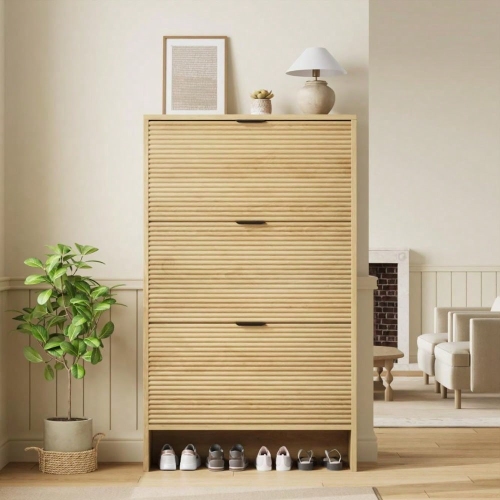
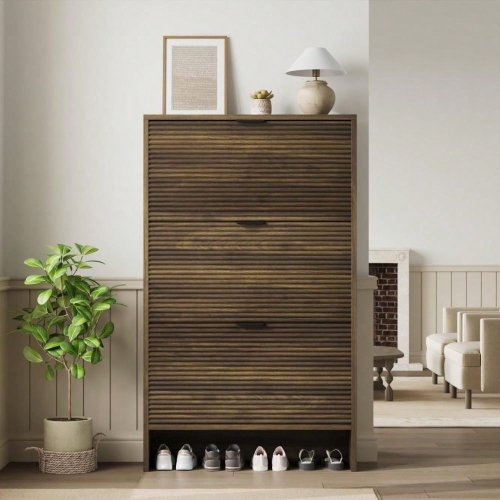
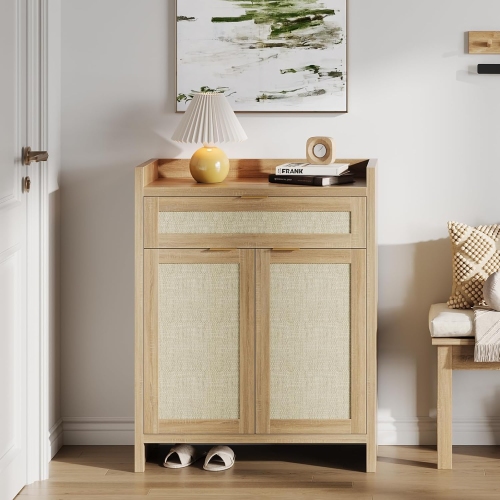
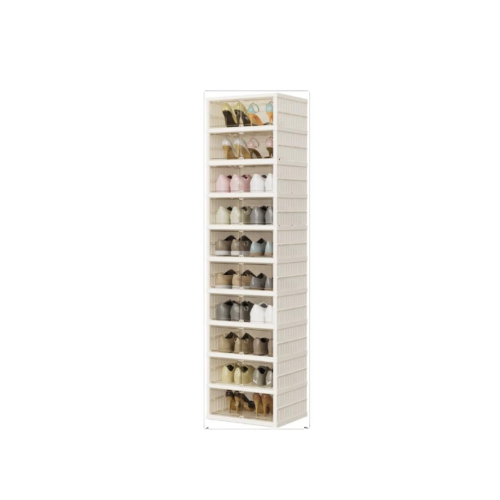
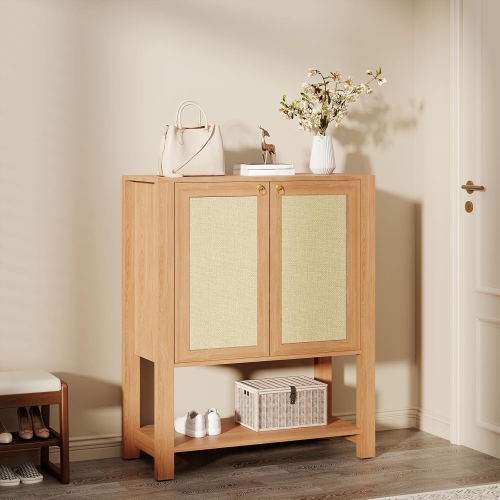
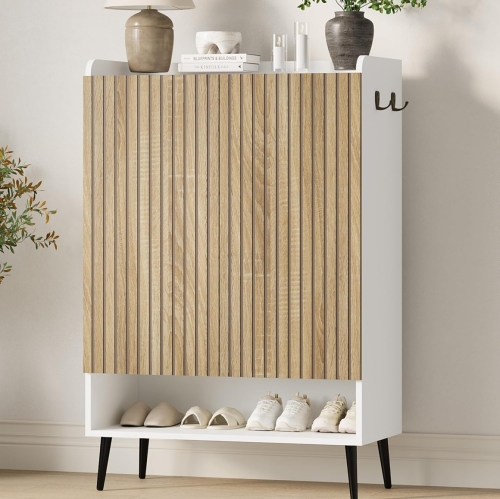
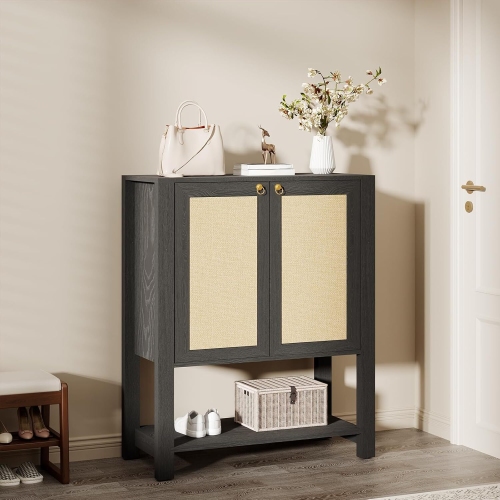
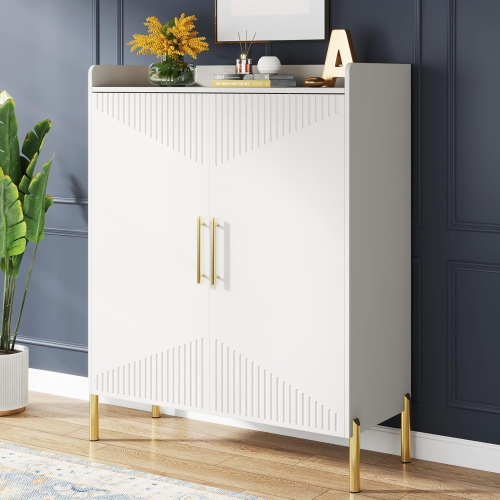
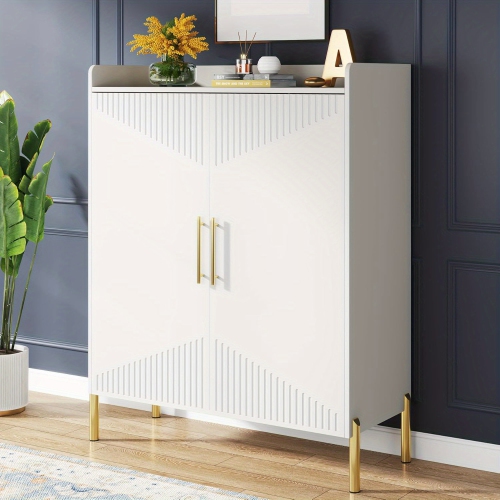
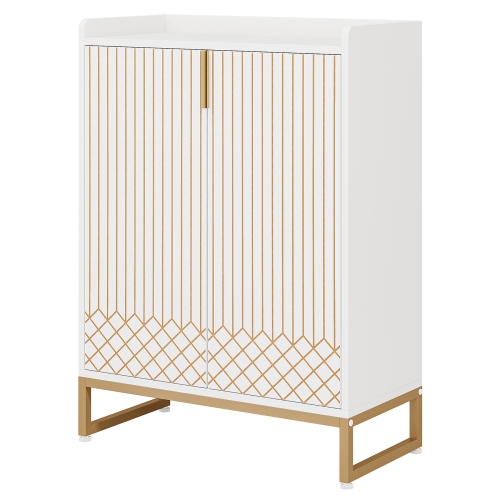
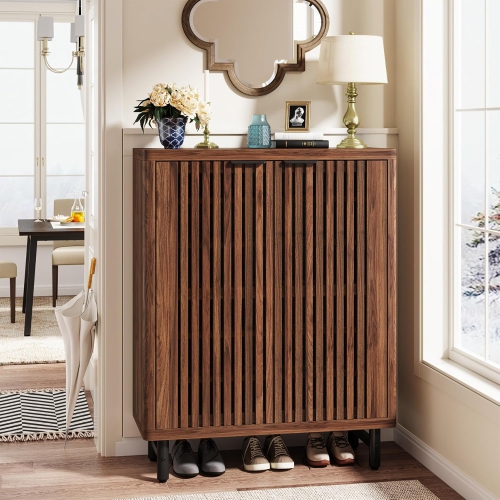
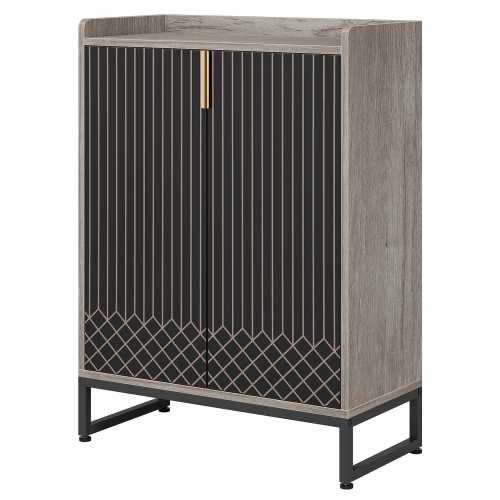
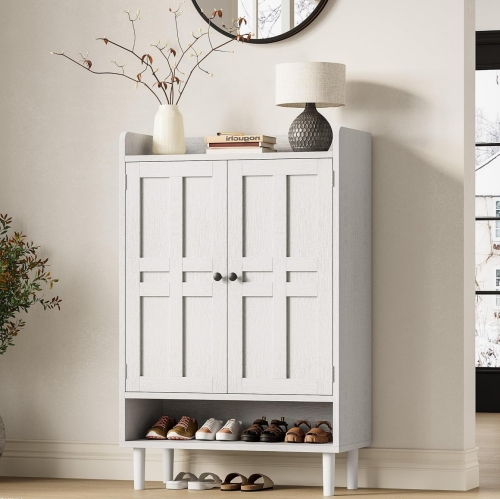
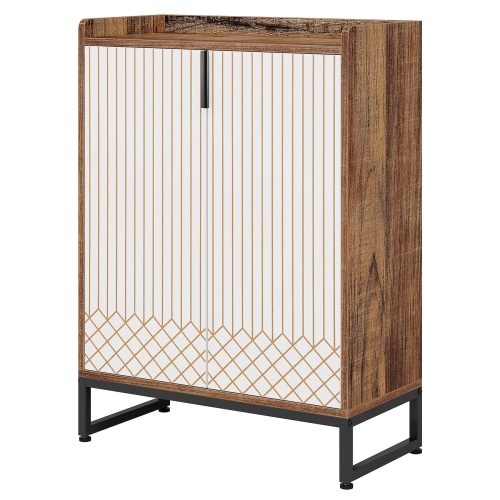
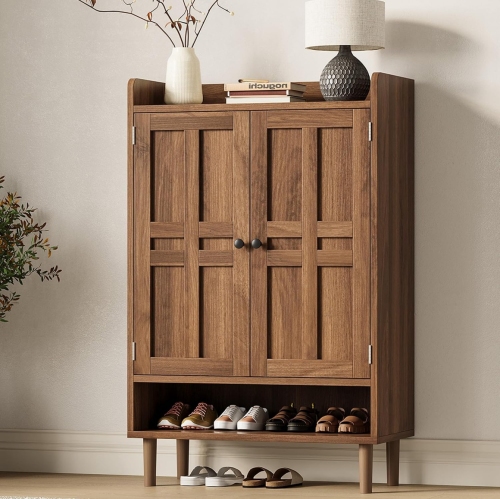
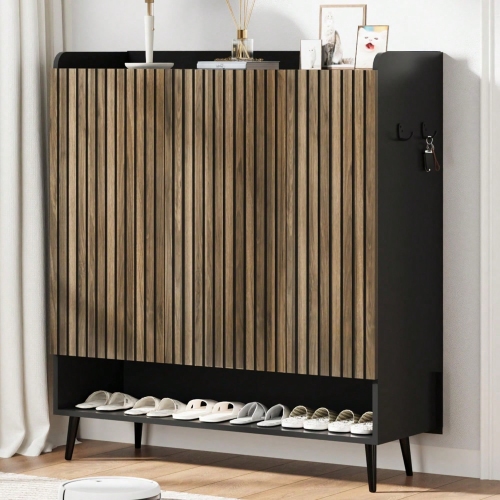
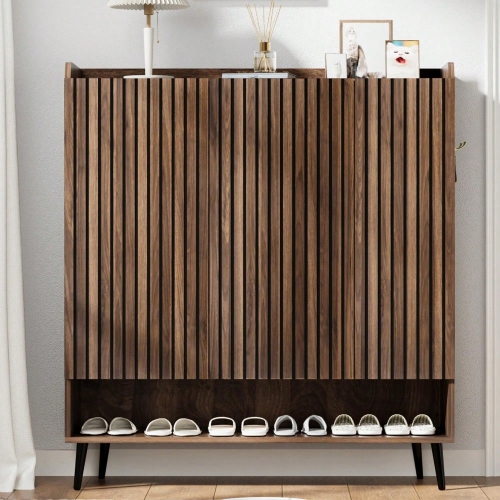
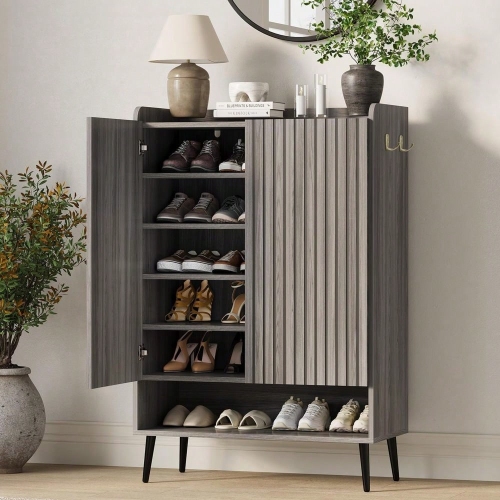
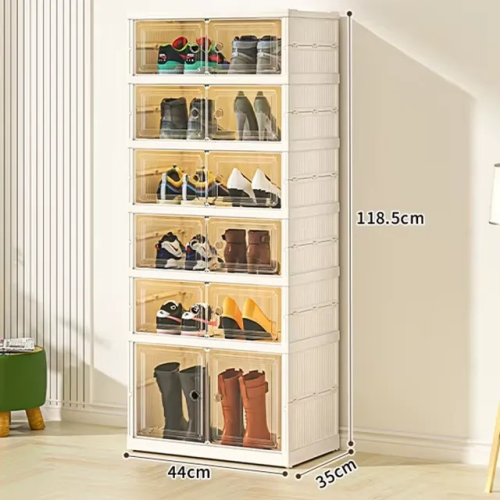
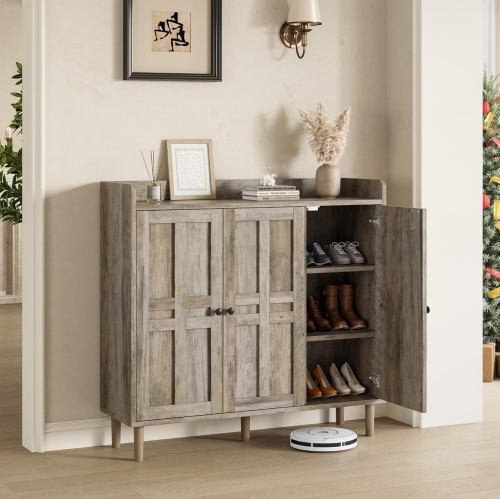
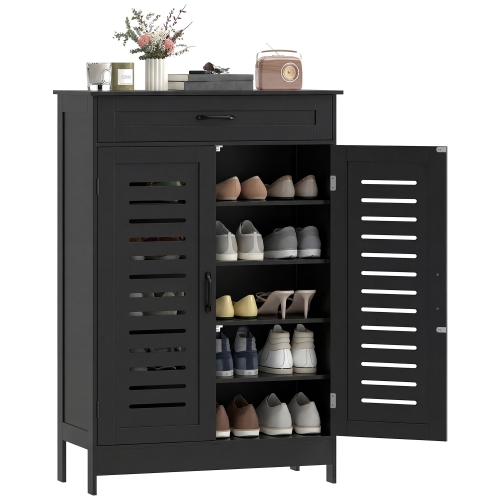
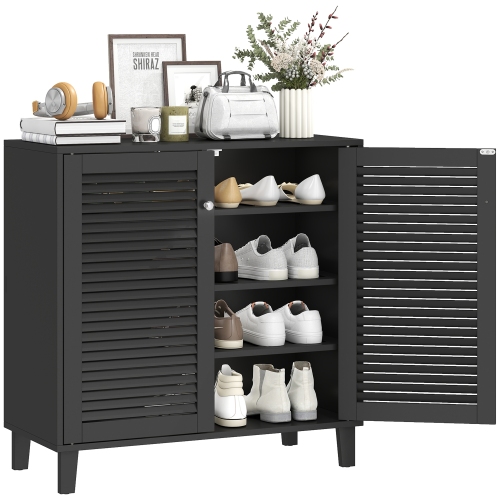
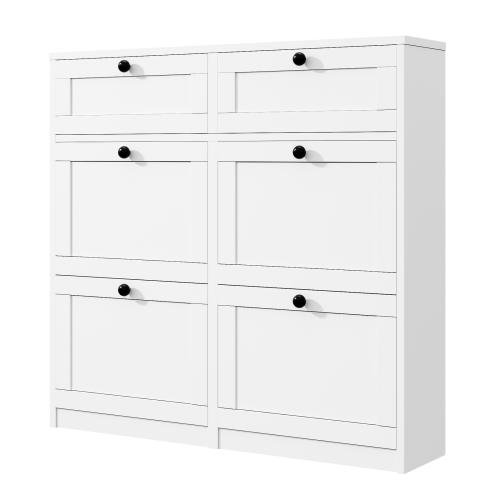
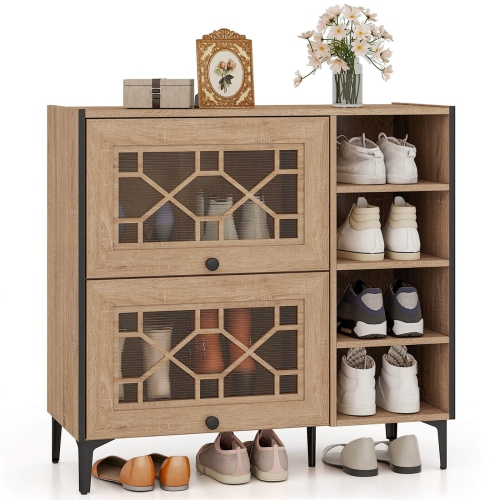
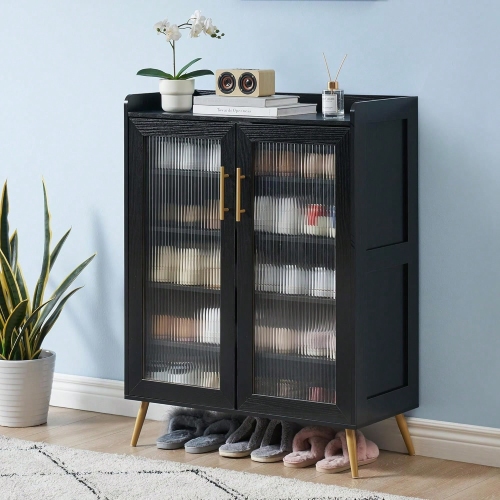
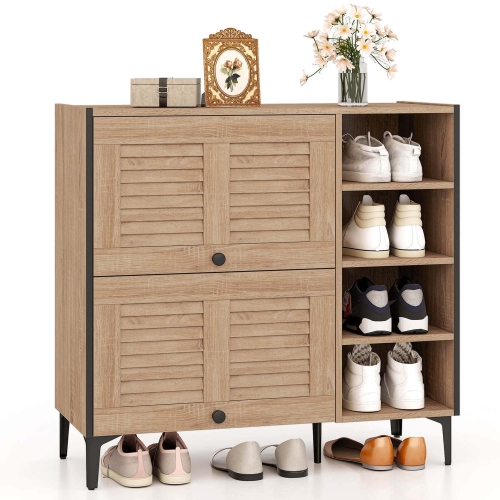
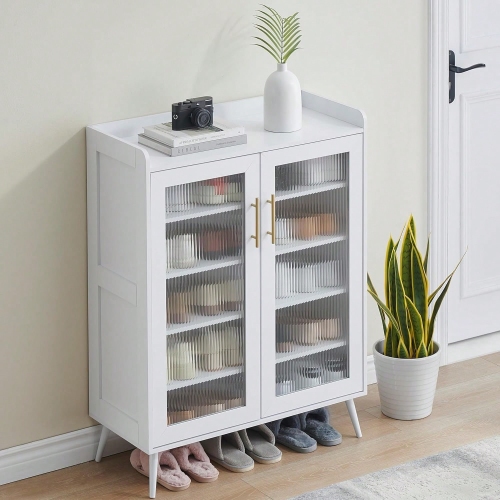
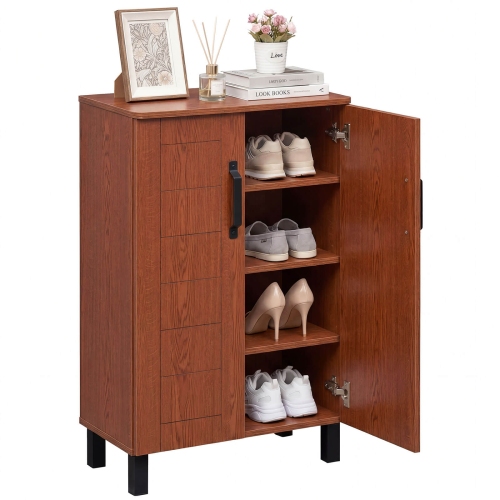

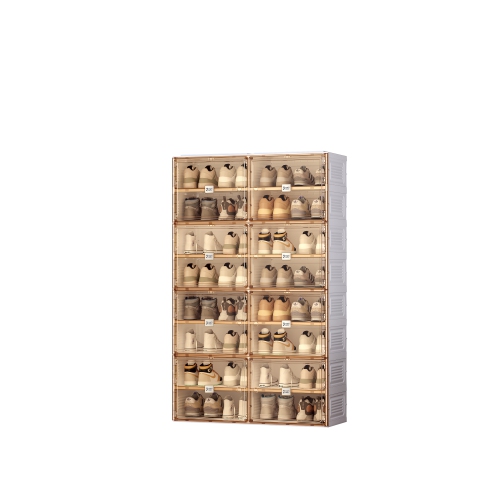
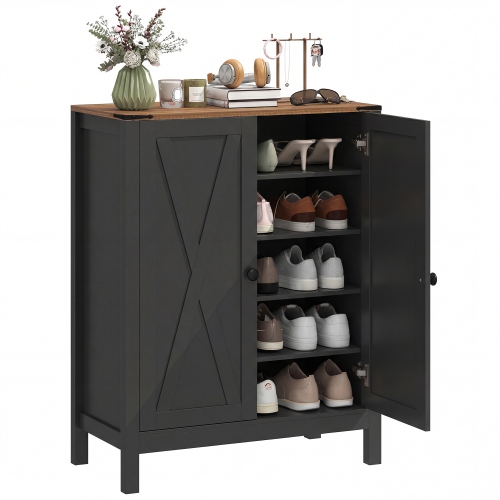
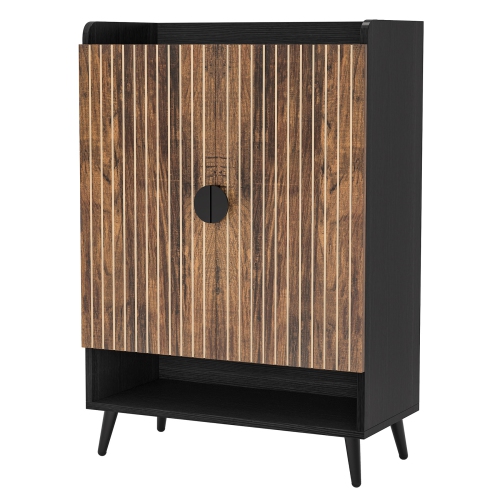

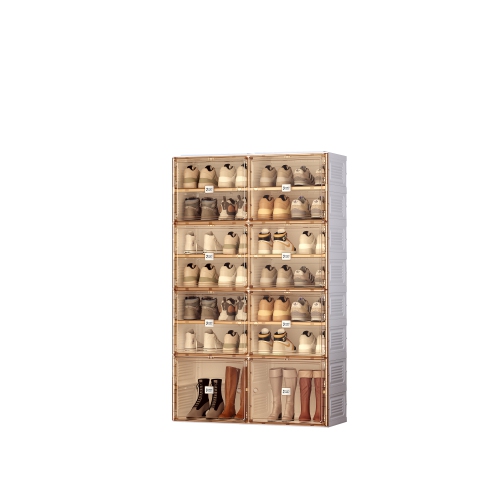
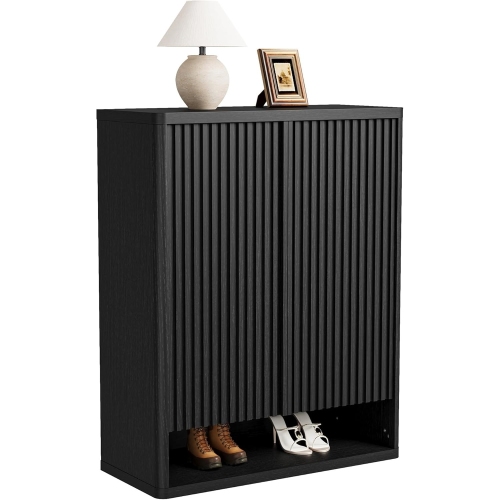
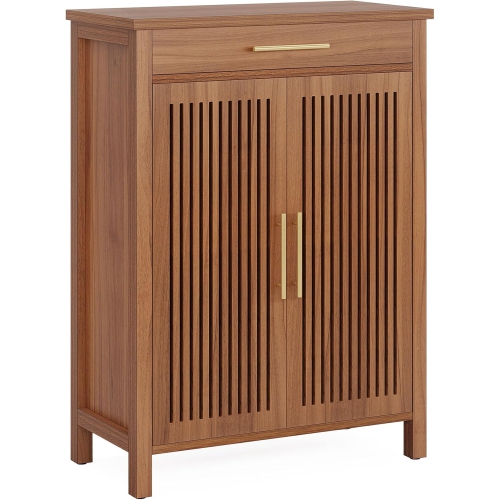
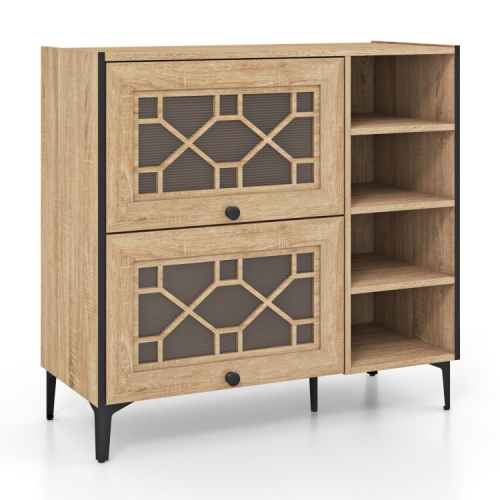
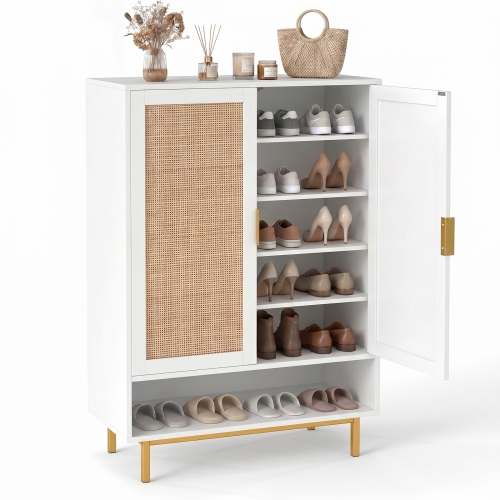
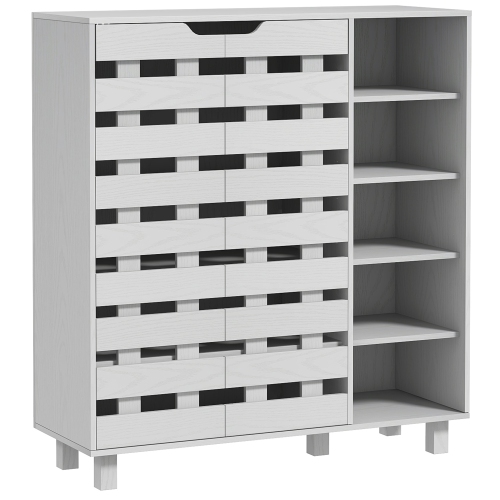
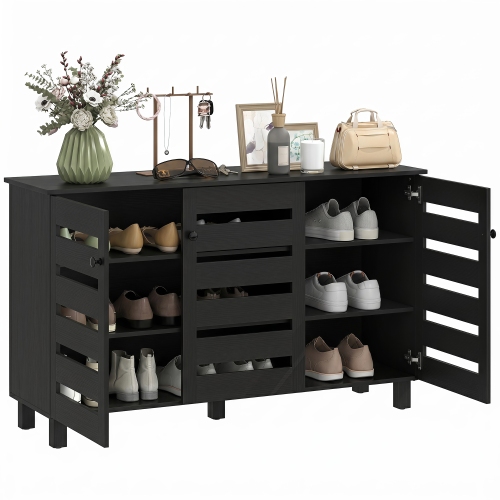
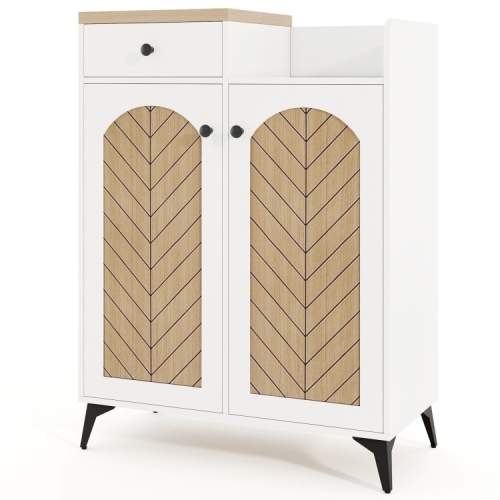
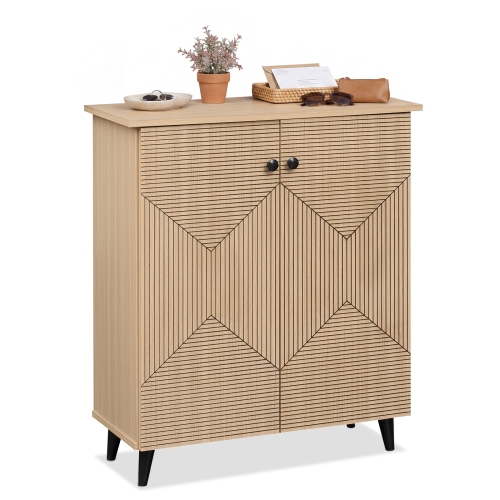

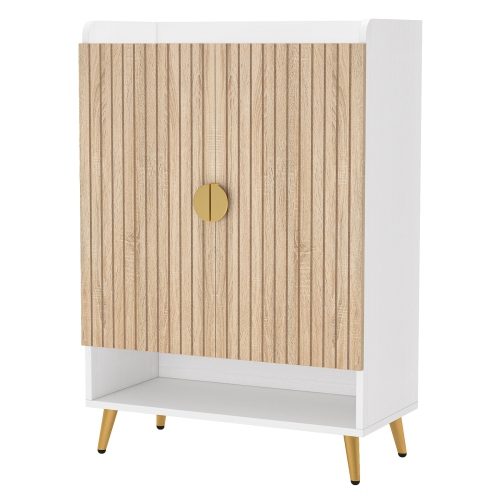
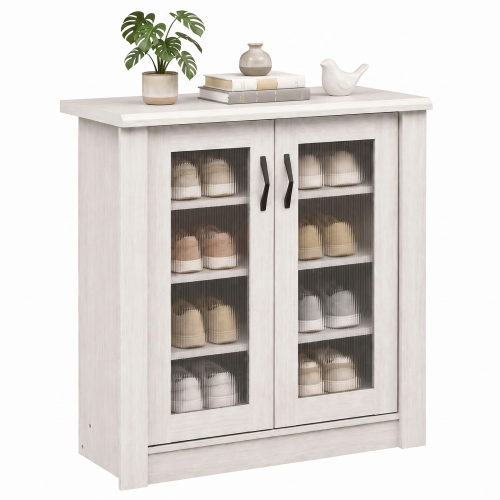
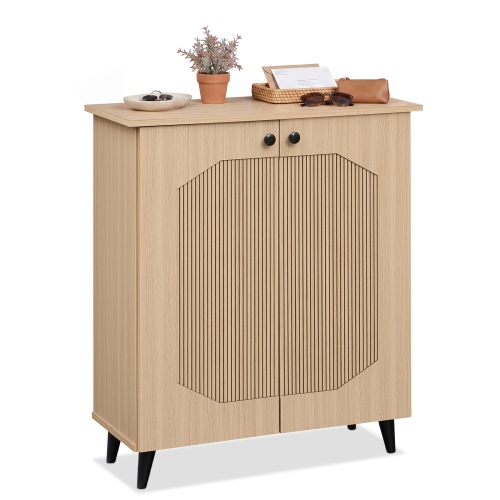
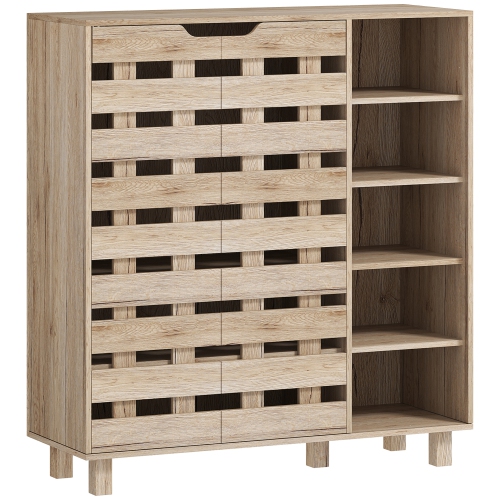
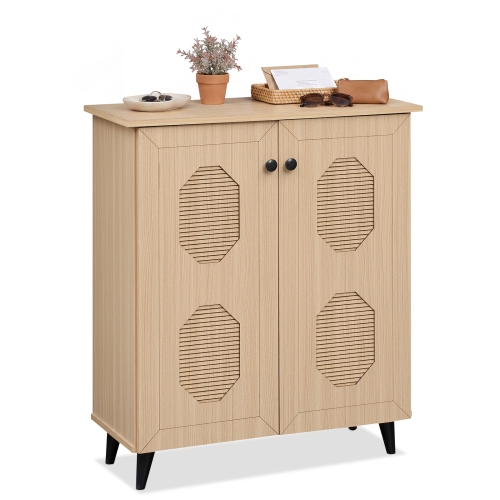
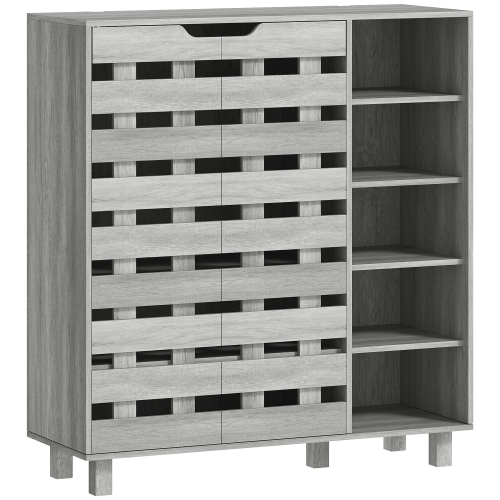
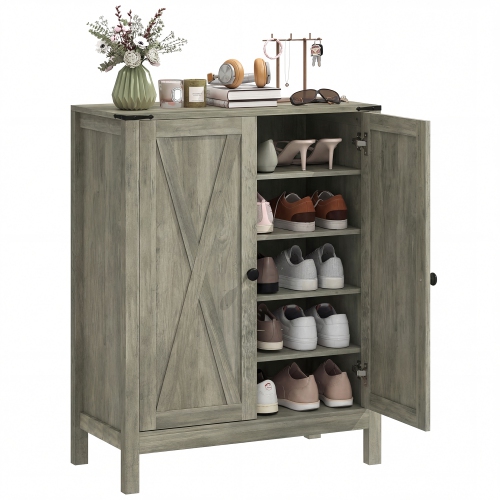
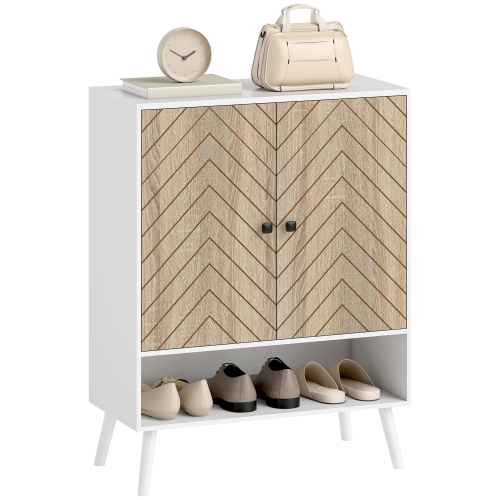
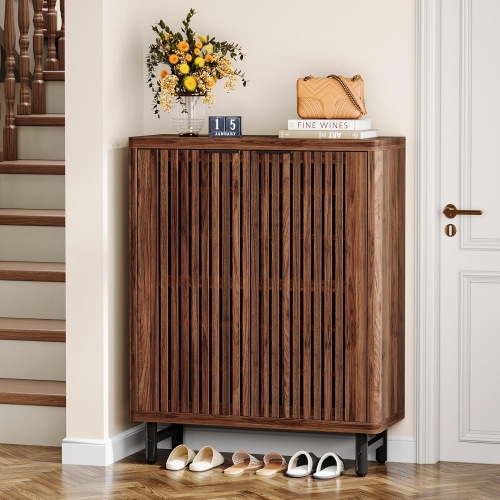
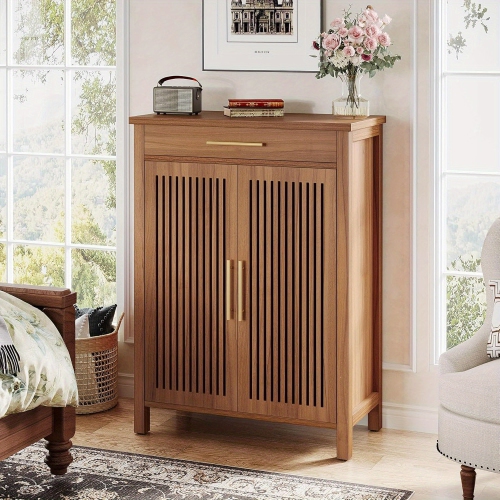
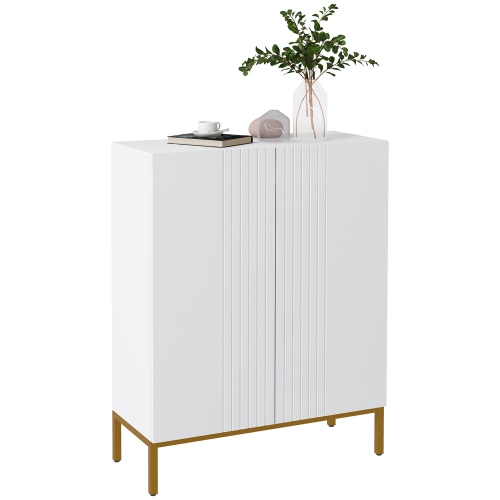
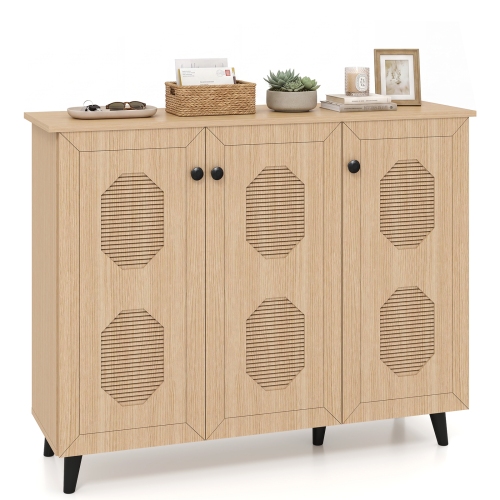
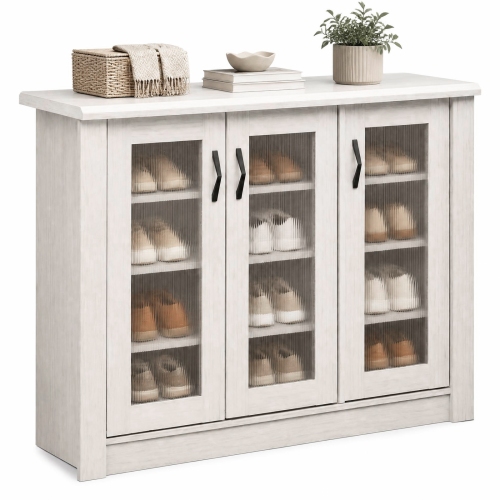
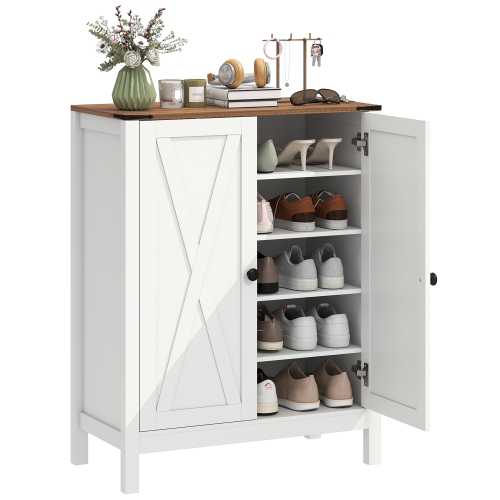
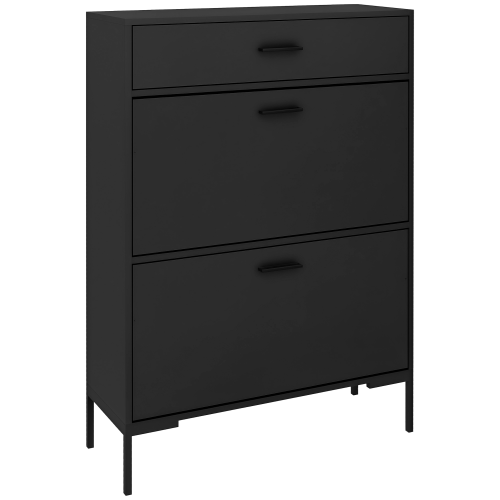
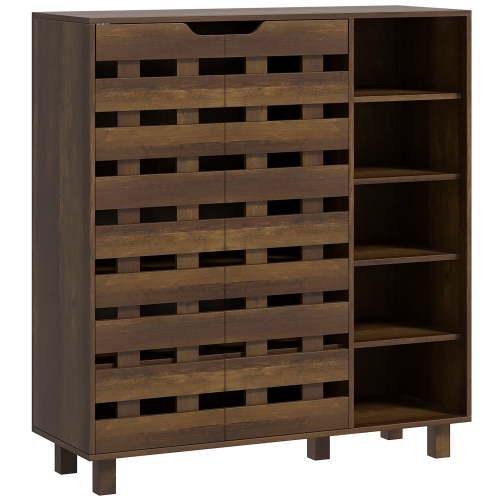
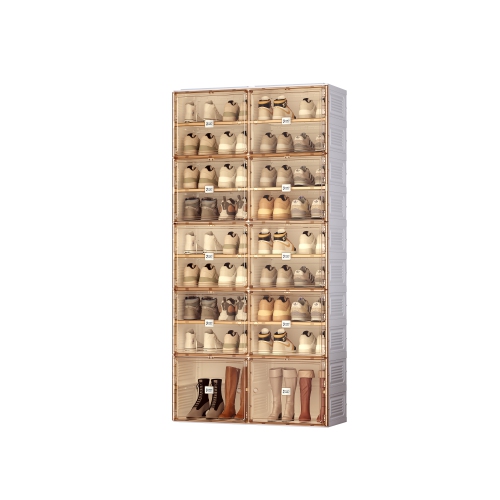
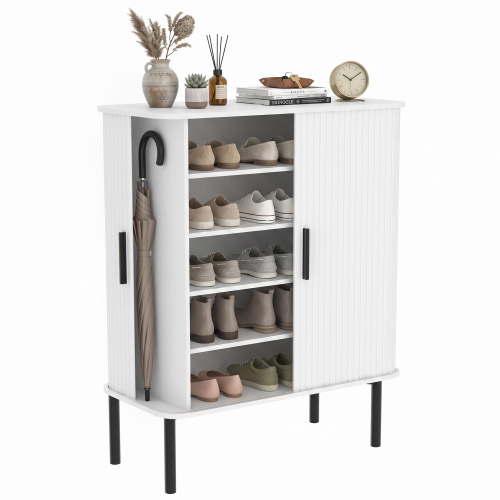
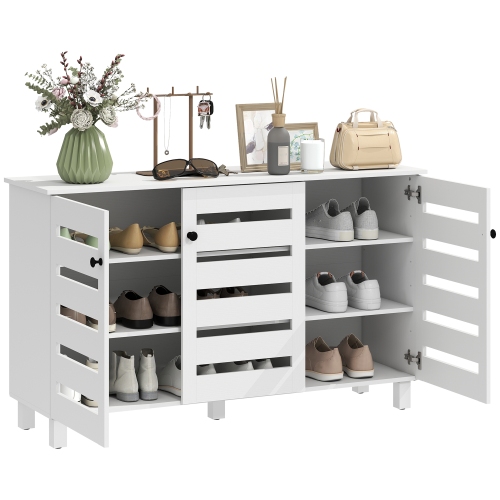
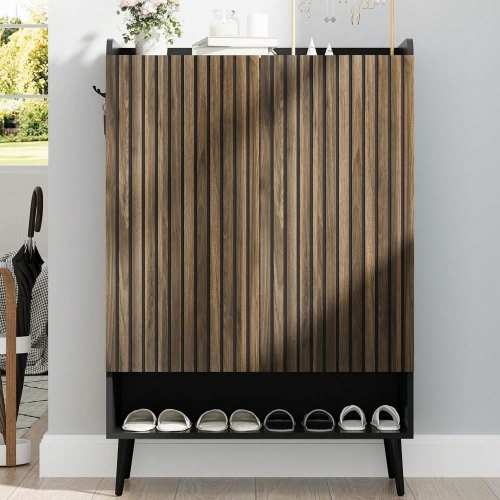
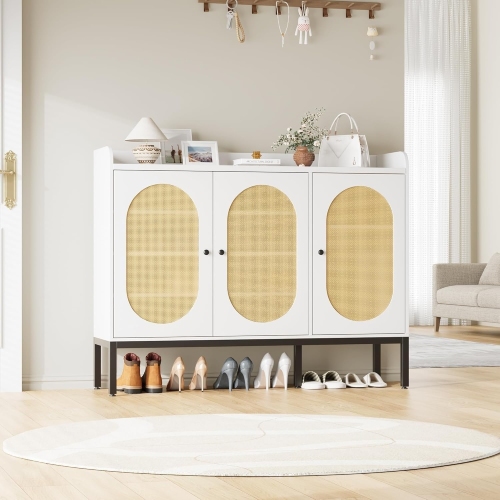
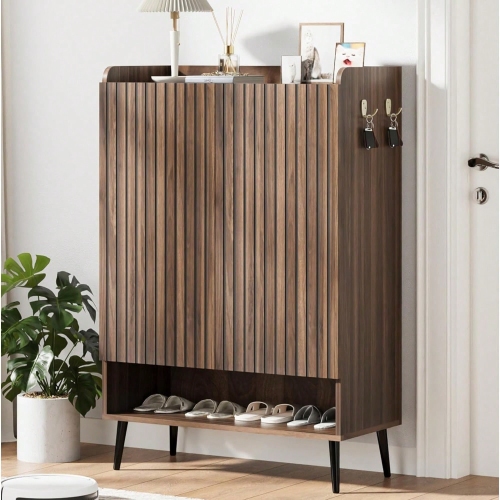
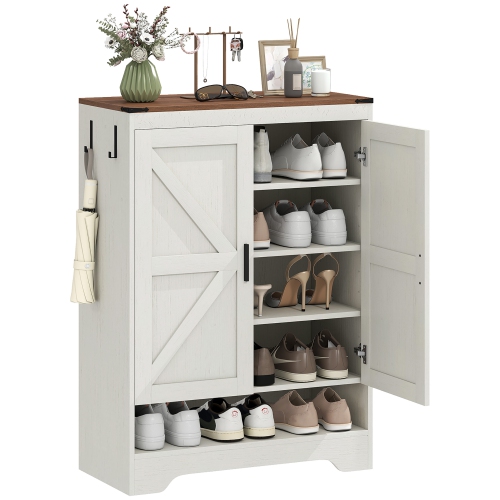
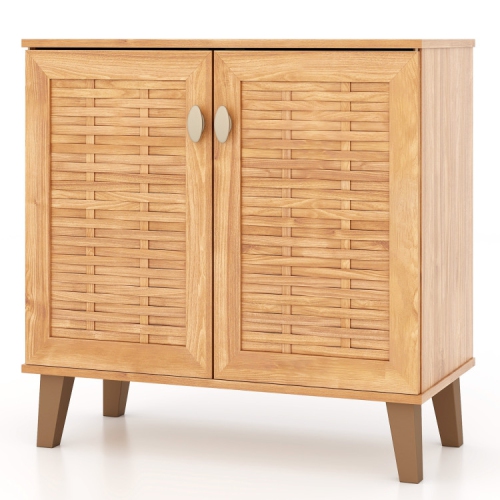
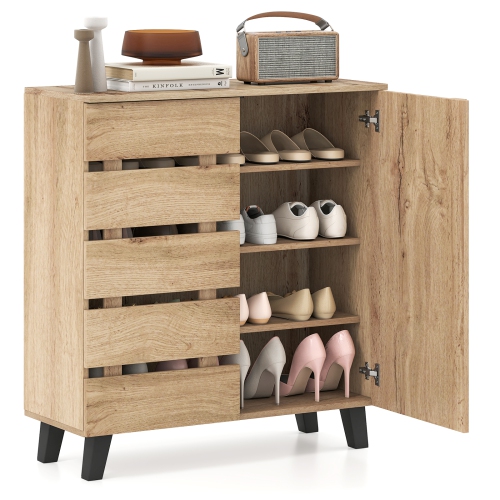
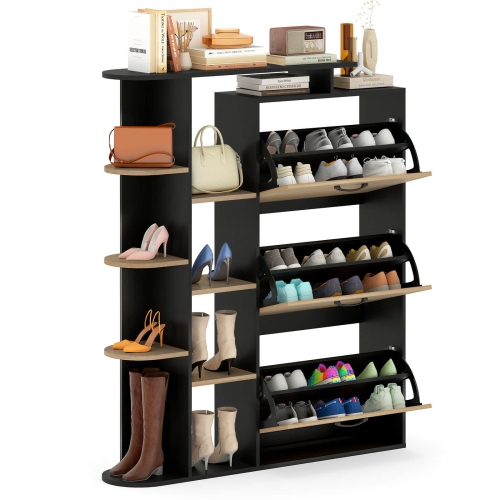
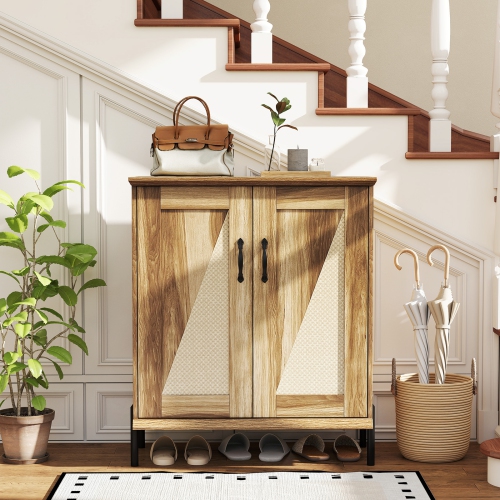
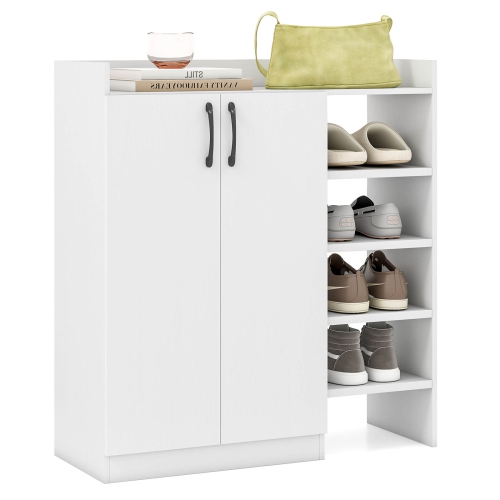
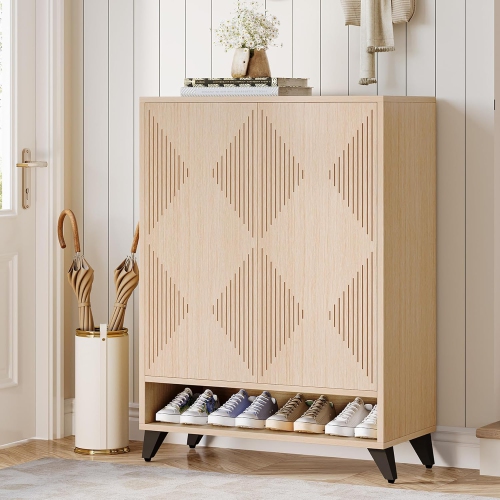
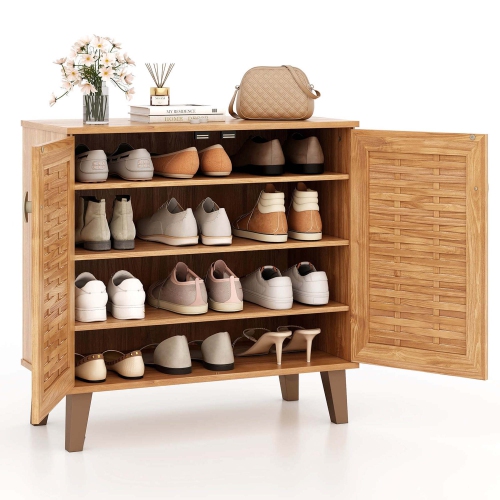
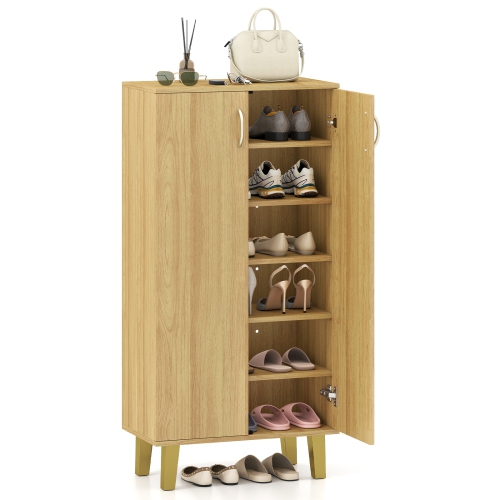
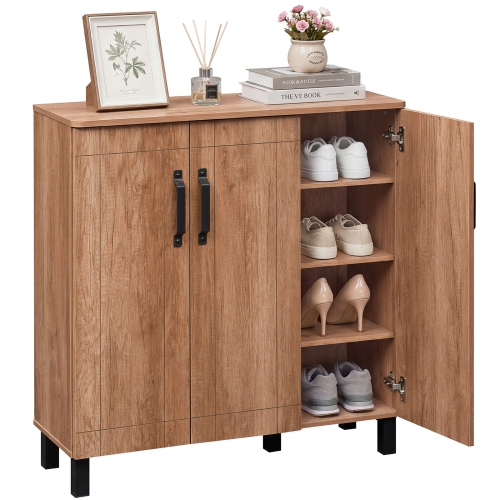
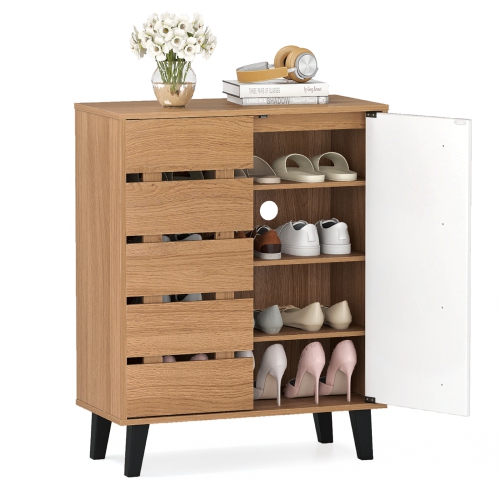
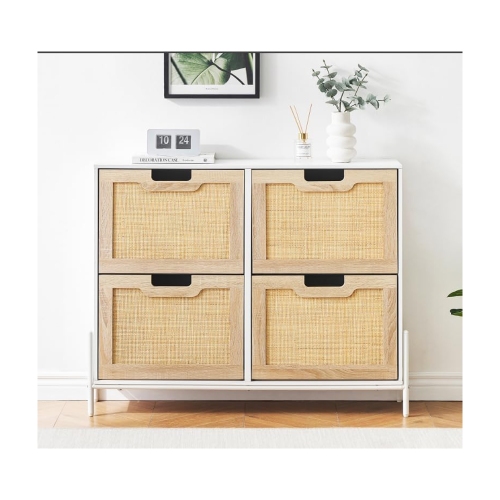
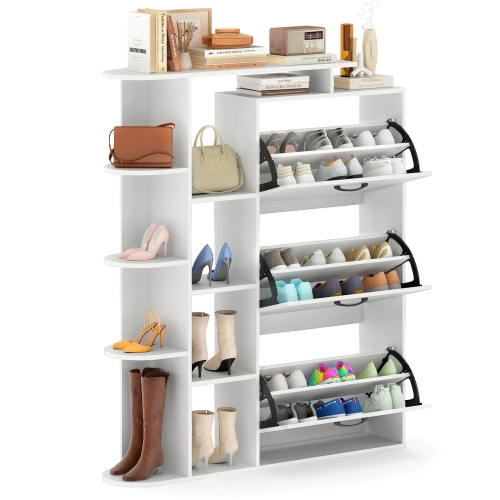
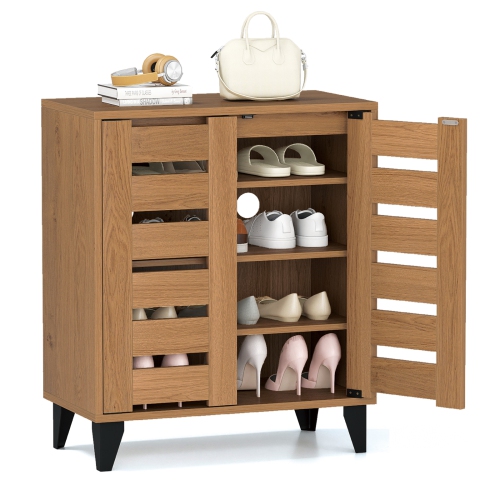
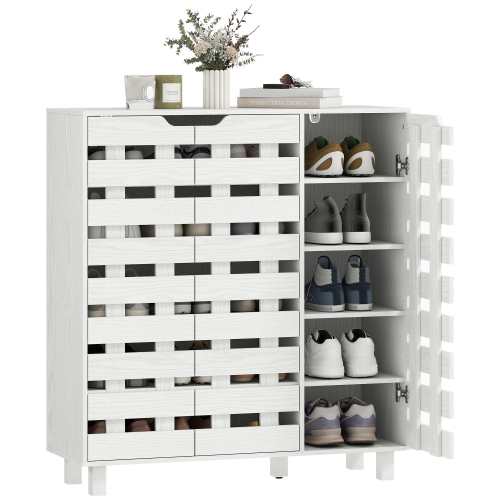
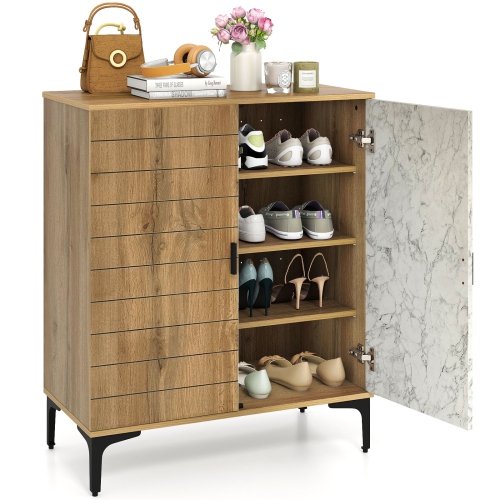
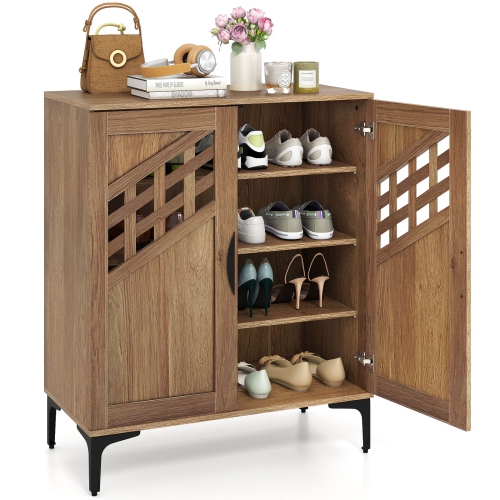
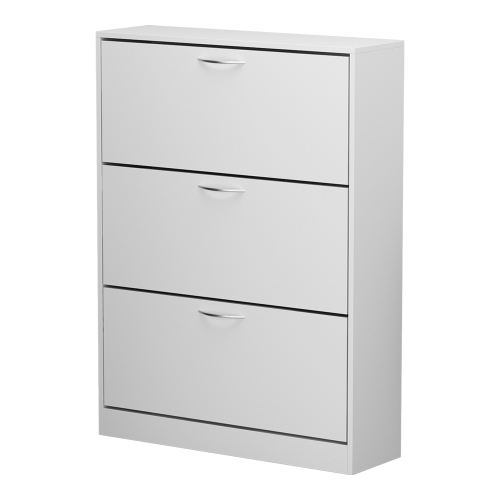
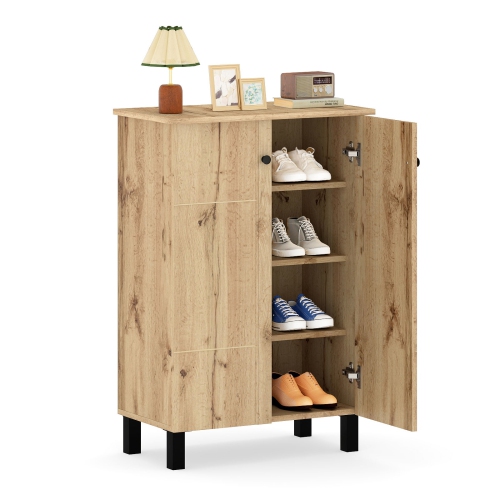
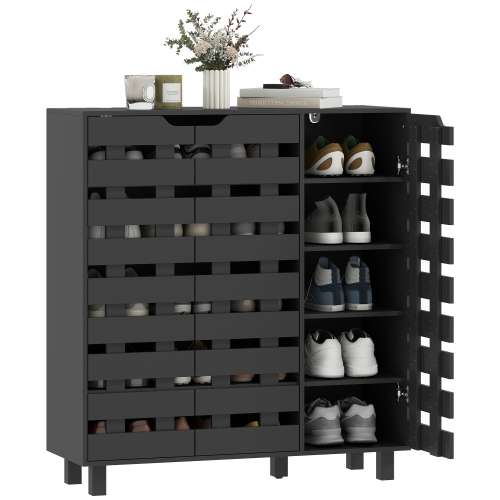
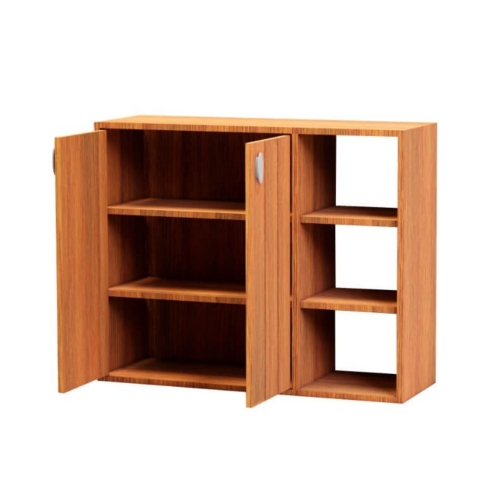
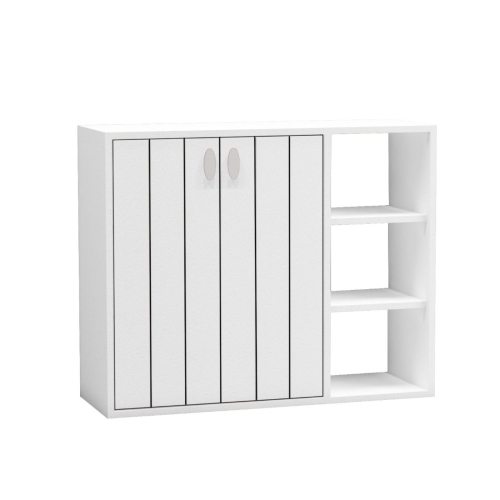
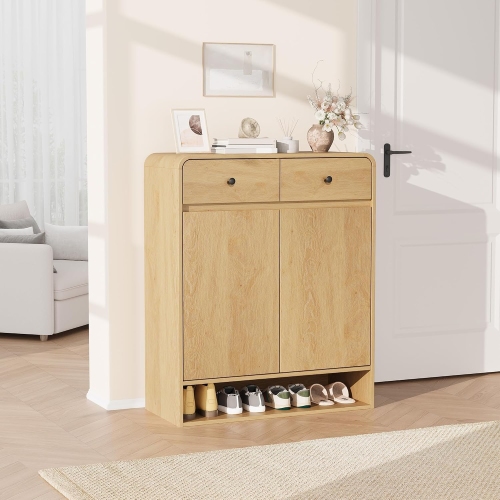
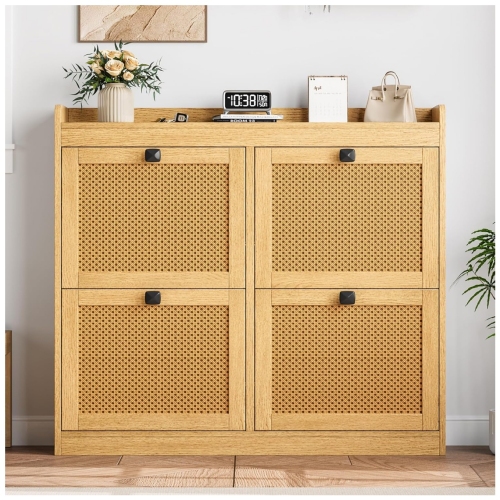
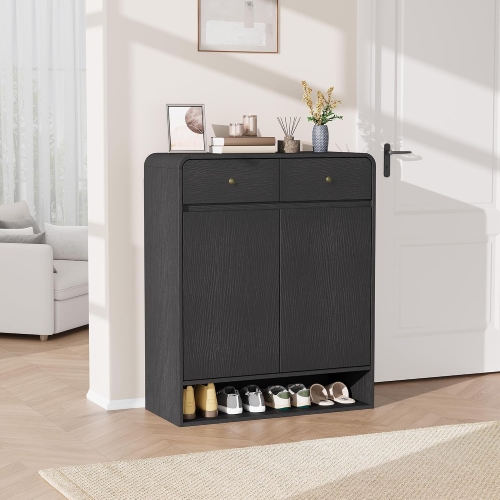
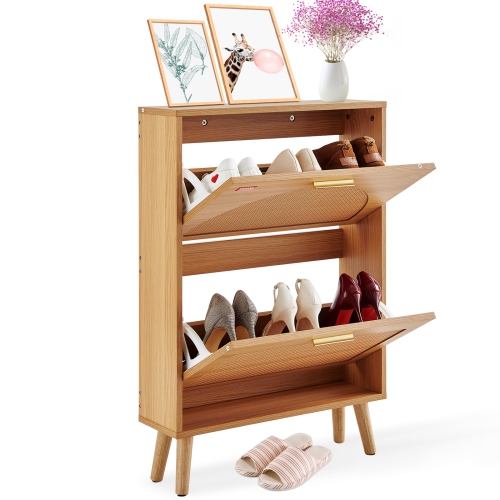
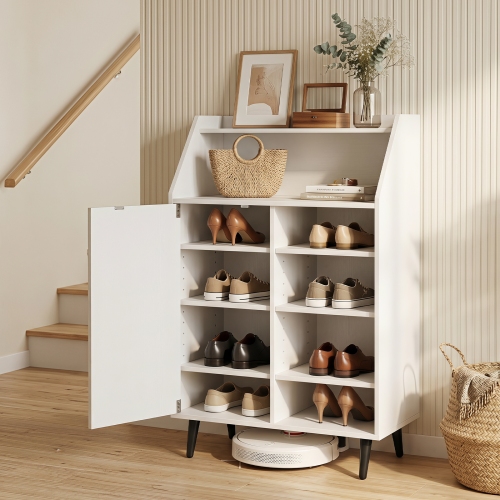
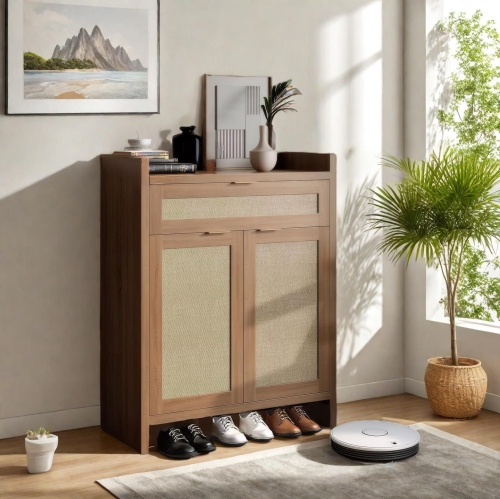
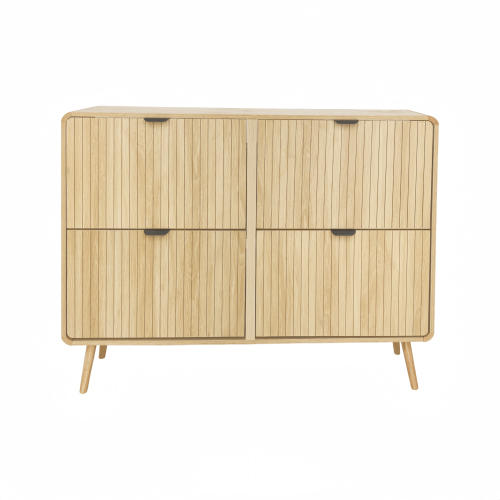
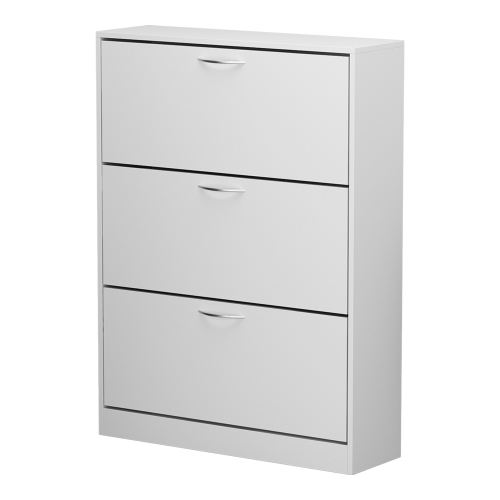
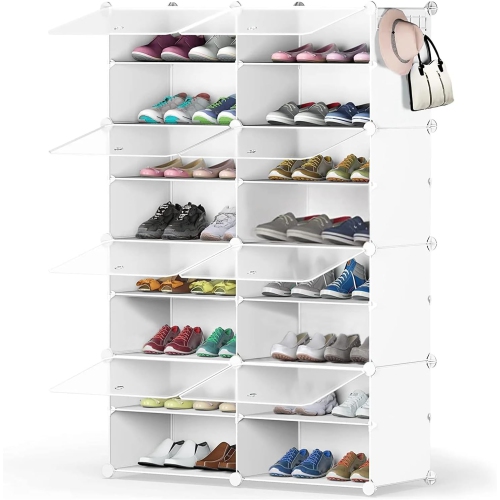
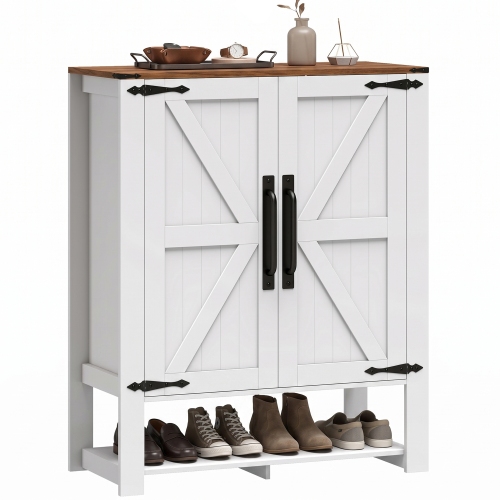
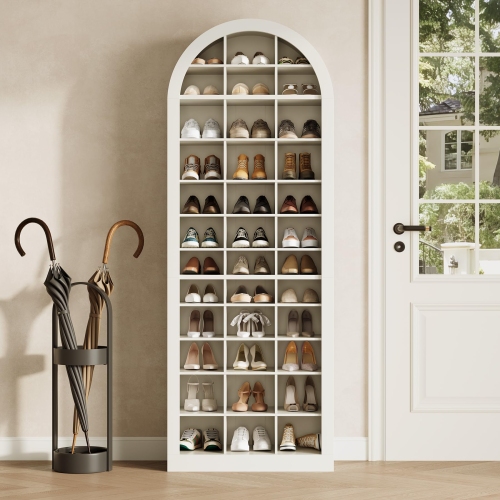
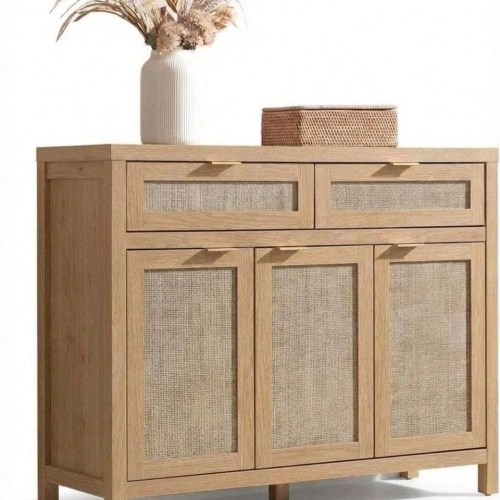
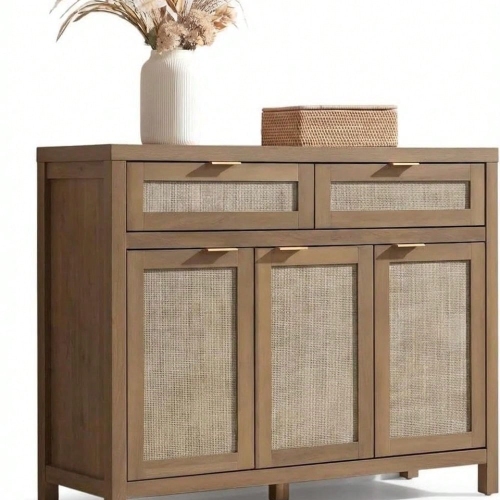
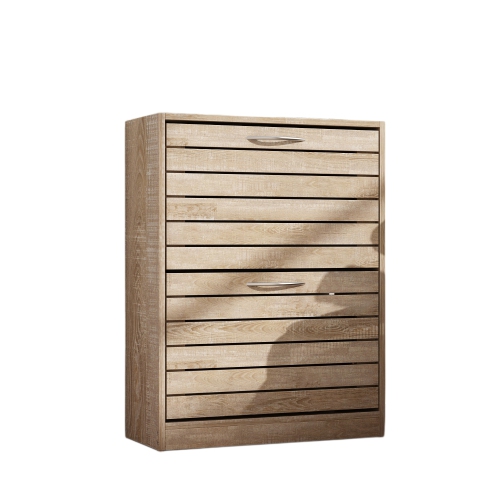
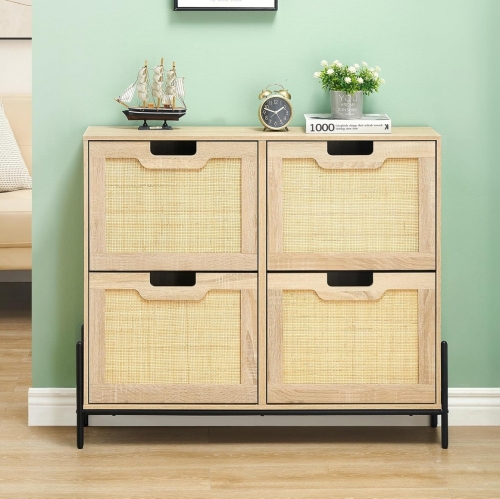
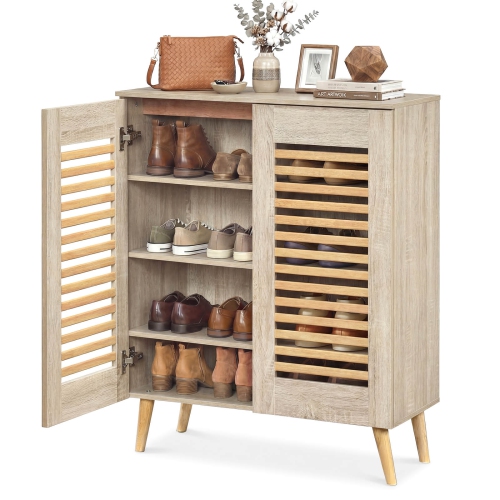
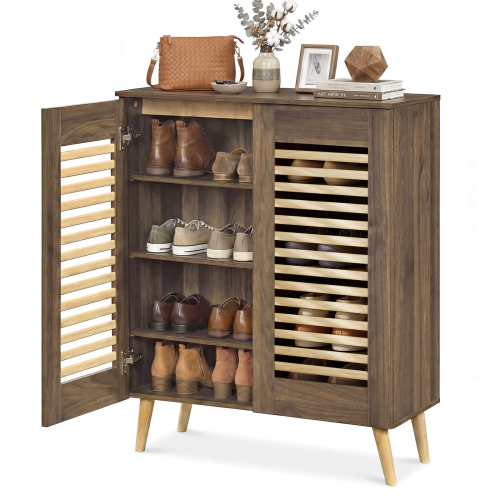
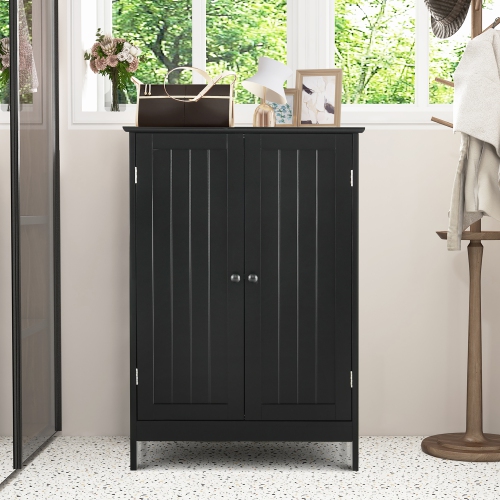
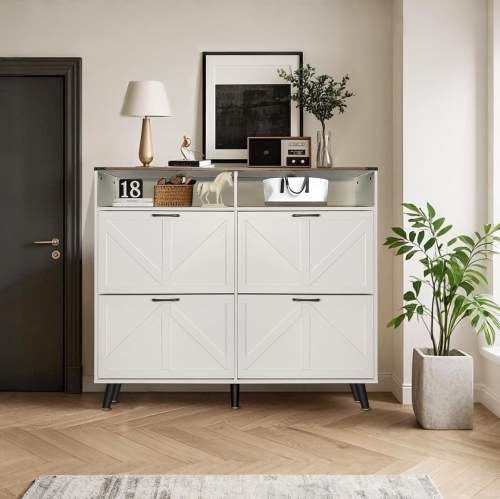
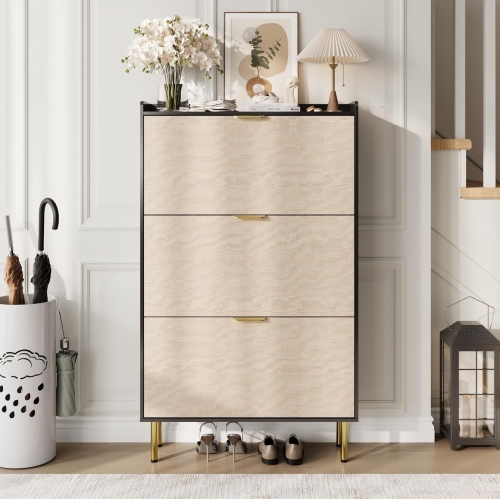
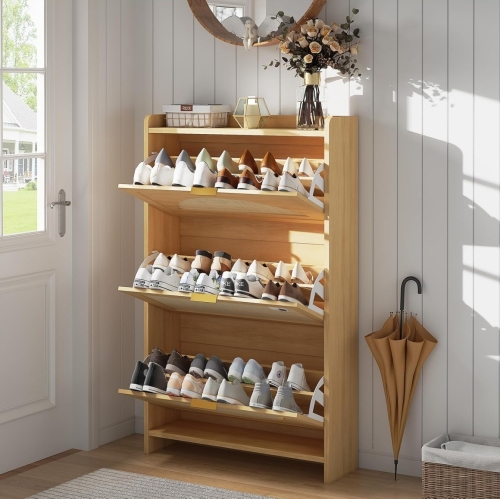
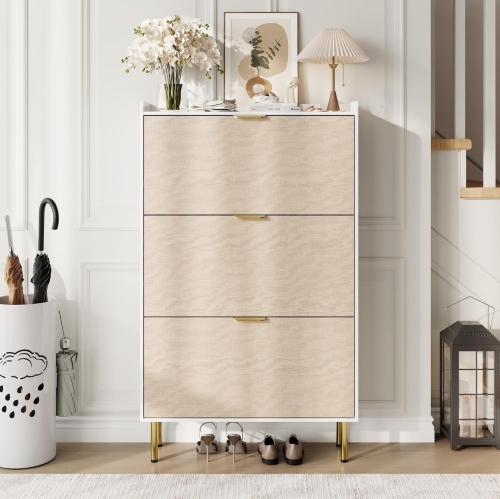
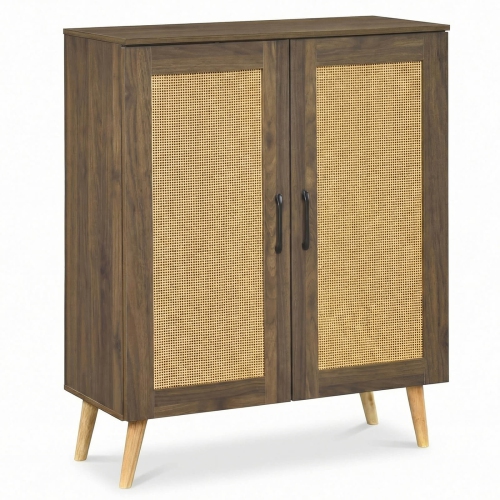
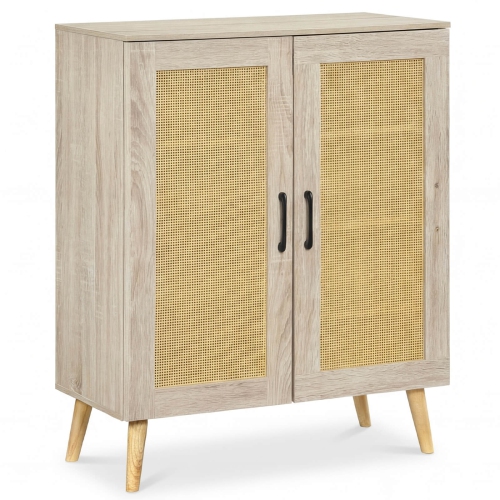
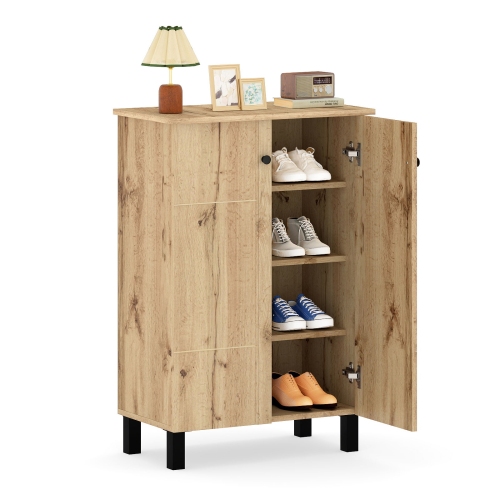
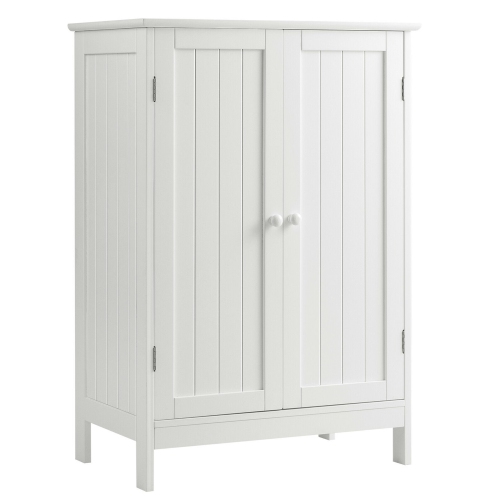
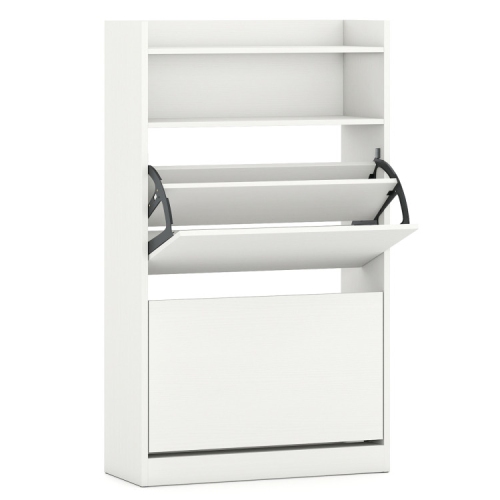
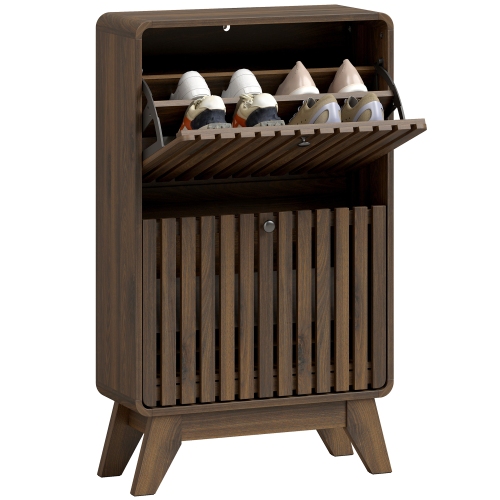
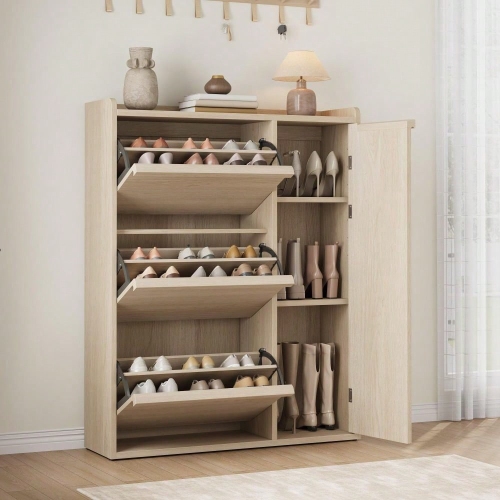
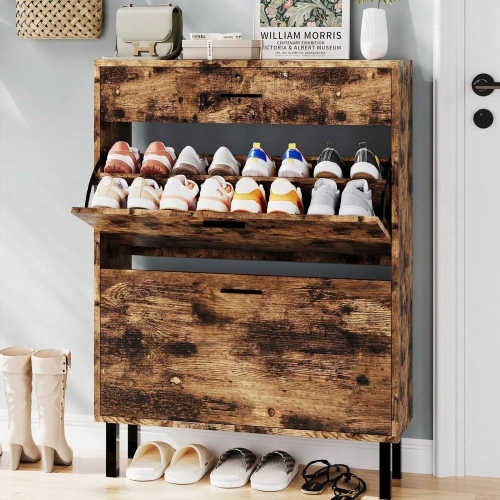
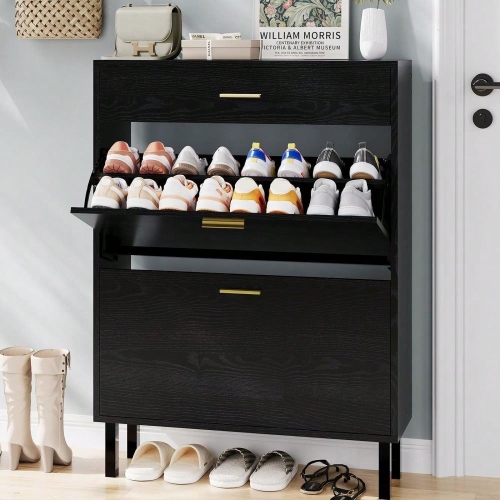
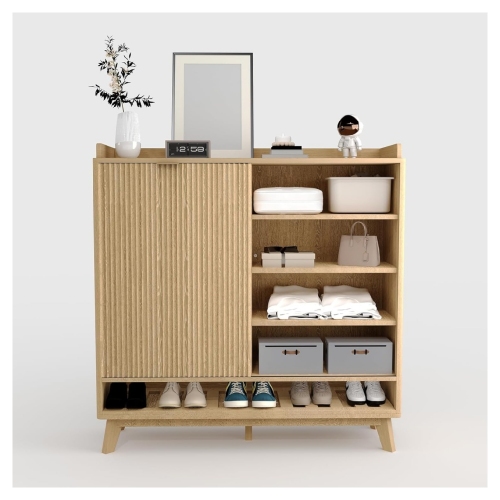
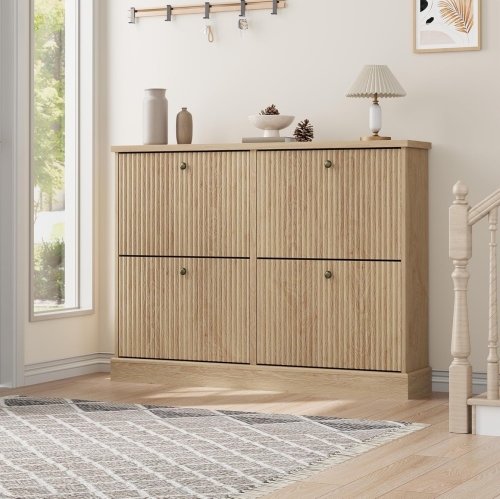
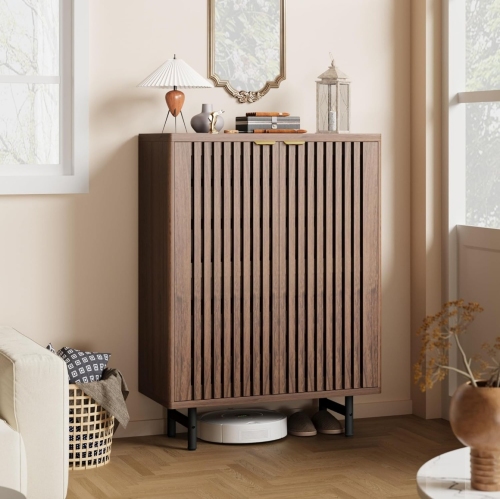
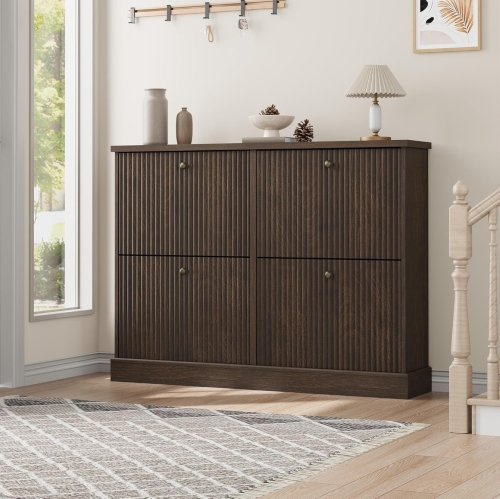


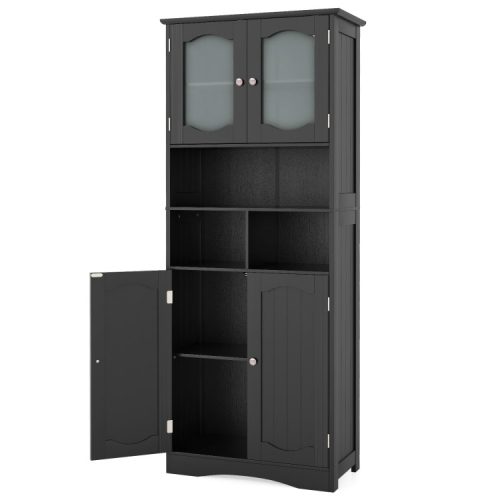
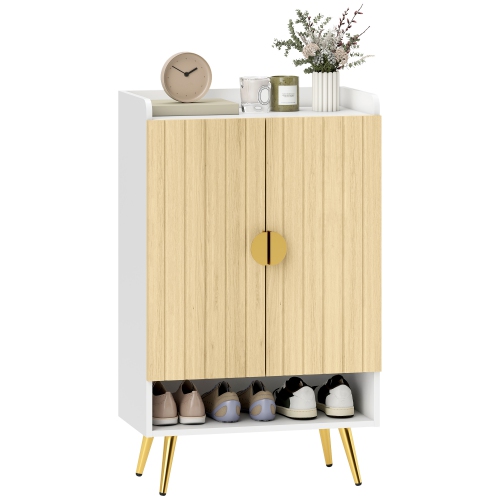
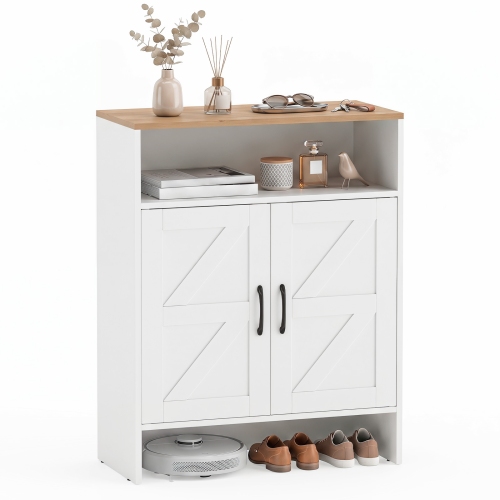
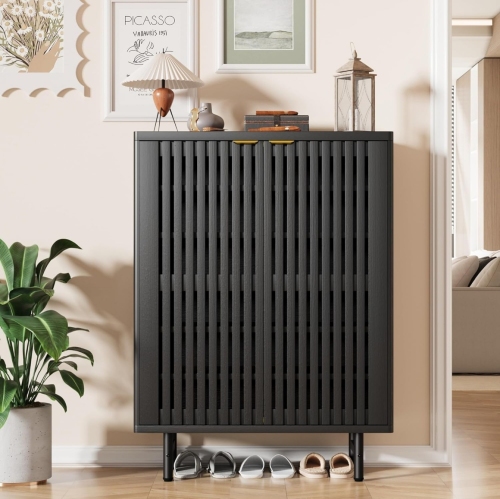
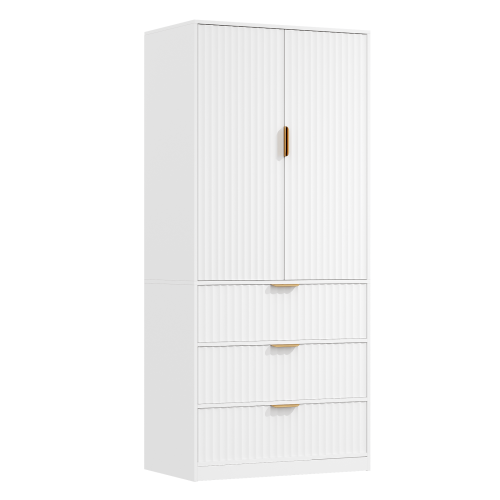
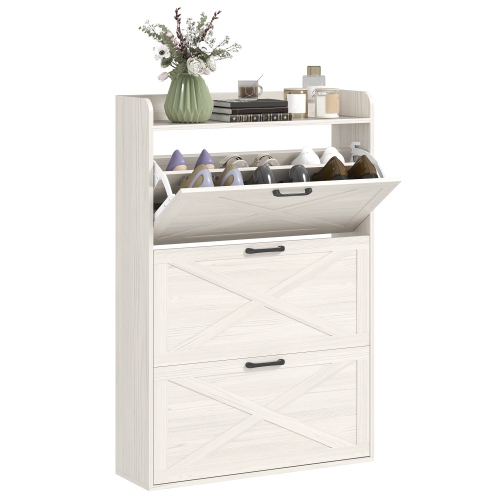
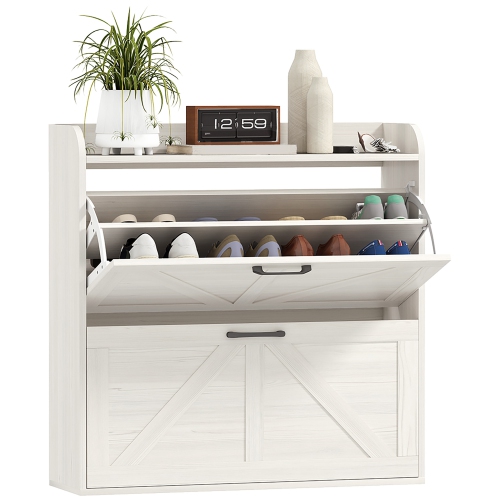
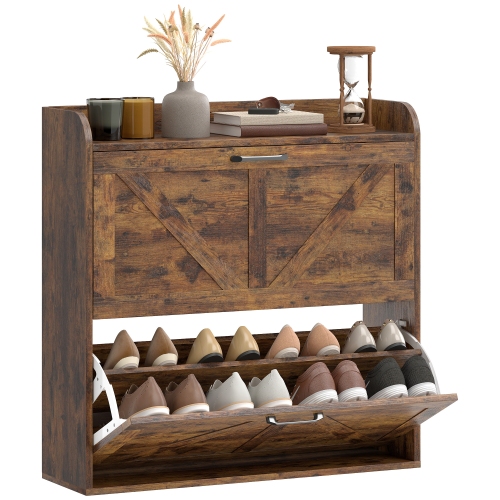
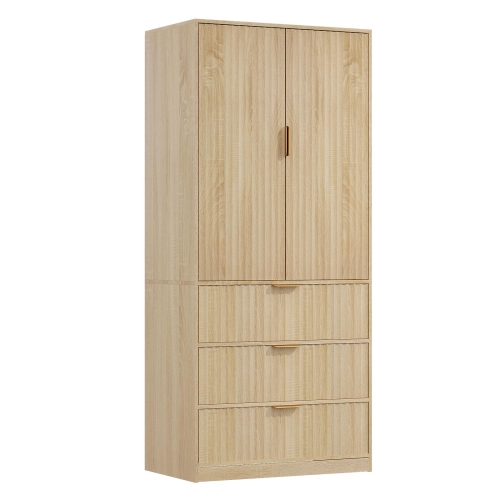
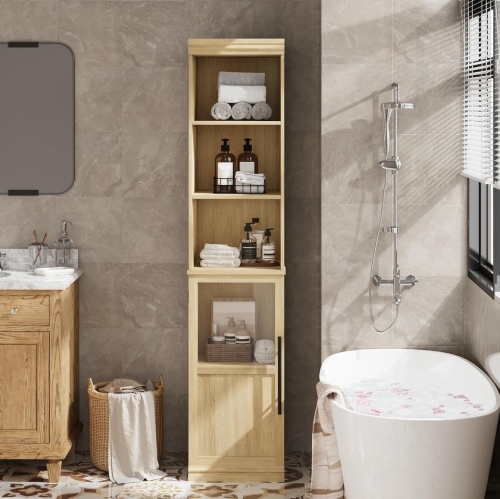
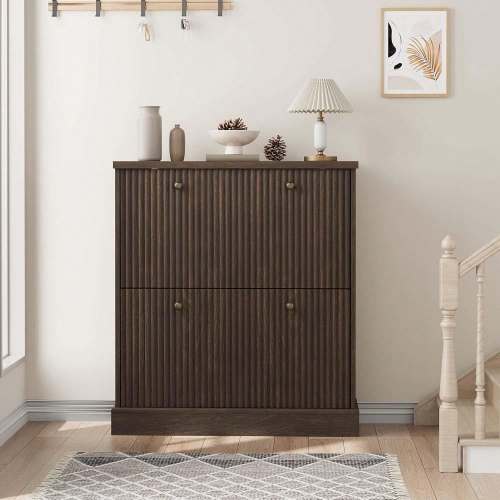
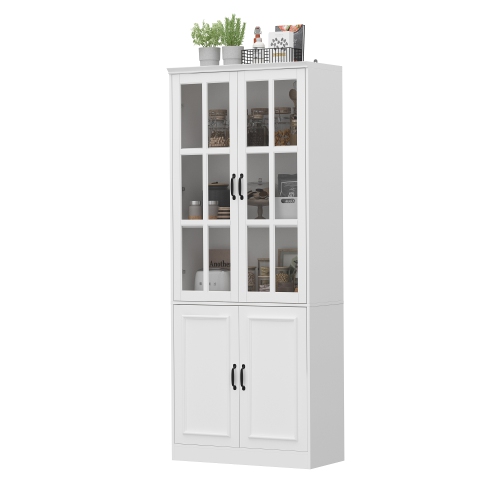
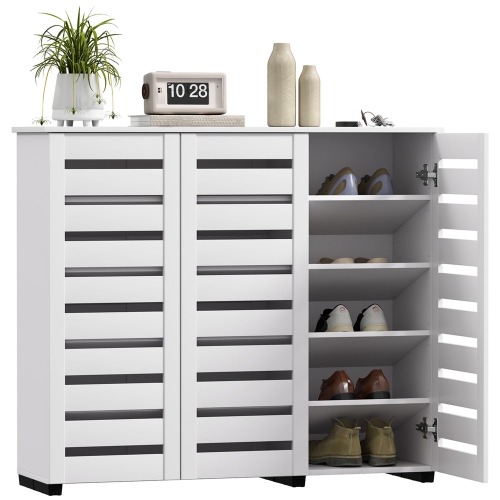
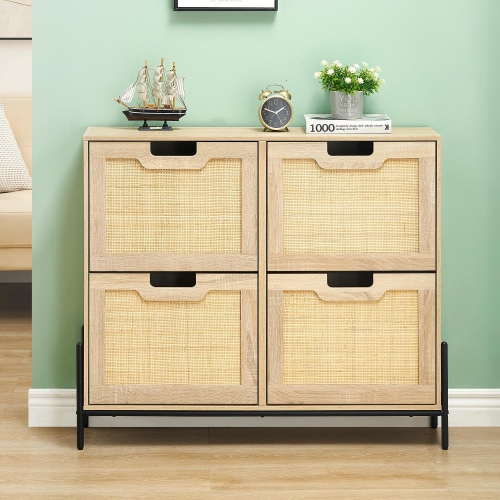
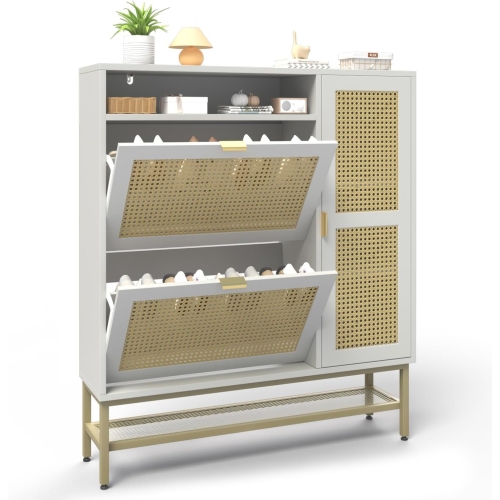
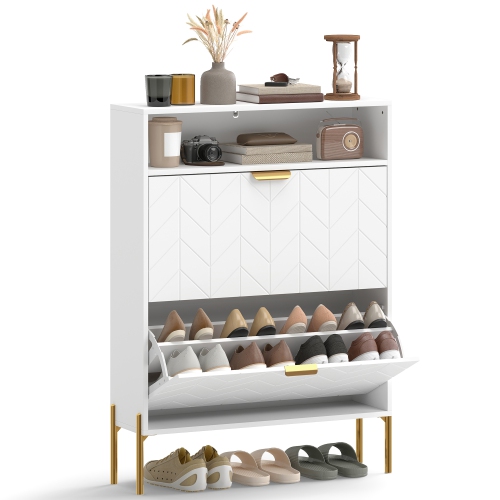
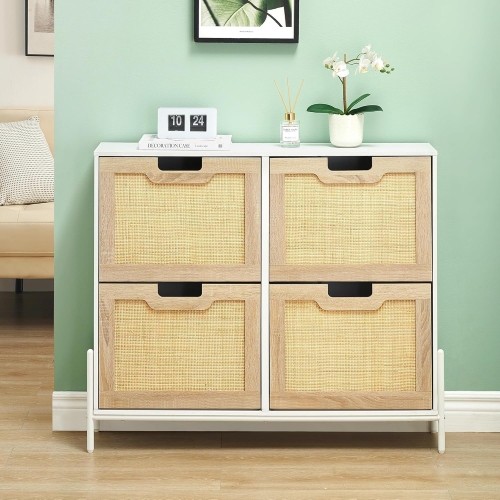
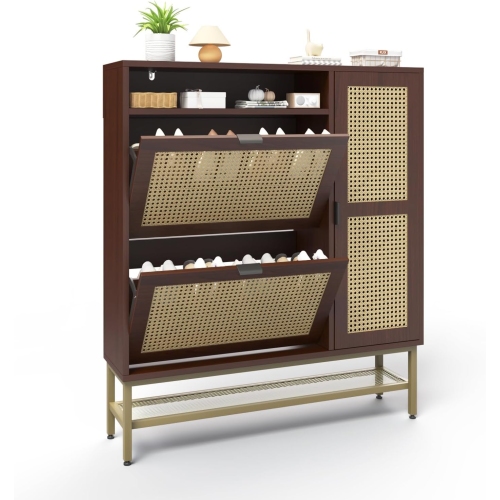
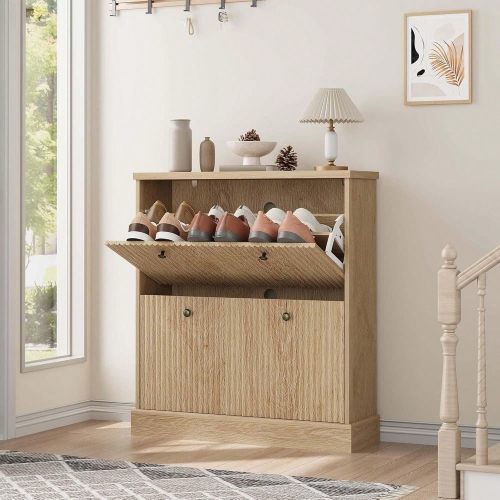
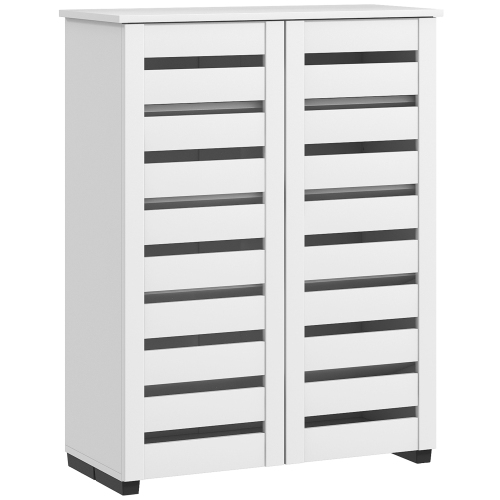
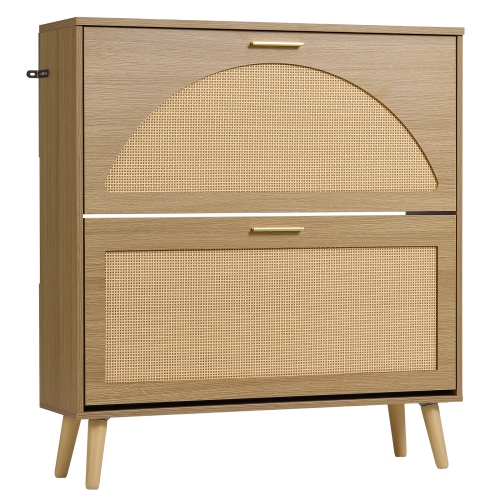
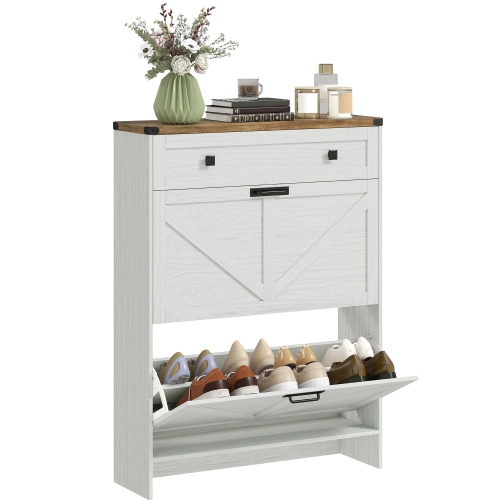
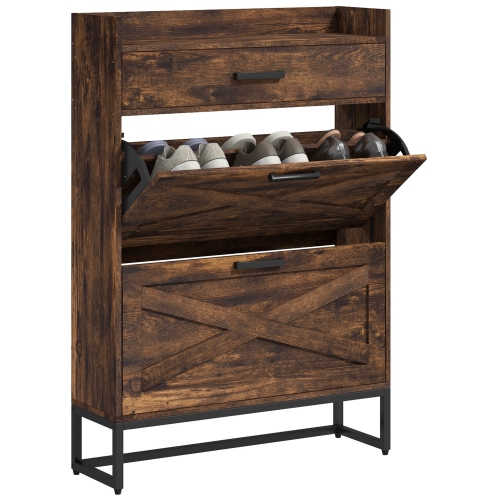
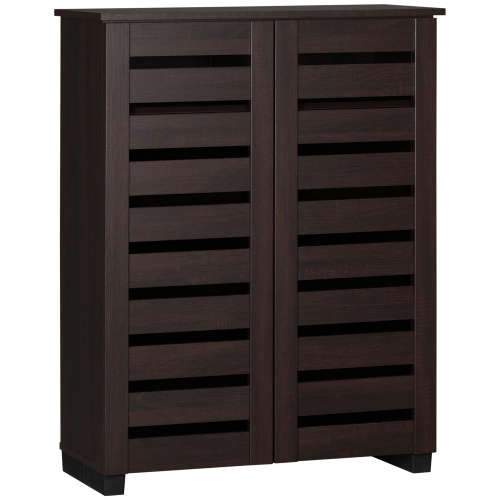
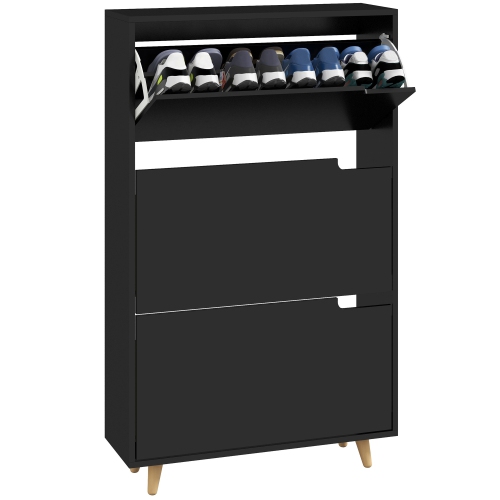
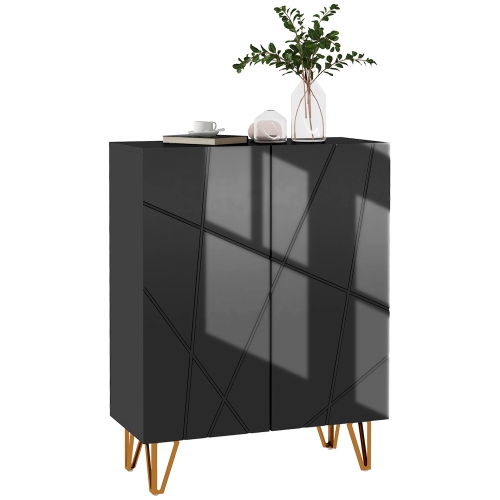
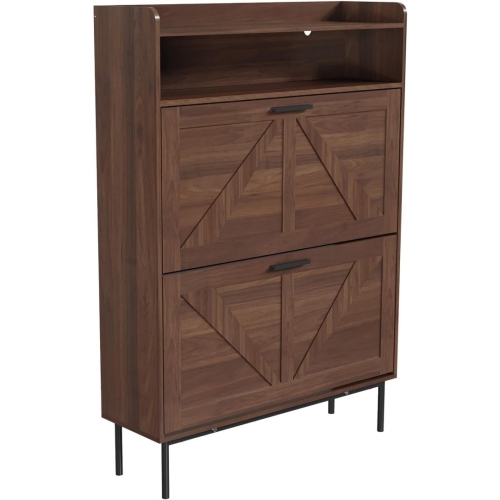
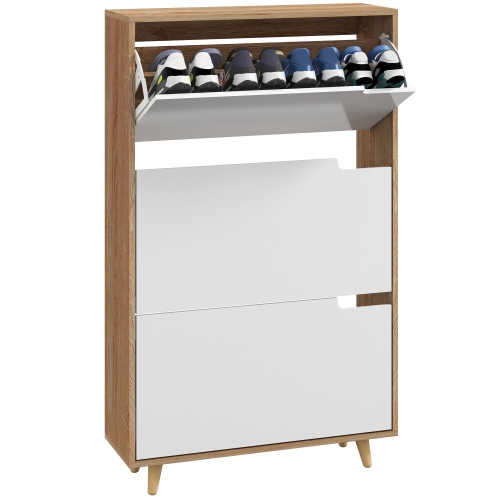
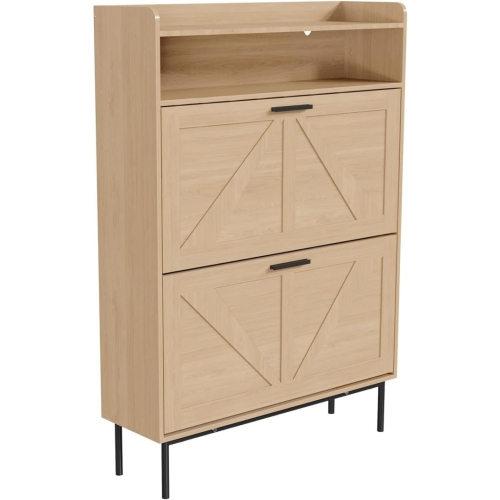
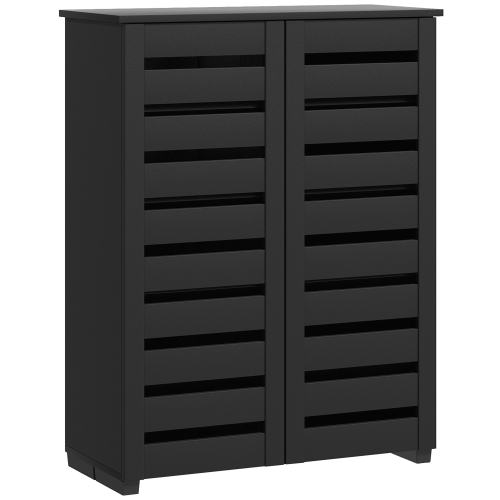
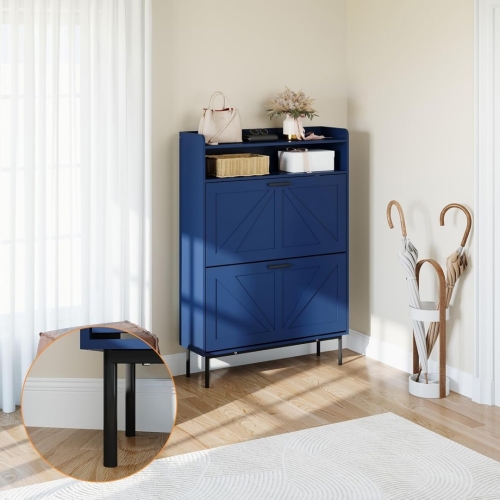
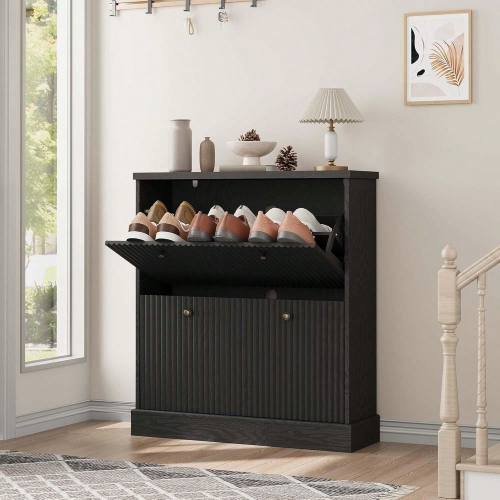
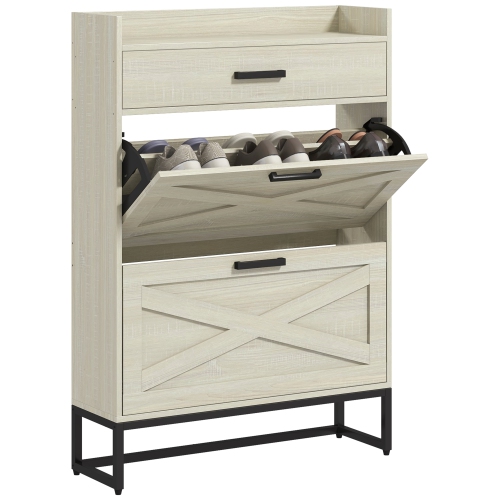
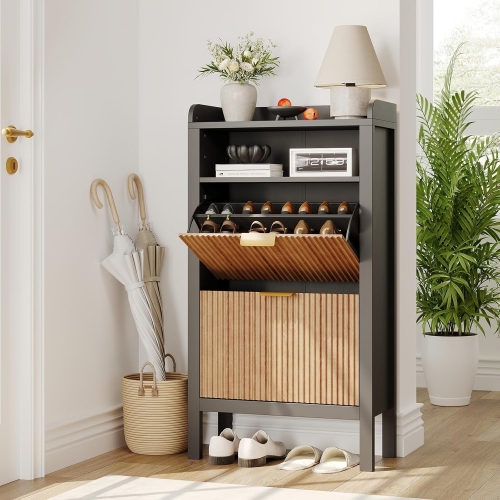
Shoe storage that fits your footwear and space
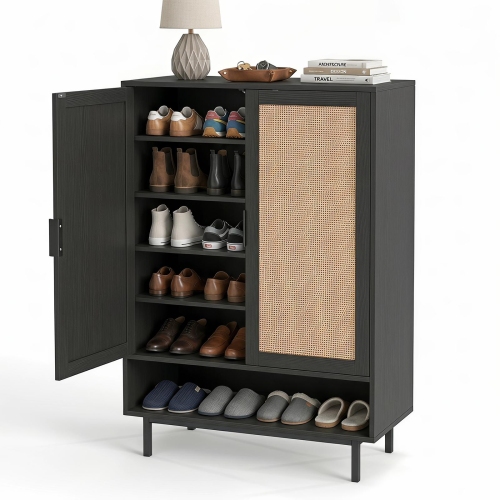
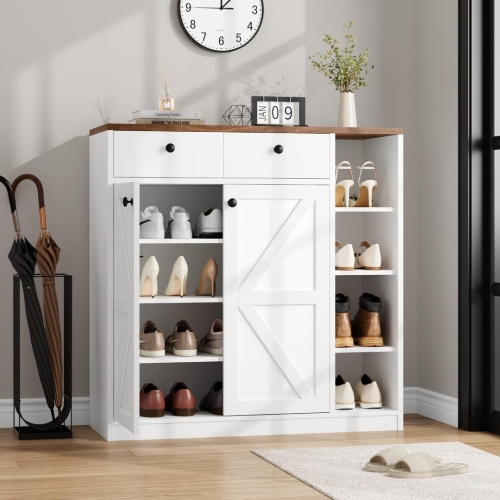
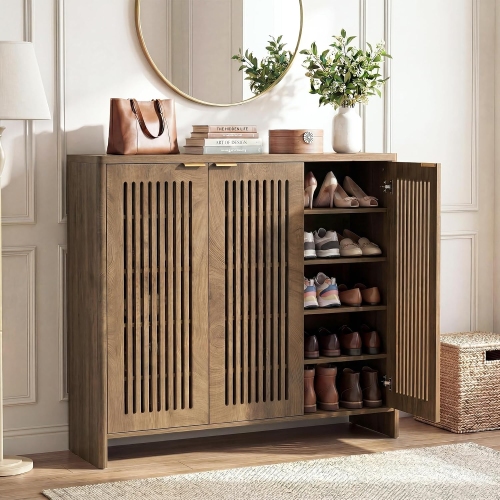
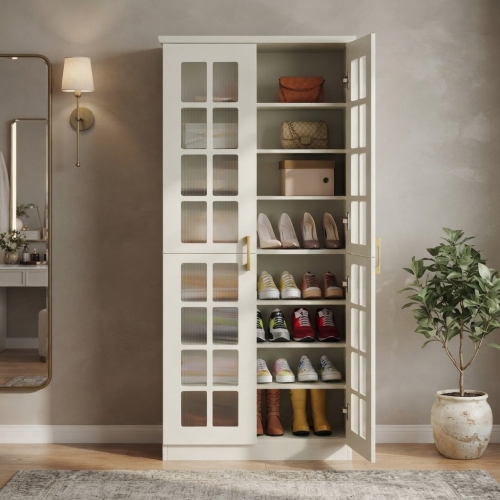
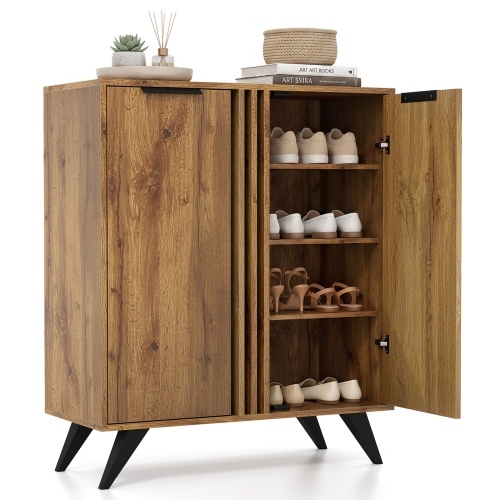
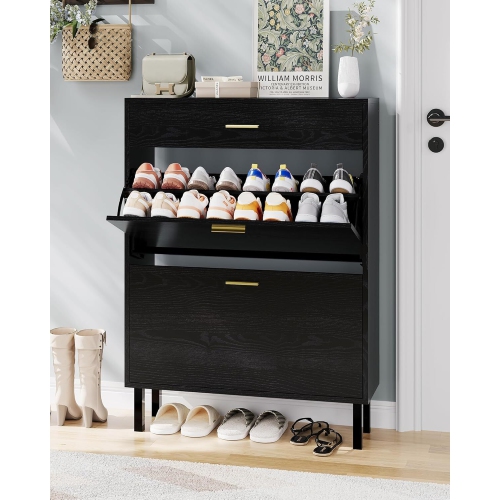
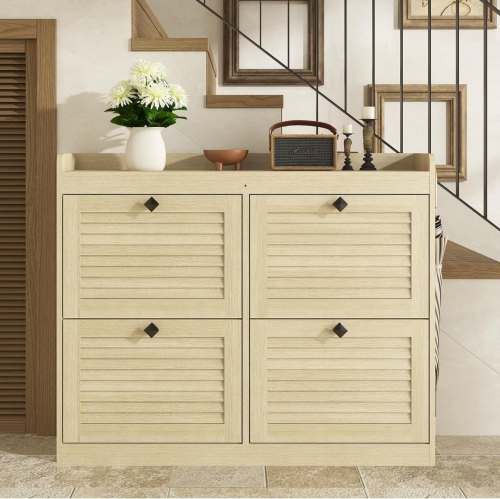
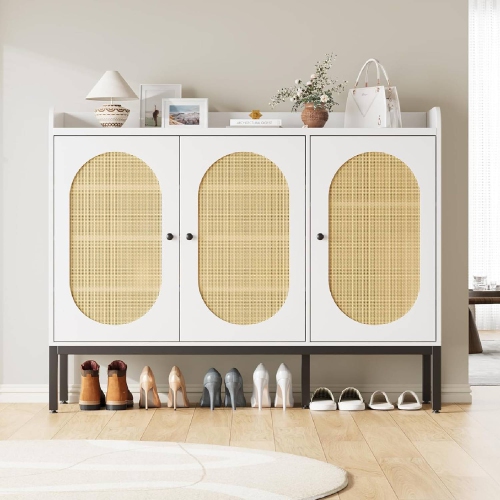
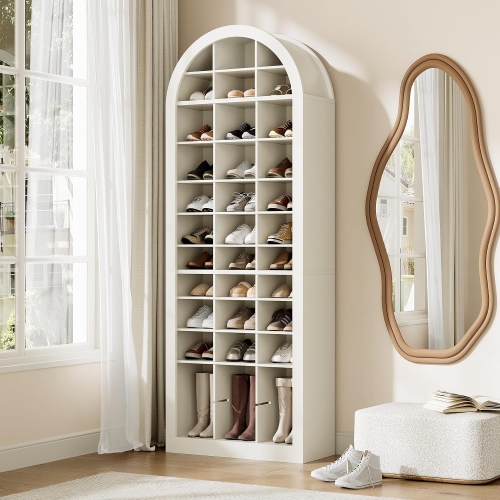
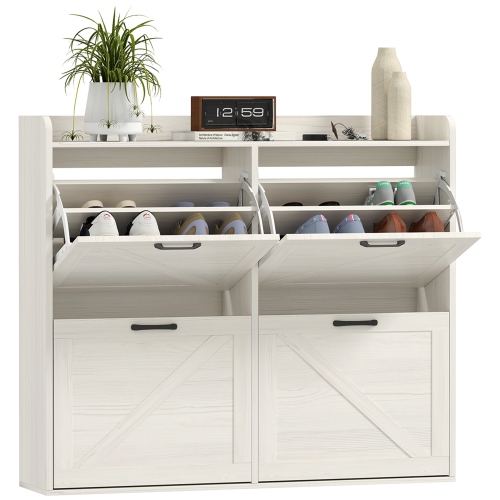
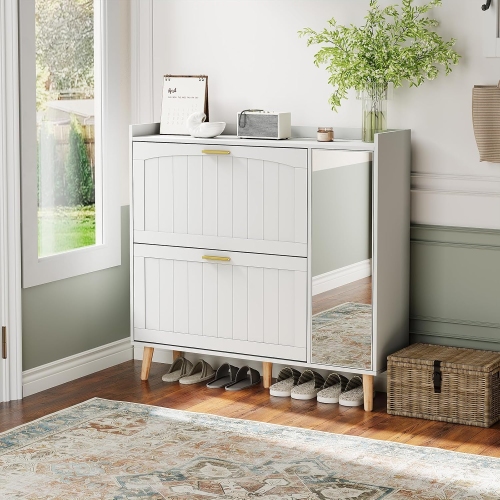
Tall shoe cabinets with doors store footwear vertically behind enclosed fronts, helping keep entryways, hallways, and bedrooms organized without leaving every pair on display. Their upright shape makes use of wall space, while doors create a cleaner-looking finish than an open shoe rack and help reduce dust settling on stored footwear. For a household where trainers, work shoes, slippers, and dress shoes tend to gather beside the entrance, a cabinet gives each pair a regular home. The most useful proportions depend on both the room and the footwear being stored. A tall, narrow shoe cabinet can fit along a short section of wall, but a slim exterior does not always mean there is enough internal depth for larger shoes. Shelf measurements matter, particularly for long trainers, bulky soles, high heels, and ankle boots. Capacity also depends on the width and spacing of the shelves, so a stated pair count is a reference rather than a guarantee for every household. Adjustable shelves offer flexibility when a collection includes different shoe heights, while fixed shelves provide a consistent layout for similarly sized pairs. Removing a shelf may create room for taller boots, though it also reduces the number of separate storage levels. Door style changes how the cabinet works in the room, too. Hinged doors need space to swing open without hitting nearby furniture or blocking a passage. Tilt-out compartments bring shoes forward for access and often suit shallow layouts, although their internal supports may limit which shoe shapes fit comfortably. A recessed handle can keep the front profile compact, while projecting pulls need a little extra clearance. In a shared entrance, separate shelves or compartments can make it easier to keep each person’s footwear together. In a bedroom or dressing area, the same enclosed storage can keep occasional-use shoes accessible without crowding the wardrobe floor.
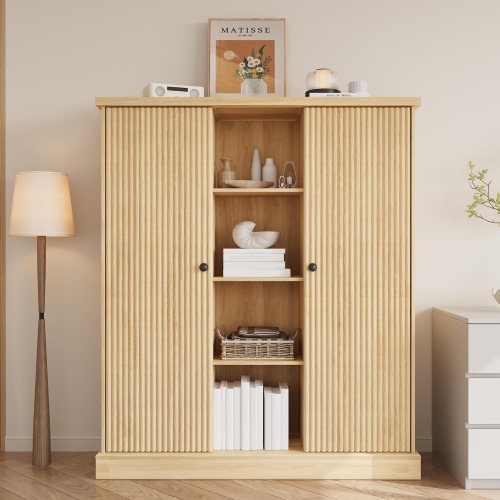
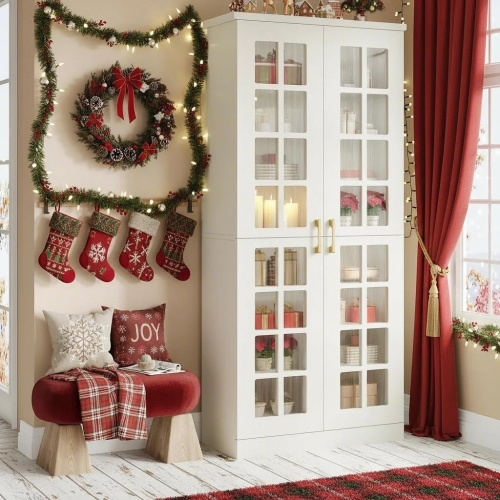
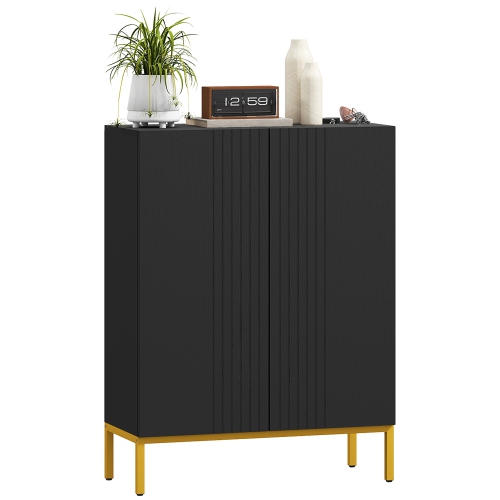
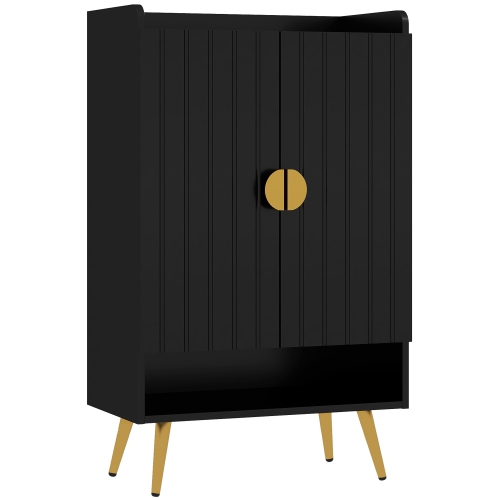
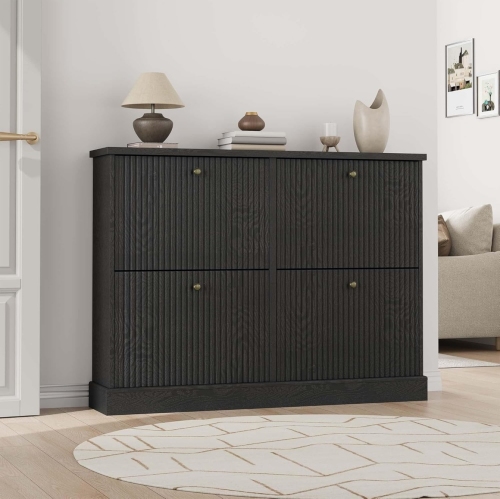
Materials, finishes, and construction influence how a tall shoe cabinet looks and how it handles everyday use. Engineered wood is common in furniture with flat panels and uniform finishes, including wood-look surfaces and painted effects. Laminate and melamine finishes can provide practical, wipeable surfaces, while veneered panels bring the variation of real wood to the exterior. Solid wood components have their own grain patterns and may need finish-specific care. Metal cabinets offer a different appearance, from simple utility styling to more detailed fronts, with care requirements that depend on their coating. Across these materials, well-fitted doors, firmly attached handles, supported shelves, and smooth-operating hinges contribute to a cabinet that feels dependable when opened repeatedly. Shelf load limits are worth noting when storing heavier footwear; a shelf’s size alone does not establish how much weight it can support. The door treatment also affects the overall impression. Opaque panels conceal mismatched shoe colours and packaging, while clear or translucent sections leave more of the contents visible. Fluted panels soften the view without creating the same fully hidden storage as a solid front. Slatted doors or ventilation openings can allow some air movement, but enclosed storage is not a substitute for letting shoes dry before putting them away. For a coordinated room, the cabinet finish can relate to nearby flooring, a console, or wardrobe doors without needing an exact match. White and pale wood-look finishes tend to blend with lighter interiors, while darker finishes create a stronger outline against a light wall. Simple fronts can sit quietly beside other furniture; framed panels and distinctive handles add more visual detail. For spaces that also need concealed storage beyond footwear, Tall Narrow Cabinets With Doors offer a related furniture option, with internal dimensions and shelf layouts determining their suitability for different belongings.
A good fit includes the details around the cabinet, not just the space its main body occupies. Skirting boards can prevent the back from sitting flush against a wall, and nearby switches, sockets, door frames, and handles can affect placement. Measuring the intended position at floor level and higher up helps account for these obstructions, especially where a tall unit will sit beneath a bulkhead or beside a doorway. The delivery route and assembly space also matter for larger flat-pack furniture. Once positioned, a tall cabinet should stand level and be secured using the manufacturer’s specified anti-tip system and fixings suitable for the wall construction. This is particularly important in homes with children or pets, where an open door or an attempt to climb can create a tipping hazard. Heavier footwear is generally better placed on lower shelves, within the stated load limits, while everyday pairs can sit at a comfortable reach. Children’s shoes on an accessible lower shelf can support a simple put-away routine without encouraging climbing. The cabinet’s top should only hold objects if the design permits it; on a tall unit, it is less convenient for belongings needed several times a day. Regular care is usually straightforward, but the finish determines the appropriate method. Dusting with a soft cloth and removing grit from shelves helps keep the interior tidy. A lightly damp cloth may suit some sealed surfaces, provided moisture is wiped away promptly, while unfinished wood, veneers, and specialist coatings may require different treatment. Abrasive cleaners and excessive water can damage many furniture finishes. Shoes should be reasonably clean and fully dry before storage, and occasional airing can help keep the interior fresh. Giving delicate uppers, buckles, and heels enough room prevents pairs from rubbing against each other or catching as doors close. With suitable dimensions, accessible compartments, and a finish that works with the surrounding furniture, a tall shoe cabinet with doors can make everyday footwear storage feel like a considered part of the room rather than an overflow area beside the entrance.
Top selling and popular products
-
 Your price for this item is $698.99
-
 Your price for this item is $886.99
-
 Your price for this item is $1156.99
-
 Your price for this item is $583.99
-
 Your price for this item is $253.99
-
 Your price for this item is $298.99
-
 Your price for this item is $177.99
-
 Your price for this item is $348.99
Discover more categories related to Tall Shoe Cabinets With Doors
Top Collections:
Best Black Friday Deals This Year, Best Black Friday Deals On Electronics, Kindle Devices, Dyson Airwrap, Best Cameras for Sports Photography, Best Black Friday Deals On Apple Products, PS5 Pro Consoles, Portable Snow Blowers, Canon G7X Cameras, Pokémon 30th Celebration Cards
Some products may be subject to Environmental Handling Fees
(EHF) depending on your province.
Learn more about EHFs.