Tasse Double Paroi
Découvrez notre sélection de Tasse Double Paroi, parfaites pour savourer vos boissons chaudes ou froides avec style. Idéales pour la maison, le bureau ou les moments de détente, ces tasses allient élégance et praticité pour accompagner toutes vos pauses café ou thé. Parcourez une gamme variée de modèles conçus pour répondre à vos besoins quotidiens et ajouter une touche moderne à votre table. Trouvez la Tasse Double Paroi qui correspond à votre style et profitez d’une expérience de dégustation agréable à chaque utilisation.
Sort

Why two walls help drinks hold their temperature
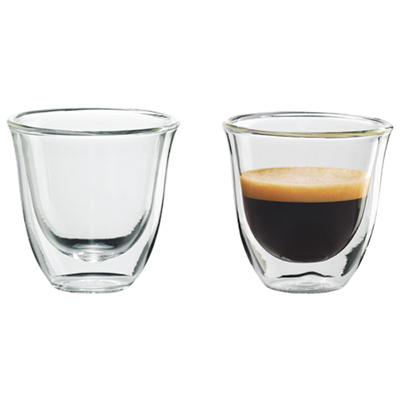
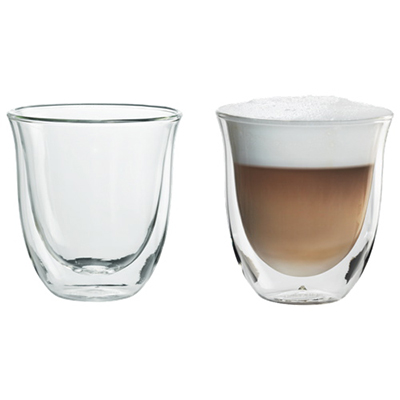
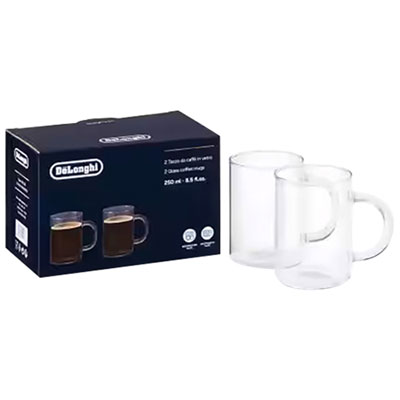
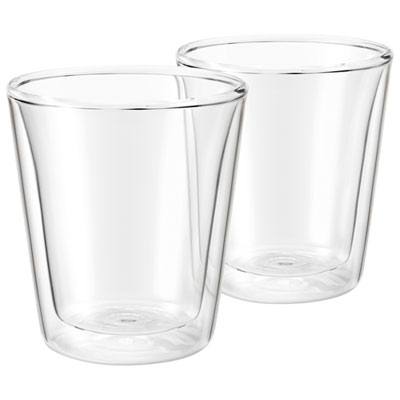
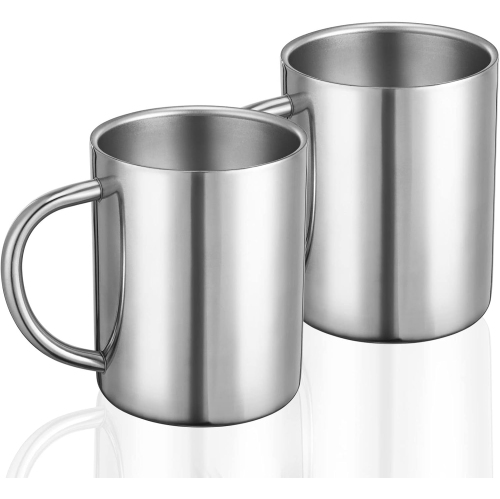
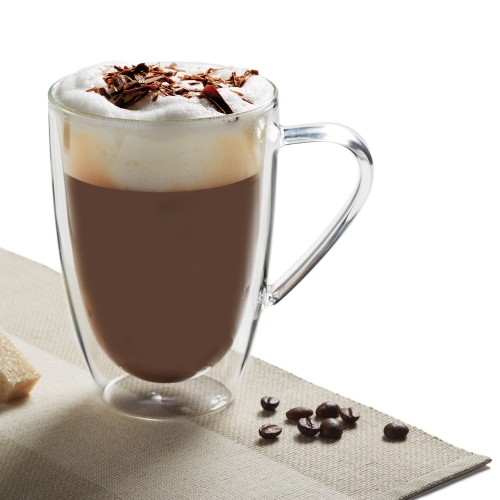
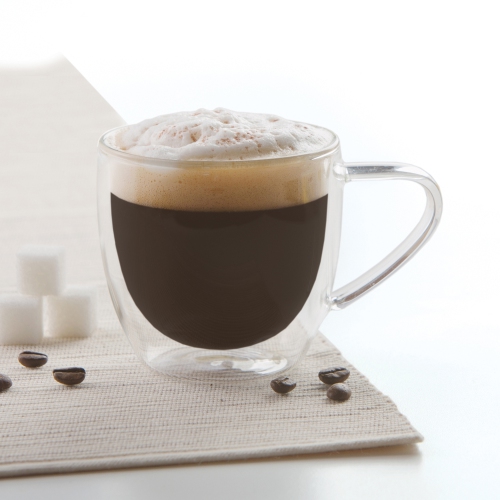
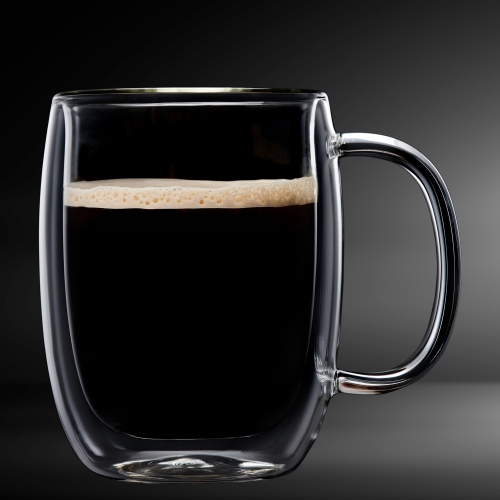
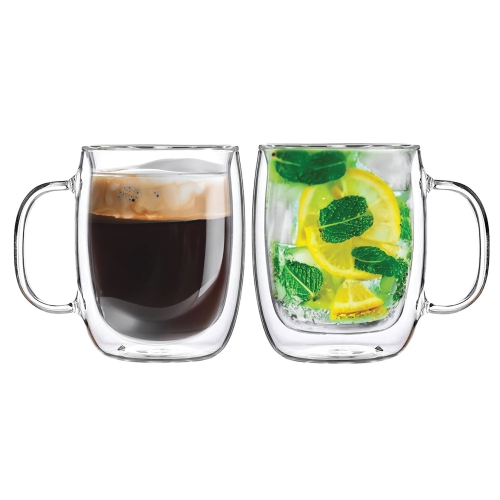
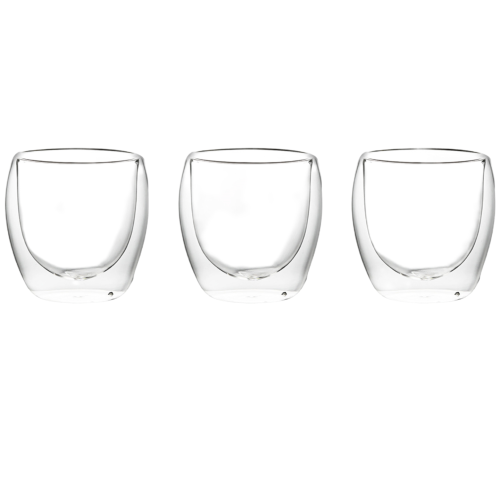
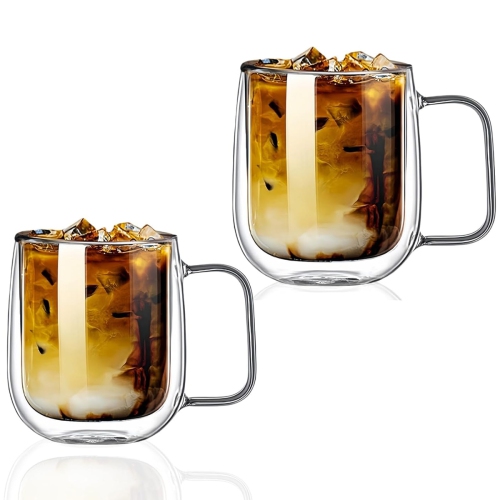
Double-wall cups bring a practical layer of insulation to everyday coffee, tea, and other drinks. Their construction places a gap between an inner vessel and an outer wall, slowing heat transfer compared with a similar single-wall cup. This helps hot drinks stay warm longer and cold drinks stay cool longer, although performance depends on the material, wall design, room conditions, and whether the cup has a lid. The outside can also feel more comfortable to hold, but a double wall does not guarantee a cool surface: the rim, handle, and outer body may still become warm. With chilled drinks, the insulated construction can reduce condensation and the damp rings left on a table, rather than preventing them under every condition. Clear double-wall glass has a distinctive appearance, with the drink seeming to float inside the outer shell. An espresso’s crema, the separation of milk and coffee in a latte, or the amber colour of steeped tea becomes part of the presentation. Borosilicate glass is a common material for these cups because it tolerates temperature changes better than ordinary glass, though it can still break from impact or sudden thermal stress. Double-wall ceramic cups offer an opaque finish and a more traditional feel, while stainless steel designs suit situations where resistance to breakage matters more than seeing the drink. Not every double-wall vessel is vacuum insulated; an air gap and a vacuum are different forms of insulation, so construction details matter when comparing expected performance. For a desk, breakfast table, or reading chair, a cup’s balance, rim shape, and feel in the hand are as important as its appearance. A rounded bowl can feel comfortable cradled between both hands, while a handled shape offers a familiar grip. The most useful design is one that complements the drinks served regularly and feels easy to lift, sip from, and set down.
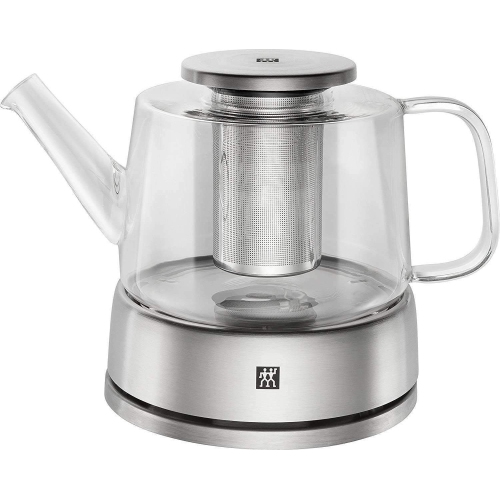
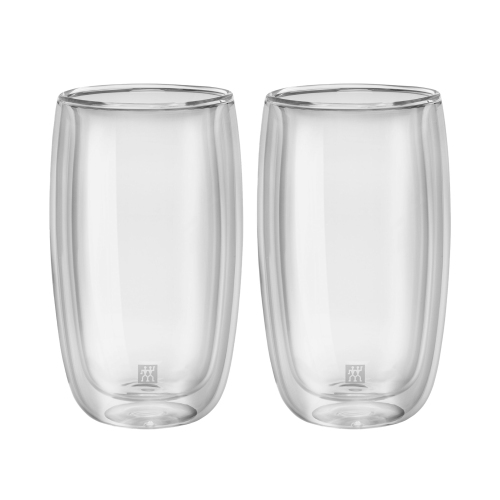
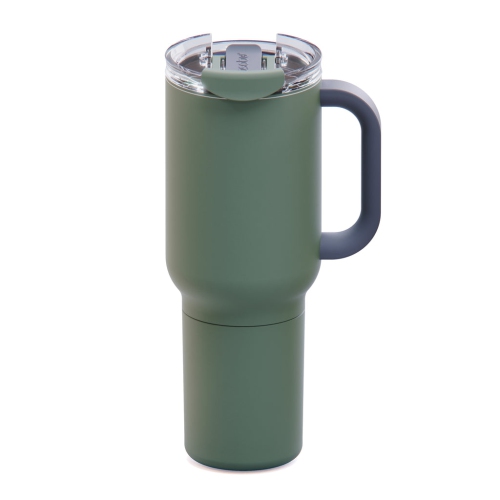
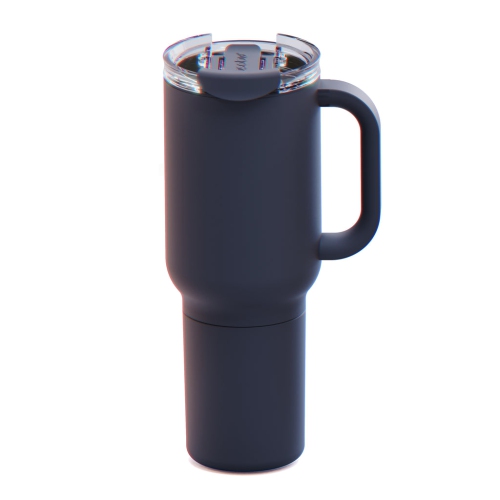
Capacity makes a noticeable difference to how a double-wall cup fits a daily routine. A small espresso cup keeps a short shot from looking lost in a large vessel, while a wider cappuccino cup leaves space for steamed milk and foam. A taller cup can suit a latte or a generous serving of tea, provided it fits beneath the coffee machine’s spout or on its drip tray. Around 80 to 120 mL is a useful range for espresso cups, while capacities of roughly 250 to 350 mL often suit everyday coffee or tea; larger drinks may call for 400 mL or more. These are general reference points rather than fixed serving rules. Listed capacity may describe the volume filled to the rim, so usable space will be smaller when room is needed for milk, foam, or comfortable carrying. The double-wall structure also means that two cups with similar outside dimensions may hold different amounts. Checking both capacity and overall height helps avoid a cup that looks generous but cannot accommodate a usual serving. Handle clearance deserves the same attention: a small loop may work for a light espresso cup but feel awkward on a larger mug when full. A broad, stable base can be useful beside a keyboard or on a busy breakfast table, and a smooth rim contributes to a comfortable sip. For tea drinkers, the opening should accommodate a preferred infuser without forcing it against the sides. For milk-based coffee, a wider opening gives more room for pouring and enjoying the foam. Storage matters too, especially where cupboard shelves are shallow or several cups need to share a small space. Stackable designs should be identified as such rather than assumed safe to nest. Open double-wall cups are generally intended for stationary use, not spill protection during a commute. For drinks carried between destinations, Tasse De Voyage offers a related category where lid security, portability, and cup-holder fit become more important considerations.
Care requirements vary by material and construction, making the manufacturer’s instructions essential even when two double-wall cups look alike. Some glass cups are dishwasher safe, while others need handwashing to protect their finish, seals, or other components. Microwave suitability must also be confirmed rather than inferred from a clear appearance; stainless steel cups should not go in a microwave. A soft sponge, mild dish soap, and thorough rinsing are suitable starting points for routine handwashing when permitted by the care instructions. Abrasive pads can scratch surfaces, and forceful stirring with a metal spoon can strike the inner glass wall, particularly in a narrow espresso cup. Some double-wall glass designs have a small pressure-balancing feature or sealed point on the base. This is part of the construction, not a drainage opening to pick at or alter, and any instructions about soaking should be followed carefully. Moisture trapped between the walls, cracks, chips, or a damaged seal warrant stopping use and checking the manufacturer’s guidance. Even heat-resistant glass benefits from sensible handling: avoid transferring a cup directly from very cold storage to boiling water, and do not assume that freezer, oven, or microwave use is permitted. Letting a freshly washed cup dry fully before putting it away helps keep storage tidy, while leaving a little space between delicate rims reduces accidental knocks. Durability also depends on the household using the cups. Lightweight glass may appeal to someone who enjoys the visual detail of a carefully poured coffee, whereas a less breakable material may be more practical where cups are frequently moved or bumped. For gifting, double-wall cups suit coffee enthusiasts, tea drinkers, new homeowners, and people setting up a comfortable home workspace. A coordinated set works well for shared drinks, while a smaller capacity suits someone who prefers espresso to a large mug of coffee. Matching the size, weight, care requirements, and style to the recipient’s habits makes the gift useful beyond its first impression. Whether used for a quiet tea break or coffee served to guests, well-chosen double-wall cups combine thoughtful presentation with everyday comfort.
Capacity makes a noticeable difference to how a double-wall cup fits a daily routine. A small espresso cup keeps a short shot from looking lost in a large vessel, while a wider cappuccino cup leaves space for steamed milk and foam. A taller cup can suit a latte or a generous serving of tea, provided it fits beneath the coffee machine’s spout or on its drip tray. Around 80 to 120 mL is a useful range for espresso cups, while capacities of roughly 250 to 350 mL often suit everyday coffee or tea; larger drinks may call for 400 mL or more. These are general reference points rather than fixed serving rules. Listed capacity may describe the volume filled to the rim, so usable space will be smaller when room is needed for milk, foam, or comfortable carrying. The double-wall structure also means that two cups with similar outside dimensions may hold different amounts. Checking both capacity and overall height helps avoid a cup that looks generous but cannot accommodate a usual serving. Handle clearance deserves the same attention: a small loop may work for a light espresso cup but feel awkward on a larger mug when full. A broad, stable base can be useful beside a keyboard or on a busy breakfast table, and a smooth rim contributes to a comfortable sip. For tea drinkers, the opening should accommodate a preferred infuser without forcing it against the sides. For milk-based coffee, a wider opening gives more room for pouring and enjoying the foam. Storage matters too, especially where cupboard shelves are shallow or several cups need to share a small space. Stackable designs should be identified as such rather than assumed safe to nest. Open double-wall cups are generally intended for stationary use, not spill protection during a commute. For drinks carried between destinations, Tasse De Voyage offers a related category where lid security, portability, and cup-holder fit become more important considerations.
Care requirements vary by material and construction, making the manufacturer’s instructions essential even when two double-wall cups look alike. Some glass cups are dishwasher safe, while others need handwashing to protect their finish, seals, or other components. Microwave suitability must also be confirmed rather than inferred from a clear appearance; stainless steel cups should not go in a microwave. A soft sponge, mild dish soap, and thorough rinsing are suitable starting points for routine handwashing when permitted by the care instructions. Abrasive pads can scratch surfaces, and forceful stirring with a metal spoon can strike the inner glass wall, particularly in a narrow espresso cup. Some double-wall glass designs have a small pressure-balancing feature or sealed point on the base. This is part of the construction, not a drainage opening to pick at or alter, and any instructions about soaking should be followed carefully. Moisture trapped between the walls, cracks, chips, or a damaged seal warrant stopping use and checking the manufacturer’s guidance. Even heat-resistant glass benefits from sensible handling: avoid transferring a cup directly from very cold storage to boiling water, and do not assume that freezer, oven, or microwave use is permitted. Letting a freshly washed cup dry fully before putting it away helps keep storage tidy, while leaving a little space between delicate rims reduces accidental knocks. Durability also depends on the household using the cups. Lightweight glass may appeal to someone who enjoys the visual detail of a carefully poured coffee, whereas a less breakable material may be more practical where cups are frequently moved or bumped. For gifting, double-wall cups suit coffee enthusiasts, tea drinkers, new homeowners, and people setting up a comfortable home workspace. A coordinated set works well for shared drinks, while a smaller capacity suits someone who prefers espresso to a large mug of coffee. Matching the size, weight, care requirements, and style to the recipient’s habits makes the gift useful beyond its first impression. Whether used for a quiet tea break or coffee served to guests, well-chosen double-wall cups combine thoughtful presentation with everyday comfort.
Top selling and popular products
-
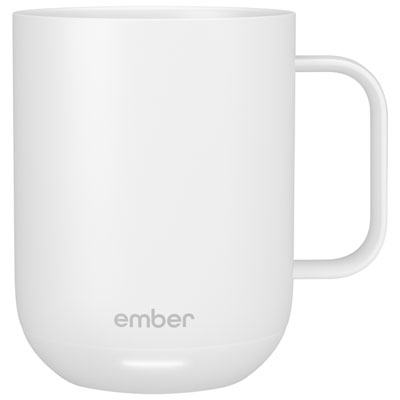 Your price for this item is $99.99
 -
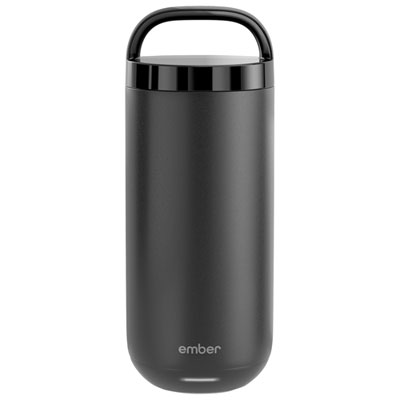 Your price for this item is $149.99
 -
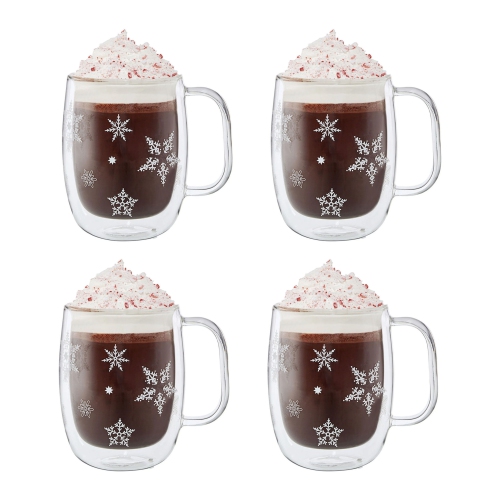 Your price for this item is $90.99
 -
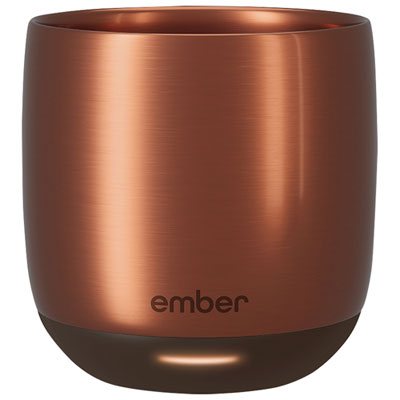 Your price for this item is $139.97
 -
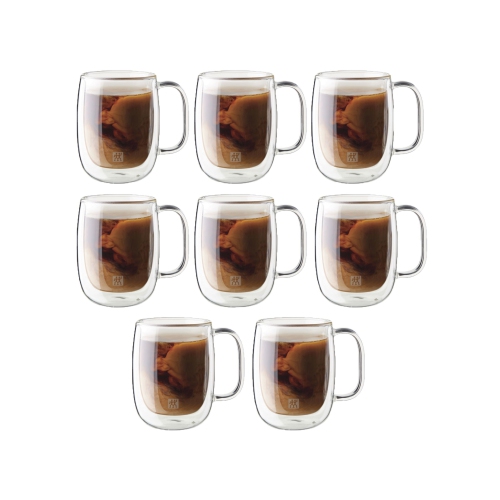 Your price for this item is $94.99
 -
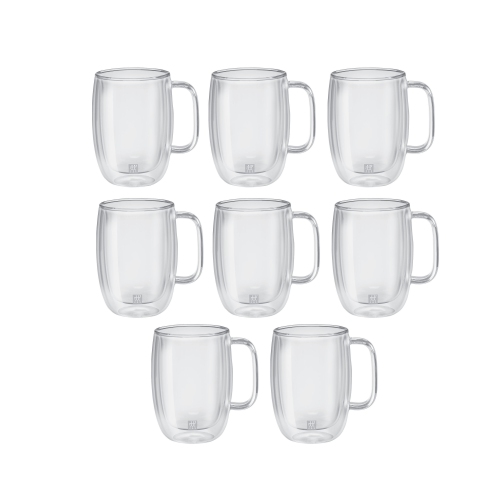 Your price for this item is $114.99
 -
 Your price for this item is $114.99
 -
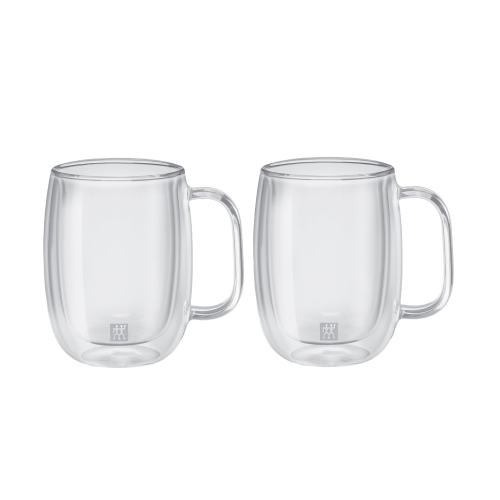 Your price for this item is $39.99
Discover more categories related to Tasse Double Paroi
Top Collections:
Pokemon Centers, Kindle Devices, Best Budget Office Chairs, Apple iPhones 16, Canon G7X Cameras, iPhone 15 Apple, Alarm Clock, Refurbished Apple Laptops, Flip Phones, Best Laptops for Writers
Some products may be subject to Environmental Handling Fees
(EHF) depending on your province.
Learn more about EHFs.