Tax Preparation Office Supplies
Tax season calls for reliable tools to keep your workspace organized and efficient. Find all the tax preparation office supplies you need to streamline your workflow, manage documents, and stay on top of important deadlines. From filing essentials to must-have accessories, discover solutions designed to help you tackle every task with confidence. Make your tax preparation process smoother and more productive with the right office supplies at your fingertips.
Sort






From loose receipts to tax records ready for review
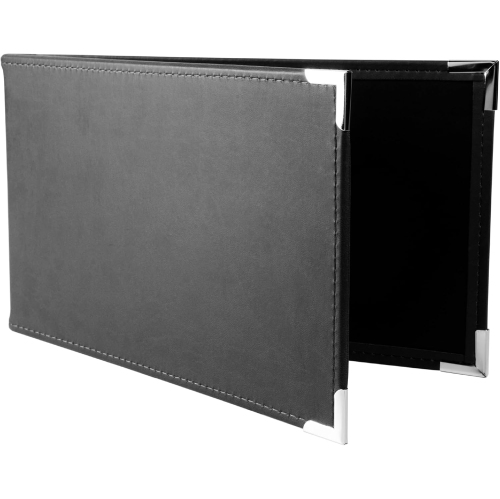
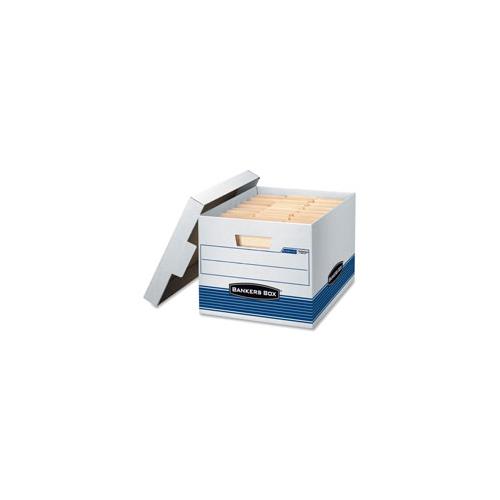
Tax preparation office supplies bring structure to the paperwork behind personal returns, self-employment income, and small-business bookkeeping. Filing folders, expanding files, labels, printer paper, writing tools, and document storage help keep information readable, separated, and easy to retrieve. For someone preparing a household return, that might mean keeping income slips apart from medical expense receipts and charitable donation records. For a bookkeeper or accountant, it may mean maintaining separate files for each client, business, or tax year, with clear divisions between documents awaiting review and completed paperwork. Expanding files suit collections of loose receipts and statements, while hanging folders make frequently accessed records easier to browse in a drawer. Ring binders with dividers work well for reference documents that need to stay in a consistent order. The physical fit matters: letter-size folders accommodate much everyday paperwork, while longer documents may need legal-size storage to avoid folded edges or exposed corners. Capacity also affects everyday use, since an overfilled folder can hide labels, strain closures, and leave small slips loose at the bottom. Sturdy cardstock provides a writing surface for handwritten labels, while plastic folders offer wipe-clean surfaces and protection from routine handling. Reinforced tabs and durable seams are useful for files that move repeatedly between a desk, cabinet, and appointment. Colour-coded sections can make categories easier to recognize, particularly when paired with written labels rather than colour alone. A plainly labelled section for missing information keeps an unanswered request from disappearing among verified statements. Small receipt envelopes or pockets help contain irregular pieces of paper without attaching them permanently to larger documents. For shared workspaces, exterior labels with minimal personal information can also limit what is visible when files are carried or left on a desk. These organizational supplies support a clear distinction between household and business paperwork while making the same filing system useful for recordkeeping throughout the year.
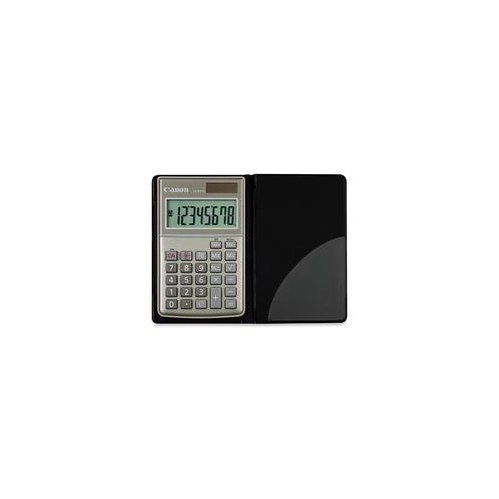
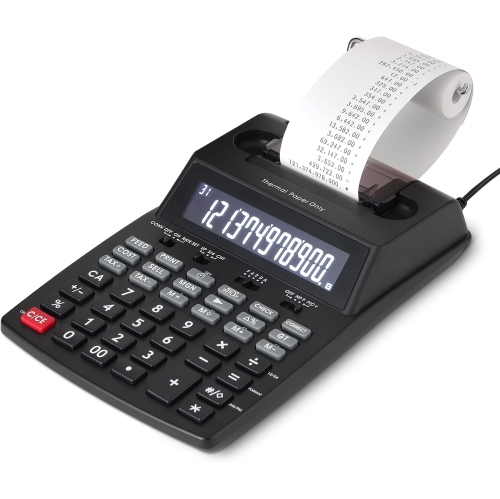
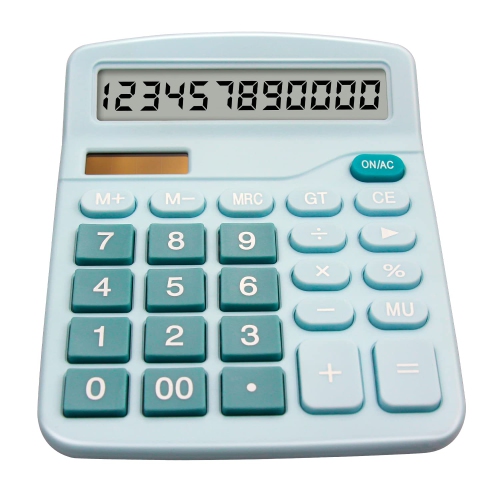
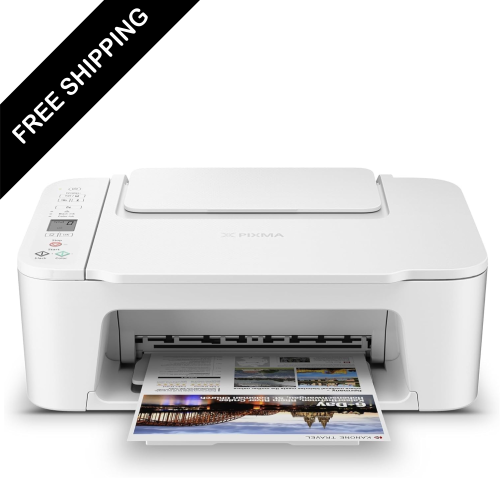
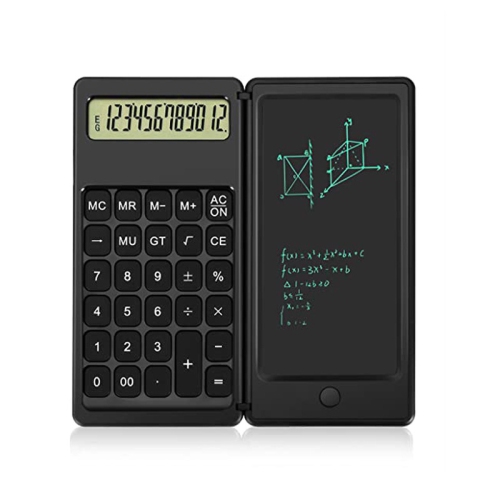
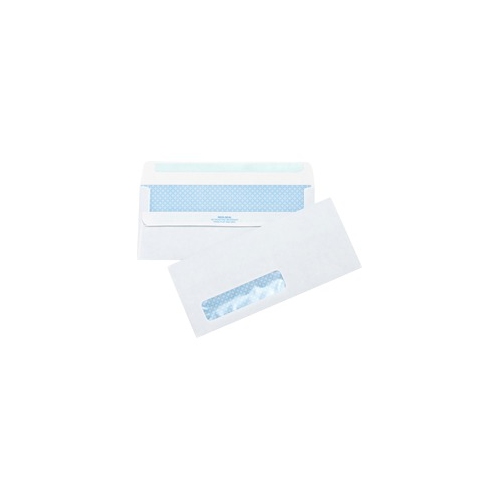
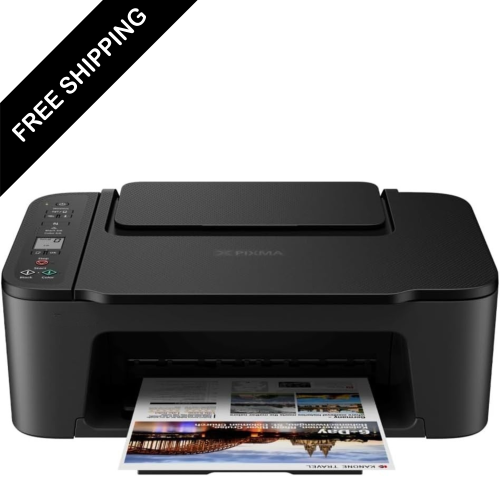
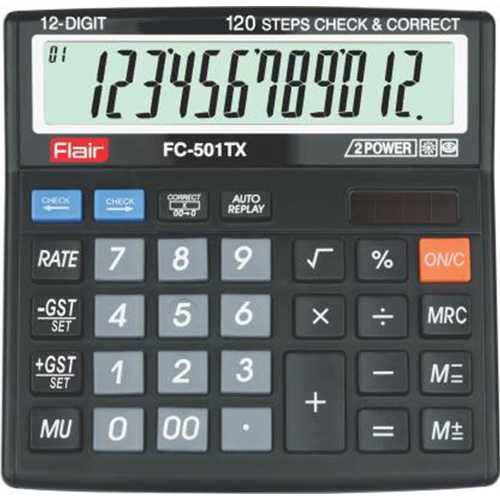
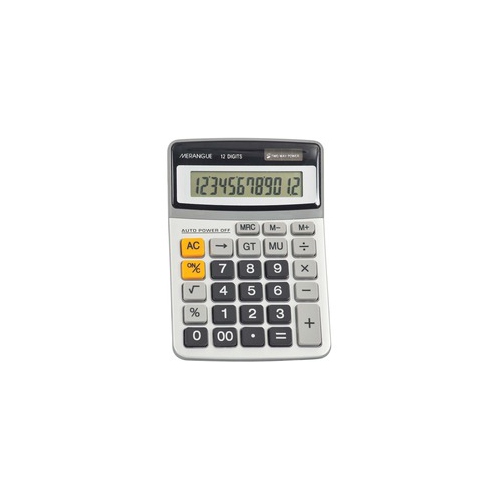
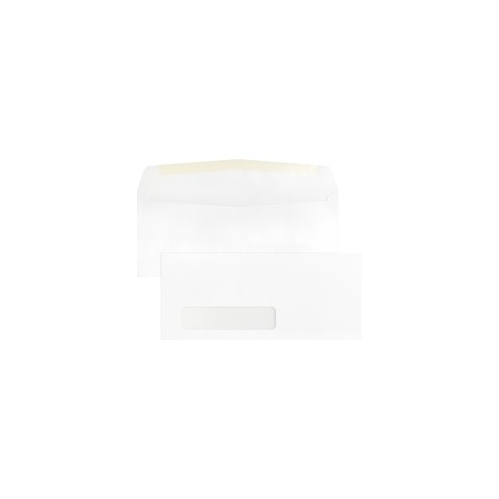
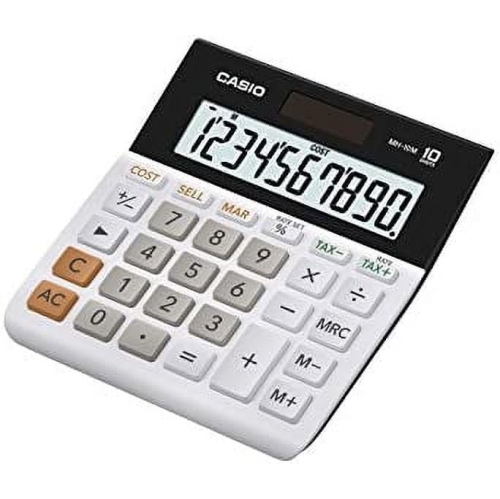
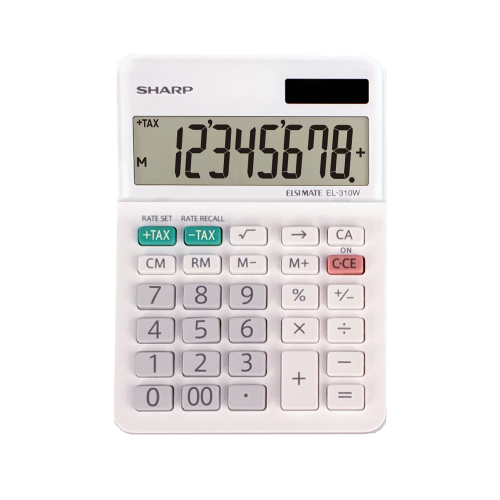
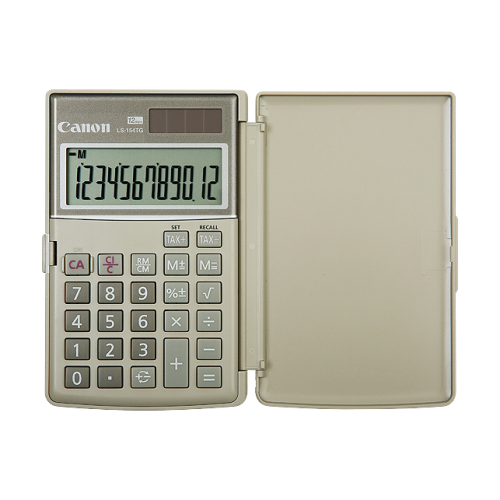
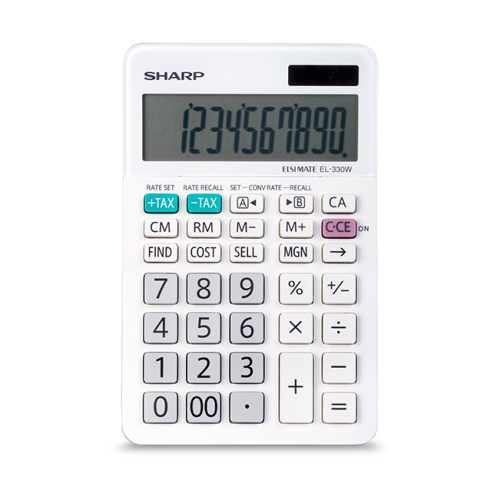
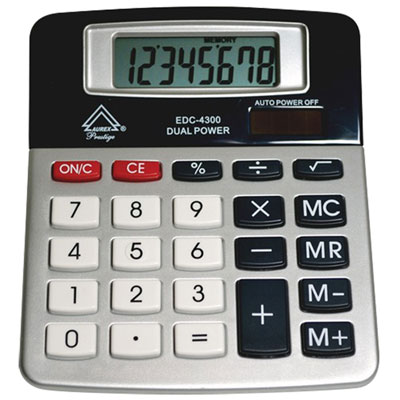
Printing and desk supplies support the detailed reading, annotation, and document handling that tax preparation often involves. Letter-size printer paper is a practical match for many Canadian forms, statements, and working copies, with paper weight and opacity affecting how clearly text reads on both sides of a sheet. Paper intended for the printer type helps support reliable feeding and consistent output; ink cartridges and toner must match the exact printer model rather than simply the printer brand. Legible print is especially important where a faint digit, cropped margin, or streak through a total could make a document harder to check. T4 slips, personal income tax forms, and other Canadian paperwork should remain distinguishable from foreign tax forms that may look similar but serve different filing systems. The form version and tax year matter as much as the paper it is printed on. Pens with consistent ink flow are useful for signatures and handwritten notes, while highlighters can distinguish figures already checked on working copies. Fine tips leave more room for notes beside narrow columns, and quick-drying ink can help reduce smears during frequent handling. Removable notes and index tabs provide space for temporary comments without writing directly over an original receipt or statement. Paper clips keep related pages together when they still need to be rearranged or scanned, while staples provide a more permanent attachment for finished paper sets. A calculator with a readable display and comfortably spaced keys supports repeated calculations without relying on a phone screen. Envelopes matter when documents need to travel: suitable dimensions reduce folding, a secure closure keeps pages contained, and an interior tint pattern can make contents less visible through the paper. Window envelopes need careful alignment so only the intended address appears. None of these features replaces secure handling, but each contributes to paperwork that is easier to read, review, and pass along without unnecessary wear or confusion.
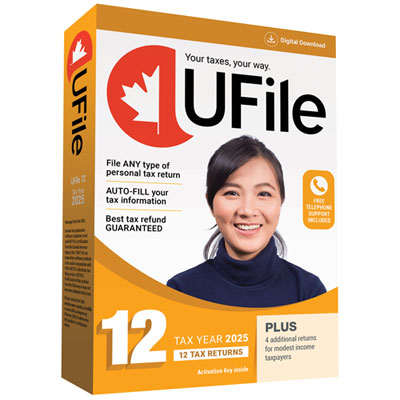
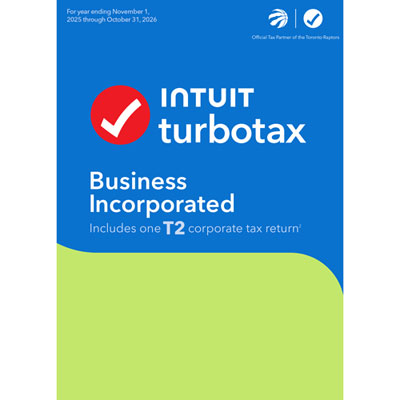
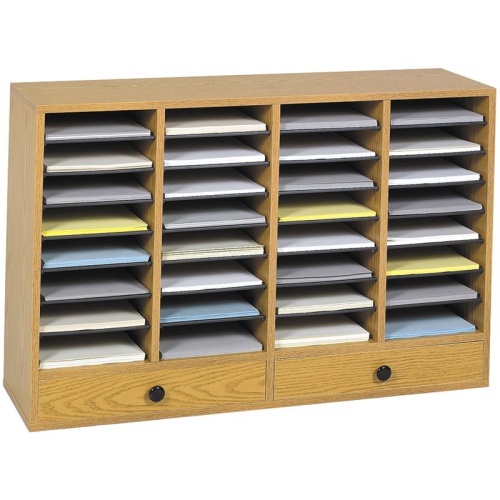
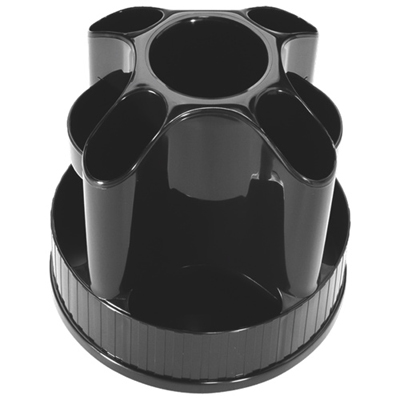
Document handling equipment and protective storage extend that organization beyond the desktop. A scanner can help bring paper statements and receipts into a digital filing system, with an automatic document feeder suited to stacks of standard pages and a flatbed useful for delicate, small, or unusually shaped originals. Duplex scanning can capture both sides of a document, while readable file names and searchable text make saved records easier to locate later. The connection between paper records and Tax Preparation Software is practical: organized source documents make figures easier to enter and check, while the software’s own features determine whether it supports document imports or attachments. Digital copies do not automatically remove the need to retain originals, and record storage still needs to reflect applicable requirements. Lockable cabinets, drawers, and document boxes help restrict casual access to sensitive paperwork, particularly in homes where a work area is shared or in offices receiving visitors. Any fire- or water-resistance claim depends on the storage product’s stated rating and proper closure, rather than its appearance or thickness. Shredders serve a different purpose, reducing documents that are ready for disposal into pieces; cut type, sheet capacity, and operating limits affect their suitability for occasional household use or repeated office tasks. Records still needed for filing, review, or retention belong in storage rather than the disposal pile. Desk trays can separate incoming paperwork from documents ready to file, keeping loose sheets away from the edge of a crowded work surface. Compact organizers suit smaller desks, while larger compartments accommodate bulky envelopes and multi-page statements without bending them. Smooth, accessible surfaces are easier to keep free of paper dust, and folders stored upright with adequate support are less likely to sag or spill. Together, these supplies suit salaried workers, self-employed professionals, household administrators, and tax preparers who need a dependable place for every document, from the first incoming slip to the retained copy of a completed return.
Top selling and popular products
-
 Your price for this item is $17.99
-
 Your price for this item is $18.99
-
 Your price for this item is $26.99
-
 Your price for this item is $20.88
-
 Your price for this item is $11.99
-
 Your price for this item is $33.68
-
 Your price for this item is $39.68
-
 Your price for this item is $16.99
Discover more categories related to Tax Preparation Office Supplies
Top Collections:
Pokemon Centers, Best Black Friday Deals This Year, Best Black Friday Deals On Electronics, Kindle Devices, Best Budget Office Chairs, Best Black Friday Deals On Apple Products, Best Cameras for Sports Photography, Pokémon 30th Celebration Cards, Dyson Airwrap, Canon G7X Cameras
Some products may be subject to Environmental Handling Fees
(EHF) depending on your province.
Learn more about EHFs.