Office Supplies for Accountants
Office supplies for accountants are essential for creating an organized and efficient workspace. From daily tasks to complex projects, having the right tools helps streamline workflow and maintain accuracy. Explore a wide range of office supplies for accountants designed to support productivity and keep your workspace running smoothly. Find everything needed to handle paperwork, manage files, and stay on top of important deadlines with ease.
Sort







Paper tools that give accounting work a clear structure
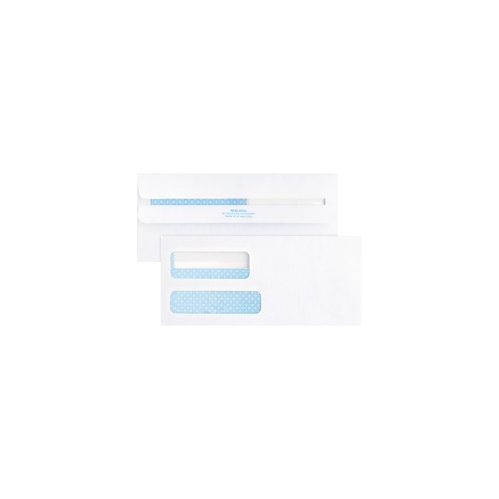
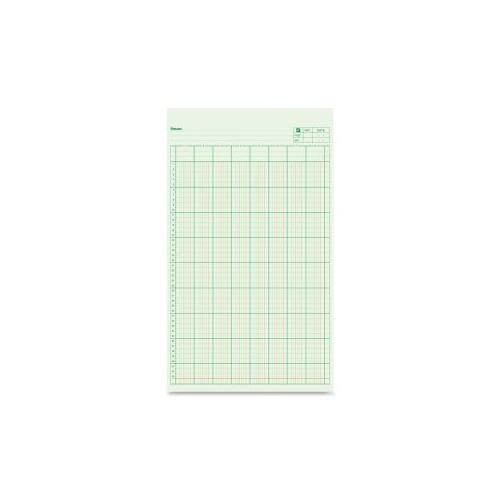
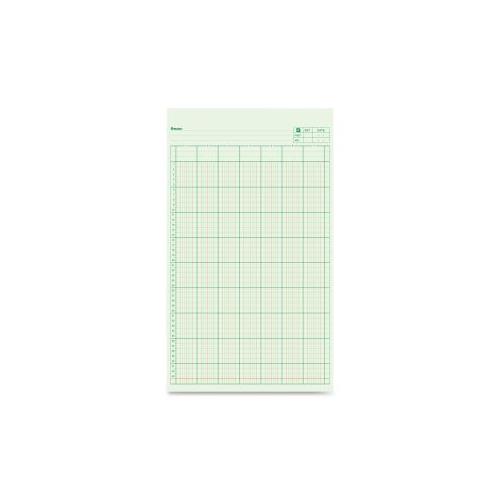
Office supplies for accountants support the everyday work of tracking transactions, reviewing figures, organizing client records, and keeping deadlines visible. Useful categories include planners, accounting ledgers, mileage logs, document folders, filing supplies, calculators, pens, highlighters, and desktop organizers. These tools serve accountants in public practice, bookkeepers managing several small businesses, finance teams, and independent professionals working from a home office. Even where accounting software handles most calculations and reporting, paper supplies can make supporting information easier to review: a receipt beside an expense entry, a handwritten note attached to a statement, or a checklist showing which documents a client still needs to provide. Planners with clear daily or weekly layouts leave room for appointments, filing dates, review stages, and follow-up notes. A layout with enough writing space is often more useful than one crowded with features, particularly when several clients share similar deadlines. Separate sections for tasks and appointments help distinguish a scheduled meeting from work that must be completed beforehand. Accounting books and columnar pads provide structured space for manual entries, reconciliations, and working calculations, while mileage and expense logs keep recurring records together rather than scattered across loose sheets. Clearly ruled columns, readable headings, and pages that lie reasonably flat make lengthy entries easier to manage. Paper weight and surface also matter: thin sheets may allow ink to show through, while smoother paper can suit fine-point pens used for compact figures and annotations. Pens that produce consistent lines help keep decimal points and small numerals legible. Highlighters and coloured checking pens can distinguish an outstanding question from a completed review, provided the colour system remains consistent across a team. Colour works best alongside written labels or symbols, especially when documents will be photocopied or scanned. For records that need correction, a clear annotation preserves context better than an unexplained change. Together, planning and writing supplies give routine accounting work a practical structure without replacing the underlying records or the software used to maintain them.
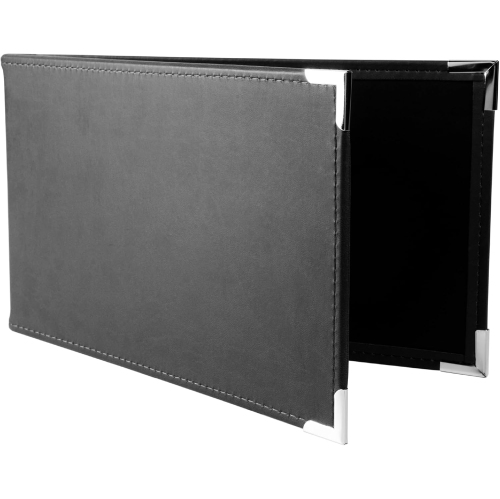
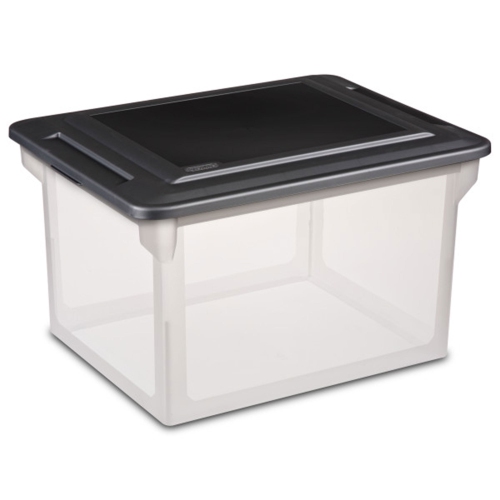
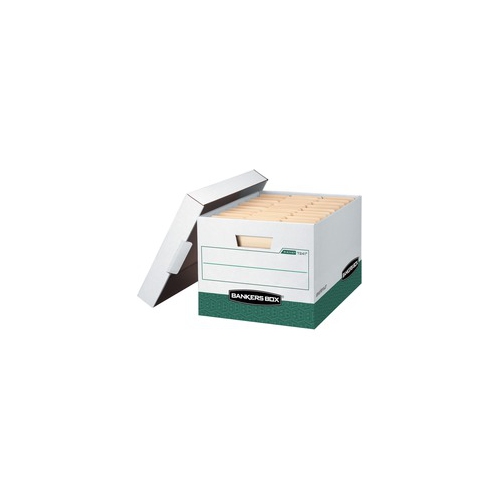
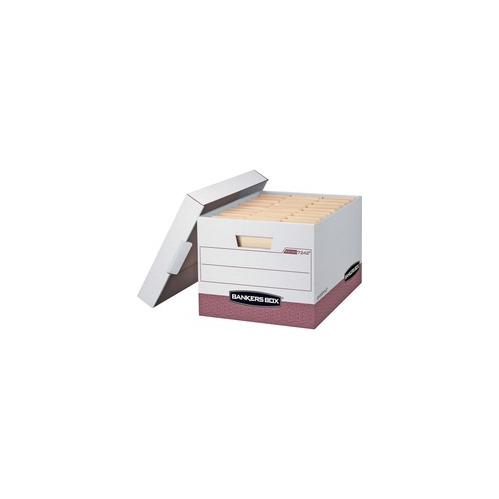
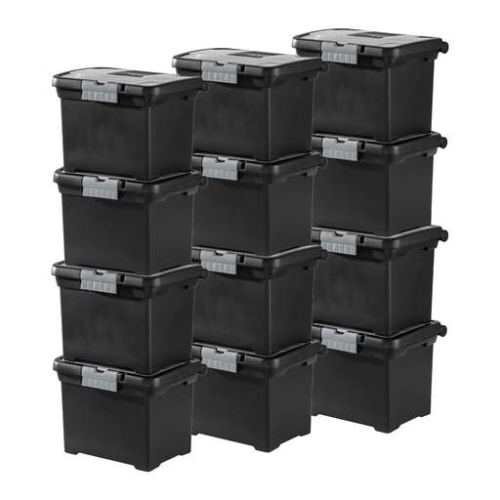
Document organization is especially important when one engagement involves bank statements, invoices, receipts, payroll summaries, and tax slips such as T4s or RL-1s. Folders, expanding files, binders, envelopes, and desktop sorters create distinct places for incoming documents, work awaiting clarification, completed calculations, and copies ready to return to a client. A folder labelled with a client name and reporting period is easier to retrieve than a stack identified only by its position on a desk. Dividers can separate records by account, document type, or review stage, while labels with sufficient writing space keep those distinctions readable. For thicker files, expansion capacity matters as much as the outer dimensions; an overfilled folder can crease pages, strain fasteners, and make individual documents difficult to remove. Letter-size and legal-size documents need storage that accommodates their full length, and receipts benefit from smaller envelopes or sleeves within a larger file so they do not slip between sheets. Material choice affects daily handling. Sturdy cardstock suits frequently accessed working files, while reinforced edges and durable plastic covers can better tolerate repeated opening and movement between desks. Metal binder mechanisms should close evenly, and document pockets need enough flexibility to accept papers without catching their corners. Adhesive labels should suit the surface they are attached to, with removable options useful when folders or storage bins are reassigned. Binder clips keep related sheets together without adding holes, whereas stapled sets can be convenient when a small group of pages needs to stay in a fixed order. Status stamps can make markings such as received, reviewed, or client copy more consistent, but placement matters so the impression does not obscure an amount, date, or signature. Confidential paperwork calls for more than a tidy filing system: opaque folders and closed envelopes limit casual visibility, while secure storage and appropriate handling procedures remain essential. Durable supplies are most useful when they support a clear filing routine, allowing another authorized person to locate a record without having to reconstruct the original accountant’s sorting method.
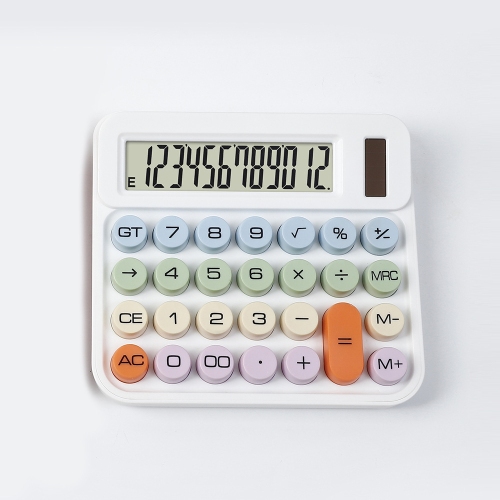
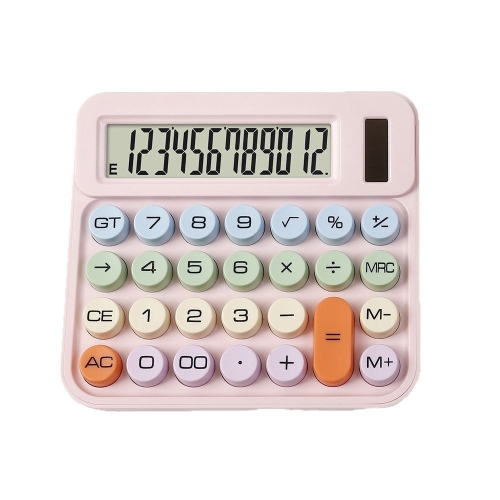
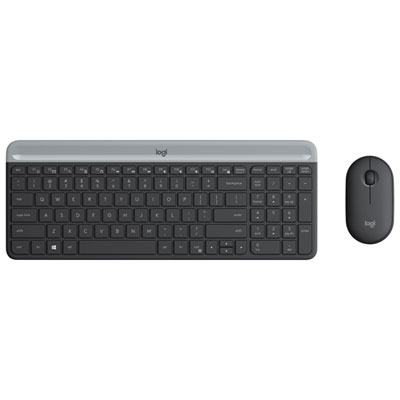
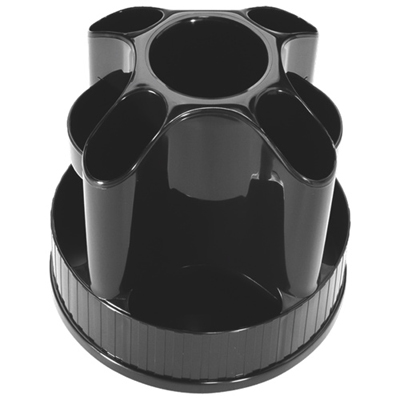
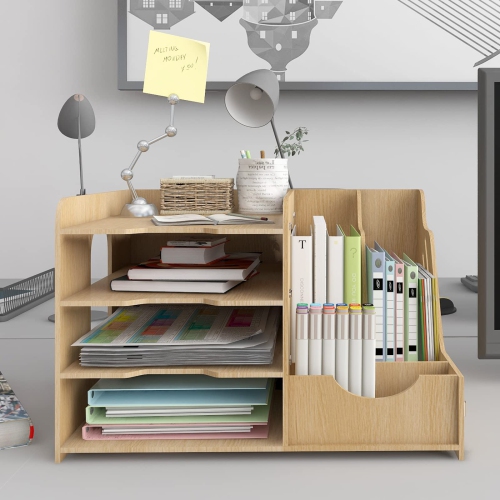
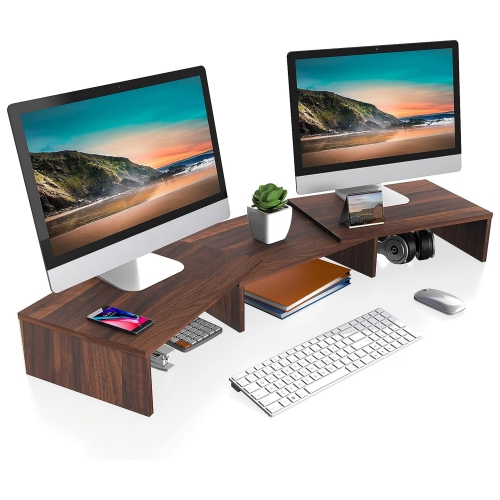
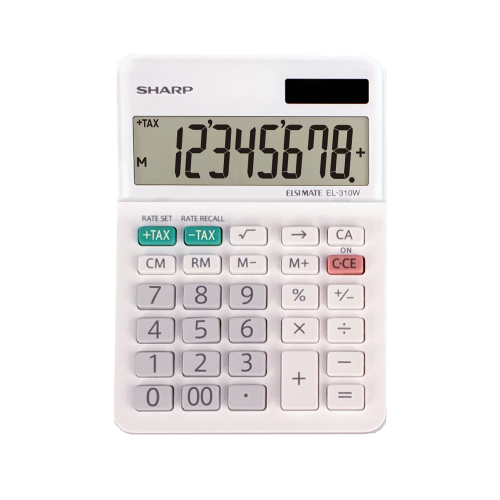
The working surface also deserves attention, particularly when a calculator, keyboard, reference notes, and open documents share a small desk. Desktop organizers with separate compartments keep pens, clips, labels, and frequently used tools within reach, while vertical file holders and stacking trays can free space for reviewing a statement beside its supporting receipts. Before choosing an organizer, its footprint, compartment depth, and clearance beneath shelves matter more than the number of sections alone. Mesh metal offers a clear view of contents, solid plastic surfaces are generally straightforward to wipe clean, and wood or wood-look finishes can suit a client-facing office; care should follow the material’s instructions, especially around moisture and cleaning products. Calculators remain useful for quick checks, percentage calculations, and reviewing totals independently of an on-screen worksheet. A readable display, clearly separated keys, and a stable base help with repeated entries, while printing calculators also require consideration of paper rolls, ink supplies, and the space needed for the printed strip. Small details can affect comfort over a full work session: a writing pad that stays flat, a stapler that handles the intended bundle without repeated attempts, or a tape dispenser that stays put during one-handed use. Supplies shared across a firm benefit from consistent labels and familiar layouts, whereas a home office may need compact storage that can close away at the end of the day. General workplace categories are also covered by Office Supplies for Work, which relates to the everyday stationery and organization needs that accounting offices share with other workplaces. For a new accountant or bookkeeping graduate, a practical stationery gift can be useful when it suits their working habits rather than assuming everyone prefers the same planner format. Whether the workspace serves one professional or an entire team, well-chosen supplies help keep the small, frequent tasks of accounting orderly: capturing a note, checking a figure, separating a receipt, and returning a document to its proper place.
Top selling and popular products
-
 Your price for this item is $527.99
-
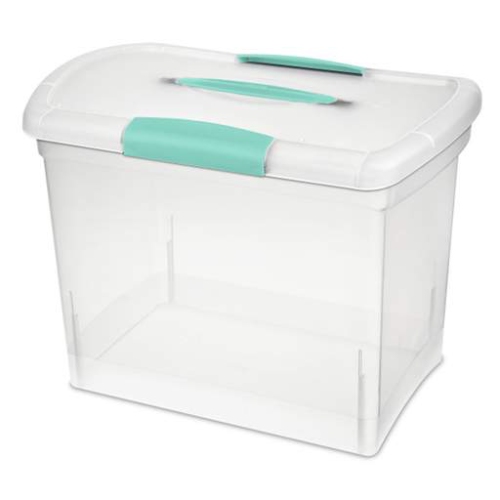 Your price for this item is $453.99
-
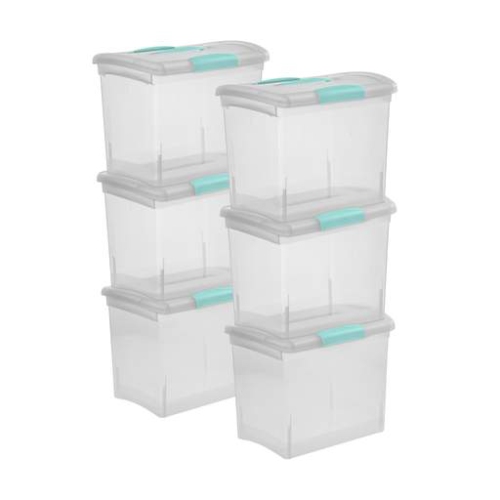 Your price for this item is $158.99
-
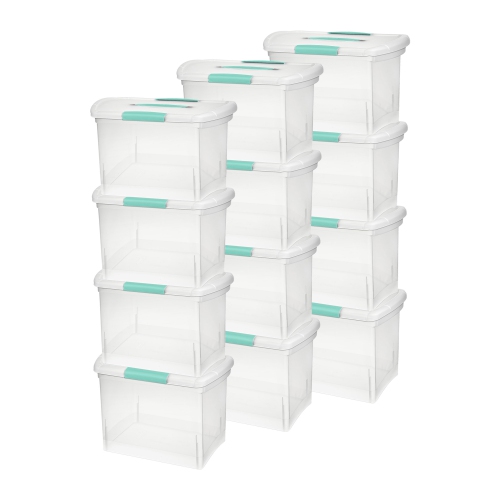 Your price for this item is $313.99
-
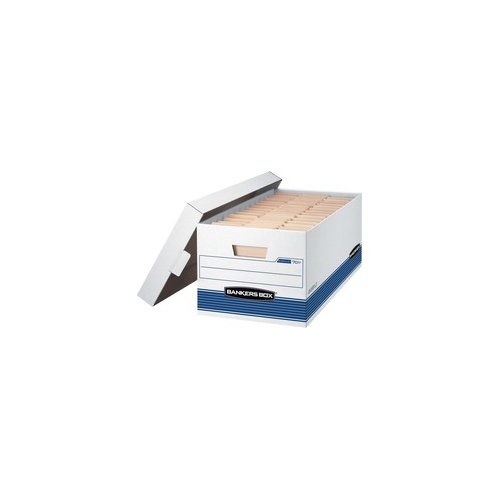 Your price for this item is $12.99
-
 Your price for this item is $80.15
-
 Your price for this item is $10.99
-
 Your price for this item is $1320.99
Discover more categories related to Office Supplies for Accountants
Top Collections:
Pokemon Centers, Best Black Friday Deals This Year, Best Black Friday Deals On Electronics, Kindle Devices, Best Budget Office Chairs, Best Black Friday Deals On Apple Products, Best Cameras for Sports Photography, Pokémon 30th Celebration Cards, Dyson Airwrap, Canon G7X Cameras
Some products may be subject to Environmental Handling Fees
(EHF) depending on your province.
Learn more about EHFs.