Tool Chests With Wheels
Upgrade your workshop with the convenience and mobility of tool chests with wheels. Perfect for organizing your tools and equipment, these versatile storage solutions offer ample space for all your essentials while making it easy to move from one project to the next. Whether you're a DIY enthusiast or a professional tradesperson, a tool chest with wheels provides the functionality and portability you need to keep your workspace tidy and efficient. Explore our selection of tool chests with wheels to find the perfect match for your needs and take your workshop organization to the next level.
Sort

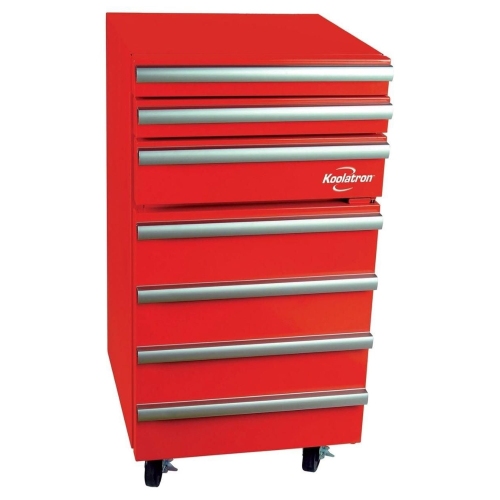
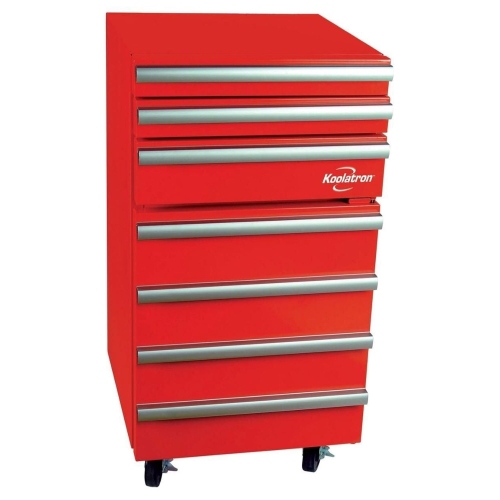
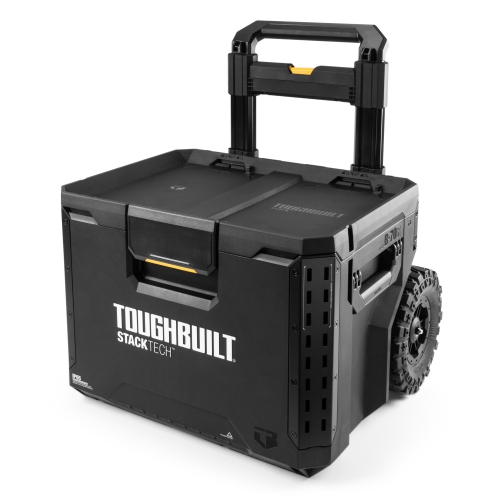
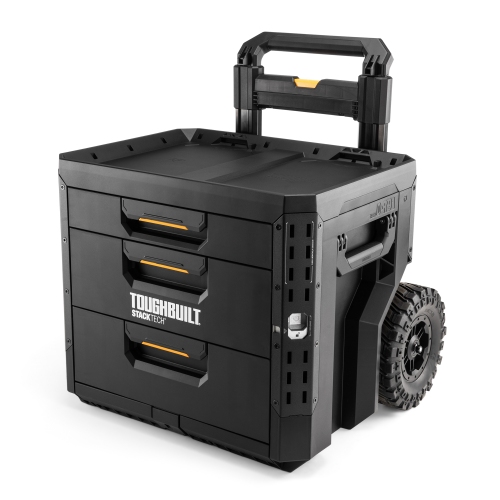


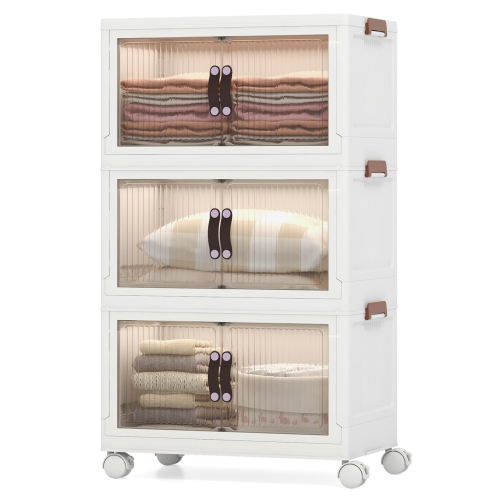
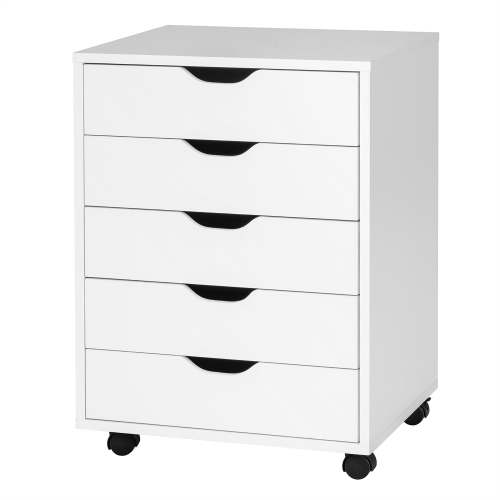
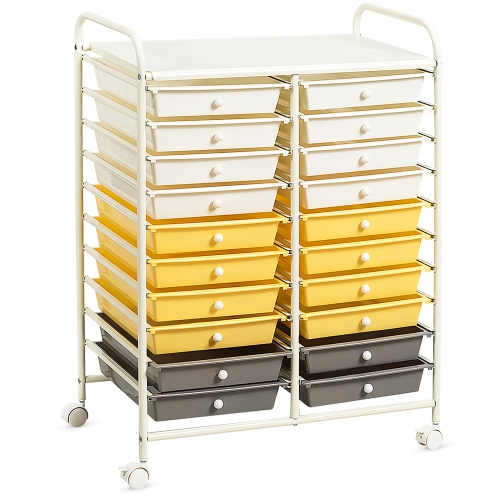
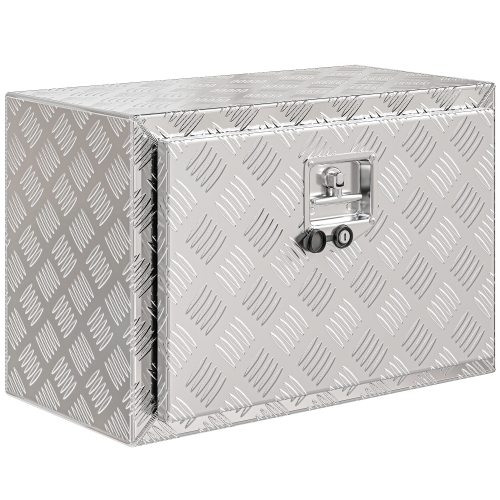
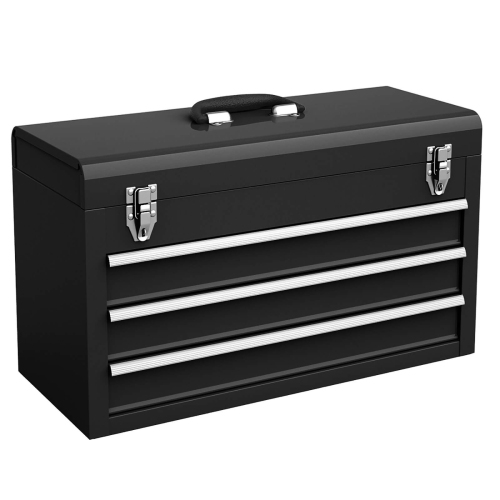
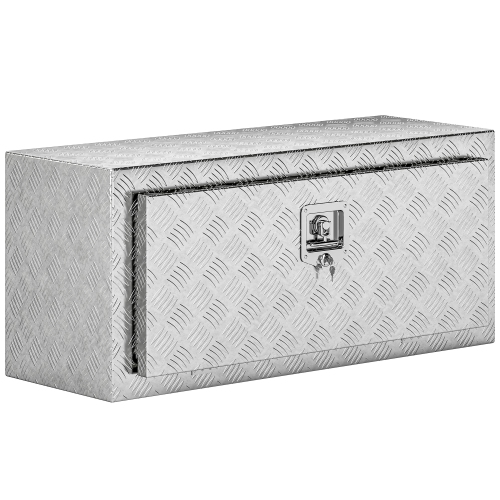
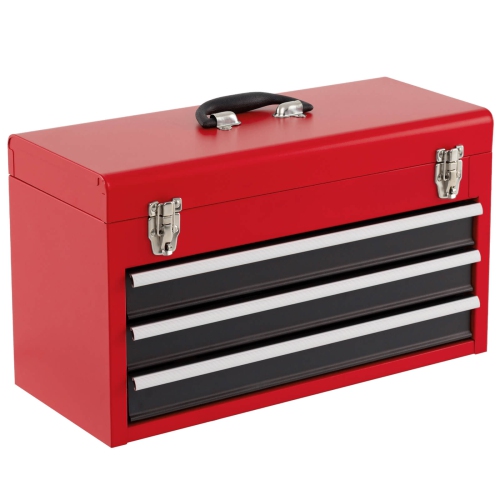
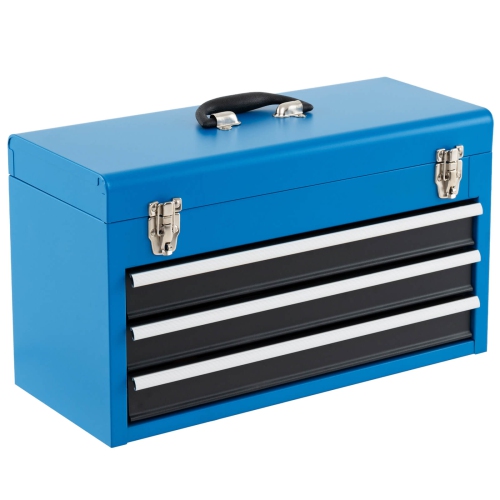
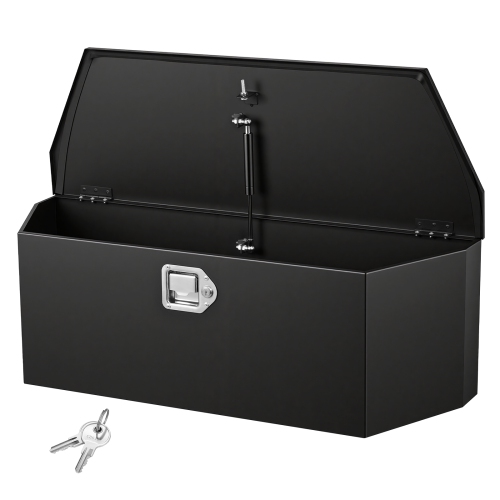
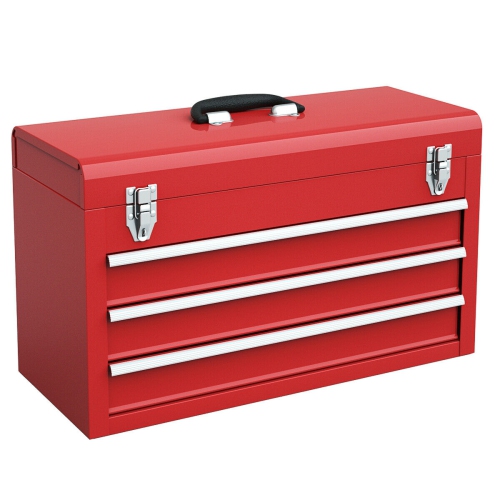
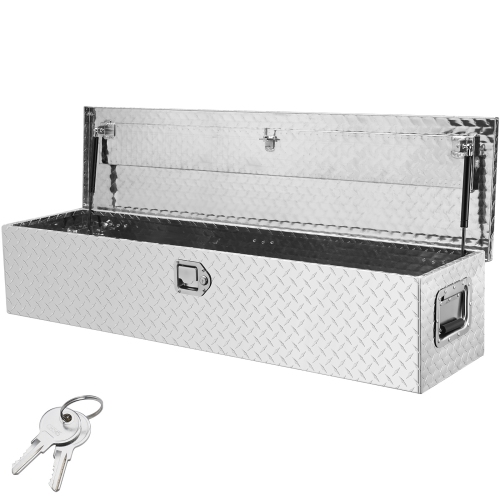
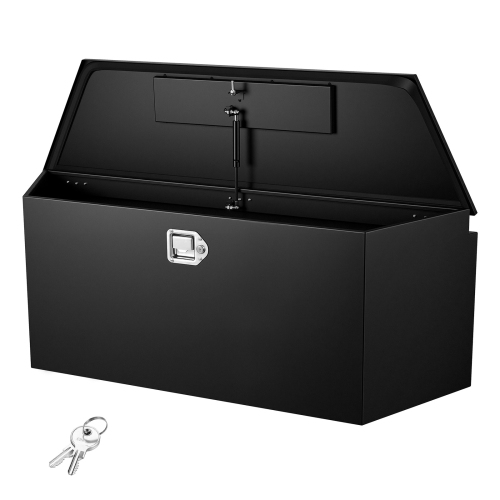
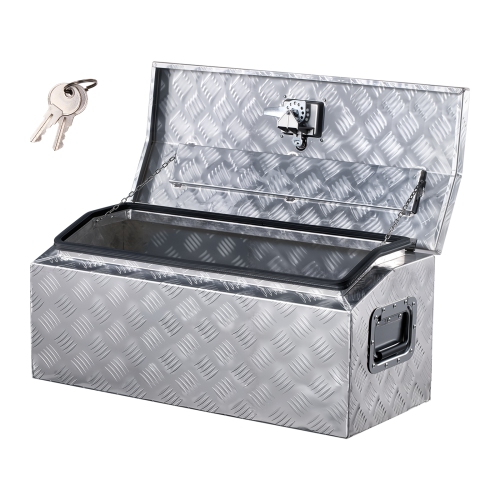
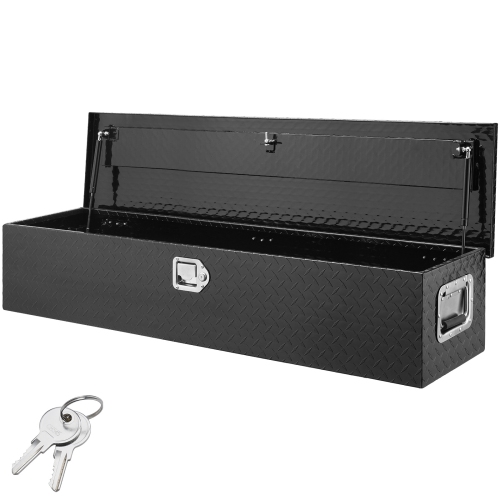
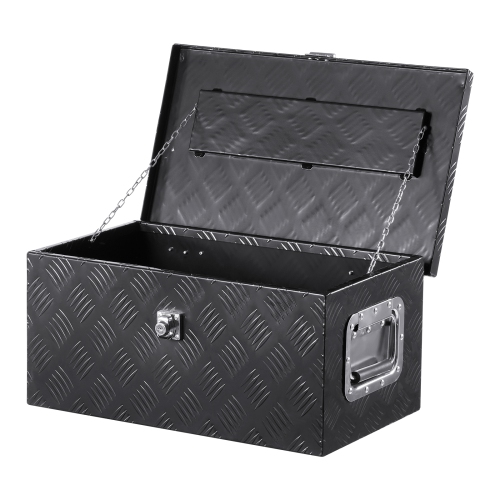

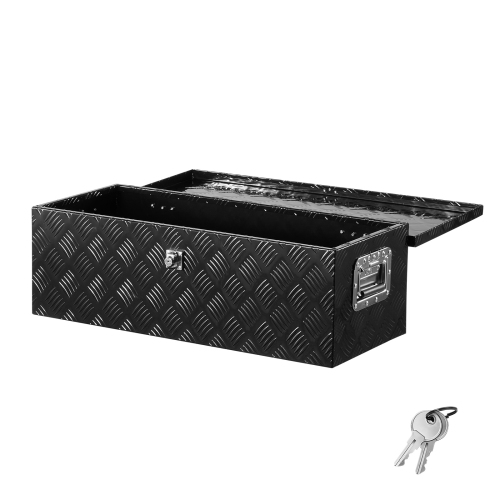

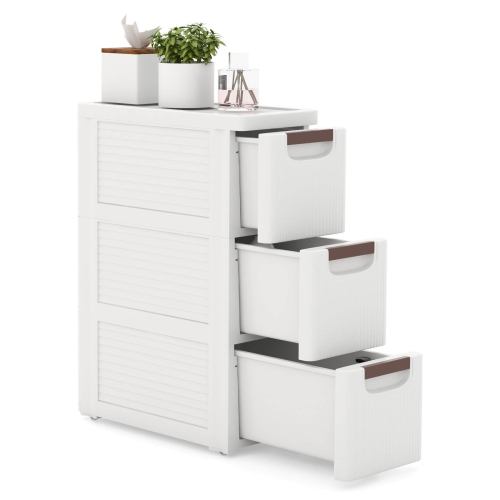
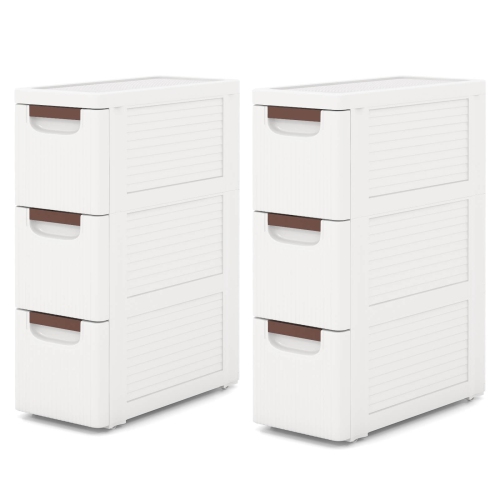
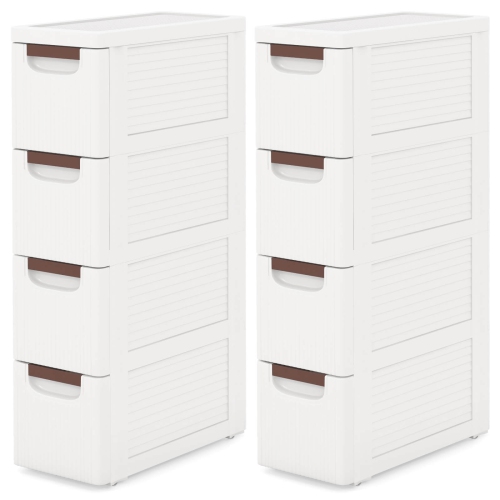
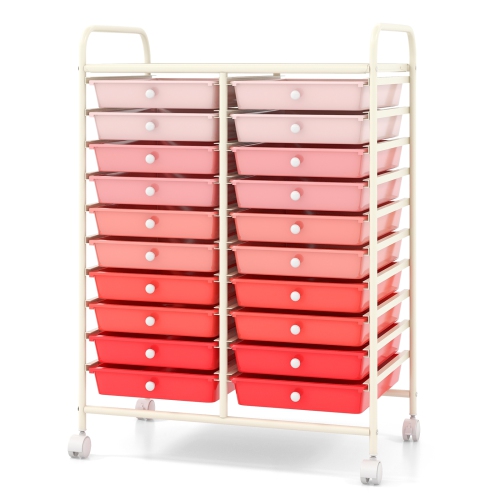
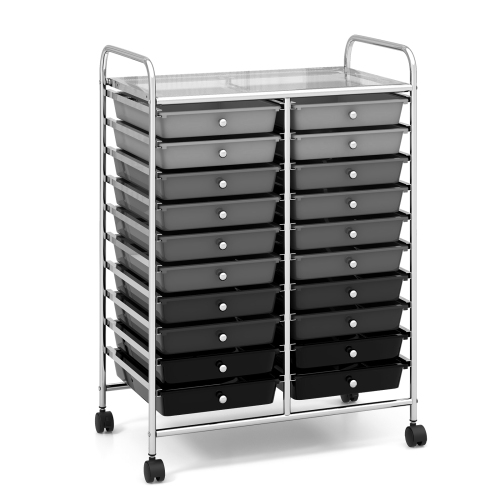
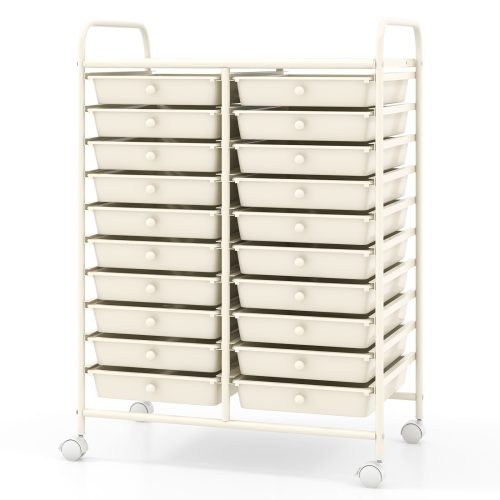
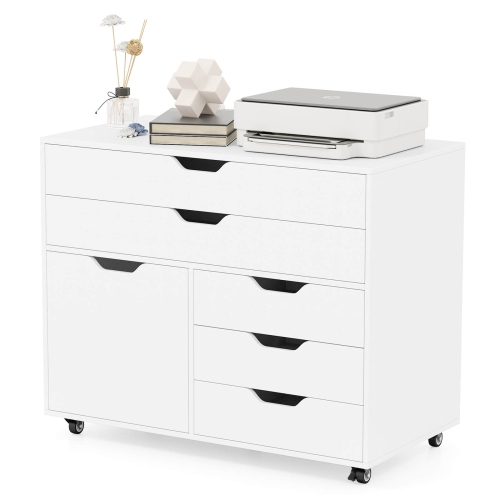
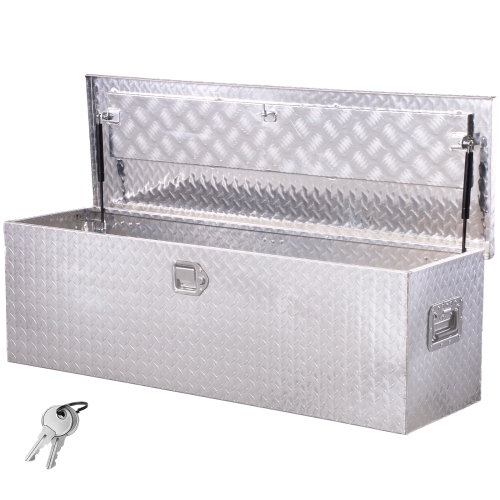
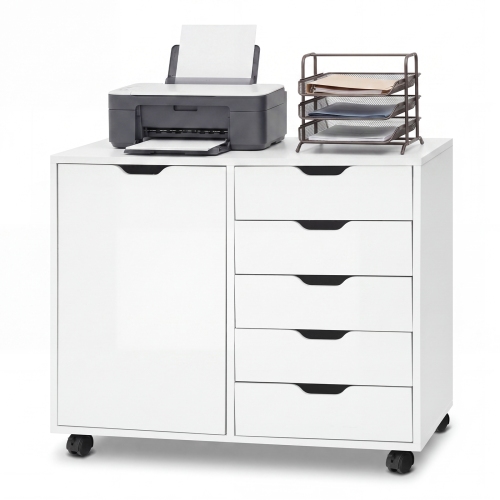
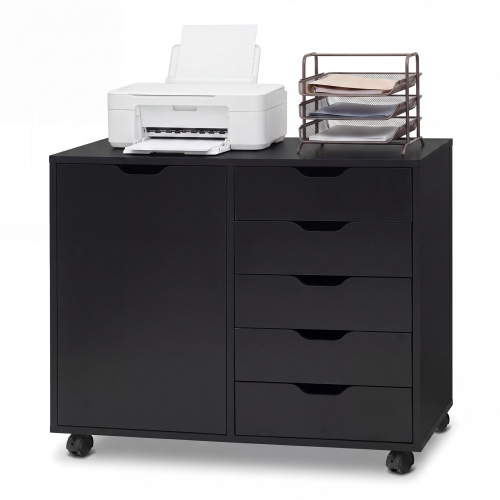
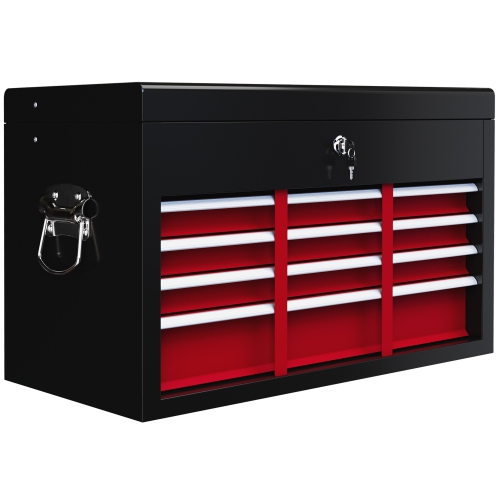
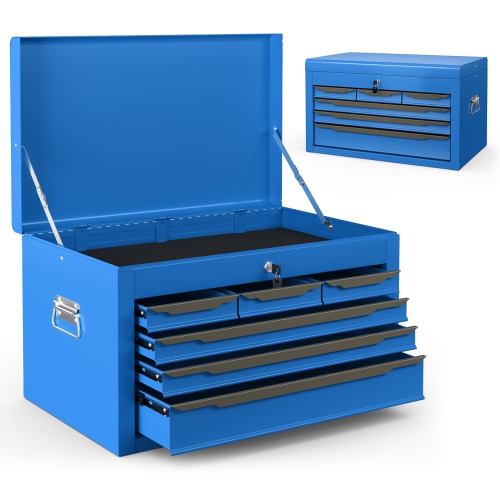
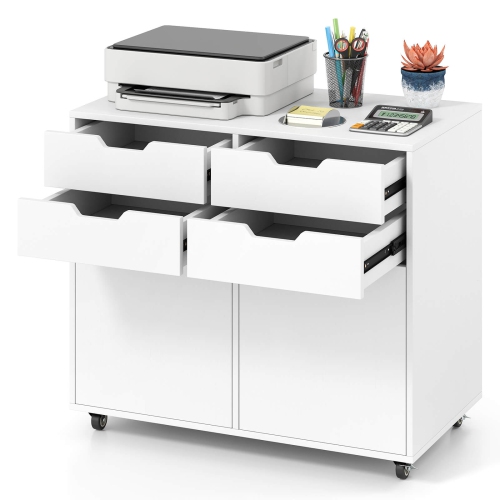
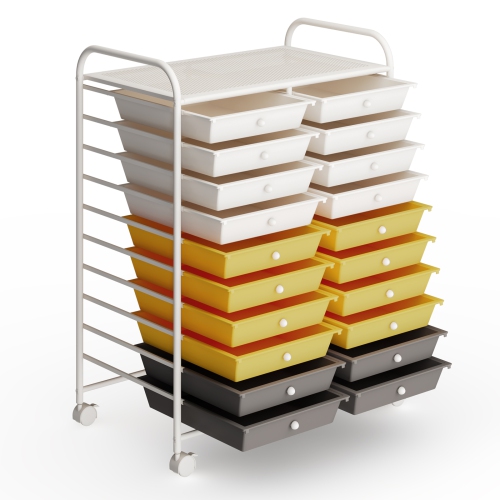
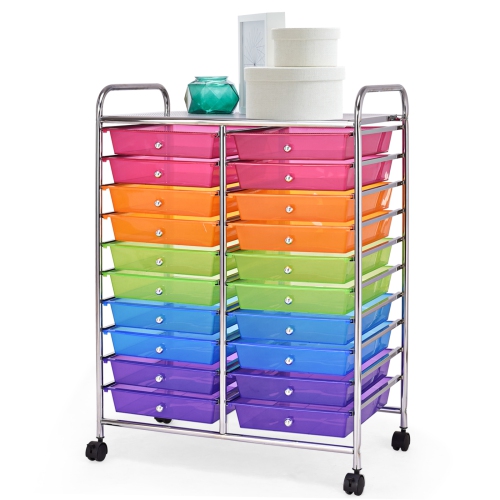
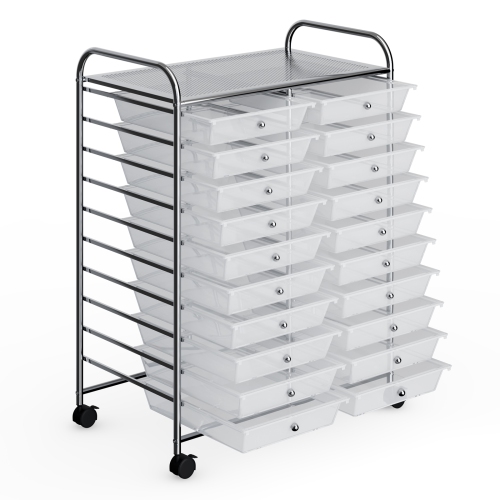
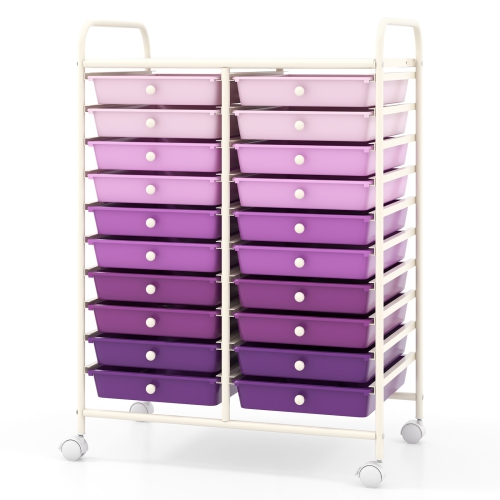
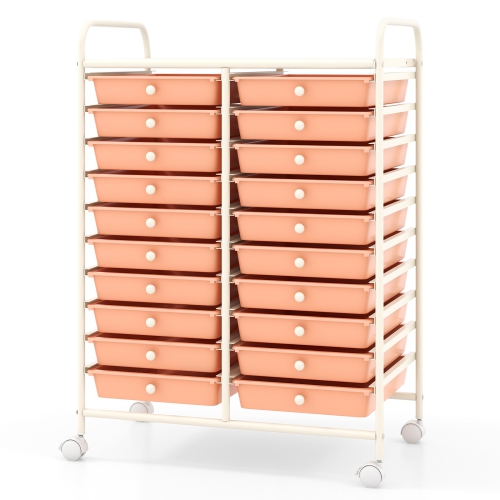
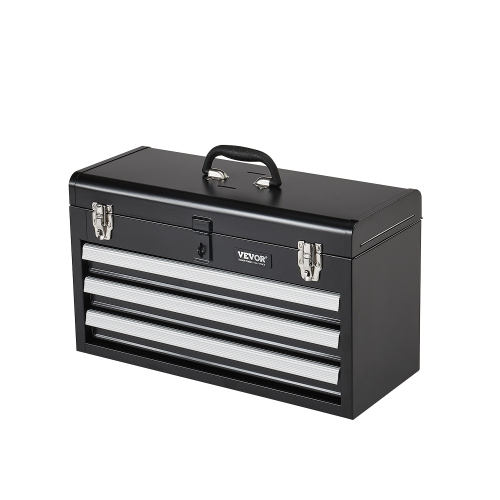
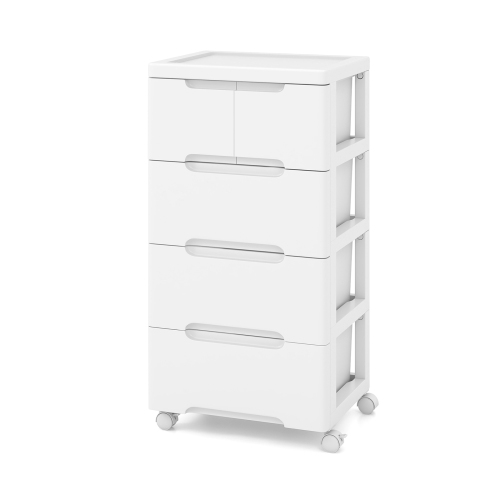
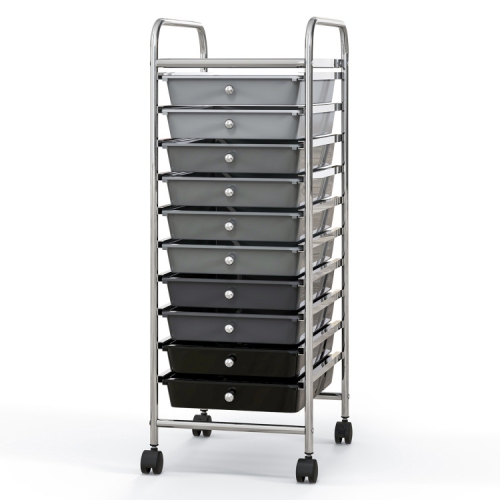
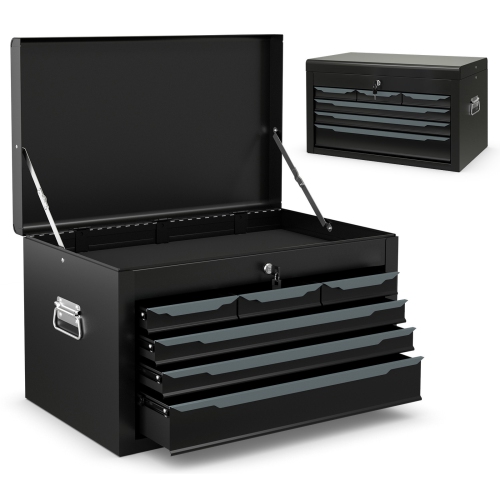
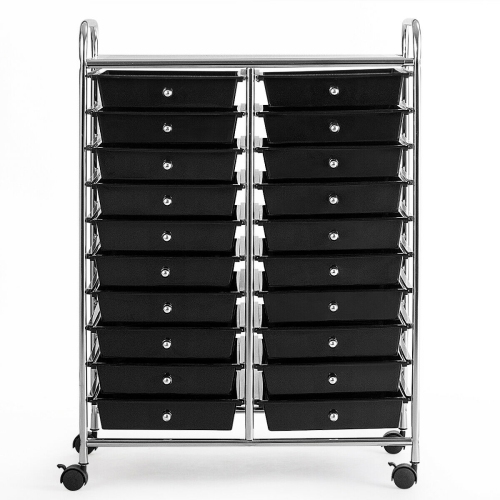
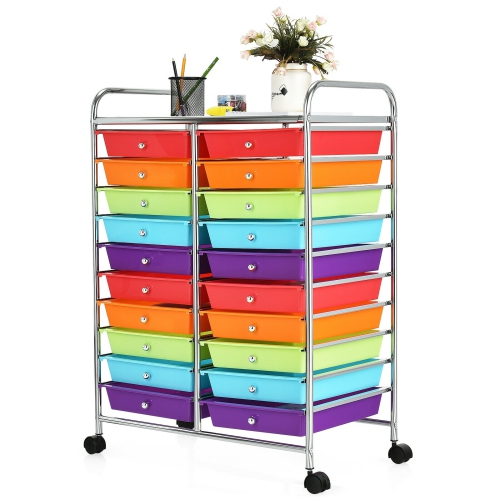
Mobile storage that keeps tools ready for every repair
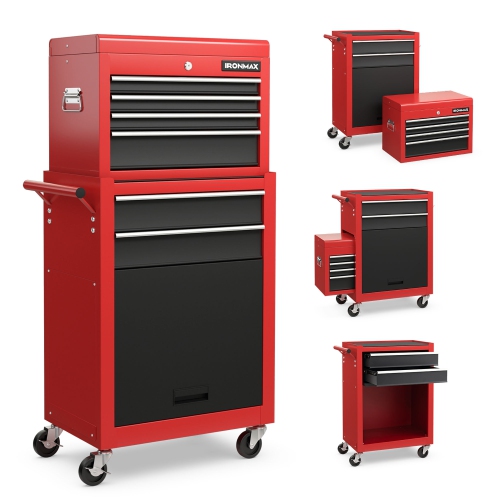
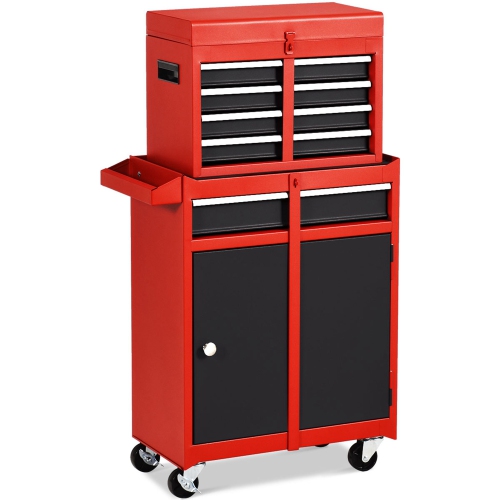
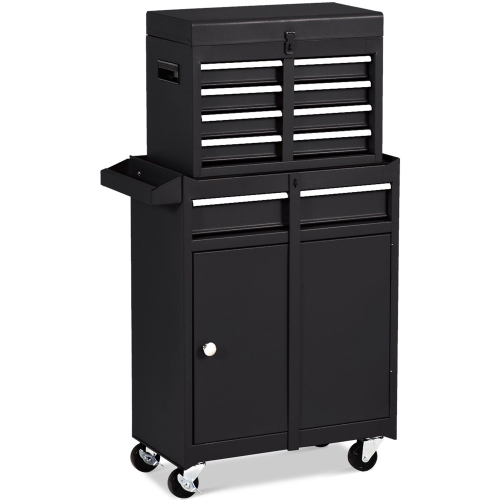
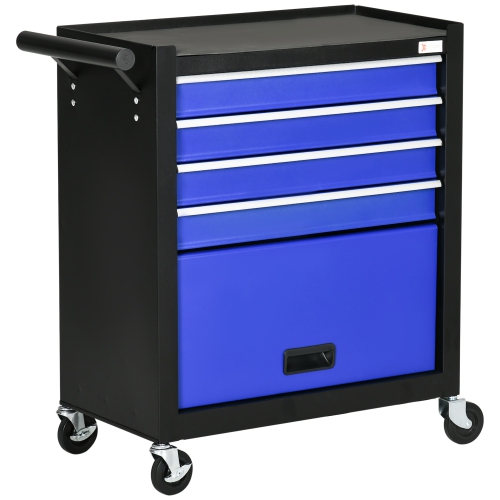
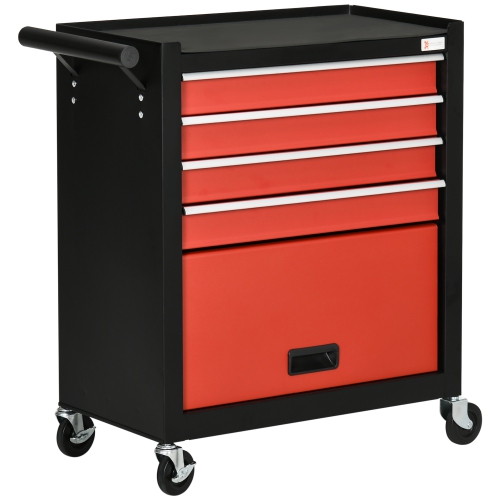
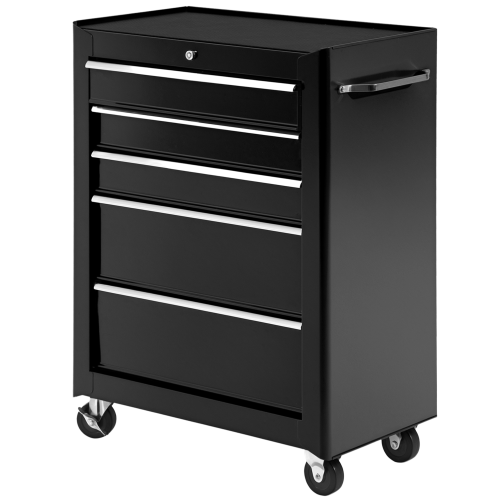
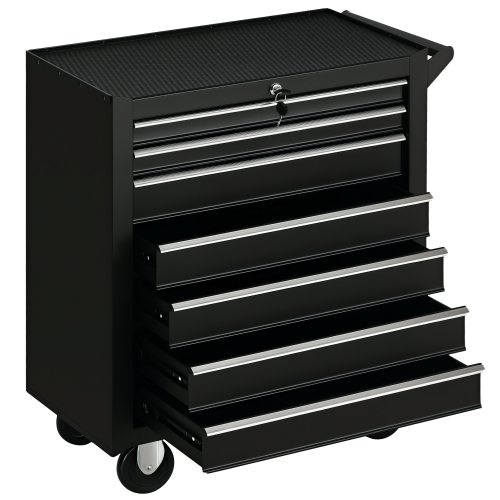
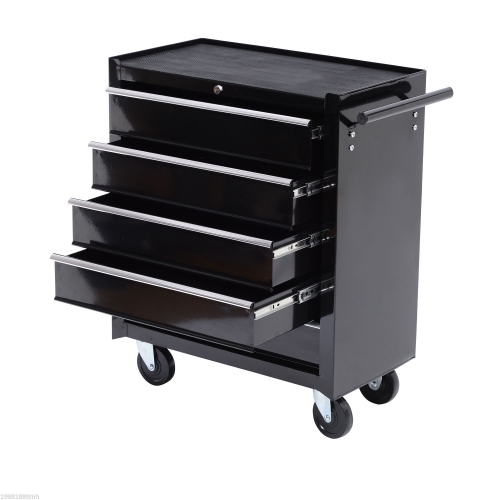
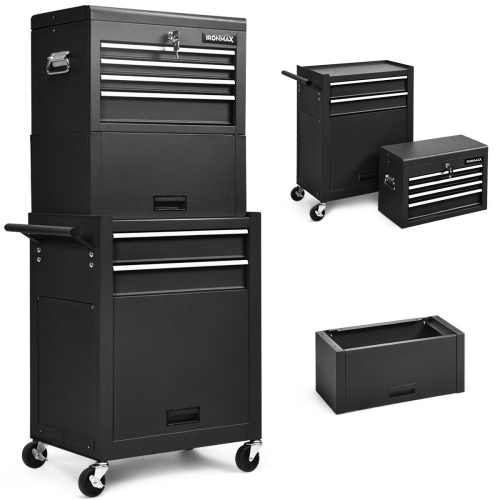
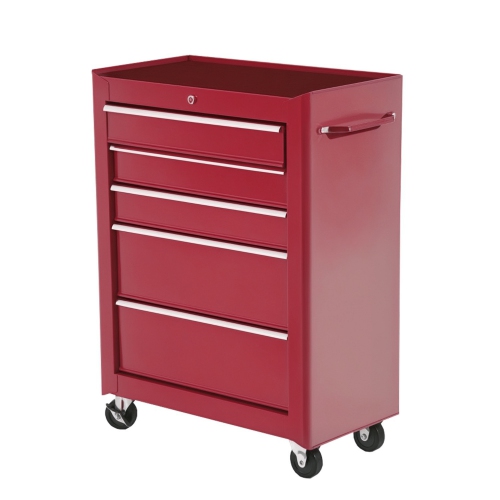
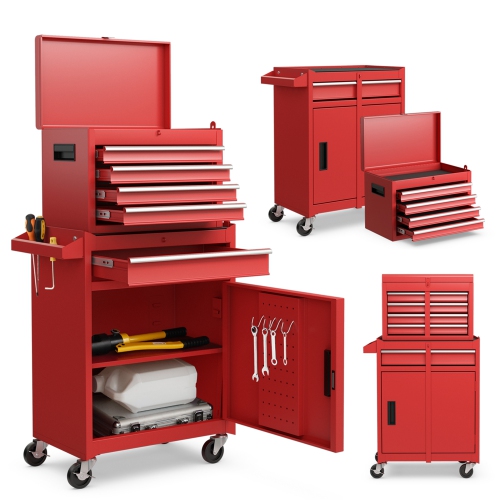
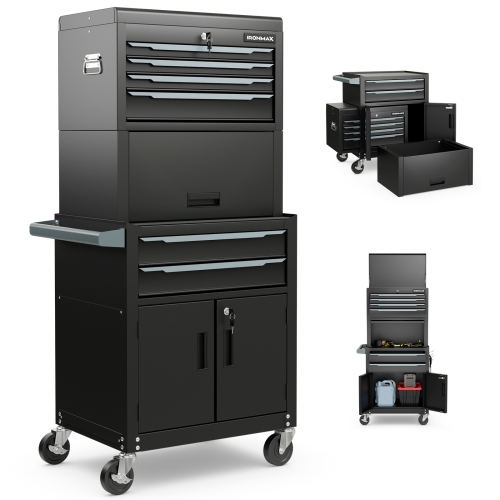
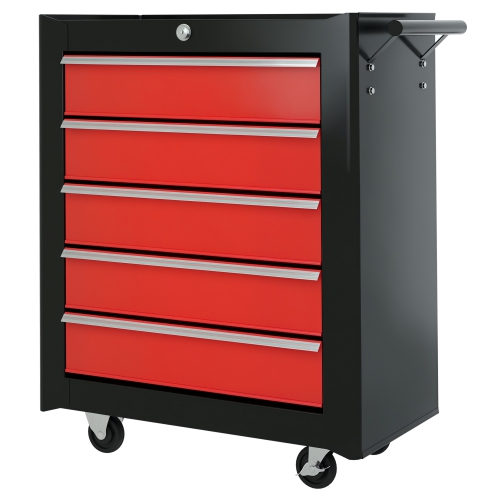
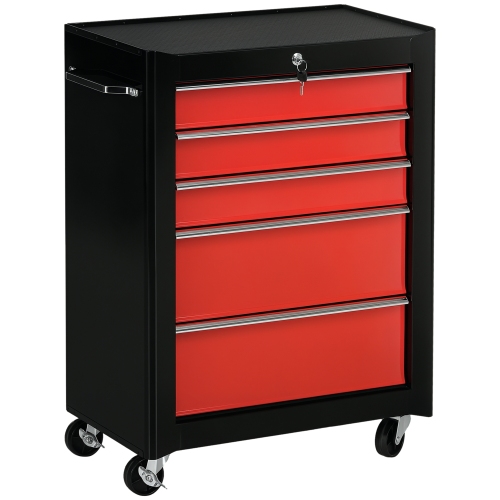
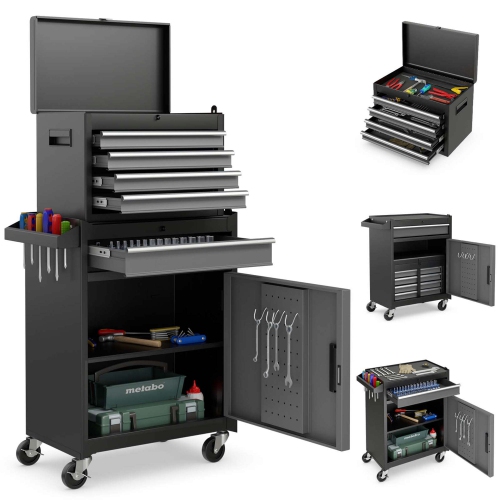
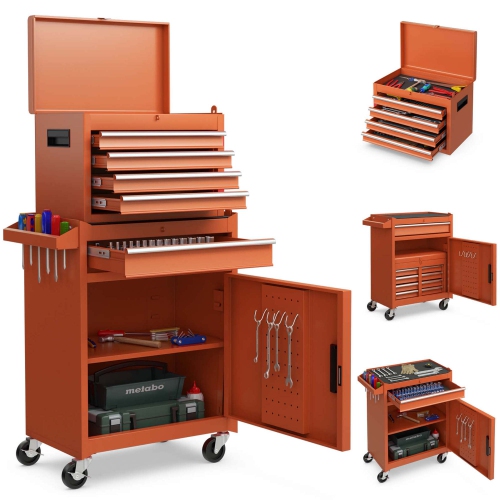
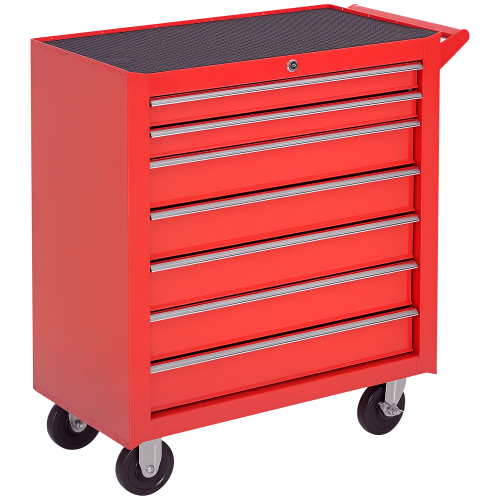
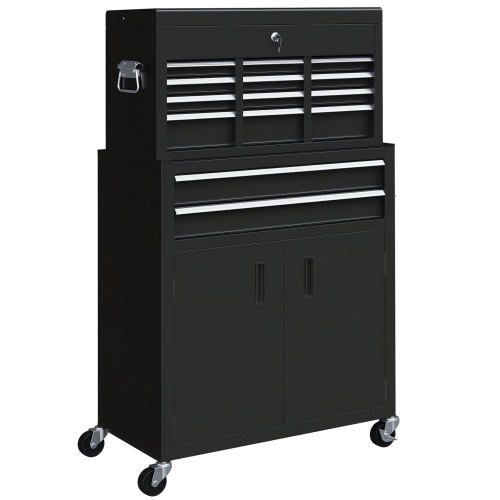
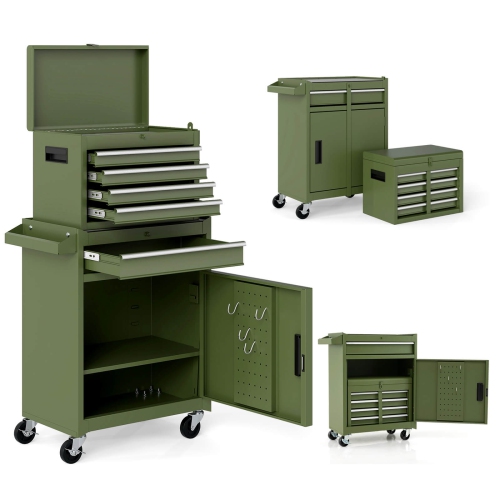
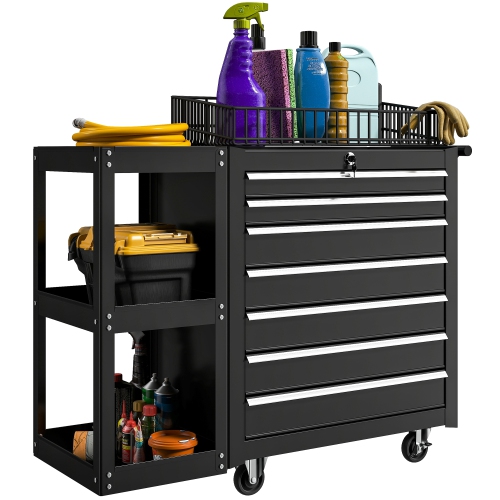
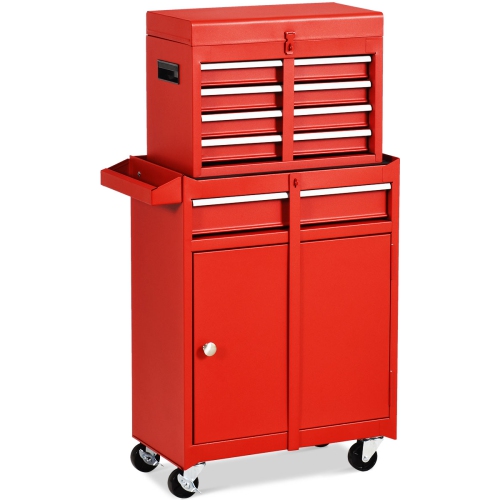
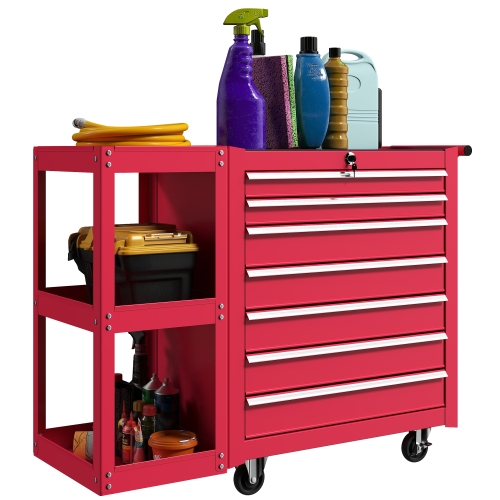
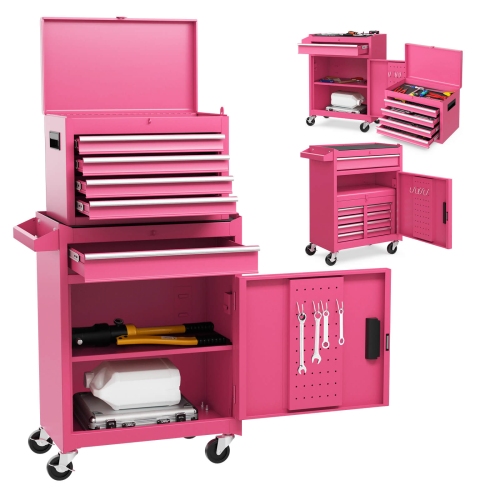
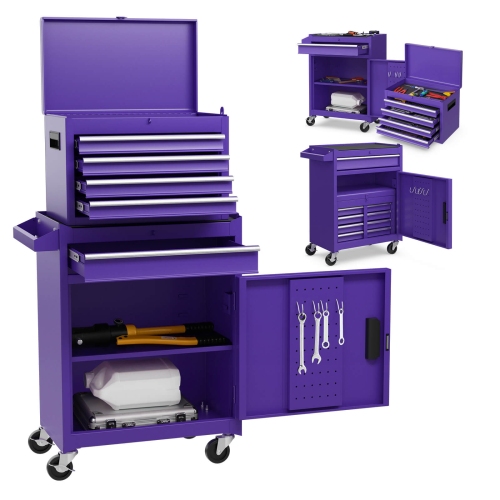
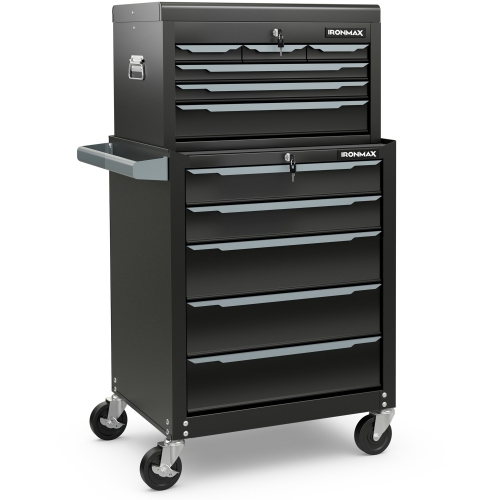
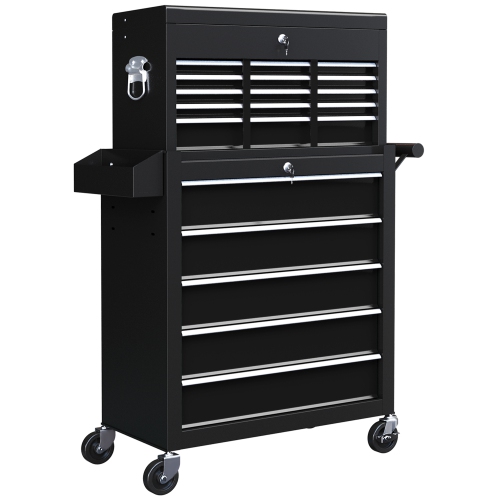
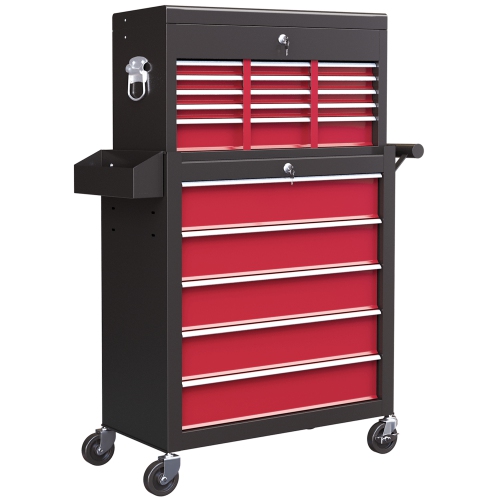
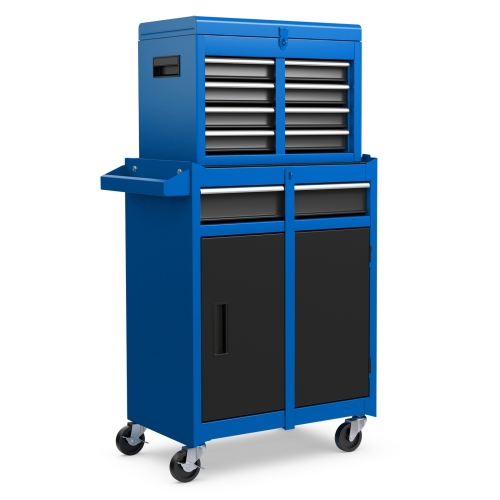
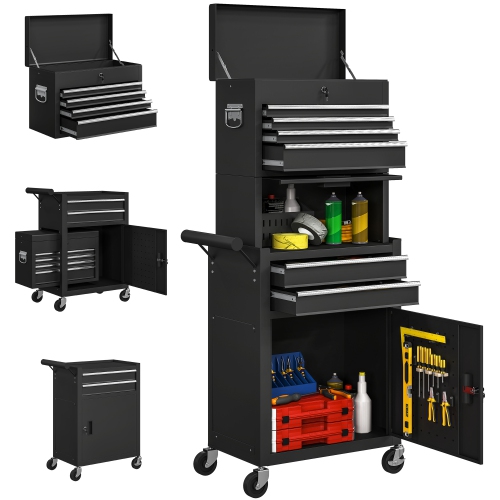
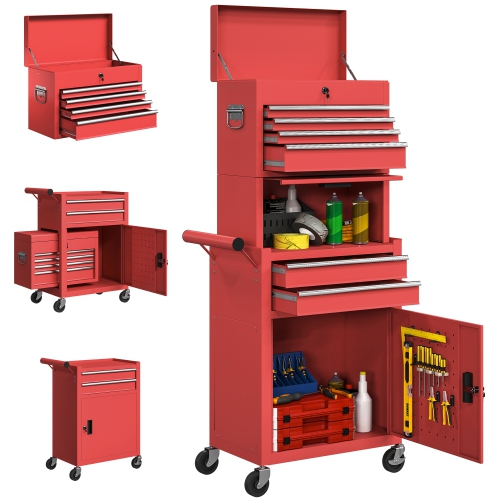
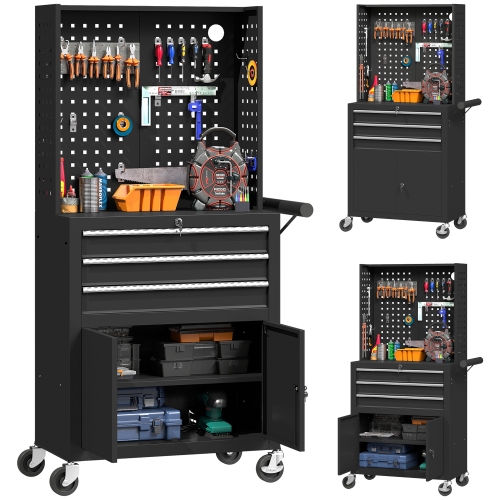
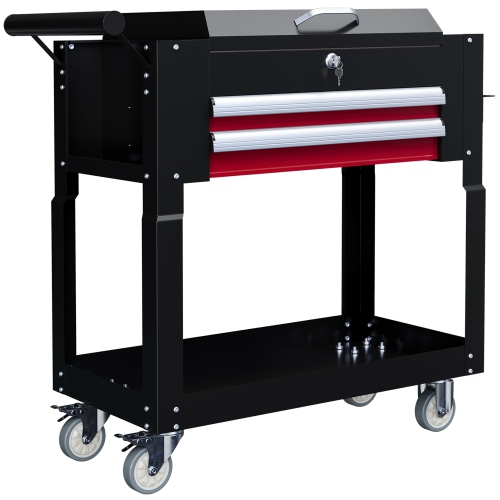
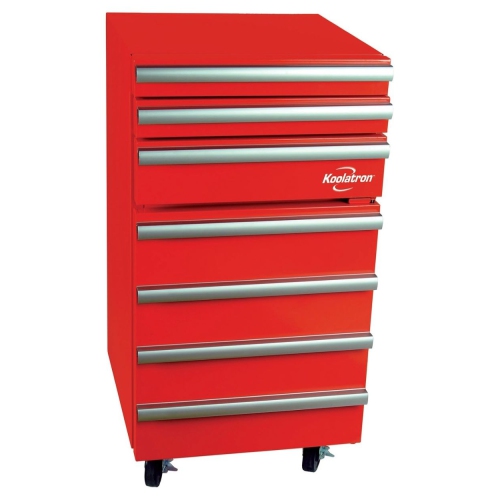
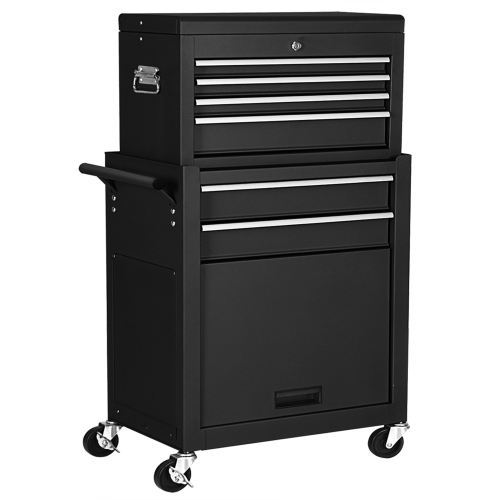
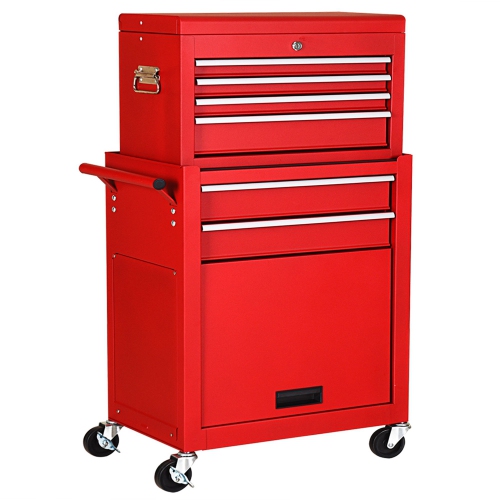
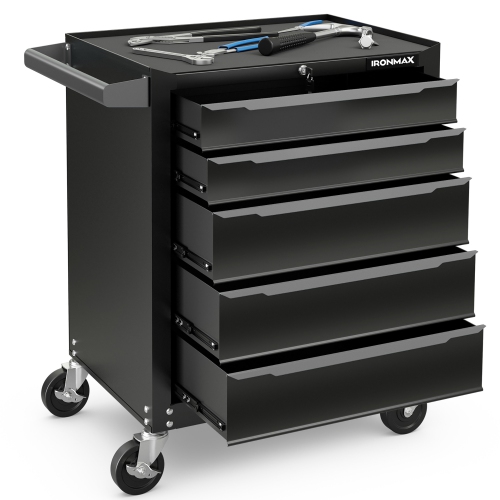
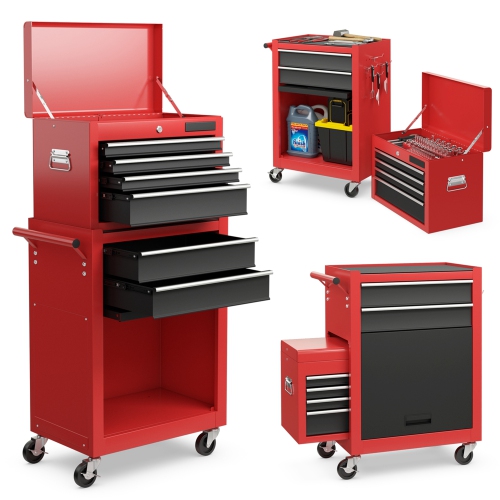
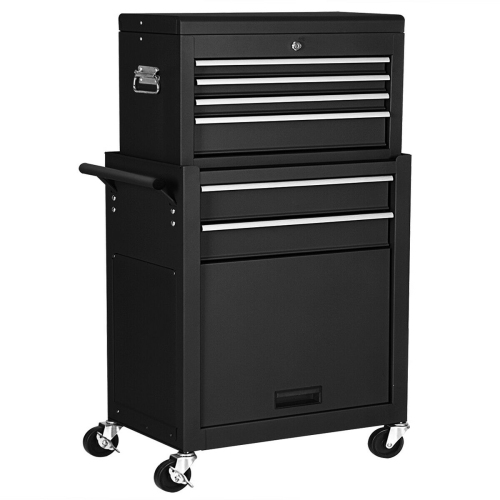
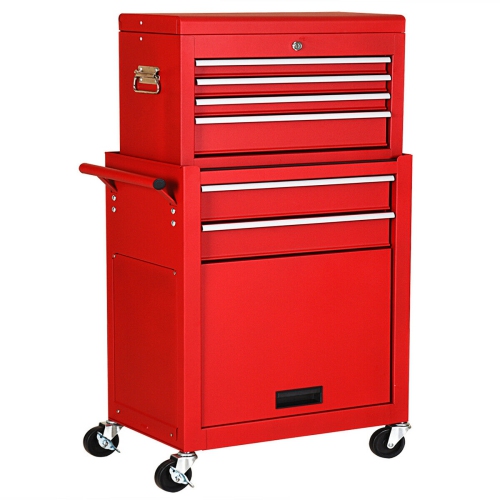
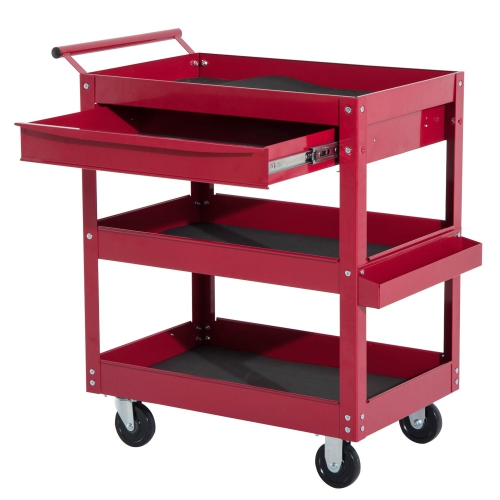
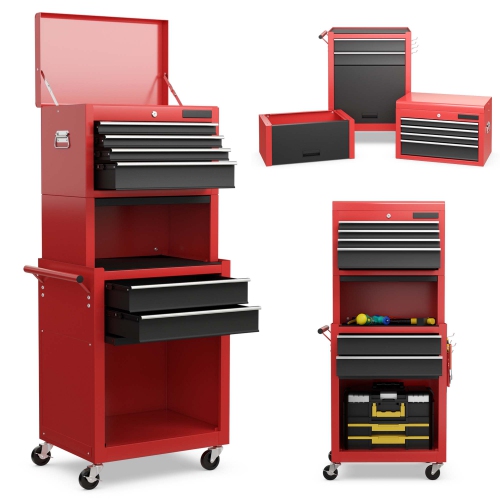
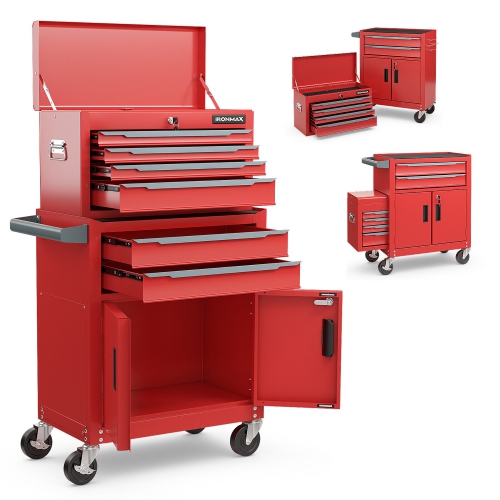
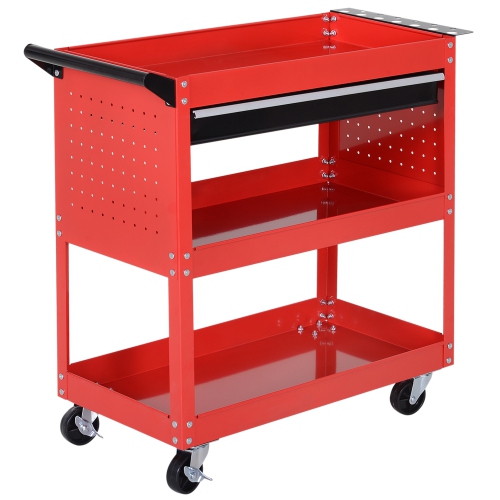
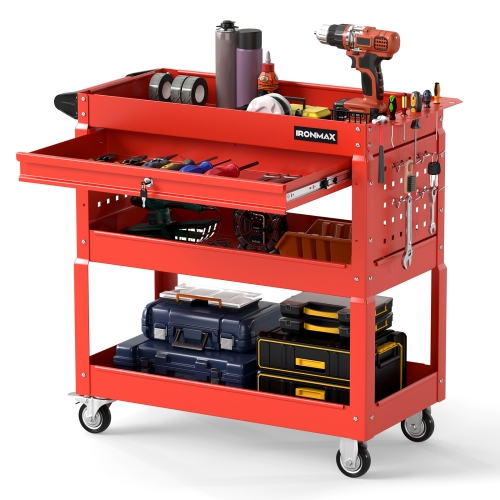
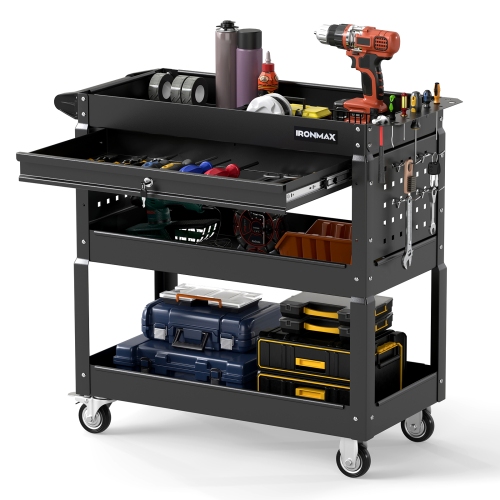
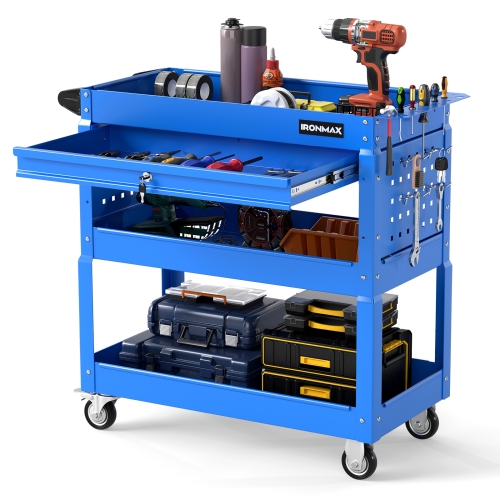
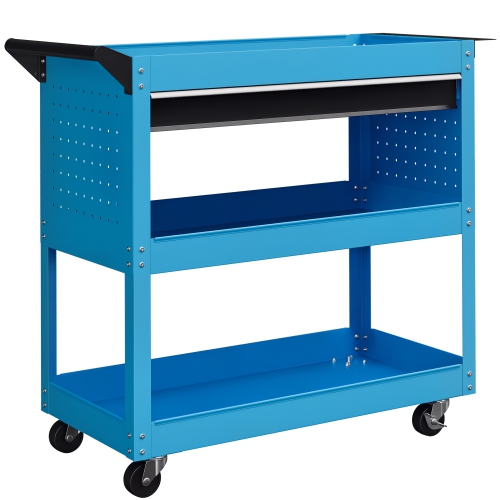
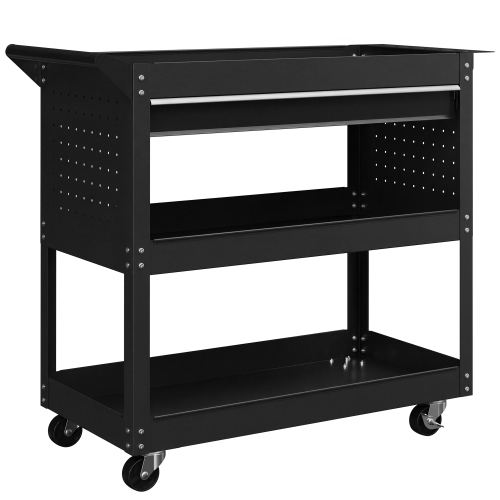
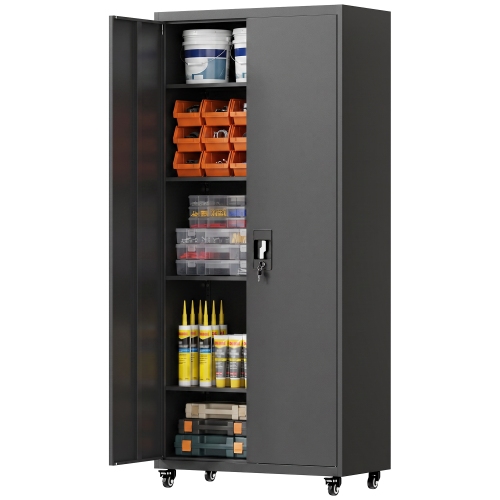
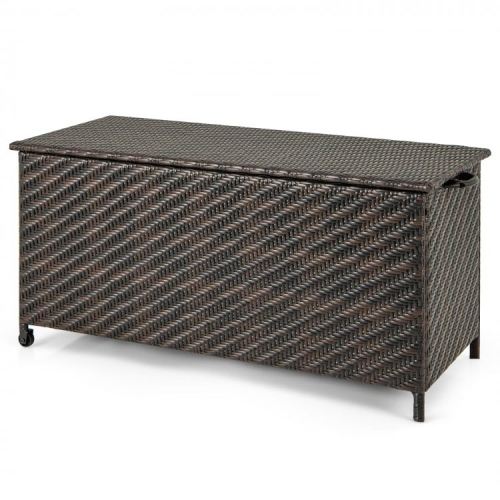
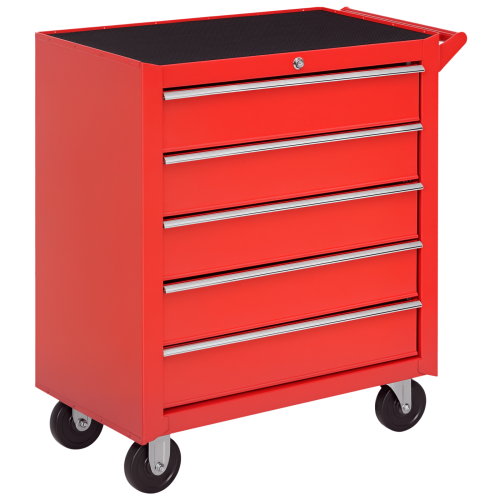
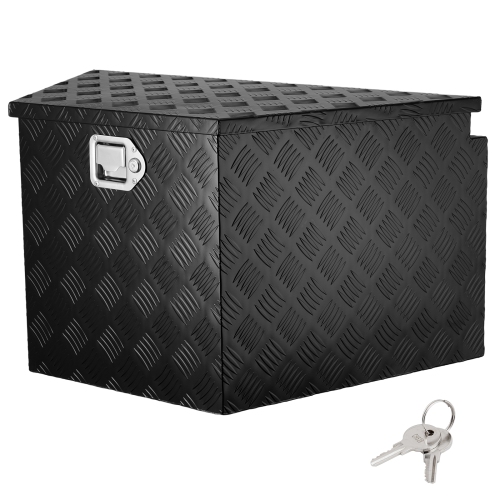
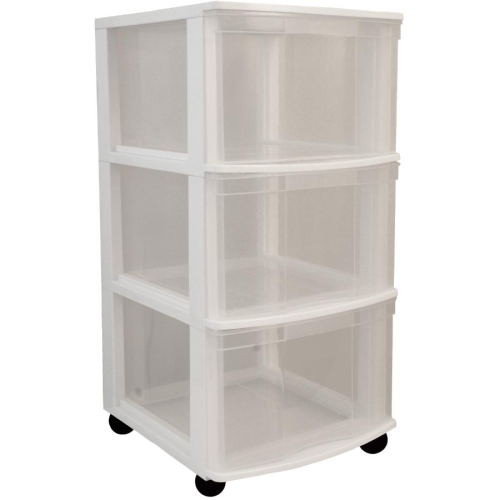
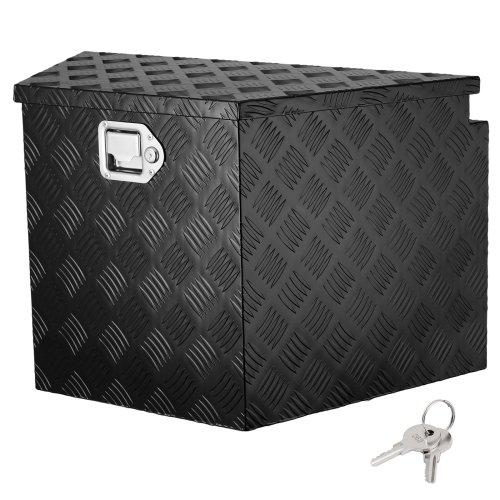
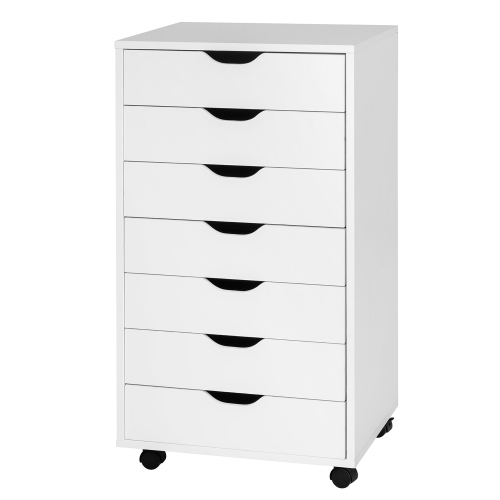
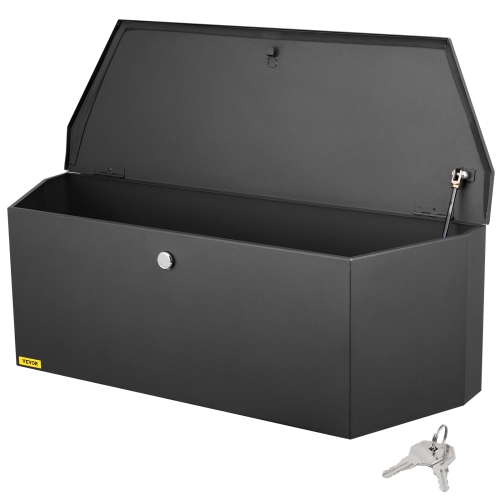
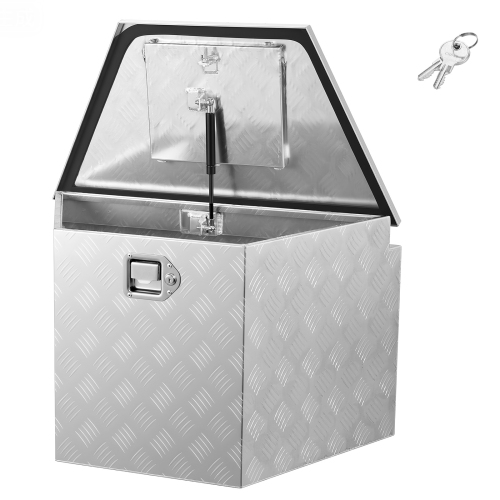
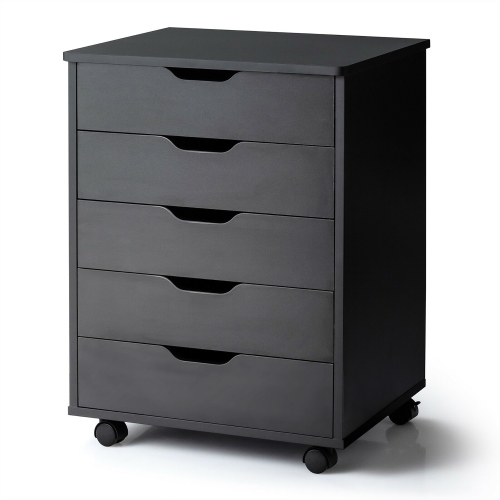
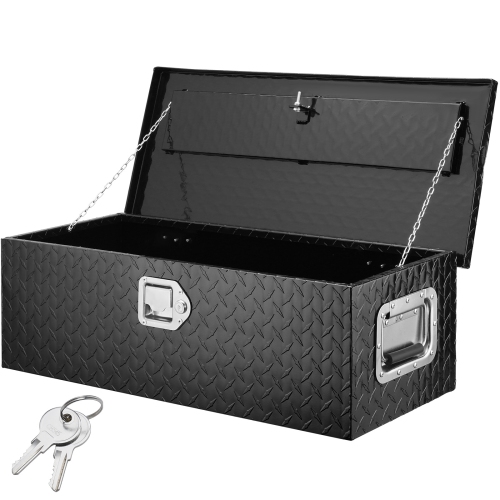
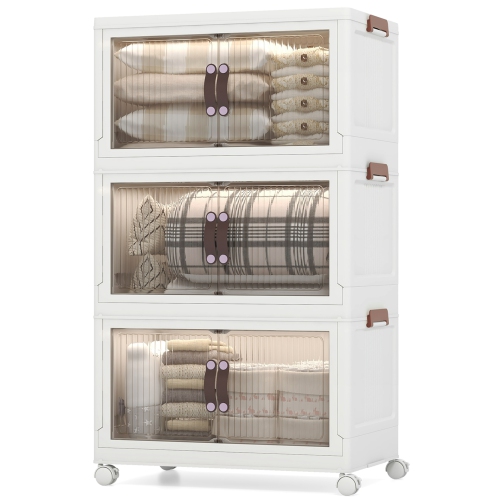
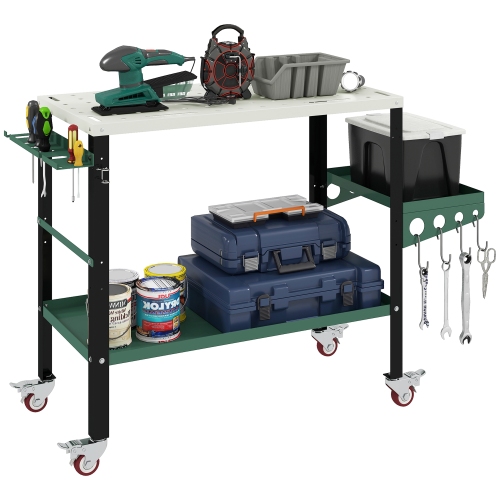
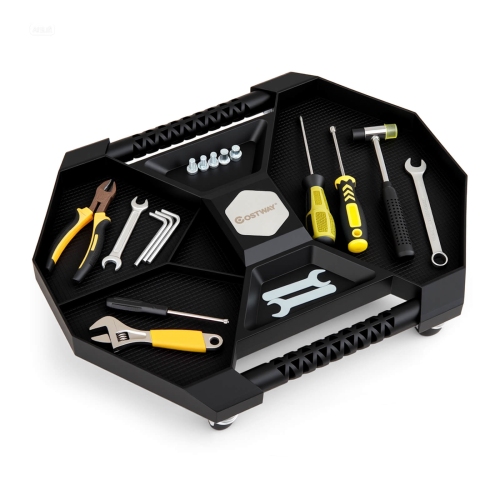
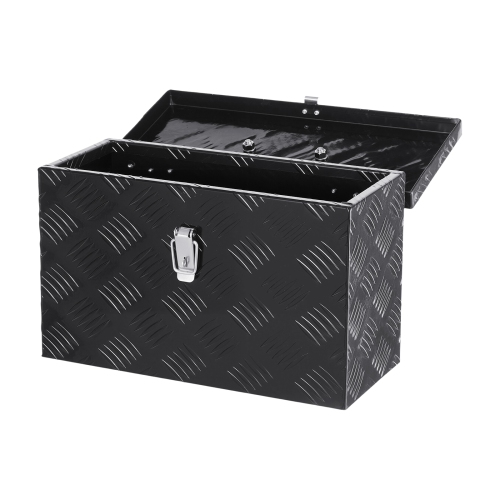
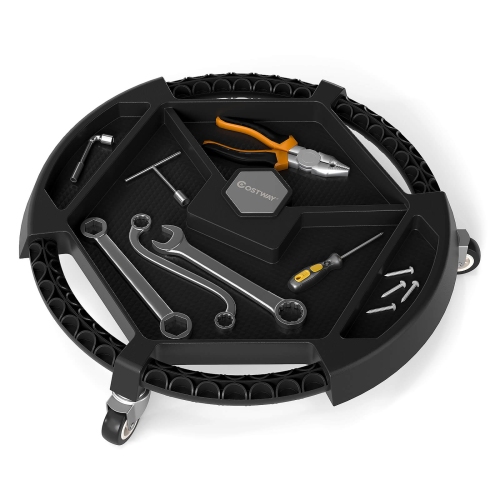
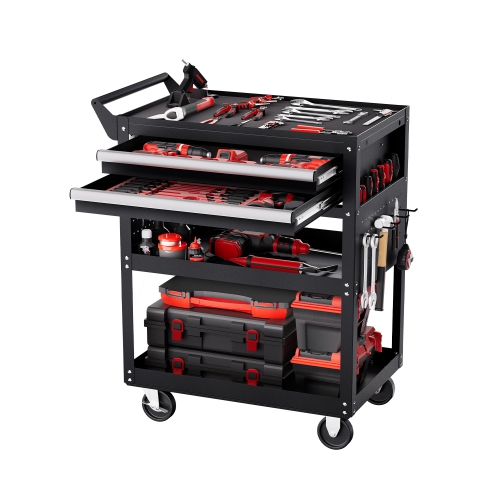
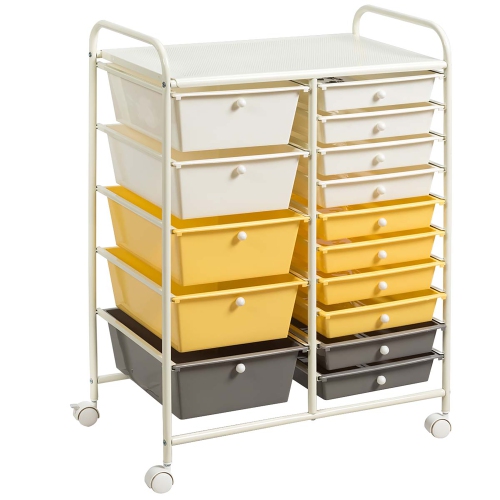
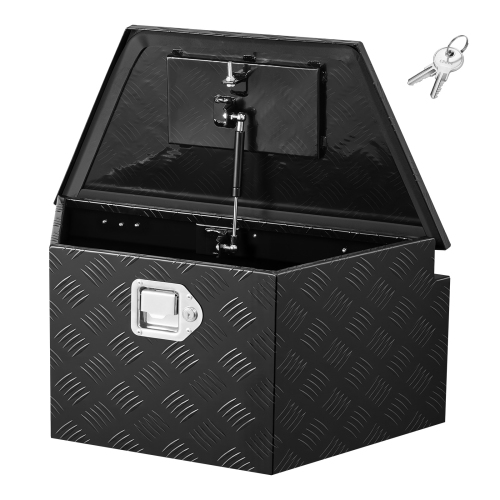
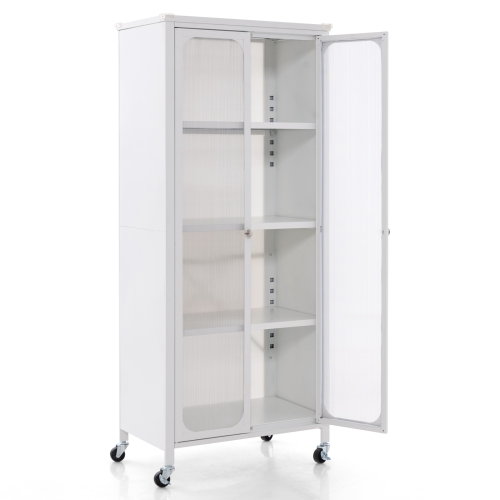
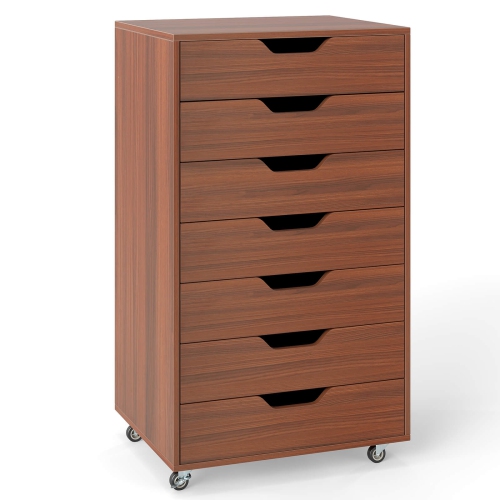
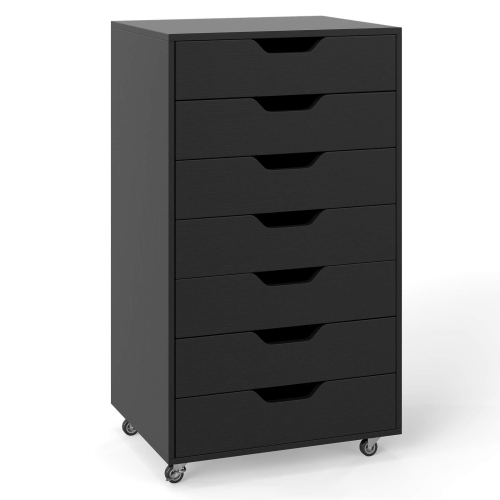
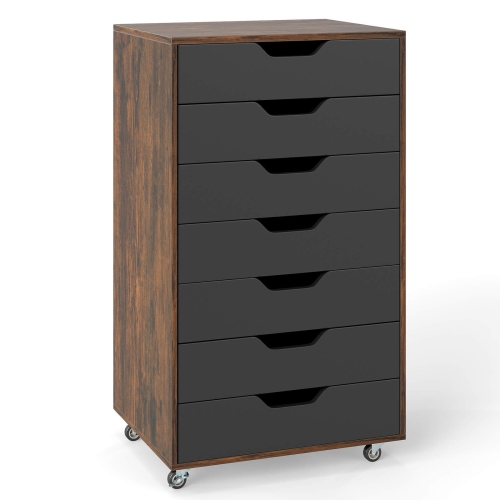
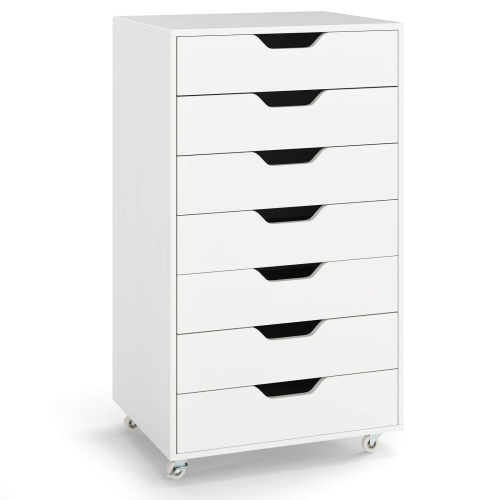
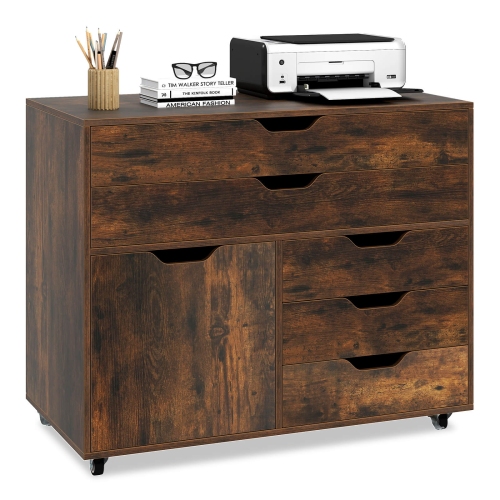
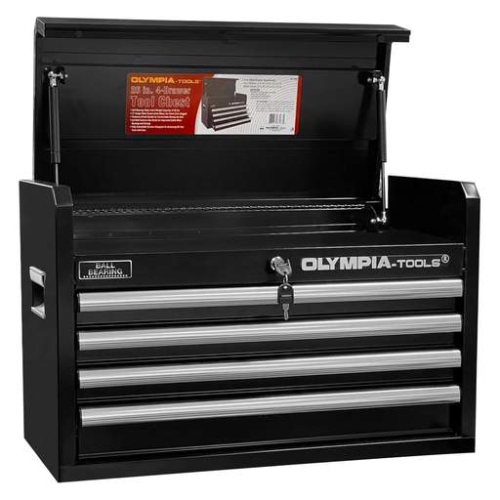
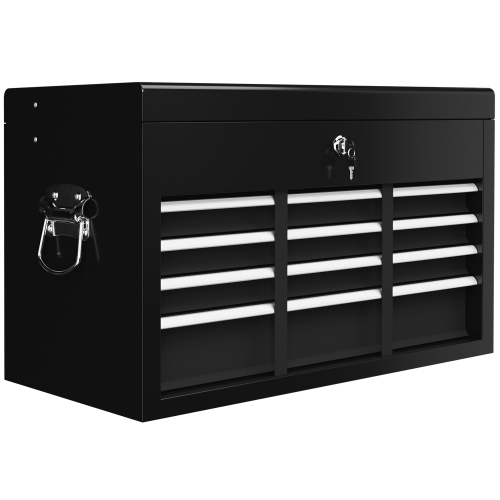
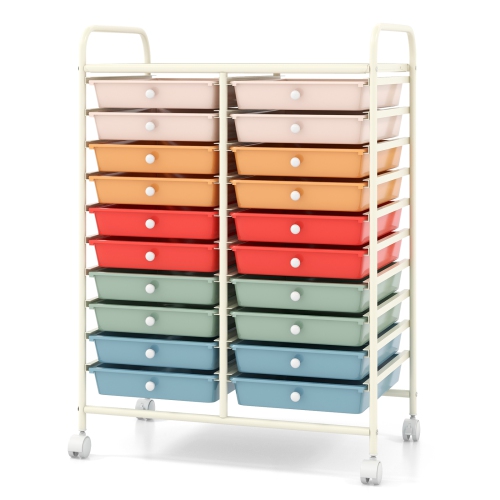
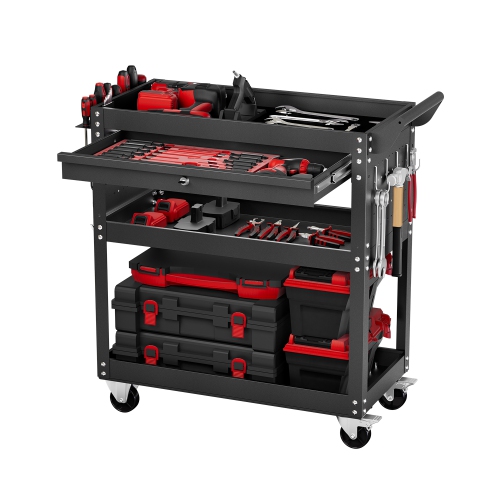
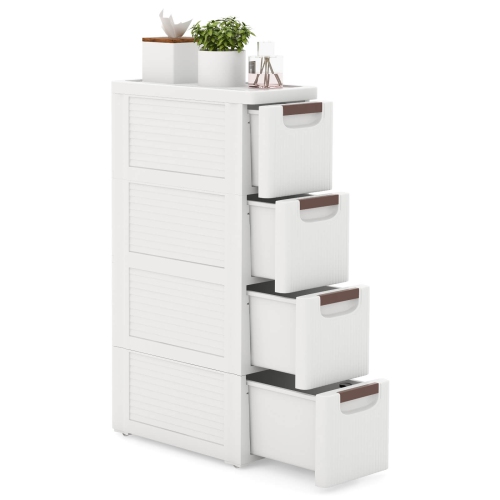
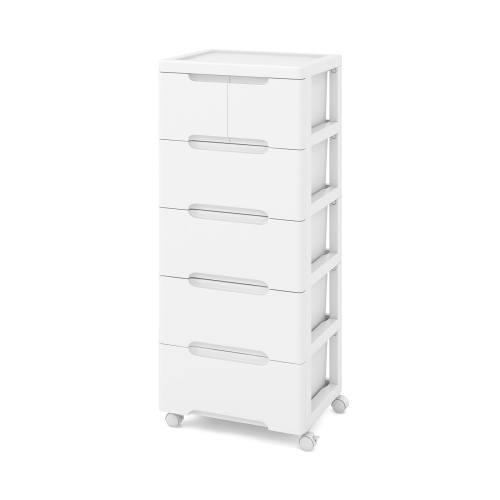
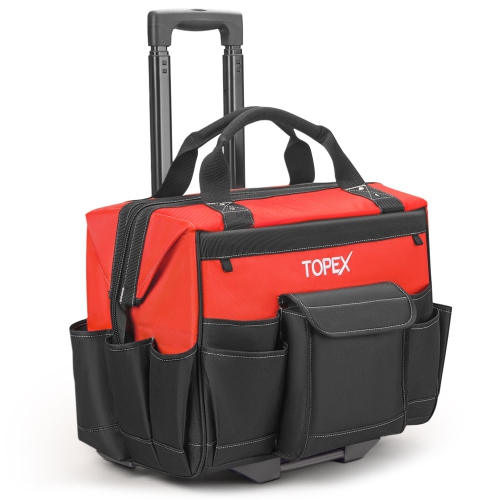
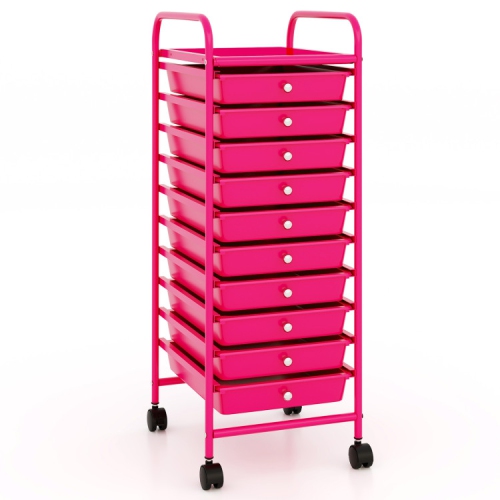
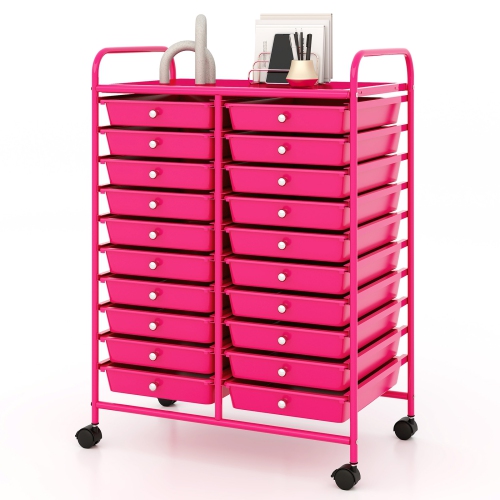
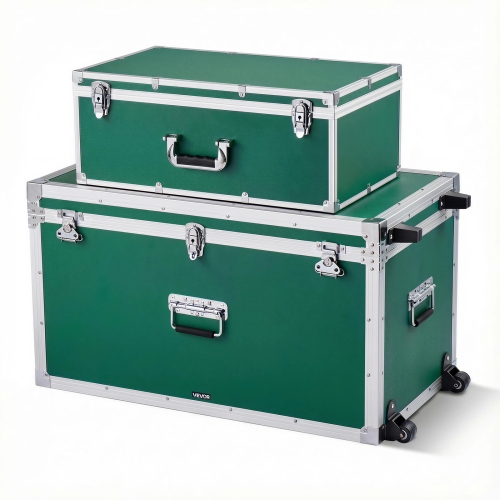
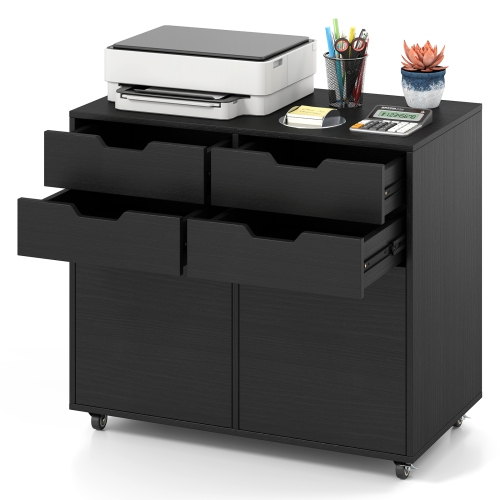
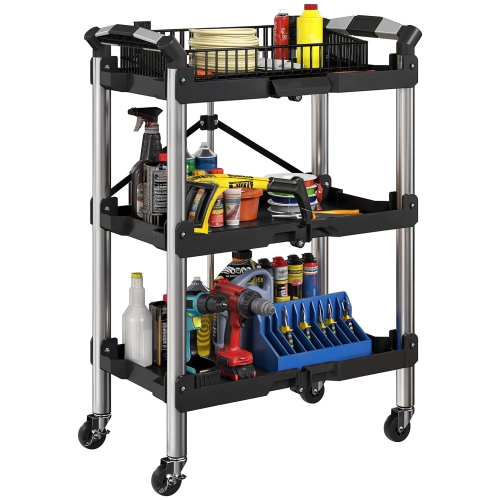
Tool chests with wheels bring order and mobility to garages, workshops, sheds, and renovation areas where tools need to stay close at hand. Instead of walking back and forth to a fixed cabinet for every socket, screwdriver, or measuring tool, you can roll your collection to the vehicle, workbench, or repair area and keep frequently used equipment within easy reach. A compact rolling chest can suit a home mechanic who is building a practical workspace in a single-car garage, while a larger multi-drawer cabinet can provide the capacity needed for a busy workshop, woodworking area, or serious hobby space. Many designs combine a top tool chest with a lower rolling cabinet, creating two levels of storage without taking up more floor space than a traditional cabinet. Some top sections can be detached and carried separately, which is useful when a smaller selection of tools is needed for a job away from the main work area. During late summer projects and the cooler months that follow, a mobile chest can make it easier to move between indoor and outdoor work, whether you are tuning a bicycle, maintaining recreational equipment, assembling furniture, or handling routine vehicle repairs. It can also make a thoughtful gift for a new homeowner, apprentice, home mechanic, or anyone gradually building a dependable tool collection. A well-organized chest turns a scattered assortment of tools into a workspace that feels ready for the next task, with each drawer offering a clear place for the equipment used most often.
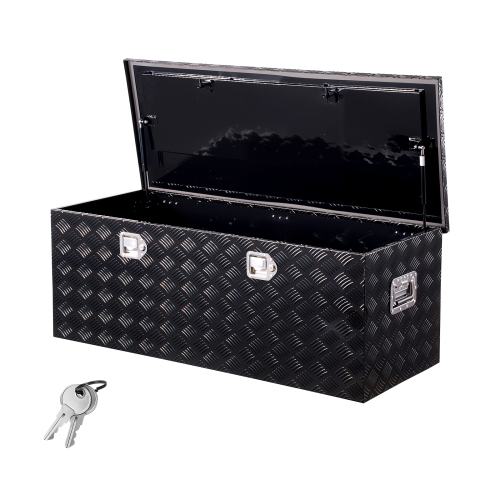
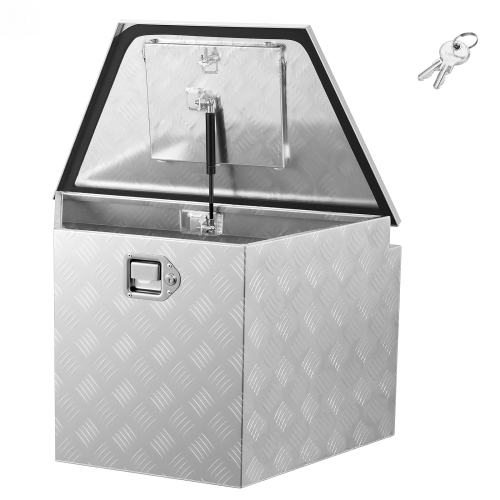
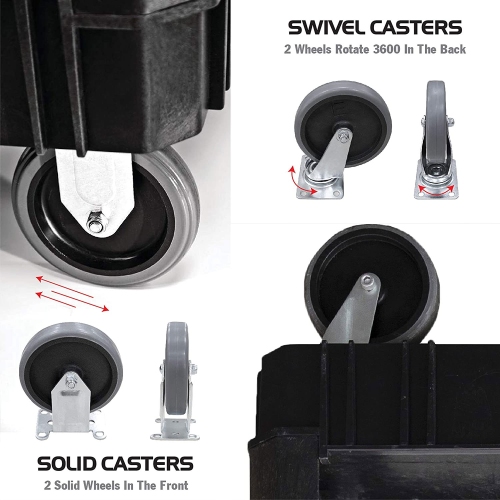
When comparing tool chests with wheels, start with the overall size, drawer arrangement, and weight capacity that fit your work habits. Deep drawers are useful for power tools, larger wrenches, and bulky accessories, while shallow drawers help organize sockets, bits, hex keys, and other smaller pieces that can disappear in a large open compartment. Full-width drawers can hold longer tools, but several narrower drawers may make it easier to separate automotive tools, household hardware, electrical supplies, or craft equipment. Ball-bearing drawer slides are a valuable feature because they open smoothly and support heavier loads, even when a drawer is filled with metal tools. Look for sturdy drawer handles, reinforced construction, and a finish that can handle the ordinary knocks and movement of workshop use. The casters are equally important. Swivel wheels with 360-degree rotation help a loaded chest move around benches and parked vehicles, while heavy-duty foot brakes keep it firmly in place when you are applying pressure to a wrench or opening a tightly closed drawer. Check the wheel size and the available clearance if the chest will travel across garage seams, thresholds, or slightly uneven flooring. A chest that rolls easily when empty may feel very different once its drawers are filled, so a solid frame and a suitable load rating can make everyday use more comfortable. For added security, consider Lockable Tool Chests with an internal locking bar or keyed lock to help keep drawers closed during movement and tools secured when the workshop is unattended.
Good organization is what turns a rolling chest from simple storage into a practical extension of your workbench. Before choosing a layout, take stock of the tools you already own and leave room for future additions rather than filling every drawer to the limit. Frequently used items can stay in the upper drawers or top compartment, where they are easy to reach without bending down. Heavier equipment should be stored in lower drawers to help keep the centre of gravity low and the chest stable as it moves. Drawer liners can help prevent tools from sliding when the cabinet is rolled, while small trays or dividers make it easier to separate fasteners, sockets, blades, and other small parts. A broad top surface may provide a convenient place for a manual, work light, phone, or parts tray, although it is wise to keep the top clear enough that it remains useful rather than becoming another pile of loose equipment. If more than one person uses the workshop, a clearly arranged chest can save time by making it obvious where each item belongs. It can also reduce interruptions during a repair: instead of searching through several boxes, you can roll the cabinet beside the job, open the appropriate drawer, and continue working. As outdoor projects wind down and more repairs move indoors, a mobile tool chest helps maintain a tidy, adaptable workspace without requiring a permanent built-in installation. Consider the available floor area, doorway widths, storage height, and the path the chest will travel before making a choice, then select a configuration that balances capacity, mobility, security, and convenient access for the tools you use most.
When comparing tool chests with wheels, start with the overall size, drawer arrangement, and weight capacity that fit your work habits. Deep drawers are useful for power tools, larger wrenches, and bulky accessories, while shallow drawers help organize sockets, bits, hex keys, and other smaller pieces that can disappear in a large open compartment. Full-width drawers can hold longer tools, but several narrower drawers may make it easier to separate automotive tools, household hardware, electrical supplies, or craft equipment. Ball-bearing drawer slides are a valuable feature because they open smoothly and support heavier loads, even when a drawer is filled with metal tools. Look for sturdy drawer handles, reinforced construction, and a finish that can handle the ordinary knocks and movement of workshop use. The casters are equally important. Swivel wheels with 360-degree rotation help a loaded chest move around benches and parked vehicles, while heavy-duty foot brakes keep it firmly in place when you are applying pressure to a wrench or opening a tightly closed drawer. Check the wheel size and the available clearance if the chest will travel across garage seams, thresholds, or slightly uneven flooring. A chest that rolls easily when empty may feel very different once its drawers are filled, so a solid frame and a suitable load rating can make everyday use more comfortable. For added security, consider Lockable Tool Chests with an internal locking bar or keyed lock to help keep drawers closed during movement and tools secured when the workshop is unattended.
Good organization is what turns a rolling chest from simple storage into a practical extension of your workbench. Before choosing a layout, take stock of the tools you already own and leave room for future additions rather than filling every drawer to the limit. Frequently used items can stay in the upper drawers or top compartment, where they are easy to reach without bending down. Heavier equipment should be stored in lower drawers to help keep the centre of gravity low and the chest stable as it moves. Drawer liners can help prevent tools from sliding when the cabinet is rolled, while small trays or dividers make it easier to separate fasteners, sockets, blades, and other small parts. A broad top surface may provide a convenient place for a manual, work light, phone, or parts tray, although it is wise to keep the top clear enough that it remains useful rather than becoming another pile of loose equipment. If more than one person uses the workshop, a clearly arranged chest can save time by making it obvious where each item belongs. It can also reduce interruptions during a repair: instead of searching through several boxes, you can roll the cabinet beside the job, open the appropriate drawer, and continue working. As outdoor projects wind down and more repairs move indoors, a mobile tool chest helps maintain a tidy, adaptable workspace without requiring a permanent built-in installation. Consider the available floor area, doorway widths, storage height, and the path the chest will travel before making a choice, then select a configuration that balances capacity, mobility, security, and convenient access for the tools you use most.
Top selling and popular products
-
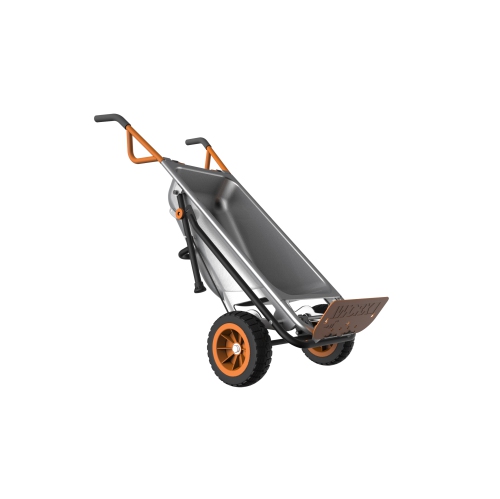 Your price for this item is $329.99
 -
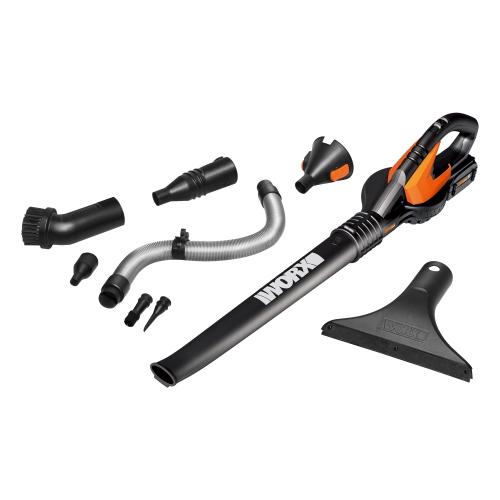 Your price for this item is $150
 -
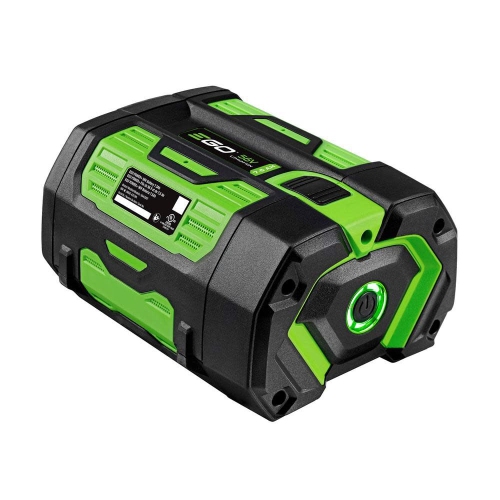 Your price for this item is $449.99
 -
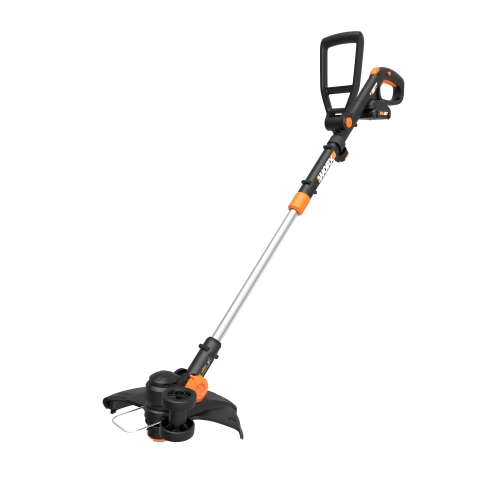 Your price for this item is $199.99
 -
 Your price for this item is $359.99
 -
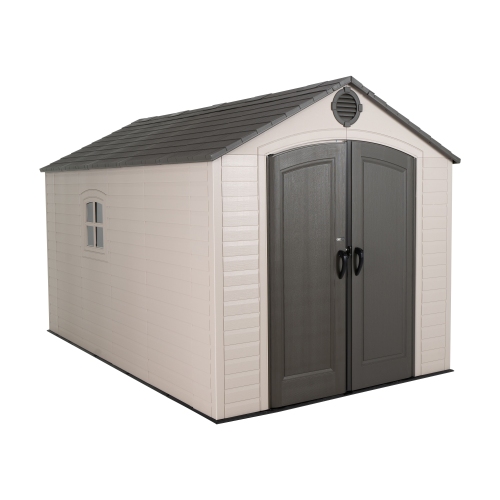 Your price for this item is $3028.99
 -
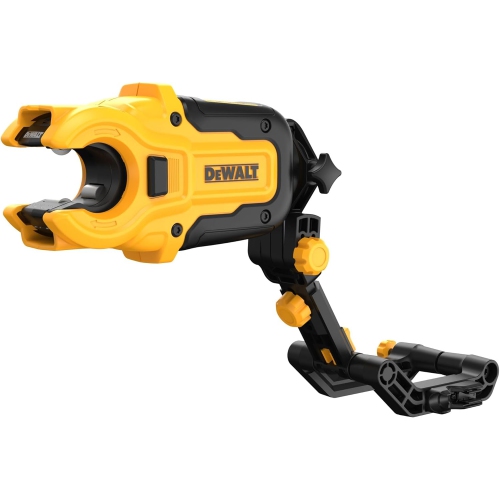 Your price for this item is $94.99
 -
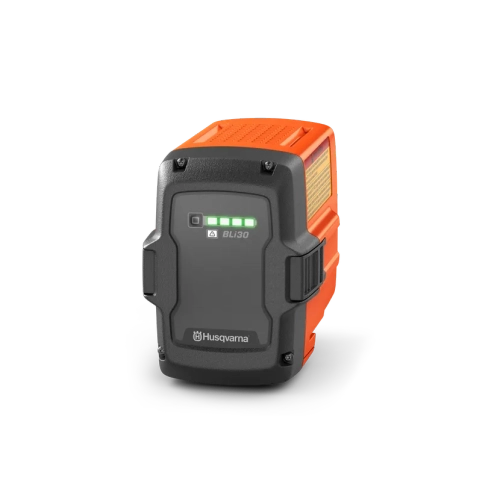 Your price for this item is $299.99
Discover more categories related to Tool Chests With Wheels
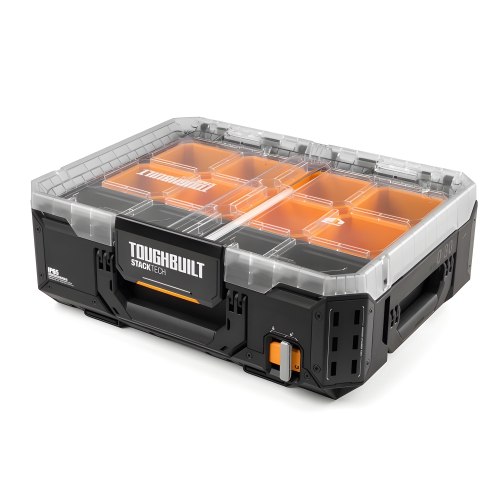
Top Collections:
Pokemon Centers, Best Cameras for Sports Photography, Kindle Devices, Samsung Galaxy Phones, Canon G7X Cameras, Pokémon 30th Celebration Cards, Refurbished Apple Laptops, iPhone 15 Apple, Laptops for Students, Budget Smartphones
Some products may be subject to Environmental Handling Fees
(EHF) depending on your province.
Learn more about EHFs.