Engineering Tools
Looking to take your engineering projects to the next level? Look no further than our wide selection of engineering tools. Whether you're a professional engineer, a DIY enthusiast, or a student, we have the tools you need to tackle any project with precision and efficiency. From measuring instruments to cutting-edge software, our collection of engineering tools is designed to meet the diverse needs of engineers across various fields. Explore our range of products and find the perfect tools to help you bring your innovative ideas to life.
Sort

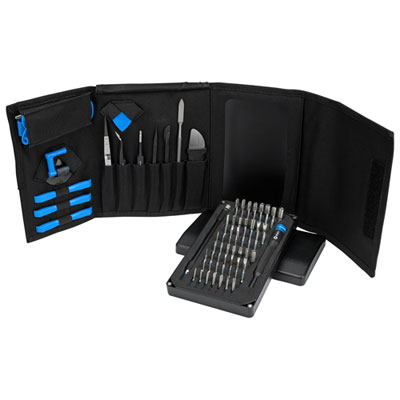
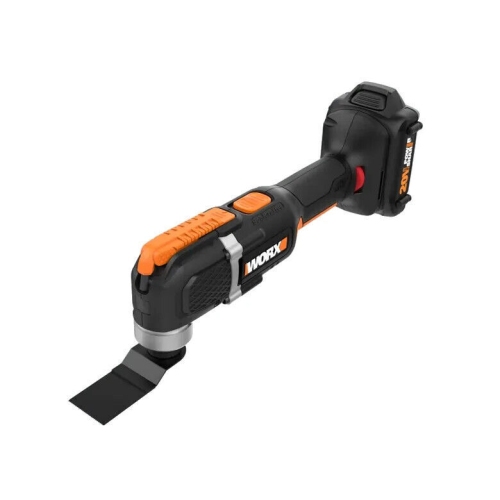
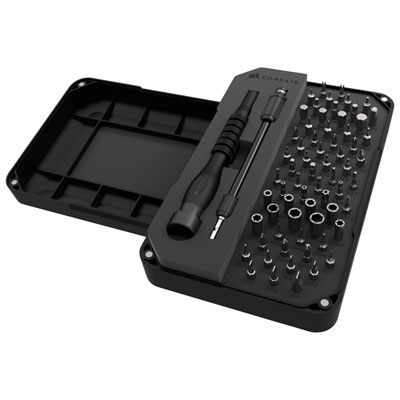
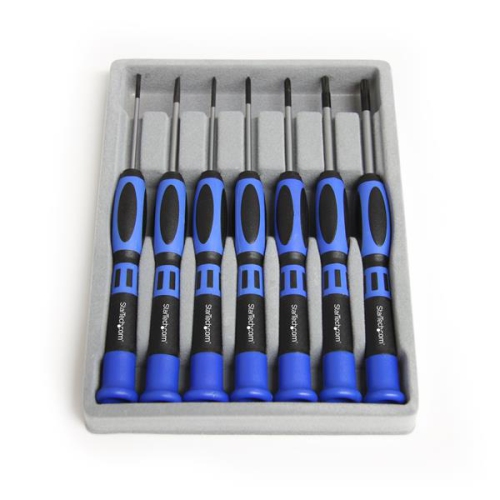

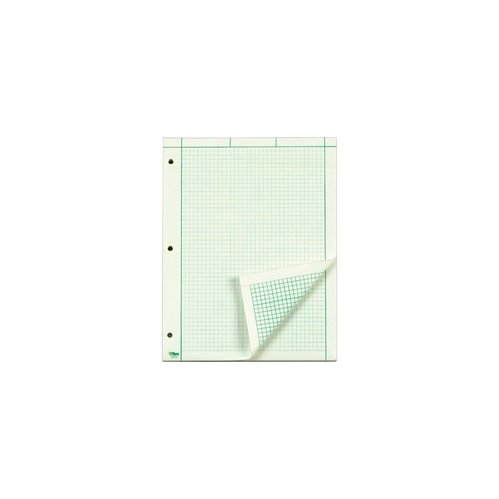
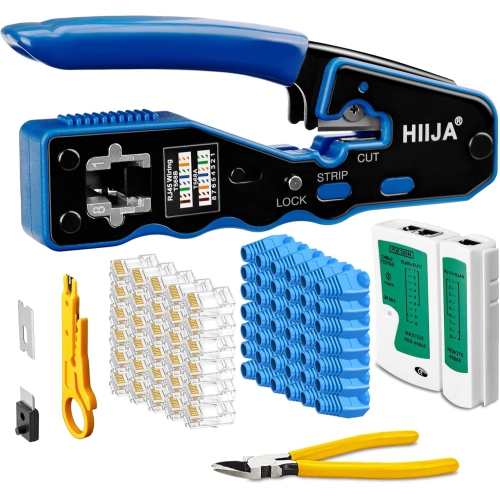
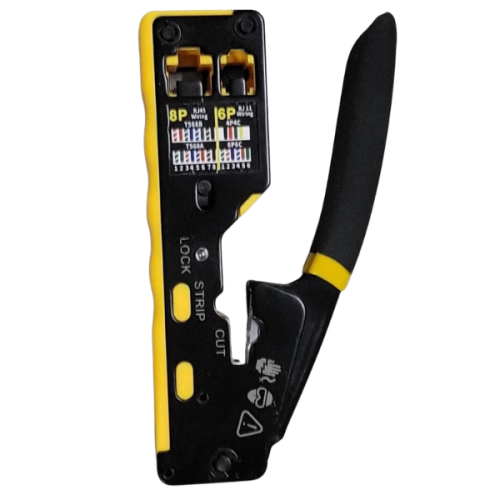
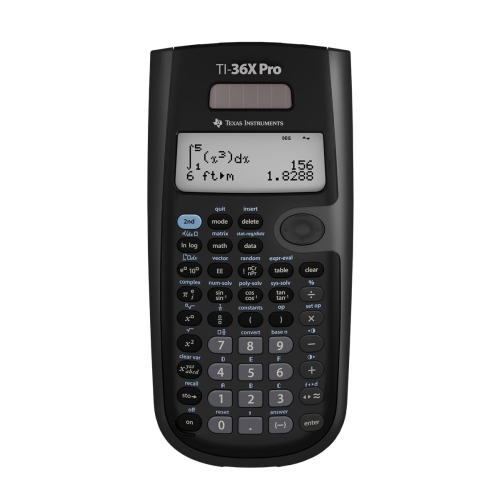
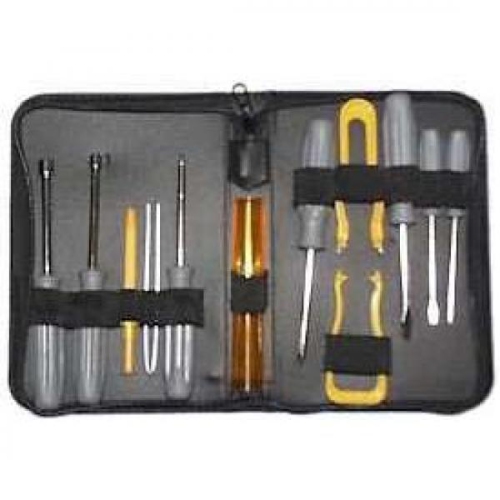
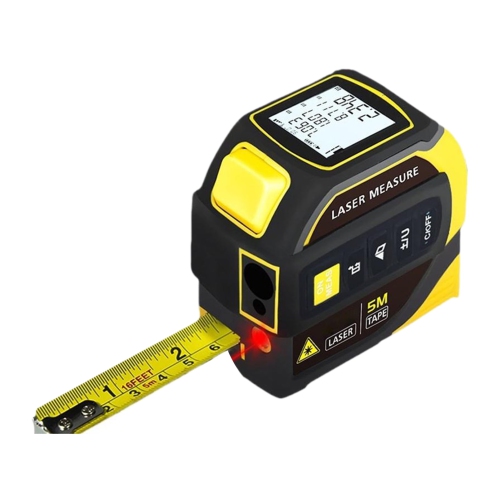
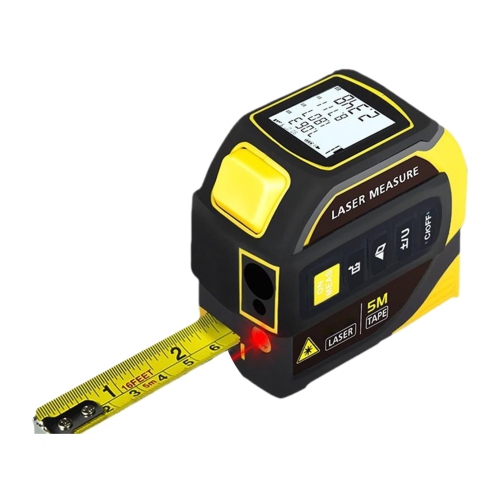
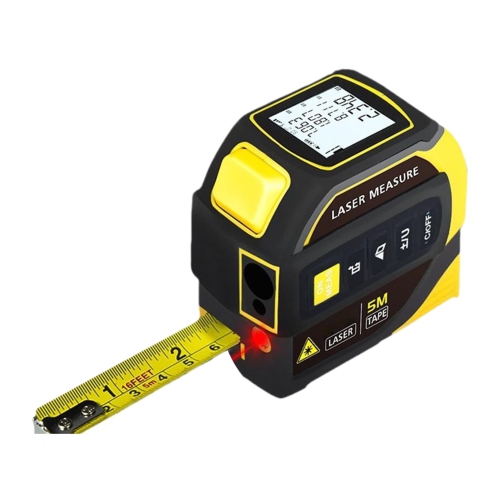





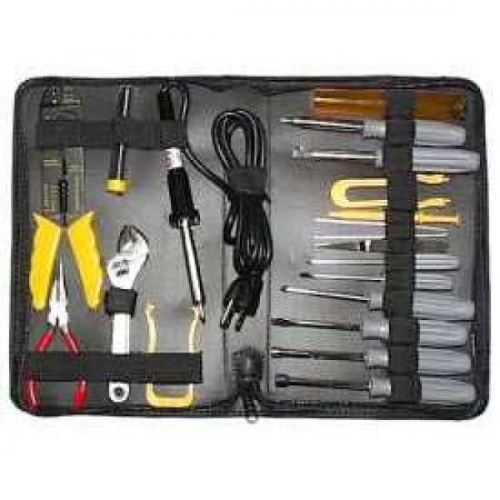
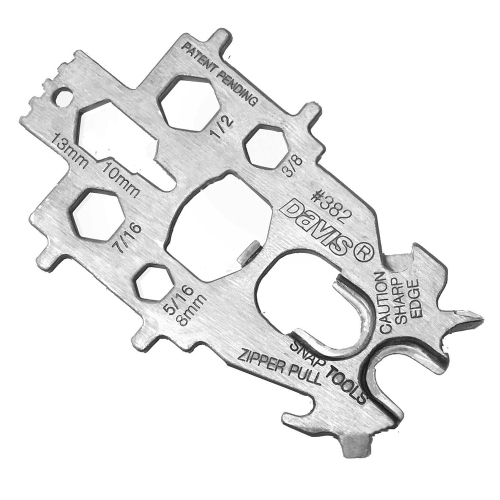






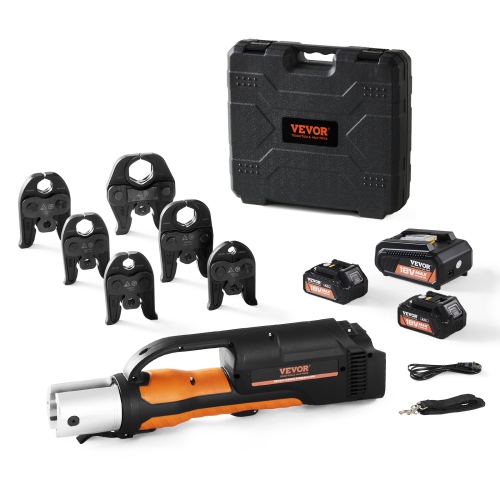
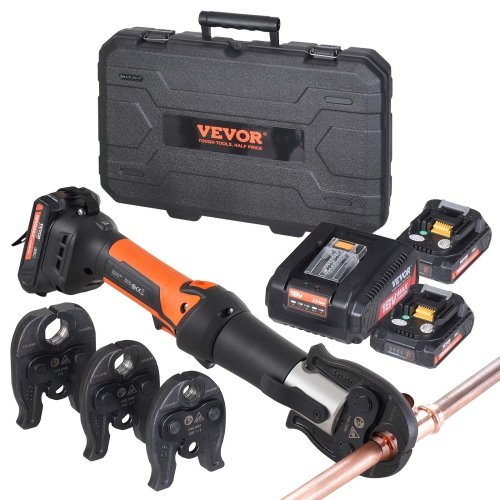
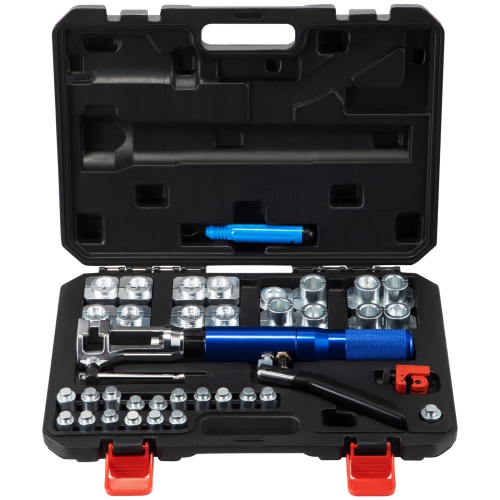
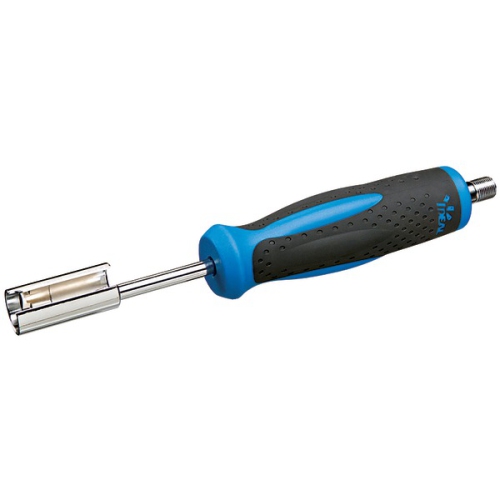
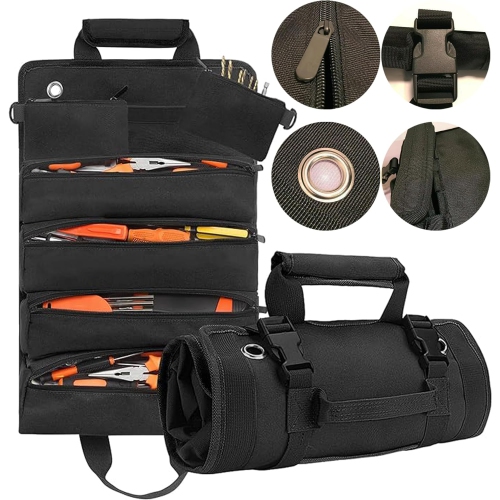
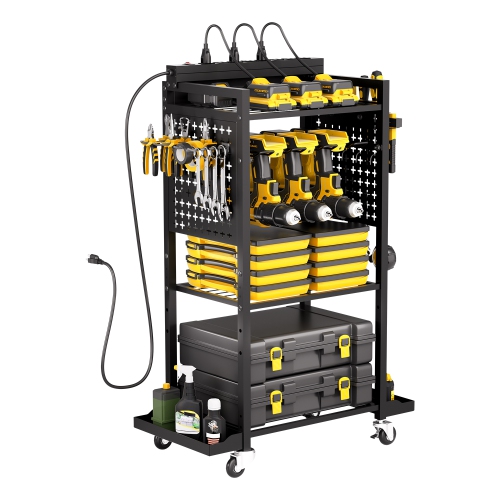


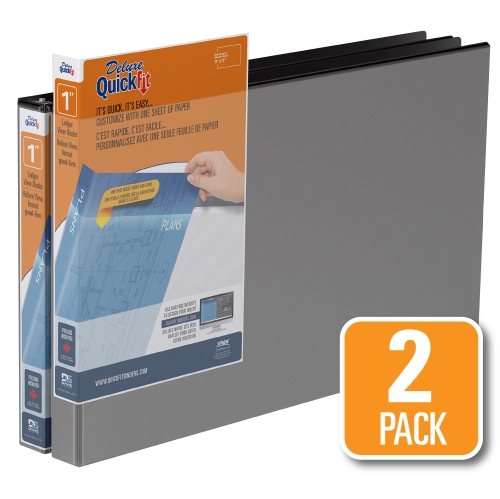
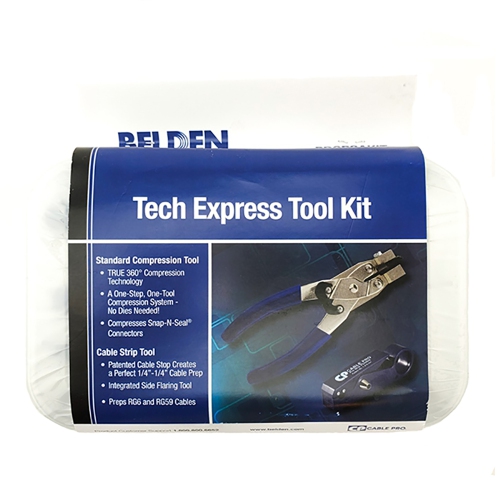
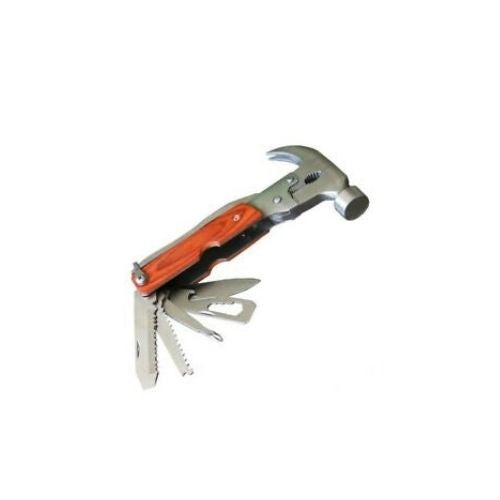
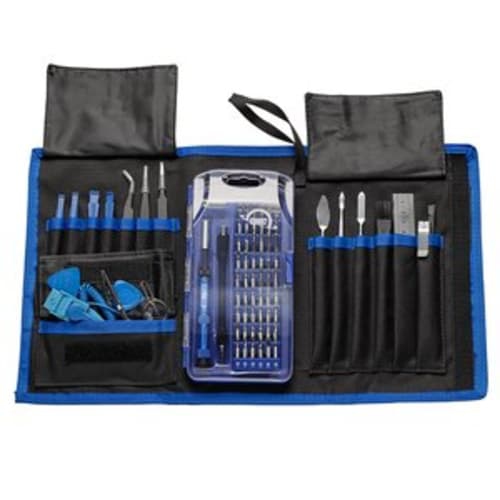
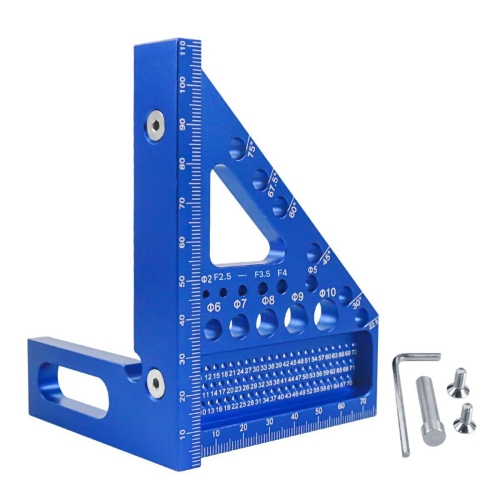
From first measurements to prototypes ready for testing
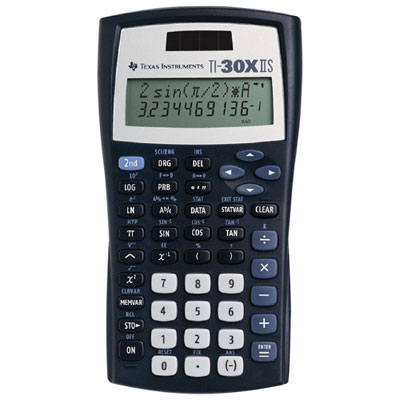
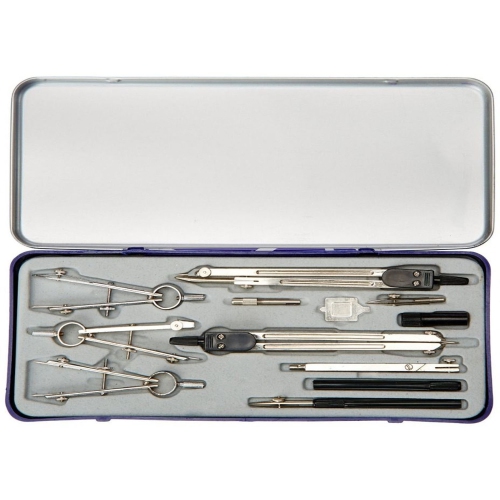
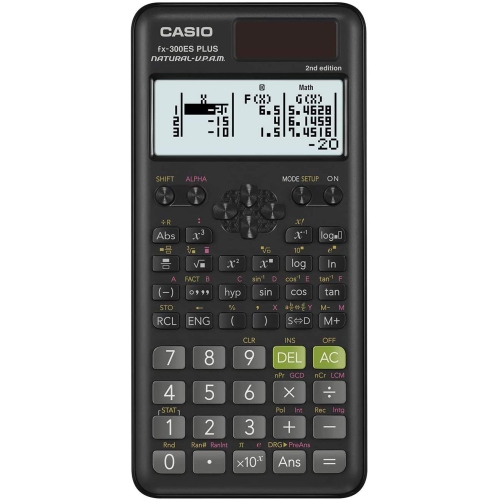
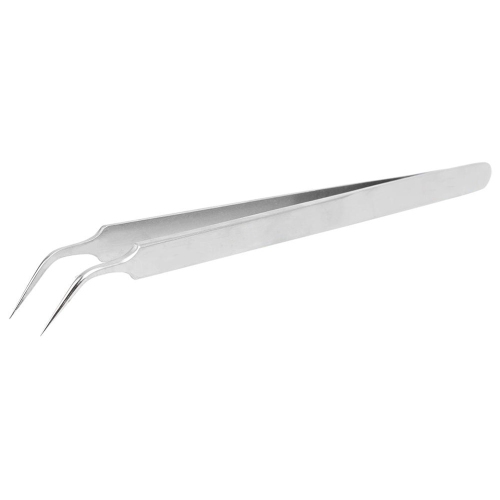
Engineering tools are the physical instruments and software used to measure, calculate, design, build, test, and document technical projects. They help turn an idea into a drawing, a drawing into a prototype, and a prototype into something that can be evaluated against defined requirements. The category spans measuring and drafting equipment, electrical test instruments, calculation tools, computer-aided design software, and applications for modelling and analysis. Each serves a different purpose: measuring instruments establish dimensions, drafting tools communicate geometry, diagnostic equipment checks electrical behaviour, and software helps explore how a design may perform before it is built. Mechanical engineering work often centres on dimensions, fits, motion, and material properties, while electrical engineering places greater emphasis on circuit behaviour, signal characteristics, and safe testing. Civil and structural work can involve scaled plans, site measurements, load calculations, and clear technical documentation. There is plenty of overlap, particularly in projects that combine a physical structure with electronics or moving parts. A small motorized assembly, for instance, may call for accurate shaft measurements, a mounting layout, circuit checks, and a digital model to confirm that components have room to move. Engineering students, technicians, professional engineers, makers, and experienced DIY users may all use these tools, although their requirements differ considerably. Classroom exercises may emphasize clear displays and straightforward operation, while professional work may require documented accuracy, traceable calibration, or compatibility with an established workflow. For projects that begin with sketches, layouts, or digital models, Design Tools covers a closely related part of the process. The distinction is mainly one of emphasis: design tools support the development and communication of an idea, while engineering tools also support the measurements, calculations, and tests needed to assess it. Their practical value comes from matching the tool’s capabilities to the work, whether that means checking a bracket’s hole spacing, reviewing a circuit, or preparing a drawing another person can build from.
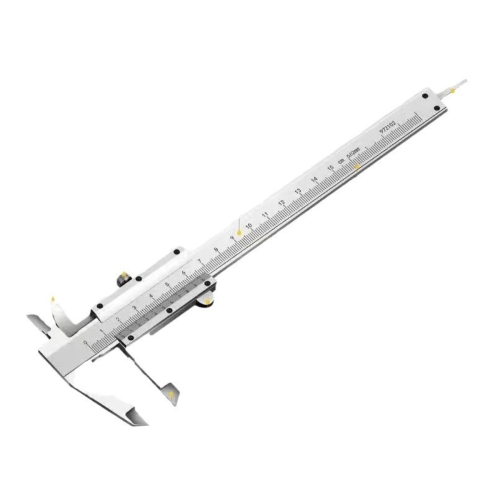
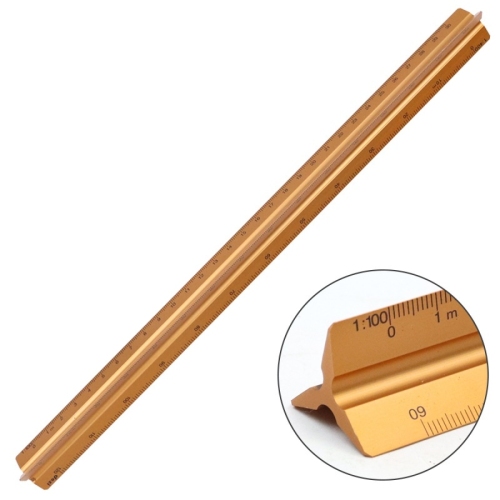
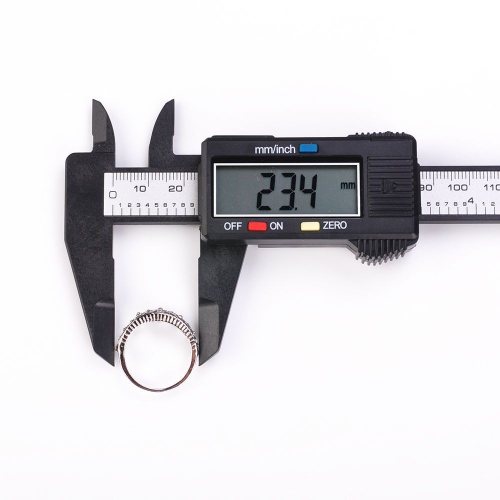
Measurement quality depends on more than the number of digits shown on a screen. Range describes the span a tool can measure, resolution describes the smallest change it can display or distinguish, and accuracy describes how closely its readings agree with the measured quantity. These characteristics matter in different ways. Measuring a storage opening for a fabricated enclosure does not demand the same level of precision as checking the fit between a shaft and a bearing. Repeatability matters as well: a useful measurement process should produce consistent results when the same dimension is checked under the same conditions. Physical access is another consideration, since a tool must reach the feature without tilting, flexing, or pressing against an adjacent surface. Jaw depth, contact shape, grip size, and display placement can affect everyday usability as much as a specification on paper. Clear graduations and readable displays make repeated checks easier, while comfortable controls support careful adjustments during longer sessions at a bench. Materials influence both handling and durability. Hardened steel measuring faces can resist wear, stainless steel bodies offer corrosion resistance, and aluminium construction can reduce weight in larger drafting or layout tools. Protective housings may help with routine handling, but resistance to impact, dust, or moisture should only be assumed when it is stated in the specifications. Care is especially important for precision instruments. Clean contact surfaces, appropriate storage, and protection from drops help preserve their usefulness; a small chip caught between a measuring face and a workpiece can alter a reading. Calibration requirements depend on the application, the manufacturer’s guidance, and any workplace quality procedures. Electrical testing adds a separate set of considerations, including measurement functions, voltage limits, input protection, and the safety ratings of both the instrument and its leads. Continuity checks belong on de-energized circuits, while work on energized equipment requires suitable equipment, training, and procedures. A general-purpose tester is not automatically appropriate for every electrical task, even when its display can show the expected value.
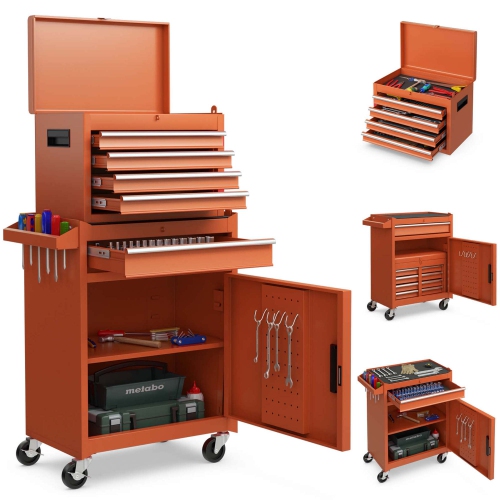
Digital engineering tools bring calculations, drawings, and test information into a workflow that can be reviewed and shared. Computer-aided design applications support precise geometry and dimensioned drawings, while three-dimensional modelling helps reveal clearance problems, awkward assembly sequences, or interference between moving parts. Simulation and analysis applications can estimate behaviour under specified loads or operating conditions, but their results depend on the assumptions, material data, constraints, and calculation methods used. A detailed image is not proof that a design will work: physical testing, sound engineering judgement, and appropriate review remain important. For everyday use, software fit includes operating system compatibility, hardware requirements, supported file formats, and the ability to exchange work with colleagues or classmates. Processor capability, memory, and graphics requirements vary with model complexity, so simple two-dimensional drafting and large assemblies place different demands on a computer. Licence terms also matter, particularly when educational and commercial use have different conditions. Calculation and documentation tools support the less visible work behind a finished design, such as keeping units consistent, recording test results, tracking revisions, and explaining why a dimension changed. A clearly labelled measurement table can be just as important as a polished drawing when another person needs to repeat a test. On a practical level, an organized workspace helps physical and digital tools work together: protected storage keeps delicate measuring surfaces away from loose hardware, and consistent file names make earlier drawings easier to identify. Accessories should match the tool’s intended use, with suitable connections, dimensions, and ratings rather than merely a similar appearance. For a student starting a technical program or someone setting up a project bench, engineering tools can also make thoughtful gifts when the recipient’s discipline and course or workplace requirements are known. Familiar units, comfortable handling, readable markings, and compatibility with existing equipment often matter more than a long list of functions. The most useful engineering tools support work that can be measured, explained, checked, and repeated, from the first pencil layout to the final test record.
Measurement quality depends on more than the number of digits shown on a screen. Range describes the span a tool can measure, resolution describes the smallest change it can display or distinguish, and accuracy describes how closely its readings agree with the measured quantity. These characteristics matter in different ways. Measuring a storage opening for a fabricated enclosure does not demand the same level of precision as checking the fit between a shaft and a bearing. Repeatability matters as well: a useful measurement process should produce consistent results when the same dimension is checked under the same conditions. Physical access is another consideration, since a tool must reach the feature without tilting, flexing, or pressing against an adjacent surface. Jaw depth, contact shape, grip size, and display placement can affect everyday usability as much as a specification on paper. Clear graduations and readable displays make repeated checks easier, while comfortable controls support careful adjustments during longer sessions at a bench. Materials influence both handling and durability. Hardened steel measuring faces can resist wear, stainless steel bodies offer corrosion resistance, and aluminium construction can reduce weight in larger drafting or layout tools. Protective housings may help with routine handling, but resistance to impact, dust, or moisture should only be assumed when it is stated in the specifications. Care is especially important for precision instruments. Clean contact surfaces, appropriate storage, and protection from drops help preserve their usefulness; a small chip caught between a measuring face and a workpiece can alter a reading. Calibration requirements depend on the application, the manufacturer’s guidance, and any workplace quality procedures. Electrical testing adds a separate set of considerations, including measurement functions, voltage limits, input protection, and the safety ratings of both the instrument and its leads. Continuity checks belong on de-energized circuits, while work on energized equipment requires suitable equipment, training, and procedures. A general-purpose tester is not automatically appropriate for every electrical task, even when its display can show the expected value.
Digital engineering tools bring calculations, drawings, and test information into a workflow that can be reviewed and shared. Computer-aided design applications support precise geometry and dimensioned drawings, while three-dimensional modelling helps reveal clearance problems, awkward assembly sequences, or interference between moving parts. Simulation and analysis applications can estimate behaviour under specified loads or operating conditions, but their results depend on the assumptions, material data, constraints, and calculation methods used. A detailed image is not proof that a design will work: physical testing, sound engineering judgement, and appropriate review remain important. For everyday use, software fit includes operating system compatibility, hardware requirements, supported file formats, and the ability to exchange work with colleagues or classmates. Processor capability, memory, and graphics requirements vary with model complexity, so simple two-dimensional drafting and large assemblies place different demands on a computer. Licence terms also matter, particularly when educational and commercial use have different conditions. Calculation and documentation tools support the less visible work behind a finished design, such as keeping units consistent, recording test results, tracking revisions, and explaining why a dimension changed. A clearly labelled measurement table can be just as important as a polished drawing when another person needs to repeat a test. On a practical level, an organized workspace helps physical and digital tools work together: protected storage keeps delicate measuring surfaces away from loose hardware, and consistent file names make earlier drawings easier to identify. Accessories should match the tool’s intended use, with suitable connections, dimensions, and ratings rather than merely a similar appearance. For a student starting a technical program or someone setting up a project bench, engineering tools can also make thoughtful gifts when the recipient’s discipline and course or workplace requirements are known. Familiar units, comfortable handling, readable markings, and compatibility with existing equipment often matter more than a long list of functions. The most useful engineering tools support work that can be measured, explained, checked, and repeated, from the first pencil layout to the final test record.
Top selling and popular products
-
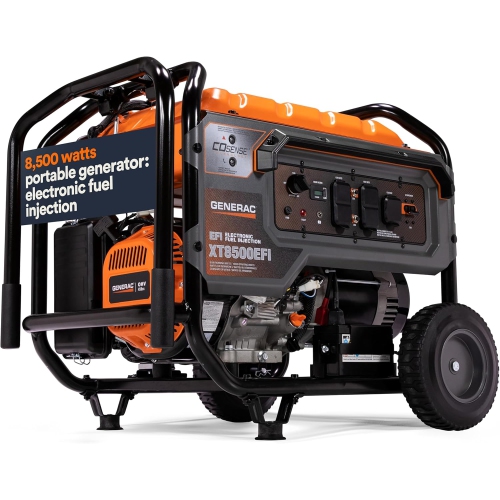 Your price for this item is $3000
 -
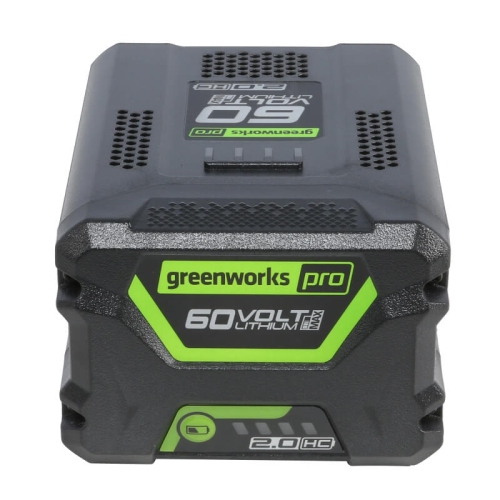 Your price for this item is $124.45
 -
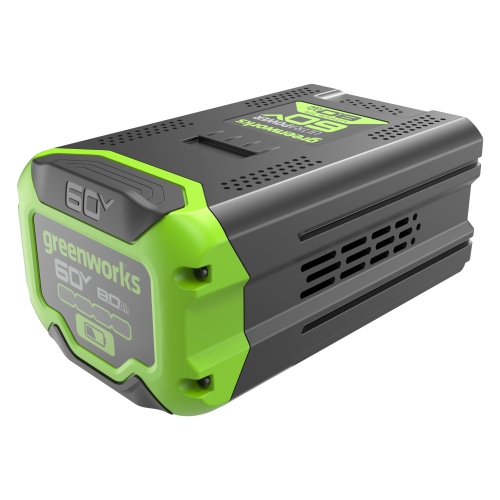 Your price for this item is $329.99
 -
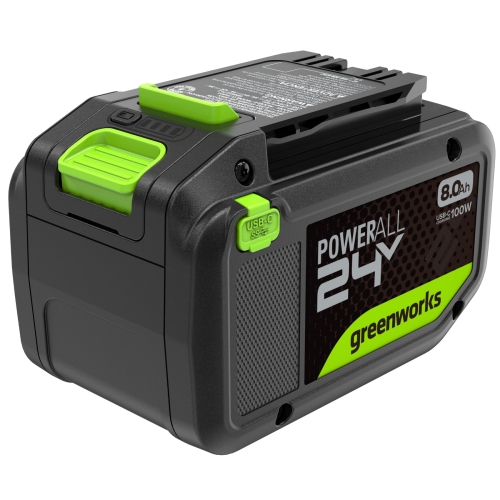 Your price for this item is $139.99
 -
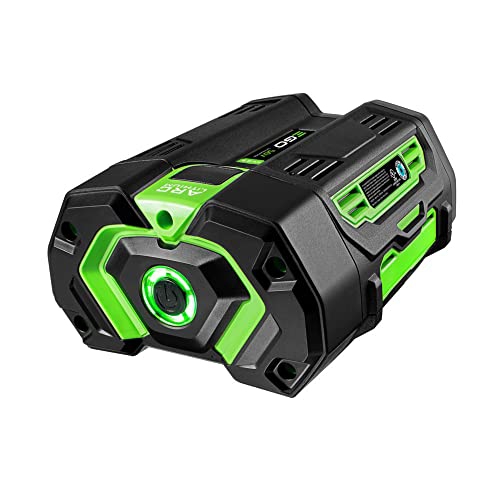 Your price for this item is $264
 -
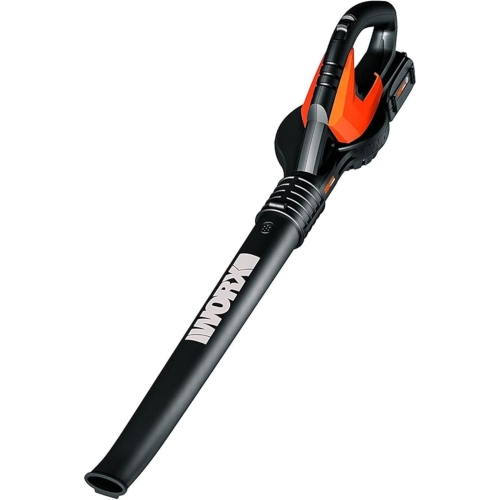 Your price for this item is $217.55
 -
 Your price for this item is $739.99
 -
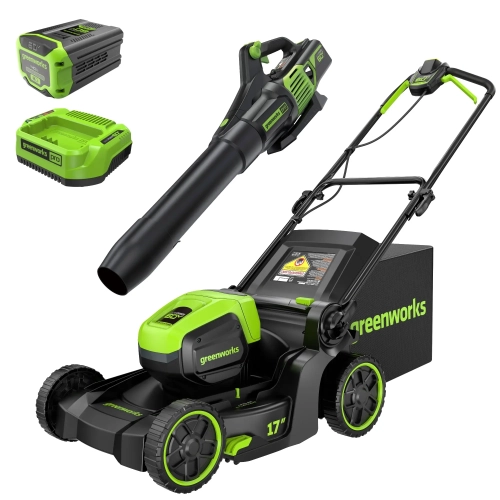 Your price for this item is $599.99
Discover more categories related to Engineering Tools
Top Collections:
Pokemon Centers, Kindle Devices, Best Budget Office Chairs, Apple iPhones 16, Best Laptops for Writers, iPhone 15 Apple, Canon G7X Cameras, Refurbished Apple Laptops, Alarm Clock, Motorola Razr Phones
Some products may be subject to Environmental Handling Fees
(EHF) depending on your province.
Learn more about EHFs.