Traditional Red Area Rugs
Traditional Red Area Rugs bring timeless elegance and warmth to any room, creating a classic foundation for your home décor. With their rich hues and intricate patterns, these rugs offer a sophisticated touch that complements both modern and vintage interiors. Whether you're looking to enhance your living room, dining area, or bedroom, Traditional Red Area Rugs provide a striking focal point that effortlessly ties your space together. Discover the perfect blend of style and comfort with options designed to suit a variety of tastes and room sizes.
Sort







How rich red patterns tie a room together
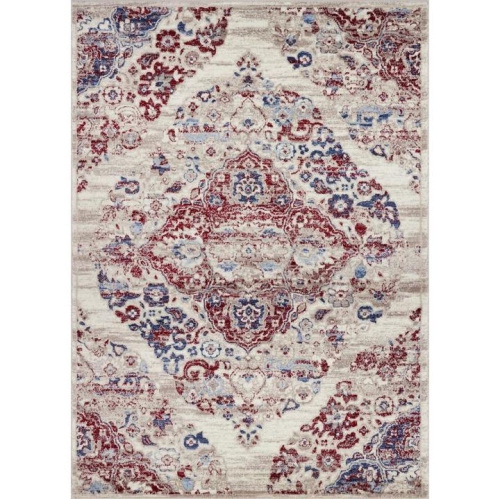
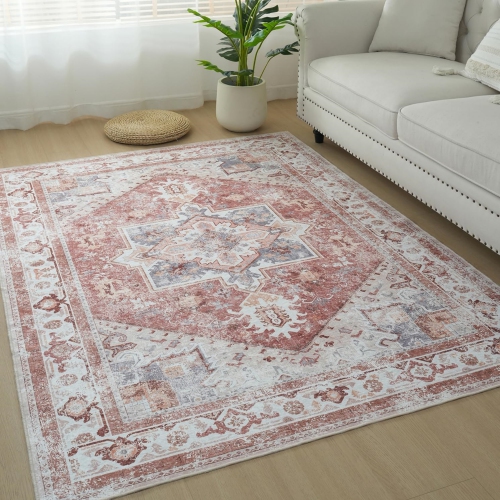
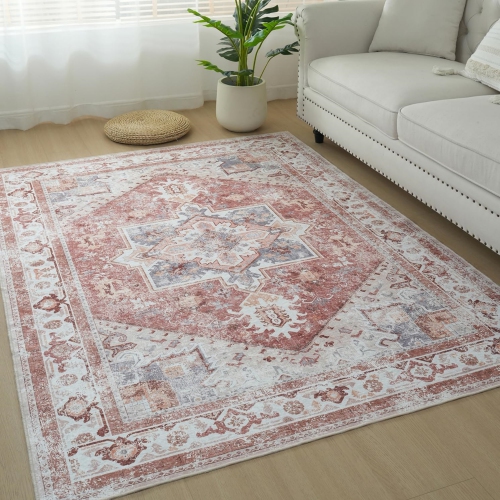
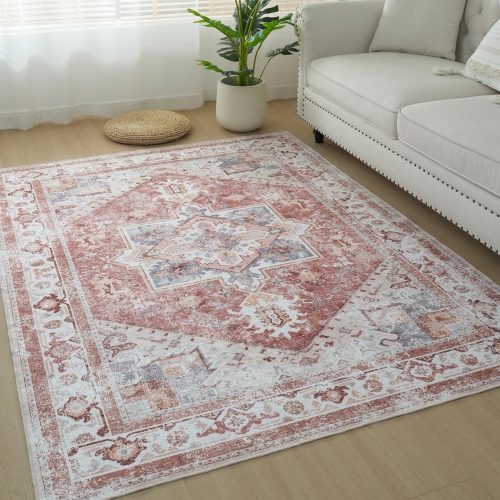
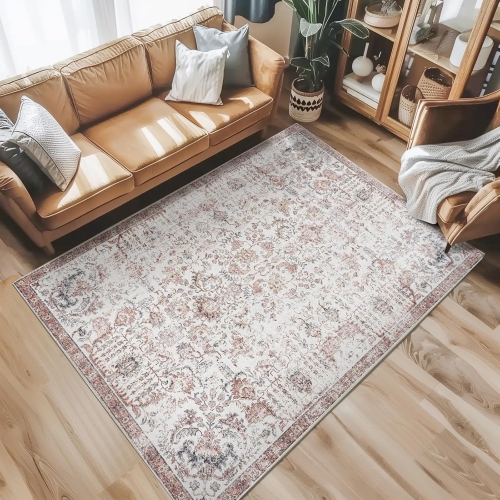
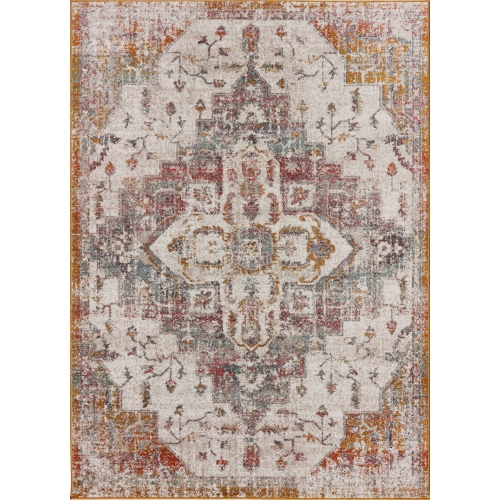
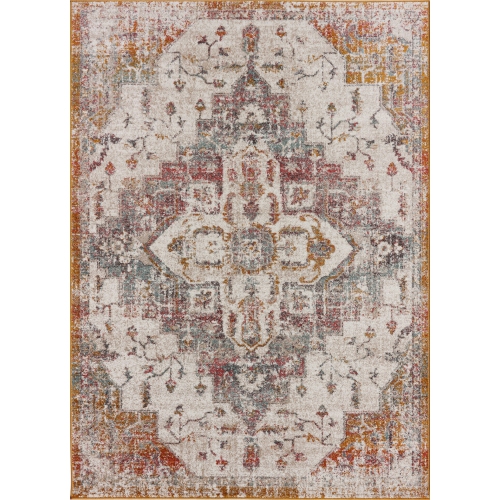
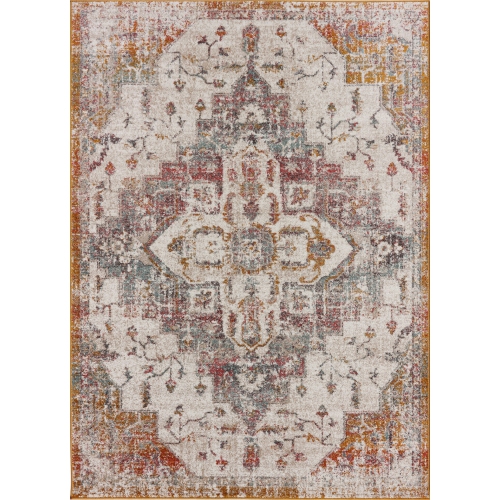
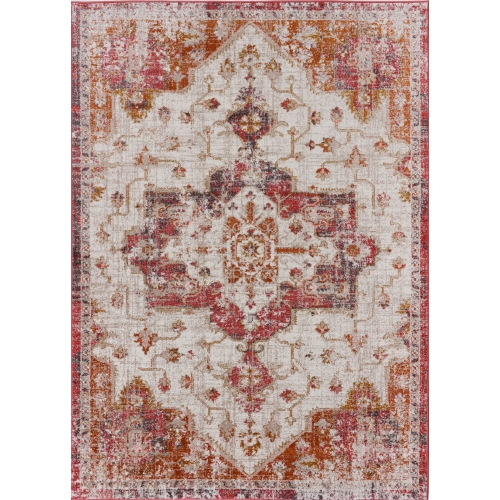
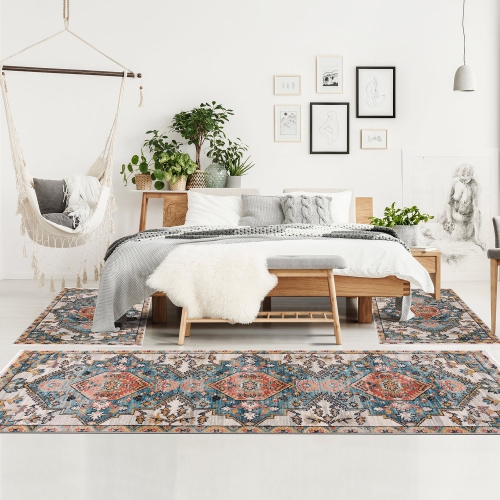
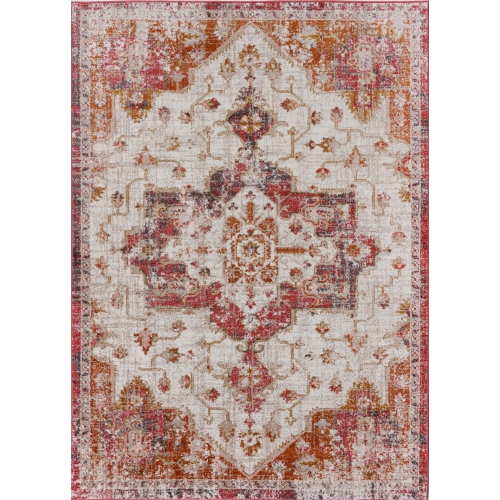
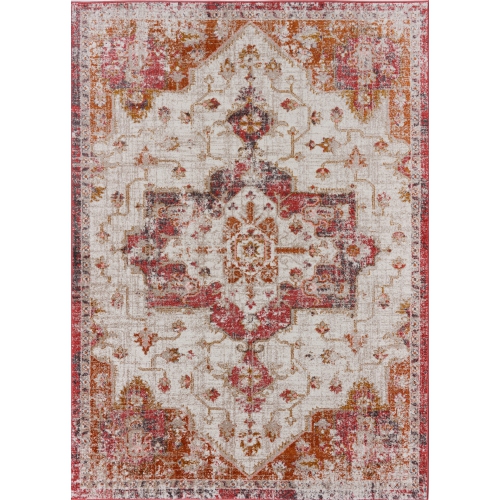
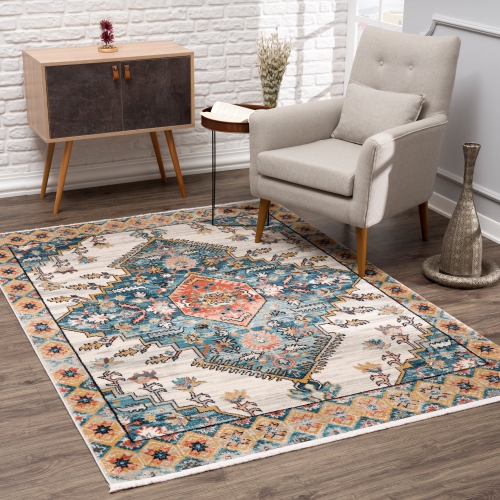
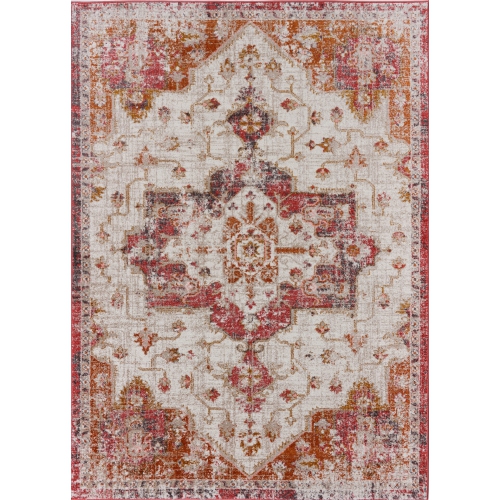
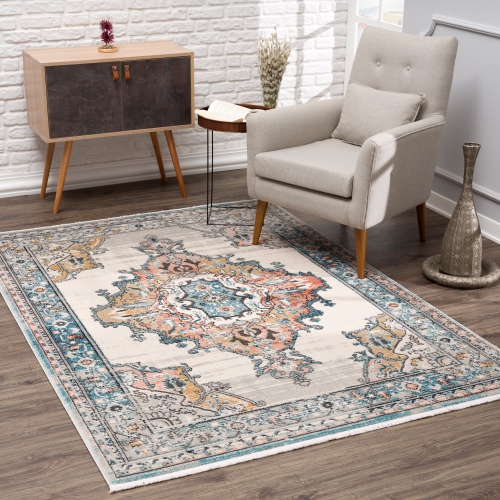
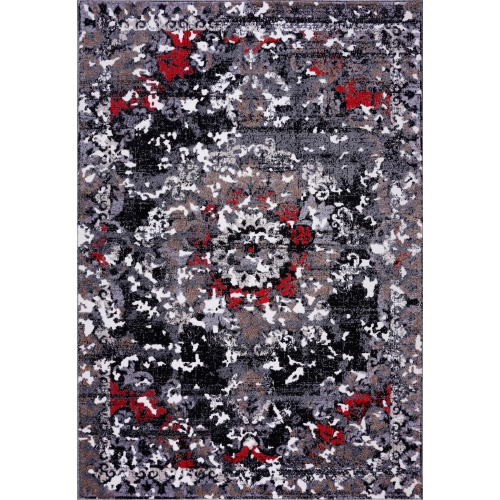
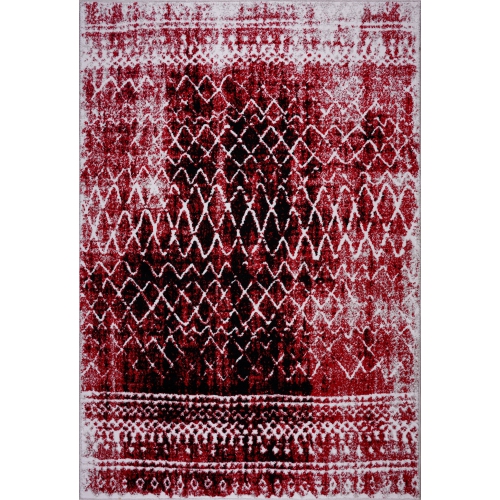
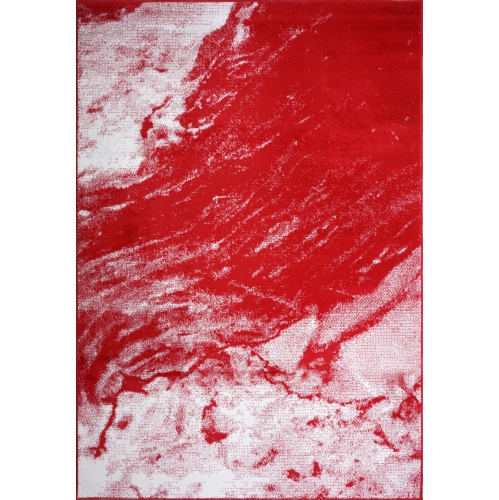
Traditional red area rugs combine a rich colour palette with decorative patterns that give a room a clear focal point. Their designs often draw on Persian-inspired medallions, floral vines, scrolling leaves, and repeating geometric motifs, framed by borders that distinguish the central field from the surrounding floor. Red can range from bright ruby and cranberry to deeper burgundy, brick, and rust tones, so the overall effect is not always bold in the same way. A burgundy ground with navy and ivory details can feel formal and composed, while a softened brick-red pattern may sit comfortably beside relaxed linen upholstery and a worn wood coffee table. The intricate motifs associated with Traditional Area Rugs also allow red to appear as one part of a layered palette rather than a single block of colour. Small touches of cream, blue, gold, or brown within the pattern can connect the rug to cushions, curtains, artwork, and furniture already in the room. In a living room with neutral seating, a red rug creates definition beneath the conversation area; beneath a dining table, a bordered design gives the furniture a more deliberate setting. Traditional styling is equally at home alongside antique furniture, simple contemporary pieces, or a mixture of both. A streamlined sofa can balance an elaborate floral pattern, while carved wood furniture can echo its decorative character. Pattern scale matters as much as colour: a large central medallion reads differently from an all-over arrangement of small flowers, especially when a coffee table covers the centre. A distressed or faded-looking finish can soften the contrast, whereas crisp outlines make each motif more prominent. The room’s lighting also affects how the red appears. Daylight may reveal orange or rose undertones that are less obvious under lamps, making the surrounding colours and the rug’s detailed images useful considerations when choosing a design.
Materials and construction influence how traditional red area rugs feel underfoot and how comfortably they fit into everyday routines. Wool is valued for its resilient fibres and substantial feel, although some wool rugs shed loose fibres, particularly early in use, and require care suited to their construction. Polypropylene, an olefin fibre commonly used in machine-woven rugs, generally resists moisture absorption and can be practical in regularly used rooms. Polyester can offer a soft surface and clear colour, while cotton may appear in the pile, foundation, or backing. Blended materials combine different qualities, so the fibre content and care information are more useful than appearance alone when assessing suitability. Viscose can add a silky sheen, but it is sensitive to moisture and may need specialist cleaning, making it less forgiving where spills are frequent. No material makes a rug completely stain-proof or maintenance-free. Pile height is another important distinction. A lower pile usually allows dining chairs to move more easily and makes crumbs easier to reach with a vacuum, while a deeper pile can provide a more cushioned feel in a sitting area or beside a bed. Dense construction and secure edges contribute to durability, but suitability also depends on traffic, furniture weight, and cleaning habits. Size establishes the relationship between the pattern and the room. In a living room, a rug large enough to sit beneath the front legs of the main seating pieces can visually connect the arrangement rather than leave a small rectangle floating beneath the coffee table. In a dining area, enough rug should extend beyond the tabletop to support the chairs when they are pulled out for use; around 24 to 30 inches on each side is a common starting point, with more space sometimes needed for larger chairs. Bedroom placement can create a comfortable landing beside the bed, while a runner can bring the same classic red palette to a hallway. Door clearance, nearby furniture, and the amount of exposed flooring all help determine whether the proportions feel balanced.
Everyday care helps preserve both the surface texture and the definition of a traditional rug’s pattern. Regular vacuuming removes grit that can settle between fibres, but the appropriate setting depends on the pile and construction. A rotating brush may be unsuitable for delicate fibres, loose loops, or fringe, so the care label should take priority over a standard cleaning routine. Fringe needs particular attention because it can become tangled in a vacuum head or caught beneath moving furniture. Spills are best addressed promptly by blotting with a clean, absorbent cloth rather than rubbing, which can spread the spill and disturb the pile. Any cleaning solution should be checked against the manufacturer’s instructions and tested in an inconspicuous area, especially where a deep red field meets a pale border. A rug described as washable still needs a suitable washing method, adequate machine capacity if machine washing is permitted, and the specified drying process. Other constructions may require professional cleaning. An appropriately sized rug pad can reduce movement and add cushioning, provided its material is compatible with both the rug backing and the floor finish. This is especially relevant on hardwood, laminate, or vinyl, where an unsuitable backing or pad may affect the surface beneath it. Keeping edges flat and allowing doors to open freely also supports comfortable everyday use. In homes with children or pets, a tightly constructed, manageable pile may be easier to maintain than a delicate surface with long fringe, though claws, accidents, and repeated traffic can still cause wear. Small-scale patterns can make minor marks less noticeable, but they do not replace cleaning. Periodic rotation can help distribute wear where one side receives more footsteps or direct light. For someone furnishing a first home, refreshing a familiar living room, or bringing inherited furniture into a new space, a traditional red rug can provide a unifying element without requiring every furnishing to match. It can also be a thoughtful housewarming gift when the recipient’s preferred colours, room measurements, and care expectations are already known. Those practical details help a richly patterned rug become part of daily life rather than simply a decorative accent.
Top selling and popular products
-
 Your price for this item is $130.55
-
 Your price for this item is $129.15
-
 Your price for this item is $130.55
-
 Your price for this item is $129.15
-
 Your price for this item is $129.15
-
 Your price for this item is $130.55
-
 Your price for this item is $144.99
-
 Your price for this item is $103.99
Discover more categories related to Traditional Red Area Rugs
Top Collections:
Best Black Friday Deals This Year, Best Black Friday Deals On Electronics, Kindle Devices, Dyson Airwrap, Best Cameras for Sports Photography, Best Budget Office Chairs, Canon G7X Cameras, PS5 Pro Consoles, Best Black Friday Deals On Apple Products, XBOX One S Consoles
Some products may be subject to Environmental Handling Fees
(EHF) depending on your province.
Learn more about EHFs.