USB Rechargeable Wall Lights
USB Rechargeable Wall Lights offer a convenient and versatile lighting solution for any space in your home or office. Designed for easy installation without the need for complicated wiring, these lights provide flexibility and portability to suit your needs. Perfect for hallways, bedrooms, living rooms, or workspaces, USB Rechargeable Wall Lights combine practicality with modern style to enhance your environment and simplify your daily routine. Explore a range of options to find the ideal lighting addition for your space.
Sort

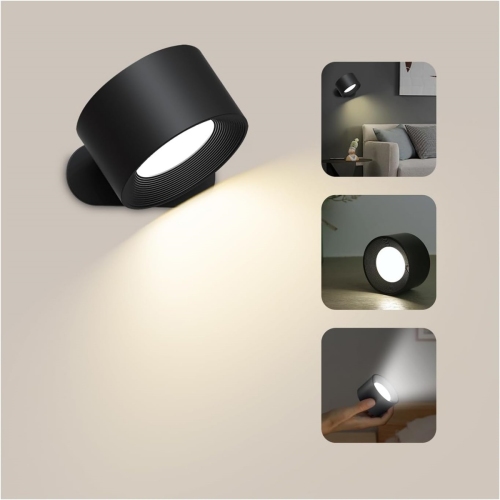
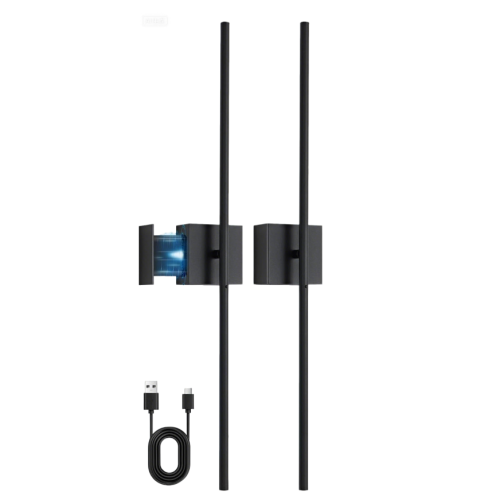
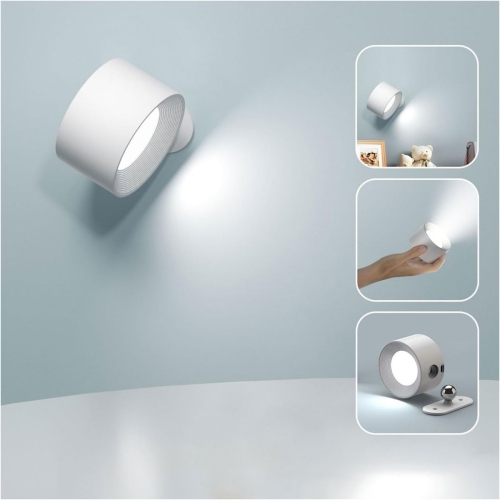
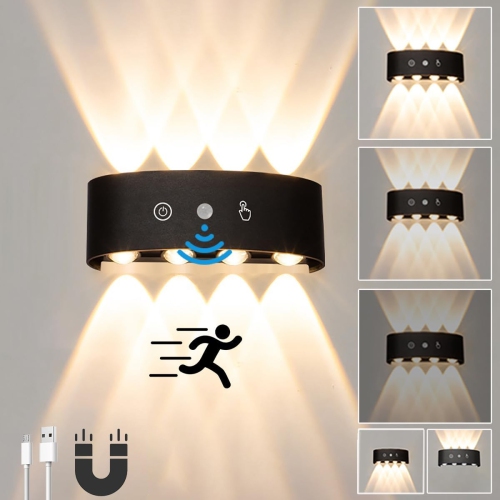
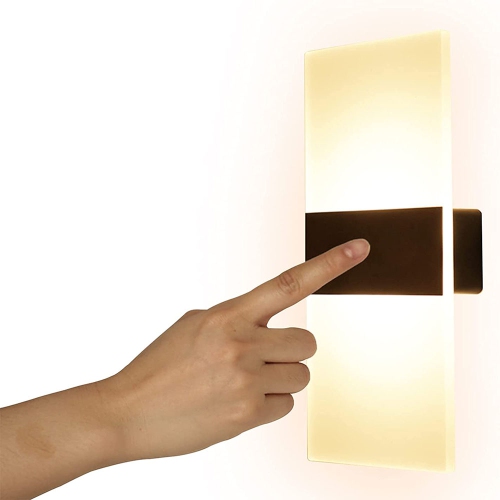
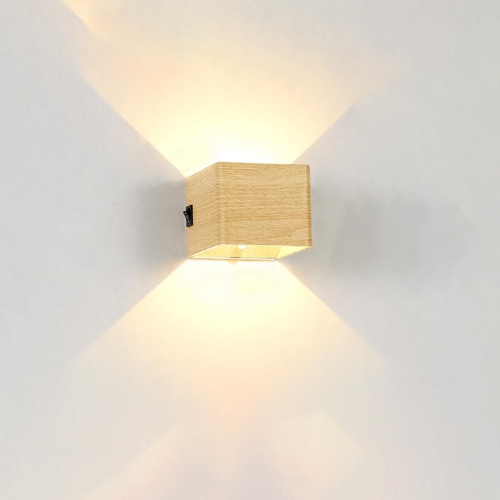
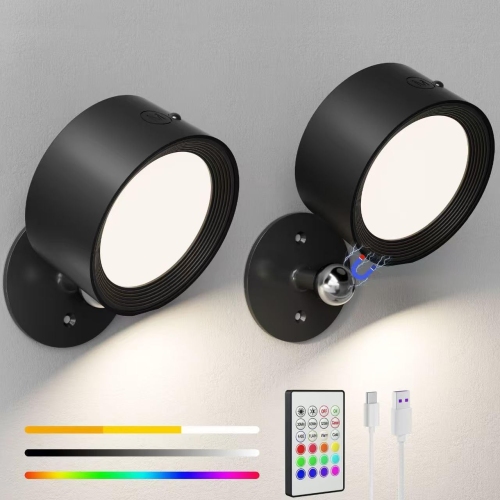
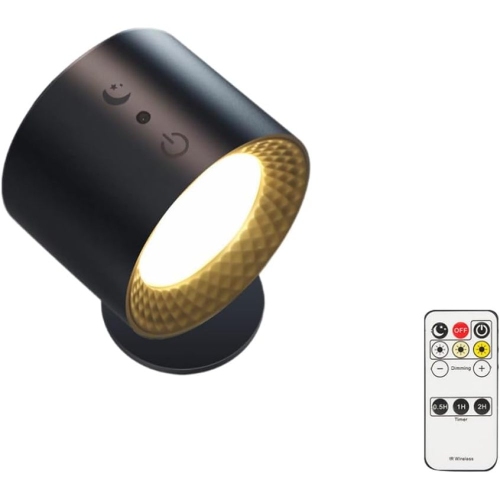
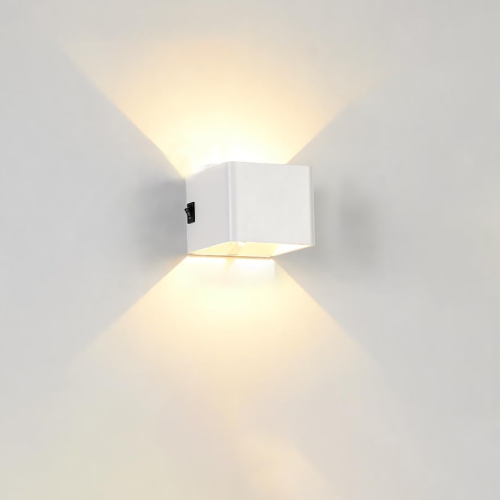
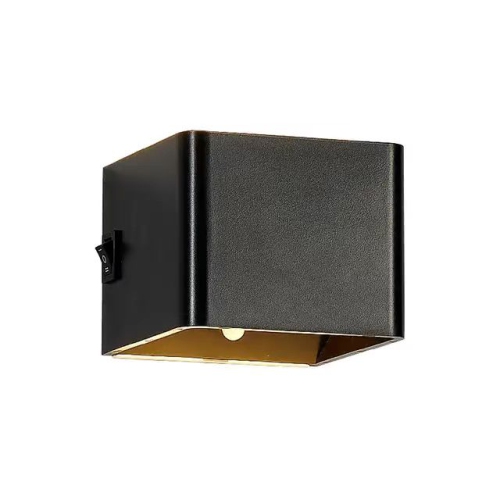
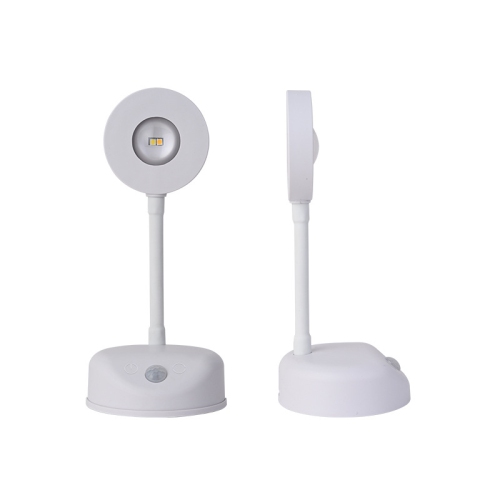
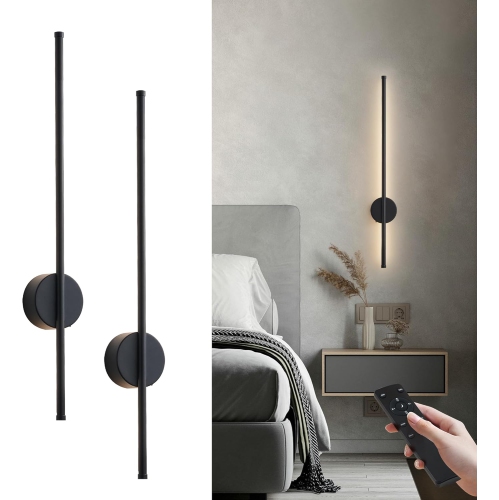
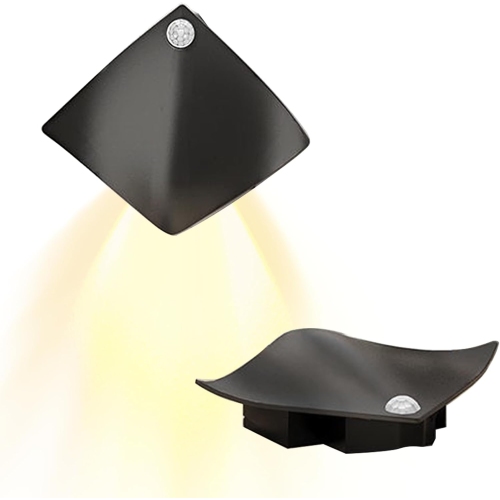
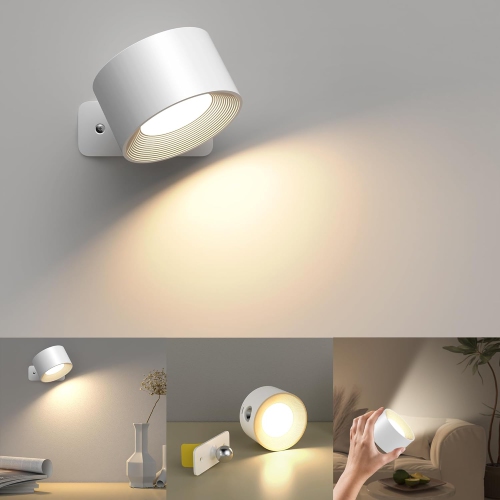
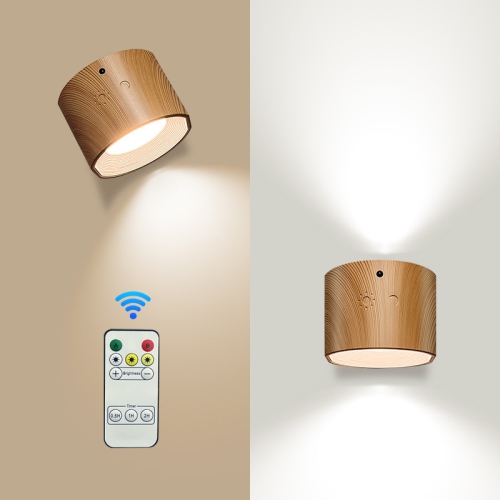
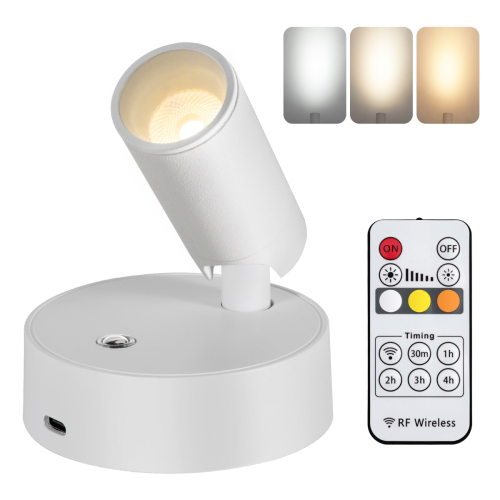
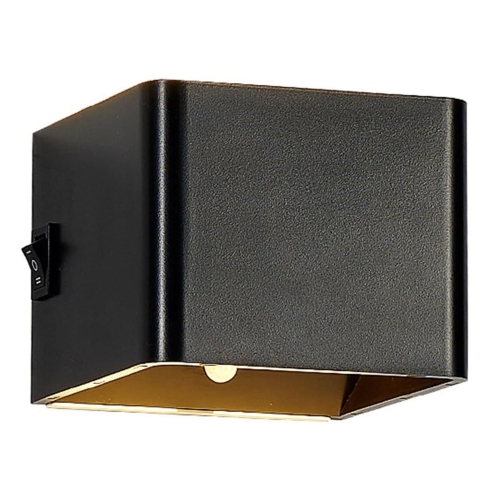
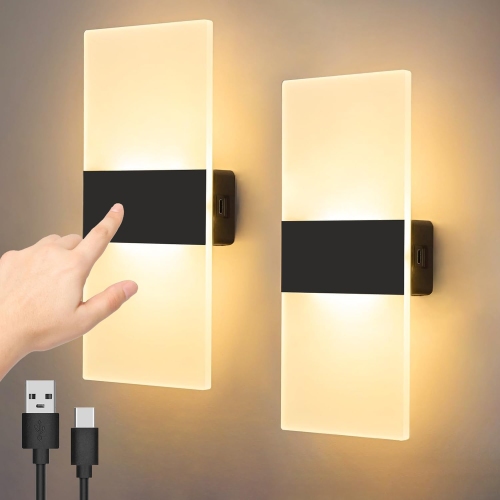
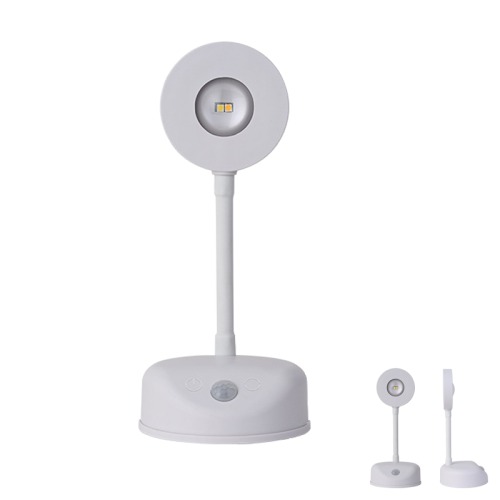


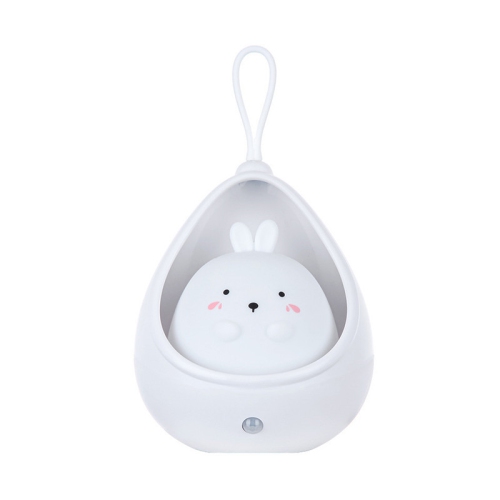
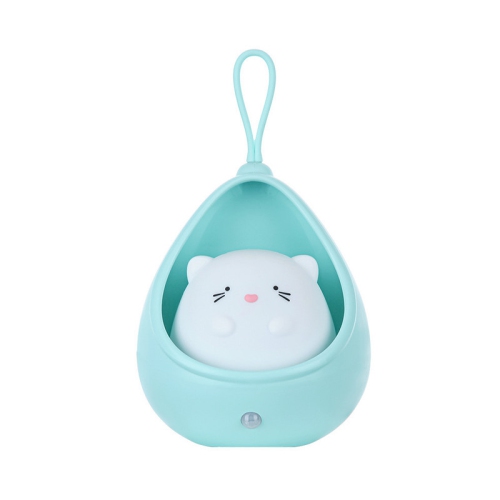
Bedside lighting without hardwiring or crowded tables
USB rechargeable wall lights provide wall-mounted illumination without a permanent connection to household wiring. An internal rechargeable battery powers the light, while a USB connection replenishes its charge between uses. This makes the format useful beside a bed, above a reading chair, along a hallway, or in a small nook where a table lamp would take up valuable space. A pair of wall lights can frame a headboard without crowding the bedside tables, while a single adjustable light can brighten the pages of a book without lighting the whole bedroom. The character of the light matters as much as its placement. Warm white creates a softer glow for winding down, neutral white gives everyday objects a balanced appearance, and cool white produces a crisper effect. Some designs offer adjustable colour temperature, dimming, or coloured lighting, though the available settings differ. Brightness is best assessed through the stated lumen output rather than the size of the fixture alone. A gentle accent light may suit a picture wall but feel too faint for extended reading, especially when the beam is spread over a wide area. Adjustable heads and rotating light bars allow more control over where illumination falls; shaded or diffused designs soften the view of the light source. For bedside use, a beam aimed towards the page rather than across the room can help keep light away from another sleeper. Touch controls offer direct adjustment at the fixture, while a remote can be convenient when the light sits above a headboard or beyond comfortable reach. Timers and motion sensors serve different purposes: a timer can end a reading session automatically, whereas a motion-activated setting can provide brief illumination when someone passes. These functions are not universal, so the control options, brightness settings, and beam direction all shape how well a rechargeable wall light fits its intended space. Convenient accent lighting can complement room lighting, but it should not replace required safety lighting.
The physical design of a USB rechargeable wall light affects both its appearance and its everyday usefulness. Slim light bars tend to sit close to the wall, making them practical beside narrow beds or near shelving, while sconce-style shapes project farther into the room and create a more pronounced visual feature. Metal housings can offer a solid feel and a clean profile; plastic housings are often lighter, which can be helpful for removable mounting systems. Glass shades, fabric coverings, and woven details each change how the light looks when switched on and off, with opaque shades directing illumination and translucent materials spreading it more gently. Finish and colour can connect the fixture to existing drawer pulls, curtain rods, or furniture legs without requiring an exact match. Matte surfaces usually look understated, while polished finishes catch more reflections. Dimensions deserve attention beyond the overall height: projection from the wall, the width of the base, and clearance around an adjustable head determine whether a fixture fits comfortably beside a pillow, doorframe, or cabinet. A charging port also needs enough space for its cable unless the light detaches for charging elsewhere. Magnetic mounting can make removal convenient, but the wall attachment itself still needs to support the fixture securely. Screw-mounted brackets provide a mechanical fixing suited to the appropriate wall surface and hardware, while adhesive-backed bases depend on the surface condition, preparation, and stated weight limits. Adhesive mounting is not necessarily damage-free; textured paint, wallpaper, and delicate finishes may be unsuitable. In a rental home, the permitted attachment method matters just as much as the look of the light. A detachable design can be particularly convenient when there is no outlet near the mounting position, since the light can be carried to a charging point rather than requiring a cable stretched across the room. Secure attachment and sensible placement help keep wall lights clear of passing shoulders, opening doors, and frequently handled furnishings.
Within the broader category of Battery Wall Lights, USB rechargeable designs offer the convenience of replenishing their power through a charging cable. The connector may be USB-C or another USB format, and the required input should match the manufacturer's specifications. A USB-C socket does not automatically mean that a light supports rapid charging, and a cable or power adapter may need to be supplied separately. Battery capacity, light output, and operating mode work together to determine the interval between charges. Higher brightness generally shortens runtime, while a dim setting or brief motion-triggered use can extend it; published runtime figures are most meaningful when the test setting is stated. A light used for a few minutes in a cupboard has a different charging routine from one used throughout an evening beside a sofa. Battery indicators and charging-status lights make that routine easier to manage, especially when several fixtures are used around the home. For long-term durability, useful details include a secure charging port, a stable mounting connection, and controls that remain easy to operate after repeated use. Rechargeable batteries gradually lose capacity over time, so a replaceable battery or clear manufacturer service information can matter for extended ownership. Care is usually straightforward: switch the light off, disconnect charging cables, and remove dust with a soft, dry cloth, following any material-specific cleaning directions. Moisture protection must be explicitly stated before a fixture is considered for a bathroom, covered outdoor area, or another location exposed to splashes or dampness. Indoor wall lights should not be assumed suitable for those settings simply because they have no visible power cord. For readers, renters, students, and people furnishing compact rooms, the appeal is flexible placement with less furniture needed to support a lamp. They can also make a thoughtful housewarming gift when the recipient's mounting options and preferred style are known. Across these uses, comfortable light, accessible controls, a dependable attachment, and a manageable charging routine are the details that make the format practical day after day.
Top selling and popular products
-
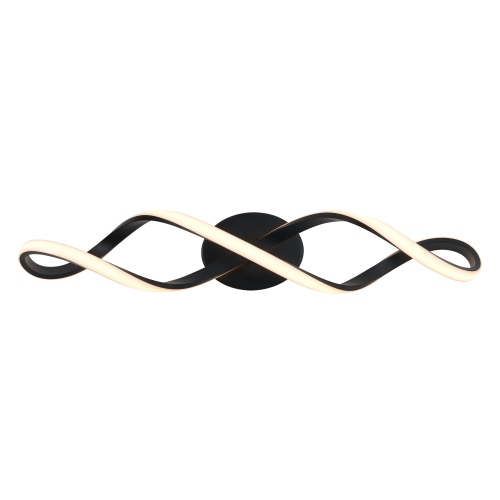 Your price for this item is $99.99
-
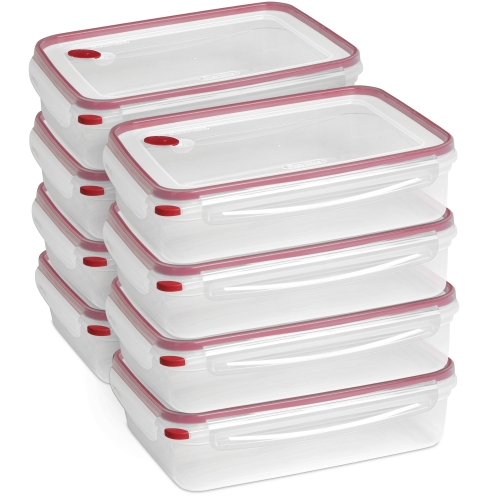 Your price for this item is $299.99
-
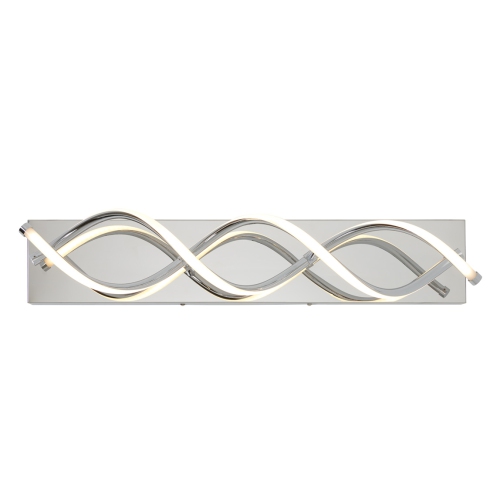 Your price for this item is $169.99
-
 Your price for this item is $159
-
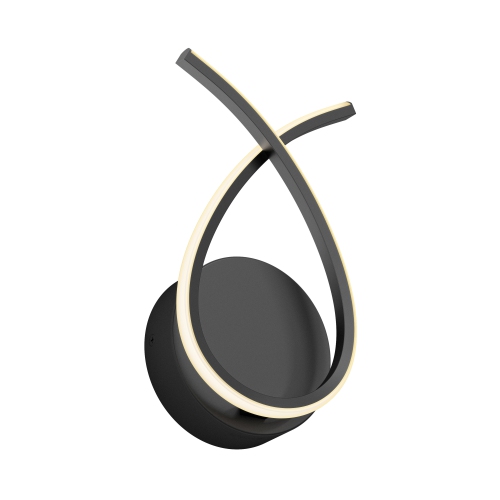 Your price for this item is $49.99
-
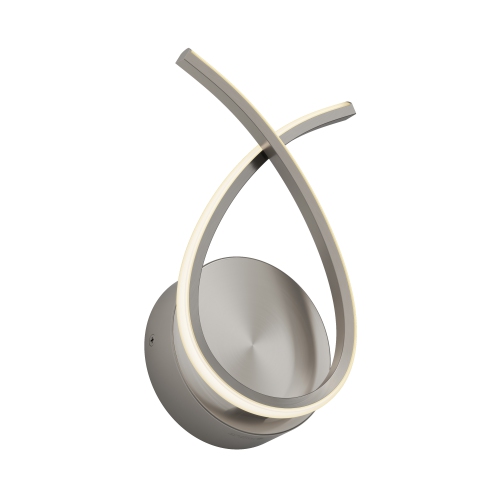 Your price for this item is $59.99
-
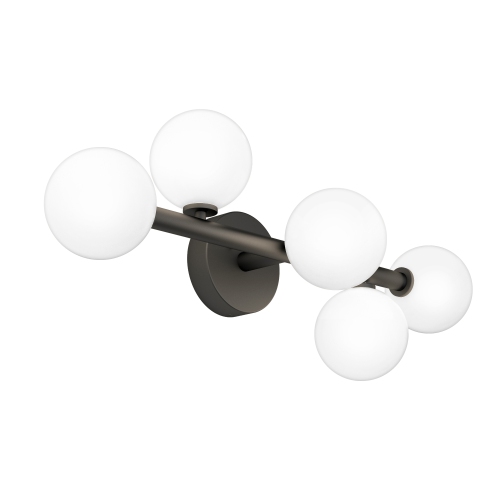 Your price for this item is $139
-
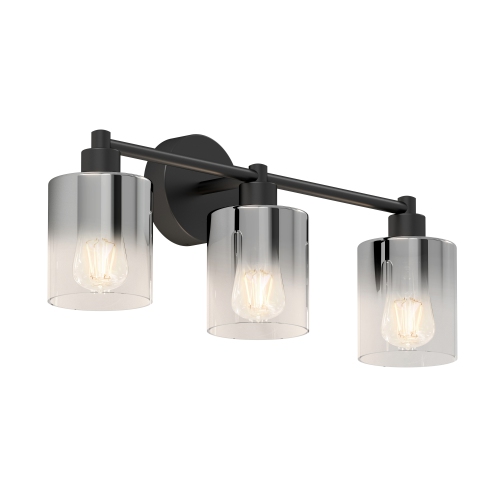 Your price for this item is $129.99
Discover more categories related to USB Rechargeable Wall Lights
Top Collections:
Best Black Friday Deals This Year, Best Black Friday Deals On Electronics, Kindle Devices, Pokemon Centers, Best Black Friday Deals On Apple Products, Best Cameras for Sports Photography, Dyson Airwrap, Pokémon 30th Celebration Cards, Apple iPhone 17 Pro, Canon G7X Cameras
Some products may be subject to Environmental Handling Fees
(EHF) depending on your province.
Learn more about EHFs.