Battery Wall Lights
Illuminate your space effortlessly with battery wall lights, an ideal solution for adding ambiance and functionality without the need for complex wiring. Perfect for any room or outdoor area, these versatile lighting options offer a blend of convenience and style. Whether you're looking to enhance your home decor or improve visibility in dimly lit spaces, battery wall lights provide the flexibility to brighten up any corner. Explore a variety of designs and finishes to find the perfect match for your aesthetic while enjoying the ease of installation and maintenance.
Sort

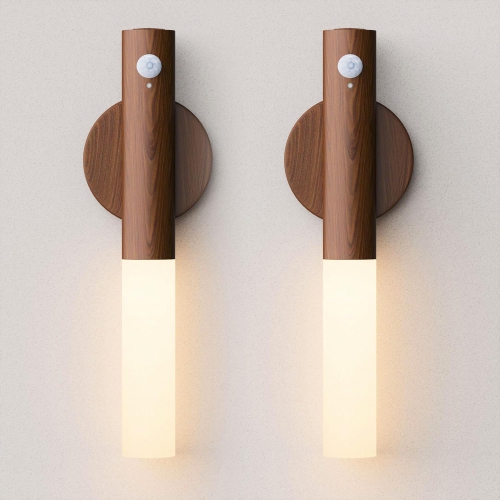
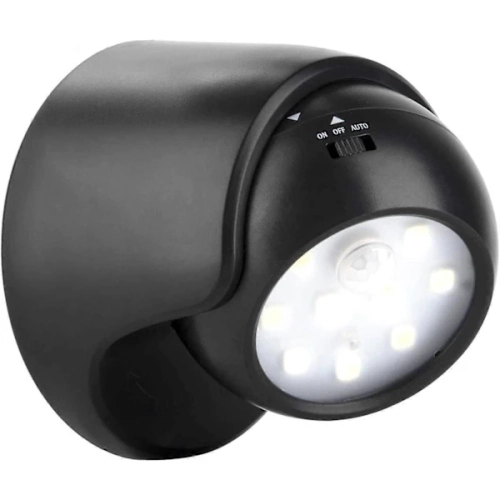
A soft glow without the need for hardwiring
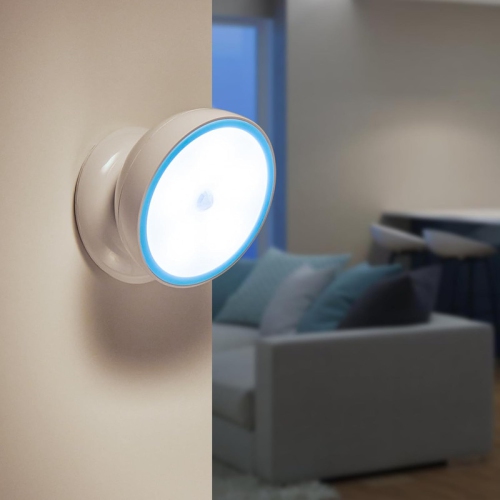
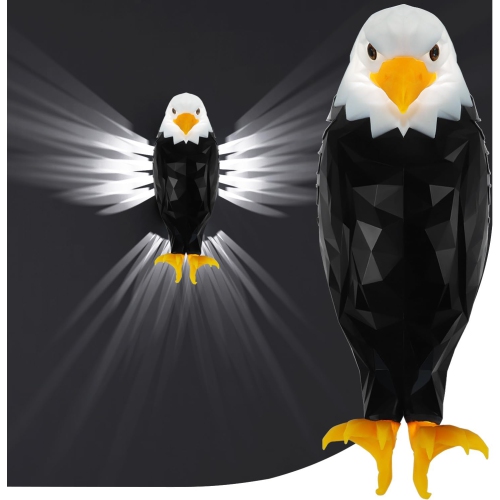
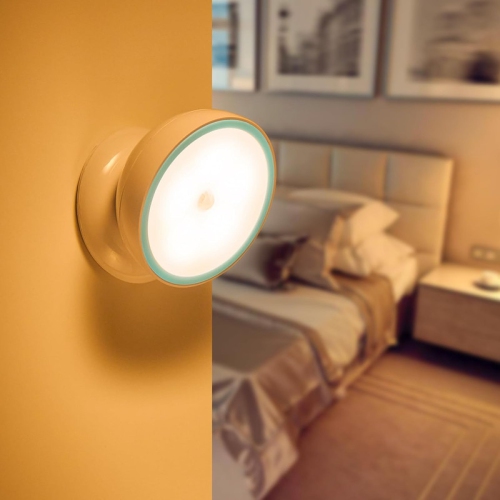
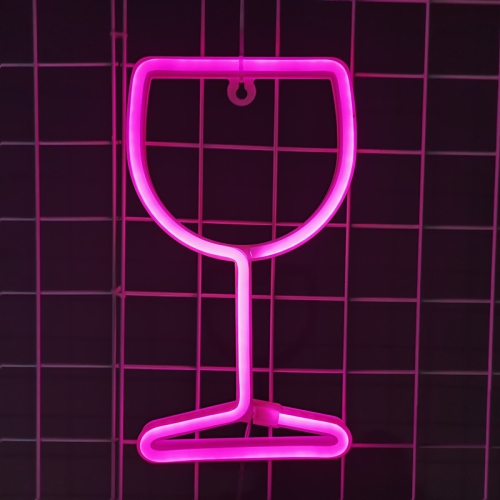
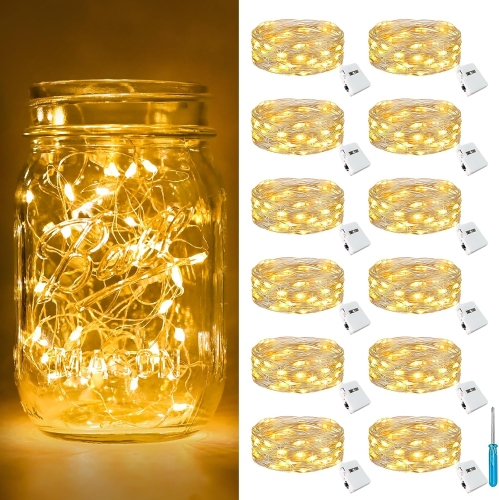
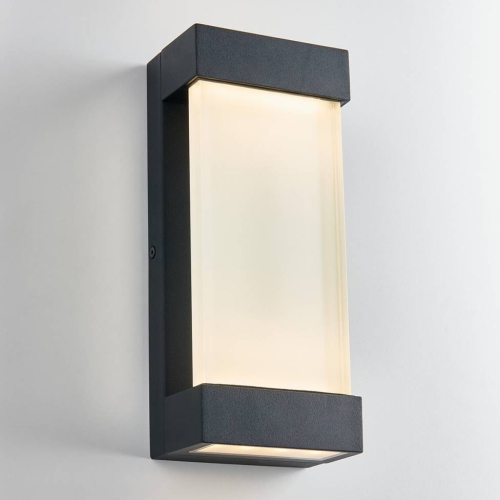
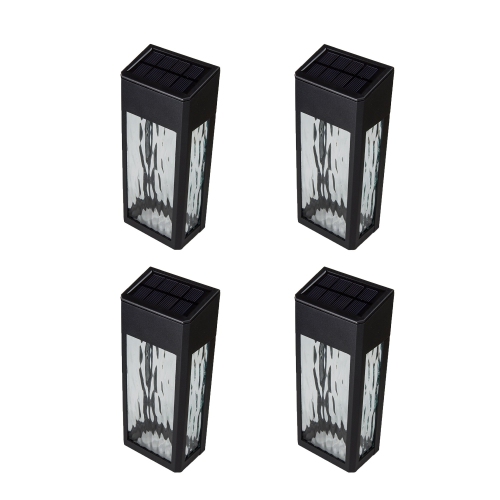
Battery wall lights bring light to places where a wired fixture would be difficult to install or a trailing cord would interrupt the room. Powered by replaceable batteries or a rechargeable battery system, they can add a soft glow beside a bed, brighten a narrow hallway, or frame artwork above a console without connecting to household wiring. Their role depends on the design: a shaded wall sconce can provide ambient light, a directional reading light can focus illumination over a book, and a compact motion-activated fixture can help make a frequently used route easier to see. Many work best as supplementary lighting rather than the main light source for an entire room. The shape of the fixture makes a noticeable difference to both its appearance and the light it casts. Fabric shades soften the glow, opaque metal shades direct it towards a particular area, and translucent diffusers help spread light across a broader surface. Clear glass may leave the light source more visible, so bulb position and brightness matter when the fixture sits close to eye level. Materials and finishes also help a light feel at home with the furniture around it. Matte black can echo cabinet handles or a bed frame, brushed metal offers a restrained accent, and wood details can sit comfortably alongside shelving or a bedside table. A pair of battery-operated wall sconces can create balance on either side of a headboard, while a single slim fixture may suit a reading corner with limited wall space. Proportion matters as much as style: a large shade can crowd a small nook, and a fixture that projects too far from the wall can become awkward beside a doorway. Overall height, width, projection, and mounting position are useful measurements to compare with the space, especially where doors, cupboard fronts, curtains, or reclining furniture need room to move. An adjustable arm or tilting head adds flexibility, but its full range of movement also needs clearance.
The battery system affects everyday convenience as much as the look of the light. Some battery wall lights use standard replaceable cells, while others contain a rechargeable battery or use a removable rechargeable light source. Charging connections vary, with USB-C offered on some designs; the required cable, power adapter, and charging method depend on the fixture. A removable lamp body or magnetic attachment can make charging easier when the mounting bracket stays on the wall, particularly beside a bed or above a sideboard. Other designs require access to a battery compartment, making its position worth considering before installation. Runtime is not a fixed measure across all battery-powered wall lights. Brightness settings, battery capacity, sensor activity, and the length of each lighting session all influence how often batteries need replacing or charging. A light used briefly in a hallway has different demands from one left on through an evening of reading. Published runtime figures are most useful when considered alongside the operating mode used for testing, since a low setting may last substantially longer than full brightness. Light output, expressed in lumens, is a more useful indication of brightness than wattage alone, although shade design and beam direction also affect how much light reaches a surface. Warm white light, often around 2700 to 3000 K, creates a softer effect beside upholstered furniture or a bed. Neutral or cooler white settings can provide a crisper appearance, depending on personal preference and the surrounding lighting. Dimming, adjustable white tones, and colour-changing modes are separate features, so not every fixture offers all three. Controls may include an on-body button, a remote, touch operation, or a motion sensor. Remote operation is convenient for a light mounted beyond easy reach, while an accessible physical switch remains useful for everyday use. Timers can limit how long a light stays on, and motion activation can suit brief trips through a hallway or dressing area. Sensor range, shut-off delay, and whether activation depends on darkness can all affect how naturally the light fits into a room.
Installation and long-term care help determine whether a battery wall light remains practical after its first use. No hardwiring does not necessarily mean no drilling: mounting methods can include screw-fixed brackets, adhesive pads, or magnetic connections to a bracket that still needs securing. The wall surface and the fixture’s weight matter, and screw-mounted designs need suitable fixings for the underlying material. Adhesive mounts generally need a clean, compatible surface and may not suit textured walls, delicate paint, or heavier fixtures. For renters, the attachment method and any restrictions on wall alterations are important considerations; an adhesive fitting is not automatically damage-free when removed. Placement also affects comfort. Beside a bed, a shaded or adjustable light should illuminate the reading area without shining directly into a partner’s eyes. Along a passage, a low-profile shape helps keep the route clear, while a light near a mirror needs positioning that limits distracting glare. Bathroom, covered patio, and other moisture-prone uses require a fixture specifically rated for those conditions; battery power alone does not make a light suitable for damp locations or outdoor exposure. For a coordinated approach beyond wall-mounted fixtures, Battery Lights includes a broader range of battery-powered lighting formats for different spaces. Durability depends on construction as well as finish: stable brackets, secure battery covers, and well-supported moving joints are especially relevant for lights that are adjusted or removed frequently. Smooth metal and plastic surfaces are usually straightforward to dust with a soft cloth, while fabric shades and textured finishes may need gentler attention to prevent marks or snagging. Cleaning methods should suit the material, with moisture kept away from charging ports, switches, and battery compartments. Accessible charging points and easy battery replacement make regular upkeep less disruptive. These details help battery wall lights suit bedrooms, reading corners, display areas, and compact living spaces where flexible placement matters. The most comfortable fit combines the right scale, useful illumination, manageable charging or battery changes, and a mounting method suited to the wall.
Top selling and popular products
-
 Your price for this item is $232.99
-
 Your price for this item is $17.68
-
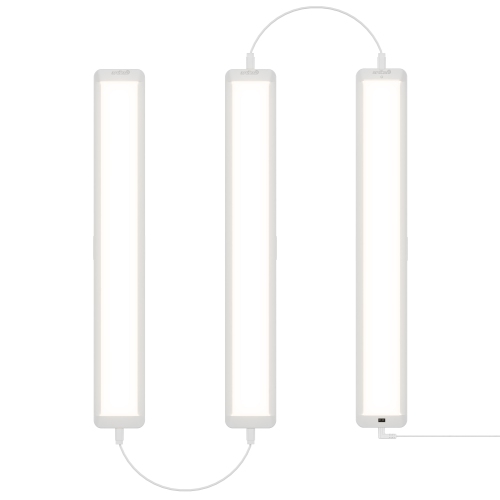 Your price for this item is $89.99
-
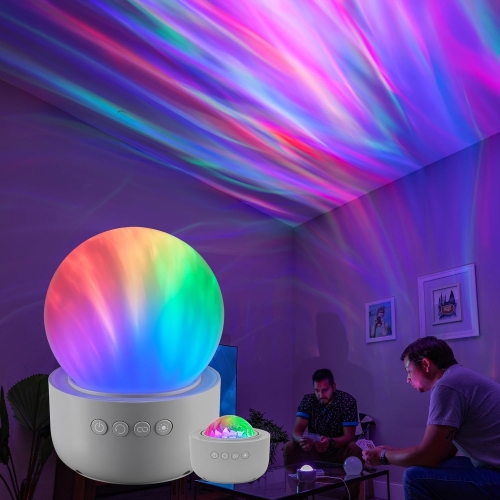 Your price for this item is $29.99
-
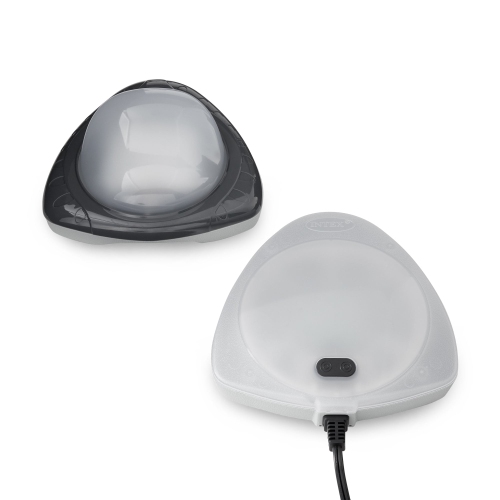 Your price for this item is $119.99
-
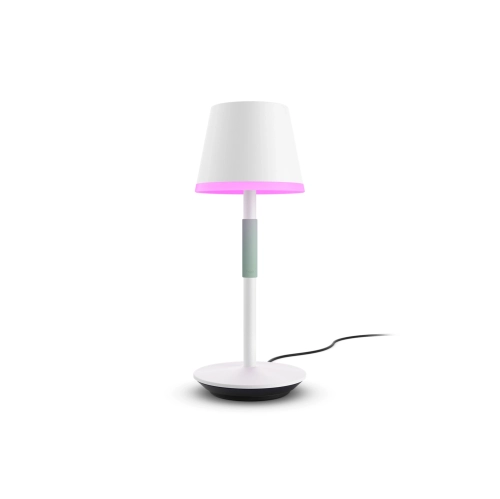 Your price for this item is $245.68
-
 Your price for this item is $129.99
-
 Your price for this item is $299.99
Discover more categories related to Battery Wall Lights

Top Collections:
Best Black Friday Deals This Year, Best Black Friday Deals On Electronics, Kindle Devices, Pokemon Centers, Best Black Friday Deals On Apple Products, Best Cameras for Sports Photography, Dyson Airwrap, Pokémon 30th Celebration Cards, Apple iPhone 17 Pro, Canon G7X Cameras
Some products may be subject to Environmental Handling Fees
(EHF) depending on your province.
Learn more about EHFs.