Vintage Hallway Runners
Transform your home with the timeless elegance of vintage hallway runners, perfect for adding a touch of classic charm to any corridor. These exquisite pieces effortlessly blend style and functionality, creating a warm and inviting atmosphere in your living space. Whether you're looking to enhance a modern interior with a hint of nostalgia or complement an already traditional decor, vintage hallway runners offer an array of designs and patterns that cater to every taste. Explore our selection and find the ideal runner that not only elevates your home's aesthetic but also provides comfort and durability underfoot.
Sort
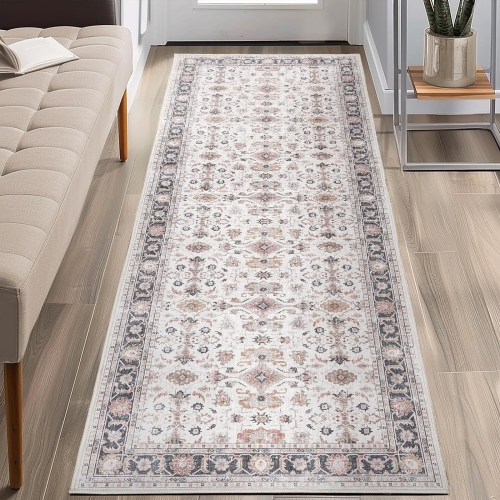

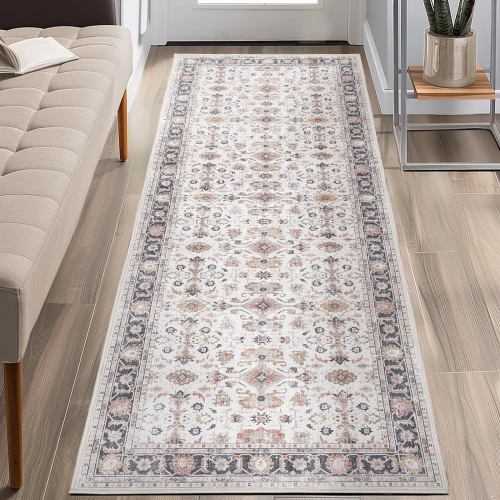
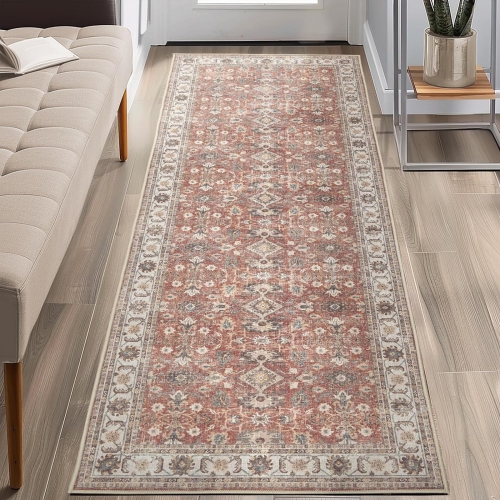

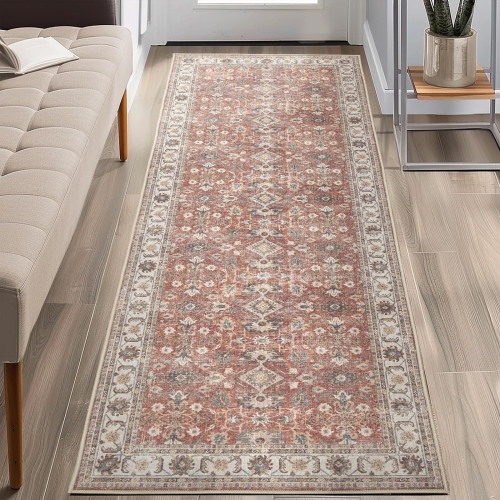

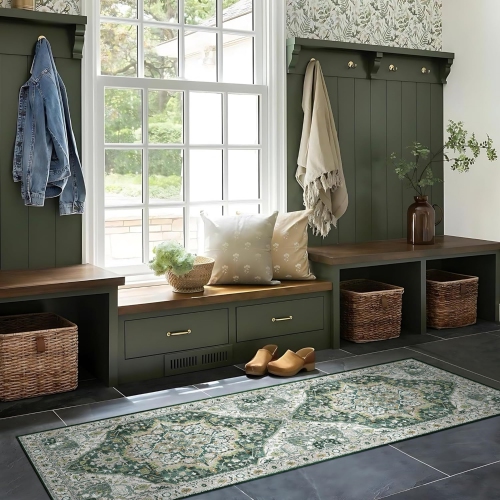
Faded patterns and the right fit for narrow spaces
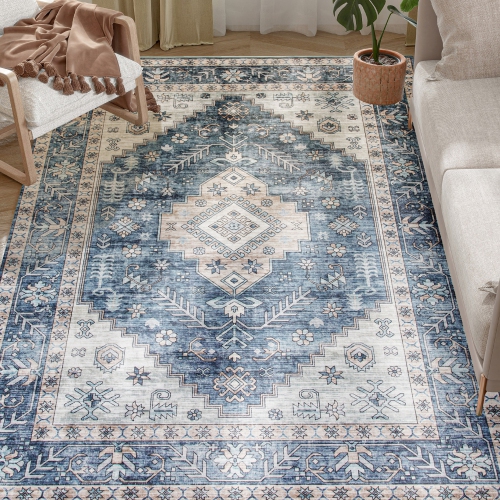
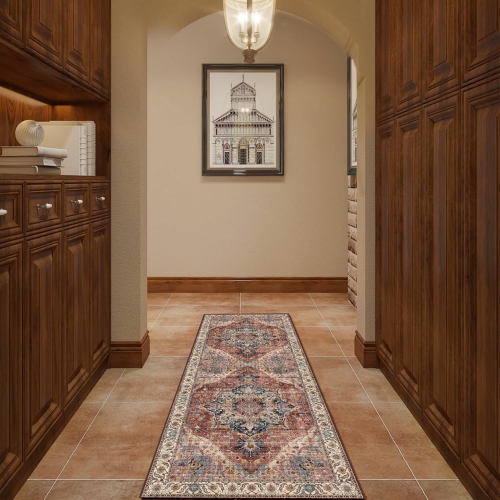
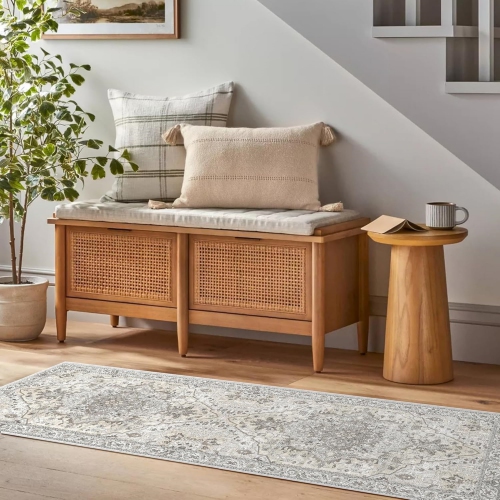
Vintage hallway runners are long, narrow rugs with traditional patterns, softened colours, or a gently worn appearance that brings character to passageways. Their proportions suit spaces where a full-size area rug would overwhelm the floor, while their pattern gives an otherwise simple corridor a distinct focal point. Floral borders, repeating medallions, geometric motifs, and faded detailing can complement wood flooring, painted trim, and both contemporary and traditional furnishings. A muted rust and navy palette can add depth beside pale walls, while cream, dusty blue, or soft grey can keep a narrow hallway feeling light. The word vintage may describe an older rug or a newly made runner with a vintage-inspired design, so the appearance alone does not establish its age, origin, or construction. An intentionally distressed pattern is also different from actual damage: broken fibres, separating edges, and a weakened backing can affect how a rug performs underfoot. For everyday decorating, the appeal often comes from the balance between detailed pattern and understated colour. A runner can connect several doorways along one corridor, draw the eye towards a favourite piece of art, or introduce colour without covering the entire floor. In an open-plan home, a traditional motif can help define the route between living spaces without adding furniture to the walkway. In a compact apartment, a narrow rug can make an entrance feel more finished while leaving room for doors and storage. Pattern scale matters here: a large central medallion creates a stronger visual anchor, whereas small repeating designs tend to read more evenly along a lengthy passage. Looking at the whole runner rather than a close-up of its pattern helps establish how its borders, faded areas, and central details will sit within the room. Nearby furnishings matter, too. A patterned runner can stand comfortably beside plain upholstery and simple cabinetry, while a quieter design may be easier to coordinate with busy wallpaper or a gallery wall.
Materials and construction influence how vintage hallway runners feel, how easily they fit beneath doors, and how they respond to daily foot traffic. Wool has a naturally resilient texture and can feel comfortable underfoot, though some wool rugs shed loose fibres and require gentler cleaning. Cotton runners are often lighter and more flexible, with care requirements that depend on their weave, dyes, and backing. Synthetic fibres such as polypropylene or polyester can provide a soft surface and varied pattern detail; stain resistance and cleaning methods vary by construction rather than fibre name alone. A flatwoven runner generally has less bulk than a plush pile, making it worth considering where door clearance is tight or furniture legs sit close to the walking path. Low-pile designs can also be easier to vacuum and less likely to catch at the edges than a thicker rug that does not suit the space. Measure the usable floor area, including door swings, cupboard access, and any places where the hallway narrows. In a straight, 36-inch-wide hallway, for example, a 24-inch-wide runner leaves approximately six inches of exposed flooring on each side when centred. That spacing is an illustration rather than a fixed rule; the right fit depends on the layout and the clearance needed for comfortable movement. Length deserves equal attention. A runner looks more intentional when its ends relate to the hallway’s boundaries instead of stopping awkwardly in the middle of a doorway. Allow enough room for the rug and any pad to lie flat without obstructing moving doors. A compatible rug pad can help limit shifting and cushion the surface, but its material must be suitable for the flooring beneath it. The same attention to dimensions and door clearance applies to Entryway Runners, particularly in a compact entrance where several walking routes meet.
Daily use is often the deciding factor between two runners with a similar vintage look. A frequently used route between bedrooms and a bathroom calls for secure edges and a surface that is straightforward to maintain, while a quieter upstairs corridor may allow for a more textured weave. Homes with children or pets may benefit from patterns that make small marks less noticeable, although a busy design does not replace regular cleaning. Where mobility aids are used, a thin, firmly secured rug with flat edges may be more practical than loose fringe or deep pile; any rug that creates an obstacle is unsuitable for that location. Fringe can contribute to a traditional appearance, but it also needs space to lie clear of doors and vacuum brushes. Routine care starts with the manufacturer’s instructions, since a washable description does not necessarily mean every size will fit a household washing machine or tolerate the same cycle. Vacuum with a setting appropriate to the fibre and construction, taking care around bindings, tassels, and delicate sections. Remove loose grit from beneath the rug as well as from its surface, because trapped particles can rub against flooring. Blot spills promptly with a clean cloth rather than scrubbing, and test any approved cleaning solution in an inconspicuous area before treating a visible mark. Excess moisture can affect dyes, backing, or the floor below, so a cleaned runner should be fully dry before it is put back into place. Rotating a runner, where its shape and design allow, can help distribute wear along a corridor that receives more traffic on one side. Sunlight may also fade some fibres and dyes unevenly. Over time, checking the corners, binding, and underside helps identify curling or wear before it becomes a tripping concern. A well-proportioned vintage-style runner earns its place through both appearance and function: it softens footsteps, adds a comfortable layer underfoot, and gives a well-used hallway the same considered finish as the rooms it connects.
Top selling and popular products
-
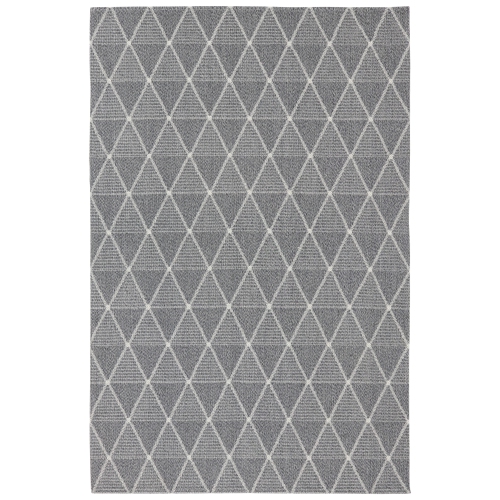 Your price for this item is $130.55
-
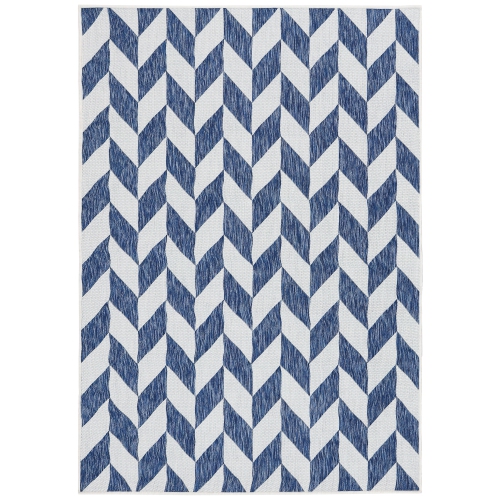 Your price for this item is $129.15
-
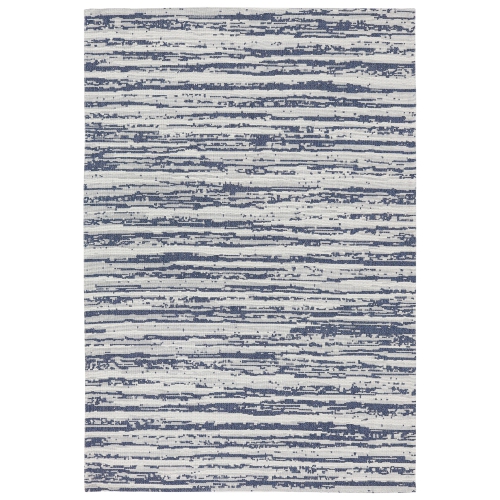 Your price for this item is $130.55
-
 Your price for this item is $129.15
-
 Your price for this item is $129.15
-
 Your price for this item is $130.55
-
 Your price for this item is $144.99
-
 Your price for this item is $103.99
Discover more categories related to Vintage Hallway Runners
Top Collections:
Best Black Friday Deals This Year, Best Black Friday Deals On Electronics, Kindle Devices, Dyson Airwrap, Best Cameras for Sports Photography, Best Budget Office Chairs, Canon G7X Cameras, PS5 Pro Consoles, Best Black Friday Deals On Apple Products, XBOX One S Consoles
Some products may be subject to Environmental Handling Fees
(EHF) depending on your province.
Learn more about EHFs.