Hallway Runners
Enhance the aesthetic appeal of your hallway while protecting your floors with our stylish and functional hallway runners. Perfect for adding a touch of elegance and warmth to your home, these versatile runners come in a variety of lengths, patterns, and colors to suit almost any decor style. Whether you're looking to create a cozy entryway or simply want to upgrade the look of your hallway, this collection of hallway runners offers both style and practicality for your space.
Sort
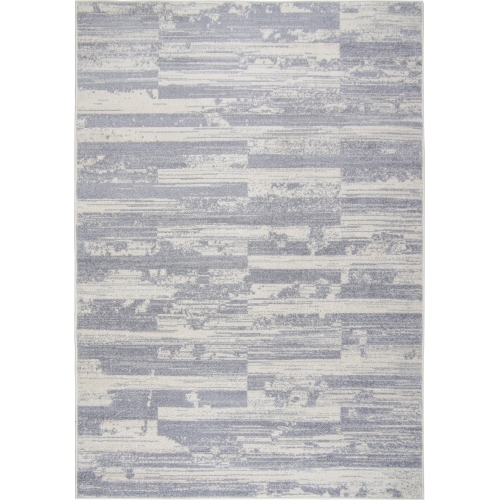
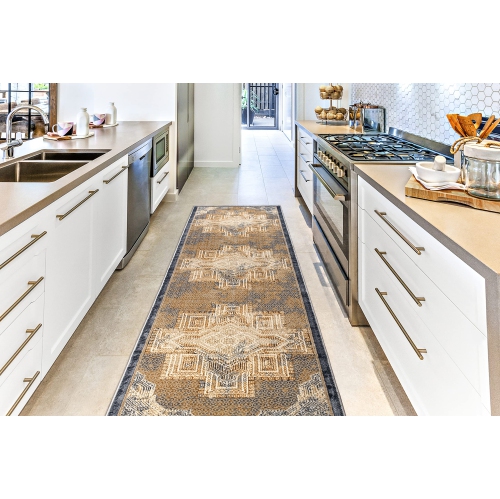

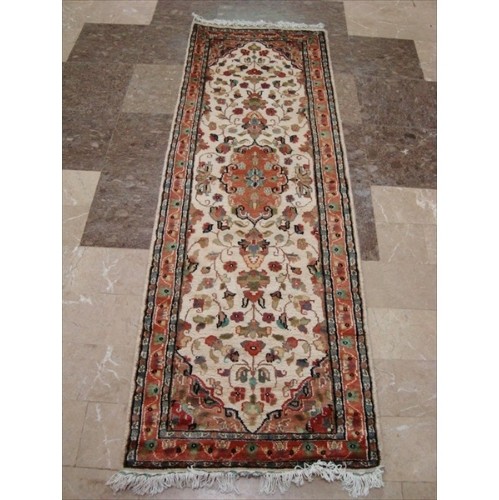
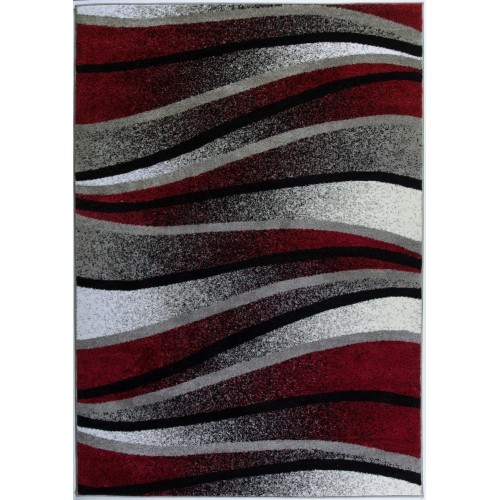

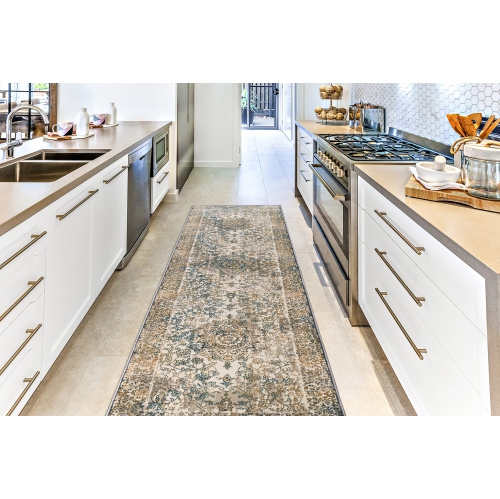
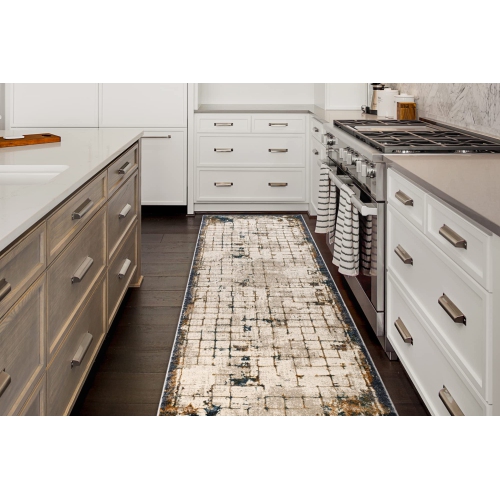


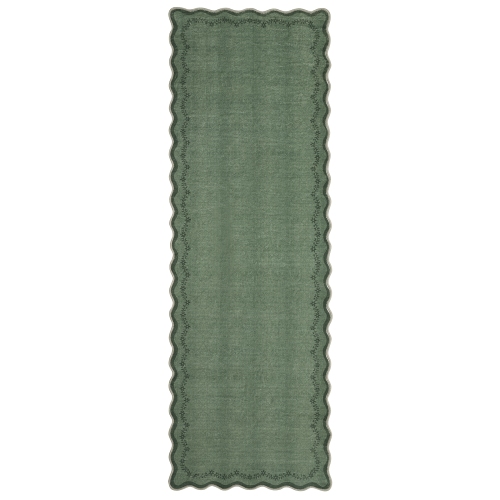
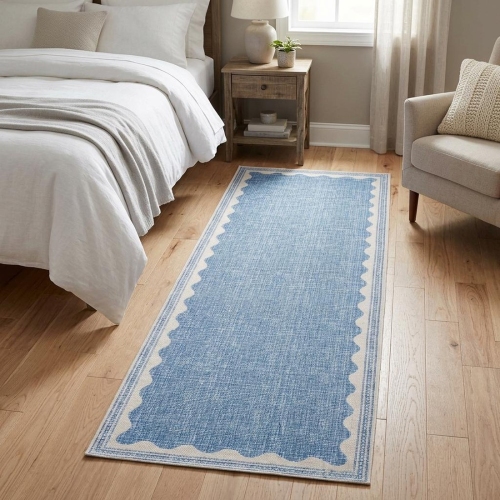
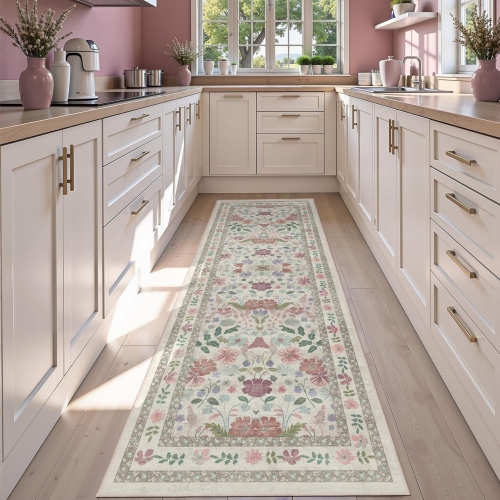
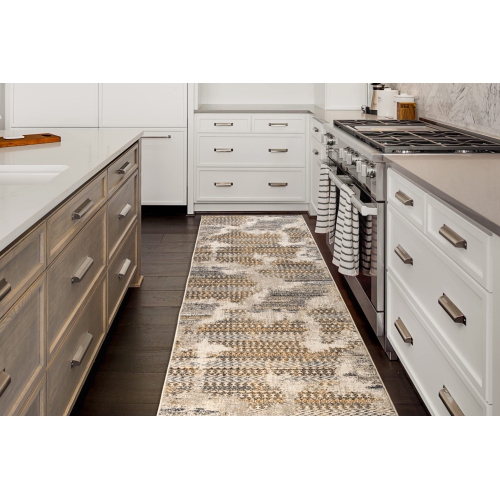
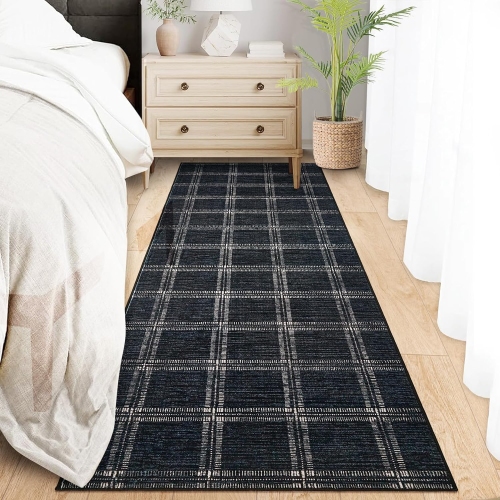
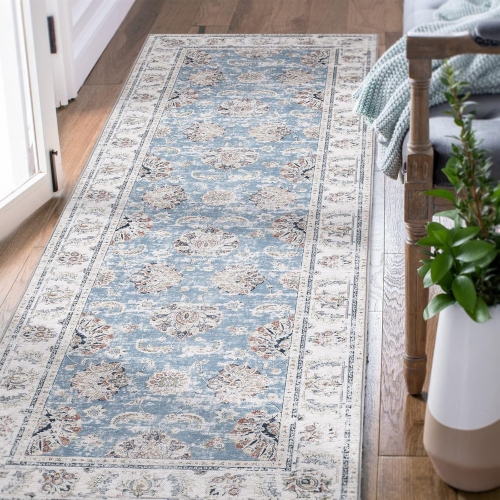
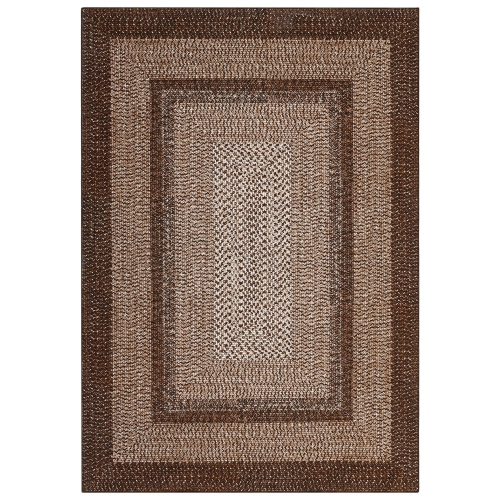
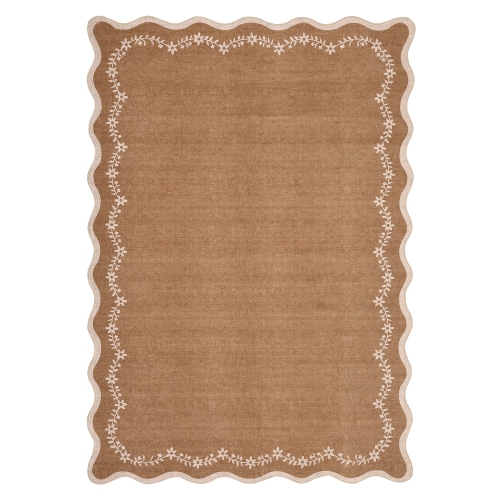
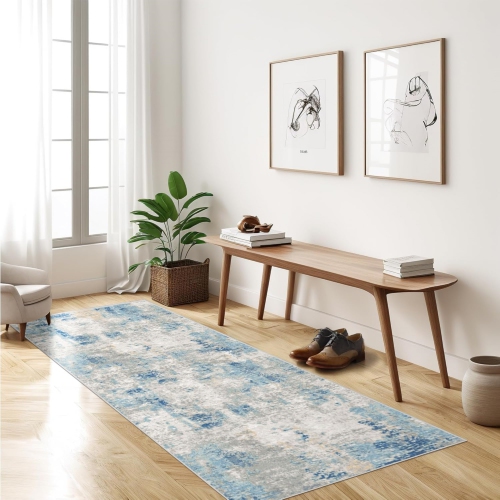
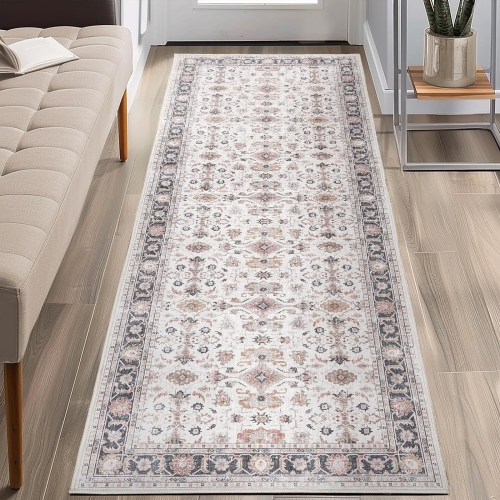
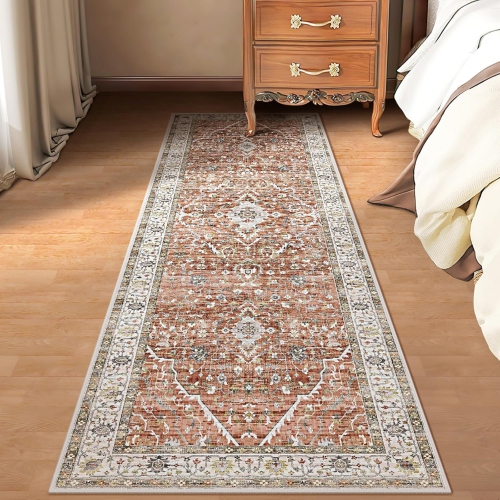
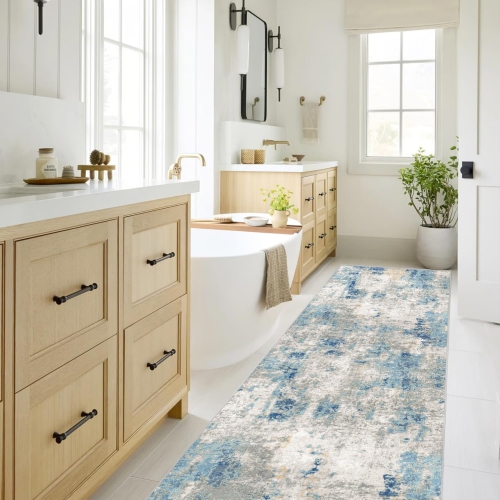

Softer footsteps and a better fit for narrow spaces
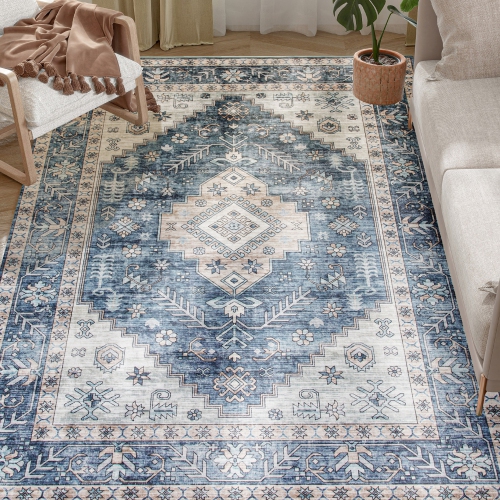
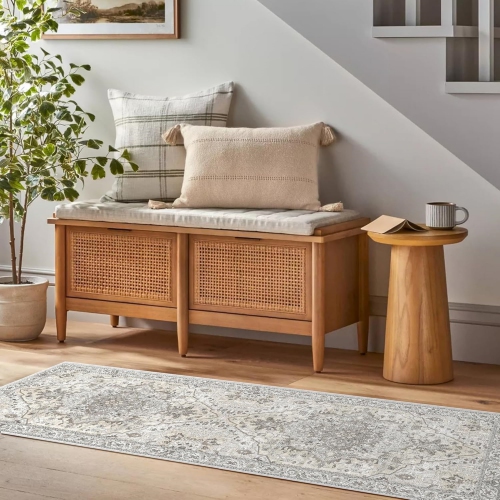
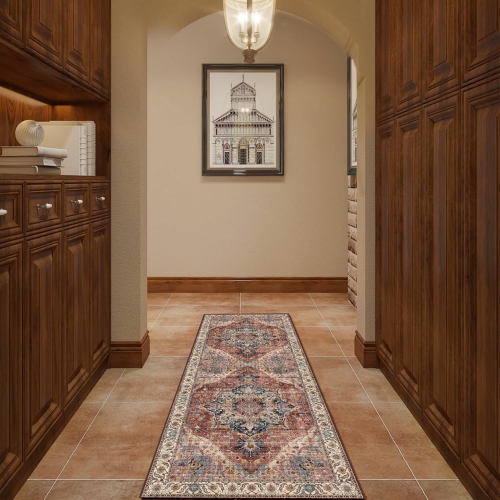
Hallway runners bring softness, colour, and definition to the narrow spaces that connect a home. Their elongated shape suits entrance passages, bedroom corridors, and the stretch of floor between a foyer and the main living area, adding interest without covering the entire surface. A runner can draw attention to beautiful flooring by leaving a visible border on either side, or help a long corridor feel more connected to the rooms opening onto it. In a home with hard floors, a textile surface can also soften the sound of footsteps and make a frequently travelled route feel more comfortable underfoot. The Runner Rugs for Hallway collection centres on this distinctive format, where proportions matter as much as pattern. A good fit follows the usable walking space rather than simply matching the full length of the walls. Door swings, closet openings, floor vents, and the legs of an entryway bench can all affect where a runner sits comfortably. Leaving some flooring visible at each end helps the placement look deliberate, while enough clearance beneath nearby doors allows them to open without catching the pile. In an entrance with a console table, a runner can sit alongside the furniture rather than being squeezed underneath it. Pattern and colour influence the effect just as strongly. A softly faded motif can bridge traditional furniture and simple contemporary finishes, while a geometric design gives a plain corridor a more structured appearance. Subtle variations in tone tend to make everyday lint and small marks less noticeable than a completely uniform surface, although no colour replaces regular cleaning. For homes with several adjoining rooms, repeating one accent colour from nearby artwork, upholstery, or cushions can create continuity without requiring an exact match. In a hallway lined with family photographs, a quieter pattern leaves room for the walls to stand out; beside plain doors and simple trim, a more expressive runner can become the main decorative feature.
Materials and construction shape how hallway runners feel and how they stand up to daily use. Wool offers a naturally springy texture and can feel comfortable underfoot, though some wool rugs shed loose fibres, particularly when new, and may require specific cleaning methods. Synthetic fibres such as polypropylene, polyester, and nylon offer different balances of softness, stain resistance, and resilience, with performance depending on the fibre, construction, and finish. A tightly woven synthetic runner may suit a busy route between the front door and living room, where shoes, bags, and frequent foot traffic are part of daily life. Cotton runners often have a lighter, more relaxed feel, but cotton alone does not mean a rug is machine washable; the backing, dyes, size, and care label all matter. Jute and sisal bring a pronounced woven texture that works well with wood furniture and simple interiors, although their sensitivity to moisture and firmer feel can make them less suitable for spill-prone areas or anyone seeking a plush surface. Pile height is another practical distinction. Flatwoven and low-pile runners generally allow easier door clearance and offer less depth for crumbs and grit to settle into. A thicker pile feels more cushioned, but needs enough surrounding clearance and may take more effort to vacuum. For households with pets, tightly constructed surfaces may be preferable to prominent loops that claws could catch. Finished edges also deserve attention, since the sides and corners receive repeated contact from passing feet and cleaning tools. A rug pad can add cushioning and help limit movement, provided it is sized appropriately and approved for both the runner and the flooring beneath it. Backing materials vary, so compatibility is particularly important on hardwood, vinyl, and other finished surfaces. The most suitable combination balances texture, stability, door clearance, and the demands of the space rather than relying on softness alone.
Everyday care helps preserve a hallway runner’s appearance and keeps its edges and surface in better condition. Fine grit carried along a busy passage can work into the pile, so regular vacuuming is useful even when the rug does not look especially dirty. The appropriate vacuum setting depends on the construction: delicate fibres, loose yarns, fringes, and some looped surfaces may need suction without an aggressive rotating brush. Where the layout allows, occasional rotation can distribute foot traffic and light exposure more evenly, especially when one end receives most of the use. Spills are generally easier to manage when blotted promptly with a clean, absorbent cloth rather than rubbed into the fibres. Cleaning solutions should follow the manufacturer’s directions and be tested in an inconspicuous area first, since dyes and fibres can respond differently. Washable runners still need suitable machine capacity and the specified washing and drying method; a damp rug should not be returned to the floor before it has dried thoroughly. Moisture trapped beneath a backing can affect both the rug and the surface below. These care requirements often help distinguish what works for different households. A family with young children may value a low-profile surface that is straightforward to clean after a dropped snack, while a pet owner may favour a weave that releases hair readily during vacuuming. Someone furnishing an apartment might prefer a lighter runner that is easier to lift for floor cleaning, while a quieter bedroom passage may allow a softer texture. For anyone using a walker or another mobility aid, a clear route and firmly secured edges matter more than decorative coverage, and loose rugs may not suit the space. Hallway runners work best when their placement supports the way people actually move through the home: carrying groceries inside, opening a linen cupboard, or walking between bedrooms. Thoughtful proportions, suitable materials, and manageable care allow that decorative layer to feel like a natural part of the room rather than an obstacle within it.
Top selling and popular products
-
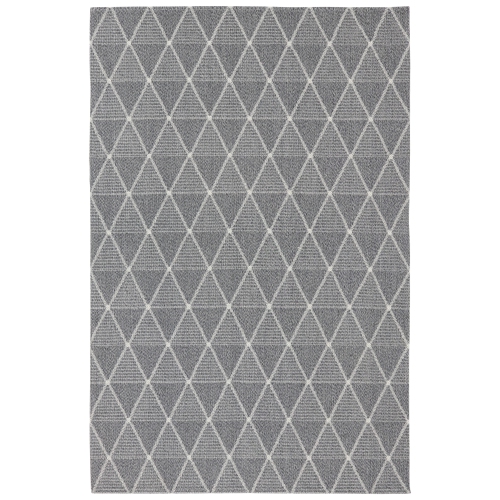 Your price for this item is $130.55
-
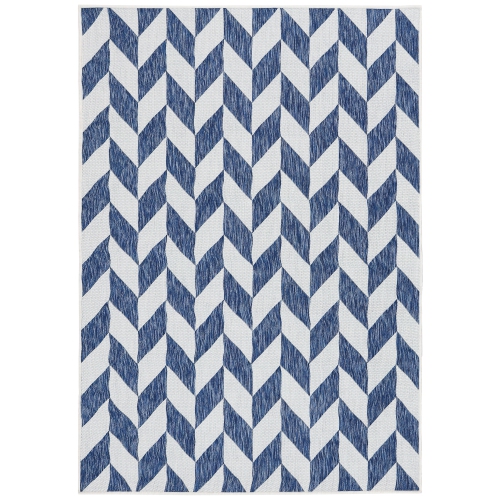 Your price for this item is $129.15
-
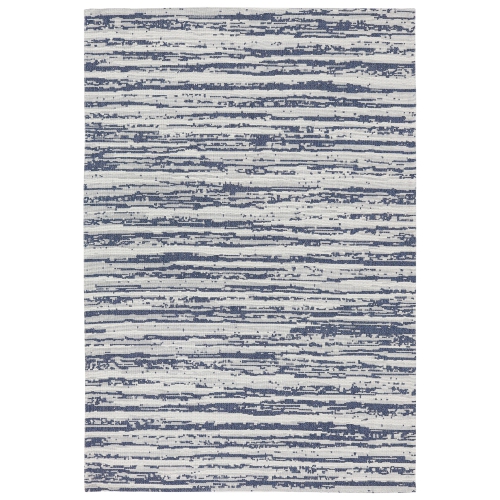 Your price for this item is $130.55
-
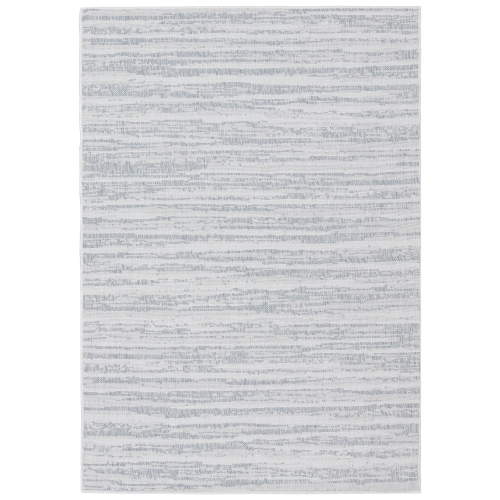 Your price for this item is $129.15
-
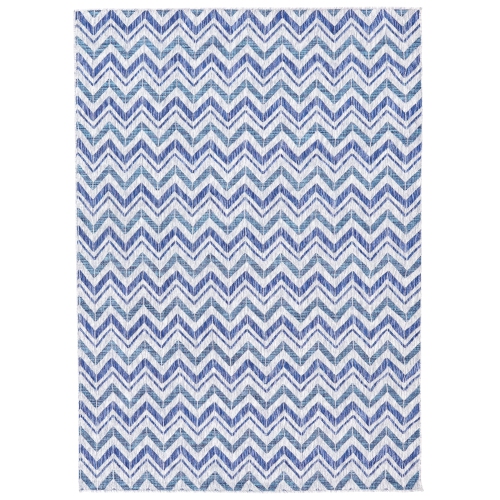 Your price for this item is $129.15
-
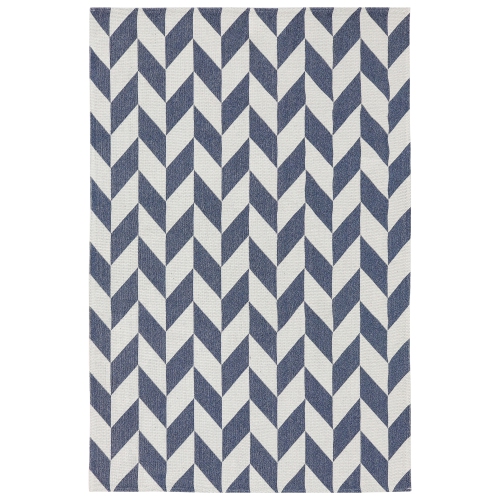 Your price for this item is $130.55
-
 Your price for this item is $144.99
-
 Your price for this item is $103.99
Discover more categories related to Hallway Runners
Top Collections:
Best Black Friday Deals This Year, Best Black Friday Deals On Electronics, Kindle Devices, Dyson Airwrap, Best Cameras for Sports Photography, Best Budget Office Chairs, Canon G7X Cameras, PS5 Pro Consoles, Best Black Friday Deals On Apple Products, XBOX One S Consoles
Some products may be subject to Environmental Handling Fees
(EHF) depending on your province.
Learn more about EHFs.