Visual Timers for Kids
Encourage better focus and time management with a visual timer for kids. Perfect for home, school, or playtime routines, these timers help children understand the passage of time in a fun and engaging way. Whether used for homework, chores, or daily activities, a visual timer for kids can support smoother transitions and foster independence. Explore a range of options designed to make learning about time enjoyable and accessible for every child.
Sort


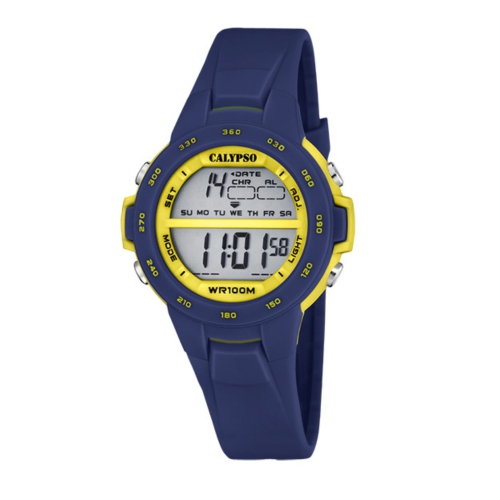
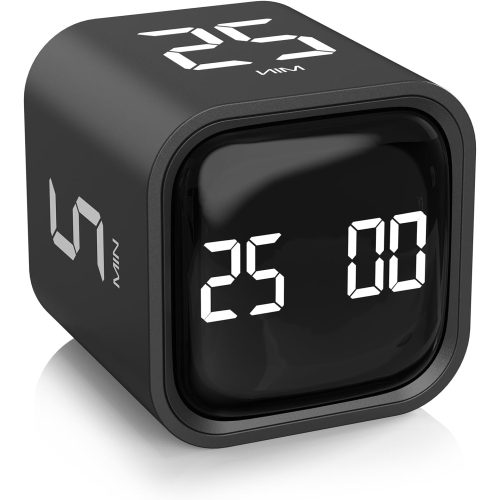
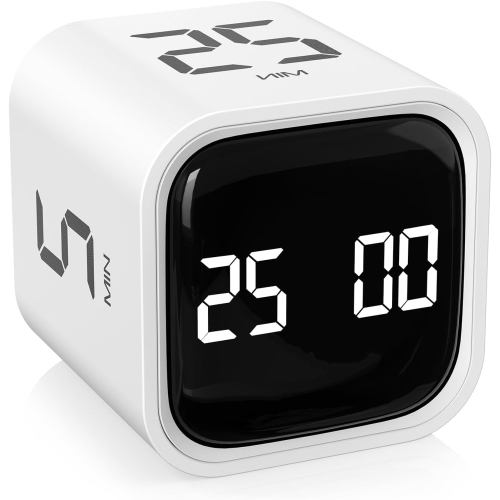
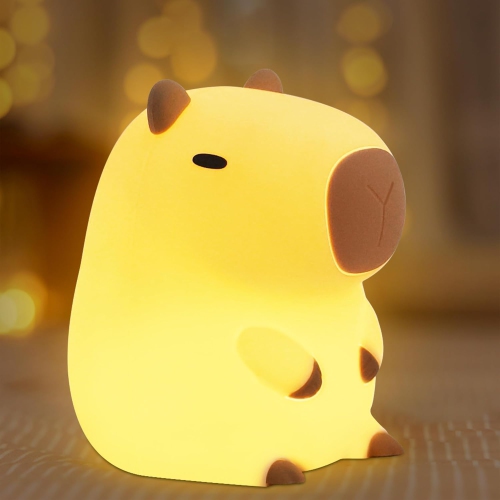


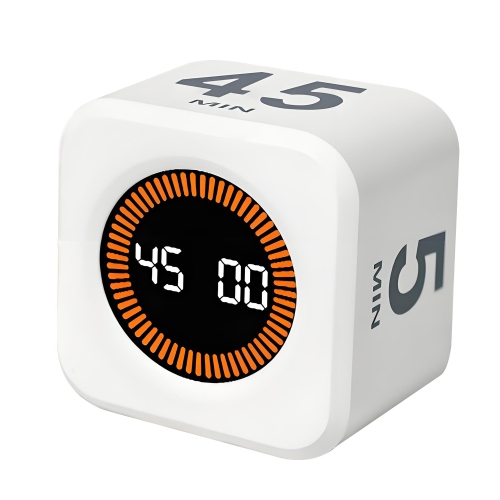



A clear visual countdown can ease everyday transitions
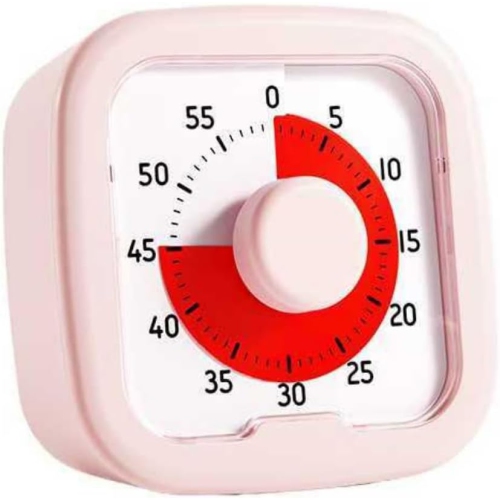
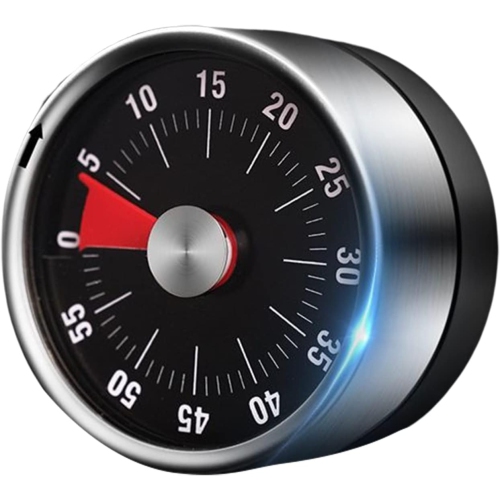
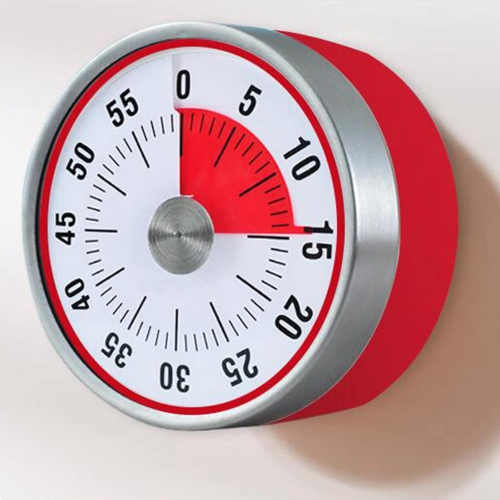
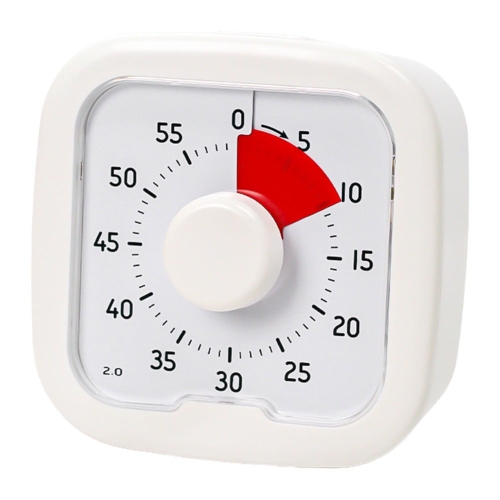
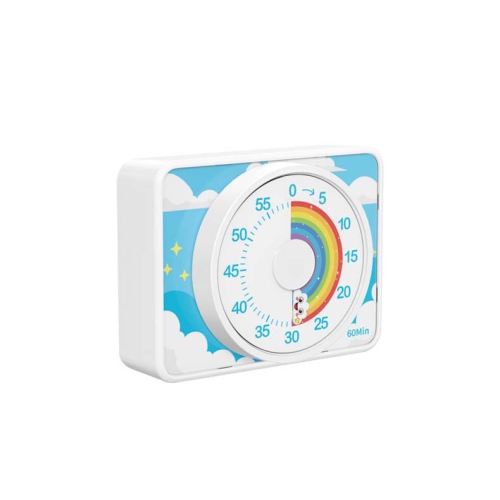
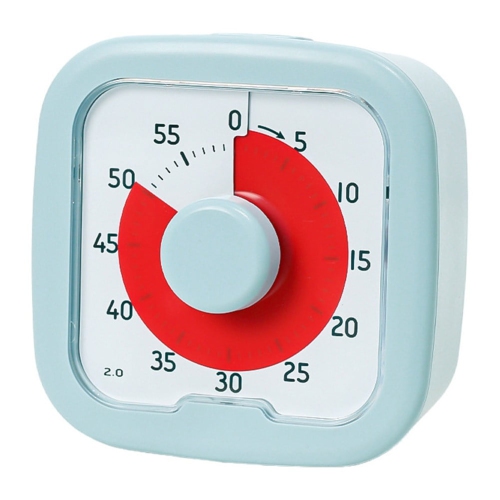
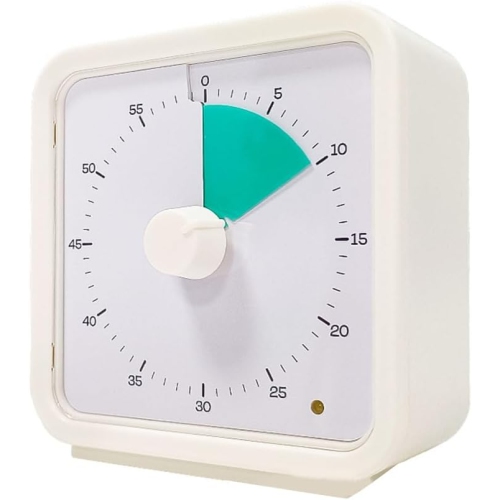
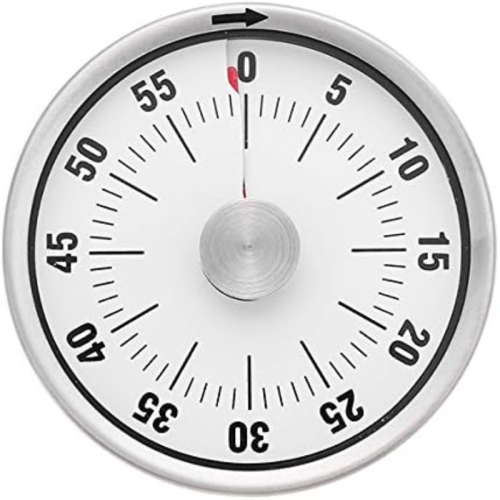
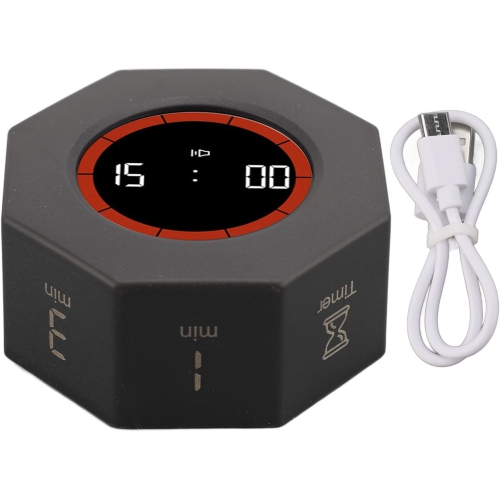
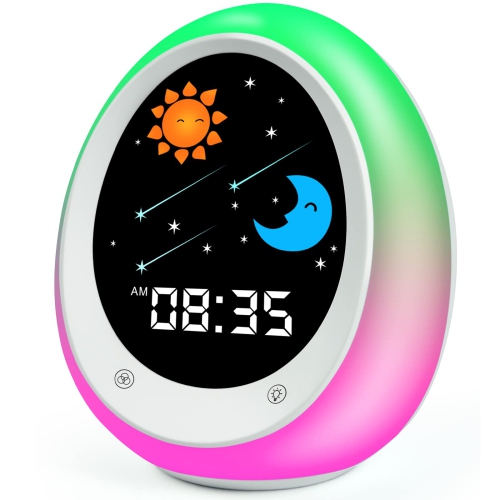
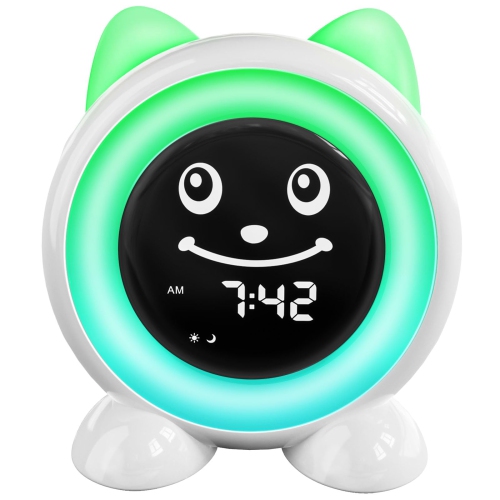
Visual timers for kids make the passage of time easier to see, understand, and manage. Instead of relying only on numbers, a visual timer uses a shrinking coloured disk, filling bar, changing light, or another clear display to show how much time remains. As the coloured area gradually disappears, children can watch an activity move towards its end without repeatedly asking how long is left. This can be especially helpful for toddlers learning about routines, children who are still developing a sense of time, and kids with ADHD, autism, anxiety, or other needs that can make sudden transitions feel difficult. A visual countdown can add structure to everyday moments such as getting dressed, brushing teeth, tidying toys, leaving for school, completing homework, taking a break, or settling down for bed. It can also make screen-time limits feel more predictable. Many parents find that a calm, visible countdown reduces the tension that can build when a favourite show or game ends without warning. A child may not be ready to stop playing when the timer reaches zero, but knowing the ending is approaching gives them a chance to finish a task, say goodbye to an activity, or shift their attention gradually. In a classroom, daycare, therapy room, or shared family space, visual timers can help a group follow the same routine without an adult needing to repeat reminders. They can also support independent habits: a child might set a short timer for putting away building blocks, a longer one for reading, or a quiet countdown for getting ready in the morning. When choosing a timer, start with the child’s age, communication style, and the routine it will support. A simple physical timer with a large coloured section is often easy for younger children to understand, while an older child may appreciate a digital display, changing colour blocks, or a countdown bar that offers more precise settings. Models with a twist dial can be quick to set, while button-operated timers may allow a wider range of durations. Some children respond well to bright, high-contrast colours; others may find flashing lights or busy displays distracting, so a steady, uncluttered visual can be the better choice. For homework, reading, or quiet play, silent operation is worth considering because ticking sounds can become irritating or interfere with concentration. If an alert is useful, look for adjustable volume, a gentle tone, or a visual flash that can signal the end without startling the child. A protective silicone or hard plastic casing may be helpful in homes, classrooms, and play areas where small hands can drop or knock over devices. Clear controls, a stable base, and easy-to-read markings also make a difference when a child is learning to use the timer independently. For more screen-based countdown options, explore Digital Timers for additional ways to display passing time around the home.
The best results usually come from introducing a visual timer when everyone is calm, rather than bringing it out for the first time during a rushed transition. Show the child how the coloured section becomes smaller, then practise with something enjoyable, such as five minutes of drawing before snack time. Use simple, consistent language: “When the colour is gone, it is time to put the crayons away.” At first, give reminders at the beginning, halfway point, and near the end so the child connects the display with the routine. Over time, the timer can take the place of some verbal prompts, helping the child see what is happening without feeling constantly directed by an adult. It can be useful to keep the timer in the same visible spot, such as on a kitchen counter, desk, shelf, or bedside table, and to position it where the child can check it without interrupting the activity. A timer is not meant to rush every moment or replace flexibility. If a child is deeply engaged in a task, feeling overwhelmed, or dealing with an unexpected change, allowing extra time and explaining the adjustment can help preserve trust. It is also worth matching the duration to the activity. A two-minute warning may be enough before leaving the house, while a longer ten- or twenty-minute countdown may work better for toy cleanup or screen time. For teeth brushing, handwashing, packing a school bag, or practising an instrument, a shorter interval can turn an abstract instruction into a manageable challenge. During the cooler months, when indoor routines often become busier with schoolwork, early bedtimes, and time spent inside, a visual timer can provide a reassuring rhythm for both children and caregivers. It may also make a thoughtful gift for a young child beginning preschool, a family establishing new routines, or a student who benefits from extra support with focus and transitions. Relatives, educators, and caregivers can choose one for a playroom, study area, classroom, or travel bag, especially when portability matters between home and school. For children who are sensitive to sound or light, prioritise quiet operation and adjustable alerts; for children who are still learning to recognise numerals, prioritise a large, obvious visual change; and for children who enjoy participating in routines, choose controls they can safely operate themselves. A well-matched visual timer becomes a small, dependable part of the day: a bright slice of colour slowly narrowing during cleanup, a bar moving towards bedtime, or a soft signal that tells a child what comes next. That steady visual cue can make routines feel less sudden, support growing independence, and give families a more peaceful way to move from one activity to another.
The best results usually come from introducing a visual timer when everyone is calm, rather than bringing it out for the first time during a rushed transition. Show the child how the coloured section becomes smaller, then practise with something enjoyable, such as five minutes of drawing before snack time. Use simple, consistent language: “When the colour is gone, it is time to put the crayons away.” At first, give reminders at the beginning, halfway point, and near the end so the child connects the display with the routine. Over time, the timer can take the place of some verbal prompts, helping the child see what is happening without feeling constantly directed by an adult. It can be useful to keep the timer in the same visible spot, such as on a kitchen counter, desk, shelf, or bedside table, and to position it where the child can check it without interrupting the activity. A timer is not meant to rush every moment or replace flexibility. If a child is deeply engaged in a task, feeling overwhelmed, or dealing with an unexpected change, allowing extra time and explaining the adjustment can help preserve trust. It is also worth matching the duration to the activity. A two-minute warning may be enough before leaving the house, while a longer ten- or twenty-minute countdown may work better for toy cleanup or screen time. For teeth brushing, handwashing, packing a school bag, or practising an instrument, a shorter interval can turn an abstract instruction into a manageable challenge. During the cooler months, when indoor routines often become busier with schoolwork, early bedtimes, and time spent inside, a visual timer can provide a reassuring rhythm for both children and caregivers. It may also make a thoughtful gift for a young child beginning preschool, a family establishing new routines, or a student who benefits from extra support with focus and transitions. Relatives, educators, and caregivers can choose one for a playroom, study area, classroom, or travel bag, especially when portability matters between home and school. For children who are sensitive to sound or light, prioritise quiet operation and adjustable alerts; for children who are still learning to recognise numerals, prioritise a large, obvious visual change; and for children who enjoy participating in routines, choose controls they can safely operate themselves. A well-matched visual timer becomes a small, dependable part of the day: a bright slice of colour slowly narrowing during cleanup, a bar moving towards bedtime, or a soft signal that tells a child what comes next. That steady visual cue can make routines feel less sudden, support growing independence, and give families a more peaceful way to move from one activity to another.
Top selling and popular products
-
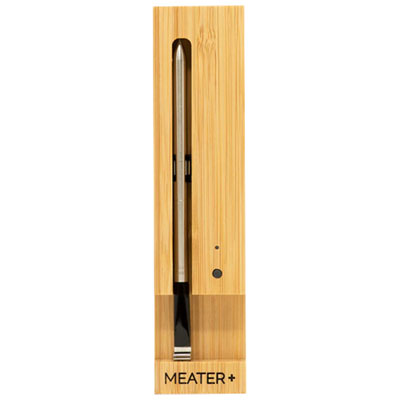 Your price for this item is $149.99
 -
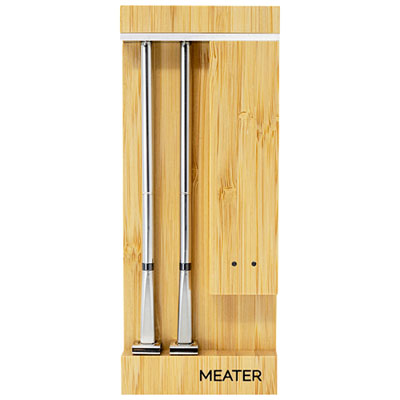 Your price for this item is $269.99
 -
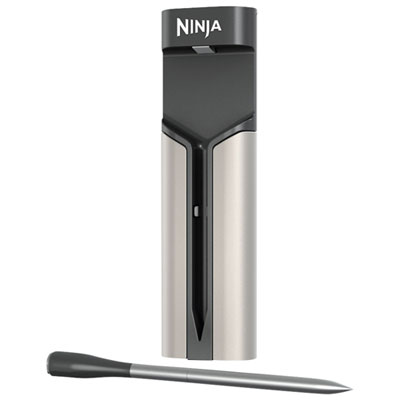 Your price for this item is $99.99
 -
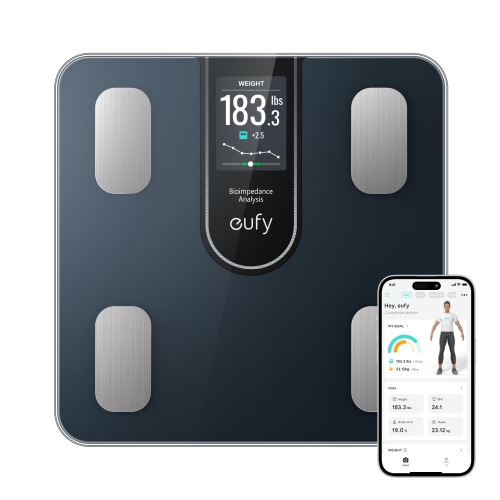 Your price for this item is $69.74
 -
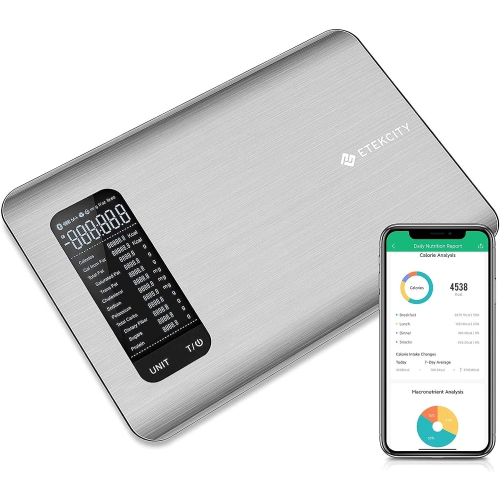 Your price for this item is $45.99
 -
 Your price for this item is $149.99
 -
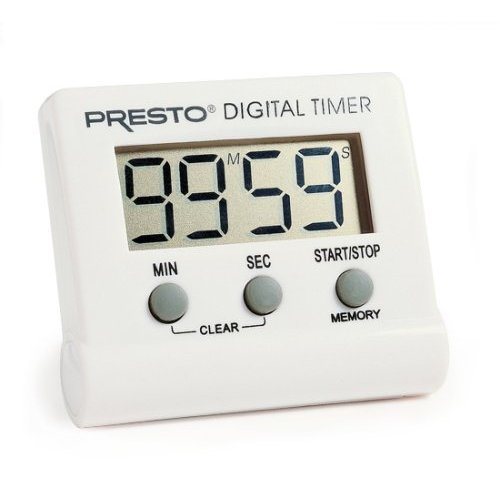 Your price for this item is $12.99
 -
 Your price for this item is $479.99
Discover more categories related to Visual Timers for Kids
Top Collections:
Pokemon Centers, Kindle Devices, Best Budget Office Chairs, Apple iPhones 16, Best Laptops for Writers, iPhone 15 Apple, Canon G7X Cameras, Refurbished Apple Laptops, Alarm Clock, Motorola Razr Phones
Some products may be subject to Environmental Handling Fees
(EHF) depending on your province.
Learn more about EHFs.