Warm White Dimmable Bulbs
Warm White Dimmable Bulbs offer a versatile lighting solution that brings a cozy and inviting atmosphere to any space. Perfect for living rooms, bedrooms, and dining areas, these bulbs allow you to easily adjust the brightness to suit your mood or activity. With their soft, warm glow, Warm White Dimmable Bulbs help create a comfortable environment while providing the flexibility to customize your lighting experience. Explore options that fit a variety of fixtures and room styles, making it easy to enhance your home’s ambiance with just the right touch of light.
Sort
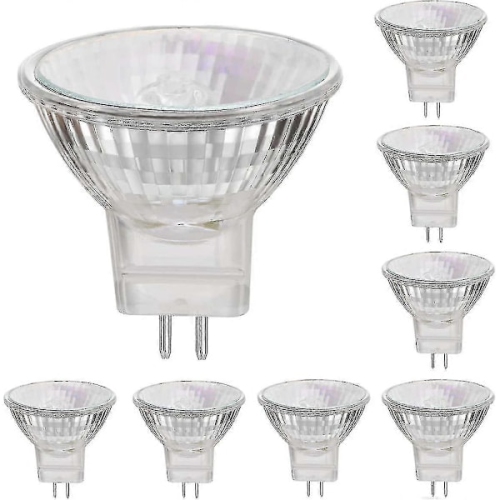
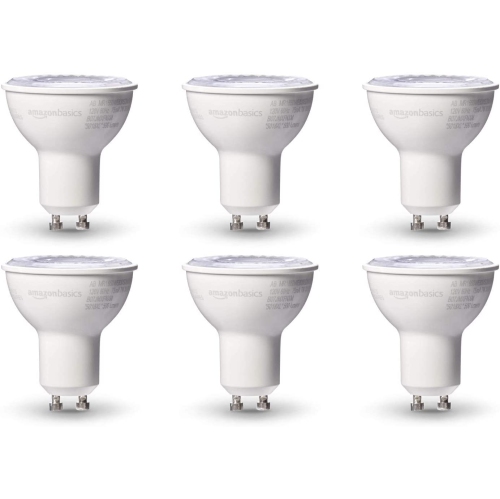
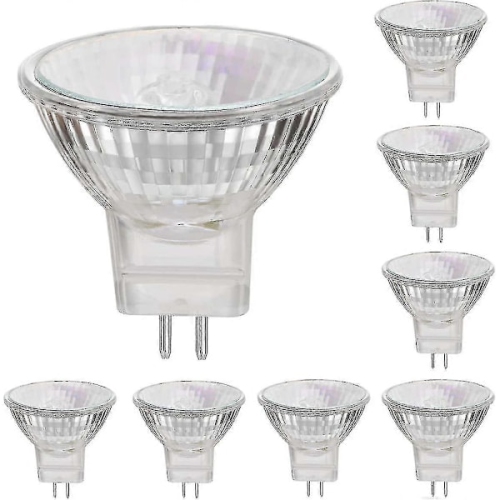
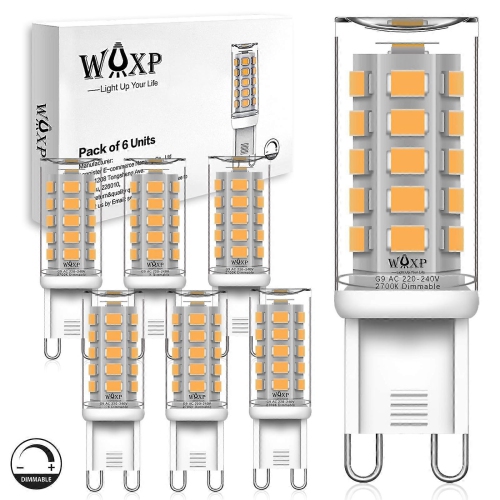
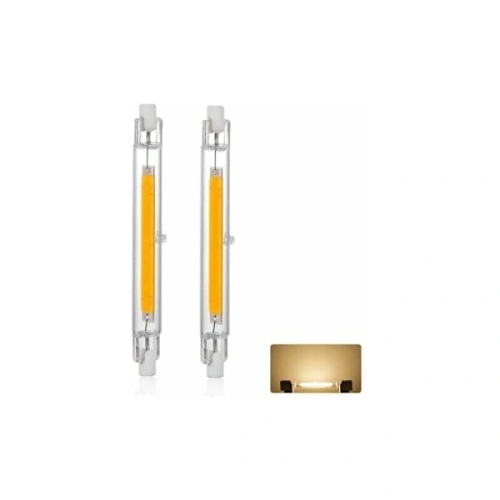
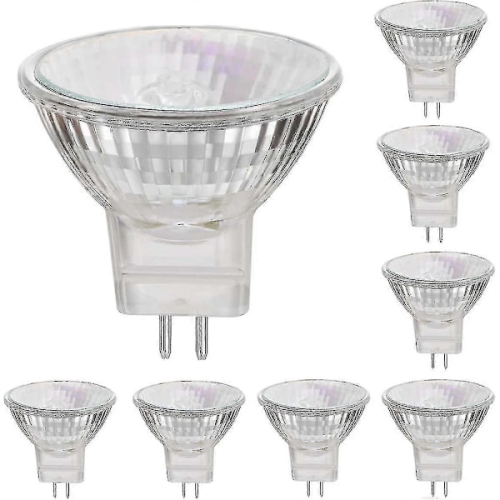
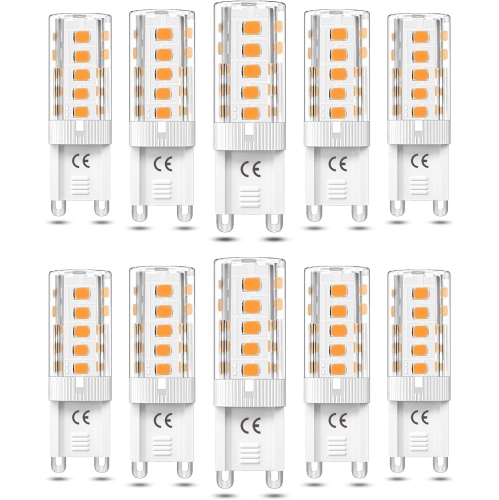
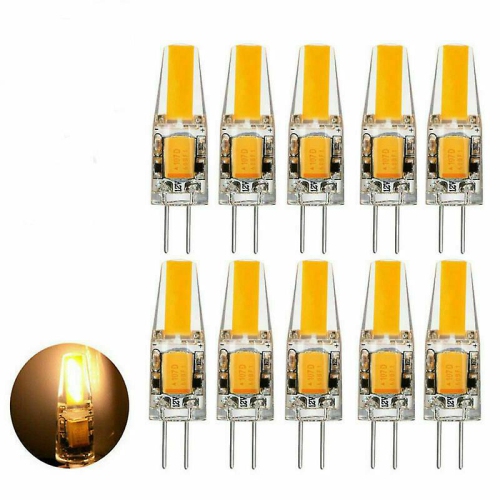
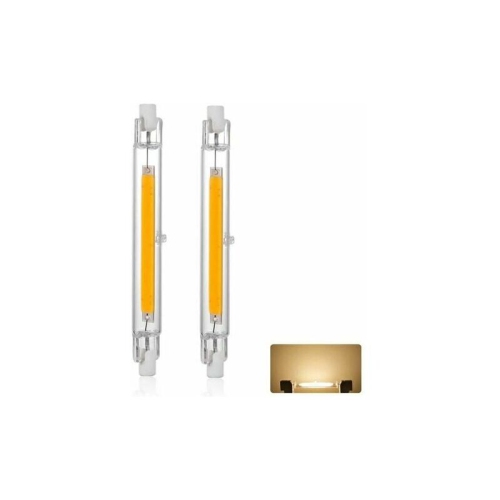
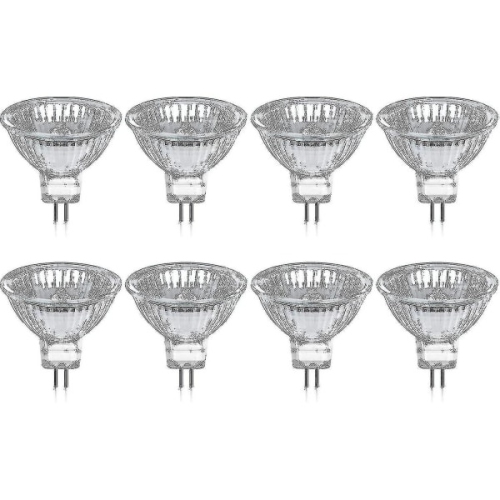
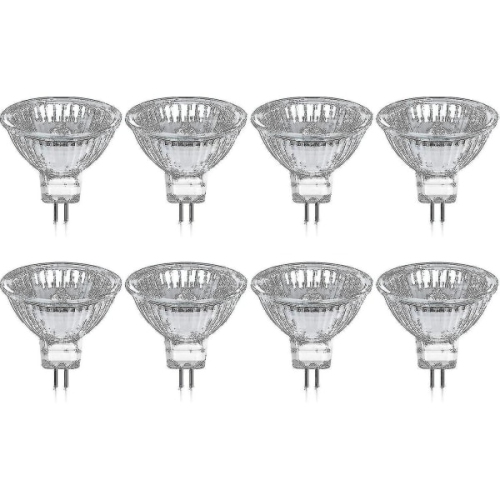
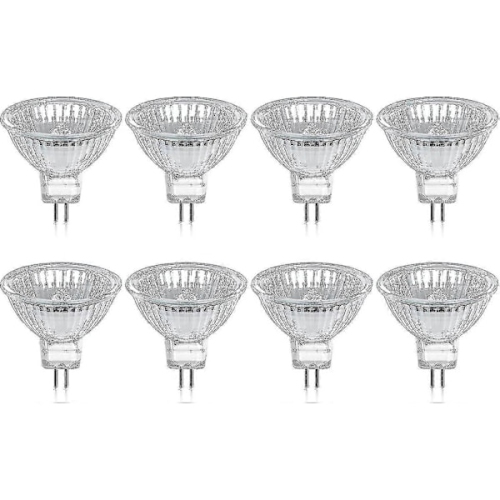
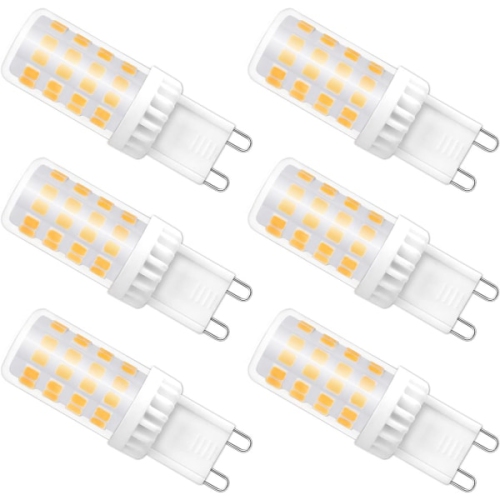
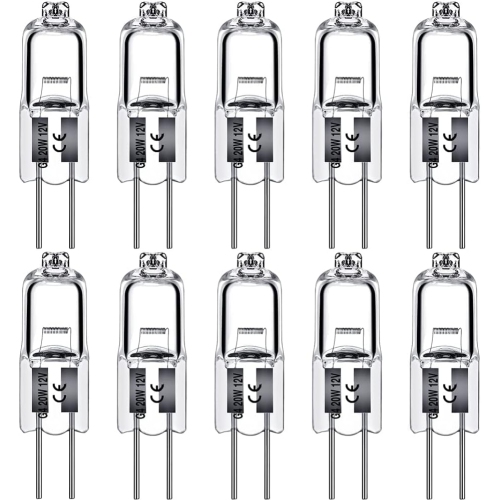
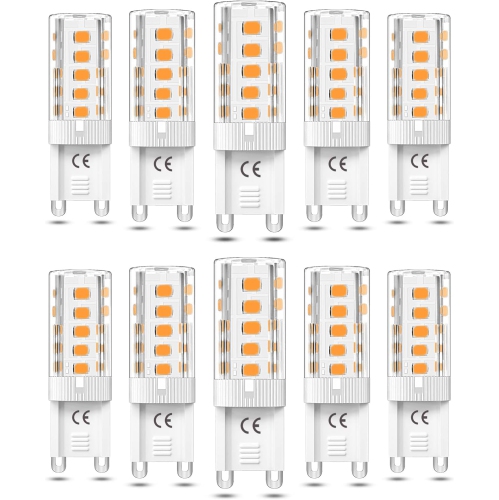
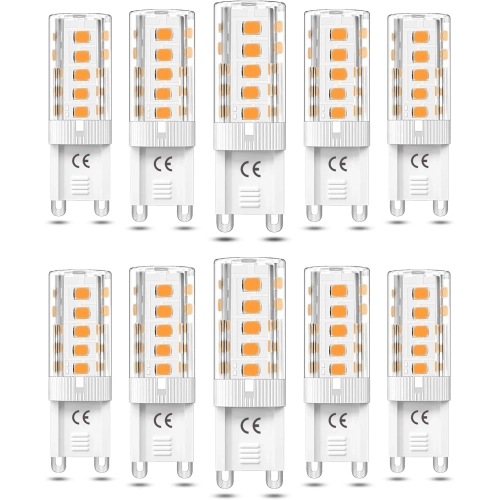
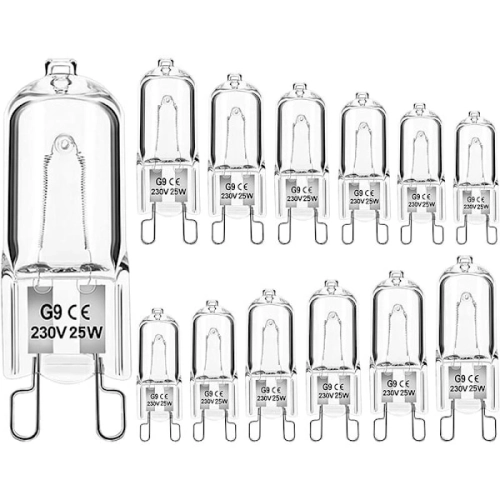
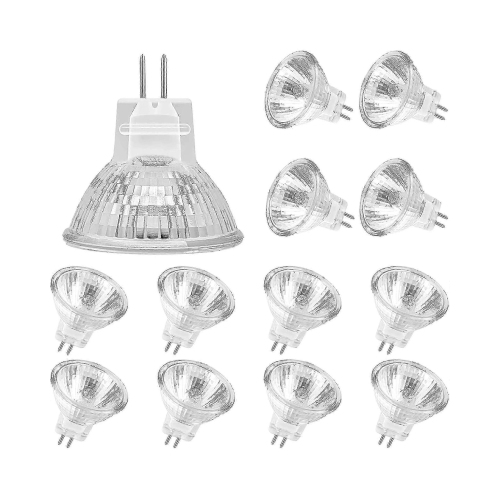
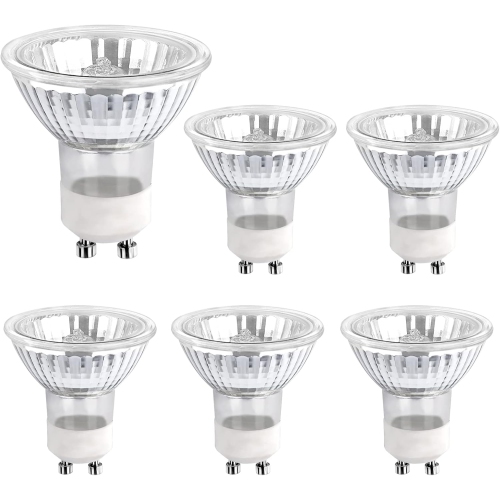
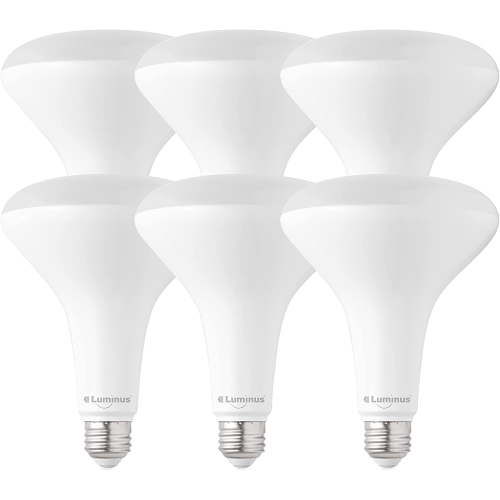
A warm glow does not mean less light
Warm white dimmable bulbs combine a softly golden light colour with adjustable brightness, making them a versatile choice for living rooms, bedrooms, dining areas, and other spaces where lighting needs change throughout the day. Warm white generally refers to a colour temperature of about 2700K to 3000K, although labelling can vary. A 2700K bulb has a familiar glow similar to traditional incandescent lighting, while 3000K usually appears slightly crisper without moving into cool white territory. Colour temperature describes how the light looks, not how much light the bulb produces. Brightness is measured in lumens, so a warm white bulb can still provide plenty of light for reading, getting dressed, or finding ingredients on a kitchen shelf. Around 800 lumens is a common reference point for the brightness of a traditional 60-watt incandescent bulb, though the best output depends on the fixture, shade, room size, and distance from the surface being lit. Dimming adds flexibility: a table lamp can provide clear light beside an armchair, then drop to a gentle glow while a television is on. Above a dining table, adjustable bulbs can support everything from homework to a relaxed meal without changing the fixture. Standard dimmable LED bulbs generally maintain a similar colour temperature as their brightness decreases. Dim-to-warm bulbs behave differently, shifting towards a deeper amber tone as they dim, sometimes reaching around 2200K or lower according to their specifications. That distinction matters when the desired effect is the candlelike appearance associated with dimmed incandescent lighting rather than simply less light. Warm white is also not the same as low brightness: a softly coloured bulb may feel too intense in an exposed socket if its lumen output is high. The balance between light colour, output, and dimming range determines whether a room feels comfortably illuminated or overly bright. Where colours and finishes matter, a stated colour rendering index of 90 or higher can help fabrics, wood tones, and artwork look more natural.
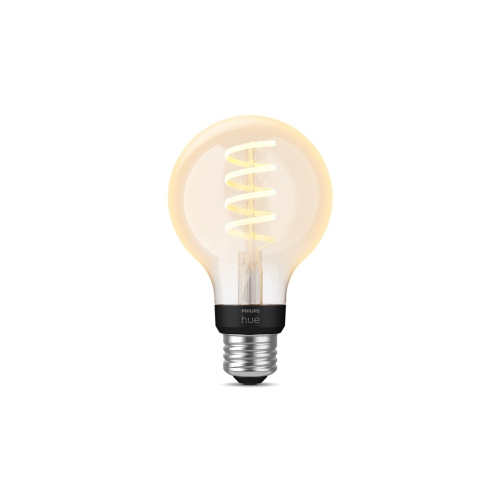
Physical fit is just as important as the quality of the light. Bulb shape and base type are separate specifications, and both need to suit the fixture. A19 describes a familiar household bulb shape, while E26 identifies a common medium screw base; one label does not replace the other. Slender B10 or B11 shapes are often associated with chandeliers and wall sconces, but their bases still need to be checked rather than assumed. BR30 reflector shapes direct light differently from standard rounded bulbs and are commonly used in suitable recessed fixtures. Beyond these designations, overall length and width determine whether a bulb clears a shade, sits neatly inside a ceiling fitting, or protrudes farther than intended. A wide bulb can fit the socket yet press against a narrow shade, while an unusually long bulb may become distracting in a fixture designed to conceal it. The fixture’s maximum wattage rating remains important, and the relevant figure is the bulb’s actual power consumption, not its incandescent-equivalent brightness claim. Glass envelopes, clear filament-style designs, and frosted or diffused covers also influence how the finished light looks. Clear glass can suit an exposed pendant where the bulb is part of the design, while a frosted surface helps soften the appearance of the light source. Neither material alone determines durability or suitability for every fixture. An enclosed ceiling light needs bulbs specifically rated for enclosed use because trapped heat can affect LED electronics and shorten service life. Bathroom fixtures, covered porches, and other locations where moisture may be present require the appropriate damp- or wet-location rating for the conditions involved. Beam spread matters too: a focused reflector can highlight a work surface, while a broader distribution may suit general room lighting. In a kitchen, warm white dimmable bulbs can make a dining corner feel inviting, but lighting over the countertop still needs enough useful brightness for food preparation. Matching colour temperature across nearby fixtures helps these different lighting roles feel connected.
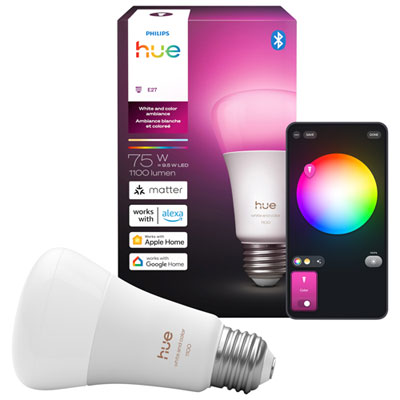
Reliable dimming depends on the bulb and its controls working together. A bulb marked dimmable is designed for compatible dimming equipment, but that does not mean it will perform equally well with every wall dimmer. Older controls intended for incandescent loads may not work smoothly with low-wattage LED bulbs, potentially causing flicker, buzzing, limited adjustment, or lights that switch off before reaching the desired level. Compatibility information from the bulb and dimmer manufacturers is more useful than relying on the word “dimmable” alone. Minimum and maximum load requirements also matter, especially when several bulbs share one control. Using matching bulbs within a fixture can make brightness changes more consistent, whereas mixing different designs or technologies may produce uneven results. Some compatible dimmers include a low-end adjustment that helps establish a stable minimum brightness; persistent problems can require assessment by a qualified electrician. Smart bulbs need separate consideration because many are designed to receive continuous power and adjust brightness through an app or compatible controller rather than a conventional wall dimmer. Their specifications determine the appropriate setup. For a coordinated appearance, dimmable lighting can share a similar colour temperature with other Warm White Light Bulbs nearby, even when those other fixtures use simple on/off switches. Care is straightforward but still important: power should be switched off and bulbs allowed to cool before handling, and portable lamps should be unplugged before a bulb is changed. A soft, dry cloth can remove dust from a cool bulb without leaving moisture near electrical contacts; cleaning directions supplied with the bulb take priority. Bulbs should sit securely without being overtightened. Their rated life is an estimate based on stated operating conditions, not a guarantee for every setting. Suitable ventilation, compatible controls, and correct fixture ratings all contribute to dependable performance. Together, these details make warm white dimmable bulbs useful for homes where the same room supports reading, conversation, meals, and quiet downtime, with lighting that can adapt without changing its familiar character.
Top selling and popular products
-
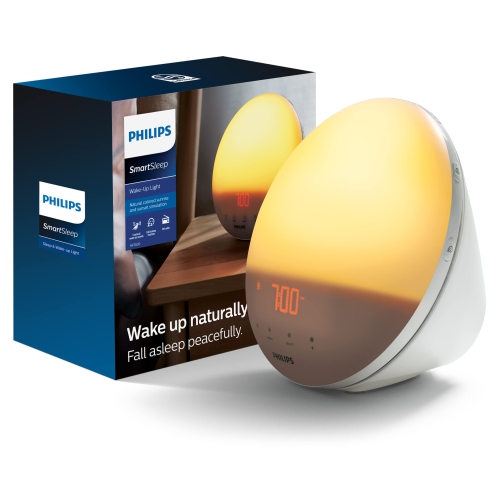 Your price for this item is $180
-
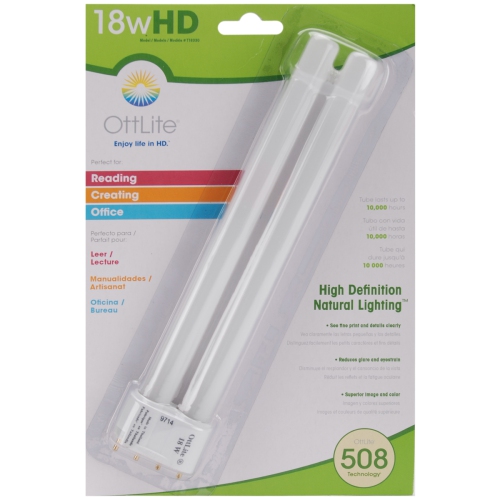 Your price for this item is $55
-
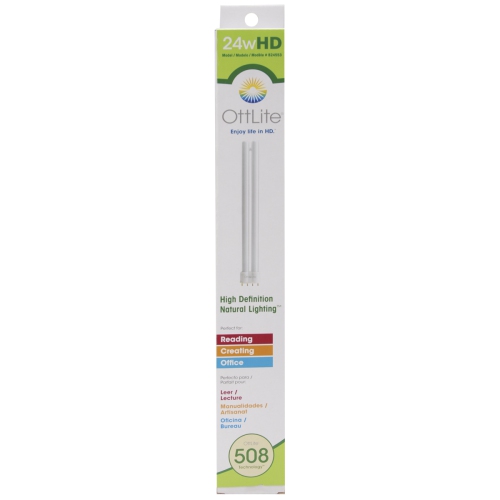 Your price for this item is $55
-
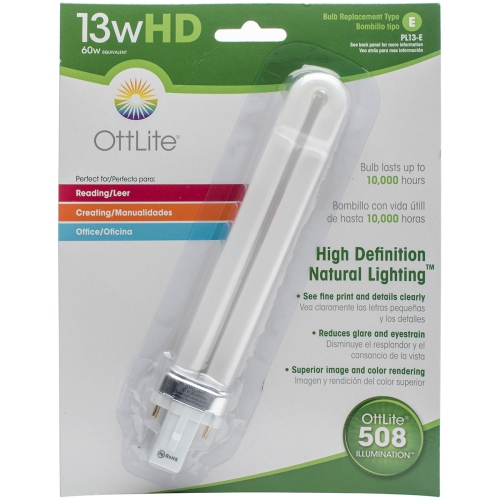 Your price for this item is $55
-
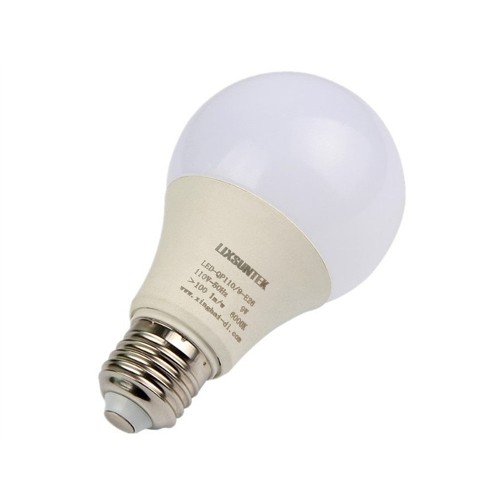 Your price for this item is $9.99
-
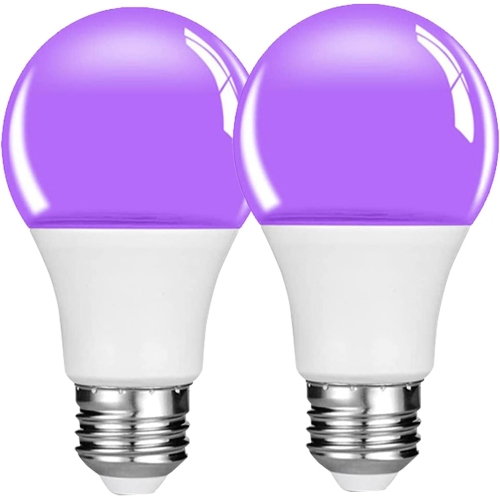 Your price for this item is $23.38
-
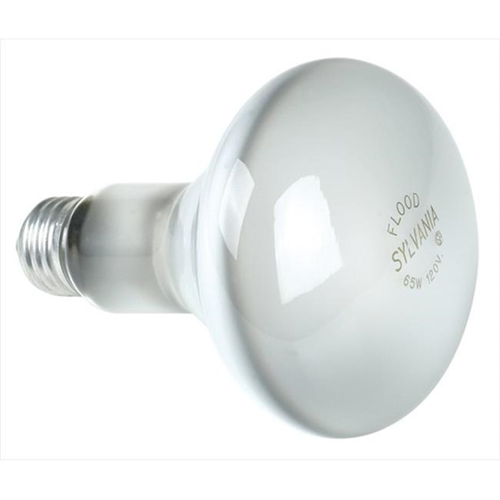 Your price for this item is $128.69
-
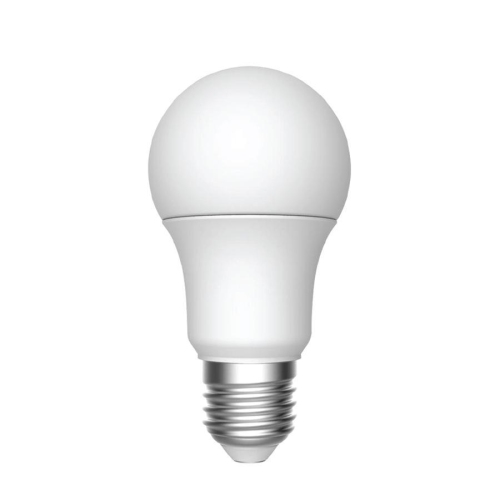 Your price for this item is $4.97
Discover more categories related to Warm White Dimmable Bulbs
Top Collections:
Best Black Friday Deals This Year, Best Black Friday Deals On Electronics, Kindle Devices, Best Black Friday Deals On Apple Products, Best Budget Office Chairs, Best Cameras for Sports Photography, Dyson Airwrap, Canon G7X Cameras, Best Laptops for Writers, Samsung Galaxy Phones
Some products may be subject to Environmental Handling Fees
(EHF) depending on your province.
Learn more about EHFs.