White Dressers With Wood Legs
Add a touch of elegance and functionality to your bedroom with our collection of white dressers with wood legs. Whether you prefer a modern or traditional look, our selection of dressers offers a variety of styles that will fit your needs. Here are some great options for you.
Sort


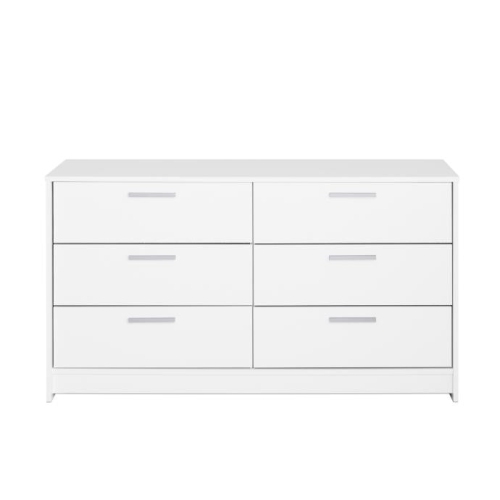

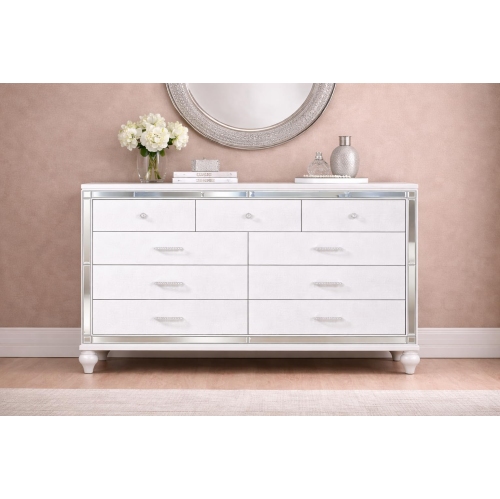
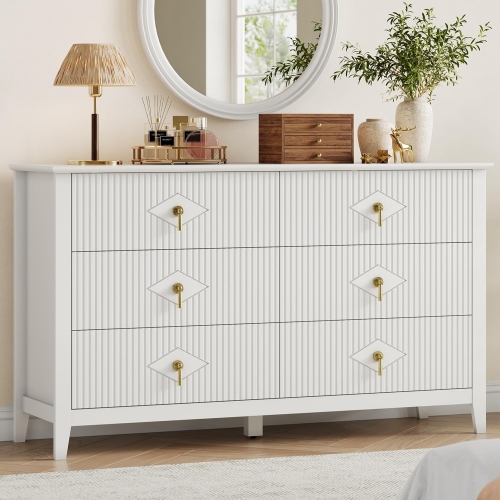
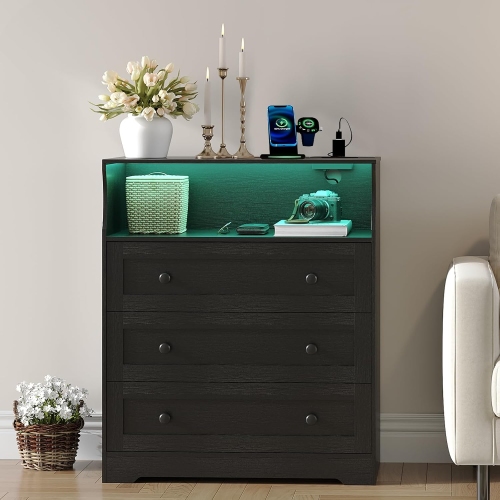
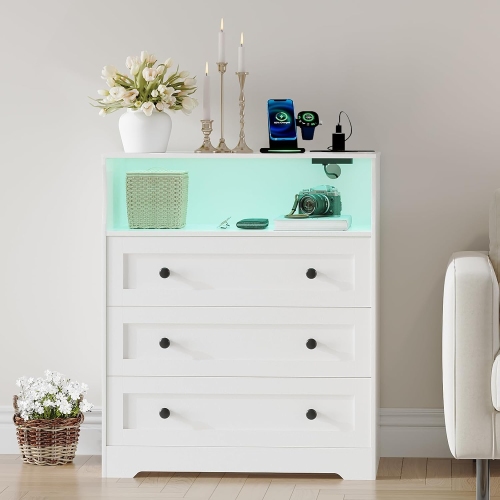
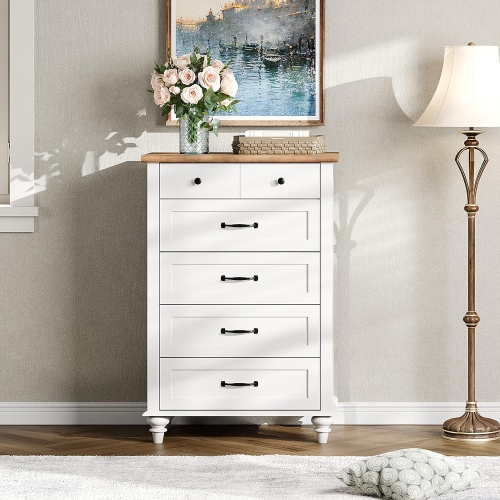

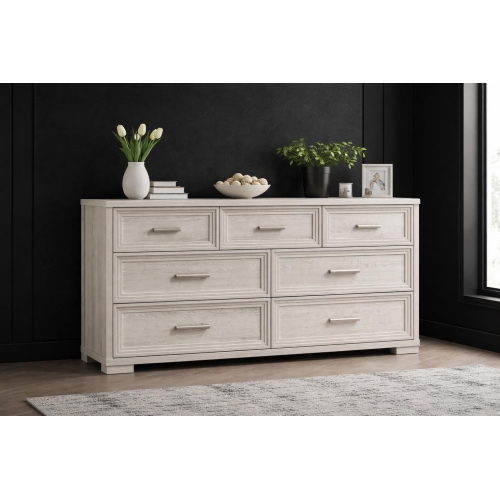


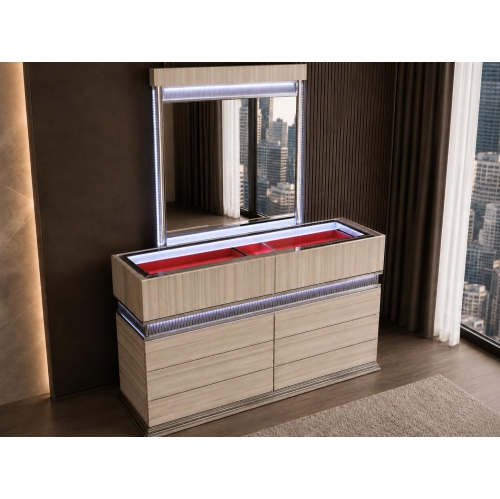
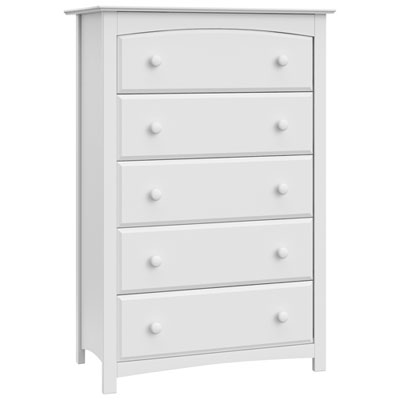
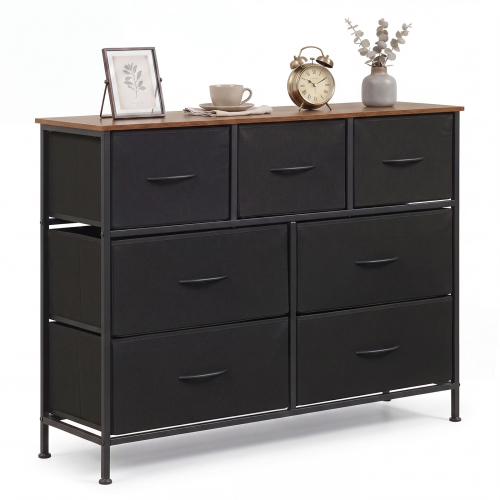
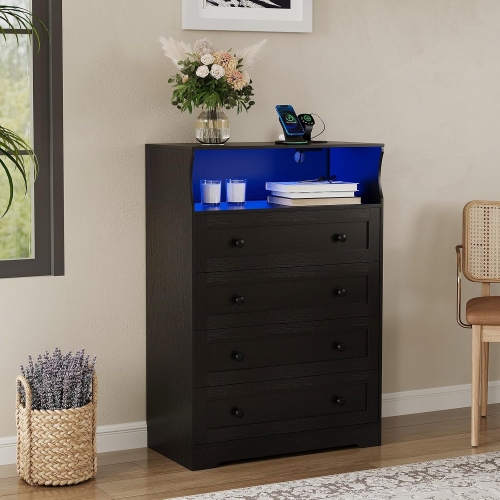


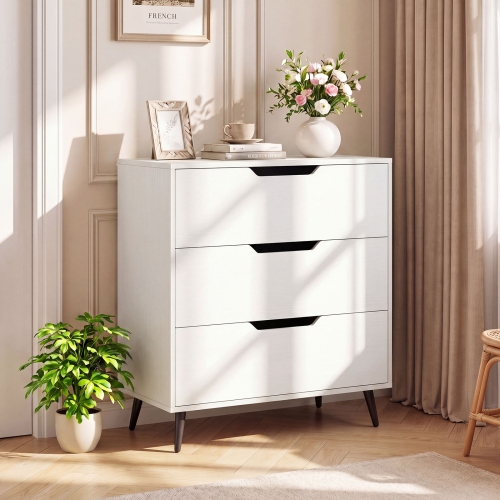
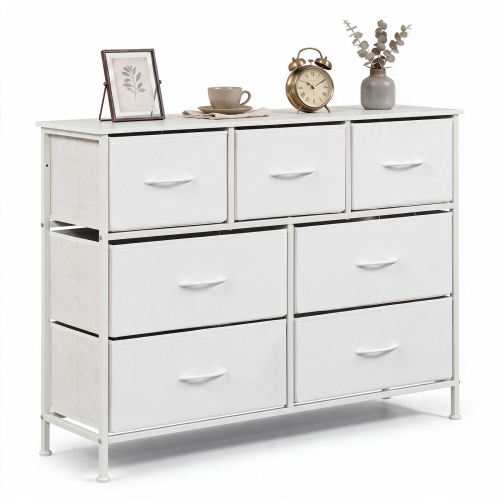
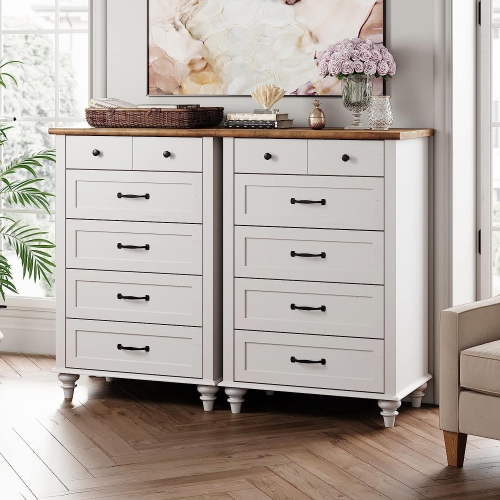
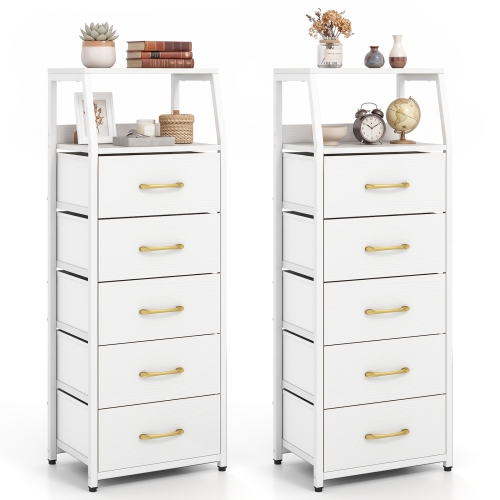
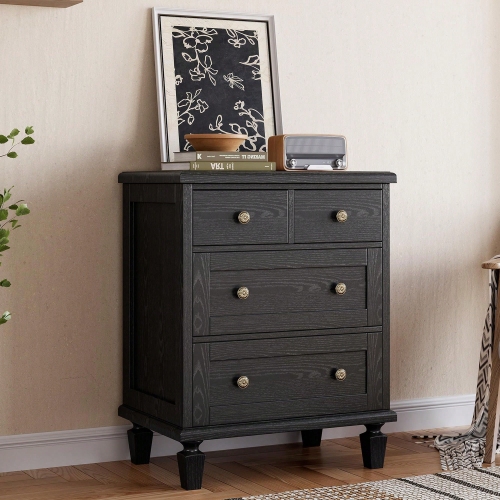
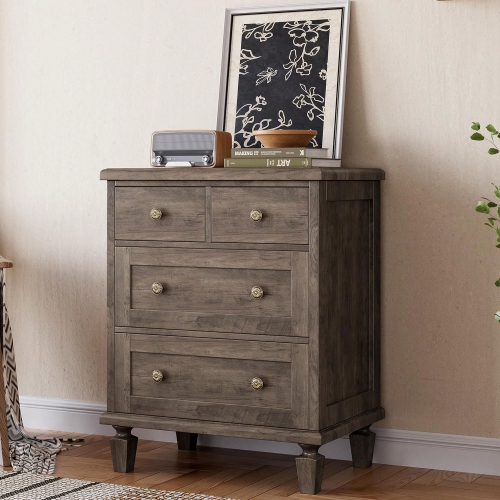
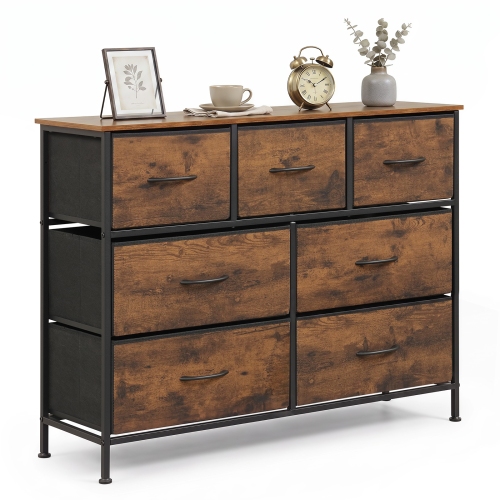

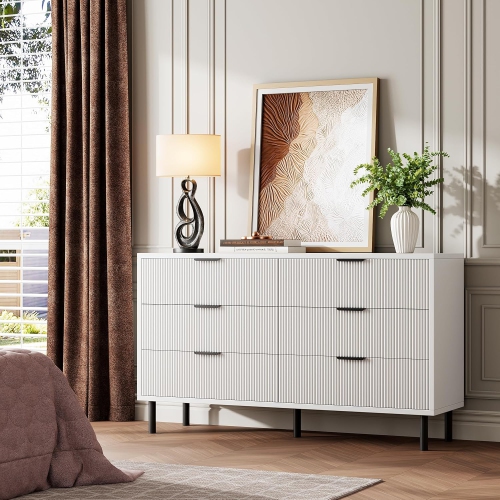
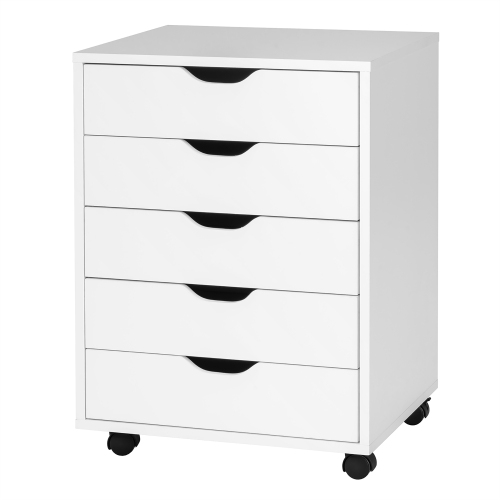


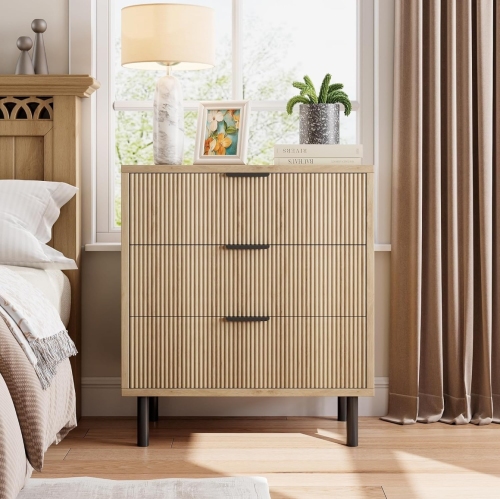
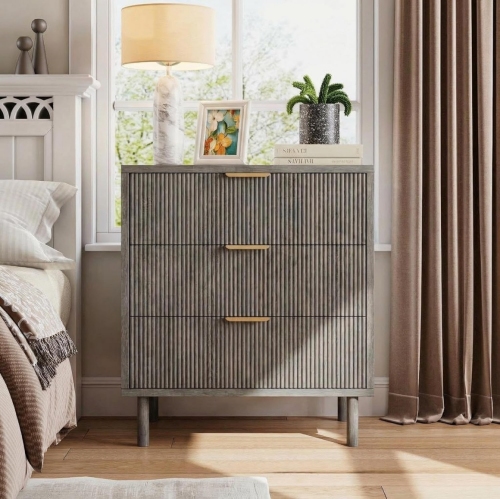
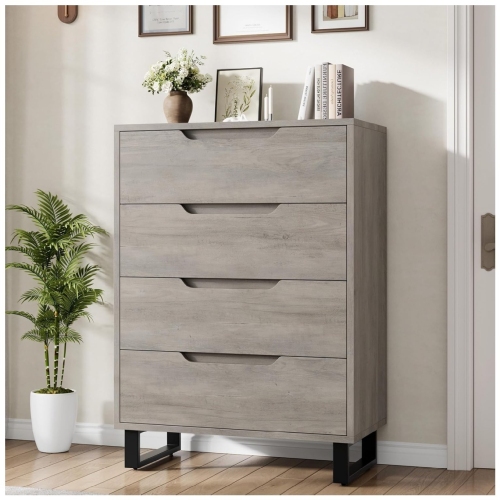

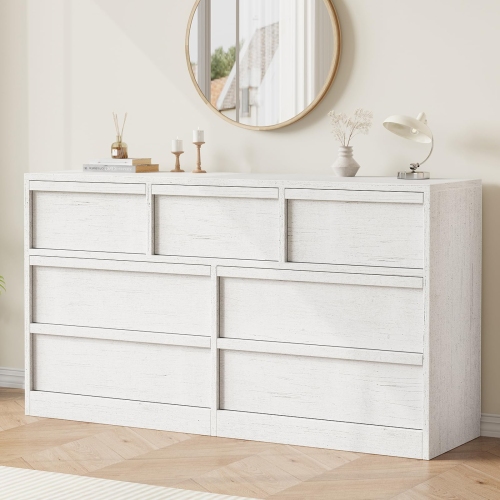
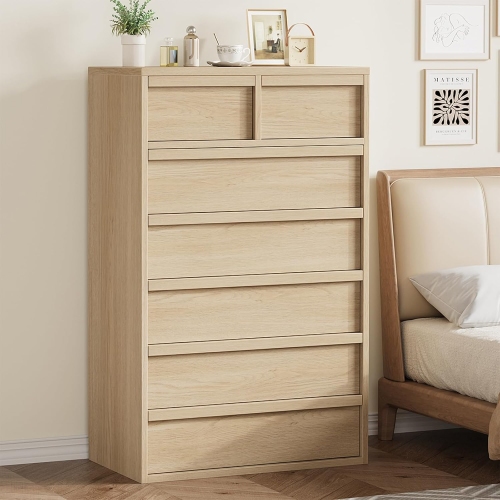
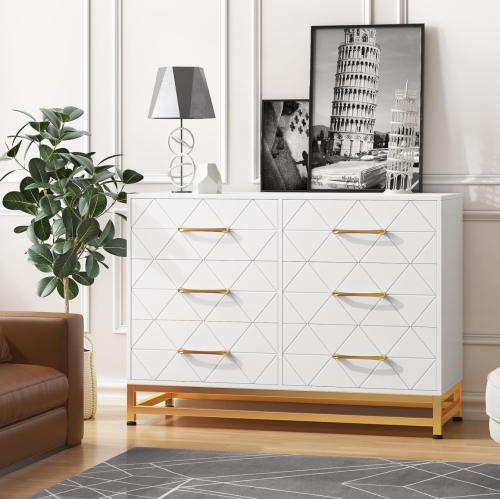
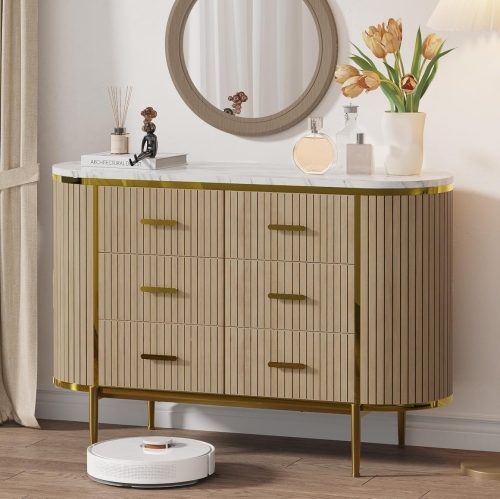
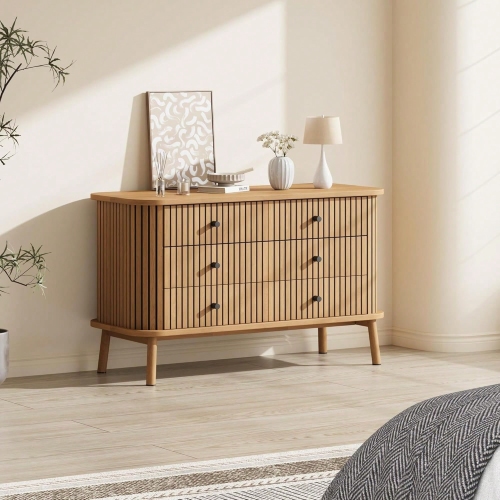


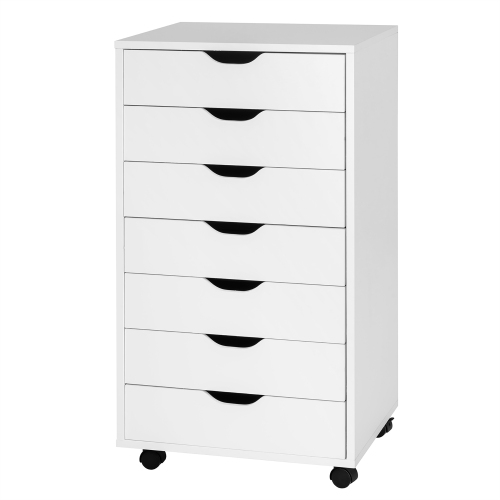

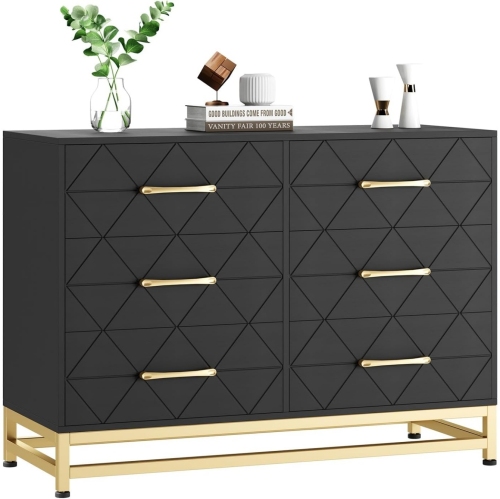
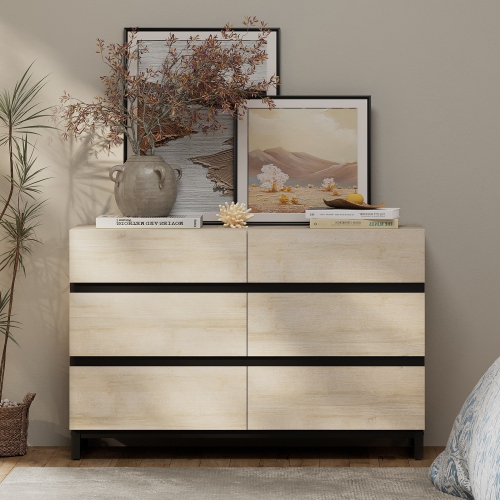


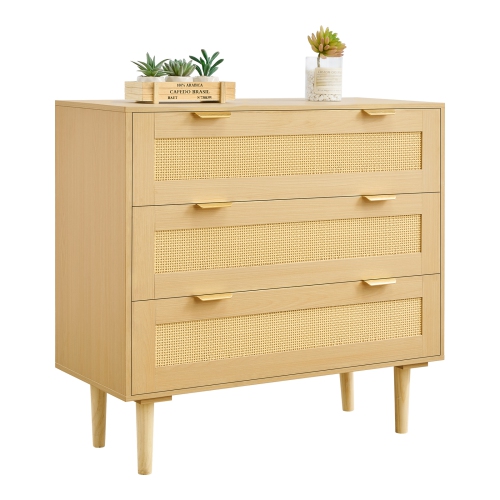
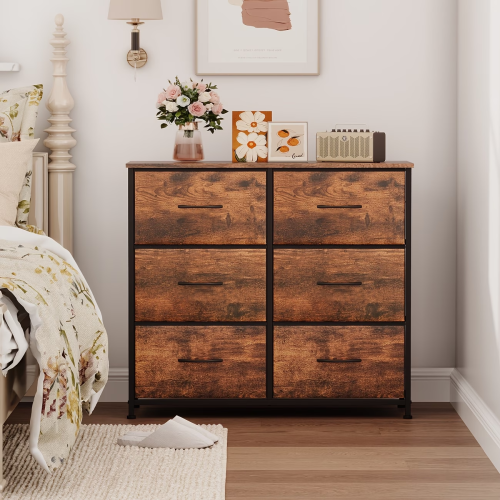

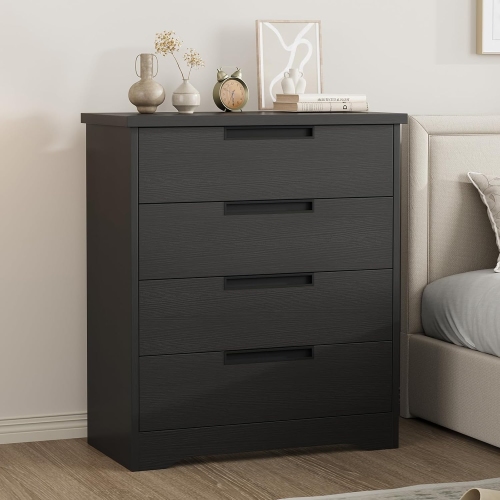
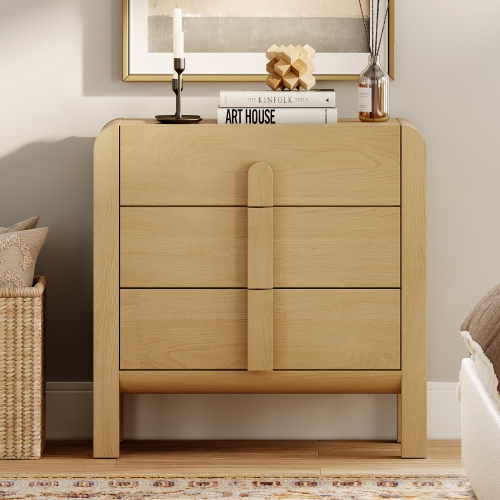
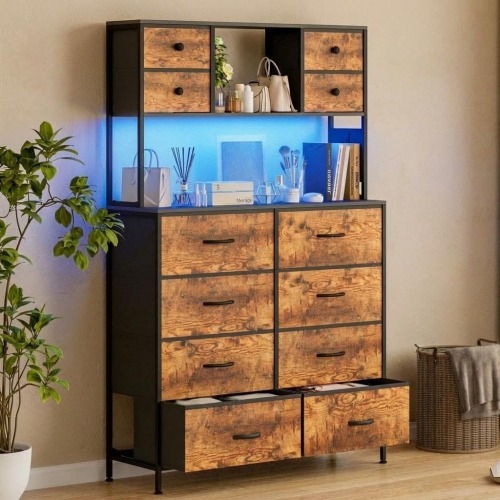


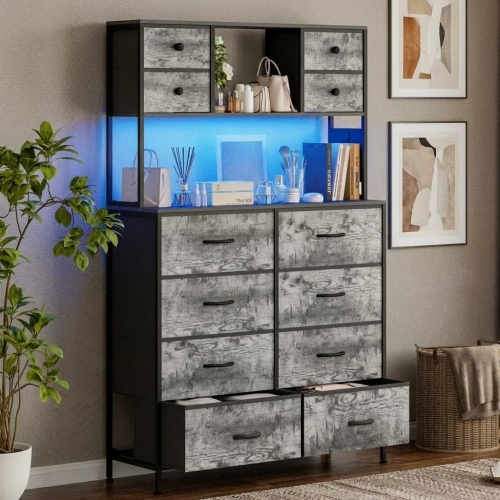
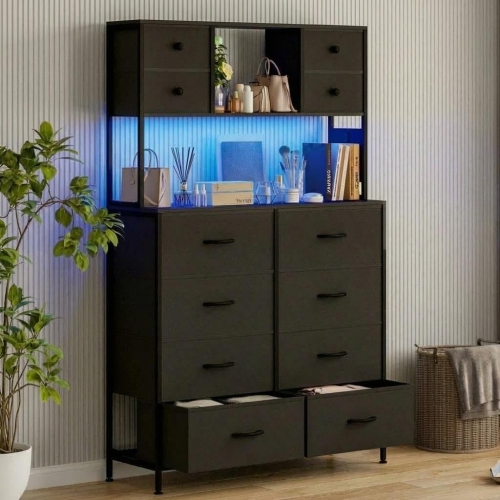
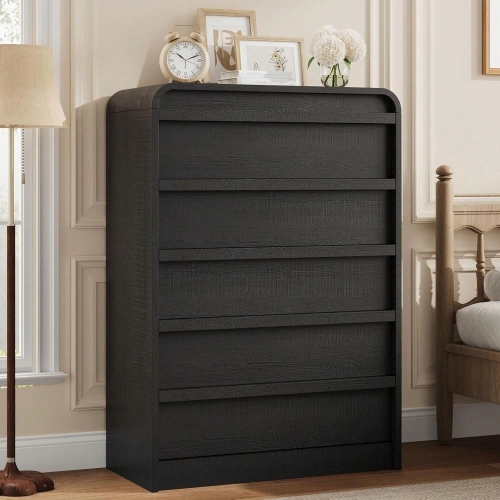
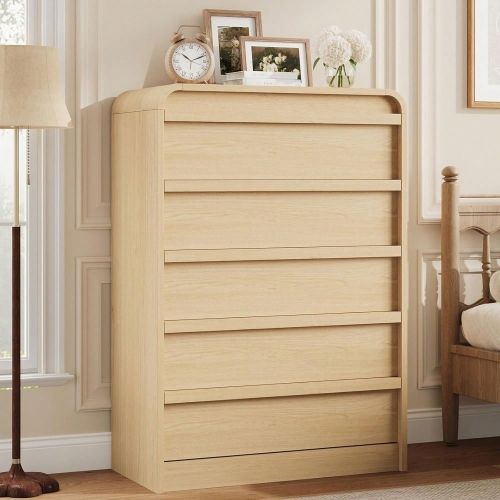
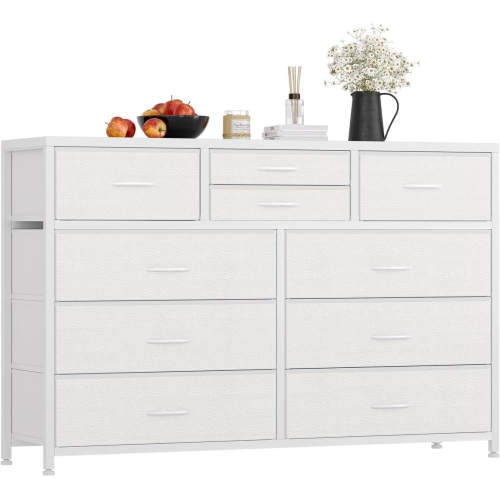
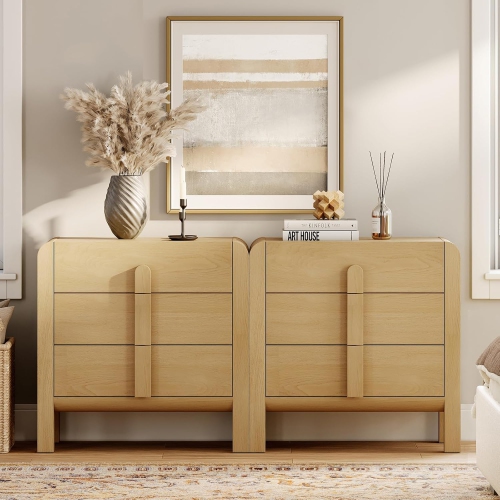


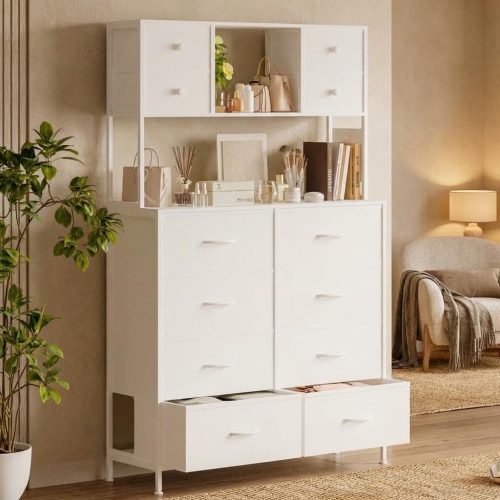
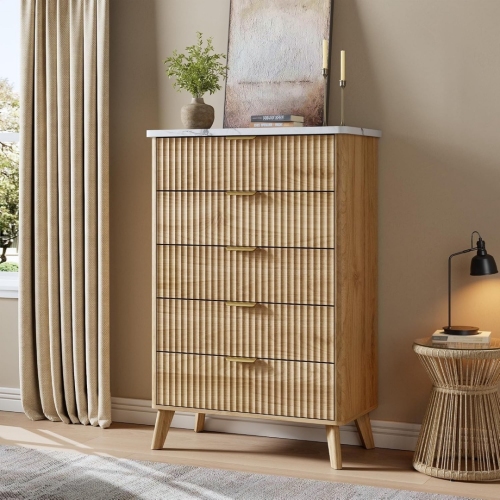
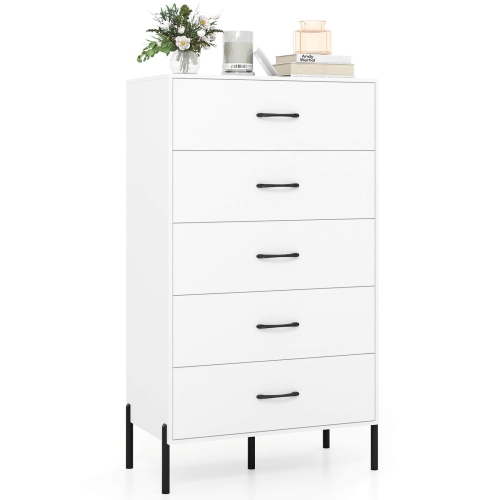

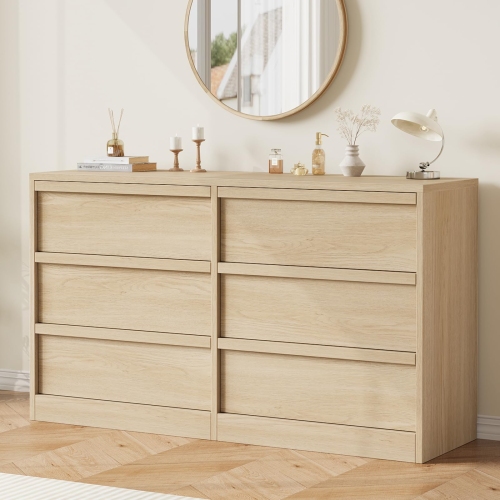
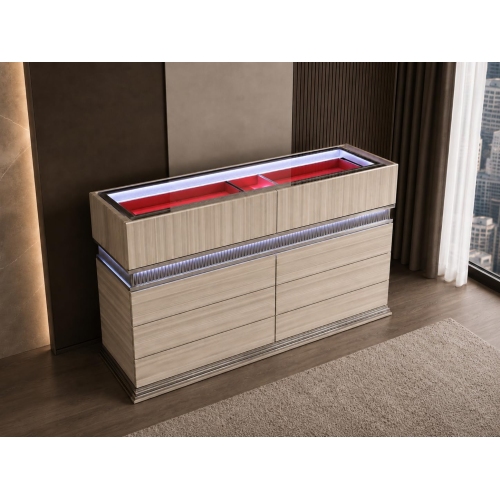


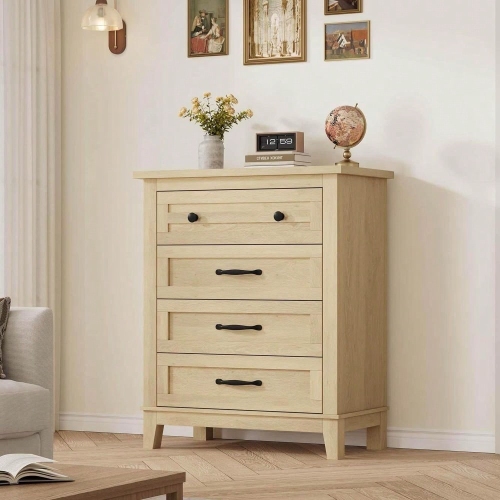

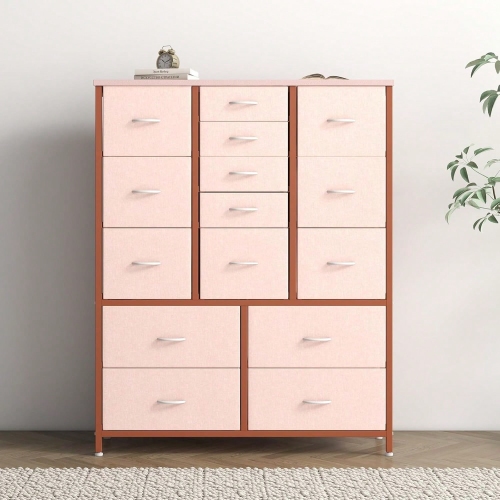

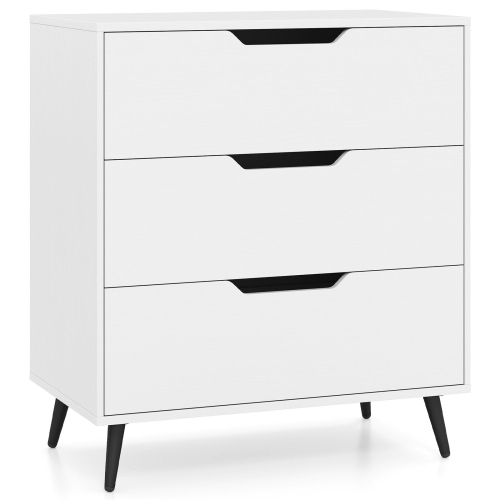

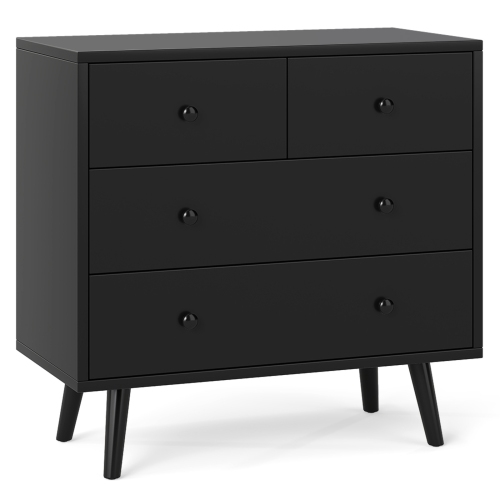
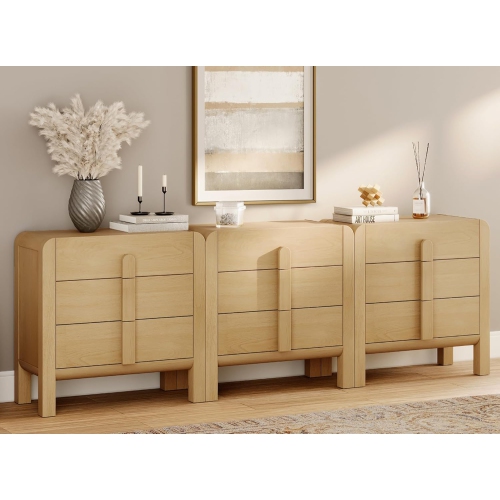

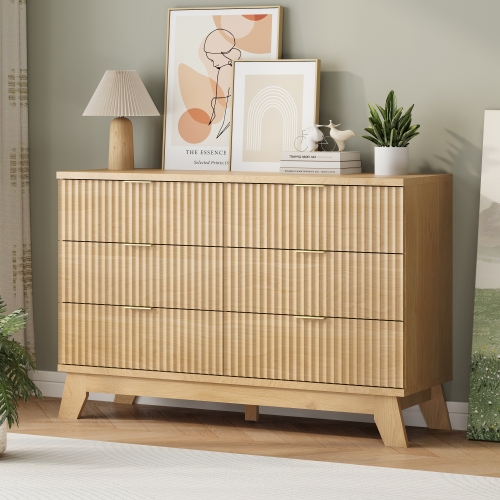
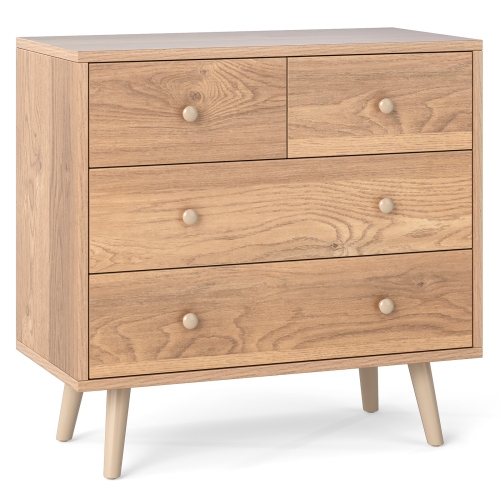

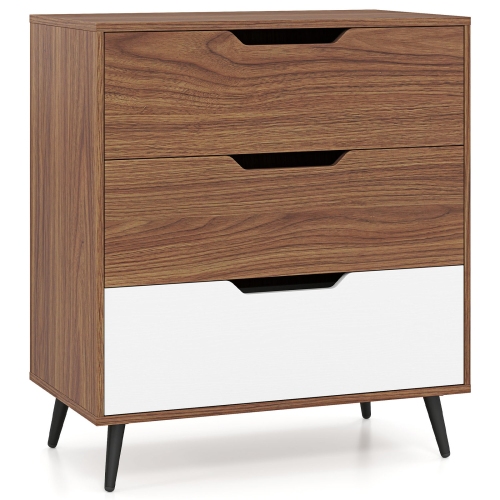
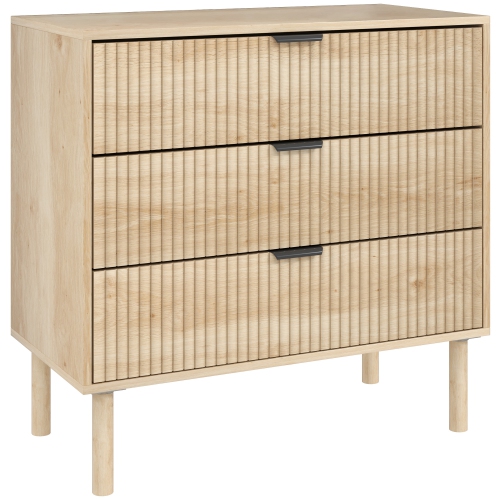


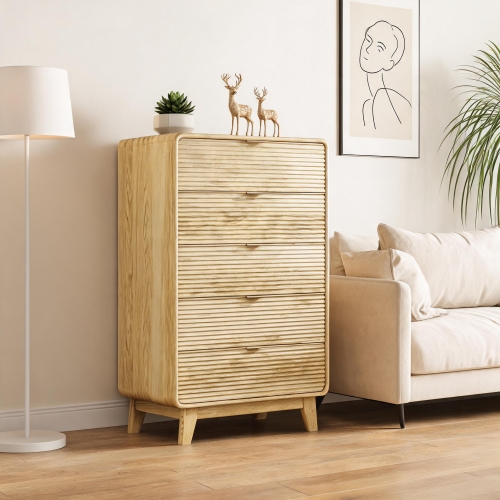
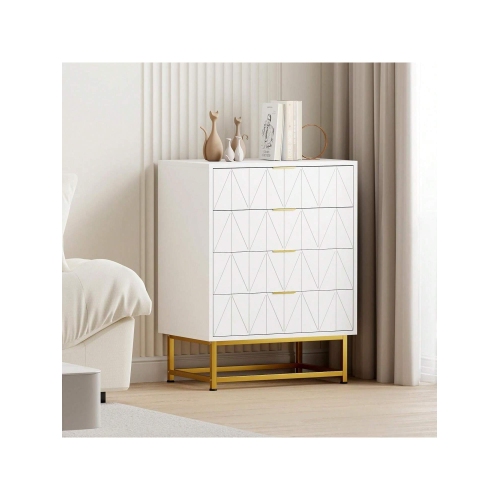
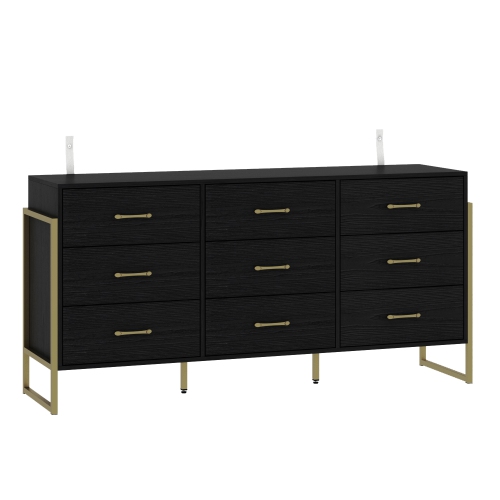
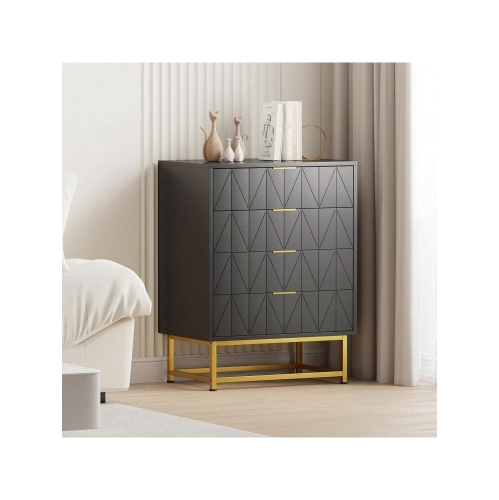
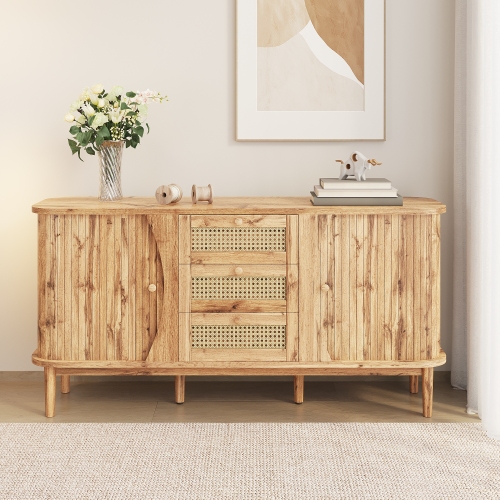


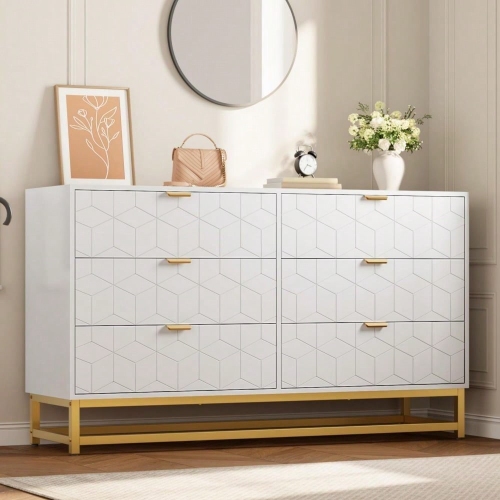
Warm wood legs give bedroom storage a lighter look
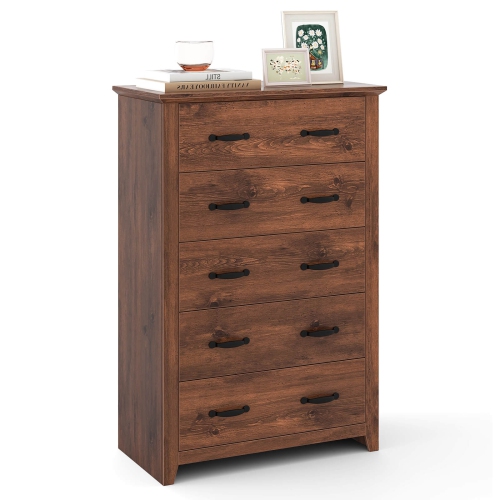
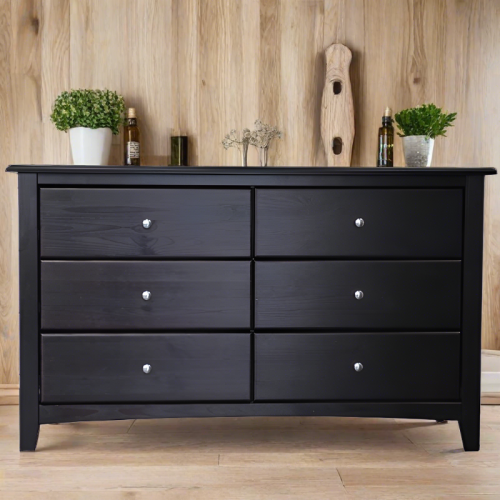
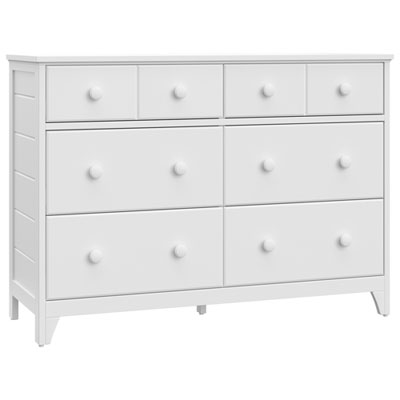
White dressers with wood legs pair a bright, neutral finish with the warmth and visible grain of wood, creating bedroom storage that feels lighter than a cabinet with a solid base extending to the floor. The contrast is especially suited to Scandinavian and mid-century interiors, where simple shapes, pale colours, and natural textures help define the room. Tapered or gently angled legs give a dresser a distinctive profile, while straight wooden legs create a quieter, more understated look. A white cabinet with light wood legs can sit comfortably beside an oak-look bed frame, a woven rug, or soft grey bedding; deeper wood tones provide a stronger contrast and work well with darker bedside tables. White finishes also vary, from crisp whites to warmer shades, so the relationship between the dresser, nearby furniture, and wall colour matters more than matching every piece exactly. Handles contribute to the overall character: wooden knobs repeat the warmth of the legs, metal pulls introduce another finish, and recessed grips keep drawer fronts visually simple. For a similar two-tone look with wood details beyond the base, White Dressers With Wood Accents explores the same pairing through other design details. Within this style, the proportions of the dresser shape how it works in a room. A compact three-drawer chest can provide everyday clothing storage beside a wardrobe or fit into a guest bedroom without dominating the space. A wider six-drawer or seven-drawer layout offers more room to separate folded tops, trousers, underwear, and accessories, while leaving a useful surface for a lamp or jewellery tray. Taller configurations use less floor area but place upper drawers farther from the floor. The most useful arrangement depends on what needs storing: several shallow drawers suit smaller garments, while deeper compartments accommodate bulkier folded clothing. Drawer count alone does not indicate capacity, since internal width and depth can differ considerably between dressers with similar exterior dimensions.
Construction makes a meaningful difference to how white dressers with wood legs feel in daily use. The cabinet may be made from solid wood, engineered wood, or a combination of materials, while the legs may use woods such as pine or rubberwood. A white painted finish can conceal much of the cabinet’s underlying material, so the construction details are more informative than appearance alone. Engineered wood with a laminate or painted surface can offer a smooth, consistent look, and solid wood components bring their own grain patterns and natural variation. Neither description tells the whole story: secure joints, well-supported drawer bottoms, reliable runners, and firmly attached legs all contribute to a dresser’s durability. Legs should connect securely to the base, without looseness or visible twisting, and the assembled cabinet should sit evenly on the floor. Drawer movement is another practical consideration. Smooth travel makes it easier to put away laundry, while a drawer that catches or shifts sideways can become frustrating when used every day. Drawer stops help prevent accidental removal during normal opening, although the mechanism and any load limits depend on the design. Handles should feel comfortable when grasped, particularly on wider drawers that may be opened repeatedly. Care also depends on the finish rather than the colour alone. A soft cloth removes everyday dust from white drawer fronts and wooden legs, and spills are best wiped up promptly so moisture does not linger around seams or edges. For routine cleaning, a lightly dampened cloth followed by a dry one is often suitable, but the manufacturer’s care directions take priority. Abrasive pads, harsh cleaners, and excessive water can damage painted, laminated, or wood surfaces. A tray beneath toiletries helps keep drips off the top, while felt pads under decorative objects reduce scratches. Keeping drawer runners clear of loose fabric and avoiding overfilled drawers helps the mechanism move freely without putting unnecessary strain on the cabinet.
Fit involves more than finding an empty section of wall. A dresser needs enough room for its drawers to open fully and for someone to stand comfortably in front of them, whether getting dressed or putting away a basket of clean laundry. In a bedroom with a bed opposite the storage wall, the space between the bed frame and the extended drawers is particularly important. Doors, wardrobe openings, heating vents, and electrical outlets can also affect placement. Baseboards may prevent the cabinet from sitting close to the wall, and angled legs can extend beyond the cabinet itself, so the full footprint matters. Raised legs can make sweeping or vacuuming underneath easier, but the actual clearance determines whether a vacuum head or robotic vacuum will fit. The visible gap beneath the dresser also leaves more flooring in view, which can help a small room feel less crowded without increasing its usable floor space. Stability remains essential regardless of the dresser’s size or leg style. Dressers should be secured to the wall according to the manufacturer’s instructions, with suitable hardware for the wall construction; this is especially important in homes with children or pets. Heavy contents belong in lower drawers, and drawers should never be used as steps. A level floor and correctly installed legs help support the cabinet, but they do not replace a wall restraint. Inside, simple dividers can keep socks and small accessories separate, while folded clothing arranged upright makes individual pieces easier to find without disturbing a whole stack. In a shared bedroom, assigning drawers by person or clothing type can make a wide dresser easier to use. These dressers can also serve in a guest room, where a clear top and empty drawer give visitors a convenient place to unpack, or in a spacious entryway for neatly contained household linens and accessories. As a housewarming or furnishing gift, a dresser is most useful when its dimensions, storage layout, and finish have been agreed on with the recipient. That combination of practical capacity and a white-and-wood appearance gives the piece a clear role beyond decoration: keeping frequently used belongings organized while fitting naturally into the room.
Top selling and popular products
-
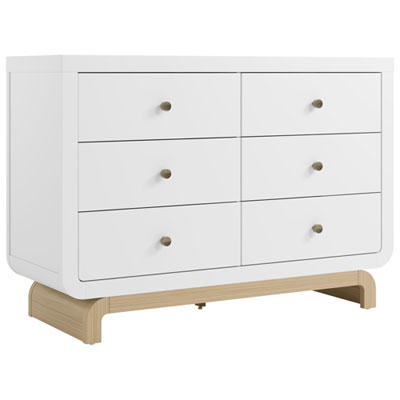 Your price for this item is $899.99
-
 Your price for this item is $699.98
-
 Your price for this item is $699.99
-
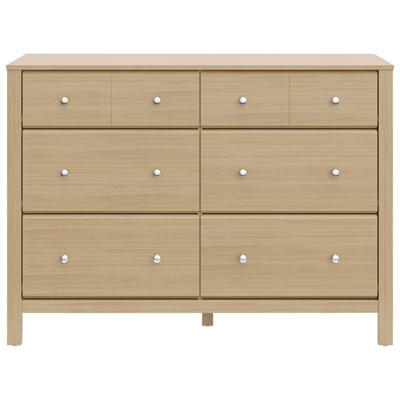 Your price for this item is $399.99
-
 Your price for this item is $344.99
-
 Your price for this item is $496.99
-
 Your price for this item is $575.95
-
 Your price for this item is $299.99
Discover more categories related to White Dressers With Wood Legs
Top Collections:
Pokemon Centers, Best Black Friday Deals This Year, Best Black Friday Deals On Electronics, Kindle Devices, Best Budget Office Chairs, Best Black Friday Deals On Apple Products, Best Cameras for Sports Photography, Pokémon 30th Celebration Cards, Dyson Airwrap, Canon G7X Cameras
Some products may be subject to Environmental Handling Fees
(EHF) depending on your province.
Learn more about EHFs.