White Dressers With Wood Top
A white dresser with a wood top is a classic, simple piece of furniture that can be used to organize and store clothing, linens, and other items. It's a great option for almost any bedroom or living room. Here are some of our favorites.
Sort

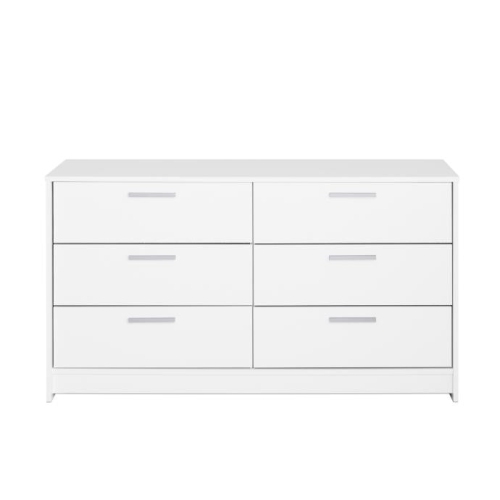
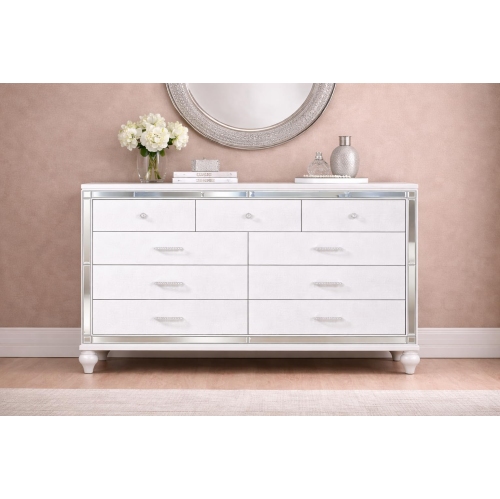

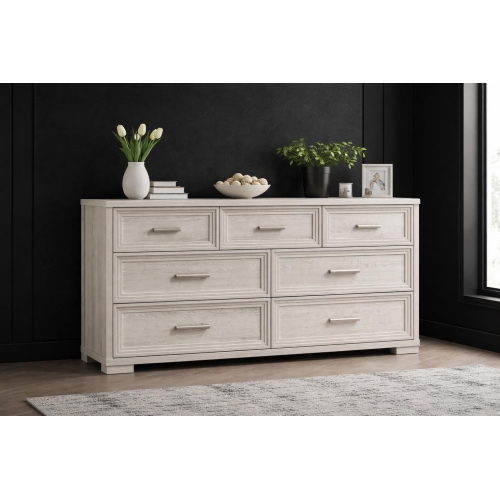
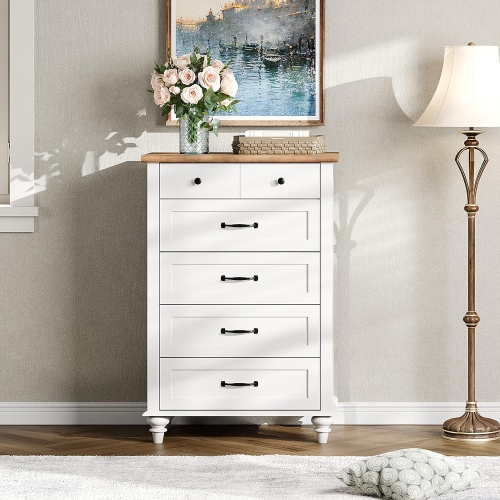


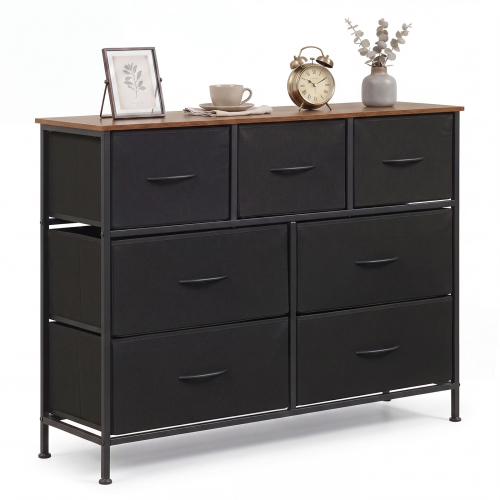
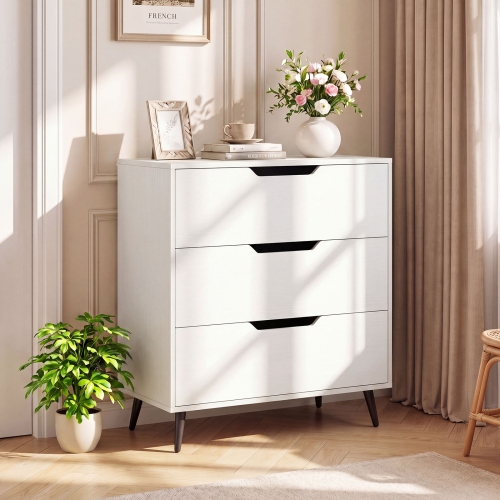
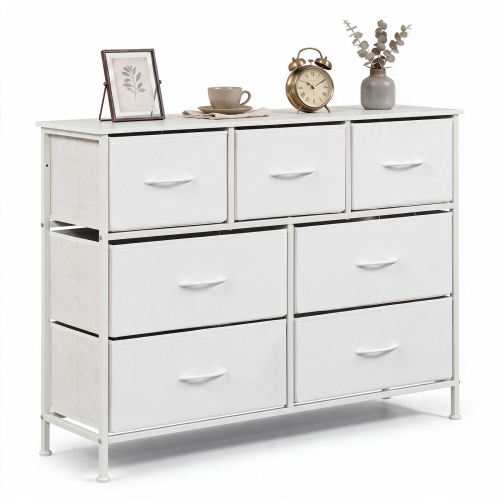
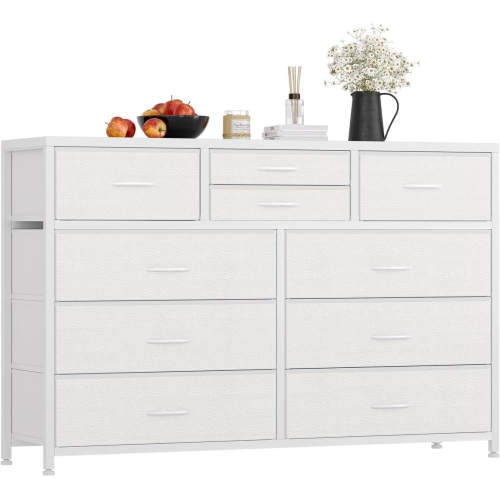
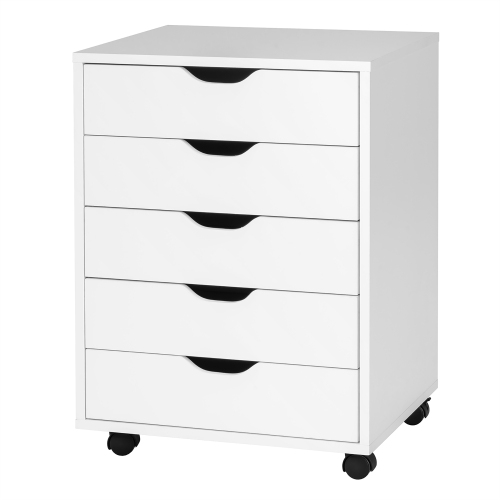
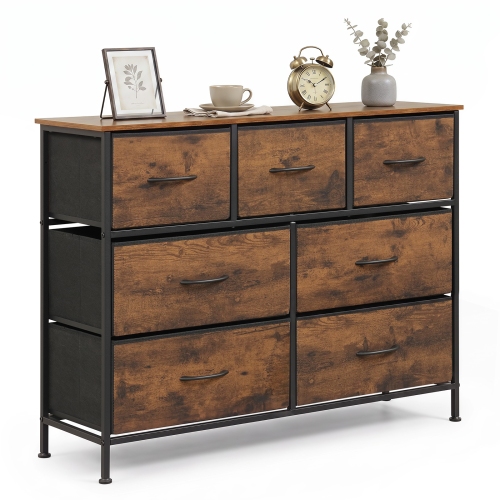


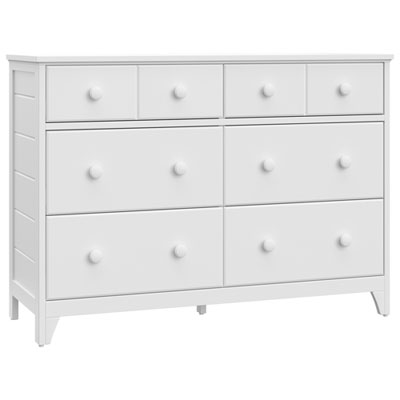
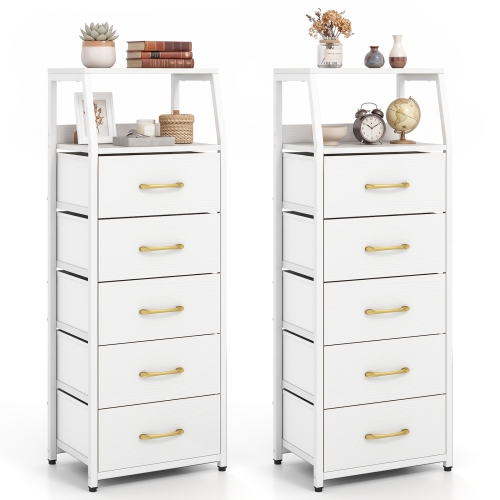
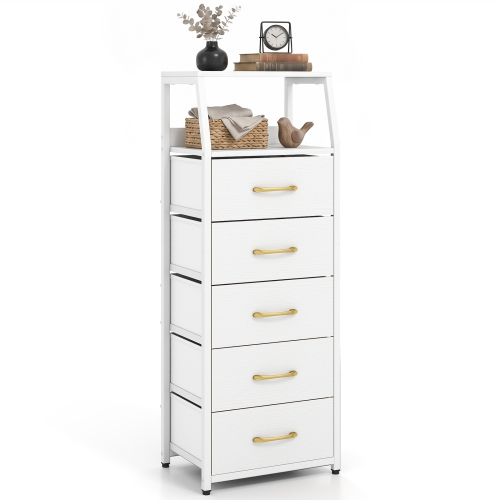
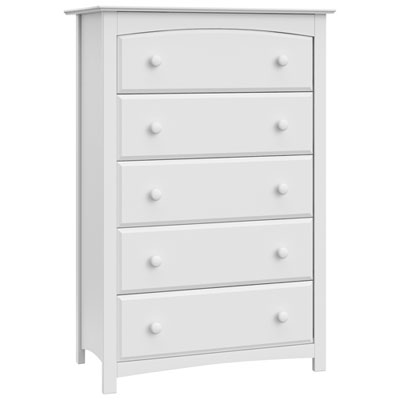
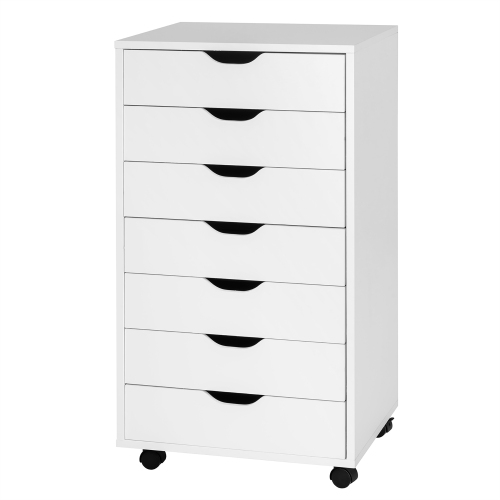

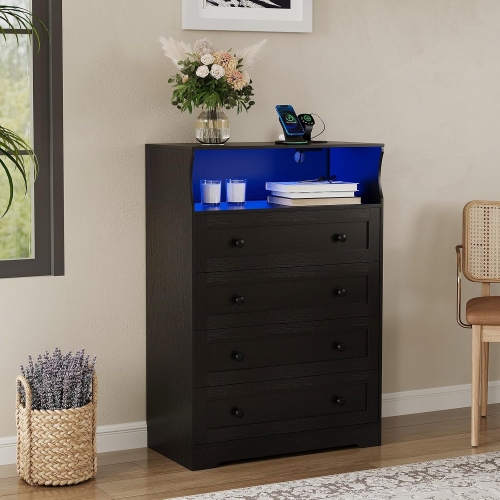

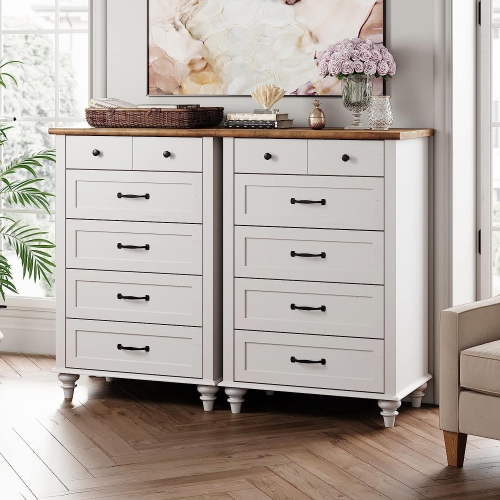


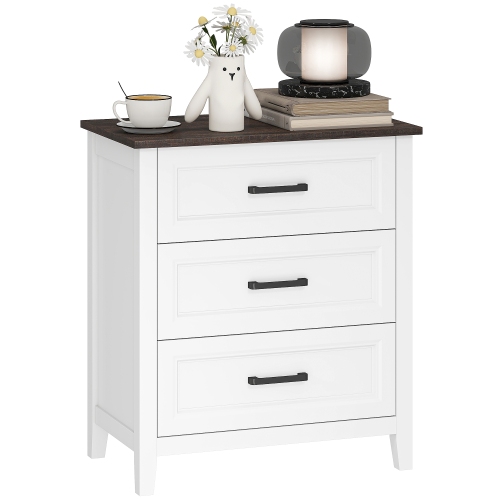


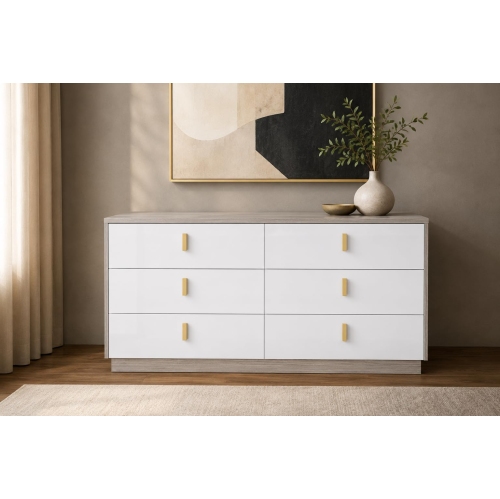
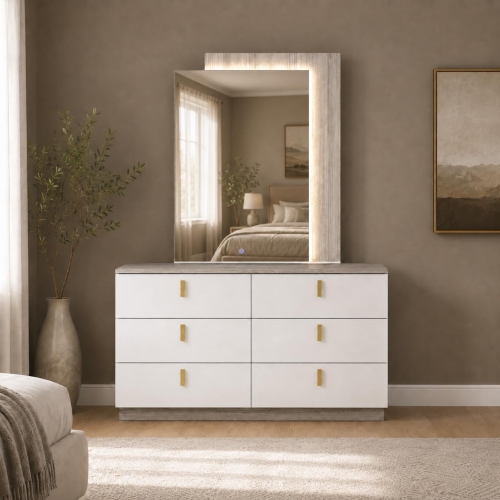
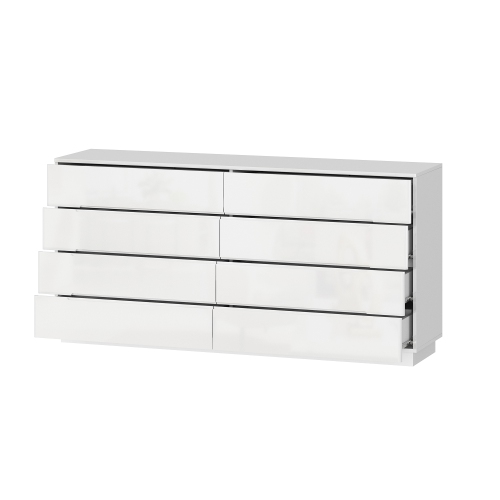
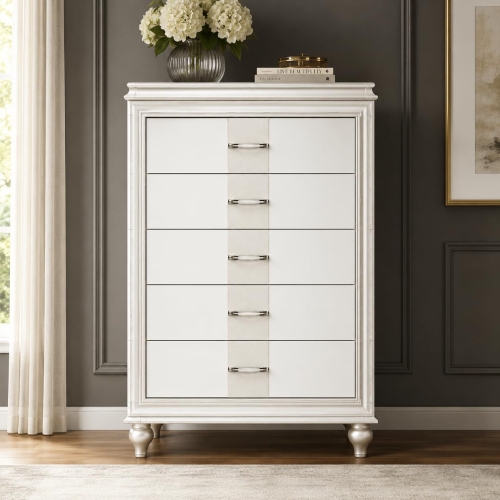
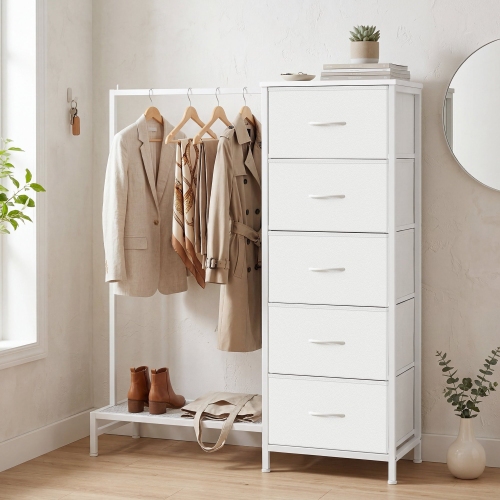
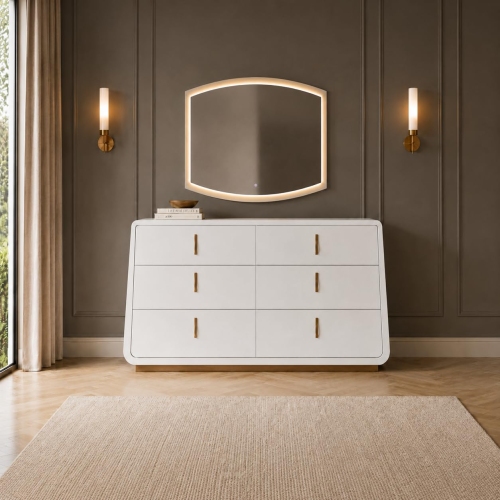


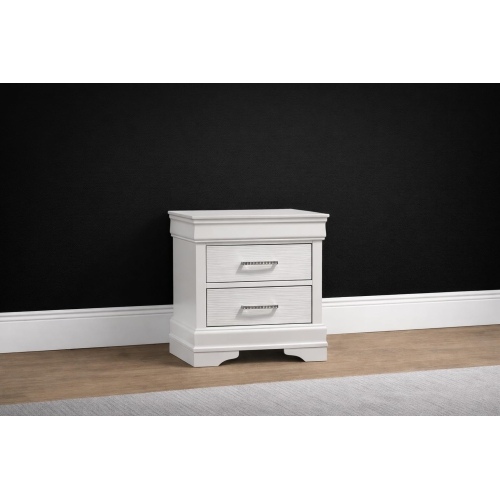

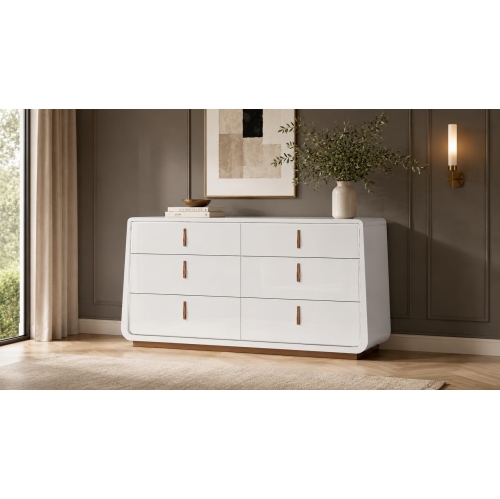
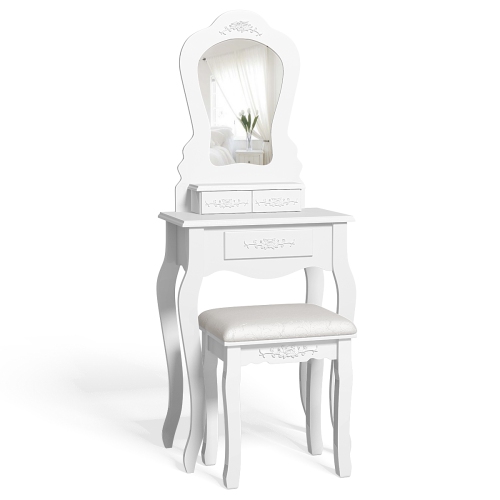
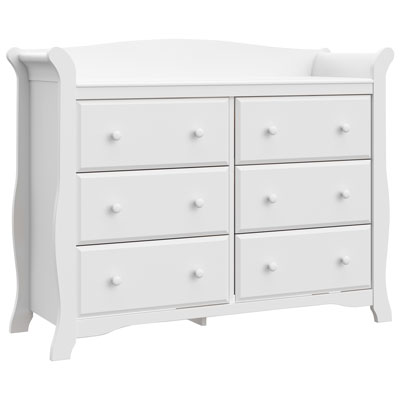
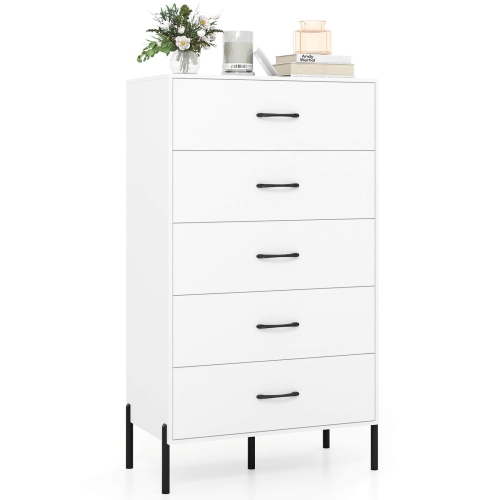
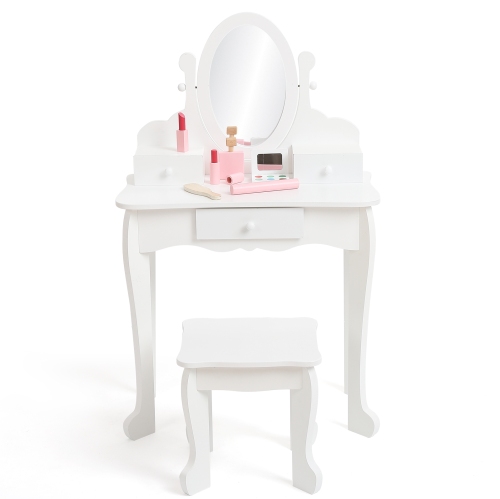


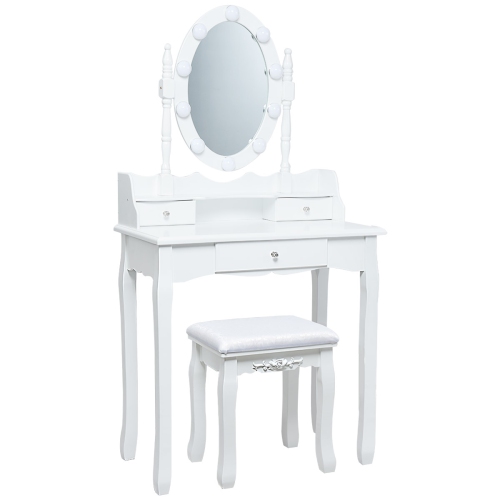

Warm wood grain softens bright bedroom storage
White dressers with a wood top combine a bright painted or finished base with the warmth and visible grain of a wood surface. The contrast gives these bedroom storage pieces a softer appearance than an all-white dresser while keeping the overall look light and easy to coordinate. A pale oak-toned top against simple white drawer fronts suits an airy, understated room, while a deeper brown top creates a stronger outline beside neutral bedding and light walls. In a modern farmhouse bedroom, panelled fronts, modestly distressed finishes, and dark metal pulls can connect the dresser to a wood bed frame or woven rug. For coastal-inspired spaces, lighter wood tones and relaxed textures create a fresh look without requiring a room full of matching furniture. Straight edges, flat drawer fronts, and discreet handles lend themselves to contemporary interiors, while framed drawers and rounded knobs work comfortably with more traditional furnishings. The shade of white matters as much as the wood tone: a creamy finish tends to sit naturally alongside warm textiles, whereas a crisp white can complement cooler greys and black accents. Wood grain also varies, from subtle, even patterns to pronounced knots that give the top a more rustic character. These differences make the two-tone design useful in rooms where furniture has been collected over time rather than purchased as a matching set. A wood top can echo a bedside table, picture frame, or flooring without needing to match every shade exactly. Related White Dressers With Wood Accents extend that contrast to details such as drawer fronts, legs, and trim. For a dresser whose wood detail is concentrated on the top, the uninterrupted surface offers a clear visual focal point, whether it holds a small lamp, a jewellery tray, or a few framed photographs.
The construction of a white dresser with a wood top influences its weight, feel, care needs, and ability to stand up to everyday use. Solid wood tops have grain that runs through the material, and their appearance may gradually change with light exposure and use. Pine often has noticeable knots and a softer surface that can mark more readily, while hardwoods such as oak generally offer greater resistance to dents; the finish and quality of construction still matter. Wood veneer provides a thin layer of real wood over a supporting core, giving the surface natural grain without making the entire panel solid wood. Engineered wood with a printed wood-look finish creates a similar two-tone appearance but differs in texture and repair options. Descriptions such as “wood finish” do not necessarily mean solid wood, so the stated top material is an important distinction within this furniture style. Painted bases, wrapped panels, and other white finishes also vary in sheen and surface texture. A smooth matte finish looks restrained, while a glossier surface reflects more light and makes fingerprints more noticeable. Beyond the top, drawer construction shapes the daily experience: well-supported drawer bottoms, secure joints, and properly aligned runners help drawers carry folded clothing without sagging or catching. Smooth drawer movement is especially useful when getting dressed in a shared bedroom or putting away a full basket of laundry. Drawer stops help prevent drawers from being pulled out unintentionally, though they do not replace wall anchoring. Deep compartments suit sweaters and thicker sleepwear, while shallower drawers keep socks, accessories, and smaller garments from disappearing beneath a pile. A fabric-drawer design with a rigid frame and wood or wood-look top offers a different storage experience from a traditional wooden dresser. Its removable bins may suit lightweight clothing, but their support, capacity, and cleaning requirements differ from those of rigid drawers. Across construction types, the stated weight limits for each drawer and the top are more useful than judging strength by appearance alone.
Fit depends on both the dresser’s outer dimensions and how it functions once the room is furnished. A wide, low dresser provides a generous top surface and spreads storage across several columns of drawers, making it a natural fit along an open bedroom wall. A tall, narrow chest uses less floor space, although its upper drawers may be less convenient for shorter users. In a compact condo bedroom, the space between the bed and dresser needs to accommodate fully extended drawers as well as someone standing in front of them. Door swings, baseboards, heating vents, and nearby wardrobe doors can all affect placement, and projecting handles add a little more depth than the cabinet alone suggests. Interior drawer dimensions are equally useful: a broad dresser with shallow drawers may hold less bulky clothing than its exterior suggests. For a guest room, a few accessible drawers give visitors somewhere to unpack, while in a shared bedroom, separate drawer columns can make personal storage easier to divide. During the cooler months, deeper drawers can help contain knitwear and extra layers without crowding the top. That surface stays more useful when everyday essentials are grouped on a tray rather than scattered across the wood. Felt pads beneath lamps and accessories help limit scratches, and a protective mat beneath toiletries helps prevent spills from reaching the finish. Routine care usually involves a soft cloth and prompt drying after cleaning, with the manufacturer’s instructions determining which cleaning products are suitable. Excess moisture, abrasive cleaners, prolonged direct sunlight, and nearby heat sources can damage or alter some finishes. A dresser should also be assembled carefully, positioned on a stable surface, and secured to the wall according to its instructions, using hardware appropriate for the wall type. Wall anchoring matters for low and tall dressers alike, particularly in homes with children who may try to climb open drawers. Heavy belongings belong in lower drawers, and toys or other tempting objects should not be placed on top where they might encourage climbing. With suitable placement and consistent care, the white base and warm wood top can remain a practical, attractive part of a bedroom through changes in bedding, wall colours, and everyday storage needs.
Top selling and popular products
-
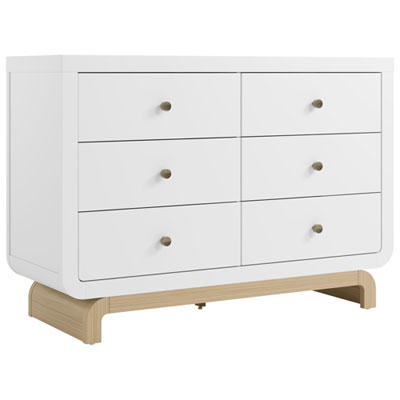 Your price for this item is $899.99
-
 Your price for this item is $699.98
-
 Your price for this item is $699.99
-
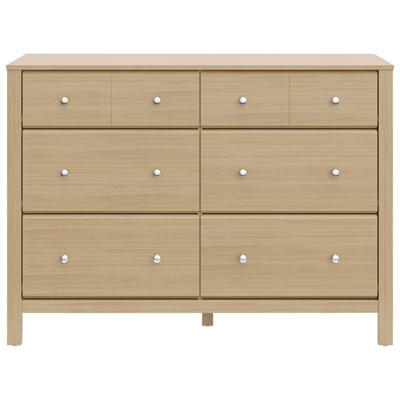 Your price for this item is $399.99
-
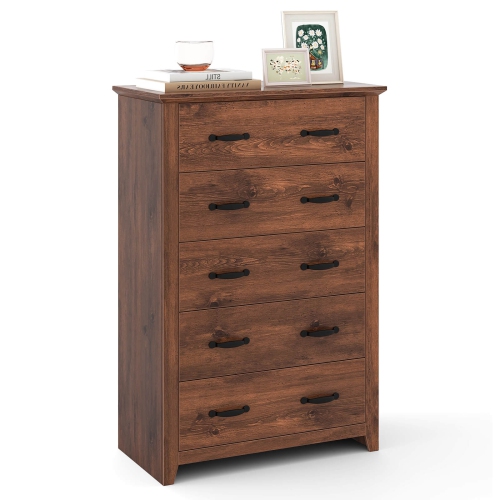 Your price for this item is $344.99
-
 Your price for this item is $496.99
-
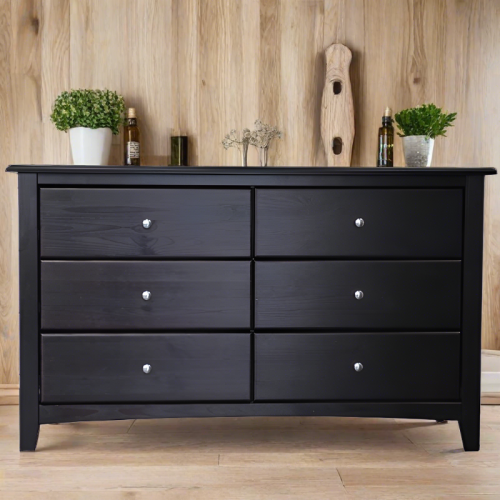 Your price for this item is $575.95
-
 Your price for this item is $299.99
Discover more categories related to White Dressers With Wood Top
Top Collections:
Pokemon Centers, Best Black Friday Deals This Year, Best Black Friday Deals On Electronics, Kindle Devices, Best Budget Office Chairs, Best Black Friday Deals On Apple Products, Best Cameras for Sports Photography, Pokémon 30th Celebration Cards, Dyson Airwrap, Canon G7X Cameras
Some products may be subject to Environmental Handling Fees
(EHF) depending on your province.
Learn more about EHFs.