White LED Lamps
Illuminate your space with the clean, modern glow of white LED lamps, perfect for any room in your home or office. These energy-efficient lighting solutions not only enhance your decor with their sleek design but also offer long-lasting performance that helps reduce energy consumption. Whether you're looking to create a cozy reading nook, brighten up your workspace, or add a touch of elegance to your living area, white LED lamps provide versatile options to suit every style and need. Discover a range of designs and features that seamlessly blend functionality with aesthetics, making it easy to find the ideal lighting solution for your environment.
Sort
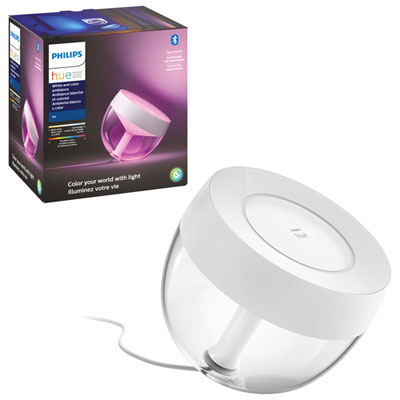
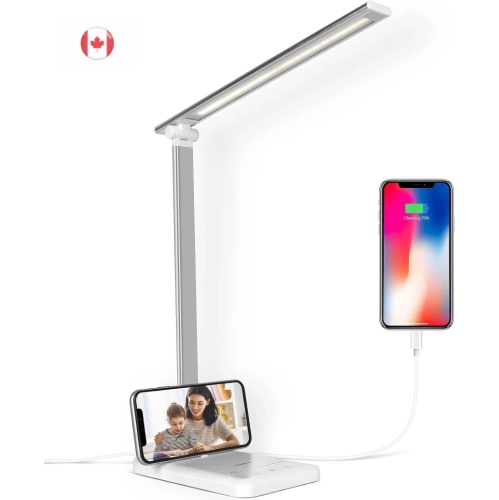
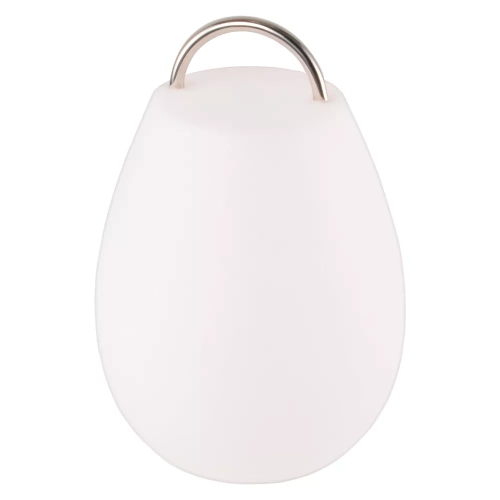
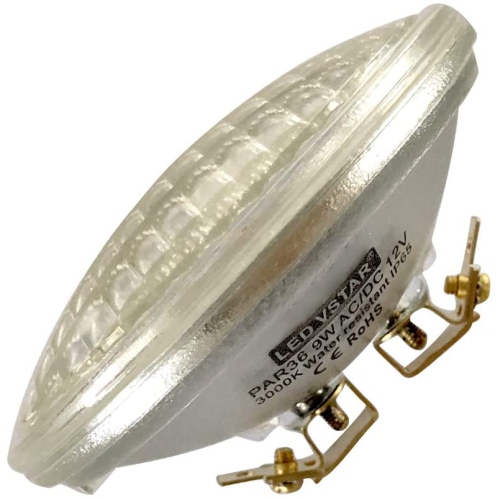
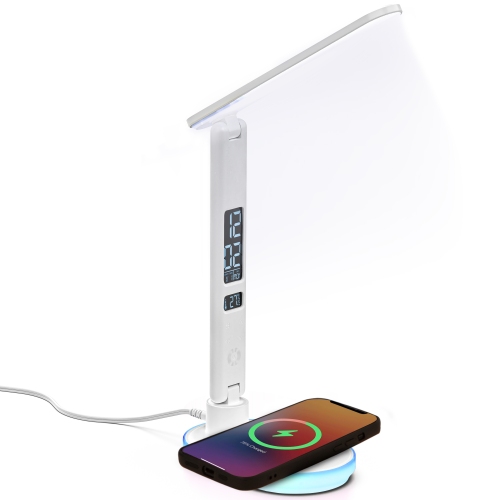
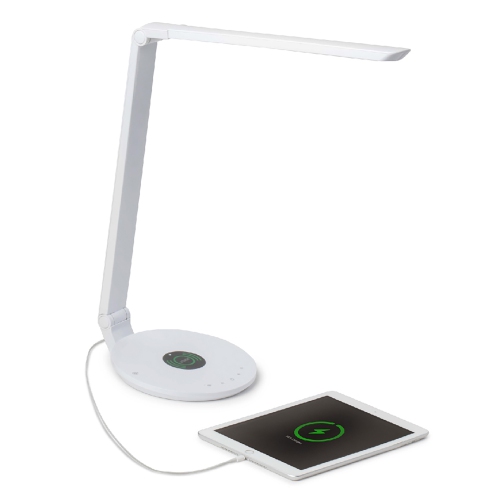
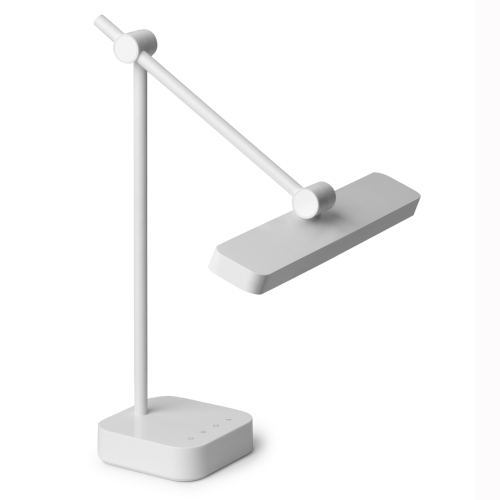
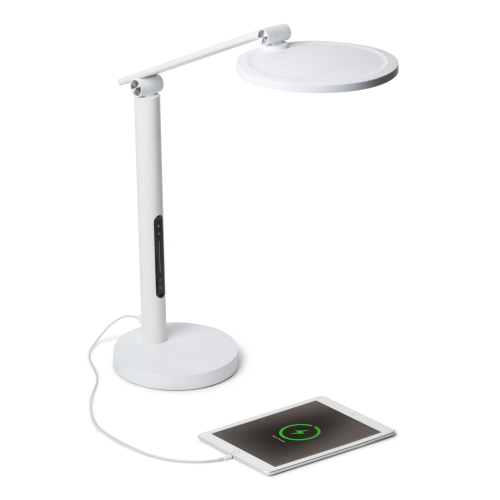

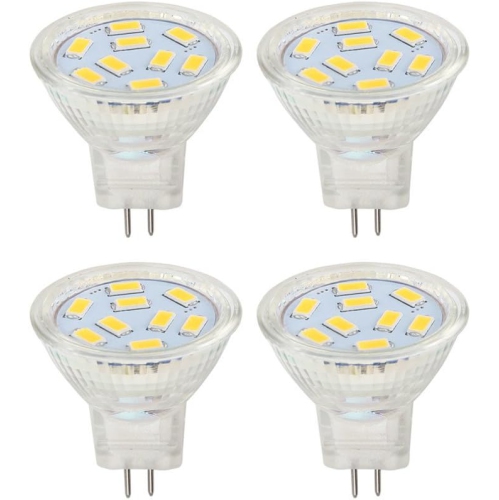
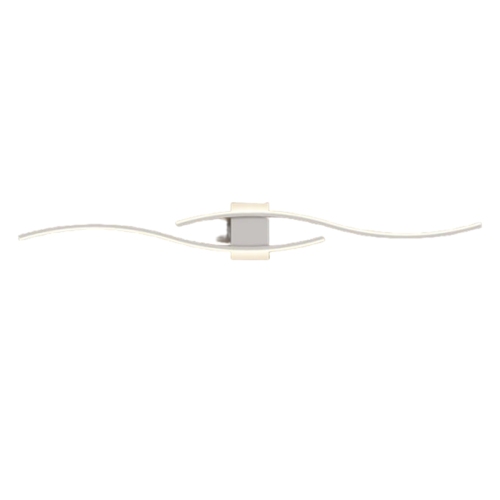

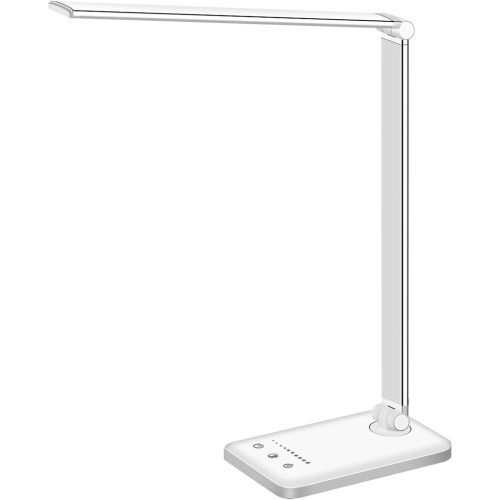
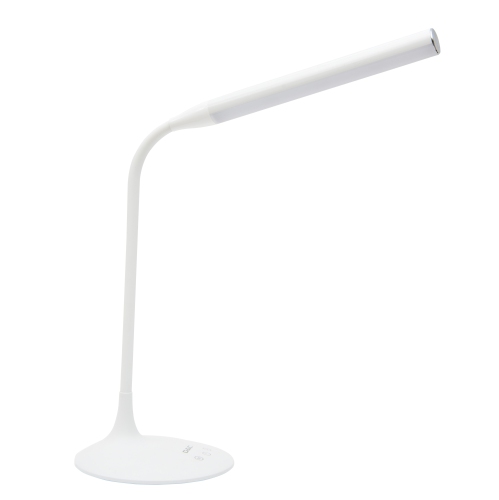
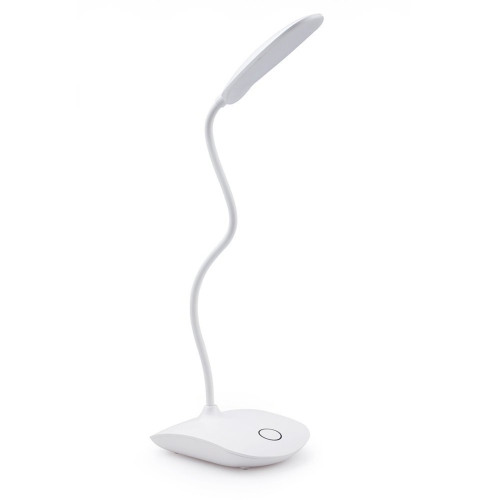
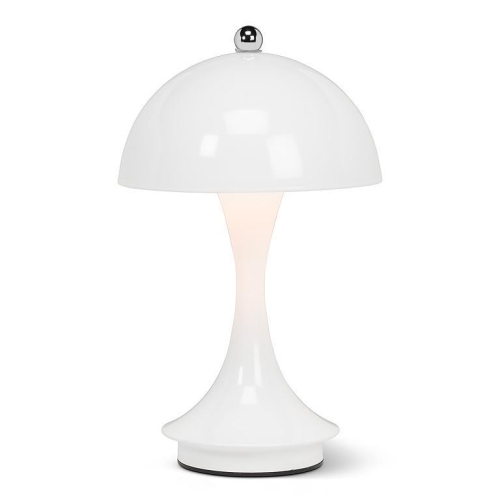
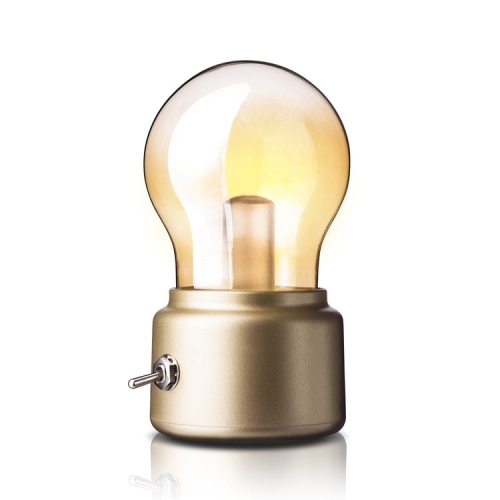
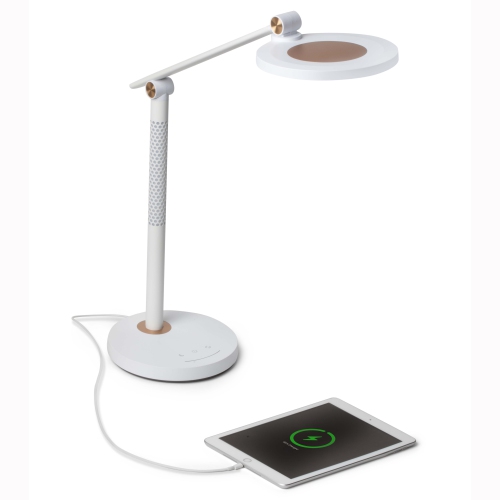
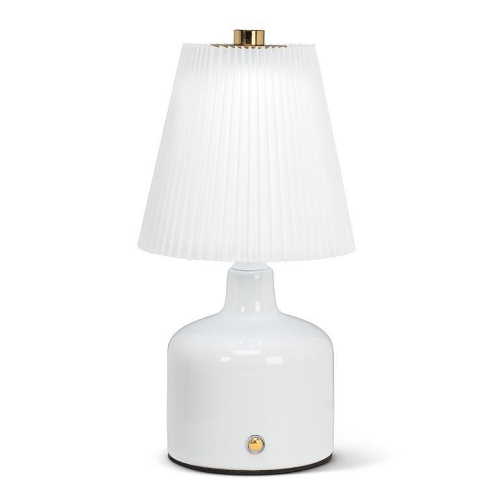
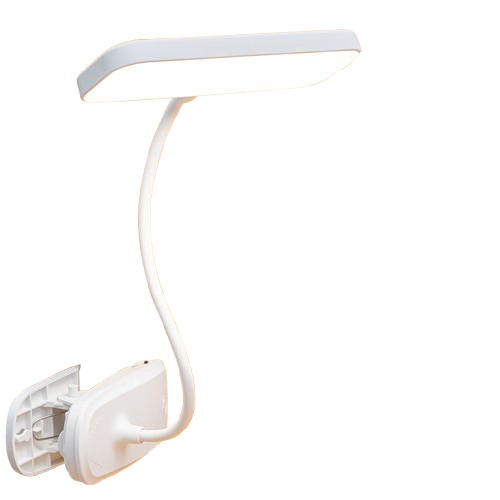
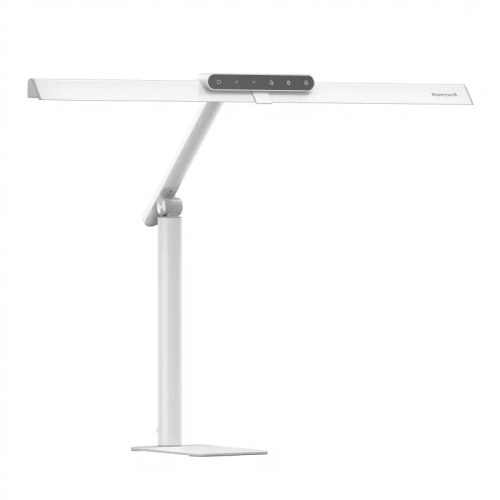
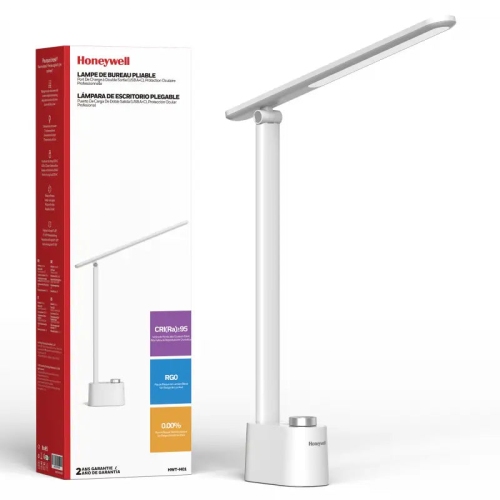
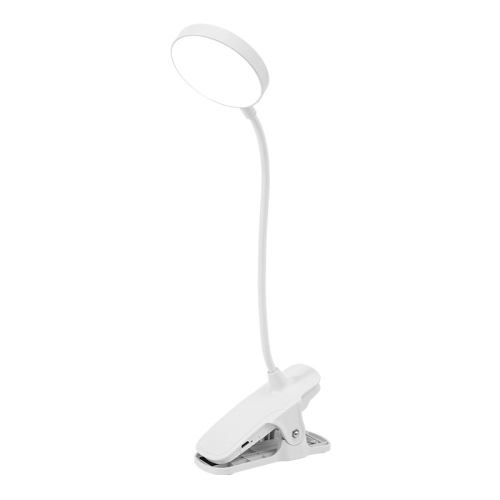
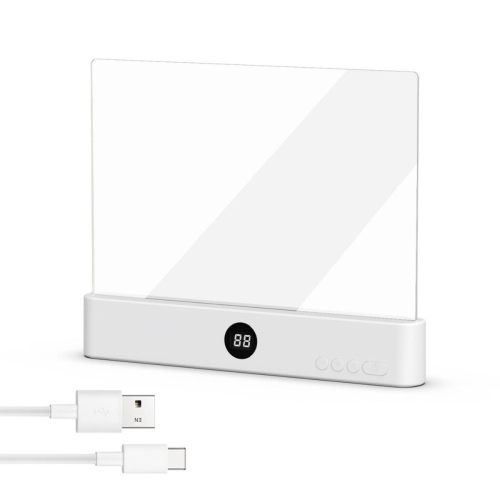
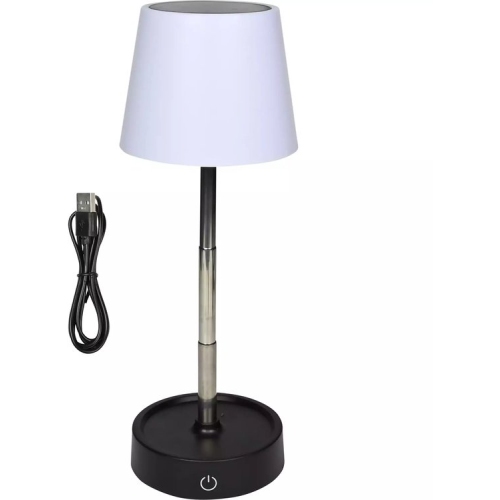
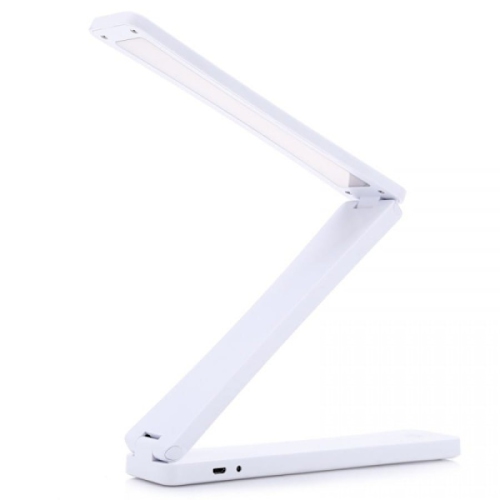
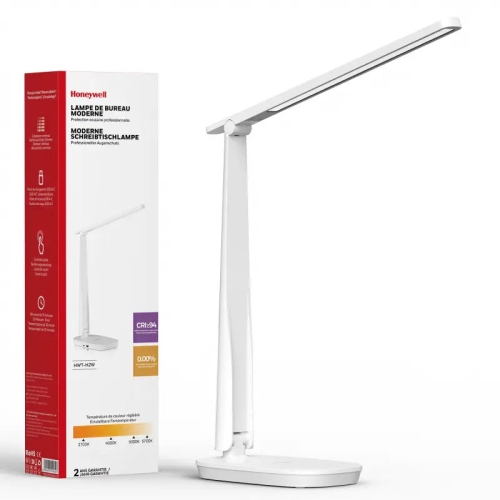
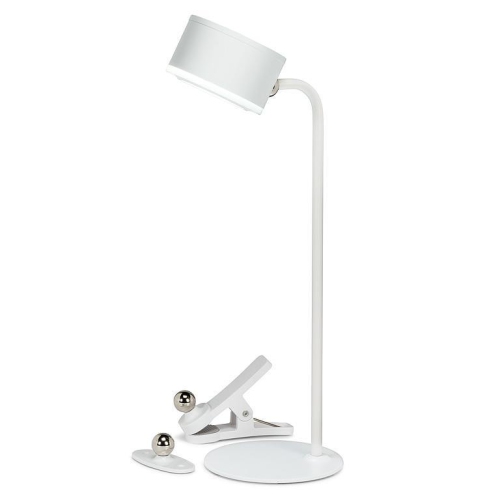
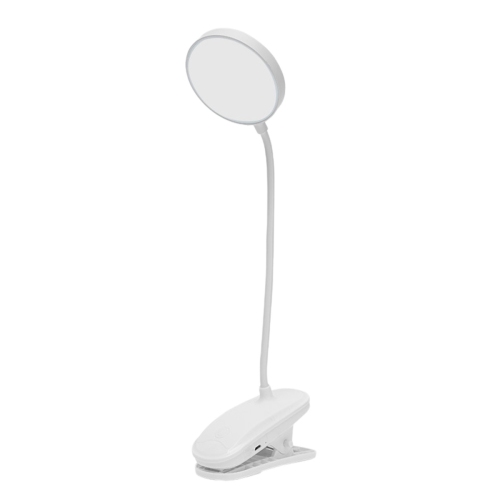
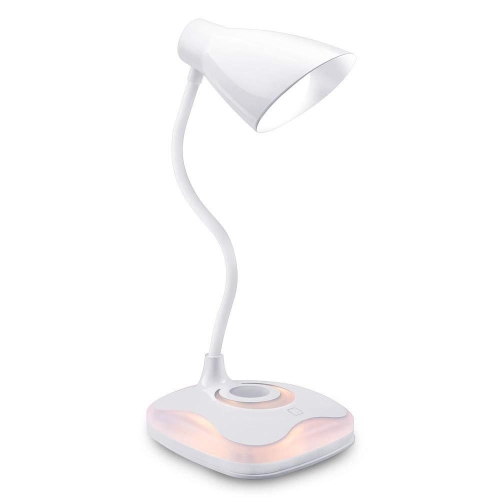

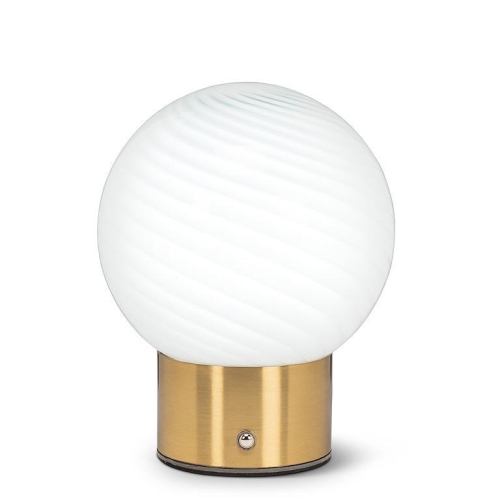
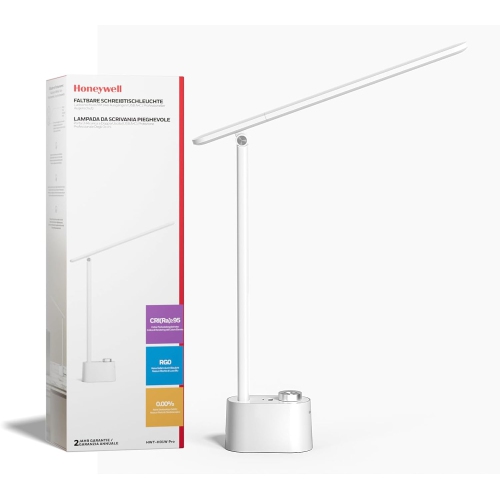
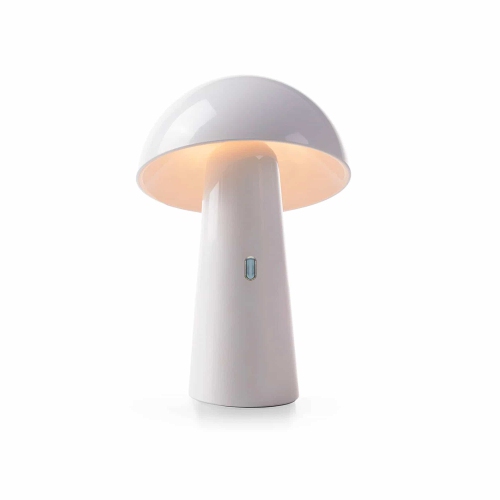

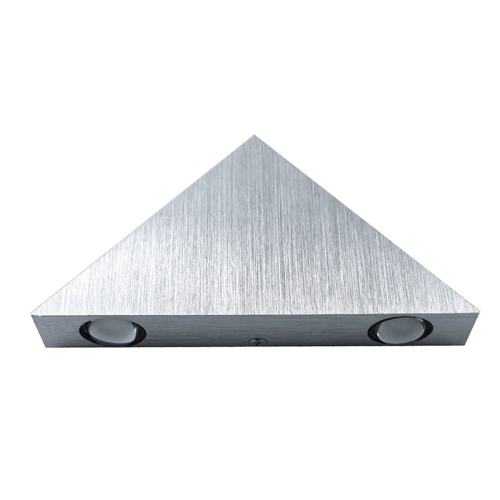
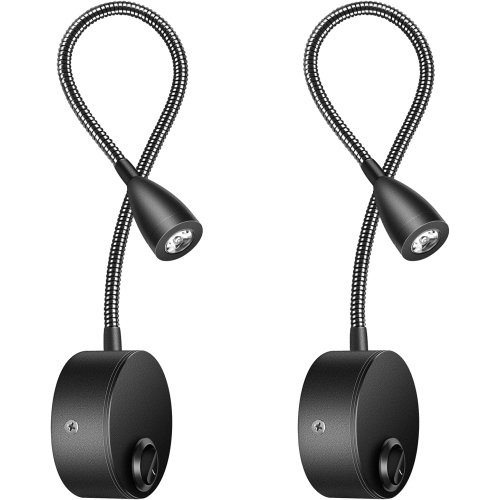
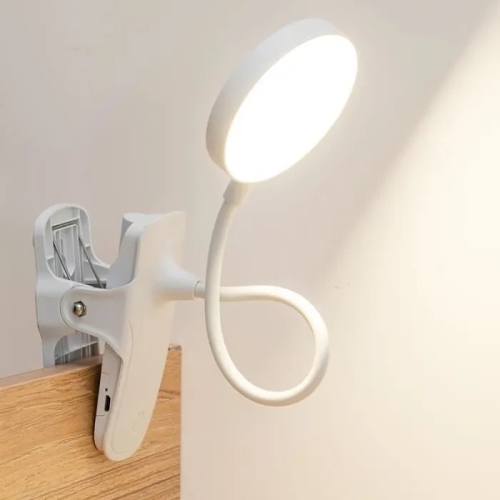
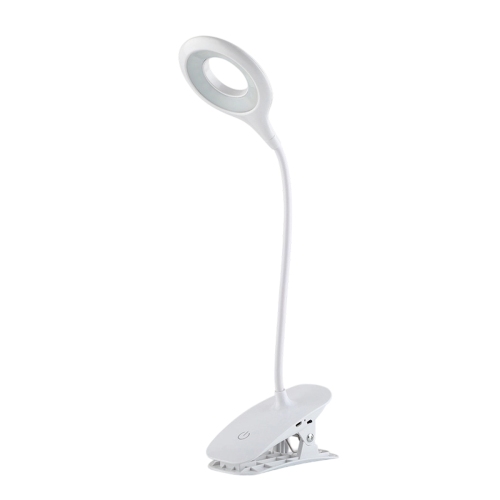
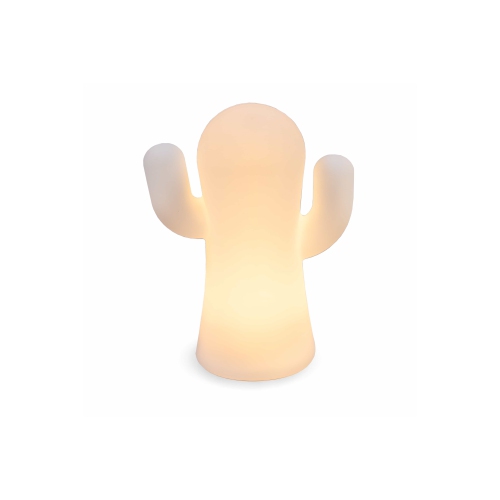
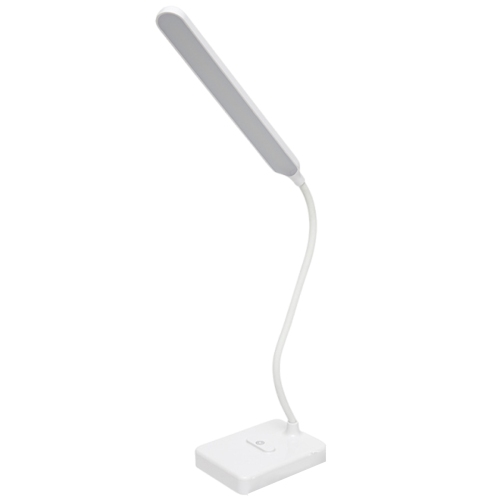
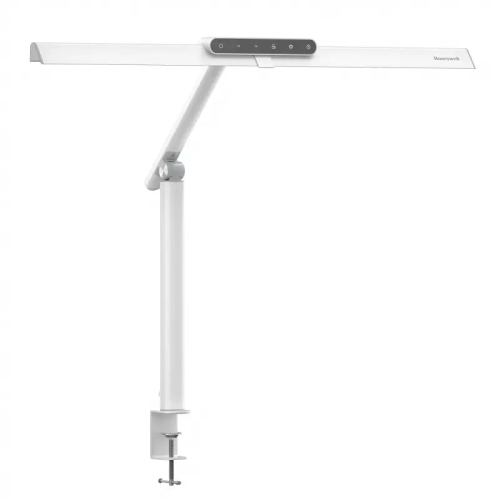
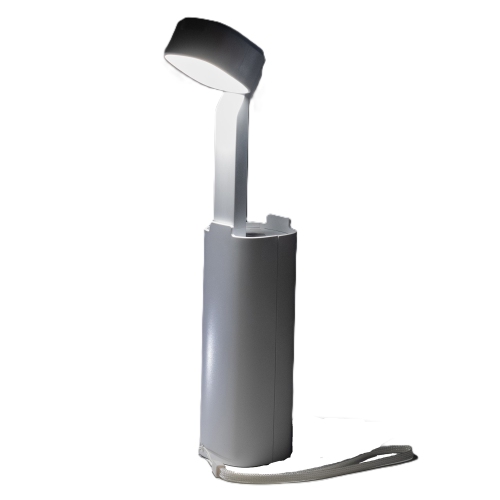


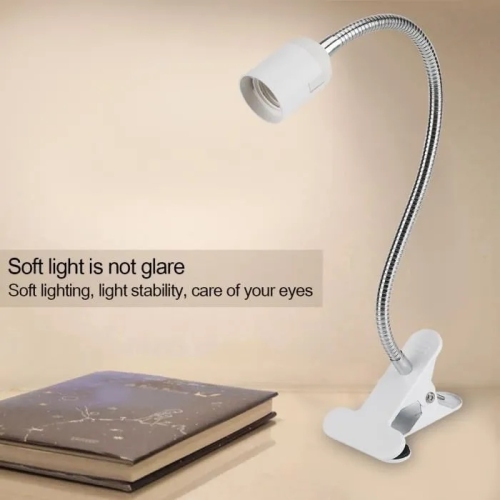
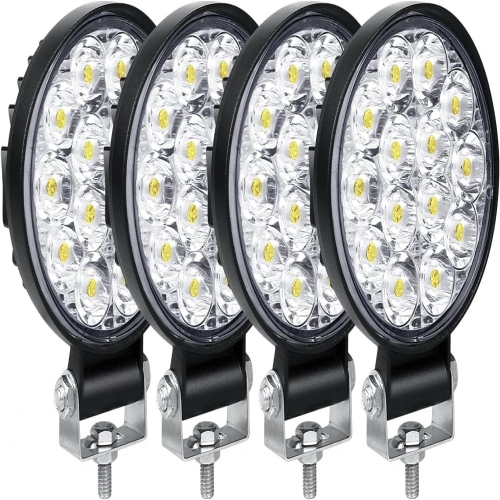
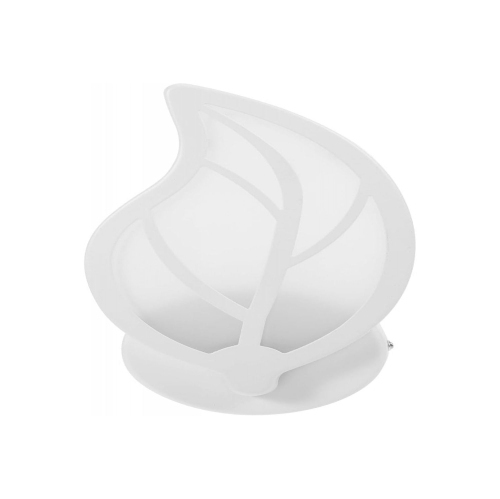
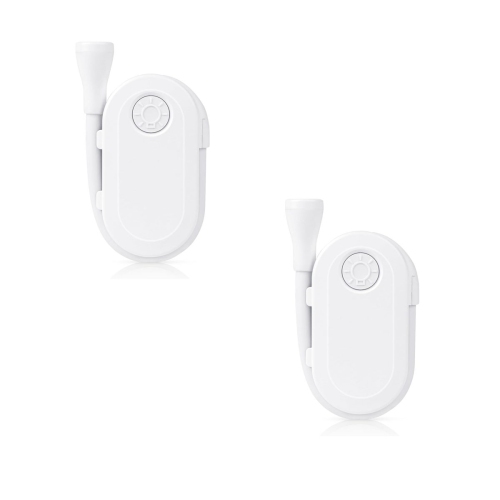
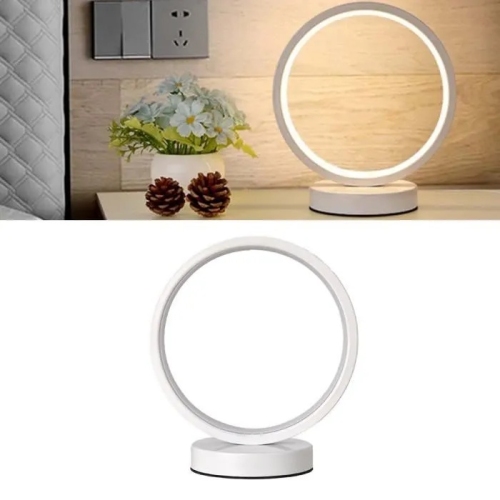
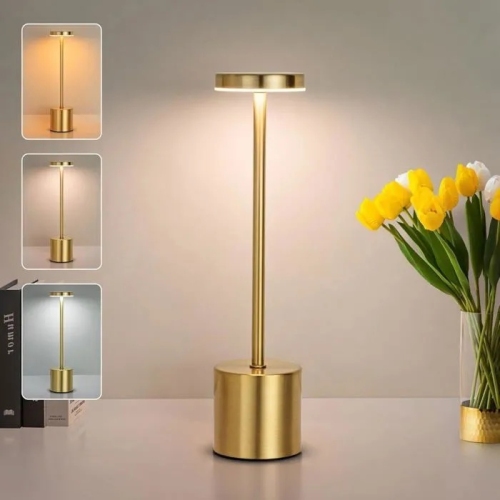
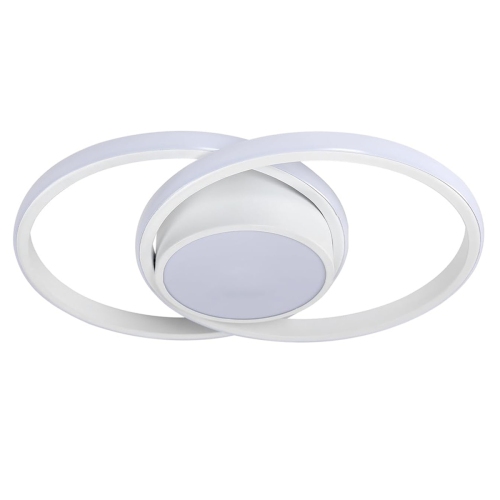
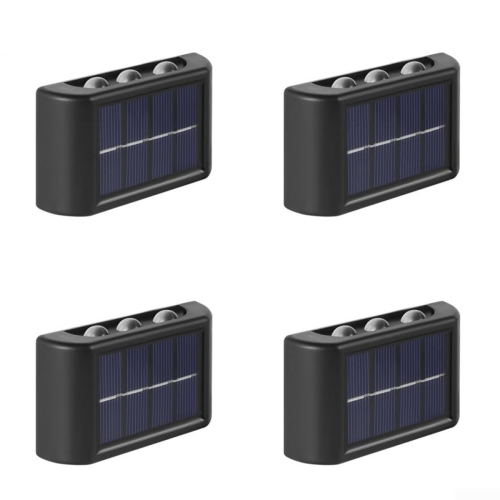

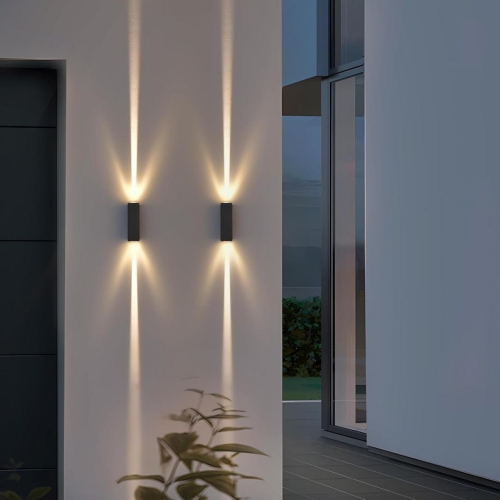
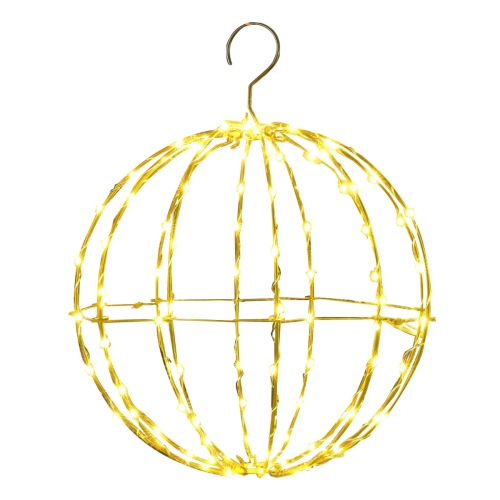
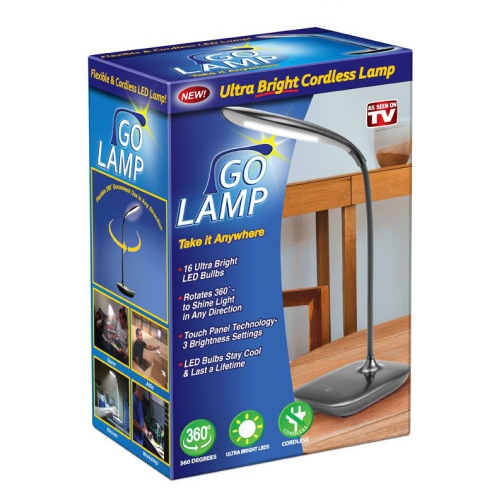
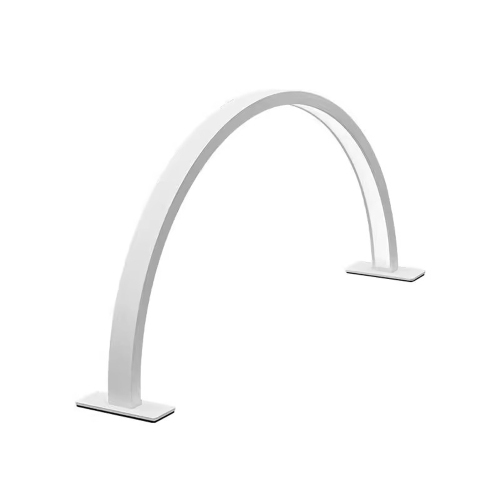

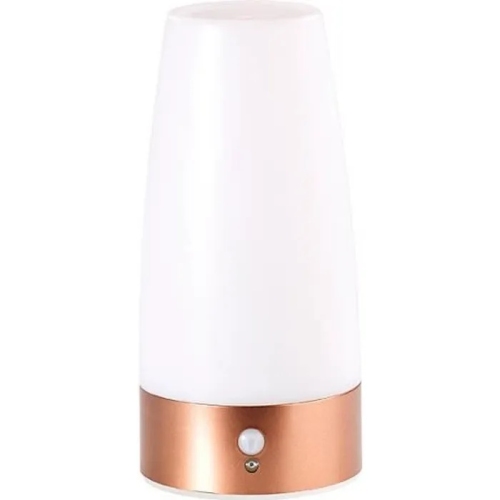
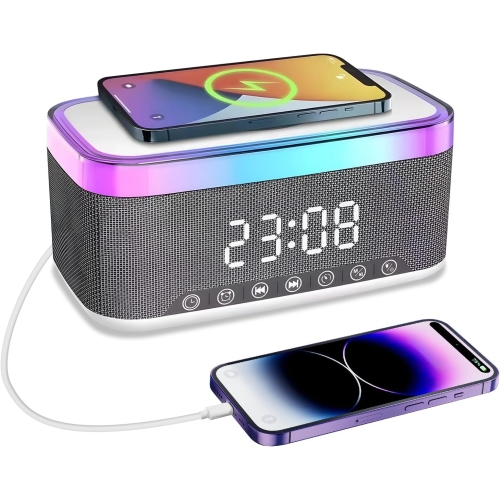
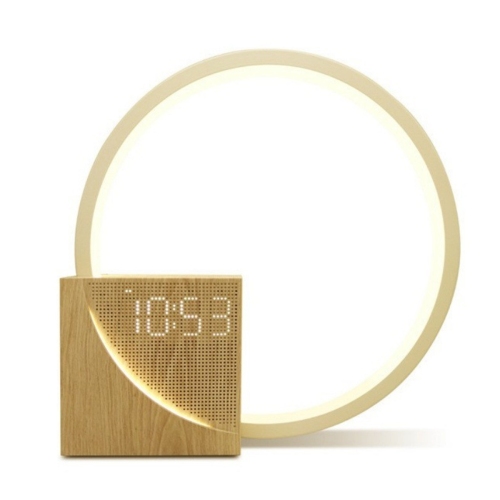
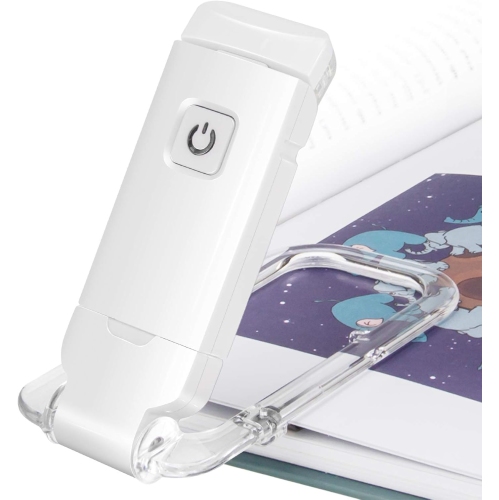
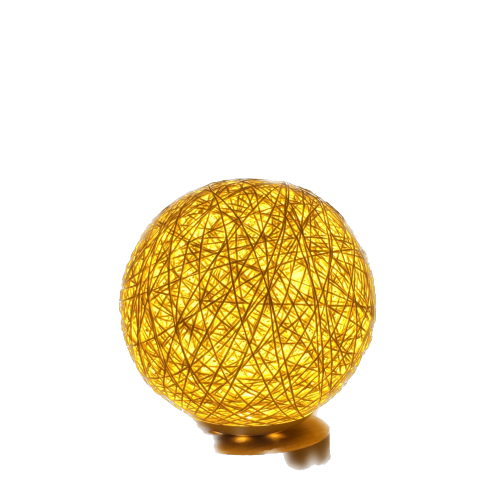
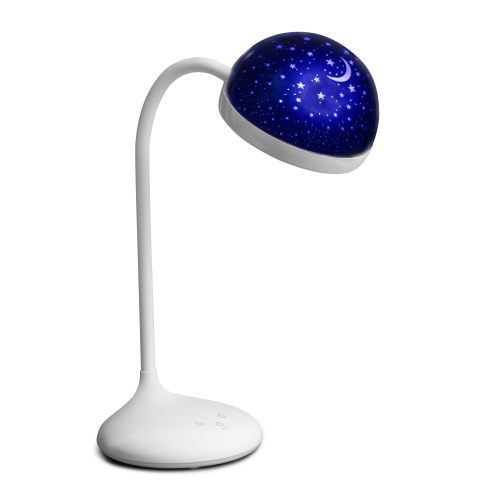
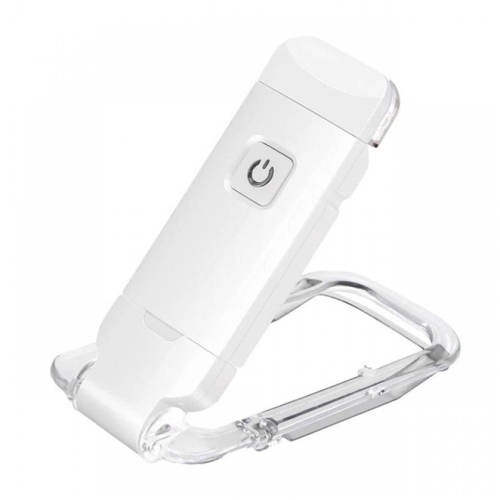
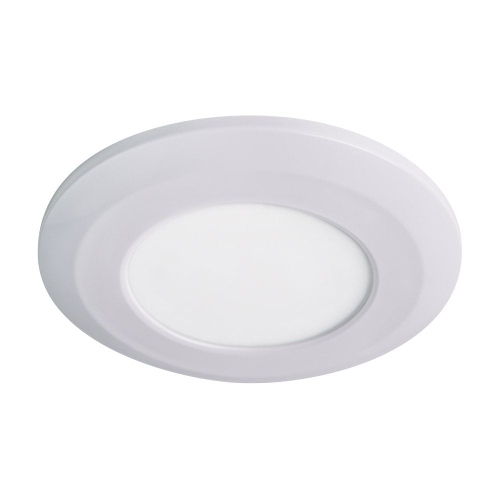
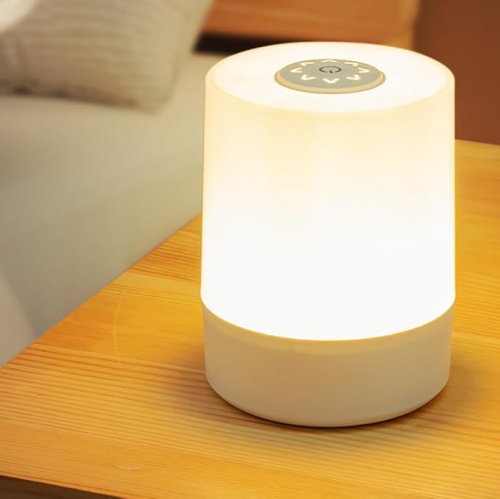
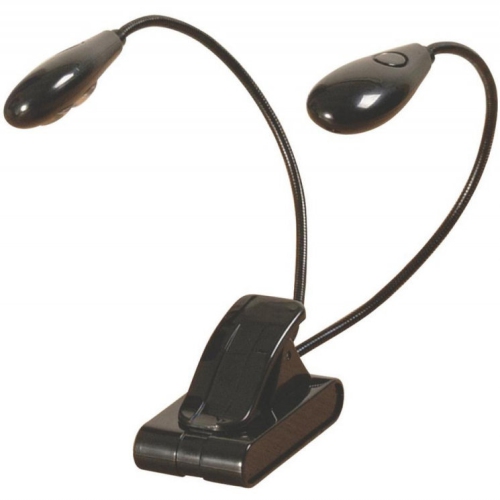

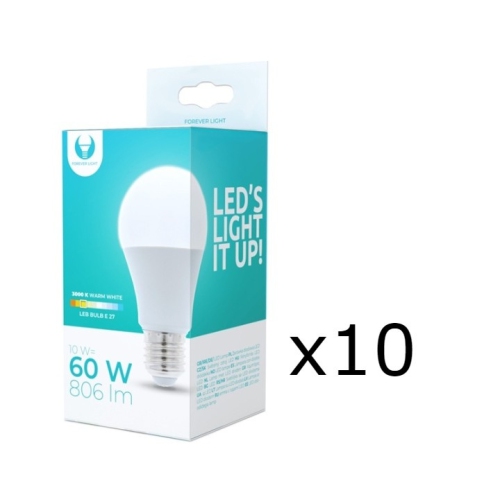
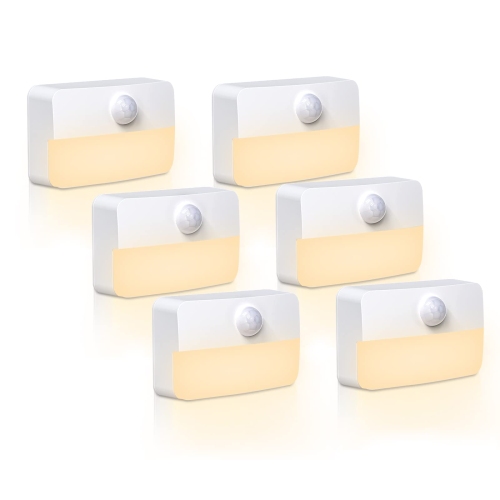
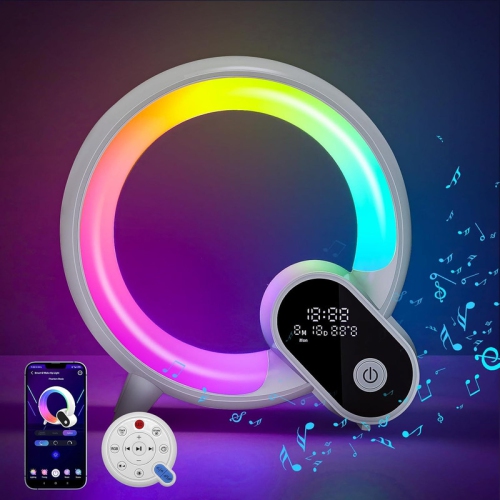
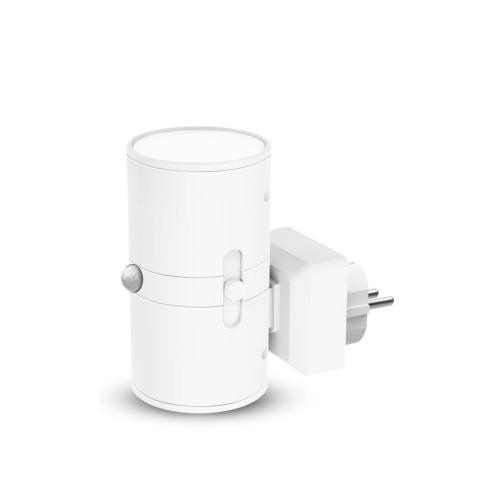
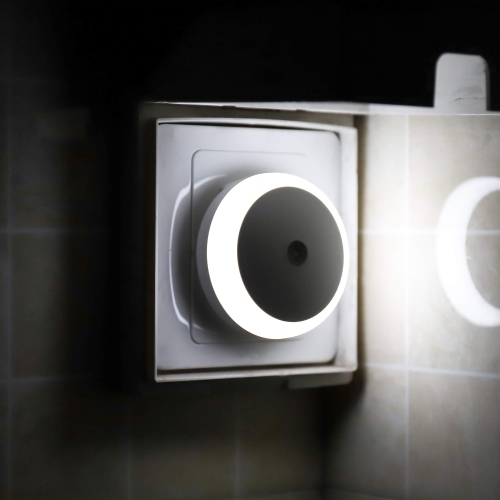
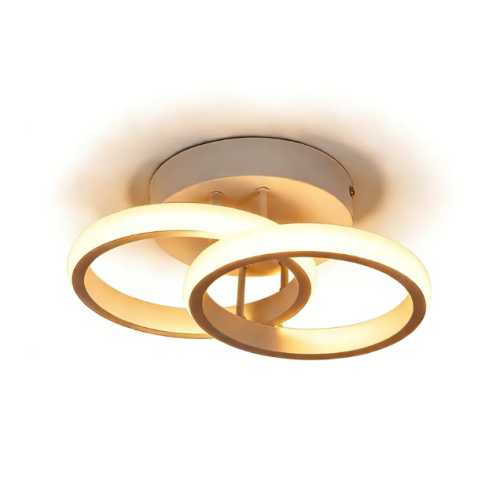


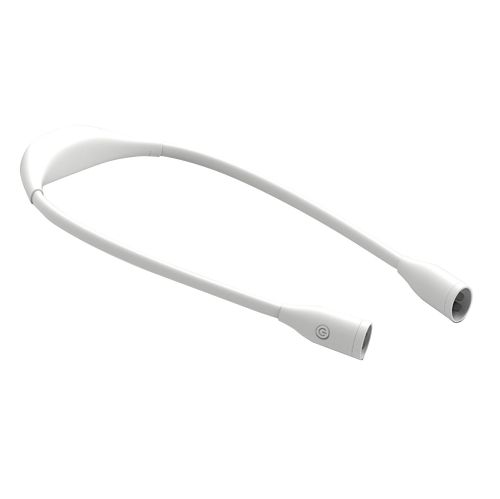
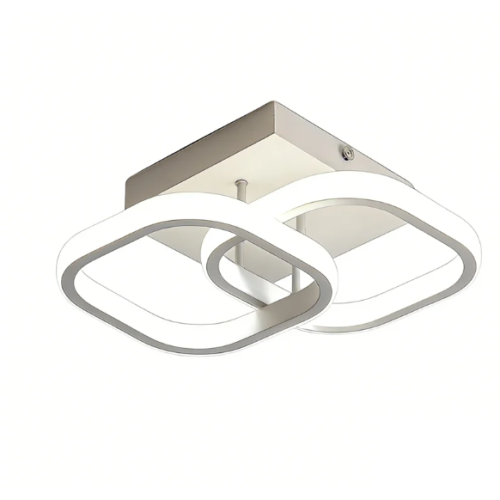
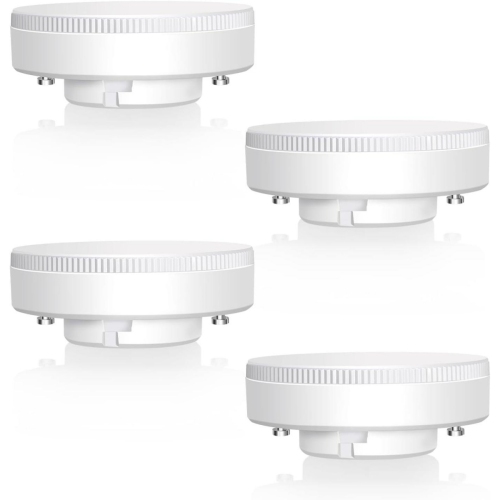
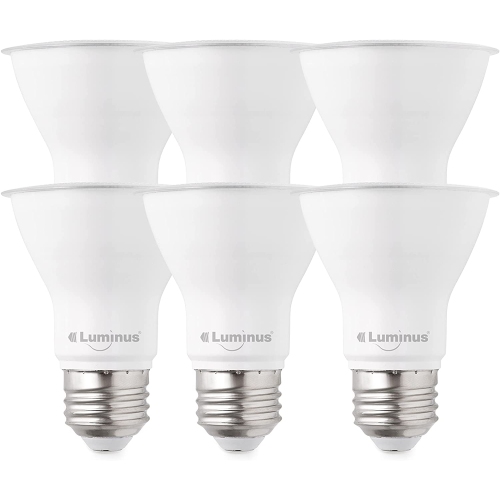
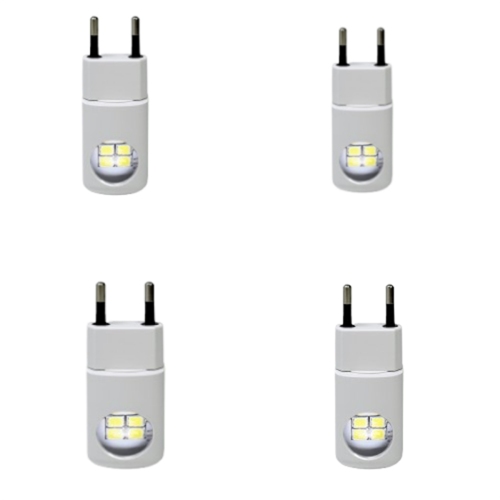
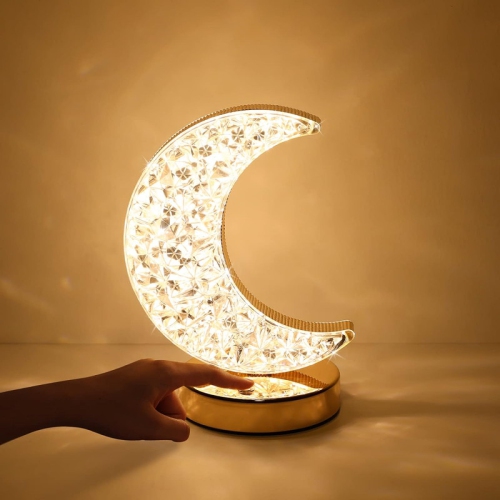
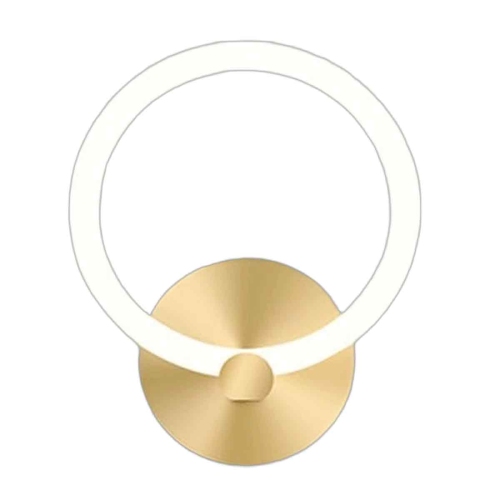

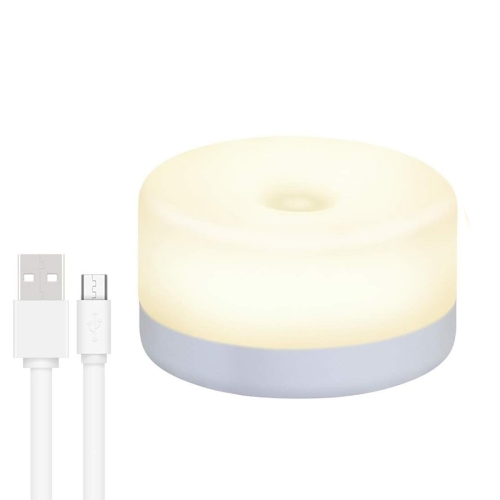
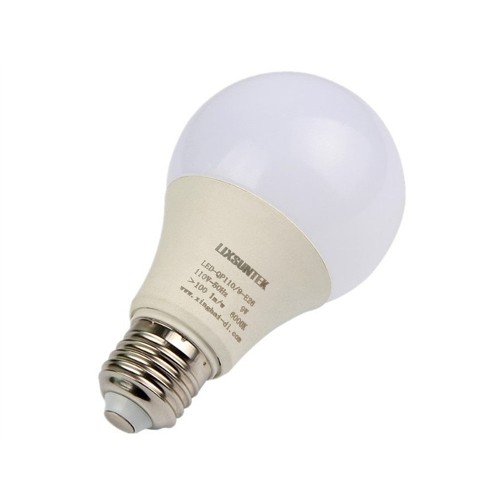
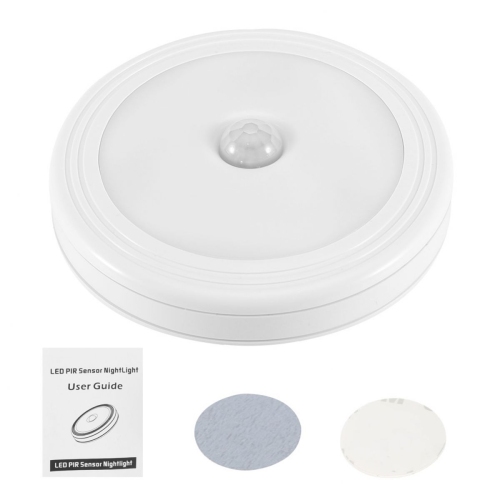
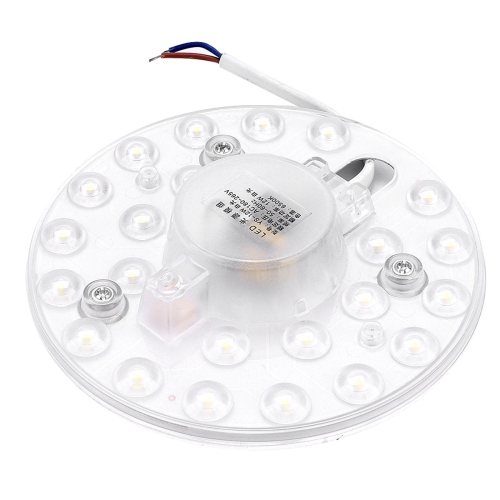
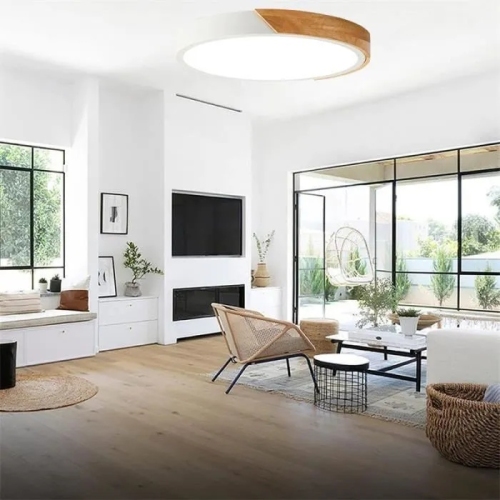
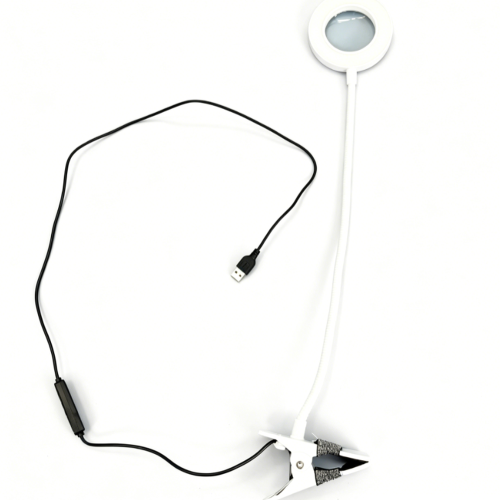
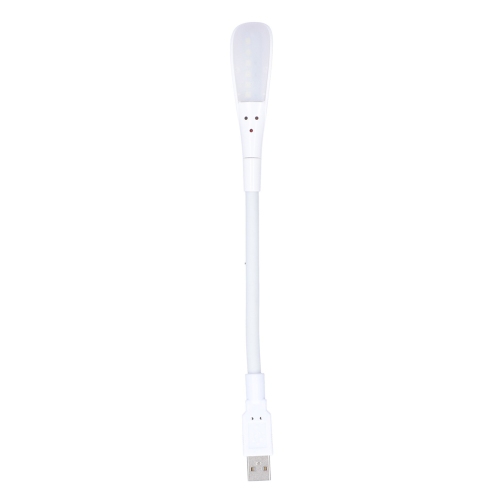
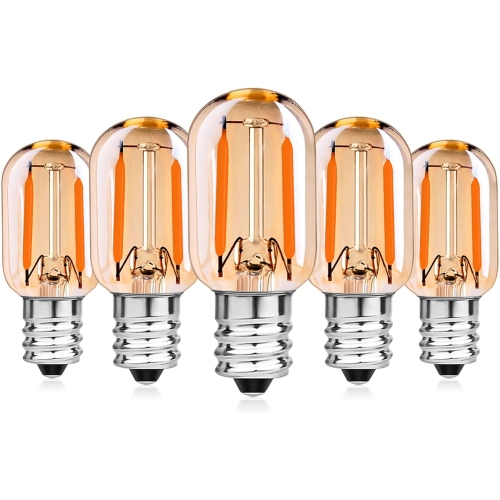
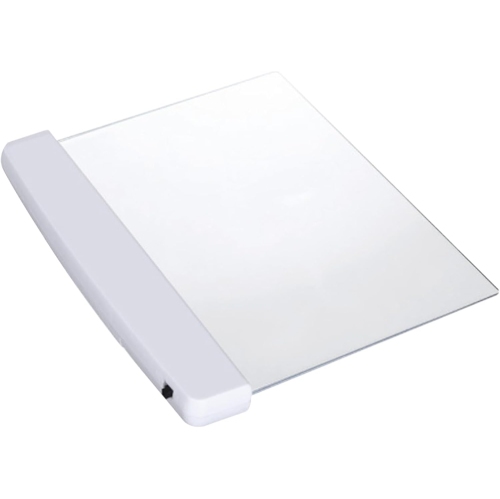
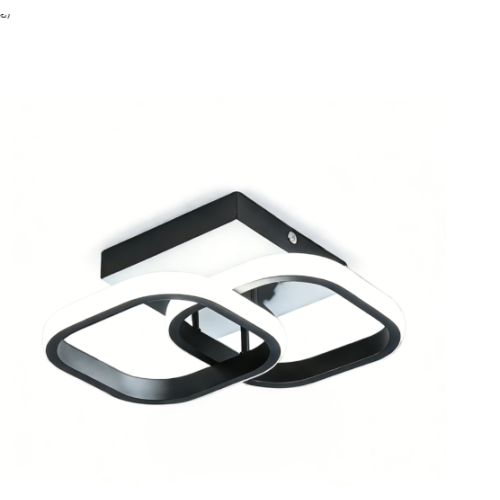
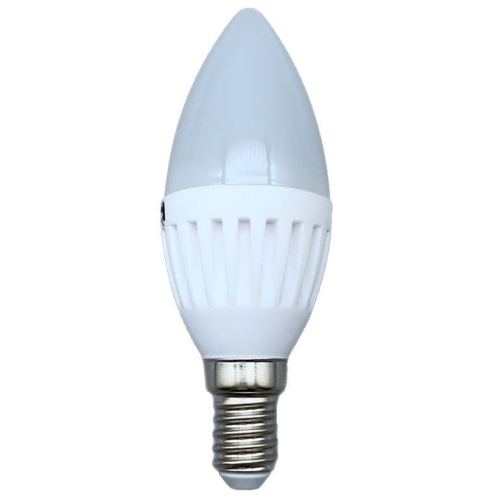
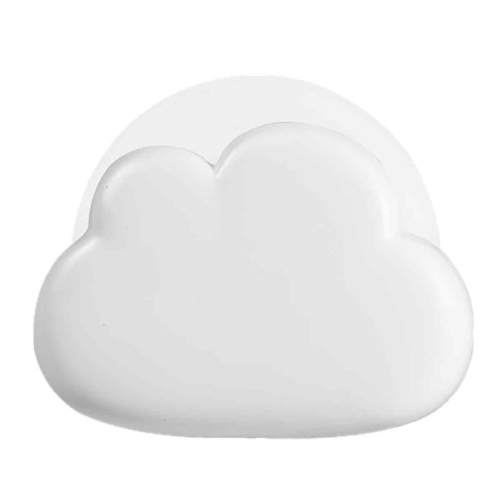
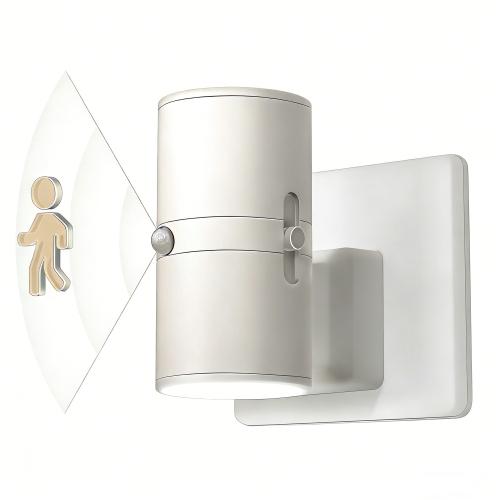
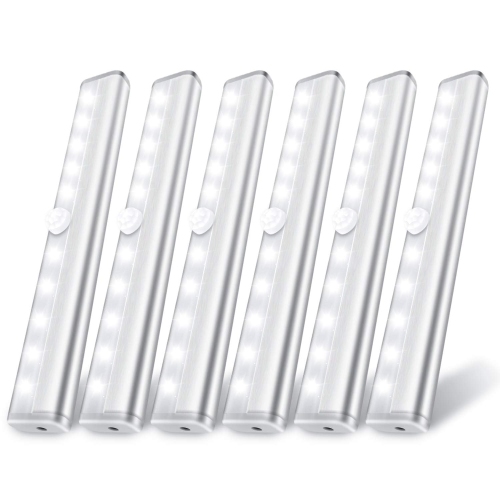

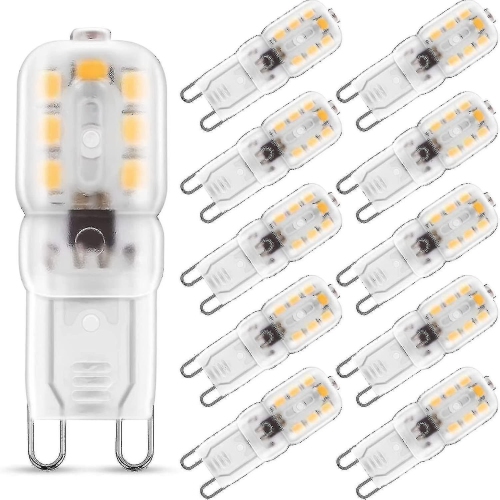
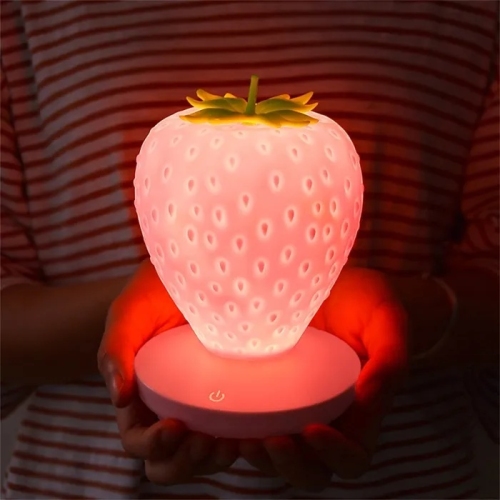

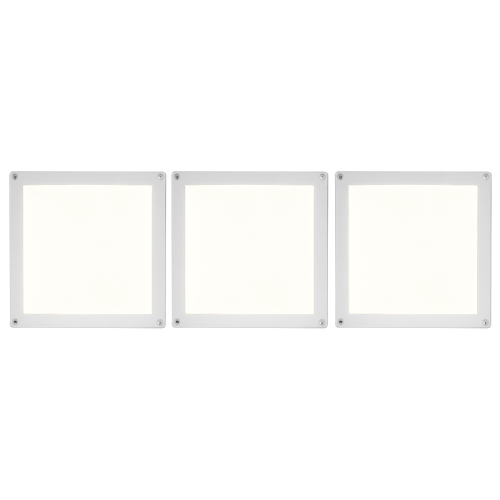
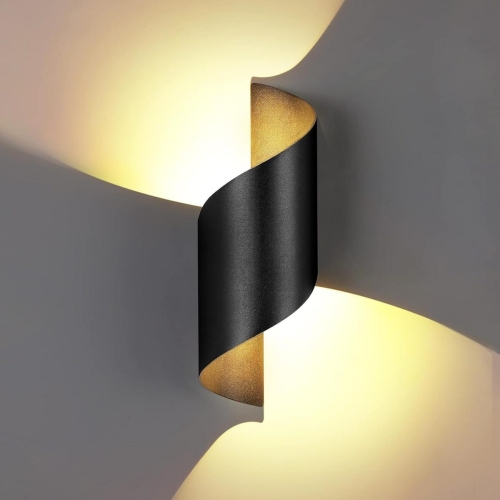
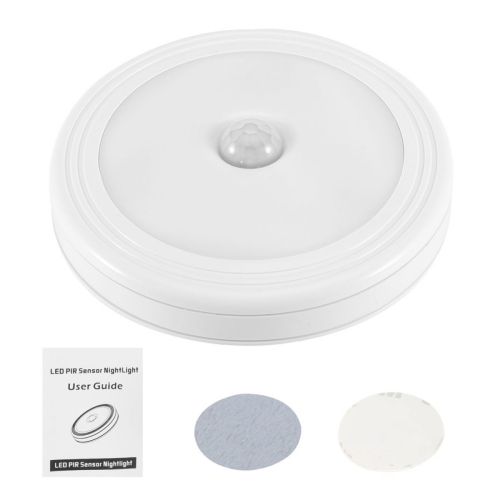
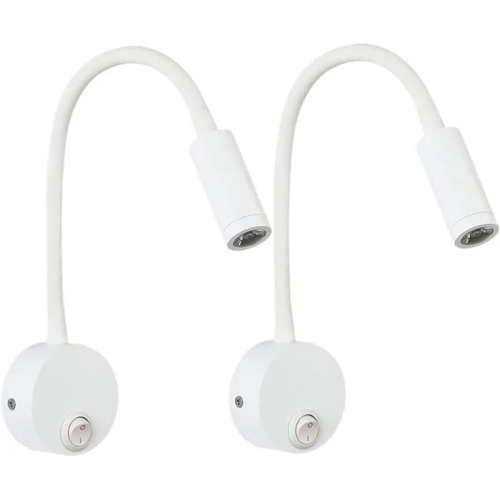
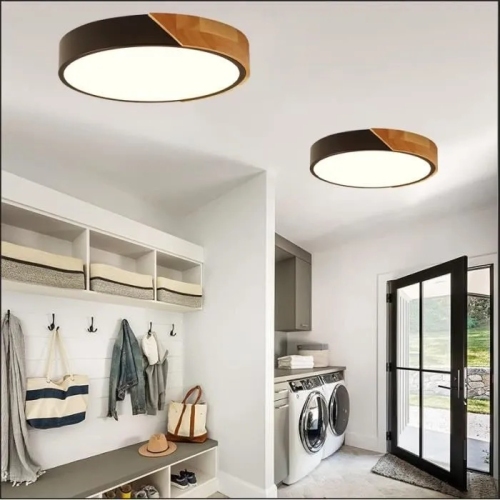
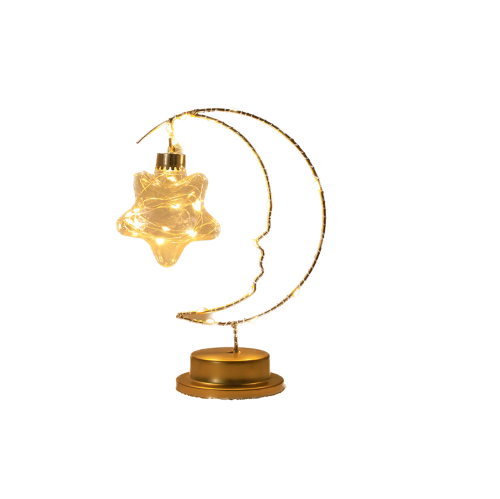
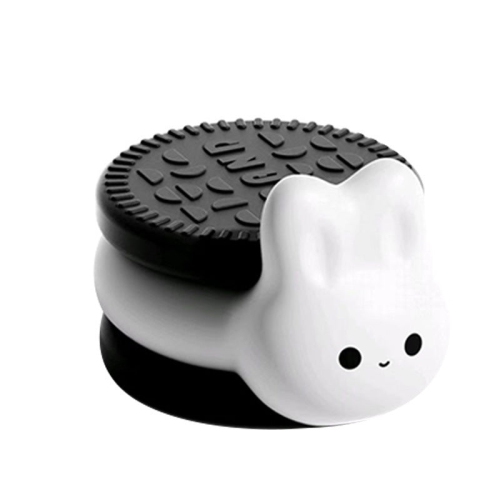
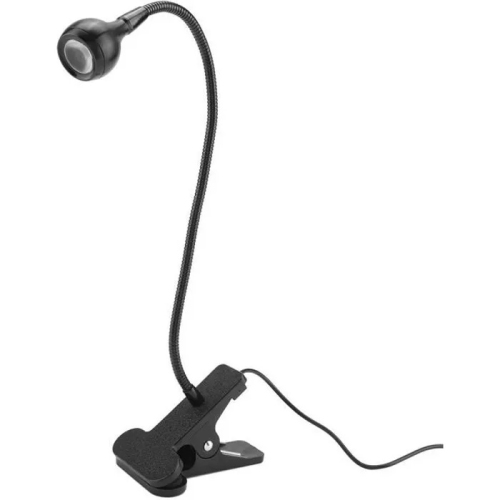
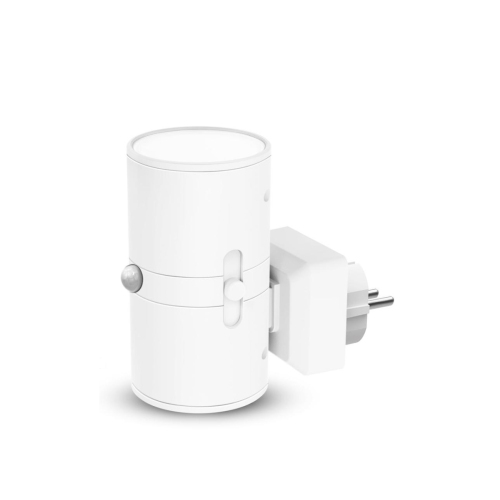
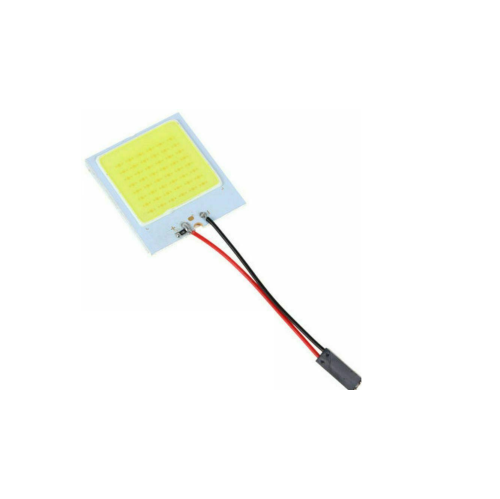

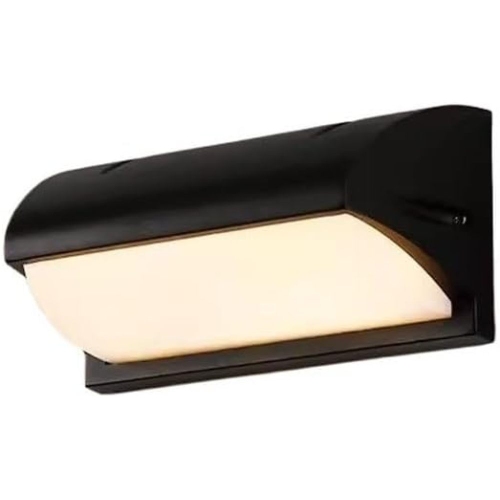
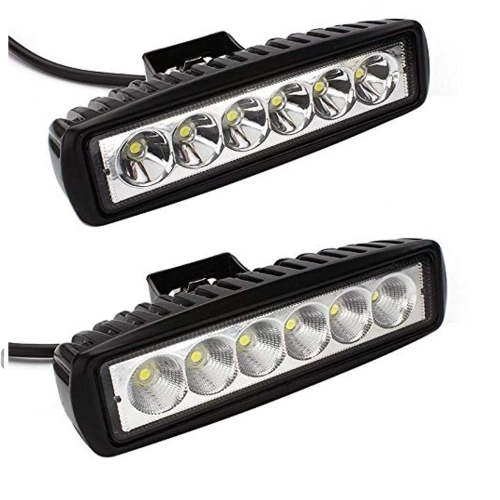


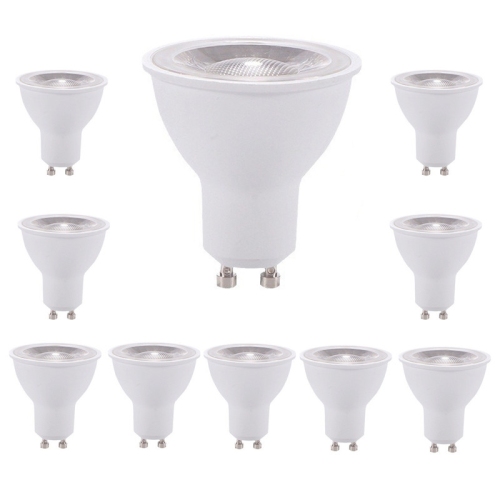
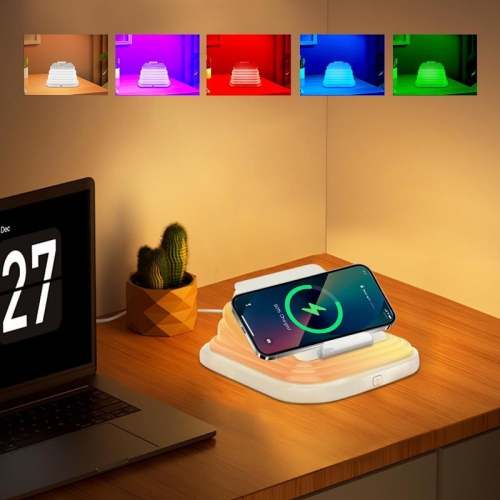
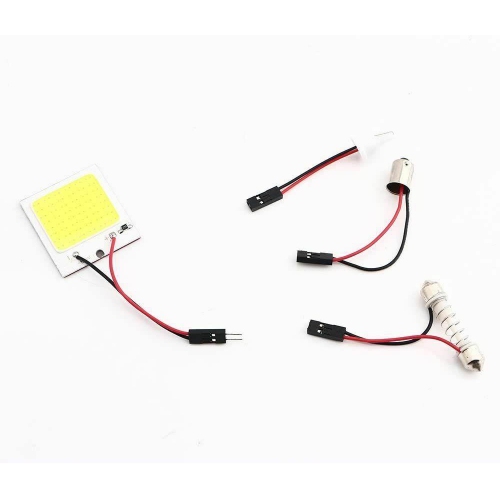
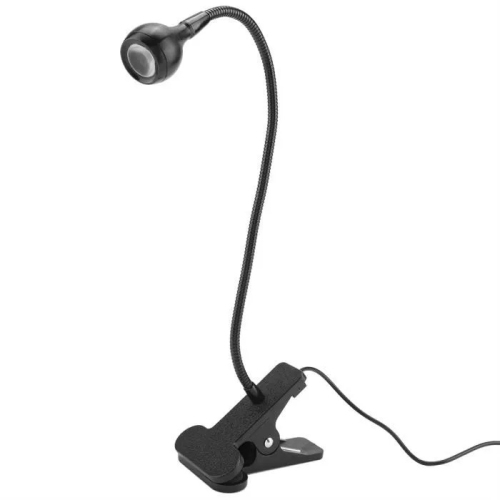

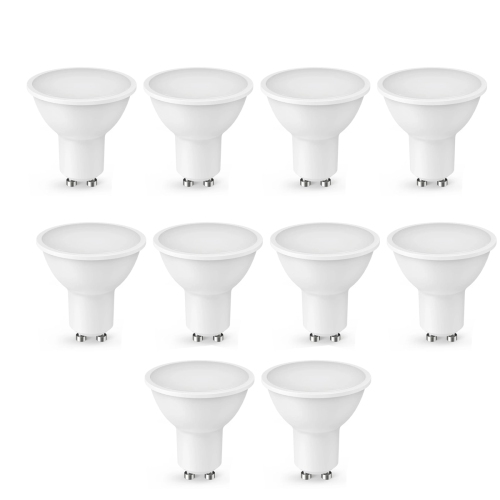
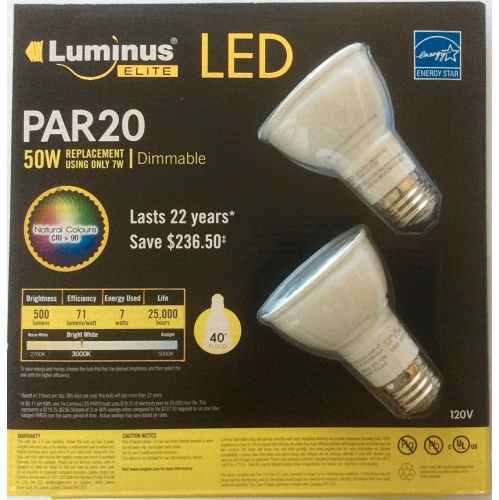
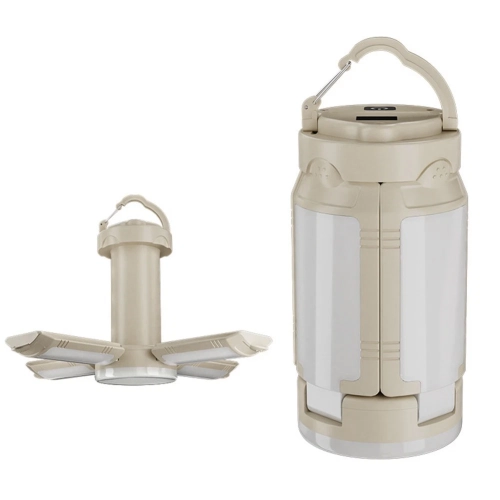
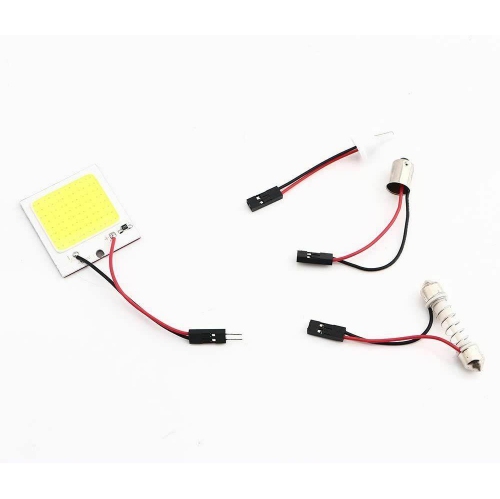
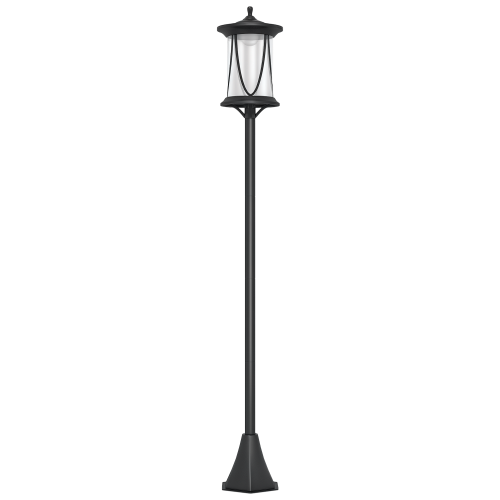
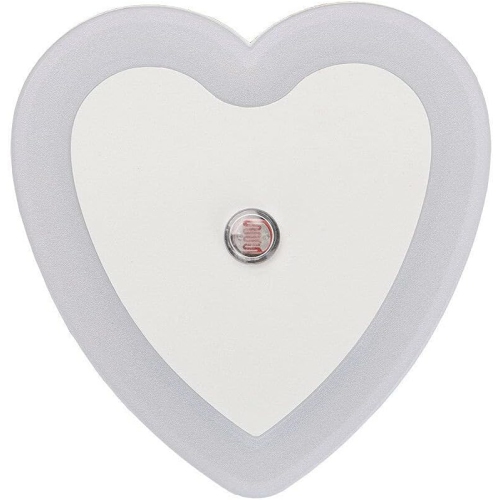
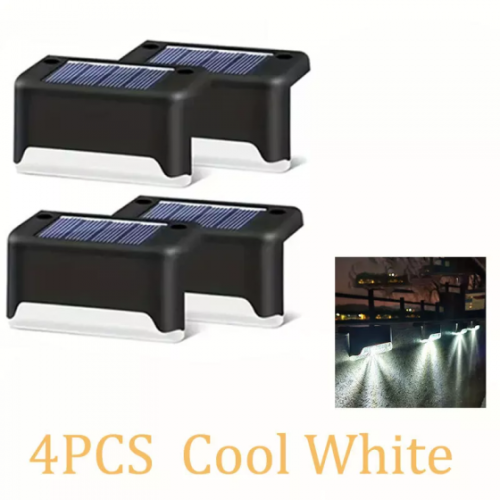
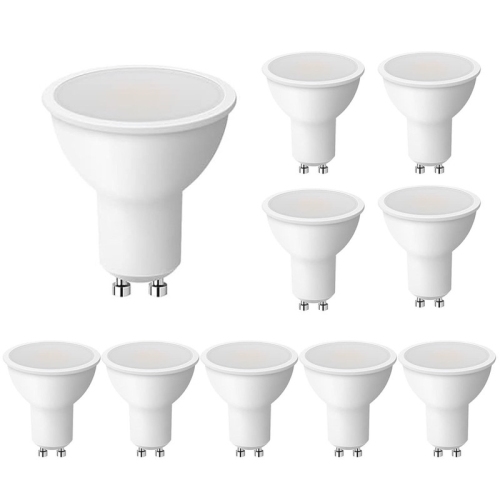
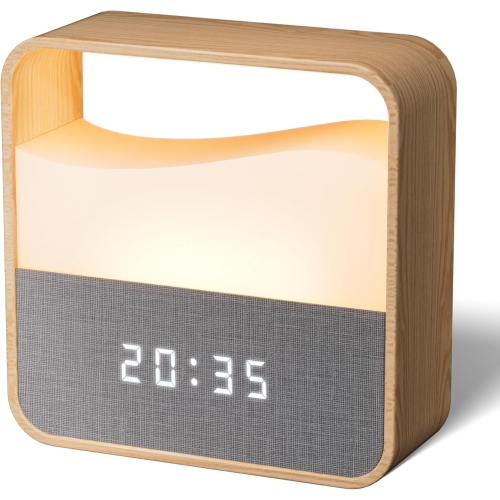
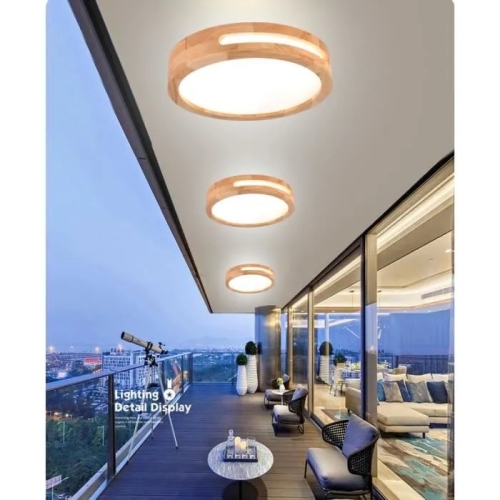

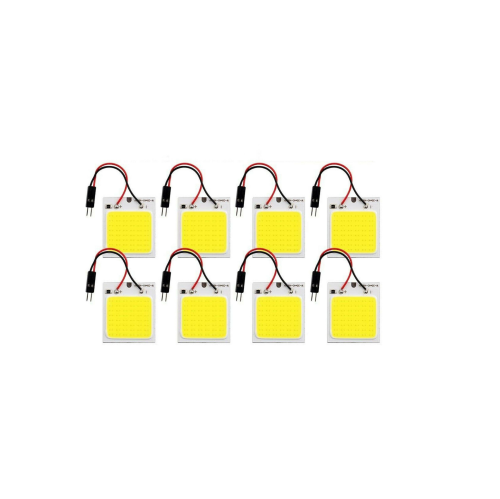
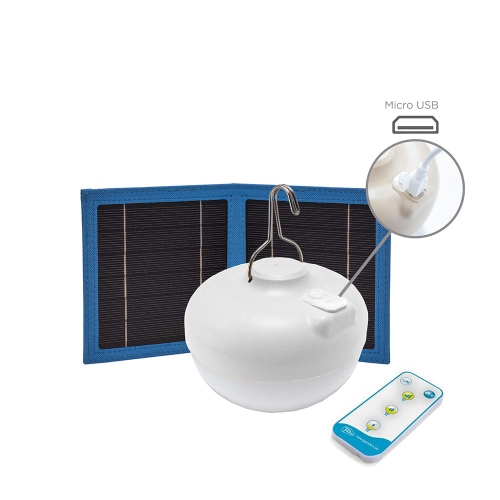
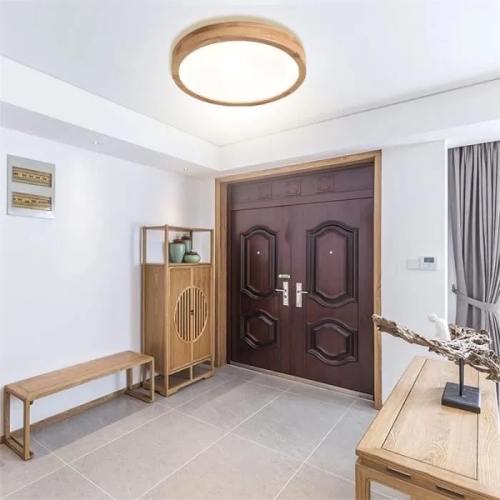
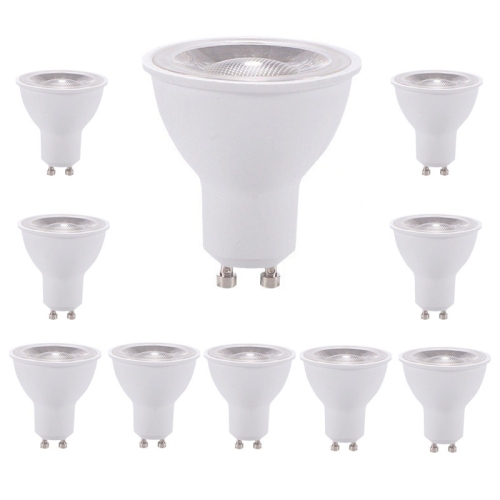

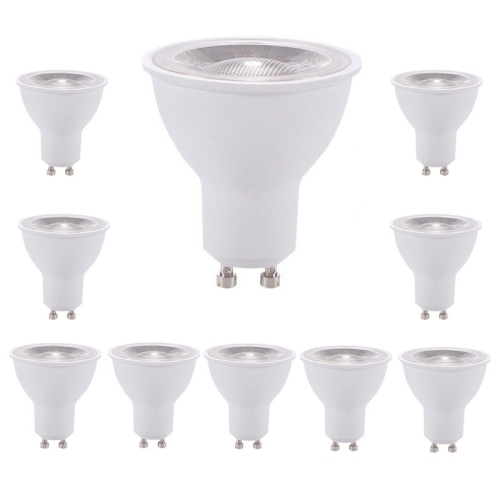
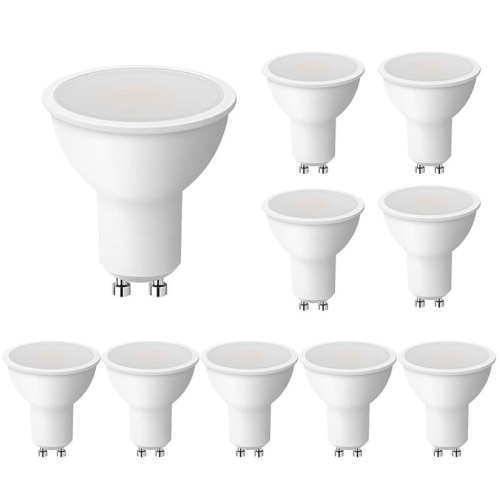

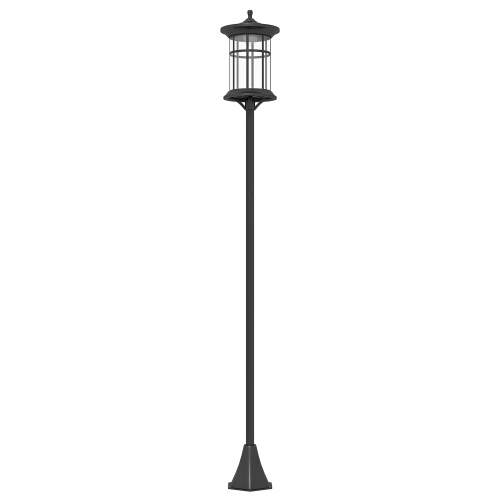
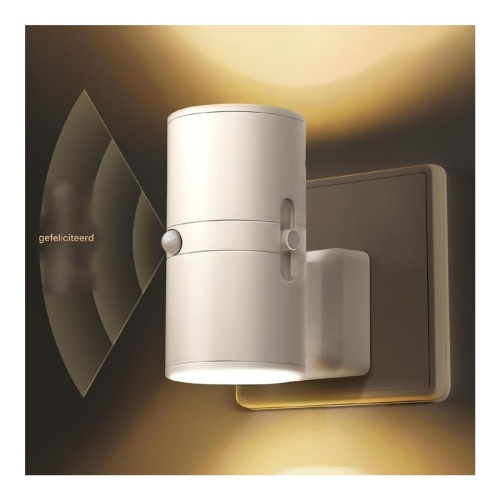
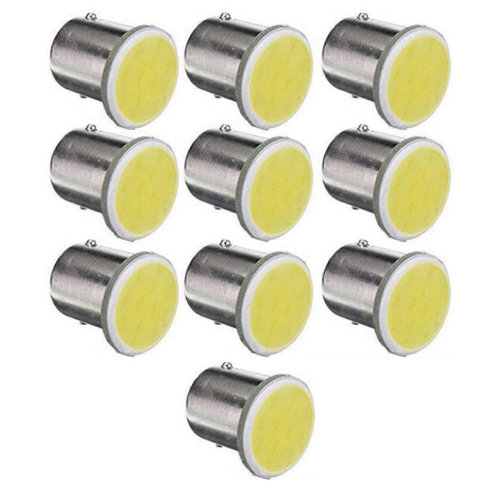

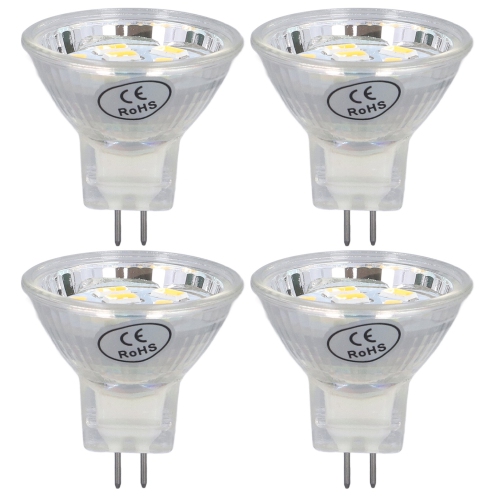
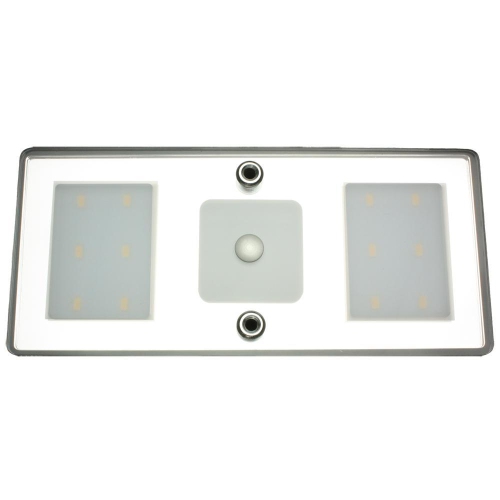
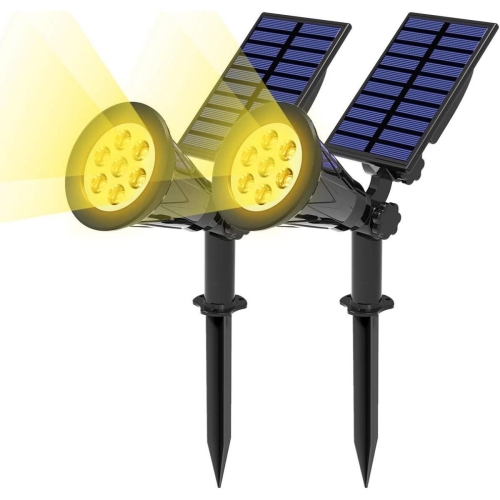
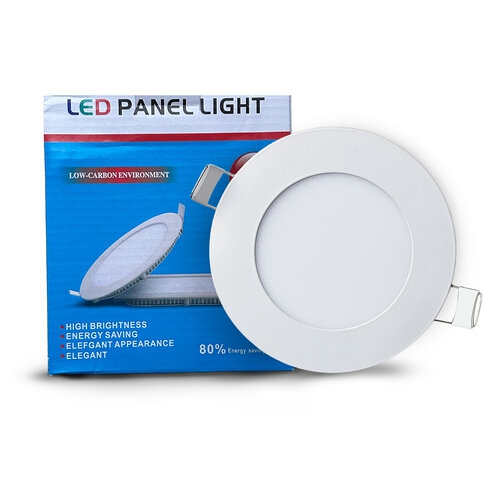
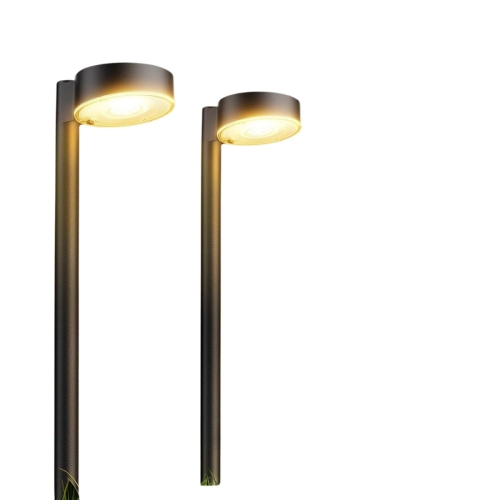
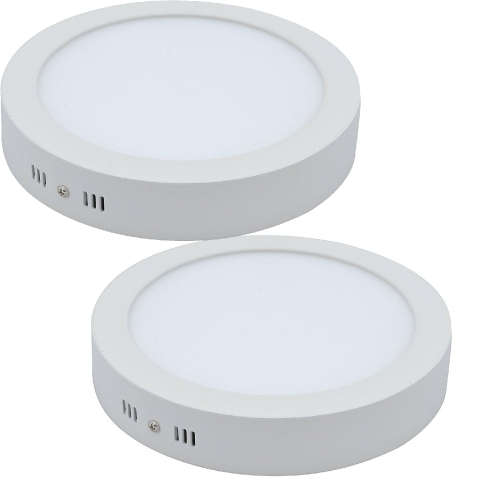
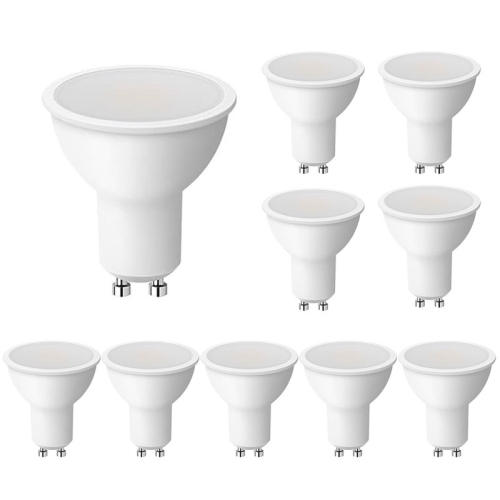
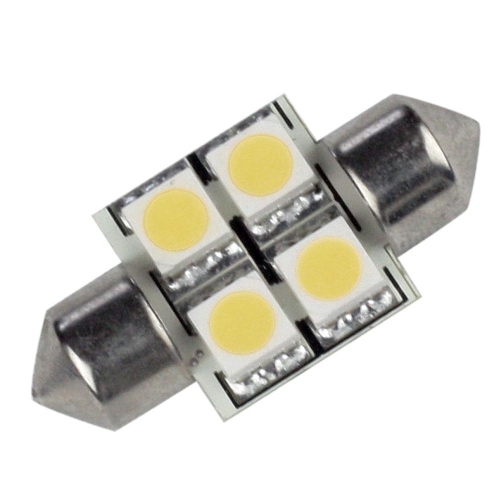
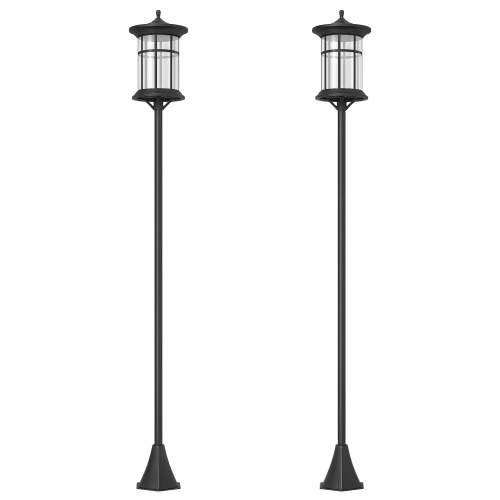
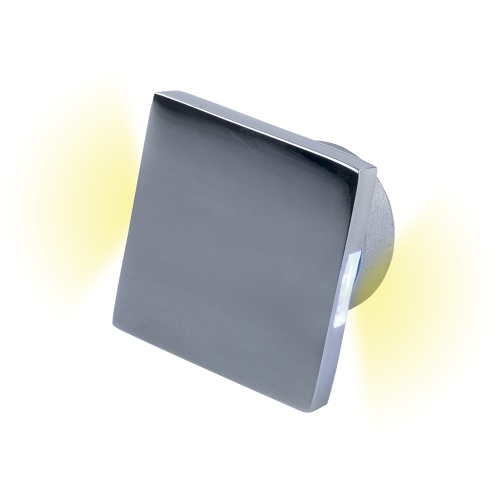
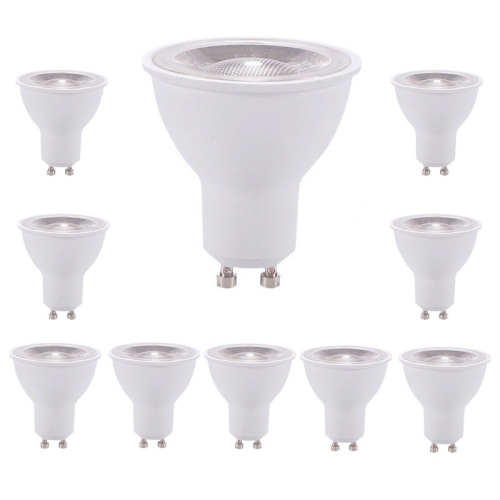
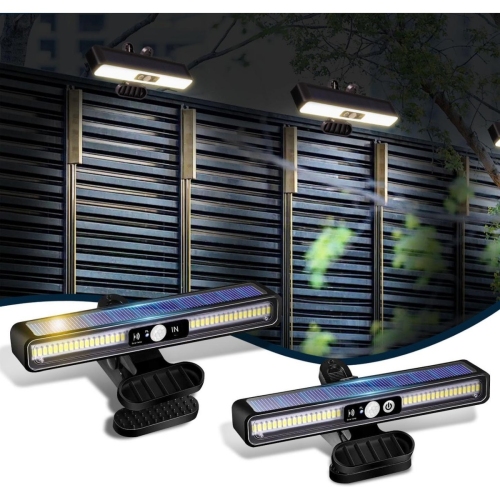
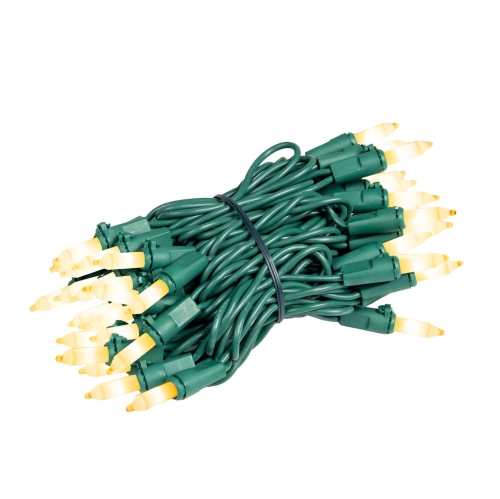
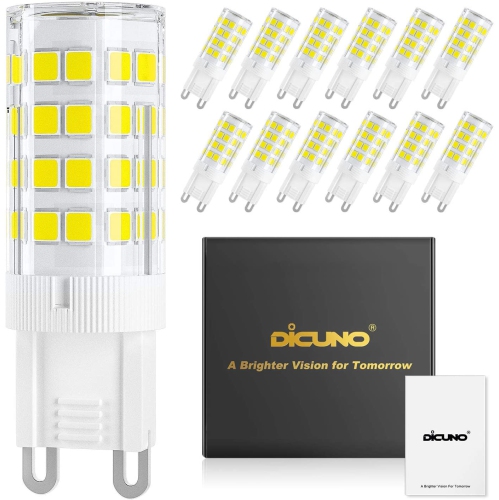

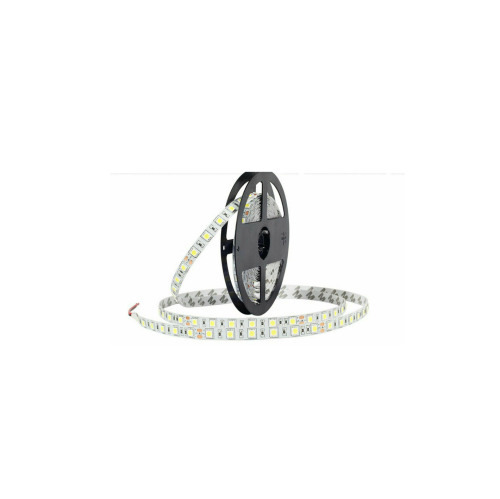
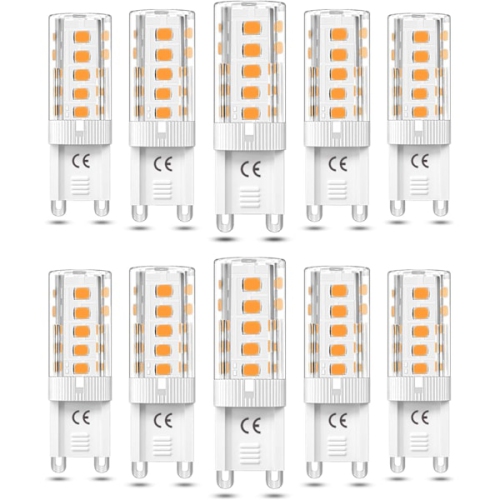
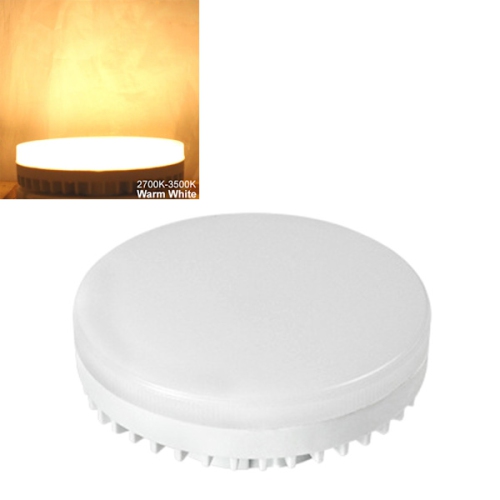

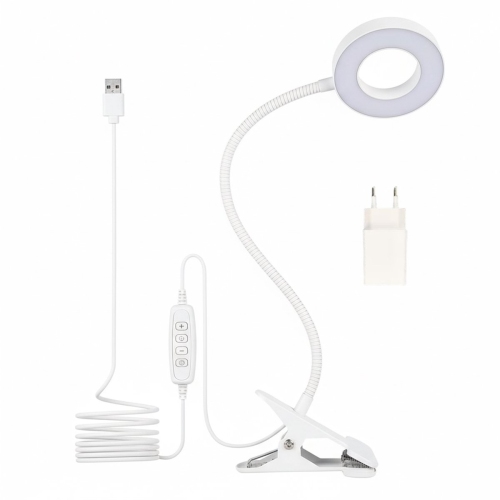
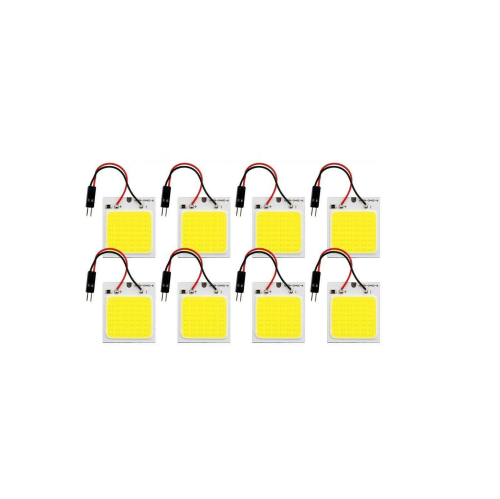

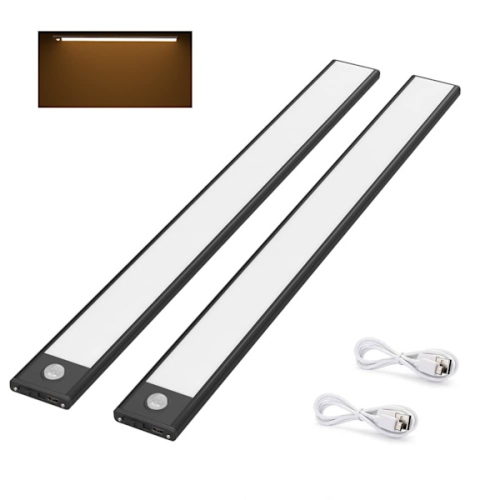
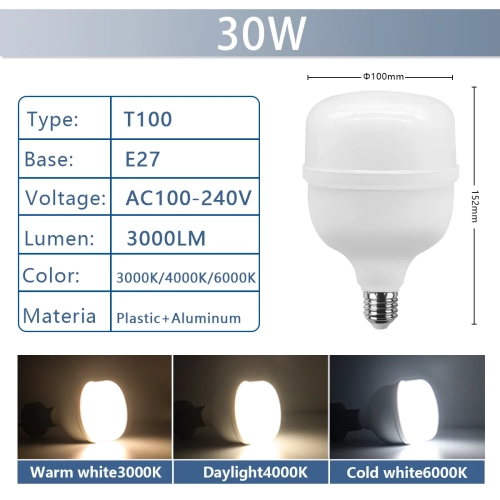
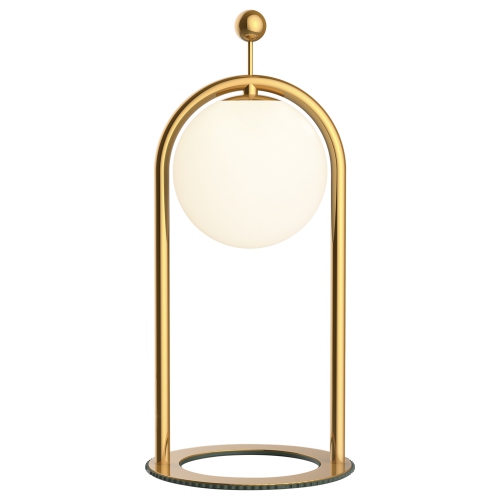
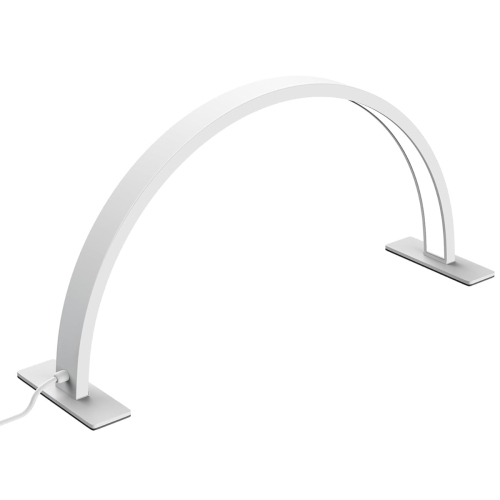
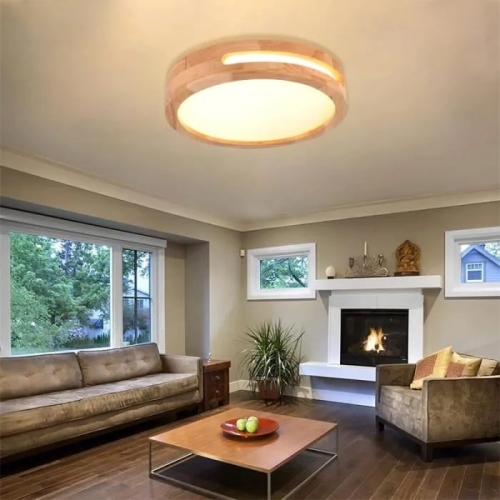
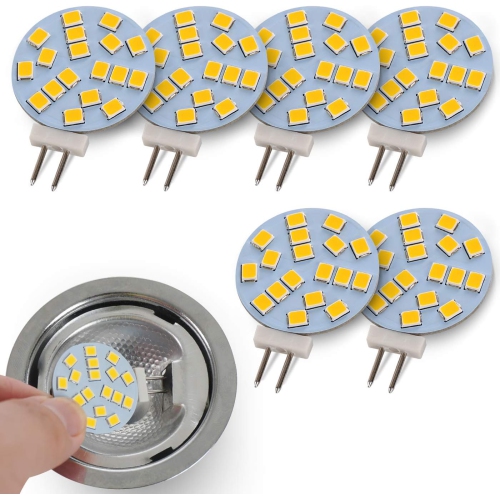
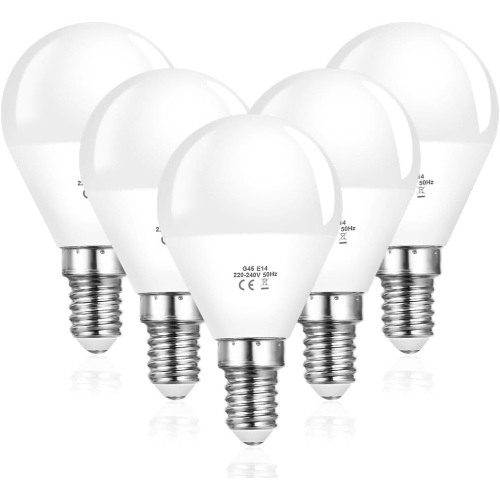
A white finish doesn’t define the light’s colour
White LED lamps bring a clean, versatile finish to everyday lighting, with designs suited to desks, bedside tables, living rooms, and reading corners. The word “white” can describe the lamp’s exterior, the light it produces, or both, so the finish and light colour are separate details worth considering. A white lamp body can produce warm, neutral, or daylight-toned illumination, depending on its LED source and settings. Against a pale wall, a slim white lamp can blend into the room; beside a dark sofa or walnut desk, the same finish creates a distinct contrast. Desk lamps typically direct light towards a work surface, while table lamps add a softer pool of illumination beside a bed or seating area. Floor lamps bring light closer to an armchair without taking up space on a side table, and adjustable reading lamps can aim a narrower beam at an open book. Materials contribute to both appearance and everyday practicality. Painted metal offers a solid feel, moulded plastic can keep a compact lamp lightweight, and glass or fabric shades soften the visible light source in different ways. Matte white finishes tend to look understated, while glossy surfaces reflect more of the surrounding light. The right proportions depend on the furniture around the lamp as much as the size of the room. A broad base needs enough clear tabletop space, an articulated arm needs room to extend, and a floor lamp should sit without obstructing a walkway. On a shared desk, a narrow base or a compatible clamp mount leaves more space for notebooks and a keyboard. Beside a bed, a shade positioned below seated eye level can help keep the brightest part of the lamp out of direct view. These practical differences make white LED desk lamps, table lamps, and floor lamps useful for students, home-office users, readers, and anyone adding focused or accent lighting to a room.
The quality of light matters just as much as the lamp’s shape. Lumens describe the amount of light a source produces, while watts describe its power use; wattage alone does not reliably indicate how bright an LED lamp will appear. A small bedside lamp and a task lamp illuminating a broad worktop serve different purposes, even when their dimensions look similar. Beam direction, distance from the surface, and the shade or diffuser all affect how that light reaches the page or tabletop. Colour temperature, measured in kelvins, describes whether white light looks warmer or cooler. Warm white light around 2700K to 3000K has a softer, yellowish appearance often suited to bedrooms and relaxed seating areas. Neutral white light around 3500K to 4100K offers a less yellow appearance for everyday tasks, while daylight settings around 5000K to 6500K look cooler and may have a bluish cast. These ranges describe appearance rather than a guarantee of greater brightness or better concentration. Adjustable colour temperature allows one lamp to provide different light tones for reading, paperwork, or softer background illumination. Dimming adds another useful layer of control, particularly when a lamp serves both task and accent roles. Smooth adjustment can make it easier to find a comfortable level than a small number of fixed brightness steps, although controls vary by design. A diffuser helps spread light across a wider area, while an adjustable head allows the beam to stay on the task rather than shining towards someone seated nearby. For drawing, sewing, or matching fabric colours, colour rendering is another relevant specification: a colour rendering index, or CRI, of 90 or higher generally indicates more faithful colour appearance than a lower-rated source. Position also makes a noticeable difference during ordinary use. Light coming from the side opposite the writing hand can reduce hand shadows, and angling a lamp away from a monitor can limit reflections on the screen. Even a bright task lamp works best as part of balanced room lighting rather than as the only illuminated spot in an otherwise dark room.
Everyday convenience often comes down to details that are easy to overlook in a photograph. Touch controls can keep a white LED lamp’s profile simple, while a physical switch or rotary control may be easier to locate by feel beside a bed. A remote can be useful for a floor lamp placed behind a chair, and smart-enabled designs may support app control, schedules, or voice commands when paired with compatible devices and networks. Wi-Fi requirements and control options vary, so compatibility matters more than the presence of a smart label alone. USB-powered lamps need a suitable power source, and a built-in charging port has its own output limits; it should not be assumed to charge every device at the same speed. Cord length and outlet position also affect placement, especially on a desk that sits away from a wall. Rechargeable lamps offer flexible positioning for occasional use, but runtime depends on brightness settings and battery capacity. For durability, a stable base, secure joints, and an arm that holds its position are useful qualities in a lamp that will be adjusted frequently. Some lamps use integrated LEDs, while others accept replaceable LED bulbs. Integrated designs can have a slim shape, but the light source may not be user-replaceable; bulb-based lamps require the correct base, dimensions, and electrical rating. Care is usually straightforward: disconnect power before cleaning, remove dust with a soft cloth, and follow the manufacturer’s directions for the finish and shade material. Harsh cleaners can affect painted or plastic surfaces, and moisture should stay away from switches, ports, and electrical connections. A white LED lamp can also make a practical gift for someone setting up a study space, furnishing a first apartment, or creating a reading nook, particularly when its size and controls suit their routine. Where the goal is broad illumination across a utility area or workbench rather than a focused pool of light, White LED Shop Lights serve a different role from decorative and task lamps. For living spaces, the most useful combination remains a well-proportioned design, suitable light output, comfortable positioning, and controls that fit naturally into daily use.
Top selling and popular products
-
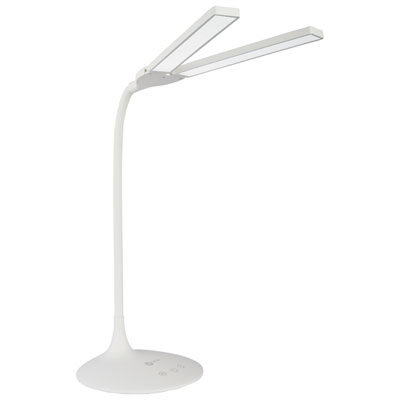 Your price for this item is $79.99
-
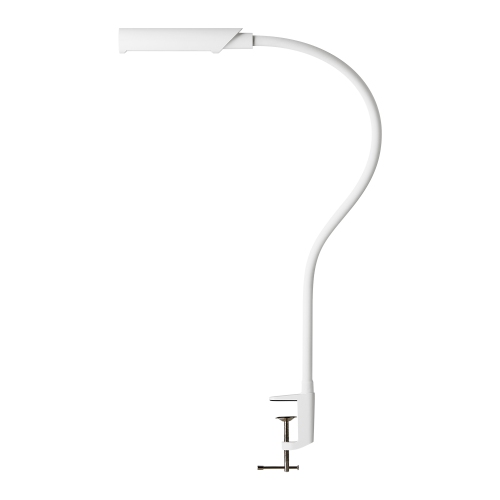 Your price for this item is $79
-
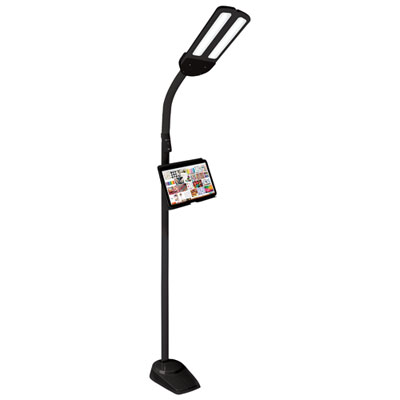 Your price for this item is $279.99
-
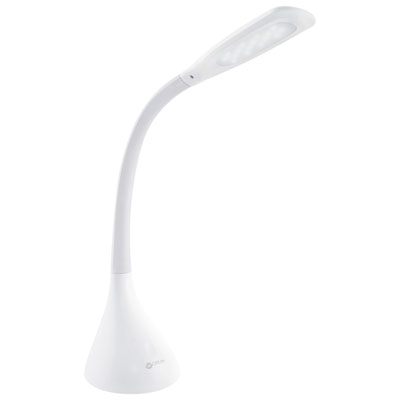 Your price for this item is $59.99
-
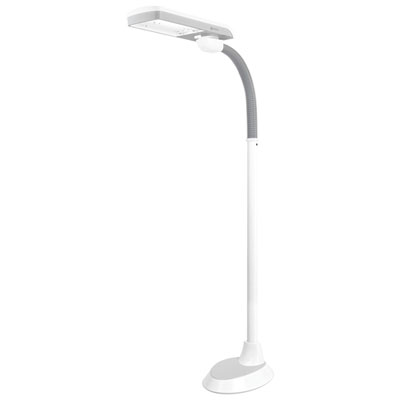 Your price for this item is $199.99
-
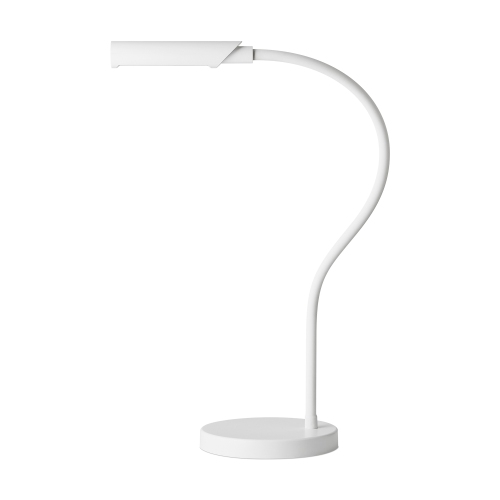 Your price for this item is $119
-
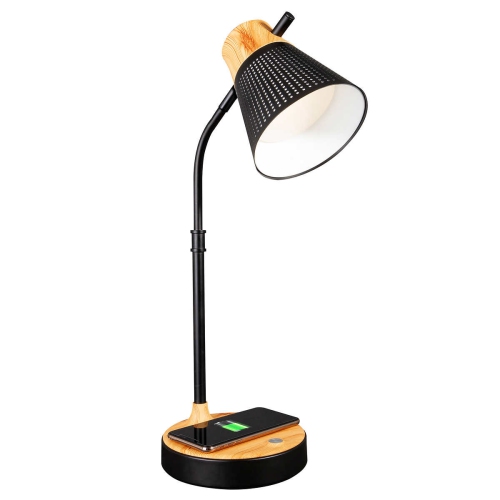 Your price for this item is $116.01
-
 Your price for this item is $185
Discover more categories related to White LED Lamps
Top Collections:
Best Black Friday Deals This Year, Best Black Friday Deals On Electronics, Kindle Devices, Pokemon Centers, Best Black Friday Deals On Apple Products, Best Cameras for Sports Photography, Dyson Airwrap, Pokémon 30th Celebration Cards, Apple iPhone 17 Pro, Canon G7X Cameras
Some products may be subject to Environmental Handling Fees
(EHF) depending on your province.
Learn more about EHFs.