White Storage Cabinets With Drawers
White Storage Cabinets With Drawers offer a stylish and practical solution for organizing any room in your home or office. Their clean, bright finish blends seamlessly with a variety of décor styles, making them a versatile addition to kitchens, bedrooms, living rooms, and workspaces. With multiple drawers designed to keep essentials neatly tucked away yet easily accessible, these cabinets help maximize space while keeping your environment clutter-free. Explore a range of sizes and configurations to find the perfect fit for your storage needs.
Sort

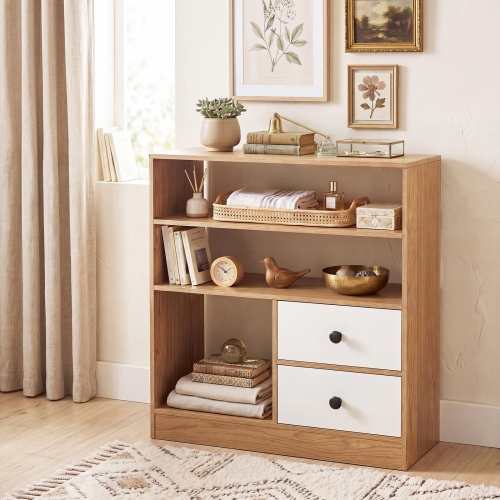
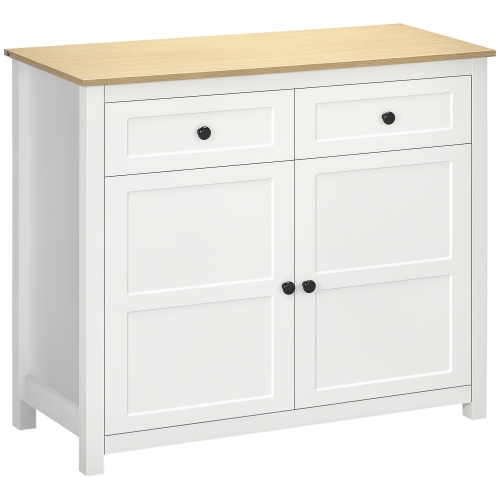
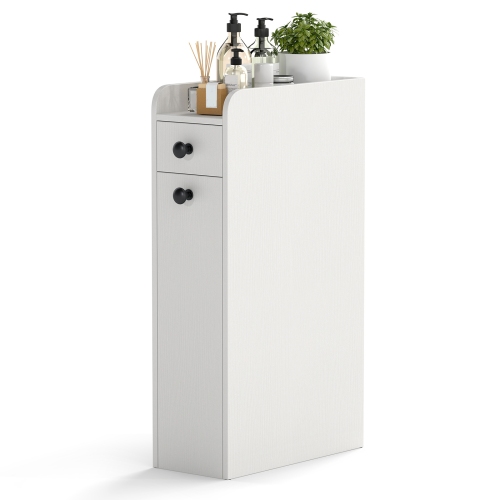
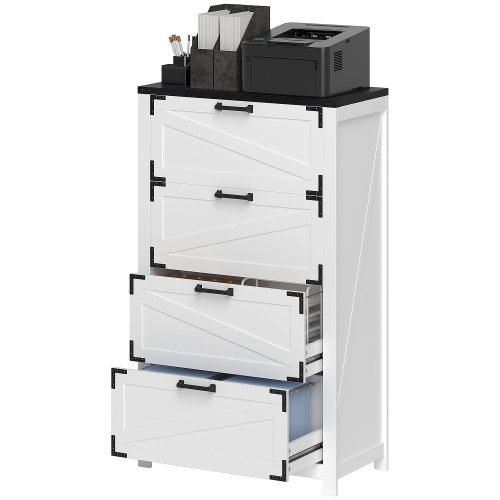
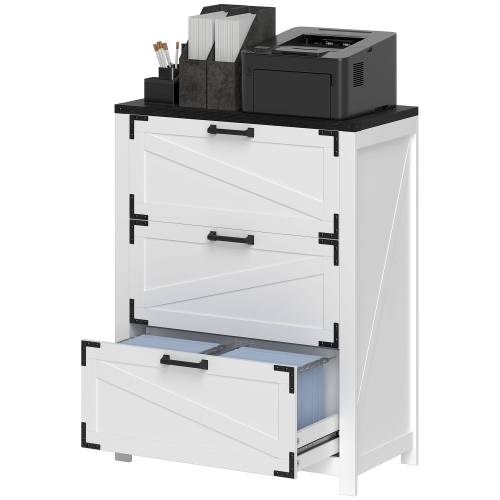
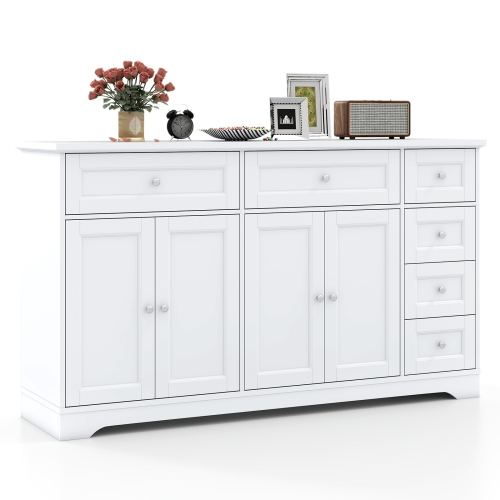
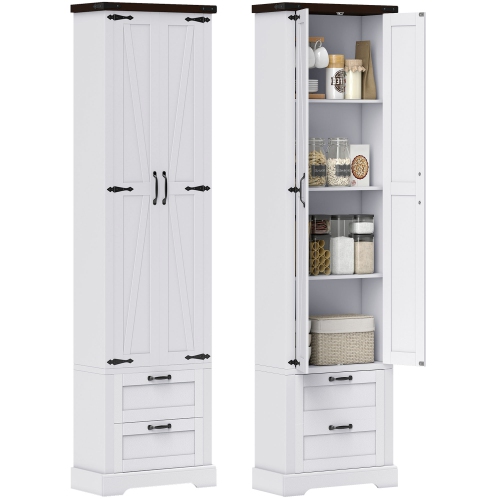
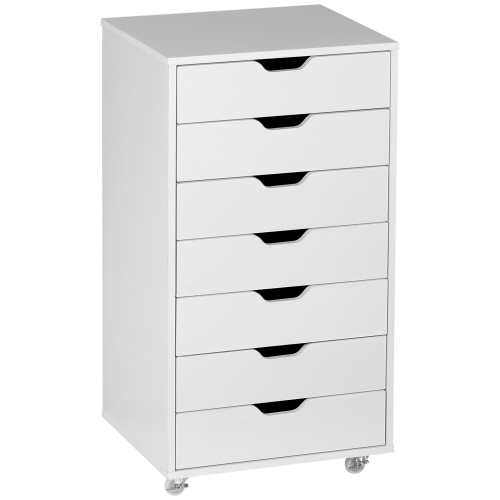
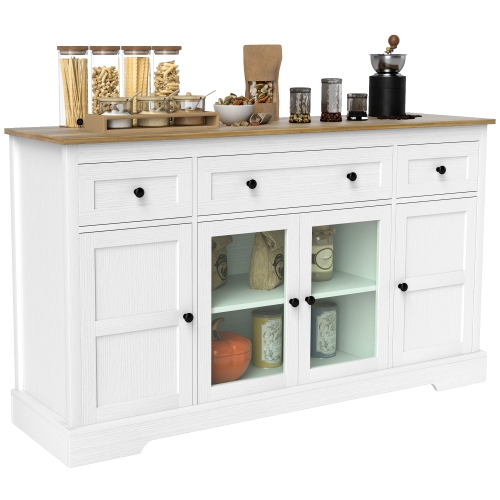
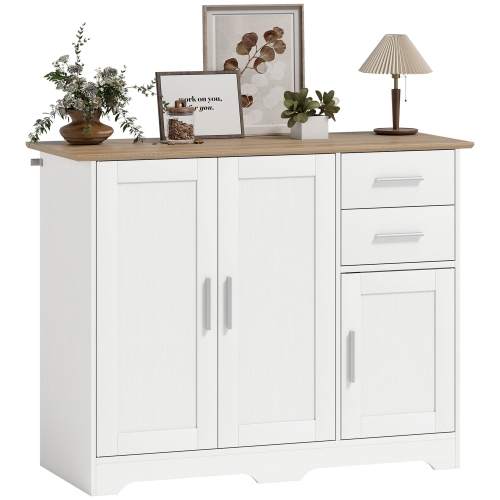
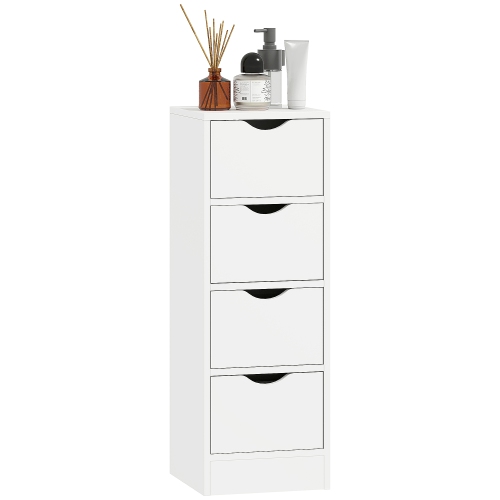
Everyday essentials tucked away in their own compartments
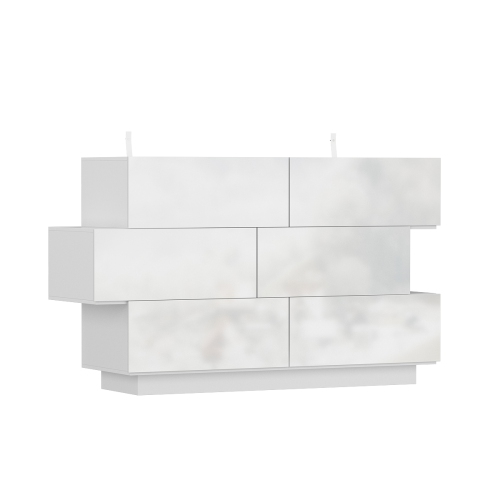
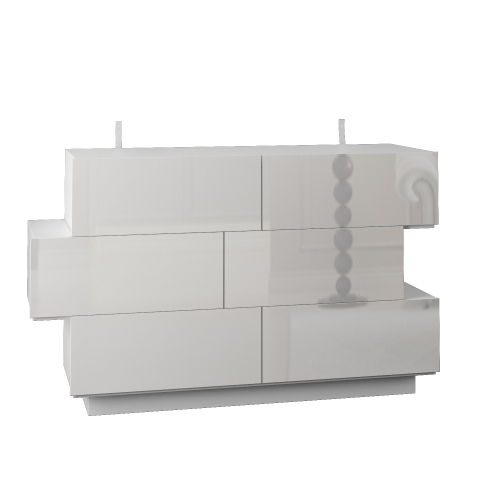
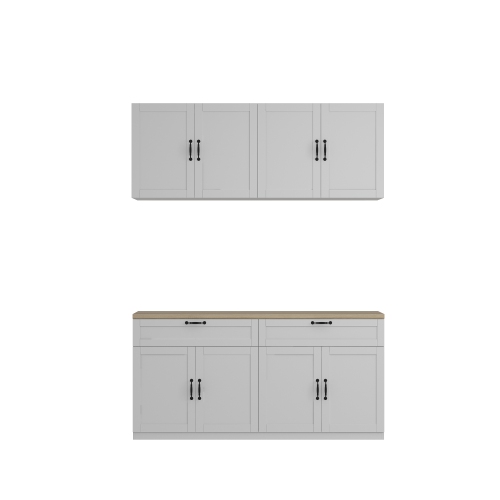
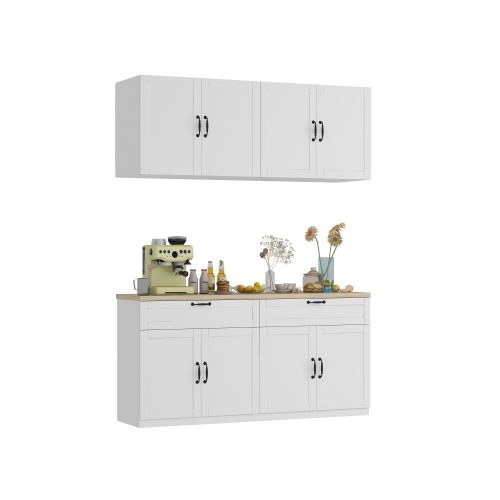
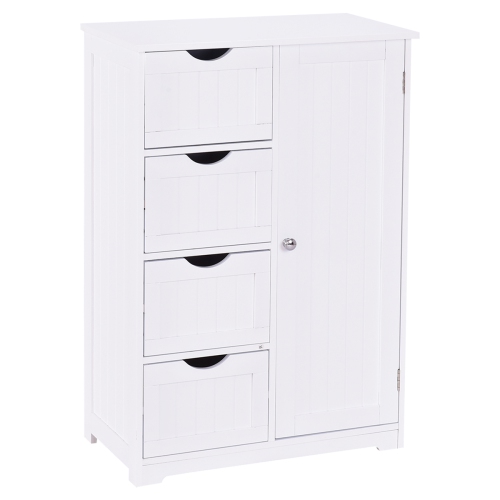
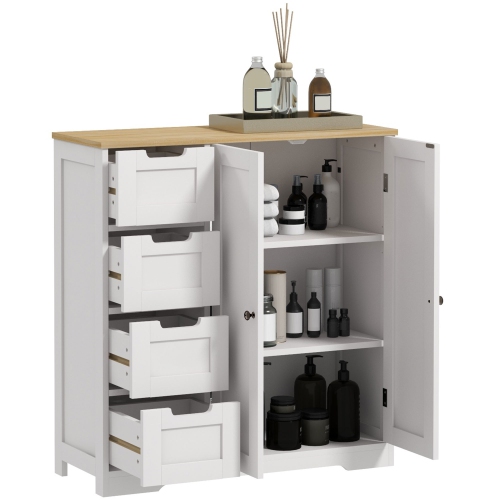
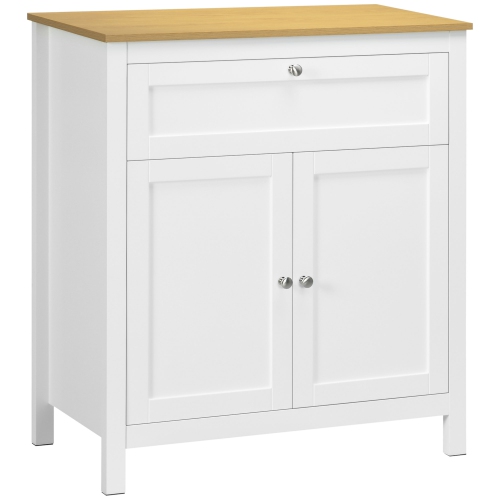
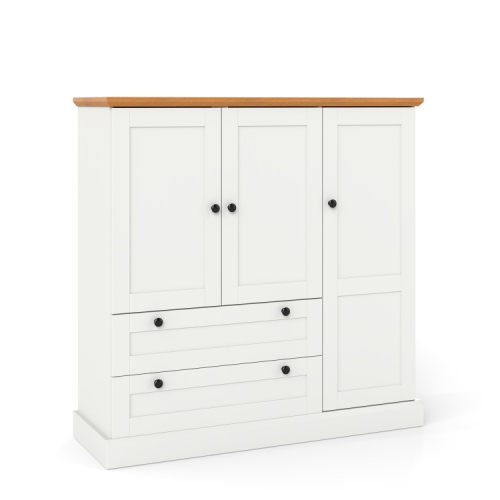
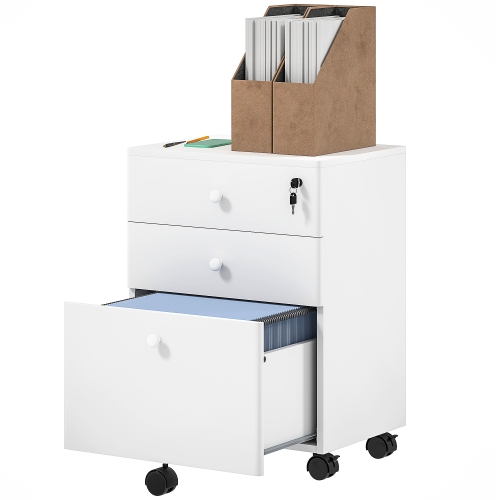
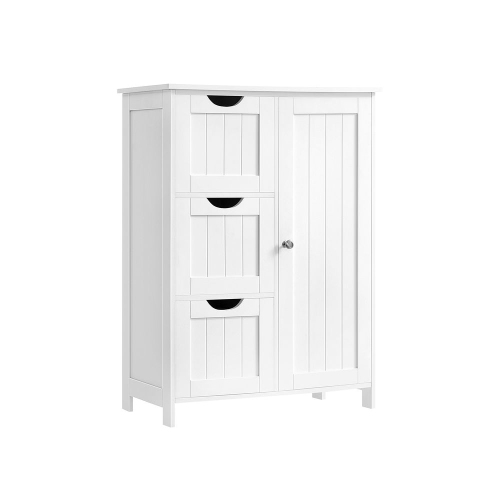
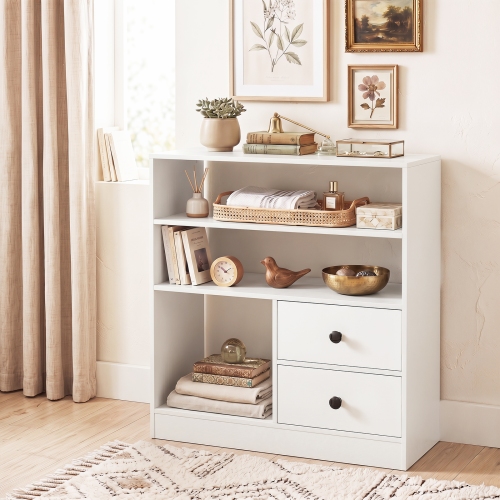
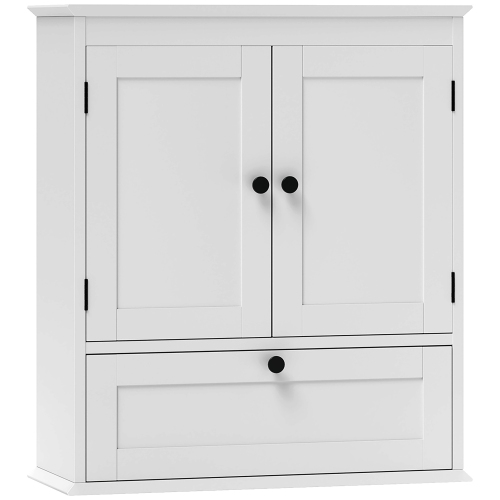
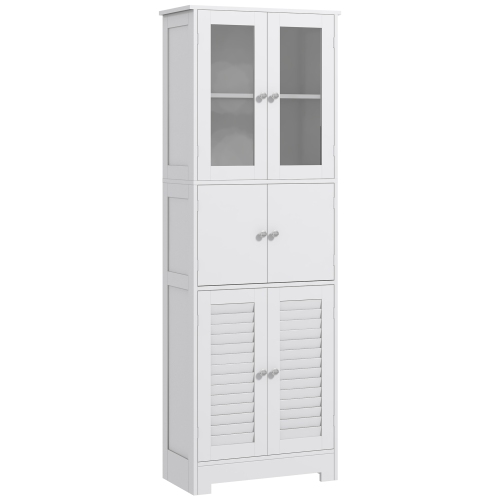
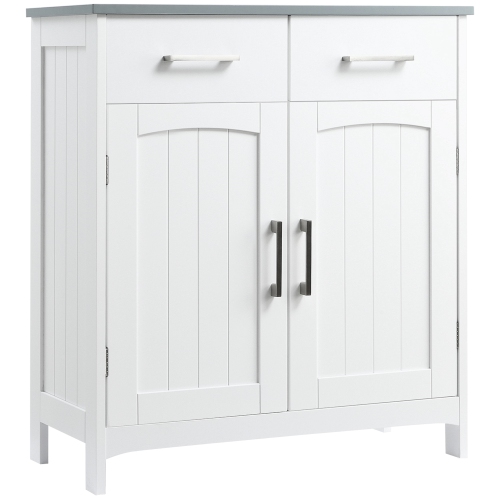
White storage cabinets with drawers provide concealed storage for everyday belongings while keeping a room’s appearance simple and coordinated. Their defining feature is a series of pull-out compartments that separate smaller objects, making them useful wherever loose belongings tend to gather. Some designs consist entirely of drawers, while others pair drawers with cupboard doors, adjustable shelves, or open cubbies. Low, wide cabinets can sit beneath wall art or beside a desk, while tall, narrow designs make use of a smaller footprint. In a home office, shallow drawers can hold stationery, charging cables, and paperwork; in a bedroom, deeper compartments can accommodate folded clothing and accessories. Dining areas benefit from a place for table linens and serving essentials, and an entryway cabinet can give keys, gloves, and reusable shopping bags a designated home. White finishes work with pale wood, dark furniture, colourful textiles, and metal accents, which makes these cabinets easy to incorporate into an established room. The finish still has a noticeable effect on the overall look: a warm white may sit comfortably beside cream upholstery, while a cooler white can complement grey walls or polished hardware. Flat drawer fronts offer a clean, understated appearance, whereas framed fronts, shaped legs, and decorative handles give the furniture a more traditional character. Handleless designs create a smooth outline, although their opening mechanism and finger clearance affect everyday use. Within the broader range of White Storage Cabinets, drawer-based layouts are particularly useful for belongings that are easier to sort into separate compartments than stack on an open shelf. The most suitable configuration depends on what needs a home: several shallow drawers keep small accessories visible, while a combination of shallow and deep drawers accommodates a wider range of household essentials. For shared spaces, separate drawers can also give each household member a place for daily belongings without adding more containers to a tabletop.
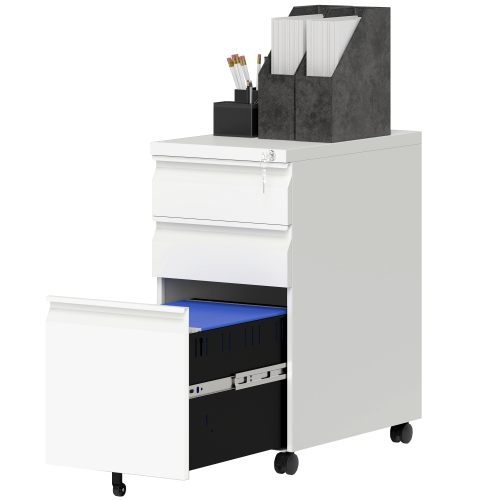
Materials and construction influence how a white drawer cabinet feels, wears, and fits into daily routines. Solid wood can offer a substantial feel and distinctive detailing, though its response to changes in indoor humidity makes placement and finish care important. Engineered wood, including medium-density fibreboard and particleboard, is common in painted, laminated, or wrapped furniture. Its durability depends on factors such as panel thickness, edge protection, hardware, and assembly quality rather than the material name alone. Painted surfaces provide an even appearance, while laminate or melamine finishes may offer a practical, wipeable surface; resistance to scratches, moisture, and staining varies by construction. Metal cabinets have a different character, often suiting workspaces or utility areas, with finish quality and drawer mechanisms contributing to long-term performance. Smooth drawer travel matters when a cabinet is opened repeatedly throughout the day. Drawer slides may use rollers or ball bearings, and some designs include soft-close mechanisms that reduce the force of closing. Full-extension drawers can make belongings at the back easier to reach, especially in a deeper cabinet. Internal dimensions are just as important as the outside measurements because drawer sides, runners, and back panels reduce usable space. A cabinet intended for documents needs compartments that accommodate the required paper size, while bulky craft supplies or folded towels need sufficient depth and height. Overall fit includes the space needed to open drawers fully, pass comfortably in front of them, and clear nearby doors or furniture. Baseboards, wall outlets, and projecting handles can affect how closely the cabinet sits against a wall. A top surface used for a lamp or printer also needs an appropriate weight rating and enough room for cords without interfering with drawers. Stable placement, the stated load limits, and any supplied wall-anchoring requirements are essential considerations, particularly in homes with children. Drawers should never serve as steps, and heavier contents generally belong lower down, subject to the manufacturer’s directions.
The usefulness of white storage cabinets with drawers often becomes clearest in the small routines they support. A cabinet near a work surface can keep notebooks, headphones, and charging accessories within reach without leaving them spread across the desk. In a craft area, drawer dividers can separate thread, brushes, and small tools, while deeper compartments hold larger supplies. A bedroom cabinet may provide extra storage where a full dresser would overwhelm the room, and a narrow design can fill an otherwise awkward gap without taking over a walkway. In a living room, enclosed drawers keep remote controls, game accessories, and household paperwork out of sight while leaving the top available for a few decorative pieces. Drawer organizers work best when their dimensions leave enough clearance for the drawer to close freely, and removable inserts make it easier to change the layout as storage needs evolve. White surfaces also make dust, fingerprints, and scuffs easy to notice, so straightforward care helps maintain their appearance. A soft cloth and a cleaner approved for the finish are preferable to abrasive pads or harsh chemicals. Spills should be wiped away promptly, especially around seams and exposed edges where moisture can reach the underlying material. Even in a bathroom or laundry area, a cabinet’s white finish does not establish that it is suitable for damp conditions; the stated intended use and moisture tolerance matter. Handles and drawer fronts benefit from gentle cleaning, while loose fasteners or uneven drawer movement warrant attention before regular use causes further wear. Felt pads beneath decorative objects can help protect the top, provided they suit the surface finish. Across apartments, family homes, and multipurpose rooms, a well-proportioned cabinet brings together accessible storage and a cohesive appearance. Its lasting value comes from a layout that matches everyday belongings, construction suited to its workload, and a finish that fits naturally with the surrounding furniture.
Top selling and popular products
-
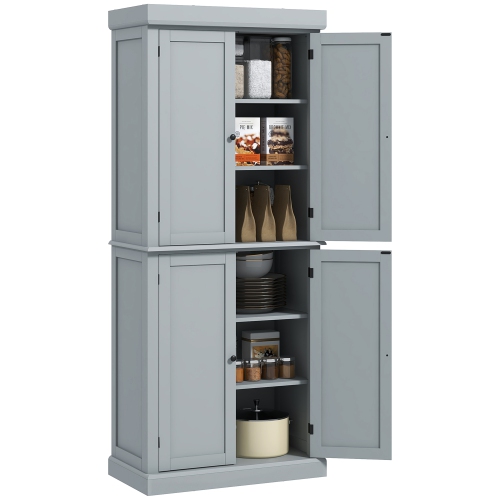 Your price for this item is $285
-
 Your price for this item is $155.99
-
 Your price for this item is $452.93
-
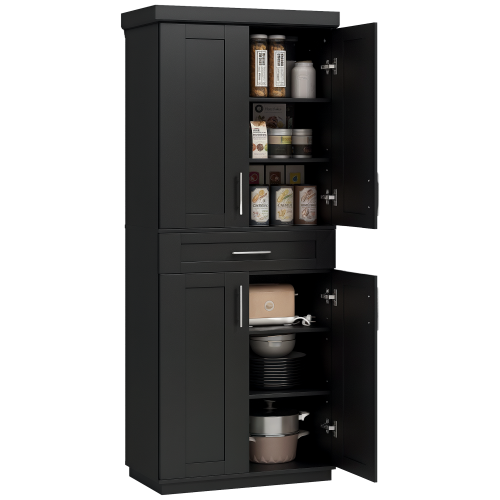 Your price for this item is $269.99
-
 Your price for this item is $12.97
-
 Your price for this item is $155.99
-
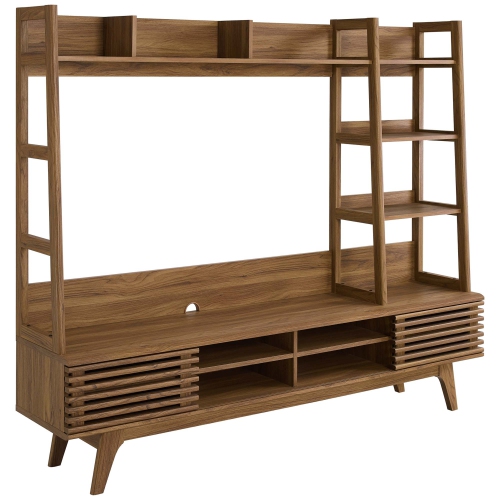 Your price for this item is $885.06
-
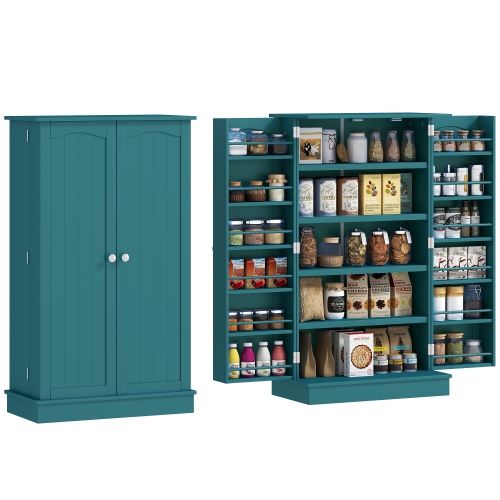 Your price for this item is $134.99
Discover more categories related to White Storage Cabinets With Drawers
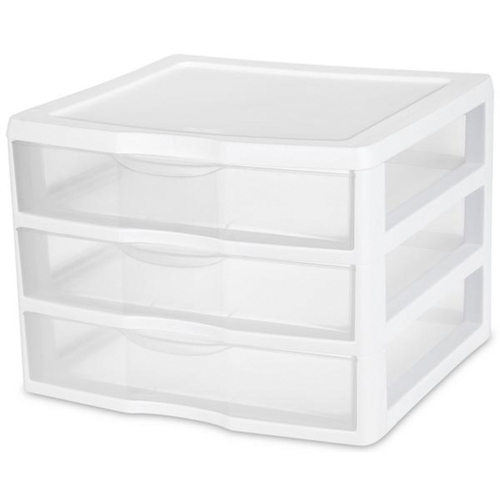
Top Collections:
Best Black Friday Deals This Year, Best Black Friday Deals On Electronics, Kindle Devices, Pokemon Centers, Best Black Friday Deals On Apple Products, Best Cameras for Sports Photography, Dyson Airwrap, Pokémon 30th Celebration Cards, Apple iPhone 17 Pro, Canon G7X Cameras
Some products may be subject to Environmental Handling Fees
(EHF) depending on your province.
Learn more about EHFs.