White Wood Cabinets
Looking for a stylish and functional storage solution? Our white wood cabinets offer the perfect combination of elegance and practicality. Crafted with high-quality materials, these cabinets are designed to seamlessly blend into any home decor style. Whether you need extra storage space in your living room, bedroom, or office, these versatile cabinets are sure to meet your needs. With their sleek white finish and timeless design, they will effortlessly elevate the look of any room while providing ample storage for your belongings.
Sort
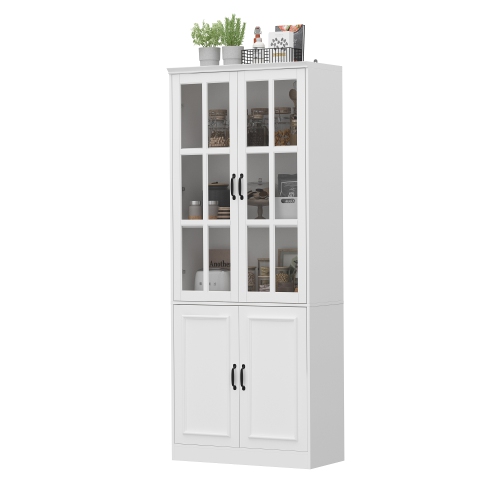
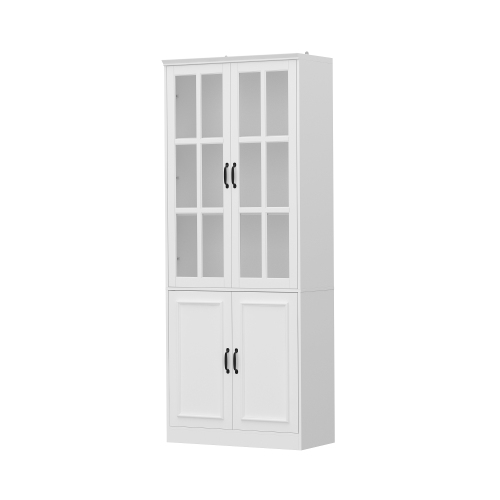

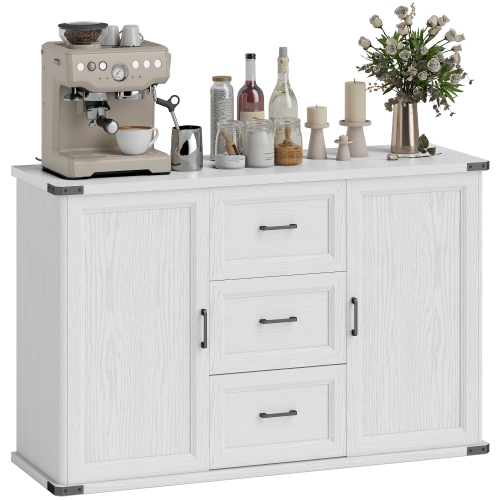
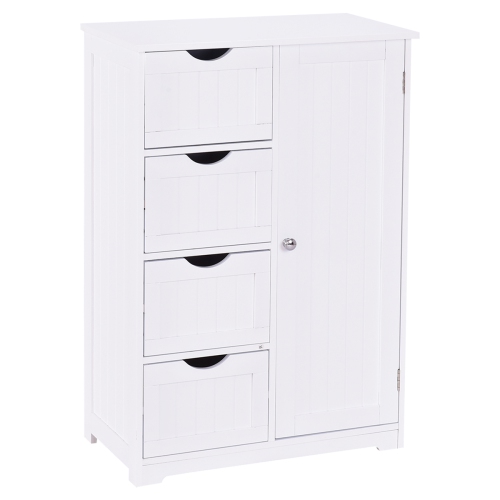
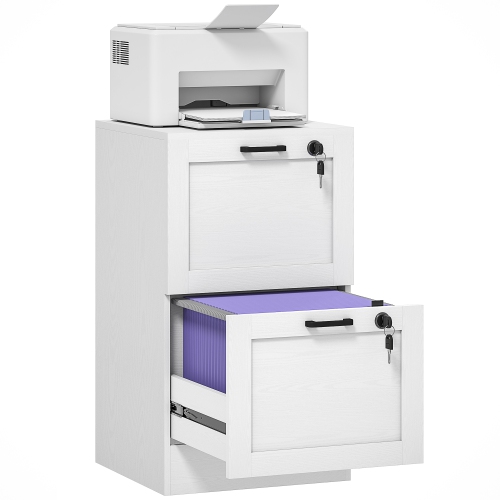
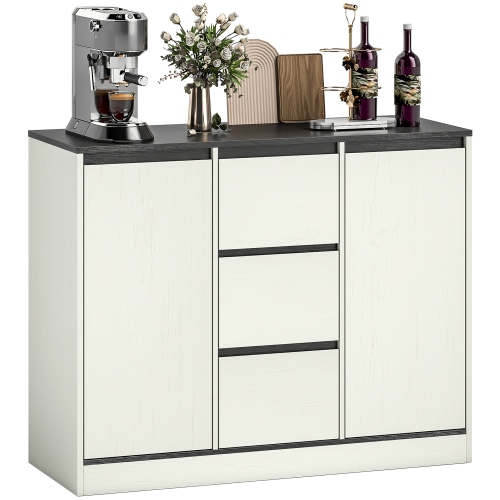
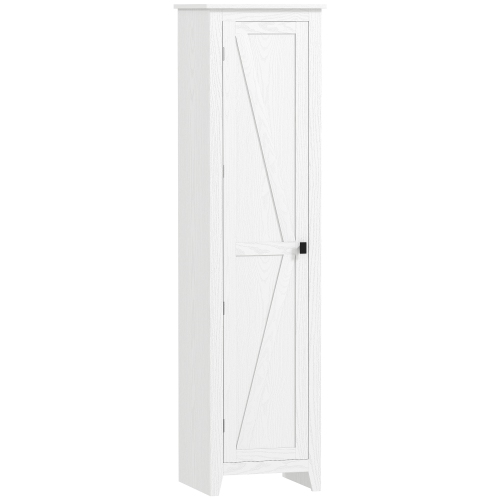
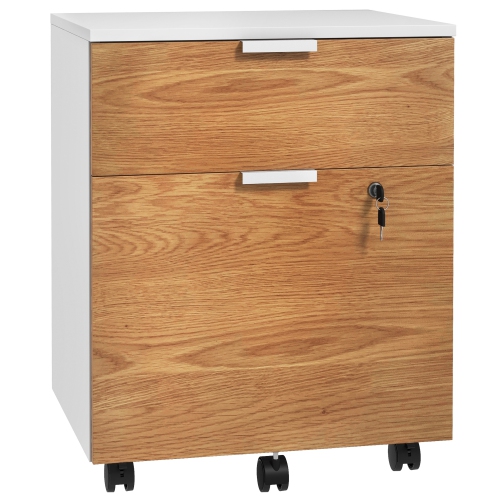
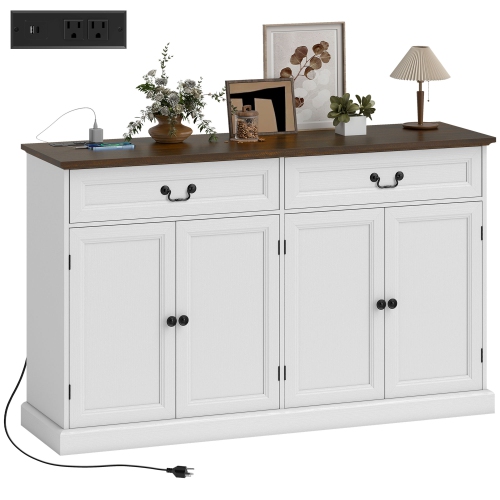
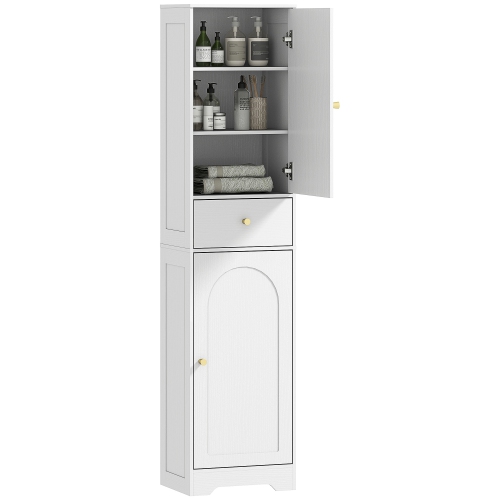

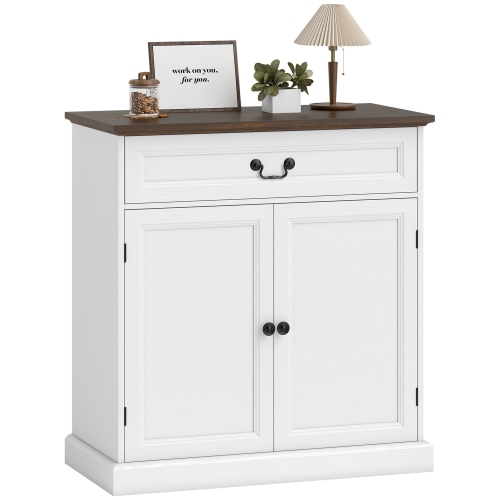
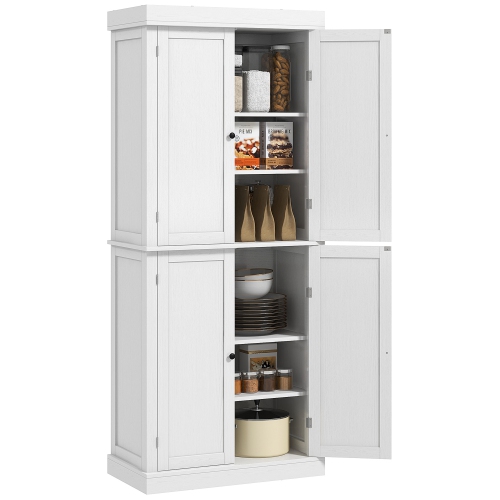
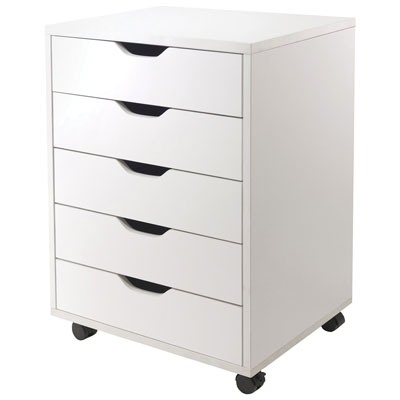
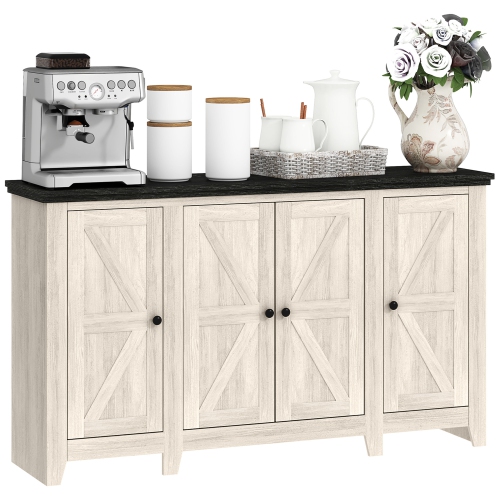
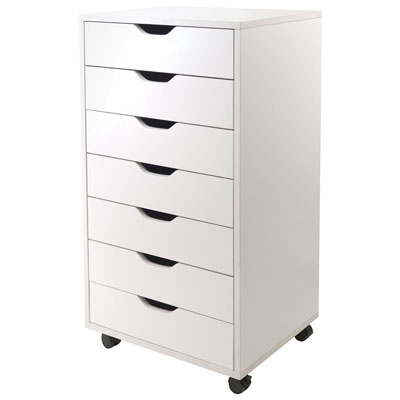
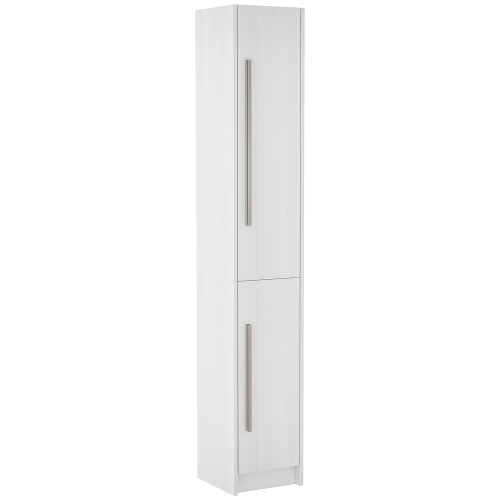
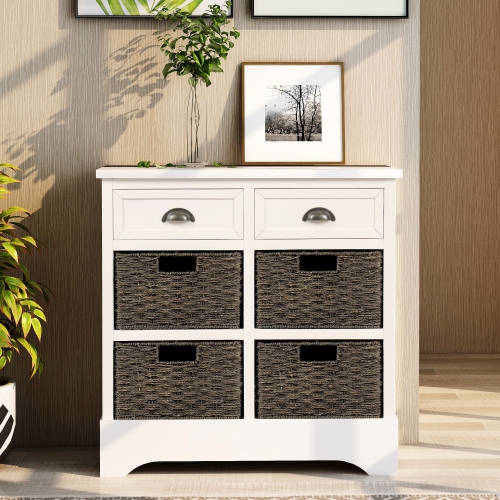
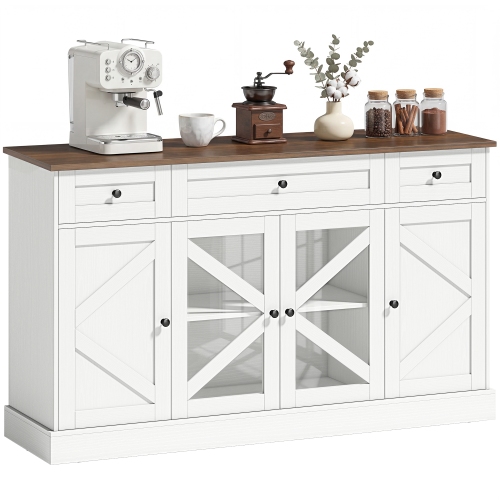

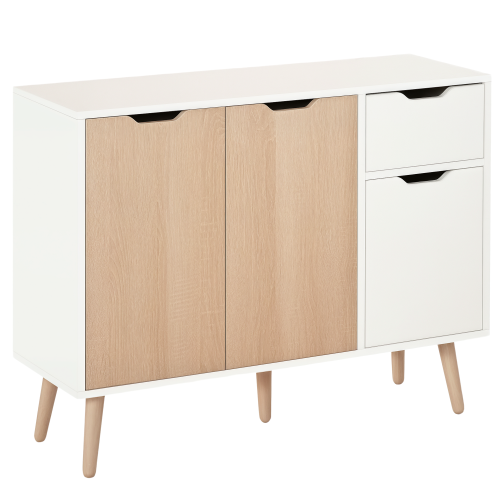
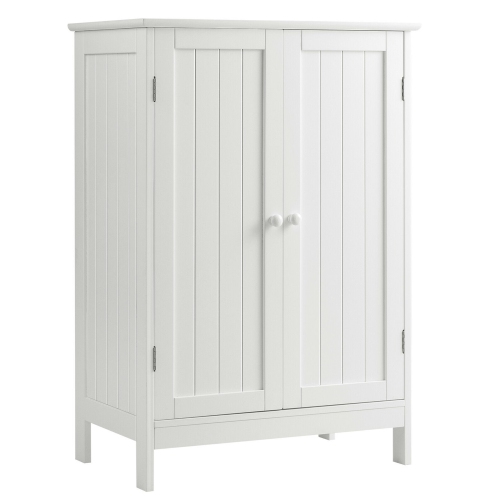
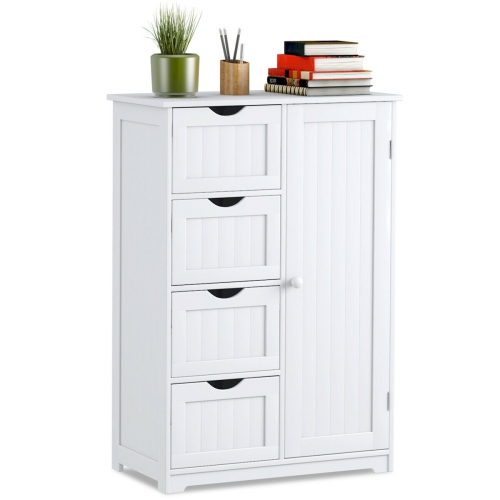
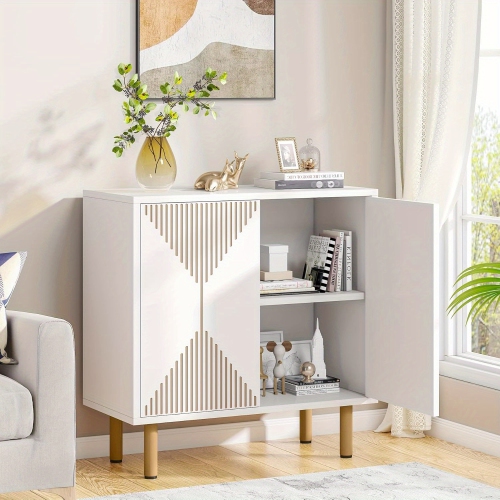
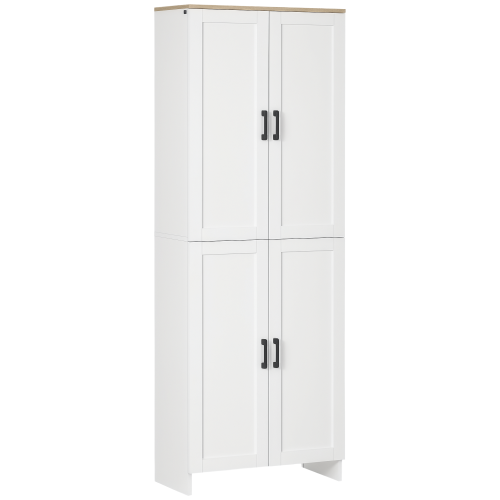
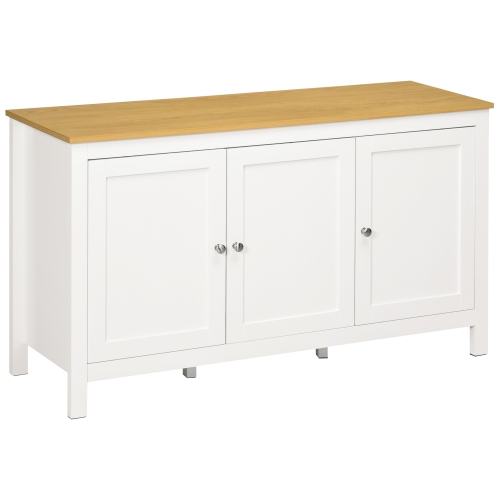
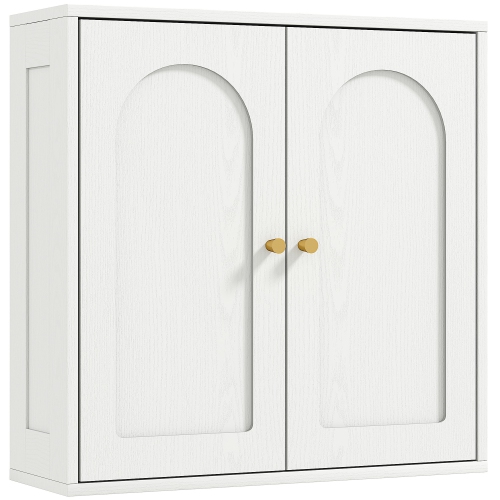
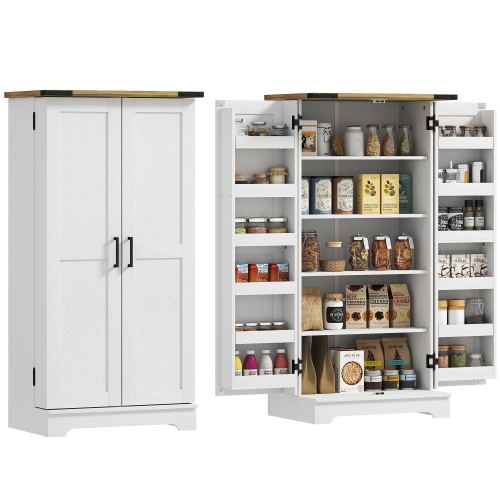
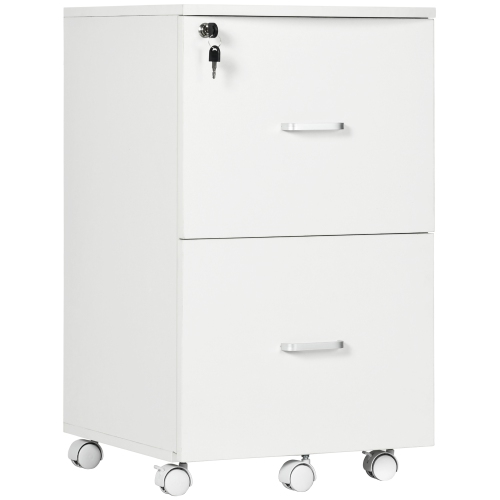
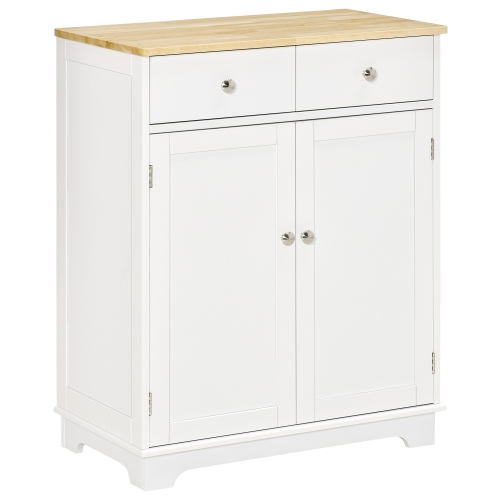
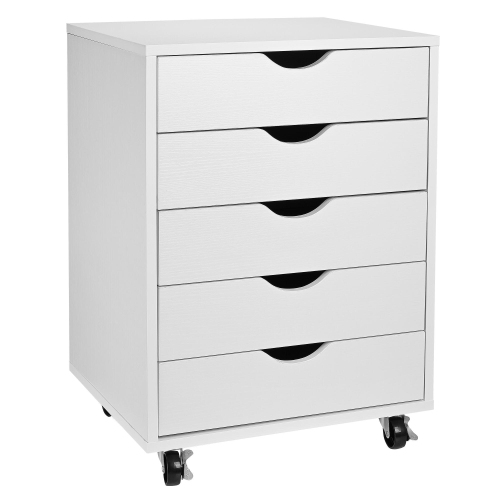
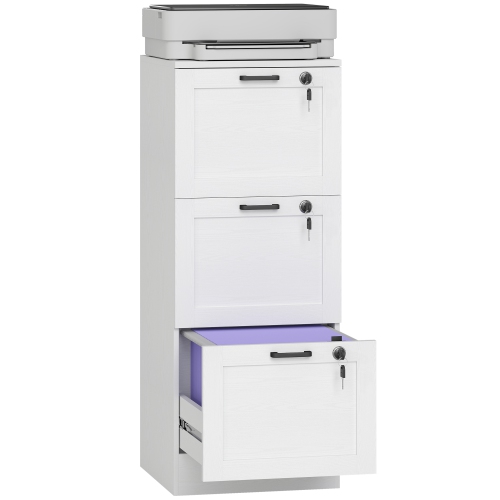
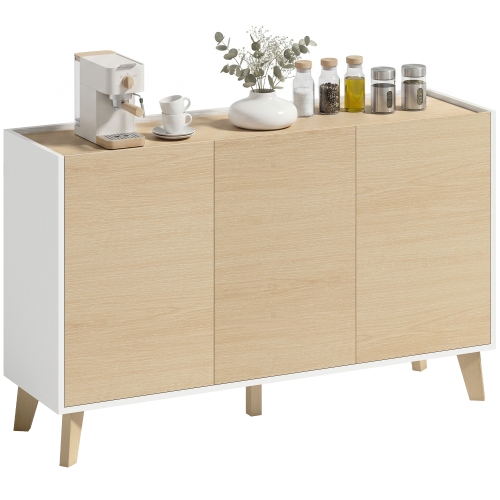
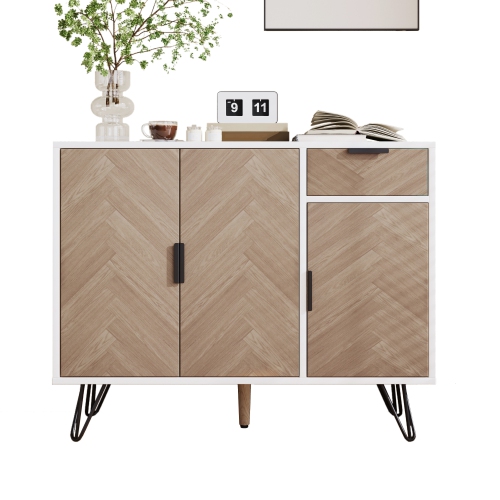
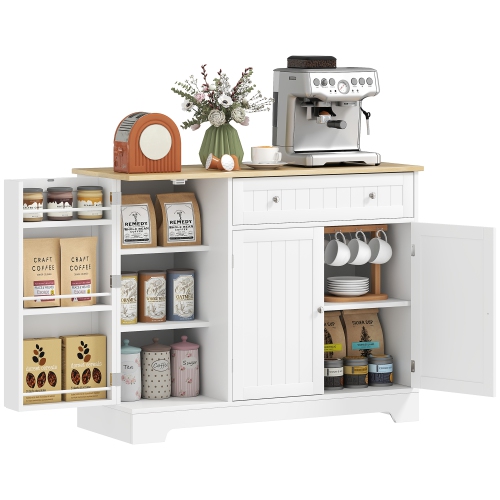
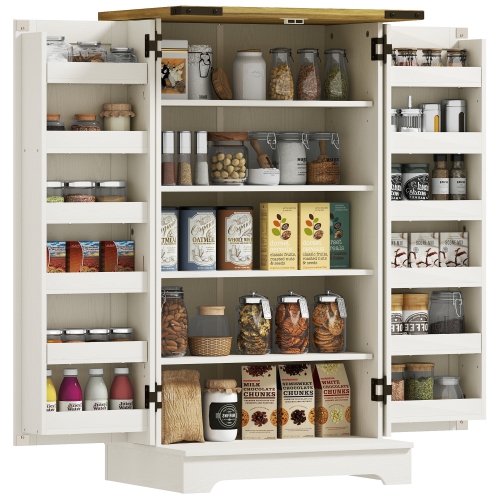
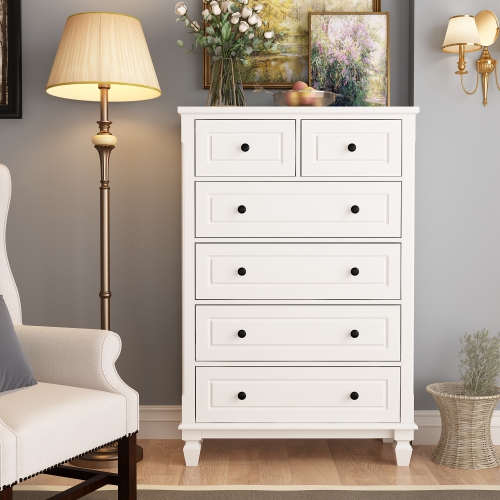
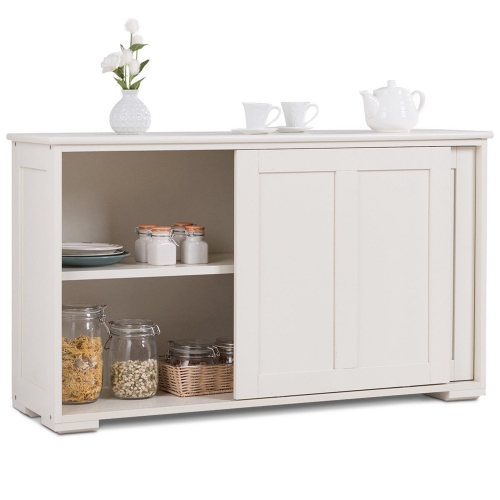
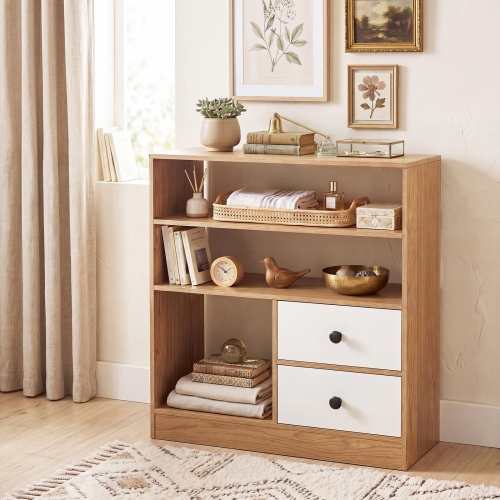
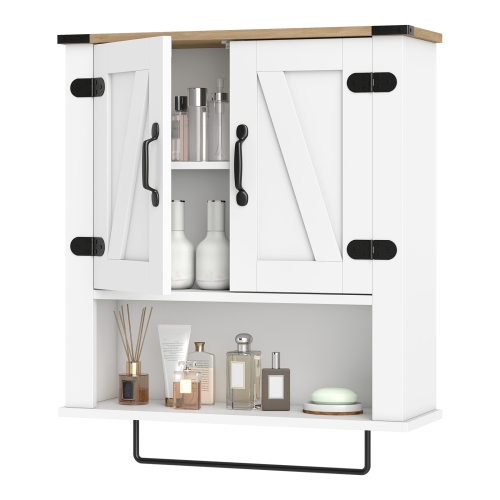
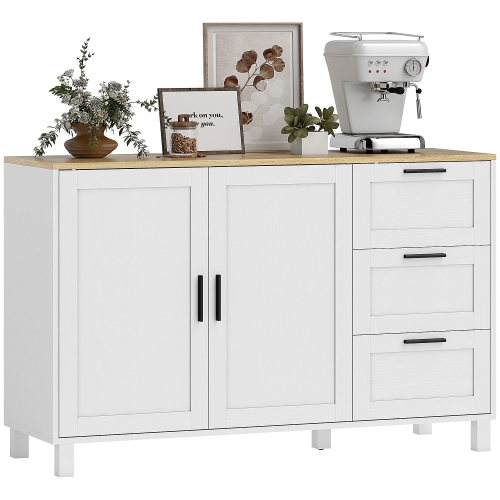
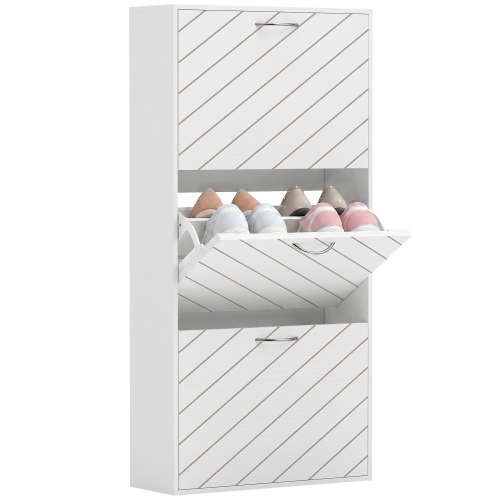
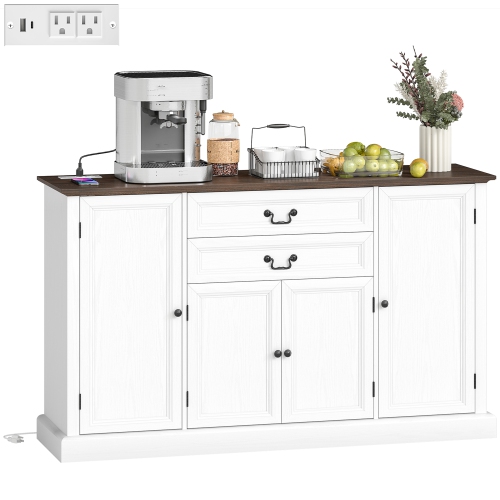
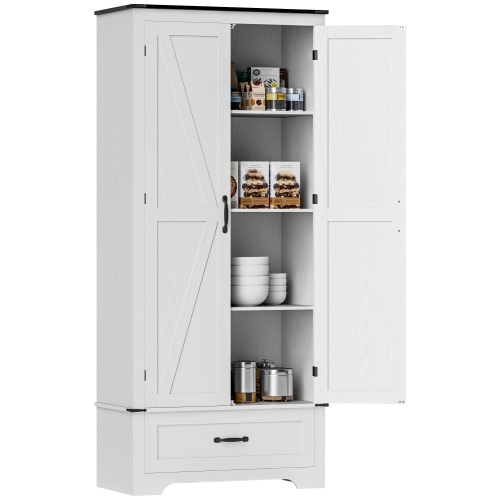

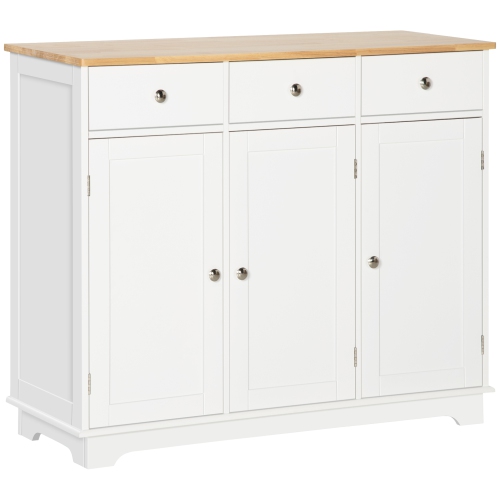
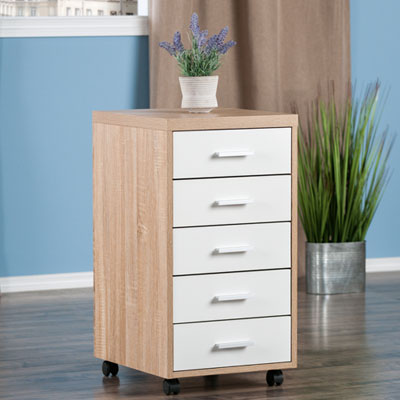
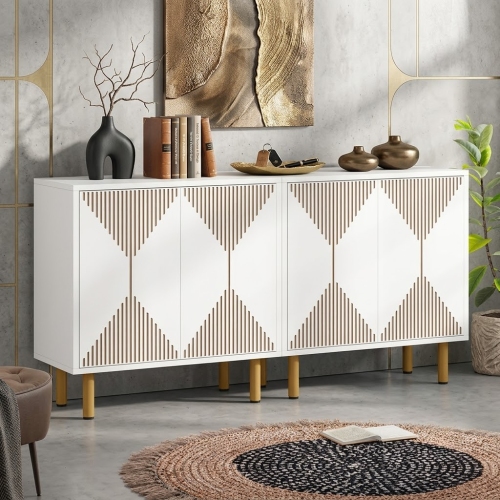
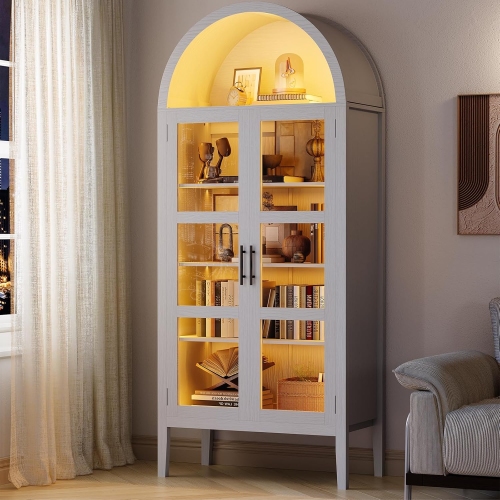
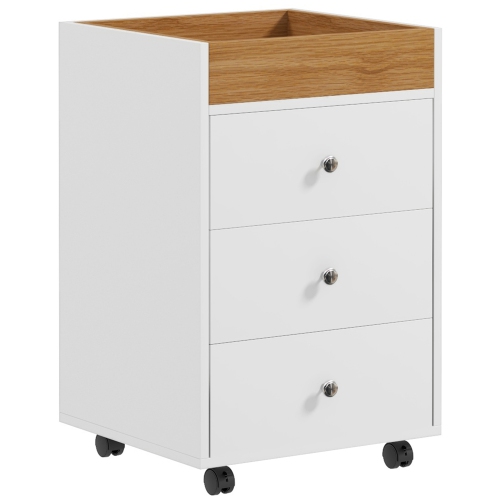
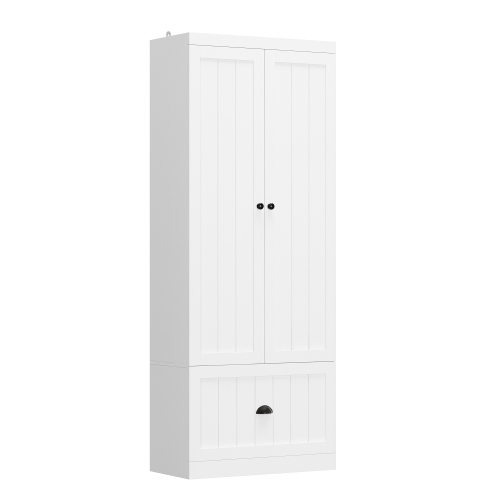
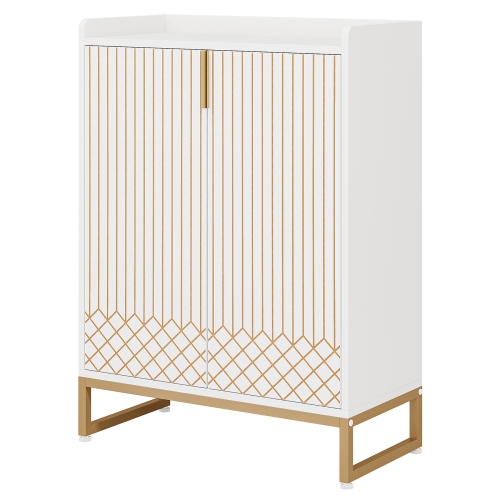
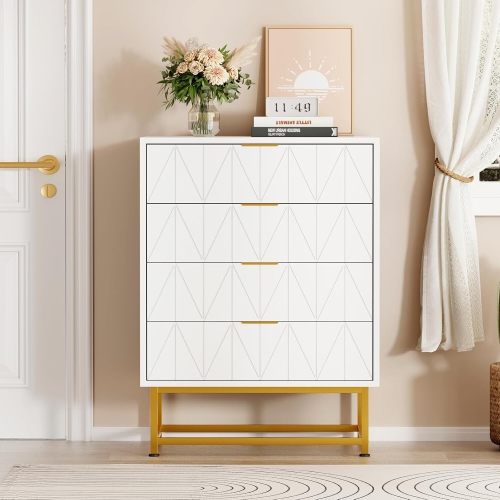
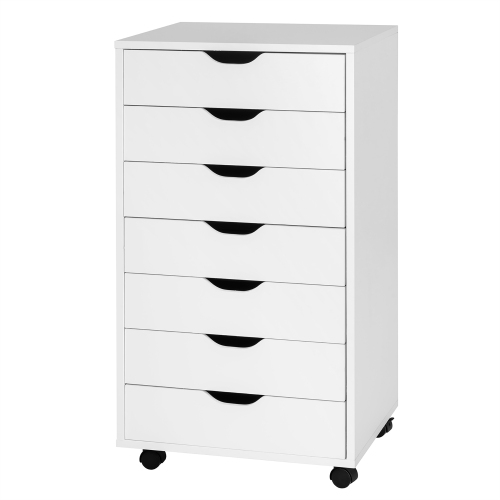

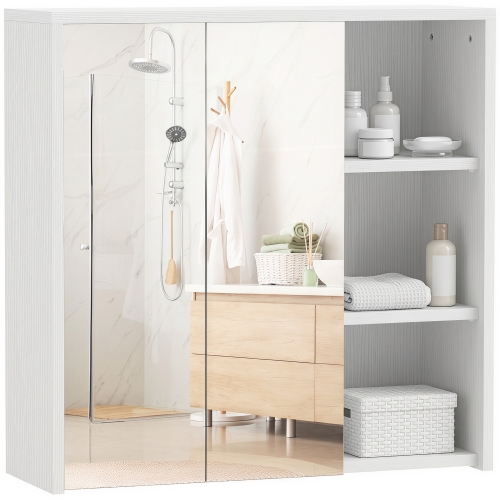
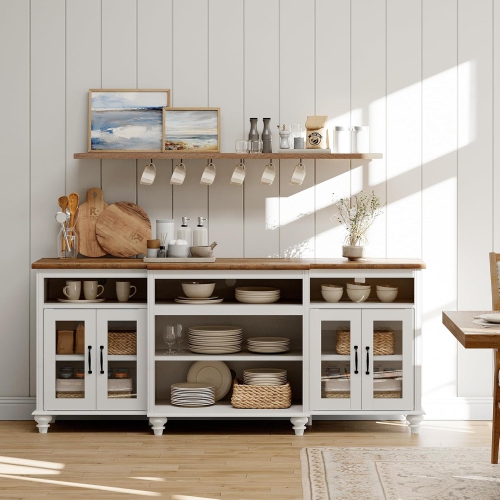
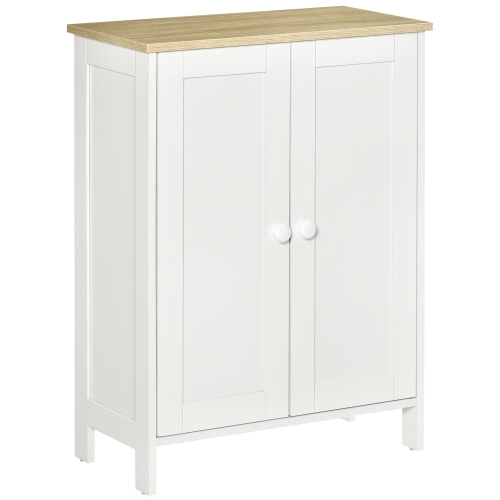

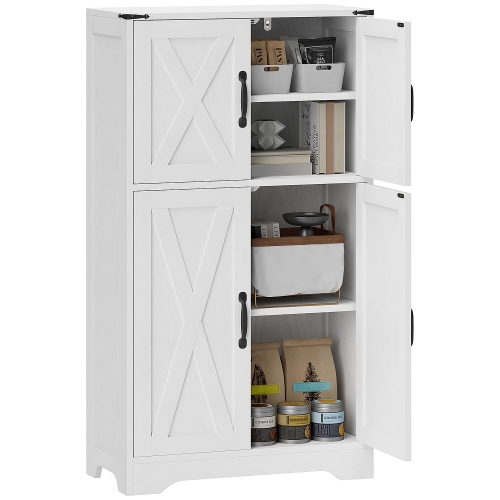

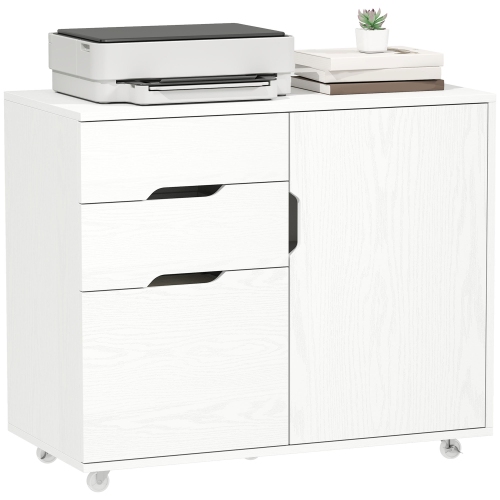
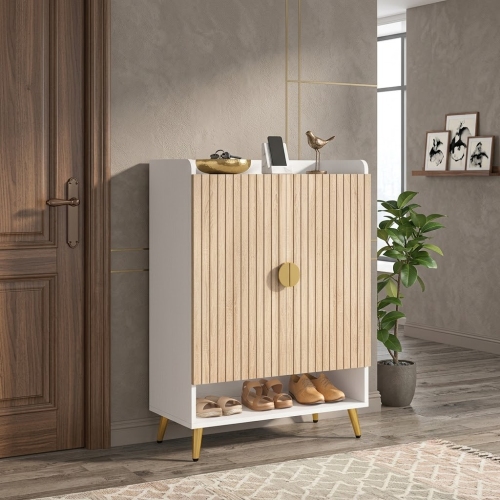
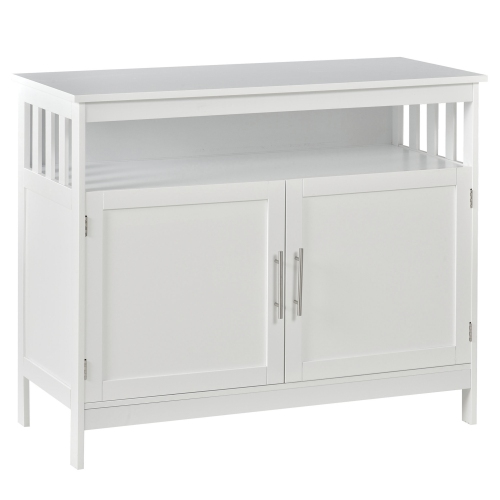
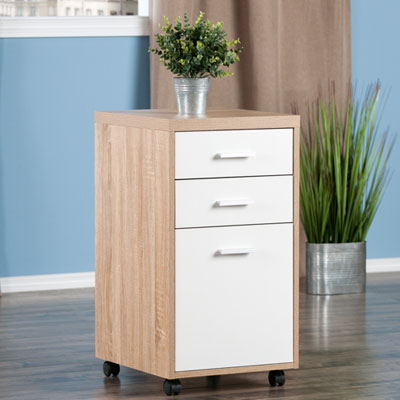
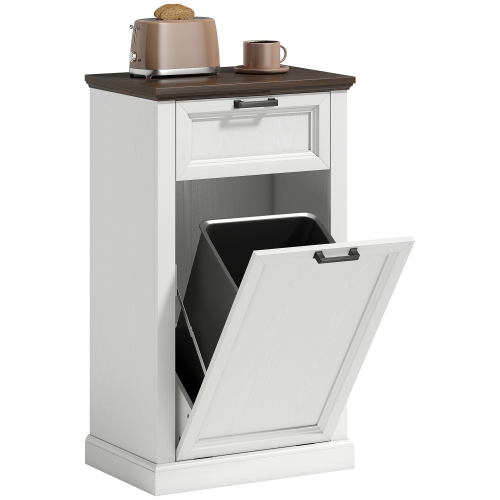
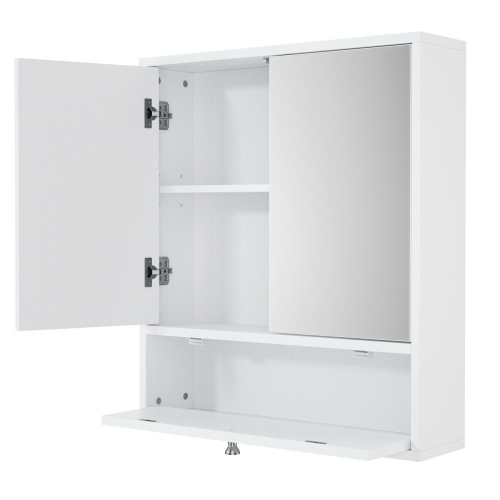
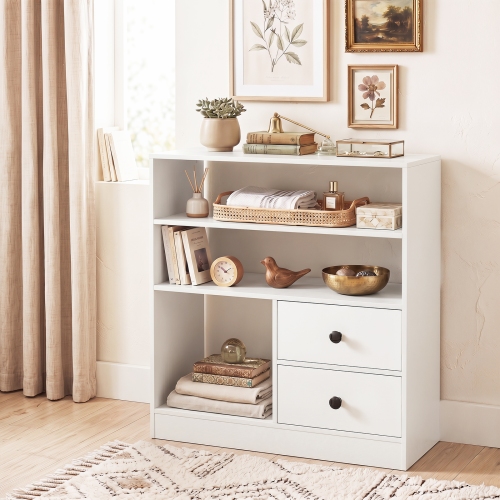
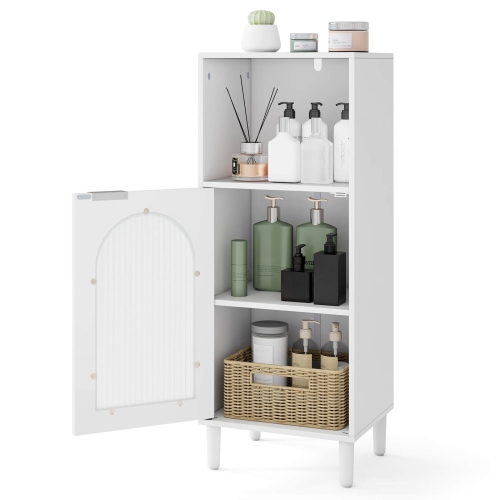
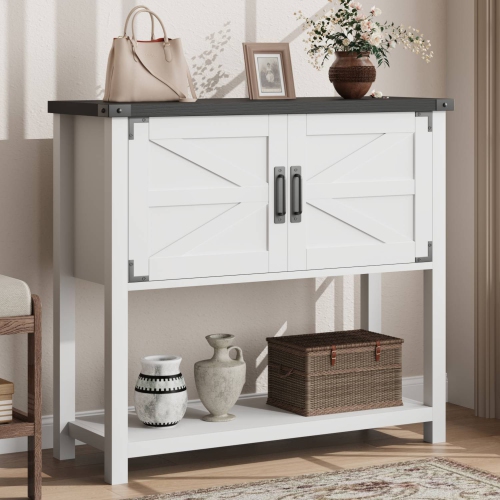

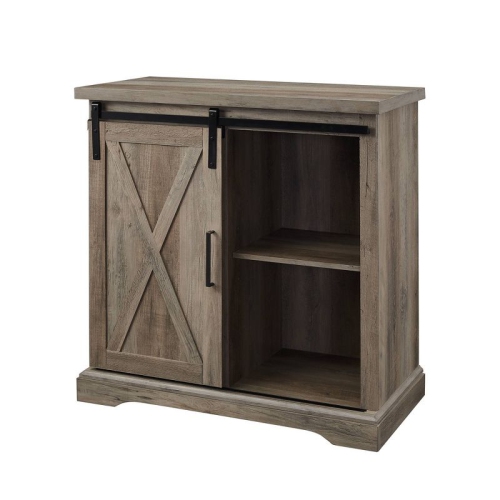
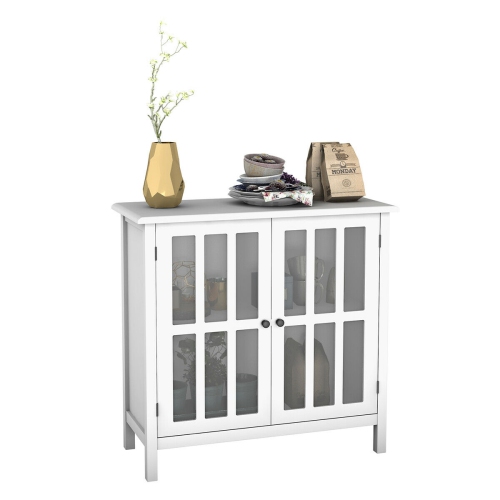
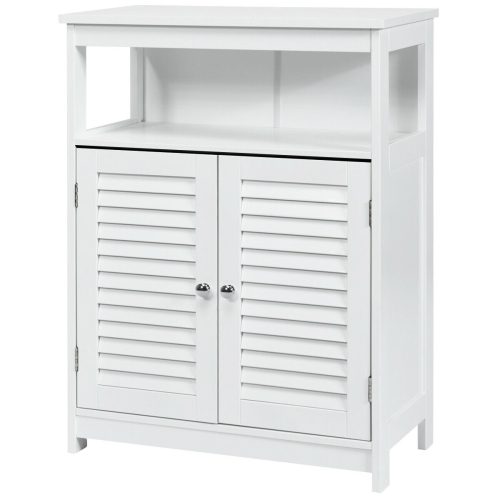
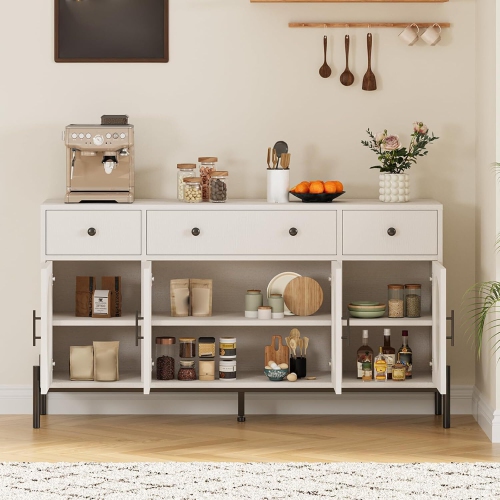
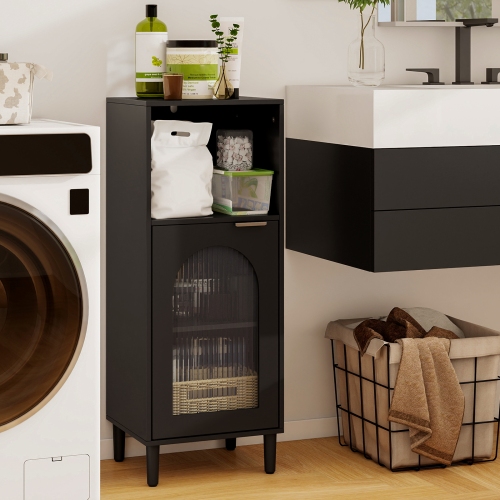
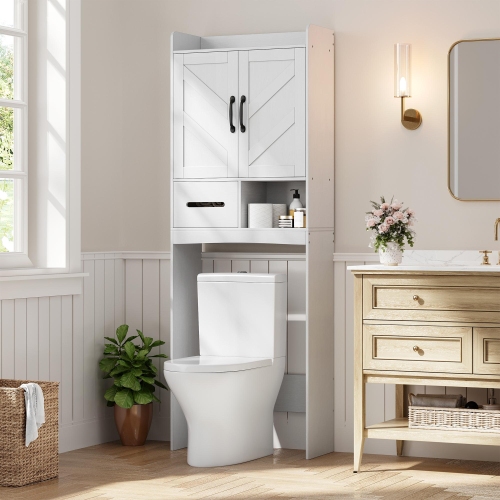

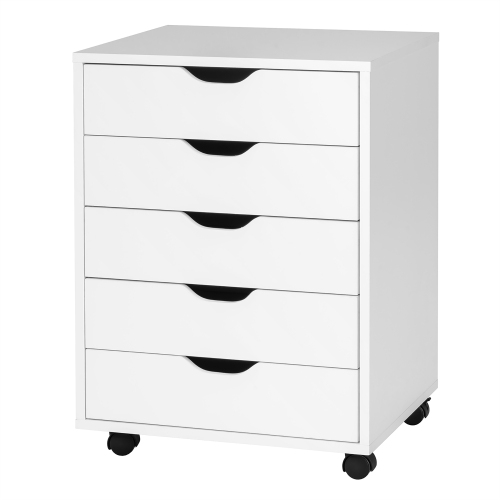
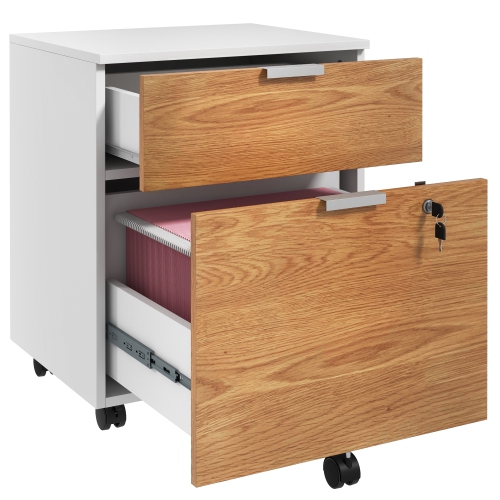
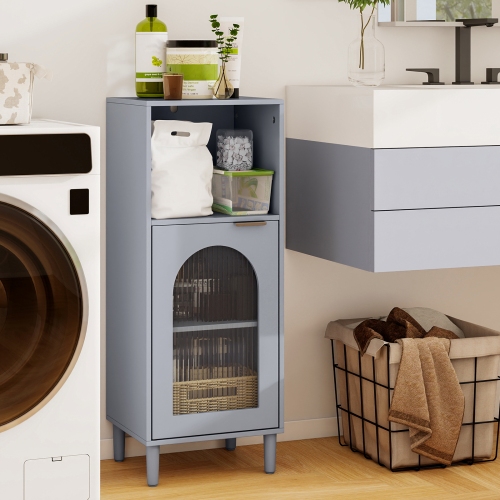
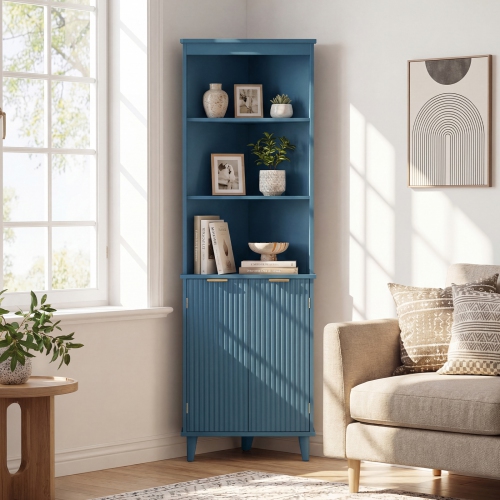
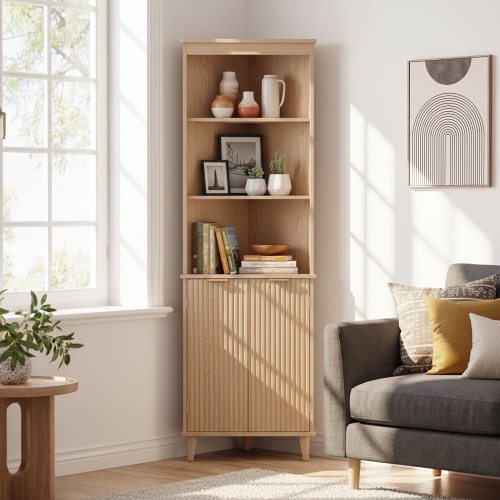
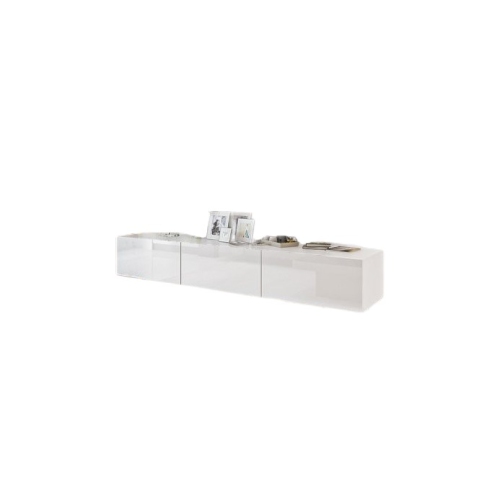
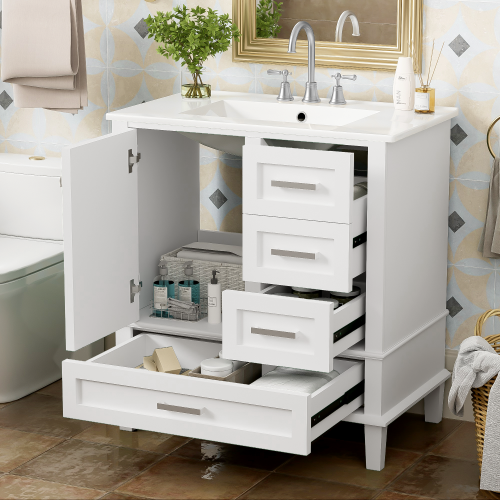
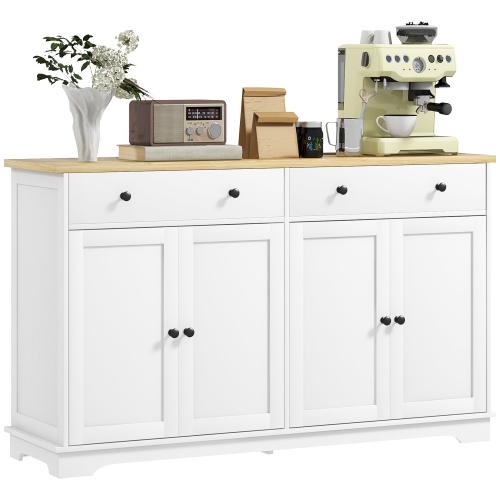
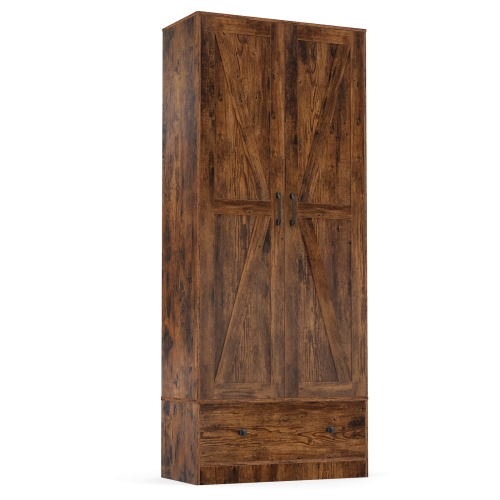
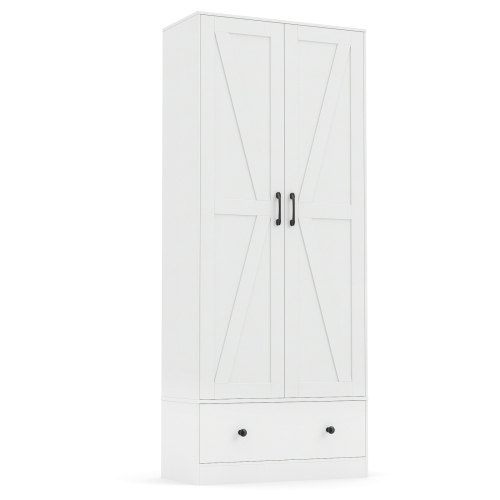
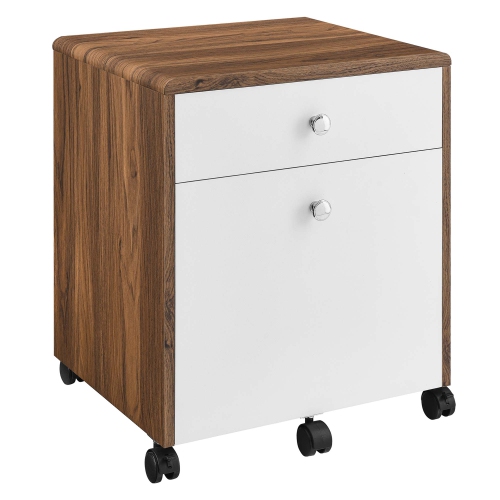
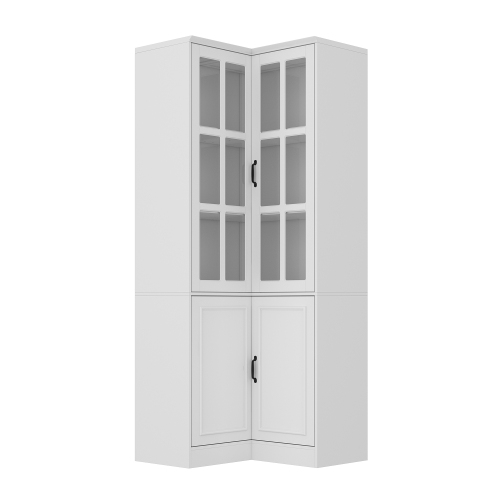
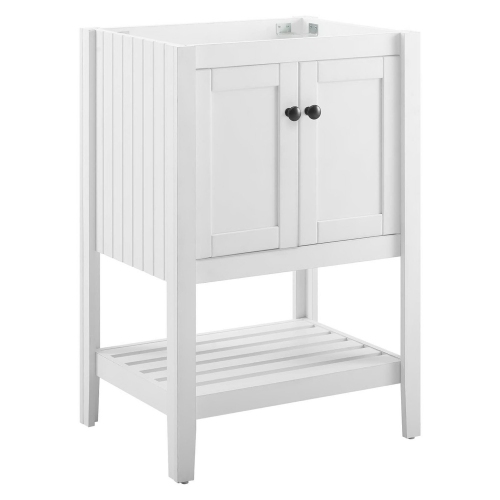
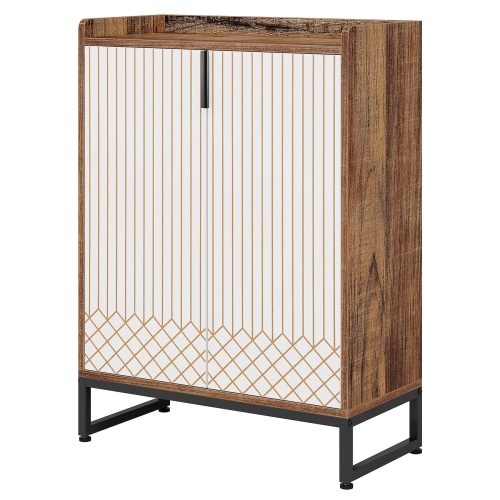
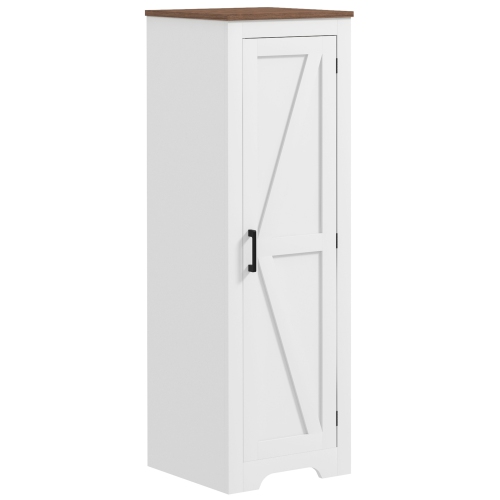
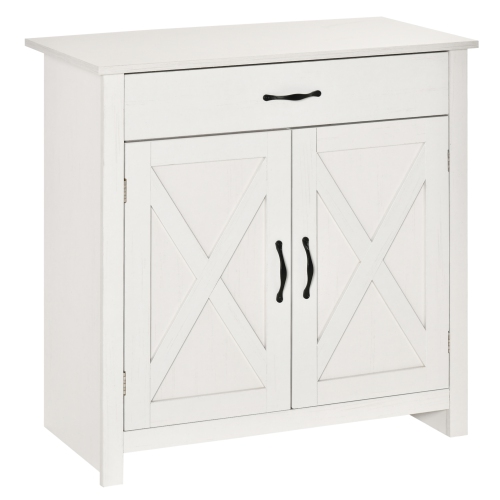
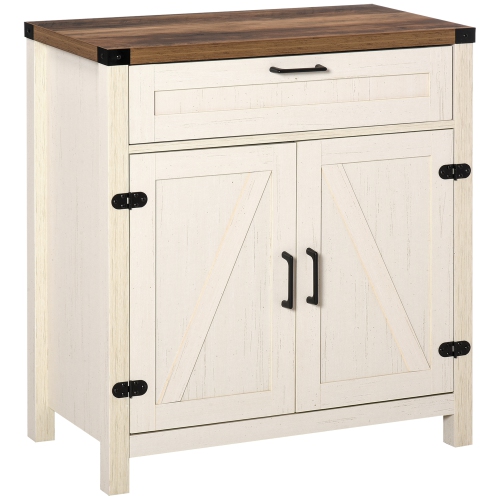
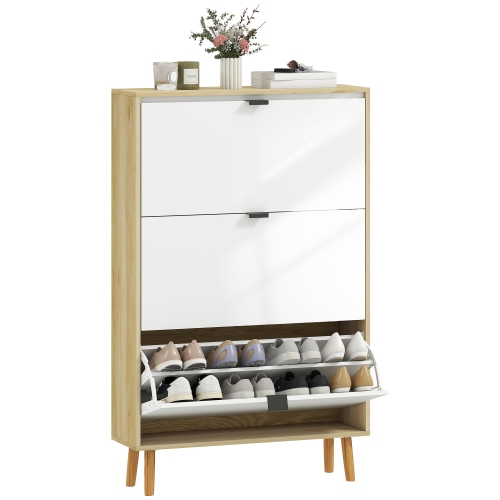
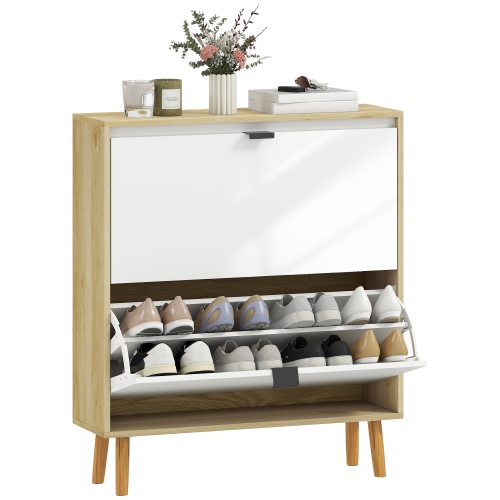
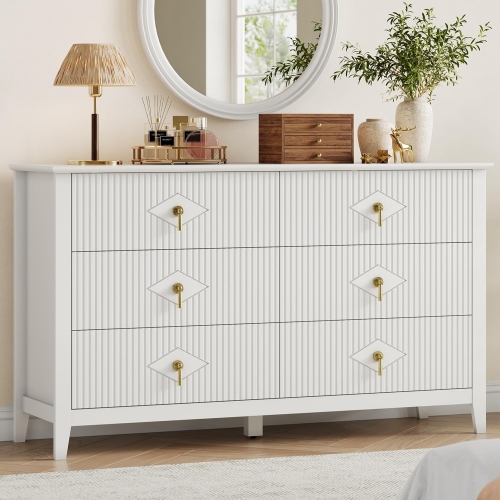
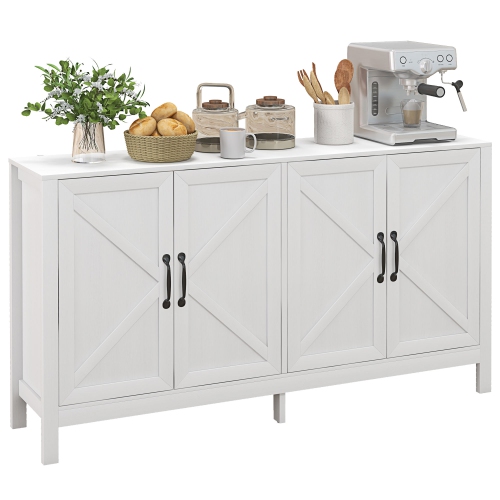
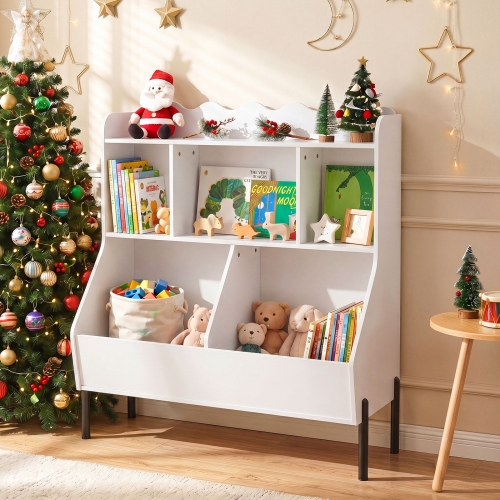
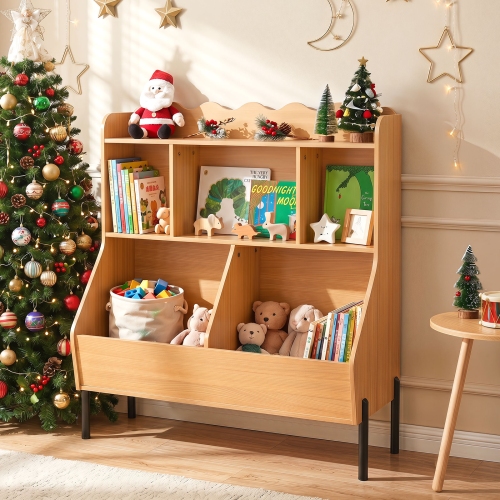
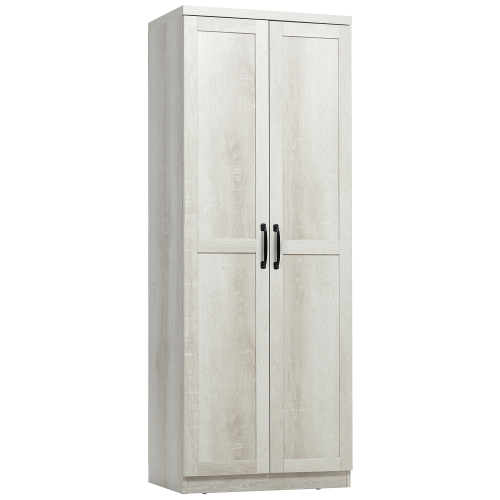
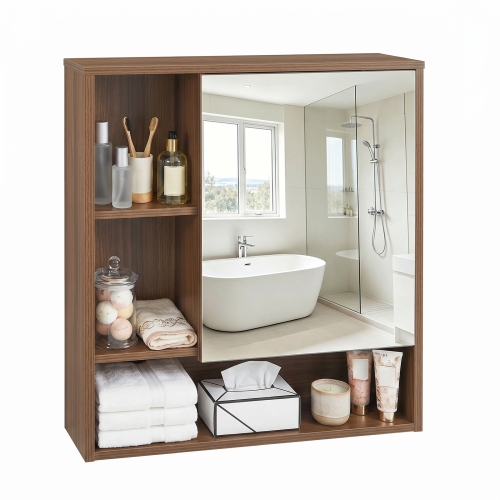
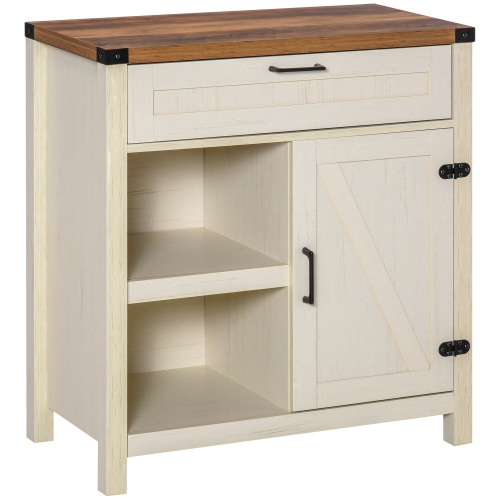
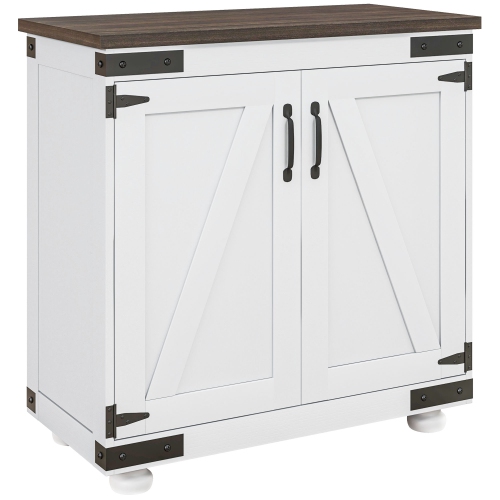
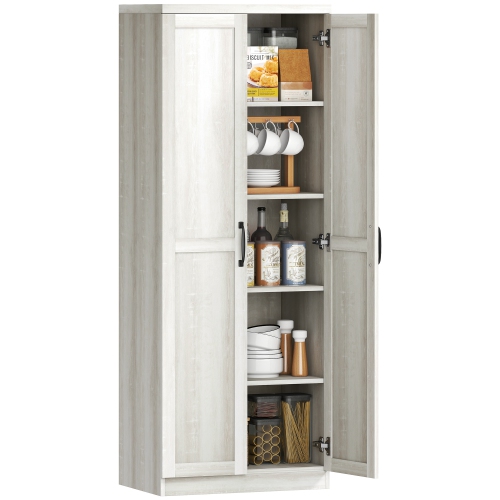
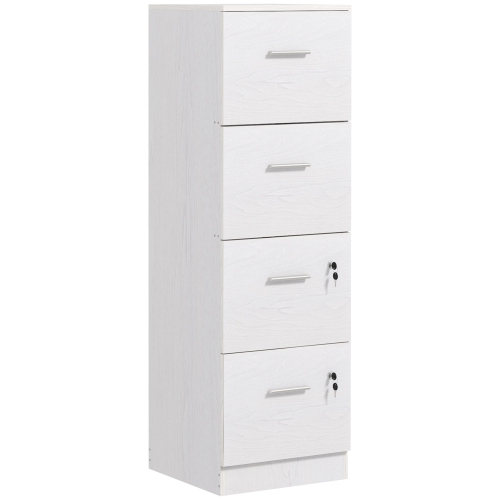
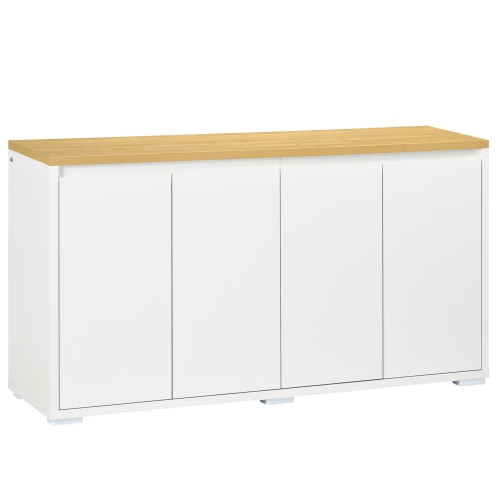
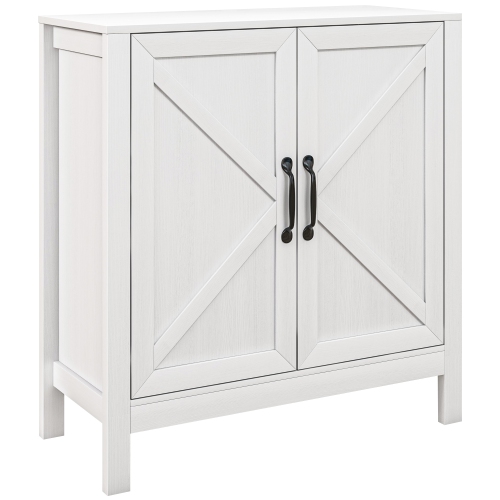
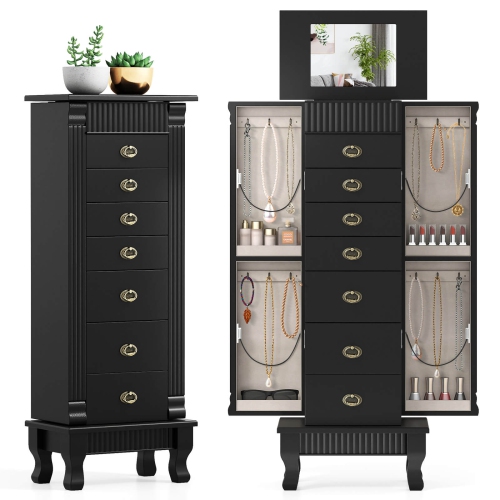
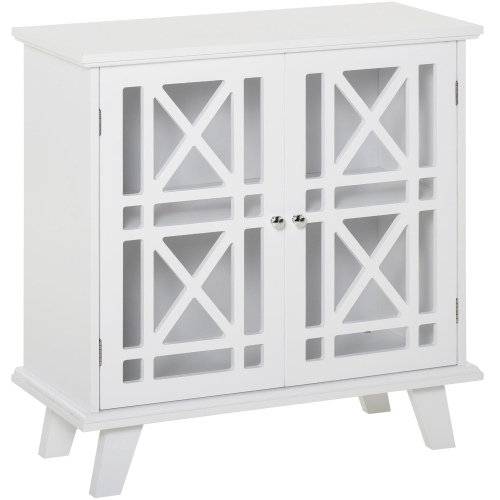
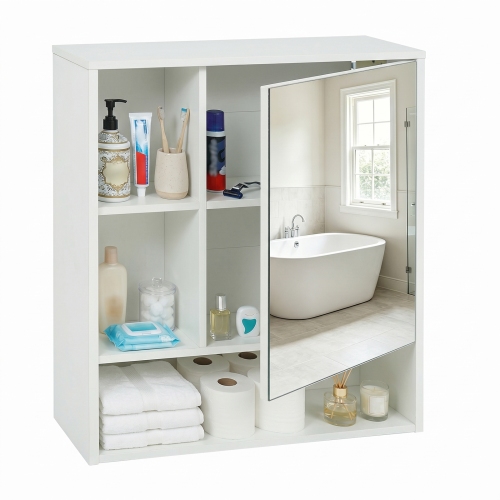
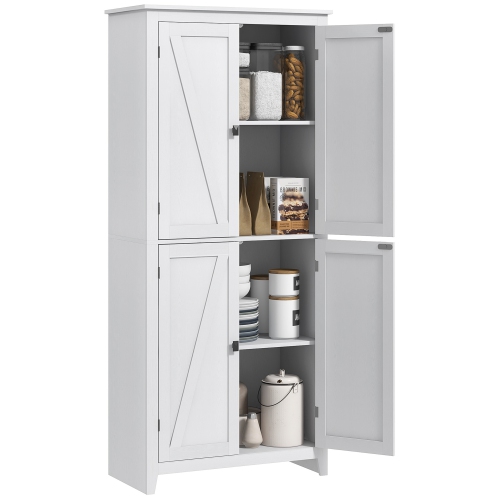

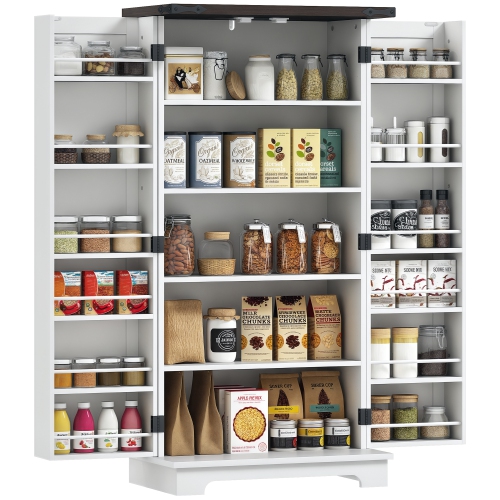
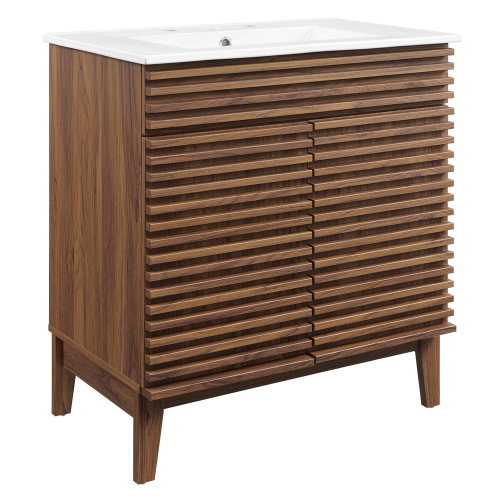
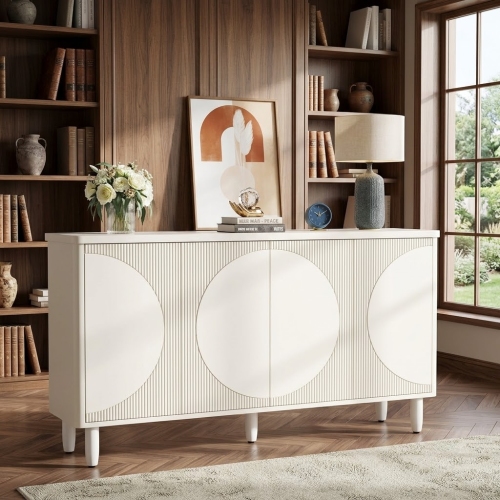
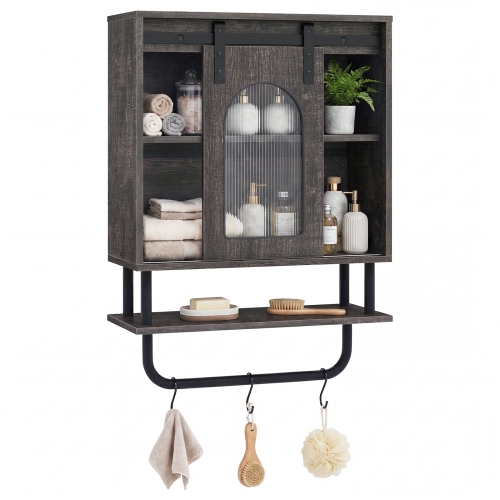

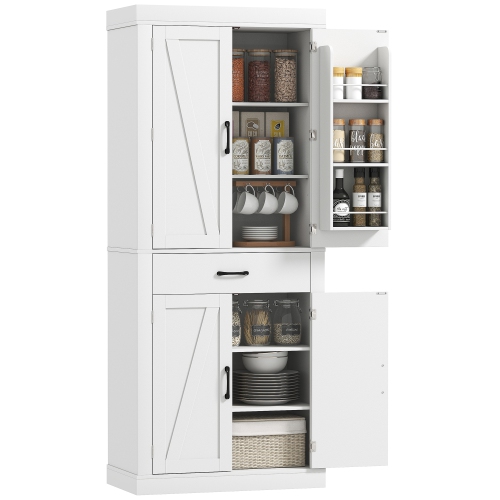
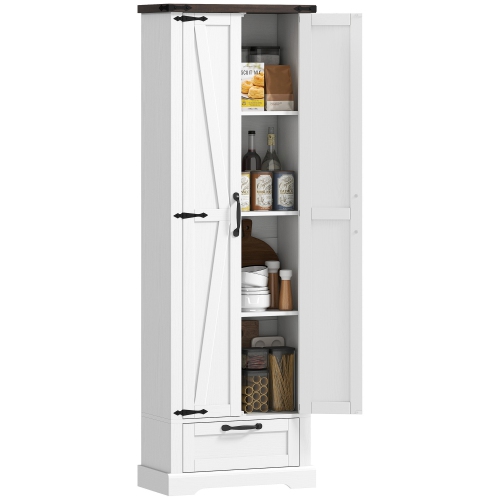
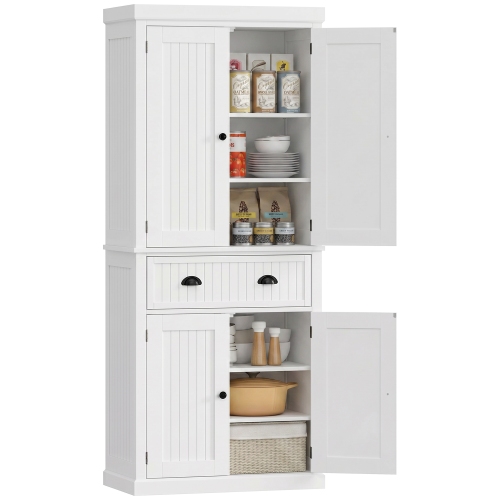
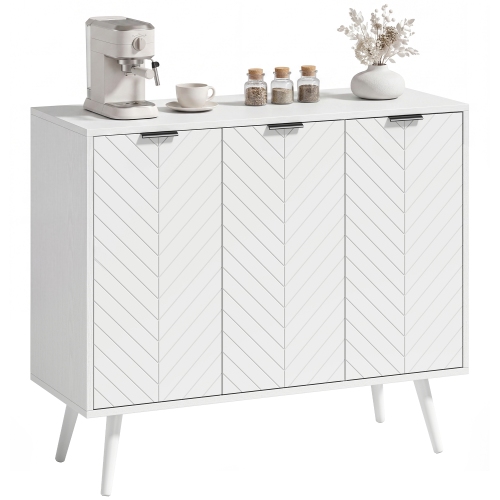
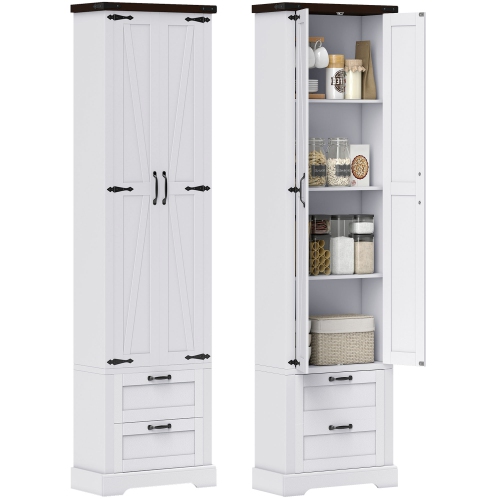
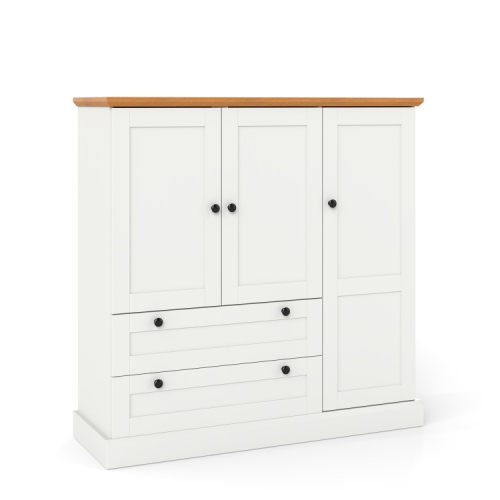
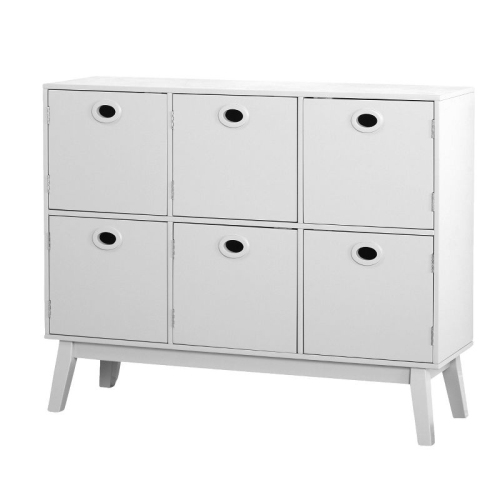
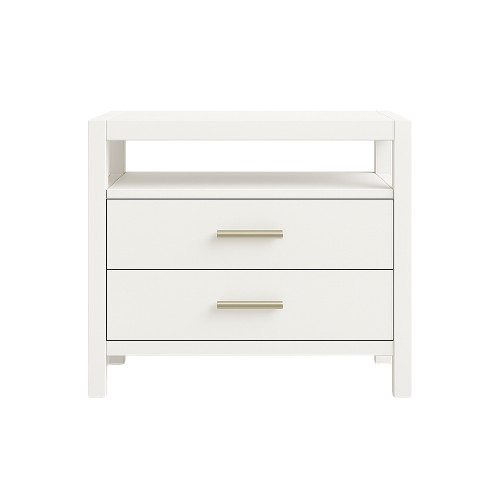
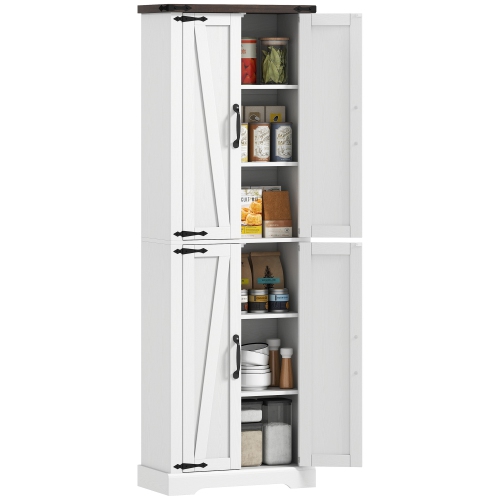
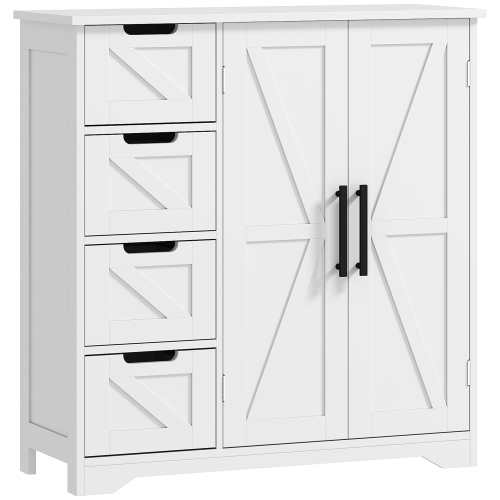

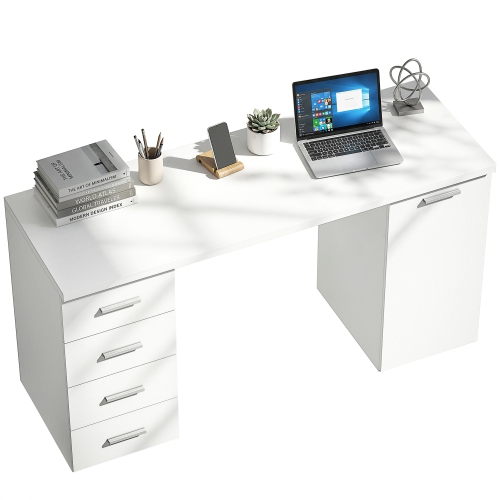
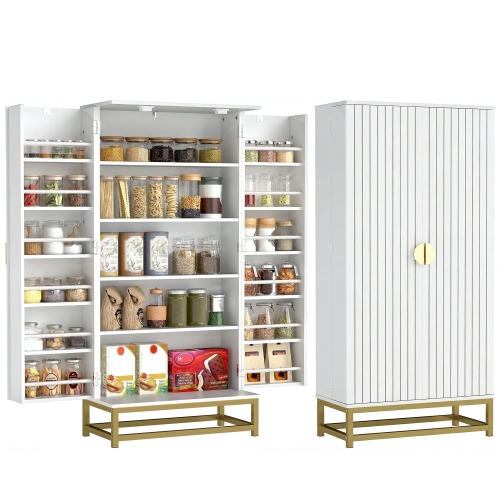
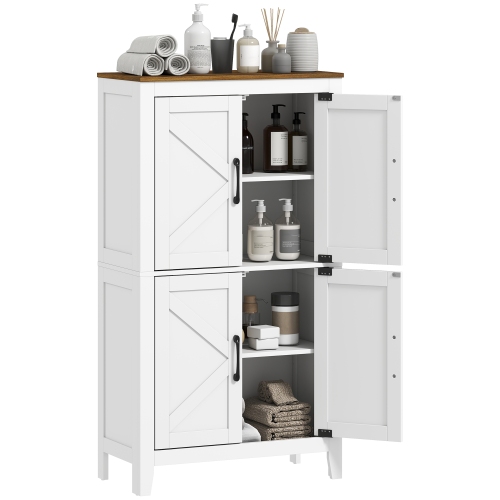
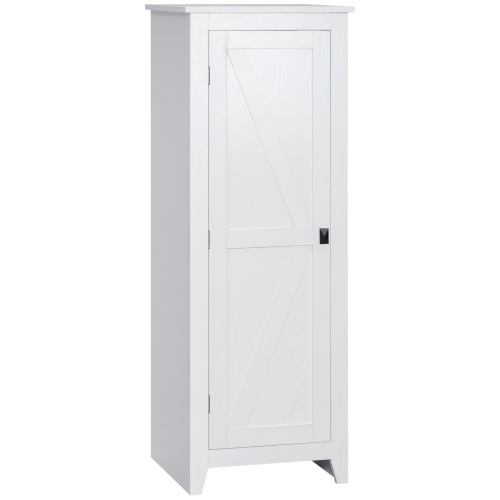
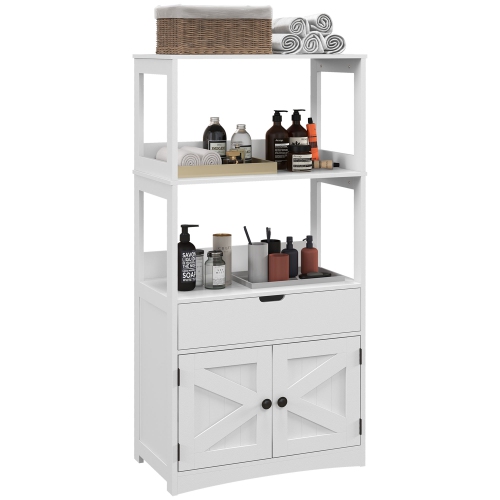
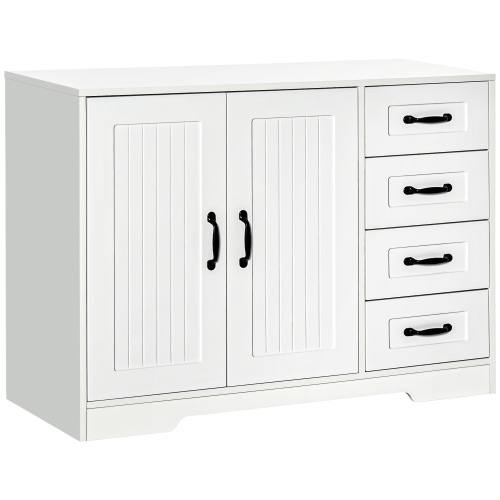
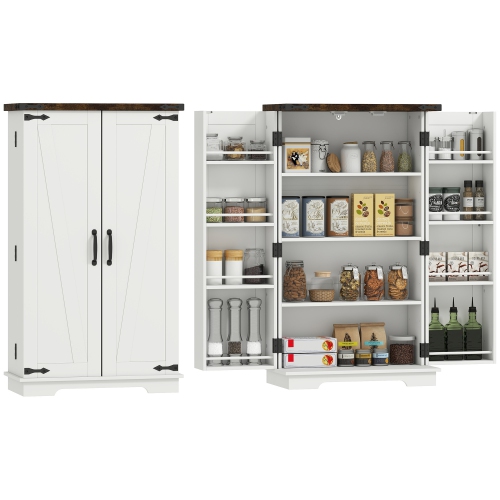
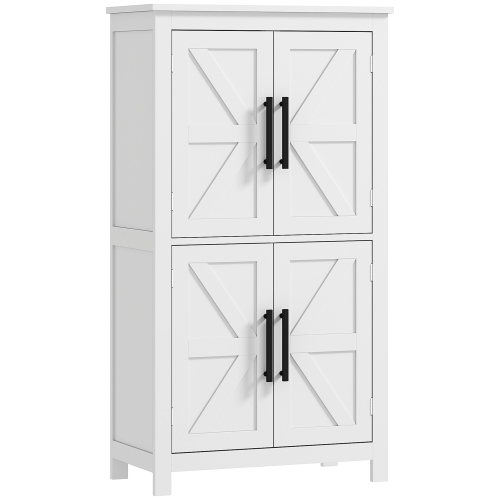
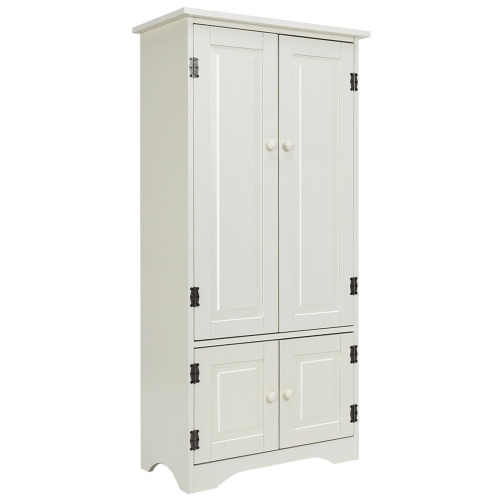
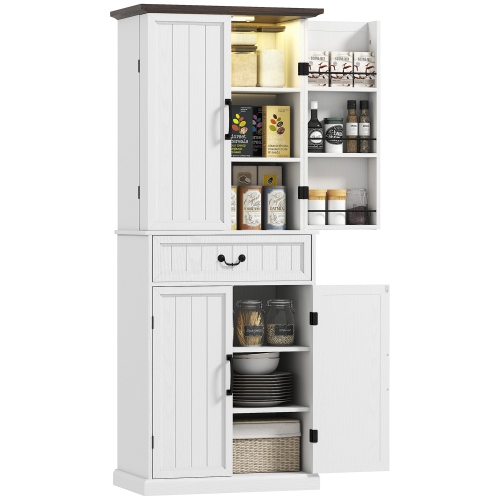
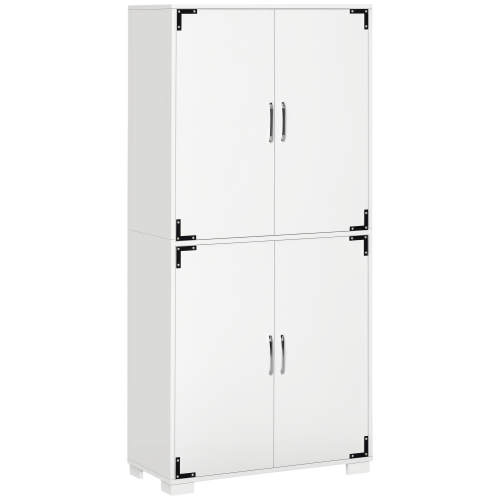
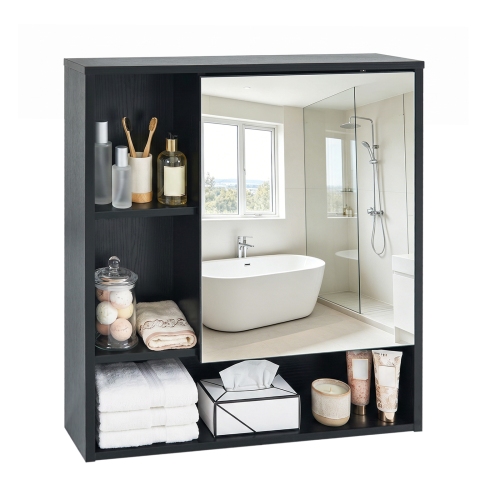
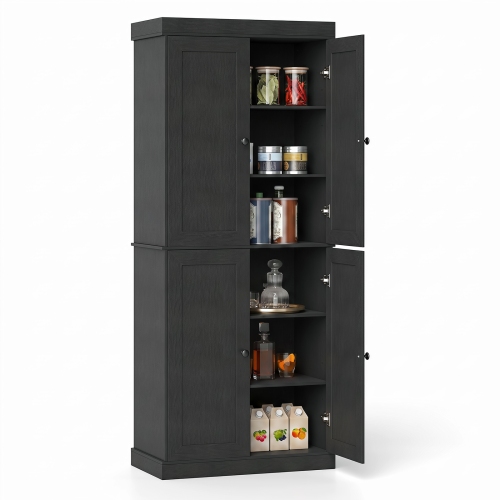
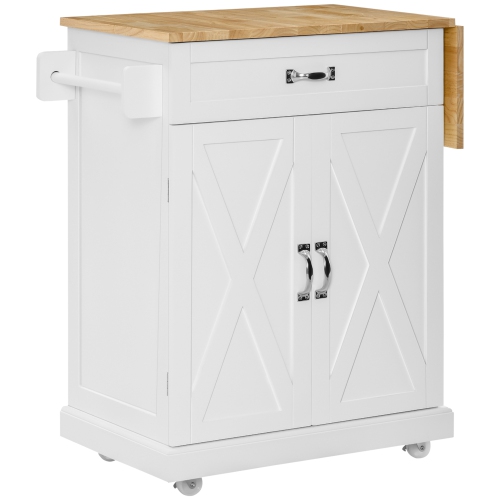
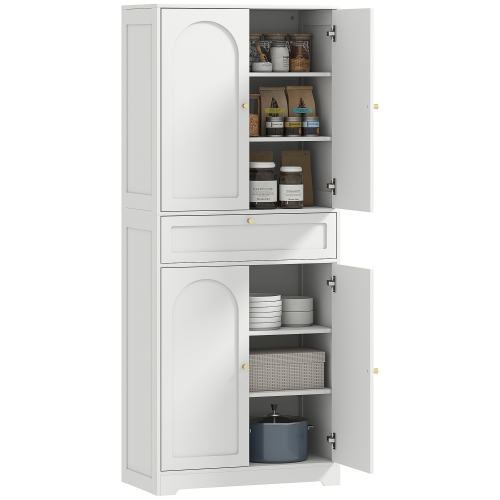
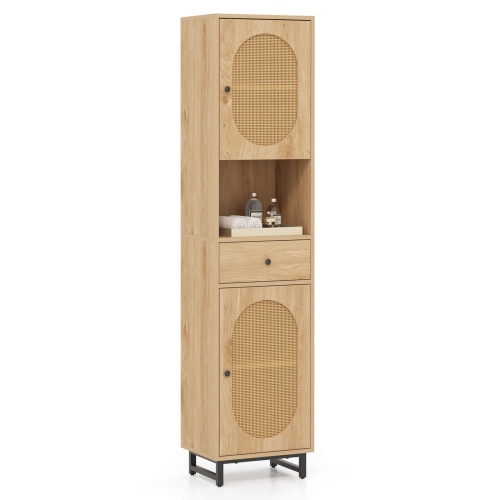
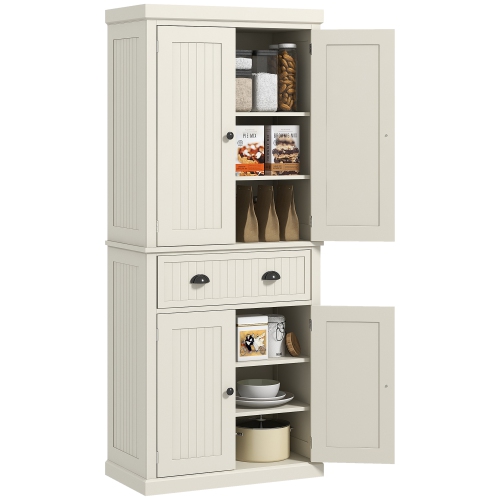
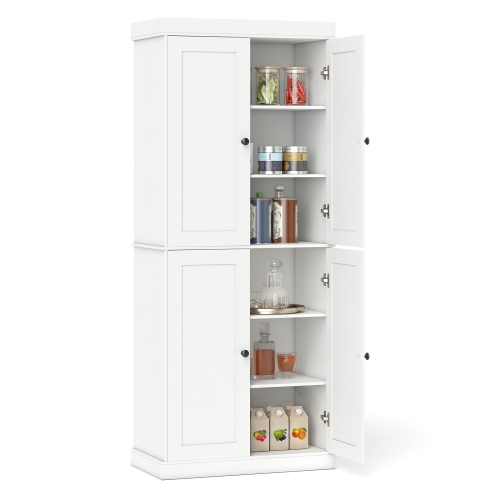
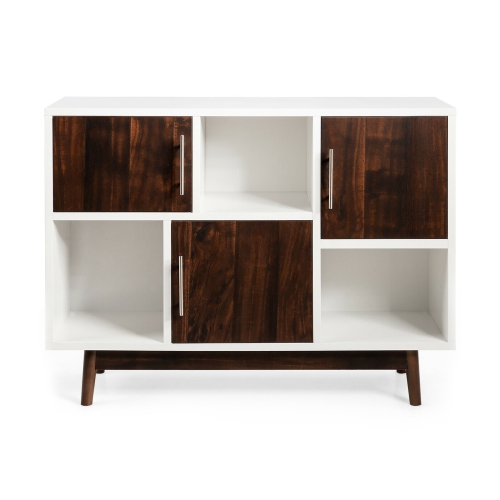

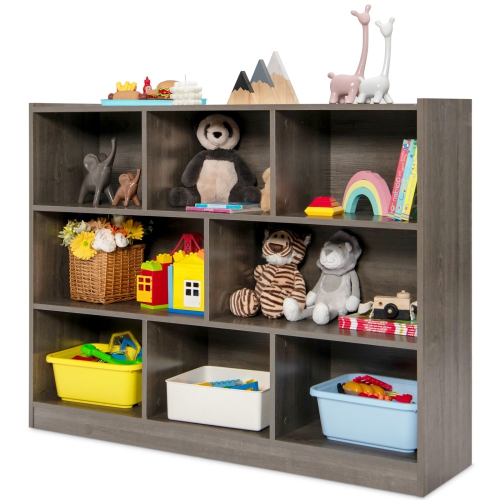

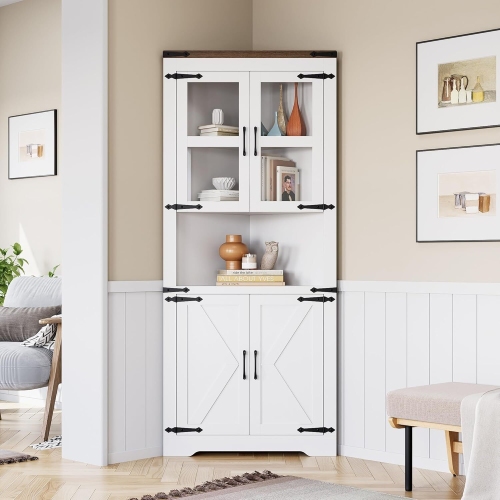
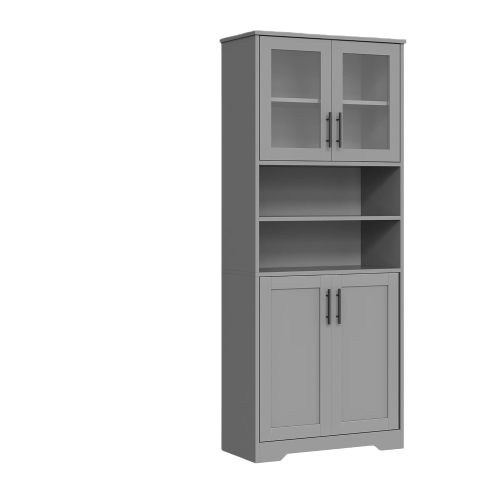
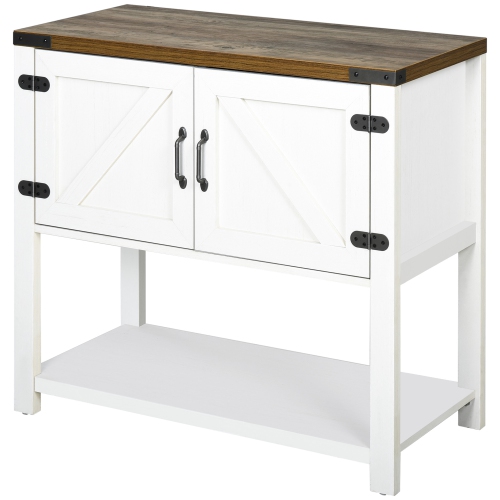
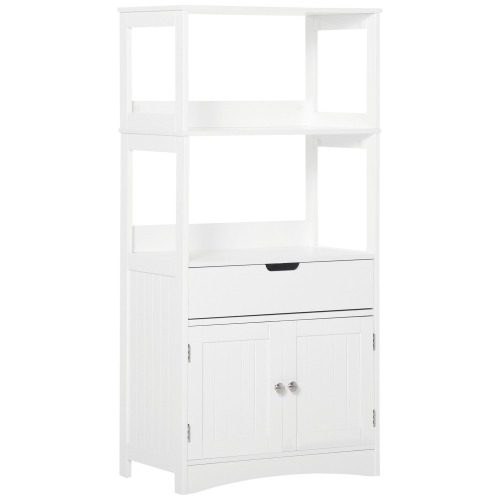
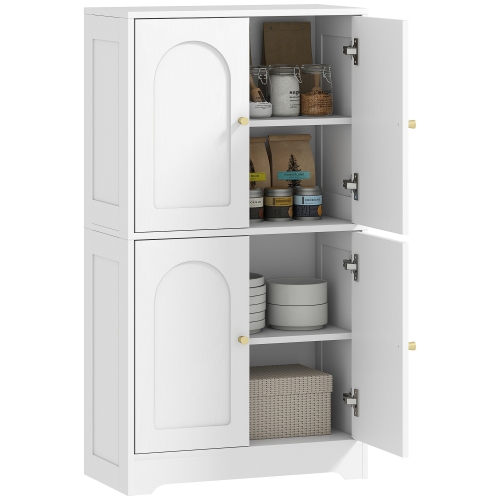
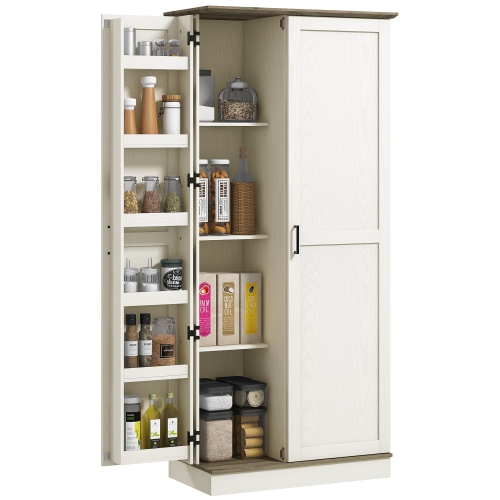
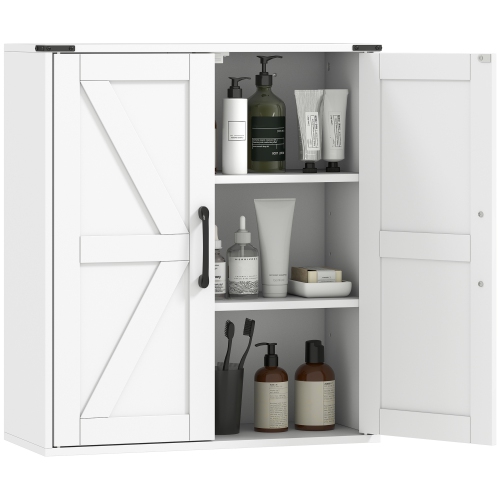
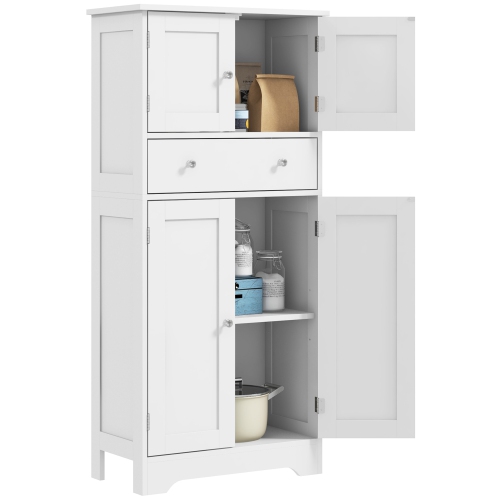
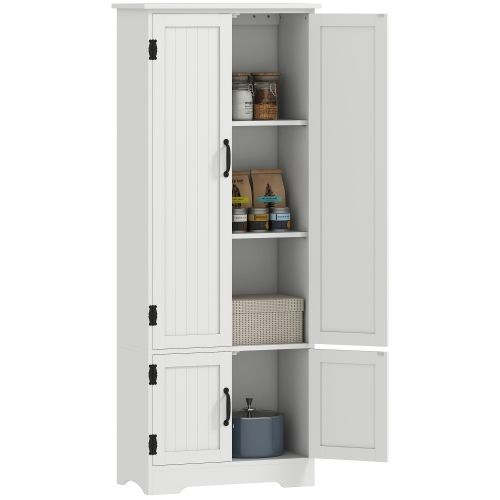
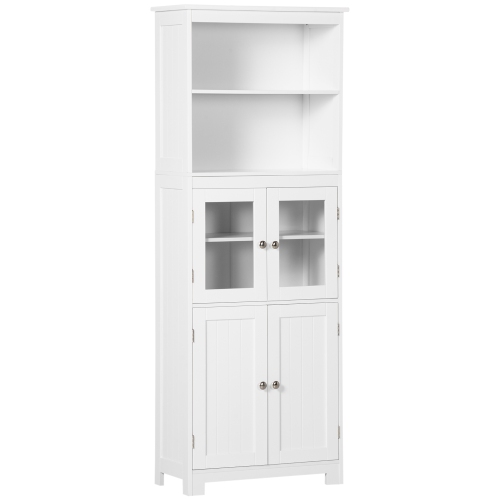
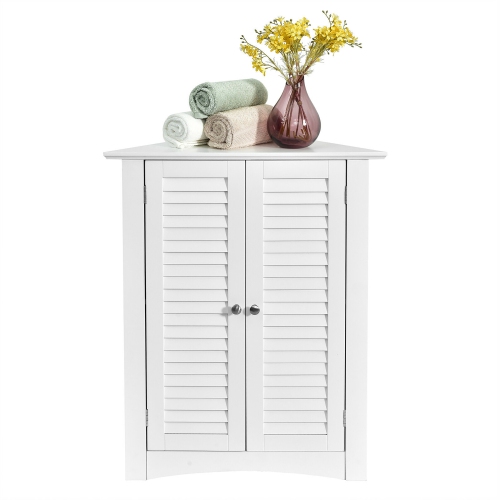
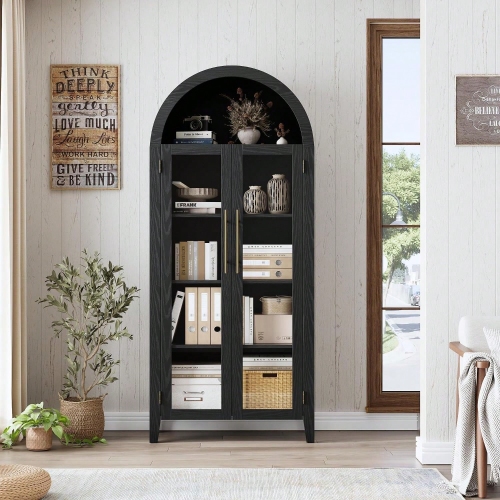
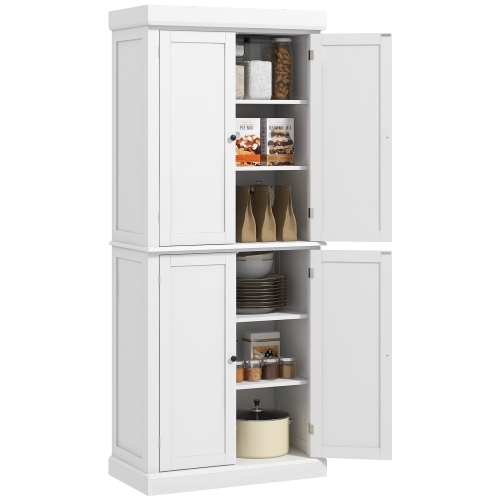
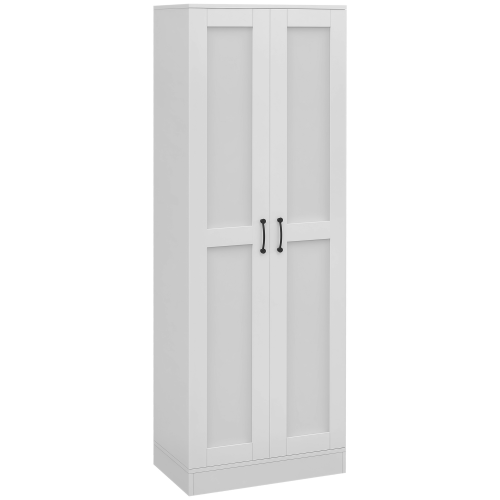
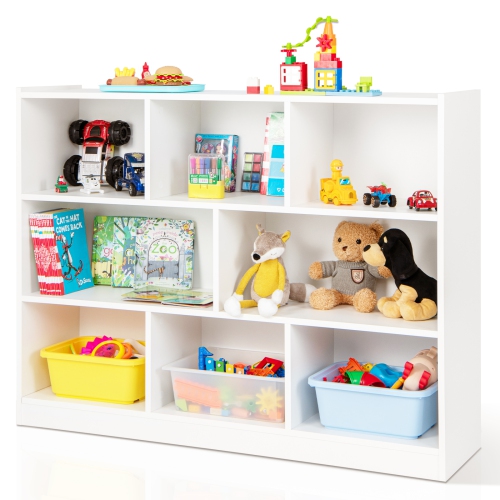
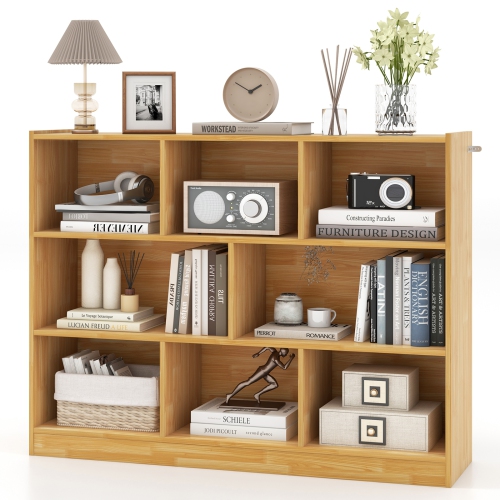
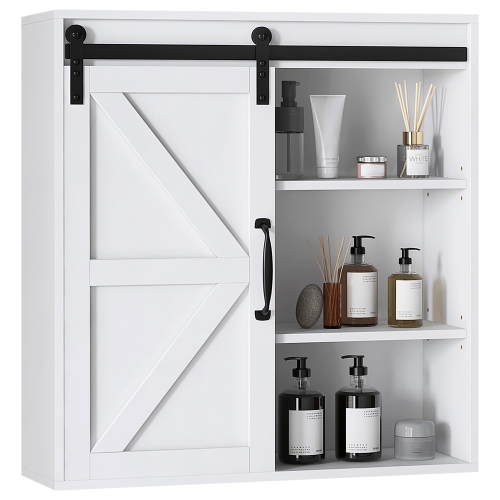
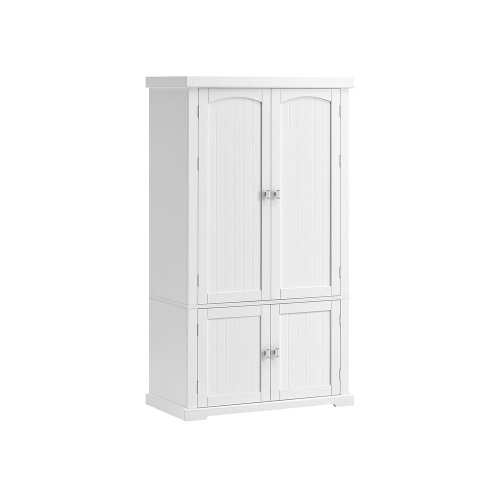
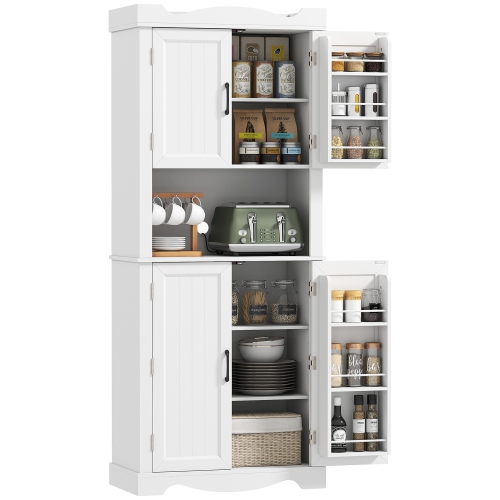
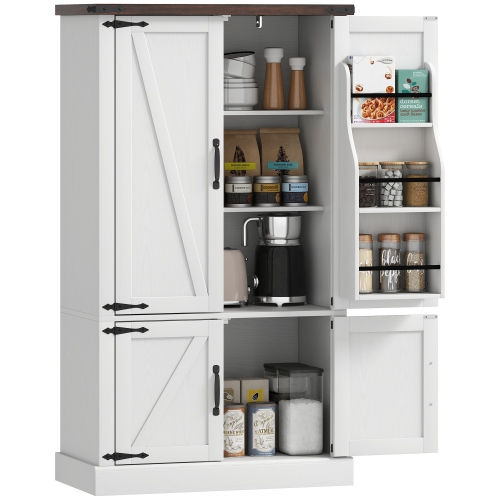
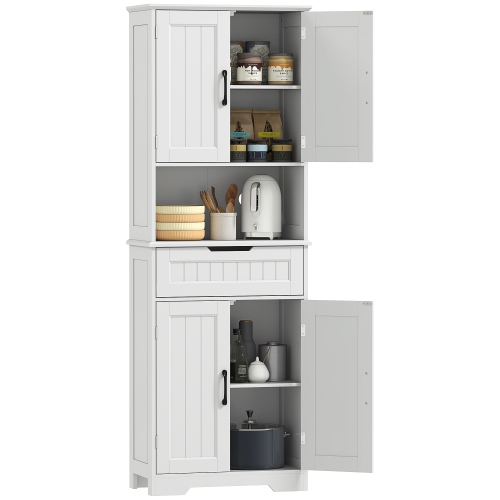
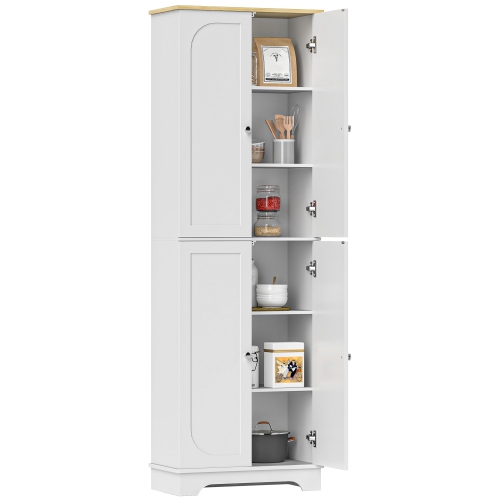
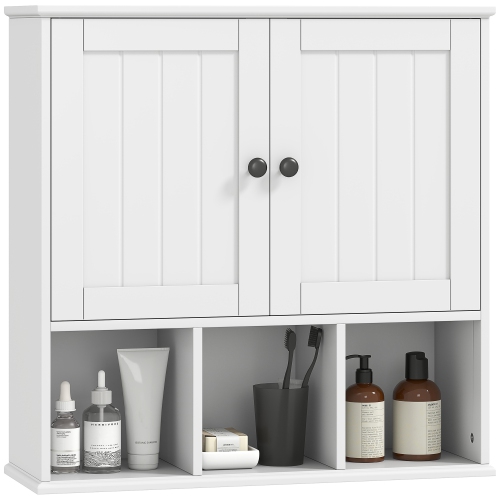
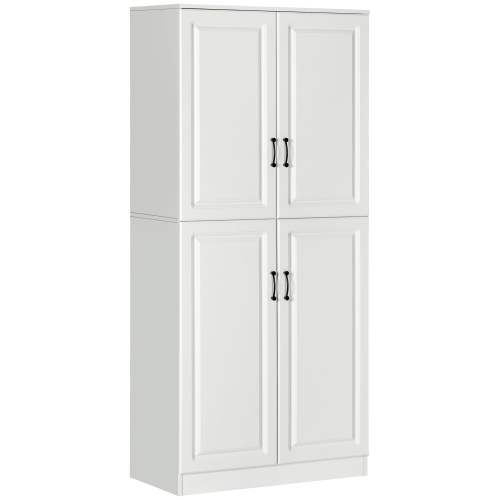
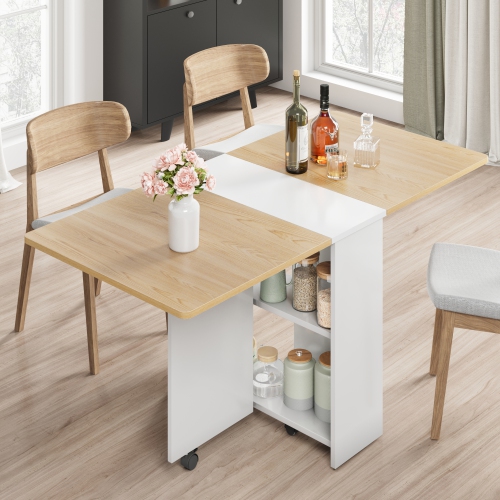
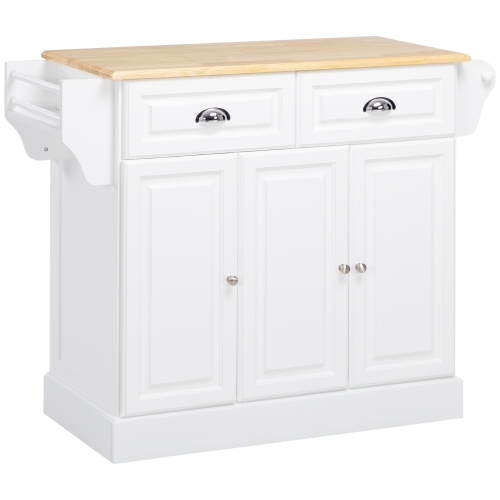
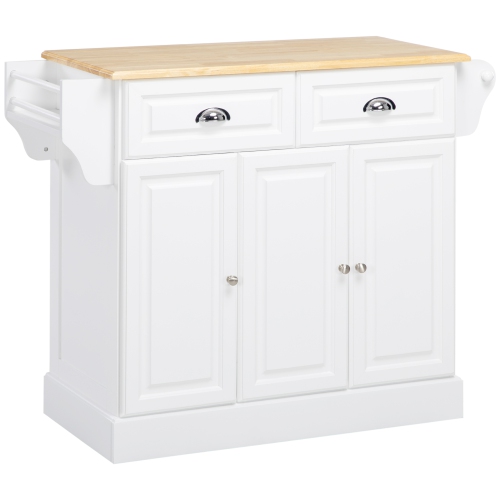
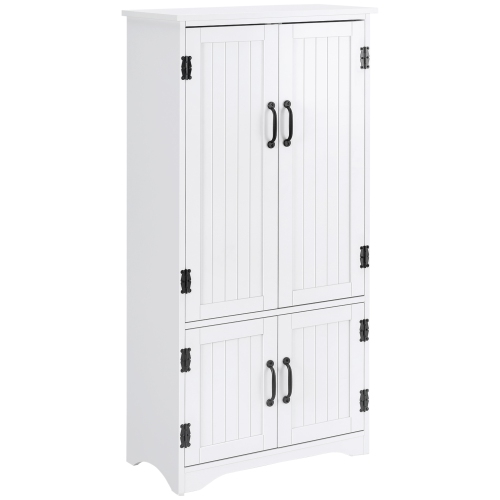
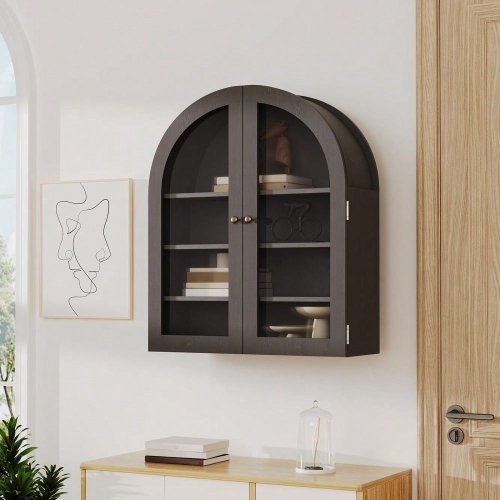
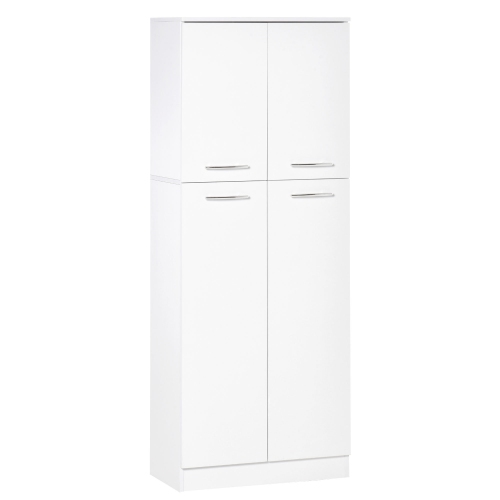
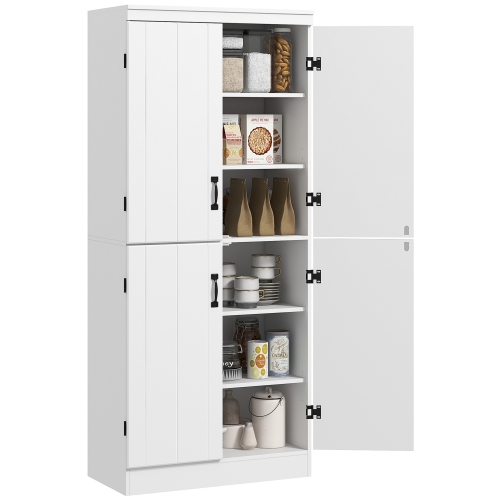
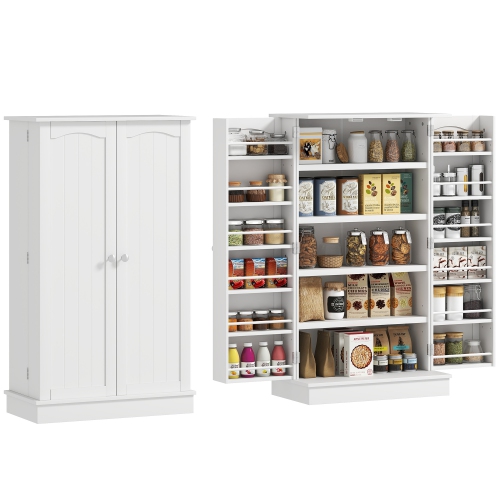
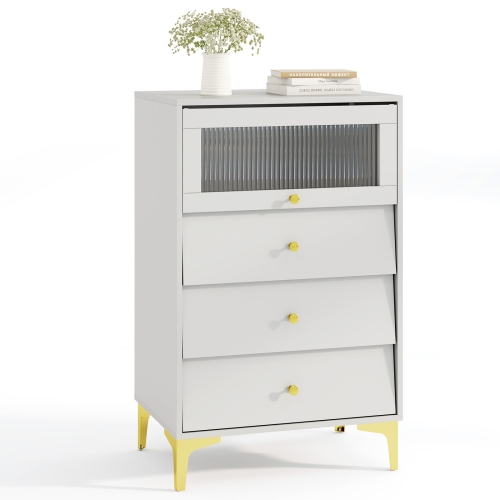
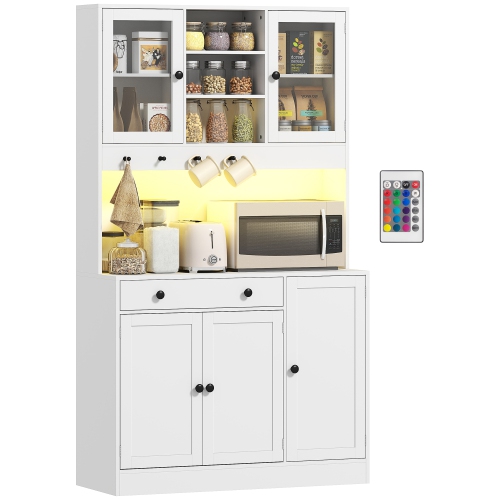
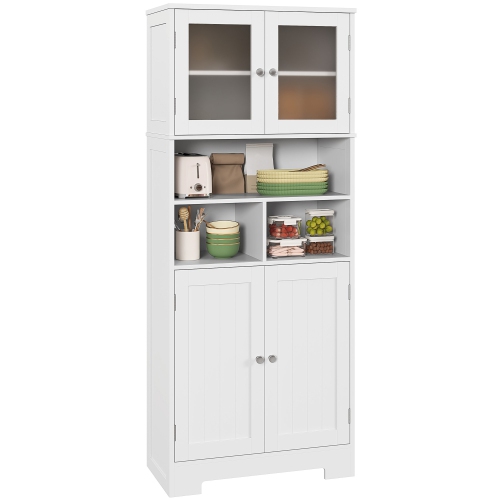
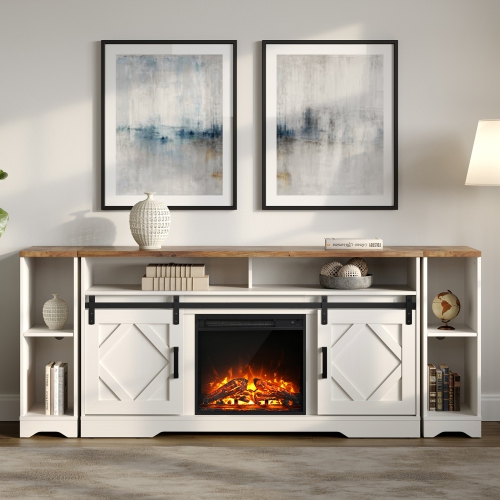
Enclosed storage with a lighter look for your room
White wood cabinets bring enclosed storage and a bright, versatile finish to kitchens, dining rooms, bathrooms, living areas, and home offices. Their appeal lies in the combination of a familiar furniture material with a neutral colour that works alongside many surfaces, from dark countertops and patterned tile to pale flooring and woven textiles. White surfaces reflect more light than darker finishes, which can help cabinetry feel less visually heavy, particularly in a narrow room or along a wall with several storage pieces. The effect depends on the shade of white as well as the cabinet’s shape: a warm white can sit comfortably beside cream upholstery and natural wood, while a crisper white often suits grey stone, black hardware, and clean-lined furniture. Shaker-style doors offer a framed profile that bridges traditional and modern interiors; flat-front doors create a simpler look, and raised panels introduce more detail. White wood cabinets can also form part of a mixed-finish room rather than an entirely white arrangement. A painted storage cabinet beside a wood dining table gives each finish space to stand out without competing for attention. For a coordinated contrast with visible grain, Light Wood Cabinets offer another way to carry pale tones through a room while varying the texture. Hardware makes a noticeable difference, too. Dark handles create clear outlines against white doors, brushed metal adds a quieter accent, and small knobs keep the front looking relatively uncluttered. Beyond appearance, enclosed cabinetry gives everyday belongings a defined home. Serving bowls can stay close to the dining table, paperwork can sit behind doors instead of on a desk, and folded towels can remain within reach without filling an open shelf. The most useful cabinet feels connected to the routines around it, with a size, interior layout, and door style that support how the room is actually used.
The term white wood cabinet describes an appearance, but it does not always mean that every component is solid wood. Construction may include solid timber, plywood, medium-density fibreboard, particleboard, wood veneer, or a combination of materials beneath a painted or laminated white surface. Each has different characteristics. Solid wood provides a substantial structure and may allow repairs or refinishing, depending on the finish and construction. Plywood uses bonded layers of wood, while medium-density fibreboard provides a smooth surface that suits painted doors and panels. Particleboard is also used in cabinet construction, often with a protective surface layer. Veneer adds a thin layer of real wood over a supporting core, so a whitewashed veneer may retain visible grain, unlike an opaque painted finish. These distinctions matter when matching a cabinet to its intended use: a piece holding spare linens faces different demands from one carrying heavy dishes or frequently used office supplies. Material names alone do not establish durability. Joint quality, shelf thickness, edge protection, hardware, and the manufacturer’s stated weight limits all contribute to how a cabinet performs. Adjustable shelves make it easier to accommodate a tall cereal container, a stack of dinner plates, or upright folders, but their load ratings still need to suit the contents. Fixed shelves can provide a straightforward layout when storage needs are consistent. Drawers help separate smaller belongings, while broad cupboards leave room for bulkier objects. Soft-close hinges or drawer runners, where included, can make frequent opening and closing quieter, although their presence should be confirmed in the specifications. Glass-front sections allow favourite dishes to remain visible, whereas solid doors conceal mixed household essentials. A bathroom cabinet needs a finish and construction suitable for the moisture exposure described by its manufacturer; a white finish alone does not make wood waterproof. Likewise, a freestanding cupboard is not necessarily a substitute for fitted kitchen cabinetry, a wall-mounted cabinet, or a vanity designed to accommodate plumbing. Matching the cabinet type to the room is just as important as choosing the right colour.
Fit extends beyond the width of the space where a cabinet will stand. Height and depth influence how comfortably people move around it, and doors or drawers need clearance to open without hitting a dining chair, an adjacent wall, or another piece of furniture. A shallow cabinet can be useful in a compact eating area, but its interior must still be deep enough for the plates or serving pieces it will hold. In a home office, shelves sized for books may not accommodate larger binders, so usable internal measurements deserve the same attention as external dimensions. Baseboards can prevent a cabinet from sitting flush against a wall, and handles may project beyond the stated body depth. Delivery routes and assembly space also matter, especially in apartments with tight corners or narrow doorways. Tall storage furniture should be secured as directed by the manufacturer, using appropriate hardware for the wall; this is particularly important in homes with children or pets. Wall-mounted cabinetry requires suitable structural support and installation, while heavier contents generally belong on lower shelves within the specified load limits. Once in place, white wood cabinets benefit from simple, consistent care. Dusting with a soft cloth helps keep grit from being dragged across the finish, and spills should be wiped promptly rather than left along seams or exposed edges. A lightly dampened cloth followed by a dry one is often suitable for routine cleaning, but the care instructions for the particular finish take precedence. Abrasive pads, harsh cleaners, and excessive moisture can damage painted, veneered, or laminated surfaces. White finishes may make fingerprints, scuffs, and splashes easier to notice, particularly near handles and lower doors. Whether marks can be touched up depends on the surface, so repair materials should be approved for that finish. Felt pads beneath objects placed on a cabinet top can help limit scratching. With thoughtful placement and appropriate care, white wood cabinets provide practical storage for busy family spaces, compact apartments, and rooms where a calm, coordinated appearance matters as much as keeping belongings organized.
Top selling and popular products
-
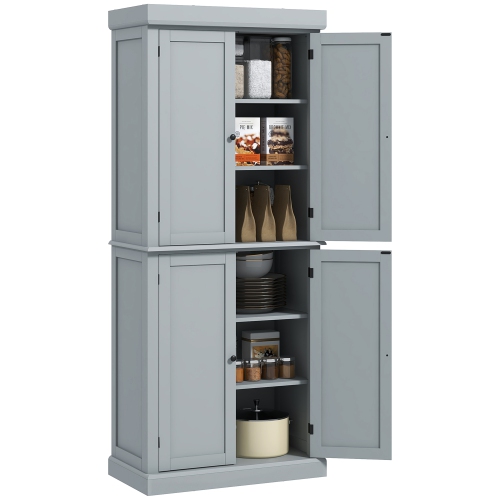 Your price for this item is $285
-
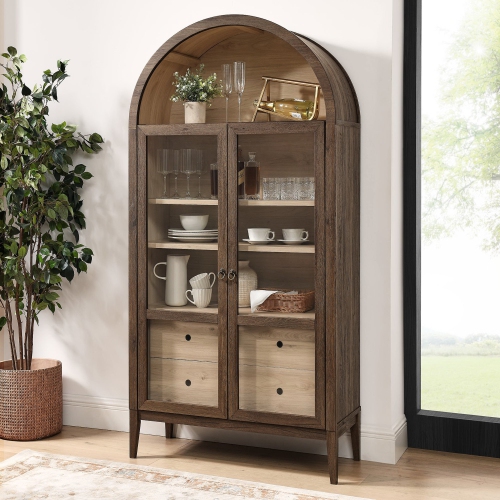 Your price for this item is $1155.71
-
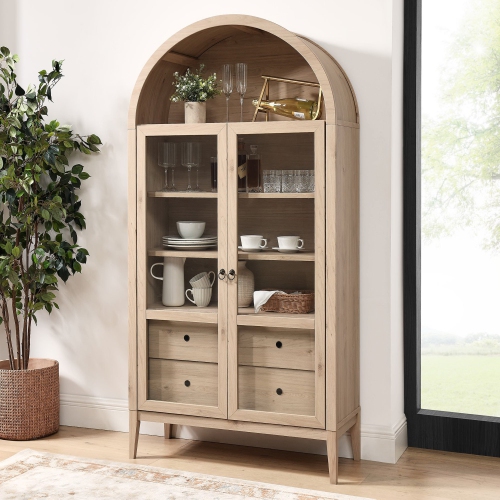 Your price for this item is $1155.71
-
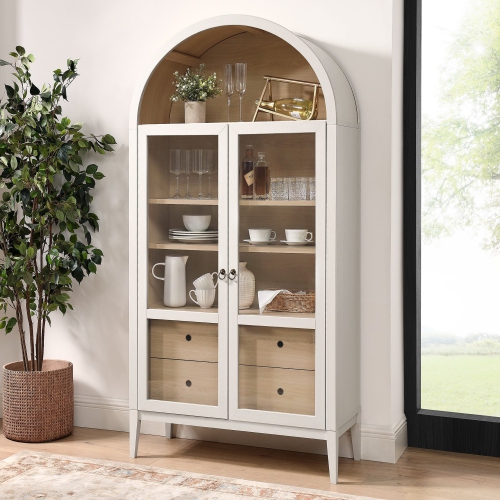 Your price for this item is $1155.71
-
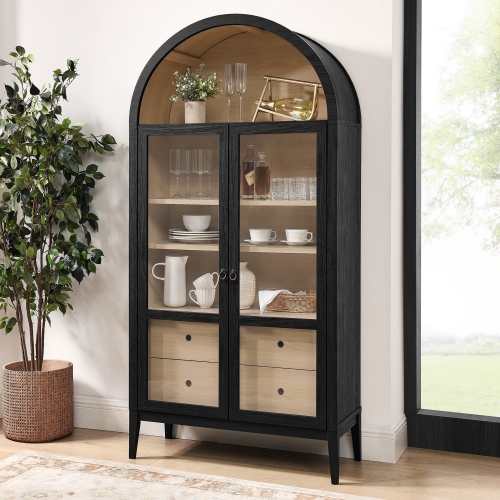 Your price for this item is $1155.71
-
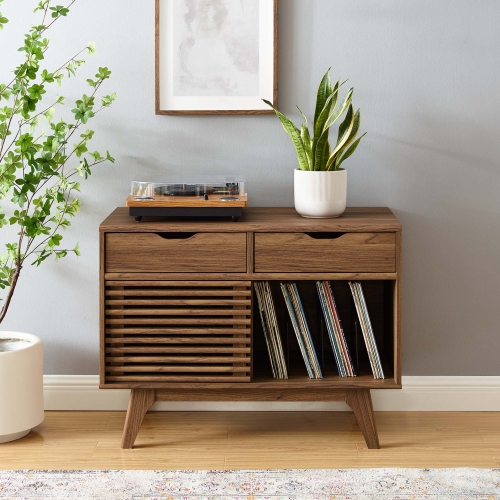 Your price for this item is $452.93
-
 Your price for this item is $155.99
-
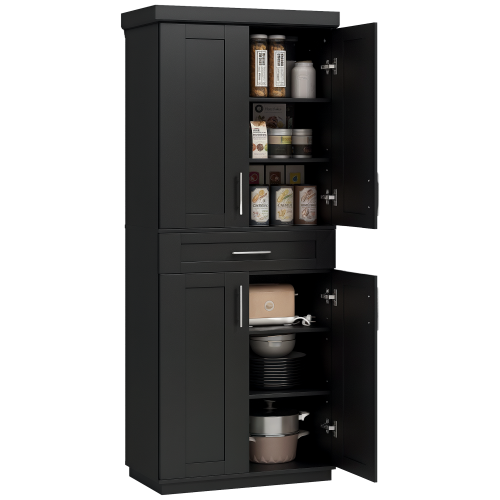 Your price for this item is $266.99
Discover more categories related to White Wood Cabinets
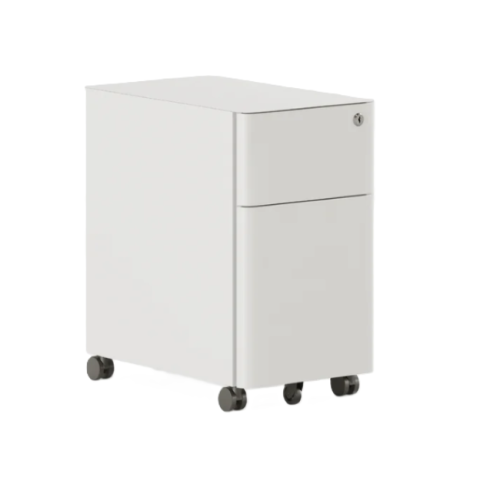

Top Collections:
Best Black Friday Deals This Year, Best Black Friday Deals On Electronics, Kindle Devices, Dyson Airwrap, Best Cameras for Sports Photography, Best Black Friday Deals On Apple Products, PS5 Pro Consoles, Portable Snow Blowers, Canon G7X Cameras, Pokémon 30th Celebration Cards
Some products may be subject to Environmental Handling Fees
(EHF) depending on your province.
Learn more about EHFs.