Windshield Ice Scrapers
Clearing ice off your windshield can be a daunting task, especially during the chilly winter months. That's where windshield ice scrapers come to the rescue. Designed to effortlessly remove ice and frost from your car's windshield, these handy tools are a must-have for any driver facing icy conditions. With a range of features and styles to choose from, finding the perfect windshield ice scraper to tackle the toughest ice buildup has never been easier. Whether you're looking for a compact scraper for on-the-go use or a heavy-duty option for those extra frosty mornings, our selection of windshield ice scrapers has got you covered. Say goodbye to frustrating ice-covered windshields and hello to clear visibility with our top-notch collection of windshield ice scrapers.
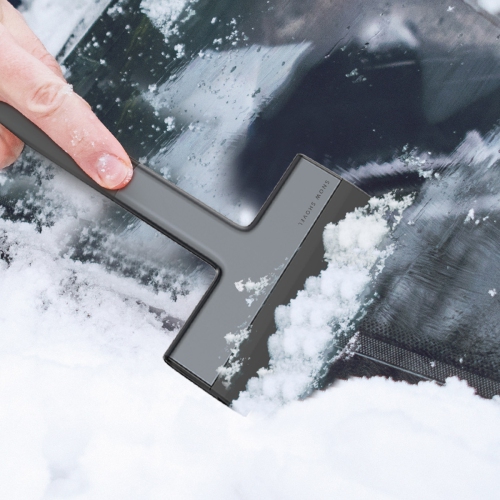





Why frost and thick ice need different approaches
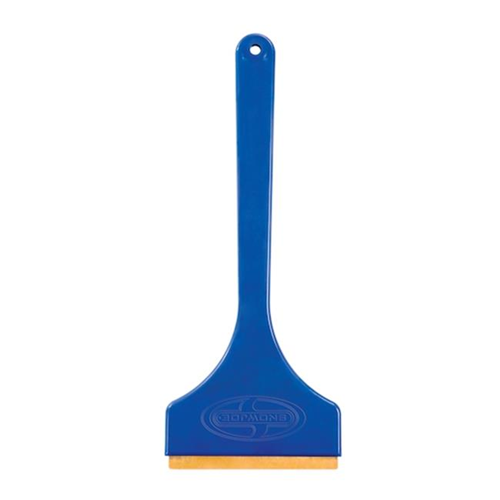
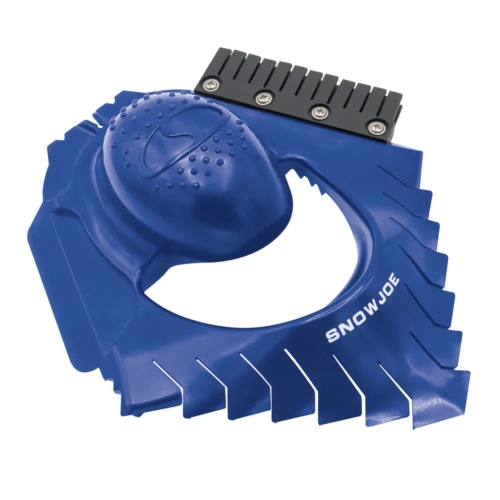
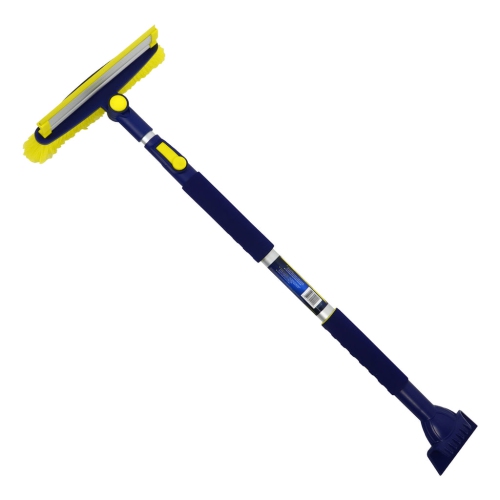
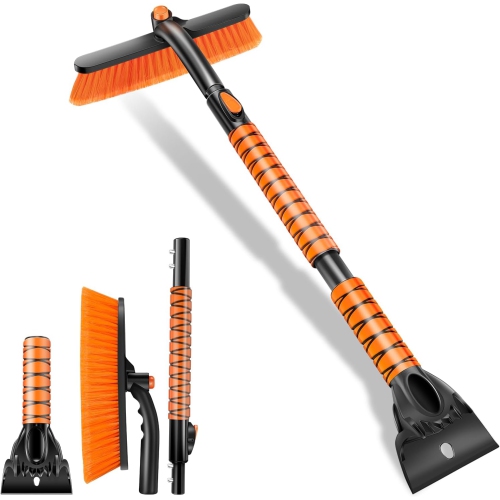
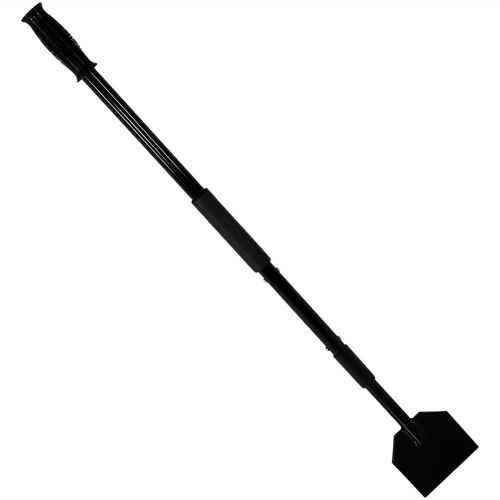
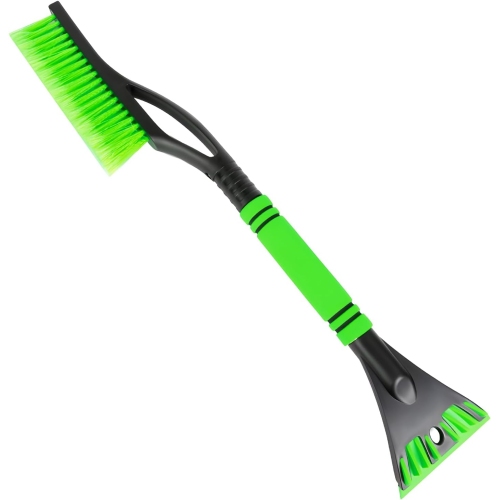
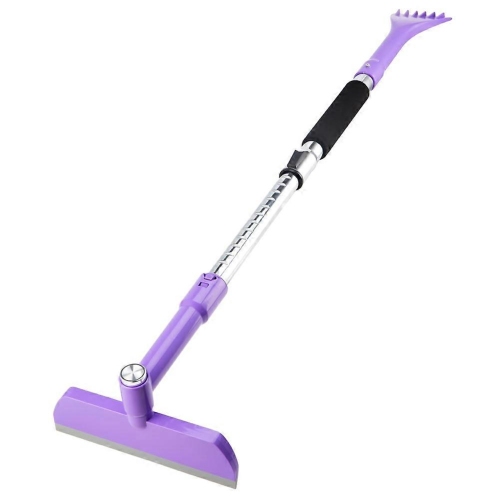
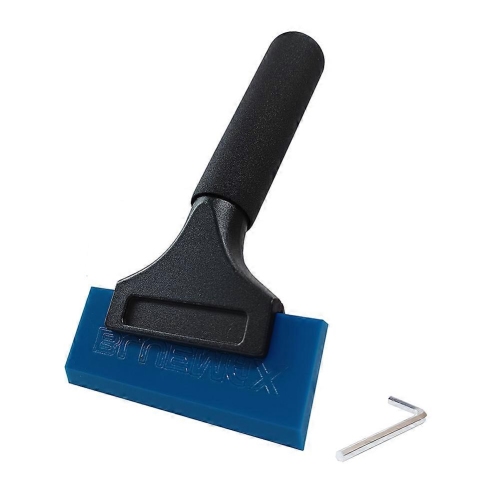
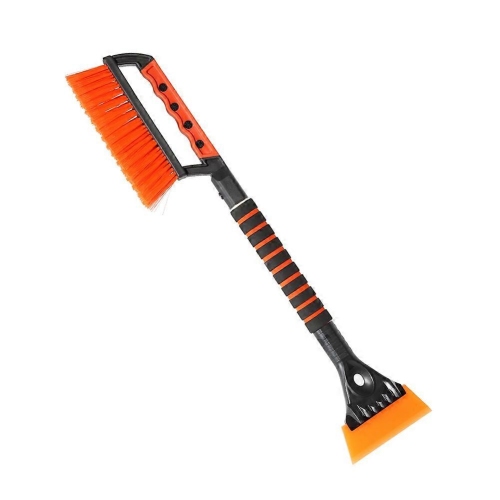
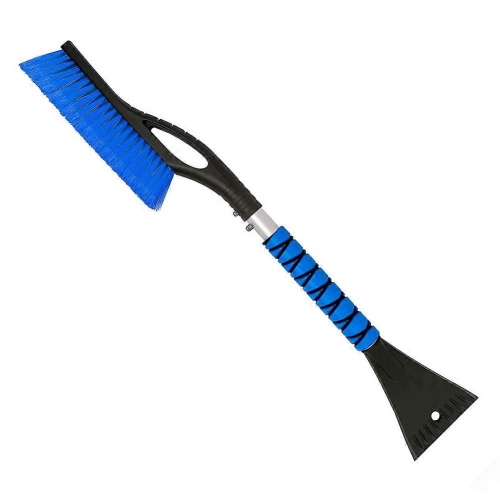
Materials and construction influence how a windshield ice scraper feels in use and how well it stands up to repeated pressure. Rigid plastic blades are common, including designs made with ABS or polycarbonate, although performance depends on the specific material formulation, blade thickness, and construction rather than the material name alone. A blade needs enough stiffness to transfer pressure to the ice without feeling brittle, and its working edge should be even and free of chips. Some scrapers use metal edges, including brass; these should be intended specifically for automotive glass and used according to both the tool instructions and the vehicle manufacturer's care requirements. No blade material makes careless scraping harmless, because trapped grit, a damaged edge, or contact with unsuitable surfaces can leave marks. Blade width also changes the feel of the task. A wider edge can cover more glass on each pass, while a narrower one concentrates pressure over a smaller area and can be easier to position near corners. Handle design is just as noticeable when hands are covered by winter gloves. A contoured grip, textured surface, or cushioned sleeve can help the tool stay secure without requiring an unnecessarily tight hold. Enough space around the handle matters for bulky mittens, and a balanced shaft is easier to manoeuvre than one that feels heavy at the far end. Telescoping ice scrapers offer adjustable reach, but the locking mechanism should hold firmly at the working length without slipping or twisting under normal pressure. On combination tools, brush placement and head size affect how easily the scraper can be angled against the windshield. A rotating brush head may make storage or access easier, while a fixed head keeps the design straightforward. Fit is therefore less about a particular vehicle label and more about windshield height, glass width, storage space, and the user's comfortable reach. A tool that reaches the centre of the windshield from a stable standing position is more useful than extra length that becomes difficult to control.
Day-to-day durability depends on both the design and the way a scraper is stored and maintained. Frost removal puts repeated stress on the blade edge, while heavy ice places greater demands on the handle connection and any extending sections. Secure joints, a firm grip, and a blade that stays straight under ordinary working pressure are useful qualities for frequent use. Excessive force is not a substitute for a suitable tool, especially when ice has formed a thick, tightly bonded layer. The vehicle's defrost system can help loosen that bond when operated safely and in accordance with the owner's manual; a combustion-engine vehicle should never be left running in a garage or other enclosed space. Hot water is not a suitable shortcut, as sudden temperature changes can damage glass and the water can freeze again. Scrapers intended for windshields also should not be treated as general-purpose tools for painted panels, plastic lamp covers, camera housings, or mirrors with special finishes. Vehicle care instructions are particularly important around coated surfaces, seals, and exposed sensors. For the scraper itself, keeping the working edge clean helps prevent road grit and other debris from being dragged across the glass. A wipe after use, drying before longer storage, and occasional checks for cracks, rough spots, or loose fittings help keep it ready for the next frozen windshield. Brush bristles benefit from having packed snow and debris removed rather than being crushed beneath heavy objects. Compact designs can fit in a door pocket or another suitable compartment, while longer combinations need a secure storage position that does not interfere with pedals, seat movement, or passengers. Keeping the tool accessible avoids having to unload a cargo area before clearing the windows. As a practical gift for a new driver, a student with an outdoor parking space, or someone moving to an area with frequent freezing conditions, an ice scraper is most useful when its size and grip suit the recipient's vehicle and hands. Comfortable handling, sound construction, and appropriate reach matter more than a long list of features.
Top selling and popular products
-
 Your price for this item is $15.97
-
 Your price for this item is $16.97
-
 Your price for this item is $18.96
-
 Your price for this item is $16.96
-
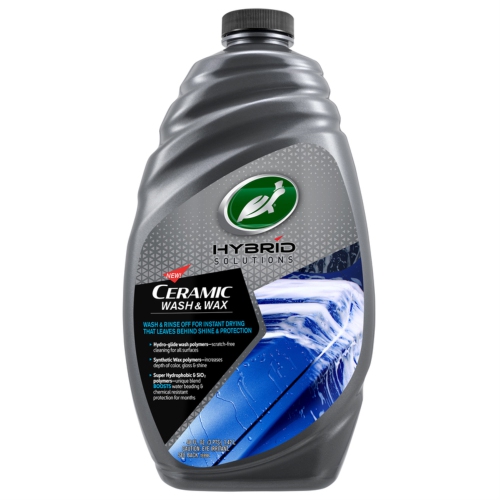 Your price for this item is $36.67
-
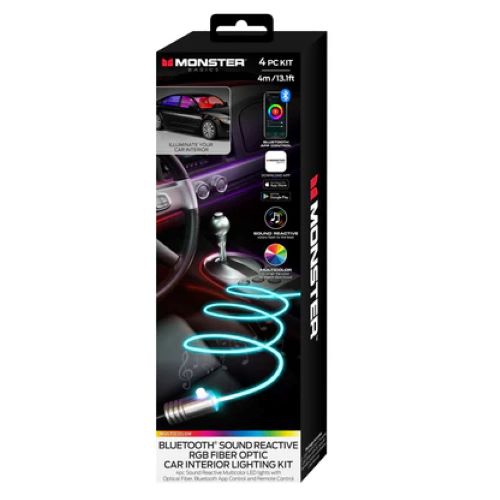 Your price for this item is $37.99
-
 Your price for this item is $45.53
-
 Your price for this item is $37.83