Home Theatre Surround Speakers
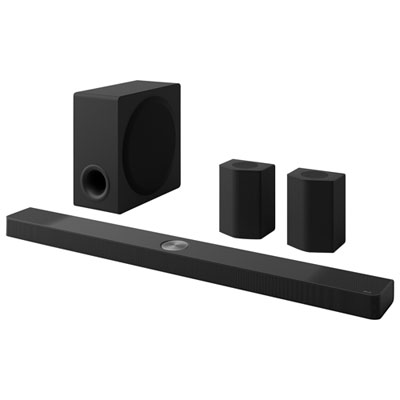
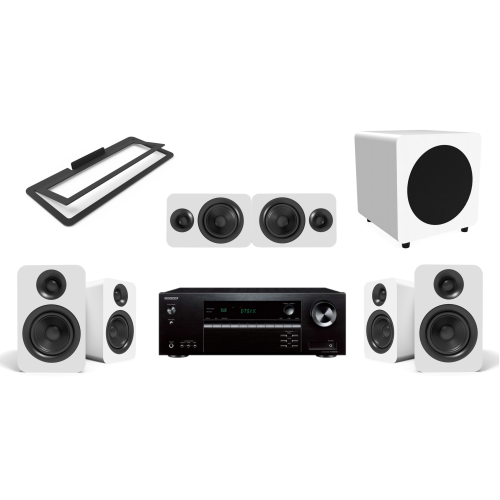
Find home theatre surround speakers for building or upgrading your surround sound system. Compare options by speaker placement, connection requirements, and compatibility with your AV receiver or existing audio setup to choose speakers that suit your room.










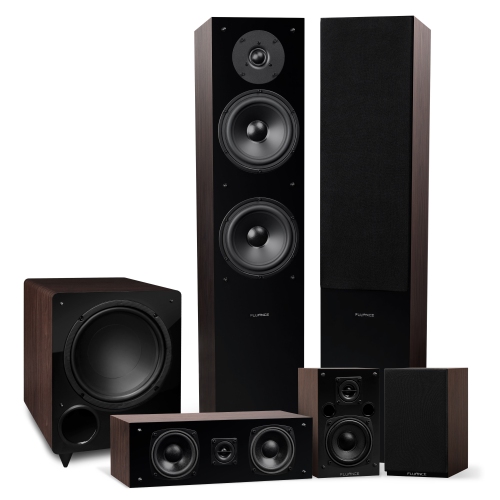
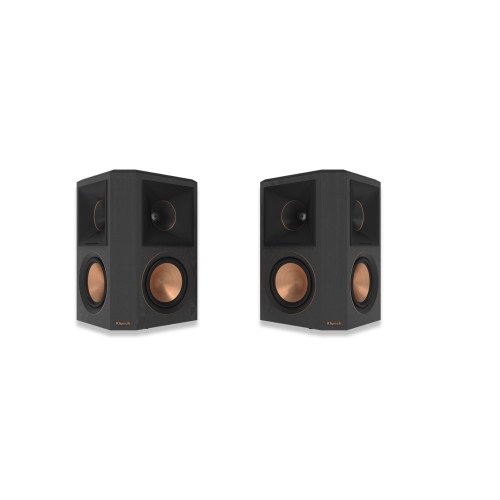


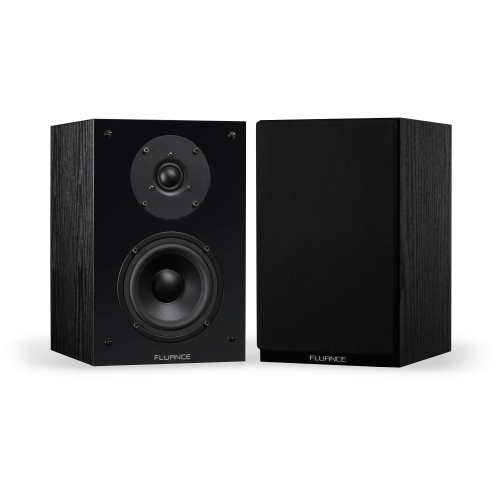
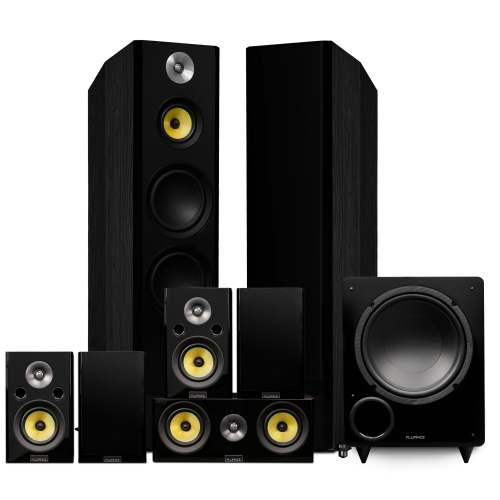

















































FAQ
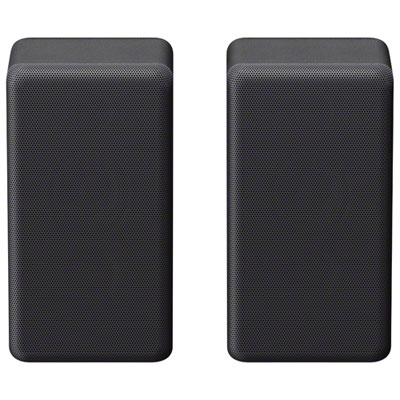
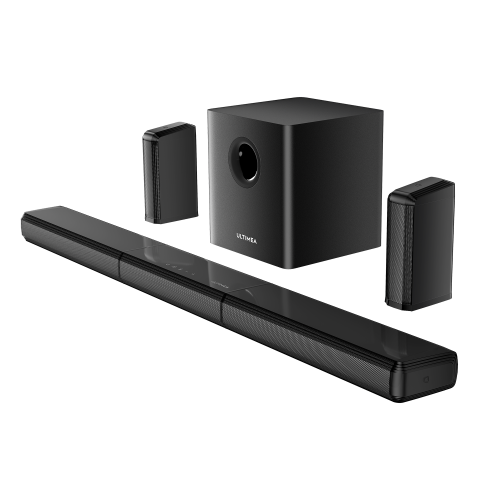
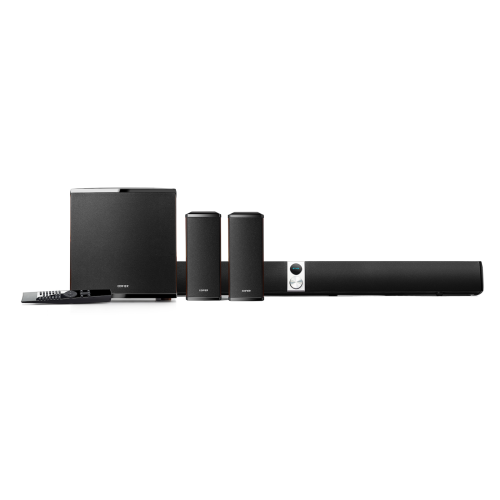
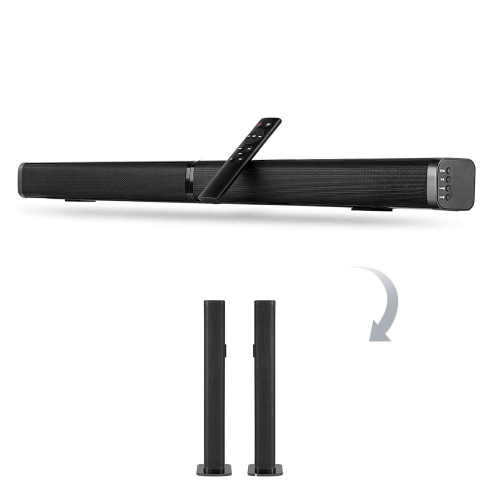
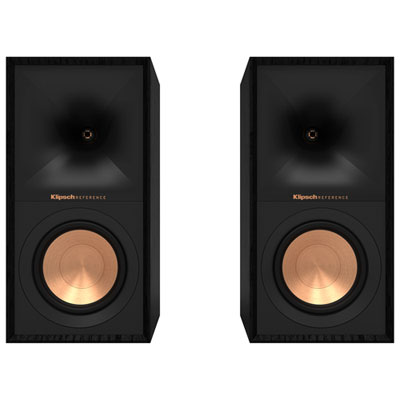
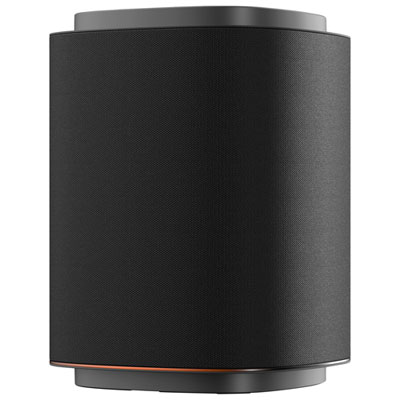
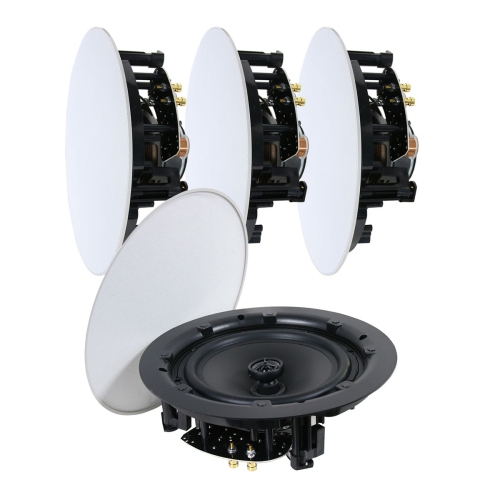
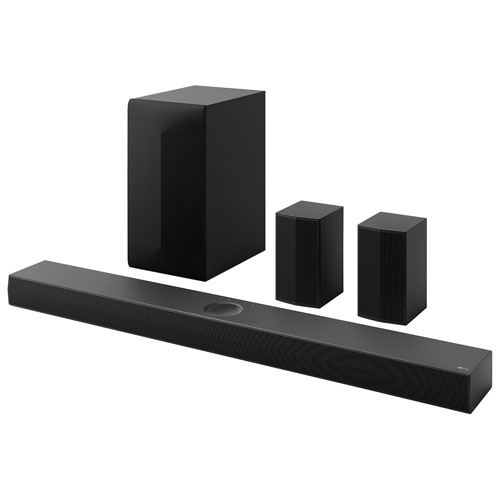
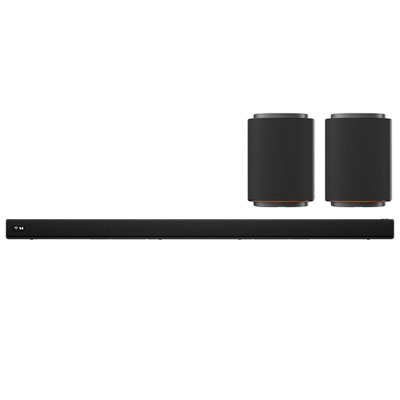
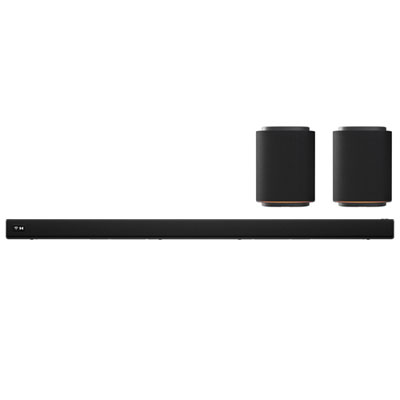
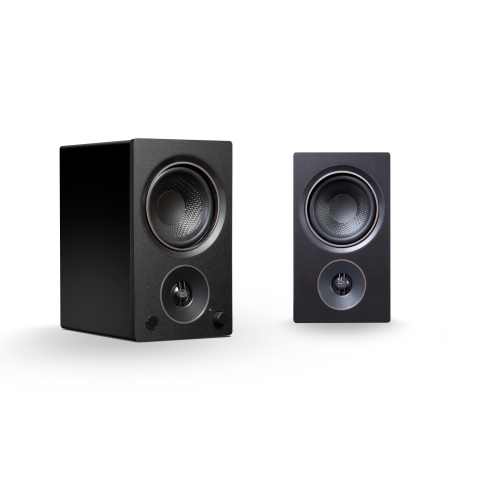
Home theatre surround speakers play the side or rear audio channels in a surround sound system. They work alongside front speakers, a centre speaker and, in many setups, a subwoofer. Surround speakers may be passive models connected to an amplifier or powered models designed for a compatible audio system.
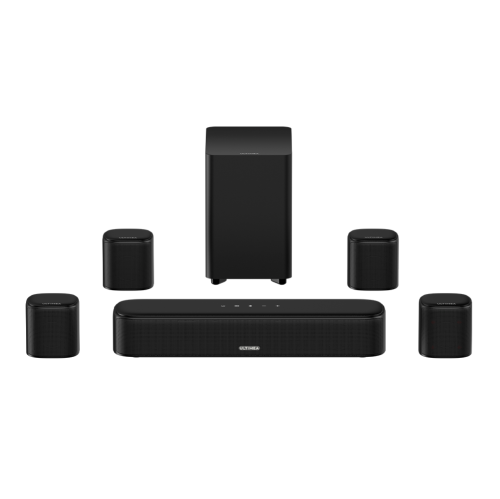
A 5.1 layout has five main speaker channels: front left, centre, front right, surround left and surround right, plus a subwoofer channel. A 7.1 layout adds two rear surround channels. Your AV receiver or home theatre system must support the layout you choose.
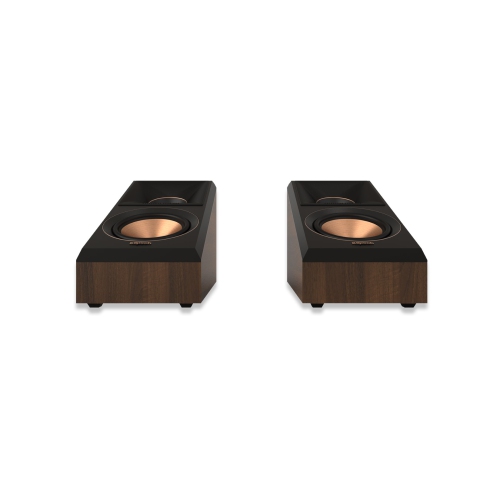
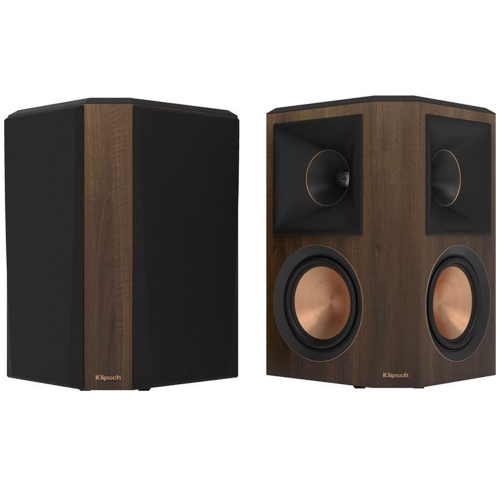
In a typical 5.1 layout, surround speakers sit to the sides of the main listening position, often slightly behind it. A 7.1 layout also includes a pair of speakers behind the listener. Placement guidance can vary by audio format and speaker design, so consult your system’s setup instructions.
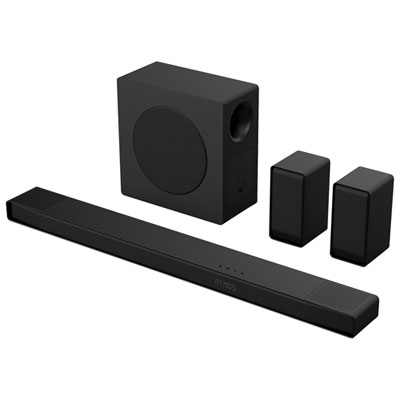
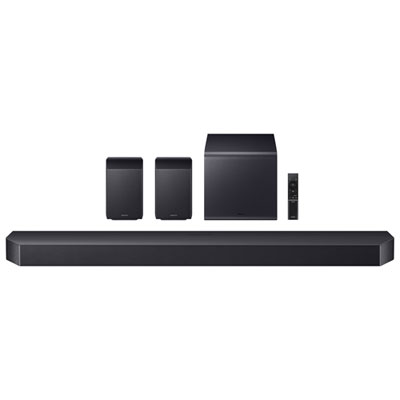
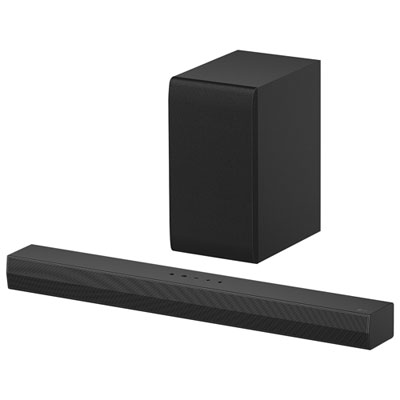
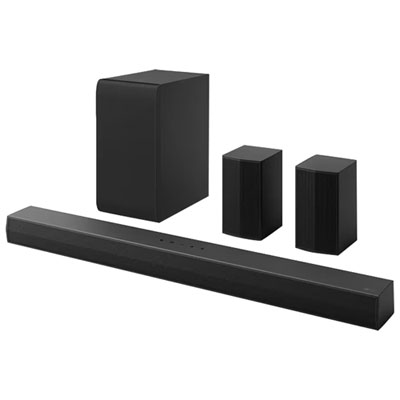
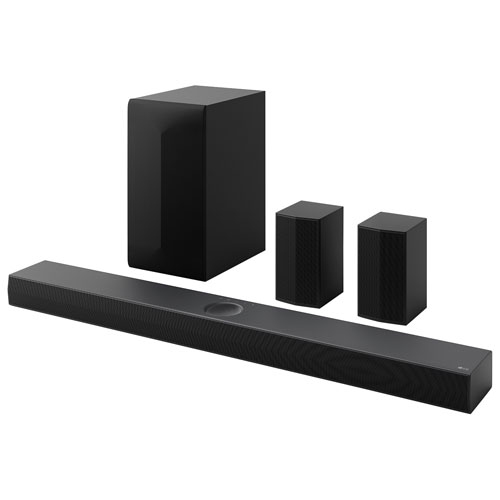
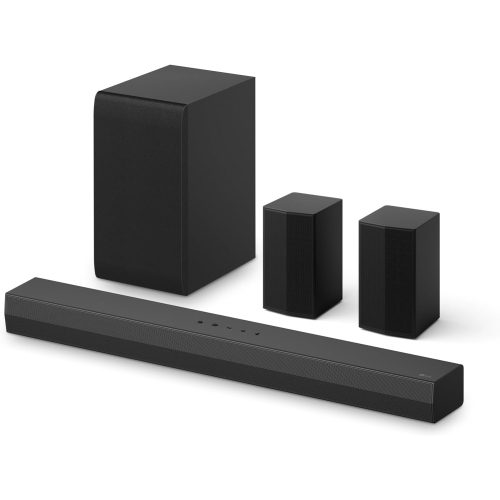
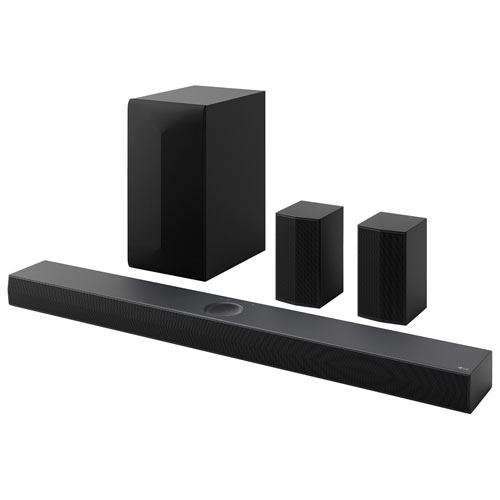
Passive surround speakers need amplification, usually from an AV receiver with dedicated surround-channel connections. Powered surround speakers have built-in amplification and may connect to a compatible soundbar or home theatre hub instead. Check the connection requirements, supported speaker specifications and system compatibility before choosing speakers.
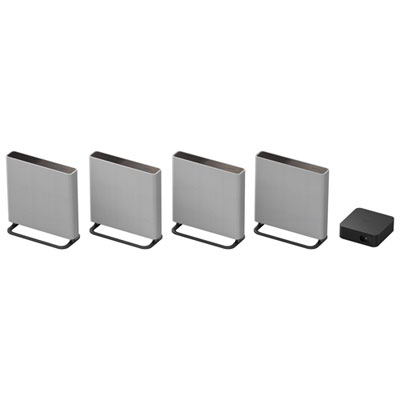
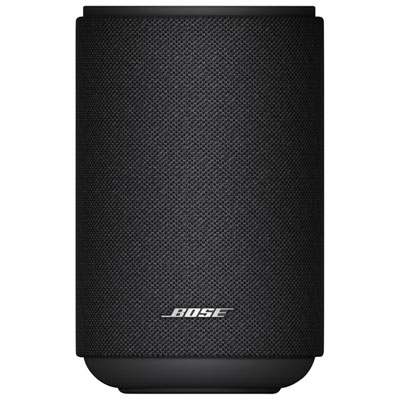
Wired surround speakers typically use speaker wire to connect to an AV receiver or amplifier. Wireless surround speakers receive audio from a compatible soundbar, receiver or hub without that speaker-wire connection. Wireless models generally still need electrical power, and some systems use a separate wireless receiver connected to the speakers.
Top selling and popular products
Discover more categories related to Home Theatre Surround Speakers

Some products may be subject to Environmental Handling Fees (EHF) depending on your province. Learn more about EHFs.