HP Black LaserJet Toner Cartridges

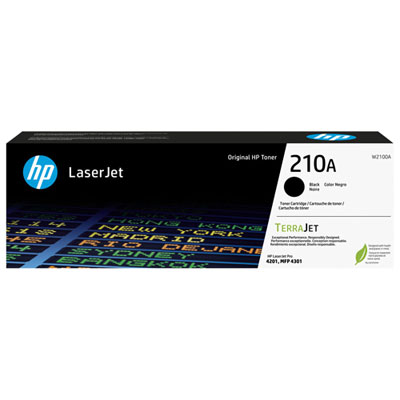
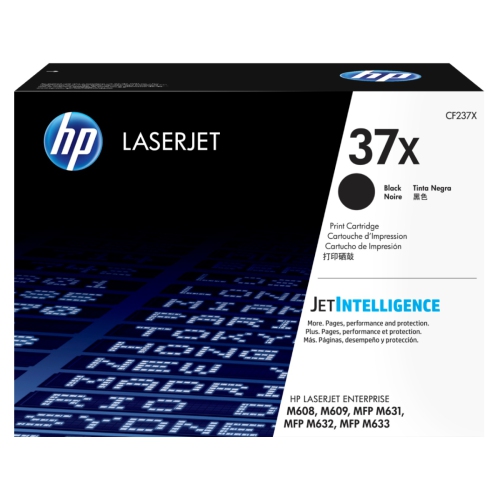
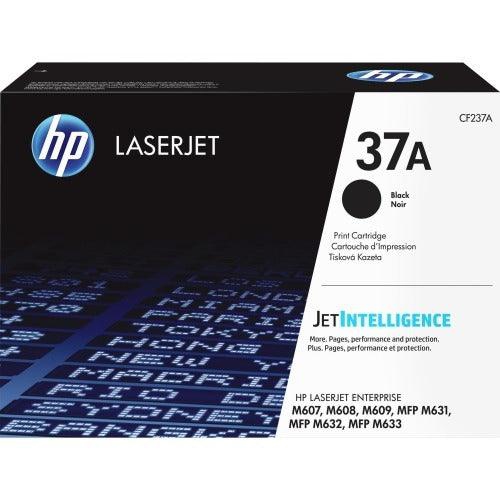
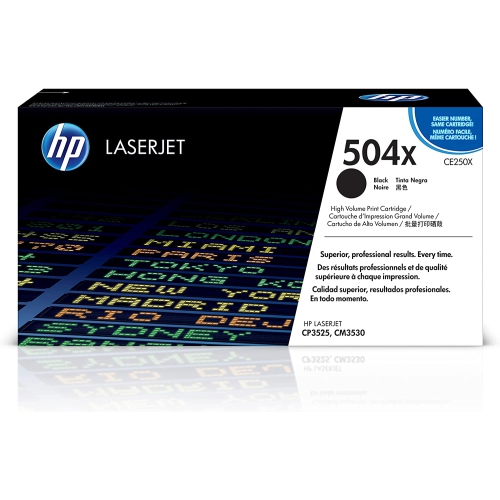
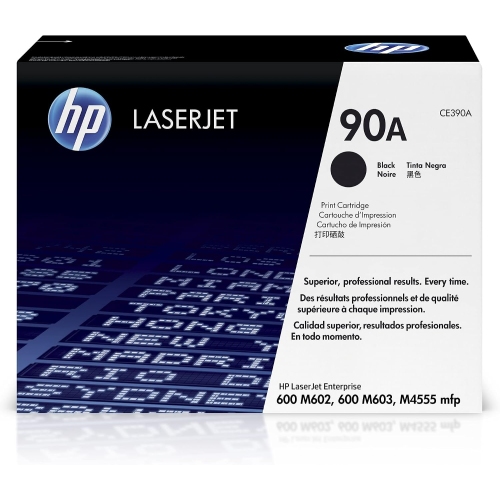
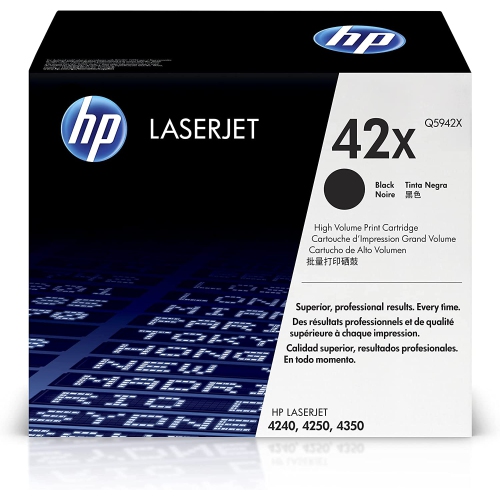
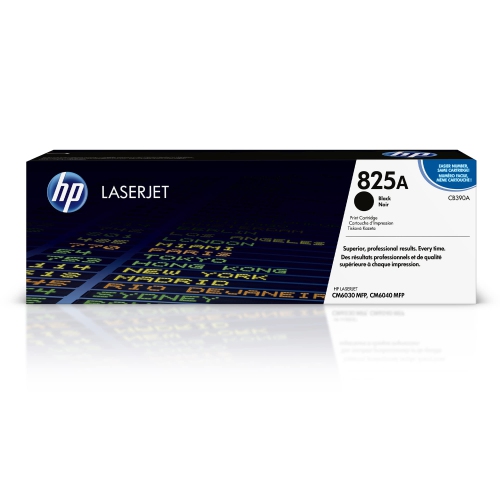
Find HP black LaserJet toner cartridges for your printer by comparing cartridge numbers and compatible printer models. Check the number on your current cartridge or consult your printer’s specifications to narrow the selection and choose the right replacement for black-and-white printing.
Sort

Crisp everyday printing starts with the right cartridge

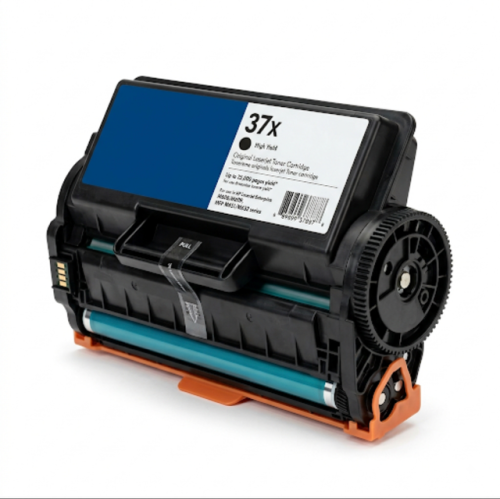
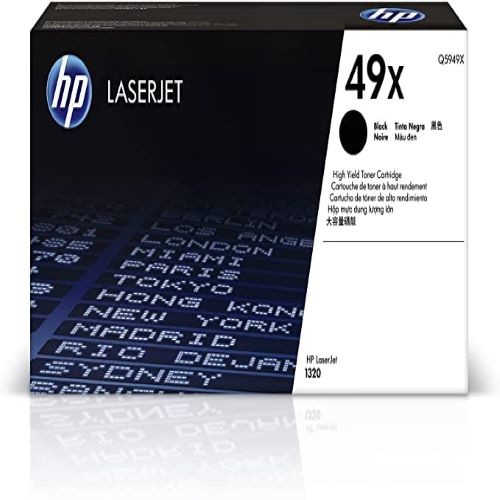
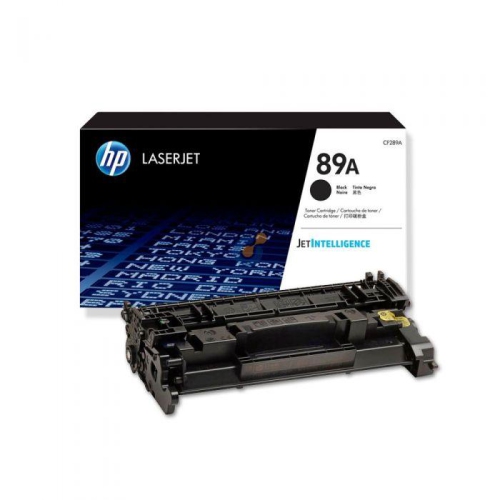
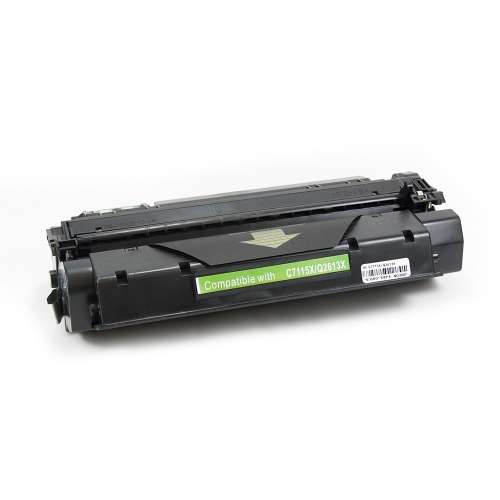
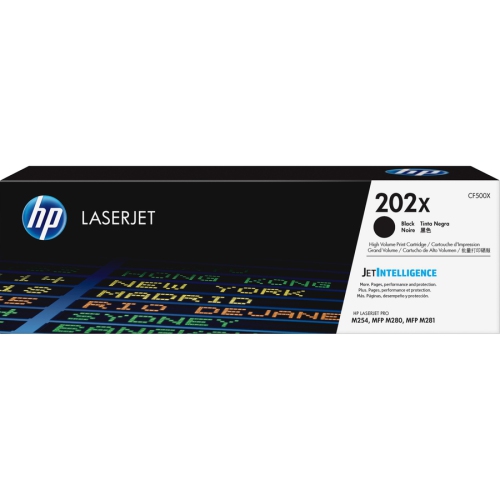
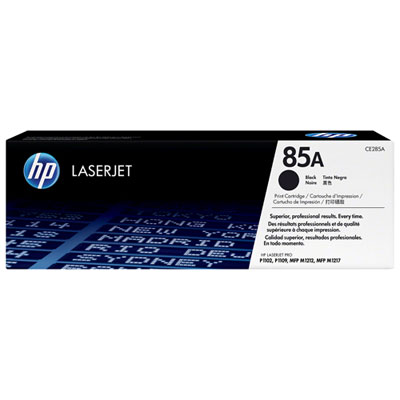
Black laser toner cartridges support the everyday printing that keeps homes, classrooms and offices organized, from neatly formatted assignments to invoices, shipping labels and meeting notes. Unlike liquid ink, toner is a fine powder that a laser printer transfers to paper and bonds with heat during printing. This process is well suited to crisp lettering, clear tables and readable line drawings, particularly when most documents are printed in black and white. The cartridge itself is a fitted assembly, usually with a moulded plastic housing and internal components that store and deliver the powder to the printing system. Its shape, connection points and toner formulation are designed for particular printers, so a similar-looking cartridge is not necessarily a suitable replacement. The full printer model and the cartridge reference listed in its documentation provide a more reliable match than the printer’s general series name alone. Even closely related printers can use different supplies, and a cartridge intended for a monochrome laser printer may not fit a colour laser printer from the same family. Black toner for a colour laser printer also needs to match that printer’s specific requirements; it is not a universal substitute simply because the output colour is the same. A printer-specific collection such as HP Laserjet 1320 Toners helps narrow the search to a particular printer family, while the compatibility details for each cartridge remain important. That precise fit matters whether the printer handles a few household forms or a steady stream of client paperwork. For a student printing research notes, a bookkeeper preparing statements or an administrator assembling training materials, a correctly matched cartridge helps maintain the readable, consistent output those tasks depend on. Clear compatibility information is especially useful in shared offices, where several printers may look alike but require different replacement cartridges.
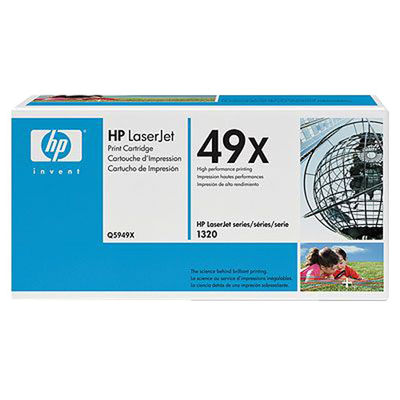
Cartridge capacity is another meaningful distinction, especially when printing habits vary from occasional documents to substantial batches. Standard-yield and high-yield cartridges describe different expected page outputs, but those terms only make sense within the compatible cartridge options for a particular printer. A higher-yield version is useful for a busy shared printer because it can extend the interval between replacements, provided the printer supports it. A standard-yield format may suit a household that prints permission forms, correspondence and occasional reference material. Stated page yield is a test-based estimate rather than a promise that every cartridge will produce the same number of real-world pages. Dense spreadsheets, shaded tables, large headings and photographs can use more toner than pages with a modest amount of text. Printing on both sides reduces the number of sheets needed, but each printed side still contributes to toner use. A multipage report with dark charts therefore places different demands on a cartridge than a stack of short appointment confirmations. Beyond capacity, cartridge construction affects how the supply fits into the printer’s maintenance system. Some designs include an imaging drum within the toner cartridge, while others work with a separate drum unit that has its own replacement schedule. Toner and drum units serve different purposes, even when they are housed together, so a print-quality issue does not always mean the toner supply is empty. Original-manufacturer cartridges and third-party compatible cartridges also represent different supply categories, with compatibility, installation requirements and performance claims that should be assessed individually. Where a cartridge uses an electronic chip, support for the exact printer model and its software requirements can be relevant to recognition and supply-level reporting. For offices that depend on consistently legible small print, such as invoice line items or inventory codes, those details are just as practical as the stated yield. The most suitable format is the one that matches both the machine and the way it is used.

Storage, handling and paper choice help preserve cartridge condition and support dependable output. Unopened toner is best kept in its original packaging in a clean, dry indoor space, away from direct sunlight and sources of heat. The protective bag and packaging help shield sensitive components until installation, while the cartridge’s specified shelf life and storage instructions provide the relevant limits. Toner does not dry out in the same way as liquid ink, which can make laser printing practical for intermittent document work, but long periods of storage still call for proper handling. A cartridge should remain protected from knocks, and exposed imaging surfaces or electrical contacts should not be touched. Protective seals and transport pieces vary by design, so the supplied installation information matters even when a replacement looks familiar. Paper also plays a part in the finished result: sheets, envelopes and labels need to be rated for laser printing and suitable for the printer’s supported media settings. Materials intended only for inkjet printers may not tolerate the heat involved in laser printing. On appropriate paper, properly fused black toner produces clean, dry text that can be handled soon after printing, making it useful for documents being collated, stapled or passed around a meeting table. Finished-page durability still depends on the paper, print settings and storage conditions; an ordinary office printout is not automatically waterproof or suitable for archival use. Faint text, streaking or repeated marks can have several causes, including paper issues, a worn drum or other printer components, rather than toner level alone. For households, small businesses and shared workspaces, keeping the correct cartridge reference with the printer’s documentation makes future replacements simpler and reduces confusion between similar supplies. A compatible black laser toner cartridge ultimately supports a straightforward goal: clear documents that remain easy to read, whether they are filed for later reference, handed to a client or used throughout a busy working day.

FAQ

Some products may be subject to Environmental Handling Fees (EHF) depending on your province. Learn more about EHFs.