Humidifiers for Plants
Plants need humidity, too. But unlike humans and animals, they can't sweat it out. So to keep their leaves from yellowing and falling off, plants need a humidifier. But which one? There are many types of humidifiers for sale at home improvement stores, but we found the best ones for growing plants.
Sort
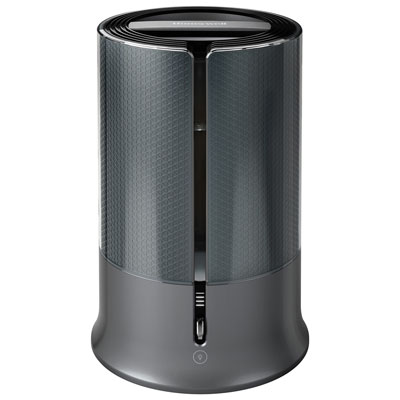

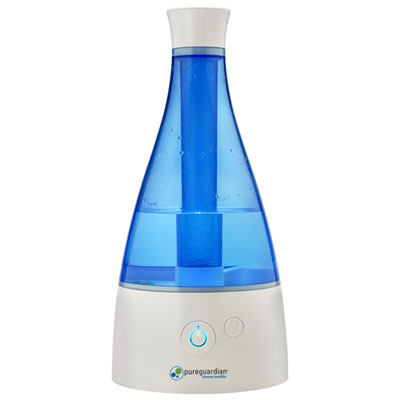
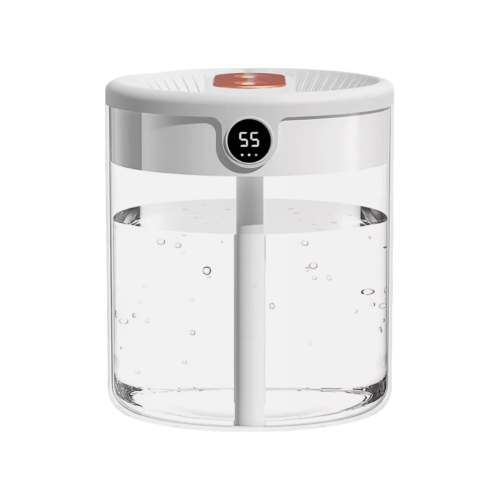
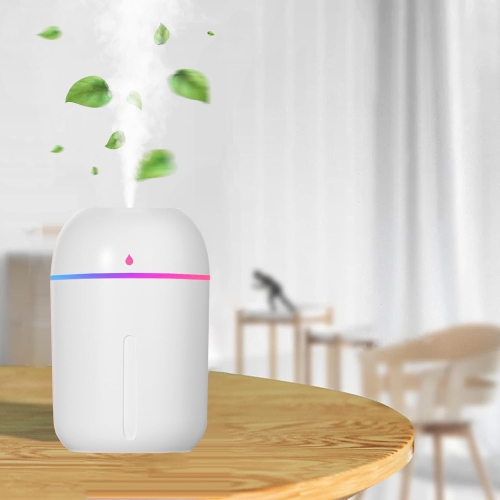
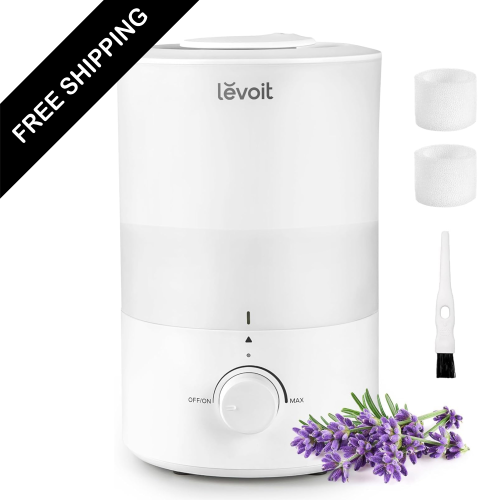
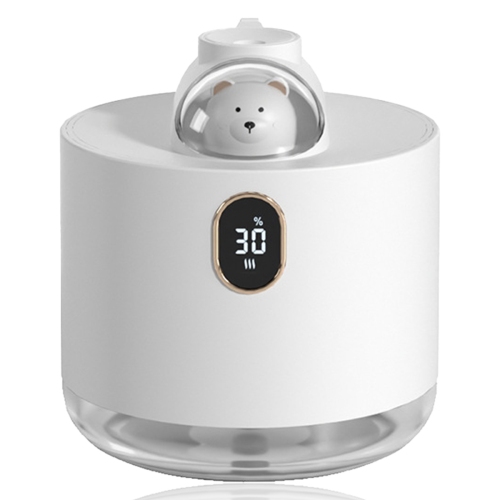
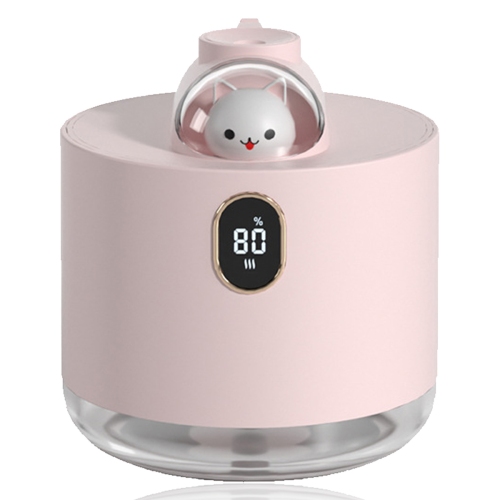
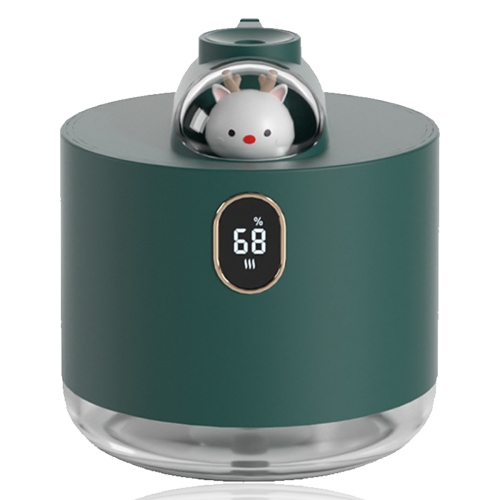



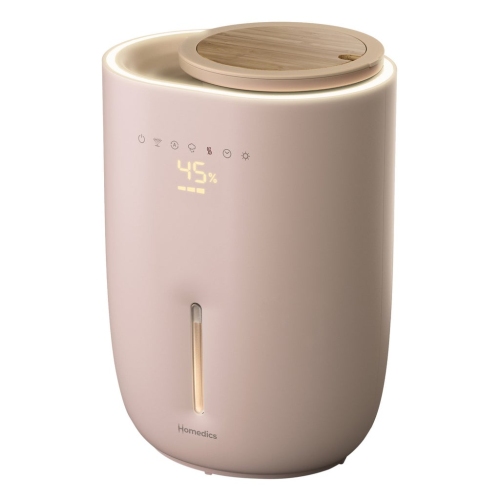
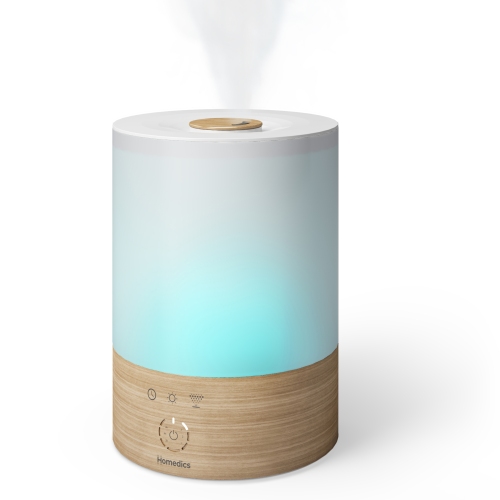
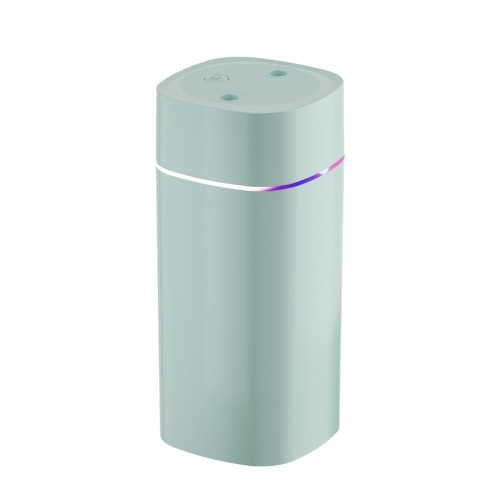
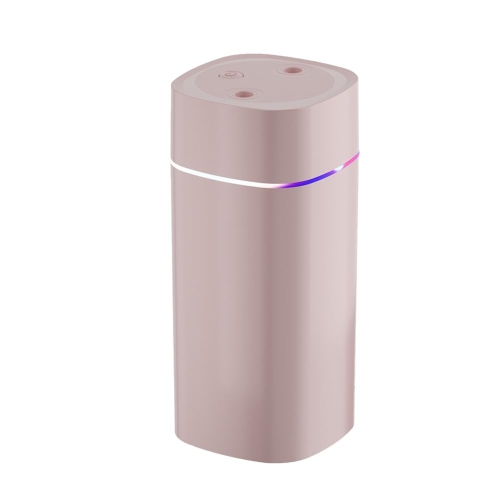
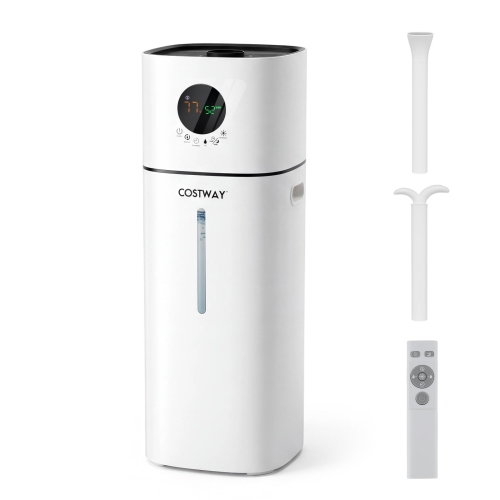
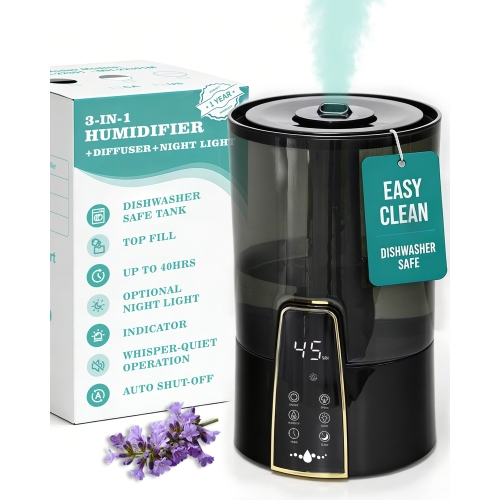
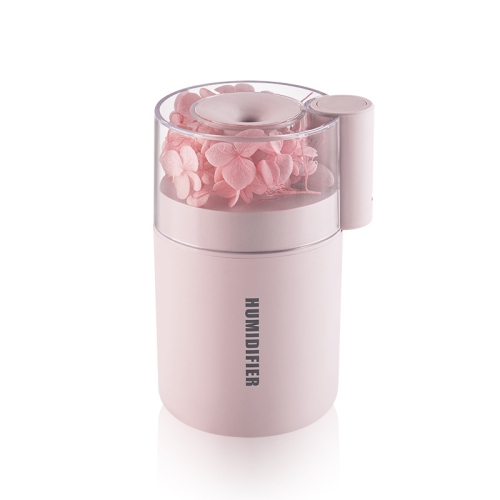
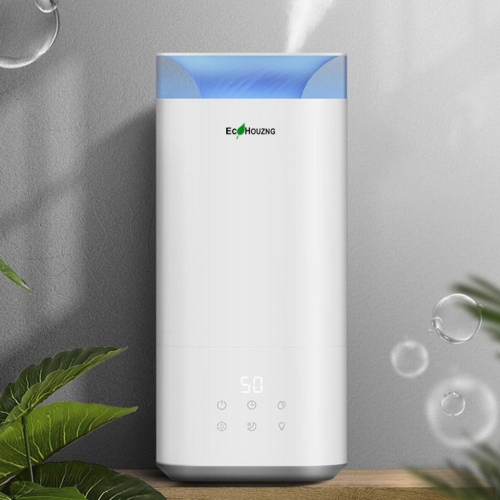

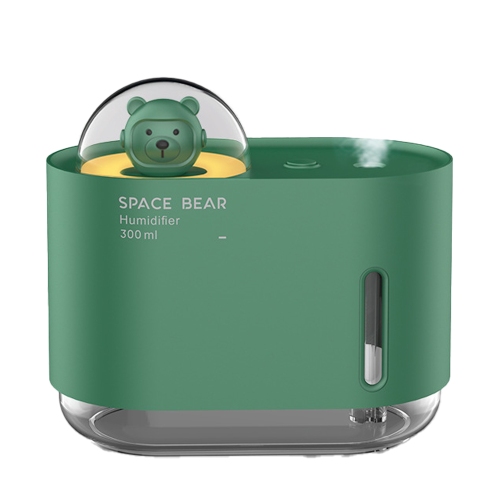
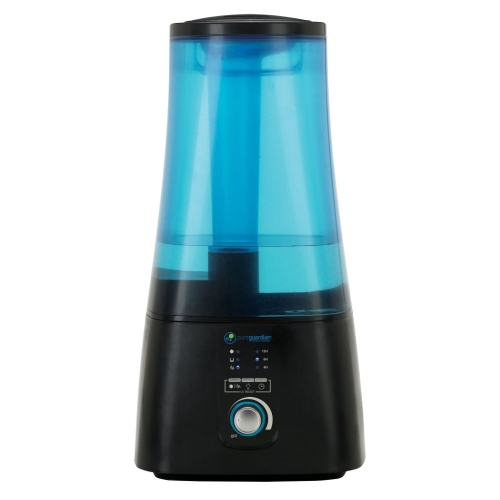
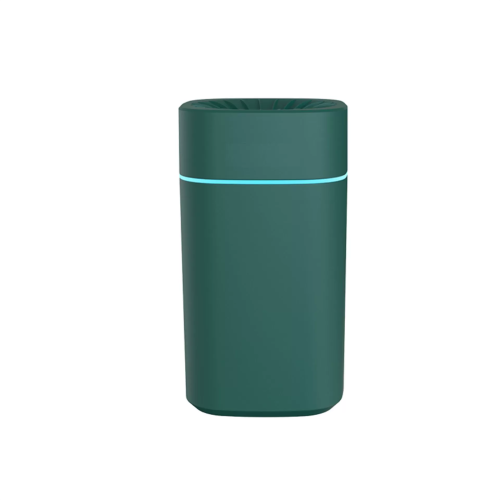
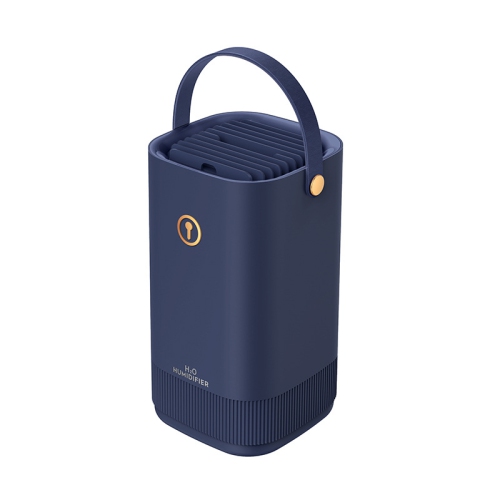


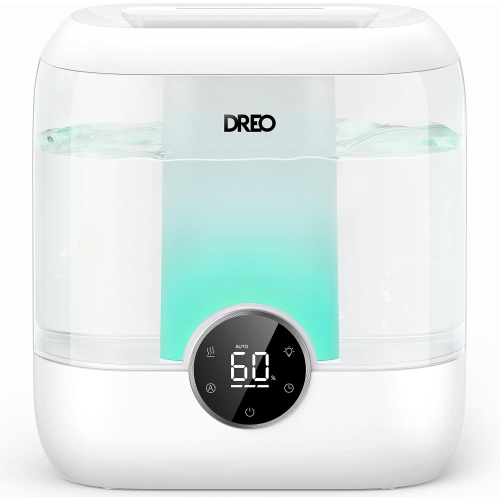
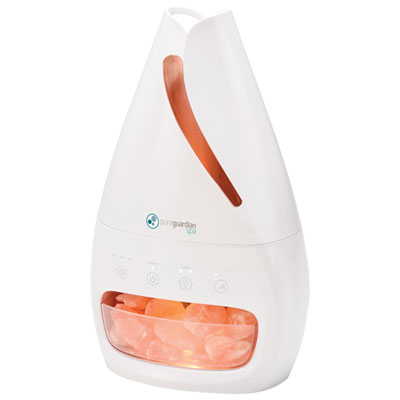
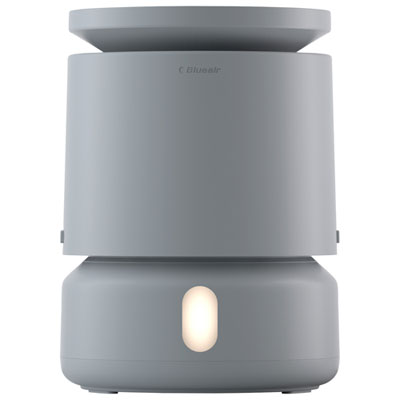
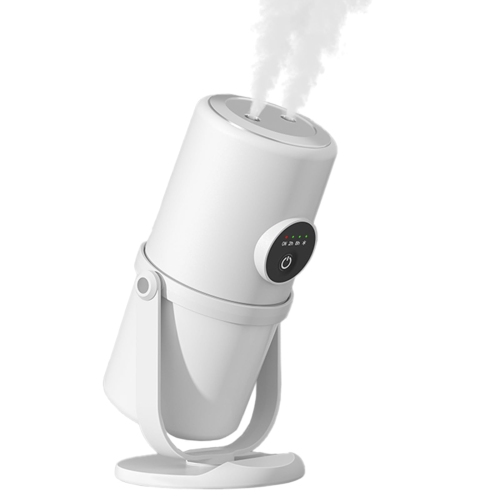

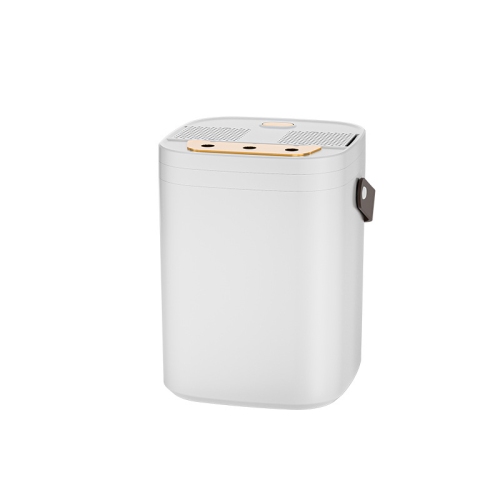
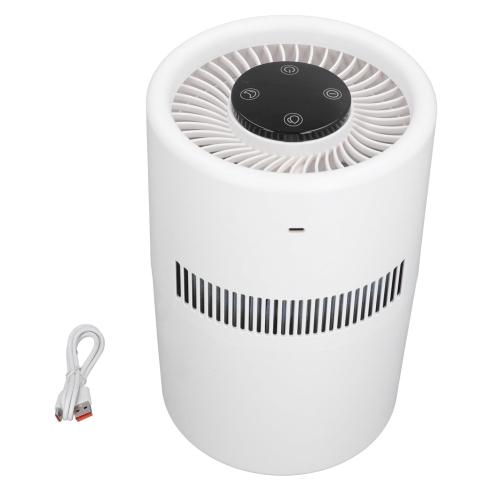
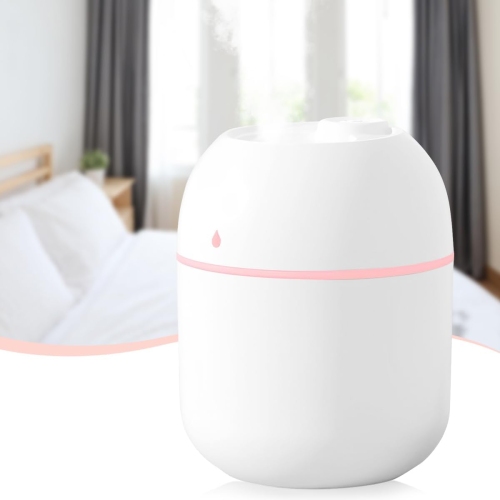
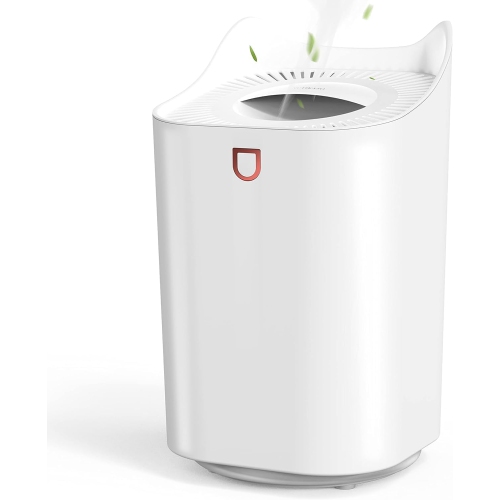
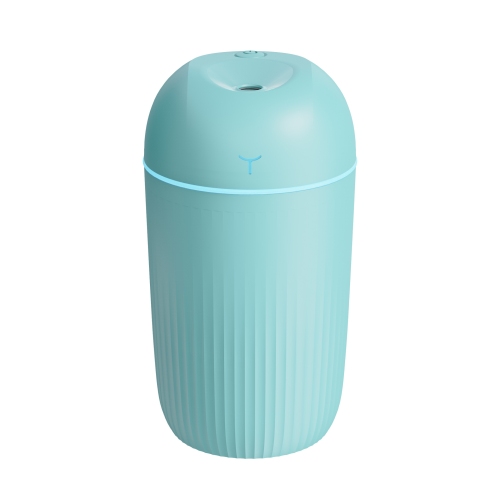
Why some houseplants need more than regular watering
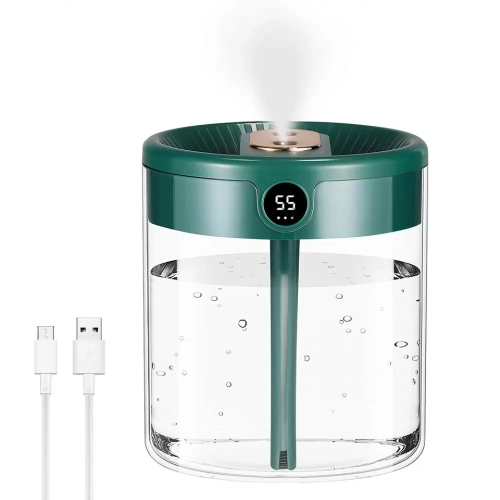
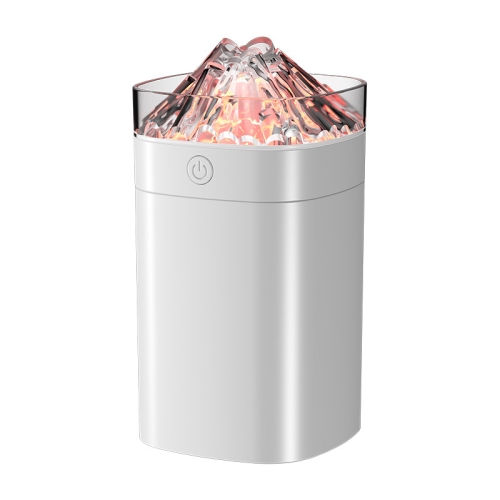
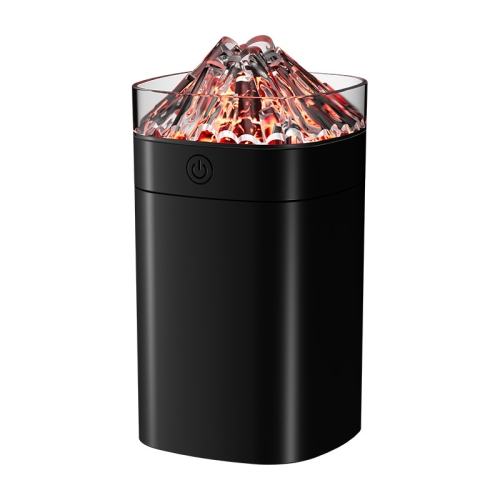
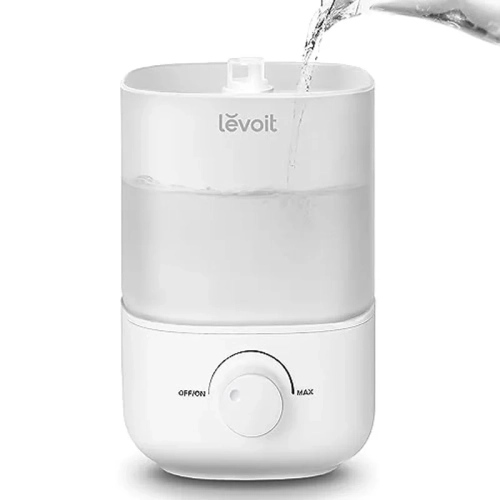
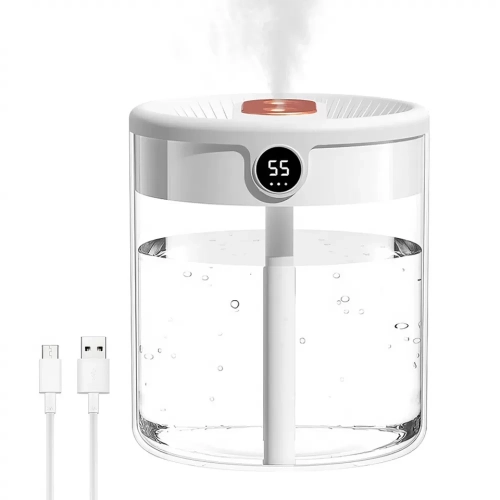
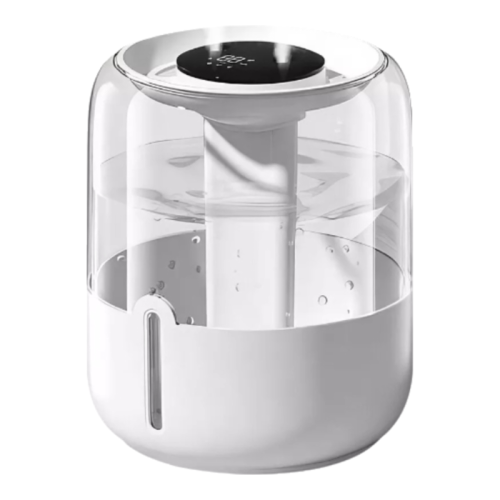
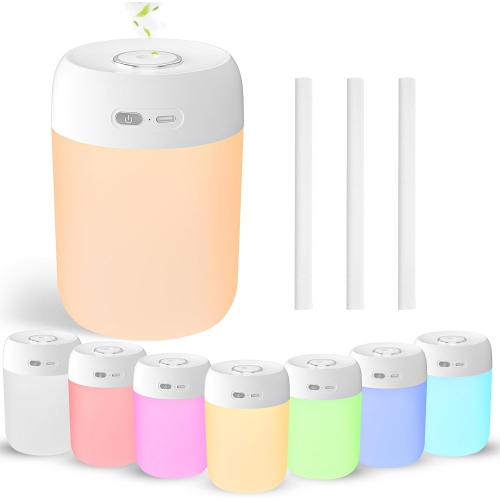
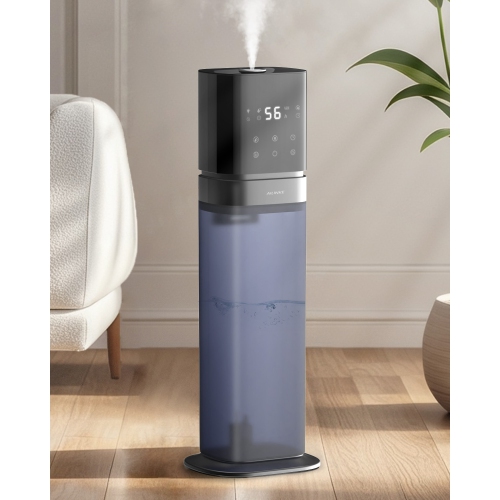
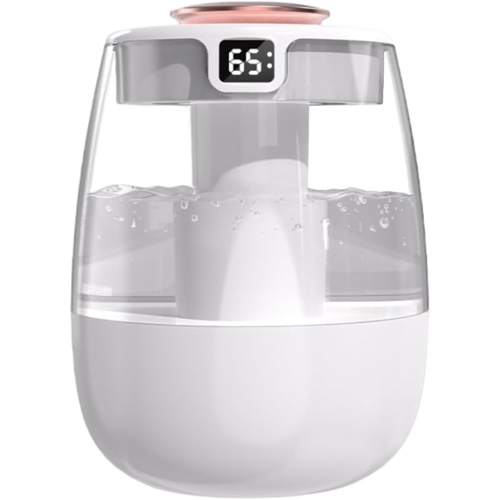
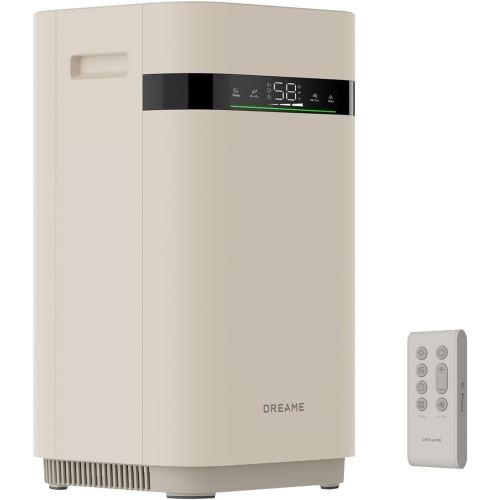
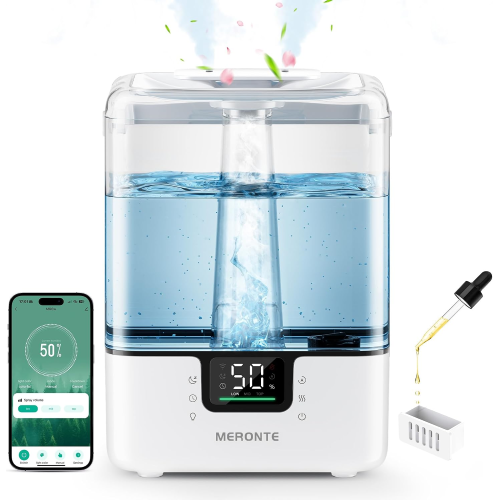
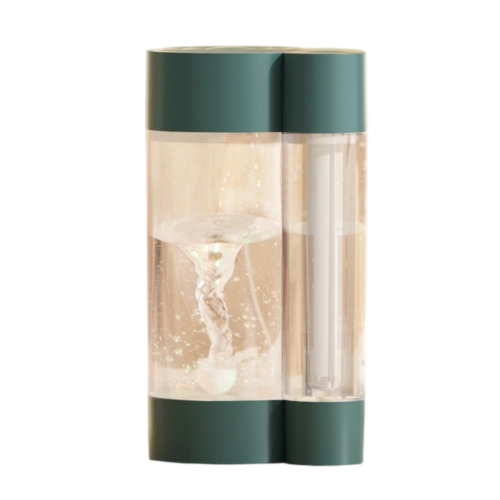
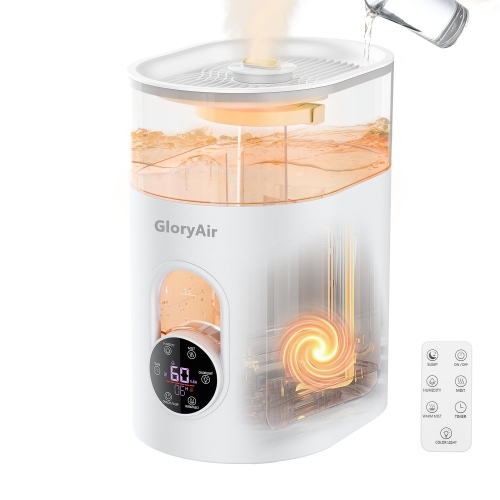
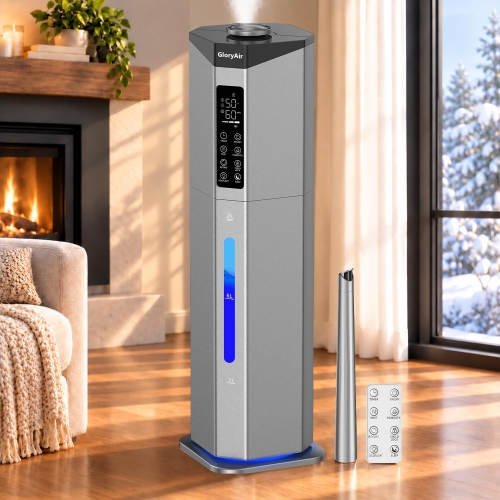
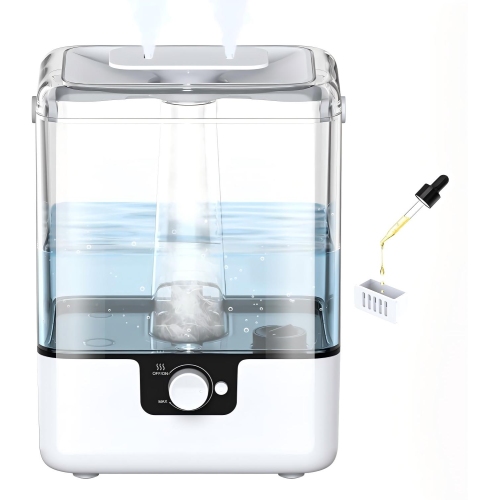
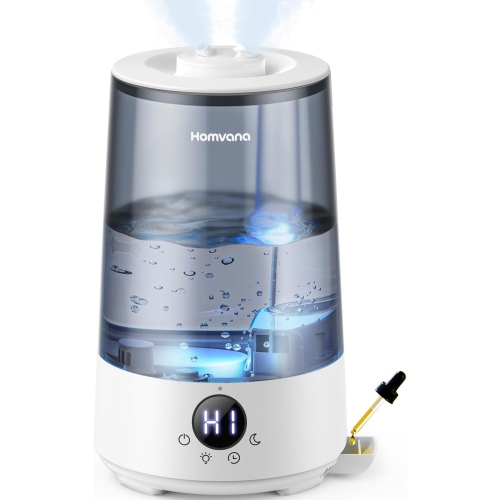
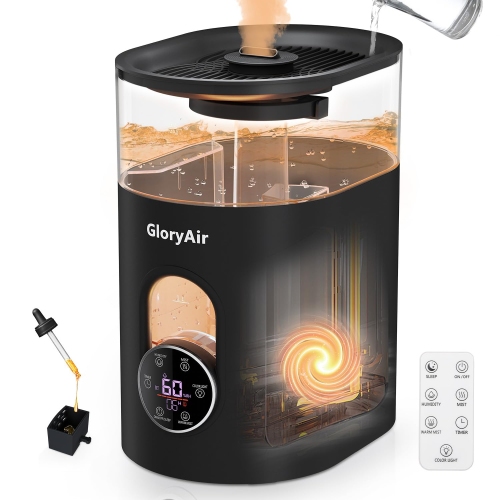
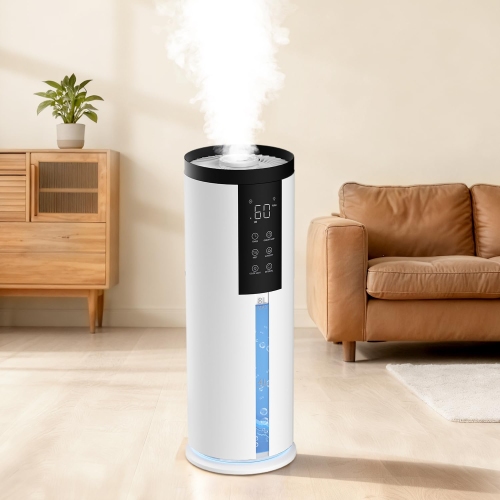
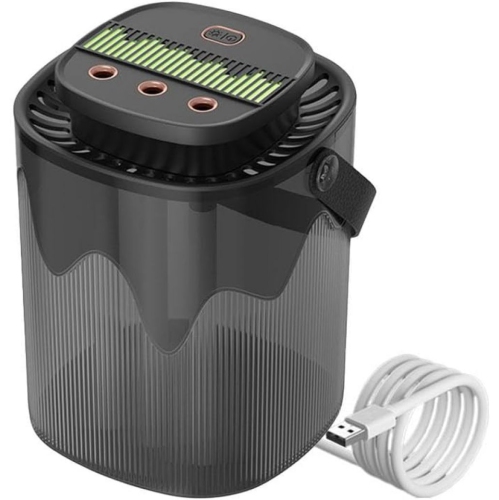
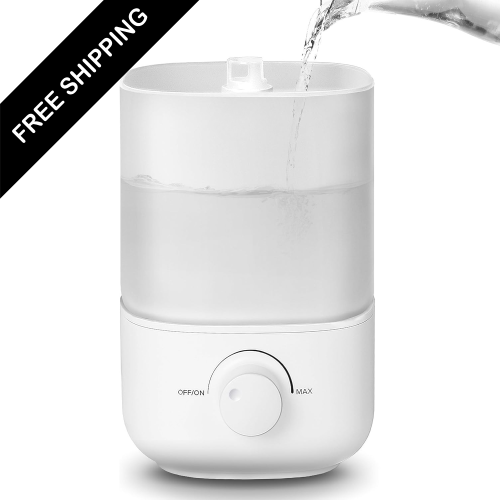
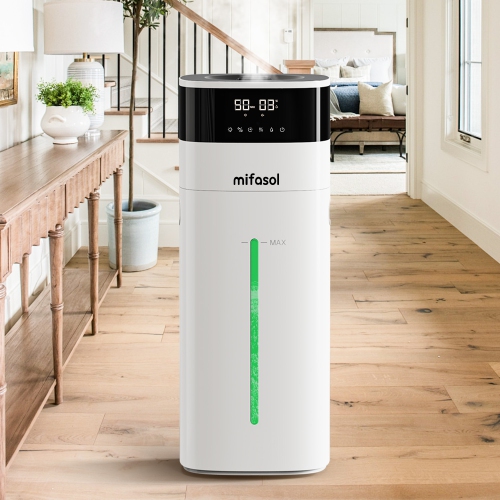
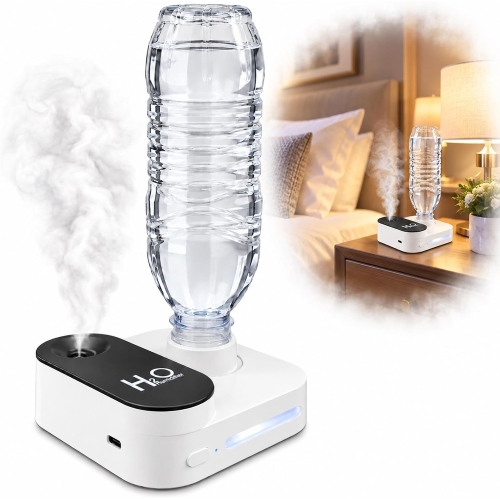
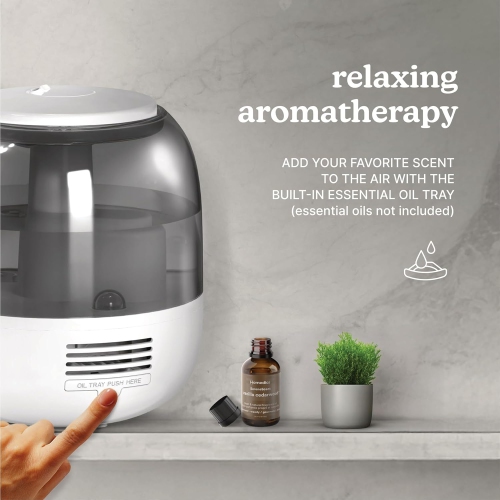
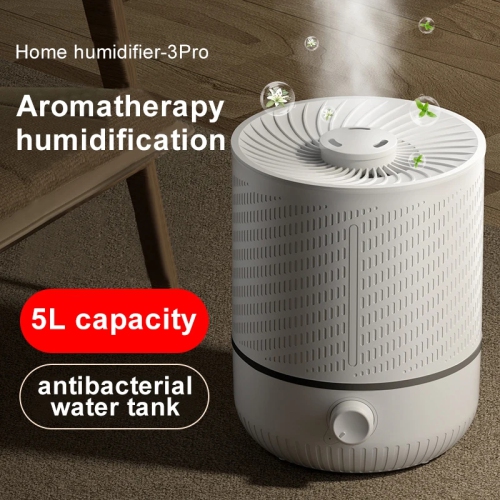
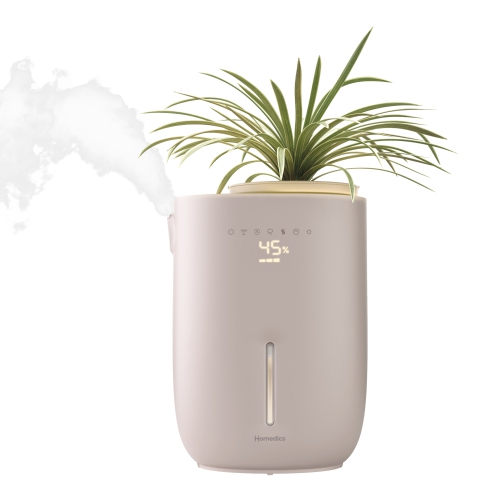
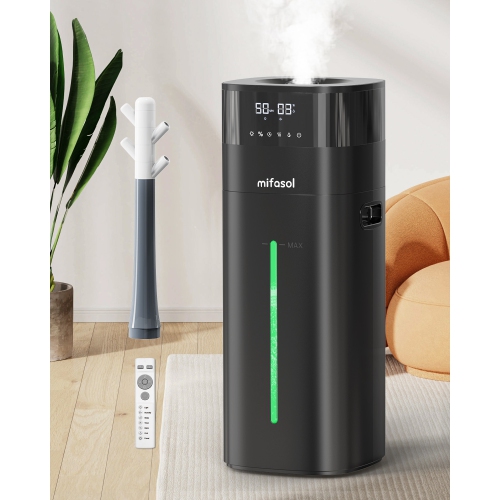
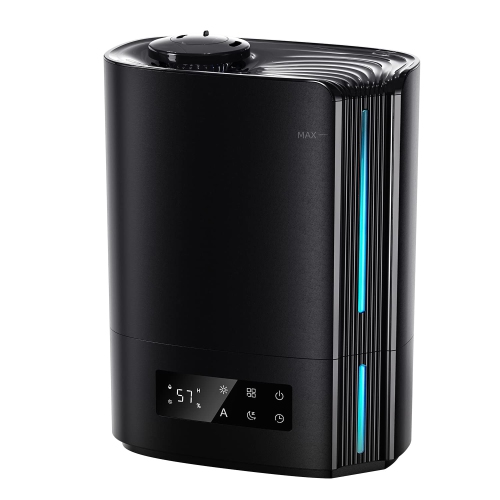
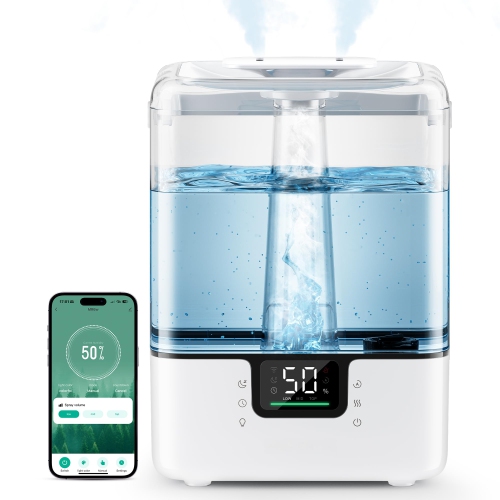
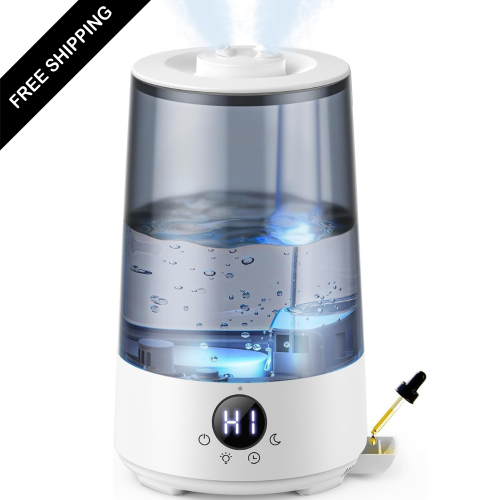
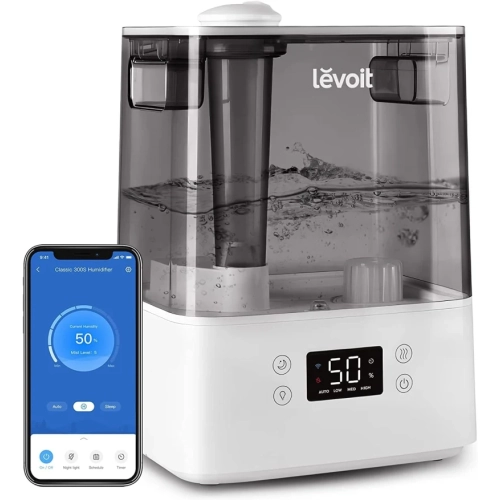
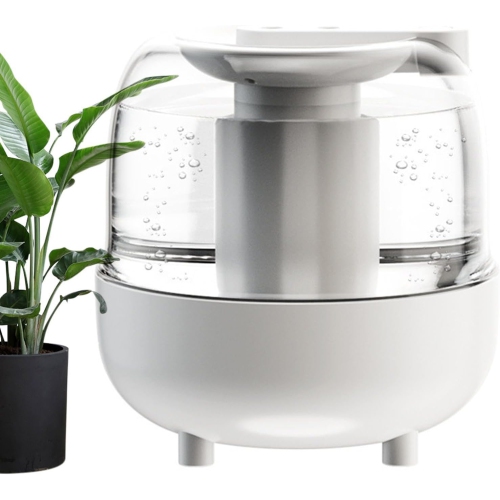
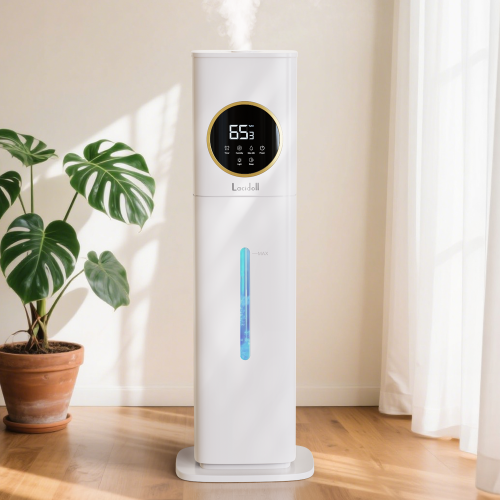
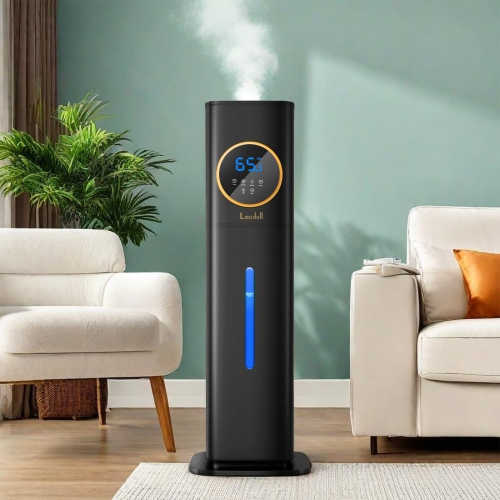
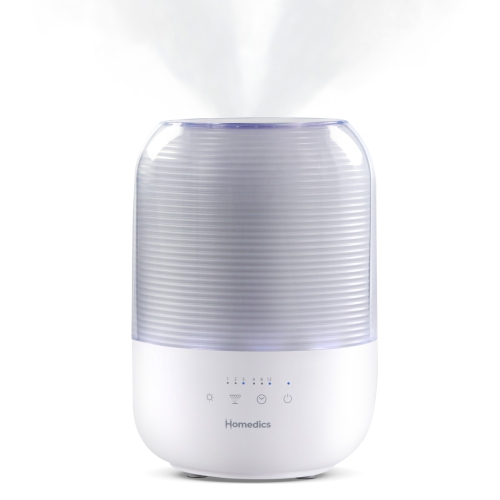
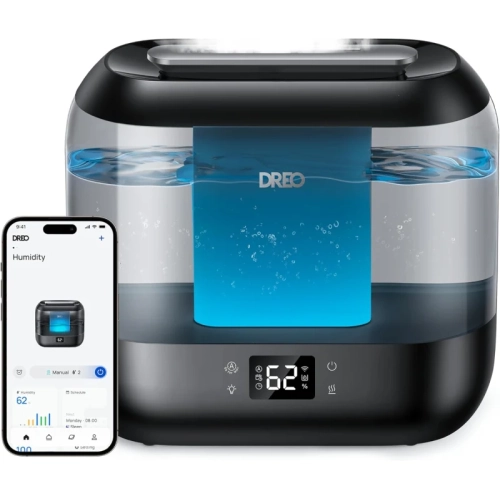
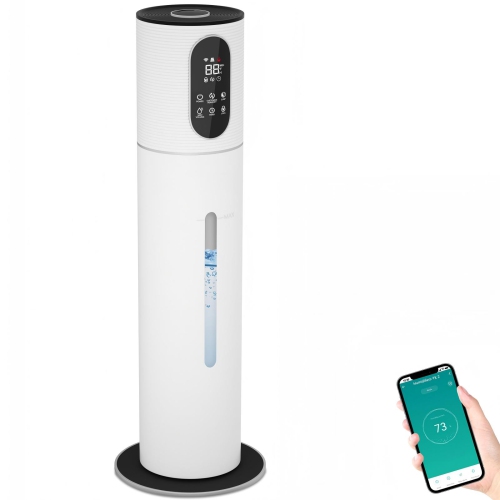
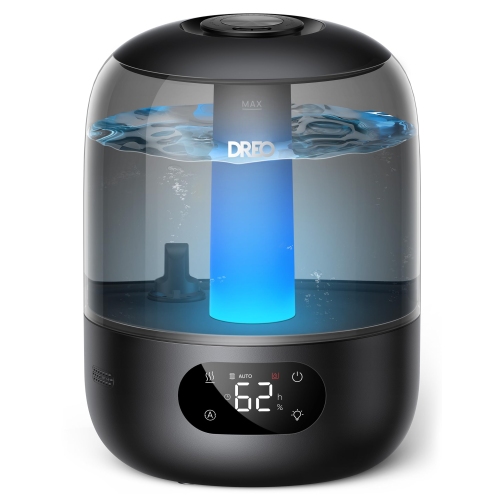
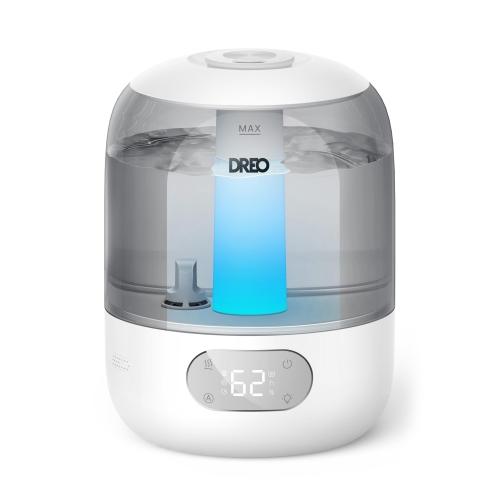
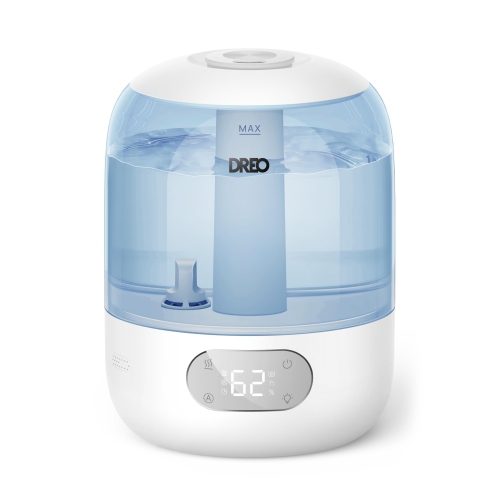
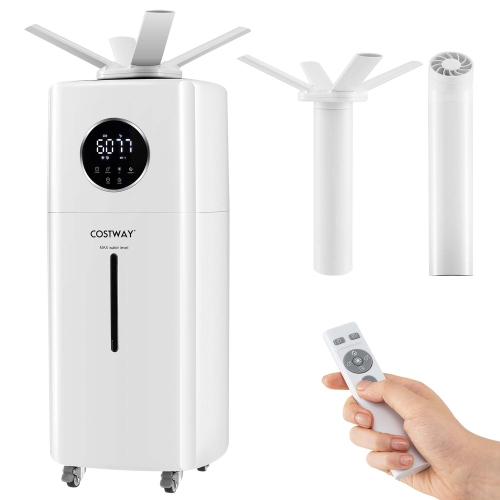
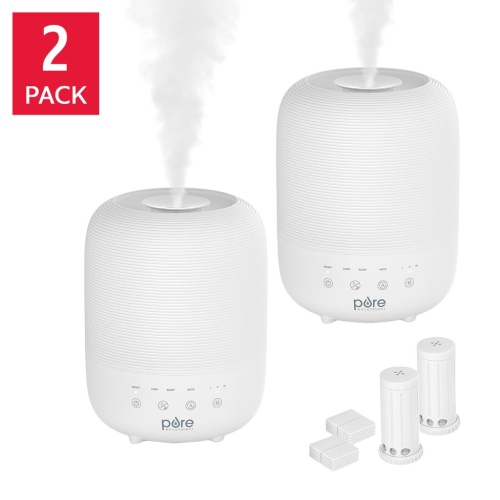
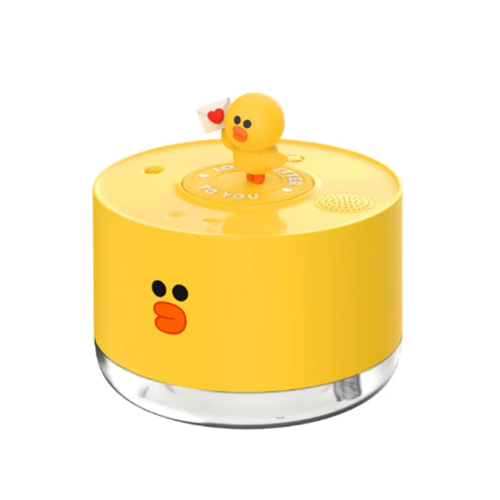
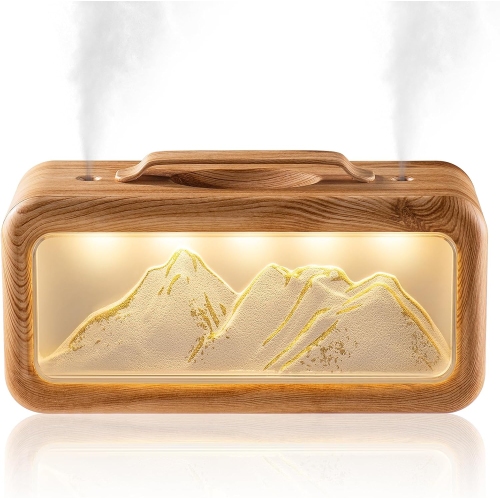
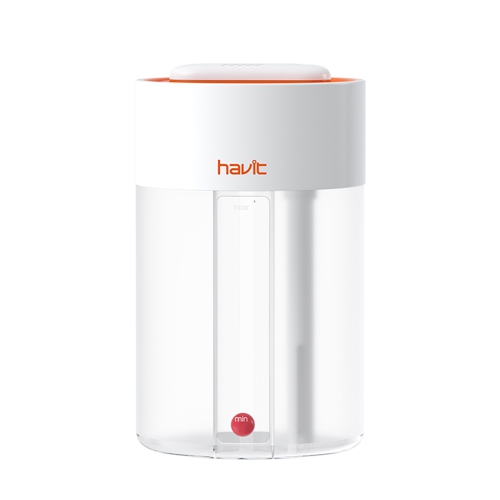
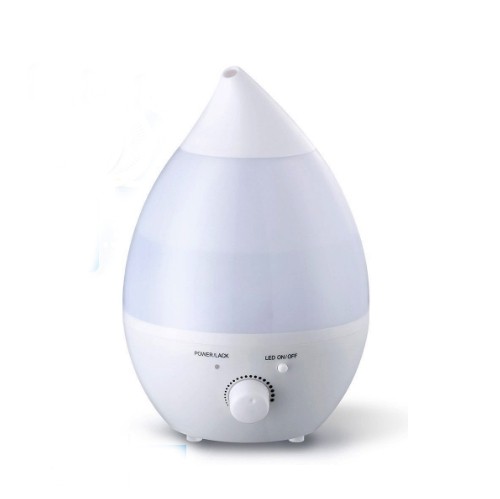
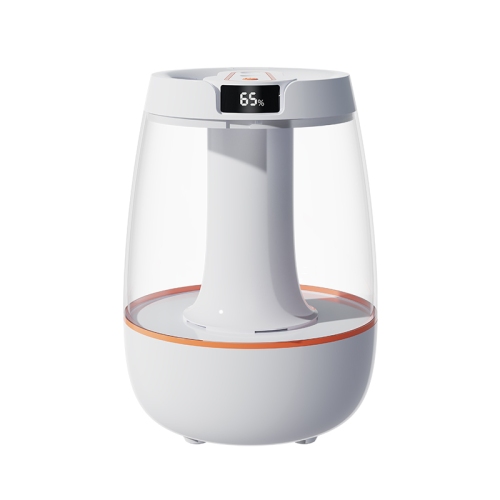
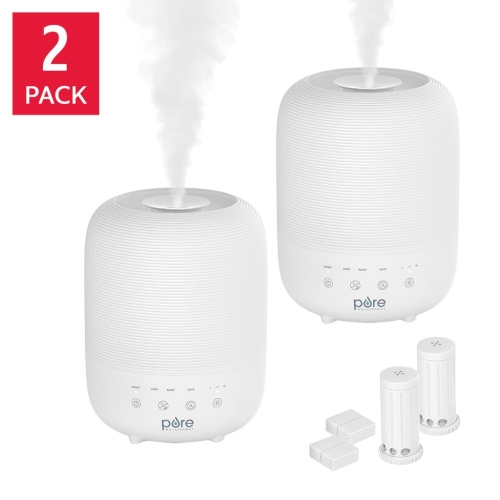
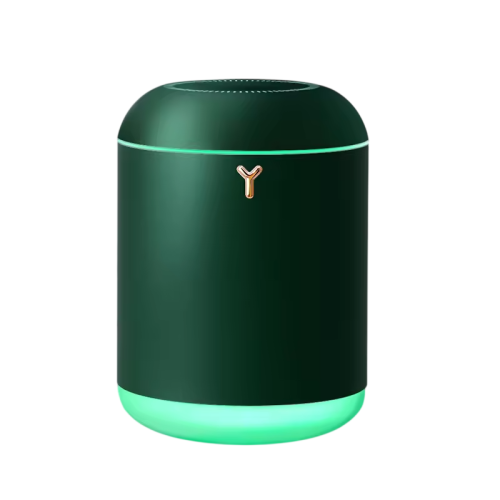
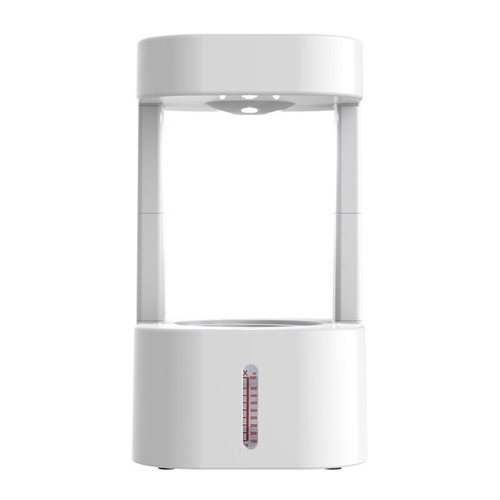
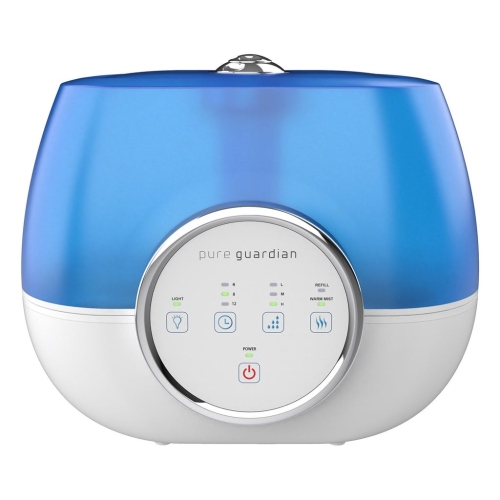
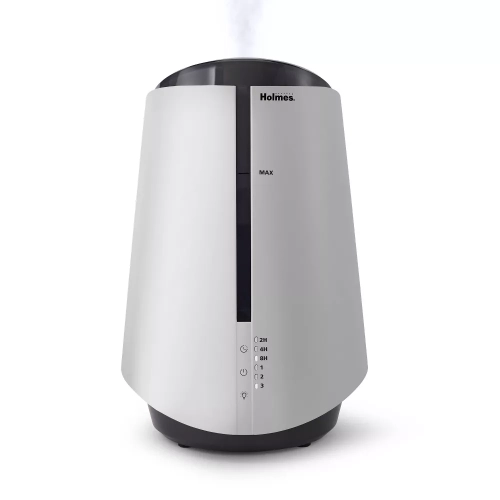
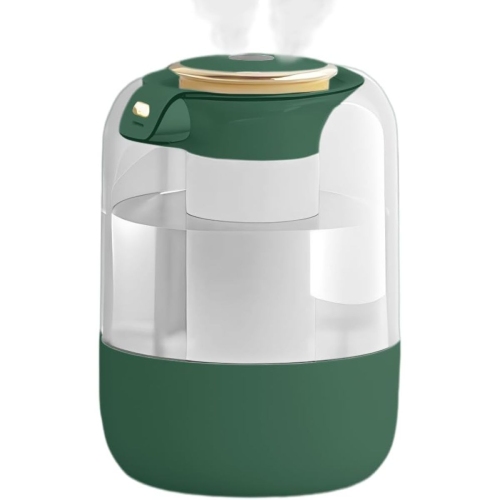
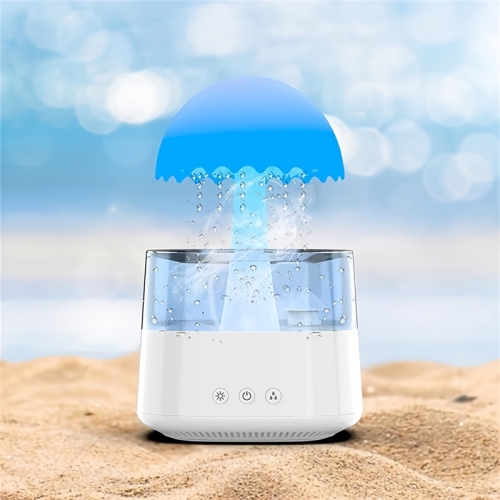
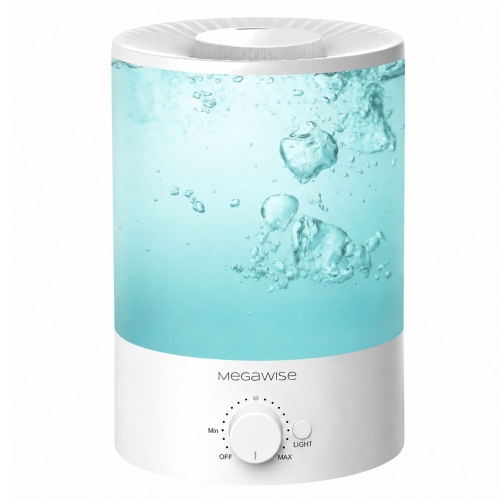
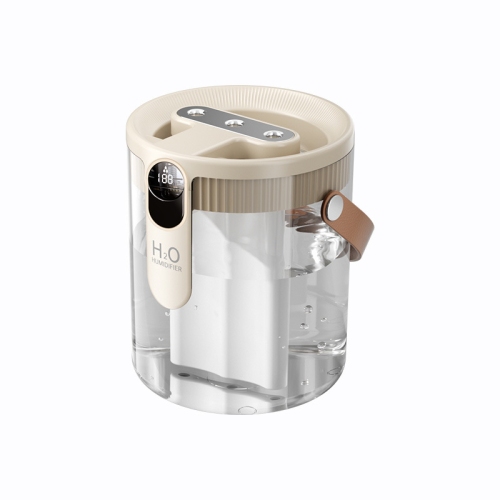
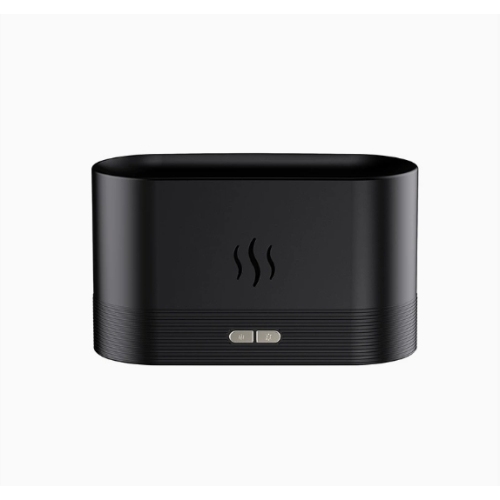
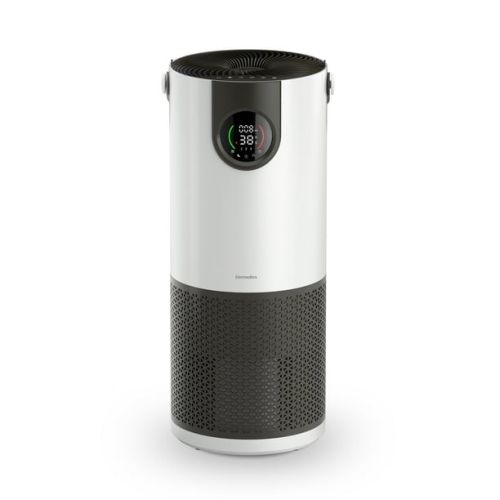
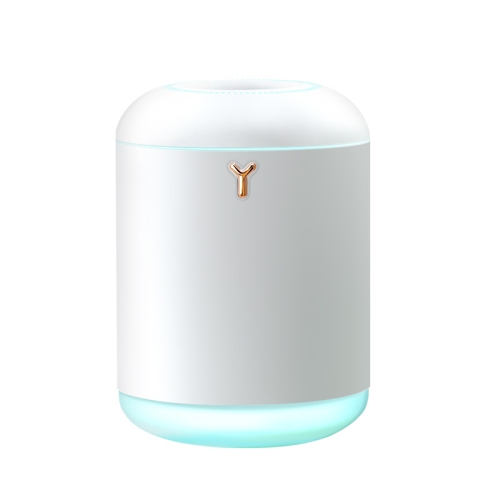
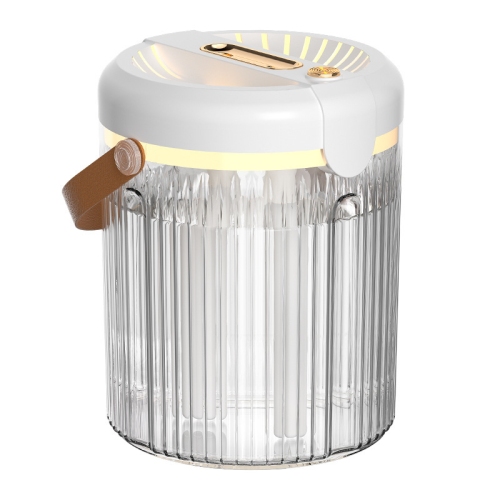
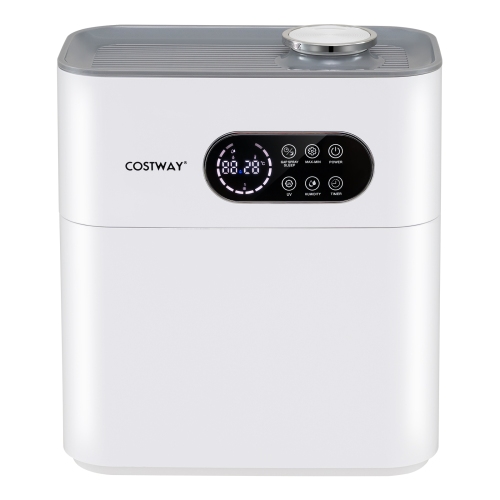
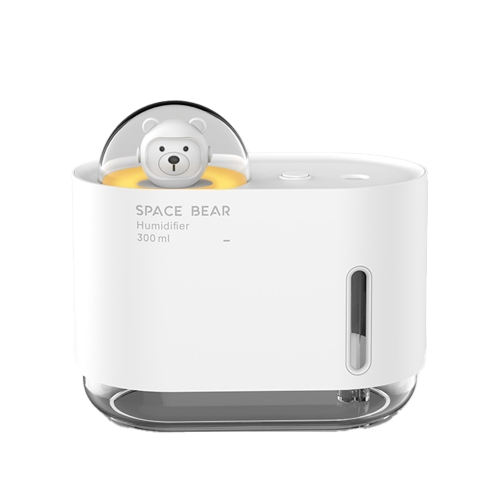
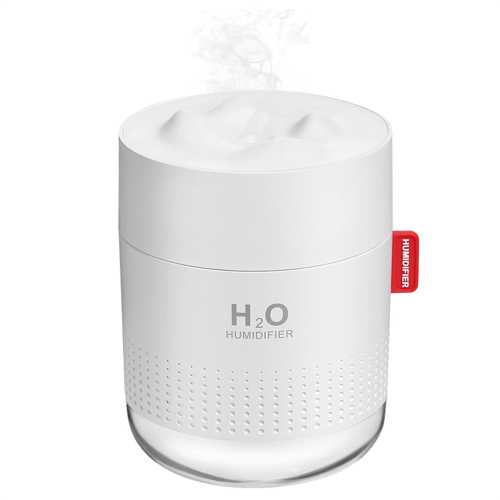
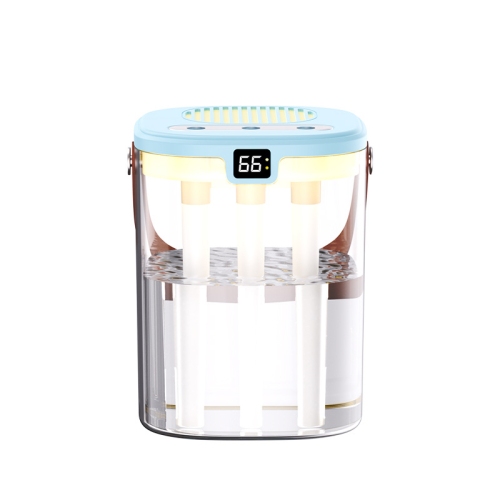
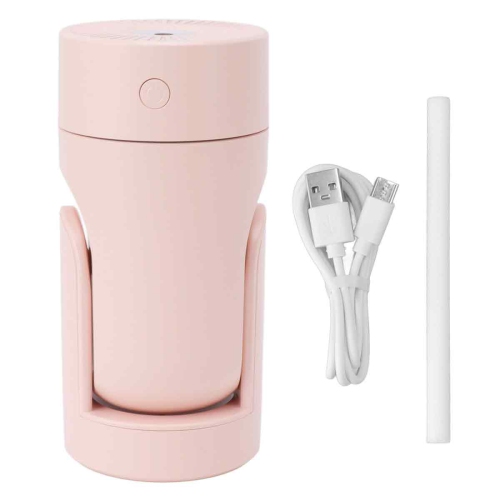
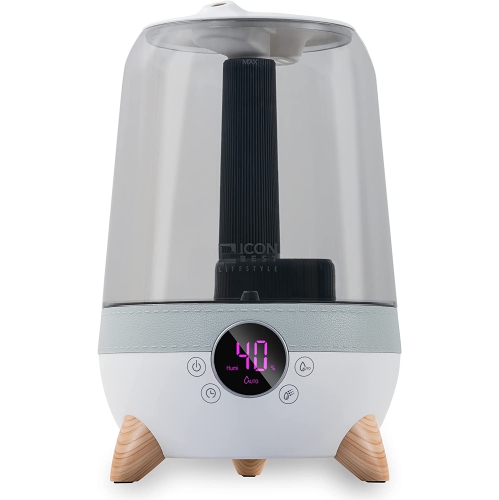
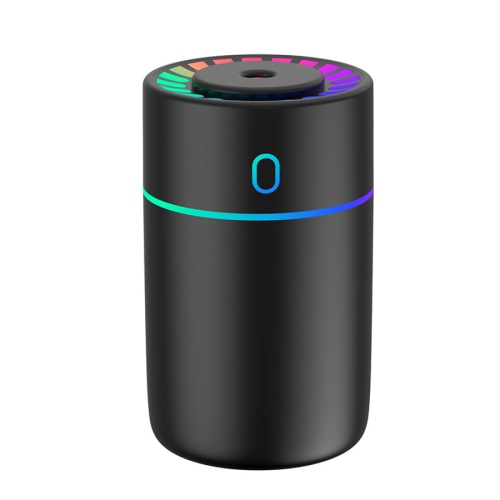
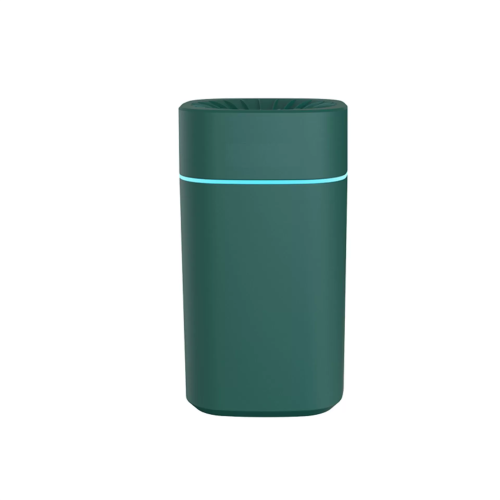
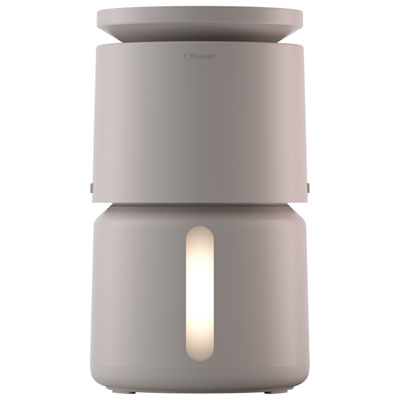
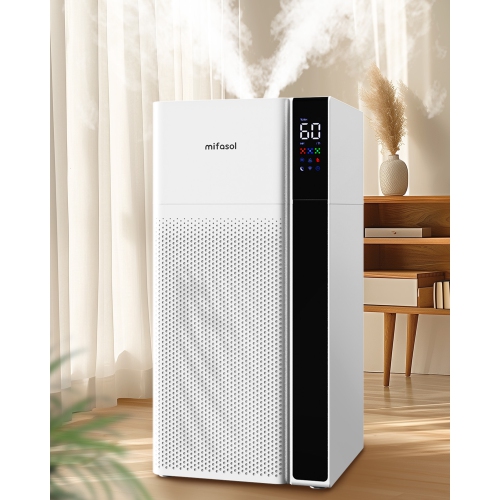
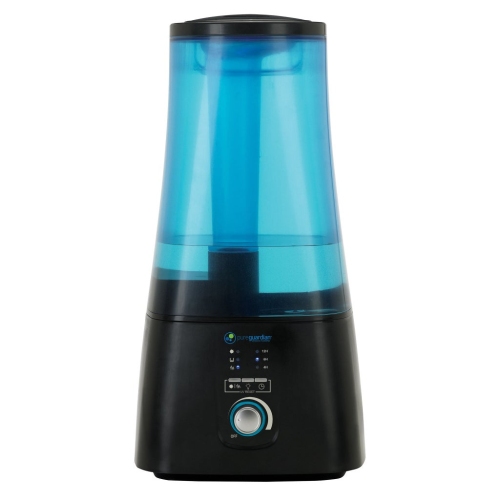
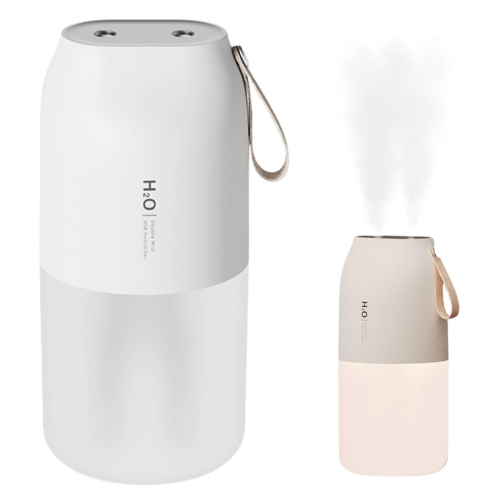
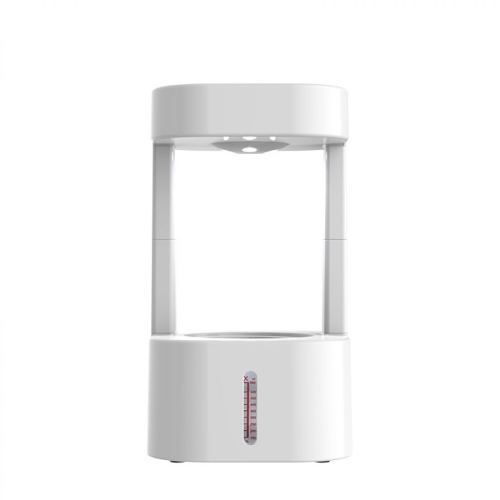
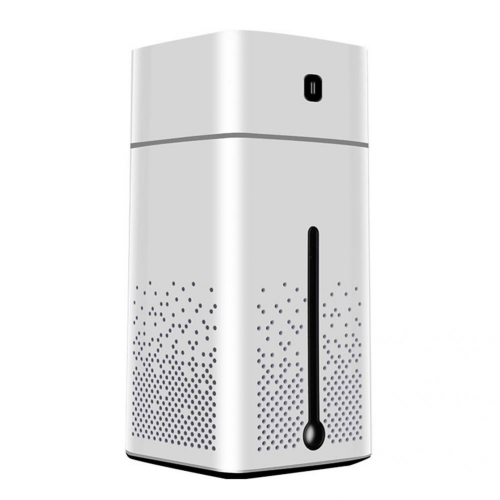
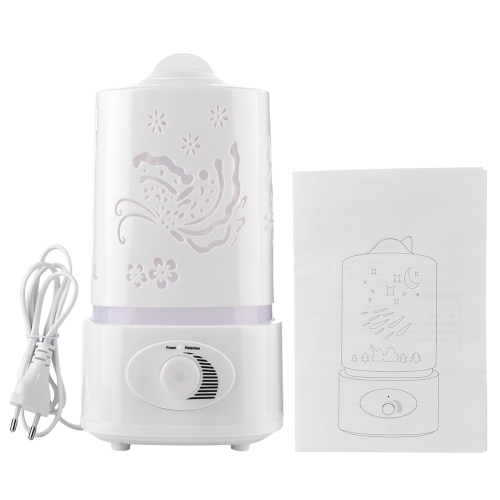
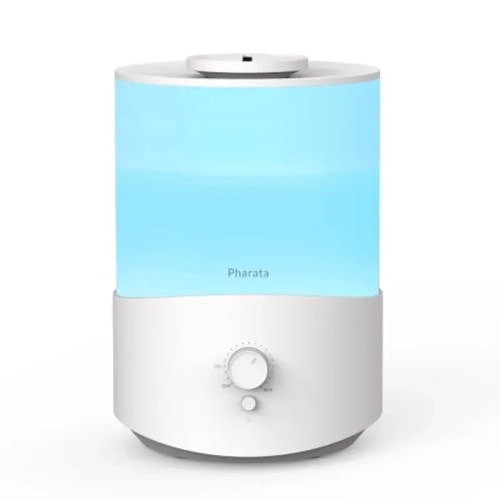
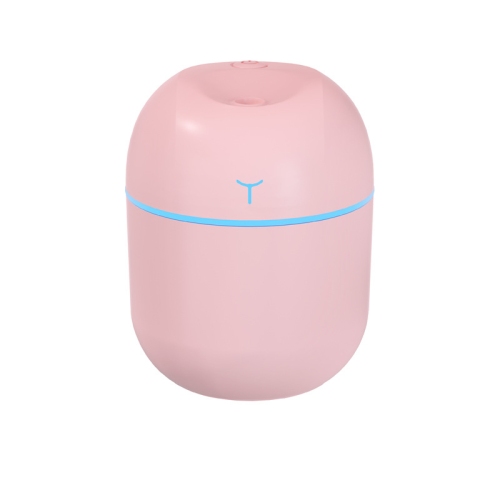
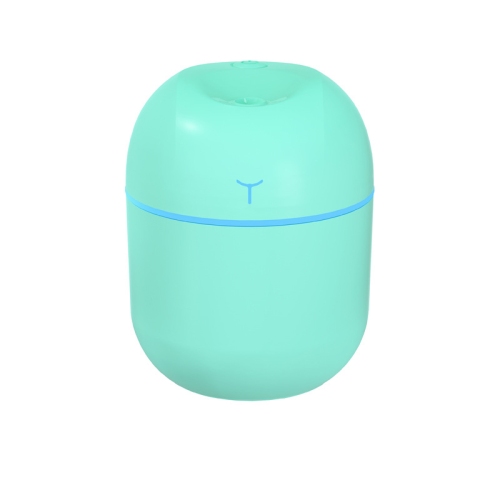
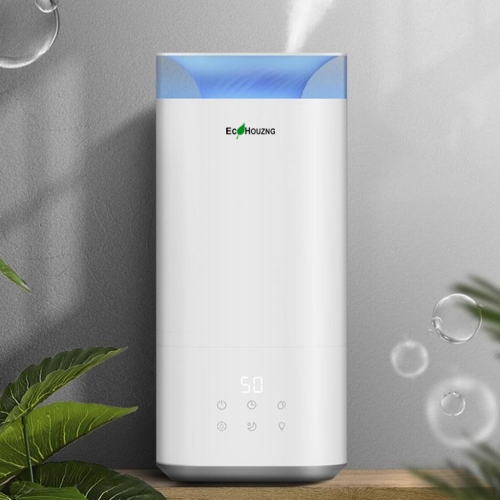
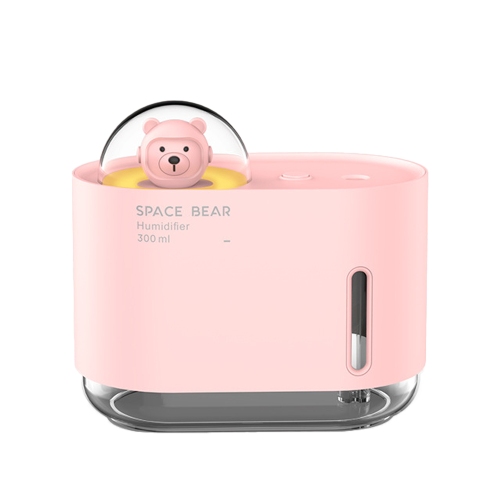
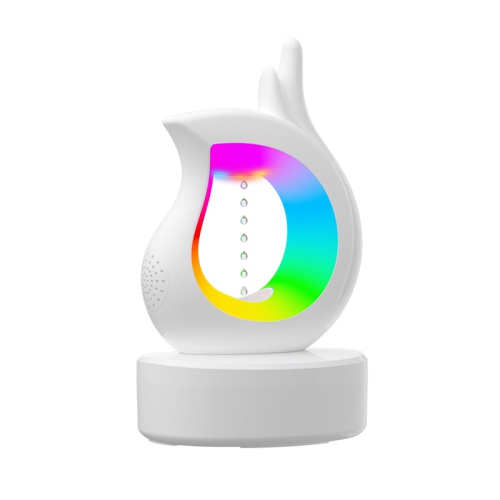
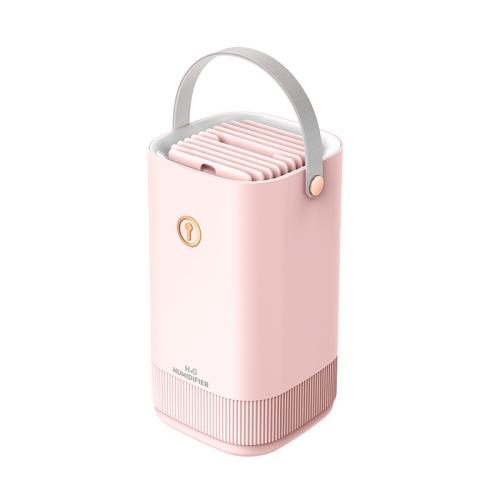
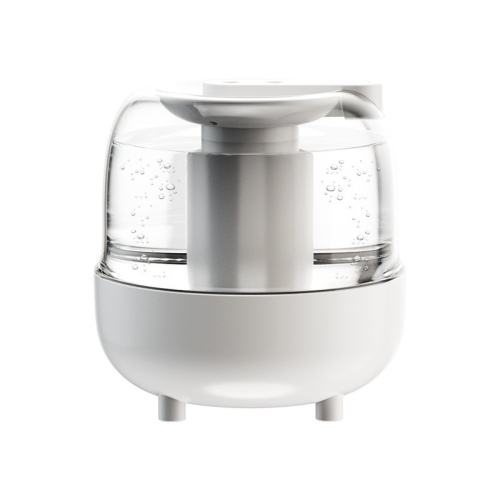
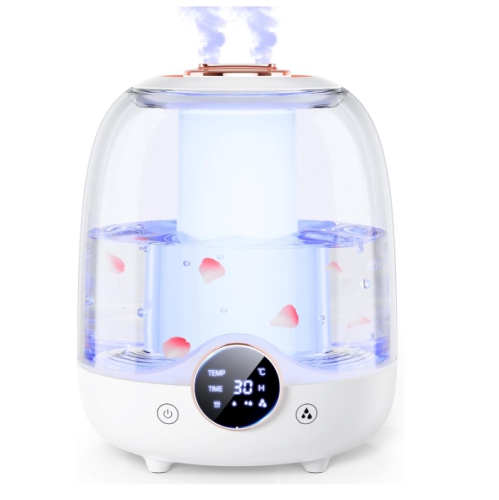
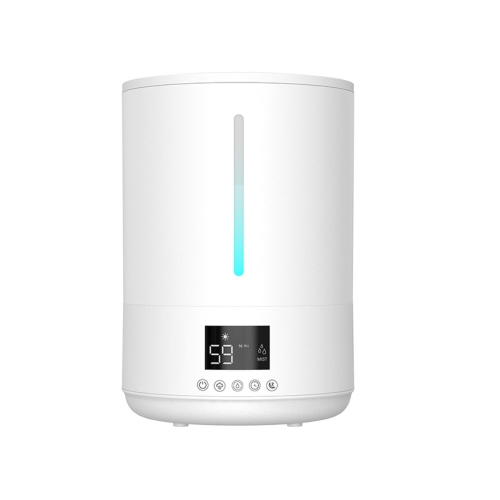
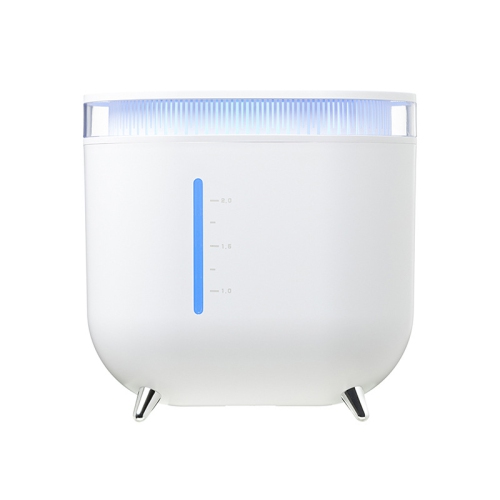
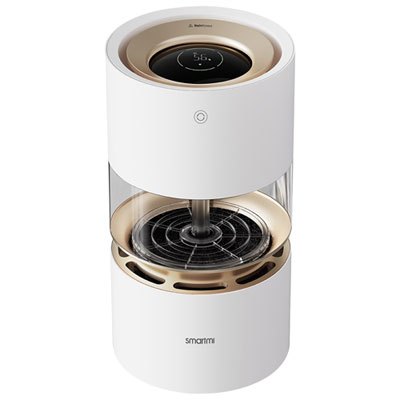
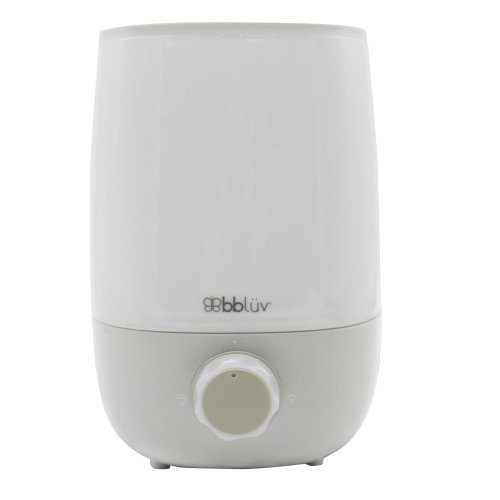
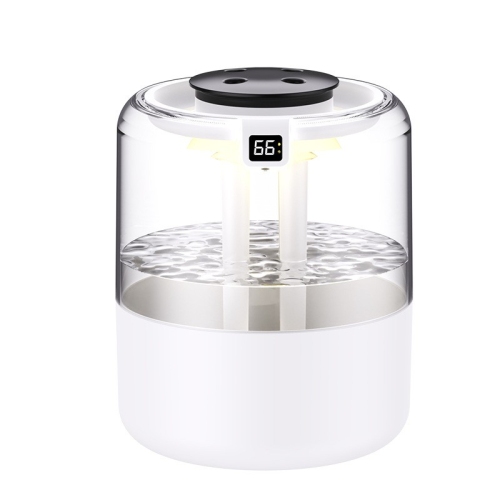
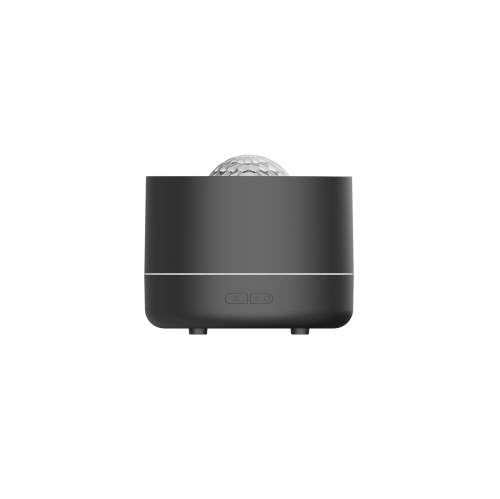
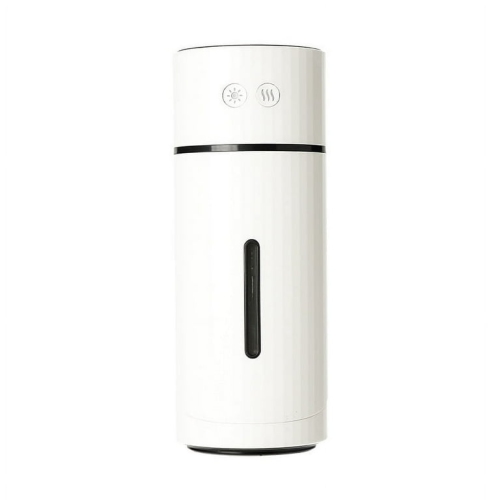
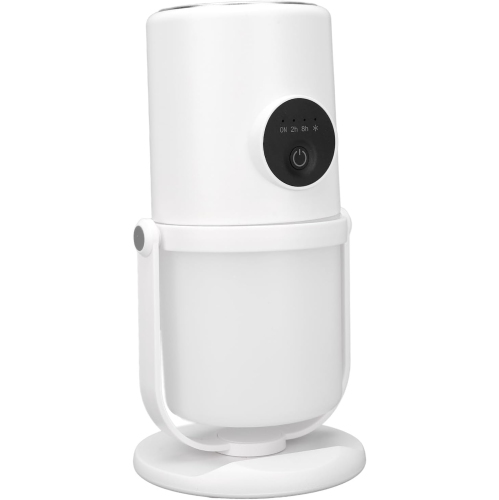
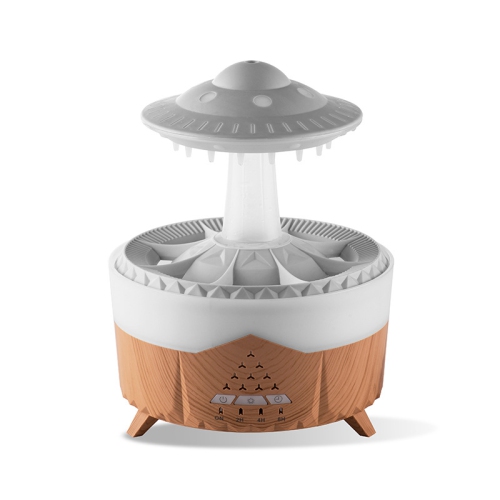
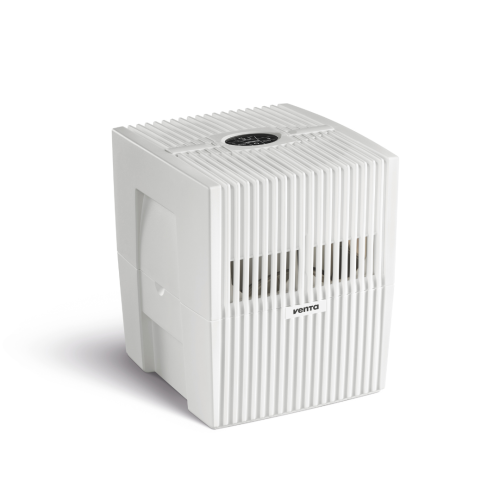
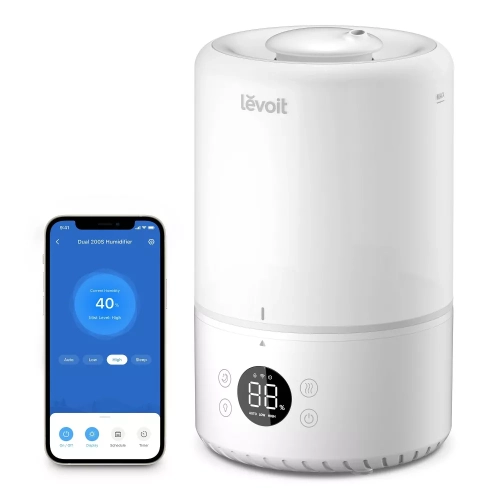
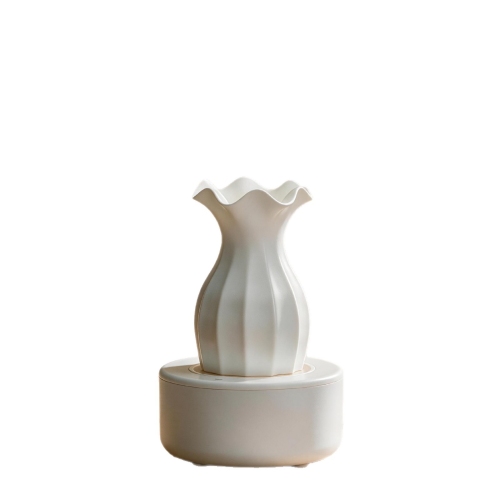
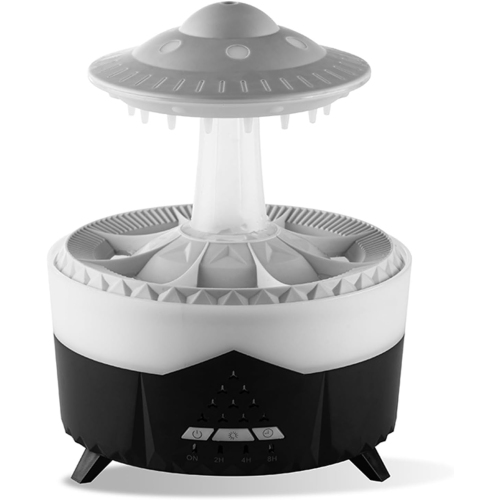
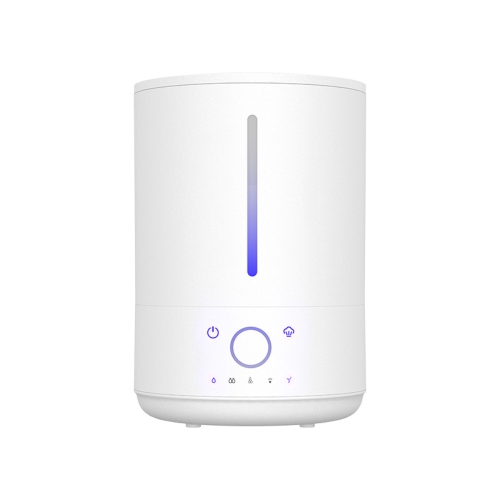
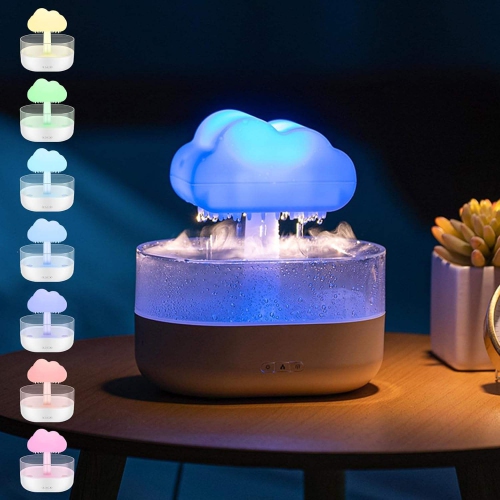
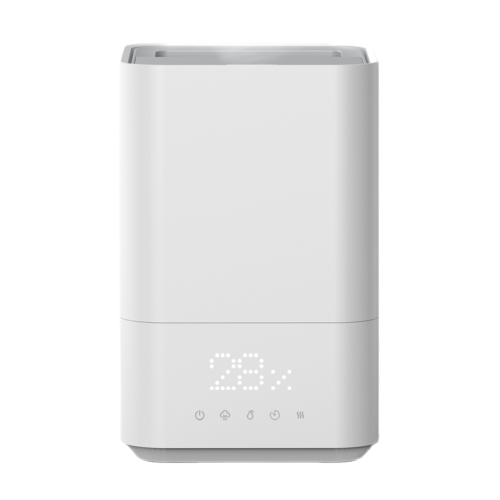
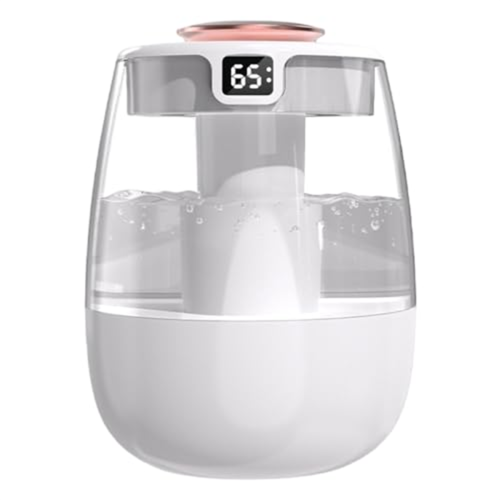
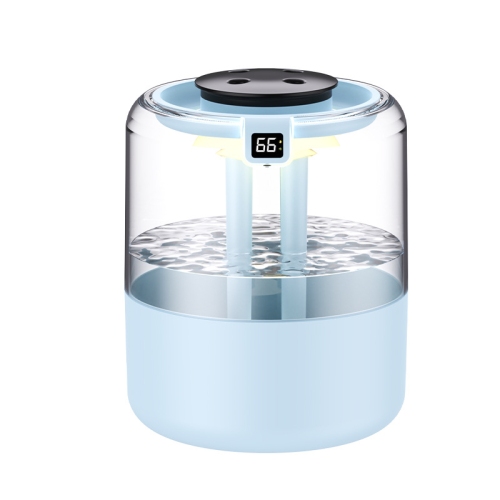
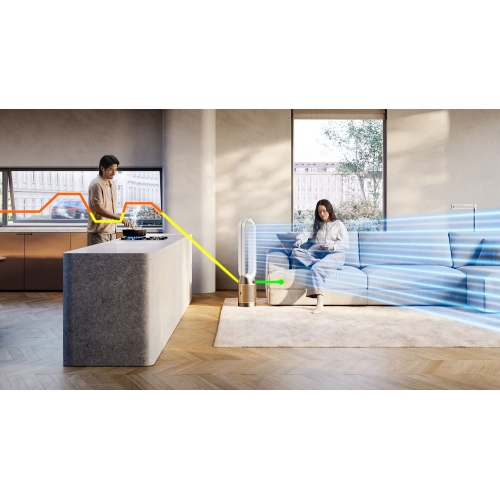
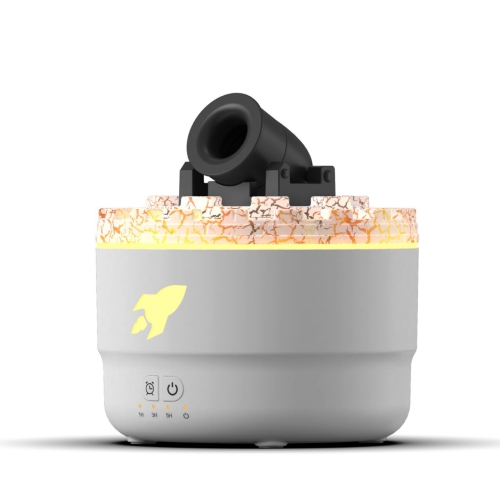
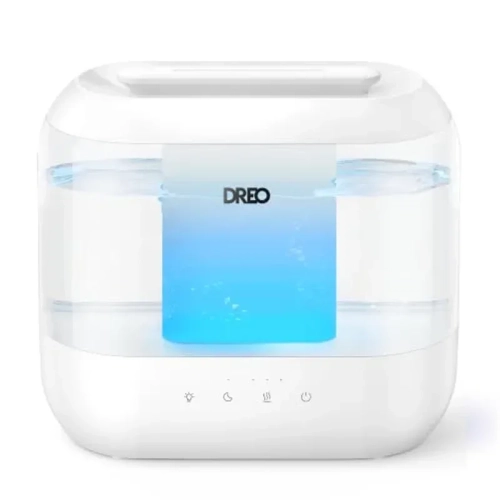
Humidifiers for plants add moisture to indoor air, helping humidity-loving houseplants grow in spaces where the air is too dry for their needs. Ferns, calatheas, and many tropical foliage plants can benefit from more consistent humidity, particularly when delicate leaf edges become crisp or new growth struggles to unfurl. A humidifier supports the moisture around the leaves rather than replacing water at the roots, so it serves a different purpose from a watering can or self-watering planter. Brown leaf tips can also result from watering problems, mineral accumulation, or root damage; added humidity is helpful only when dry air is part of the problem. For many common tropical houseplants in shared living spaces, a relative humidity level around 40% to 50% offers a practical starting point, though individual plants have different requirements. Cacti and many succulents generally do not need the same added moisture as a collection of ferns. A separate hygrometer makes it easier to see what the air is like at leaf height, rather than judging by the appearance of a mist cloud. Keeping room humidity below 60% also helps limit conditions that encourage mould, and condensation on windows or damp nearby surfaces signals that output may be too high. Plant humidifiers can suit anything from a few foliage plants beside a reading chair to a larger collection arranged across open shelving. The important distinction is between humidifying a room and repeatedly wetting the plants themselves: leaves do not need to sit in a visible plume to benefit. For a collection spread throughout a shared space, Room Humidifiers can support more even moisture levels across the room instead of concentrating mist around a single pot. Matching the intended coverage to the space gives plant owners a more useful basis for comparison than mist height alone, especially when open doorways and moving air make moisture harder to contain.
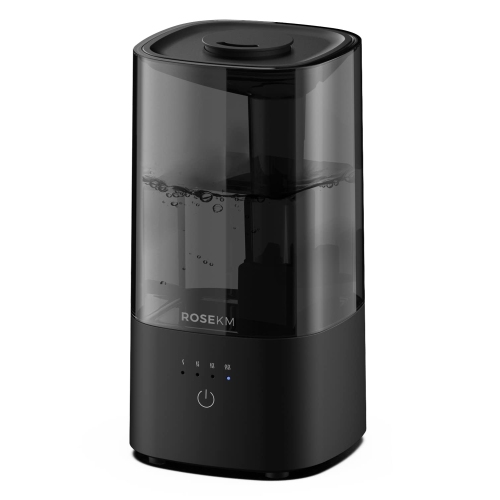
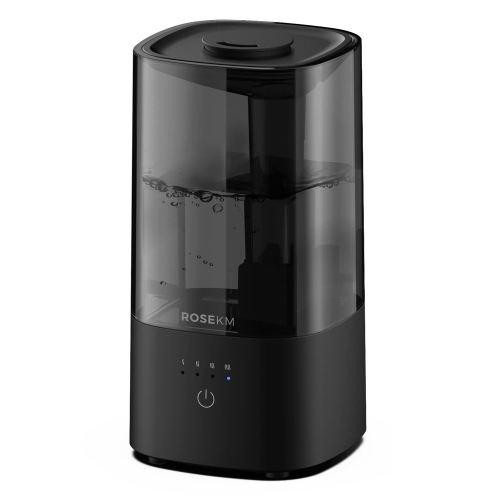
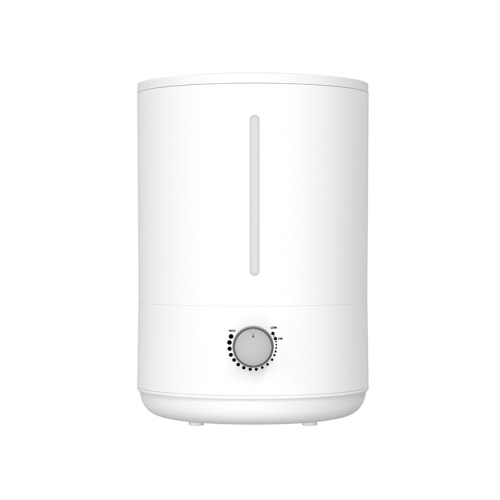
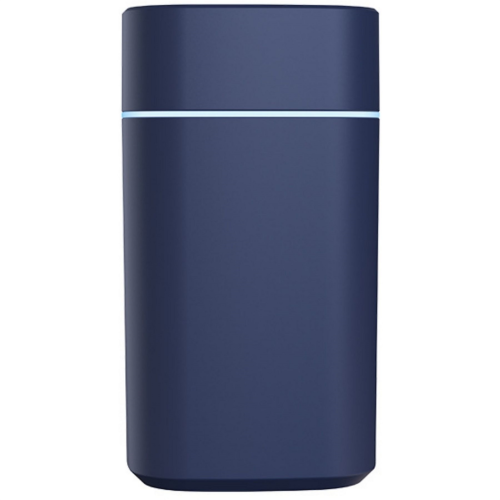
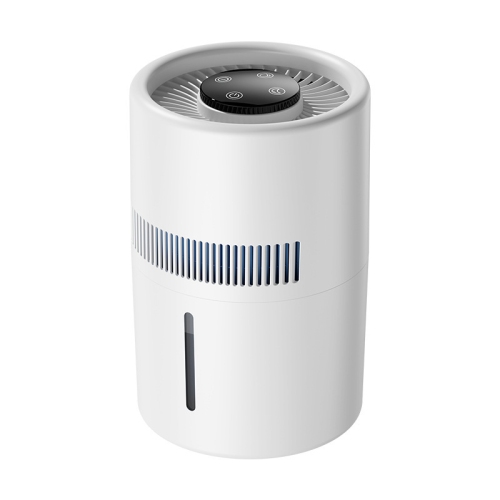
The main types of humidifiers used around houseplants are ultrasonic and evaporative models, each with a different approach to adding moisture. Ultrasonic humidifiers use a vibrating component to produce fine droplets and often operate quietly, making them well suited to plant-filled bedrooms, home offices, and reading corners. Their visible mist makes the direction of output easy to see, but minerals in the water can settle as white dust on leaves, furniture, and nearby surfaces. Distilled or demineralized water, when permitted by the manufacturer, helps reduce this residue. Evaporative humidifiers draw air through a wet wick or filter with a fan, releasing moisture without a visible mist plume. They tend to disperse fewer waterborne minerals into the air, although fan noise and ongoing wick care are considerations. Warm-mist designs heat water to produce vapour, introducing hot water and steam that call for extra caution around foliage, children, and pets; plant care does not require heated mist. Beyond operating type, tank capacity and output adjustment affect how comfortably a humidifier fits into daily routines. A larger reservoir can mean fewer trips to the sink, while a smaller, lighter tank may be easier to carry through a furnished room without spilling. Stated runtime depends on the selected output and operating conditions, so the longest runtime is not necessarily representative of everyday use. Adjustable mist levels, timers, and built-in humidity controls can help maintain steadier moisture rather than running continuously at maximum output. An automatic shut-off when the tank empties adds convenience, while a clear water-level window makes a quick visual check possible between other plant-care tasks. App controls and Wi-Fi connectivity may appeal to people who like checking settings remotely, but straightforward buttons or a dial can be just as practical for a small collection. For bedside use, a dimmable display and low operating noise can matter as much as capacity. Built-in humidity readings are useful, although their accuracy can be affected by how close the sensor sits to the moisture outlet.
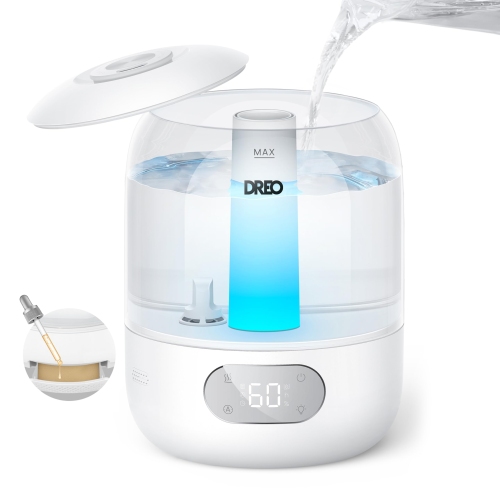
Physical fit, materials, and cleaning access have a lasting effect on how pleasant a plant humidifier is to own. A compact footprint can work beside a plant stand, but the unit still needs a stable, level, water-resistant surface with the clearance specified by its manufacturer. Crowding it between terracotta pots and trailing vines can obstruct airflow or leave nearby objects damp. An adjustable outlet helps direct moisture into open air rather than straight at a leaf, wall, electrical socket, or wooden shelf. There is no single placement distance that suits every design and output setting; the useful result is more humid air without wet foliage, soaked potting mix, or moisture collecting on surrounding surfaces. Room models are not automatically suitable for enclosed plant cabinets, where restricted airflow and persistent dampness require equipment intended for that use. For routine handling, smooth tank interiors, wide openings, removable lids, and accessible seals make a meaningful difference. A reservoir that allows a hand or cleaning brush inside is easier to inspect than one with narrow channels and hidden corners. Durable housings, secure tank connections, and well-fitting caps also help withstand repeated filling and cleaning. Top-fill designs can reduce lifting, provided their filling instructions are followed and water is kept away from electrical components. Distilled water reduces mineral deposits, but it does not keep a tank sterile or remove the need for cleaning. Emptying leftover water, drying accessible surfaces, and refilling with fresh water daily help prevent water from sitting in the reservoir. Cleaning and disinfecting should follow the manufacturer's schedule and directions, with thorough rinsing where required; evaporative wicks also need attention and replacement as directed. Fragrances, essential oils, and plant treatments should stay out of the water tank unless the equipment explicitly permits them, and they are not needed to humidify foliage. These everyday details matter for experienced plant collectors and newcomers alike. As a gift for someone building an indoor plant collection, a humidifier with manageable tank weight, simple controls, and easy cleaning access can be more useful than one chosen mainly for decorative lighting or an impressive mist cloud. The best fit supports the plants while remaining easy to live with, refill, and maintain.
Top selling and popular products
-
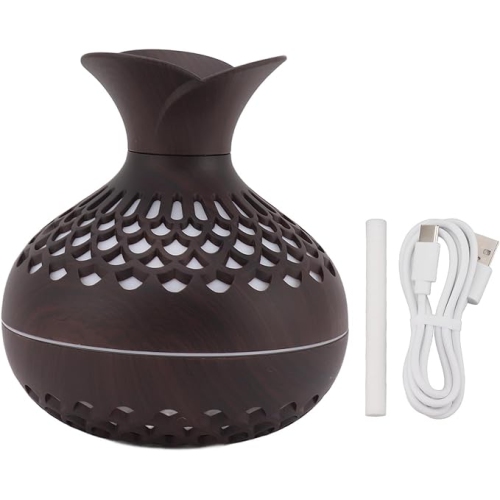 Your price for this item is $14.98
-
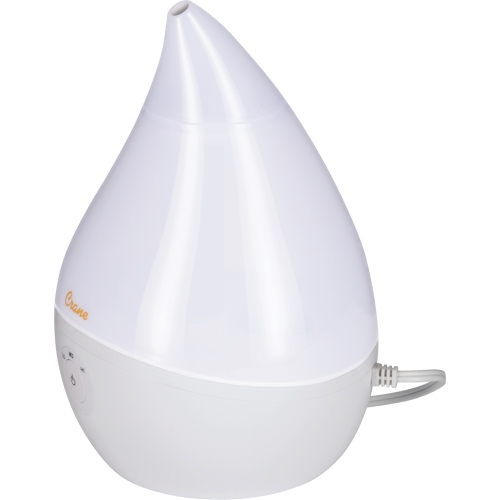 Your price for this item is $89.97
-
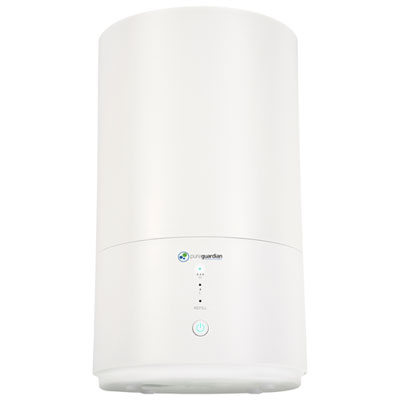 Your price for this item is $89.98
-
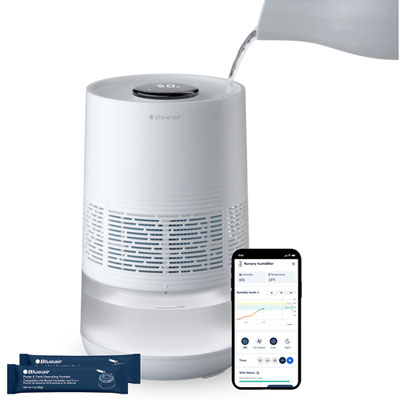 Your price for this item is $159.99
-
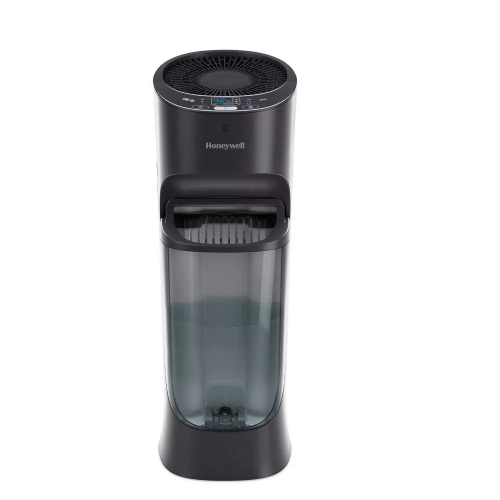 Your price for this item is $274.99
-
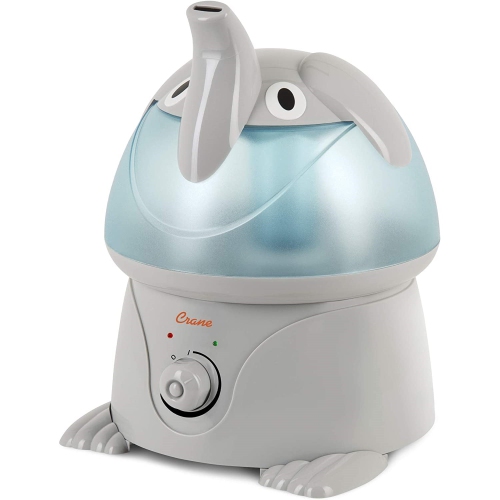 Your price for this item is $109.97
-
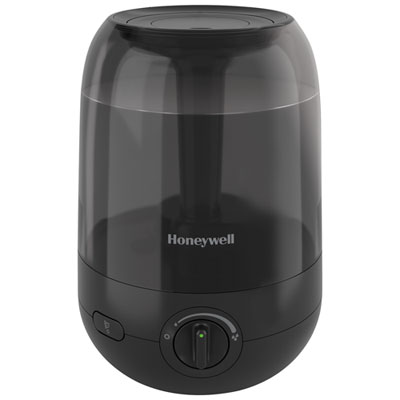 Your price for this item is $59.98
-
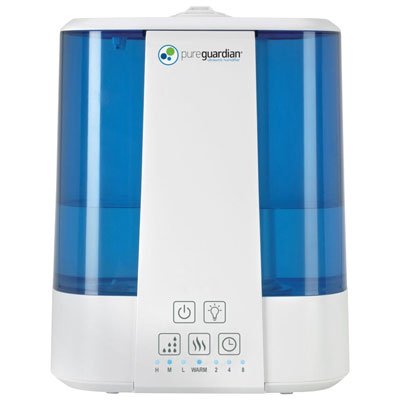 Your price for this item is $138.98
Discover more categories related to Humidifiers for Plants
Top Collections:
Best Black Friday Deals This Year, Best Black Friday Deals On Electronics, Kindle Devices, Pokemon Centers, Best Black Friday Deals On Apple Products, Best Cameras for Sports Photography, Dyson Airwrap, Pokémon 30th Celebration Cards, Apple iPhone 17 Pro, Canon G7X Cameras
Some products may be subject to Environmental Handling Fees
(EHF) depending on your province.
Learn more about EHFs.