Keyboards in Music

Find a musical keyboard for learning songs, practising, or creating your own melodies. Browse the selection and compare key count, dimensions, and listed sound options to choose an instrument that fits your skill level, playing style, and available space.
Read More

Sort

How key feel and sound shape your playing

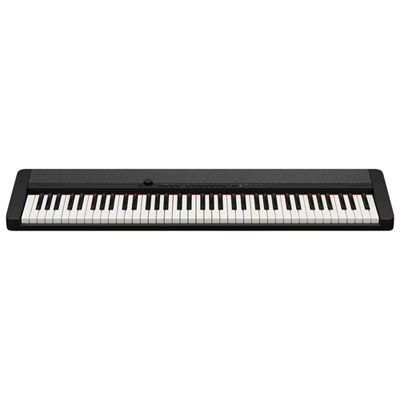
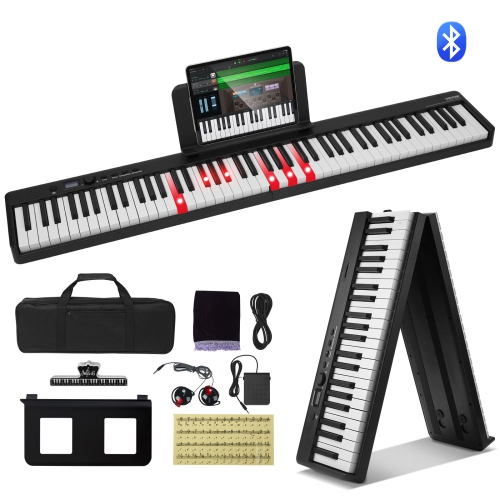
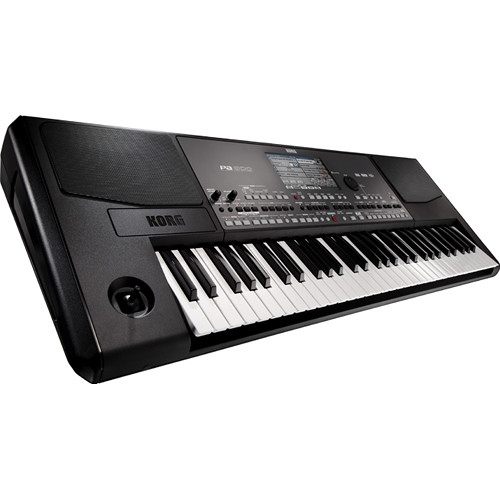
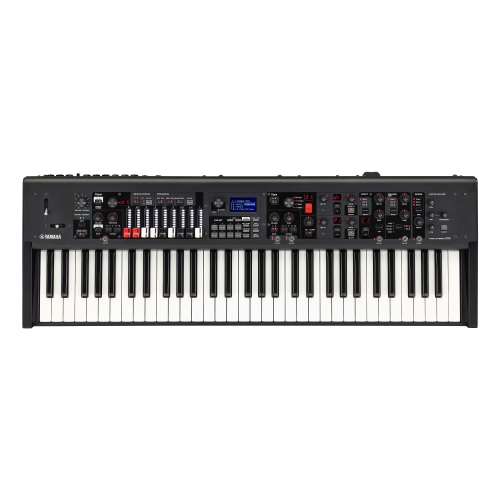
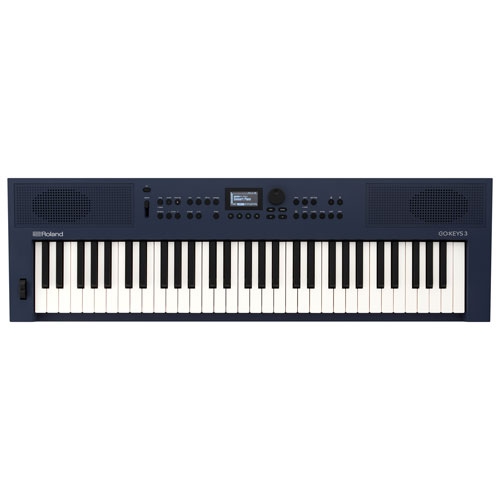
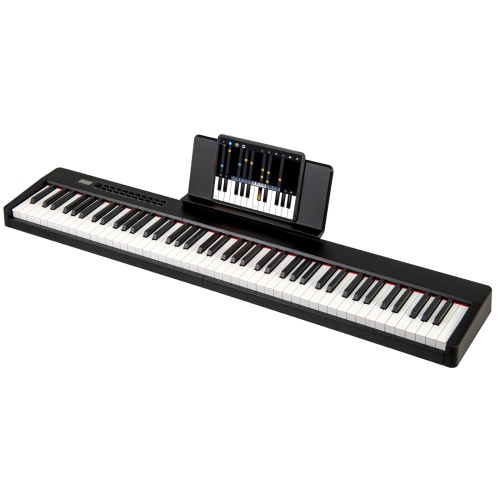
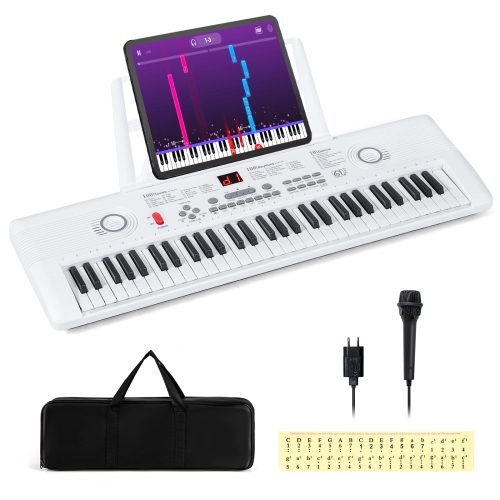
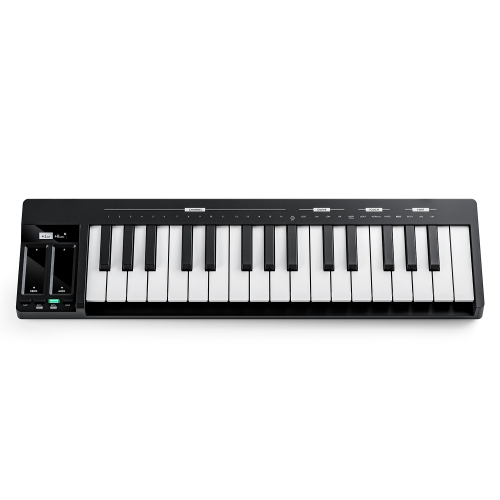
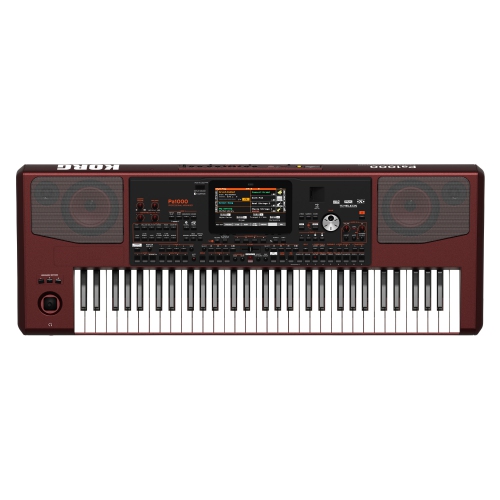
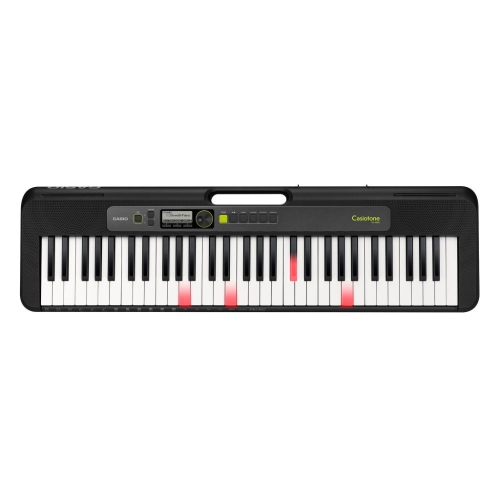
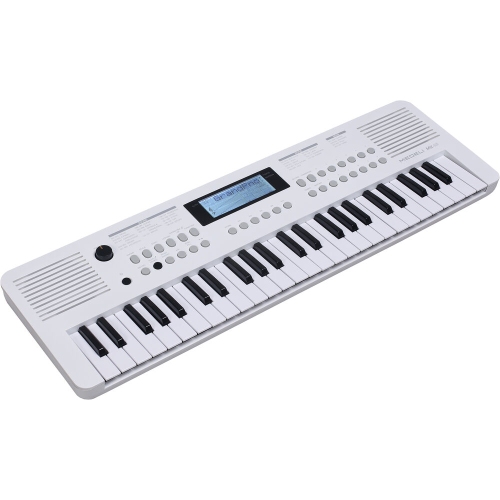
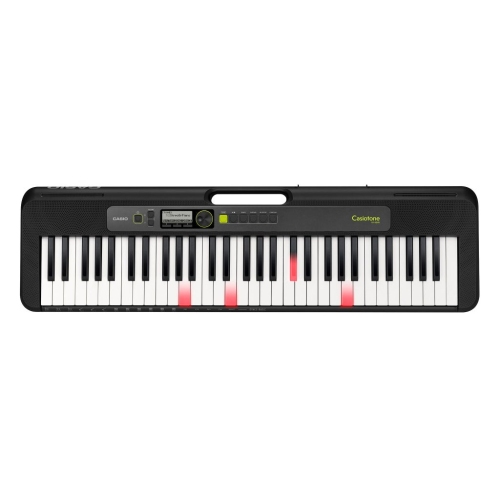
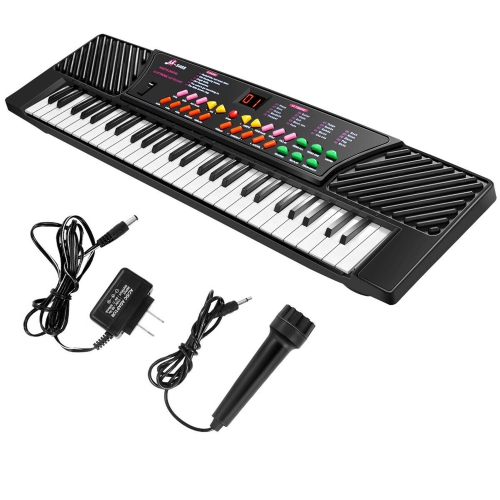
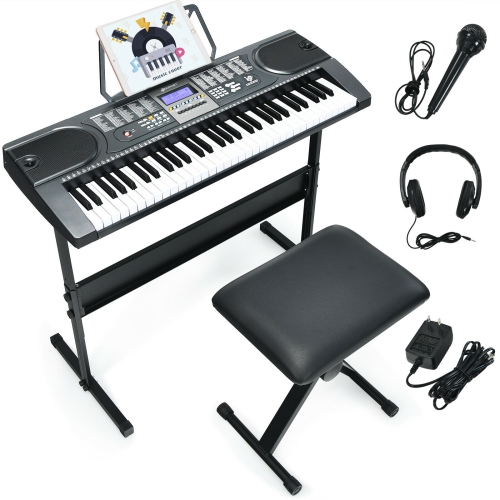
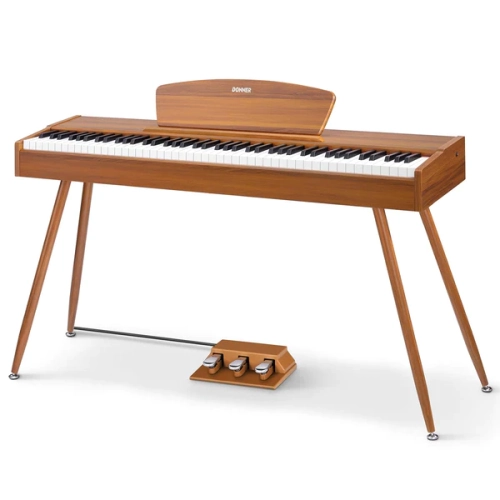
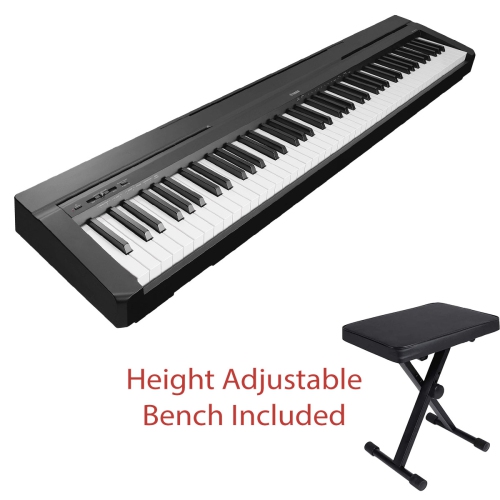
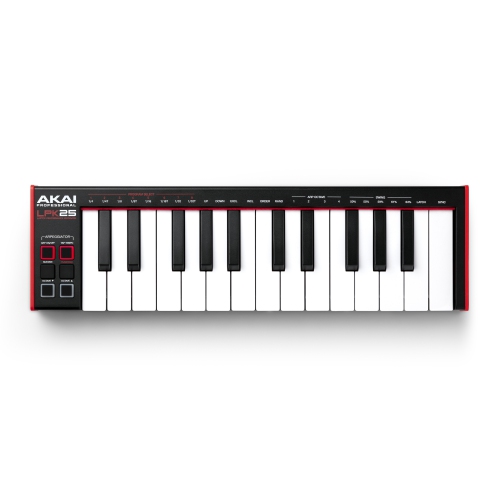
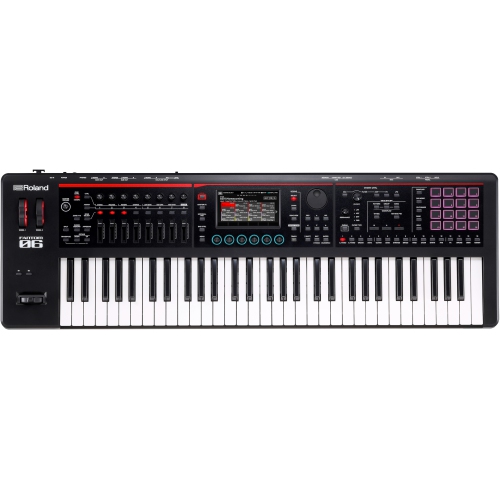
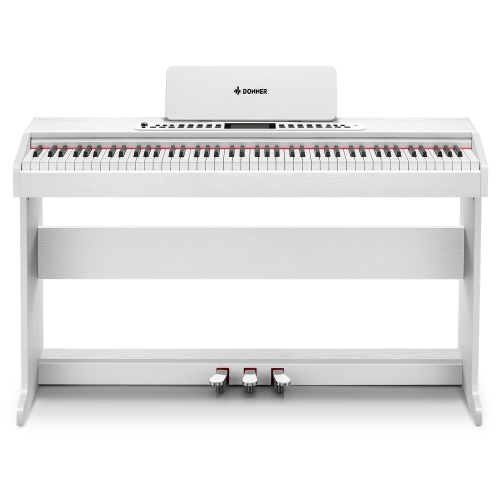
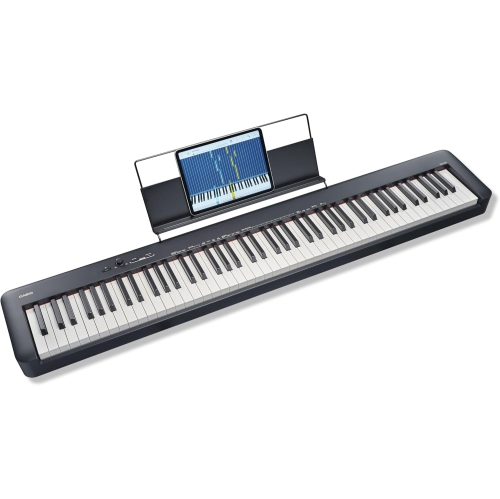
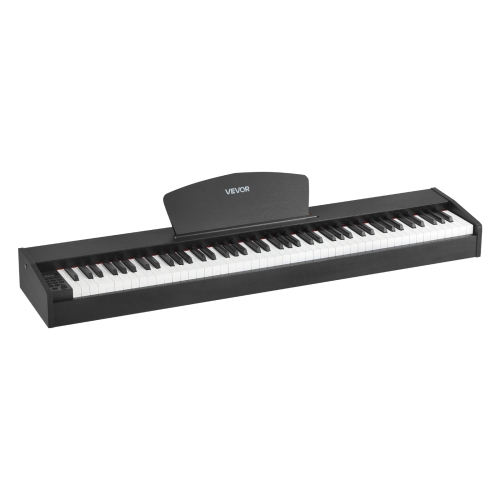
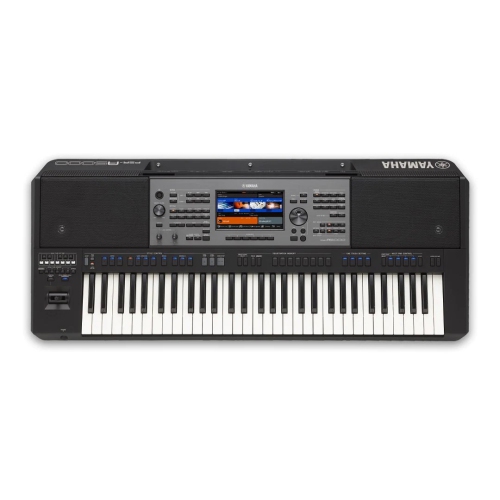
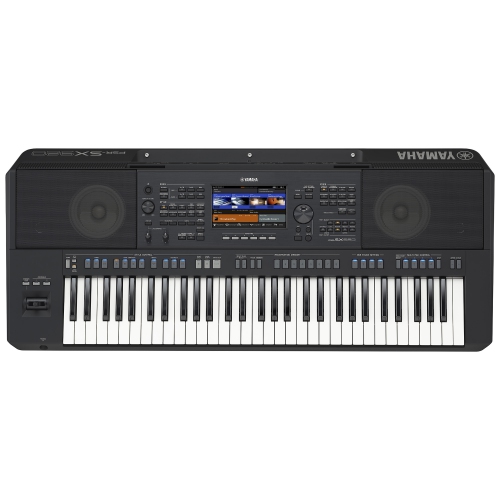
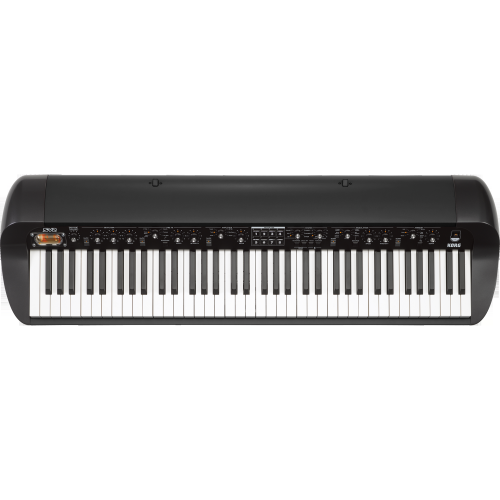
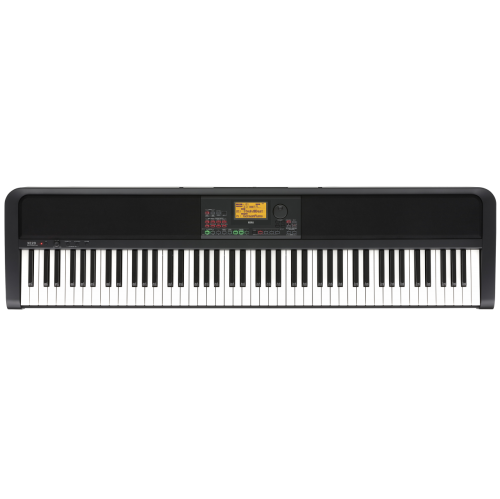
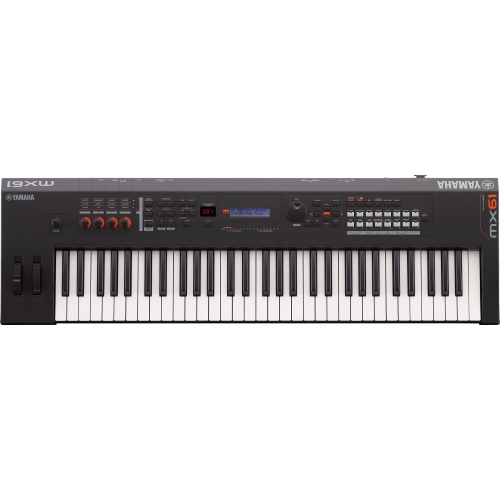
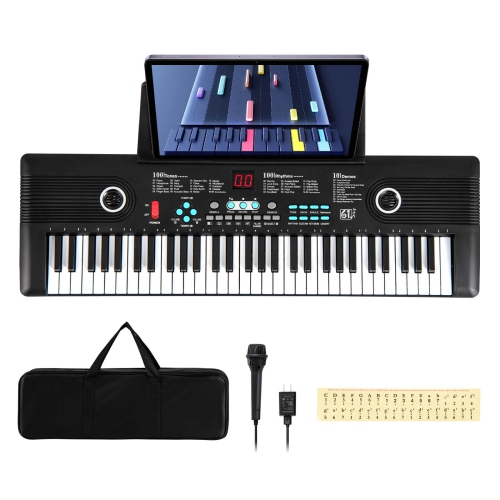
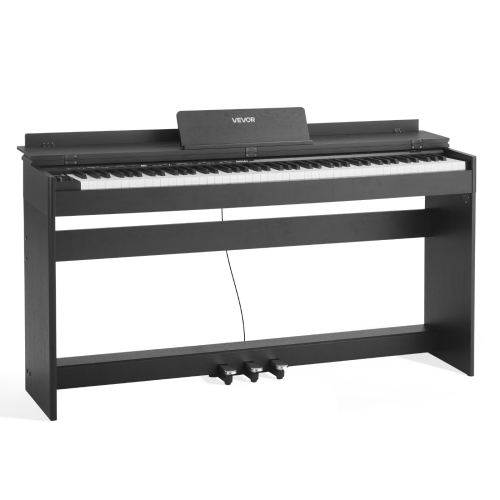
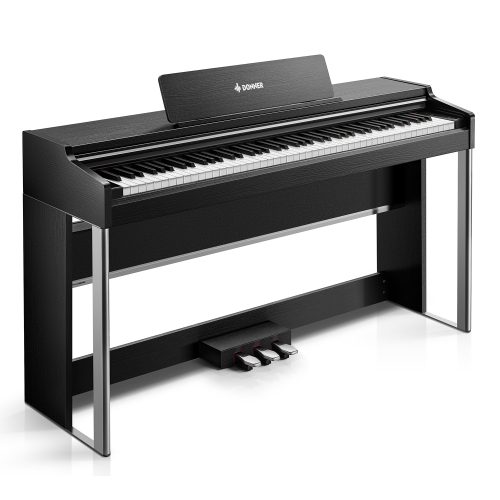
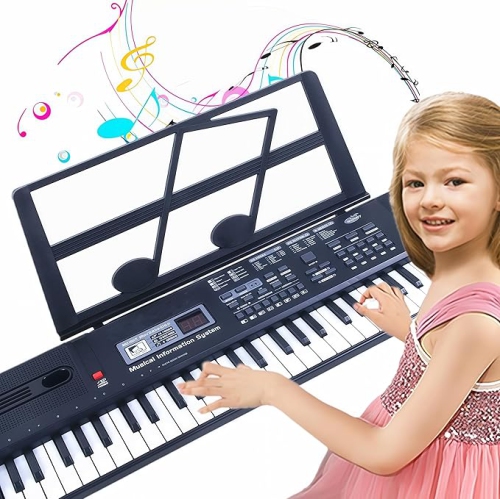
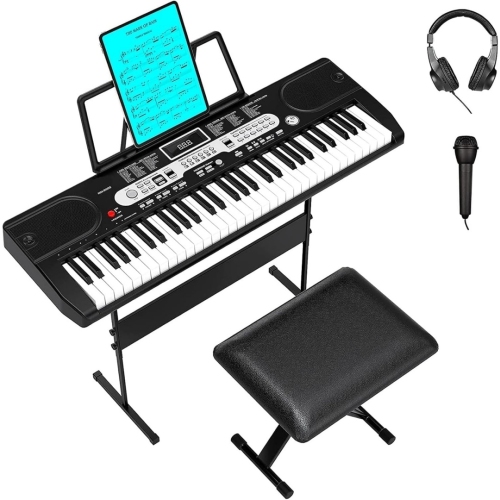
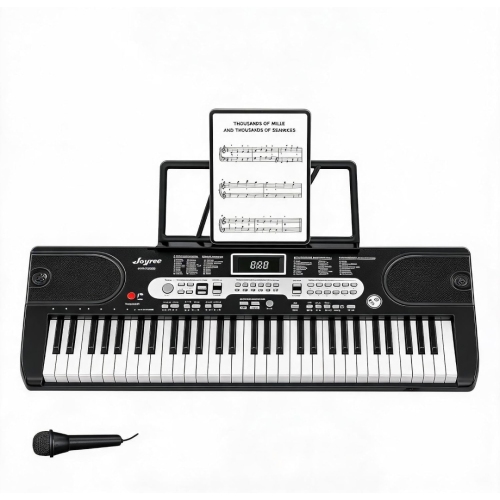
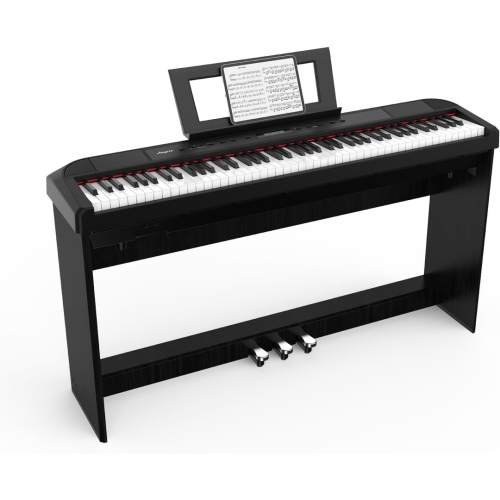
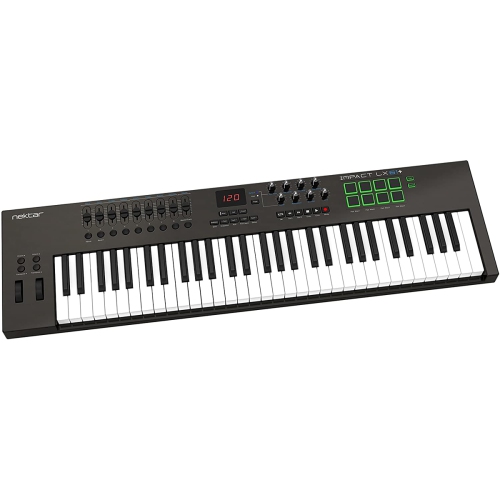
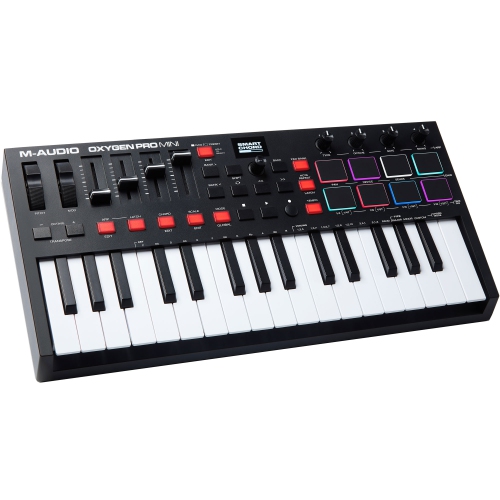
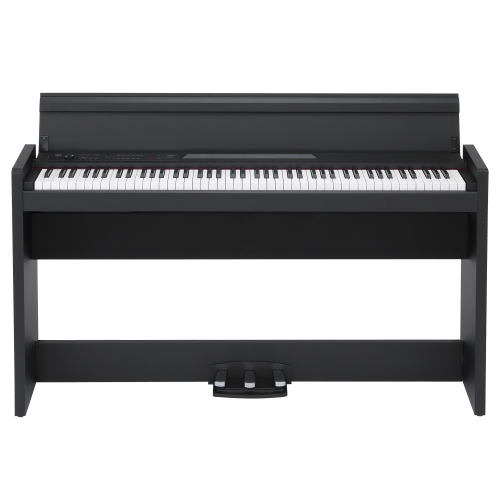
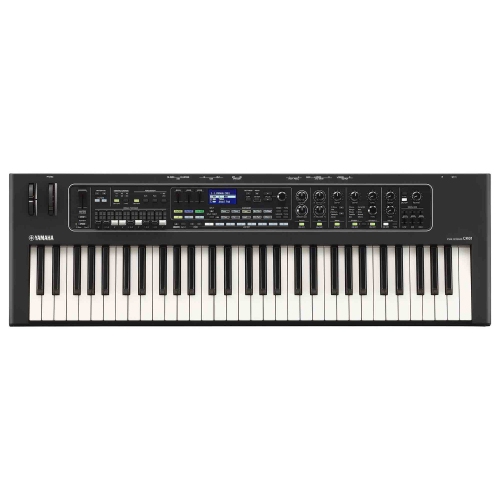
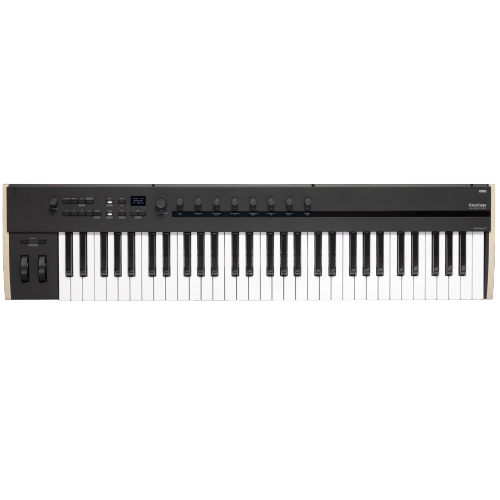
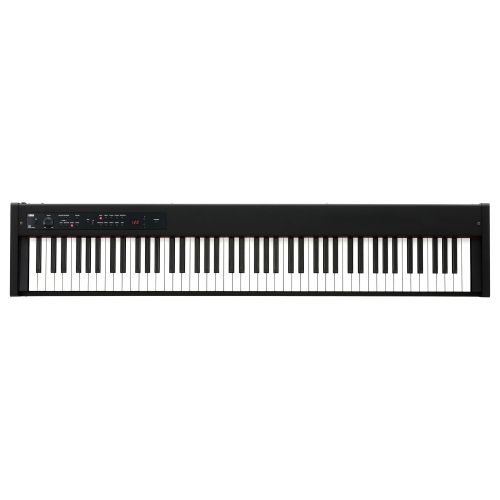
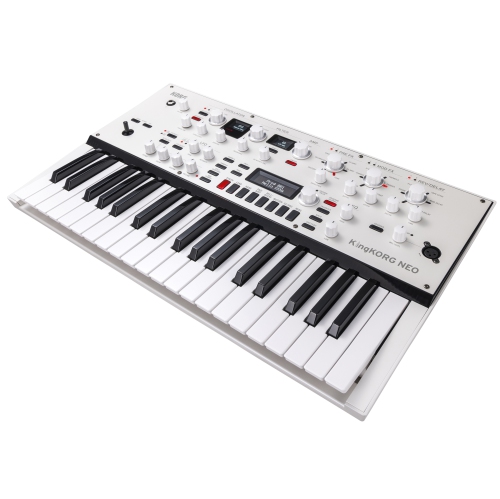
Music keyboards bring melody, harmony, rhythm, and a wide range of instrumental sounds into a format that suits everything from a first piano lesson to a live performance. Their familiar arrangement of black and white keys makes musical patterns easy to see: a learner can trace a scale, build a chord, or find the same note in a different octave without changing instruments. At home, a keyboard can support regular practice, accompany singing, or become the starting point for writing a song. In a rehearsal room, it can supply a piano part, a sustained string texture, or a bass line that fills out an arrangement. Different keyboard categories serve different purposes. Digital pianos generally emphasize piano sounds and a playing feel closer to an acoustic instrument, while portable keyboards often combine multiple voices, rhythm patterns, and accompaniment features. Synthesizers offer ways to shape sound, from adjusting the brightness of a note to creating layered textures that change as a key is held. MIDI controllers take a different approach: many do not generate sound on their own, instead sending performance information to compatible software or connected sound equipment. That distinction matters for anyone expecting to sit down and play without a computer. Built-in speakers make some keyboards convenient for casual playing, while others are designed to connect to headphones, monitors, or a sound system. Sound quality also involves more than the number of voices included. A piano tone that responds smoothly to a gentle touch can make a quiet passage feel expressive, and sufficient polyphony helps notes continue naturally when chords overlap or a sustain pedal is used. For students, hobbyists, songwriters, and performing musicians, these differences shape how an instrument fits into everyday music-making. A simple practice session might involve repeating a left-hand pattern until it feels steady; a more developed arrangement might combine that same pattern with a melody, percussion, and a recorded vocal.
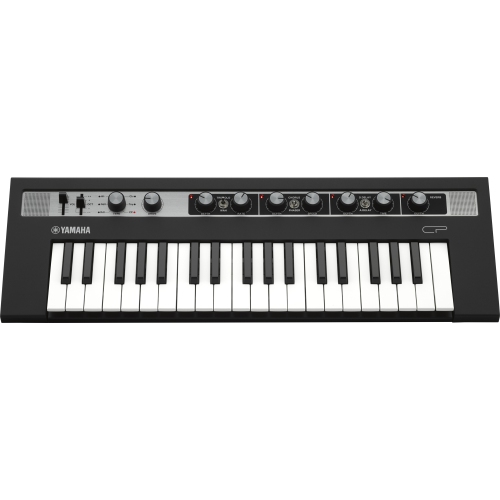
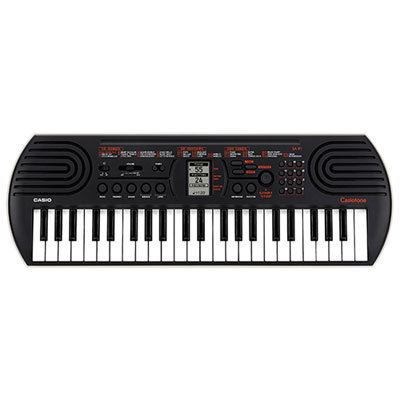
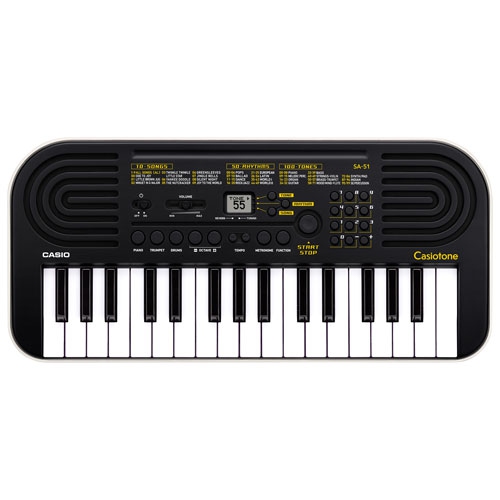
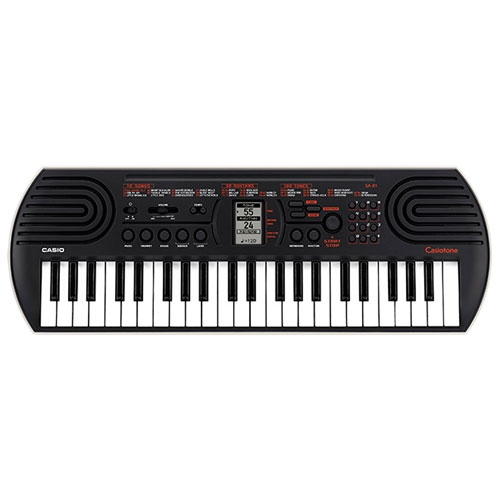
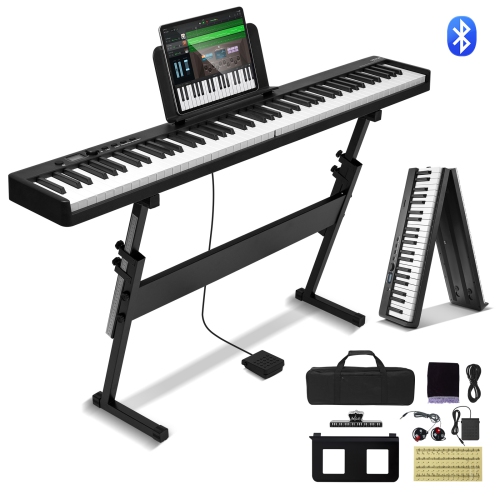
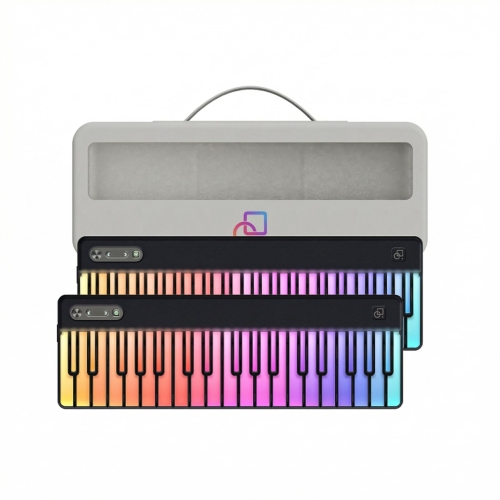
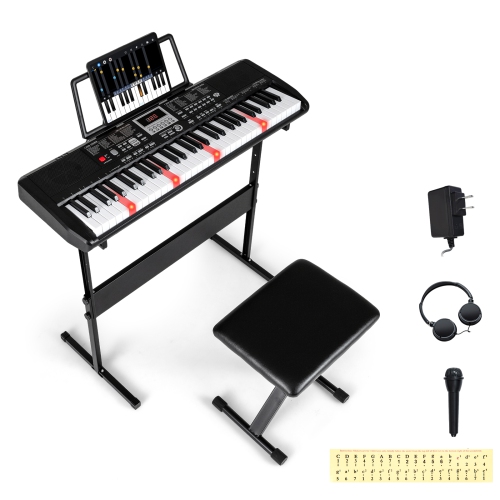
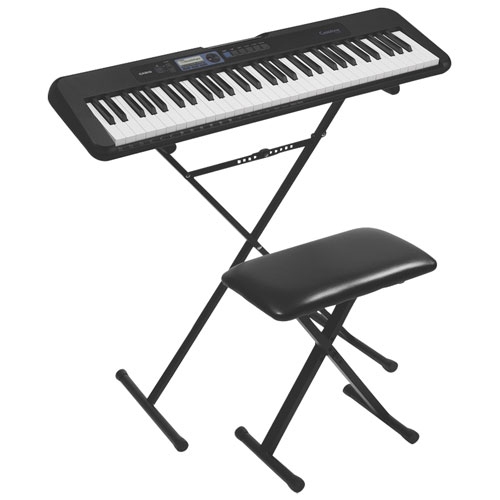
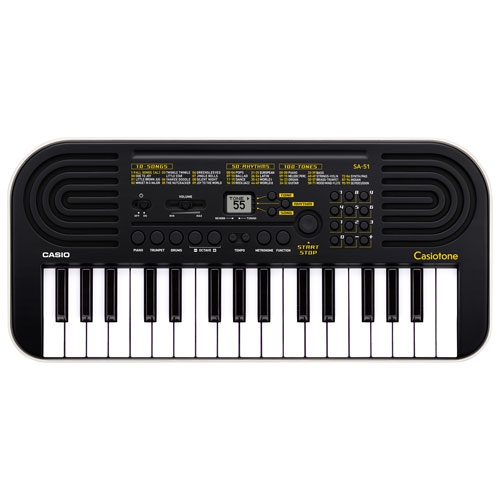
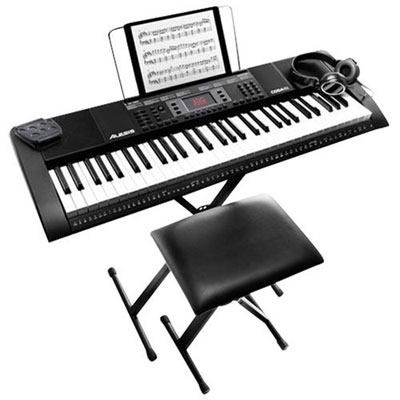
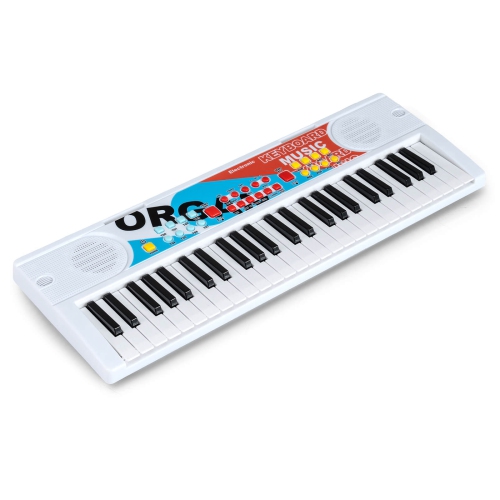
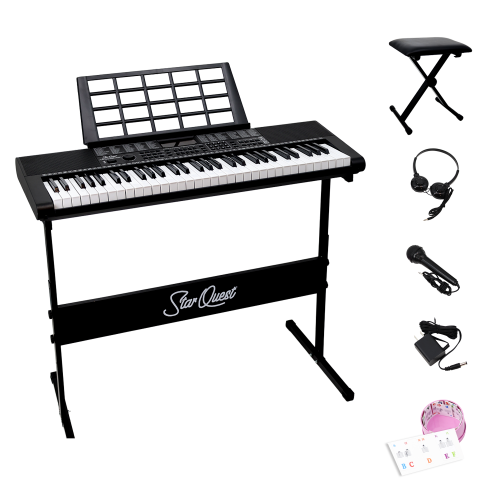
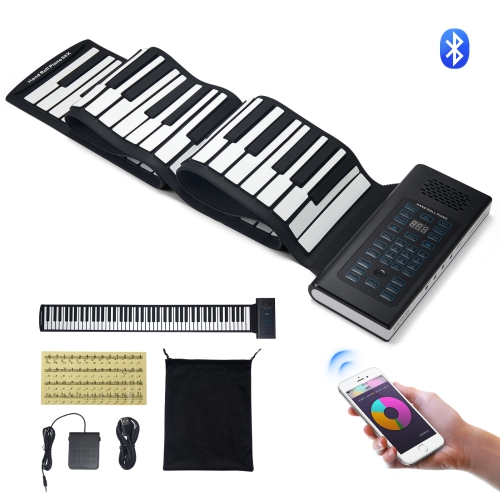
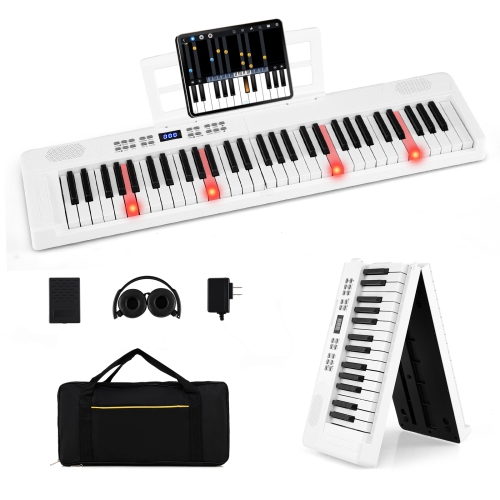
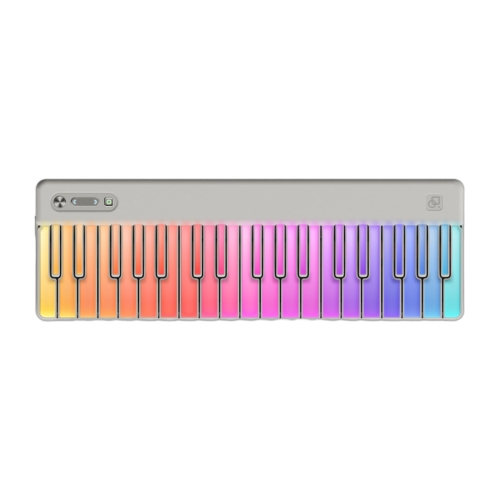
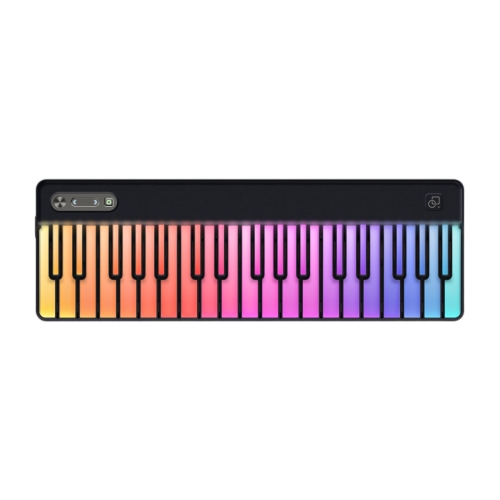
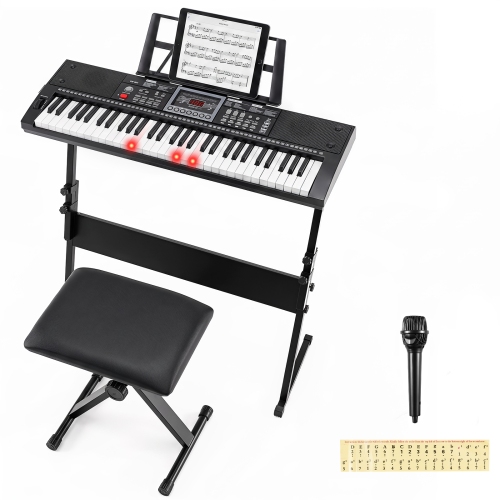
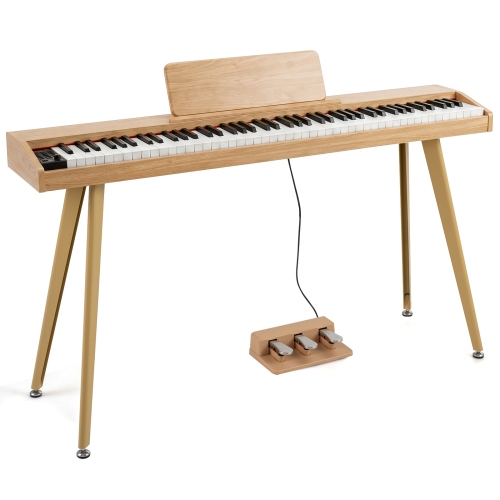
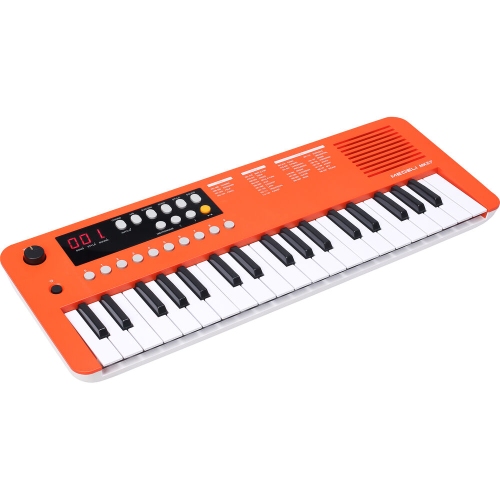
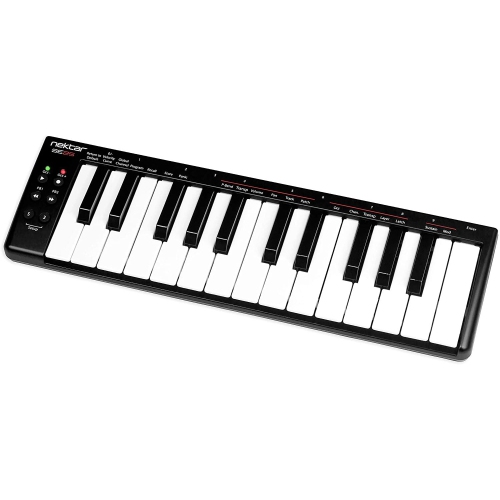
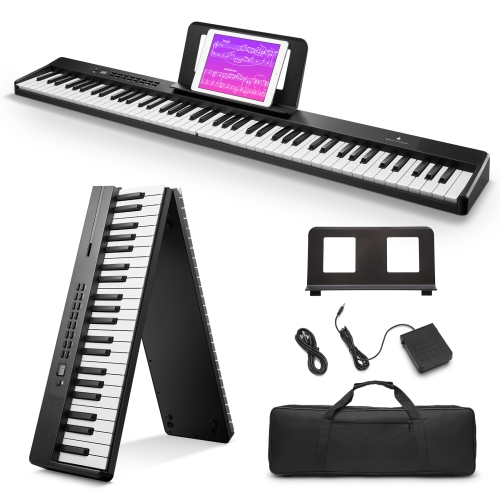
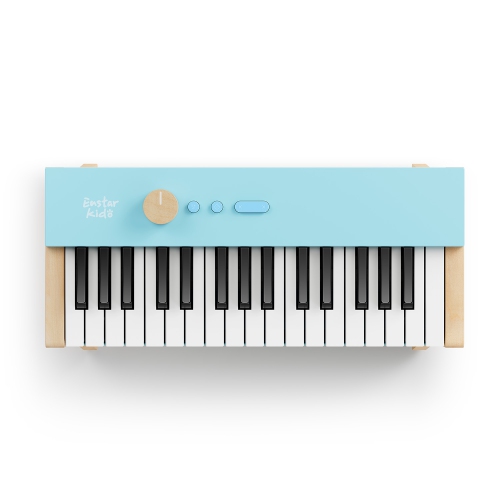
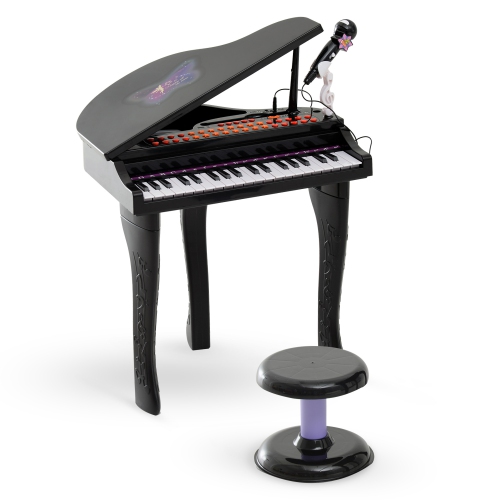
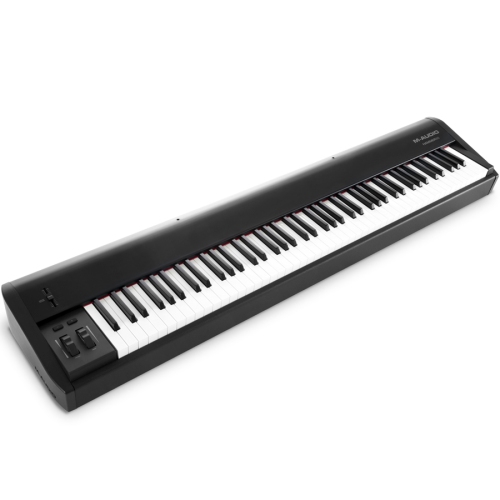
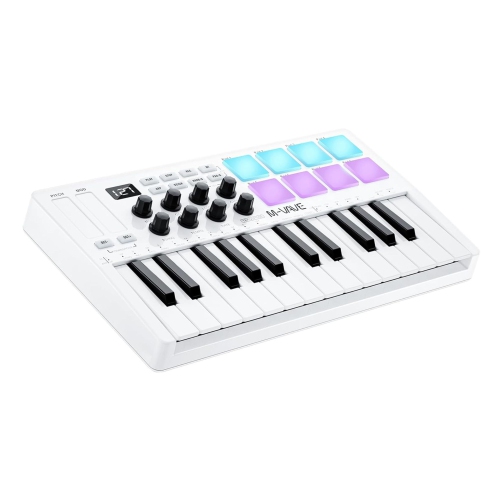
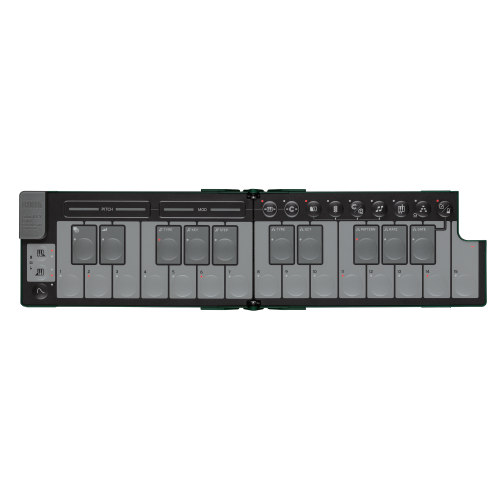
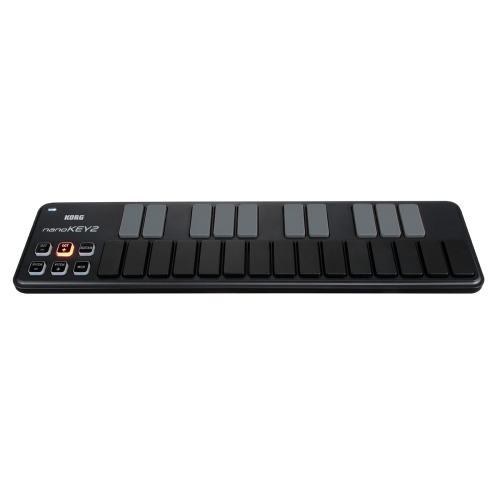
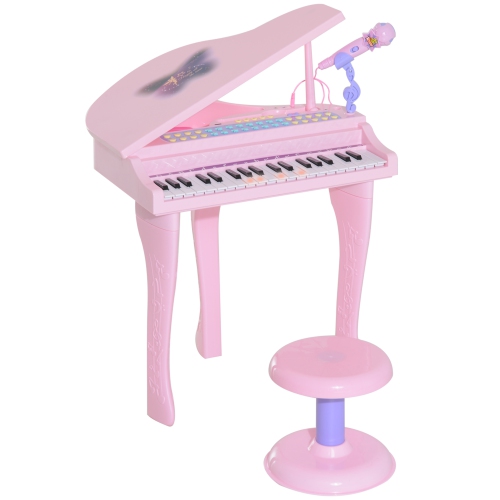
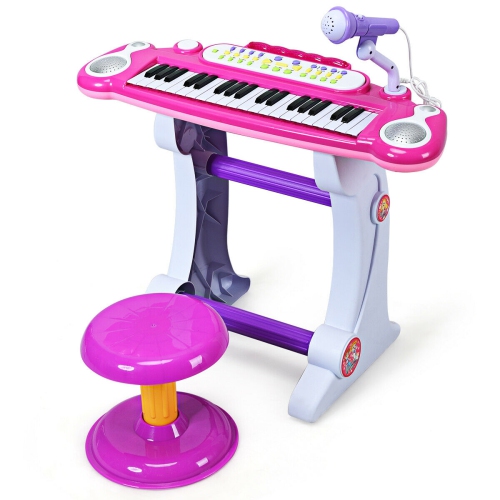
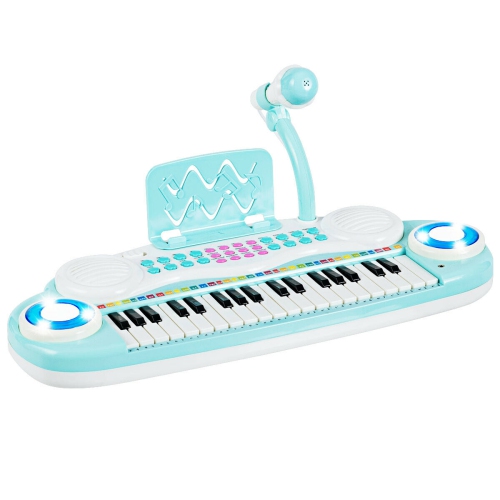
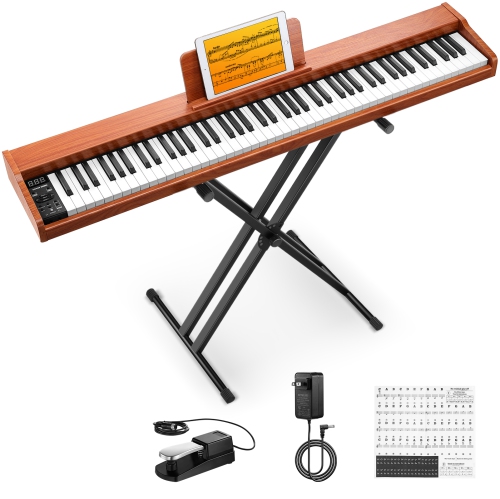
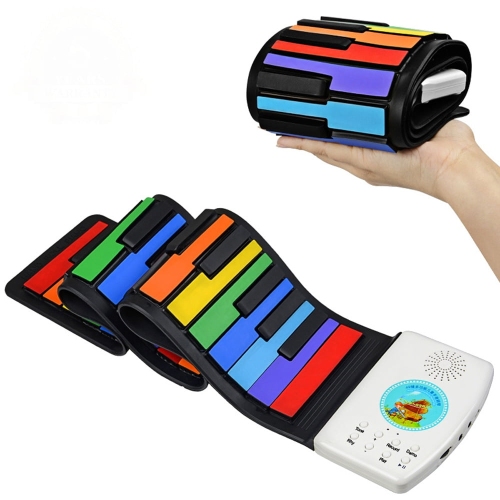
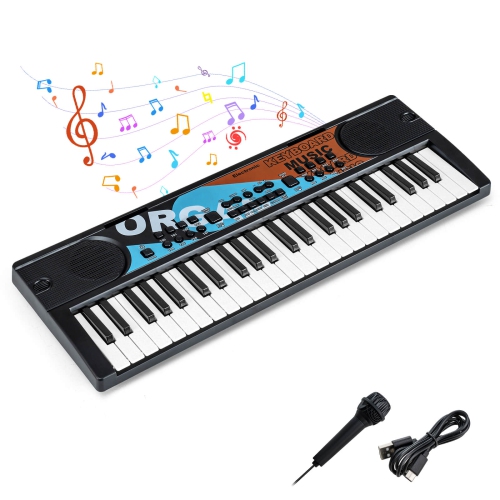
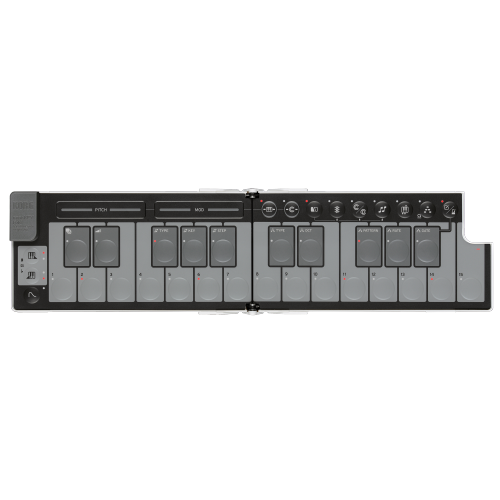
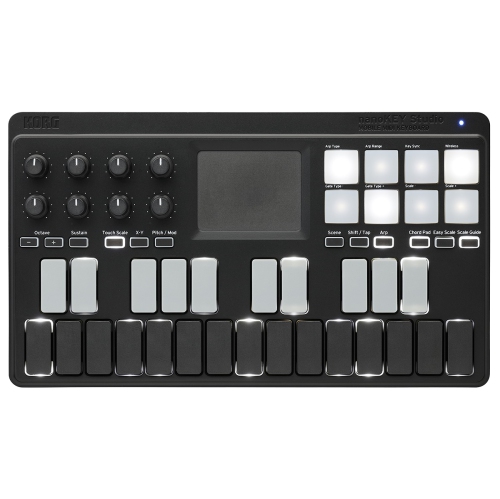
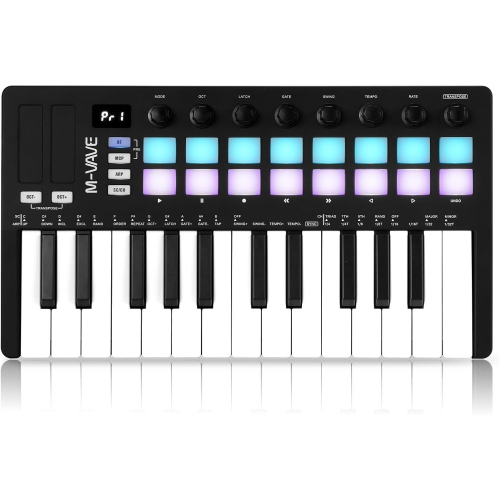
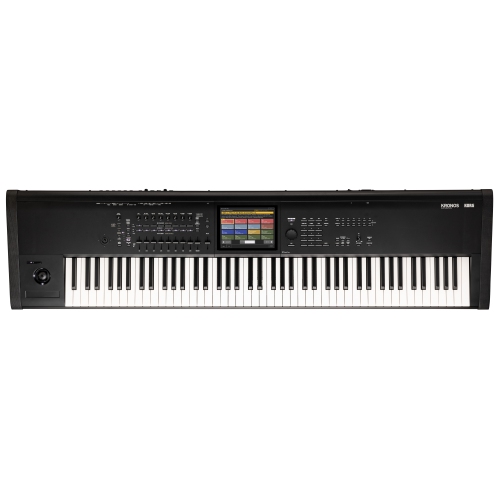
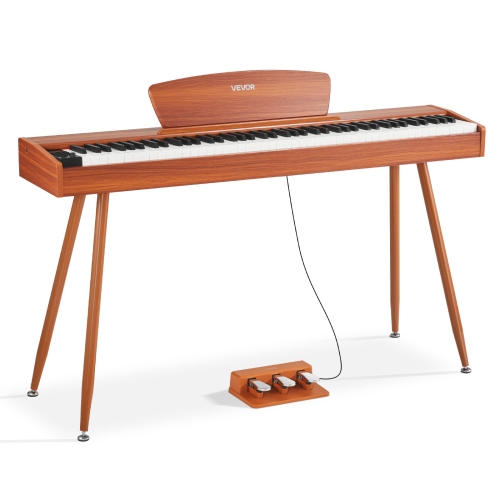
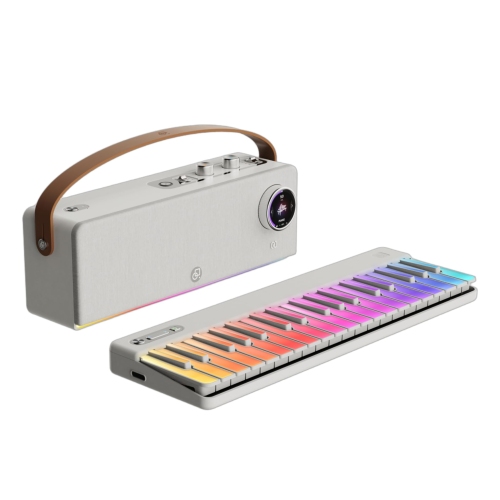
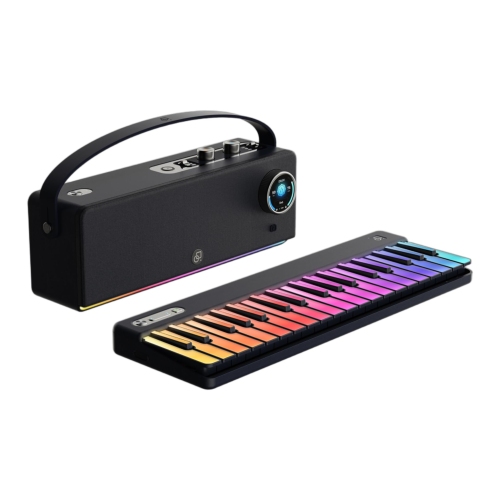
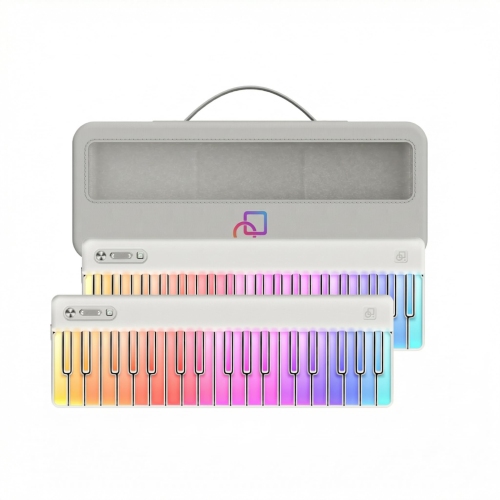
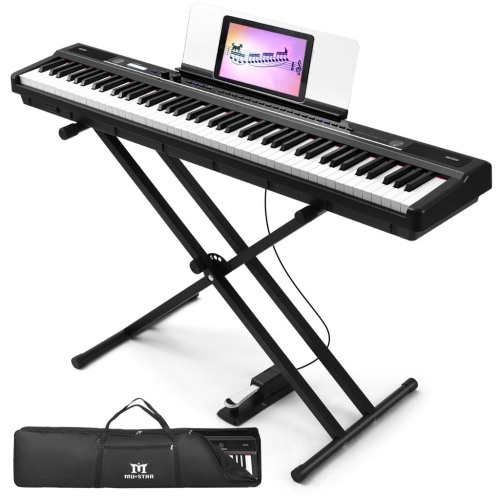
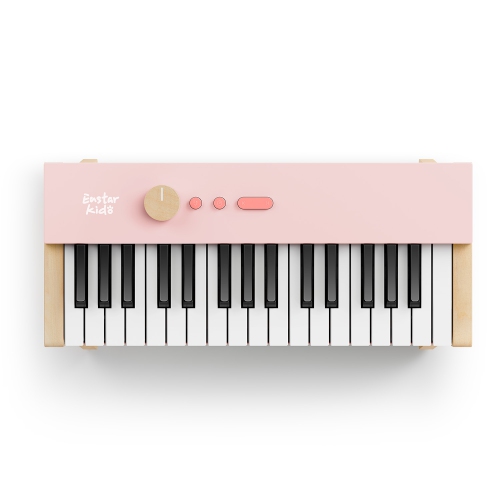
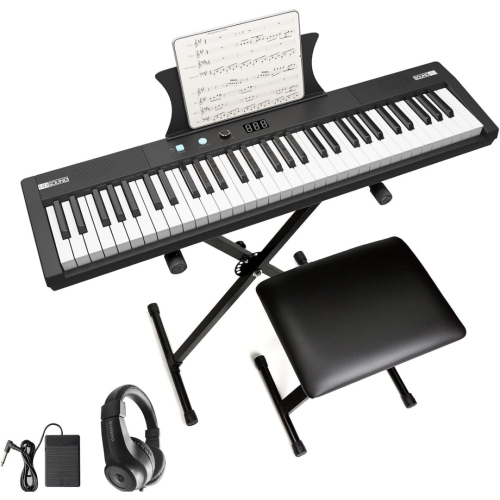
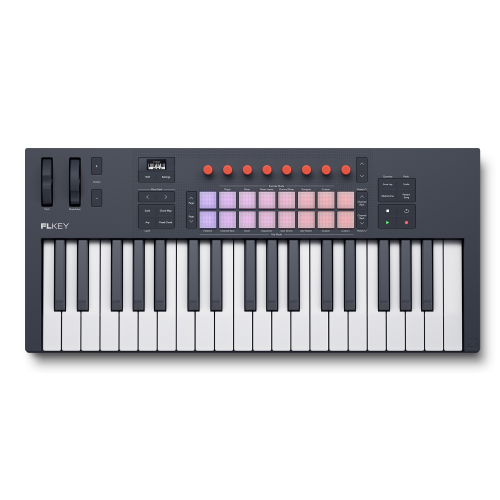
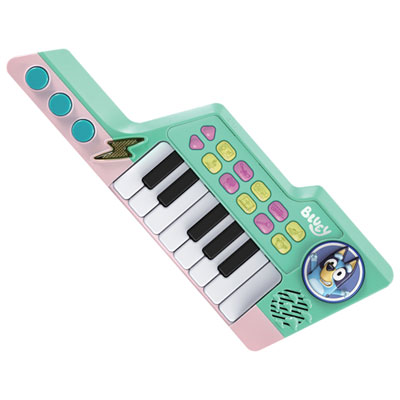
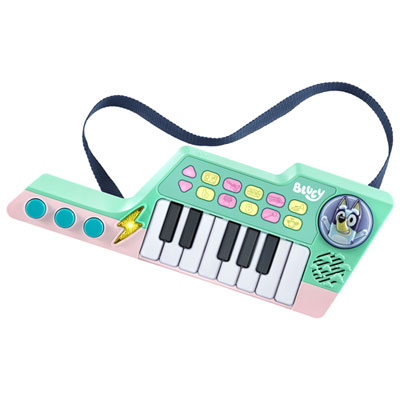
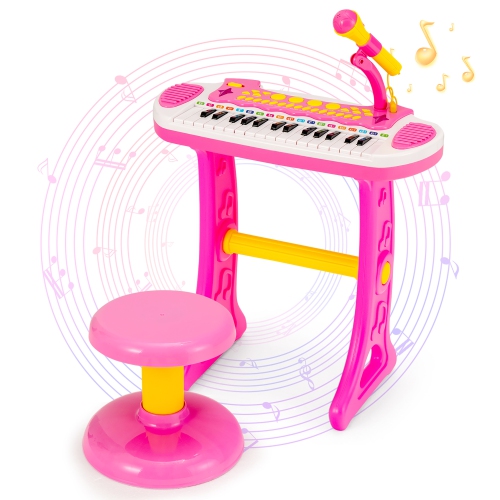
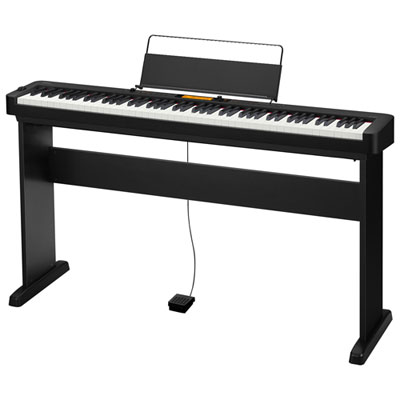
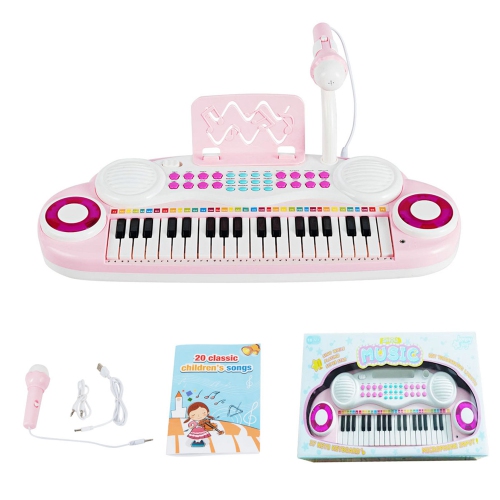
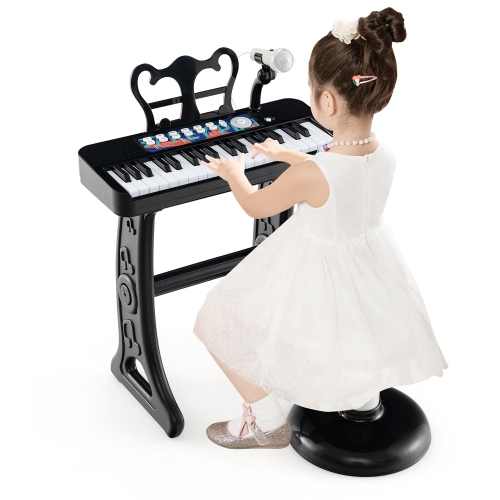
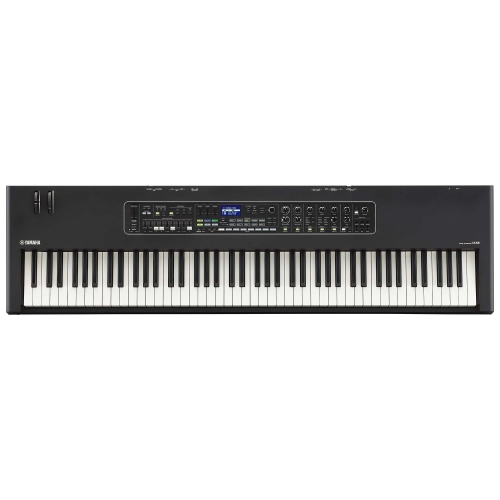
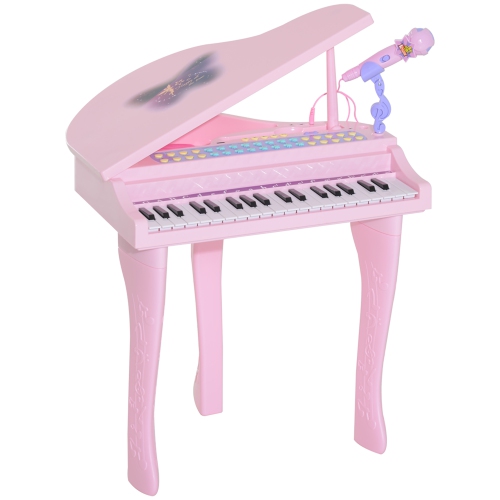
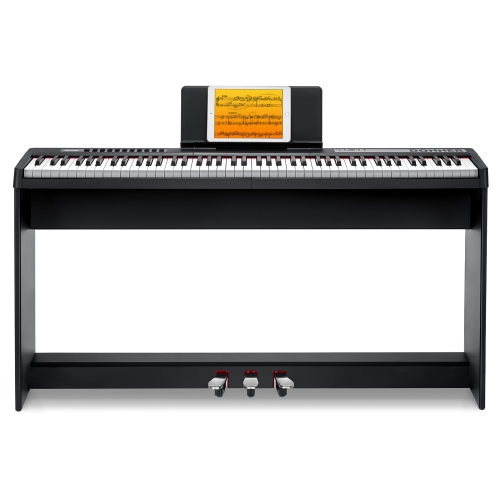
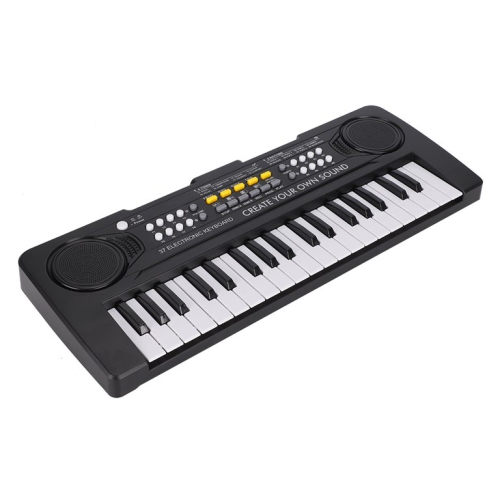
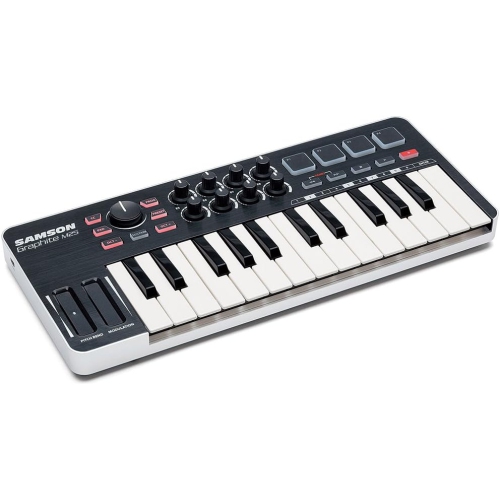
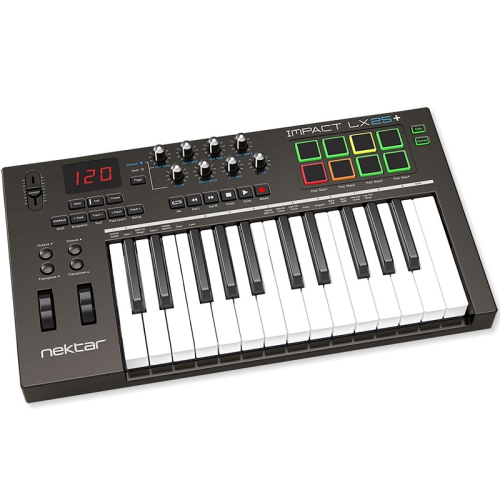
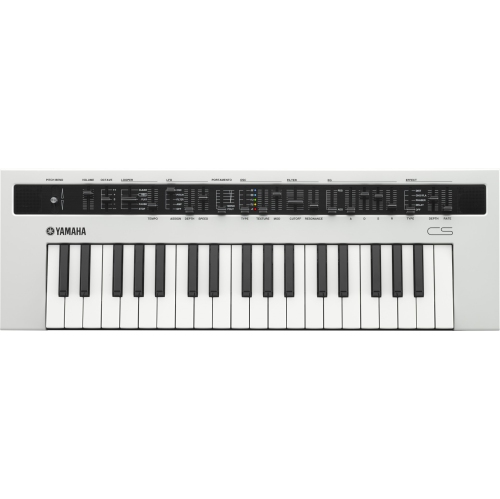
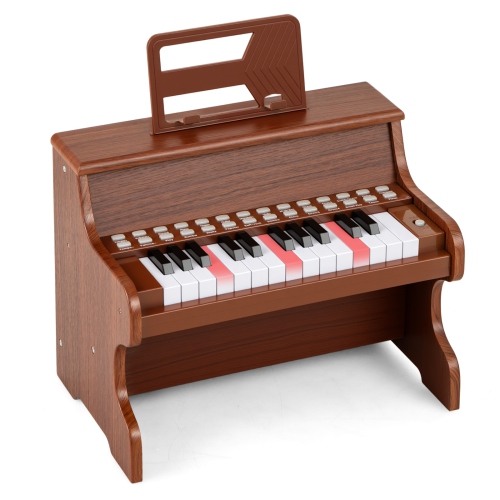
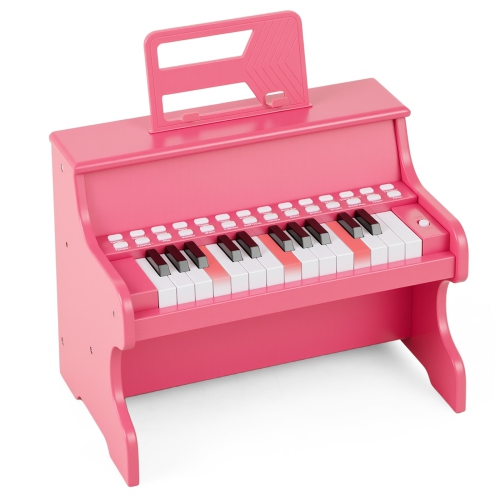
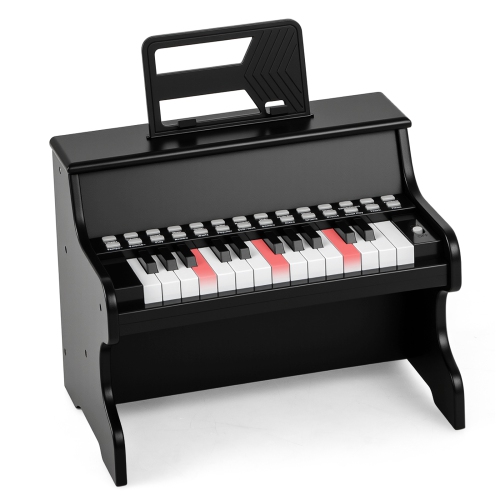
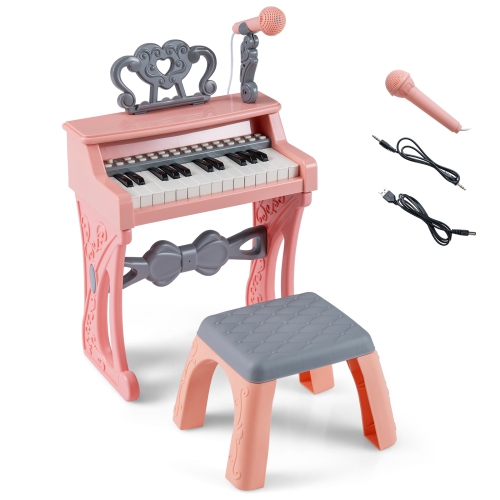
The physical feel of a music keyboard has a direct effect on comfort and expression. Full-size keys provide familiar spacing for piano technique, while smaller keys reduce the instrument’s footprint and can suit portable setups or casual exploration. An 88-key layout offers the range associated with a standard piano, whereas shorter keyboards occupy less space and may be sufficient for chord accompaniment, electronic music, or introductory playing. The number of keys and their action are separate considerations. Weighted and hammer-action designs add resistance that can help develop control for piano playing; lighter actions can feel nimble for organ-style passages, synthesizer parts, and repeated notes. Some graded actions make lower keys feel heavier than upper keys, reflecting a characteristic of an acoustic piano. Touch sensitivity, when included, allows playing strength to affect volume or tone, so a softly played phrase can sound different from an accented one. Compact formats have their own appeal, especially when an instrument needs to fit beside a laptop or travel between rooms. Mini Music Keyboards offer a smaller format for musical experimentation, though reduced key size and range create a different playing experience from a full-size piano layout. Beyond the keys, construction influences how the instrument handles daily use. Moulded plastic housings can keep portable designs manageable, while metal chassis and furniture-style cabinets serve different needs for transport or a more permanent setup. Knobs, buttons, sockets, and pedal connections are frequent contact points, so their placement and feel matter alongside the casing. A stable stand with an appropriate weight capacity helps prevent movement during energetic playing. Bench height and keyboard position also affect fit: relaxed shoulders, supported feet, and wrists that are not sharply bent make a practice space more comfortable. In a shared room, the instrument’s width, depth, and cable routes can matter as much as its appearance, particularly when it needs to coexist with a desk, seating, or other instruments.
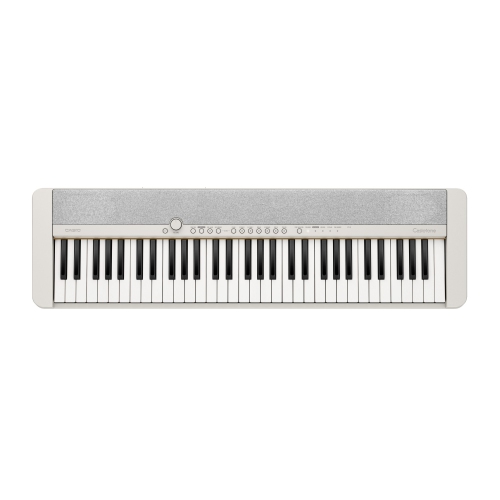
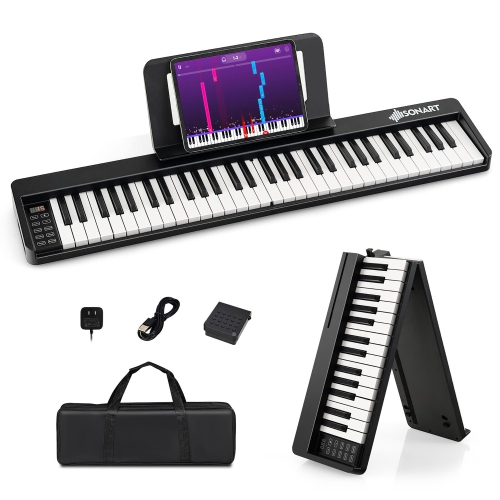
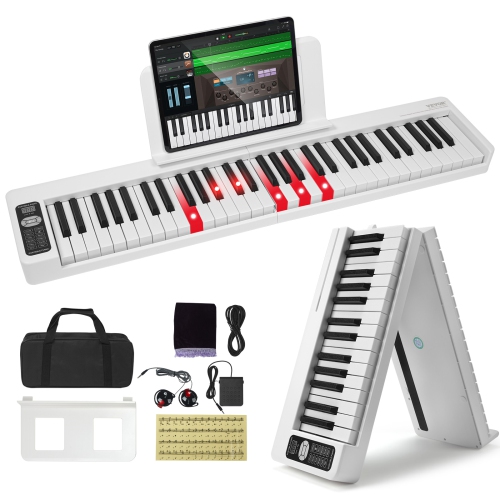
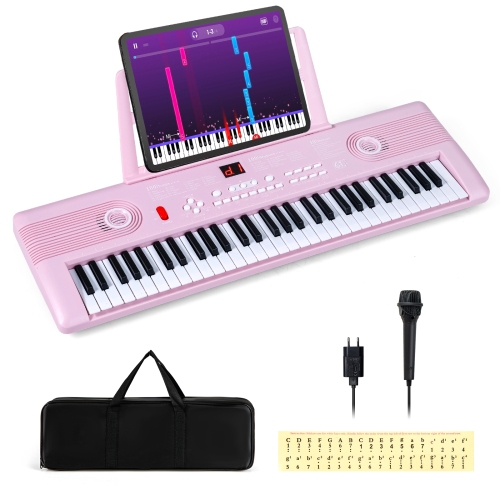
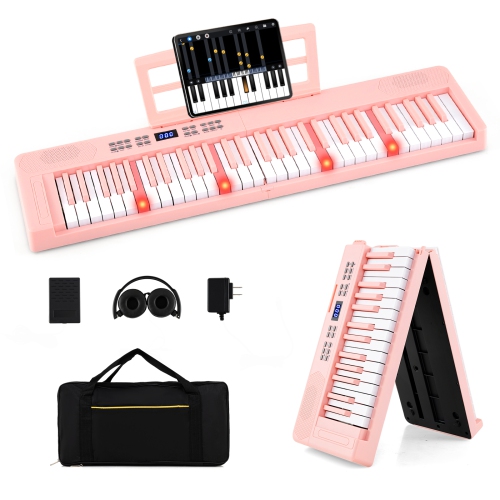
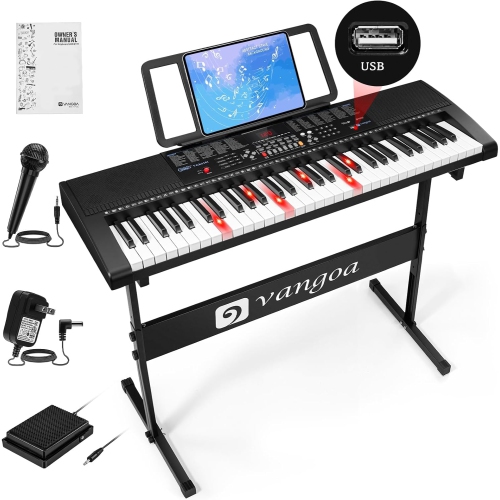
Connections and supporting features determine how easily a keyboard becomes part of a wider musical setup. A headphone output can make focused practice possible without filling a household with repeated scales, although headphone playing still calls for a comfortable listening level. Audio outputs serve a different purpose, carrying the instrument’s sound to speakers, an audio interface, or a mixer. USB and MIDI connections may allow a player to use notation software, trigger virtual instruments, or capture a performance for later editing, depending on the keyboard’s capabilities and the connected equipment. MIDI carries musical instructions rather than an audio recording, and a USB connection does not automatically mean that both audio and MIDI are supported. For someone recording at a desk, those distinctions affect whether an additional interface or another cable is needed. Pedal compatibility deserves similar attention, since sustain pedals, expression pedals, and multi-pedal units do not all use interchangeable connections. Everyday convenience can come from a clear display, accessible volume controls, a metronome, or the ability to save settings without rebuilding a sound each time. Battery operation, where supported, can make a portable keyboard useful away from a fixed power outlet. Care is generally straightforward but important: clean hands, a soft cloth, and protection from dust help keep keys and controls pleasant to use. Cleaning should follow the manufacturer’s directions, with liquid kept away from gaps and electronic connections. A padded carrying case can reduce scratches and bumps during transport, while cables stored without tight bends are less likely to place strain on plugs. As a gift, a keyboard is most useful when its format matches the recipient’s interests and setup. A piano student may value a responsive action and pedal support, a songwriter may appreciate accessible accompaniment sounds, and a computer-based musician may need controls that work well with music software. The best fit supports the way someone actually plays, whether that means working through a lesson, sketching a melody after dinner, or adding a keyboard part to a band rehearsal.
Read More

FAQ

Some products may be subject to Environmental Handling Fees (EHF) depending on your province. Learn more about EHFs.