Mini Music Keyboards
Looking to unleash your inner musician? Look no further than our collection of mini music keyboards. These compact and portable instruments offer a world of musical possibilities, allowing you to create beautiful melodies and harmonies wherever you go. Whether you're a seasoned pianist looking for a convenient practice tool or a beginner eager to dive into the world of music, our range of mini-keyboards has something for everyone. With their sleek designs, versatile features, and high-quality sound, these mini keyboards are sure to inspire creativity and elevate your musical journey. So get ready to tap into your musical potential and explore the endless possibilities with our selection of mini-music keyboards.
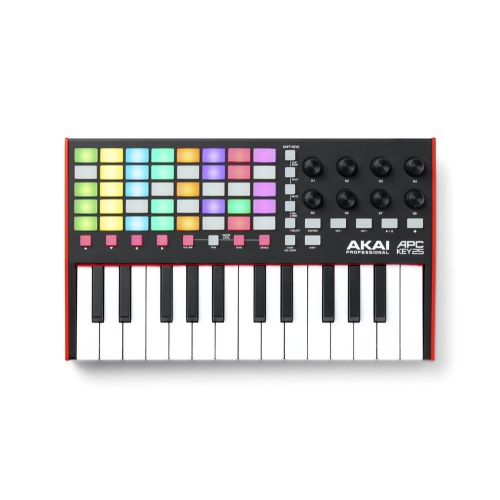
![NOVATION Launchkey Mini 25 [Mk4] — Portable 25 Mini-Key, USB, Midi Keyboard Controller w Daw Integration. Chord Mode, Scale Mode, Drum Pads, And](https://multimedia.bbycastatic.ca/multimedia/products/500x500/196/19623/19623151.jpeg)
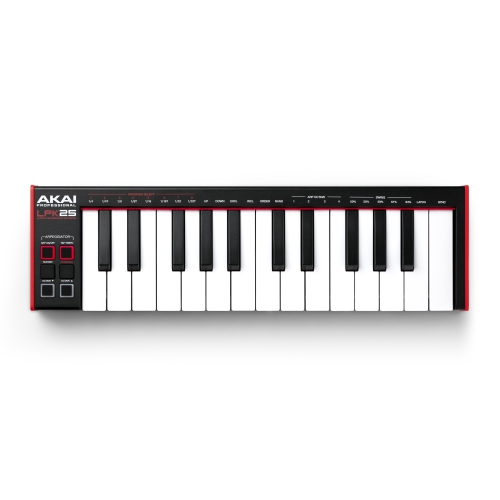
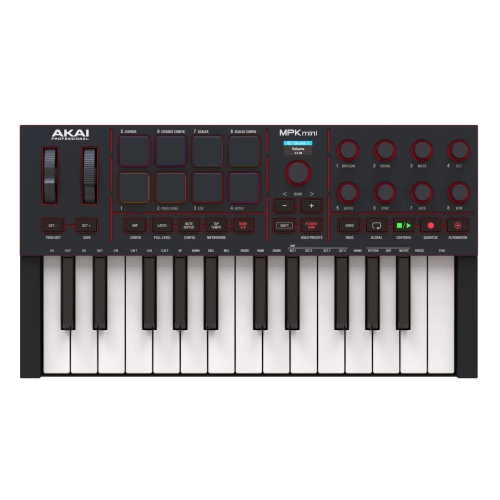
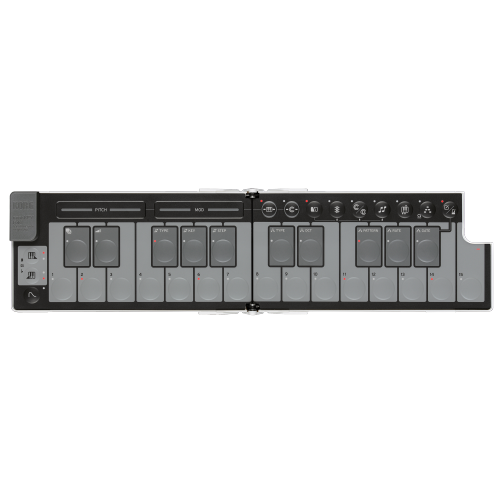
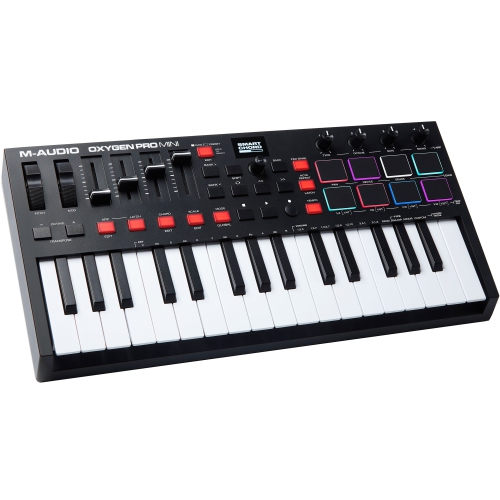
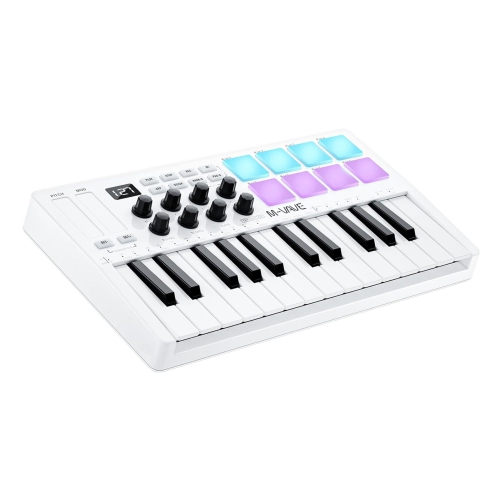
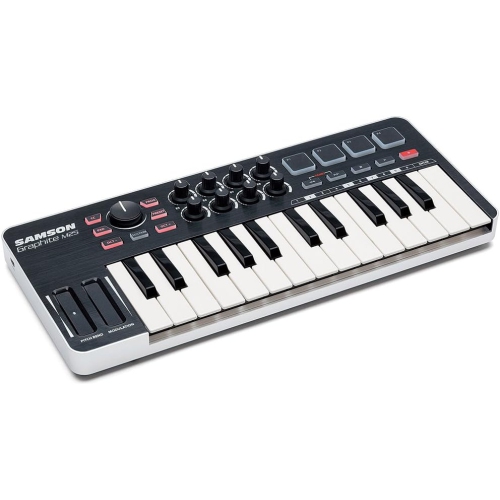
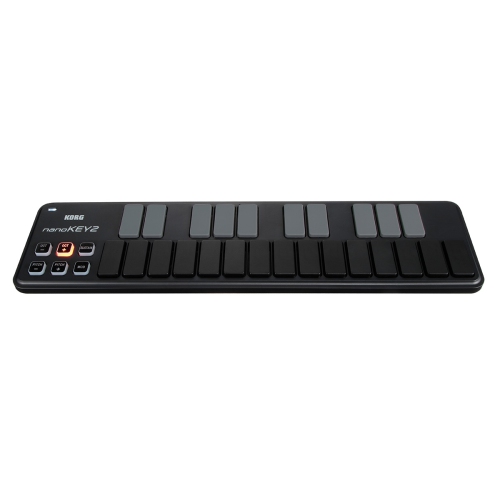
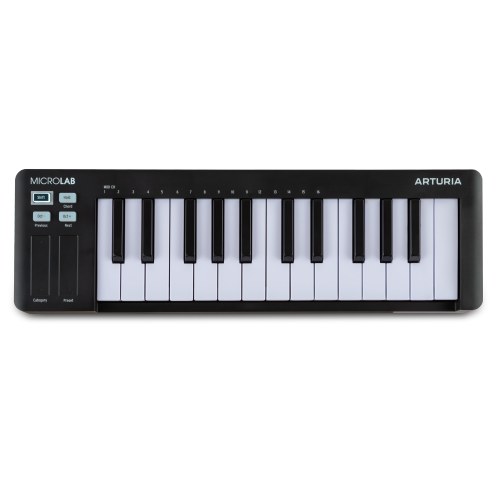

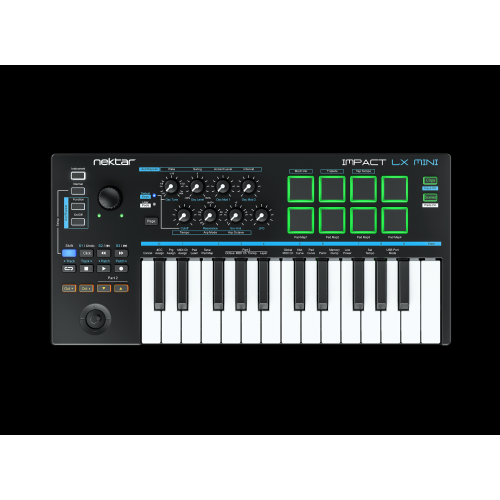
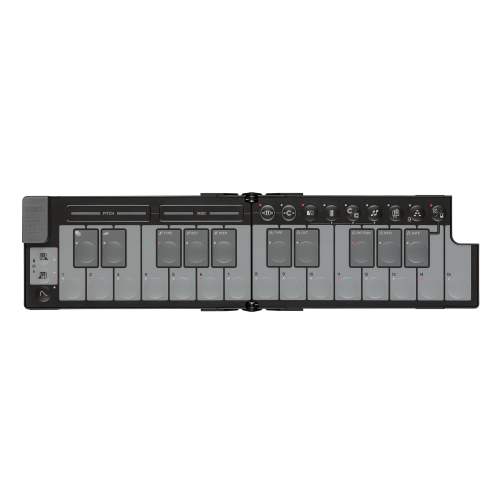
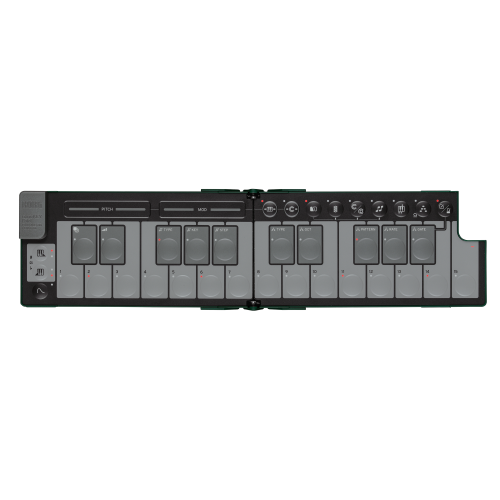
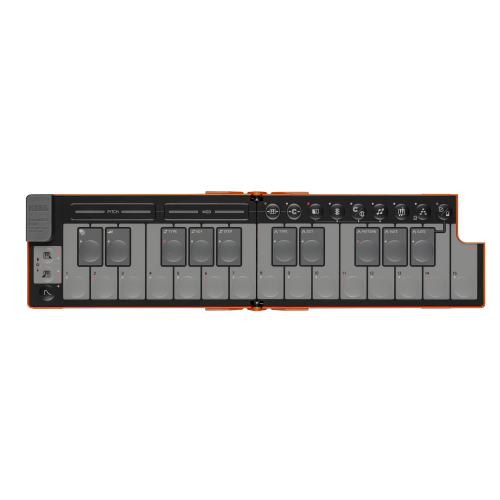
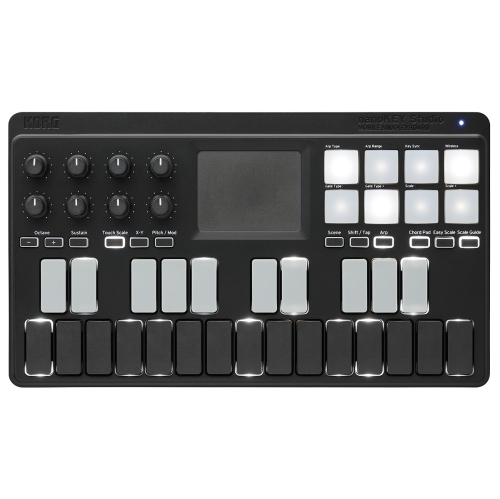
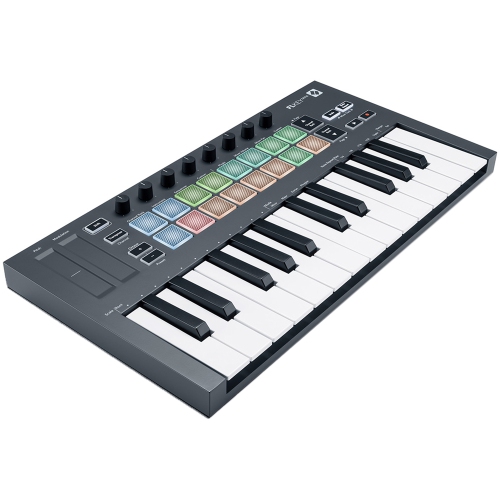
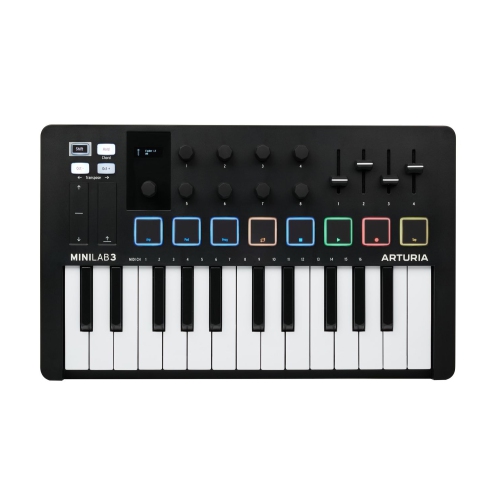
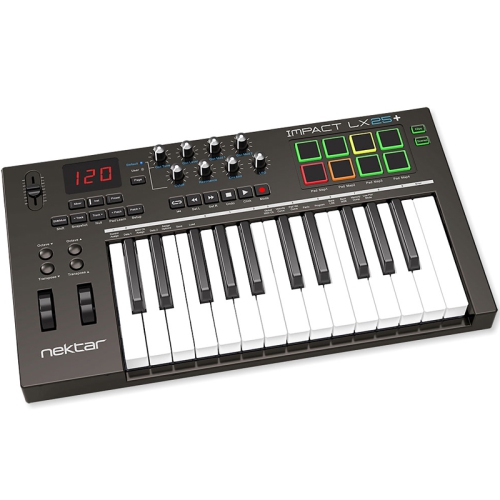
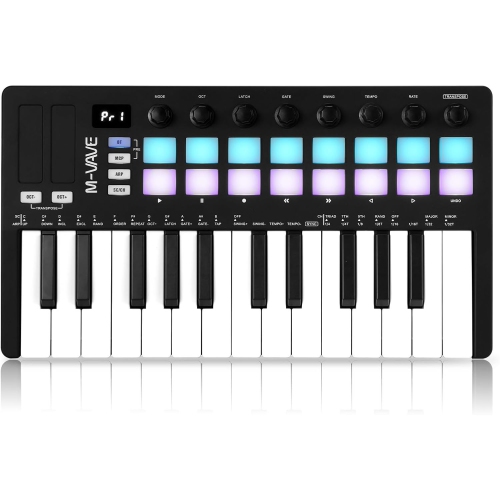
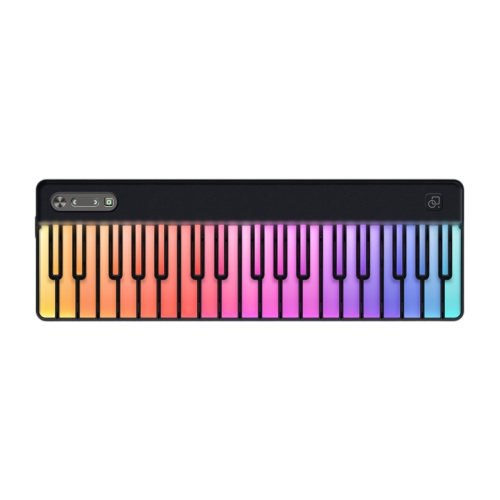
Flexible options for practice, production, and portable music-making
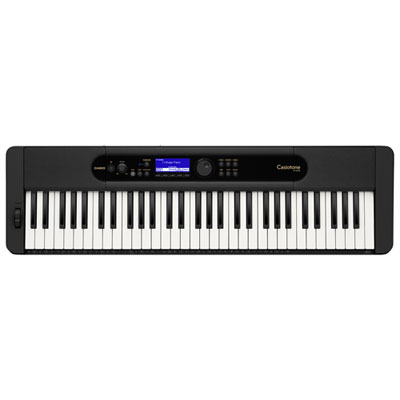
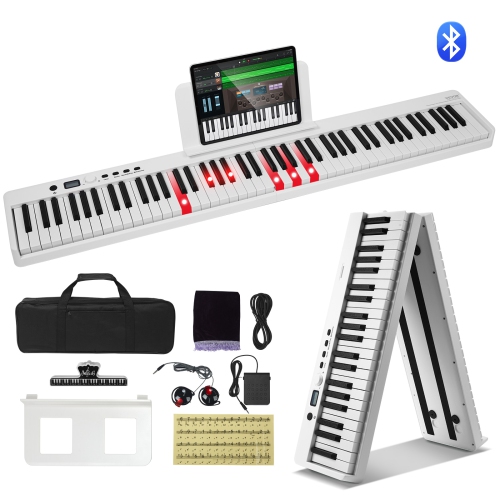
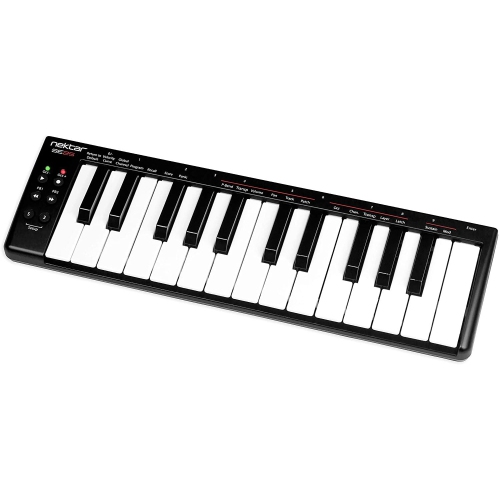
The first decision is whether to choose a standalone mini keyboard or a MIDI controller. Standalone models include built-in sounds, so they can be played through their own speaker or headphone output without connecting to a computer. This makes them convenient for casual practice, travel, family music-making, and spontaneous playing; a user can sit at a kitchen table, plug in headphones, or switch on battery power and start experimenting. Some include a selection of instrument voices, rhythms, arpeggiators, recording functions, or lesson-friendly features that help beginners hear how different notes and patterns work together. MIDI controllers, on the other hand, are primarily designed to send performance information to a computer, tablet, or phone. They typically work with digital audio workstations, virtual pianos, synthesizers, and music-making apps, allowing the player to choose sounds and record directly into software. A controller may be the better fit for someone who already uses a laptop-based setup, while a keyboard with internal sounds can be more suitable for an easy, self-contained experience. Some compact models combine both approaches, offering USB-MIDI connectivity along with internal sounds, speakers, or other performance tools. Key count also matters. Keyboards with around 25 keys are especially easy to place beside a laptop and are useful for bass lines, short melodies, drum programming, and simple chord shapes. Models with more keys provide a wider playing range and reduce the need to shift octaves as often, which can be helpful for lessons, two-handed parts, and players developing their technique. Mini keys are smaller than traditional piano keys, so they save space and feel comfortable for many casual players, though someone focused on formal piano training may prefer a larger key size or a keyboard with a more piano-like action.
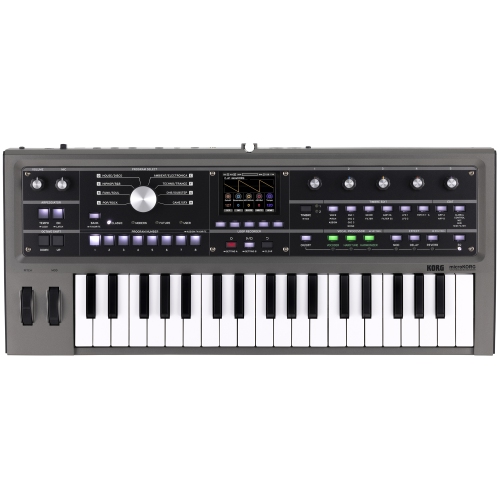
Features that affect how a mini music keyboard feels and functions include touch sensitivity, control layout, and additional performance tools. Touch-sensitive keys respond differently depending on how firmly they are played, making soft notes quieter and stronger notes more pronounced. This expressive response can make melodies feel more natural and gives beginners an early introduction to playing dynamics. A basic controller without touch sensitivity can still be useful for entering notes, triggering software sounds, and arranging music, particularly when the player prefers to adjust volume and expression inside an app. Pitch-bend and modulation controls can add movement to synthesizer sounds, while knobs, buttons, and assignable controls provide hands-on access to effects, filters, volume, or software functions. Models with drum pads may appeal to beat makers who want to tap out rhythms as well as play notes; a keyboard-focused layout may be preferable for piano practice, chord work, or melody writing. Connection options should match the intended setup. USB is common for sending MIDI data and may also power the keyboard directly from a computer, reducing the number of cables needed on a desk. Some models support wireless MIDI, which can be useful with compatible mobile devices and helps keep a portable setup uncluttered. Check the required adapters before pairing a keyboard with a phone or tablet, since a separate connection accessory may be needed. Power requirements are equally important for mobile use: USB power suits laptop workstations, while battery operation allows playing in a living room, on a trip, or in another space without an outlet nearby. Finally, consider the keyboard’s weight, dimensions, included software, headphone support, and storage needs. A slim design may slide beneath a monitor or into a backpack, but a model with more controls may need extra room. Whether it is used to practise scales, create a soundtrack for a video, explore electronic sounds, or make a quick recording before an idea disappears, a mini music keyboard can offer an accessible and rewarding way to make music in almost any space.
Top selling and popular products
-
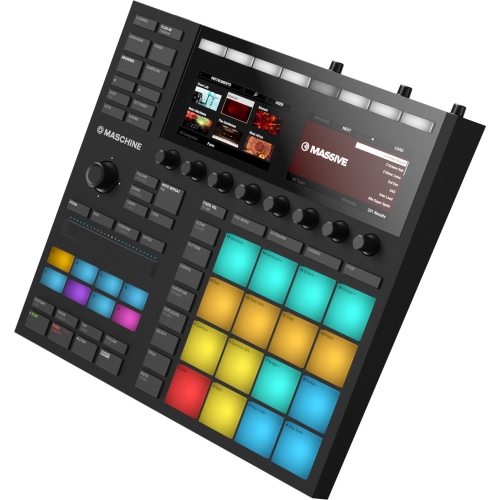 Your price for this item is $609
 -
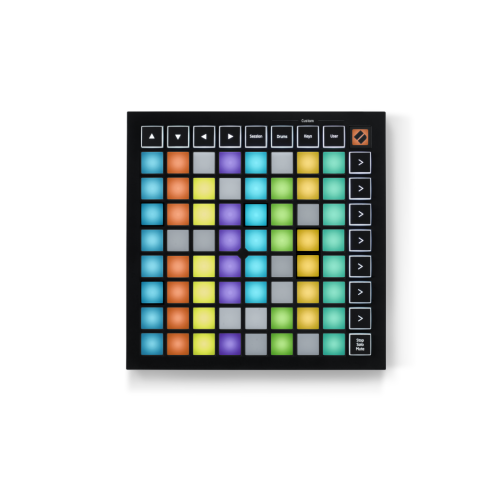 Your price for this item is $129.99
 -
![NOVATION Launchkey 25 [Mk3] Midi Keyboard Controller for Ableton Live](https://multimedia.bbycastatic.ca/multimedia/products/500x500/175/17552/17552265.png) Your price for this item is $169
Your price for this item is $169 -
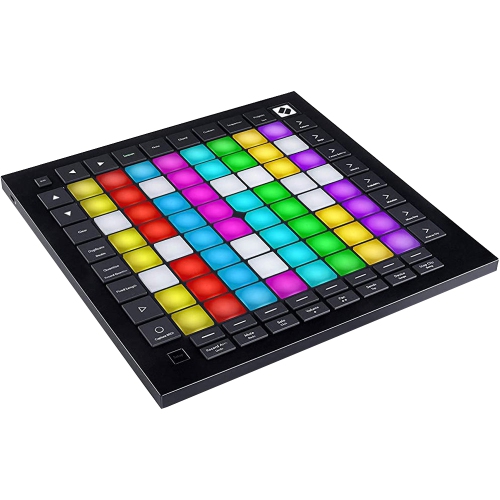 Your price for this item is $399.99
 -
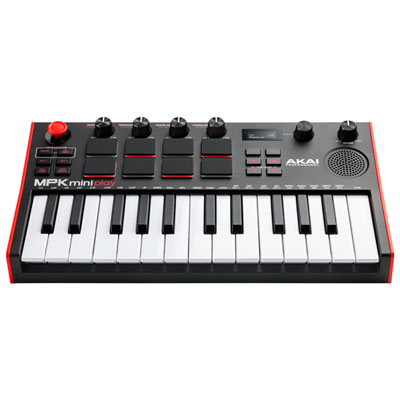 Your price for this item is $189.99
 -
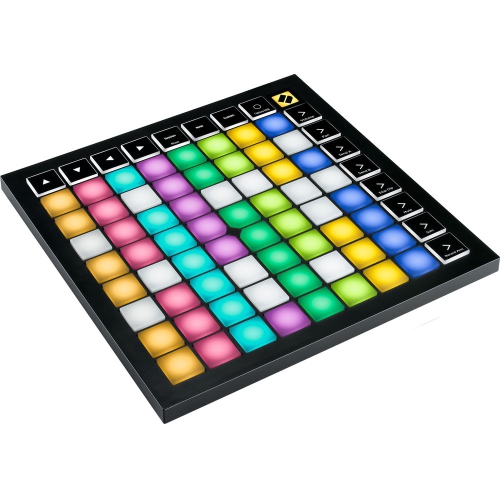 Your price for this item is $219.99
 -
![NOVATION Launchkey Mini 37 [Mk4] — Portable 37 Mini-Key, USB, Midi Keyboard Controller w Daw Integration. Chord Mode, Scale Mode, Drum Pads, And](https://multimedia.bbycastatic.ca/multimedia/products/500x500/196/19623/19623149.jpeg) Your price for this item is $229
Your price for this item is $229 -
![NOVATION Launchkey 61 [Mk4] – 61 Key Semi-Weighted, USB, Midi Keyboard Controller w Daw Integration. Chord & Scale Modes, 8 Drum Pads, &](https://multimedia.bbycastatic.ca/multimedia/products/500x500/196/19623/19623154.jpeg) Your price for this item is $399.99
Your price for this item is $399.99