Kitchen Range Fans

Find kitchen range fans to help clear cooking smoke, steam and odours from above your stove. Compare range hood options by dimensions, ventilation capacity and noise level, and check installation and ducting requirements to find the right fit for your kitchen.
Read More

Sort

Better kitchen ventilation starts with the right fit

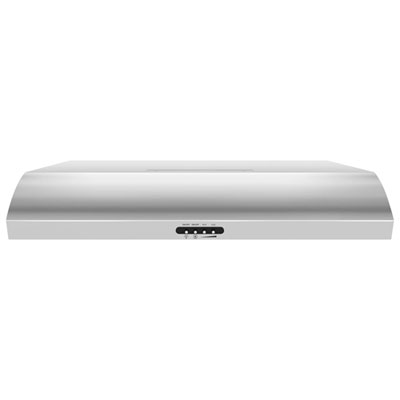
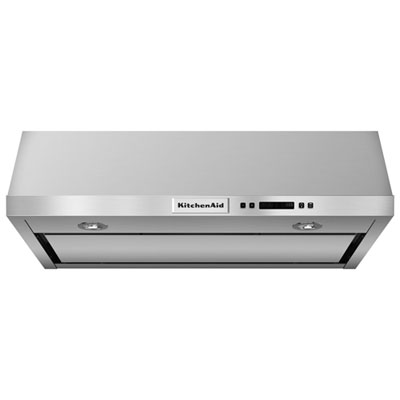
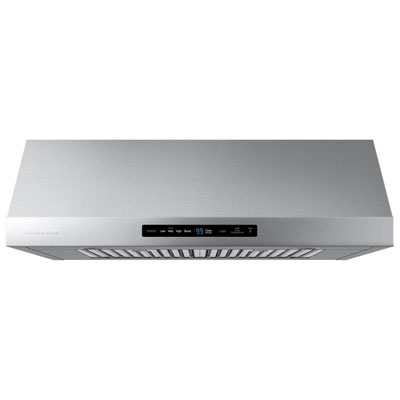
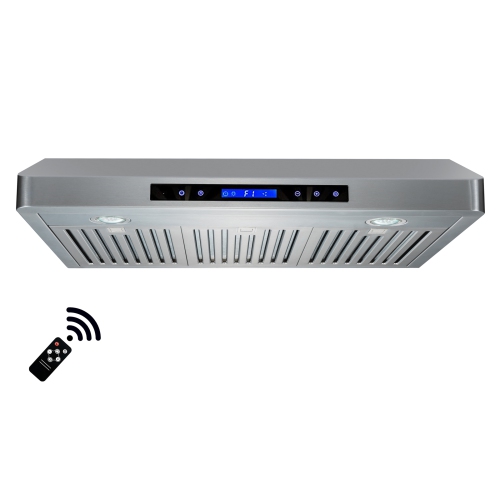
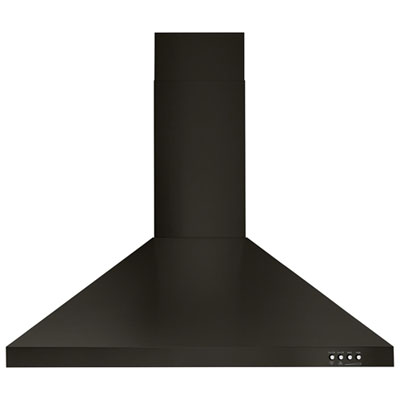
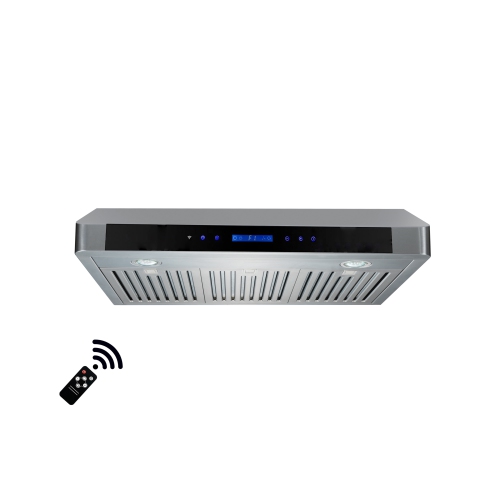
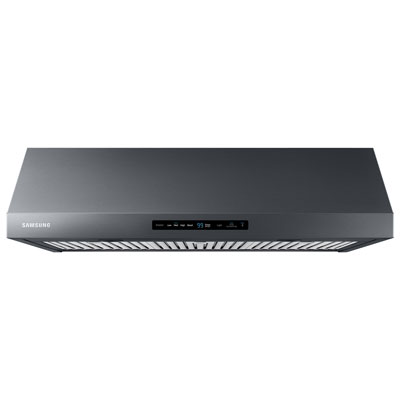
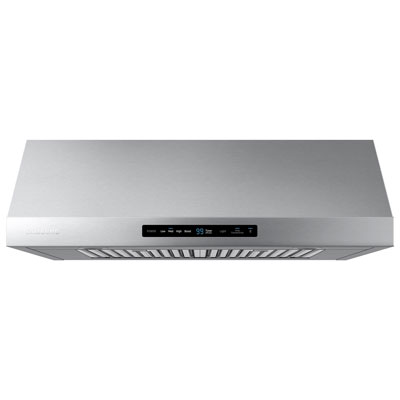
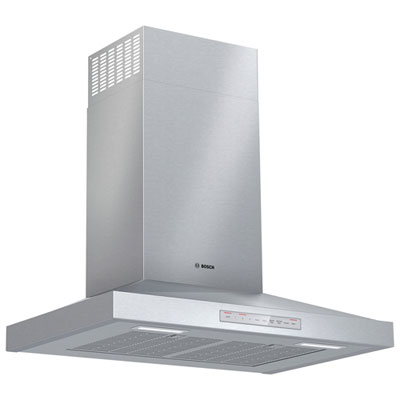
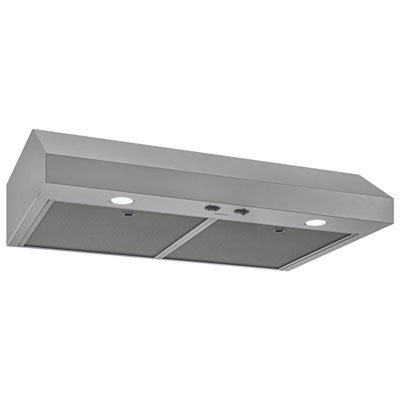
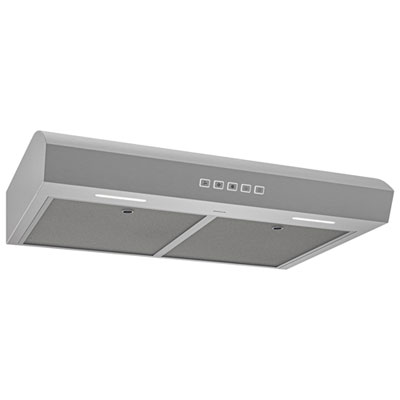
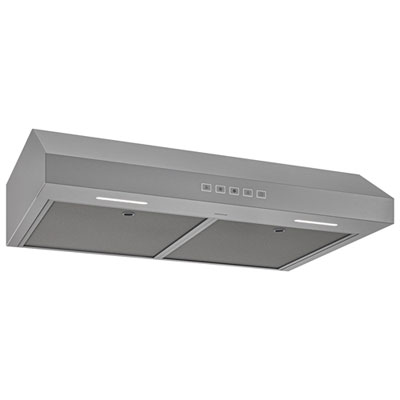
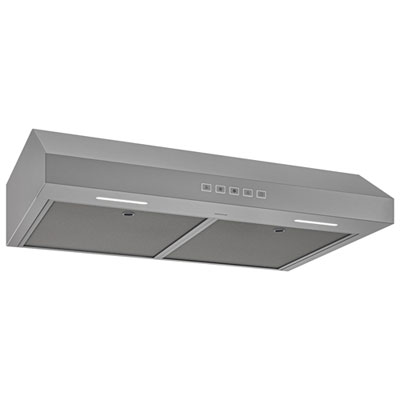
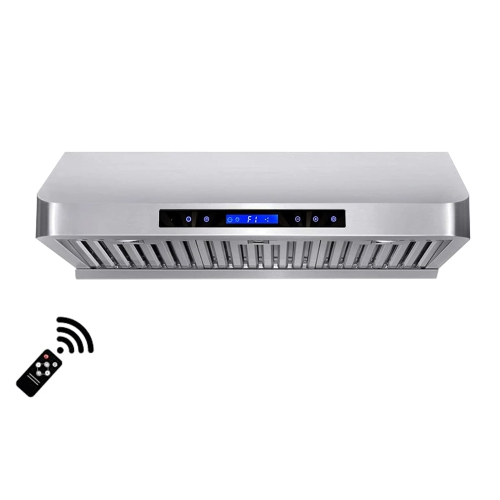
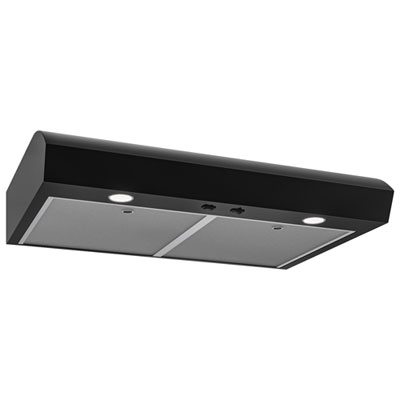
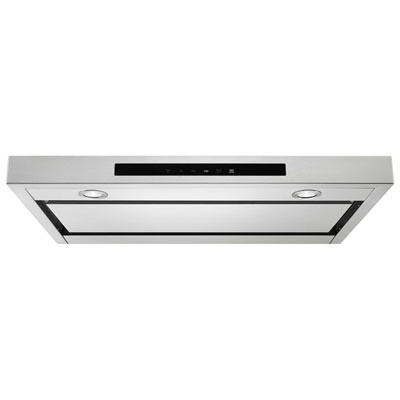
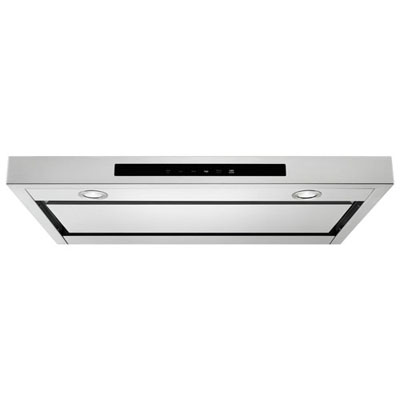
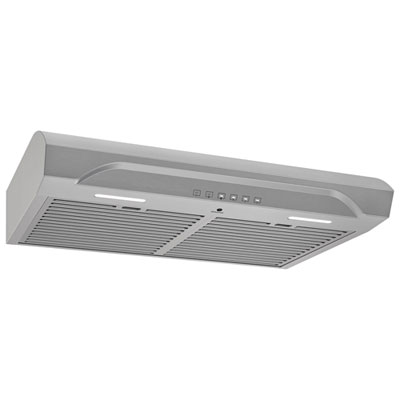
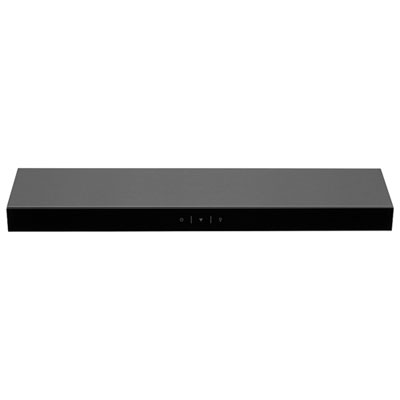
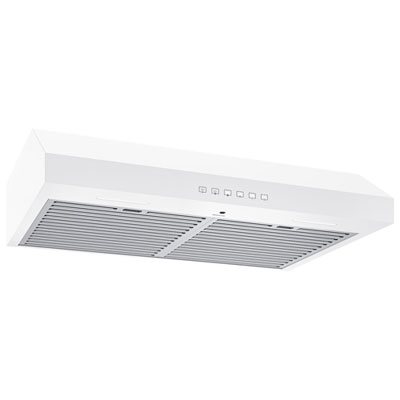
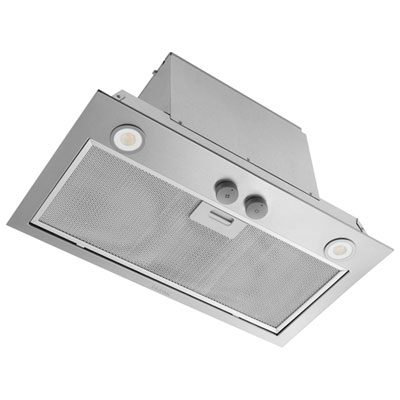
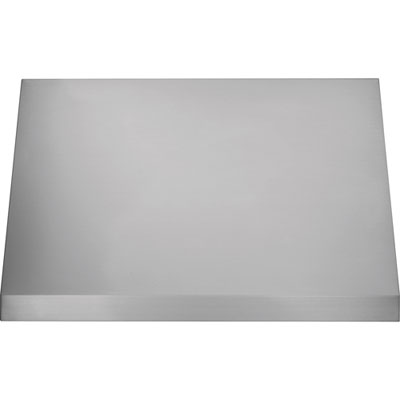
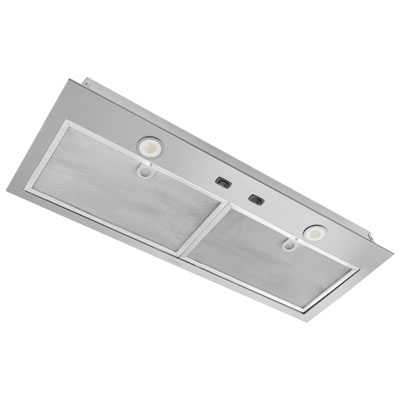
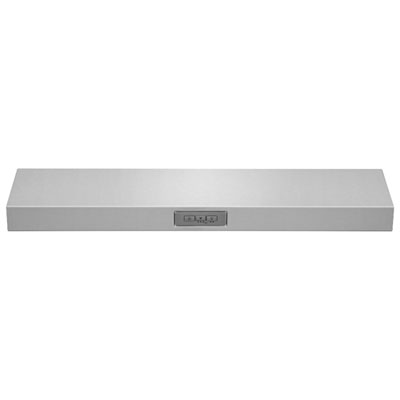
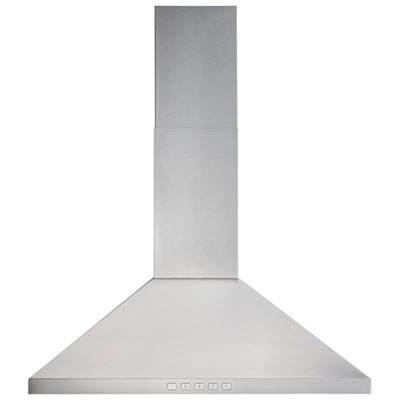
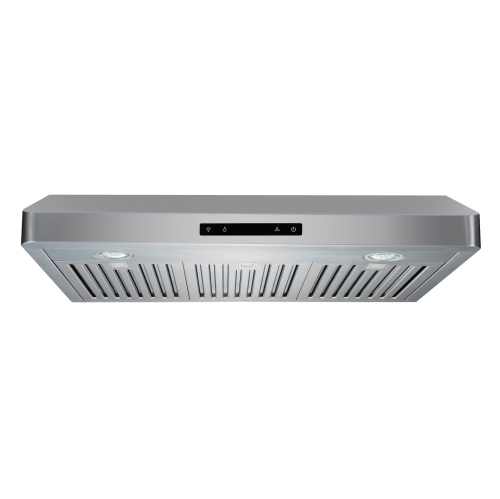
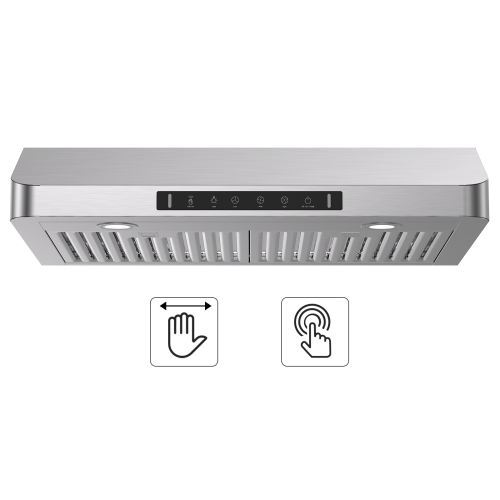
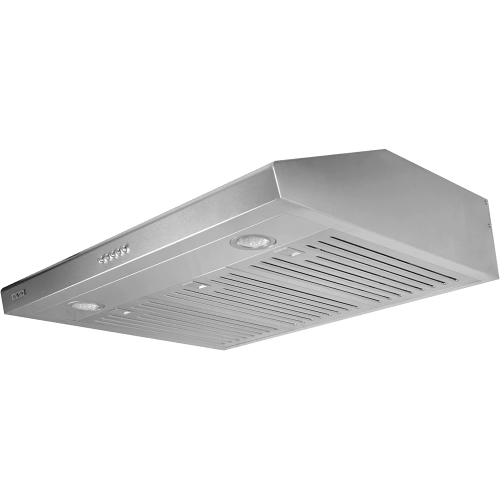
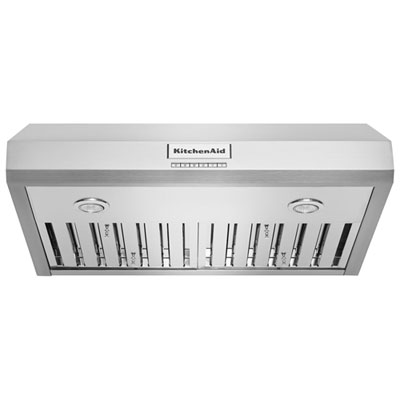
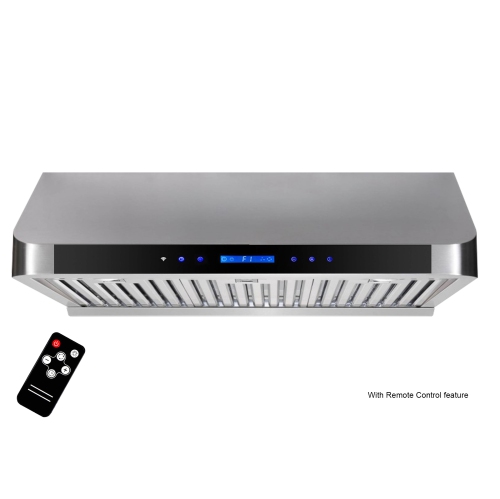
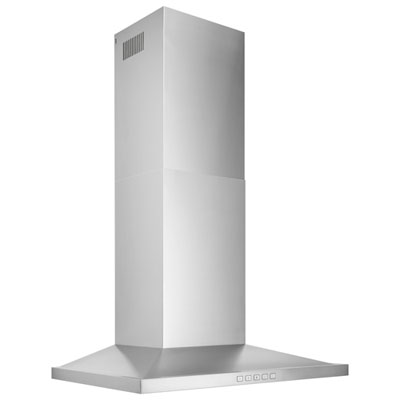
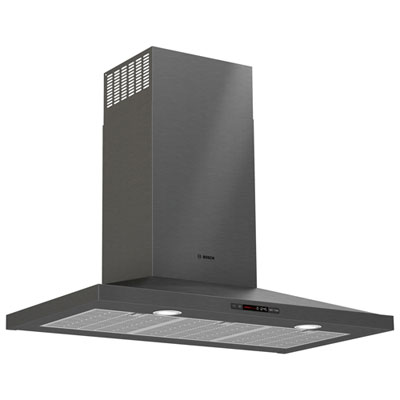
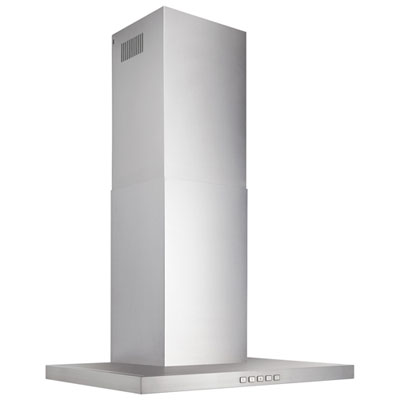
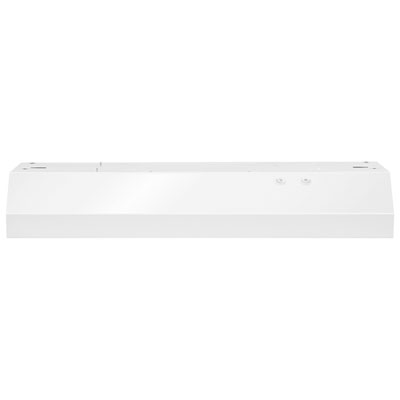
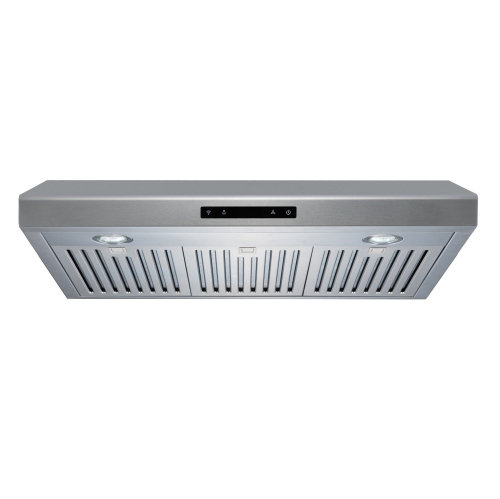
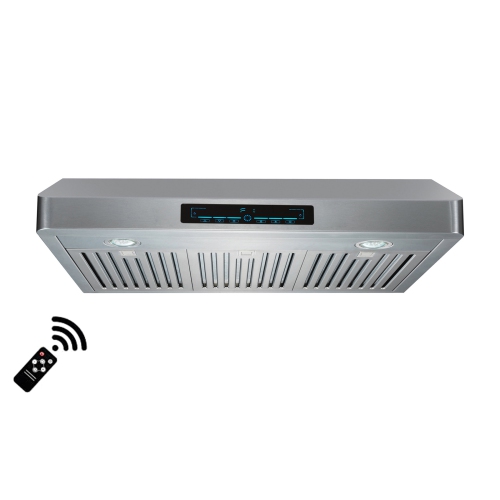
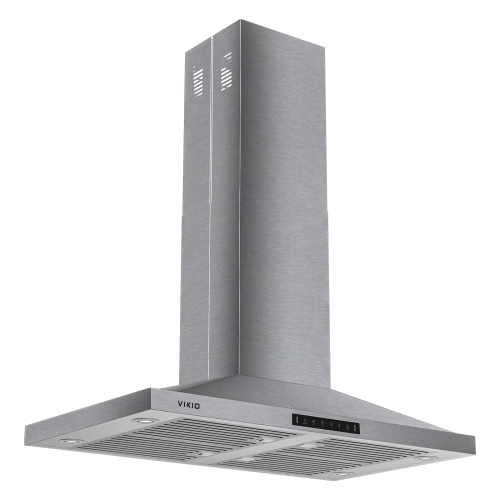
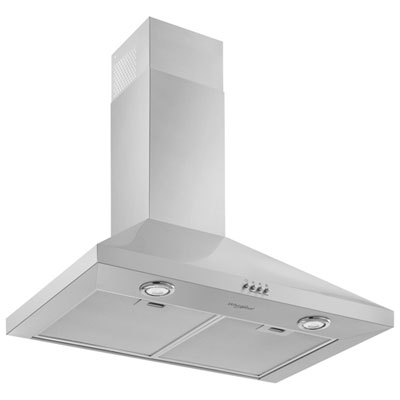
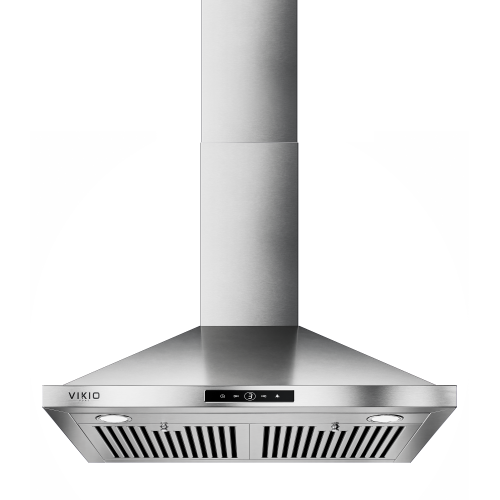
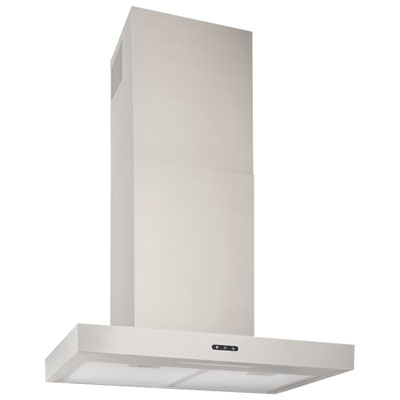
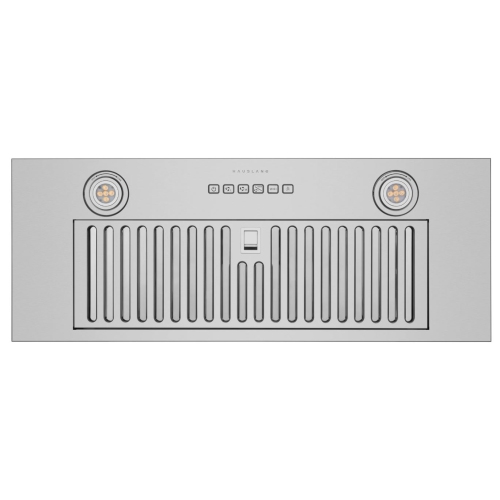
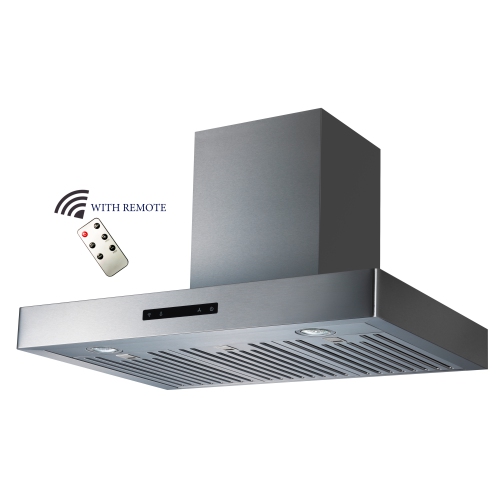
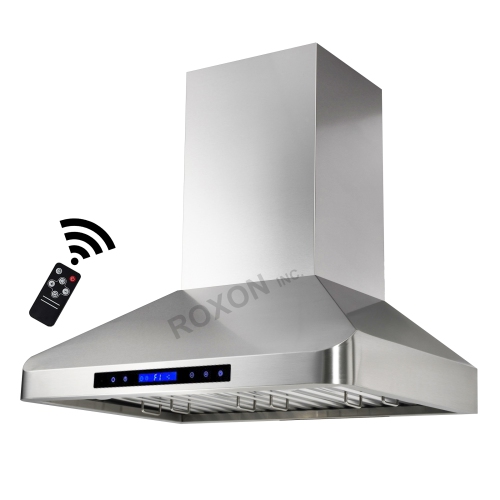
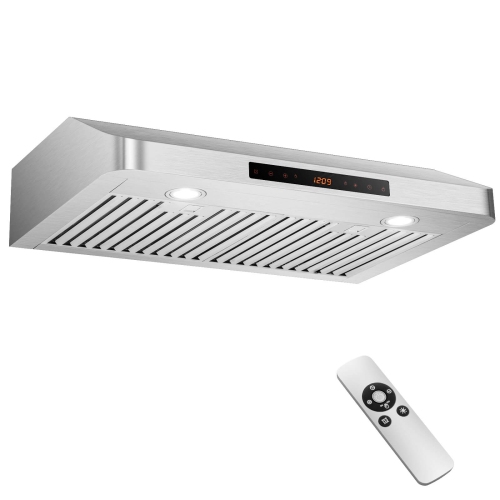
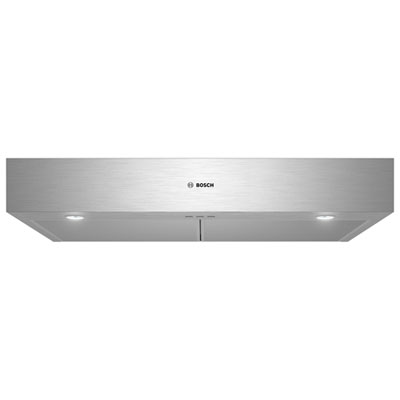
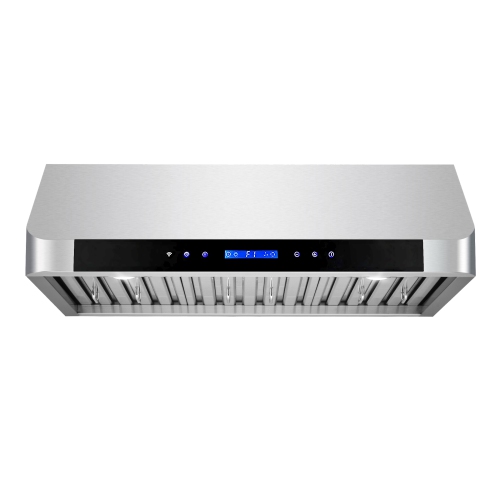
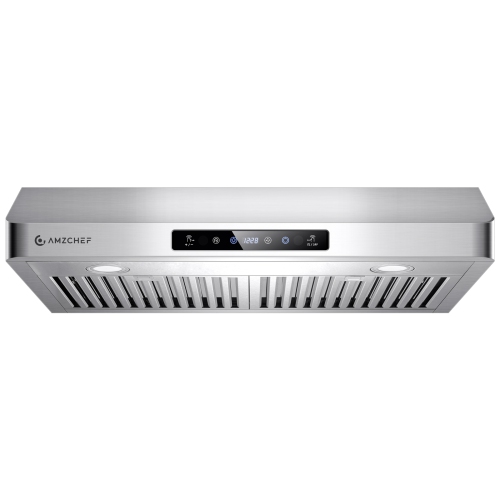
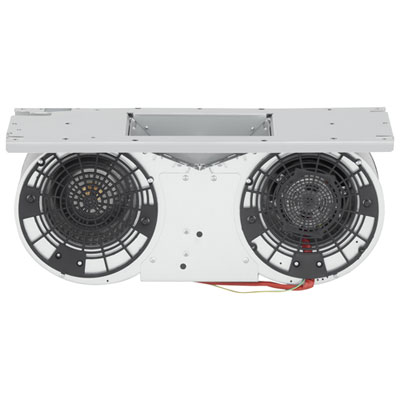
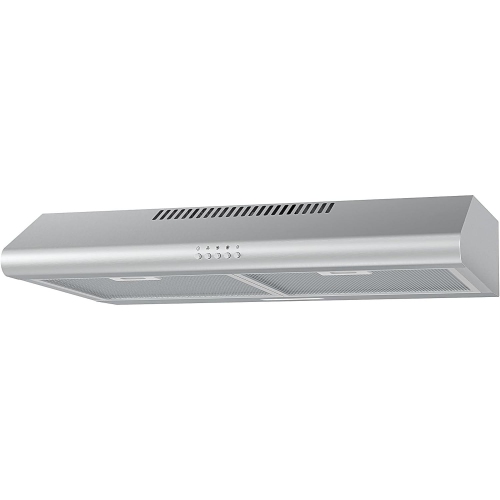
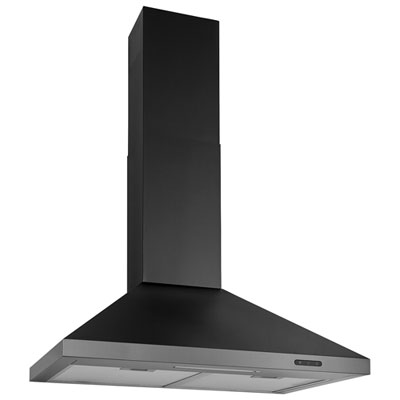
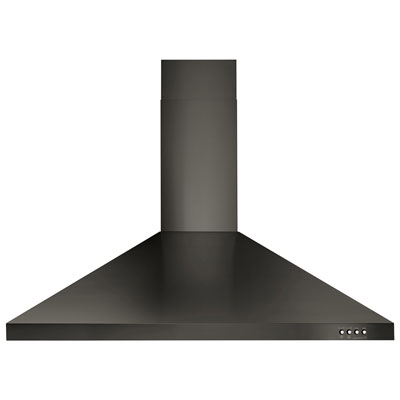
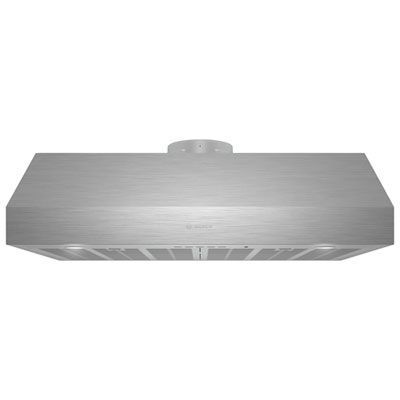
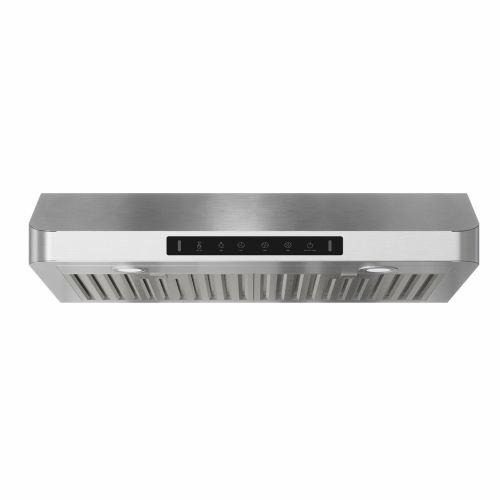
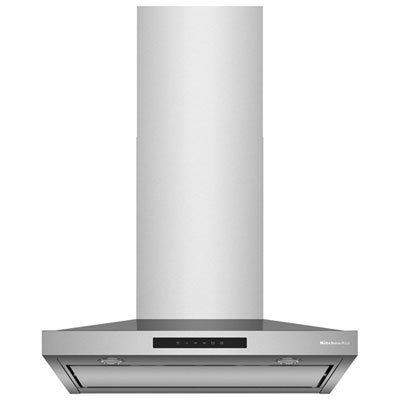
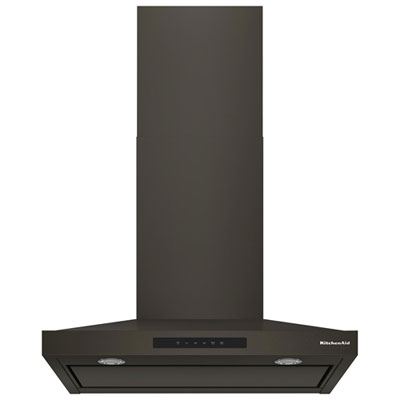
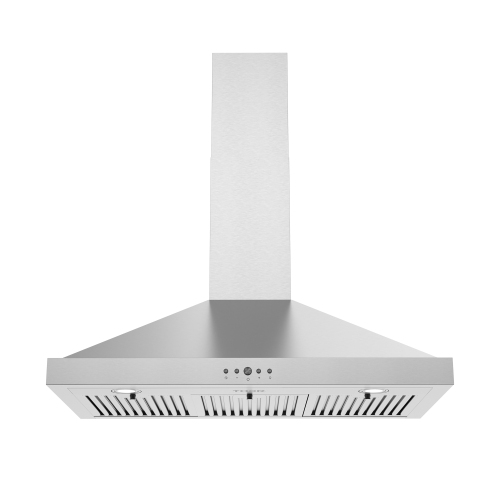
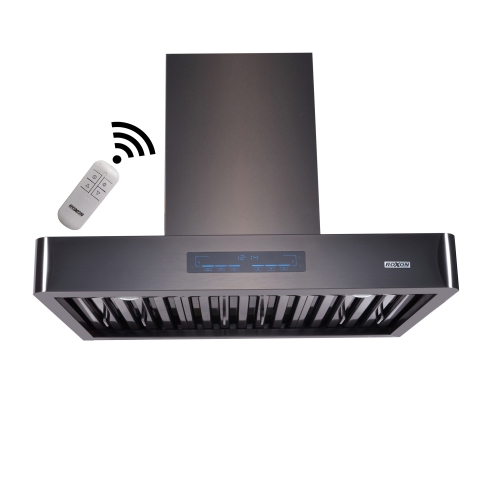
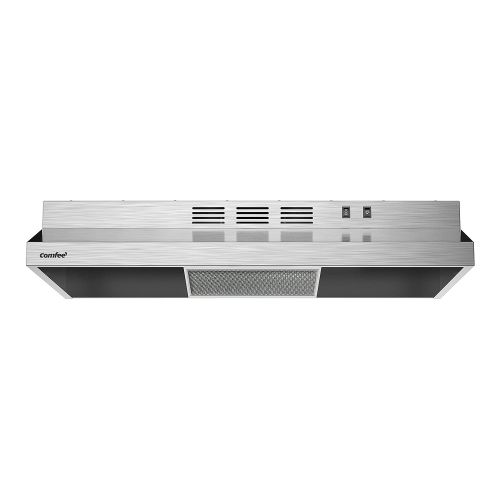
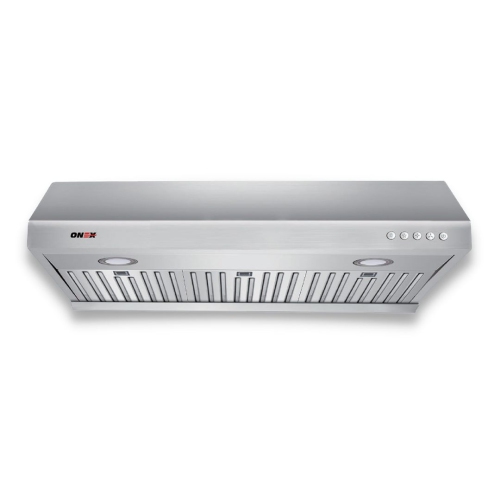
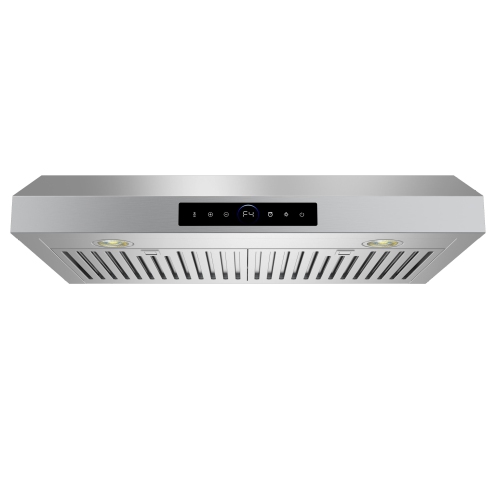
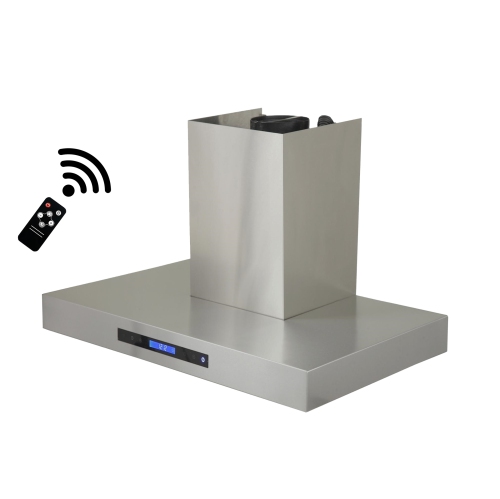
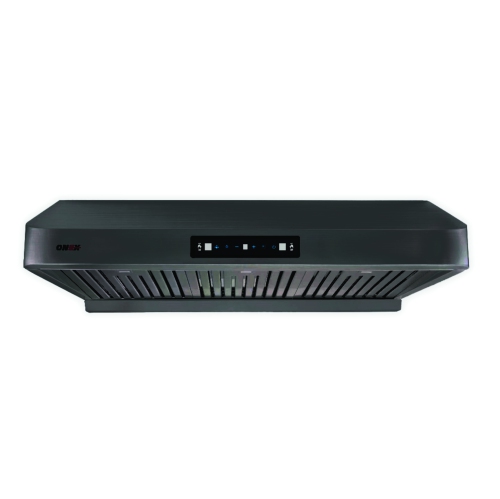
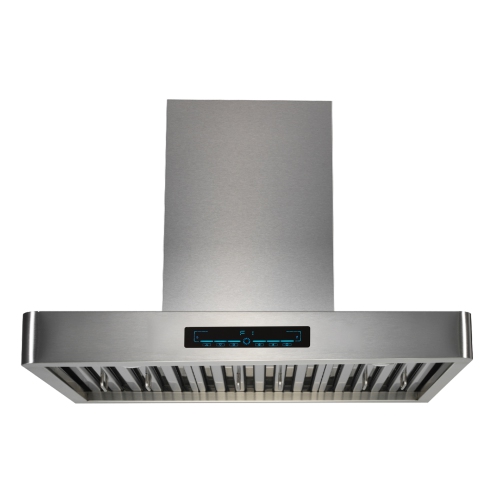
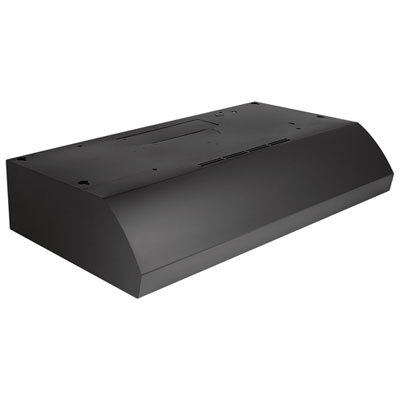
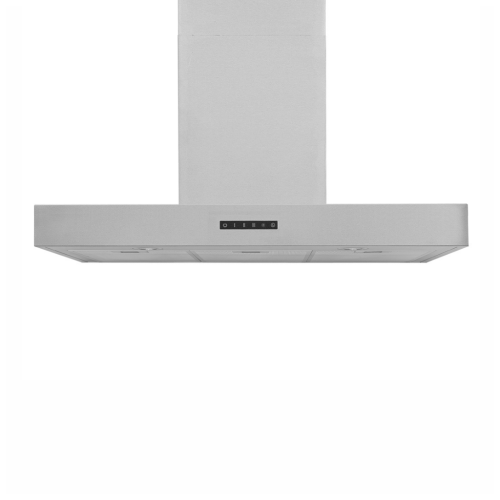
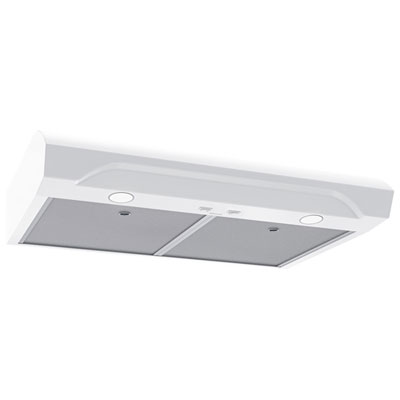
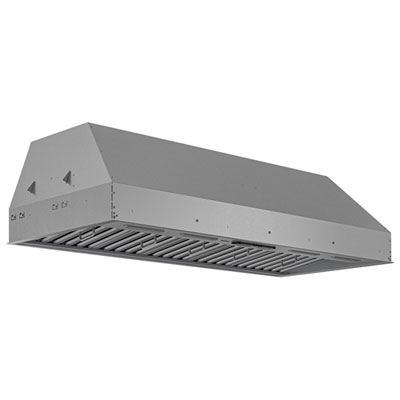
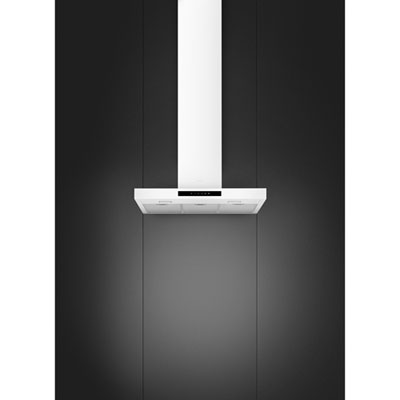
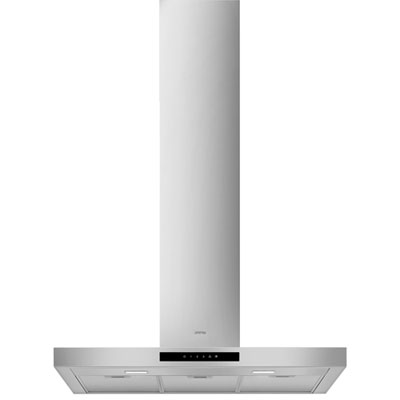
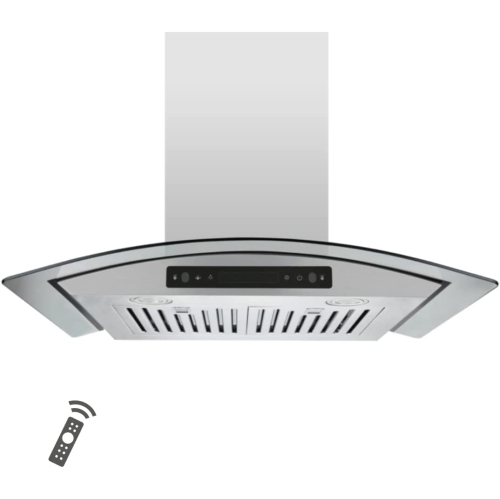
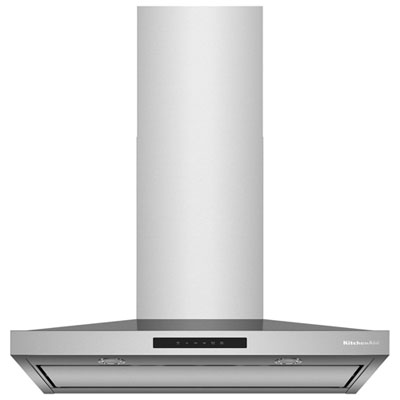
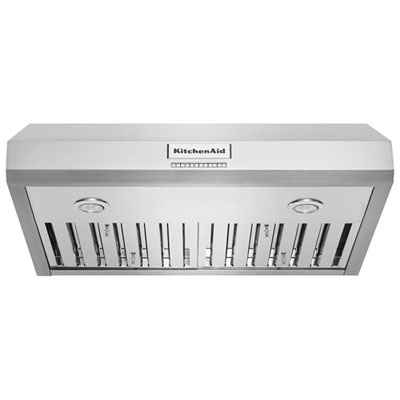
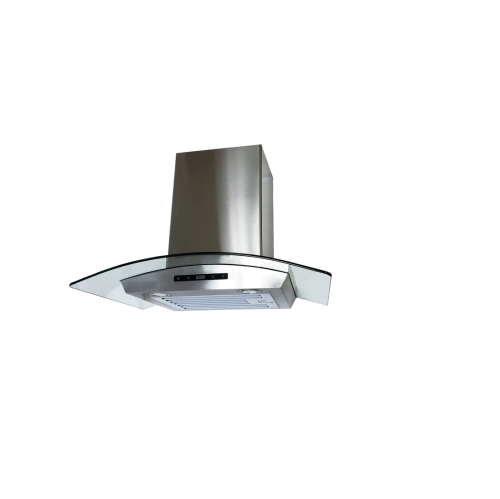
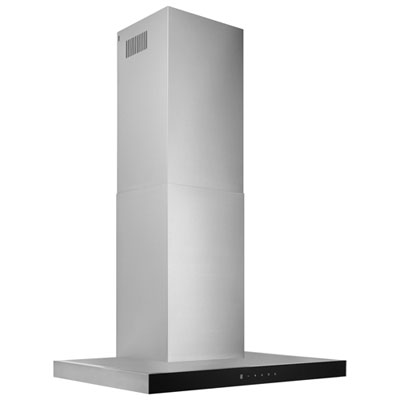
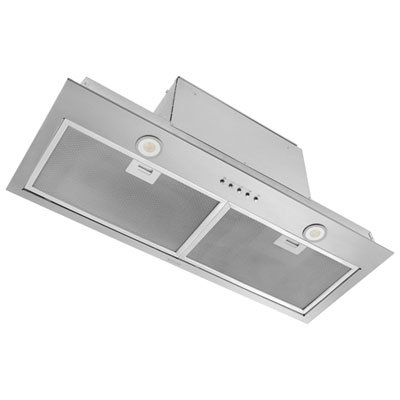
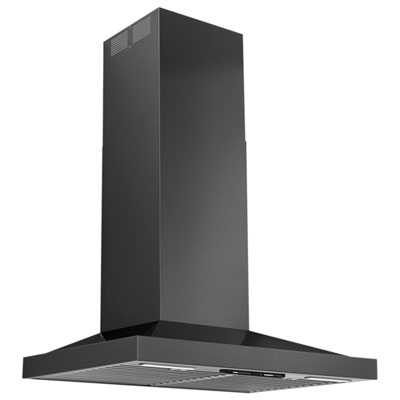
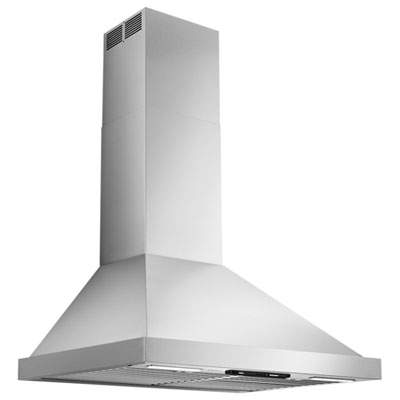
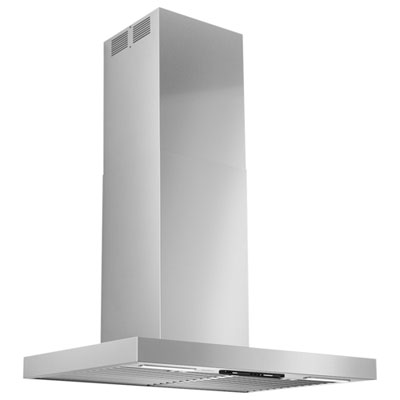
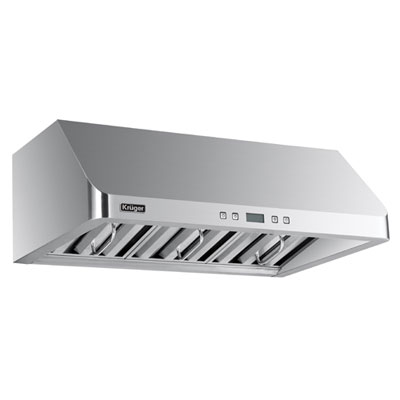
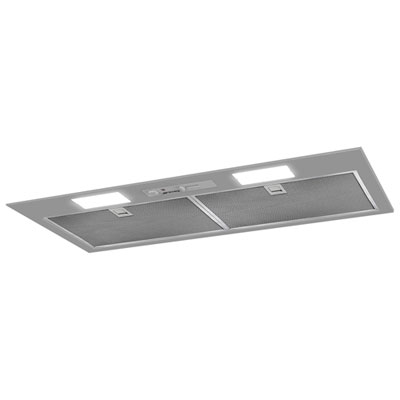
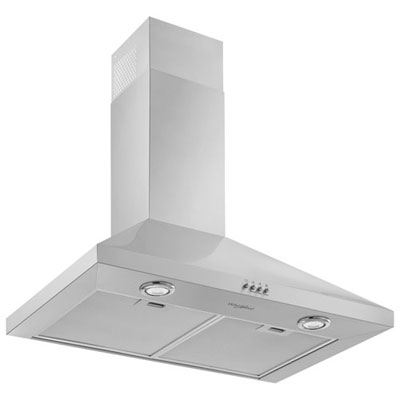
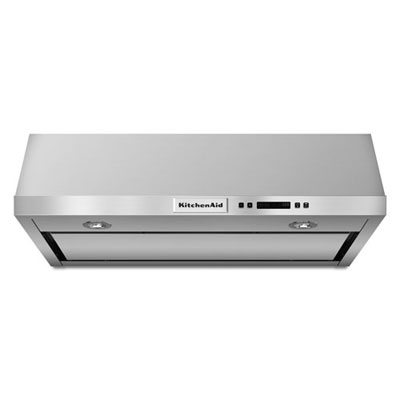
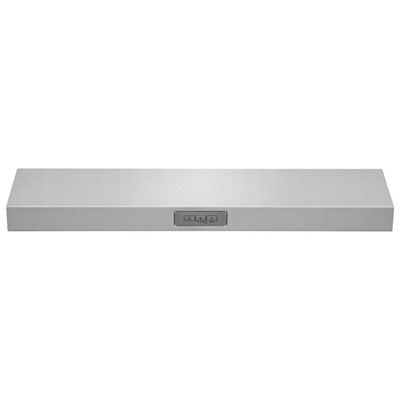
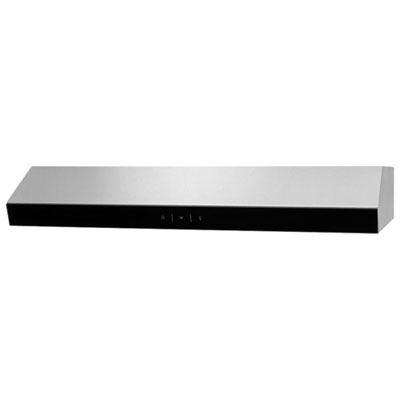
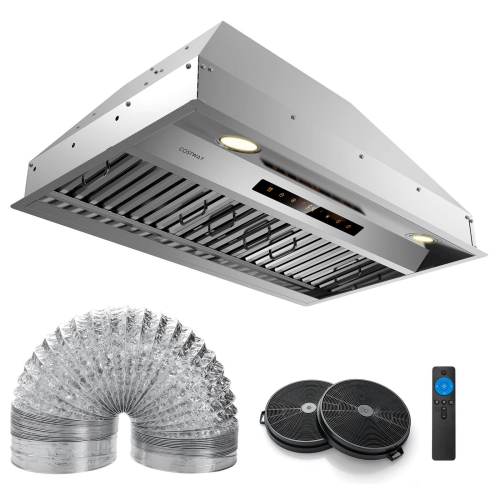
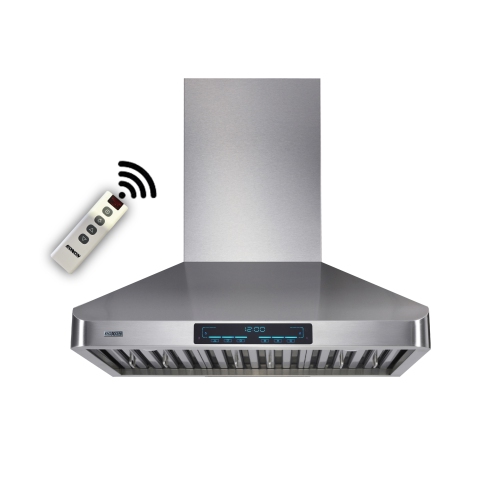
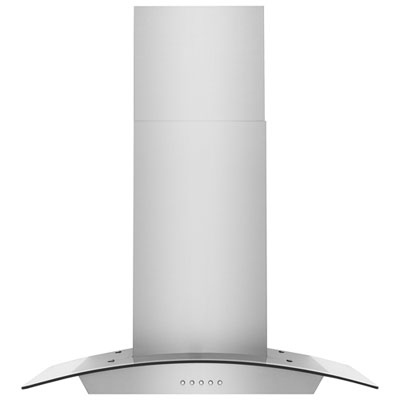
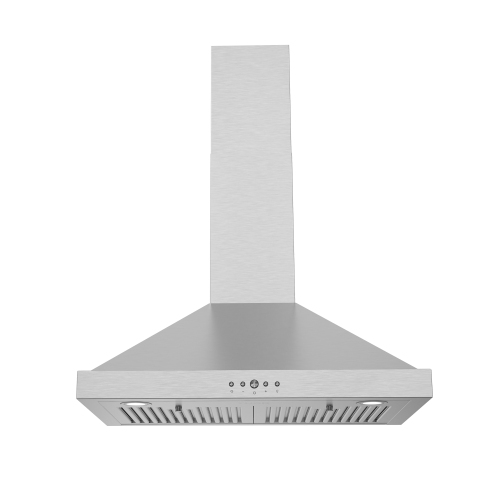
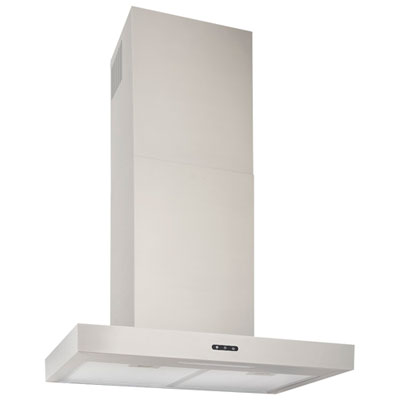
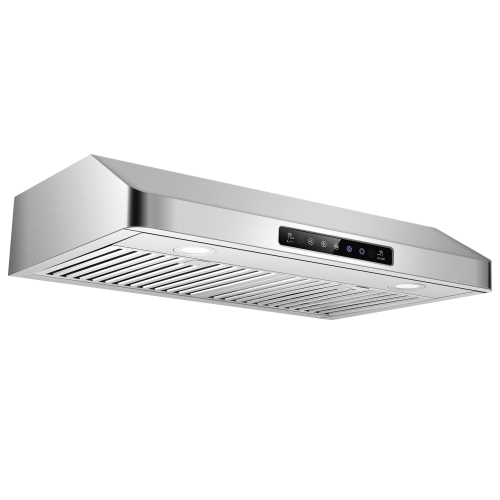
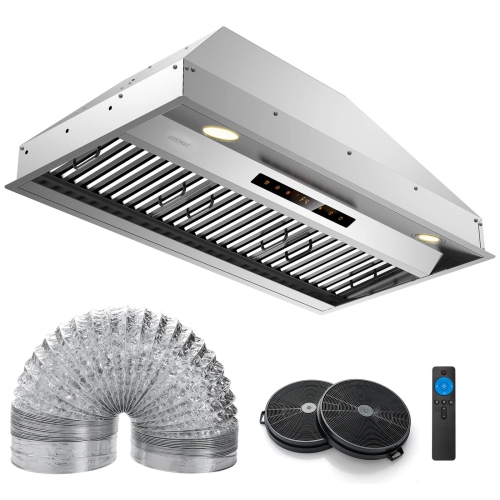
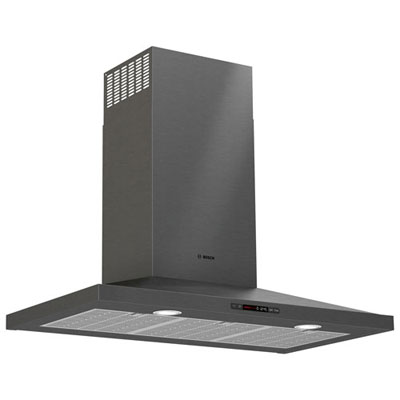
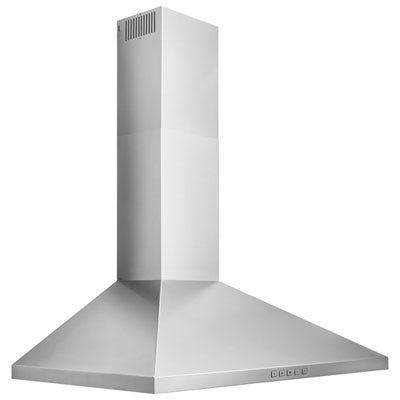
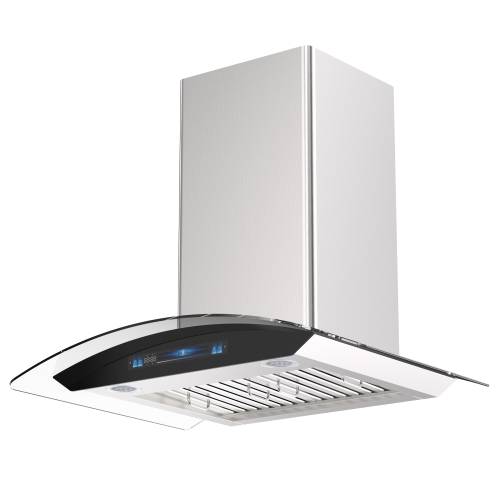
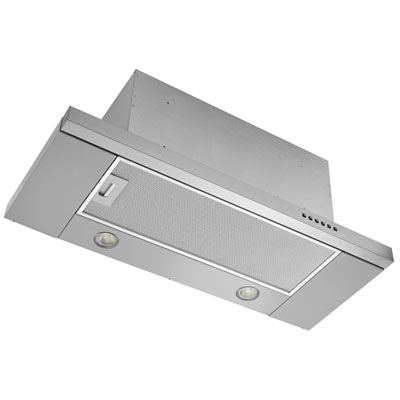
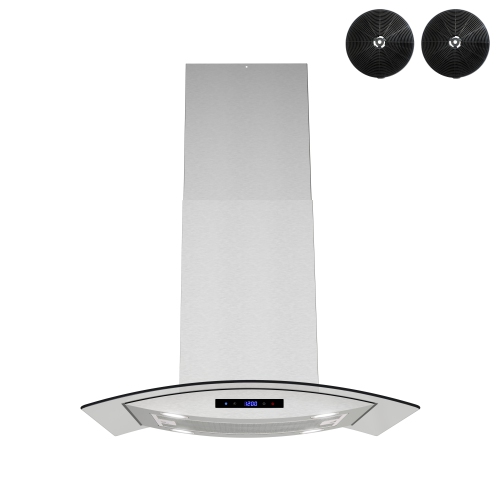
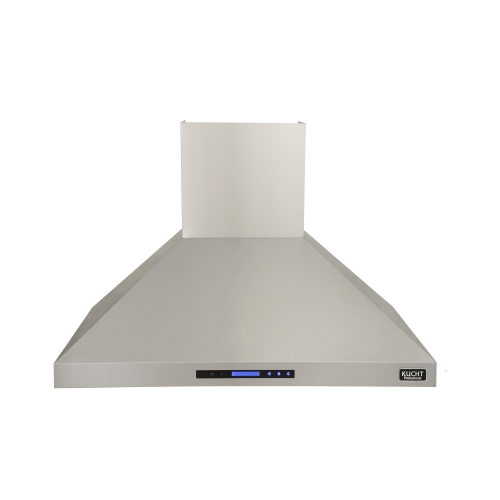
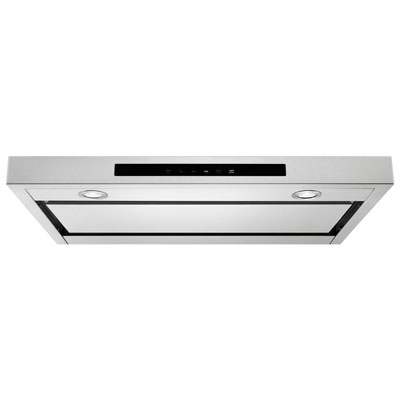
Kitchen range fans help manage airborne grease and cooking odours, making ventilation an important part of a kitchen renovation or appliance replacement. Often referred to as range hoods, these appliances sit above a cooktop or range and draw cooking air through filters, with performance that depends on the fan, installation and ventilation setup. Different mounting styles suit different kitchen layouts: under-cabinet designs fit beneath overhead cabinetry, wall-mounted hoods create a visible focal point above the cooking surface, and island hoods serve cooktops positioned away from a wall. Built-in hood inserts offer another approach for kitchens with a custom enclosure. When comparing styles, consider the available space, the position of surrounding cupboards and how the hood will sit above your cooking surface. Width, depth and the installation height specified by the manufacturer all matter, since a suitable fit helps the hood capture cooking vapours without interfering with everyday access to pots, pans and nearby storage.
The choice between ducted and recirculating ventilation is a key consideration when shopping for kitchen range fans. A ducted setup directs cooking air outdoors through an exhaust route, helping remove moisture and heat along with cooking odours and airborne particles. A recirculating setup filters air before returning it to the kitchen and may suit spaces where an outdoor duct connection is not practical, provided the hood supports that installation method. Recirculating ventilation does not remove moisture in the same way as an outdoor exhaust system, and odour-filter replacement becomes part of regular upkeep. For a replacement hood, check the existing duct size, connection location and discharge direction rather than relying on exterior dimensions alone. For a new installation, the duct route, electrical connection and any applicable make-up air requirements can affect the work involved. Compatibility with the cooking appliance and local installation requirements is especially important when selecting ventilation for a gas range or a higher-output cooktop.

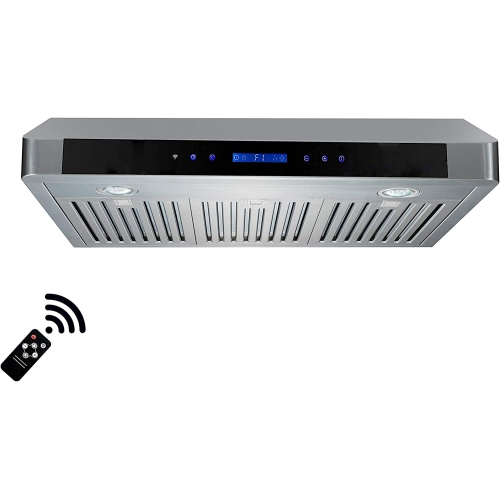
Airflow, sound and ease of maintenance help distinguish kitchen range fans beyond their appearance. Airflow is commonly measured in cubic feet per minute, or CFM, but a higher rating alone does not guarantee better results; hood coverage and duct design also influence how effectively cooking air is captured. Those who frequently sear, fry or cook with several burners may have different ventilation needs from those who mainly simmer or reheat food. Multiple fan speeds allow airflow to be adjusted to the task, while published sound ratings can help with comparisons when measured on the same basis. Quieter operation may be particularly valuable in an open-concept kitchen connected to a living or dining area. Integrated lighting, accessible controls and easy-to-remove grease filters are useful details to compare for daily use. Check whether filters are washable or require replacement, how readily they can be reached, and whether a recirculating installation needs an additional filter kit. Balancing these practical details with fit and ventilation compatibility helps narrow the choice to a range fan suited to your kitchen and cooking habits.

Read More

FAQ

Some products may be subject to Environmental Handling Fees (EHF) depending on your province. Learn more about EHFs.