Kitchenaid Double Ovens
Upgrade your kitchen with the convenience and versatility of a double oven. With two separate cooking chambers, you can bake, roast, and broil multiple dishes simultaneously, saving you time and effort in the kitchen. Whether you're hosting a dinner party or simply preparing a family meal, a double oven offers ample cooking space and precise temperature control for perfect results every time. Discover the benefits of having a KitchenAid double oven in your kitchen and take your culinary skills to the next level.
Sort
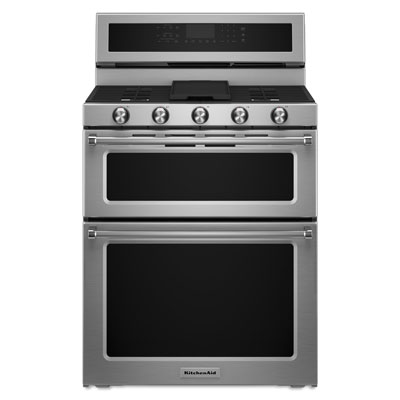
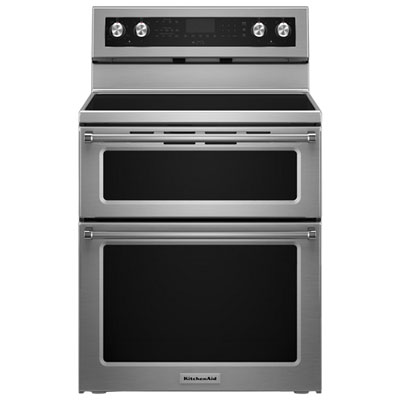
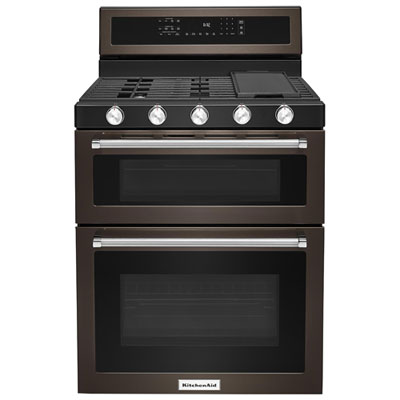
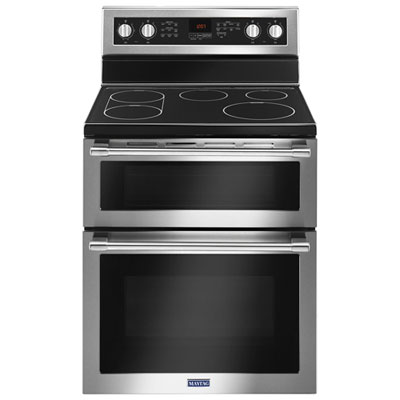
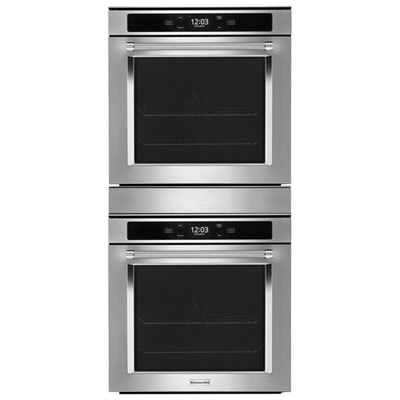
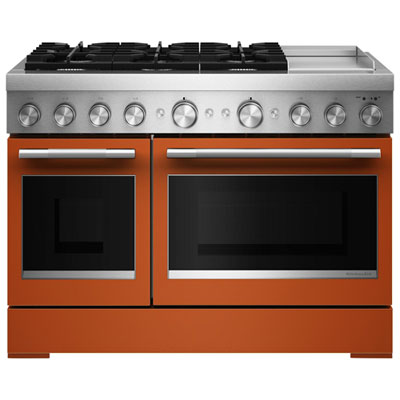
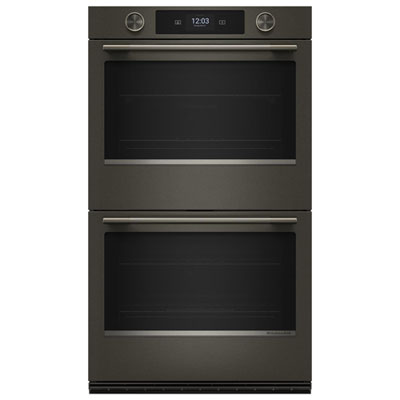
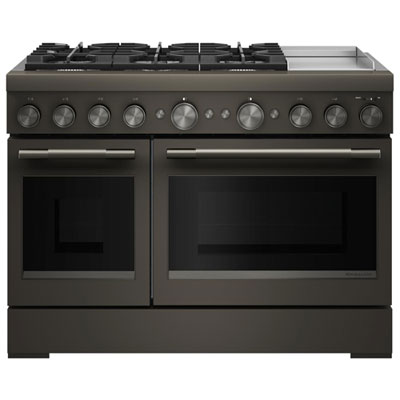
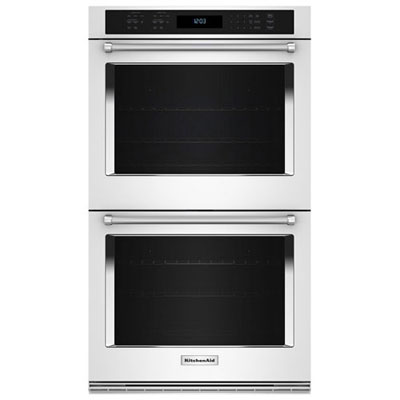
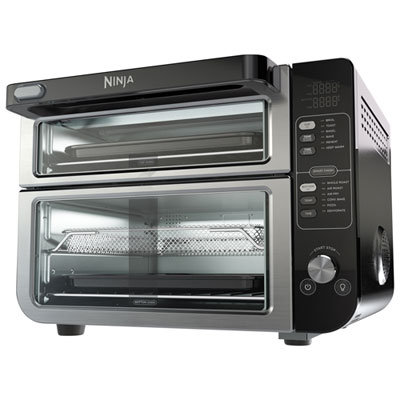
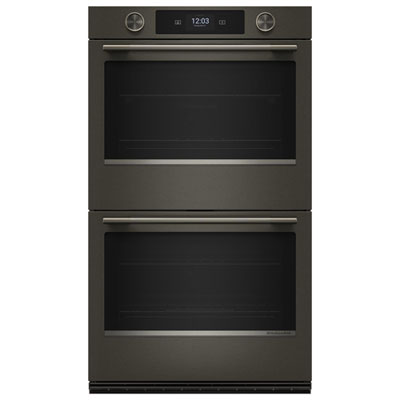
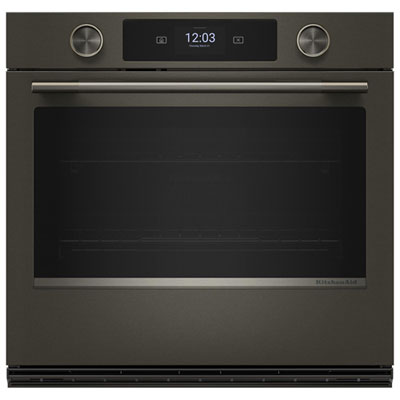
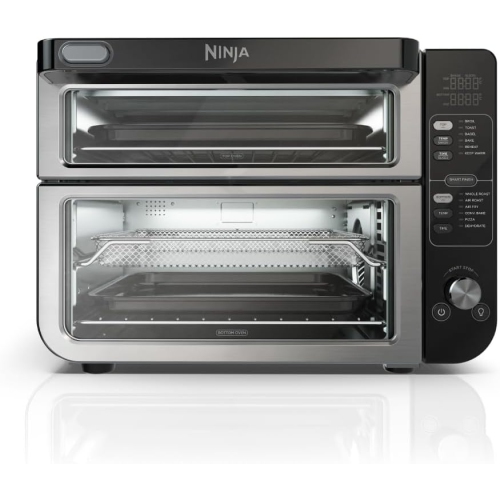
Two cooking spaces for dishes with different demands
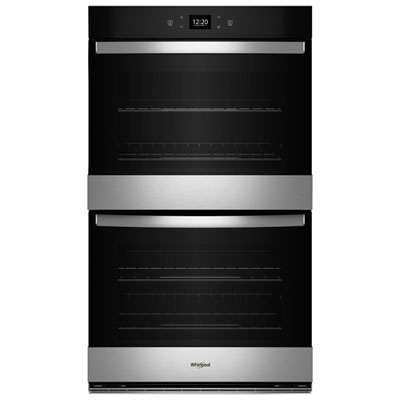
Double ovens bring two separately controlled cooking spaces into the kitchen, making it easier to prepare dishes that need different temperatures or cooking times. A roast can cook steadily in one cavity while a tray of vegetables browns at a higher temperature in the other, or a casserole can bake without interrupting a batch of biscuits. The two main configurations are double wall ovens and double oven ranges. A double wall oven fits into cabinetry and works alongside a separate cooktop, giving the kitchen distinct cooking zones. A double oven range combines two oven cavities with a cooktop in one appliance, keeping stovetop and oven cooking together. For shoppers considering that combined layout, KitchenAid ranges offer a related category to explore. The distinction matters because these configurations serve different spaces and cooking habits, even though both provide the flexibility of two ovens. Wall oven cavities may be equal in size, while a range often pairs a smaller upper oven with a larger lower oven. Exact layouts and capacities vary, so total capacity alone does not tell the whole story. Usable rack width, cavity height, and the space around a roasting pan can matter more than the combined cubic footage. A household that regularly prepares several dishes at once may appreciate two generously sized cavities, while someone cooking smaller meals throughout the week may find a compact upper oven particularly practical. During the cooler months, that flexibility suits everything from a bubbling pasta bake alongside roasted squash to a weekend afternoon of bread and cookies. It also helps when family members eat at different times or prefer separate dishes. Two cavities do not mean both need to run for every meal; the appeal is having another cooking space when the menu calls for it, without needing to squeeze every pan onto the same set of racks.
Fit involves more than choosing an appliance with the right nominal width. A 30-inch double wall oven, for example, still needs a cabinet opening that matches its specified cutout dimensions, along with suitable support, electrical service, and ventilation clearances. The appliance’s overall measurements and required opening are not necessarily identical. Installation requirements also differ between wall ovens and ranges, making the manufacturer’s dimension drawings and installation instructions essential for planning. In an existing kitchen, the height and depth of the opening, the position of the junction box or outlet, and nearby cabinet doors can all affect the fit. For a double oven range, the space between cabinets, adjacent countertop height, connection location, and required anti-tip installation deserve attention. Door swing is especially easy to overlook: an open oven door should leave enough room to stand safely, reach a rack, and move past an island or nearby work surface. Placement also shapes everyday comfort. A wall oven installation can position one cavity at a convenient height, but the upper racks should not require lifting a heavy dish above a comfortable reach. On a double oven range, the lower cavity may sit close to the floor, so removing a full roasting pan can involve more bending. Inside either configuration, rack positions and rack design influence how easily dishes move in and out. Where fitted, sliding racks can make it easier to check a deep casserole or baste a roast, though their weight limits and handling instructions still apply. Exterior finishes deserve similar practical consideration. Stainless steel offers a familiar match for many kitchen appliances, while fingerprint-resistant finishes, where offered, can reduce the visibility of everyday handling marks. Handle shape, control placement, and the readability of the display are small details that become noticeable when hands are covered in flour or several dishes need attention at once. A well-matched appliance should suit both the cabinetry and the way the kitchen is used.
Cooking features are most useful when they match the meals prepared regularly. Convection uses a fan to circulate hot air, and some systems include an additional heating element around the fan to support more consistent heat distribution. Depending on the oven, convection may be fitted in one cavity or both, so it is worth distinguishing between the two rather than assuming every setting is duplicated. It can be helpful for roasting and multi-rack baking, but pan placement, airflow, and recipe adjustments still affect the result. Some ovens adjust temperatures automatically for certain convection settings; others require following the cooking instructions for the selected mode. Air fry settings, where included, are intended to encourage browning with circulating hot air and generally work best with suitable cookware and enough space between pieces of food. They do not remove the need to turn food, manage drips, or check doneness. For everyday baking, straightforward temperature controls, useful oven lighting, and clearly marked rack positions may be just as valuable as a longer menu of cooking modes. A temperature probe, where supplied, can help monitor the centre of a roast without repeatedly opening the door. Care is another part of long-term satisfaction. Smooth oven interiors and accessible surfaces make routine wiping more manageable, while self-cleaning or steam-cleaning functions vary in their operation and intended use. Cleaning cycles should be used only as directed, including any requirements to remove racks, probes, or accessories. Sugary spills, splashes of gravy, and baked-on cheese are easier to manage when addressed promptly after the oven has cooled and in accordance with the care instructions. Soft cloths and approved cleaners help protect exterior finishes; abrasive pads and unsuitable chemicals can damage surfaces or coatings. Door seals, hinges, and racks also benefit from careful handling, including avoiding foil on the oven floor unless expressly permitted. Durable construction matters, but everyday care helps preserve both appearance and function. For frequent bakers, busy households, and people who enjoy serving a complete meal with several dishes ready together, double ovens offer a practical way to give each part of the menu the cooking space it needs.
Fit involves more than choosing an appliance with the right nominal width. A 30-inch double wall oven, for example, still needs a cabinet opening that matches its specified cutout dimensions, along with suitable support, electrical service, and ventilation clearances. The appliance’s overall measurements and required opening are not necessarily identical. Installation requirements also differ between wall ovens and ranges, making the manufacturer’s dimension drawings and installation instructions essential for planning. In an existing kitchen, the height and depth of the opening, the position of the junction box or outlet, and nearby cabinet doors can all affect the fit. For a double oven range, the space between cabinets, adjacent countertop height, connection location, and required anti-tip installation deserve attention. Door swing is especially easy to overlook: an open oven door should leave enough room to stand safely, reach a rack, and move past an island or nearby work surface. Placement also shapes everyday comfort. A wall oven installation can position one cavity at a convenient height, but the upper racks should not require lifting a heavy dish above a comfortable reach. On a double oven range, the lower cavity may sit close to the floor, so removing a full roasting pan can involve more bending. Inside either configuration, rack positions and rack design influence how easily dishes move in and out. Where fitted, sliding racks can make it easier to check a deep casserole or baste a roast, though their weight limits and handling instructions still apply. Exterior finishes deserve similar practical consideration. Stainless steel offers a familiar match for many kitchen appliances, while fingerprint-resistant finishes, where offered, can reduce the visibility of everyday handling marks. Handle shape, control placement, and the readability of the display are small details that become noticeable when hands are covered in flour or several dishes need attention at once. A well-matched appliance should suit both the cabinetry and the way the kitchen is used.
Cooking features are most useful when they match the meals prepared regularly. Convection uses a fan to circulate hot air, and some systems include an additional heating element around the fan to support more consistent heat distribution. Depending on the oven, convection may be fitted in one cavity or both, so it is worth distinguishing between the two rather than assuming every setting is duplicated. It can be helpful for roasting and multi-rack baking, but pan placement, airflow, and recipe adjustments still affect the result. Some ovens adjust temperatures automatically for certain convection settings; others require following the cooking instructions for the selected mode. Air fry settings, where included, are intended to encourage browning with circulating hot air and generally work best with suitable cookware and enough space between pieces of food. They do not remove the need to turn food, manage drips, or check doneness. For everyday baking, straightforward temperature controls, useful oven lighting, and clearly marked rack positions may be just as valuable as a longer menu of cooking modes. A temperature probe, where supplied, can help monitor the centre of a roast without repeatedly opening the door. Care is another part of long-term satisfaction. Smooth oven interiors and accessible surfaces make routine wiping more manageable, while self-cleaning or steam-cleaning functions vary in their operation and intended use. Cleaning cycles should be used only as directed, including any requirements to remove racks, probes, or accessories. Sugary spills, splashes of gravy, and baked-on cheese are easier to manage when addressed promptly after the oven has cooled and in accordance with the care instructions. Soft cloths and approved cleaners help protect exterior finishes; abrasive pads and unsuitable chemicals can damage surfaces or coatings. Door seals, hinges, and racks also benefit from careful handling, including avoiding foil on the oven floor unless expressly permitted. Durable construction matters, but everyday care helps preserve both appearance and function. For frequent bakers, busy households, and people who enjoy serving a complete meal with several dishes ready together, double ovens offer a practical way to give each part of the menu the cooking space it needs.
Top selling and popular products
-
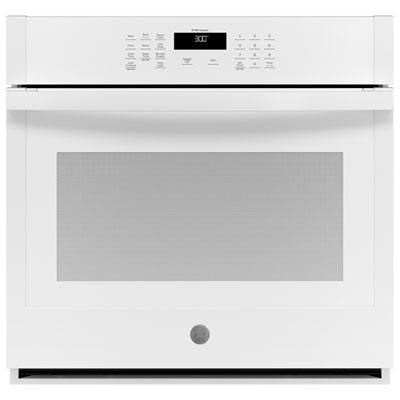 Your price for this item is $2699.99
 -
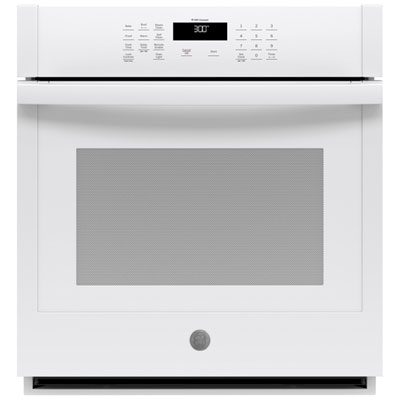 Your price for this item is $2449.99
 -
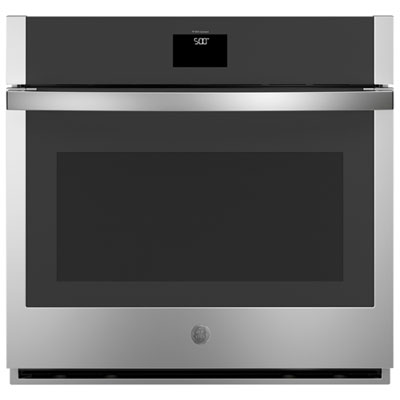 Your price for this item is $2699.99
 -
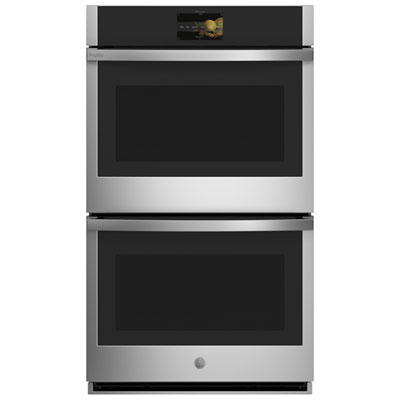 Your price for this item is $5999.99
 -
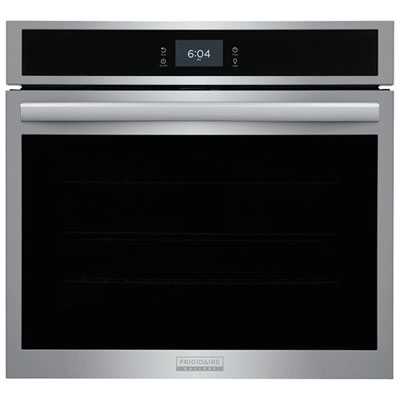 Your price for this item is $2199.99
 -
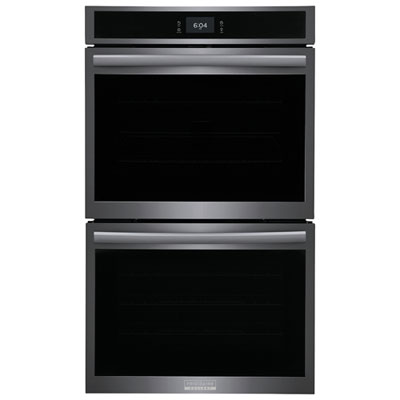 Your price for this item is $3699.99
 -
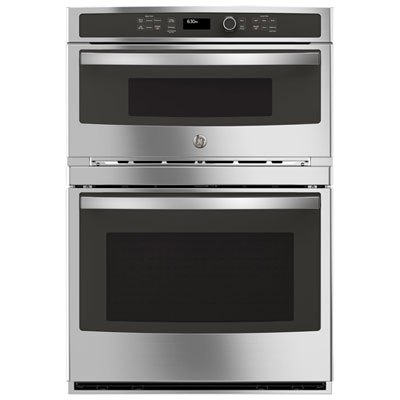 Your price for this item is $4399.99
 -
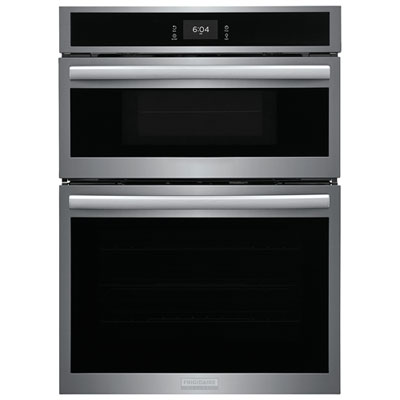 Your price for this item is $3899.99
Discover more categories related to Kitchenaid Double Ovens
Top Collections:
Pokemon Centers, Kindle Devices, Best Budget Office Chairs, Apple iPhones 16, Best Laptops for Writers, iPhone 15 Apple, Canon G7X Cameras, Refurbished Apple Laptops, Alarm Clock, Motorola Razr Phones
Some products may be subject to Environmental Handling Fees
(EHF) depending on your province.
Learn more about EHFs.