Knee Braces for Patellar Tracking

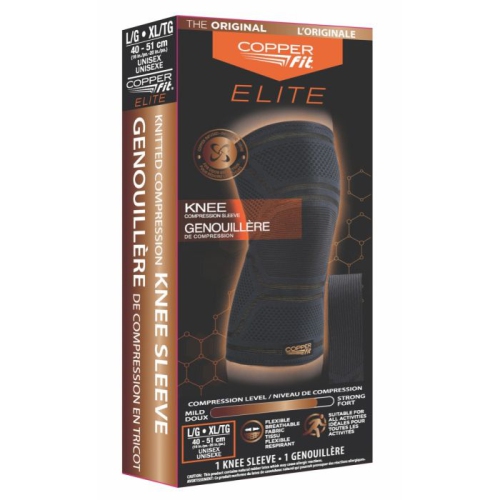
Knee braces for patellar tracking are designed to help support kneecap alignment during movement. Browse patellar support braces and compare fit, sizing, and support features to find an option suited to your activities. If you’re unsure which type is appropriate for your knee pain or tracking concerns, a healthcare professional can help guide your choice.
Read More

Sort

Knee Braces for Patellar Tracking

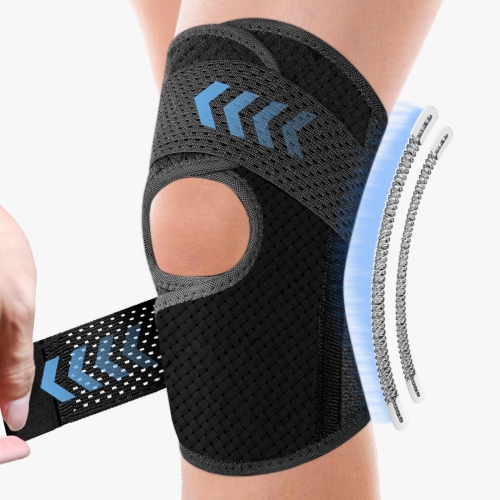
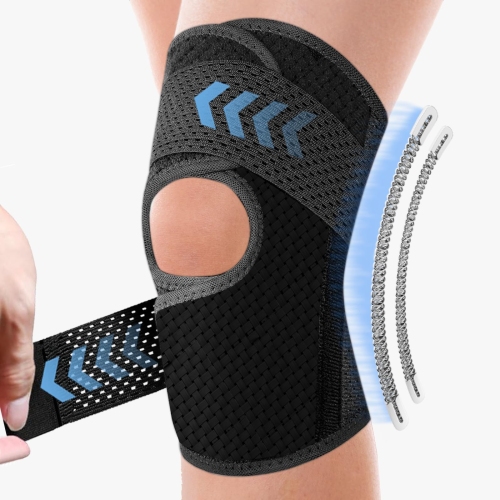
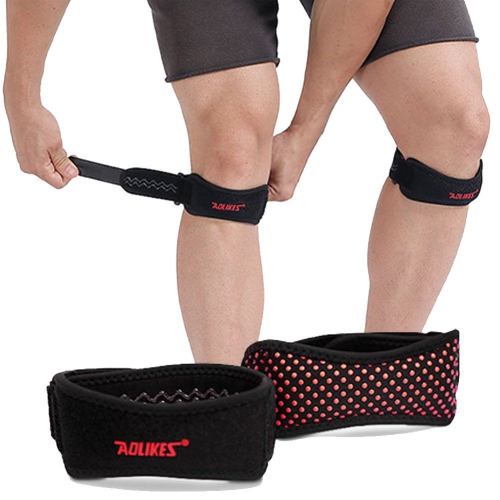
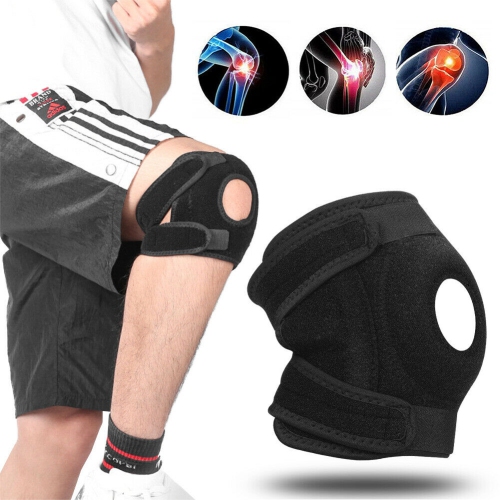
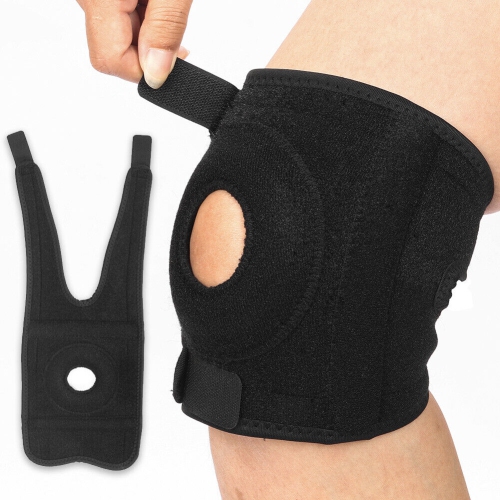
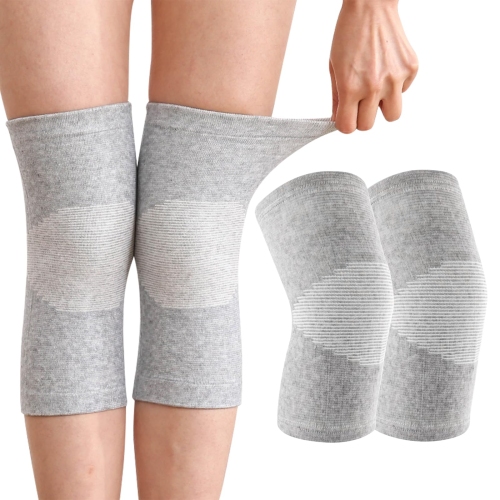
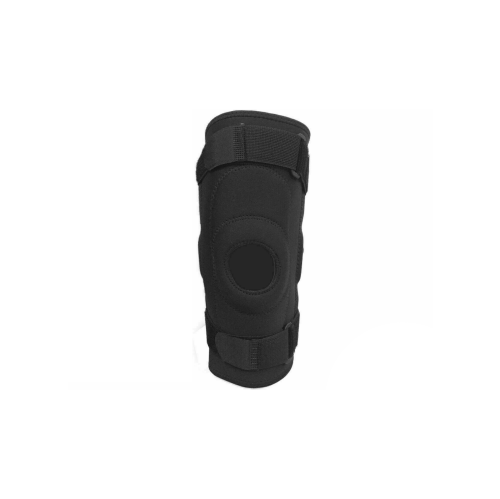
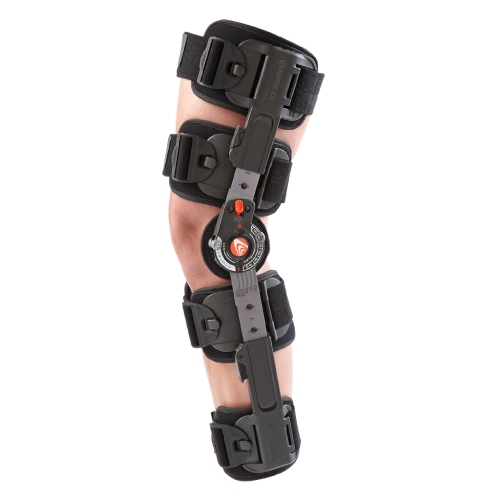
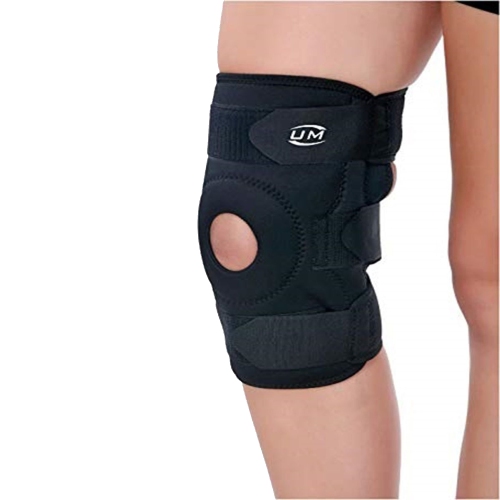
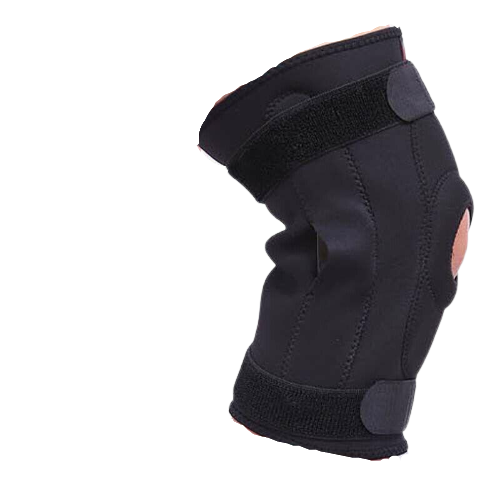
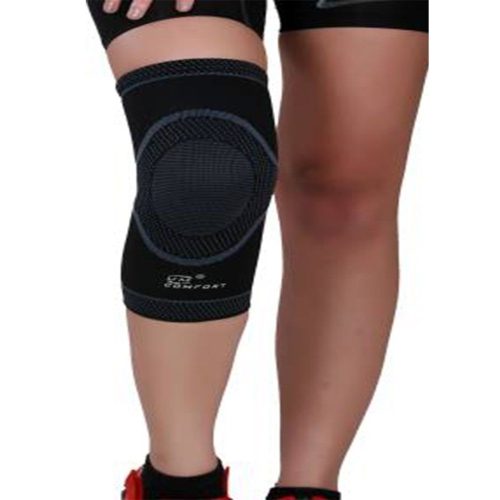
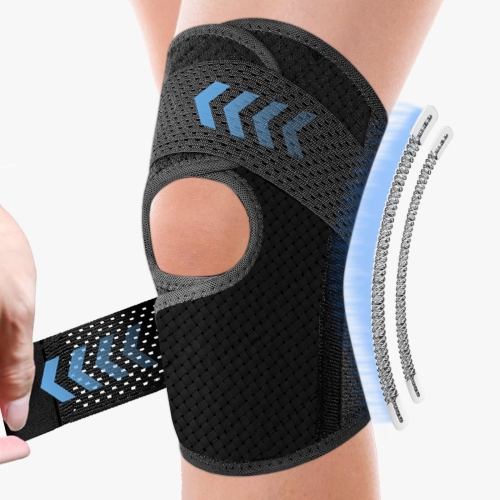
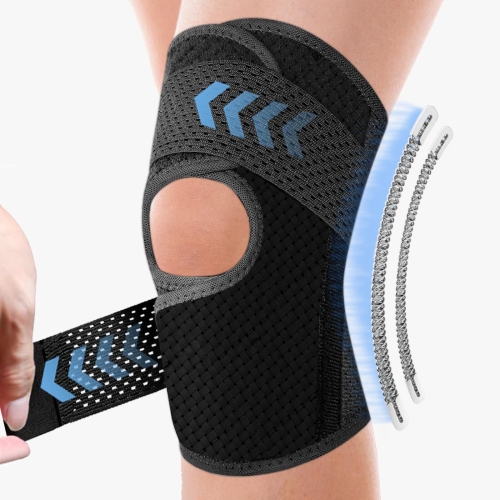
Knee Braces for Patellar Tracking bring together support options designed to help guide the kneecap as the knee bends and straightens. The patella normally moves along a groove at the front of the thigh bone, and discomfort can occur when that movement is disrupted. A brace designed for patellar support may help some people feel more comfortable during everyday movement, whether that means taking the stairs at work, walking the dog around the block, or returning to an activity with guidance from a physiotherapist. Unlike a basic compression sleeve, a patellar tracking brace may include a shaped buttress, a stabilizing ring, or adjustable straps intended to influence kneecap positioning. Those differences matter when shopping: general knee compression, targeted kneecap support, and broader joint stabilization serve different purposes. The right choice depends on the support you need rather than how substantial a brace looks, and a healthcare professional can help determine whether a patellar tracking design suits your symptoms.

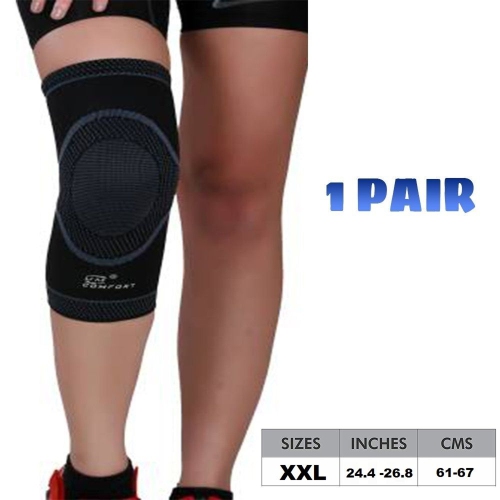
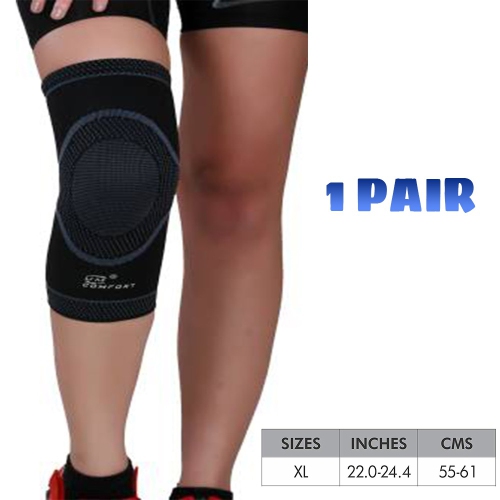
Fit is one of the most important purchase considerations, particularly for a brace that needs to maintain a specific position around the kneecap. Follow the size chart for each option and take measurements exactly where the manufacturer specifies; your usual clothing size is not a reliable substitute. A useful fit should feel secure without causing numbness, tingling, skin irritation, or pressure that becomes uncomfortable as you move. Adjustable straps can make it easier to fine-tune tension, while a wraparound design may be easier to put on than a pull-on sleeve if bending or reaching is difficult. Consider the small details that affect daily wear, too. Soft edging can make a difference behind the knee when sitting at a desk, breathable fabric may feel more comfortable during activity, and a lower-profile design can fit more easily beneath loose trousers. More structured supports can take up extra room, so think about what you normally wear and how often you will be sitting, standing, and bending. Check whether the brace is intended for the left knee, right knee, or either side, and whether its patellar support can be positioned to meet your needs.

These braces may appeal to active adults, people whose work keeps them on their feet, or anyone whose care plan includes targeted kneecap support. Picture the practical moments when comfort matters: getting up from a low chair, stepping off a bus, or heading home after a long shift. A brace should suit those routines as well as any planned exercise, but it is not a substitute for an assessment, rehabilitation exercises, or advice about activity levels. For a gift, it is best to confirm the recipient’s measurements and preferred support style rather than guessing; a personal fit matters far more than a surprise. Before choosing, compare care instructions, fastening systems, material information, and return eligibility, especially if the brace will be worn regularly. Persistent pain, repeated swelling, locking, or a knee that gives way warrants professional attention. With an appropriate fit and a clear purpose, a patellar tracking brace may be a useful addition to a broader plan for more comfortable movement.

Read More

FAQ

Some products may be subject to Environmental Handling Fees (EHF) depending on your province. Learn more about EHFs.