Knee Braces for Meniscus Injuries
Find the support you need with knee braces for meniscus injuries, designed to help you stay active and comfortable during recovery. Whether you’re getting back into sports or looking for everyday stability, these braces offer a range of options tailored to your needs. Explore solutions that can assist with movement, provide gentle compression, and enhance your confidence as you heal from a meniscus injury. Discover knee braces for meniscus injuries that fit your lifestyle and help you take the next step toward recovery.
Sort
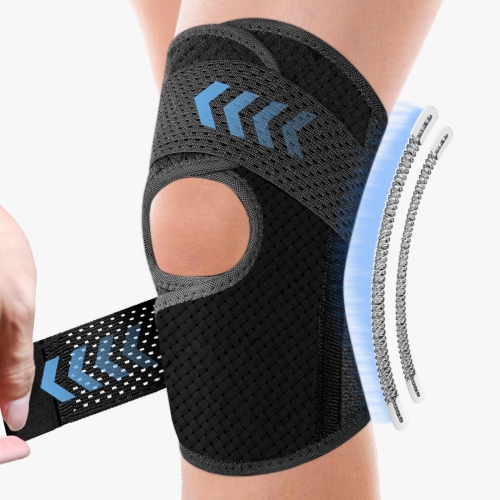
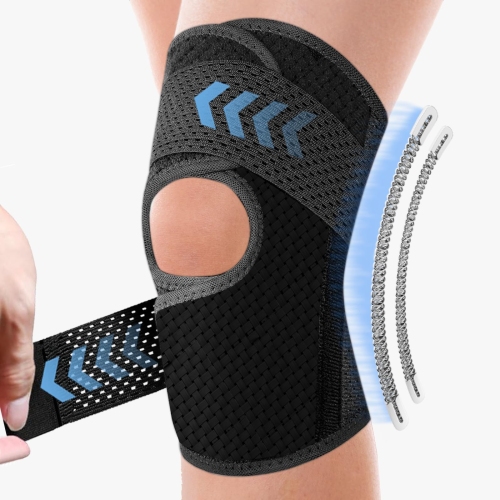
What knee braces can and cannot do
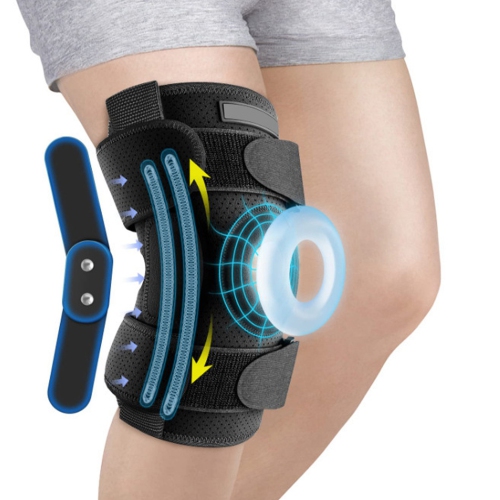
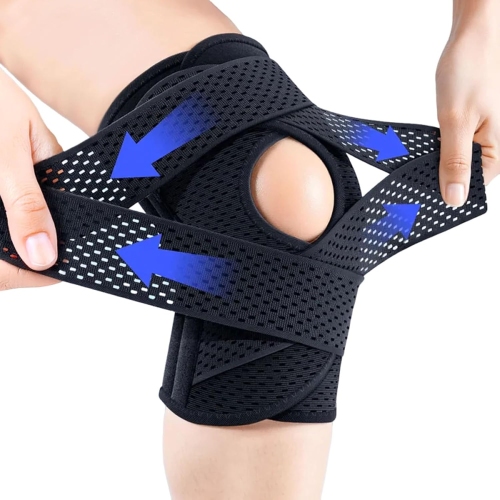
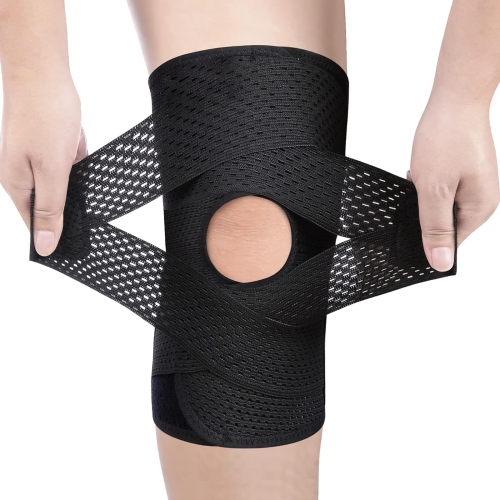
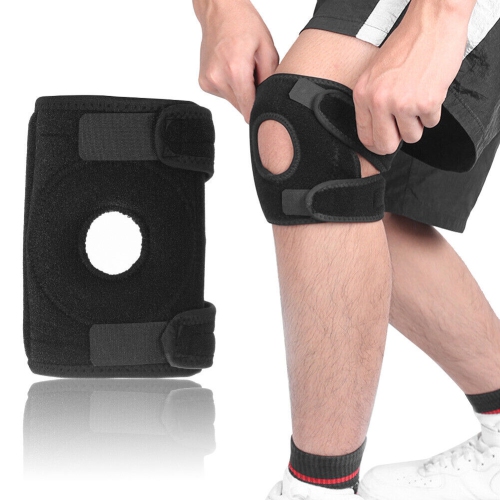
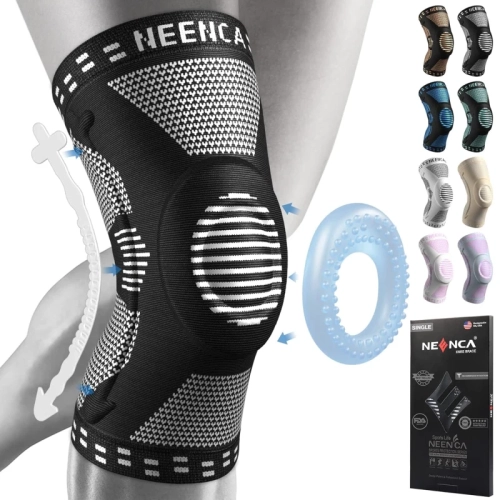
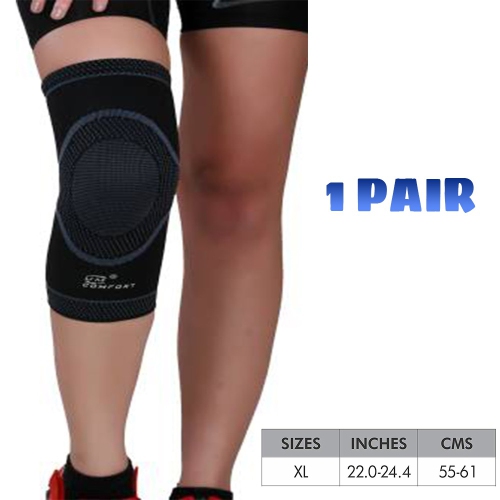
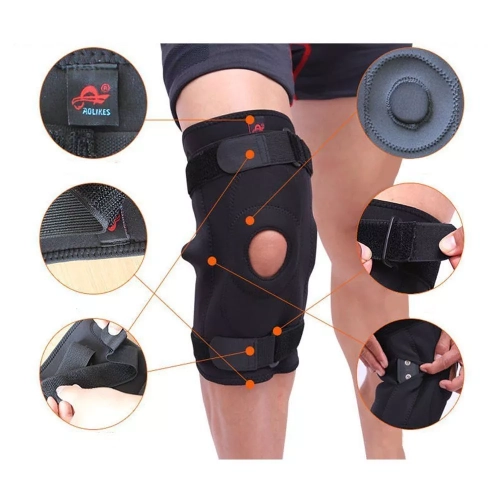
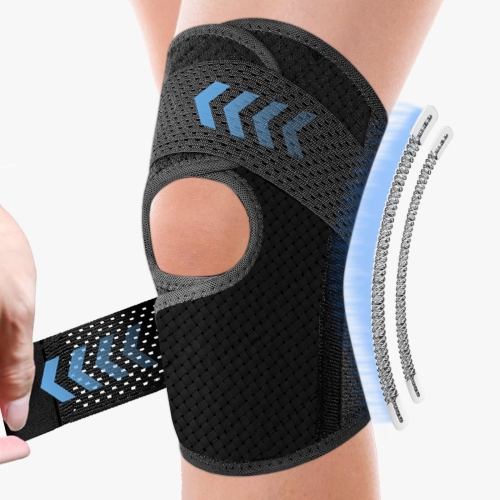
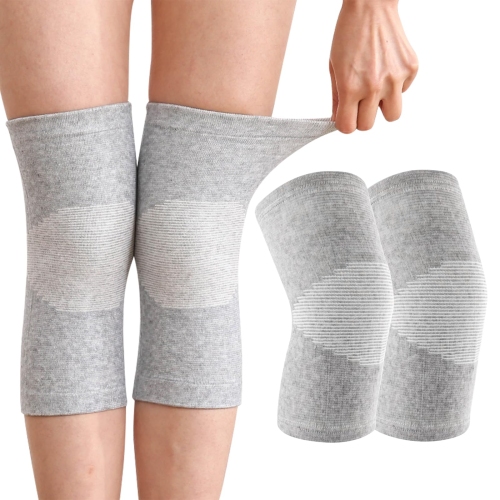
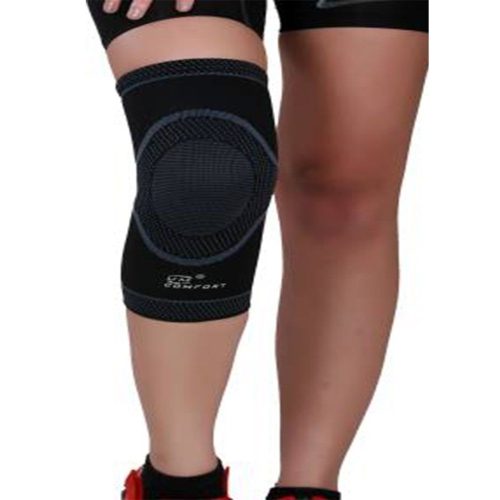
Knee braces for meniscus injuries provide external support around the knee, with designs ranging from flexible compression sleeves to structured hinged braces. The meniscus is cartilage that helps distribute load between the thigh bone and shin bone; an injury can cause pain, swelling, catching, or difficulty bending and straightening the knee. A brace may help with comfort and stability during suitable activities, but it does not repair a torn meniscus or make every movement safe. The most appropriate support depends on the injury, the amount of swelling, any associated ligament damage, and the treatment plan provided by a healthcare professional. Compression knee sleeves apply gentle, even pressure and may help manage mild swelling while making the joint feel more supported. Their flexible construction generally allows a broad range of movement, although they do not control knee motion like a more structured brace. Hinged knee braces use supports along the sides of the joint to help resist unwanted side-to-side movement. Some have adjustable motion limits, which should be set according to clinical instructions rather than personal preference. Wrap-around knee braces open flat and fasten around the leg, making them easier to put on when pulling a sleeve over the foot is uncomfortable. Adjustable straps also allow small fit changes as swelling varies, provided the brace remains within its intended size range. These features can be useful for adults managing everyday tasks, people whose work involves standing, or those following a supervised rehabilitation programme. Returning to running, court sports, or activities involving sudden turns requires more than a secure-feeling brace: strength, movement control, and clinical clearance matter too. For a knee that locks, cannot bear weight, or develops significant swelling after an injury, assessment is more important than choosing a support based on appearance or compression level alone. A brace is best understood as one part of care, alongside any prescribed exercises, activity changes, or other treatment.
Fit determines how comfortably a knee support works through ordinary movements, from sitting at a desk to getting up from a chair or walking along a hallway. Sizing usually relies on leg circumference, but the measurement location differs between designs. Some size charts use the centre of the kneecap, while others specify a point above or below it, so a familiar clothing size is not a reliable substitute. Measuring directly against the skin with a flexible tape helps avoid the extra bulk of trousers, and the tape should lie flat without digging in. A well-fitted brace should feel secure without causing numbness, tingling, skin colour changes, or increased pain. If these occur, remove or loosen the brace and seek advice if symptoms persist. Straps should lie smoothly rather than twist, and hinges should sit where the manufacturer specifies so the structure follows the knee as it bends. Sliding, rolling edges, or a need to keep tightening the fasteners can indicate a sizing or positioning problem. Materials also affect the feel of longer wear. Neoprene is stretchy and cushioned, but it can retain heat and moisture against the skin. Knitted elastic fabrics often offer a less bulky feel, while mesh sections can improve airflow. Anyone with sensitive skin or a known material allergy should check the full material details, including latex content where disclosed. Flat seams and soft edge binding can reduce rubbing, especially where the brace meets the thigh or calf. Behind the knee, a flexible panel, mesh insert, or cutout may reduce bunching when seated, although comfort still depends on fit and posture. An opening or ring-shaped pad around the kneecap is not, by itself, evidence of targeted meniscus support. Supports designed to influence kneecap movement address a different concern; Knee Braces for Patellar Tracking are intended for needs related to patellar alignment rather than being interchangeable with every meniscus support. The location of pain alone is not enough to determine which design is appropriate.
Daily practicality matters just as much as structure, particularly when a knee brace becomes part of a prescribed routine. A low-profile sleeve may fit more comfortably beneath loose trousers, whereas a hinged design needs enough room for its side supports and straps without pressure from tight clothing. Wrap-around construction can be helpful for someone with limited bending ability or difficulty gripping and pulling fabric, though multiple fasteners may take more effort to position correctly. For desk work, comfort behind the knee becomes noticeable during repeated periods of sitting; for standing tasks, resistance to slipping and rubbing may matter more. Wear duration should follow the product directions and any healthcare advice, rather than the assumption that tighter compression or longer use will provide greater benefit. Sleeping in a brace is not automatically appropriate, particularly when motion restrictions or postoperative instructions are involved. Keeping the support clean also protects comfort and helps preserve its construction. Sweat and skin oils can build up in fabric, padding, and fasteners, so follow the care label for washing method, water temperature, and drying. Some braces allow removable hinges or stays to be taken out before cleaning; others require spot cleaning to protect their components. Close hook-and-loop tabs before washing when directed, keep them away from delicate fabrics, and remove trapped lint so they maintain a firm grip. Air-drying away from direct heat is commonly specified, but the manufacturer's instructions should take priority. Stretch fabric that no longer returns to shape, fraying seams, cracked supports, compressed padding, or fasteners that release during movement can all affect fit and function. Checking these areas regularly is especially useful when the brace is worn frequently. A support that once fitted well may also need reassessment if swelling or leg size changes. The strongest-looking design is not necessarily the best match: useful support combines an appropriate level of structure, manageable fastening, comfortable materials, and a fit that stays consistent during permitted activities. Those details help make a knee brace a practical addition to daily life without treating it as a substitute for diagnosis or rehabilitation.
Top selling and popular products
-
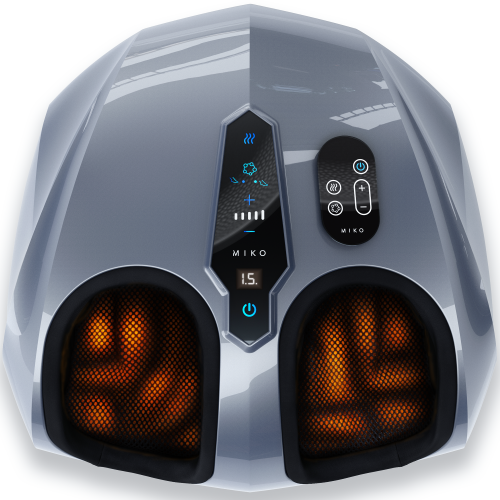 Your price for this item is $399.99
-
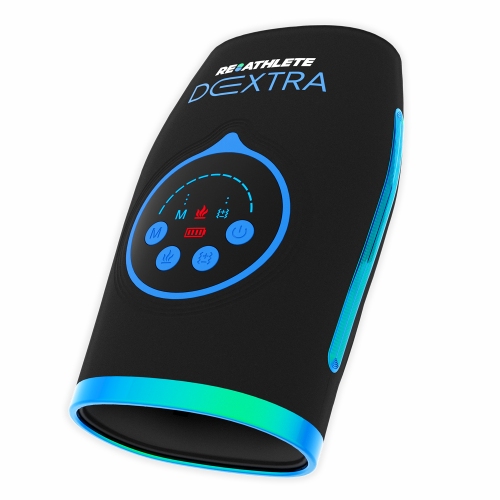 Your price for this item is $109.99
-
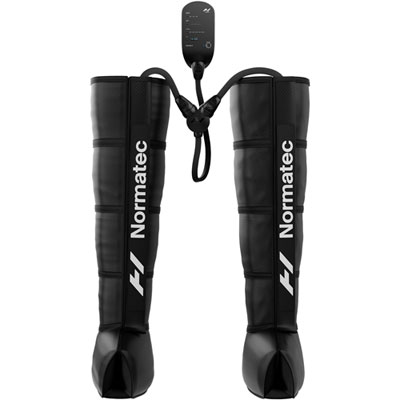 Your price for this item is $1149.99
-
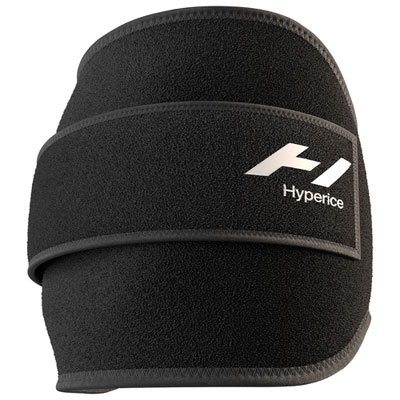 Your price for this item is $349
-
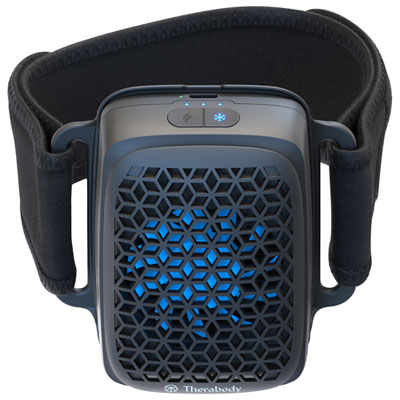 Your price for this item is $199.99
-
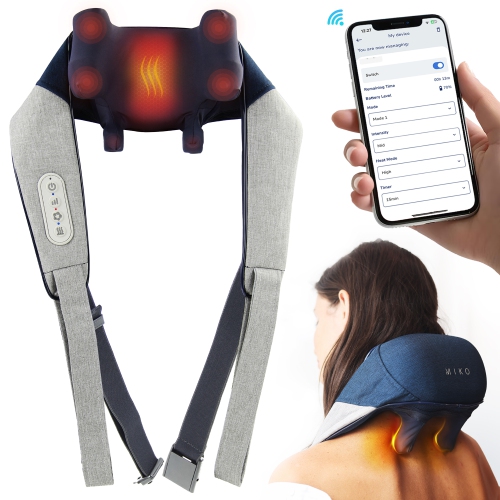 Your price for this item is $299.99
-
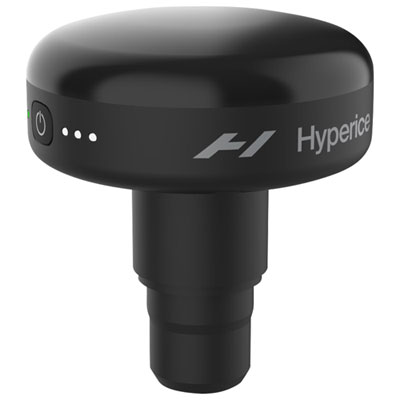 Your price for this item is $77.97
-
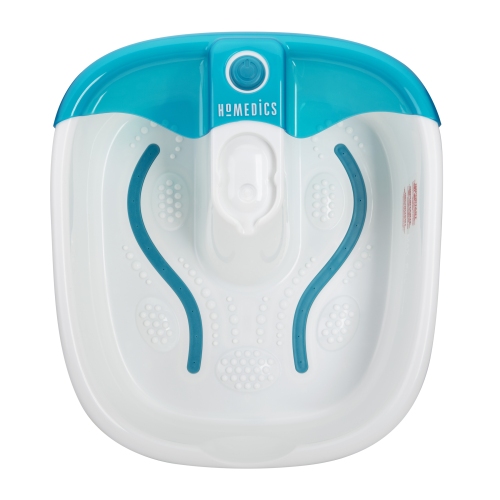 Your price for this item is $39.99
Discover more categories related to Knee Braces for Meniscus Injuries
Top Collections:
Pokemon Centers, Best Cameras for Sports Photography, Kindle Devices, Samsung Galaxy Phones, Canon G7X Cameras, Pokémon 30th Celebration Cards, Refurbished Apple Laptops, iPhone 15 Apple, Laptops for Students, Budget Smartphones
Some products may be subject to Environmental Handling Fees
(EHF) depending on your province.
Learn more about EHFs.