Tumble Dryer Machines
A tumble dryer is a machine that uses heat to dry clothes. It works by rotating the clothes at a high speed, which evaporates the water from them. The heat can be provided by an electric motor, a gas engine, or a combination of the two. Here are some great options available today.
Sort
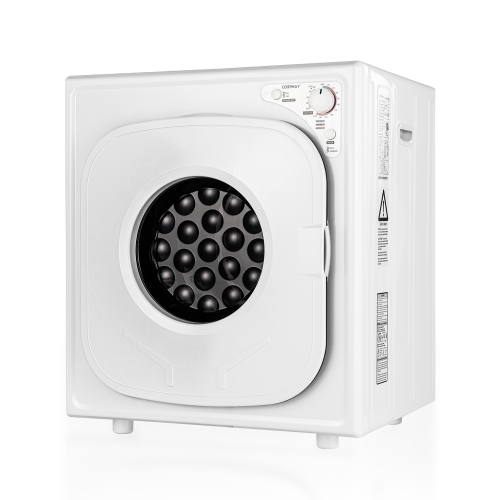
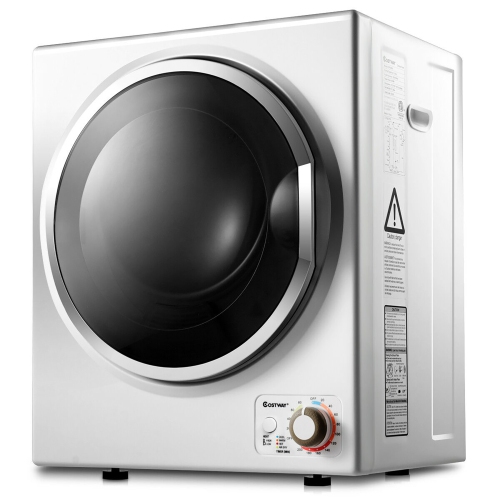
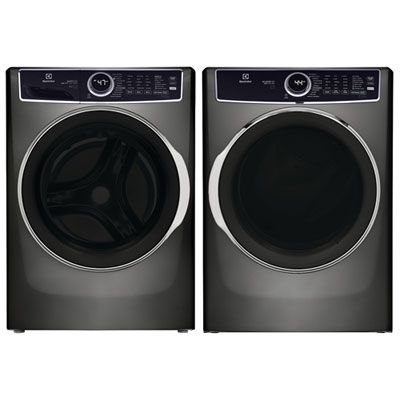
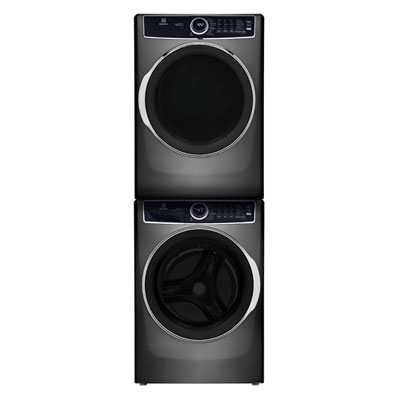
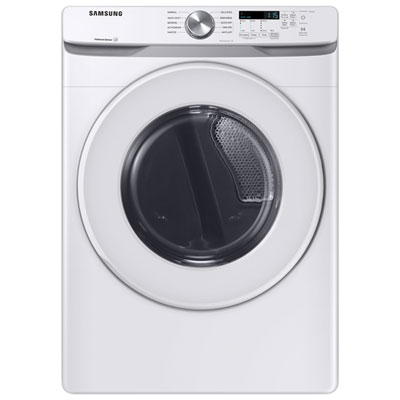
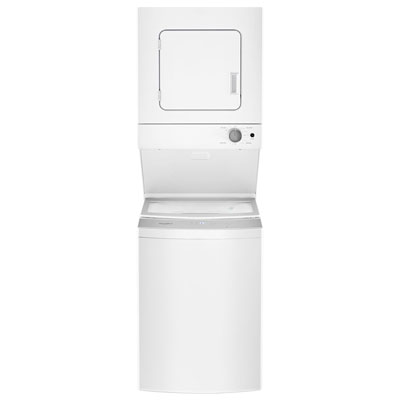
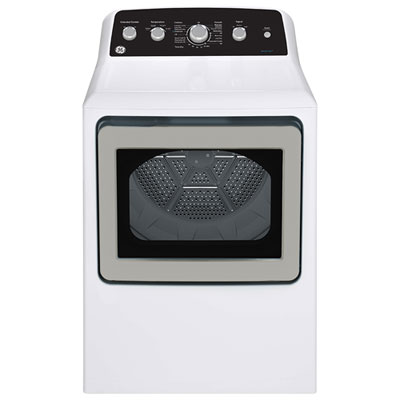
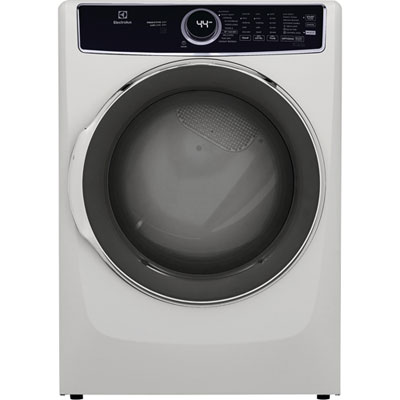
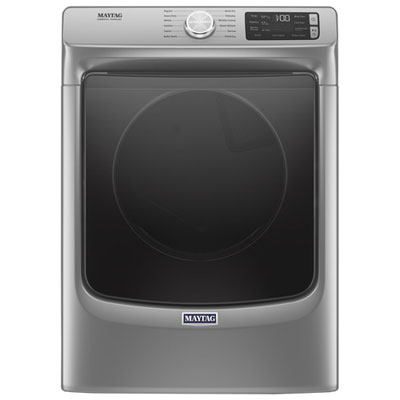
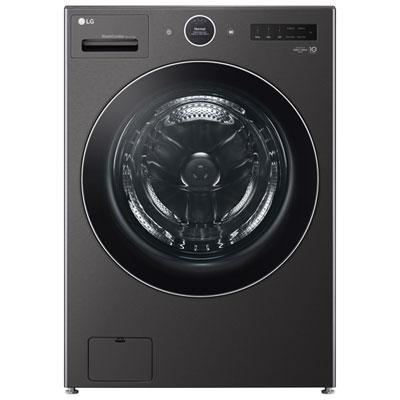
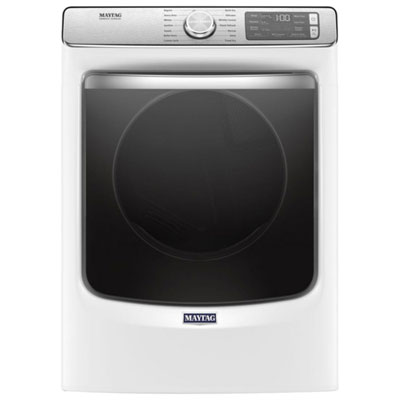
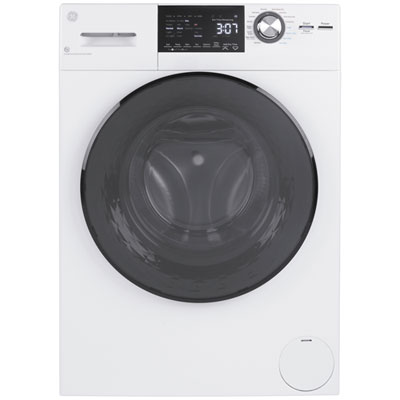

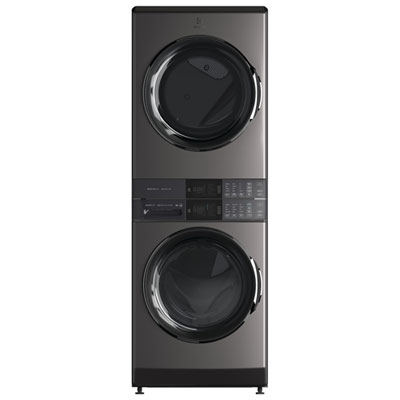
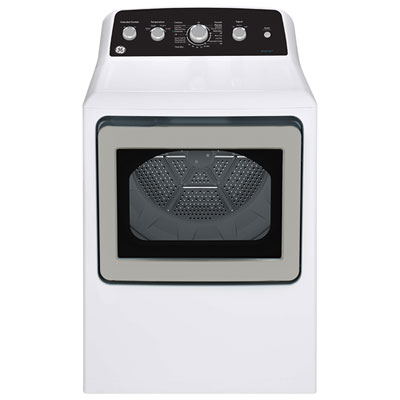
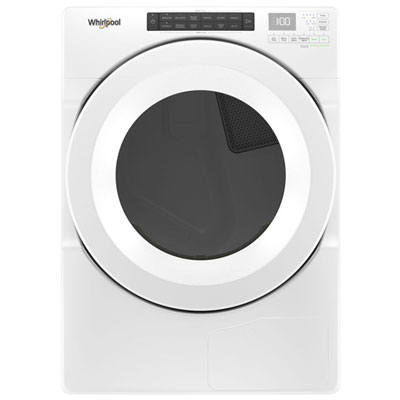
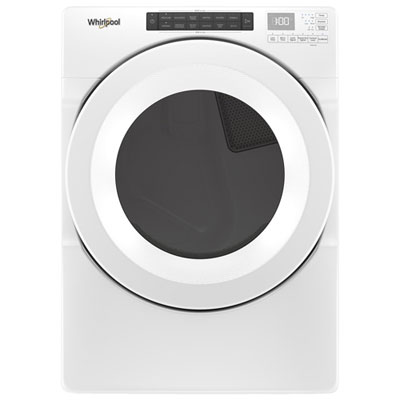
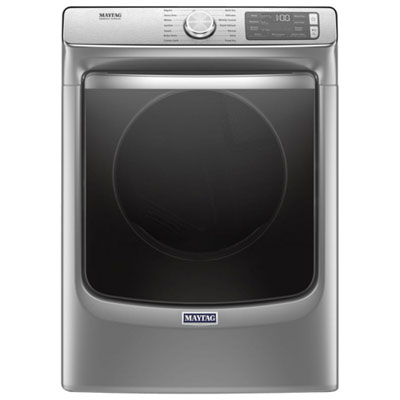
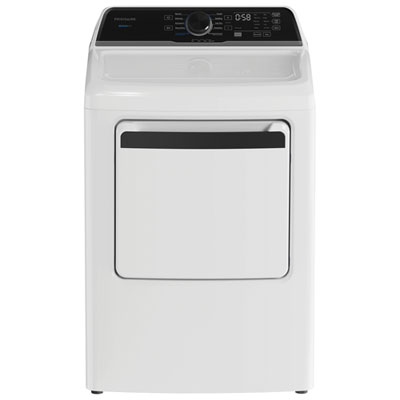
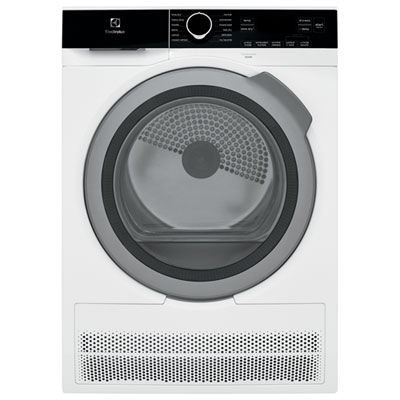
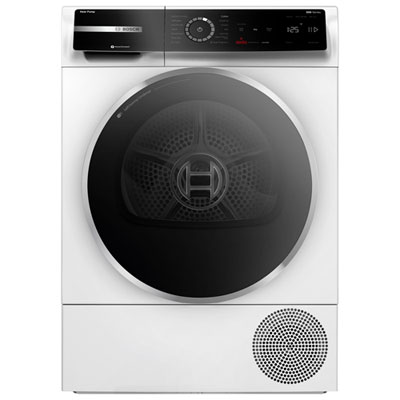
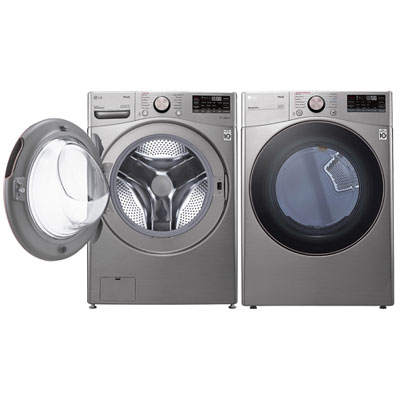
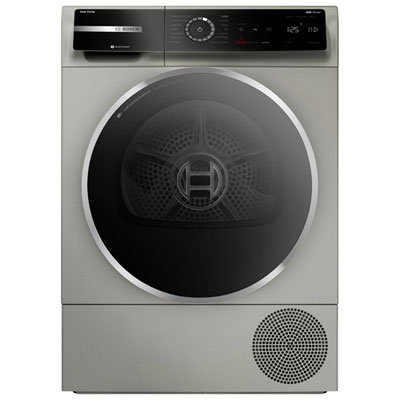
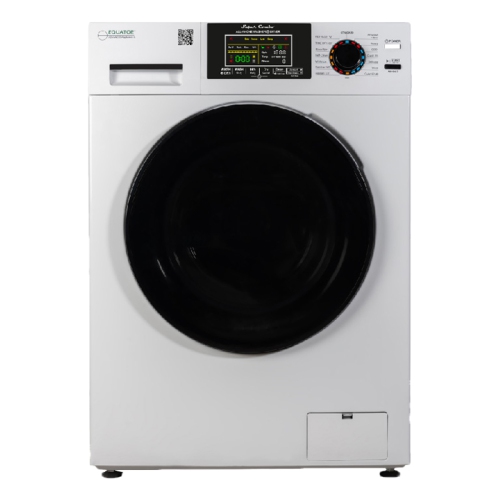
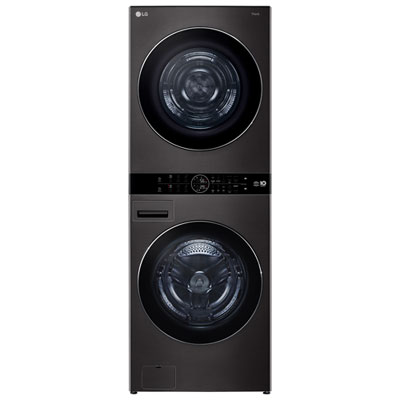
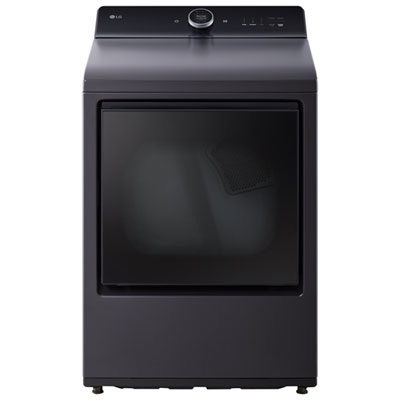
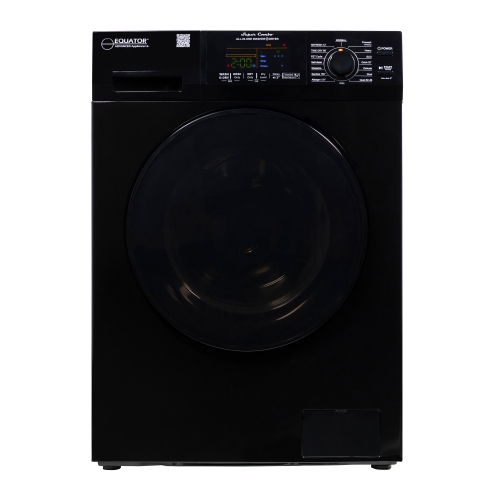
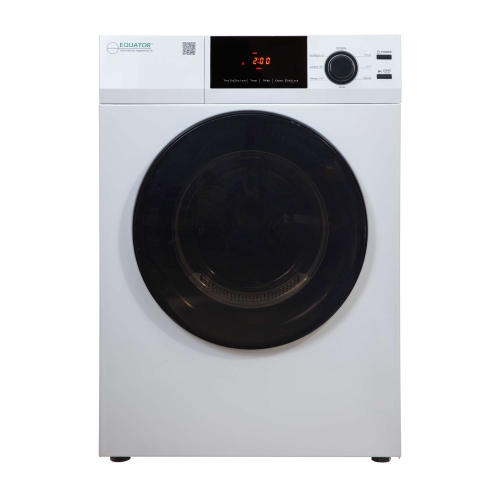
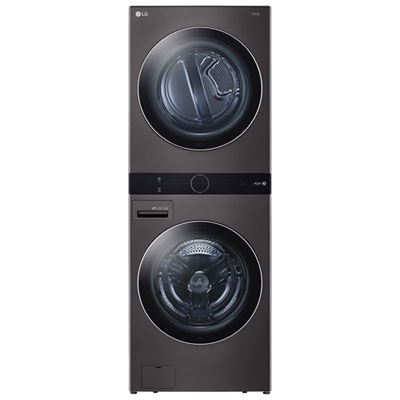
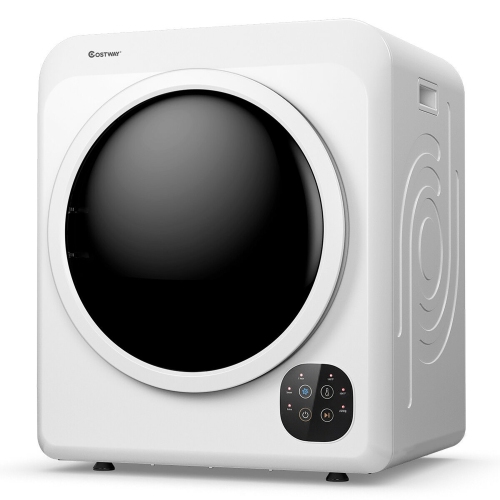
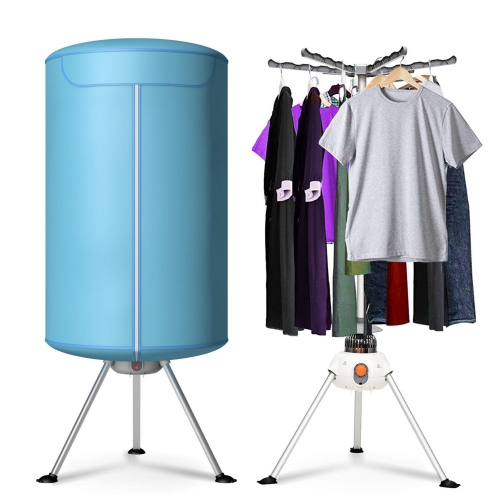
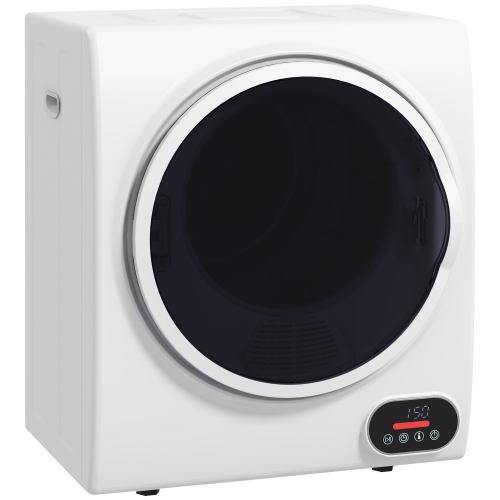
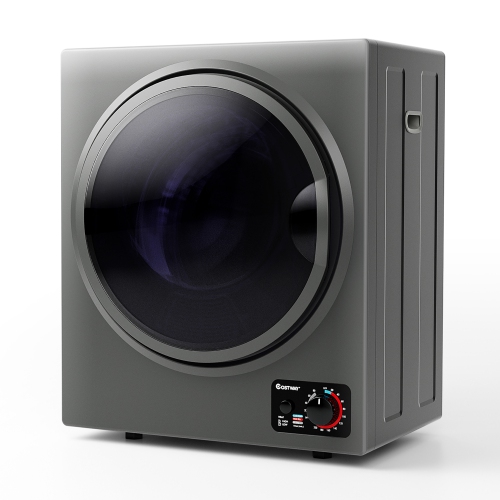
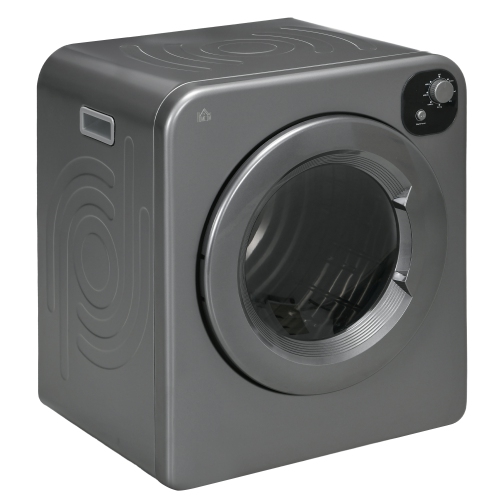
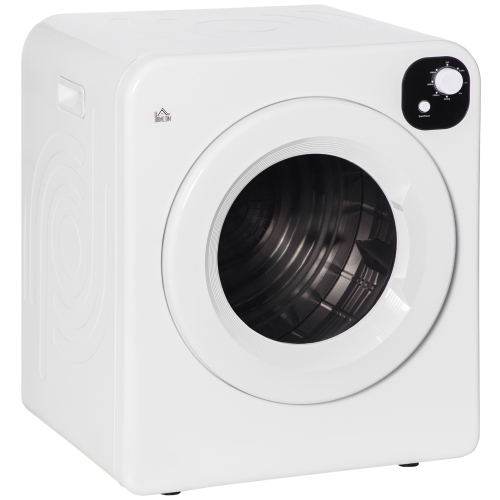
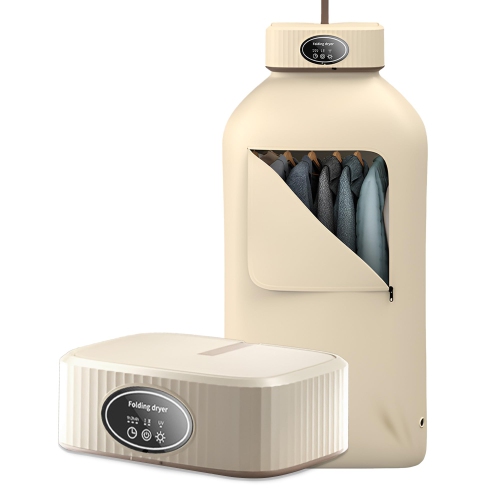
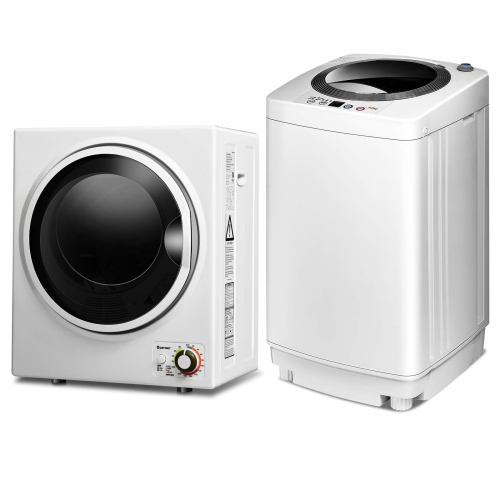
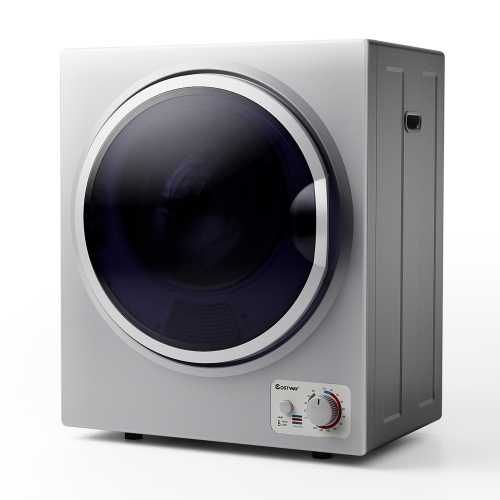
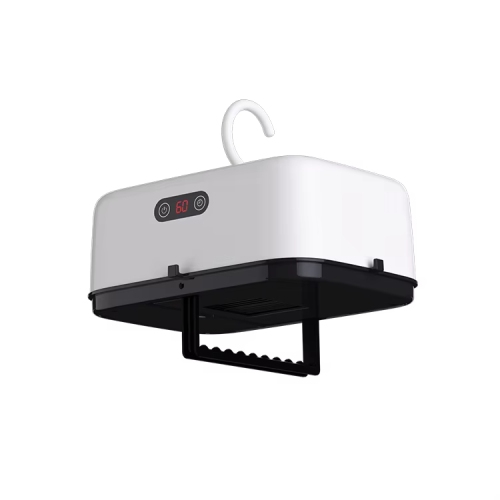
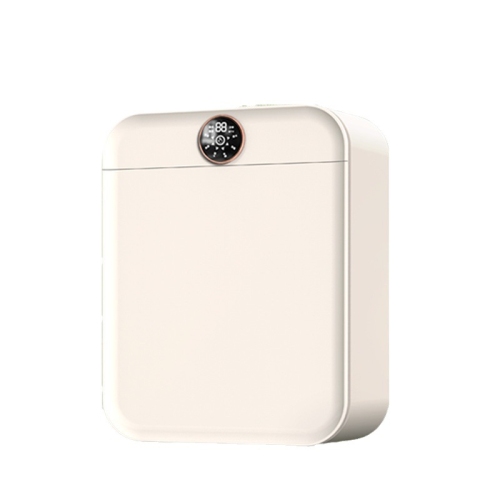
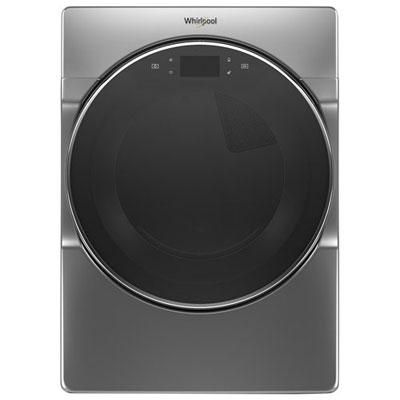
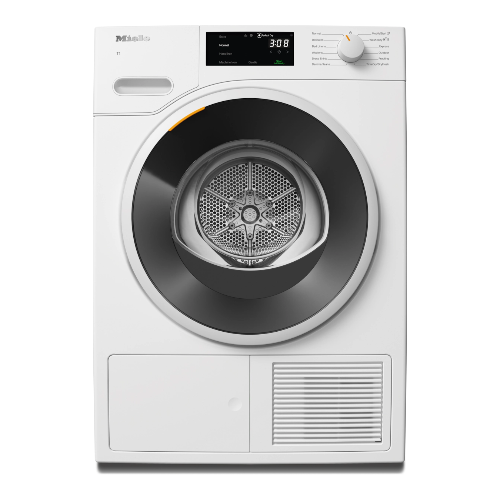
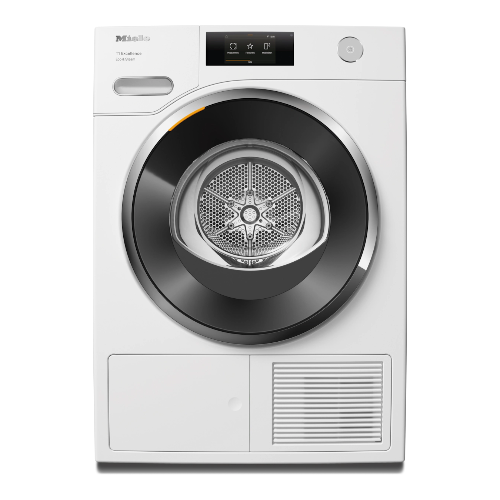
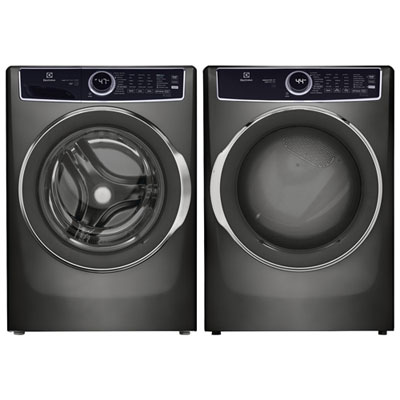
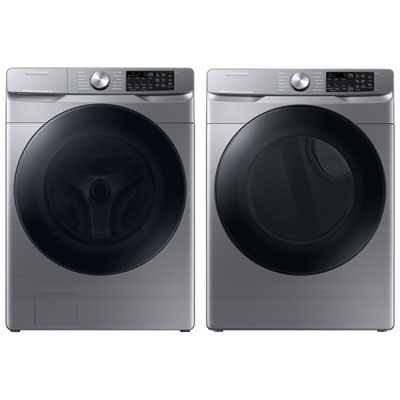
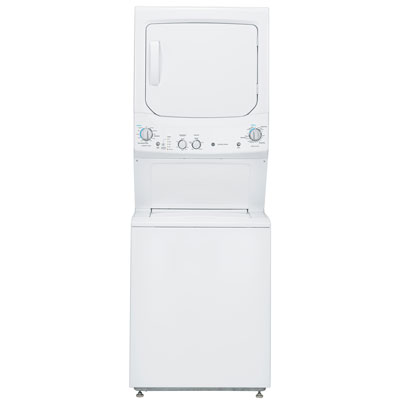
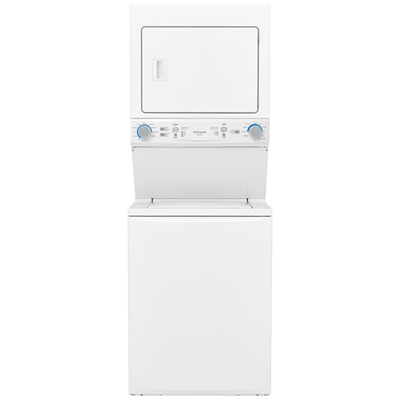
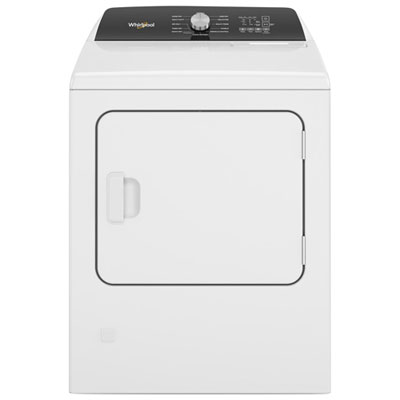
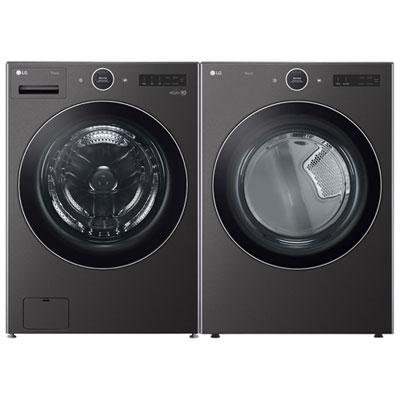
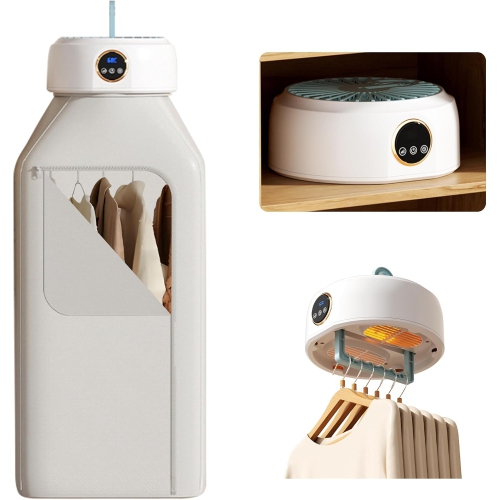
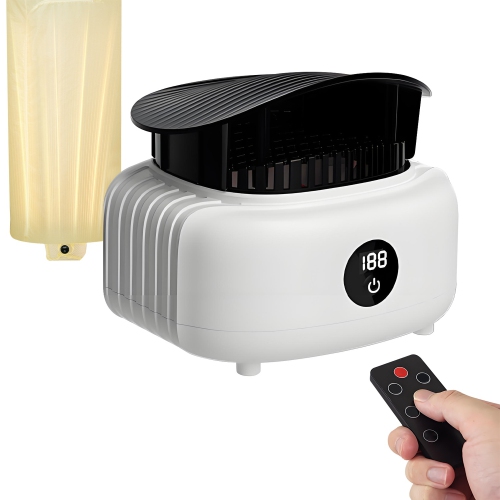
How drying technology, capacity and installation shape your choice
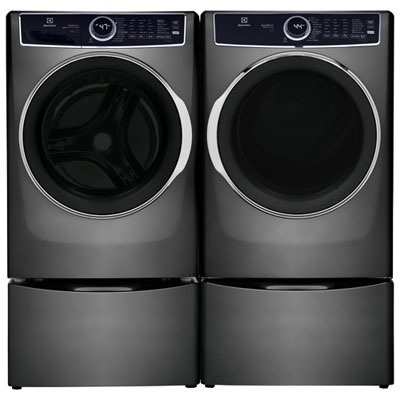
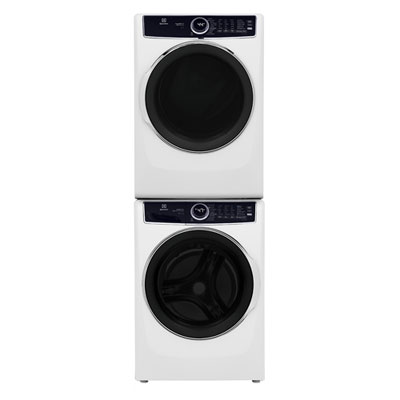
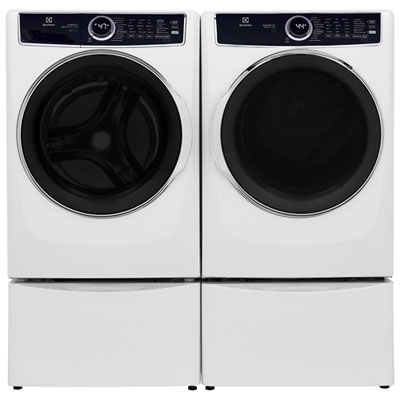
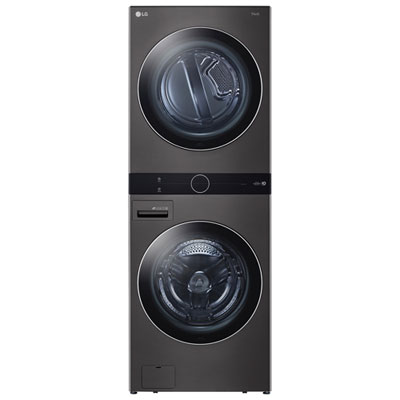
Tumble dryer machines use heated air and a rotating drum to remove moisture from freshly washed clothing, towels, bedding and other suitable laundry. As the drum turns, warm air moves through the fabric while moisture is carried away or collected, leaving garments ready to fold, hang or wear. A tumble dryer can be particularly helpful in busy households, apartments, homes without convenient outdoor drying space, and families managing frequent loads of school, work or sports clothing. It can also make laundry more manageable during the cooler months, when damp garments take longer to dry naturally, and as the weather warms, it provides a quick way to finish a load without relying on outdoor conditions. When comparing tumble dryer machines, begin with the available space and installation requirements. Measure the height, width and depth of the intended area, allowing room for doors to open fully, ventilation around the appliance and access to electrical connections. If the dryer will be installed beside a washing machine, check that both appliances have compatible dimensions and finishes. A stackable setup can be useful where floor space is limited, while a side-by-side arrangement may provide easier access for loading and unloading. Also consider the route from the delivery entrance to the laundry area, including doorways, stairwells and tight corners. These practical details can influence which drum size and configuration will work best in the home.
The main types of tumble dryer machines include vented, condenser and heat pump models. Vented dryers use a flexible hose to direct warm, moist air outdoors through an exterior wall vent. They can be a straightforward choice for a laundry room that already has the required vent connection, but the hose needs to be positioned securely and checked periodically for lint buildup or obstruction. Condenser dryers remove moisture from the air inside the appliance and collect it in a removable tank, or send it to a suitable drain where supported. Because they do not require the same exterior vent arrangement, they may suit apartments, interior laundry rooms or spaces where creating a wall opening is not practical. Heat pump dryers also work without a conventional exterior vent and reuse air within the drying system, generally operating at lower temperatures than traditional heated-air designs. Their gentler drying approach can be useful for households that regularly handle delicate fabrics, though cycles may take longer and the initial purchase price can be higher. Before selecting a model, confirm the required electrical connection, drainage options and installation instructions. Features such as moisture sensors can stop a cycle when clothes reach the selected dryness level, helping avoid unnecessary tumbling. Timed cycles can be convenient for towels, bedding or other familiar loads, while fabric-specific settings may provide more controlled care for cottons, synthetics, woollens and delicate garments. A reverse-tumble function can help reduce tangling, and an interior light can make it easier to spot small socks or garments in a full drum. For additional laundry options, browse Fabric Dryers to compare related appliances and configurations.
Capacity should match the household’s regular laundry routine rather than occasional oversized loads. A compact drum may be suitable for one person, a guest suite or a small living space, while a larger capacity can reduce the need to split family-sized loads and provide room for bulky comforters, duvet covers and bath towels. Keep in mind that the dryer should not be packed tightly: clothes need space to lift and tumble so warm air can move through the load. Overfilling can leave thick items damp in the centre and may increase creasing. Sorting laundry by fabric weight and care label is another simple way to improve results. Lightweight shirts may be ready well before heavy denim or towels, so combining them can lead to over-drying for one group and under-drying for another. Clean the lint filter after every cycle, keep the area around the appliance clear, and follow the manufacturer’s instructions for ductwork, water tanks and maintenance. Look for controls that are easy to read, especially if the dryer will be used by several members of the household, and consider noise levels when the laundry area is near bedrooms or living spaces. Tumble dryer machines can be a practical housewarming gift for someone moving into a first home, setting up a basement suite or replacing an older laundry appliance, although the recipient’s space, venting and electrical requirements should be confirmed before purchase. With the right capacity, drying technology and installation setup, a tumble dryer can bring dependable convenience to everyday laundry, from children’s uniforms and gym clothing to crisp sheets and warm towels.
The main types of tumble dryer machines include vented, condenser and heat pump models. Vented dryers use a flexible hose to direct warm, moist air outdoors through an exterior wall vent. They can be a straightforward choice for a laundry room that already has the required vent connection, but the hose needs to be positioned securely and checked periodically for lint buildup or obstruction. Condenser dryers remove moisture from the air inside the appliance and collect it in a removable tank, or send it to a suitable drain where supported. Because they do not require the same exterior vent arrangement, they may suit apartments, interior laundry rooms or spaces where creating a wall opening is not practical. Heat pump dryers also work without a conventional exterior vent and reuse air within the drying system, generally operating at lower temperatures than traditional heated-air designs. Their gentler drying approach can be useful for households that regularly handle delicate fabrics, though cycles may take longer and the initial purchase price can be higher. Before selecting a model, confirm the required electrical connection, drainage options and installation instructions. Features such as moisture sensors can stop a cycle when clothes reach the selected dryness level, helping avoid unnecessary tumbling. Timed cycles can be convenient for towels, bedding or other familiar loads, while fabric-specific settings may provide more controlled care for cottons, synthetics, woollens and delicate garments. A reverse-tumble function can help reduce tangling, and an interior light can make it easier to spot small socks or garments in a full drum. For additional laundry options, browse Fabric Dryers to compare related appliances and configurations.
Capacity should match the household’s regular laundry routine rather than occasional oversized loads. A compact drum may be suitable for one person, a guest suite or a small living space, while a larger capacity can reduce the need to split family-sized loads and provide room for bulky comforters, duvet covers and bath towels. Keep in mind that the dryer should not be packed tightly: clothes need space to lift and tumble so warm air can move through the load. Overfilling can leave thick items damp in the centre and may increase creasing. Sorting laundry by fabric weight and care label is another simple way to improve results. Lightweight shirts may be ready well before heavy denim or towels, so combining them can lead to over-drying for one group and under-drying for another. Clean the lint filter after every cycle, keep the area around the appliance clear, and follow the manufacturer’s instructions for ductwork, water tanks and maintenance. Look for controls that are easy to read, especially if the dryer will be used by several members of the household, and consider noise levels when the laundry area is near bedrooms or living spaces. Tumble dryer machines can be a practical housewarming gift for someone moving into a first home, setting up a basement suite or replacing an older laundry appliance, although the recipient’s space, venting and electrical requirements should be confirmed before purchase. With the right capacity, drying technology and installation setup, a tumble dryer can bring dependable convenience to everyday laundry, from children’s uniforms and gym clothing to crisp sheets and warm towels.
Top selling and popular products
-
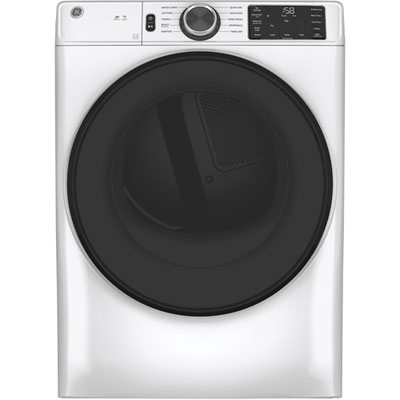 Your price for this item is $1999.99
 -
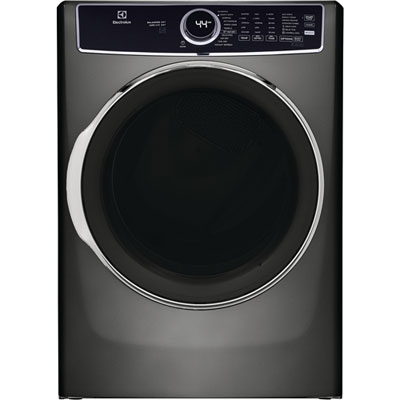 Your price for this item is $1169.99
 -
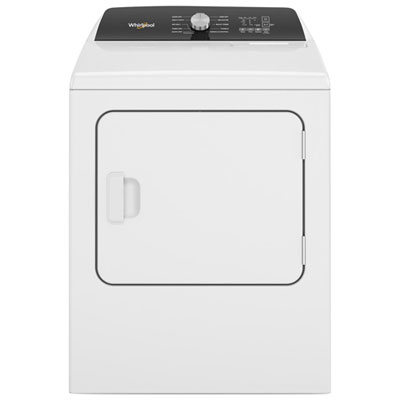 Your price for this item is $849.99
 -
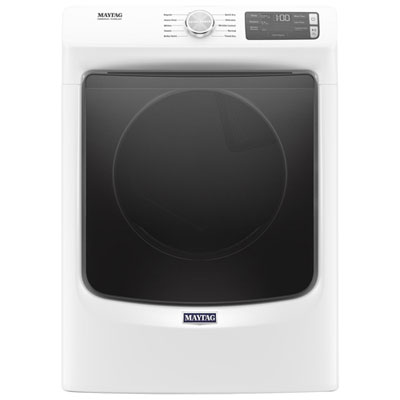 Your price for this item is $999.99
 -
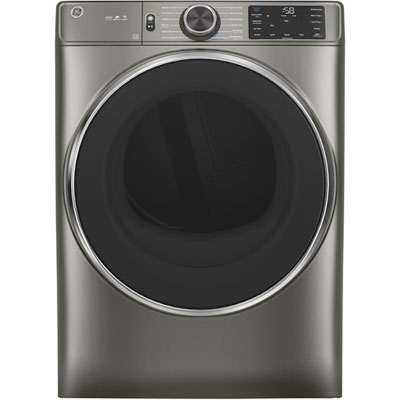 Your price for this item is $1949.99
 -
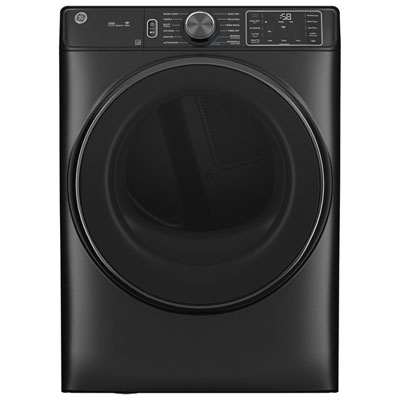 Your price for this item is $1199.99
 -
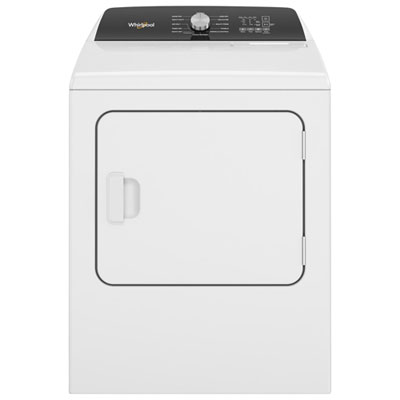 Your price for this item is $799.99
 -
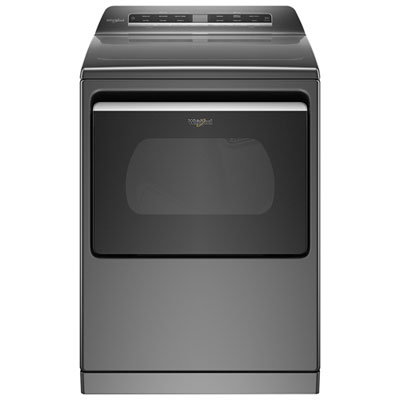 Your price for this item is $1149.97
Discover more categories related to Tumble Dryer Machines
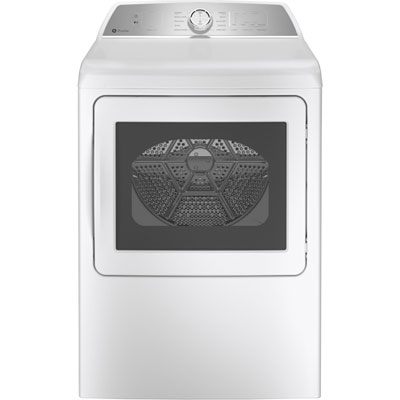
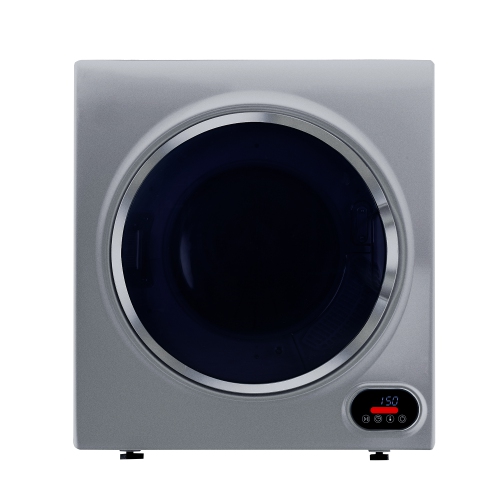
Top Collections:
Pokemon Centers, Kindle Devices, Best Budget Office Chairs, Apple iPhones 16, Best Laptops for Writers, iPhone 15 Apple, Canon G7X Cameras, Refurbished Apple Laptops, Alarm Clock, Motorola Razr Phones
Some products may be subject to Environmental Handling Fees
(EHF) depending on your province.
Learn more about EHFs.