Fabric Dryers
Front-loading dryers are a great way to save energy and money. They're also a great way to make sure your clothes are clean and fresh, without using a lot of water.
Sort
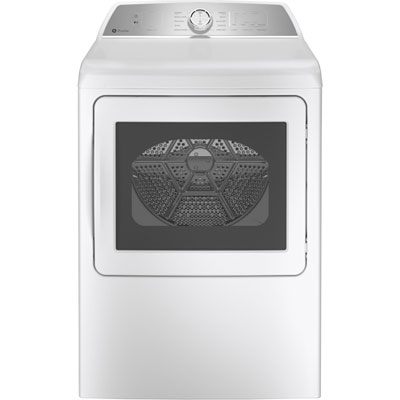
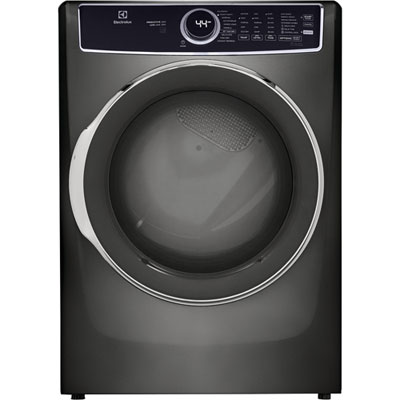
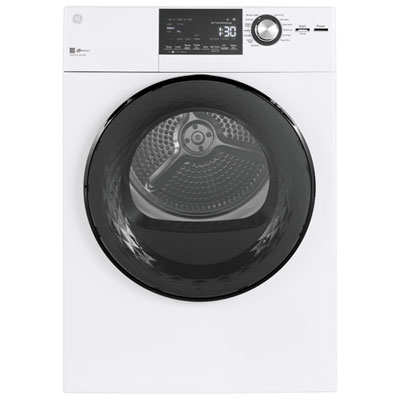
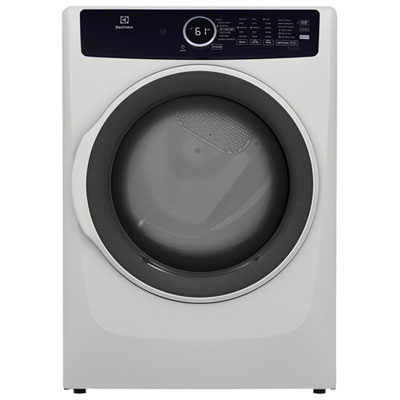
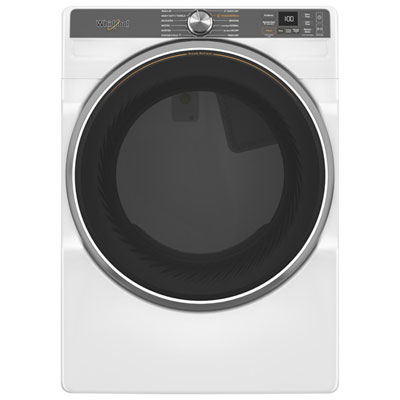
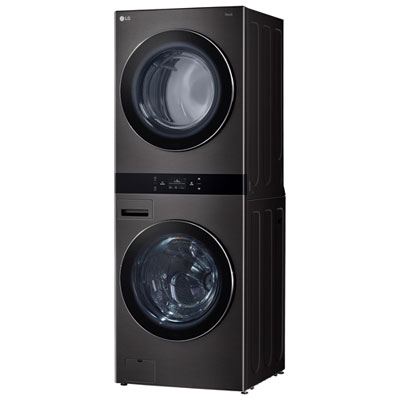
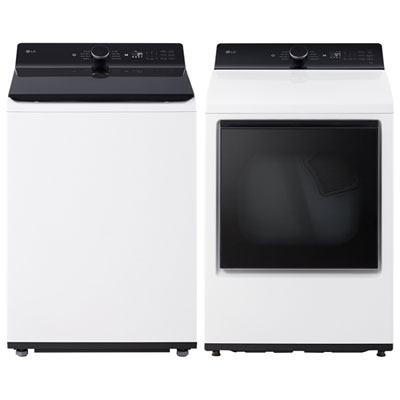
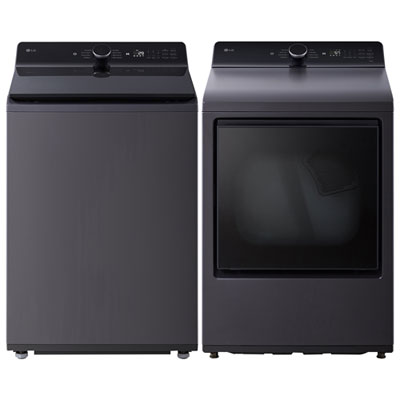
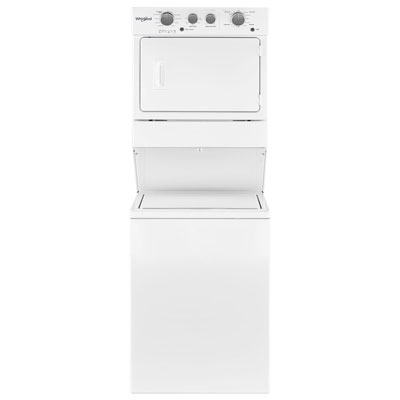
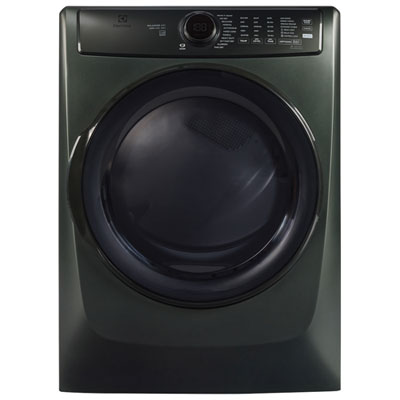
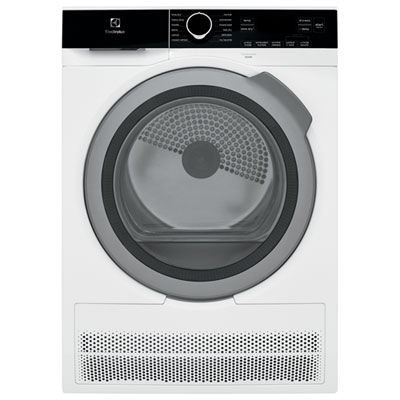
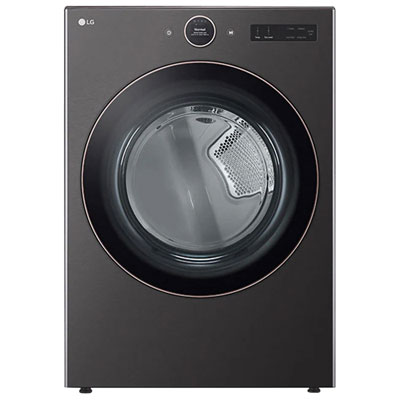
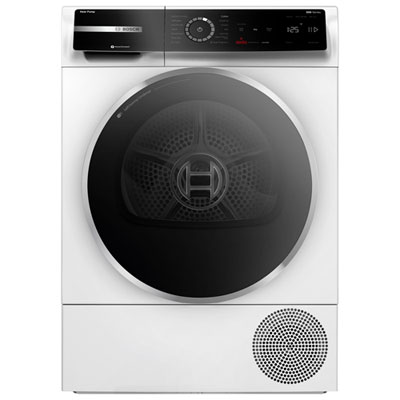
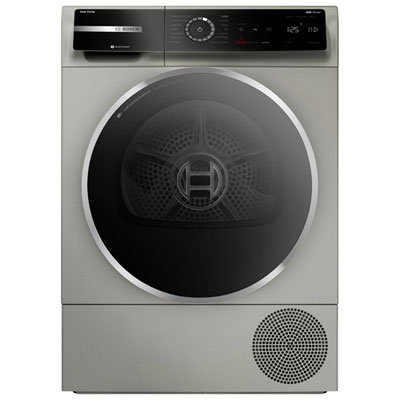
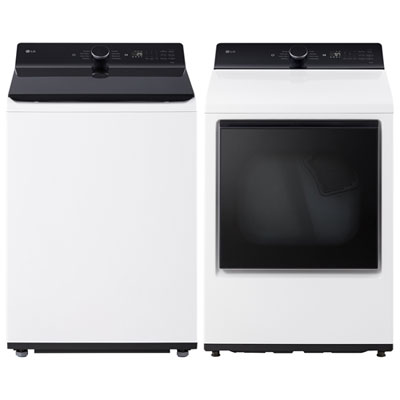
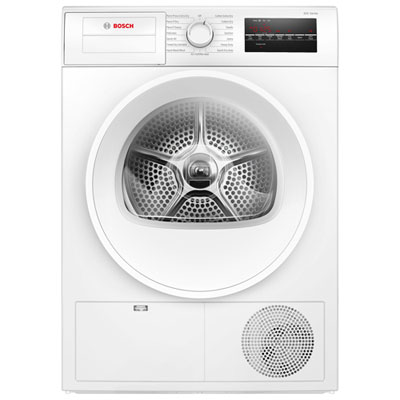
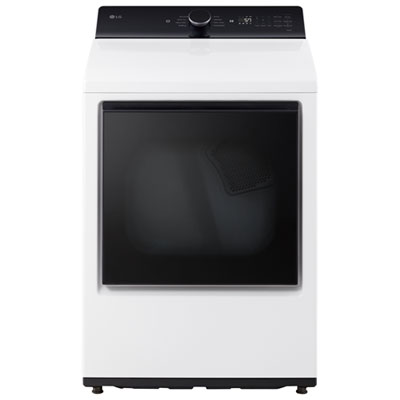
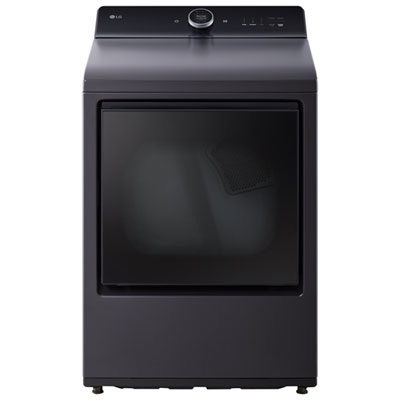
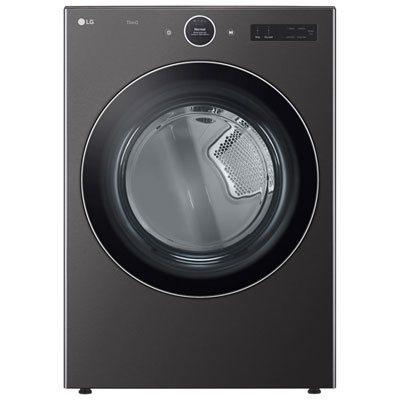
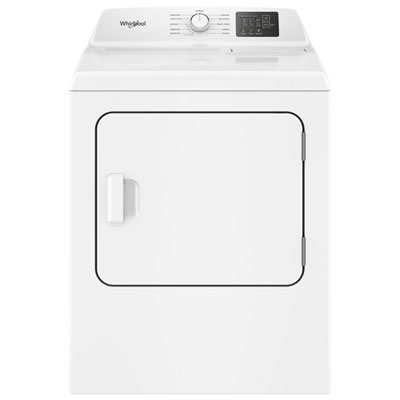
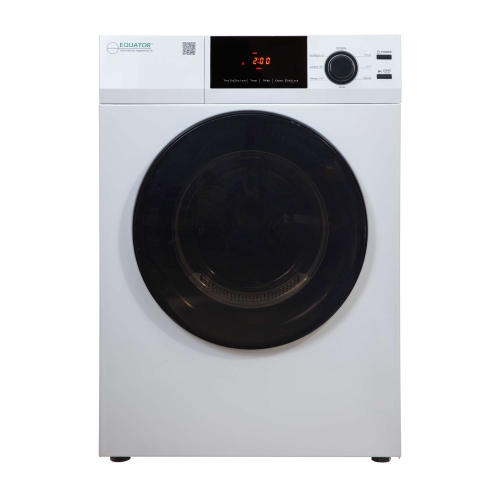
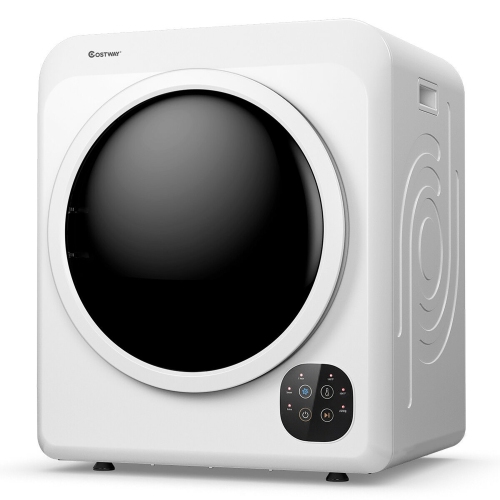
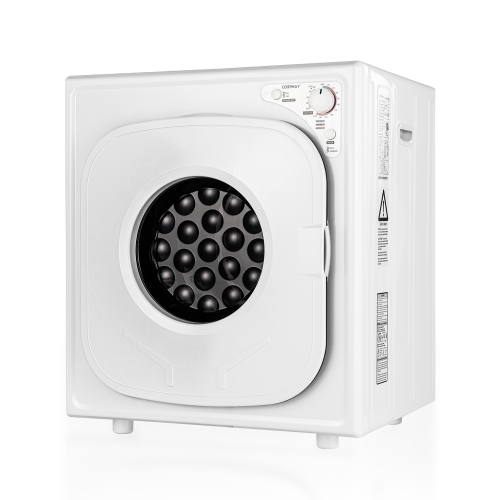
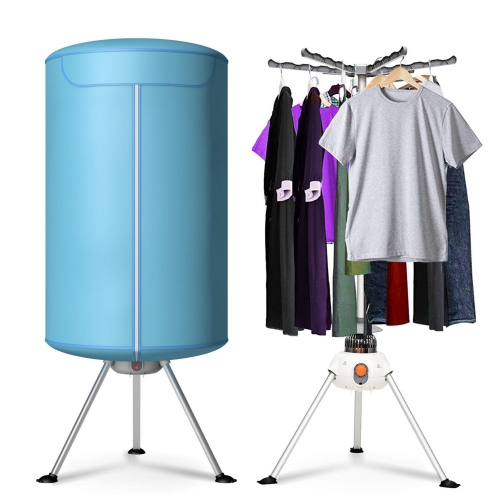
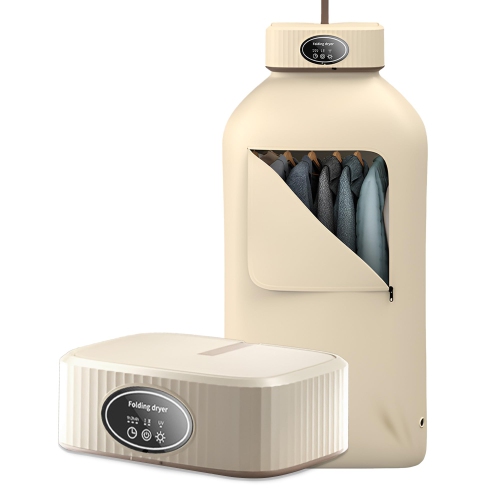
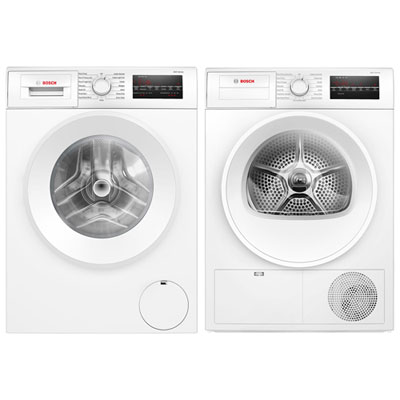
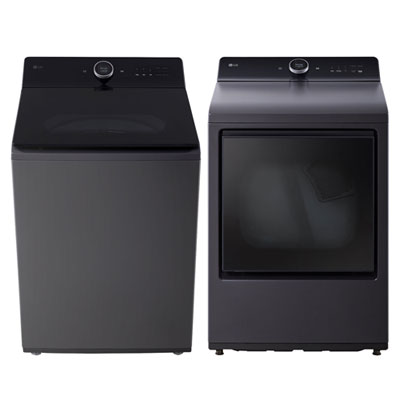
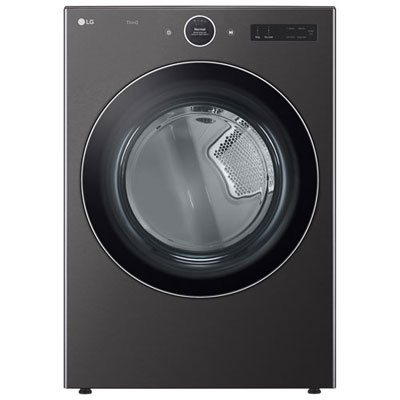
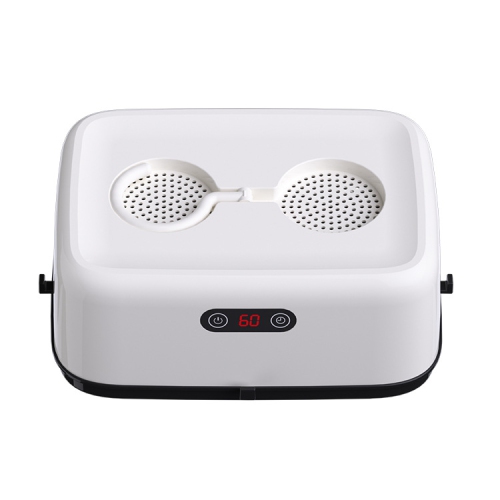
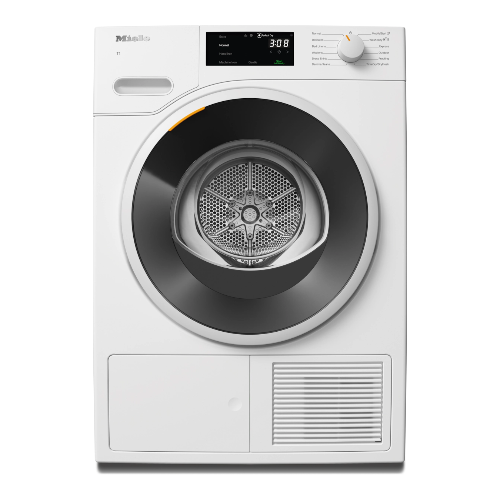
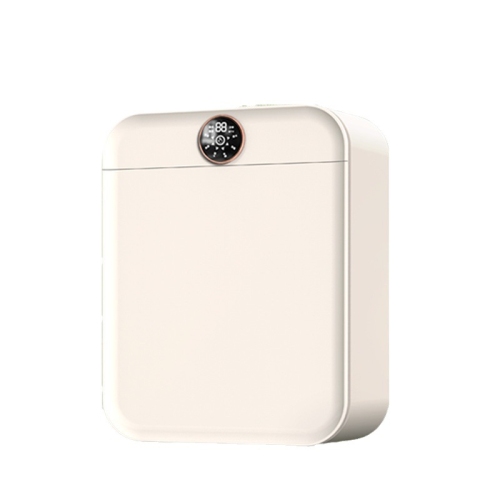
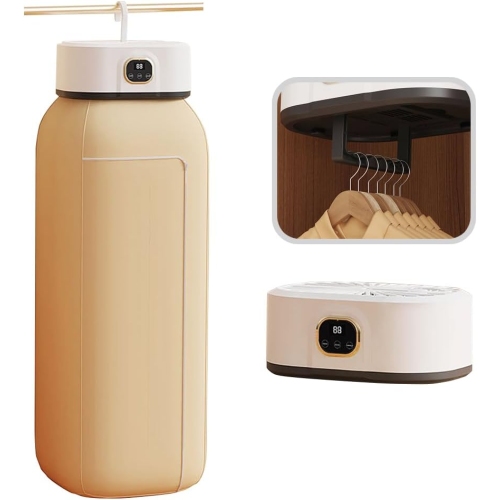
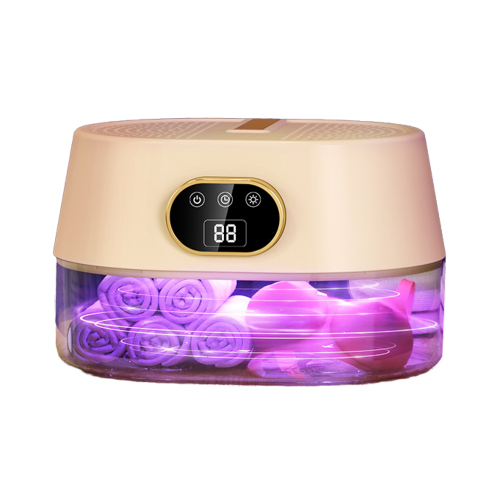
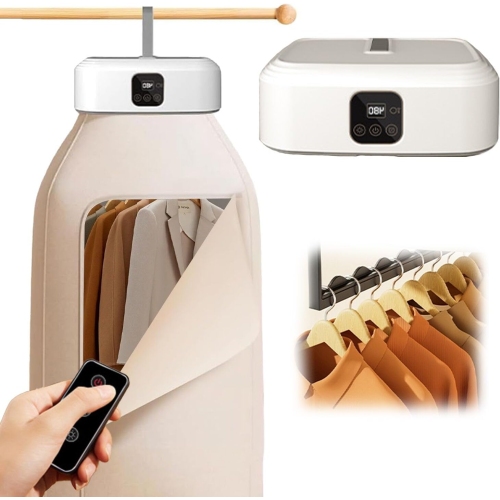
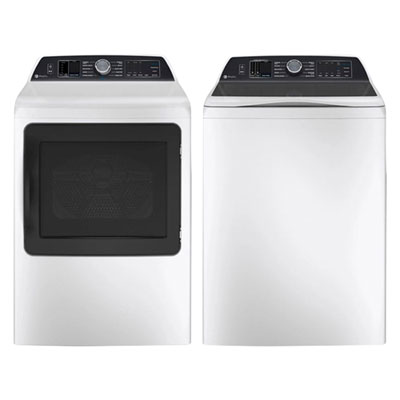
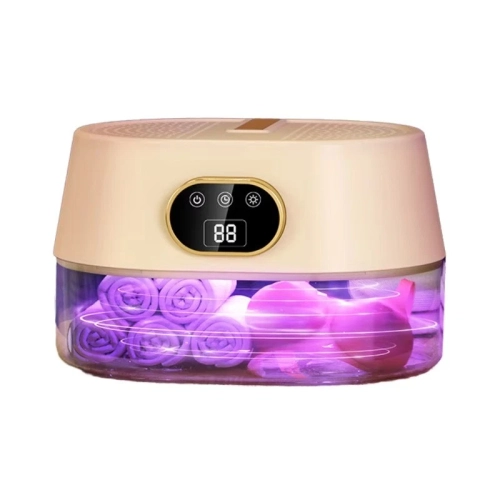
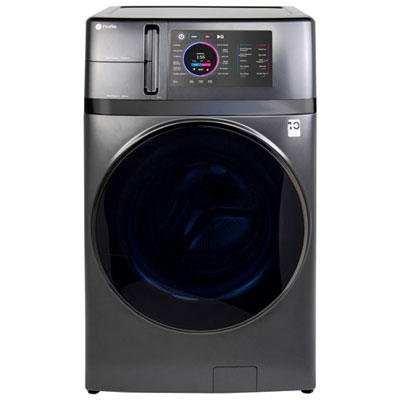
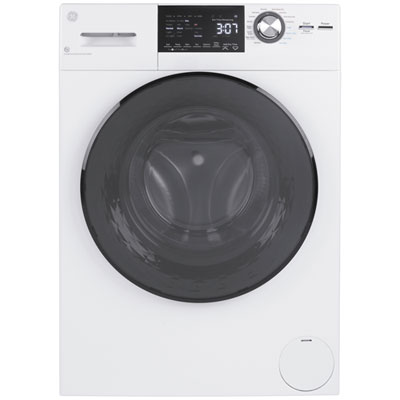
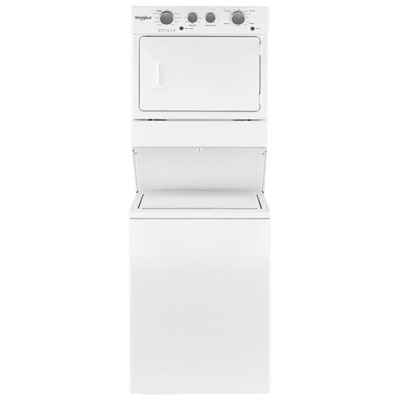
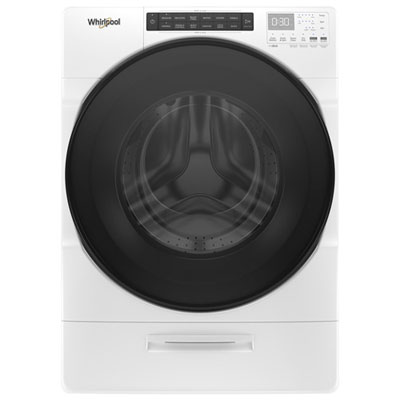
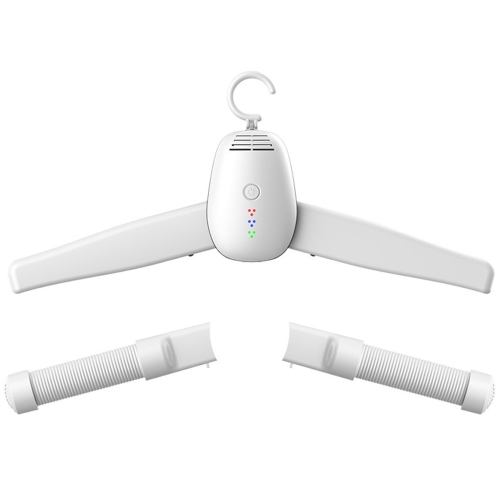
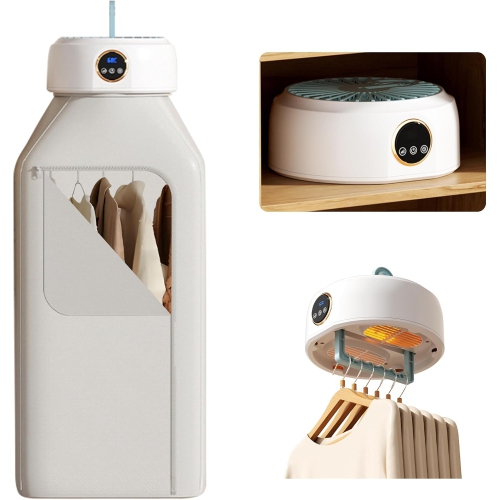
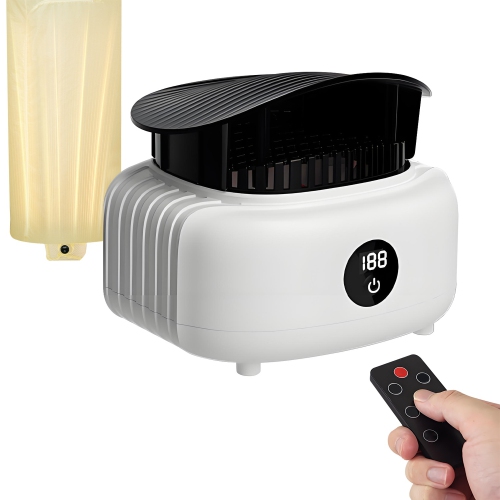
The right dryer fits more than your laundry
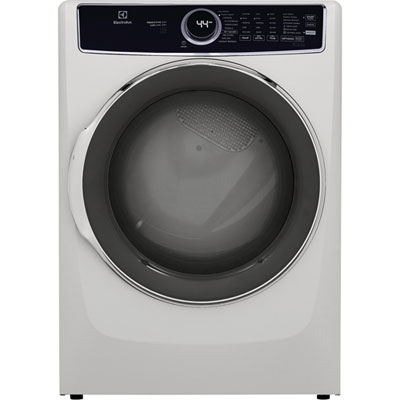
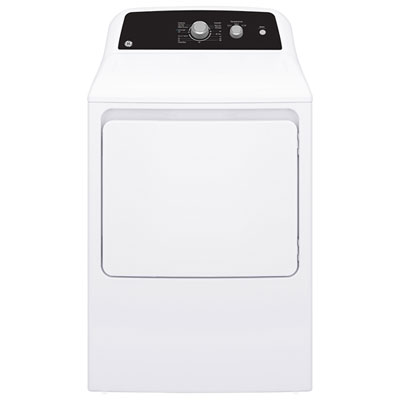
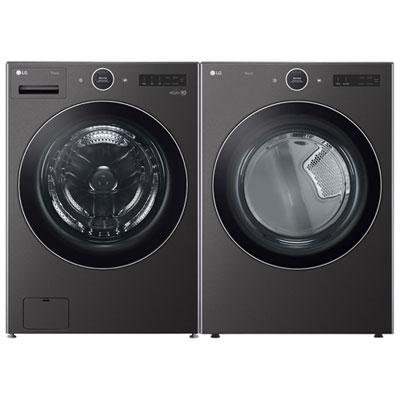
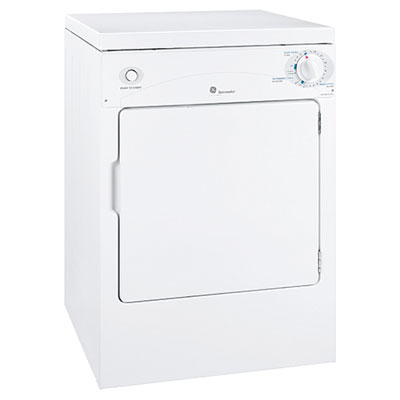
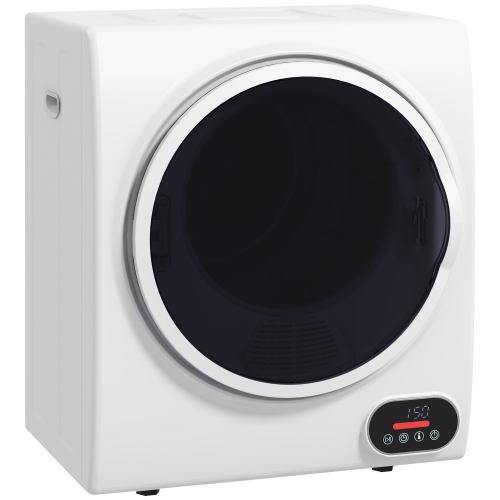
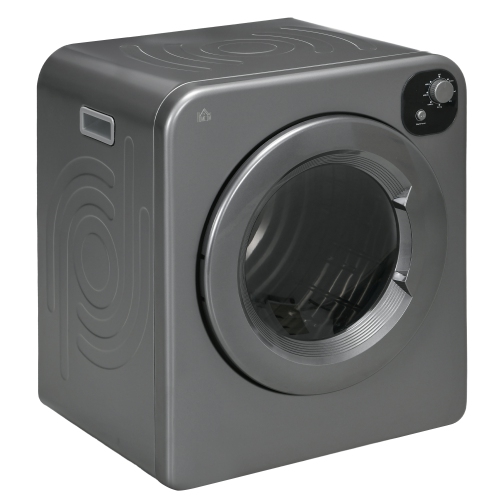
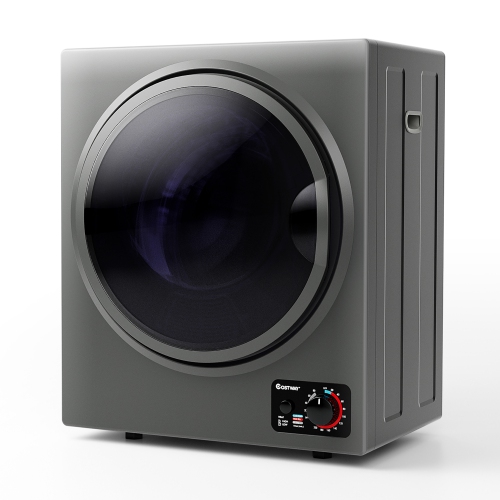
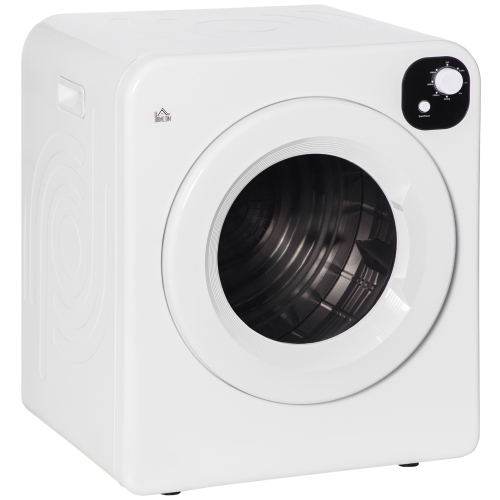
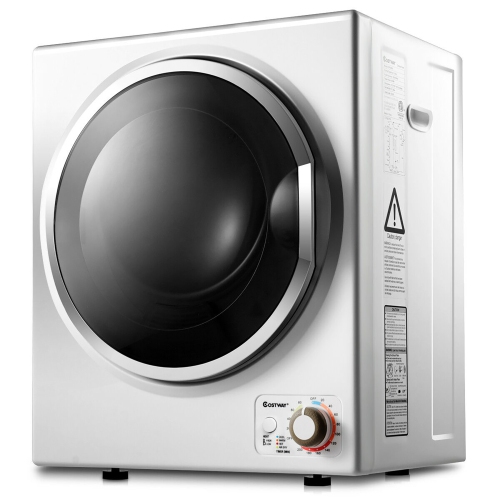
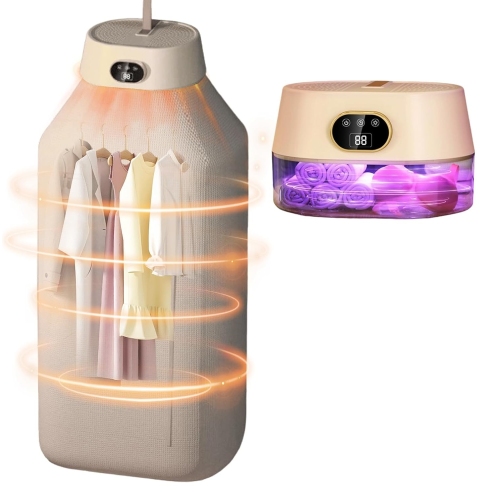
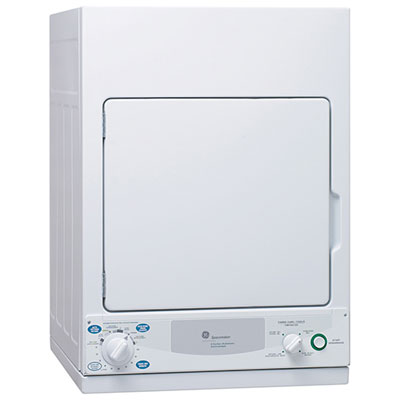
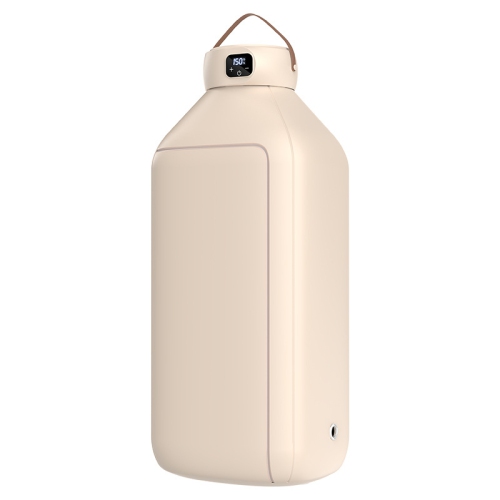
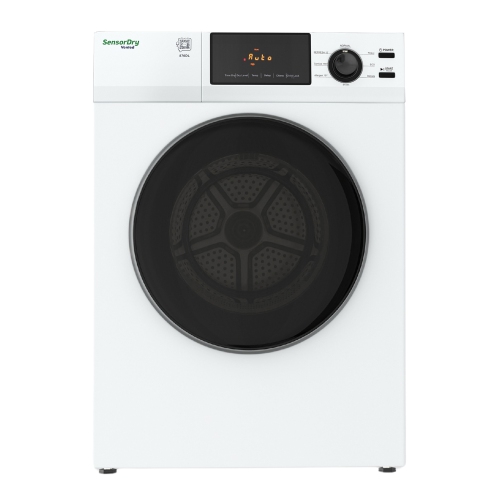
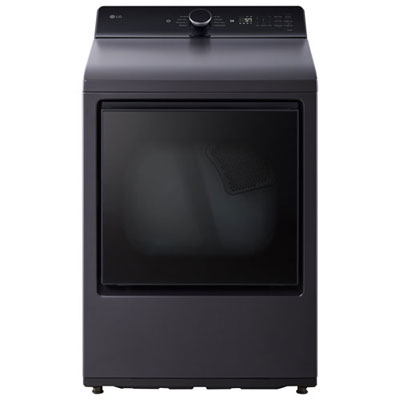
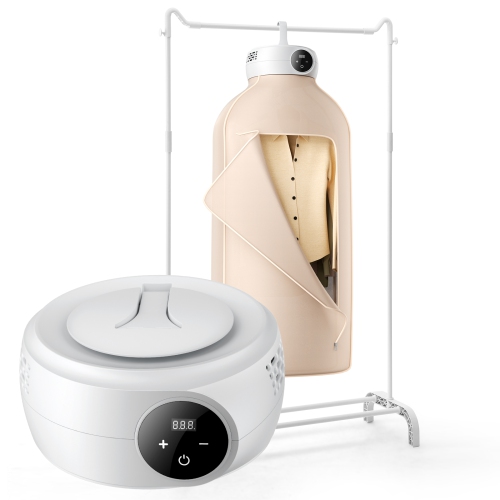
Fabric dryers, commonly called clothes dryers or tumble dryers, are household appliances that remove moisture from washed clothing, towels, bedding, and other dryer-safe textiles. They combine airflow with a rotating drum and, in most cycles, heat to turn a heavy basket of damp laundry into items ready to fold, wear, or put away. For households that run several loads a week, a dryer can make the difference between finishing laundry in an afternoon and having drying racks occupied for days. That convenience is especially welcome during the cooler months, when outdoor drying is less practical and thicker clothing joins the wash. The best fit depends on more than how much laundry you do: the fabrics you wash, the space available, and your home’s electrical or gas connections all matter. A household washing school clothes, work shirts, and bath towels has different needs from someone mainly caring for lightweight garments in a small apartment. Drum capacity is usually stated in cubic feet, but the largest number is not automatically the most useful choice. Clothes need room to tumble freely so warm air can circulate, and a tightly packed drum can leave seams and pockets damp even when lighter areas feel dry. Match the dryer’s capacity to your usual washer loads, and check the manufacturer’s guidance for bulky articles. A king-size comforter, for example, may need more room than its weight suggests; its thickness and filling matter as much as its dimensions. For an apartment, a smaller household, or a laundry nook with limited floor space, Compact Dryers can be worth considering. Their smaller dimensions can make installation easier in tight quarters, although a smaller drum may mean dividing laundry into additional loads. Choosing a capacity that suits an ordinary laundry day is generally more helpful than planning around the occasional oversized load.
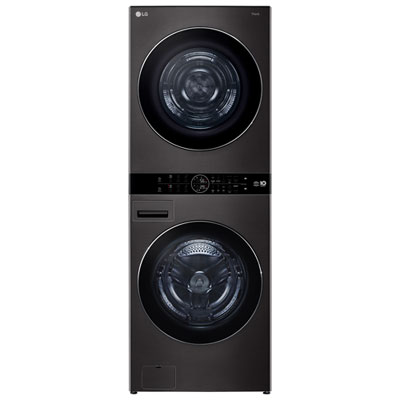
Installation requirements are one of the most important distinctions among fabric dryers. A vented dryer sends moist air outdoors through an exhaust duct, so it needs a suitable exterior vent route and enough clearance for the approved duct connection. The route’s length, bends, and condition can affect performance, making the existing setup worth checking before replacing an appliance. Ventless dryers do not require an exterior exhaust duct, but they still have specific requirements for clearance, room conditions, power, and moisture collection or drainage. Condenser dryers collect moisture from the drying air as water, which typically drains through a hose or gathers in a container that needs emptying. Heat pump dryers also collect water, while using a heat pump system to reuse heat within the drying process. They generally use less electricity and lower drying temperatures than conventional electric vented dryers, though cycle lengths vary with the appliance, programme, fabric, and load. Ventless does not mean an appliance can be installed in any cupboard or room without checking its specifications. Measure the intended space carefully, including height, width, depth, and room behind the dryer for connections. Allow for the open door, nearby cabinets, and enough standing space to lift out a bundle of sheets without squeezing past another appliance. Measure the delivery route too, particularly stairways, narrow doorways, and tight turns. If a stacked arrangement suits your space, confirm that both appliances are approved for that configuration and use the compatible stacking kit; similar widths alone do not establish compatibility. Many full-size electric dryers require a dedicated 240-volt connection, while some compact designs have different electrical requirements. Gas dryers need the appropriate gas supply, electrical connection, and exterior venting, with installation handled by a qualified professional. Check the exact requirements rather than assuming the connections from an older machine will suit a replacement. When comparing overall costs, include any necessary installation work, approved connection parts, stacking hardware, and removal of the old appliance alongside the purchase price. These practical details can influence which dryer is the most straightforward fit for your home.
Once capacity and installation are settled, the controls and fabric-care features deserve a closer look. Moisture sensors help an automatic cycle determine when a load has reached the selected dryness level, reducing unnecessary drying time and helping limit over-drying. Results can vary with load size and fabric mix, so a sensor cycle is most useful when paired with sensible sorting. Heavy towels and thin shirts often dry at different rates; separating them can spare lightweight pieces extra heat while giving thicker items the time they need. Adjustable temperature settings are valuable for households washing a wide range of textiles, but the care label should always take priority over a cycle name. Some wool garments, delicate fabrics, waterproof layers, and filled items require air drying or other specific care. A low-heat setting does not make every fabric suitable for tumble drying. Timed drying can help finish suitable items that are still slightly damp, while an air-only cycle tumbles without added heat for uses permitted by the manufacturer. Wrinkle-reduction options may continue tumbling intermittently after a cycle ends, which is useful when dinner, homework, or a work call delays unloading. They can help reduce creasing, but do not replace prompt folding or hanging. Steam features, where offered, may help refresh suitable garments or ease wrinkles; they are not a substitute for washing soiled clothing. Day-to-day usability matters just as much as the cycle list. Clear controls, an easy-to-reach lint filter, interior lighting, and a door that opens in a convenient direction can make frequent laundry less awkward. In a laundry area near a bedroom or living space, compare available noise information and end-of-cycle sound settings. Keep routine care in mind as well: clean the lint filter as directed, maintain the exhaust path on vented dryers, and follow instructions for water containers, filters, and heat exchangers on ventless designs. Never put items contaminated with flammable substances in a dryer. A well-chosen fabric dryer should suit both the room and the routine, whether that means managing a family’s towel pile or finishing a small load before the next workday.
Installation requirements are one of the most important distinctions among fabric dryers. A vented dryer sends moist air outdoors through an exhaust duct, so it needs a suitable exterior vent route and enough clearance for the approved duct connection. The route’s length, bends, and condition can affect performance, making the existing setup worth checking before replacing an appliance. Ventless dryers do not require an exterior exhaust duct, but they still have specific requirements for clearance, room conditions, power, and moisture collection or drainage. Condenser dryers collect moisture from the drying air as water, which typically drains through a hose or gathers in a container that needs emptying. Heat pump dryers also collect water, while using a heat pump system to reuse heat within the drying process. They generally use less electricity and lower drying temperatures than conventional electric vented dryers, though cycle lengths vary with the appliance, programme, fabric, and load. Ventless does not mean an appliance can be installed in any cupboard or room without checking its specifications. Measure the intended space carefully, including height, width, depth, and room behind the dryer for connections. Allow for the open door, nearby cabinets, and enough standing space to lift out a bundle of sheets without squeezing past another appliance. Measure the delivery route too, particularly stairways, narrow doorways, and tight turns. If a stacked arrangement suits your space, confirm that both appliances are approved for that configuration and use the compatible stacking kit; similar widths alone do not establish compatibility. Many full-size electric dryers require a dedicated 240-volt connection, while some compact designs have different electrical requirements. Gas dryers need the appropriate gas supply, electrical connection, and exterior venting, with installation handled by a qualified professional. Check the exact requirements rather than assuming the connections from an older machine will suit a replacement. When comparing overall costs, include any necessary installation work, approved connection parts, stacking hardware, and removal of the old appliance alongside the purchase price. These practical details can influence which dryer is the most straightforward fit for your home.
Once capacity and installation are settled, the controls and fabric-care features deserve a closer look. Moisture sensors help an automatic cycle determine when a load has reached the selected dryness level, reducing unnecessary drying time and helping limit over-drying. Results can vary with load size and fabric mix, so a sensor cycle is most useful when paired with sensible sorting. Heavy towels and thin shirts often dry at different rates; separating them can spare lightweight pieces extra heat while giving thicker items the time they need. Adjustable temperature settings are valuable for households washing a wide range of textiles, but the care label should always take priority over a cycle name. Some wool garments, delicate fabrics, waterproof layers, and filled items require air drying or other specific care. A low-heat setting does not make every fabric suitable for tumble drying. Timed drying can help finish suitable items that are still slightly damp, while an air-only cycle tumbles without added heat for uses permitted by the manufacturer. Wrinkle-reduction options may continue tumbling intermittently after a cycle ends, which is useful when dinner, homework, or a work call delays unloading. They can help reduce creasing, but do not replace prompt folding or hanging. Steam features, where offered, may help refresh suitable garments or ease wrinkles; they are not a substitute for washing soiled clothing. Day-to-day usability matters just as much as the cycle list. Clear controls, an easy-to-reach lint filter, interior lighting, and a door that opens in a convenient direction can make frequent laundry less awkward. In a laundry area near a bedroom or living space, compare available noise information and end-of-cycle sound settings. Keep routine care in mind as well: clean the lint filter as directed, maintain the exhaust path on vented dryers, and follow instructions for water containers, filters, and heat exchangers on ventless designs. Never put items contaminated with flammable substances in a dryer. A well-chosen fabric dryer should suit both the room and the routine, whether that means managing a family’s towel pile or finishing a small load before the next workday.
Top selling and popular products
-
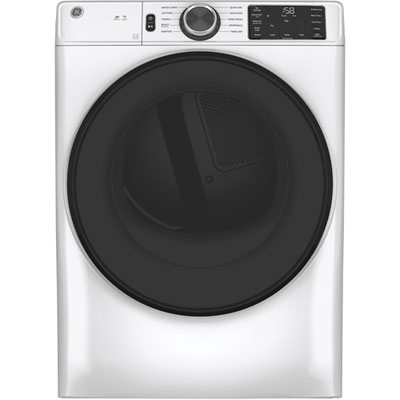 Your price for this item is $1999.99
 -
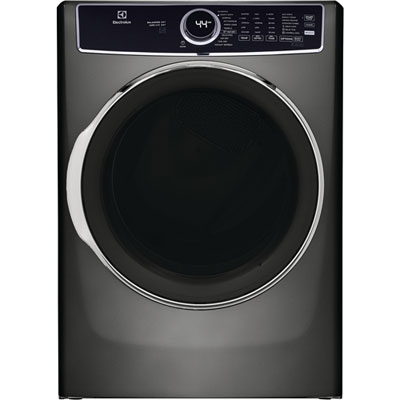 Your price for this item is $1169.99
 -
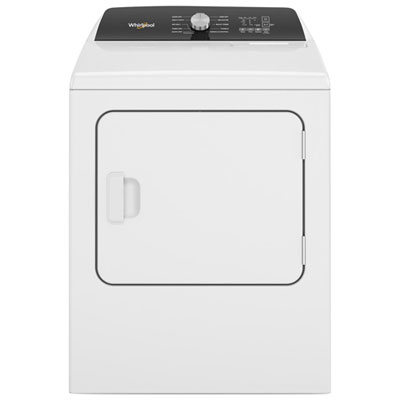 Your price for this item is $849.99
 -
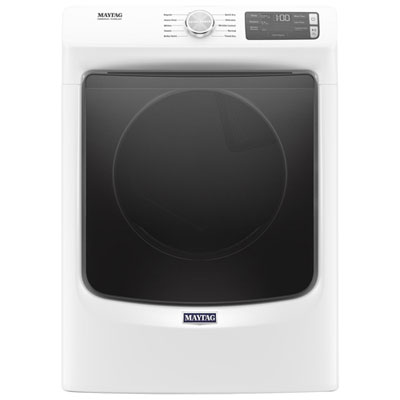 Your price for this item is $999.99
 -
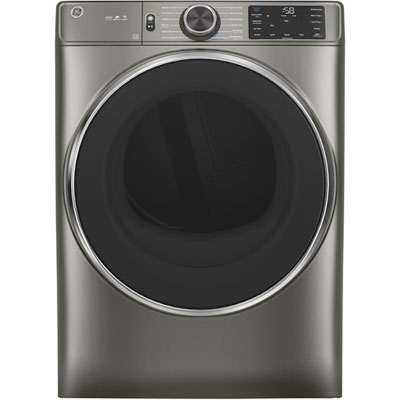 Your price for this item is $1949.99
 -
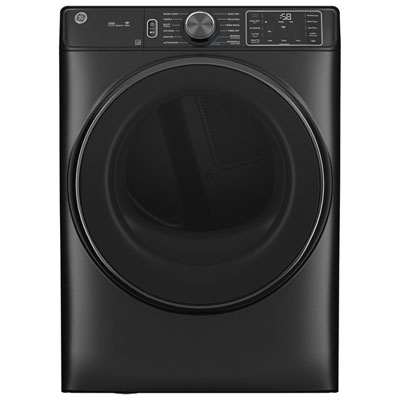 Your price for this item is $1199.99
 -
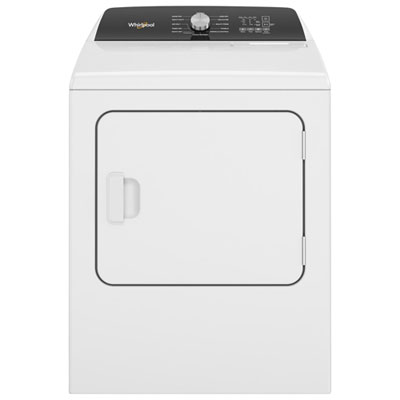 Your price for this item is $799.99
 -
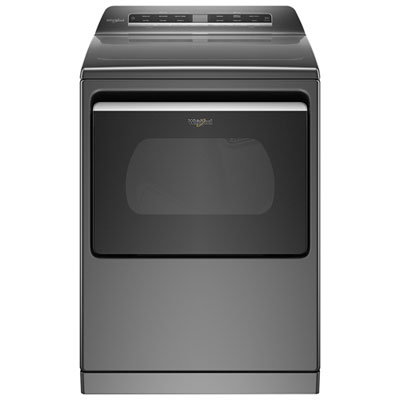 Your price for this item is $1149.97
Discover more categories related to Fabric Dryers
Top Collections:
Pokemon Centers, Kindle Devices, Best Budget Office Chairs, Apple iPhones 16, Best Laptops for Writers, iPhone 15 Apple, Canon G7X Cameras, Refurbished Apple Laptops, Alarm Clock, Motorola Razr Phones
Some products may be subject to Environmental Handling Fees
(EHF) depending on your province.
Learn more about EHFs.