Automatic Clothes Dryers
An automatic clothes dryer is a great addition to any home. It can save you time, money, and energy as it does the job for you. You don't have to wait for the clothes to dry after washing them any more. You can just put them inside the dryer and it will do the work for you. If you're looking for a dryer that will make your laundry chores easier, here are some great automatic clothes dryer for you.
Sort
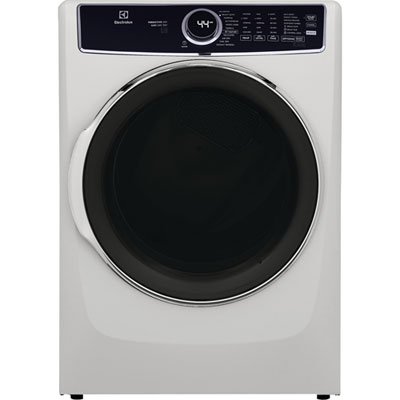
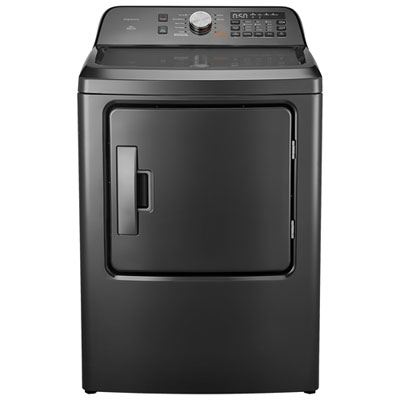
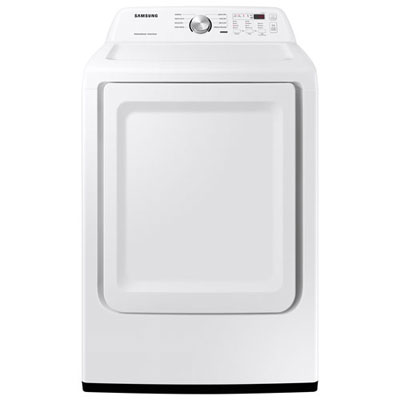
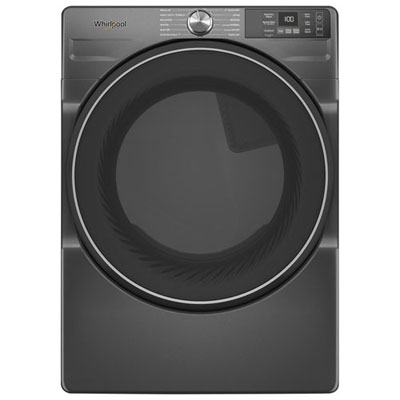
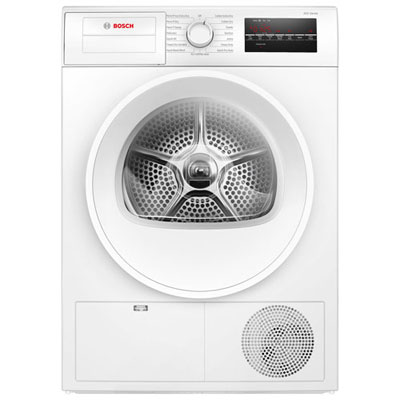
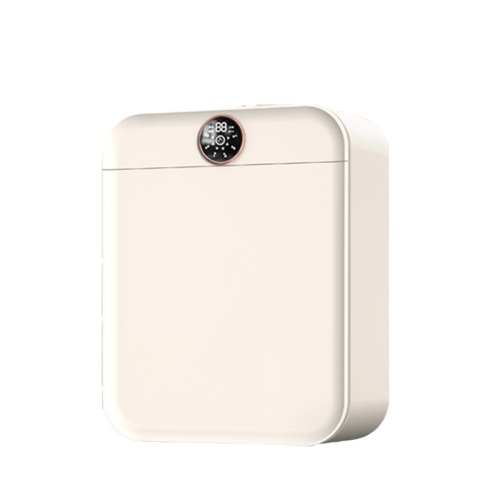
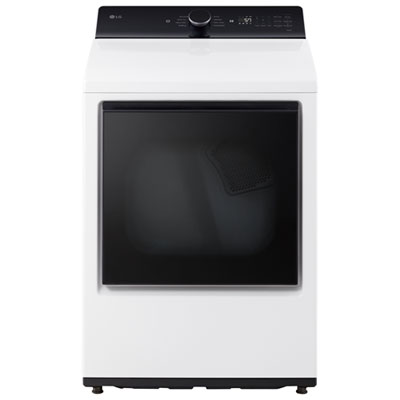
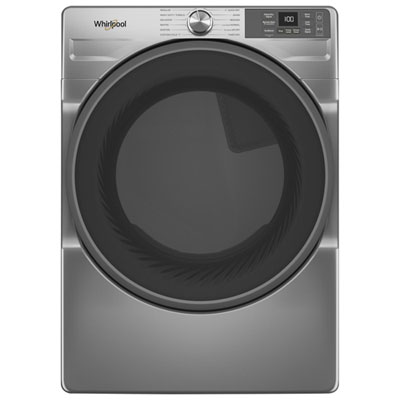
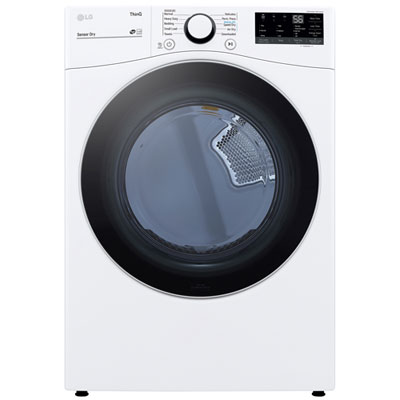
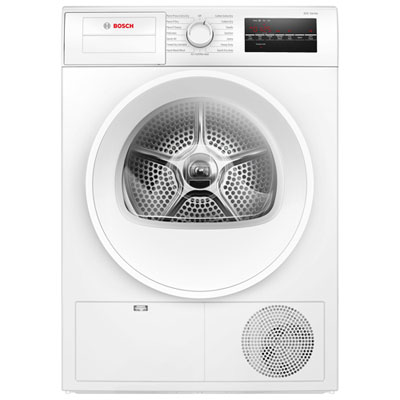
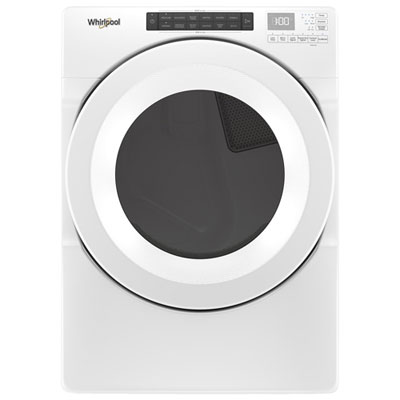
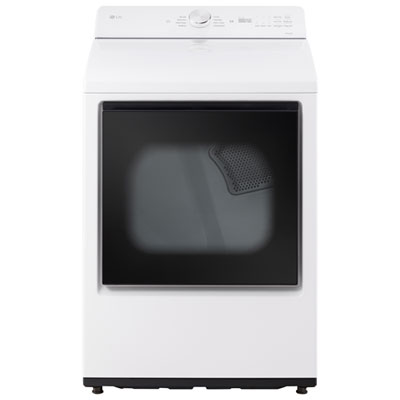
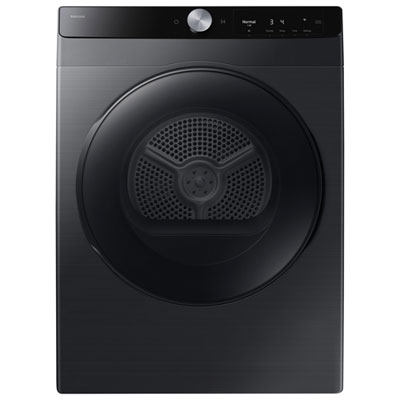
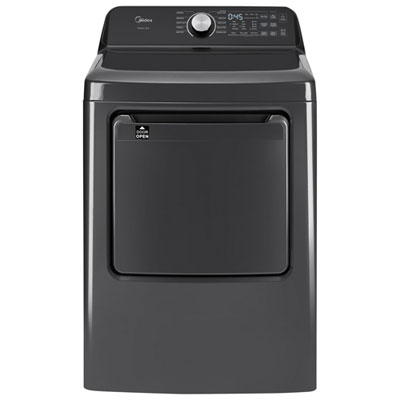

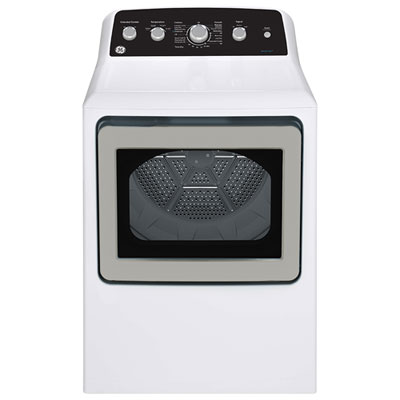
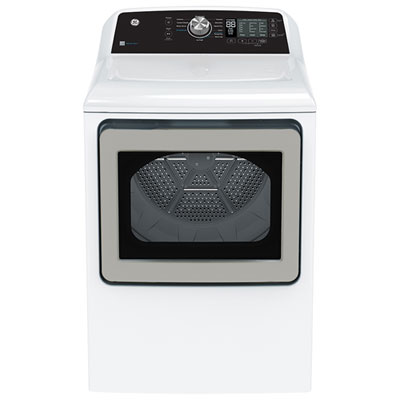
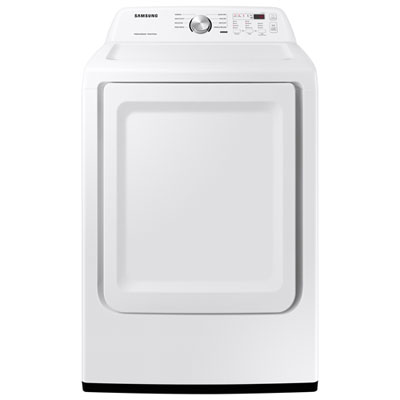
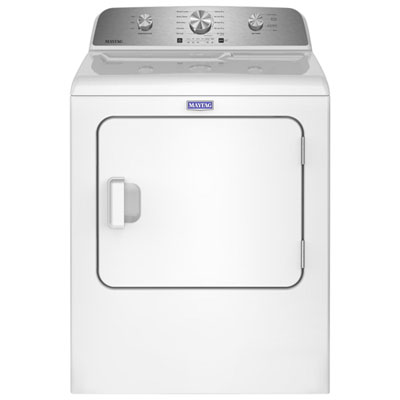
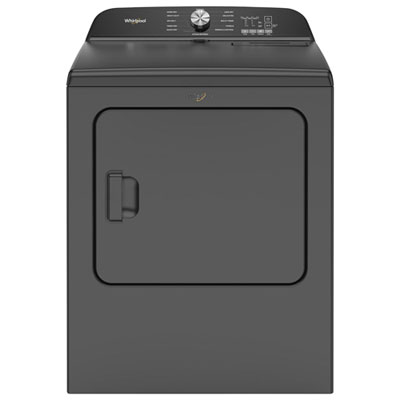
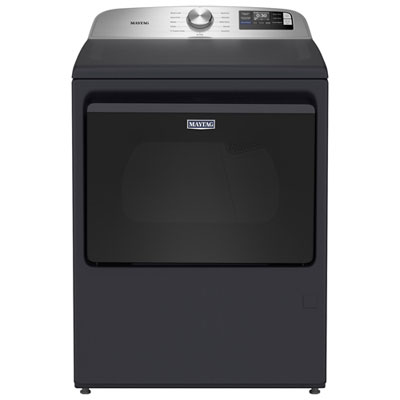
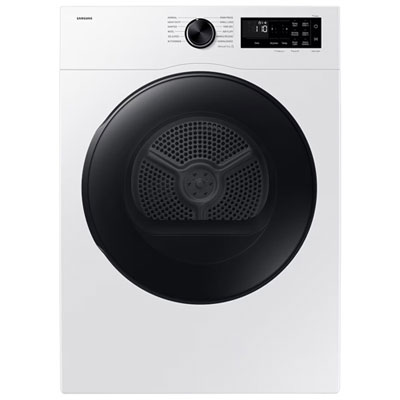

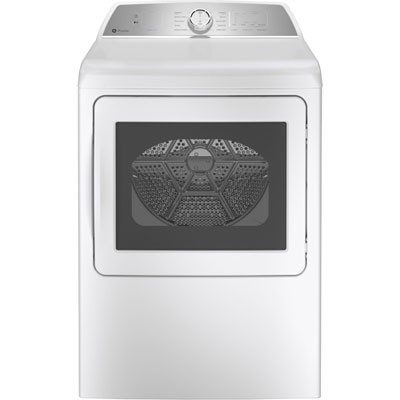
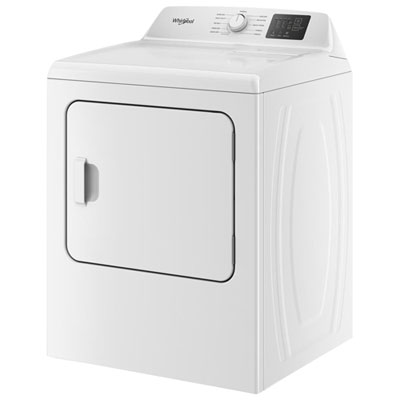
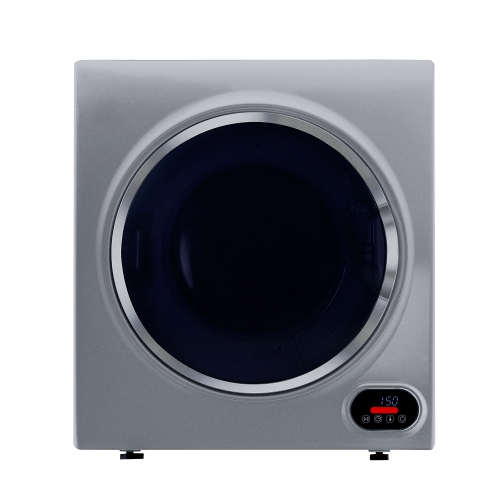
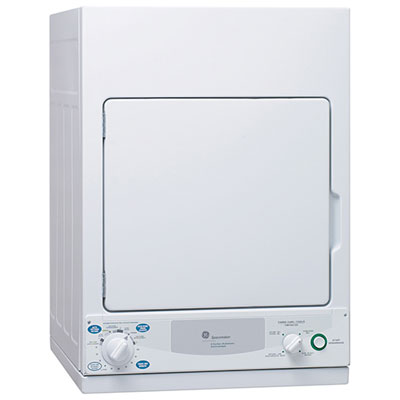
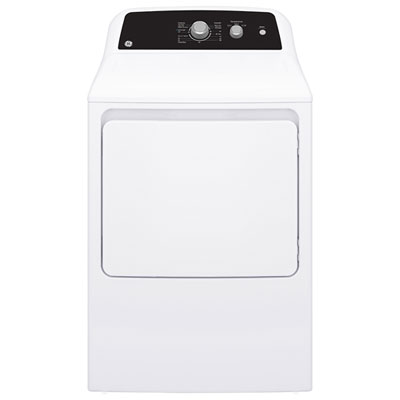
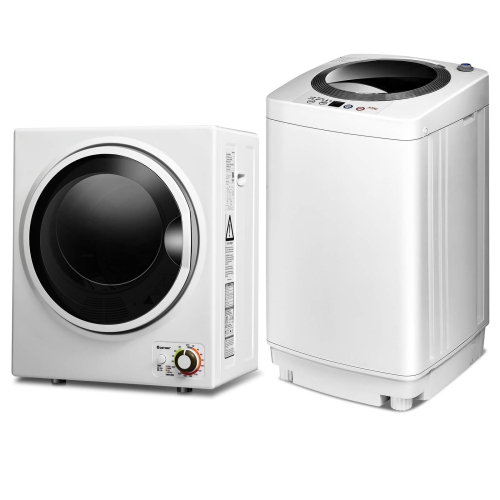
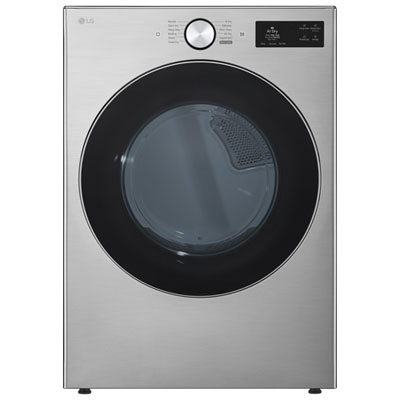
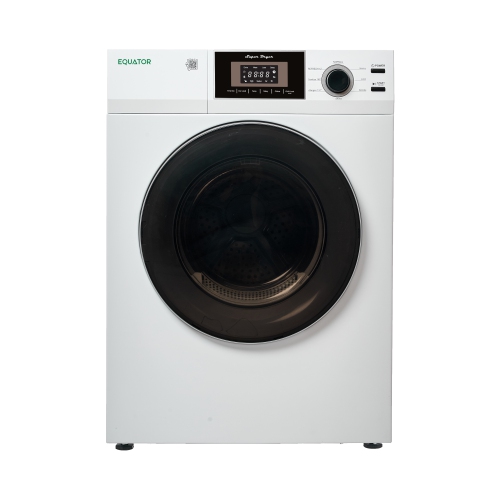
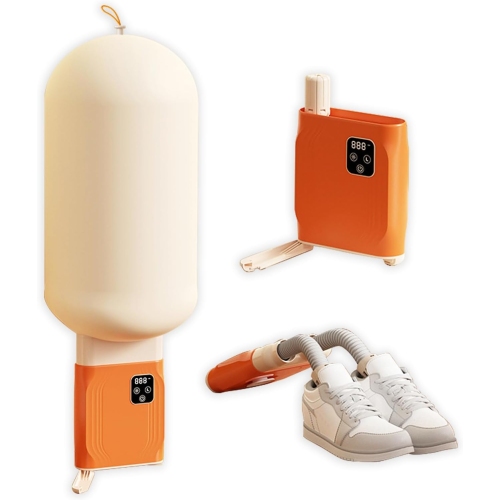
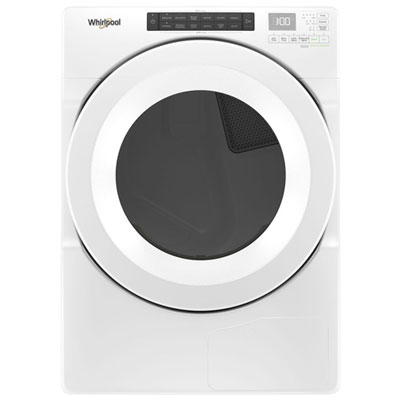
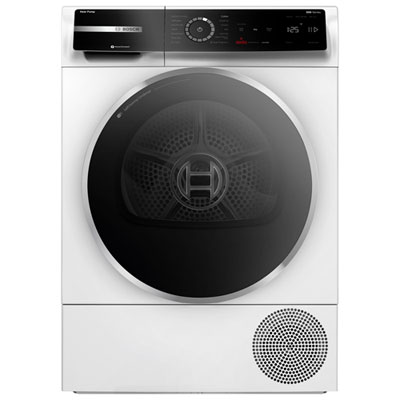
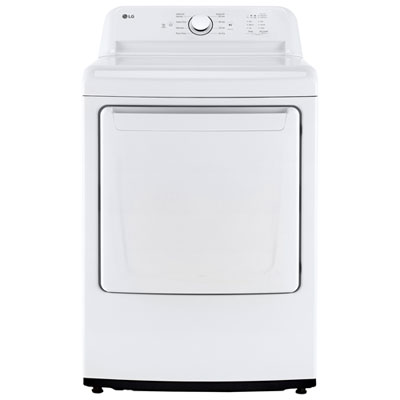
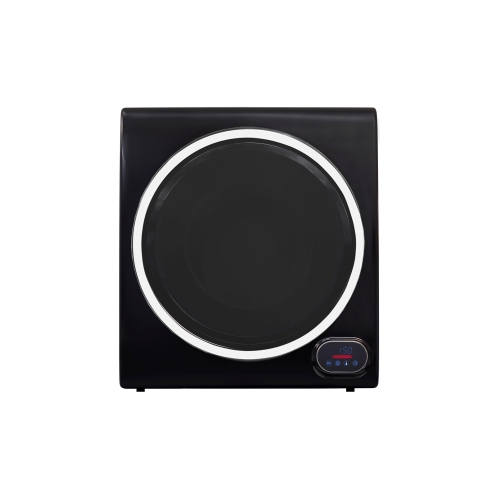
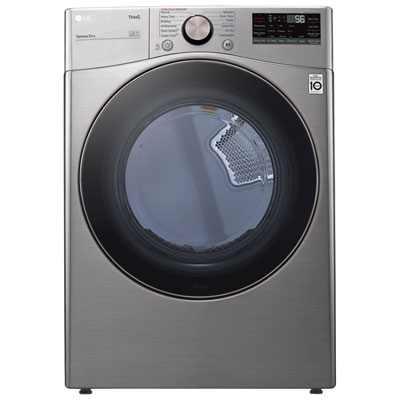

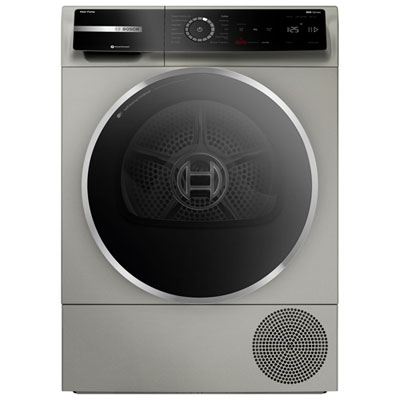
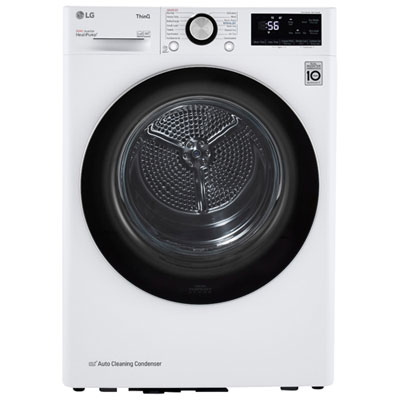

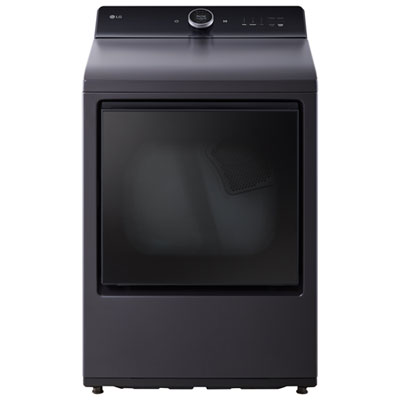
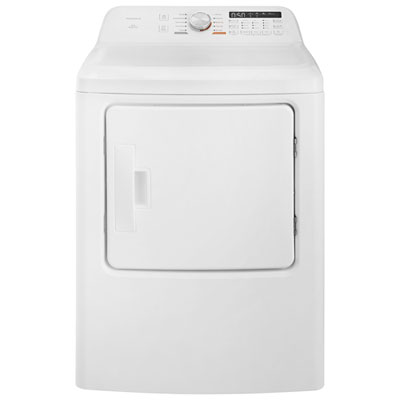
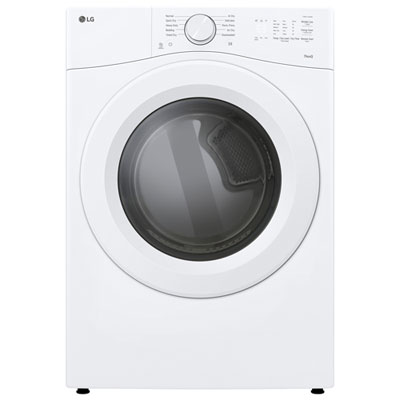
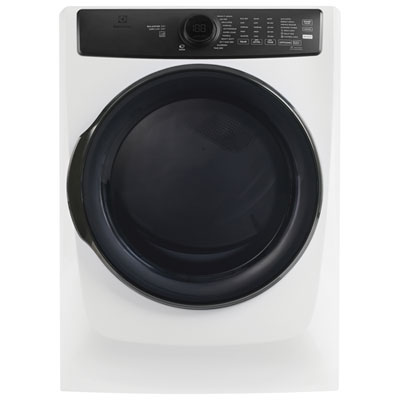

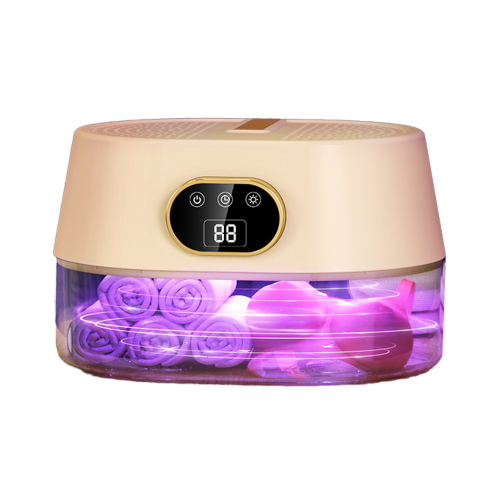
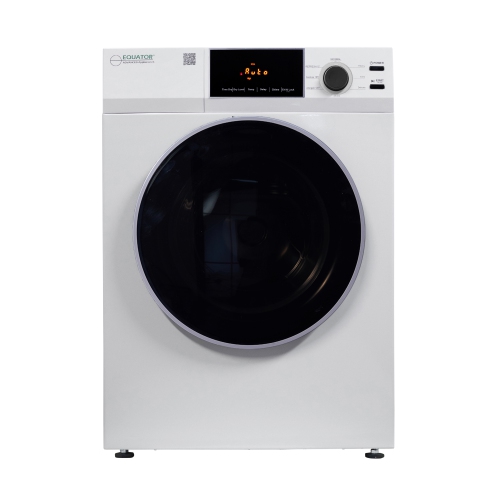
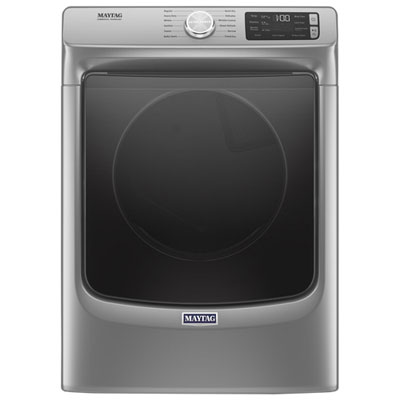
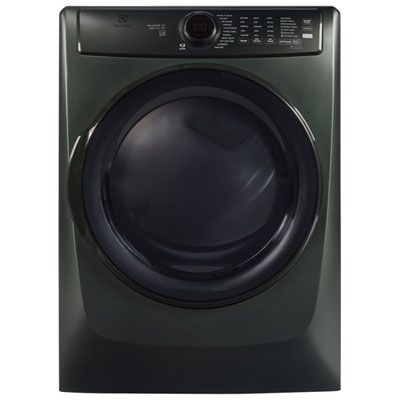
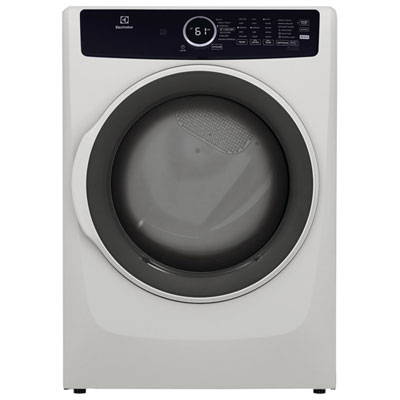
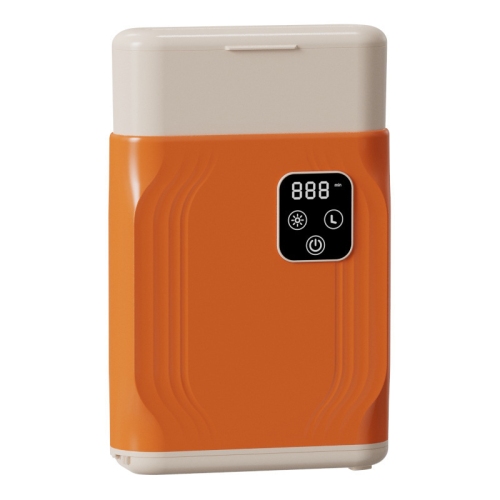
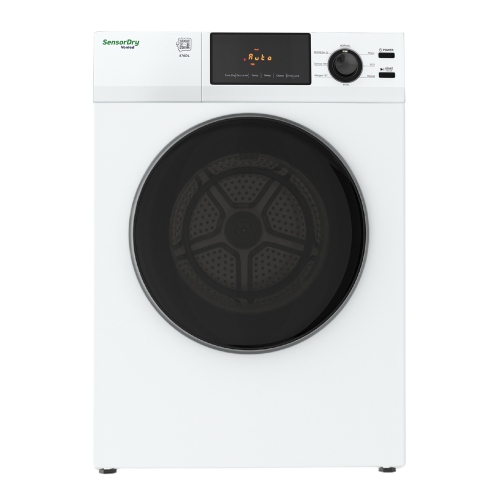
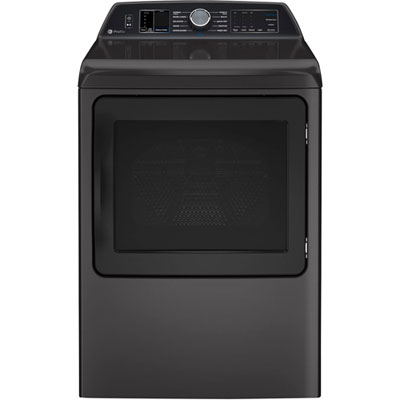
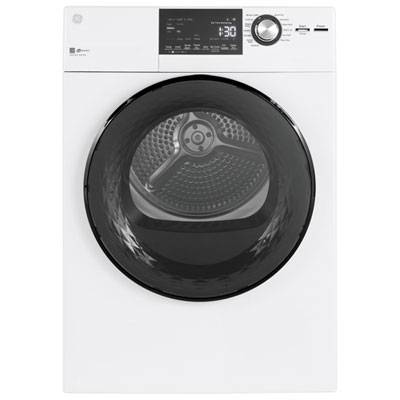
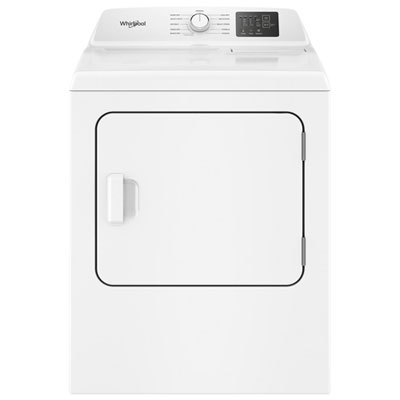
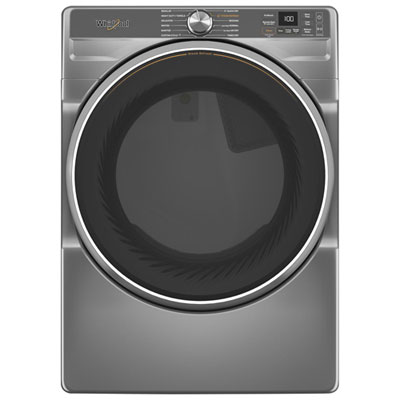

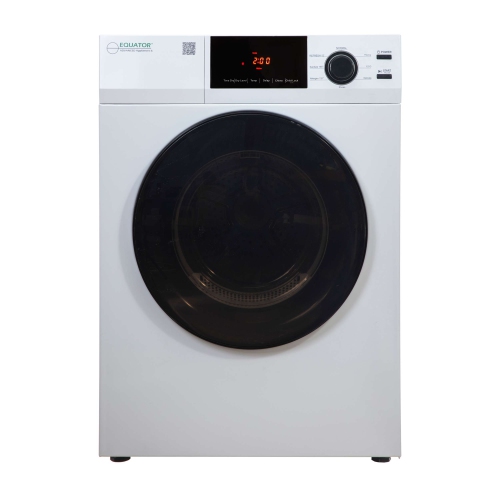
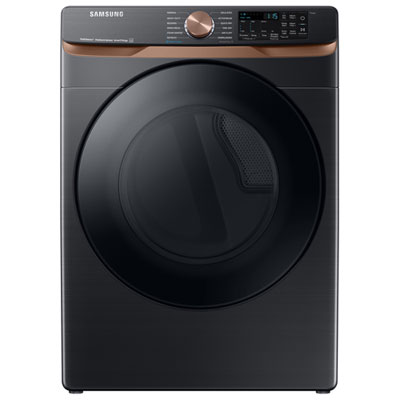
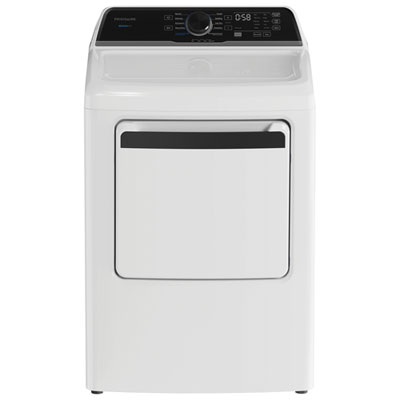
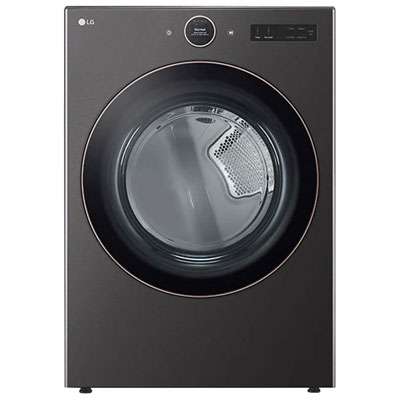
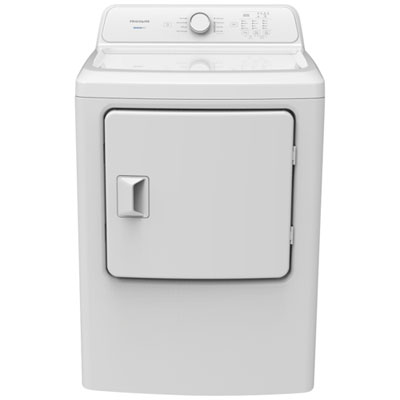
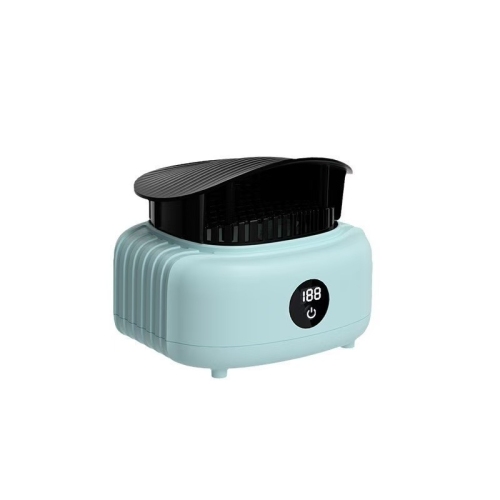
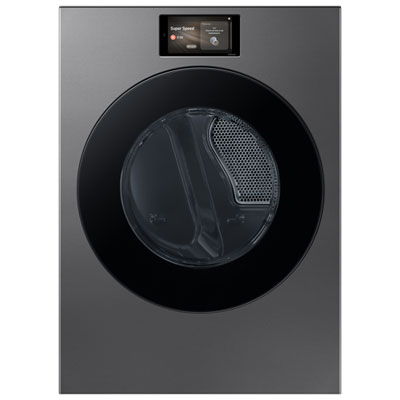
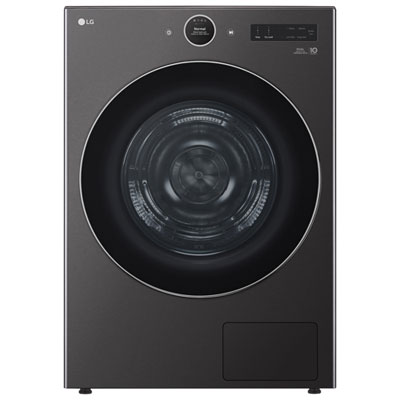
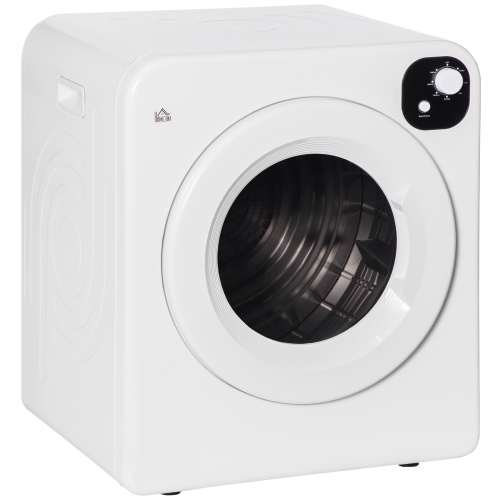
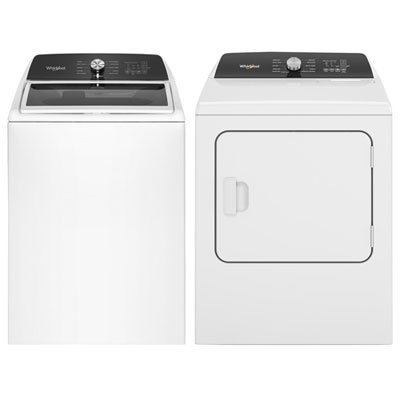
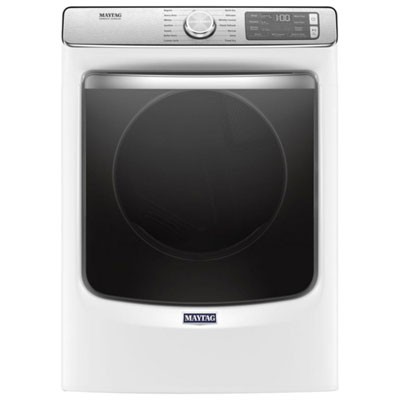
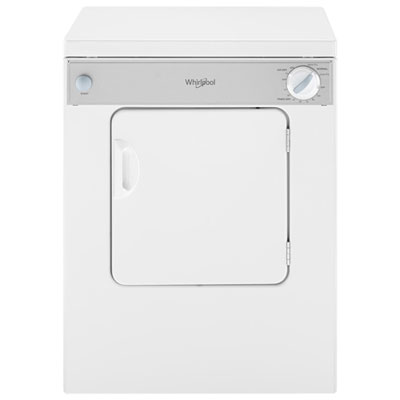
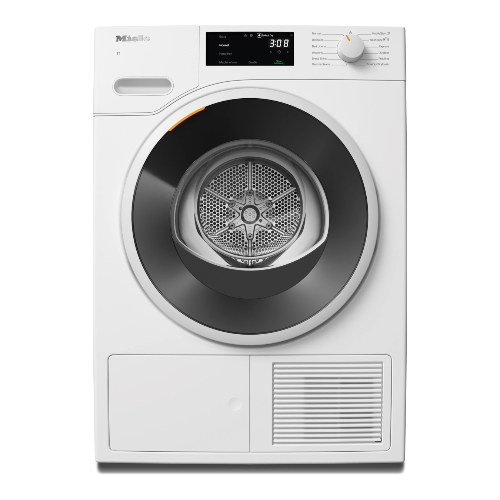
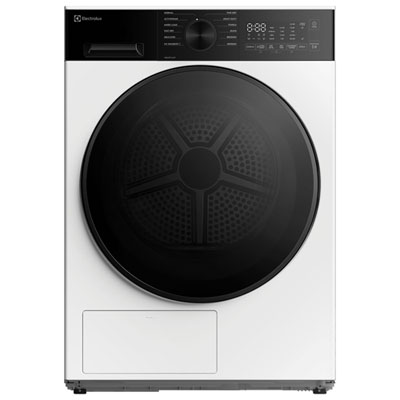
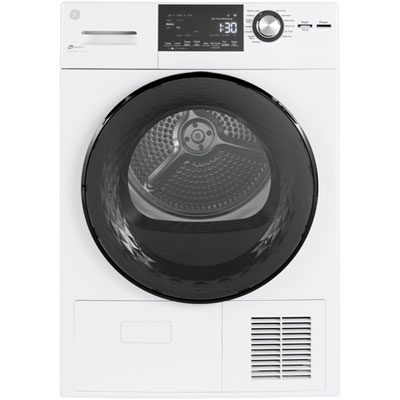
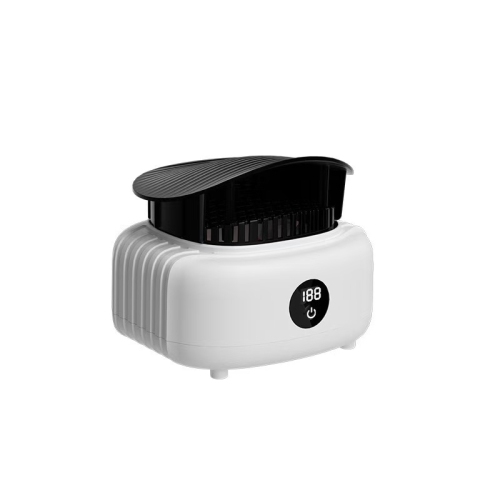
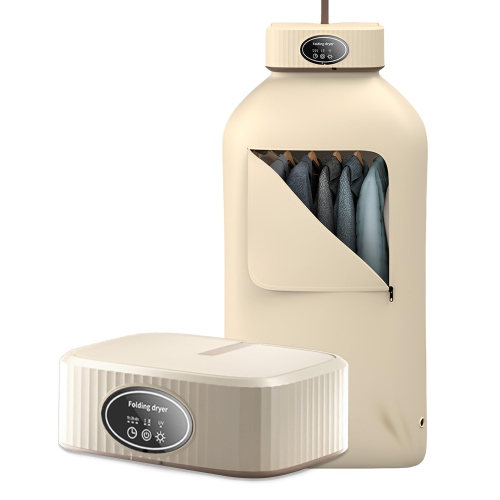
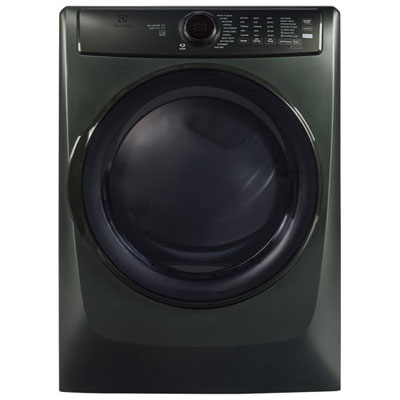
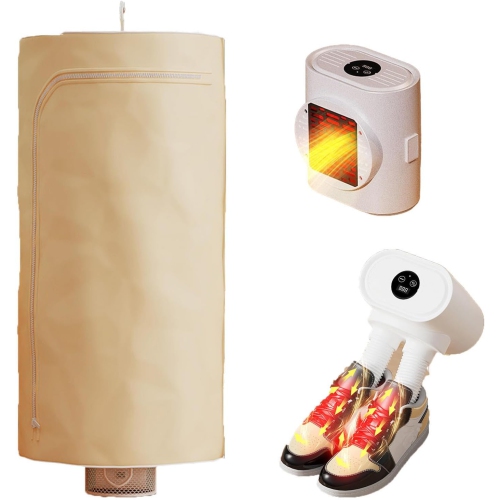
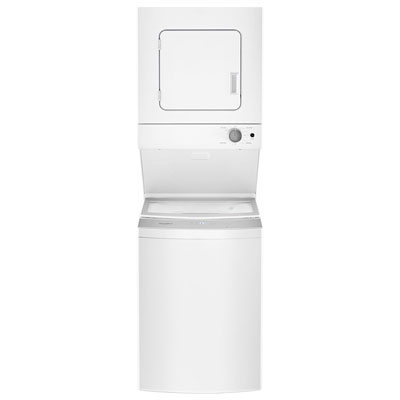
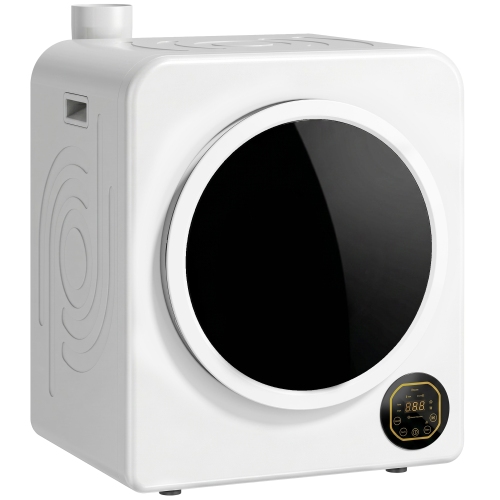
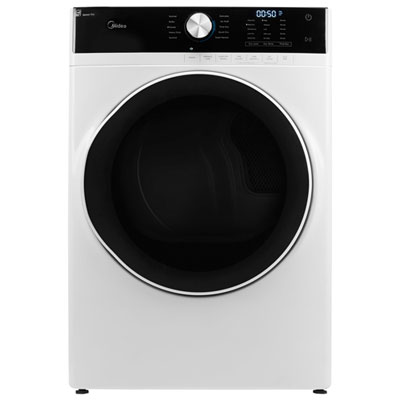
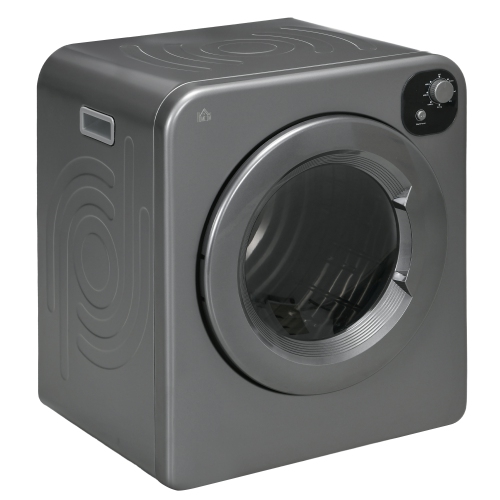
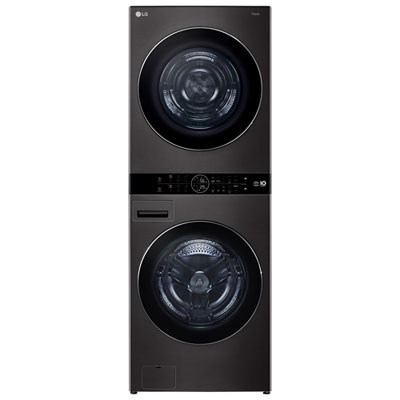
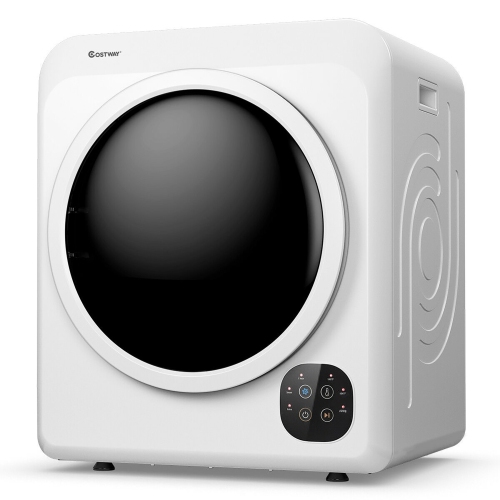
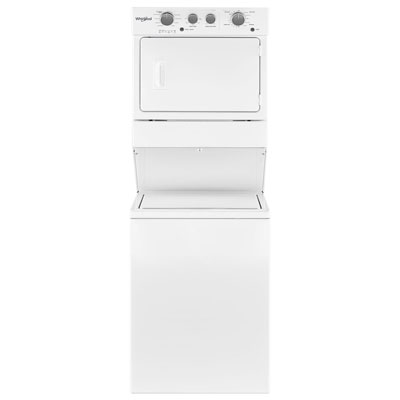
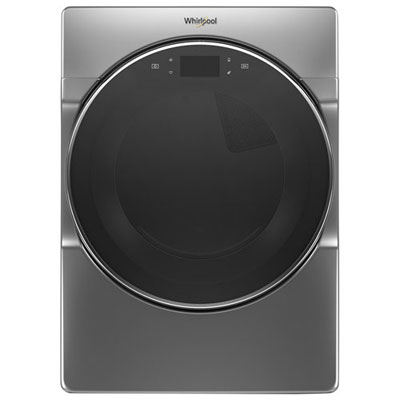
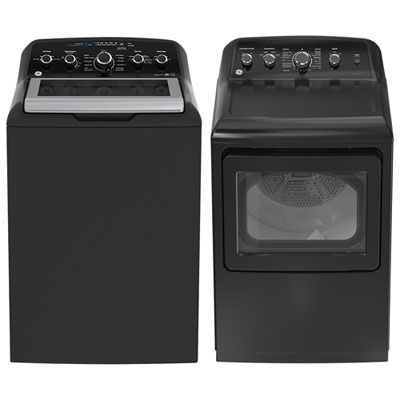
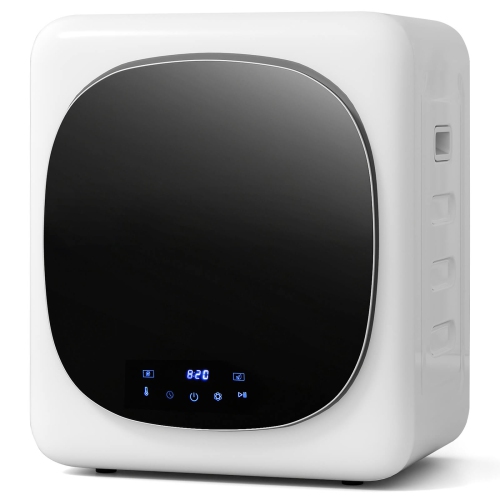
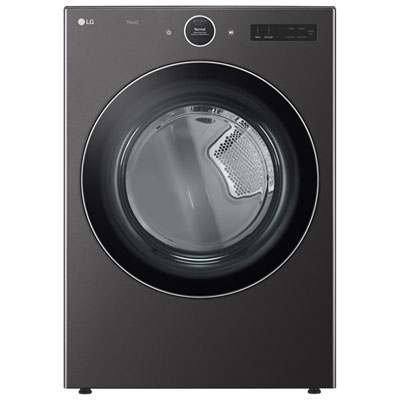
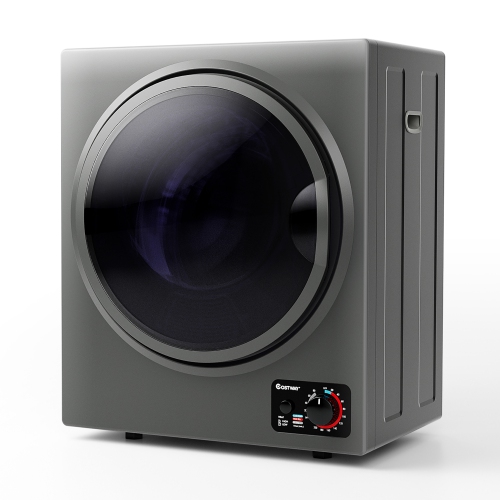
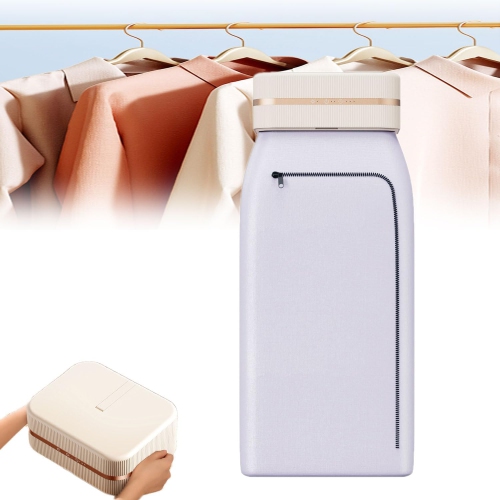
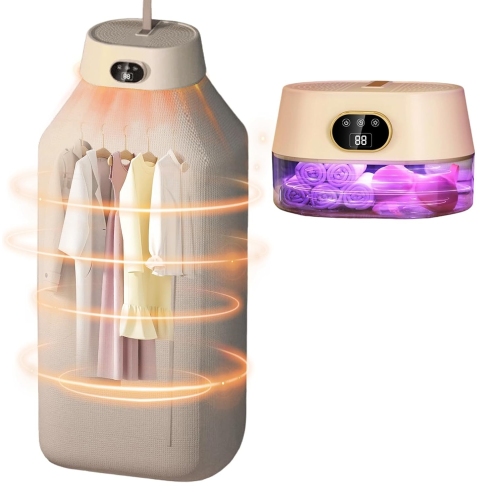
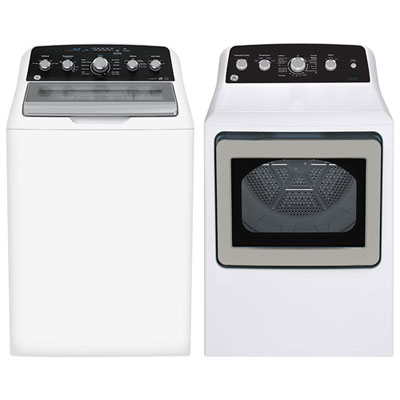
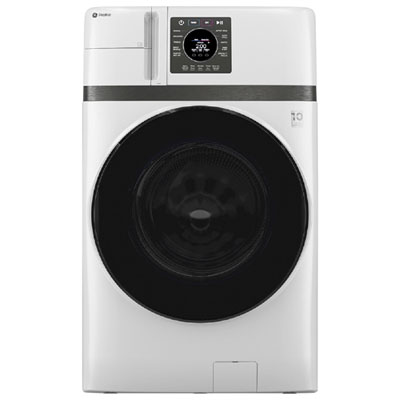

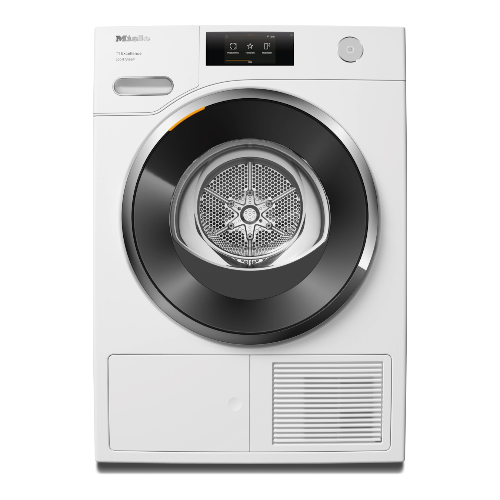
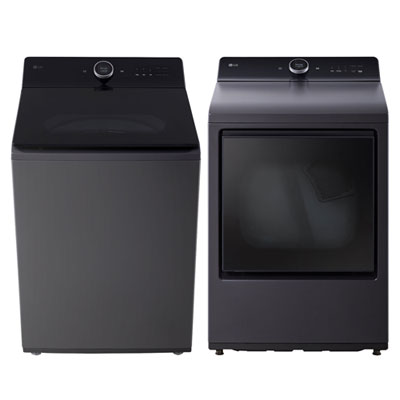
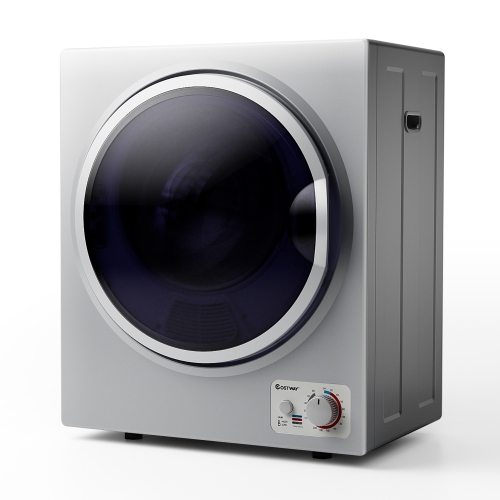
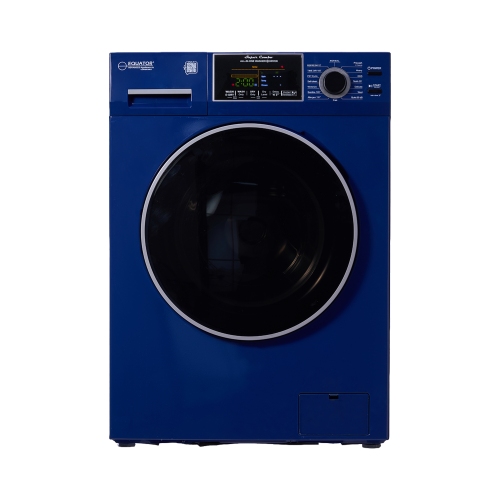
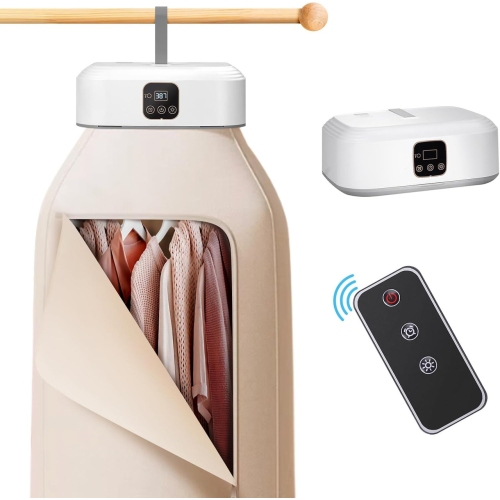
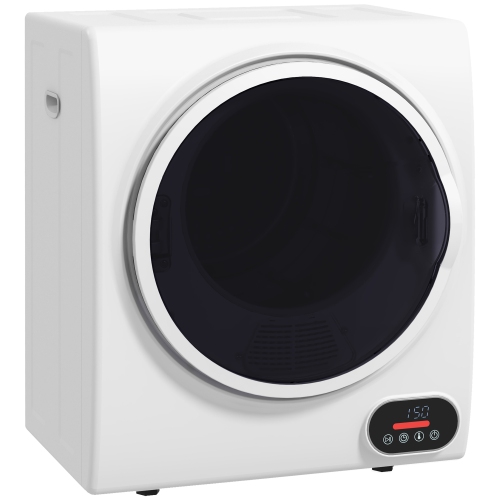
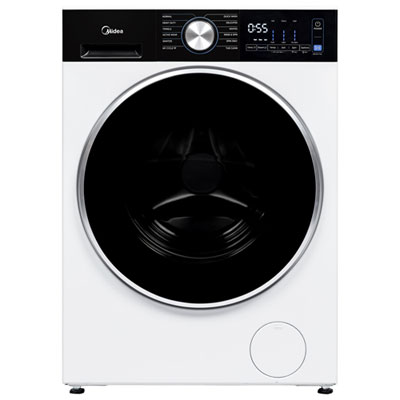
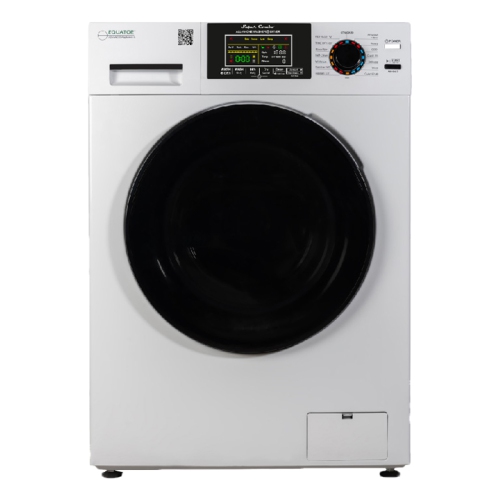
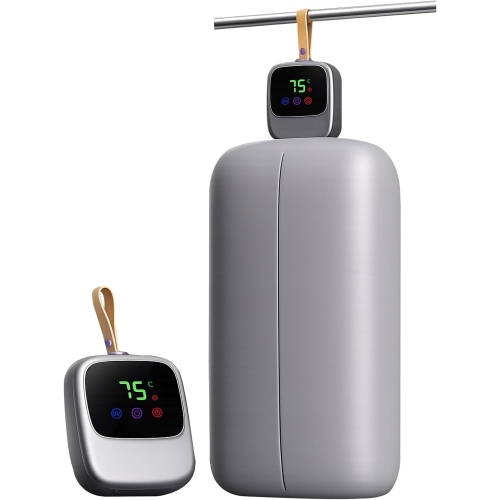
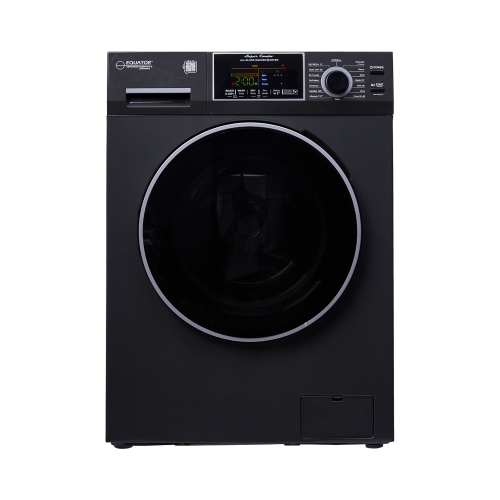
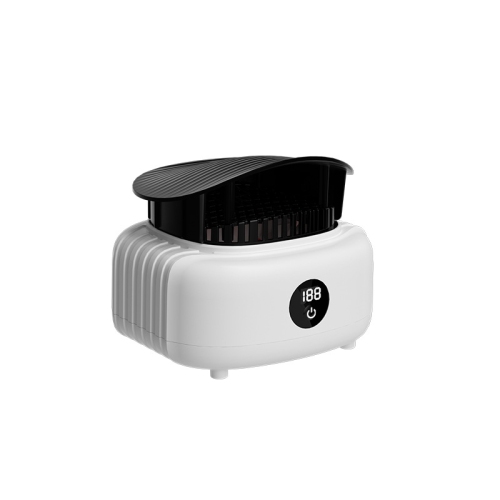
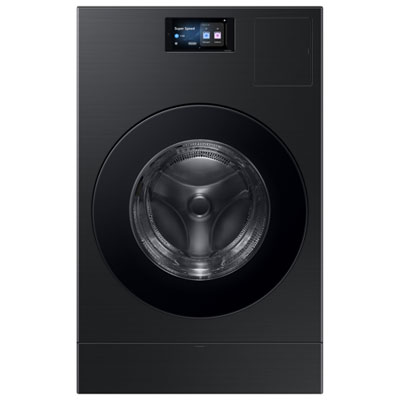
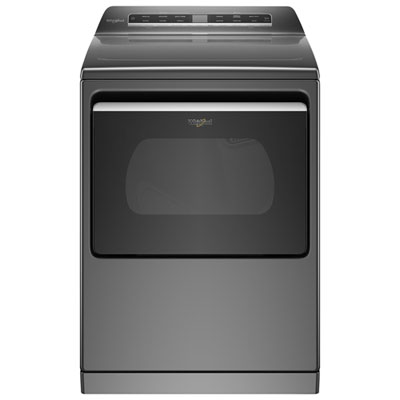
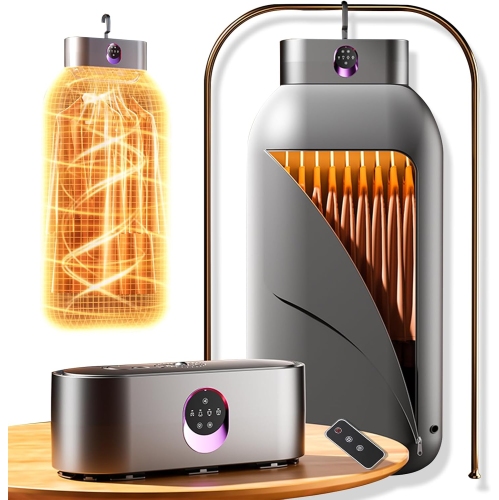
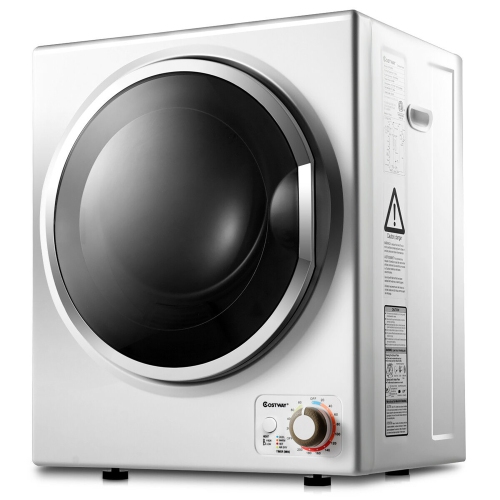
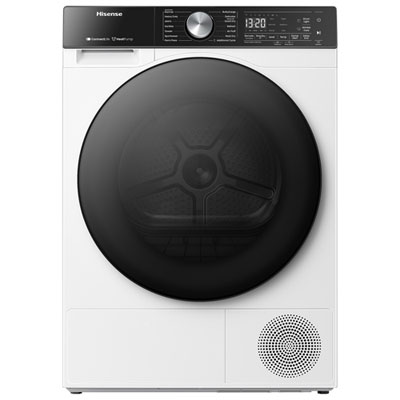
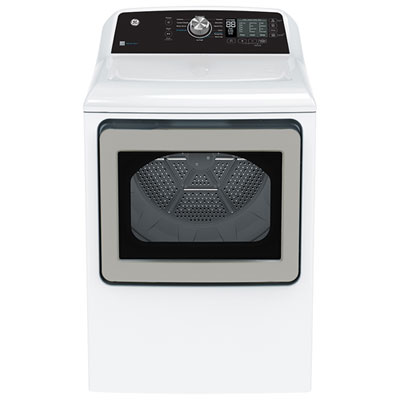
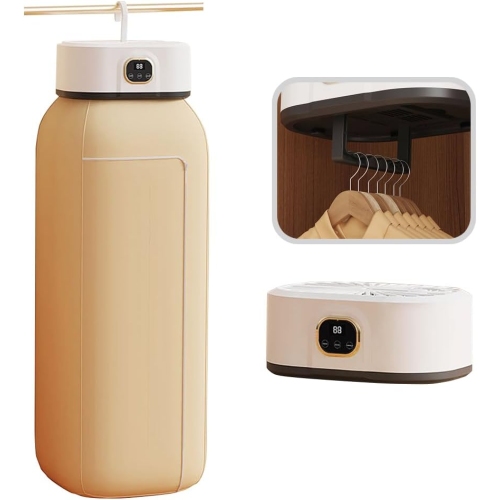
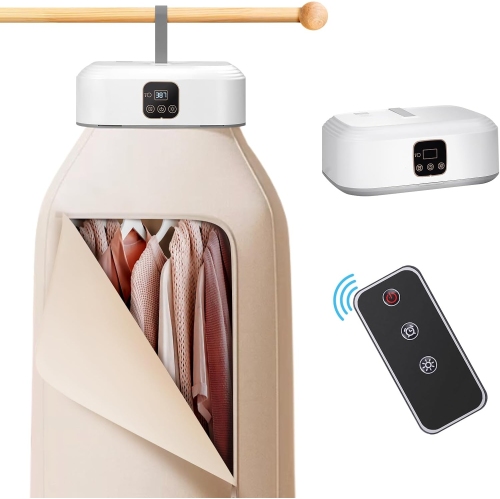
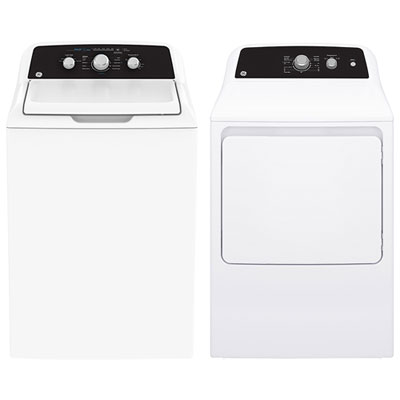
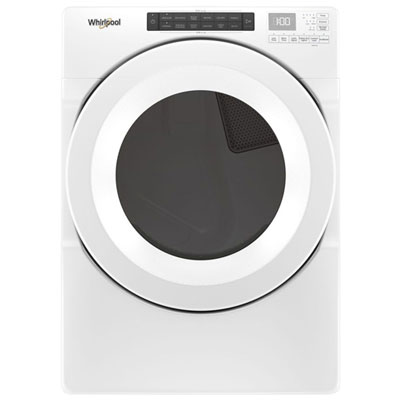
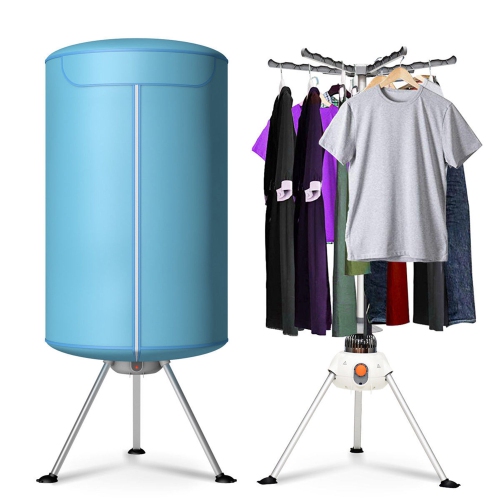
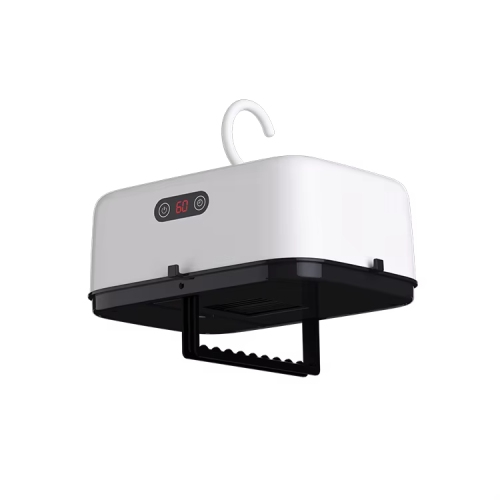
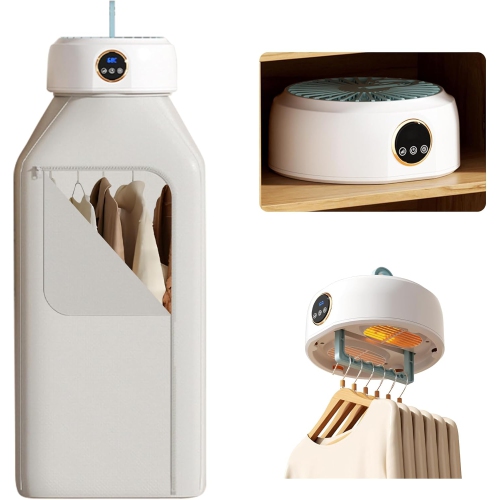
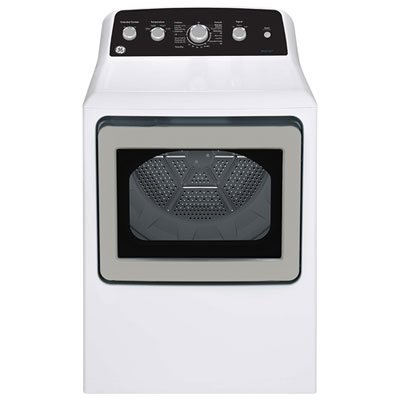
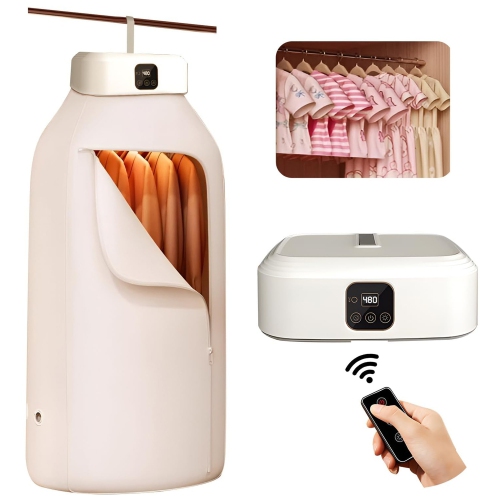
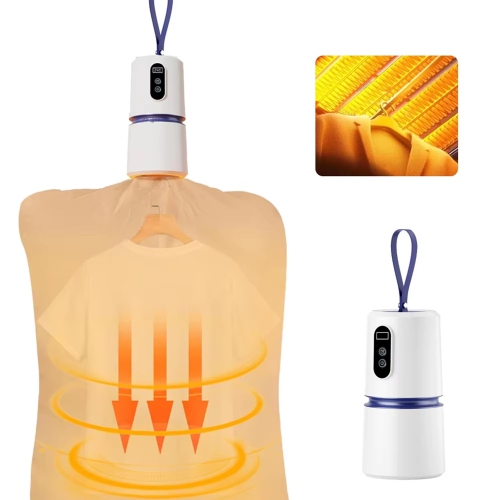
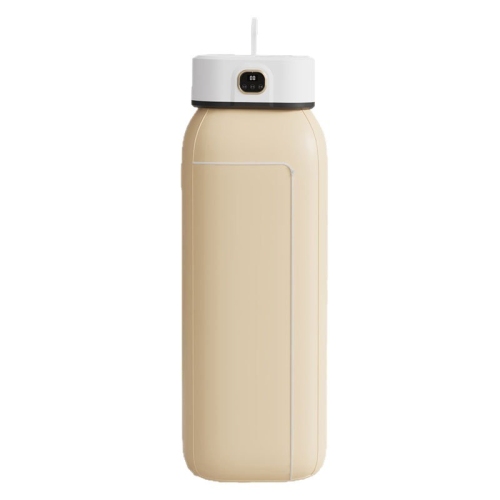
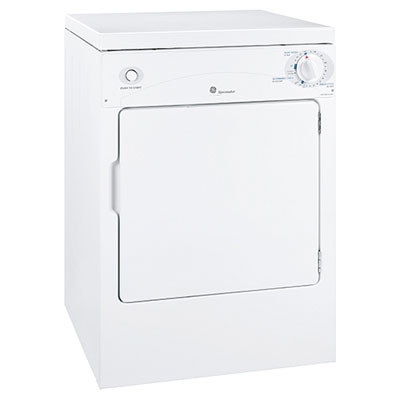
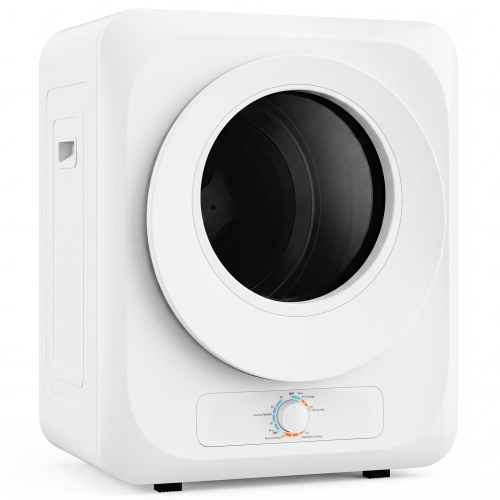
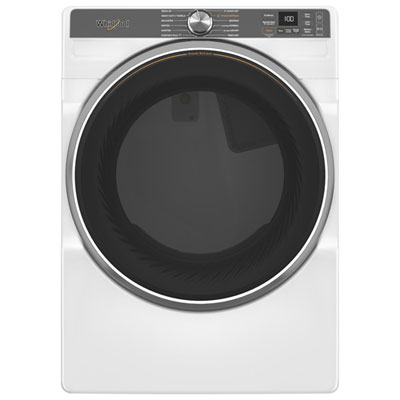
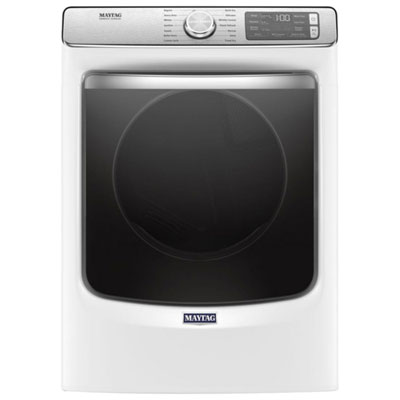
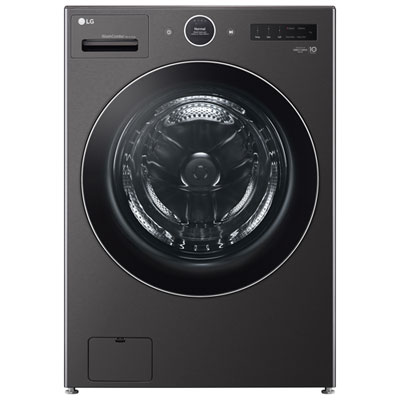
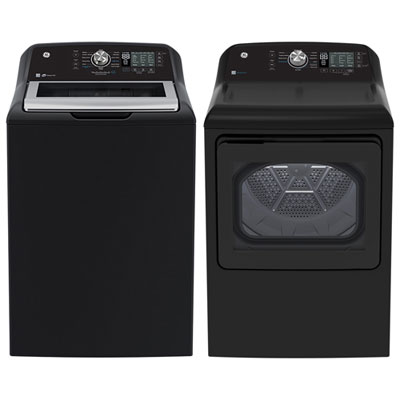
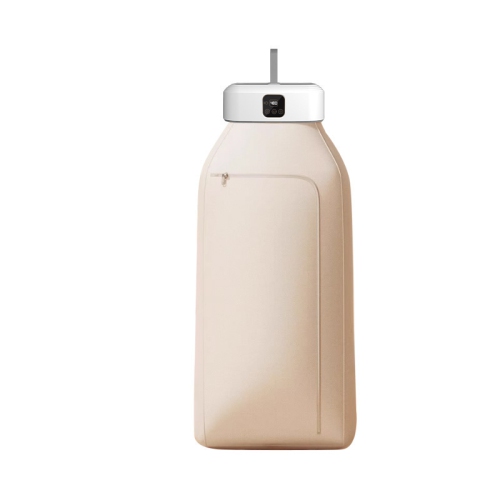
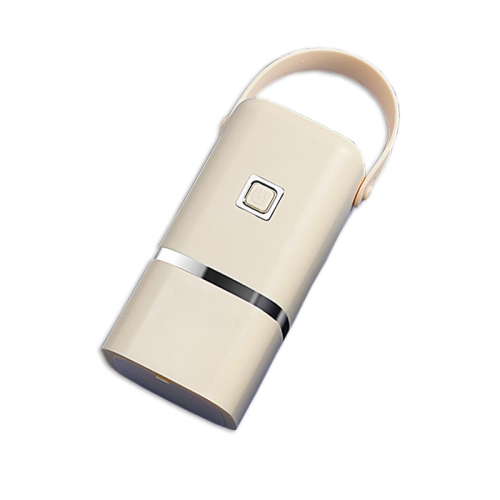
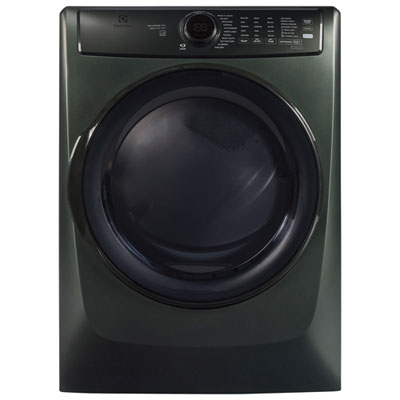
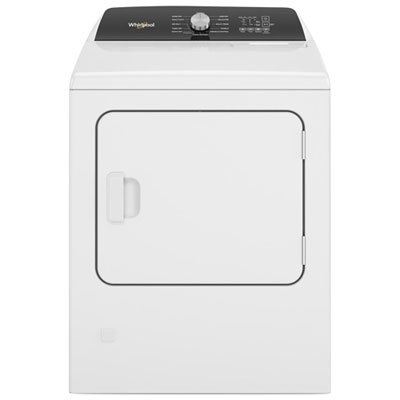
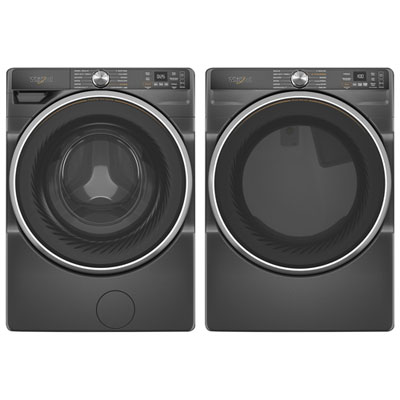

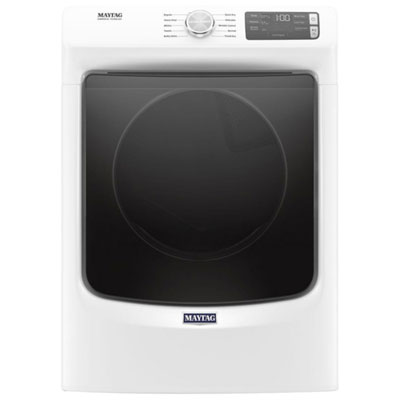
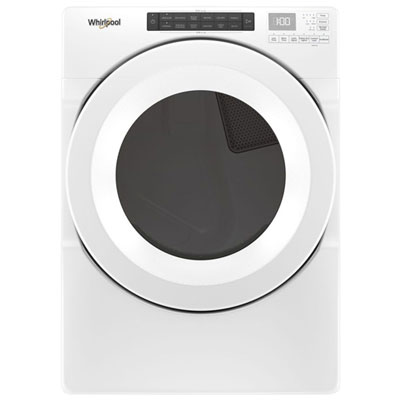
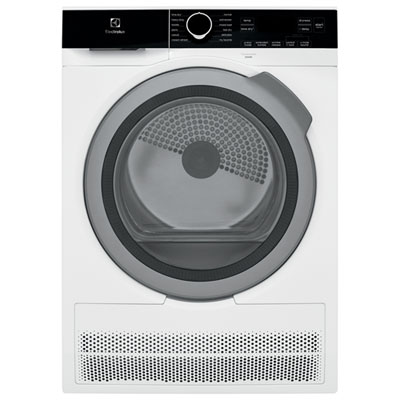
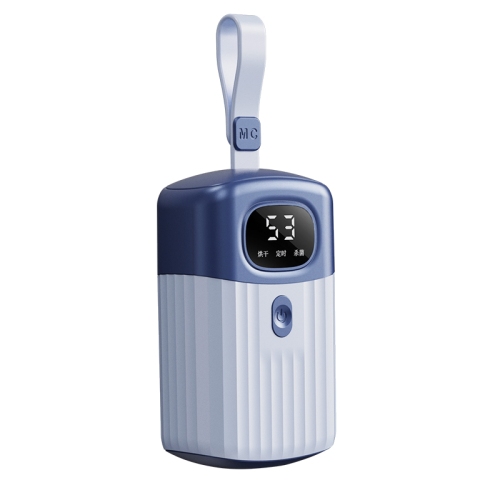
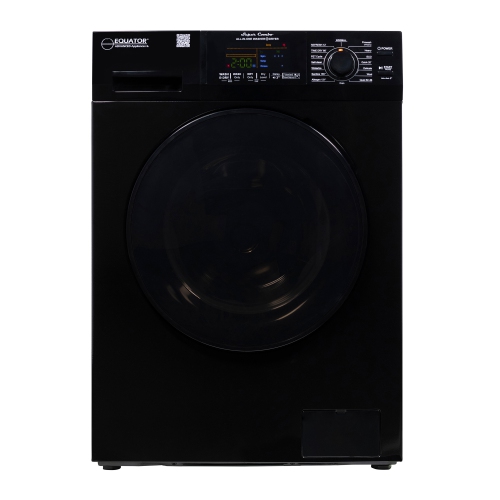
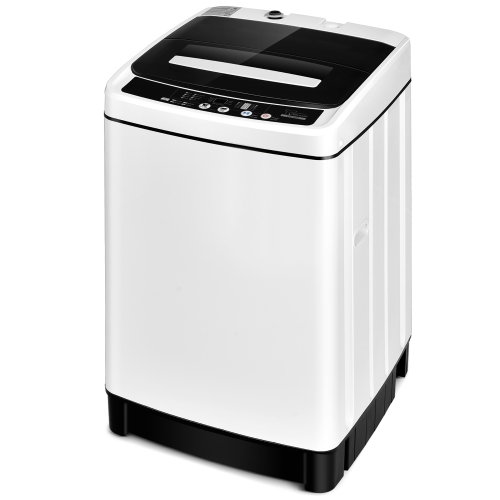
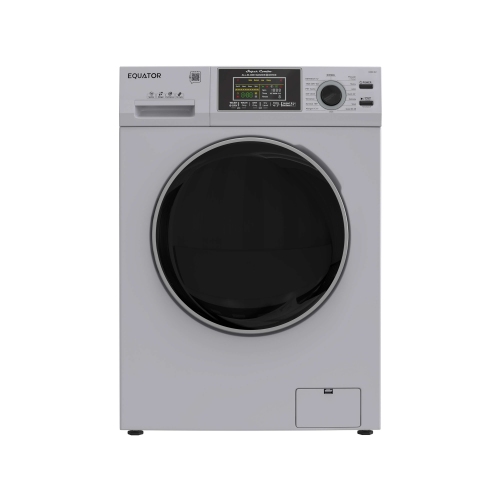
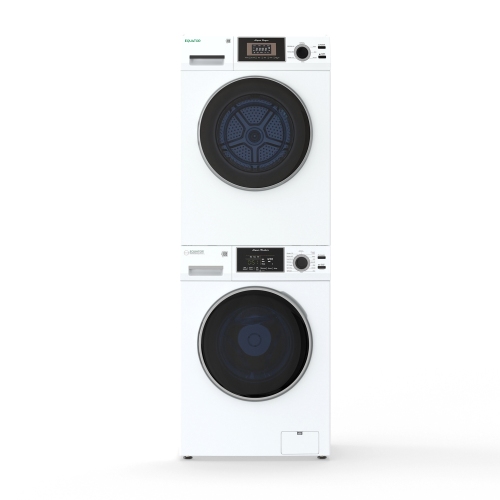
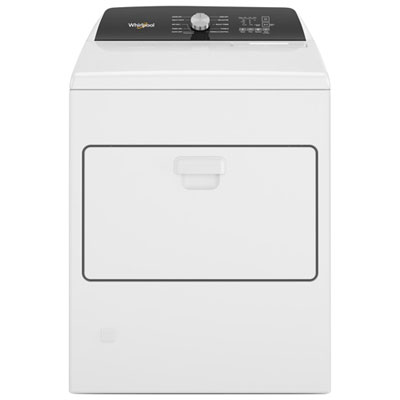
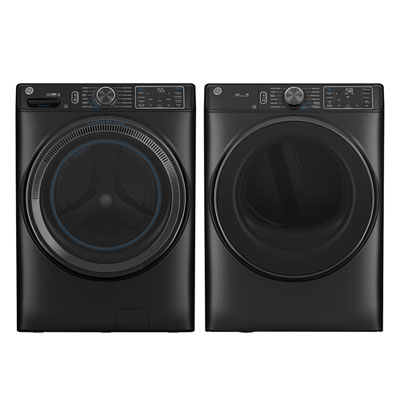
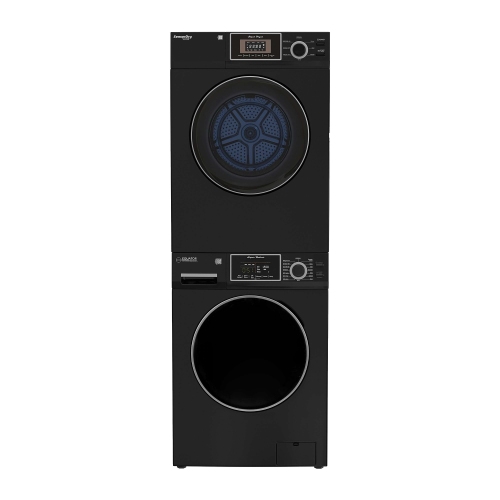
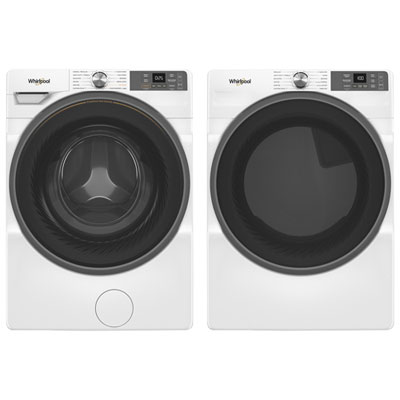
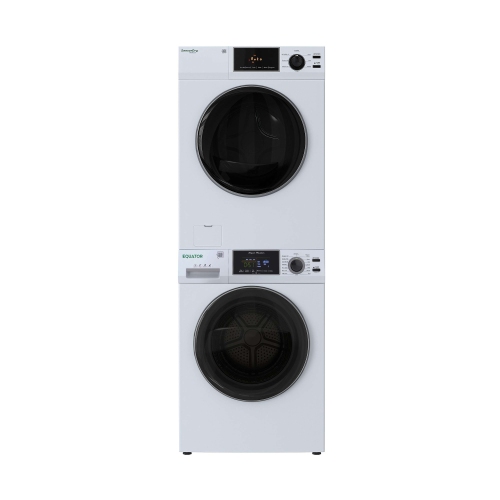
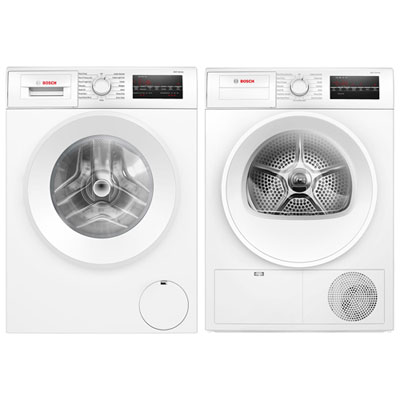
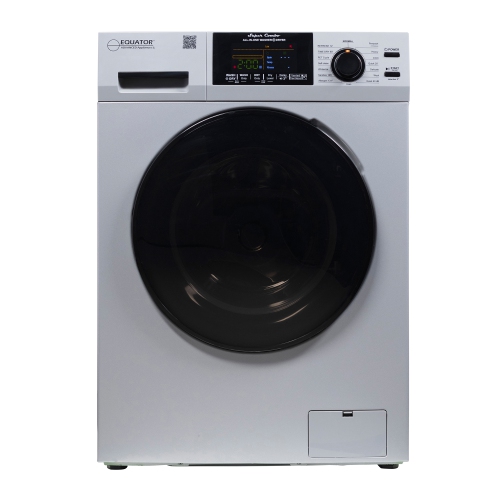
Drying cycles that adjust as your laundry dries
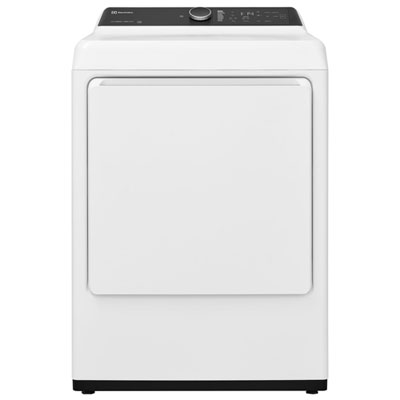
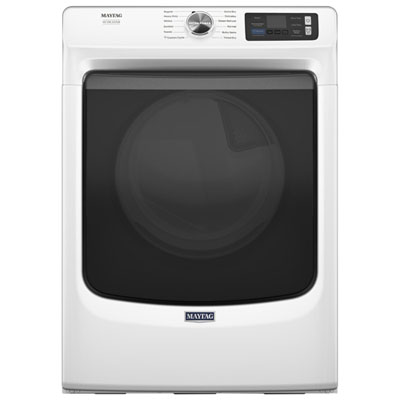
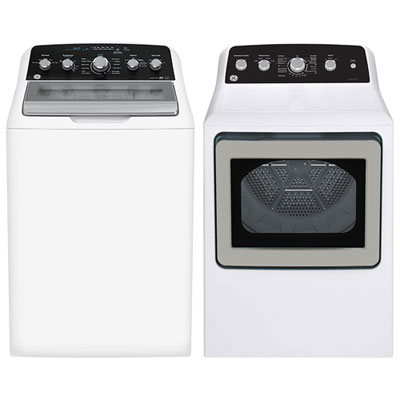
Automatic clothes dryers adjust cycle length according to how a load is drying, rather than running only for a fixed number of minutes. Many use metal moisture-sensor strips inside the drum to detect dampness as clothing tumbles against them. Others use temperature-based controls to estimate drying progress. When the selected dryness level is reached, the heated portion of the cycle ends, often followed by a cool-down period. This helps limit unnecessary drying, which can contribute to shrinkage, fabric wear, and stubborn creases. Automatic drying is useful for everyday loads whose drying times vary: a basket of cotton T-shirts behaves differently from a load of thick bath towels, even when both occupy a similar amount of drum space. Depending on the appliance, selectable dryness levels may leave clothing slightly damp for ironing or bring suitable fabrics to a cupboard-ready finish. These settings work alongside fabric-specific cycles and heat selections, not in place of garment care labels. A delicate blouse may need low heat or air drying, while sturdy cotton bedding may tolerate a different setting. Separating heavier fabrics from lightweight pieces gives sensors a more consistent load to assess and helps prevent a thin top from tumbling long after it is dry while a heavy waistband remains damp. Leaving room for clothing to lift and fall also matters; a tightly packed drum restricts movement and can leave sheets twisted around smaller garments. For families handling frequent laundry, people washing work uniforms, or households sharing one laundry space, automatic cycles can reduce the need to keep checking a load. Results still depend on load size, fabric mix, washer spin performance, and correct settings. Very small loads may not make reliable contact with moisture sensors, so a timed option can remain useful when permitted by the appliance instructions. Automatic controls add convenience, but they do not make every fabric suitable for tumble drying.
The right fit involves both laundry capacity and the physical space around the dryer. Full-size drums can accommodate larger everyday loads, while compact formats suit some condos, apartments, and smaller laundry areas. Capacity should complement the washer and the kinds of textiles being washed, with enough room for items to tumble freely. A drum that handles a basket of clothing comfortably may not be suitable for a bulky duvet, so bedding care labels and the appliance’s stated limits remain important. Measure the installation area, doorways, stairways, and delivery route, then account for hoses, cords, ducting, required clearances, and the space needed to open the door fully. A reversible door, where offered, can make transferring wet laundry easier when the washer and dryer sit side by side. Stacking can free up floor space, but only compatible appliances should be stacked with the specified kit. Installation requirements also differ between dryer types. Conventional vented dryers discharge moist air outdoors through suitable ducting, while ventless condensing and heat-pump dryers collect or drain moisture without an outdoor exhaust connection. Ventless designs can offer more placement flexibility, although they still have clearance, drainage, electrical, and room requirements. Heat-pump cycles may take longer than conventional vented cycles, depending on the load and settings. Electric and gas dryers need the correct utility connections; a gas dryer also requires an electrical connection and appropriate exhaust arrangements. Properly qualified installation is especially important for gas connections and any electrical changes. Drum construction deserves attention, too. Stainless steel provides a durable, corrosion-resistant surface, while other drum finishes should remain smooth and intact to avoid snagging fabrics. Accessible filters, sturdy door hinges, and clearly marked controls contribute to practical day-to-day use. For a laundry area beside a bedroom or living room, operating sound and vibration may matter as much as the dryer’s dimensions, particularly when loads run while someone is working or resting nearby.
Beyond automatic dryness control, useful features depend on what regularly goes into the laundry basket. A wrinkle-reduction option may tumble clothing intermittently after a cycle, helping keep shirts and trousers from sitting compressed in one place when they cannot be unloaded promptly. Steam settings, where included, may help refresh suitable garments or relax wrinkles, but they do not replace washing when clothing is dirty, and not every fabric can be treated with steam. A drum light makes a dark sock easier to spot, while an end-of-cycle signal can help prevent forgotten loads. Connected features may provide cycle notifications or status checks through Wi-Fi, subject to the appliance’s capabilities and setup requirements. Some households value these extras; others prefer a clearly labelled dial and a few dependable settings. A preference for straightforward controls may also make Basic Clothes Dryers relevant, particularly when routine laundry matters more than a wide range of specialty cycles. Whatever the control layout, regular care supports consistent drying performance. Clean the lint screen at the intervals specified in the owner’s manual, commonly before or after each load, and keep the surrounding area clear. For vented dryers, an unobstructed exhaust path is essential: crushed ducting and lint buildup can restrict airflow, extend drying times, and create a fire hazard. Ventless dryers have their own maintenance needs, which may include emptying a water container and cleaning additional filters or heat-exchanger components according to the instructions. Residue on moisture sensors can affect readings, so clean them only with the method specified by the manufacturer. Check pockets, fasten hooks, and follow care labels to protect both garments and the drum. Removing clothing promptly, shaking out larger pieces before loading, and choosing a suitable dryness level can make folding and putting laundry away easier. These everyday habits help an automatic dryer deliver the convenience its controls are designed to provide, whether the usual load is school clothing, household linens, or a few carefully sorted work shirts.
Top selling and popular products
-
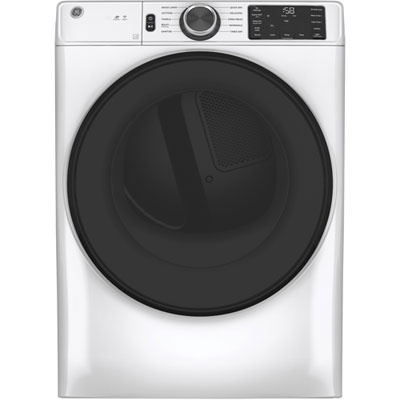 Your price for this item is $1199.99
-
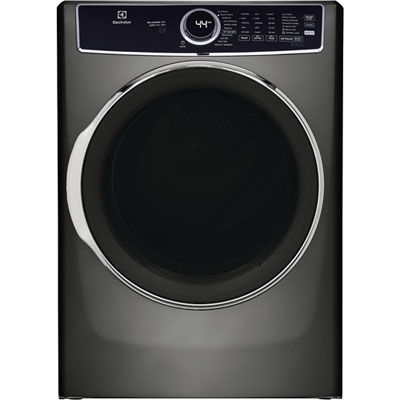 Your price for this item is $1192.99
-
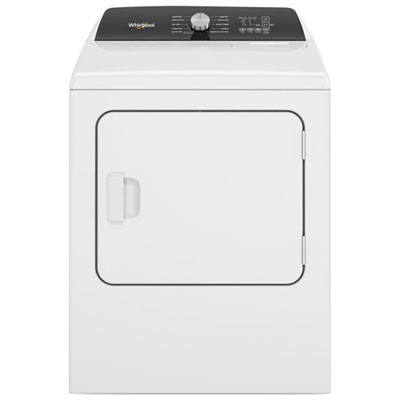 Your price for this item is $799.99
-
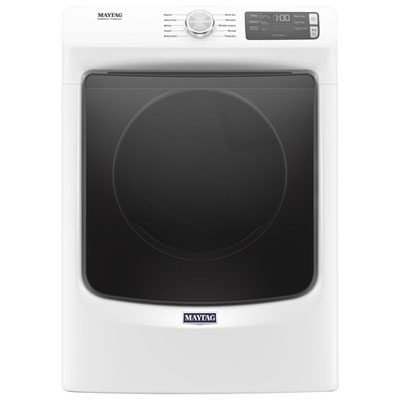 Your price for this item is $1099.99
-
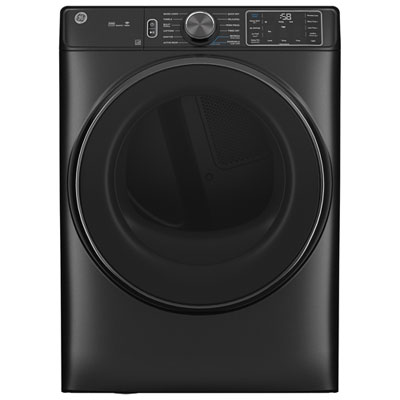 Your price for this item is $1449.99
-
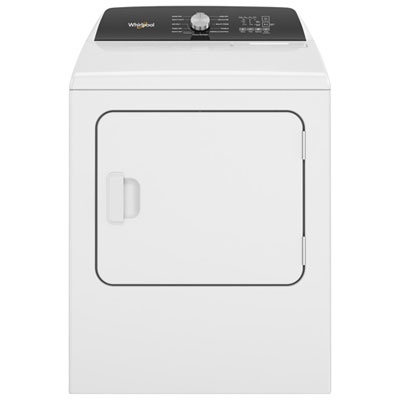 Your price for this item is $849.99
-
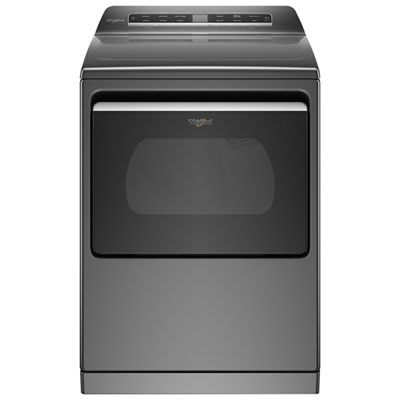 Your price for this item is $1149.97
-
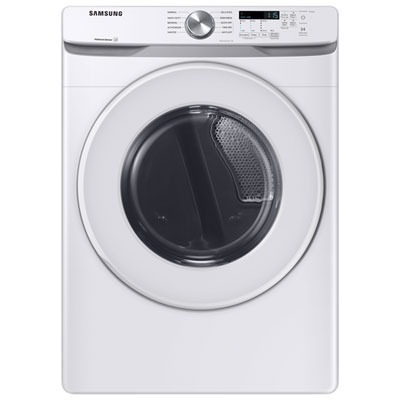 Your price for this item is $945.99
Discover more categories related to Automatic Clothes Dryers
Top Collections:
Best Black Friday Deals This Year, Best Black Friday Deals On Electronics, Kindle Devices, Pokemon Centers, Best Black Friday Deals On Apple Products, Best Cameras for Sports Photography, Dyson Airwrap, Pokémon 30th Celebration Cards, Apple iPhone 17 Pro, Canon G7X Cameras
Some products may be subject to Environmental Handling Fees
(EHF) depending on your province.
Learn more about EHFs.