LEGO Duplo
Spark creativity and inspire hours of hands-on play with lego duplo. Designed for little builders, these colorful building sets offer endless opportunities for imaginative construction and interactive fun. Whether you’re searching for the perfect gift or looking to expand your child’s collection, lego duplo provides a fantastic way to encourage learning through play. Discover a wide selection to suit every interest and age, making it easy to find the ideal set for your family’s next adventure.
Sort
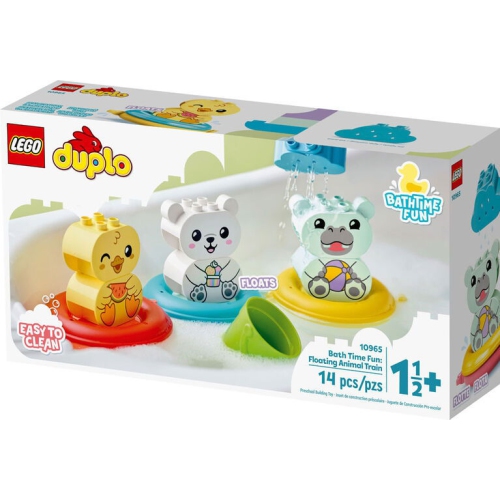

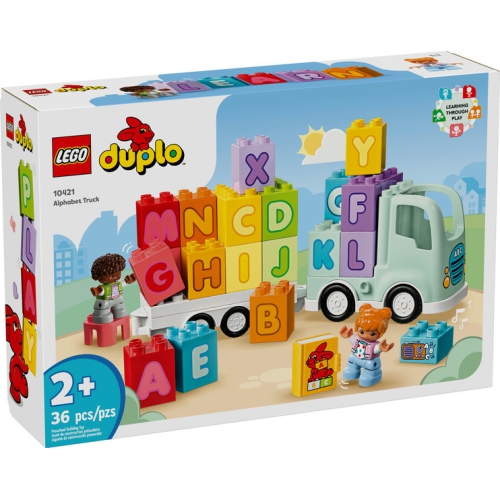
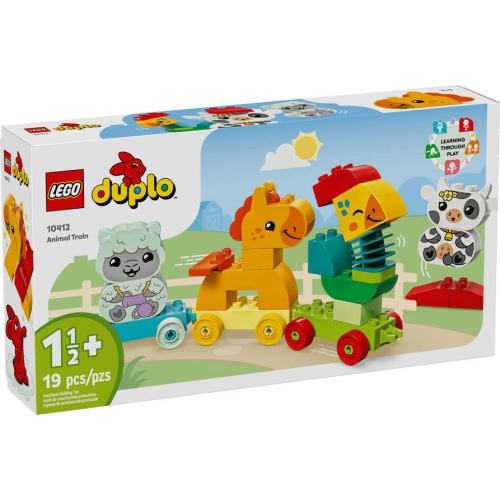

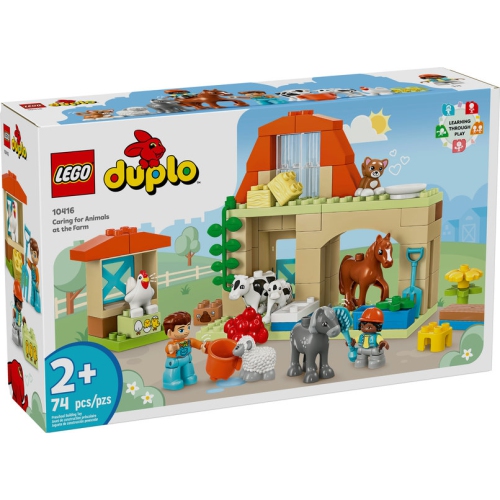
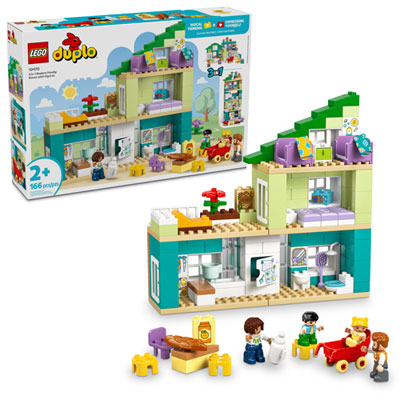
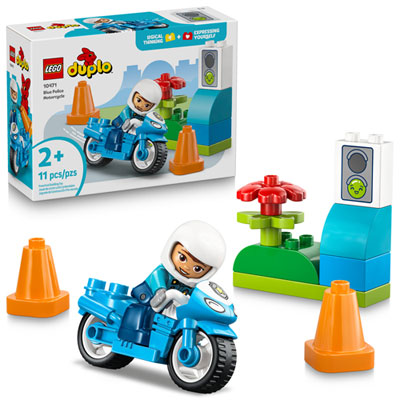
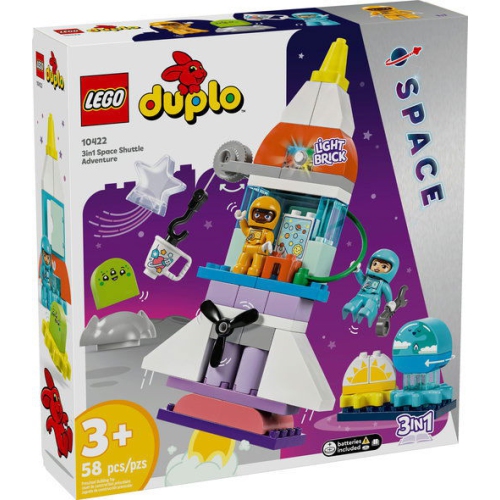

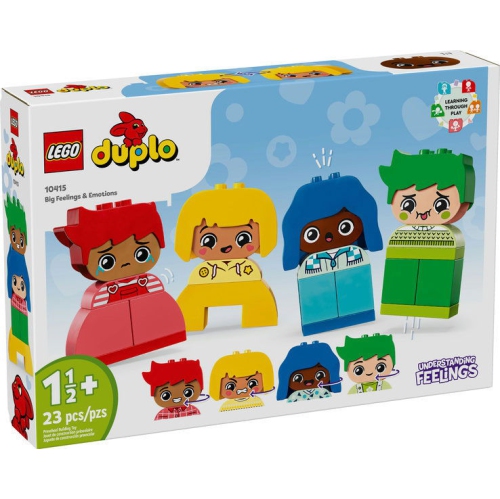


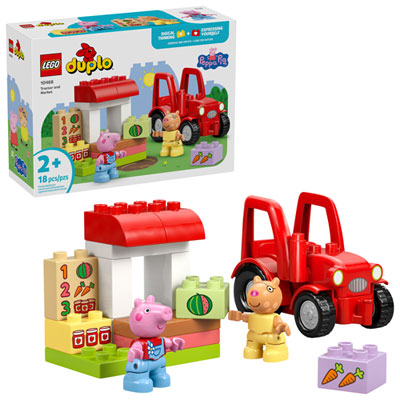
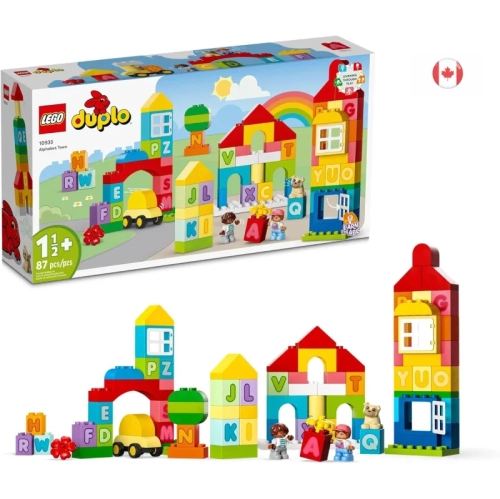
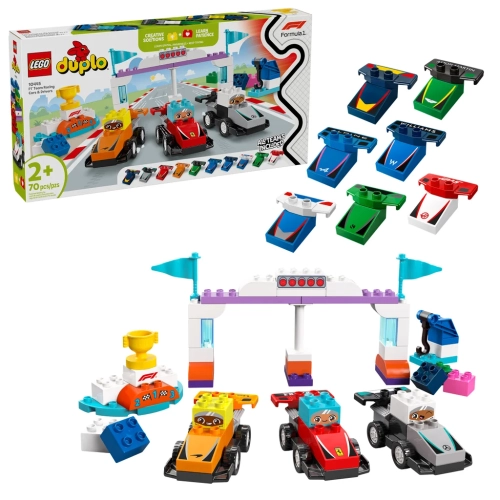
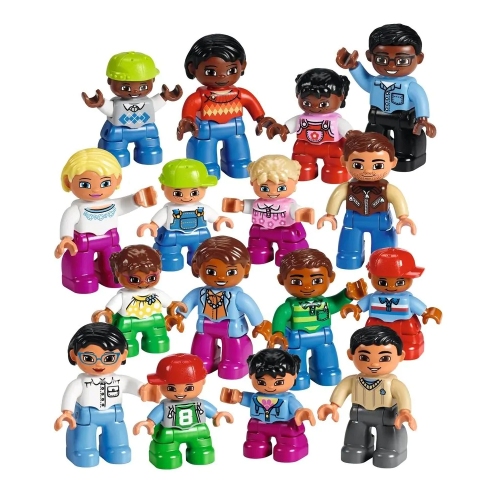
Big bricks give little hands room for big ideas
Large, easy-to-grip building bricks give toddlers and preschoolers a satisfying introduction to construction play, with plenty of room for their ideas to grow. A few colourful pieces can turn into a tall tower, a little house, or a vehicle with a very important delivery to make. For young children, that freedom is often the appeal: there is no need for a finished model to look exactly like the picture before the fun begins. Oversized interlocking pieces are designed for small hands that are still learning how to line up edges, push pieces together, and pull them apart. Those simple actions offer practice with hand-eye coordination and fine motor skills, while stacking and balancing introduce early ideas about shape, size, and stability. A tower that tips over is part of the play, not a failed project. Children can try a wider base, use fewer pieces, or decide that the fallen bricks are now a road. Sets with familiar settings, animals, or everyday activities add another layer, giving children something to talk about as they build. A doorway invites a character inside; a feeding area gives an animal a place to stop; a wheeled base sets a story in motion. For a child who is beginning to use more words, these small scenes can prompt naming, describing, and back-and-forth conversation with a parent or caregiver. For a more confident storyteller, the same pieces might support an elaborate adventure that stretches across the living room rug. During the cooler months, this kind of open-ended indoor play fits easily into a quiet afternoon or a short stretch between daily routines. It can be just as engaging with an adult sitting nearby as it is with two children taking turns adding pieces, provided the toys are suitable for the youngest child sharing the space.
Choosing a building set starts with the child’s age and stage, rather than the biggest box or the most elaborate scene. Check the manufacturer’s age recommendation, piece dimensions, and any safety warnings, especially when buying for a toddler who still explores objects with their mouth. Large bricks and smaller construction pieces are not interchangeable from a safety perspective, and sets intended for older children should stay out of reach of younger siblings. Within an appropriate age range, think about how the child likes to play. Some are happiest stacking, sorting, and knocking down, making a flexible assortment of basic shapes a useful choice. Others gravitate towards characters, moving parts, animals, or pretend routines, and may spend more time with a set that gives their stories a starting point. Piece count is worth noting, but it does not tell the whole story. A modest selection with varied shapes and a wheeled element can offer very different play possibilities from a larger box of similar bricks. Look at what is included, how much adult help the suggested builds may need, and whether the pieces can be rearranged beyond the pictured scene. Clear, simple building steps can help children practise following a sequence, while loose bricks leave more decisions in their hands. If you are adding to toys already at home, verify compatibility in the product details rather than assuming that all oversized bricks connect in the same way. Consider the practical side, too: the floor or table space available, where half-finished builds can sit, and how the pieces will be stored between play sessions. A low, accessible container makes it easier for children to choose their own bricks and take part in tidying up. For cleaning, follow the care instructions for the particular set, paying special attention to any decorated, mechanical, or electronic components that may need different handling.
These building toys can make thoughtful gifts for birthdays, family celebrations, or a child’s first collection of construction toys because they suit many different interests without requiring a screen. The most useful choice is often one that connects with something the child already notices: creatures in a picture book, wheels turning on a walk, or the familiar business of preparing food and putting toys to bed. If prehistoric animals are a favourite, the Dinosaur Lego selection offers another place to browse, with age ratings and piece sizes worth checking carefully for each set. When buying a gift, asking a caregiver what the child already owns can help you choose between a fresh play theme and extra pieces that extend an existing collection. Duplicated basic bricks are not necessarily a drawback; more building material can mean a longer wall, a taller house, or enough pieces for a sibling to build alongside. For grandparents or other relatives keeping toys for visits, a manageable assortment that packs away neatly may be more practical than a sprawling setup. At home, the way the toys are introduced can matter as much as the contents of the box. Spread out a small selection on a clear surface and leave space for the child to decide what happens next. An adult might start with two bricks joined together, then let the child add a roof, a tail, or something with no name at all. Naming colours while sorting, counting pieces as they stack, and describing positions such as “under” and “beside” can bring gentle learning into the conversation without turning playtime into a lesson. There is also value in leaving a creation intact for later: yesterday’s little shelter might gain a garden, a bridge, or a garage after breakfast. With an age-appropriate selection and room to experiment, simple building pieces can remain part of everyday play as children move from their first wobbly stacks to scenes filled with characters, movement, and stories of their own.
Top selling and popular products
-
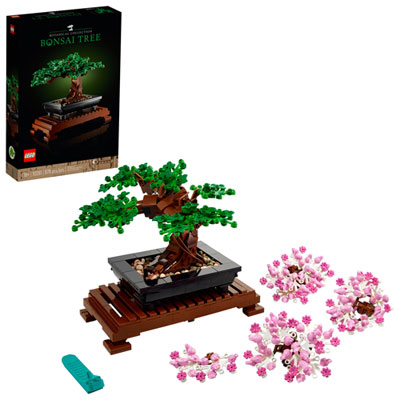 Your price for this item is $69.99
-
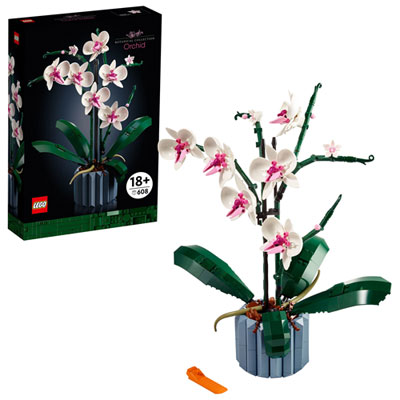 Your price for this item is $69.99
-
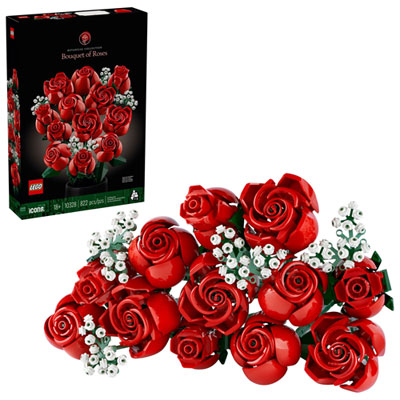 Your price for this item is $79.99
-
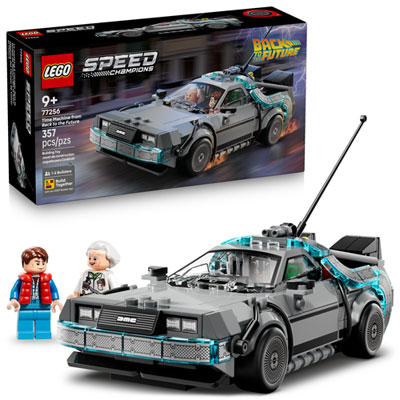 Your price for this item is $34.99
-
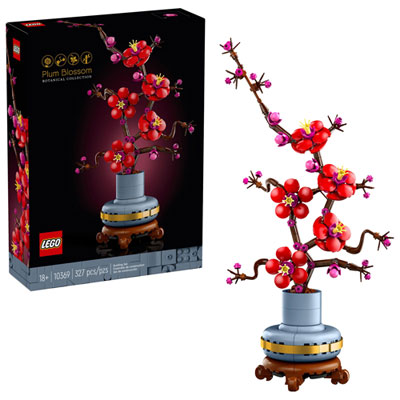 Your price for this item is $39.99
-
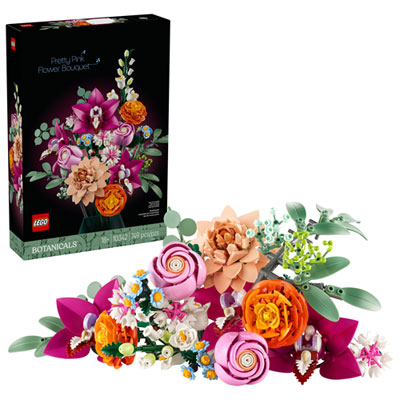 Your price for this item is $79.99
-
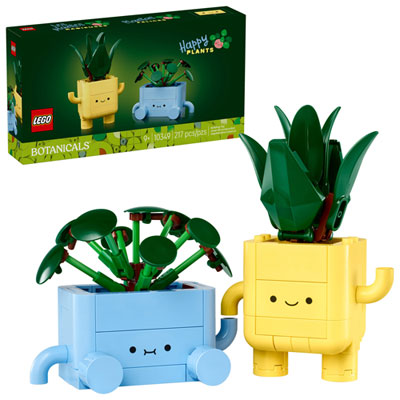 Your price for this item is $24.99
-
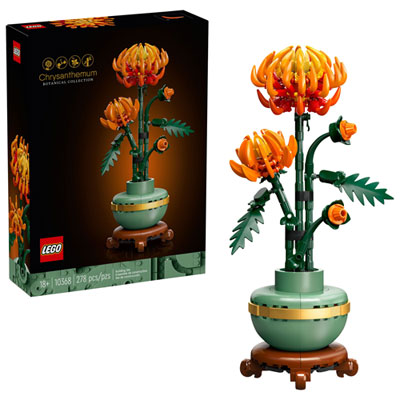 Your price for this item is $39.99
Discover more categories related to LEGO Duplo

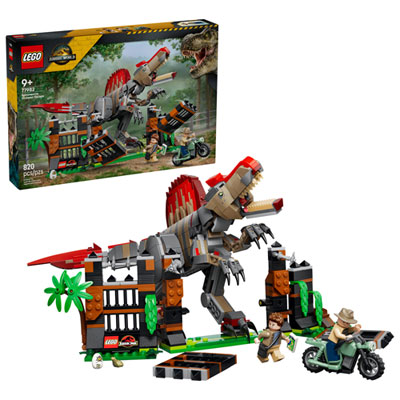

Top Collections:
Pokemon Centers, Best Cameras for Sports Photography, Kindle Devices, Samsung Galaxy Phones, Canon G7X Cameras, Pokémon 30th Celebration Cards, Refurbished Apple Laptops, iPhone 15 Apple, Laptops for Students, Budget Smartphones
Some products may be subject to Environmental Handling Fees
(EHF) depending on your province.
Learn more about EHFs.