Low Wattage LED Bulbs
Low wattage LED bulbs help you light your space with less electricity, but wattage alone doesn’t tell you how bright a bulb will be. Compare lumens for brightness, colour temperature for warm or cool light, and base type for fixture fit. If you use a dimmer, check that the bulb is dimmable and compatible with your switch.







FAQ
Wattage indicates how much electrical power a bulb draws. On LED bulb packaging, the actual wattage is different from the incandescent-equivalent rating. For example, a bulb labelled as a 60-watt equivalent does not draw 60 watts; check the actual wattage listed in its specifications.
Common options include warm white, soft white, cool white and daylight. Colour temperature is measured in kelvins (K): lower values generally describe a warmer, more yellow appearance, while higher values describe a cooler, whiter appearance. Colour names can vary by brand, so compare the kelvin ratings when choosing bulbs.
No. Dimmability is a separate feature from wattage, so look for a bulb explicitly labelled as dimmable. If you use a wall dimmer, check the bulb and dimmer specifications for compatibility. Smart bulbs may offer dimming through an app rather than through a conventional wall dimmer.
Depending on the model, smart LED bulbs can include app controls, schedules, voice assistant integration, adjustable colour temperatures and colour selection. Connection options may include Wi-Fi, Bluetooth or a compatible smart home hub. Check which platform and connection method a bulb supports.
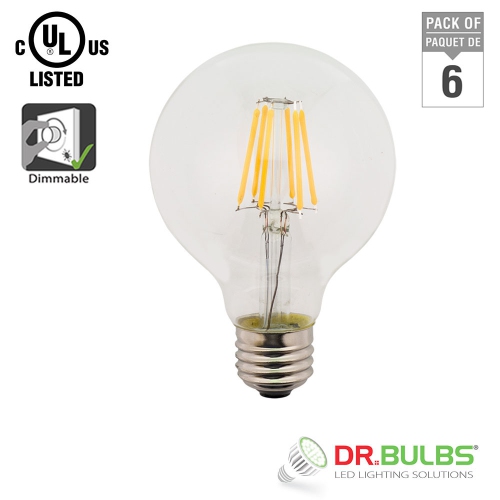
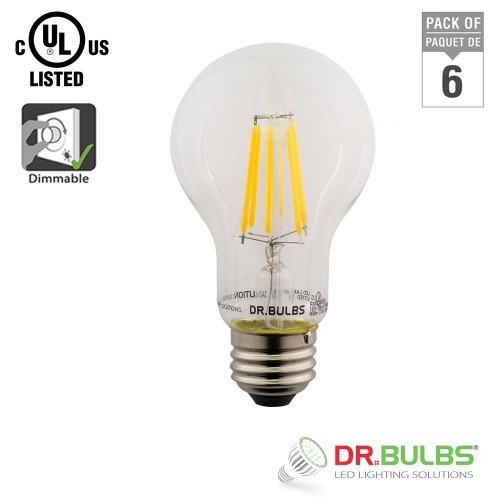
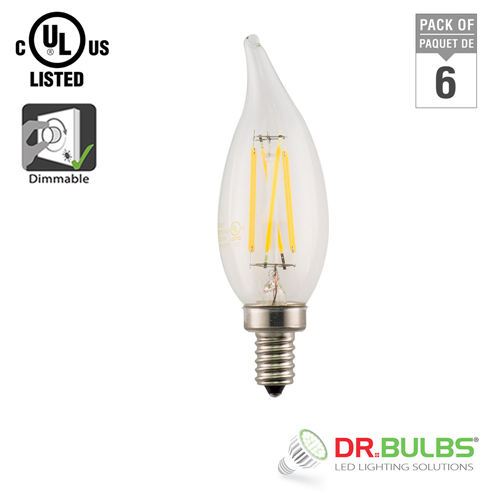
Filament-style LED bulbs feature visible LED strips arranged to resemble the filaments in traditional incandescent bulbs. They are often chosen for exposed-bulb fixtures and vintage-inspired lighting. Glass finishes may include clear, tinted or amber options, depending on the model.
Top selling and popular products
Discover more categories related to Low Wattage LED Bulbs


Some products may be subject to Environmental Handling Fees (EHF) depending on your province. Learn more about EHFs.